Author: Sutun Nayak

  • Annie Leibovitz Receives Lifetime Achievement Award, Set to Begin New Creative Chapter in India

    Annie Leibovitz Receives Lifetime Achievement Award, Set to Begin New Creative Chapter in India

    New Delhi [India], February 11: Unfolding across an exhibition, documentary film, and an expansive global cultural program, internationally renowned photographer Annie Leibovitz is entering a new creative chapter with Annie Leibovitz in India. This large-scale cultural collaboration, developed by film director and creative producer Wero Rodowicz, founder of Let’s Plant Stories together with Volte Art Projects, curator and producer Tushar Jiwarajka.

    Annie Leibovitz Receives Lifetime Achievement Award, Set to Begin New Creative Chapter in India -PNN

    A rare artistic exploration by Annie Leibovitz into the contemporary Indian cultural landscape, the project unites global creative forces across photography and visual storytelling. Alongside a documentary film showing the process comes to life, directed by Wero Rodowicz, which will offer an intimate look into the creative journey behind this rare artistic exploration and fascinating protagonists from India. Envisioned as a landmark cultural moment, the collaboration aims to produce an emotionally driven body of work that connects artistic legacy, modern identity, and cross-cultural dialogue.

    Annie Leibovitz in India is conceived as a long-term creative initiative with international visibility and institutional ambition, positioning India at the centre of a globally relevant artistic conversation.

    The collaboration coincides with Annie Leibovitz being honored with a Lifetime Achievement Award at the NDTV Masterstroke Art Awards, a newly established national platform created to recognize and celebrate outstanding artists, cultural institutions, and visionary leaders shaping India’s creative landscape. Conceived as a new annual landmark in the Indian arts calendar, the Masterstroke Art Awards aim to elevate Indian artistic excellence while strengthening global cultural exchange and international visibility. Chaired by renowned patron of the arts and founder of the Kiran Nadar Museum of Art, Kiran Nadar, the inaugural edition taking place in February 2026 marks a defining cultural moment, positioning India’s creative achievements at the center of the global art conversation and underscoring the significance of Annie Leibovitz’s future engagement with the country at this historic moment.

    If you object to the content of this press release, please notify us at pr.error.rectification@gmail.com. We will respond and rectify the situation within 24 hours.

  • They Had Islands. He Had a Street Light.

    They Had Islands. He Had a Street Light.

    The men in the Epstein files had every resource on Earth. They built AI that exploits. A man from the slums had nothing. He built AI that serves. That’s not coincidence. That’s causation.

    New Delhi [India], February 10: Shekhar Natarajan, Founder and CEO of Orchestro.AI, explains how he rose from rags to riches in this inspirational piece.

    THE INVENTORY OF PRIVILEGE

    Let’s take inventory of what the men in the Epstein files had.

    Collectively, the tech figures documented across 3.5 million pages of DOJ files controlled more wealth than most nations. They had private islands, private jets, private chefs, private security, and private access to every institution on Earth. They had Ivy League educations, tenured professorships, endowed chairs, and research labs with budgets larger than some countries’ GDP. They had teams of lawyers, fleets of lobbyists, and direct lines to heads of state. They attended dinners where the guest list read like the Forbes billionaire index. They had Edge Foundation galas at TED. They had Palo Alto supper clubs. They had everything.

    And with all of that, they could not build AI that gives a damn about the people it affects.

    Instead they built AI that surveils without consent, amplifies disinformation for engagement, entrenches racial bias in hiring algorithms, manipulates children’s attention for ad revenue, extracts personal data as a business model, and when caught, issues a press release about “responsible innovation.” They discussed eugenics over email with a sex trafficker. They attended post-conviction dinners and called it networking. They built the most consequential technology in human history with the moral depth of a spreadsheet.

    They had islands. They had billions. They had everything except the one thing that matters.

    They had no virtue. And it shows in every algorithm they ship.

    THE INVENTORY OF NOTHING

    Now take inventory of what Shekhar Natarajan had.

    One room. Eight people. No electricity. No running water. No connections. No safety net. A father earning $1.75 a month on a bicycle. A brother with untreated bipolar disorder. A school system that said no. A street light.

    His mother had nothing except the refusal to accept the word no. She stood outside a headmaster’s office for 365 days. When they finally let her son in, she had nothing left to pay the fees except a silver wedding toe ring. Thirty rupees. She gave it without hesitation.

    “That ring was the first piece of code in my life. It taught me that the most valuable thing you can move is hope.” — Natarajan

    The boy studied under the street light. He arrived in America with fifty dollars. He slept in his car. He worked five jobs. He faced deportation. He mailed a movie résumé to a stranger at Coca-Cola and got hired with two weeks left on his visa. Over twenty-five years, he transformed logistics at six of the world’s largest corporations. He filed 300 patents. He grew Walmart’s grocery business from $30 million to $5 billion. He took his father off life support and slept in his car for two weeks afterward. In 2020, his son Vishnu was born with his father’s face, and he made a promise: I won’t leave behind one angel. I’ll leave a million.

    He walked away from the corner offices. He founded Orchestro.AI. He built Angelic Intelligence—the world’s first virtue-native AI.

    Not ethical AI. Not responsible AI. Not AI with an ethics board and a white paper and a Chief Trust Officer who attended the right dinners. Virtue-native AI. AI where morality is not a constraint applied to an optimization engine. AI where virtue is the engine itself.

    WHY “NOTHING” BUILT BETTER AI

    This is not a feel-good story about overcoming poverty. This is a causal argument about why the most consequential technology in the world must be built by people whose moral formation happened in places like the slums of Hyderabad—not at billionaire dinner tables in Palo Alto.

    The billionaires had everything, so they learned that rules are negotiable. When you have enough money, enough lawyers, enough connections, you learn that consequences are for other people. You learn that a criminal conviction at your dinner table is a social complexity, not a moral disqualification. You learn that ethics is something you fund, not something you practice. That moral formation produced the AI we have today: systems that optimize for the powerful and externalize harm to the powerless.

    Natarajan had nothing, so he learned that virtue is structural. When you have no money, no electricity, no connections, and no margin for error, you learn that character is not optional—it is the only infrastructure you have. You learn that a woman standing outside a door for 365 days is an engineering solution. You learn that a man giving away his wages on a bicycle is a logistics philosophy. You learn that a silver toe ring is a financial instrument. You learn that the system must be moral because you cannot afford the consequences when it isn’t.

    And because Natarajan crossed worlds—Hyderabad to Georgia Tech, Coca-Cola to Disney to Walmart, Hindu moral traditions to Western corporate governance, supply chains spanning six continents—he learned something else: virtue expresses differently in different cultures, but dignity is universal. A Compassion Agent in Hyderabad weights decisions differently than a Compassion Agent in Helsinki. The virtue is the same. The expression is configured. That’s not relativism. That’s intelligence. Real intelligence. The kind you cannot build inside a monoculture that thinks ethics is a PDF.

    “They had every resource on Earth and built AI that exploits. I had a street light and a toe ring and built AI that serves. That’s not irony. That’s causation. Virtue isn’t born in comfort. It’s born in consequence. The slums taught me what Stanford never could: if your system isn’t moral, people die.” — Natarajan

    VIRTUE-NATIVE: WHAT IT ACTUALLY MEANS

    Here is the technical distinction that separates Angelic Intelligence from everything else:

    Bolt-on ethics (Silicon Valley model): Build the optimization engine. Ship it. Hire an ethics team. Audit. Publish a report. Apologize when caught. Repeat. The ethics layer is a constraint on the system. It slows the system down. It fights the system. The system is designed to optimize; the ethics layer is designed to say not so fast. This is why it always loses. The optimization engine has a profit motive. The ethics team has a PowerPoint.

    Virtue-native AI (Angelic Intelligence): Virtue is the computational architecture. Twenty-seven Virtue Agents—Compassion, Transparency, Humility, Temperance, Forgiveness, Justice, Prudence, Courage, and more—are the decision-making layer. They don’t audit decisions after they’re made. They are the decisions. The Compassion Agent doesn’t review a routing choice. The Compassion Agent is the routing choice. The virtue layer doesn’t slow the system down. It is the system.

    And the virtues are configurable. Because Natarajan understands—from lived experience across continents, not from a seminar—that compassion in a Mumbai supply chain and compassion in a Stockholm fulfillment center express differently. The Virtue Agents are calibrated to local moral realities while preserving universal dignity. This is not cultural relativism. This is moral engineering at scale. It requires understanding cultures. Not just studying them. Living them.

    “Silicon Valley’s ethical AI is a checklist written by people who’ve only lived in one moral universe. Angelic Intelligence is a configurable architecture built by someone who grew up in a slum, crossed oceans, built systems on six continents, and understands that virtue is universal but its expression is radically local. That’s not a feature. That’s the foundation. If your AI can’t configure for cultural context, it’s not ethical. It’s colonial.” — Natarajan

    THE SOUND BITES

    Clip these. Post them. Send them to every AI ethics panel on Earth:

    “They had islands. I had a street light. They built AI in their image—optimized, extractive, and morally empty. I built AI in my mother’s image—patient, sacrificial, and virtue-native. The Epstein files are the character reference for their AI. My mother’s 365 days is the character reference for mine.”

    “Ethical AI is a bumper sticker on a car driven by people who can’t pass a background check. Virtue-native AI is a car where the steering wheel only turns toward dignity. 3.5 million pages just proved which one Silicon Valley built. One street light proves there’s an alternative.”

    “They discussed eugenics over email with a sex trafficker and then published papers on AI fairness. My father couldn’t read most of the telegrams he carried, but he treated every one like it mattered. One of those formations produced the AI you use today. The other produced the AI that’s going to replace it.”

    “Optimization without virtue is exploitation with a dashboard. The Epstein network optimized brilliantly. So does most AI. We built the exception—not from a lab, but from a street light, a toe ring, and the radical idea that machines should behave like good humans, not like billionaires.” — Natarajan

    “The world doesn’t need artificial superintelligence. It needs intelligence with a moral backbone. The Epstein files just proved that the people building superintelligence don’t have one. We do. It was forged in a slum, not a boardroom. And it’s in the code.” — Natarajan

    THE VERDICT

    There are two ways to build the most consequential technology in human history.

    You can build it from islands and dinners and email chains with predators and billions of dollars and eugenics discussions and trust-and-safety theater and 3.5 million pages of DOJ evidence documenting the moral void at the center of the enterprise.

    Or you can build it from a street light. From a silver toe ring. From a mother’s 365-day vigil. From a father’s bicycle. From the lived understanding that virtue is not a PDF—it is an architecture. That dignity is not a corporate value—it is a computational metric. That compassion is not a marketing campaign—it is a routing decision. That ethics is not a department—it is the system itself.

    The Epstein files have been released. The moral architecture of Silicon Valley is documented. The fraud of ethical AI is exposed.

    They had islands.

    He had a street light.

    The street light built better AI. And the 3.5 million pages prove why.

    About Shekhar Natarajan

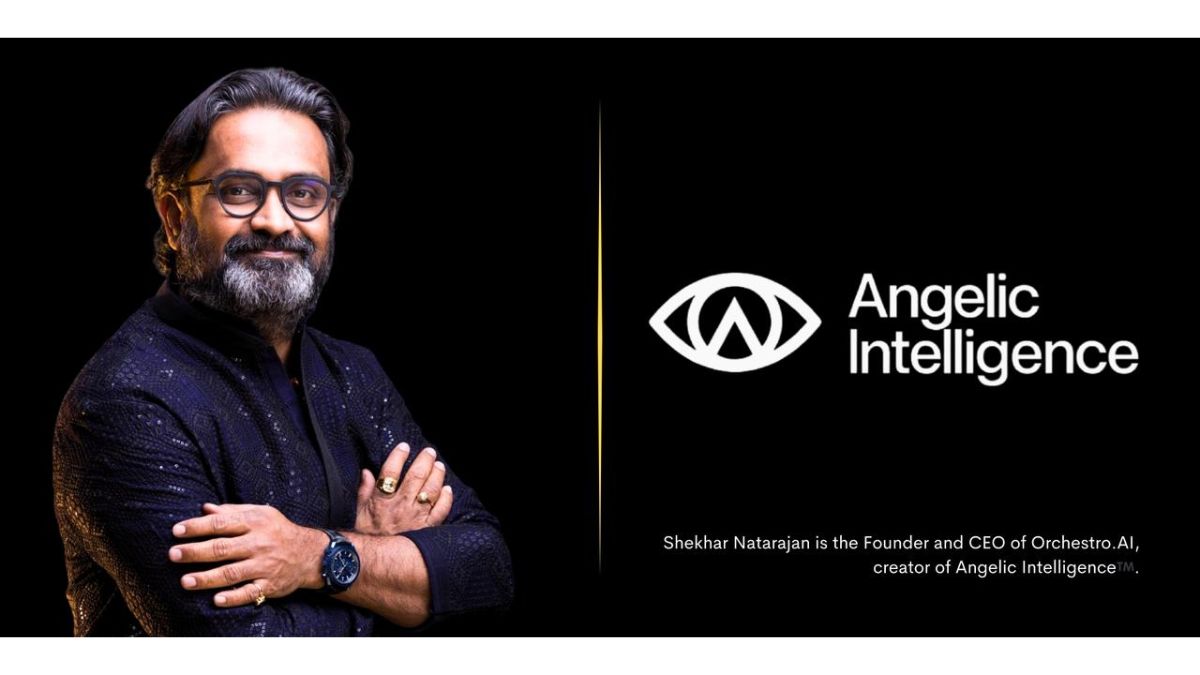
    Shekhar Natarajan is the Founder and CEO of Orchestro.AI, creator of Angelic Intelligence™. Davos 2026 opening keynote. Tomorrow, Today podcast (#4 Spotify). Signature Awards Global Impact laureate. 300+ patents. Georgia Tech, MIT, Harvard Business School, IESE. Grew up in a one-room house in the slums of Hyderabad. No electricity. Father earned $1.75/month on a bicycle. Mother stood outside a headmaster’s office for 365 days. One son, Vishnu. Paints every morning at 4 AM. Does not appear in the Epstein files.

    If you object to the content of this press release, please notify us at pr.error.rectification@gmail.com. We will respond and rectify the situation within 24 hours.


  • Quantum Encrypt Launches in India to Build the Nation’s Post Quantum Digital Future

    Quantum Encrypt Launches in India to Build the Nation’s Post Quantum Digital Future

     Securing India for the Quantum Age

    New Delhi [India], February 11 Quantum Encrypt, a next-generation deep-tech company founded by the team behind Quranium, today announced its formal launch in India with a bold national mission: to help make India a global quantum nation.

    Built by the architects who turned Quranium into a globally recognised quantum-security milestone, Quantum Encrypt is conceived as an India-first technology platform – designed, built, and scaled from India for India, and for the world.

    As quantum computing moves from theory to reality, the threat to classical digital infrastructure becomes imminent. Quantum Encrypt is addressing this challenge head-on by creating production-grade, quantum-secure digital infrastructure for India’s economy, institutions, and future generations.

    A National Quantum Vision

    Quantum Encrypt’s mission aligns with India’s long-term strategic priorities around digital sovereignty, data security, financial infrastructure, and deep-tech leadership. The company is focused on building real-world systems, not experiments – platforms that can be deployed at population scale while remaining future-proof against quantum threats. This is in line with the National Quantum mission of India to make India a Quantum nation.

    Quantum Encrypt will launch a Quantum-Secure Blockchain Architecture for India sovereign, quantum-resilient blockchain framework designed to secure national digital assets, financial rails, enterprise systems, and public infrastructure – built with post-quantum cryptography at its core.

    There will be a strong focus on developing nationwide initiatives to build India’s quantum-ready workforce through education programs, skill development, research collaboration, and startup enablement – creating talent, not just technology.

    Quantum Encrypt will also bring in global access to Quantum Computing Capabilities in India – A long-term, phased roadmap to contribute toward indigenous quantum computing capabilities – bridging cryptography, hardware research, applied systems, and real-world deployment.

    An India Story with Global Relevance

    Quantum Encrypt represents a new chapter in India’s technology journey – where the country is not just a consumer of advanced technologies, but a creator of foundational global infrastructure.

    “Quantum security is not a future problem – it is a present responsibility,” said the leadership team at Quantum Encrypt. “India has the talent, scale, and vision to lead this transformation. Quantum Encrypt is our commitment to building that future from India, for India, and for the world.”

    About Quantum Encrypt

    Quantum Encrypt is an India-based quantum security and digital infrastructure company focused on building quantum-secure blockchain systems, tokenisation platforms, financial super apps, and national-scale education and capability programs. Founded by the team behind Quranium, the company combines global experience with a deep commitment to India’s technological sovereignty and leadership in the post-quantum era.

    Visit: www.quantumencrypt.in 

    Contact: contact@quantumencrypt.in

    If you object to the content of this press release, please notify us at pr.error.rectification@gmail.com. We will respond and rectify the situation within 24 hours.
     

  • Crown Defence Sets up Indigenous PCB Assembly Facility in Goa

    Crown Defence Sets up Indigenous PCB Assembly Facility in Goa

    The facility will support defence & civil electronics across aviation, marine & land systems, enabling high-reliability PCB assembly.

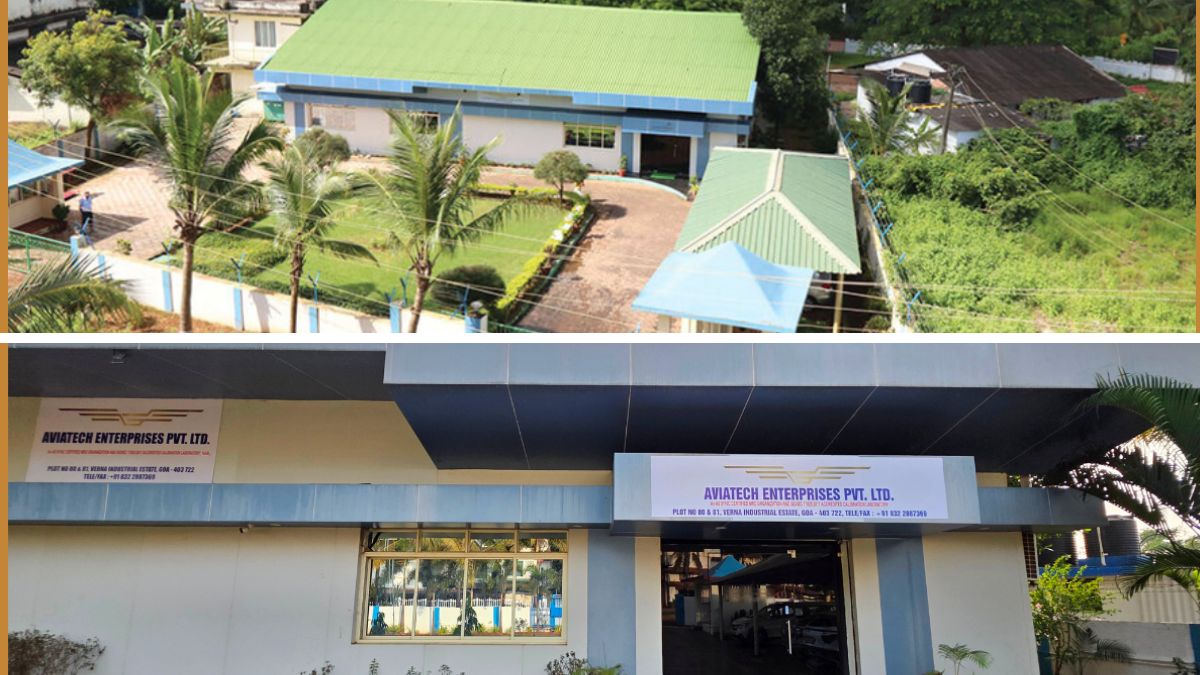
    New Delhi [India], February 11: Crown Defence, an established Indian defence MRO group with over four decades of operational experience across marine, aviation and land systems, has established an indigenous Printed Circuit Board (PCB) assembly facility at Verna, Goa, strengthening domestic capability in high-reliability electronics for defence and select civil applications.

    Established under Aviatech Enterprises Pvt. Ltd. (AEPL), Crown Defence’s aviation vertical, the facility is designed to support mission-critical electronics for defence platforms as well as select civil sectors including aviation, maritime and industrial systems. The setup delivers high-precision, high-reliability PCBA solutions, supporting PCB assemblies ranging from 80 × 80 mm to 460 × 460 mm, with board thickness capability from 0.4 mm to 8 mm and controlled edge clearance standards of 3–5 mm. Aligned to meet reliability, consistency and traceability requirements essential for strategic and regulated programmes, the facility will commence operations from March 2026 and is open for engagement with both domestic and international programmes.

    Conceived as more than a manufacturing unit, the AEPL facility functions as a strategic electronics capability hub, addressing the growing demand for domestic PCBA solutions. The Indian PCBA market is currently valued at approximately USD 6.3 billion and is expanding at nearly 16 percent CAGR, driven by defence, industrial and electronics manufacturing demand. With over 1,000 items now covered under government import restrictions, many of them PCB assemblies earlier sourced overseas, timely access to reliable domestic assembly capacity has become critical.

    Vice Admiral (Retd) Paras Nath, Group President, Crown Defence, said the facility reflects the group’s long-term capability-building approach.
    “Electronics availability increasingly determines platform readiness and upgrade cycles. Establishing in-country PCB assembly capability improves supply predictability and supports India’s broader objectives of reducing external dependencies across defence and critical civil sectors,” he said.

    Commodore (Retd) S.K. Iyer, Head – Aviation, Aviatech Enterprises Pvt. Ltd., said the facility strengthens AEPL’s ability to support electronics-led programmes.
    “The Verna unit enables tighter integration between electronics assembly and downstream aviation support activities, enhancing quality control and execution timelines for modernisation, upgrades and sustainment programmes,” he said.

    Crown Defence operates through specialised group companies delivering maintenance, repair, overhaul, upgrades and modernisation across defence and civil domains. The addition of PCB assembly capability at AEPL complements the group’s system-level sustainment strengths and reinforces its role in supporting India’s long-term defence and industrial preparedness.

    About Crown Defence

    Established in 1978, Crown Defence is a professionally managed Indian defence engineering group operating across aviation, marine and land systems. The company functions as a technology provider, manufacturer and lifecycle support partner to India’s defence ecosystem, working closely with global OEMs and national agencies to deliver indigenous MRO, manufacturing and modernisation capabilities. Crown Defence plays an active role in advancing India’s Make in India and Atmanirbhar Bharat objectives through long-term investments in defence engineering, electronics, platform sustainment and strategic infrastructure.

    If you object to the content of this press release, please notify us at pr.error.rectification@gmail.com. We will respond and rectify the situation within 24 hours.
  • DJ Ukiyo Marks One Year in Techno with a Grand, Star-Studded Night of Music, Energy, and Celebration

    DJ Ukiyo Marks One Year in Techno with a Grand, Star-Studded Night of Music, Energy, and Celebration

    Mumbai (Maharashtra) [India], February 11: Mumbai’s electronic music scene witnessed a high-octane celebration as DJ Ukiyo (Kartik Mehta) marked his one-year milestone in the world of techno with a glamorous, power-packed event that brought together music lovers, industry friends, and prominent faces from the nightlife circuit. The celebration, held in February 2026, was a testament to DJ Ukiyo’s growing influence in the melodic techno and electronic landscape, an artist who has carved a distinct space for himself in just twelve months behind the decks.

    *DJ Ukiyo Marks One Year in Techno with a Grand, Star-Studded Night of Music, Energy, and Celebration*-PNn

    The evening saw the presence of Terence Lewis , Kranti Shanbagh , Prashant Virendra Sharma, Shakir Shaikh, Yogesh Lakhani, Vikas Verma, Asif Merchant, Nitin Mirani, Nivedita Basu, Eijaz Khan, Ramji Gulati, Dharti Gulati, Ankita Maity, Kirti Choudhary, Raajeev Roda, Arshi Khan, Yamini Malhotra, Aziz zee, Sanobar Herekar, Lekha Prajapati, Dimple Chawla, Sandhya Shetty, Kaushik Shrimanker, Rehan Shah, Priyanka Tiwari, Kashish Rajput, Sarika Rajput,, Shakespeare Tripathy, Rajsi Verma & Many more

    Over the past year, he has shared the stage with international maestros who’ve played at Tomorrowland, including Artbat, Cassian, Massano, Toto Chiavetta, and many more.

    Known for weaving emotion into rhythm, DJ Ukiyo has become a familiar and respected name across Mumbai’s nightlife, regularly commanding the console at spots like Solaire (Grand Hyatt, BKC) and Baglami. Over the past year, he has curated a signature blend of melodic techno, organic house, and deep electronic textures, tracks and sets that build through subtle progression, hypnotic repetition, and immersive storytelling. His approach to sound has resonated especially with audiences who crave long-form, transformative listening experiences.

    *DJ Ukiyo Marks One Year in Techno with a Grand, Star-Studded Night of Music, Energy, and Celebration*-PNN

    From 2025 to early 2026, DJ Ukiyo’s presence has steadily expanded, propelled by a consistent performance schedule and a growing online persona. His Instagram presence, where he shares “DJ Life” snippets and “Behind the Deck” moments, has helped fans connect with the artist beyond the console, giving them a window into his journey, process, and passion.

    The anniversary event showcased exactly what has made DJ Ukiyo one of Mumbai’s most compelling new acts, precision, emotion, and a deep respect for the art of building a set that moves not just the feet, but the mind.

    Reflecting on this journey, DJ Ukiyo says,” Completing one year behind the decks feels incredibly special. What began as a simple urge to express emotion through rhythm has grown into a journey filled with learning and unforgettable dance floors. Techno has given me a way to connect with people on a deeper level, and every set I play is my attempt to create a flow that links energy, intention, and the crowd’s heartbeat. I’m grateful to everyone who has supported me, this milestone is just the beginning”_

    View his Instagram here- https://www.instagram.com/dj.ukiyo?igsh=MW94cnVsZWh6em1qbQ==

    If you object to the content of this press release, please notify us at pr.error.rectification@gmail.com. We will respond and rectify the situation within 24 hours.
  • ‘The Canadian Dream’ Arrives with a Close Look at the Gap Between Immigration Promises and Reality

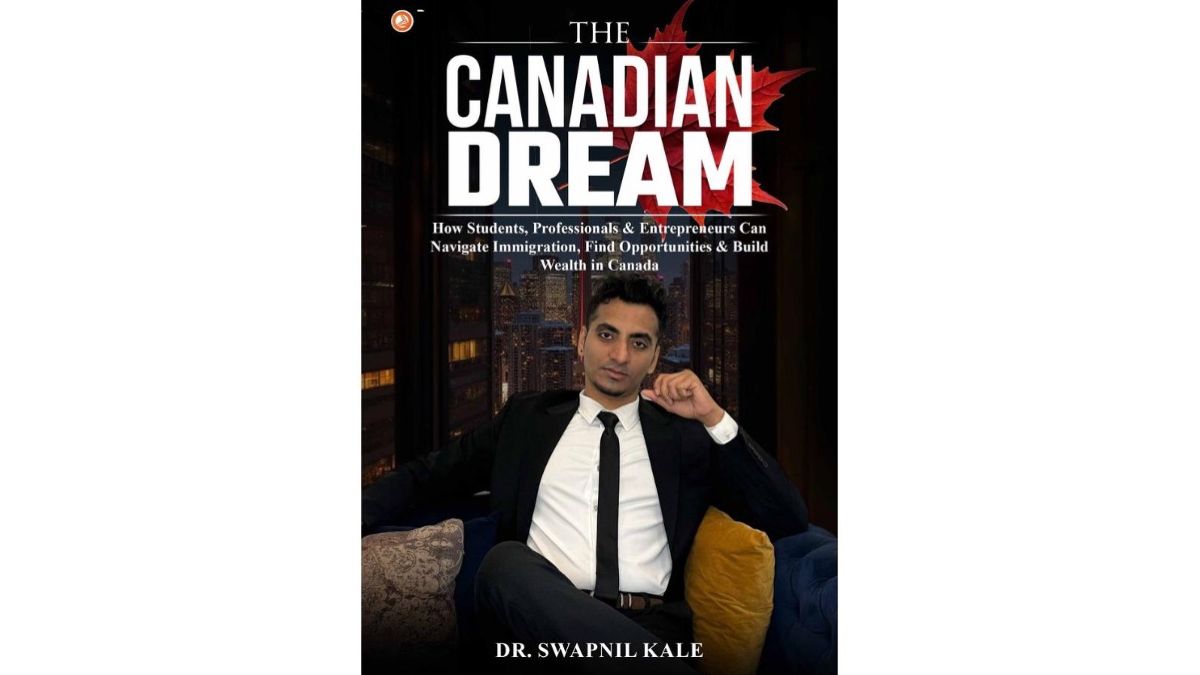
    ‘The Canadian Dream’ Arrives with a Close Look at the Gap Between Immigration Promises and Reality

    New Delhi [India], February 11: At a time when immigration refusals are increasing and fraud cases are becoming harder to ignore, The Canadian Dream by Dr. Swapnil Kale (LLB, PHD, Pursing LLM Immigration Law) arrives with an unusually direct message: most people are not failing the system, the system is failing them first.

    Unlike typical immigration guides built on success stories and promises of speed, the book is grounded in personal loss. More than a decade ago, Dr. Kale’s own application to Canada was rejected after being mishandled by a well-known immigration consultancy. Incorrect documentation and false assurances led not only to refusal, but to the loss of time, money, and a confirmed UK migration opportunity he had already secured.

    “I trusted people who didn’t fully understand the process themselves,” Kale says. “That mistake cost me years. This book exists because no one should have to learn immigration the hard way.”

    Rather than offering aspirational narratives, The Canadian Dream breaks down how popular pathways are routinely misrepresented. Kale challenges the idea of “guaranteed visas,” explains why Express Entry is far more competitive than most consultants admit, and outlines how practices like inflated CRS scores, fake job offers, and misused LMIAs continue to trap applicants. “Any program which is not a legal route to Canada should immediately raise a red flag,” he notes.

    A significant portion of the book focuses on Canada’s Start-Up Visa and C11 Investment route program, often marketed as a simple alternative to points-based immigration. Kale presents it differently, as a demanding but legitimate pathway for serious entrepreneurs willing to meet compliance, innovation, and long-term business requirements. “Canada rewards preparation, not promises,” he writes. “If your business doesn’t hold up on paper and in practice, the visa won’t either.”

    Kale also advises prospective migrants to assess their eligibility carefully rather than pursuing Canada without due consideration. He notes that alternative destinations such as the UK, Germany, Portugal, Greece, and Italy may offer more viable pathways, and encourages applicants to focus on migration options that are realistic and achievable for their individual profiles, rather than pursuing pathways that are not feasible for them.

    Dr. Kale also emphasizes U.S. settlement options through the EB-5 and EB-1 pathways, while recommending Citizenship-by-Investment programs in Europe and the Caribbean as viable alternatives.

    Since founding his immigration consultancy in 2011, Dr. Kale has worked closely with Immigration lawyers and claims involvement in thousands of migration cases across Canada, the UK, the US, and Europe. That experience shapes the book’s central argument: the real danger in immigration is not rejection, but misinformation.

    “At its worst, the industry sells hope without responsibility,” Kale says. “Migration should be difficult, but it should never be dishonest.”

    More than a guide, The Canadian Dream reads as a cautionary account for students, professionals, and entrepreneurs navigating an increasingly complex global migration landscape, one where clarity, not hype, may be the most valuable asset of all.

    Get your hands on The Canadian Dream through:

    Amazon: https://www.amazon.in/dp/936554579X/ref=sr_1_1

    Flipkart: https://www.flipkart.com/canadian-dream-students-professionals-entrepreneurs-can-navigate-immigration-find-opportunities-build-wealth-canada/p/itm4bbc6c2ec7b3c?pid

    If you object to the content of this press release, please notify us at pr.error.rectification@gmail.com. We will respond and rectify the situation within 24 hours.

  • A 2,124-Year Insurance Policy Triggers RBI Action, and the Launch of NYVO

    A 2,124-Year Insurance Policy Triggers RBI Action, and the Launch of NYVO

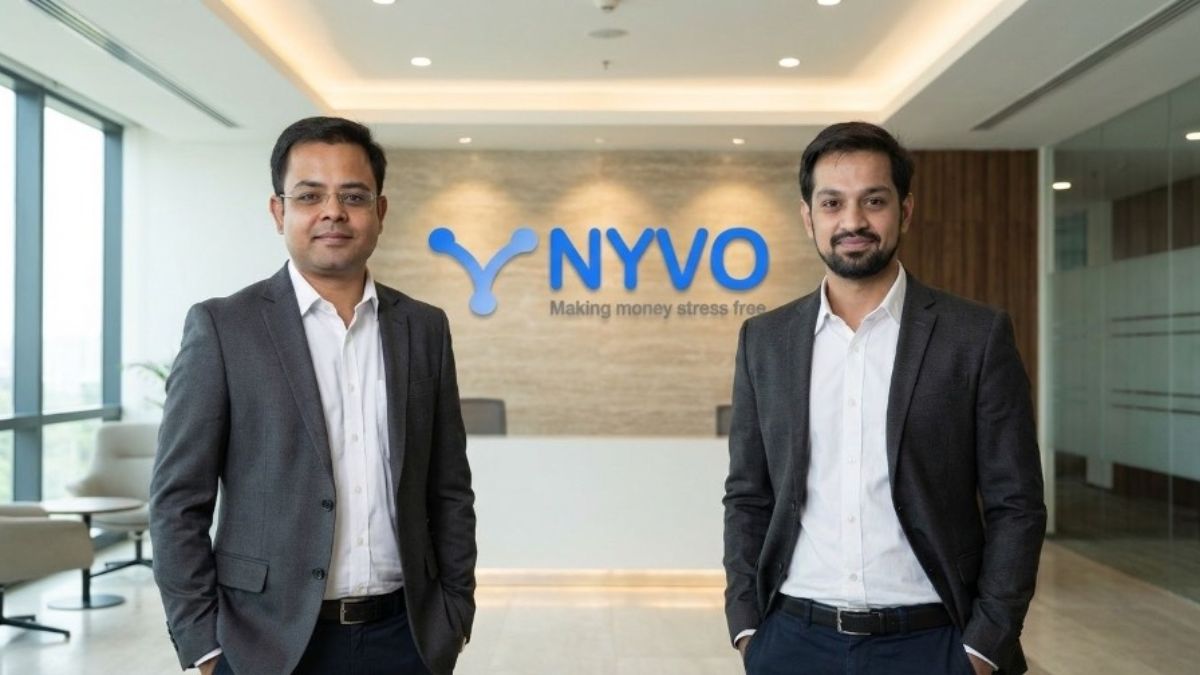
    New Delhi [India], February 10: A nationalised bank in Maharashtra sold a life insurance policy to a 90-year-old man. The annual premium was ₹2 lakh. The maturity date of the policy was the year 2124. This was not a hypothetical case or an isolated error, it happened. The Reserve Bank of India has since taken note. In its February 2026 policy statement, the RBI proposed comprehensive guidelines to curb mis-selling by banks, including mandatory suitability assessments and stronger accountability for staff. The issue has grown too large to ignore. But regulation alone will not fix it. What families truly need is a fundamentally different kind of advisor. This type of mis-selling stories led to the launch of NYVO.

    The founders of NYVO, Harsh and Kshitij, are veterans in financial services. Harsh spent over sixteen years in financial services, beginning with investment banking roles at Bank of America, SBI Capital Markets, and Kotak Investment Banking where he advised on landmark IPOs such as DMart, Embassy REIT, LIC, Star Health, SBI Life and many more. He later served as CFO and Head of Liabilities & New Initiatives at Slice, where he held direct P&L responsibility for liabilities and insurance across more than 160 branches. From that vantage point, he saw how incentive structures function in reality. Advisors were consistently rewarded for selling complex, high-premium products rather than simple policies that were genuinely suitable for customers.

    Kshitij’s journey followed a similar path. An alumnus of IIT Delhi and IIM Ahmedabad, where he graduated as an Institute Scholar in the top five percent of his class, he spent years working at BCG and later at Slice. At NYVO, he built one of India’s earliest need-based insurance mapping systems, designed to match products to what customers actually required instead of what generated the highest commission. Yet even with the best intentions, the structural incentives embedded in the system proved too powerful to correct from within.

    For both founders, the issue eventually became deeply personal. Harsh faced his turning point while planning an education corpus for his daughter, Nysha. Despite having helped companies raise over $50 billion+, he found it impossible to locate a place that offered honest, unbiased advice for his own family and was offered ULIP products to build his daughter’s education corpus. Every recommendation he received was shaped by commission. For Kshitij, it was watching his parents navigate health insurance after losing their corporate cover post his brother moved to the USA. Every so-called “best policy” presented to them felt like a sales pitch disguised as guidance. The system was not designed to protect families; it was designed to sell to them.

    Two founders arrived at one shared conviction: the only way to truly eliminate mis-selling is to remove the conflict of interest entirely.

    NYVO, short for “New Voice,” is IRDAI-licensed and built from the ground up to put families first. The approach is advice-led, with recommendations driven solely by a family’s needs, even if the right answer turns out to be the cheapest policy available. The relationship does not end at purchase. NYVO supports families through the entire journey, from understanding requirements to buying the policy and standing by them during claims, including health emergencies, with round-the-clock support. There are no cold calls, no bought lead lists, and no pressure tactics. Families come when they are ready, and they are given the space to decide. Built by insiders who understand exactly where and how the system breaks, NYVO exists as a direct response to those failures.

    No 90-year-old should ever be sold a policy that matures in the year 2124. And no family should have to question whether the advice they are receiving is truly in their best interest. That is the promise behind NYVO.

    If you are worried that your family may have the wrong insurance, NYVO’s team offers honest, unbiased reviews of existing policies.

    Don’t wait for a claim to find out your policy is wrong.

    Book a free consultation at nyvo.in/book-a-call.

    If you object to the content of this press release, please notify us at pr.error.rectification@gmail.com. We will respond and rectify the situation within 24 hours.

  • Jacqueline Fernandez Joins Lux Cozi’s Grand Indore Meet, Over 2000 Retailers Attend

    Jacqueline Fernandez Joins Lux Cozi’s Grand Indore Meet, Over 2000 Retailers Attend

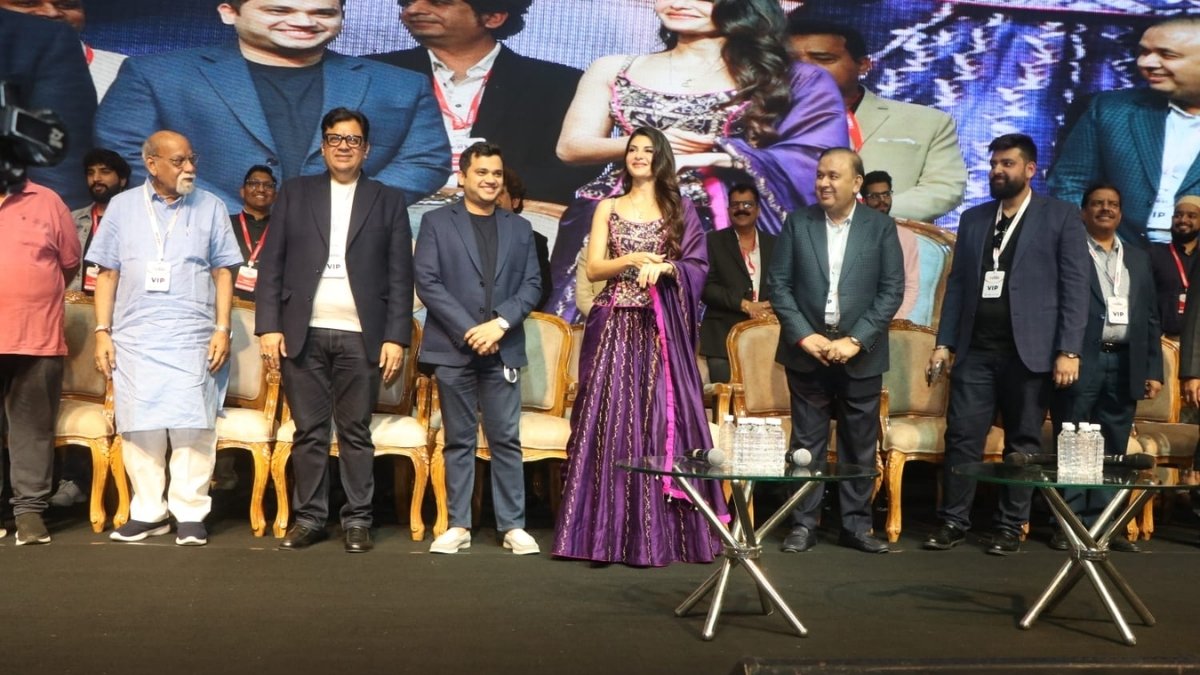
    Indore (Madhya Pradesh) [India], February 10: Lux Cozi, one of India’s leading innerwear and premium wear brands, successfully hosted its Grand Retailers’ meet in Indore, bringing together over 2000 retailers from across Madhya Pradesh. The event reaffirmed the brand’s focus on deepening retailer relationships and accelerating growth in key central Indian markets.

    The conference was attended by Ashok Kumar Todi, Chairman, Lux Industries Limited, and Saket Kumar Todi, Director, Lux Industries Limited, underlining the company’s continued emphasis on strong trade partnerships and long-term channel engagement. The meet served as a strategic platform for discussions on market opportunities, evolving consumer preferences, and the brand’s growth roadmap.

    Bollywood actress and brand ambassador of Lux Cozi, Jacqueline Fernandez, joined the conference and interacted with retailers and business partners, strengthening consumer connect and enhancing brand visibility. Her participation reflected Lux Cozi’s focus on cultural relevance and engagement at the retail level.

    Addressing the gathering, Saket Kumar Todi, Director, Lux Industries Limited, said “Retailers are at the core of Lux Cozi’s growth story. Markets like Madhya Pradesh have shown consistent momentum, driven by strong consumer demand and deep rooted trust at the retail level. Our focus is on empowering our partners with relevant products, efficient supply chains, and sustained brand investments, so that growth is shared, scalable, and long-term.”

    The Indore conference underscored Lux Cozi’s broader strategy of working closely with its retail ecosystem to drive sustainable growth. With a strong presence across India and exports to over 50 countries, Lux Cozi continues to strengthen its leadership across innerwear and lifestyle categories through its diversified portfolio including ONN, Lux Cozi, Lux Mozzee, Lux Parker and Pynk.

    If you object to the content of this press release, please notify us at pr.error.rectification@gmail.com. We will respond and rectify the situation within 24 hours.

  • Education with a Heart: Bhupender Dhaiya of Kharkhoda, Sonipat Announces Free Education for 100 Children Every Year, Wins Hearts with His Social Commitment

    Education with a Heart: Bhupender Dhaiya of Kharkhoda, Sonipat Announces Free Education for 100 Children Every Year, Wins Hearts with His Social Commitment

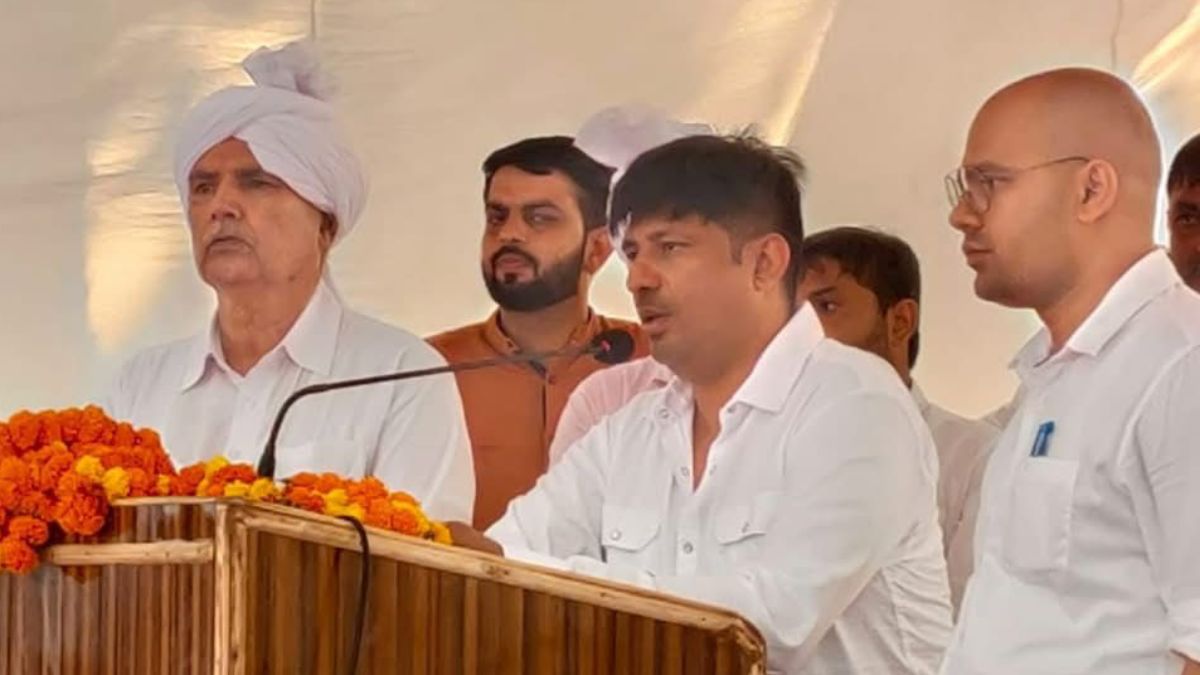
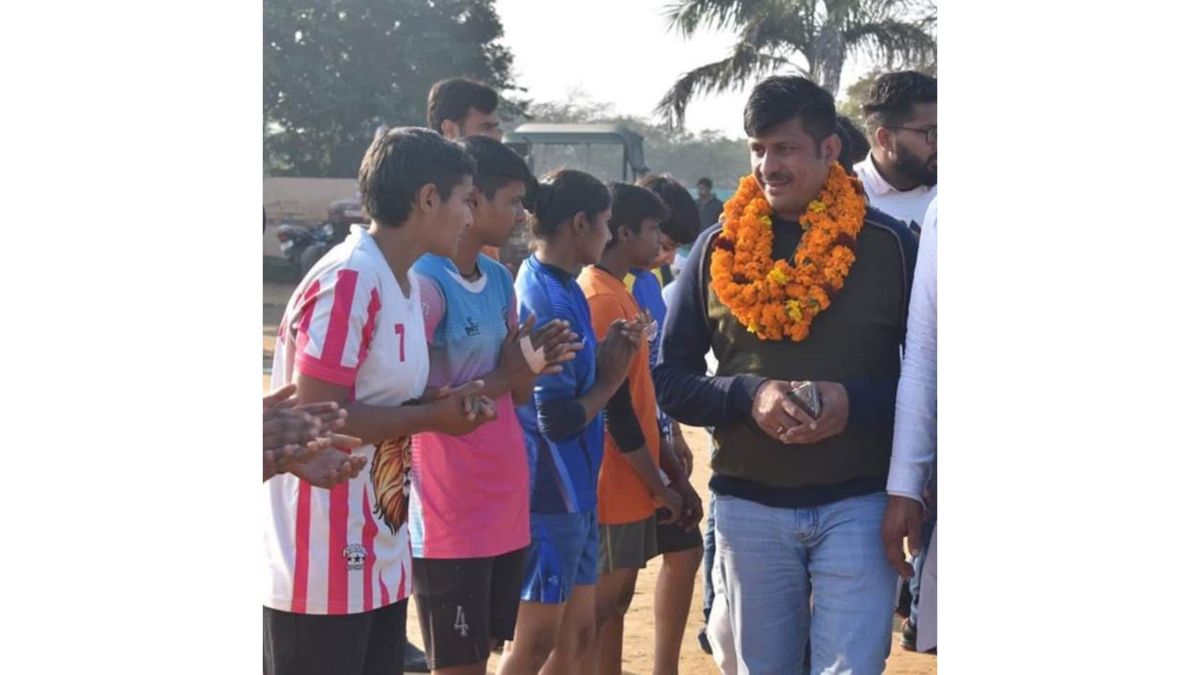
    Kharkhoda (Haryana) [India], February 11: In a major boost to inclusive education and social responsibility, Bhupender Dhaiya, Founder and Chairman of KD International School and JB Land Developers, has announced a life-changing initiative for underprivileged children in the region.

    Under this noble initiative, 100 deserving children will receive completely free education every year. All expenses—including school fees, books, uniforms, and other academic requirements—will be fully sponsored by Bhupender Dhaiya, ensuring that financial limitations never become a barrier to quality education.

    Bhupender Dhaiya

    Widely known as a dedicated social worker, Bhupender Dhaiya has been consistently involved in community welfare, education support, and social upliftment activities for several years. Recently, he also donated ₹7,51,000 to the Kharkhoda Gau Shala, contributing towards the care and welfare of cows, which further highlights his deep commitment to social and cultural values.

    While sharing his thoughts, Bhupender Dhaiya stated that education is the strongest foundation for a successful, dignified, and self-reliant life. He emphasized that this initiative is not just an act of charity, but a long-term commitment to nation-building and empowering future generations.

    The program will be implemented through KD International School, with a strong focus on quality education, discipline, moral values, and overall personality development. The objective is to provide equal opportunities to children from economically weaker sections and help them realize their true potential.

    Education experts, parents, and local residents from Kharkhoda and surrounding areas of Sonipat have warmly welcomed this announcement, calling it a rare and inspiring example of how educational institutions and business leaders can genuinely give back to society.

    Through this education initiative and his continued contributions—such as the recent Gau Shala donation—Bhupender Dhaiya has once again proven that true leadership is defined not just by personal success, but by the positive and lasting impact created in people’s lives.

    If you object to the content of this press release, please notify us at pr.error.rectification@gmail.com. We will respond and rectify the situation within 24 hours.
  • SEPC Limited to Execute INR 314 Crore Smart Prepaid Metering Project in Punjab under RDSS

    SEPC Limited to Execute INR 314 Crore Smart Prepaid Metering Project in Punjab under RDSS

    Mumbai (Maharashtra) [India], February 10: SEPC Limited (NSE: SEPC | BSE: 532945), one of India’s leading Engineering, Procurement and Construction (EPC) companies with a diversified presence across Water & Municipal Services, Roads, Industrial Infrastructure, and Mining, has received a Letter of Intent (LOI) from Telecommunications Consultants India Limited (TCIL), a Government of India enterprise, for the implementation of a Smart Prepaid Metering project in Punjab (Central Zone) under the Revamped Distribution Sector Scheme (RDSS).

    Project Scope and Structure

    The project will be executed on a Design, Build, Finance, Own, Operate and Transfer (DBFOOT) basis in consortium with Adya Smart Metering Private Limited, with a total project value of 313.96 crore. It encompasses the design, deployment, integration, commissioning, and long-term operation and maintenance of advanced metering infrastructure for Punjab State Power Corporation Limited (PSPCL), in accordance with the client’s tender and applicable scheme guidelines. Payments will be made on a back-to-back basis, linked to defined monthly, quarterly, and annual milestones during the post-operational Go-Live phase.

    Strategic Outlook

    The LOI strengthens SEPC’s order momentum and expands its presence in power distribution and metering infrastructure. The BOOT model improves long-term revenue visibility, while sustained public sector investment in power reforms and digital infrastructure supports growth. With a diversified portfolio and rising exposure to annuity-based projects, SEPC remains well positioned to benefit from favourable industry tailwinds.

    Commenting on the order win Mr. Venkataramani Jaiganesh, Managing Director of SEPC Limited, said:

    “This order reflects the continued confidence of our clients in SEPC’s execution capabilities across complex infrastructure projects. Smart metering is a key pillar of power distribution reforms in India, and this project allows us to further expand our presence in this segment. The DBFOOT structure also aligns well with our strategy of building long-term, annuity-linked revenue streams, while maintaining a disciplined approach to risk and capital deployment.”

    If you object to the content of this press release, please notify us at pr.error.rectification@gmail.com. We will respond and rectify the situation within 24 hours.