Author: Sutun Nayak

  • Jindal Public School celebrates Annual Day with theme ‘Maa – The Divine Strength’

    Jindal Public School celebrates Annual Day with theme ‘Maa – The Divine Strength’

    Mumbai (Maharashtra) [India], December 31: Jindal Public School, Dashrath, Dwarka–Palam Road, organised its Annual Day celebration on Sunday with ceremonial grandeur and cultural reverence. The programme was held on the school campus and was centred on the theme “Maa – The Divine Strength,” highlighting the nurturing, guiding and empowering role of a mother in shaping values, character and emotional strength.

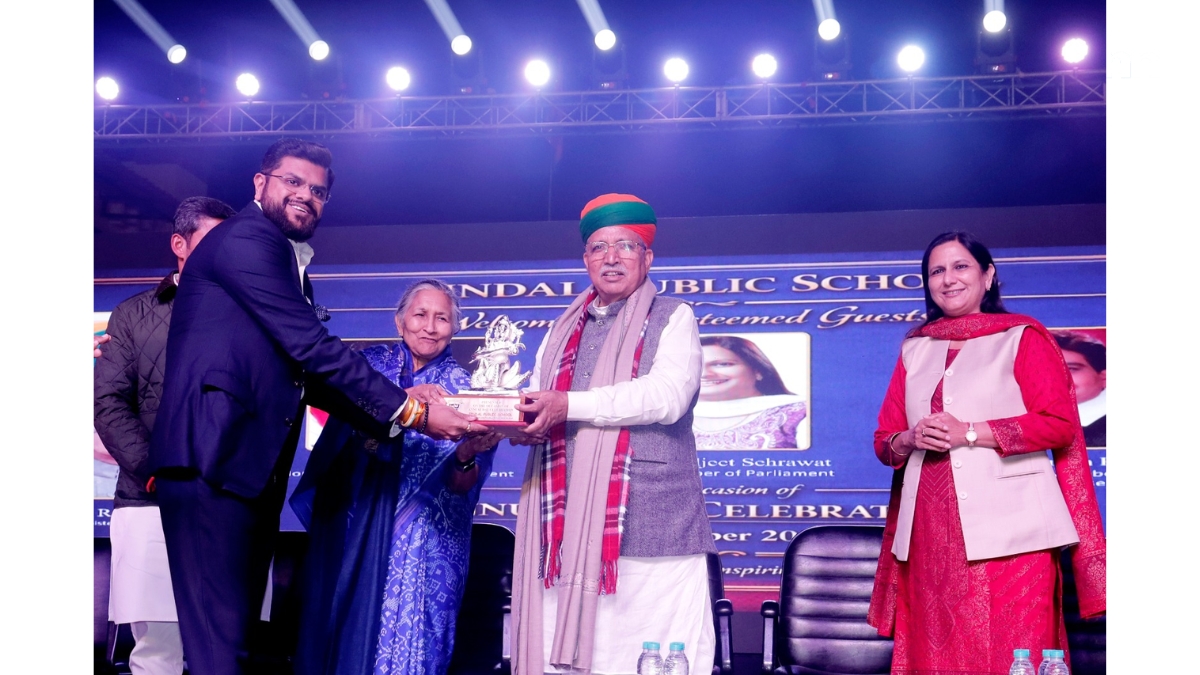
    Union Minister Arjun Ram Meghwal attended the event as the Chief Guest. The programme was also graced by Members of Parliament Ravi Kishan and Kamaljeet Sehrawat, Member of the Legislative Assembly Pradyuman Rajput, and Savitri Jindal, Chairperson, Jindal Group. The presence of the distinguished guests added significance to the occasion and underscored the importance of education in nation-building.

    Jindal Public School celebrates Annual Day with theme ‘Maa – The Divine Strength’-PNN

    The dignitaries, while addressing the gathering, emphasised the role of schools in fostering holistic development by combining academic excellence with moral and cultural education. They appreciated the efforts of Jindal Public School in providing students with opportunities to develop confidence, creativity and social responsibility through co-curricular and cultural platforms.

    The institution functions under the leadership of Chairman Pratik Jindal, whose vision focuses on nurturing well-rounded individuals equipped with intellectual competence, ethical grounding and cultural awareness. The school continues to prioritise value-based education alongside scholastic achievement.

    The Annual Day celebration commenced with an auspicious Ganesh Vandana, invoking blessings for wisdom and prosperity. This was followed by a devotional presentation on Nav Devi, depicting the nine forms of the divine feminine and symbolising strength, compassion and resilience. The presentation aligned closely with the central theme of the programme.

    A thematic enactment portraying the childhood journey of two narrators and their emotional bond with their mother formed a key highlight of the programme. The performance sensitively illustrated the role of a mother as a guiding force in a child’s moral and emotional development and was well received by the audience.

    The cultural segment featured a series of dance performances by students from various classes. Performances such as “Udi Khwabon Se Judi” and “Kudi Khand Lagdi” drew appreciation for their disciplined choreography, synchronisation and expressive presentation. The students demonstrated confidence and stage presence, reflecting extensive preparation and guidance from the teaching faculty.

    The programme concluded with a grand finale marked by energetic performances and enthusiastic participation, drawing sustained applause from the audience. The finale served as a fitting conclusion to the celebration and showcased the collective talent of the students.

    The dignitaries commended the students for their performances and appreciated the dedication of the teachers and school management in organising the event. They noted that such cultural programmes play an important role in nurturing creativity, communication skills and cultural sensitivity among students.

    The Annual Day celebration also acknowledged the efforts of the teaching and administrative staff, whose coordination and commitment ensured the smooth conduct of the programme. Parents were also recognised for their continued support in the overall development of students.

    The event concluded with a formal vote of thanks, expressing gratitude to the Chief Guest, distinguished guests, parents, teachers and students for their presence and cooperation. The organisers described the celebration as a meaningful reflection of the school’s commitment to value-oriented and holistic education.

    The Annual Day programme at Jindal Public School reaffirmed the institution’s focus on nurturing responsible, confident and culturally aware students through thoughtfully curated academic and cultural initiatives.

    For more information, please visit: https://www.jindalpublicschool.in/

    If you object to the content of this press release, please notify us at pr.error.rectification@gmail.com. We will respond and rectify the situation within 24 hours.

  • Hettich Strengthens Its Experiential Footprint in Chennai with New Experience Centre & Exclusive Store

    Hettich Strengthens Its Experiential Footprint in Chennai with New Experience Centre & Exclusive Store

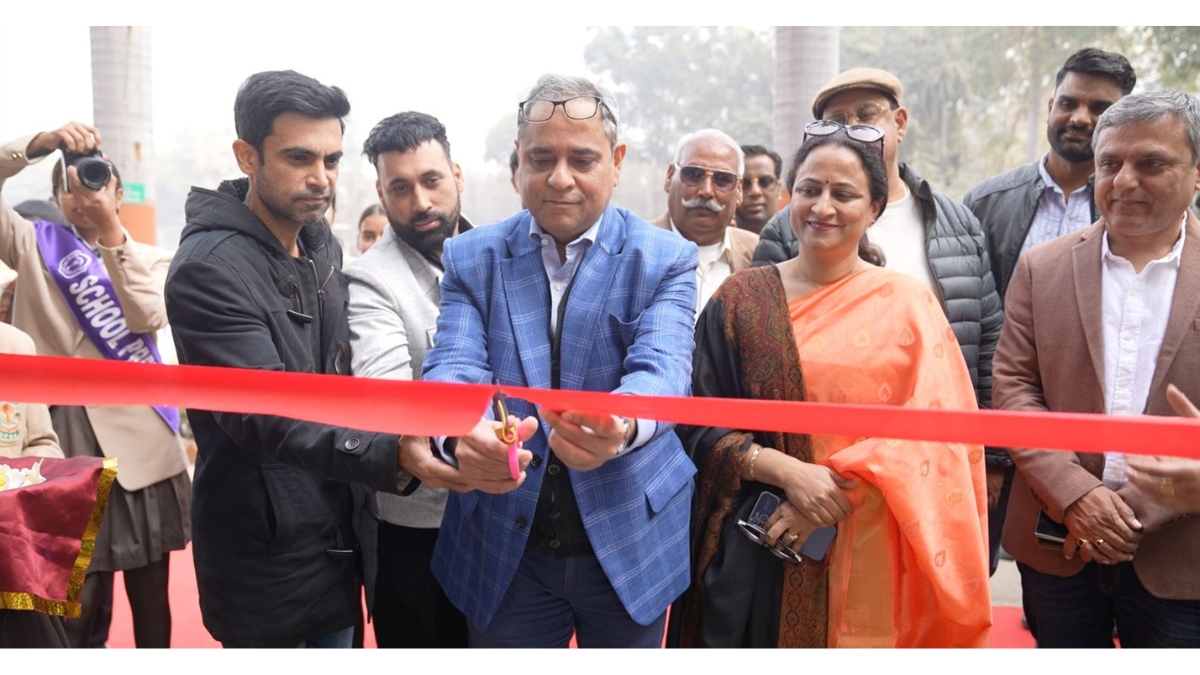
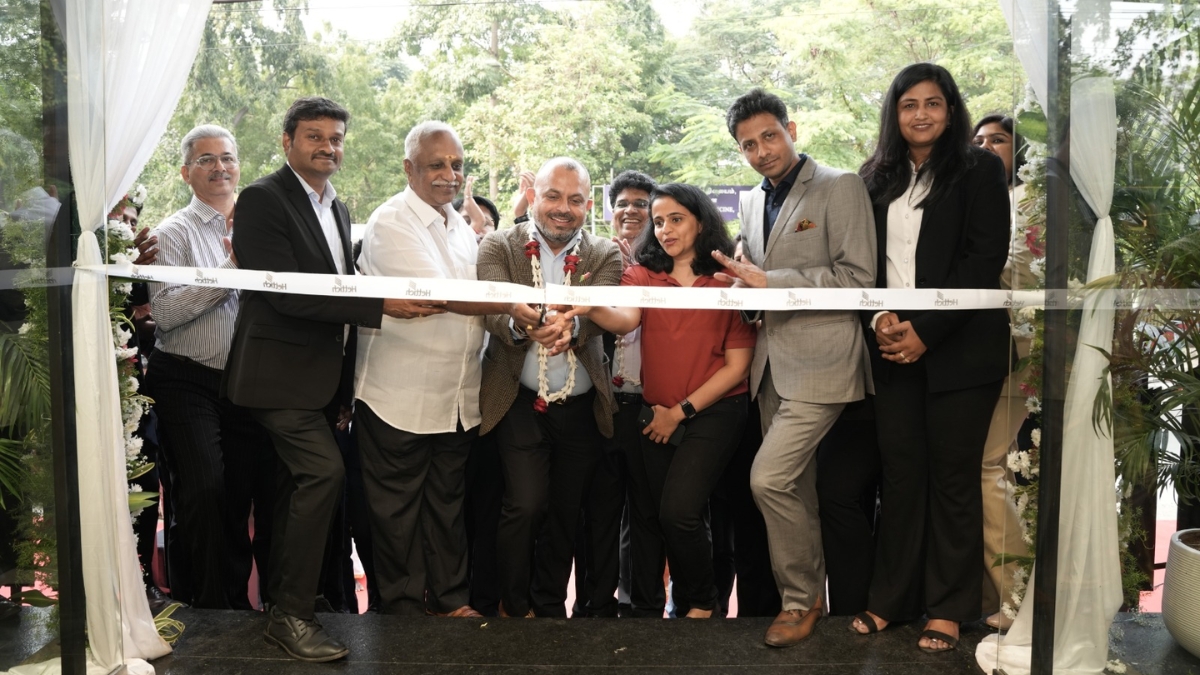
    L–R: Nanda Kishor (ZSM, Hettich India), Rahul Thakkar (Director–Sales, Hettich India), Kaavya Sekar (Director, Auvery Buildtech & Haus Concepts), Ankit Kulshrestha (Head–APC/HEX/LIGHTS).

    Chennai (Tamil Nadu) [India], December 31: Reinforcing its commitment to immersive brand experiences, Hettich, one of the world’s leading manufacturers of furniture fittings, has significantly expanded its experiential presence in Chennai with the inauguration of its upgraded Experience Centre and the launch of the city’s first Hettich Exclusive (HeX) Store. Together, these two experiential touchpoints mark a strategic step in bringing Hettich’s magical interior experiences closer to customers and industry professionals in the region.

    The newly upgraded Hettich Experience Centre in Chennai has been thoughtfully redesigned to deliver a standardised, immersive journey where form, function, and magic converge. Showcasing Hettich’s complete portfolio of award-winning solutions; the Experience Centre also serves as a hub of inspiration for homeowners, architects, designers, and carpenters alike. Complementing the experiential displays are value-added services such as free design support and doorstep consultations, enabling personalised guidance tailored to individual project needs.

    Further strengthening this ecosystem is the launch of Chennai’s first Hettich Exclusive (HeX) Store, a destination designed to seamlessly blend inspiration, interaction, and shopping. The HeX store features curated walk-throughs of modern living spaces, allowing customers to experience Hettich solutions in real-life applications. With hands-on product interaction and complimentary design consultations by expert designers, the store empowers customers to visualise and create furniture concepts aligned with evolving lifestyles.

    Commenting on the expansion, Mr. Andre Eckholt, Managing Director – Hettich India, SAARC, Middle East & Africa, said:

    “Chennai is a highly promising market that reflects a unique blend of tradition, design awareness and evolving modern lifestyles. With our company-owned large-format Hettich Experience Centre, we offer customers and professionals a space to draw inspiration, explore our complete portfolio and truly experience the magic of German engineering brought to life. Complementing this is Chennai’s first franchise-led Hettich Exclusive (HeX) Store, which enables customers to not only browse but also shop our premium German furniture fittings, architectural hardware, furniture lighting, and built-in kitchen appliances. Together, these touchpoints significantly strengthen our experiential ecosystem in the city, creating meaningful opportunities for customers to discover, engage with, and adopt Hettich solutions for contemporary living.”

    The Chennai HeX store is part of Hettich’s larger strategy to roll out multiple Exclusive stores across India, working in synergy with Experience Centres nationwide to build a robust, solution-oriented experiential ecosystem. Each Hettich solution is designed to be smart, durable, and future-ready, addressing the dynamic needs of modern homes and commercial spaces.

    Experience Hettich in Chennai at:

    • Hettich Experience Centre:
      47, Ground Floor, Heavitree Building, Spur Tank Road, Chetpet, Chennai – 600031 | Ph: +91 8655817416
    • Hettich Exclusive (HeX) Store:
      Kitchen Concepts, New No. 2, Old No. 93, Luz Avenue, Mylapore, Chennai – 600004 | Ph: 8655737691

    About Hettich:

    Hettich is a 137-year-old family-owned German lifestyle brand, being one of the world’s largest manufacturers of Furniture Fittings with a global turnover exceeding 1.5 billion euros. In India, Hettich started operations at the dawn of the new millennium and within a short span of time gained an undisputed leadership position in the Indian furniture fittings and hardware industry. It is the recipient of Best Brands (2022 – 2025) by the ET Edge, Most Trusted Brands of India (2023 – 2025) and Most Preferred Brand 2025 by Marksmen Daily recognitions for its unwavering customer trust and strong brand equity.

    Hettich’s product portfolio comprises a repertoire of Furniture Fittings & Door Hardware made with cutting-edge German quality complemented by Wire Products, Aluminum Profiles, Shelving Systems, Built-in Appliances and Furniture Lights, thereby providing holistic fitting solutions for all residential and commercial spaces.

    If you object to the content of this press release, please notify us at pr.error.rectification@gmail.com. We will respond and rectify the situation within 24 hours.

  • Dr. Jagdish Sakhiya Launches Anti Acne Kit for Oily and Acne Prone Skin

    Dr. Jagdish Sakhiya Launches Anti Acne Kit for Oily and Acne Prone Skin

    A 4-step skincare routine based on 27 years of dermatology experience is now available for home use

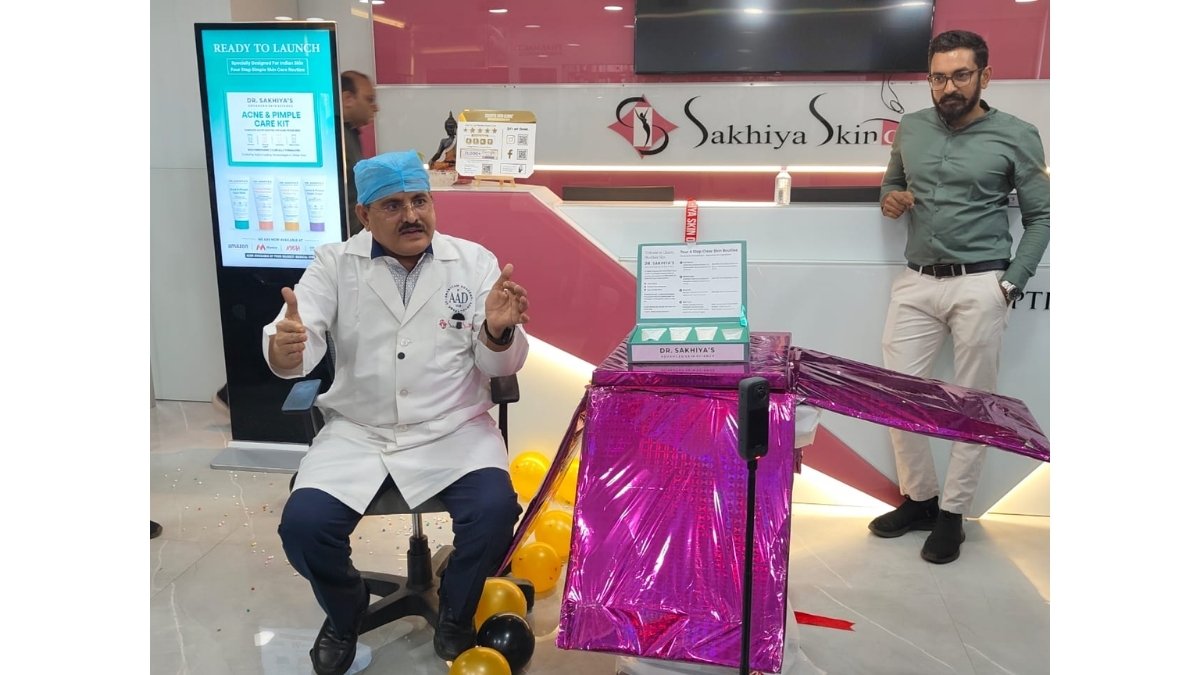
    Surat (Gujarat) [India], December 30: Dr. Sakhiya’s Anti-Acne and Pimple Care Kit was officially launched at Sakhiya Skin Clinic, Lal Darwaja, Surat. The kit has been scientifically developed especially for Indian oily and acne-prone skin. It is a dermatologist-designed 4-step skincare routine that makes it possible to follow clinic-level acne treatment at home in a simple and safe way.

    On this occasion, Dr. Jagdish Sakhiya, Founder of Sakhiya Skin Clinic and a well-known dermatologist, said that the problem of acne and pimples is increasing rapidly among teenagers, youth, and working professionals. He added that incorrect or unscientific products available in the market often damage the skin instead of improving it. Based on his 27 years of clinical experience, this kit has been developed specifically for Indian skin, keeping it safe, effective, and scientifically proven.

    Four-Step Dermatologist-Designed Routine

    Dr. Sakhiya’s Anti-Acne and Pimple Care Kit includes four essential steps:

    • A face wash that controls excess oil and deeply cleanses pores

    • An A.M. cream that reduces active acne and prevents new breakouts

    • A mild, non-comedogenic sunscreen that protects against acne marks and pigmentation

    • A night cream that works on acne from the root and gradually lightens acne marks

    Jagdish Sakhiya

    The kit contains dermatologist-trusted ingredients such as Salicylic Acid, Niacinamide, Azelaic Acid, Zinc PCA, and Hyaluronic Acid, which help maintain healthy and clear skin over the long term.

    Dr. Sakhiya further explained that people often need to buy multiple products—face washes, serums, creams, sunscreens, and night treatments—from different brands to manage acne, making the routine confusing and expensive. To address this issue, all dermatologist-recommended steps have been combined into a single, convenient box.

    This launch marks an important step toward making dermatologist-level acne treatment easier, more effective, and more affordable, while also spreading awareness about the right approach to skincare.

  • India’s Healthcare Transformation in 2025: From Expansion, Capacity Building to Excellence

    India’s Healthcare Transformation in 2025: From Expansion, Capacity Building to Excellence

    Systemic Transformation Year

    New Delhi [India], December 31: The year 2025 marked a decisive shift—from incremental progress to systemic transformation—driven by sustained policy focus, increased private sector participation, deeper technology integration, and India’s expanding global relevance across healthcare delivery, MedTech, life sciences, and medical tourism.

    Throughout 2025, healthcare remained firmly positioned as a national priority. Continued budgetary allocations towards public health infrastructure, digital health platforms, medical education, and domestic manufacturing reflected a long-term policy vision rather than short-term interventions.

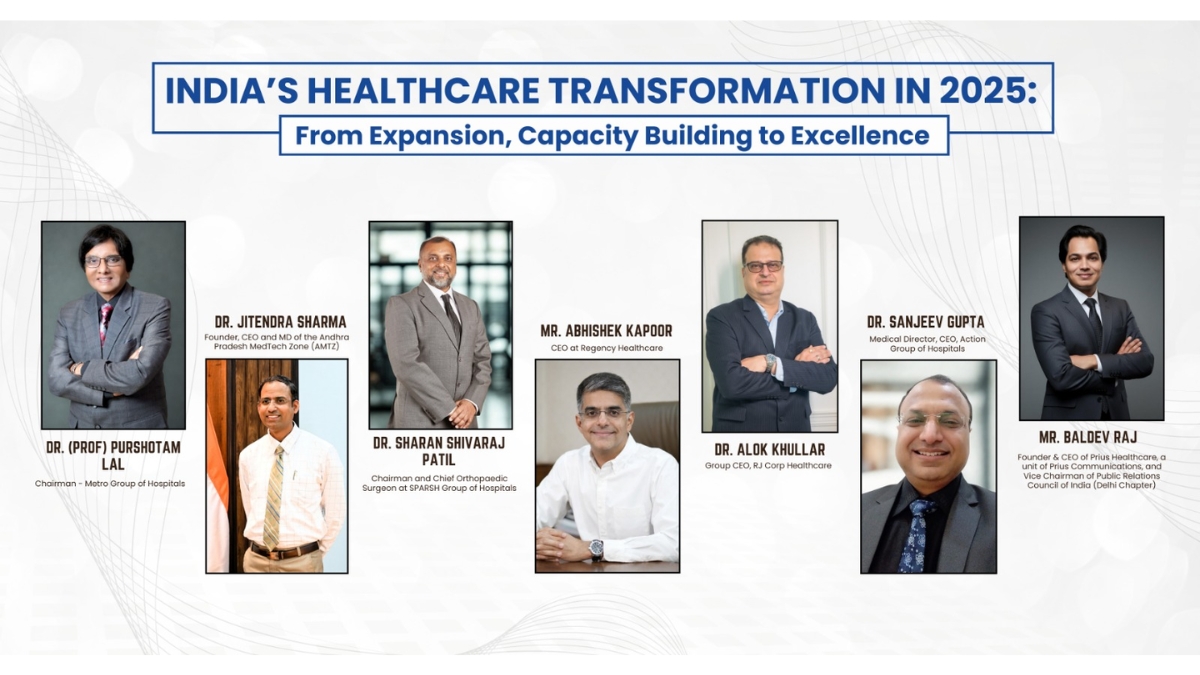
    Providing a seasoned clinical and institutional perspective to the year’s healthcare transformation, the chairman of a leading hospital group reflected on how 2025 marked an important inflection point for Indian healthcare. “One of the most important learnings from 2025 is that healthcare progress cannot be measured by infrastructure growth alone. While expansion and technology adoption are necessary, they must be anchored in clinical excellence, ethical practice, and continuity of care. As India builds capacity across cities and regions, standardized protocols, preventive healthcare, and outcome-based assessment should remain central,” said Dr. (Prof) Purshotam Lal, Chairman, Metro Group of Hospitals.

    “Technology and artificial intelligence are powerful enablers, but they must support—not substitute—clinical judgement and human compassion. The future of Indian healthcare lies in balancing scale with sensitivity, innovation with integrity, and growth with accountability. If this balance is achieved, India can emerge as a global benchmark for accessible and patient-centric healthcare,” added Dr Lal.

    Another defining development of 2025 was the rapid advancement of India’s MedTech ecosystem. Policy support, production-linked incentives, and the strengthening of manufacturing clusters enabled domestic players to move up the value chain—from assembly to innovation. Medical devices, diagnostics, imaging equipment, implants, and critical care technologies witnessed growing indigenous production, positioning India as both a self-reliant market and an emerging global supplier

    Providing insights on medical technology, Dr Jitendra Sharma, Founder, CEO and Managing Director of Andhra Pradesh MedTech Zone (AMTZ), said, “The MedTech momentum we witnessed in 2025 was unprecedented. India has moved decisively from being a predominantly import-dependent market to one that is innovating, manufacturing and exporting at scale. What is encouraging is the backward integration, component value chain development that the Medtech sector is making progress on, which would be of strategic importance.”

    The sector witnessed growing adoption of advanced technologies, AI-enabled diagnostics, and digital workflows, significantly improving clinical efficiency and patient journeys.

    Reflecting on the milestones of the year, Dr. Sharan Shivaraj Patil, Chairman, SPARSH Group of Hospitals, said, “The year 2025 has been transformative in how healthcare systems are being reimagined in India. Rising bed demand and the growing burden of chronic diseases require capacity expansion that is strategic, standardised, and future-ready. At SPARSH, the launch of our new units at Hennur Road and Sarjapur reflects this approach—combining robust infrastructure, advanced medical technologies, and strong clinical governance to deliver consistent quality beyond metro-centric models.”

    “Equally, AI and digital integration are no longer optional but central to scalable, outcome-driven care, while parallel investments in skilled clinical and paramedical talent will be critical to sustaining quality, efficiency, and India’s leadership in global healthcare innovation,” emphasised Dr Patil.

    Abhishek Kapoor, CEO at Regency Healthcare, said, “Throughout 2025, we witnessed a quiet but decisive shift in Indian healthcare, as tier-1 and tier-2 cities are witnessing a rise in health awareness and digital literacy. Citizens began to expect transparency, precision, and empathy. This expectation has compelled hospitals to strengthen clinical excellence, embed advanced technologies, and measure success not by volumes but by the sustained health and dignity of the communities entrusted.” 

    “As we enter 2026, the momentum will accelerate toward a truly patient-centric ecosystem where AI-enabled diagnostics, integrated care pathways, and continuum-based reimbursement models converge to make personalised, preventive, and affordable care, which is a practical reality rather than an aspirational slogan,” added Abhishek Kapoor.

    Beyond hospitals and devices, 2025 also marked notable progress in life sciences, fertility sciences, and cryopreservation. Increased awareness, regulatory clarity, and private investment accelerated growth in advanced care segments such as biobanking and regenerative medicine, reflecting India’s readiness

    Dr. Alok Khullar, Group CEO, RJ Corp Healthcare, said, “As we close 2025, one of the most significant shifts in India’s healthcare landscape has been the growing maturity of stem cell banking. Families today are more informed and proactive, increasingly viewing stem cell preservation not just as a medical option but as a long-term investment in future health security.”

    “Advances in processing technologies, cryopreservation systems, and quality controls have improved cell viability, safety, and reliability, strengthening confidence in regenerative therapies. These developments are positioning stem cell banking as a foundational,” added Dr Khullar.

    Medical tourism witnessed a renewed and more strategic resurgence in 2025, with Delhi–NCR reaffirming its position as one of India’s most trusted international healthcare gateways. The revival was driven not merely by cost competitiveness but by sustained investments in advanced clinical infrastructure, multidisciplinary expertise, globally aligned treatment protocols, and improved patient facilitation frameworks.

    “The year 2025 marked a shift in how international patients view India, and particularly Delhi, as a healthcare destination. At Sri Balaji Action Medical Institute, we have seen growing confidence among international patients who value comprehensive treatment pathways, experienced medical teams, and consistent post-procedure follow-up. As medical tourism matures, Delhi’s strength lies in its ability to deliver advanced, integrated, and reliable healthcare that builds long-term trust rather than serving as a one-time treatment destination,” said Dr. Sanjeev Gupta, Group Medical Director, Sri Balaji Action Medical Institute and Action Cancer Hospital, Delhi.

    As health organisations scaled rapidly and diversified offerings, credible, expert-led narratives became central to sustaining trust.

    Baldev Raj, Founder & CEO of Prius Healthcare, a unit of Prius Communications, and Vice Chairman, Public Relations Council of India (Delhi Chapter), said “Rapid hospital expansion across Tier-2 and Tier-3 cities, renewed capital market confidence through multiple healthcare IPOs, and annual private equity investments of USD 6–7 billion signalled a new growth phase, while the medical devices sector grew at over 10%, with ecosystems like AMTZ—now home to over 150 manufacturers—strengthening indigenous innovation. Medical tourism followed suit, with international patient inflows nearing pre-pandemic levels of 6–7 lakh annually.”

    “Alongside this expansion, healthcare communication itself underwent a quiet transformation. Deeper internet penetration, the rise of healthcare podcasts as credible knowledge platforms, and a decisive shift towards narrative-led storytelling changed how hospitals, med-tech brands, and medical tourism stakeholders engaged the public. Communication moved from announcements to explanation, from promotion to perspective—helping over 200 healthcare brands in the past years translate growth into clarity, leadership into trust, and scale into enduring institutional credibility,” elaborated Baldev Raj.

    As the ecosystem of healthcare looks ahead to 2026, the development of 2025 leaves the sector well-positioned for its next phase of growth, with policy continuity, innovation-driven expansion, India’s healthcare stands on the threshold of a more integrated, resilient and future-ready era, one defined as much by governance and trust as by scale and speed.

    If you have any objection to this press release content, kindly contact pr.error.rectification@gmail.com to notify us. We will respond and rectify the situation in the next 24 hours.
  • Health Insurance for Young Professionals: Why Starting Early Saves Money

    Health Insurance for Young Professionals: Why Starting Early Saves Money

    Mumbai (Maharashtra) [India], December 31: Early in your career, most money decisions are about building momentum. Medical costs are among the few surprises that can undo months of effort, as bills arrive without warning. Starting early with personal cover helps protect your plans.

    In this article, you will explore why buying early reduces costs, eases approvals, and strengthens your coverage as your career grows.

    Why Young Professionals Shouldn’t Wait to Buy Health Insurance

    It is common to delay because you feel healthy, rarely see a doctor, and assume an employer’s policy will cover the cost. The risk is not only illness. It is also accidents, sudden infections, or unexpected procedures that require quick admission. Health insurance helps keep your savings from becoming a hospital fund, so you do not have to pause goals like investing or supporting your family.

    Waiting often creates avoidable pressure:

    • You shop in a hurry when you are already stressed.
    • You choose based solely on price, not on claim-friendly features.

    How Buying Early Reduces Your Premium

    Premiums usually reflect age and risk signals. Entering earlier often means a more favourable starting point, which can make renewals easier to manage over time. This is one reason advisors recommend buying health insurance before responsibilities increase and budgets tighten.

    A cleaner baseline gives you options:

    • When you buy health insurance early, you can upgrade your cover later if needed, rather than compromising when monthly commitments are already high.
    • You are also less likely to cut corners on essentials, such as hospital access or room category rules.

    Fewer Health Issues Now Can Mean Smoother Underwriting

    Underwriting is the insurer’s process for evaluating disclosures and medical history. Buying earlier often means fewer existing conditions to declare and fewer follow-ups to handle. That can make the experience simpler and help you get clear terms for your medical insurance.

    What matters for smooth claims later:

    • Accurate disclosure reduces the risk of claim disputes arising from non-disclosure.
    • It also helps you understand exclusions and waiting periods upfront.

    Waiting Periods Become a Bigger Deal When You Buy Late

    Most policies have waiting periods for specific conditions and for pre-existing illnesses. These clauses are standard across the market, so the smart approach is to plan around them rather than be surprised by them. If you buy late, you may need treatment before waiting periods are completed.

    A better way to read waiting period clauses:

    • Instead of asking, “Is everything covered?”, ask what is covered immediately and what becomes eligible later.
    • This small shift in how you read waiting period clauses helps you choose a plan with clarity and realistic expectations.

    Early Health Insurance Builds Better Continuity Benefits

    Continuity means renewing on time and keeping your policy active without breaks. Over time, this can unlock renewal-linked advantages, such as no-claim or cumulative bonus benefits, where your coverage may increase if you do not make a claim, depending on plan terms.

    Continuity also reduces last-minute decisions:

    • Careers change, but a continuous personal policy stays with you even if you switch jobs, move cities, or take a break.
    • It reduces reliance on employer cover and prevents rushed insurance decisions during transitions.

    What to Look for in a Plan as a Young Professional

    There is no single best plan for everyone, but some features consistently shape a policy’s real value. Compare health insurance for family plans based on what happens during hospitalisation, not just what looks good in a brochure.

    Features worth comparing

    Here are the features that are worth comparing:

    • Cashless support and network hospitals: Cashless claims can improve cash flow by allowing the insurer to settle approved bills directly with the hospital, in accordance with policy terms and limits.
    • Room category limits and sub-limits: These can influence your out-of-pocket share in common scenarios.
    • Cost-sharing: Co-pay and deductibles can reduce premiums but increase what you pay during a claim.
    • Restoration and bonus features: Useful when the sum insured is exhausted during the policy year.

    Keep employer cover as a backup, not your only line of defence. Also, check the claim process and pre-authorisation steps so you don’t have to learn them during an emergency. A personal mediclaim policy helps you stay protected during job changes and career breaks.

    Conclusion

    Buying early is a simple way to prevent medical costs from becoming financial setbacks. When you get covered sooner, you are more likely to enter on smoother terms, complete waiting periods before you need them, and build continuity-linked benefits over time. Renew consistently, and you move closer to the best health insurance for your needs without straining your monthly budget.

    If you have any objection to this press release content, kindly contact pr.error.rectification@gmail.com to notify us. We will respond and rectify the situation in the next 24 hours.
  • Lights On, Sanity Optional: Why 2025 Became the Year Horror Stopped Asking for Permission

    Lights On, Sanity Optional: Why 2025 Became the Year Horror Stopped Asking for Permission

    Mumbai (Maharashtra) [India], December 31: There’s something almost impolite about horror in 2025. It doesn’t knock. It doesn’t announce itself. It doesn’t care if you’re tired of trauma metaphors or if you “miss when horror was fun.” This year’s slate looks you dead in the eye, smiles politely, and then rearranges your nervous system.

    These are not polite movies. They’re anxious, feral, occasionally pretentious, sometimes glorious, and very aware that audiences have seen everything. So they escalate—not always with gore, but with mood, nihilism, and the kind of ideas that linger longer than the jump scares.

    Horror Refused To Behave In 2025—And That’s Exactly Why It Worked

    Below are what I’d call the 25 best horror films of 2025 — in my opinion, the kind of list that invites argument, eye-rolls, and secret agreement at 2:47 a.m. Additions included where deserved. Reverence optional. Sarcasm inevitable.

    By the time Weapons arrived, it became clear that subtlety wasn’t dead—it was just sharpening knives in the background. Less a traditional horror film and more a pressure cooker of dread, it weaponises silence, implication, and moral rot. Some viewers called it slow. Others called it suffocating. Both are correct. It’s the kind of film that doesn’t scare you immediately—it stalks you home.

    Best Wishes to All feels deceptively gentle, which is exactly why it works. Beneath the warmth is a rot so domestic it feels personal. This is horror about obligation, politeness, and the quiet violence of expectations. It’s not flashy, and that’s its greatest threat. You don’t scream while watching it. You sit very still.

    Dangerous Animals understands something vital: nature horror only works when humans are the least sympathetic species on screen. Brutal, lean, and refreshingly uninterested in moral lessons, it delivers terror with teeth. It may not reinvent the genre, but it bites hard enough to leave scars.

    Then there’s Man Finds Tape, a title so bland it feels like a dare. Found footage fatigue is real, yet this film sneaks past defenses by focusing less on spectacle and more on obsession. The horror isn’t what’s on the tape—it’s why the man keeps watching. Minimalist, maddening, and quietly devastating.

    The Ugly Stepsister is fairy-tale horror without the Instagram filters. Body horror, jealousy, and social decay collide in something grotesque and darkly funny. Not everyone appreciated its lack of mercy, but that’s the point. Fairy tales were never meant to be kind.

    Dream Eater drips atmosphere like a leaking ceiling at 3 a.m. It’s surreal, occasionally incoherent, and unapologetically symbolic. Some scenes feel like nightmares that forgot to explain themselves. Others don’t need to. It won’t be everyone’s dream—but it will crawl into a few.

    Together proves that intimacy can be more horrifying than isolation. Relationship horror done right hurts more than it scares, and this one understands emotional dependency as a monster with very human teeth. Critics were split. Couples weren’t.

    Frankenstein (yes, again) refuses nostalgia and leans into existential horror. Less lightning bolts, more philosophical decay. It’s bleak, sometimes exhausting, but finally treats the story as tragedy rather than spectacle. Not crowd-pleasing. Not trying to be.

    Bring Her Back is grief horror at its most manipulative—and it knows it. The film toys with loss, resurrection myths, and moral desperation. Is it emotionally exploitative? Perhaps. Is it effective? Unfortunately, yes.

    Bone Lake is slow-burn folk horror that luxuriates in atmosphere. Mud, water, memory, decay. The payoff divides audiences, but the journey is so unnerving it almost doesn’t matter. Almost.

    V/H/S: Halloween understands its assignment better than most anthology entries. Not every segment works, but when it hits, it hits violently. It’s chaotic, uneven, and occasionally brilliant—exactly what this franchise should be.

    Bugonia is bizarre, confrontational, and deeply uninterested in comfort. Part eco-horror, part social satire, part fever dream. It alienated as many viewers as it fascinated, which is usually a good sign.

    Clown in a Cornfield delivers exactly what it promises—and then adds a layer of mean-spirited commentary. It’s slashery, bloody fun with enough subtext to justify its existence beyond the kills.

    Sinners wears its moral horror proudly, examining guilt and hypocrisy with a sharp blade. Some called it heavy-handed. Others called it honest. It’s both, and that tension works in its favor.

    The Black Phone 2 faced skepticism and answered with restraint. Instead of escalating gimmicks, it deepened its mythology. Not as shocking as the original, but more confident. Sequels don’t often earn their place. This one mostly does.

    Keeper is the kind of film that thrives on ambiguity. It doesn’t explain itself. It watches you struggle. Viewers craving answers were frustrated. Horror fans were delighted.

    Companion blends tech paranoia with emotional horror, landing somewhere between unsettling and bleakly prophetic. It may age too well for comfort.

    Shelby Oaks finally reached audiences with its long-gestating found footage ambition intact. Messy? Yes. Effective? Also yes. It feels handmade, imperfect, and unsettling in a way polished horror often forgets.

    The Monkey turns a familiar cursed-object premise into something surprisingly cruel. Its restraint is its strength. When violence arrives, it’s surgical.

    Kombucha shouldn’t work. It absolutely does. Satirical horror that skewers wellness culture with acidic precision. Laughs turn to discomfort fast.

    Presence is quiet, invasive, and devastating. Ghost stories rarely feel this personal. It’s horror that whispers instead of screams—and somehow echoes louder.

    Grafted dives into body horror with unapologetic intensity. It’s grotesque, smart, and not for the squeamish. Some will hate it. Others will defend it aggressively. That’s a win.

    The Conjuring: Last Rites knows the franchise is tired—and plays into it. Less bombast, more dread. A farewell that feels earned, if not revolutionary.

    Final Destination: Bloodlines brings inevitability back to the franchise with wicked creativity. The deaths are elaborate, but the theme—fate doesn’t care—lands harder than expected.

    The Long Walk closes the year with existential horror disguised as dystopian drama. Slow, bleak, emotionally draining—and unforgettable.

    Honourable (or Unavoidable) Mentions from 2025:
    Nosferatu: Ashes, Saint Maud II, Hell Is Online, The Quiet Skin, Night Courier, Widow’s Harvest.

    What makes 2025 special isn’t just quality—it’s confidence. Horror stopped apologising for being strange, uncomfortable, or divisive. Some of these films will age into classics. Others will remain cult obsessions whispered about online at inconvenient hours.

    Not all of them are pleasant. Not all of them are perfect. But they’re alive. And in a genre built on fear, that’s the most unsettling thing of all.

    Sleep tight. Or don’t.

  • HSR Layout’s Office Space Market Grows as Enzyme Offices Brings Scalable Solutions

    HSR Layout’s Office Space Market Grows as Enzyme Offices Brings Scalable Solutions

    Bangalore (Karnataka) [India], December 31: HSR Layout has steadily emerged as one of Bengaluru’s most sought-after business districts, attracting startups, SMEs, and established enterprises alike. Known for its strategic location, excellent social infrastructure, and proximity to IT hubs such as Koramangala, Electronic City, and Outer Ring Road, the demand for office space in HSR Layout has seen consistent growth over the past few years.

    As businesses increasingly look for flexibility, scalability, and cost-efficiency, the market for office space for rent in HSR Layout Bangalore is evolving beyond traditional commercial setups. This shift has paved the way for managed and coworking solutions, with providers like Enzyme Offices redefining how modern teams approach workspace strategy.

    Why HSR Layout Is a Preferred Office Destination

    The appeal of HSR office locations lies in a unique mix of connectivity and livability. Well- planned roads, seamless metro and bus connectivity, and close access to residential zones make HSR Layout ideal for companies focused on employee convenience. Cafes, restaurants, fitness centres, and retail spaces further add to the neighbourhood’s work-life balance appeal.

    With startups, tech firms, consulting companies, and creative agencies setting up bases here, the demand for office space for rent in HSR Layout continues to rise—especially among businesses that want plug-and-play solutions without the hassle of long-term leases or heavy capital expenditure.

    The Shift Towards Flexible Office Models

    The traditional approach to leasing office space is being replaced by agile, scalable models. Today’s businesses want spaces that can grow or shrink with their teams, adapt to hybrid work models, and offer premium amenities without operational complexity.

    This is where coworking space in HSR Layout and managed office solutions are gaining traction. These spaces offer ready infrastructure, flexible tenures, and professional environments—allowing companies to focus on growth rather than facilities management.

    Enzyme Offices: Powering Scalable Workspaces in HSR

    Enzyme Offices has emerged as a key enabler in HSR Layout’s evolving office ecosystem. Known for its fully managed and customizable workspaces, Enzyme caters to startups, mid- sized companies, and large enterprises looking for office space in HSR Layout that aligns with modern business needs.

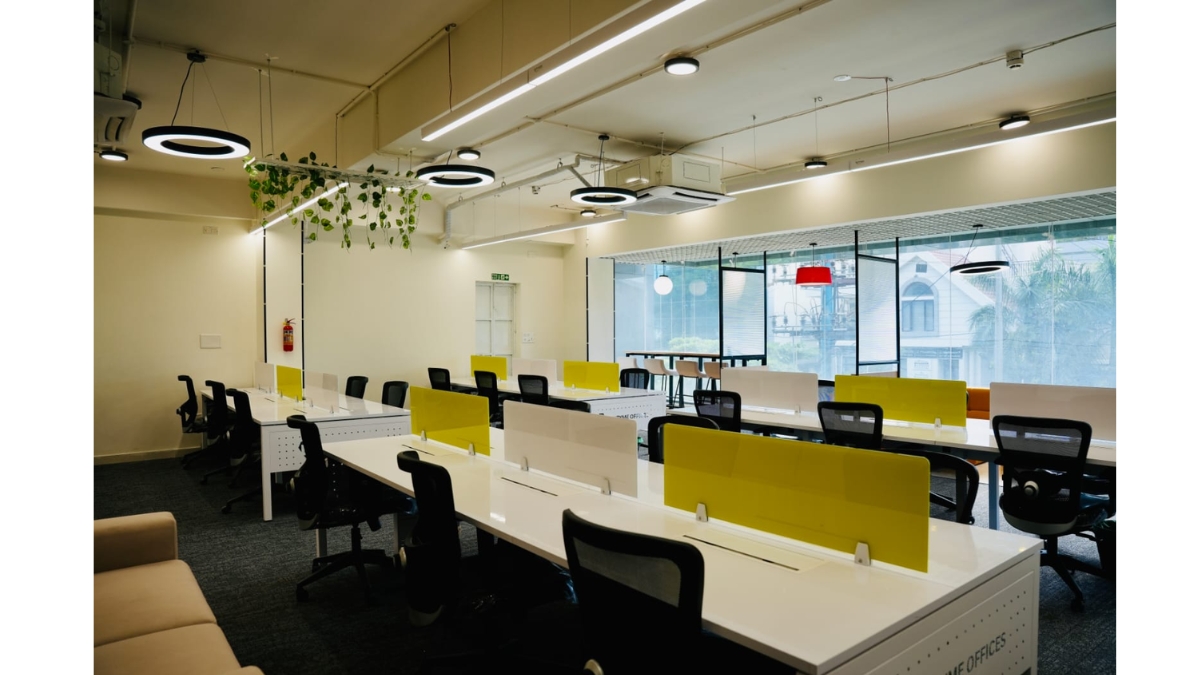
    From private offices and team suites to enterprise-grade managed spaces, Enzyme Offices offers end-to-end solutions—covering design, fit-outs, IT infrastructure, daily operations, and compliance. This makes them a preferred choice for companies seeking office space for rent in HSR Layout Bangalore, without the operational burden.

    Redefining Coworking in HSR Layout

    While coworking initially catered mainly to freelancers and early-stage startups, the segment has matured significantly. Today, coworking space in HSR is increasingly being used by growth-stage companies, distributed teams, and even large enterprises.

    Enzyme Offices stands out by offering coworking environments that go beyond shared desks. Their spaces combine privacy, brand customization, and scalability—making them suitable for businesses that want the flexibility of coworking with the professionalism of a corporate Office.

    This evolution has made coworking space in HSR Layout a strategic choice rather than a temporary solution.

    Meeting the Needs of a Dynamic Business Environment

    HSR Layout’s office market growth reflects broader changes in how companies approach workspace planning. Businesses now prioritize:

    • Flexibility in lease terms
    • Scalable layouts that support rapid growth
    • Prime locations that attract talent
    • Managed services that reduce operational overhead

    Enzyme Offices aligns closely with these priorities, offering solutions that adapt to changing workforce needs while maintaining cost efficiency and design excellence.

    The Road Ahead for HSR’s Office Market

    As Bengaluru continues to strengthen its position as India’s startup and technology capital, HSR Layout is expected to remain a key commercial hotspot. The rising preference for office space for rent in HSR Layout—particularly managed and coworking formats—signals a long-term shift in market demand.

    With players like Enzyme Offices providing future-ready, scalable workspaces, businesses in HSR Layout are better equipped to navigate growth, hybrid work trends, and evolving employee expectations.

    In a competitive office market, flexibility is no longer a luxury—it’s a necessity. And HSR Layout, supported by innovative workspace providers, is well-positioned to meet that demand.

    If you have any objection to this press release content, kindly contact pr.error.rectification@gmail.com to notify us. We will respond and rectify the situation in the next 24 hours.
  • Beyond Classrooms: DPSG Palam Vihar and 1011Sports Build the Future of School Sports

    Beyond Classrooms: DPSG Palam Vihar and 1011Sports Build the Future of School Sports

    New Delhi [India], December 31: At a time when schools across the country are redefining what holistic education truly means, DPSG Palam Vihar has taken a decisive step beyond traditional classroom learning with the inauguration of a dedicated Pickleball Arena on its campus. This forward-looking initiative reinforces the institutionʼs belief that education must nurture not only academic excellence but also physical well-being, character development, and essential life skills.

    Developed in collaboration with 1011Sports and RallyGully, the state-of-the-art Pickleball Arena reflects DPSG Palam Viharʼs continued commitment to integrating structured sports into everyday student life. By introducing a globally emerging sport at the school level, the institution aims to offer students diverse opportunities to engage in physical fitness, teamwork, and healthy competition within a professionally managed and safe environment.

    Speaking at the inauguration, Mr. Anshul Pathak, Chairman, DPSG Group, emphasized the schoolʼs philosophy of balanced education. “At DPSG, we strongly believe that education extends far beyond academics. Sports play a vital role in shaping discipline, resilience, leadership, and emotional strength in students. The introduction of pickleball aligns with our vision of providing globally relevant sporting opportunities that prepare learners for a dynamic and competitive world,ˮ he said.

    Highlighting the importance of a strong sports ecosystem, Mr. Gagan Joshi, Co- Founder, 1011Sports & Sportsynthesis, spoke about the long-term impact of access to quality infrastructure. “Sports excellence begins with access—to the right facilities, trained coaches, and a safe environment. Our partnership with DPSG Palam Vihar is focused on building sustainable, professionally managed sports infrastructure that nurtures young talent from the grassroots and encourages lifelong engagement with sports,ˮ he shared. He also noted that the arena was developed with a conscious choice of green over grey, prioritizing environmentally mindful design over short-term economics to create a facility that can breathe and coexist responsibly with its surroundings.

    Adding perspective on the sportʼs rapid rise, Mr. Aditya Khanna, President, Pickleball Association, noted, “Pickleball is one of the fastest-growing sports globally due to its accessibility and inclusive nature. Introducing it in schools will significantly accelerate awareness, participation, and structured competitive pathways in India.ˮ

    Emphasizing community engagement, Mr. Bhanu and Mr. Akshit, Founders of RallyGully, highlighted that the arena is designed not only for students but also for the wider community, helping foster a vibrant and inclusive sporting culture.

    The Pickleball Arena will support structured coaching programs, student training, community play, and inter-school tournaments, further strengthening DPSG Palam Viharʼs commitment to well-rounded education. Summing up the vision, Mrs. Ruchi Bhatia, Principal, DPSG Palam Vihar, reiterated that true education trains both the mind and the body—preparing students not just for academic success, but for life.

    If you have any objection to this press release content, kindly contact pr.error.rectification@gmail.com to notify us. We will respond and rectify the situation in the next 24 hours.

  • It’s Not Just Metro Cities – Laundry Businesses Are Witnessing Impressive Growth in Urban Towns as Well

    It’s Not Just Metro Cities – Laundry Businesses Are Witnessing Impressive Growth in Urban Towns as Well

    Noida (Uttar Pradesh) [India], December 30: The Indian laundry and dry-cleaning industry is experiencing a gradual yet powerful transformation at the same time. Even though metro cities have always been the center of attention in discussions about organized laundry services, a new growth story is now taking place in Tier-II and Tier-III urban towns. The demand for professional laundry solutions is rising due to factors like higher disposable incomes, new lifestyles, and more awareness of hygiene—all these factors push the demand for laundry services beyond the big cities.

    Organised laundry brands are now quickly coming in to wash the clothes of the people living in the urban towns—previously, these towns were relying on traditional washermen or informal setups. These towns are experiencing a change in consumer expectations, where the main factors are convenience, fabric care, and timely service, in addition to affordability. With the increase in the number of working professionals, nuclear families, students, and small businesses, the demand for dependable laundry services has also grown significantly.

    As per the estimates of the industry, the organized laundry market in India is likely to witness a growth of more than 20% CAGR in the next few years, with non-metro areas playing a crucial role in this growth phase. Urbanization, time constraints in taking care of household chores, and the exposure to global service standards through digital platforms are some of the factors driving the adoption of organized laundries in smaller cities.

    Urban towns are becoming laundry hotspots due to their unique scenario

    The laundry shops can set up business in urban towns because there are several advantages associated with these locations. The land and operational costs are not as high as in the bigger cities; the competition is still quite limited, and customer loyalty is quite often a powerful factor in the long run by providing quality service over and over again. Besides, B2B demand is created by the local hotels, hostels, hospitals, salons, and small businesses that are shortly going to rely upon the laundry services more and more.

    Moreover, government policies that encourage the new start-ups and the giving of easier access to franchise models have meanwhile reduced the obstacles to entry. Thus, the laundry brands which have been organized are not only finding urban towns as viable but also very profitable.

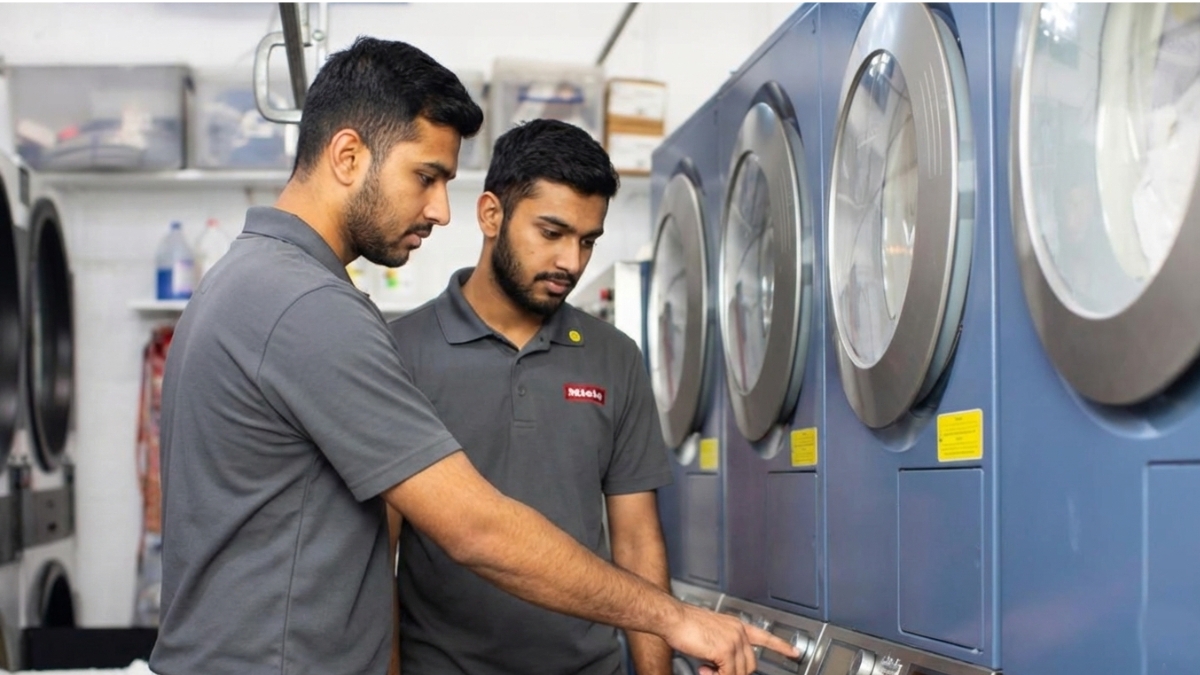
    Washmart is one of the major players that has taken the advantage of the organised laundry growth in the urban cities

    Washmart, India’s leading franchise chain for laundry and dry-cleaning, is one of the companies that have gained steady grounds in this huge growth wave. It is present in hundreds of cities and towns and has been one of the main contributors to the professional, standardized laundry services coming to the previously underserved areas.

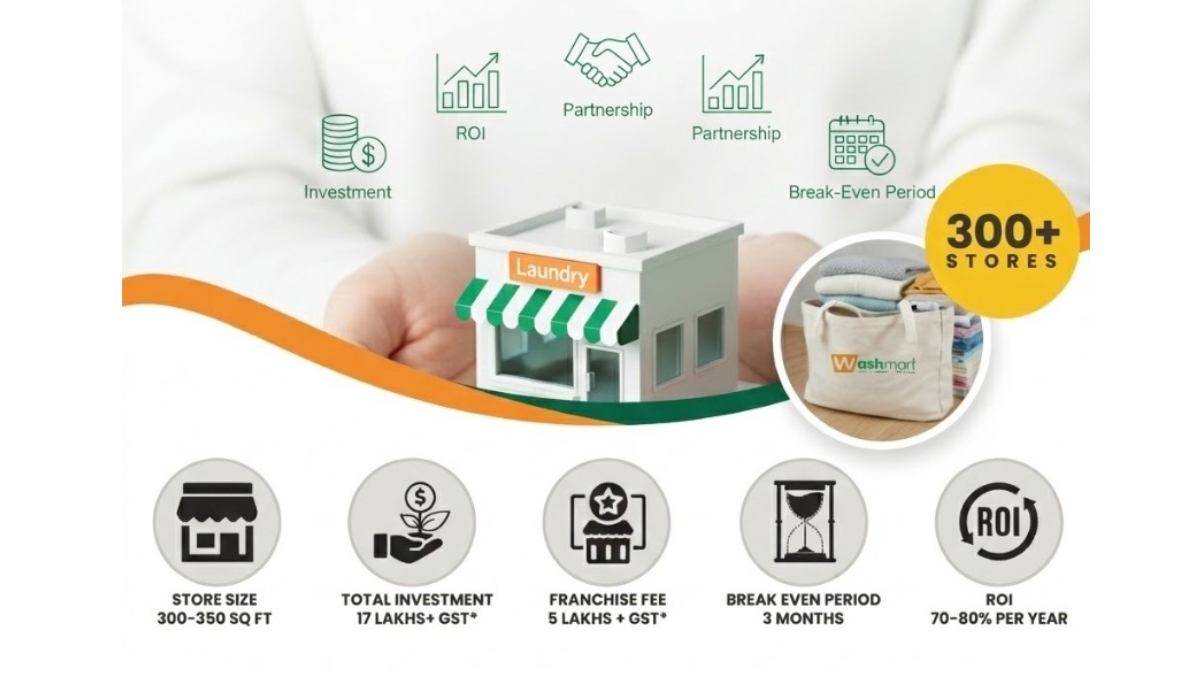
    Washmart’s franchise-led model fits urban towns perfectly. It provides an opportunity to local entrepreneurs to start a modern laundry business with almost no risk, by giving them the necessary operational support, technology-driven processes, and the trust of an established brand. The support ranges from equipment selection and store setup to staff training and marketing—Washmart is there with end-to-end assistance—making it easy for the new business owners to make it and succeed.

    Besides, the Washmart’s affordability focus, without compromising on quality is what mainly strengthens the brand’s urban markets relevance. The company provides such services as steam ironing, shoe and bag cleaning, premium dry cleaning, and express laundry, which are not only keeping up with the changing consumer needs but also being offered at a price that is friendly to price-sensitive customers.

    A Landmark Growth Opportunity for Entrepreneurs

    The laundry business is an opportunity that is recession-resilient for entrepreneurs in the urban towns. The care of clothing is a necessity that recurs, and the organized players like Washmart are the ones who help turn this everyday need into a business that can be scaled. There is going to be a steady rise in demand because of the growing awareness of hygiene and the lifespan of fabrics.

    As the story of India’s growth moves from the metro areas to the smaller towns and cities, the organized laundry sector will be one of the main factors that shape the local economies. The success of Washmart and similar brands demonstrates how structured business models can tap into the potential of emerging urban markets, and at the same time, it is a clear indication that the future of laundry in India is not just limited to the big cities anymore.

    Visit for more information:
    Website: https://washmart.in/
    Phone Number: 7217797548
    Email: hello@washmart.in

    If you have any objection to this press release content, kindly contact pr.error.rectification@gmail.com to notify us. We will respond and rectify the situation in the next 24 hours.
  • Only 1% of Creators Earn: Anchala Tomar’s Multiply Helps the Rest

    Only 1% of Creators Earn: Anchala Tomar’s Multiply Helps the Rest

    New Delhi [India], December 30: Nearly 200 million people worldwide call themselves content creators. Every day, they post videos, threads, and stories on Instagram, YouTube, X, TikTok, and Facebook, sharing their creativity with hope. But the truth is harsh: only about 1% of these creators actually earn money. The remaining 99% wait endlessly for followers, watch time, brand deals, or viral luck. Many talented voices burn out despite dedicating their best time and energy.

    For years, growing a social media following has felt like a never-ending exam because building an audience is hard work. Creators plan content, write scripts, scout locations, shoot videos, edit late into the night, respond to comments, and the list goes on. Yet platforms reward only numbers. No thousand subscribers? No viral views? No earnings. This system has left new and mid-level creators drained and frustrated, forcing them to ask one simple but powerful question: “Why should hard work go unpaid just because fame hasn’t arrived yet?”

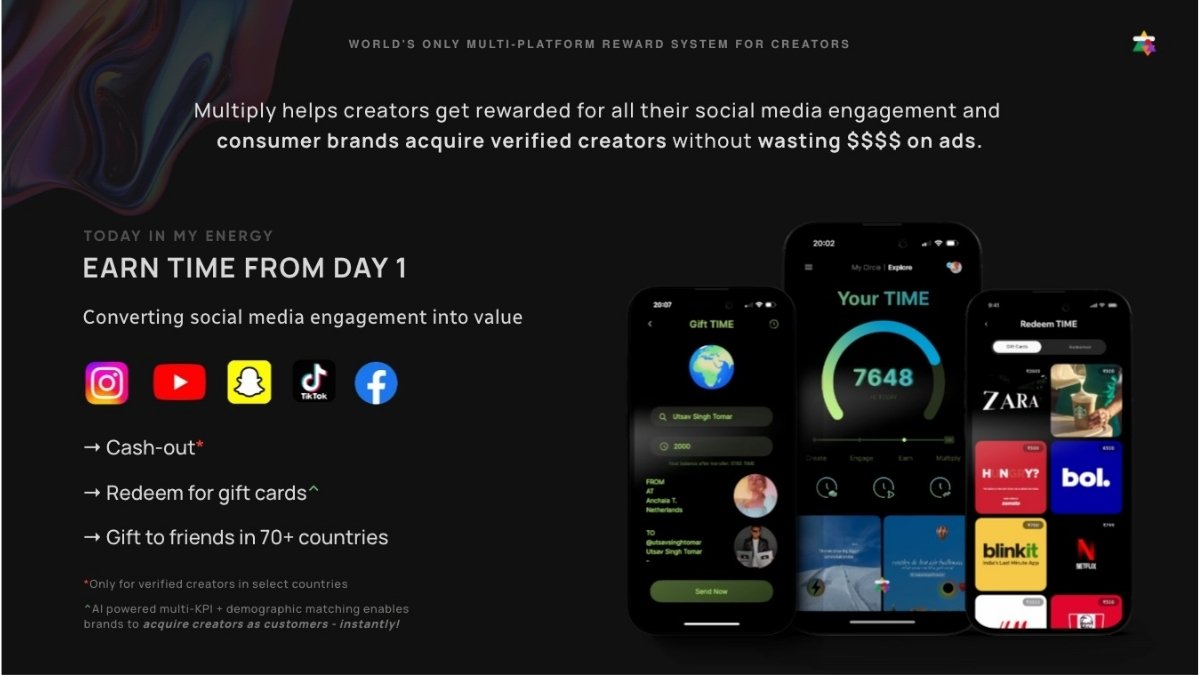
    Multiply is built to answer this question with a core principle: Effort Deserves Acknowledgement. On Multiply, creators are rewarded for the engagement they generate starting from day one, without waiting for virality. By connecting their social profiles, creators accumulate TIME (Today In My Energy) through engagement on Instagram, YouTube, TikTok, Facebook, and Multiply. TIME can be redeemed for brand vouchers, gifted to friends worldwide, or cashed out in select countries. It is simple, powerful, and deeply motivating.

    Brands face a similar challenge. In 2025, they spent $740 billion on ads to reach customers. Ads can build awareness, but what is more valuable: 100,000 views or 100 new customers? Another $30 billion went into influencer marketing, where marketing agencies connect brands to creators for one-off campaigns, but this approach is limited and service-based.

    Anchala Tomar

    Multiply takes it a step further. Instead of one-on-one deals, Multiply automates brand-creator reward redemption. Creators redeem TIME earned from engagement for brand rewards, turning ongoing effort into measurable value. This makes the system scalable across 170+ countries: every interaction counts, vouchers reach the right hands, and digital effort is directly rewarded.

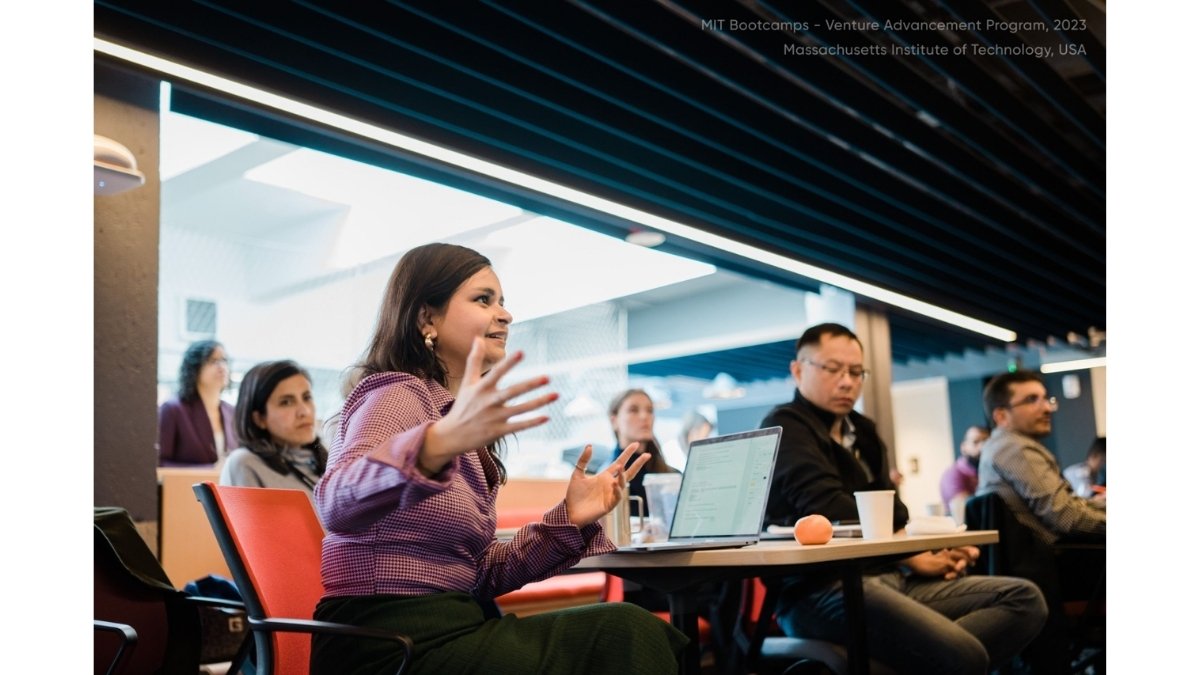
    Anchala Tomar, Multiply’s founder, combines global experience with a deeply personal mission. From Meerut, Uttar Pradesh, she graduated from Trinity College Dublin, Ireland, before moving to the Netherlands in 2020 for work. While taking a 10% pay cut from her job, she traveled to the USA to gain education from elite programs, including the MIT Bootcamps Venture Advancement Program (2023) and the Stanford Graduate School of Business Customer-Focused Innovation Program (2024). On a more personal note, Multiply is a tribute to her late mother, Lata, who she lost to cancer at age six.

    In October 2025, Utsav Tomar joined as co-founder. A creator with over 2 million social media followers, he brings firsthand creator experience to help shape a platform that truly rewards digital effort.

    In a digital world obsessed with vanity metrics, Multiply reminds us to acknowledge time, effort, and energy, because the journey is just as important as the destination.

    If you have any objection to this press release content, kindly contact pr.error.rectification@gmail.com to notify us. We will respond and rectify the situation in the next 24 hours.