Author: Sutun Nayak

  • “Better Tomorrow”: The Tamil film that sparked a wave of awareness against drug abuse by winning 50 international awards

    “Better Tomorrow”: The Tamil film that sparked a wave of awareness against drug abuse by winning 50 international awards

    New Delhi [India], October 16:In today’s age, the medium of entertainment is no longer limited to entertainment; it has also become a powerful tool for social awareness. One such example is the Tamil film “Better Tomorrow,” which has created a stir at film festivals worldwide due to its profound message and excellent presentation. This film has emerged as a source of awareness against drug addiction, and its success has proven that if a film’s message is heartfelt and presented correctly, it can bring about change in society. The Tamil film “Better Tomorrow” is resonating at film festivals worldwide. It is not just a film, but a mirror of a social revolution that has stirred the hearts of audiences.

    This film, based on drug addiction, has brought glory to Indian cinema by winning over 50 awards internationally. The biggest enemy of today’s generation is addiction—it slowly erodes the mind, body, and relationships. It spreads like a disease—one initially taken for entertainment, one never realizes when it begins to rule one’s life. The film “Better Tomorrow” exposes this harsh truth, showing how addiction begins with an individual and engulfs the entire society.

    The plot of “Better Tomorrow” is inspired by a true incident. The story revolves around Janani, who is trapped by the party drug MDMA. Her brother, Arvind, struggles to rescue her from this deadly trap. This story is not just about addiction, but also about love, hope, and rebirth. Janani’s pain represents the story of every person who has lost their identity to addiction, and Arvind represents the voice of every person who risks everything to save their loved ones.

    The film’s director, Sharvi, is commendable for the depth and honesty with which she tackles this sensitive subject. Her aim wasn’t just to tell a story, but to awaken society—”This film is a wake-up call—so that no other mother loses her life to the trap of drug addiction.”

    The Tamil film “Better Tomorrow” has reached new heights of success, bringing India laurels at film festivals around the world. The film was screened at prestigious film festivals across India, Europe, the United States, Australia, and Asia, receiving tremendous acclaim from both audiences and critics.

    The film has won numerous international awards, including Best Awareness Film, Best Social Impact Feature, Best Director (Sharvi), and Best Actor (Manav). By winning so many honors, “Better Tomorrow” has proven that true stories, the depth of emotions, and the power of social messages transcend boundaries. The film has become a landmark in Indian cinema, bringing emotion and realism to global recognition. In the lead role, Manav captures the pain of a mother through his acting, while Gauri Gopan portrays the female lead with remarkable impact. The film’s cast, including Rajan, Jagdish Dharmaraj, Shailendra Shukla, R.G. Venkatesh, Saravanan, and Divya Shiva, brings the story to a close reality. The film is produced by Shailendra Shukla under the banner of Prerana Films International, known for meaningful cinema on social issues. “Better Tomorrow” teaches us that the fight against drug addiction is not about one person, but about the entire society. This film not only shows the harm of addiction, but also offers hope. It demonstrates how true love, family support, and self-confidence can help overcome any addiction.

    There are many compelling reasons to watch “Better Tomorrow,” making it a memorable experience. The film presents a sensitive story based on true events that deeply touches the hearts of the audience. It combines a gripping narrative with a social message, making it not only thought-provoking but also emotionally resonant. Director Sharvi’s world-class direction and the cast’s outstanding performances make the film even more impactful. Most importantly, it conveys a strong message of drug addiction awareness and inspires change in society. “Better Tomorrow” instills the belief that no matter how dark the darkness, there is always a ray of hope. Janani’s story inspires every soul that is broken within. This film is not just for watching—it’s for feeling.

    If you object to the content of this press release, please notify us at pr.error.rectification@gmail.com. We will respond and rectify the situation within 24 hours.

  • India’s Shipbuilding Sector Sets Sail for Global Leadership

    India’s Shipbuilding Sector Sets Sail for Global Leadership

    New Delhi [India], October 16: India’s shipbuilding industry is charting an ambitious new course — from a modest player in global ship construction to a serious contender among the world’s top five shipbuilding nations by 2047. Backed by bold government reforms, strategic investments, and strong advocacy from the Shipyards Association of India (SAI), the sector is entering what many call its most transformative phase yet.

    A Sea of Opportunity

    Despite having one of the world’s longest coastlines — stretching over 7,500 km — India’s share in global shipbuilding is under 1%. But the tides are turning. With the Maritime Vision 2047 setting a clear roadmap, the government and industry are united in their mission: to expand capacity, attract global orders, and build a self-reliant maritime economy.

    India’s current global rank of around 16th in shipbuilding highlights the gap — but also the immense potential. Only a small percentage of ships flying the Indian flag are built domestically. That’s about to change. The government has committed to adding 1,000 new commercial vessels over the next two decades, signaling a massive wave of opportunity for Indian shipyards and allied industries.

    Strategic and Economic Significance

    The push for indigenous shipbuilding isn’t just economic — it’s strategic. India’s growing naval shipbuilding capabilities have already strengthened the nation’s defense readiness and technology base. Now, that expertise is being channeled into the commercial segment, supporting India’s broader goals of self-reliance and energy security.

    Each ship built in India represents more than just tonnage — it means thousands of jobs, demand for Indian steel, and reduced outflow of foreign exchange. With billions of dollars currently spent annually on freight to foreign shippers, a vibrant domestic shipbuilding sector could redirect this capital into national growth.

    India’s Competitive Edge

    What gives India its edge in this competitive industry? For starters, cost advantage. With lower labor costs and a skilled technical workforce, Indian shipyards can build high-quality vessels at globally competitive rates. Add to that India’s strategic location along major shipping routes — ideal for both commercial builds and quick-turnaround repairs — and the appeal becomes even stronger.

    But it’s not just about cost or location. Indian shipbuilders are embracing the future through green and niche technologies. From LNG-powered carriers to hybrid and electric vessels, shipyards are investing in sustainable innovation to meet the world’s demand for cleaner maritime transport. This early focus on eco-friendly vessels positions India uniquely in the global shipbuilding landscape.

    Moreover, decades of experience in naval and defense shipbuilding— through entities like Cochin Shipyard and Mazagon Dock — have built deep technical expertise. These shipyards, which have successfully delivered complex projects like aircraft carriers and submarines, now bring the same engineering precision and project management discipline to commercial shipbuilding, along with competent private shipyards.

    The Challenges Ahead

    However, the path to maritime resurgence isn’t without rough waters. Indian shipyards continue to grapple with high capital costs, import dependence, and infrastructure bottlenecks. Access to affordable, long-term financing remains a challenge, especially when competitors in South Korea or China enjoy heavy state-backed support.

    Many critical ship components — from engines to marine electronics — are still imported, driving up costs and timelines. Productivity gaps, outdated facilities, and the need for greater technological modernization also limit global competitiveness.

    The Shipyards Association of India (SAI) has consistently raised these concerns, emphasizing the need for sustained policy support and a holistic ecosystem approach to overcome structural disadvantages.

    Government Reforms: A Maritime Makeover

    Recognizing the sector’s strategic importance, the government has launched a series of groundbreaking initiatives to steer the industry toward global prominence.

    At the heart of this effort are the Maritime India Vision 2030 and Vision 2047, which lay out targets to elevate India into the global top ten by 2030 and top five by 2047. Complementing this long-term vision are immediate, tangible reforms:

    Financial Assistance Scheme: Extended till 2036 with a fresh outlay of Rs.24,736 crore, it offsets a portion of shipbuilding costs, helping Indian yards compete with foreign counterparts.

    Maritime Development Fund: A Rs. 25,000 crore fund introduced in the 2025 Union Budget provides long-term, low-interest loans to shipbuilders and shipping companies, addressing the capital crunch.

    Infrastructure Status for Shipbuilding: Recognized in 2025, this long-awaited move opens access to infrastructure financing, though industry leaders continue to advocate for its inclusion under income tax benefits as well.

    Domestic Procurement Preferences: Indian shipyards now enjoy a Right of First Refusal (ROFR) on government contracts, while vessels below Rs. 200 crore must be sourced from domestic builders.

    Tax and Duty Relief: Basic customs duty exemptions on shipbuilding materials have been extended for another decade, easing input costs and encouraging local production.

    Integrated Shipbuilding Clusters:  Eight maritime clusters are being planned across coastal states to co-locate shipyards, suppliers, and R&D centers — mirroring the successful East Asian model.

    National Shipbuilding Mission: Launched in 2025 with a Rs. 70,000 crore budget, it unifies all major initiatives, from financial aid and infrastructure to technology and skilling.

    These measures, combined, are setting the stage for a once-in-a-generation industrial resurgence.

    SAI: The Voice of Indian Shipyard

    At the center of this transformation is the Shipyards Association of India (SAI) — the industry’s collective voice and policy advocate. SAI has played a pivotal role in securing reforms like infrastructure status, financing support, and the creation of the Maritime Development Fund.

    Its recent collaboration with the Indian Steel Association to prioritize domestic steel in shipbuilding is a landmark step toward reducing import dependence. The Association also engages regularly with key ministries, coordinates between public and private yards, and promotes best practices through workshops and training.

    SAI’s efforts extend beyond policy — it’s also building public awareness. Through conferences, publications, and social media outreach, SAI is working to change perceptions of shipbuilding from an old-fashioned industry to one that’s modern, green, and full of opportunity.

    India Ship Technology Centre: The Innovation Engine

    A major milestone in this journey is the upcoming inauguration of the India Ship Technology Centre (ISTC) at the Indian Maritime University, Visakhapatnam. Backed by Rs. 305 crore, ISTC will serve as a national hub for ship design, R&D, and skill development — the nerve center of India’s maritime innovation.

    It will act as a common platform for shipyards, suppliers, and academia, fostering collaboration and accelerating the development of indigenous technologies in next-generation shipbuilding.

    Riding the Wave of Demand

    The timing couldn’t be better. A consolidated demand for 112 new vessels has already been aggregated by major Oil & Gas PSUs like ONGC, IOCL, BPCL, and GAIL. Specifications for 79 priority vessels — including MR Tankers, VLGCs, and Offshore Support Vessels — have been finalized, guaranteeing a healthy order pipeline for Indian yards.

    This aggregation effort, aligned with the “Make in India” mandate, is set to boost production, generate employment, and ensure that India’s maritime needs are met by its own shipyards — not foreign ones.

    Setting Sail Toward 2047

    As the global shipping industry seeks new capacity and cleaner technologies, India stands at the cusp of a historic opportunity. The foundations have been laid — through visionary policies, industry collaboration, and growing demand. The challenge now lies in execution: modernizing shipyards, scaling supply chains, and sustaining policy momentum.

    If successful, India won’t just build ships — it will build a legacy of self-reliance, innovation, and maritime might.

    With every vessel launched from Indian shores, the nation sails a little closer to its Maritime Vision 2047 — a vision of a prosperous, resilient, and globally admired shipbuilding powerhouse.

    The upcoming India Maritime Week (IMW) 2025, is scheduled from 27th-31st  October 2025. This event is being organised by Ministry of Ports, Shipping & Waterways is a testament to India’s commitment to fostering national & International dialogue and sustainable growth in the maritime sector. The initiatives of the government aims to provide inclusive growth and sustainable maritime development, fostering strategic partnerships to shape India’s journey as a global maritime hubs.

    Website: www.shipyardsassociationofindia.com

    Contact Information:

    Mobile: +91-9650 279551

    Email: shipyardsassociationofindia@gmail.com / ceo@shipyardsassociationofindia.com

    If you have any objection to this press release content, kindly contact pr.error.rectification@gmail.com to notify us. We will respond and rectify the situation in the next 24 hours.


  • How Bag2Bag Is Making India’s ‘Pay-as-you-Stay’ Culture Mainstream

    How Bag2Bag Is Making India’s ‘Pay-as-you-Stay’ Culture Mainstream

    Bangalore (Karnataka) [India], October 16: In recent years, the hotel-stay paradigm in India has begun to shift. No longer are overnight check-ins the only option; many travellers now want flexibility — to stay for just a few hours, or just a part of the night, without paying for the full day or full night. Bag2Bag, a hospitality-tech startup, is emerging as one of the key forces driving this transformation. Its model is helping normalise what could be called “pay-as-you-stay” culture: you pay for exactly how long you stay, and nothing more.

    Founded in 2019, Bag2Bag began with a vision to disrupt traditional hotel booking by offering greater flexibility. It recognised early on that there is a large market segment whose stay needs do not align with conventional check-in/check-out times: people on layovers, business travellers with meetings, students flying in for tests, couples wanting privacy, people in transit during odd hours or waiting spaces like stations or airports. These use-cases often do not require an entire night’s stay, but the cost of even “budget” hotels for a full day is often prohibitive. 

    Bag2Bag’s founders saw an opportunity in the large amount of hotel inventory that remains unused — rooms that are empty for parts of the day or overnight, simply because traditional booking models don’t permit fractional stays. Turning unused capacity into a revenue source becomes a win-win: hotels get income where there would have been none, while customers pay less for precisely what they need. 

    What Bag2Bag Offers

    Bag2Bag allows travellers to book accommodations for hourly slots (from as little as 1 hour), part-day, overnight, and for longer stays (days, weeks, or even months). This “micro-slot” approach is what redefines traditional hotel stays. The platform is available in over 100 cities and partners with thousands of properties — from budget hotels and homestays to service apartments and resorts. 

    An important component of their offering is the loyalty program: customers earn credit points with each booking, and after 10 stays (hourly or overnight), the 11th stay is free in that category. This shifts perceptions: instead of seeing short stays as fringe or occasional, they become a normative, repeatable option.

    Bag2Bag also emphasises safety, convenience, and user-friendly policies. The platform accepts local IDs; it has filters and verification to assist travellers who may worry about legitimacy or stigma. It has expanded into homestays in remote and culturally rich areas, combining affordability with authenticity. 

    Why It’s Catching On

    First, changing travel behaviour. Not every trip is leisure; many are short trips for personal errands, medical appointments, or work-related tasks. With more people travelling in smaller, more fragmented ways, fixed overnight stays become less appealing.

    Second, cost sensitivity. Many people cannot or do not want to shell out for an entire night if they only need a room for a few hours. The pay-by-hour model offers savings often reaching 50-70% compared to full-night booking, depending on the city, hotel type, and time slot.

    Third, urban pressures: in cities where traffic and logistics make conventional travel unpredictable, having flexible stays allows travellers to adapt. For those arriving late, leaving early, or with interruptions in their schedule, being able to book by the hour adds great value.

    Fourth, expectations around privacy and dignity have been shifting. Platforms like Bag2Bag, which ensure verification, safety, and transparency, help in reducing the stigma around short stays or non-traditional uses (for example, unmarried couples). By making policies transparent and offering verified listings, trust gradually builds up.

    Finally, hotel-side economics. Many hotels see low occupancy in off-peak hours. By opening up hourly slots or short stays, they can monetise otherwise idle assets. This increases revenue per available room (“RevPAR”) and improves utilisation. Bag2Bag’s model, hence, appeals not just to customers but also to property owners.

    Impact and Future Outlook

    Bag2Bag’s growth suggests that pay-as-you-stay is not a niche but something moving toward mainstream adoption. Since its founding, its presence has expanded to dozens of cities, thousands of properties, with a wide categorisation of stays (hourly, overnight, extended).

    As India’s urbanisation, digitisation, and changing travel patterns continue, the appeal of flexibility is likely to increase. The model may evolve with more dynamic pricing, partnerships with co-working spaces, “day use” meeting rooms, and expanded amenities.

    If regulators, hotels, and travellers embrace the shift, “pay-as-you-stay” could become standard in many cities: the norm rather than the exception.

  • Stop Suffering in Silence: Kochi Residents Find Advanced Laser Solutions for Fistula and Pilonidal Sinus

    Stop Suffering in Silence: Kochi Residents Find Advanced Laser Solutions for Fistula and Pilonidal Sinus

    Kochi (Kerala) [India], October 15: Living in Kochi with recurring issues like a Pilonidal Sinus or Anal Fistula isn’t just uncomfortable—it’s exhausting. Between endless dressings and delayed healing, patients deserve more than band-aid solutions. Enter Dr. Raviram S, a name that’s rewriting how these stubborn conditions are treated across Kerala.

    When Experience Meets Precision

    In the world of proctology, skill and technology are everything. And Dr. Raviram S of Thrissur Piles Clinic has both in spades.
    With over 15 years of surgical expertise, he’s a trusted name for patients across Kochi, Thrissur, and central Kerala seeking relief from Anal Fistula, Pilonidal Sinus, Piles, and Fissures.

    Many from Kochi now make the short drive to his clinic — because sometimes the right doctor isn’t just local, he’s worth the trip.

    His edge? Precision laser treatments that are muscle-saving, minimally invasive, and built for fast recovery. No exaggerated promises, just science-driven outcomes.

    Understanding the Enemy: What Pilonidal Sinus Really Is

    Let’s call it what it is — a painful nuisance.
    A Pilonidal Sinus is a small, infected tunnel near the tailbone that collects hair, debris, and bacteria. The result? Swelling, pus, and repeated infections that make even sitting a task.

    Traditional open surgery often leaves a deep wound that can take months to heal, complete with painful dressings and risk of recurrence. That’s why the modern patient looks for a Pilonidal Sinus Doctor in Kochi who can offer a better solution — one that respects both your time and your sanity.

    Laser Precision: The Game-Changer

    Here’s where Dr. Raviram’s approach shines.
    Instead of the traditional “cut and wait” method, his Laser Pilonidal Sinus Treatment uses focused laser energy to remove the infected tissue from within, leaving only a tiny wound behind.

    The advantages?

    • Less Pain: The laser minimizes trauma to surrounding tissue.

    • Faster Healing: Recovery happens in days, not months.

    • Smaller Wound: Minimal scarring, minimal dressing.

    • Back to Routine: Most patients return to normal life quickly — no prolonged downtime.

    For complex or recurring cases, he also performs Flap Surgery, a reconstructive technique that ensures the sinus doesn’t return. It’s the kind of precision work that requires both steady hands and deep expertise — something Dr. Raviram has mastered over hundreds of successful cases.

    Anal Fistula: The Other Silent Trouble

    The Anal Fistula is another nightmare that doesn’t go away easily. It’s an infected tunnel that connects the anal canal to the skin. The pain is sharp, the discharge is embarrassing, and recurrence is common when treated incorrectly.

    While traditional surgery risks damage to the sphincter muscle (the one that keeps you continent), Dr. Raviram’s muscle-saving methods change the game.

    His techniques include:

    • FiLaC (Fistula Laser Closure): Seals the fistula tract from inside using laser light — precise, clean, and with minimal bleeding.

    • LIFT Procedure: A muscle-sparing option that closes the fistula tract safely.

    • Fistulotomy & Fistulectomy: For simpler cases, he still applies tried-and-true surgical principles with modern upgrades.

    The goal? Total healing with zero compromise on muscle function.

    Not Just Fistula and Sinus — Complete Colorectal Expertise

    Dr. Raviram’s clinic isn’t limited to just one or two conditions.
    He’s also a well-known Piles Specialist and Fissure Expert in Kochi’s extended region. His Laser Treatment for Piles offers quick, nearly painless relief and short recovery times, while his Laser Fissure and LIS procedures help patients bid farewell to chronic pain for good.

    This isn’t a one-size-fits-all clinic — it’s a precision center where each procedure is customized to the patient’s condition.

    Why Patients from Kochi Travel to Thrissur

    Kochi residents are tech-savvy, health-aware, and value their time. So why are so many heading to Thrissur Piles Clinic? Simple: results.

    Laser technology, faster discharge, insurance support, and the assurance of being treated by someone who knows his craft down to the nerve — that’s a combination worth a few kilometres of travel.

    In Dr. Raviram’s own words, “My patients don’t just heal. They recover right — without losing muscle, confidence, or time.”

    It’s the kind of philosophy that blends medical innovation with human empathy — something rare and valuable in today’s healthcare rush.

    Insurance, Accessibility, and Peace of Mind

    Healthcare shouldn’t drain you — physically or financially.
    That’s why the Thrissur Piles Clinic accepts major insurance plans, making modern treatment accessible to everyone.

    Appointments are easy to book, consultations are straightforward, and post-surgery support is consistent. The focus is always on comfort, recovery, and confidence.

    The Bottom Line

    If you’re living with the discomfort of Pilonidal Sinus, Anal Fistula, or Piles, stop settling for outdated treatments.
    The modern approach is faster, cleaner, and backed by results.

    With over 15 years of surgical mastery, Dr Raviram S stands out as one of the best Pilonidal Sinus Doctors in Kochi’s region — combining cutting-edge laser precision with patient-first ethics.

    When science meets skill, healing becomes inevitable.

    Disclaimer: The article is for general information purposes only and should not be construed as professional medical advice. Always consult your doctor before taking any step.

  • Palladian Partners Powers Record-Breaking Festive Launch — Pearl Icon by Chandiwala Group Sold Out in Just 2 Hours

    Palladian Partners Powers Record-Breaking Festive Launch — Pearl Icon by Chandiwala Group Sold Out in Just 2 Hours

    Mumbai (Maharashtra) [India], October 16: Palladian Partners has set a new industry benchmark with the spectacular sell-out of Pearl Icon by Chandiwala Group, located in Pathanwadi, Malad East. The project’s entire inventory, worth ₹200 crore, was snapped up within just two hours of launch — a feat that underscores Palladian’s unmatched expertise in orchestrating large-scale real estate success stories during the festive season.

    The record-breaking performance stands as a testament to Palladian’s deep market insight, strategic precision, and the strength of its vast channel partner network. Backed by a highly skilled team, Palladian turned Pearl Icon’s launch into one of Mumbai’s fastest full sell-outs — transforming vision into achievement through flawless execution and collective commitment.

    The sell-out also highlights the buoyancy of Mumbai’s property market, where festive optimism and favourable macro conditions are fueling decisive buyer action. Property registrations have jumped 20% during Navratri, while recent GST cuts on construction materials have further improved affordability. Within this environment, Palladian’s ability to convert demand into immediate sales reaffirms its leadership and the trust it commands across the Mumbai Metropolitan Region (MMR).

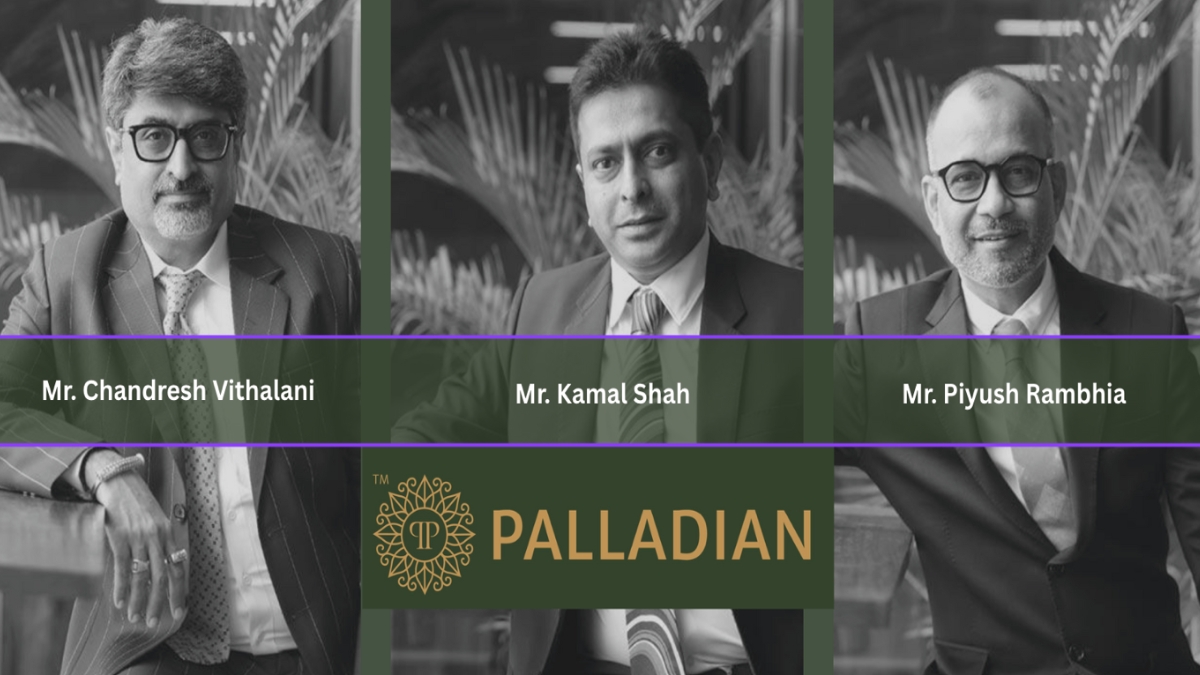
    “This milestone is a reflection of the collective power of precision strategy, on-ground agility, and trusted partnerships,” said Mr. Chandresh Vithalani, Partner, Palladian Partners“At Palladian, we approach every launch as a mission — aligning developer vision with buyer aspiration, and executing every detail with discipline. Pearl Icon’s success once again proves what’s possible when insight and execution work seamlessly together.”

    Beyond numbers, the success of Pearl Icon reinforces Palladian’s growing reputation as a driving force behind some of the most successful launches in India’s premium housing segment. From strategic positioning to last-mile sales, every touchpoint of this project bore the hallmark of Palladian’s precision and partnership-driven approach.

    As Palladian continues to shape the new narrative of Mumbai real estate, its vision remains unwavering — to create iconic sell-out stories and deliver sustained value for developers, partners, and homebuyers alike.

    If you have any objection to this press release content, kindly contact pr.error.rectification@gmail.com to notify us. We will respond and rectify the situation in the next 24 hours.

  • Uttarakhand AI Impact Summit 2025 Sparks Responsible AI Future

    Uttarakhand AI Impact Summit 2025 Sparks Responsible AI Future

    New Delhi [India], October 16: India’s AI game just got a Himalayan upgrade. On October 17, Union Minister Jitin Prasada will headline the Uttarakhand AI Impact Summit 2025 in Dehradun, a curtain-raiser to next year’s India–AI Impact Summit 2026 in New Delhi. The mission: turn buzzwords like “inclusion” and “responsibility” into measurable outcomes.

    AI Meets the Mountains

    The Government of Uttarakhand and the India AI Mission under the Ministry of Electronics and Information Technology (MeitY) are bringing serious AI muscle to Dehradun’s Hotel Ramada. This isn’t another talk shop; it’s a pre-summit to India’s first-ever global AI forum to be hosted in the Global South next February at Bharat Mandapam, New Delhi.

    Union Minister of State Jitin Prasada will inaugurate the summit, joined by senior MeitY and state government officials. Together, they’ll unpack how artificial intelligence can drive Digital Uttarakhand, a vision to fuse governance, entrepreneurship, and innovation under one inclusive digital framework.

    Because let’s face it: AI doesn’t belong only to Silicon Valley anymore. The Himalayas are learning to compute.

    India’s AI Moment: From Mission to Movement

    The upcoming India–AI Impact Summit 2026 is not just India flexing its digital muscles; it’s the Global South stepping onto the AI stage with intent. Anchored in the philosophy of “AI for All,” it focuses on ensuring that AI serves people, protects the planet, and drives equitable progress.

    These aren’t marketing slogans. The summit is structured around three Sutras, People, Planet, and Progress, and seven Chakras, or thematic pillars, that translate ideals into outcomes.

    The Sutras set the tone:

    • People: Tech that respects diversity, dignity, and accessibility.
    • Planet: AI that’s resource-efficient and aligned with sustainability goals.
    • Progress: Democratizing AI’s benefits across healthcare, education, and governance.

    These principles sound spiritual, but they’re grounded in data and delivery. India’s approach blends philosophy with policy, and that’s where it stands apart.

    The Seven Chakras: Turning Vision into Velocity

    The seven Chakras represent action zones that will drive this AI transformation:

    1. Human Capital: Prepping India’s workforce for the AI era, reskilling, literacy, and equitable access.
    2. Inclusion for Social Empowerment: Designing AI that reflects India’s languages, identities, and people with disabilities.
    3. Safe and Trusted AI: Building frameworks for transparency and auditability, not blind trust.
    4. Resilience, Innovation & Efficiency: Making AI lean, sustainable, and adaptable.
    5. Science: Using AI to accelerate discovery and research across the Global South.
    6. Democratizing AI Resources: Ensuring access to data, compute, and models for everyone, not just tech giants.
    7. AI for Economic Development & Social Good: Scaling AI-driven impact in sectors that actually matter, like agriculture, education, and governance.

    If the Sutras are the philosophy, the Chakras are the engine room.

    Dehradun’s Role: From State Capital to Smart Capital

    The Uttarakhand AI Impact Summit 2025 puts the hill state on India’s innovation map. The event will showcase AI-led startups, many supported by IIM Kashipur and STPI Dehradun, presenting real-world applications in governance, agriculture, and environment.

    Expect demos, data, and disruption, not just speeches. Presentations will outline Uttarakhand’s IT roadmap and AI Governance Vision, setting the tone for a future where technology works for citizens, not the other way around.

    The summit also reinforces how Digital Uttarakhand aligns with Digital India, amplifying the state’s push for innovation-driven governance.

    As India’s tech narrative expands beyond metros, Dehradun becomes more than a tourist destination. It’s turning into a testbed for responsible, inclusive AI adoption, a model other states would do well to copy.

    Global Vision, Local Roots

    AI for social good isn’t a Western concept India is borrowing; it’s an Indian philosophy the world is finally catching up to. “People, Planet, Progress” sounds like it came straight from an Indian classroom rather than a corporate whiteboard.

    And that’s the power of this summit. It takes India’s deep-rooted values, inclusion, sustainability, community, and codes them into technology governance.

    This event isn’t just about the future of AI. It’s about redefining who owns that future.

    India’s Playbook for the Global South

    India hosting the India–AI Impact Summit 2026 is symbolic, a statement that the AI conversation doesn’t need to be monopolised by Silicon Valley, Shenzhen, or Brussels. With the Uttarakhand pre-summit, the message is clear: the next frontier of AI will be inclusive or it won’t be at all.

    For the Global South, this means shifting from being passive consumers of technology to active contributors shaping its ethics, deployment, and benefits.

    And if there’s one thing India knows, it’s how to make scale work for inclusion.

    The Bottom Line

    The Uttarakhand AI Impact Summit 2025 isn’t just another conference. It’s the prelude to a global reset on how nations approach AI, with people, planet, and progress at its core. From Dehradun’s foothills to Delhi’s global stage, India’s AI mission is evolving from policy paper to practical playbook. The message is crisp: the future of AI isn’t about power. It’s about purpose.

    PNN National

  • NAR India and UCO Forge First-Ever U.S.–India Real Estate Bridge with MLS Partnership

    NAR India and UCO Forge First-Ever U.S.–India Real Estate Bridge with MLS Partnership

    Mumbai (Maharashtra) [India], October 16: In a landmark move set to redefine transparency and global collaboration in real estate, the National Association of REALTORS® (NAR) India and Universal Consulting Opportunities (UCO), a subsidiary of Stellar MLS one of the largest and most influential Multiple Listing Services (MLSs) in the United States, have entered into an agreement to introduce a modern MLS platform in India. This collaboration marks the first step in building a cross-border real estate bridge between the U.S. and India—two of the world’s most dynamic property markets.

    The partnership will debut with the launch of India’s first MLS pilot in Mumbai, a city comparable to New York in scale and economic significance. This initiative is the foundation of a nationwide transformation that will bring structured data, greater professionalism, and market transparency to India’s $1 trillion real estate sector projected by 2030.

    With a population of 1.46 billion, near-universal internet access, and one of the world’s most advanced digital payments and identity ecosystems, India is uniquely positioned to leapfrog into a data-driven, globally benchmarked real estate future.

    NAR India representing over 40 member associations and more than 50,000 real estate professionals has long been at the forefront of promoting industry ethics, education, and advocacy. This partnership with UCO combines NAR India’s deep market understanding with UCO’s global MLS expertise, paving the way for a scalable and technology-led infrastructure that benefits agents, brokers, developers, and consumers alike.

    Indians are now the fourth-largest group of foreign buyers in U.S. real estate, accounting for 6% of international transactions at an average purchase price of $346,400. Simultaneously, Non-Resident Indians (NRIs) remain a powerful investment force within India. This collaboration creates a two-way ecosystem enhancing trust, standardization, and data-driven insight for buyers, sellers, and professionals on both sides of the globe.

    Leadership Perspectives

    Merri Jo Cowen, CEO of UCO and Stellar MLS, said:

    “India’s scale, digital maturity, and economic growth make it the ideal market to reimagine how real estate information is shared and trusted. Through this collaboration with NAR India, we aim to establish a foundation that simplifies transactions, improves transparency, and opens global opportunities for Indian real estate professionals.”

    Sumath Reddy, Chairman, NAR India, said:

    “For years, the Indian real estate sector has needed a system that brings structure, reliability, and accountability to property data. With the MLS entering our market, we are taking a decisive step toward a more organized, transparent, and trustworthy ecosystem. This is a long-term reform one that will benefit every stakeholder, from agents to end-buyers.”

    Tarun Bhatia, Vice Chairman and Chair – Global, NAR India, stated:

    “This partnership represents more than technology adoption it’s about global integration. By working with UCO, we’re setting a new standard for how real estate data is managed, accessed, and shared, empowering our members to build credibility and compete on a global stage.”

    He added:

    “The MLS framework will strengthen professional trust within India while aligning our market with international best practices. It’s a transformative moment for our industry.”

    Amit Chopra, President, NAR India, commented:

    “The launch of India’s first MLS pilot reflects our commitment to elevate the profession and empower our members with tools that match global standards. This collaboration is not just about technology, it’s about trust. It will redefine how properties are listed, verified, and transacted, ensuring that professionalism and integrity become the new benchmarks in Indian real estate.”

    If you have any objection to this press release content, kindly contact pr.error.rectification@gmail.com to notify us. We will respond and rectify the situation in the next 24 hours.

  • Kuch Alfaaz by Nitinn R Miranni Sparks an Unforgettable Night

    Kuch Alfaaz by Nitinn R Miranni Sparks an Unforgettable Night

    Mumbai (Maharashtra) [India], October 16: When melody meets meaning, the result isn’t just entertainment — it’s electricity. Kuch Alfaaz by Nitinn R Miranni, powered by Haier India, is gearing up to deliver exactly that: an evening where poetry, music, and emotion crash into each other like fireworks.

    A Night Where Words Dance and Music Breathes

    Some shows entertain. Others move you. Kuch Alfaaz aims for the latter — a full-bodied experience that swings between laughter, nostalgia, and soul-stirring silence. On one side of the stage stands Nitinn R Miranni, the globally loved stand-up and spoken-word artist who can make you laugh, tear up, and rethink your life — all within the same sentence. On the other side, Akriti Kakar, the powerhouse voice behind Bollywood chartbusters and independent hits, brings a storm of melody and emotion.

    The duo plans to turn a simple night out into something deeper: an emotional soundtrack to real life.

    Kuch Alfaaz by Nitinn R Miranni, to be Performed by Akriti Kakar - PNN

    When Haier Meets Heart

    Backing this creative collaboration is Haier India, a brand that’s quietly been redefining how partnerships in entertainment work. This isn’t just another “brand tie-up.” It’s smart synergy — art meeting innovation. Haier’s involvement underscores how experience-driven storytelling can bridge creativity and lifestyle.

    The Format: Part Concert, Part Confession

    The performance isn’t your typical sit-back-and-watch affair. It’s part live concert, part open journal.
    Nitinn brings his trademark wit, vulnerability, and quicksilver charm to the mic — effortlessly moving from heartfelt poetry to razor-sharp humor. Akriti matches that energy with vocals that glide from velvet to thunder, pulling the audience along for the emotional ride.

    Their chemistry doesn’t just complement; it completes. When his words meet her notes, you get that rare “hair-standing-on-end” kind of magic — the sort you can’t fake.

    Kuch Alfaaz will be a shared heartbeat between the performer and the audience. It’s where laughter meets silence, where stories become songs, and where emotions flow freely,” says Nitinn R Miranni.

    There’s something profoundly beautiful about blending music with poetry and raw emotion,” adds Akriti Kakar.

    They’re not exaggerating. If you’ve ever been to a Miranni gig or an Akriti live set, you know — their performances don’t ask for your attention; they command it.

    A Moodboard of Nostalgia and Nerve

    Expect Kuch Alfaaz to play like a well-curated playlist of life itself — laughter, heartbreak, hope, and all the mess in between. One minute, you’re chuckling over Nitinn’s punchlines; the next, you’re lost in Akriti’s soaring melody that hits just the right nerve.

    It’s this duality that makes the event more than a show — it’s therapy disguised as entertainment. The kind you don’t realize you needed until you’re in the moment.

    The Big Picture: Redefining Live Experiences in India

    Live entertainment in India has exploded over the last decade — from stadium-filling concerts to cozy spoken-word evenings. Yet, Kuch Alfaaz feels like a step up. It’s not trying to impress with scale. It’s aiming for impact.

    In a post-pandemic world where audiences crave authenticity, Kuch Alfaaz fits the brief. It’s intimate, emotional, and raw — a reminder that art doesn’t need pyrotechnics to be powerful.

    Why It Matters

    For India’s ever-evolving creative ecosystem, collaborations like this are important signals. They prove that brands, artists, and audiences can meet on a shared wavelength — one that values sincerity as much as spectacle.

    Kuch Alfaaz by Nitinn R Miranni isn’t just about one night of great music and poetry. It’s about how entertainment can still make you feel something real. And that’s rare in a world obsessed with filters and virality.

    The Bottom Line

    When words find rhythm and rhythm finds purpose, the outcome is pure creative combustion. Kuch Alfaaz is that spark — unapologetically emotional, effortlessly cool, and proudly human.

  • Tech Giants Drive Growth: Office Space in Whitefield Bangalore Becomes a Top Pick

    Tech Giants Drive Growth: Office Space in Whitefield Bangalore Becomes a Top Pick

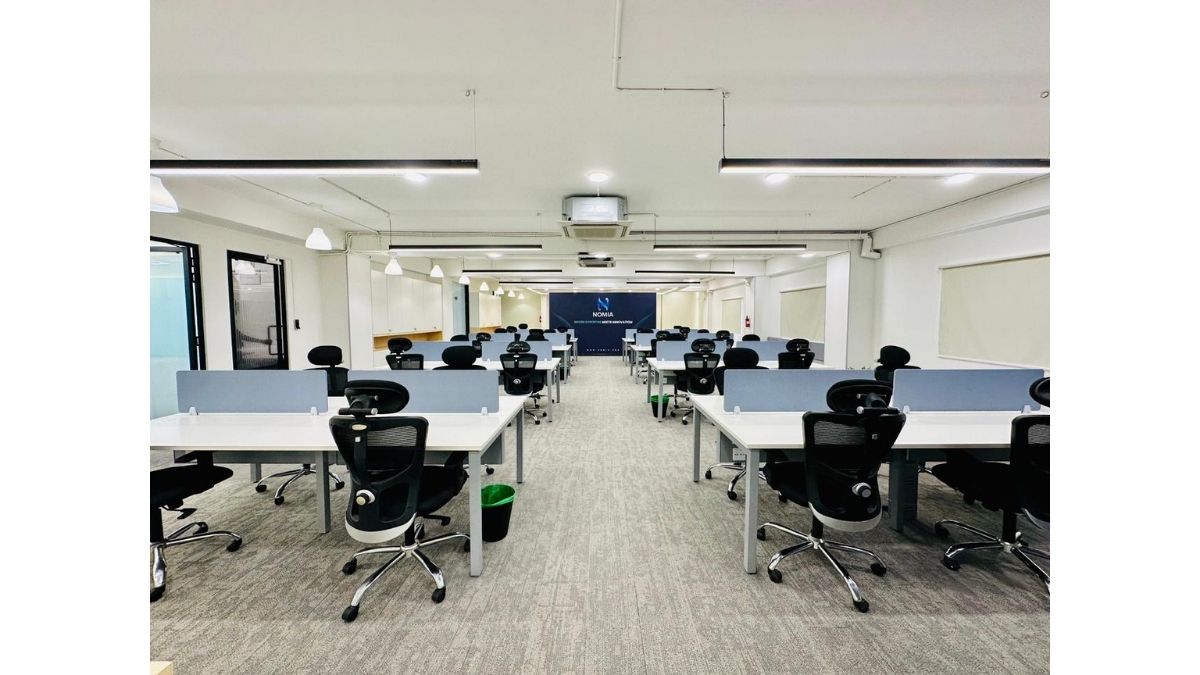
    Bengaluru (Karnataka) [India], October 16: Whitefield, once known as a quiet suburb of Bengaluru, has now evolved into one of the city’s most dynamic commercial and IT hubs. With the rise of global technology companies, startups, and managed office providers, the demand for office space in Whitefield, Bangalore has grown exponentially. Today, it stands as one of the most preferred business destinations for enterprises seeking innovation, connectivity, and growth opportunities.

    A Hub for Tech and Talent 

    Whitefield’s transformation began with the IT boom in the early 2000s, and it has not slowed since. The presence of tech giants and multinational corporations has transformed office space in Whitefield into a hot commodity. From state-of-the-art coworking hubs to Grade-A corporate towers, the area offers a wide range of offices in Whitefield that cater to companies of all sizes.

    The biggest attraction for organizations is the proximity to leading IT parks such as International Tech Park Bangalore (ITPB), EPIP Zone, and RMZ Ecoworld. Supported by robust infrastructure, premium amenities, and a pool of skilled professionals, these locations provide the foundation where businesses thrive. As a result, many companies are now opting for office space for rent in Whitefield Bangalore, to establish their presence in the heart of the city’s tech landscape.

    Why Businesses Prefer Whitefield?

    The appeal of office space in Whitefield, Bangalore, lies in its blend of accessibility and modern infrastructure. The area is well-connected to major parts of Bengaluru through the Outer Ring Road and the upcoming Metro line. This makes daily commutes easier for employees. Additionally, the availability of restaurants, residential complexes, and entertainment options adds to the convenience of working in Whitefield.

    Coworking and managed office spaces in Whitefield are witnessing a sharp rise in popularity. These flexible workspaces allow businesses to scale quickly without worrying about setup costs, maintenance, or long-term leases. For startups and growing enterprises, office space for rent in Whitefield provides the agility they need in a competitive market.

    The Rise of Managed Office Solutions

    As companies shift towards hybrid and flexible work models, the demand for managed office solutions has surged. Brands like Enzyme Offices are leading the way in redefining modern work environments. Known for their thoughtfully designed workspaces, Enzyme offers fully managed office space in Whitefield tailored to the specific needs of enterprises. What sets Enzyme Offices apart is its focus on functionality, aesthetics, and community.

    From ergonomic interiors to tech-enabled meeting rooms, every detail is crafted to enhance productivity and collaboration. For businesses seeking office space in Whitefield, Bangalore that aligns with their brand culture, Enzyme Office Spaces presents a smart choice.

    A Promising Future for Whitefield’s Office Market

    The future of office space in Whitefield looks brighter than ever. With the continued inflow of investments, upcoming infrastructure projects, and growing interest from global players, the micro-market is poised for sustained growth. Experts predict that the demand for office space for rent in Whitefield will continue to rise as businesses look for strategic locations with strong connectivity and ready-to-use office solutions.

    For entrepreneurs, startups, and established firms, choosing office space in Whitefield, Bangalore, is not just about location; it is about being part of a thriving business ecosystem. As more organizations recognize the benefits of flexible, managed, and tech-enabled workspaces, the shift toward coworking and managed offices will only accelerate.

    Whitefield has emerged as the center of Bengaluru’s business innovation. With global tech giants, strong infrastructure, and the rise of premium managed spaces like Enzyme Offices, finding the perfect office space for rent in Whitefield, Bangalore has never been easier. Whether you are a startup looking to scale or a large enterprise seeking a strategic base, managed office space in Whitefield offers the ideal environment to grow, collaborate, and succeed.

    If you object to the content of this press release, please notify us at pr.error.rectification@gmail.com. We will respond and rectify the situation within 24 hours.

  • Young Gymnasts and Coach Razil Shamim Shine at 12th ISSO Nationals 2025, Hyderabad

    Young Gymnasts and Coach Razil Shamim Shine at 12th ISSO Nationals 2025, Hyderabad

    Hyderabad (Telangana) [India], October 15: The championship celebrated India’s emerging gymnastics talent, with young winners showcasing exceptional skill and Coach Razil Shamim receiving the Best Gymnastics Coach honour.

    The 12th ISSO National Gymnastics Championship 2025, hosted at The Gaudium School, Hyderabad, from October 3rd to 5th, concluded with spectacular performances by young gymnasts from across India. Organised by the International Schools Sports Organisation (ISSO), the event brought together the nation’s most promising athletes who displayed strength, agility, and artistic precision, leaving audiences inspired and energised.

    This year’s championship served as a platform for young gymnasts to demonstrate their dedication, discipline, and flair for the sport. With multiple schools participating from across the country, the event stood out for its high standard of competition and the professionalism with which it was conducted.

    Razil

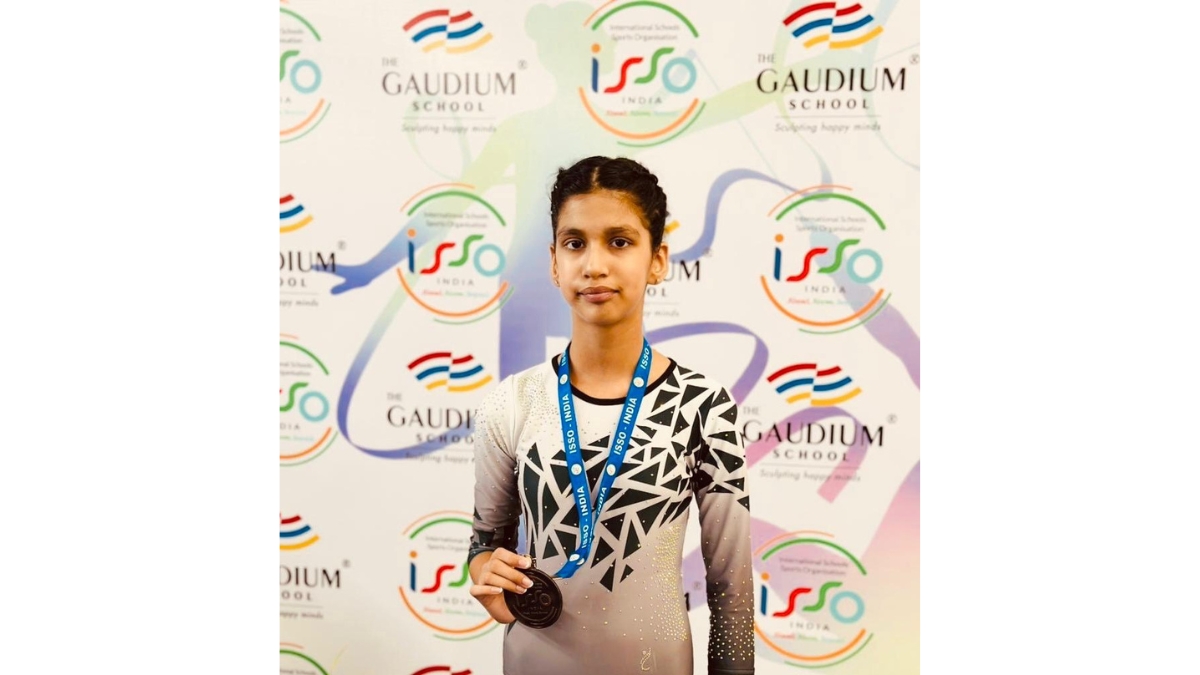
    In the Under-14 category, Naina Kaushik of Manav Rachna International School – IB, Sector 14, Faridabad, earned the Bronze Medal in Floor Exercises, impressing judges with her flawless execution, rhythm, and consistency. Her routine beautifully combined athleticism and artistry, reflecting her composure and elegance over complex floor elements.

    Leading the list of achievers was Gurmeher Kaur from Sancta Maria International School, who captured the Gold Medal and the All-Round Champion title in the Under-11 category. Gurmeher’s remarkable balance, coordination, and confidence reflected her commitment to excellence and made her a star performer of the event.

    Meanwhile, Mayra Kaul from Sancta Maria International School, Faridabad, won the Bronze Medal on the Balance Beam in the Under-17 category. Demonstrating grace, balance, and technical precision, Mayra captivated both the judges and the audience with her focus and strong command under pressure.

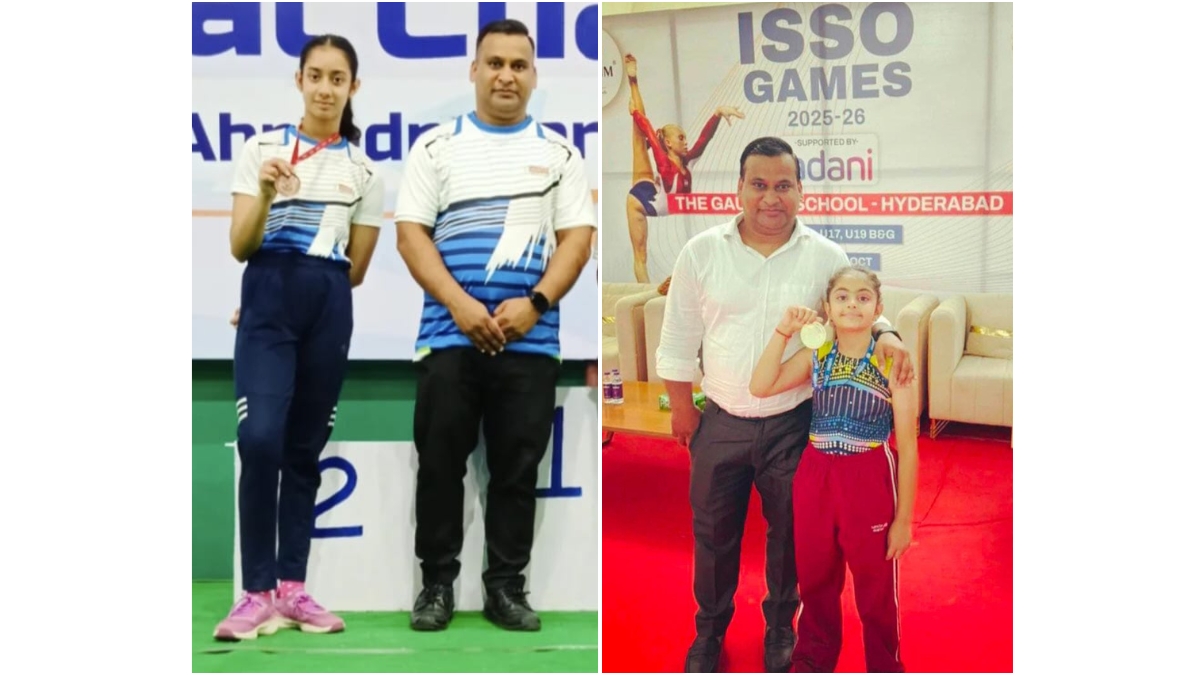
    The highlight of the championship came with the announcement of Mr Razil Shamim as the Best Gymnastics Coach. His athletes’ remarkable performances and podium finishes stood as a testament to his dedication, strategic guidance, and technical expertise. Known for his ability to bring out the best in every gymnast he mentors, Mr Shamim’s recognition added a proud moment not just for his students but for the entire coaching fraternity.

    Razil

    The championship was a perfect blend of competition and camaraderie, embodying the spirit of sportsmanship that ISSO aims to cultivate in young athletes. The Gaudium School, known for its world-class sports infrastructure, provided an ideal setting for the national-level event, ensuring smooth execution and a memorable experience for all participants.

    Parents, coaches, and school representatives applauded the event’s organisation and the participants’ perseverance. The championship underscored the importance of encouraging gymnastics as a foundational sport that promotes strength, flexibility, confidence, and holistic development among children.

    Speaking at the closing ceremony, organisers emphasised that India’s growing gymnastics talent pool is proof that with the right support, training, and opportunities, the nation can achieve global excellence in the sport. The enthusiasm of the participants and the dedication of coaches like Mr Razil Shamim are shaping the future of gymnastics in schools nationwide.

    As the 12th ISSO National Gymnastics Championship 2025 came to a close, it celebrated not only the triumphs of its medalists but also the spirit of hard work, mentorship, and resilience that defines the true essence of sports. The event concluded with a resounding message that India’s next generation of gymnasts is ready to leap towards a brighter, stronger future.

    If you have any objection to this press release content, kindly contact pr.error.rectification@gmail.com to notify us. We will respond and rectify the situation in the next 24 hours.