Author: Sutun Nayak

  • Vedanta Aluminium Partners with District Health Department to Advance Early Detection of Sickle Cell Disease and Thalassemia in Kalahandi

    Vedanta Aluminium Partners with District Health Department to Advance Early Detection of Sickle Cell Disease and Thalassemia in Kalahandi

    Bhubaneswar (Odisha) [India], September 20: Vedanta Aluminium, India’s largest producer of aluminium, has partnered with the District Health Department, Government of Odisha, under the National Sickle Cell Anaemia Elimination Mission, to strengthen screening and early detection of Sickle Cell Disease (SCD) and Thalassemia in Kalahandi district. Launched by the Hon’ble Prime Minister of India in July 2023, the mission aims to eliminate the disease as a public health concern by 2047 through early screening, genetic counselling, and treatment.

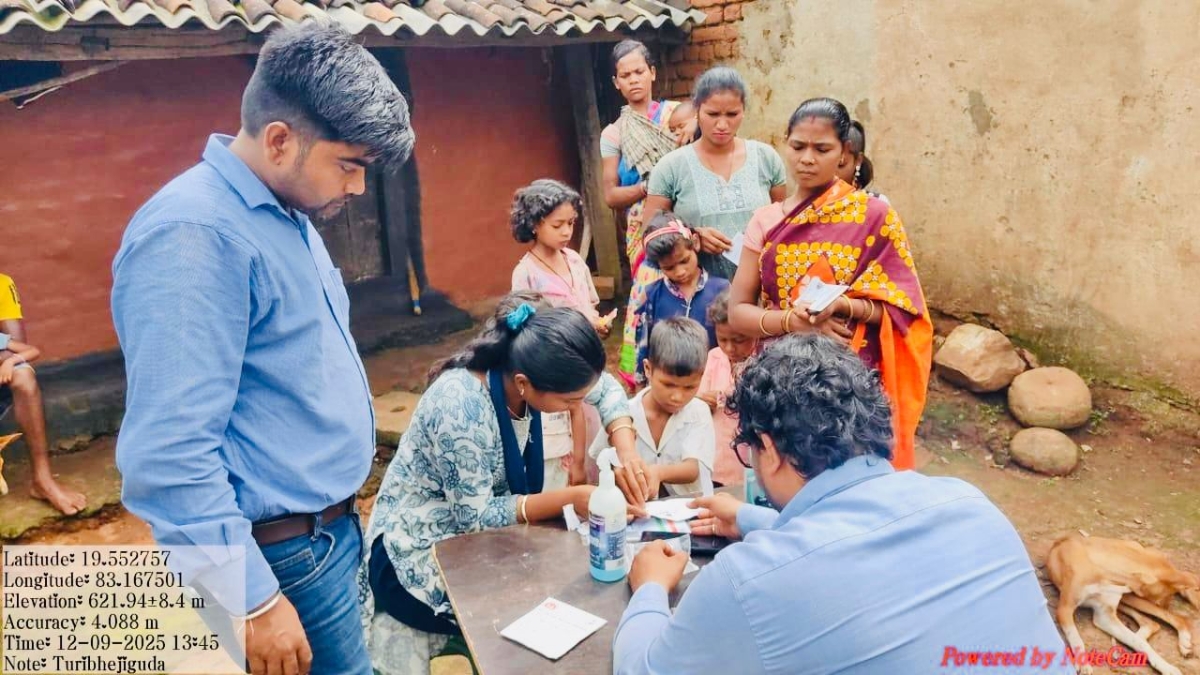
    As part of this initiative, Vedanta Aluminium has deployed its Mobile Health Units (MHUs) to conduct screening drives across Nakrundi, Talampadar, and Gunpur Gram Panchayats in Rampur block, among the most SCD-prone regions of Kalahandi. Individuals aged 0–40 years are screened using diagnostic kits provided by the District Health Department.

    Vedanta Aluminium has been extending quality healthcare through its flagship MHU services, having conducted 1,000+ free health camps in the past two years in Rayagada and Kalahandi districts. Each MHU is fully equipped with diagnostic kits, essential medicines, and staffed by qualified doctors, nurses, and technicians. The units provide immediate medical care while also driving awareness of preventive healthcare in underserved regions.

    The Odisha Government has intensified its statewide drive to detect and manage SCD and Thalassemia, focusing on high-risk tribal belts. Patients are receiving free medicines, blood transfusions, transportation support, and bone marrow transplant assistance through government hospitals. This collaboration reflects the shared commitment of the Government of Odisha and Vedanta Aluminium to provide equitable, inclusive, and accessible healthcare to vulnerable populations, advancing the vision of an anaemia-free India.

    Rajiv Kumar, CEO, Vedanta Aluminium, said, “At Vedanta Aluminium, we are deeply committed to the well-being of communities around our operations. Through this partnership, we aim to extend vital healthcare screening services to the remotest parts in these regions, while supporting the national mission to eliminate these diseases.”

    Dr Niharendra Pand, Chief District Medical Officer (CDMO), Kalahandi, stated, “Sickle Cell Disease and Thalassemia continue to pose serious public health challenges, especially in the rural communities. With the support of Vedanta’s mobile health units, we are now able to reach remote villages, enabling early detection and timely medical care, which is critical to saving lives and improving health outcomes in these regions.”

    Vedanta Aluminium remains committed to driving transformation in Odisha through strategic initiatives spanning education, healthcare, sustainable livelihoods, rural infrastructure, and grassroots sports and culture. Collaborating closely with local authorities and community stakeholders, the company ensures its interventions lead to tangible socio-economic progress.

    Vedanta Aluminium, a business of Vedanta Limited, is India’s largest producer of aluminium, manufacturing more than half of India’s aluminium, i.e., 2.42 million tonnes in FY25. It is a leader in value-added aluminium products that find critical applications in core industries. Vedanta Aluminium ranks 2nd in the S&P Global Corporate Sustainability Assessment 2024 world rankings for the aluminium industry, a reflection of its leading sustainable development practices. With its world-class aluminium smelters, alumina refinery and power plants in India, the company fulfils its mission of spurring emerging applications of aluminium as the ‘Metal of the Future’ for a greener tomorrow.

    If you have any objection to this press release content, kindly contact pr.error.rectification@gmail.com to notify us. We will respond and rectify the situation in the next 24 hours.

  • Basilic Fly Studio Raises INR 85 Crore Through QIP to Fuel Global Expansion

    Basilic Fly Studio Raises INR 85 Crore Through QIP to Fuel Global Expansion

    Chennai (Tamil Nadu) [India], September 20: Basilic Fly Studio Limited (BFS), a pioneering force in the world of visual effects (VFX), has successfully raised ₹84.99 crore via a Qualified Institutional Placement (QIP). The company issued 20.25 lakh equity shares, priced at ₹419.72 per share, inclusive of a premium of ₹409.72.

    Fundraising Highlights:

    • Number of shares allotted: 20,25,000 equity shares
    • Face value: ₹10 per share
    • Issue price: ₹419.72 per share (including a premium of ₹409.72)
    • Discount: 5% to the floor price as per SEBI ICDR Regulations
    • Total fund raised: ₹84.99 Cr

     Institutional Allottees Receiving More Than 5% of Total QIP Allotment :

    • Astorne Capital VCC – Arven: 2,38,500 shares (11.78%)
    • Vikasa India EIF I Fund – Incube Global Opportunities: 1,90,800 shares (9.42%)
    • Astorne Capital VCC – Alpha A2: 1,43,100 shares (7.07%)
    • Rajasthan Global Securities Pvt Ltd: 1,43,100 shares (7.07%)
    • Dovetail India Fund – Class 8 Shares: 1,20,000 shares (5.93%)
    • Moneywise Financial Services Pvt Ltd: 1,19,400 shares (5.90%)
    • North Star Opportunities Fund VCC – Lighthouse Capital: 1,19,100 shares (5.88%)
    • Beacon Stone Capital VCC – Beacon Stone I: 1,19,100 shares (5.88%)

    The proceeds from the QIP will strengthen the company’s balance sheet, enhance financial flexibility, and support its strategic priorities. These include investing in advanced VFX technologies, expanding delivery capabilities, building creative talent, and pursuing growth opportunities in international markets. The company remains committed to consolidating its leadership in the global VFX industry by driving innovation, operational excellence, and long-term value creation.

    Commenting on this, Mr. Balakrishnan, Managing Director & CEO of Basilic Fly Studio Limited said

    “The successful completion of this QIP provides us with the financial strength to accelerate our global growth strategy. We are encouraged by the overwhelming response, particularly with 57% participation from foreign portfolio investors. With this support, we plan to strengthen our teams in London and Paris, while transitioning select roles to India to further enhance efficiency and margins. The proceeds will also enable us to expand our infrastructure, including render farms and advanced AI-driven technologies, positioning us to take on large-scale projects with global studios such as Netflix, Warner Brothers, Sony, and Paramount. The strong institutional participation reflects their confidence in our vision, execution capabilities, and commitment to long-term value creation.”

    If you object to the content of this press release, please notify us at pr.error.rectification@gmail.com. We will respond and rectify the situation within 24 hours.

  • Globe Civil Projects Secures ₹13.11 Crore EPC Contract for NIT Delhi Sports Complex

    Globe Civil Projects Secures ₹13.11 Crore EPC Contract for NIT Delhi Sports Complex

    New Delhi [India], September 20: Globe Civil Projects Limited, (NSE – GLOBECIVIL | BSE – 544424), is pleased to announce the receipt of a Letter of Intent valued at ₹13.11 Cr from Telecommunications Consultants India Limited (TCIL). The project involves the Construction of a Sports Complex and Supply, Erection, Testing & Commissioning of 11 KV HT Ring Main at the National Institute of Technology (NIT) Delhi Campus, on an EPC-II basis.

    The latest contract highlights the continued confidence placed by institutions in the company’s execution capabilities. The addition of this project further strengthens the company’s order book and supports its presence in large-scale assignments across the country.

    On the receipt of the order, Mr. Ved Prakash Khurana, Chairman and Whole-time Director of Globe Civil Projects Limited said, “This order from TCIL reinforces the company’s reputation as a trusted partner in delivering complex EPC projects within the educational and institutional infrastructure segment. By adding a technically advanced and time-bound EPC project to its portfolio, the company not only expands its execution pipeline but also builds deeper engagement with government-linked clients such as TCIL. This aligns with the company’s strategy of securing high-quality, funded projects that enhance order book visibility, improve cash flow stability, and reinforce its reputation for delivering complex infrastructure solutions.

    If you object to the content of this press release, please notify us at pr.error.rectification@gmail.com. We will respond and rectify the situation within 24 hours.

  • Renowned film director Vipin Agnihotri joins hands with Giriraj Swami for a unique spiritual initiative

    Renowned film director Vipin Agnihotri joins hands with Giriraj Swami for a unique spiritual initiative

    New Delhi [India], September 20: In a remarkable confluence of Bollywood and spirituality, acclaimed author and filmmaker Vipin Agnihotri has announced a collaboration with His Holiness Giriraj Swami, a senior disciple of A.C. Bhaktivedanta Swami Prabhupada and an influential spiritual leader of the International Society for Krishna Consciousness (ISKCON).

    The collaboration aims to bridge modern storytelling with timeless Vedic wisdom through a series of public dialogues, written works, and social initiatives. The first event under this initiative, titled Soulful Conversations: The Journey Within, will be held in Nagpur and will bring together thinkers, young leaders, and spiritual seekers from across India.

    Vipin Agnihotri, whose work often focuses on social change and emotional well-being, said:

    “This collaboration is a step towards helping the youth connect with ancient Indian wisdom in a language they understand. Giriraj Swami’s teachings bring clarity to today’s chaotic world.”

    Giriraj Swami added:
    “When literature and spirituality work together, they can become powerful instruments of change. I am pleased to support this effort that promotes inner growth and social harmony.”

    If you have any objection to this press release content, kindly contact pr.error.rectification@gmail.com to notify us. We will respond and rectify the situation in the next 24 hours.
  • Homebound 3.0: When Relatable Becomes Too Real for Comfort

    Homebound 3.0: When Relatable Becomes Too Real for Comfort

    Mumbai (Maharashtra) [India], September 20: Television rarely slaps you across the face with familiarity. But Homebound 3.0, the Kiwi comedy-drama series, does just that. It doesn’t just stream into your living room; it practically unpacks its suitcase, raids your fridge, and insists you sit down to relive every awkward family dinner you thought you’d escaped.

    Yes, the premise sounds simple: a thirty-something writer moves back in with their immigrant parents. But what follows is a rollercoaster of cultural clashes, love-life blunders, and identity crises that are equal parts hilarious and exhausting. If you’ve ever rolled your eyes at parental expectations or explained Tinder to your mom, congratulations—you’ve just lived the pilot episode.

    Why Homebound 3.0 Catches Attention

    • Authenticity as a weapon: The show doesn’t exoticize diaspora life; it unpacks it with wit.

    • Cast chemistry: The leads look like they belong in the chaos, not just act through it.

    • Universality of awkwardness: You don’t have to be from New Zealand or an immigrant household to recognize the emotional minefields.

    Yet for all its strengths, there’s a catch: sometimes Homebound 3.0 is too real. The pacing drags, arguments repeat, and certain episodes feel like overhearing your neighbors’ fight through paper-thin walls. Relatability is good—repetition, less so.

    Homebound - PNN

    The Show in a Nutshell

    Aspect What Works What Doesn’t
    Storyline Relatable, culturally layered, witty Repetitive arguments, pacing lags
    Performances Natural, heartfelt, believable chemistry Some supporting roles underdeveloped
    Humor Sharp, sarcastic, situational Occasionally feels forced or predictable
    Cinematography Functional, grounded realism Rarely inventive, lacks visual flair
    Cultural Relevance Authentic diaspora representation Risks being niche for global streaming audiences

    Social Media Buzz and Fan Talk

    If you scroll Reddit or X (formerly Twitter), you’ll find Homebound 3.0 already has its own digital fan club.

    • One Reddit user wrote: “This show is my immigrant diary come to life. I laughed, then cried, then texted my mom.”

    • Another X user put it bluntly: “Feels like therapy. But the kind where you leave more confused than when you arrived.”

    This paradox—viewers bingeing while hate-watching—is precisely why the show trends. It’s comfort food with too much salt: you can complain all you want, but you’ll still reach for another bite.

    What Critics Are Saying

    • Positive: Critics hail its unapologetic look at cultural identity and its refusal to wrap every conflict neatly in 30 minutes.

    • Negative: Others argue the show confuses authenticity with monotony and desperately needs tighter editing.

    • Mixed: Some call it a “therapy session nobody asked for but everybody needed”—both compliment and complaint in one.

    Homebound - PNN

    PR Spin: The Charm of Ordinary Chaos

    From a publicity standpoint, Homebound 3.0 positions itself smartly. In a market addicted to fantasy spectacles and courtroom thrillers, it waves its flag proudly as the “anti-Netflix blockbuster.” It says: here’s the mess of everyday life, unfiltered.

    It’s not glossy, it’s not escapist, and it definitely won’t teach you sword fighting. But it will show you the frustration of explaining your career choices at every dinner, the awkwardness of dating while living at home, and the lingering guilt of balancing tradition with ambition. That honesty is its USP.

    Room for Improvement

    • Episodes could use trimming; not every conflict needs a trilogy.

    • Supporting characters deserve more layers.

    • A bolder visual style could elevate its grounded realism without betraying authenticity.

    If Homebound 3.0 secures a second season, fans will expect sharper pacing and fresher conflicts, not just another round of passive-aggressive parental one-liners.

    The Bigger Picture

    Representation matters. And shows like Homebound 3.0 prove that relatability sells—even when it hurts a little. It’s not trying to be prestige TV; it’s trying to be your life reflected on-screen. And maybe, just maybe, that’s what today’s viewers want.

    Whether you find it cathartic or claustrophobic, one thing is undeniable: it has people talking. And in an industry drowning in content, sparking debate is a victory of its own.

    Final Word

    So, should you see it?

    • Yes, if you hunger for humor based on cultural misadventures, cringe-worthy family meals, and brutally candid identity crises.
    • Perhaps not if you prefer fantasy, dragons, or murder mysteries.

    Ultimately, Homebound 3.0 is the roommate of television shows: occasionally wonderful, occasionally a nuisance, but always unforgettable.

    PNN News

  • MIDDERMACON 2025: Surat’s Bold Leap in Dermatology

    MIDDERMACON 2025: Surat’s Bold Leap in Dermatology

    Surat (Gujarat) [India], September 20: Surat isn’t just about diamonds and textiles anymore. From September 19–21, 2025, it’s the epicentre of dermatology, hosting MIDDERMACON 2025, the 13th Midterm Annual Conference of IADVL. Think science, skill, and a dash of spectacle.

    Surat Sets the Stage for Knowledge

    MIDDERMACON 2025 lands at Avadh Utopia Club, Surat, bringing nearly 800 delegates from across India under one roof. And yes, it’s the first time Gujarat is hosting 12 live hands-on workshops covering Botox, Fillers, Lasers, Chemical Peels, Body Contouring, Microblading, Dermatosurgery, Vitiligo Surgery, Skin Boosters, Thread Lifting, Hair Transplant, Practice Management, and Artificial Intelligence in dermatology.

    In short, it’s not your average lecture series. It is advanced skin and hair science in action.

    Debate in Dermatology: Science Meets Opinion

    The conference theme isn’t just fancy words. “Debate in Dermatology: Where Science and Opinions Collide” challenges delegates to question assumptions, cross-check evidence, and innovate. Over three days, participants will dive into:

    • Keynote lectures by top dermatologists
    • Panel discussions that won’t hold back
    • Paper presentations and poster sessions
    • Interactive modules covering every dermatology angle

    It’s all about bridging scientific evidence and clinical opinions, because the best breakthroughs happen when egos and ideas collide.

    Hands-On Workshops: Science You Can Touch

    MIDDERMACON 2025 isn’t just about talking. For the first time in Gujarat:

    • Botox & Fillers: Master subtle, transformative techniques
    • Laser & RF therapies: From scars to pigmentation, the tech is here
    • Dermatosurgery & Vitiligo Surgery: Advanced, life-changing procedures
    • Hair Restoration & PRP: For thinning tresses and rejuvenated skin
    • Exosomes Therapy: Cutting-edge regenerative science
    • Thread Lifting & Skin Boosters: Aesthetic upgrades without surgery
    • AI in Dermatology: Smart tools for more innovative practice

    It is not fluff. Every workshop offers skills that translate directly into better patient care.

    Benefits for the Public

    Yes, this is a doctor’s conference. But make no mistake, it benefits society too. Skin and hair health matters, and here’s what patients can look forward to:

    • PRP Therapy: Regrow hair, rejuvenate skin
    • Dermatosurgery: Fix scars, tumours, and blemishes
    • Vitiligo Surgery: Renew hope for patients with pigment loss
    • Exosomes Therapy: Next-gen regenerative treatments
    • Energy-Based Devices: Lasers, RF, IPL, MNRF for scars and aesthetics

    India is showing the world that dermatology innovation isn’t confined to metro hospitals; it’s coming to cities like Surat.

    Culture Meets Science

    Science is serious. But the evenings at MIDDERMACON 2025 promise something else: cultural programs on September 19 and 20 that will make delegates remember Surat not just for learning, but for experience.

    Because why shouldn’t a medical conference have a little flair?

    India on the Dermatology Map

    It isn’t just a conference. It’s a statement: India is at the forefront of global dermatology and aesthetic medicine. Surat’s hosting of MIDDERMACON 2025 is a milestone in knowledge, healthcare, and innovation.

    For local doctors, it’s a chance to network, learn, and showcase Gujarat as more than industrial; it’s brilliant, sophisticated, and scientifically profound.

  • Oscars 2026 Beckons: Neeraj Ghaywan’s Homebound Gives Bollywood Its Long-Awaited Spotlight

    Oscars 2026 Beckons: Neeraj Ghaywan’s Homebound Gives Bollywood Its Long-Awaited Spotlight

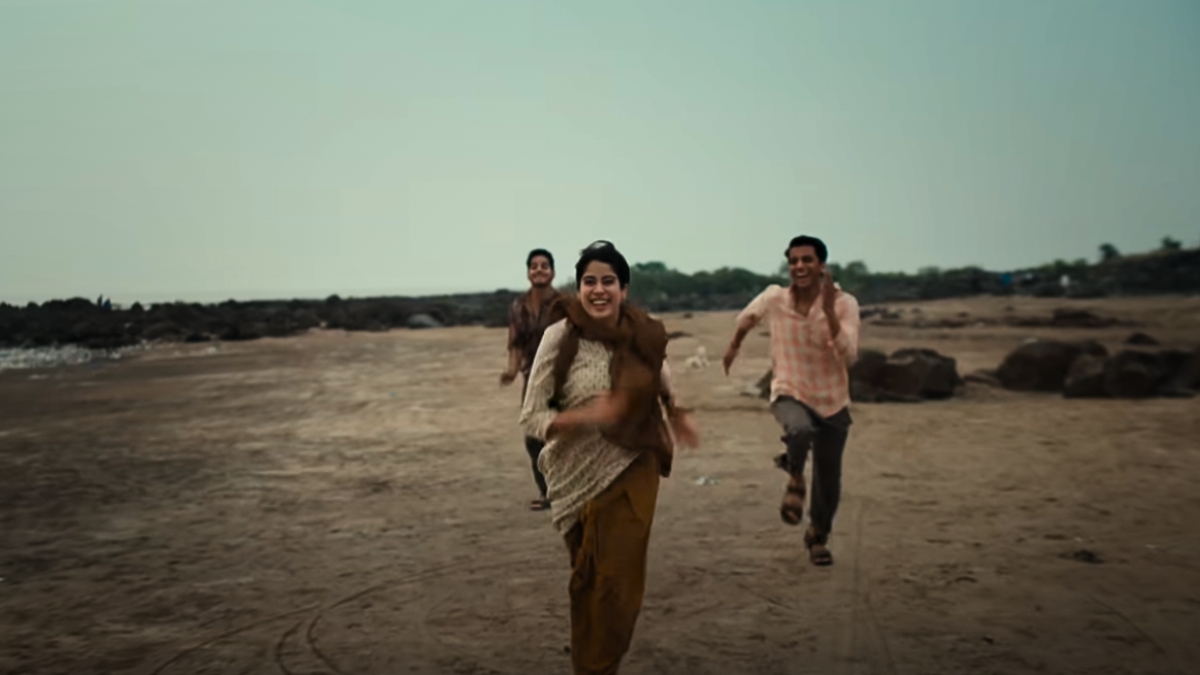
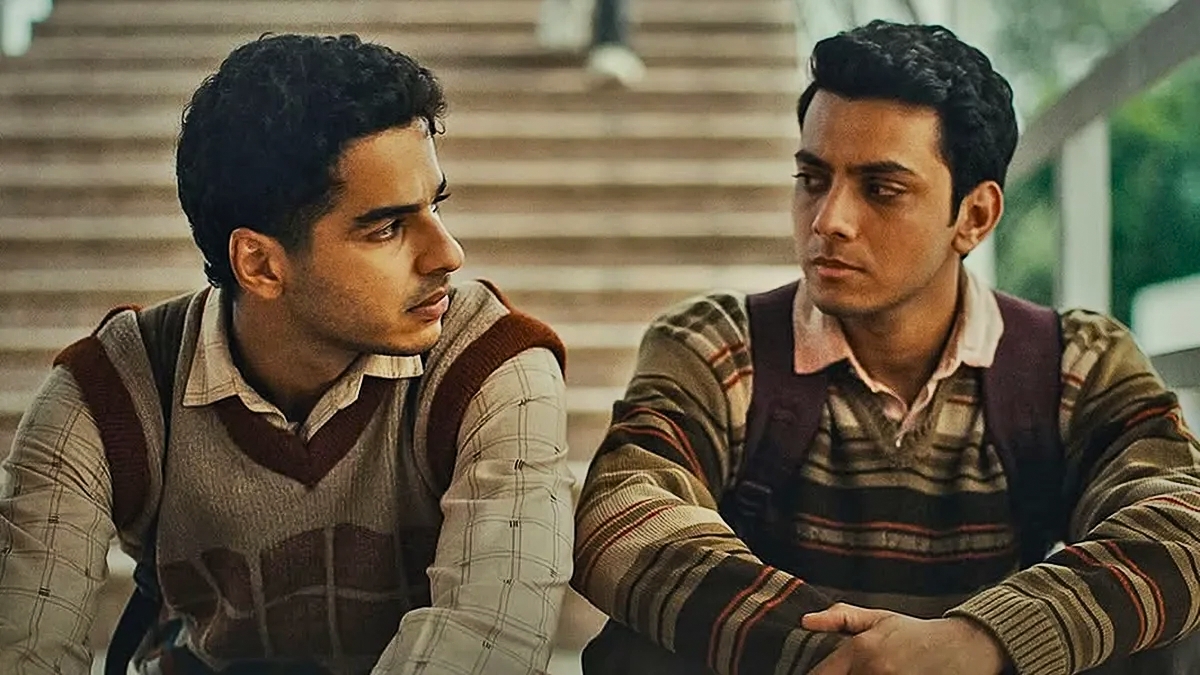
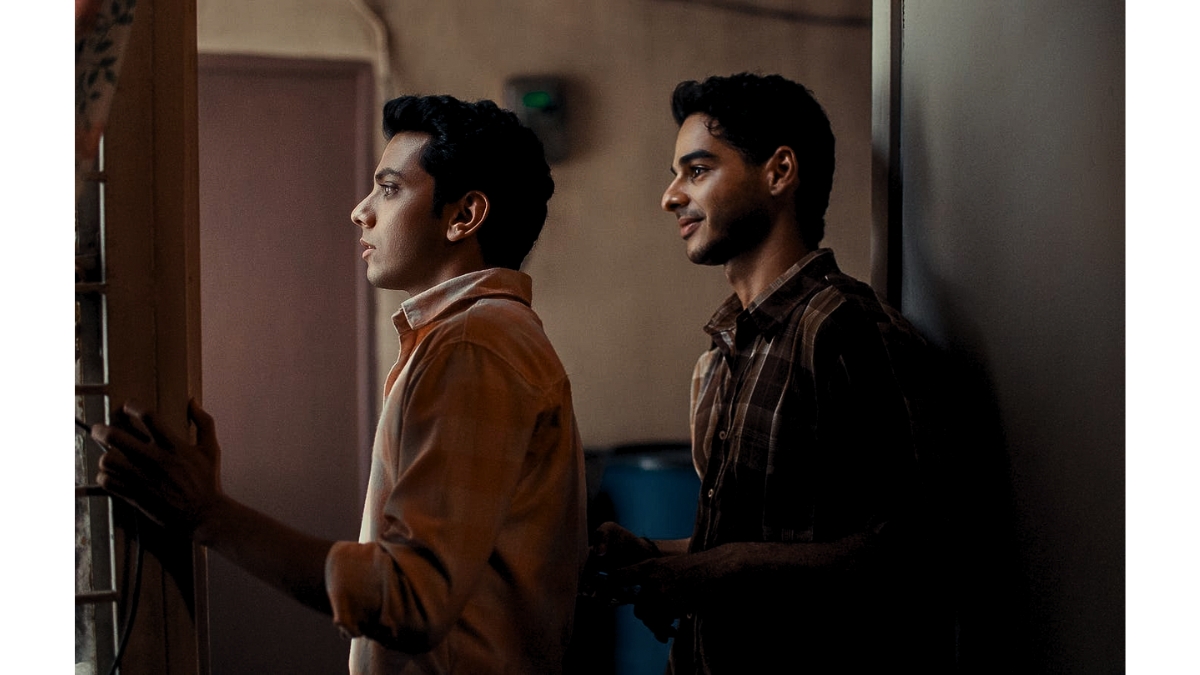
    Mumbai (Maharashtra) [India], September 20: Bollywood, with all its masala recipes and larger-than-life heroism, has finally produced something for the international platform that does not include item dances or aerial stunts. Neeraj Ghaywan’s Homebound—a gritty yet emotional drama featuring Ishaan Khatter, Vishal Jethwa, and Janhvi Kapoor—has been officially selected as India’s entry for the Oscars 2026 in the Best International Feature Film category. Cue the patriotic hashtags, industry chest-thumping, and of course, a little skepticism about whether we’ll actually make the final cut this time.

    It isn’t the first time India has shot its filmmaking arrow at the Academy, but the buzz around Homebound indicates this isn’t a ceremonial attempt. Critics are terming it “India’s most authentic submission in years,” and social media warriors are already dreaming of red-carpet selfies in Los Angeles. The buzz is real. But beneath the glitz are unsettling questions—can the film create enough universal appeal to impress the voters in the Oscars, or will it join the long list of Indian films that quietly died at the mercy of the selection rounds of the Academy?

    What is Homebound All About?

    Essentially, Homebound is no sheen Bollywood export but a subtle exploration of identity, belonging, and family trauma. The film is a story about two brothers, Ishaan Khatter and Vishal Jethwa, who grapple with displacement and fractured family ties in the rural Madhya Pradesh terrain. Janhvi Kapoor ditches her glamorous persona to play a character laden with quiet determination, and Neeraj Ghaywan brings his signature realism to every frame.

    It steers clear of melodrama for coarse truth—a luxury commercial Hindi cinema can rarely afford. It is the sort of film festival juries love: rough, complex, prickly. Whether the same will be true of mainstream audiences remains to be seen.

    Homebound

    Why Did It Beat Pushpa 2 and Other Giants?

    When the announcement dropped, many were stunned. Heavyweights like Allu Arjun’s Pushpa 2, Vivek Agnihotri’s The Bengal Files, and Kesari Chapter 2 were all in the race. Yet Homebound emerged victorious, and for good reason. Unlike the typical commercial entertainers, this film doesn’t scream box office—it whispers intimacy and burns slowly into the conscience.

    The jury allegedly wanted a film to present India free of stereotypes, something in the style of Parasite rather than Pathaan. And Ghaywan, already trendy for Masaan, was naturally the default candidate to tell us all again that Indian films are not all about song-and-dance spectacle.

    Homebound - PNN

    The Positives: A Global-Ready Story

    Let’s credit where credit is due. Homebound is exactly the sort of movie that can touch Oscar voters. It’s issue-driven, stylish, and emotionally charged without bordering on melodrama. Ishaan Khatter gives what many are terming his career-best performance, while Vishal Jethwa’s gritty intensity keeps things real. Janhvi Kapoor, usually also accused of nepotism-fuelled star-kid status, is actually deserving of praise here for taking on a role that needed restraint instead of stardom.

    The Madhya Pradesh heartlands-inspired cinematography, which is also winning plaudits globally, and the fact that Ghaywan has a conscience as a filmmaker, makes for a kind of package that juries enjoy backing.

    Homebound

    The Negatives: Let’s Not Pop Champagne Just Yet

    Of course, the cynics are already sharpening their quills. One common refrain? “India sends brilliant films, but the Oscars rarely notice.” Remember Court (2015) or The Lunchbox (2013) fiasco? Yes, India’s track record with submissions is less about merit and more about politicking. Some are asking whether Homebound truly stands a chance in a field that may include heavyweights from South Korea, France, and Iran.

    And then there’s the domestic angle: while critics love it, box office numbers suggest that Homebound isn’t exactly a crowd-puller. The masses prefer the swagger of Pushpa or the patriotism of Kesari. Will Oscar jurors see this as a universal human story or a niche indie flick from the world’s most prolific film industry?

    Homebound

    Ratings and Industry Buzz

    Its present ratings on aggregator sites are at 3.8 to 4 out of 5. Critics are awarding it its layered storytelling but warning that its slow-burning pace isn’t for everyone. Trade pundits expect that the Oscar nomination will revive it at the Indian box office, as those who skipped it during its original run now flock to “see what the fuss is about.”

    Social media responses have been varied responses of pride and snarky humor. One tweeted on X (formerly Twitter), “At least this time we sent something with substance, not just songs and slogans.” Another said, “Good luck, Homebound, may you not get lost in translation like the last dozen entries.”

    Homebound

    What’s Next?

    With the Oscar race now underway, the makers are likely to roll out a polished international campaign. Expect red-carpet appearances, film festival screenings, and targeted lobbying in Hollywood circles. The game is not just about having a good film; it’s about being visible in the right rooms. If Ghaywan and team manage to crack that, Homebound might just break India’s decades-long drought at the Academy Awards.

    Conclusion: Hope With a Side of Caution

    Homebound to be selected as India’s official entry for the Oscars 2026 must be a source of great pride. It signifies a change in the Indian film industry wanting artistic virtue over commercial influence. But let’s balance the confetti with some pragmatism. The Academy is notoriously volatile, and history has not exactly been kind to India.

    But if ever a film deserved the shot, it’s this one. It’s a movie, it’s real, and it’s not afraid. By whatever means, a golden statue or a pat on the back, one thing is for sure—Homebound has already left its stamp on history. And that, Oscars or no, is something to rejoice.

    PNN News

  • Sumeet Tappoo wins four awards at 2025 CLEF Music Awards

    Sumeet Tappoo wins four awards at 2025 CLEF Music Awards

    Mumbai (Maharashtra) [India], September 20: When a singer walks away with not one but four trophies from a single award night, it signals consistency, depth, and an ability to touch audiences at every level. That is exactly what unfolded at the recent prestigious 2025 CLEF Music Awards in Mumbai, where Sumeet Tappoo, already a respected figure in contemporary Indian music, triumphed on the evening. Out of nine nominations, his soulful voice secured four wins, a feat that places him in rare company and sets a benchmark for artists with ambition to match his drive.

    Tappoo’s recognition stretched across categories that demand range and substance. His album Dil Pareshan Karta Hai, crafted with the legendary Gulzar and Pt. Bhavdeep Jaipurwale won Best Album, instantly positioning it as one of the most significant musical works of the year. From there, he, along with his guru Bhajan Samrat Anup Jalota, claimed Best Devotional Artist for the song “Hari” from Legacy. They also jointly bagged the awards for Best Classical Artist for “Chaturang” and Best Sufi Artist for “Meherbaniyan” from the same album. Each award was not just a trophy on a shelf but a stamp of credibility across genres where competition is fierce and recognition is hard-earned.

    For anyone watching the industry closely, this achievement underscores a simple truth. Success is not only about talent, it is about the discipline to honour your mentors, the humility to share credit, and the confidence to step into categories where many hesitate. Sumeet Tappoo himself has credited his mentor Anup Jalota, blessings from Gulzar, and the creative genius of Pt. Bhavdeep Jaipurwale and Prithvi Gandharv for shaping his two standout albums.

    Tappoo’s words of gratitude have highlighted his family, his team, and Sadguru Sri Madhusudan Sai as guiding forces behind his achievements. That blend of spiritual grounding, professional polish, and personal devotion is exactly the kind of combination that resonates not just on stage but in life. It is the kind of story that reminds readers of the value of investing in their own passions with seriousness, knowing that recognition often follows those who refuse to compromise on quality.

    The CLEF Music Awards have always stood for artistic excellence, and Sumeet Tappoo’s sweep this year added an element of inspiration for anyone who values success that is both earned and shared.

    Adding to the weight of his Mumbai triumph is the fact that Tappoo has only recently completed a 20-city concert tour of the United States titled Close To My Heart, where he blended nostalgia with purpose by raising funds for free healthcare in India under the One World One Family mission. The tour closed on an even higher note when Sumeet Tappoo was honoured on stage in Atlanta by Congressman Rich McCormick with a medal and an award from the United States House of Representatives, along with an official flag from Capitol Hill. That recognition positioned him not only as an artist but also as a cultural ambassador and humanitarian whose art carries service at its core.

    If you have any objection to this press release content, kindly contact pr.error.rectification@gmail.com to notify us. We will respond and rectify the situation in the next 24 hours.

  • The New Wave of Ethnic Wear for Men – Nawab Parker

    The New Wave of Ethnic Wear for Men – Nawab Parker

    New Delhi [India], September 20: Back then, men’s fashion carried a consistent & predictable look without much variation. The case where there was a festive occasion the individual would wear a simple kurta, a suit if there was a very important function & on a wedding, the person would borrow something and wear it. Their main concern was how useful the clothing was. The only purpose the clothing served was “to do the job. Change over the last 20 years has been noticeable and more than years ago. It was during this period that men began caring more about their clothing, not only from the mandatory angle, but because they appreciated it. Individual grooming became more structured. The idea of fashion became more universal and was not only customized for women. Men now are more inquisitive. There is a common discourse on lookbooks and the latest fashion. The whole idea of a ‘tailor’ has evolved from an individual that focuses purely clothing to one that understands the latest trends on cuts. Men even engage in arguments to determine the best pastel color to wear for the Haldi ceremony. Today, fashion for men represents more than clothing, it reflects who they are and how they live. The shift is almost crystal clear even in ethnic and wedding attires. Previously, 90% of grooms had the same look; a traditional sherwani, complete with golden embroidery, a matching standard dupatta and of course, the same silhouette. Nowadays, men feel the need to have their wedding outfits match the wedding’s overall theme, their outfits should reflect a part of their personality& finally should be able to stand out at least to same level as the bride’s attire.

    Almost every single piece of ‘ethnic wear’, along with tradition, is slowly finding it’s place in everyday wear, like festivals, office celebrations, casual family functions & even casual dinners.

    Nawab Parker: A Brand with Purpose

    At Nawab Parker, every piece of clothing is designed with today’s man in mind. The collections aren’t just about fabric and thread they’re about identity, confidence & comfort. Whether it’s a breathable cotton kurta for a casual family dinner or an intricately embroidered sherwani for a grand wedding, Nawab Parker ensures that men feel good in what they wear, not restricted by it.

    The brand’s kurta pajamas strike the balance between classic and contemporary. A single kurta from Nawab Parker can be paired with a churidar for tradition, with denim for casual outings or with a Nehru jacket for a festive upgrade. This versatility is exactly what modern men are looking for.

    Why Men Across India Choose Nawab Parker

    Ask anyone who has shopped at Nawab Parker& you’ll hear the same points:

    • Designs that stand out without losing cultural touch.

    • Perfect fits made for today’s lifestyle.

    • Premium quality fabrics that feel as good as they look.

    • Affordable luxury making style accessible without compromise.

    It’s no surprise that grooms, professionals & young men alike are turning to Nawab Parker when they want to look their best. From festive gatherings to once-in-a-lifetime occasions, the brand has become a trusted choice.

    Ethnic Wear Made Accessible Everywhere

    Another reason Nawab Parker is making waves is accessibility. Through nawabparker.com, the brand’s collections are available to customers across regions. Whether you’re shopping for a wedding in Jaipur, a Diwali party in Mumbai or a cultural event in Lucknow, Nawab Parker ensures that the same quality and design reach you with ease.

    This digital presence has helped Nawab Parker grow beyond a local favorite into a name recognized and respected across India.

    Looking to the Future

    What makes Nawab Parker exciting is not just where it is today, but where it’s headed. The brand is constantly adding new designs, experimenting with styles & expanding its collections to keep up with the ever-evolving tastes of Indian men. At the same time, it remains rooted in supporting artisans and preserving traditional craftsmanship giving each garment cultural depth along with modern relevance.

    So the next time you’re dressing for a festival, planning a wedding look, or simply wanting to upgrade your wardrobe, remember this: with Nawab Parker, you’re not just buying clothes you’re choosing confidence, culture & a brand that celebrates you at your best.

    If you object to the content of this press release, please notify us at pr.error.rectification@gmail.com. We will respond and rectify the situation within 24 hours.

  • H-1B Visa Annual Fee: The Trump USD 100,000 Punch to Indian IT and Dalal Street?

    H-1B Visa Annual Fee: The Trump USD 100,000 Punch to Indian IT and Dalal Street?

    New Delhi [India], September 20: Donald Trump just slapped a $100,000 annual fee on every H-1B visa. Infosys, Cognizant, Wipro, and even US tech giants felt the sting as stocks nosedived.

    Trump’s $100,000 H-1B Fee: The Hammer Falls

    On September 19, Donald Trump signed a proclamation that changes the math of global tech. Every H-1B visa will now cost companies $100,000 a year. Forget tweaks, this is the most expensive gut punch in the visa program’s history.

    Trump’s pitch was blunt: “Hire Americans first.” Commerce Secretary Howard Lutnick added numbers to the chest-thumping, over $100 billion in new revenue for the US Treasury, earmarked for tax cuts and debt trimming.

    As if to sweeten the poison pill, the White House unveiled a “Gold Card” visa: residency for foreigners of “extraordinary ability” willing to drop $1–2 million into the US economy. Translation: pay to play.

    Indian IT: First in Line for the Hit

    Infosys fell 4.5% in New York. Cognizant dropped 4.3%. Wipro slid 3.4%. Accenture bled too, though less. Together, billions evaporated in one Friday session.

    Why the pain? Because Indian IT lives on H-1Bs. TCS, Infosys, Wipro, Cognizant, HCLTech, and LTIMindtree ship thousands of engineers to US projects every year. It’s how they cut costs, beat local hiring rates, and stay competitive.

    Now, with 13,396 H-1B visas in play, the annual cost jumps from $13.4 million to $1.34 billion. That’s 10% of their collective FY25 net profits, gone.

    US Tech Giants: Don’t Laugh, You’re Next

    It isn’t just an Indian headache. Silicon Valley thrives on H-1B talent, Amazon, Google, Apple, Meta, Microsoft, Tesla, NVIDIA, the list goes on. Many of those hires are Indian engineers.

    Seema Srivastava of SMC Global Securities broke it down: “With the $100,000 fee, staffing costs will surge. Expect firms to reserve H-1Bs for only critical senior roles. Junior and mid-level hiring? Dead in the water.”

    So US firms get two ugly choices:

    • Pay up and watch margins shrink.
    • Offshore, more work to India or Eastern Europe, ironically, the opposite of Trump’s “hire Americans” slogan.

    Market Bloodbath: From Wall Street to Dalal Street

    The sell-off was swift. Investors hate cost shocks, and this is as blunt as they come. Brokerages are already downgrading Indian IT, warning of margin compression and client pushback.

    Edelweiss Securities summed it up: “Markets are discounting higher staffing expenses. Monday’s session in India will be brutal.”

    For now, traders are treating Indian IT like dead weight.

    The Bigger Picture: India–US Tech Ties on Ice

    The H-1B program has been the bridge between Bengaluru and Silicon Valley for decades. Indian engineers built America’s tech backbone, from cloud platforms to AI labs. That bridge just got a toll gate the size of a skyscraper.

    Impact lines are clear:

    • Indian professionals face higher financial barriers.
    • Indian firms will scramble for local hires and offshore alternatives.
    • US companies risk losing access to the global talent pipeline that made them dominant.

    Bottom line: innovation slows when politics starts writing HR policy.

    Indian IT’s Counterpunch

    Don’t expect Infosys and Wipro to roll over. They’re already hedging:

    • Local hiring: Over half of their US staff is now American.
    • Automation & AI: More bots, fewer visas.
    • Nearshore hubs: Mexico, Canada, Eastern Europe, cheaper than the US, easier than India.
    • Upskilling: Indian engineers tackling higher-value work remotely.

    The $100,000 fee stings, but Indian IT has been here before, visa crackdowns, economic slowdowns, and even COVID. They adapt, or they die. And they don’t plan on dying.

    Lobbying, Diplomacy, and Damage Control

    NASSCOM, India’s IT lobby, has already fired off warnings:

    • The US will lose its edge if it scares away global talent.
    • Companies will shift operations offshore.
    • Innovation-led industries will take the hit.

    Expect New Delhi to step in. It isn’t just a tech problem; it’s a trade issue. India and the US love calling each other “strategic partners.” This policy tests that claim.

    A Turning Point in Global Hiring

    Trump’s H-1B bombshell is more than a visa tweak. It’s a tectonic shift in how the world’s two most significant tech ecosystems work together. Indian IT faces cost explosions. US tech giants face talent shortages. Global investors face market tremors. The only certainty? Hiring strategies, profit models, and India–US tech ties will never look the same again.

    PNN News