Author: Sutun Nayak

  • Amanta Healthcare Limited IPO Opens on September 01, 2025

    Amanta Healthcare Limited IPO Opens on September 01, 2025

    Mumbai (Maharashtra) [India], August 25: Amanta Healthcare Limited, a pharmaceutical company engaged in development, manufacturing, and marketing of sterile liquid products, including both large and small volume parenterals (LVPs and SVPs), proposes to open its Initial Public Offering on September 01, 2025, aiming to raise ₹ 12,600.00 Lakhs (at upper price band) with shares to be listed on the NSE and BSE Platform.

    The issue size is up to 1,00,00,000 equity shares with a face value of ₹ 10 each with a price band of ₹ 120 – ₹ 126 Per Equity Share.

    Equity Share Allocation

    • Qualified Institutional Buyer – Not more than 50,00,000 Equity Shares
    • Non-Institutional Investors – Not less than 15,00,000 Equity Shares
    • Individual Investors – Not less than 35,00,000 Equity Shares

    The net proceeds from the IPO will be utilized for funding capital expenditure requirements for civil construction work and towards purchase of equipment, plant and machinery for setting up new manufacturing line of SteriPort at Hariyala, Kheda, Gujarat, funding capital expenditure requirements towards civil construction work, purchase of equipment, plant and machinery for setting up new manufacturing line for SVP at Hariyala, Kheda, Gujarat, and general corporate purposes. The anchor portion will open on Friday, August 29, 2025 and issue will close on Wednesday, September 03, 2025.

    The Book Running Lead Manager to the Issue is Beeline Capital Advisors Private Limited, and the Registrar is MUFG Intime India Private Limited (Formerly Known as Link Intime India Private Limited).

    Mr. Bhavesh Patel, Chairman and Managing Director of Amanta Healthcare Limited expressed, “Our company has grown by developing and supplying a wide range of sterile liquid products across therapeutic segments and medical devices. We have established a presence across domestic and international markets. This IPO marks a step forward in our growth journey, allowing us to expand our manufacturing capabilities with new SteriPort and SVP lines at our Hariyala facility, which will strengthen our capacity and support us for Future plans.”

    If you object to the content of this press release, please notify us at pr.error.rectification@gmail.com. We will respond and rectify the situation within 24 hours.

  • Ashapuri Gold Ornament Secures INR 5.41 Cr Orders from Leading National Jewellery Chains

    Ashapuri Gold Ornament Secures INR 5.41 Cr Orders from Leading National Jewellery Chains

    Mumbai (Maharashtra) [India], August 25: Ashapuri Gold Ornament Limited (BSE – 542579)— One of India’s leading B2B jewellery manufacturers has announced that it has received purchase orders worth approximately ₹5.41 Cr. The orders have been awarded by renowned national retail jewellery chains, reinforcing the company’s strong credibility and trusted standing within the organised jewellery sector.

    The orders are for the supply of gold jewellery from the Aneya Brand (Polki and Diamond) collection. These orders are scheduled to be executed within 45 days, reflecting the company’s design capabilities and proven ability to meet deadlines without compromising quality.

    This achievement further strengthens the company’s order book and highlights the growing demand for its differentiated product offerings. The Aneya brand, positioned as an Polki and Diamond collection, has been steadily gaining recognition as a premium line in the jewellery market. Distinct from the company’s other brands, Aneya is tailored to discerning customers seeking timeless luxury and craftsmanship. The recent orders placed by leading jewellery chains highlight the growing confidence in the brand’s design excellence and execution capabilities.

    Looking ahead, the company remains committed to driving design-led growth, building long-term partnerships with key retail clients, and enhancing its leadership position in India’s organised jewellery market. With a focus on innovation, operational excellence, and timely delivery, the company continues to chart a path of sustainable growth and value creation.

    Commenting on the order win, Mr. Jenik D. Soni, CEO of Ashapuri Gold Ornament Limited, said: “Winning this order from leading national jewellery chains is a strong validation of our design innovation and execution strengths. It not only enhances our order book but also deepens our partnerships with reputed retail players. We see this as an encouraging step towards building long-term growth momentum for the Aneya brand in the premium jewellery space.

    With the momentum from this achievement, we are confident of meeting our growth objectives and further strengthening our position as a preferred partner in India’s organised jewellery manufacturing sector. This milestone reinforces our focus on operational excellence, innovation, and building lasting relationships with our retail partners.”

    If you object to the content of this press release, please notify us at pr.error.rectification@gmail.com. We will respond and rectify the situation within 24 hours.

  • Sattva Engineering Construction Limited IPO Opens on Aug 26, 2025

    Sattva Engineering Construction Limited IPO Opens on Aug 26, 2025

    Mumbai (Maharashtra) [India], August 25: Sattva Engineering Construction Limited (The Company, Sattva) is an ISO-certified EPC company specializing in end-to-end water and wastewater infrastructure solutions, proposes to open its Initial Public Offering on August 26, 2025, aiming to raise ₹ 35.38 Crores (at upper price band) with shares to be listed on the NSE Emerge platform.

    The issue size is 47,16,800 equity shares with a face value of ₹ 10 each with a price band of ₹ 70 – ₹ 75 Per Share.

    Equity Share Allocation

    • Qualified Institutional Buyer – Not more than 22,17,600 Equity Shares
    • Non-Institutional Investors – Not less than 6,91,200 Equity Shares
    • Individual Investors – Not less than 15,68,000 Equity Shares
    • Market Maker – Up to 2,40,000 Equity Shares

    The net proceeds from the IPO will be utilized for funding long-term Working Capital Requirement and the general corporate purposes. The anchor portion will open on Monday, August 25, 2025 and will close on Friday, August 29, 2025. 

    The Book Running Lead Manager to the Issue is Vivro Financial Services Private Limited, and the Registrar is MUFG Intime India Private Limited.

    Mr. Santhanam Seshadri and Mr R Sekar, Whole Time Director of Sattva Engineering Construction Limited expressed, “Our IPO represents a milestone in our effort to strengthen and expand our presence in the water and wastewater infrastructure sector. With over 50 projects executed and a current order book of ₹308.09 crore, we have demonstrated consistent delivery across Water Supply Schemes, Sewage Treatment Plants, and related infrastructure.

    The funds from this issue will support our working capital needs and help us scale up operations to meet the growing demand created by government initiatives such as Jal Jeevan Mission and AMRUT. We see clear opportunities in expanding our execution capacity, adopting advanced monitoring systems, and broadening our footprint in Tamil Nadu and neighbouring states. Backed by three decades of industry experience and a skilled technical team, we are well-positioned to capture upcoming opportunities in India’s water infrastructure development.”

    Mr. Vivek Vaishnav, Director of Vivro Financial Services Private Limited said “Sattva Engineering Construction Limited has built a strong presence in water and wastewater projects, successfully completing more than 50 assignments across water supply schemes, sewage systems, and treatment plants. Its in-house design expertise, adoption of technologies like SCADA for monitoring, and structured execution model provide a distinct edge in delivering complex infrastructure.

    The IPO will enable the company to strengthen resources and scale operations to meet growing demand under initiatives such as Jal Jeevan Mission and AMRUT. With its proven capabilities and regional focus, Sattva is well placed to emerge as a key player in advancing sustainable water infrastructure in South India.”

    If you object to the content of this press release, please notify us at pr.error.rectification@gmail.com. We will respond and rectify the situation within 24 hours.

  • Atif Aslam Returns With His Longest-Ever North America Tour, Borderless 2025

    Atif Aslam Returns With His Longest-Ever North America Tour, Borderless 2025

    New Delhi [India], August 23: As September arrives, so does a season of festivities, music, and celebration. With music that transcends borders, lyrics that heal, and a voice that has defined a generation, global pop sensation Atif Aslam is set to kick off the festive season by bringing his magic back to North America with his most expansive tour yet. The Borderless Tour 2025, aka the North America Tour 2025, will take the iconic artist, Atif, across 13 cities, making it one of the most anticipated musical journeys of the year.  The tour promises to deliver the festive holiday spirit along with a performance that will keep everyone on their feet.

    The king of pop melody, Atif Aslam, will embark on a special twelve-city tour this September and October, traveling through major U.S. and Canadian cities. The journey begins on 29th August 2025 in Houston, followed by Vancouver on 31st August, New York on 6th September, Toronto on 7th September, Dallas on 13th September, Detroit on 19th September, Chicago on 20th September, New Jersey on 21st September, Seattle on 27th September, Los Angeles on 28th September, Oakland on 4th October, and will conclude in Calgary on 5th October 2025. This tour marks a significant chapter in Atif’s journey, not only as a global artist but as a storyteller whose songs have guided millions through love, heartbreak, and hope. From his most iconic Bollywood blockbusters such as “Woh Lamhey,” “Dil Diyan Gallan,” “Tu Jaane Naa,” “O Saathi,” “O Meri Laila,” and “Doorie,” his setlist will celebrate the timeless moments that have become soundtracks to countless lives. Each night promises to be a grand celebration of music, festivity, and togetherness.

    Reflecting on his return to North America, Atif Aslam shared, “This is my longest tour since I began my musical journey, and it marks a significant milestone for me. Every time I perform here, the energy is unmatched, it truly feels like coming back home whenever I feel homesick. This time, it’s not just about performing on stage; it’s about being on the road and sharing special moments with my fans across cities for a longer period of time. I feel deeply grateful. This tour is about celebrating the bond we’ve built over the years, and I can’t wait to see familiar faces as well as new ones as we create unforgettable nights together.”

    With a career spanning more than two decades, Atif Aslam has remained a rare constant in the ever-changing landscape of music. His ability to bridge cultures through melody has cemented him as one of the most beloved voices of South Asia and beyond.

    Fans can expect a high-octane, power-packed showcase of Atif Aslam’s chart-topping Bollywood blockbusters. Tickets are available through the official ticketing partner, https://bit.ly/m/Borderlessworld, with demand expected to be overwhelming. Whether you’ve grown up with his music or discovered him along the way, Atif Aslam’s Borderless North America Tour 2025 is more than concerts, it’s an opportunity to experience the magic of a voice that continues to transcend borders and generations.

    If you object to the content of this press release, please notify us at pr.error.rectification@gmail.com. We will respond and rectify the situation within 24 hours.

  • India-US Trade Negotiations: EAM Jaishankar’s Fierce Stand On ’50 percent’ Tariffs

    India-US Trade Negotiations: EAM Jaishankar’s Fierce Stand On ’50 percent’ Tariffs

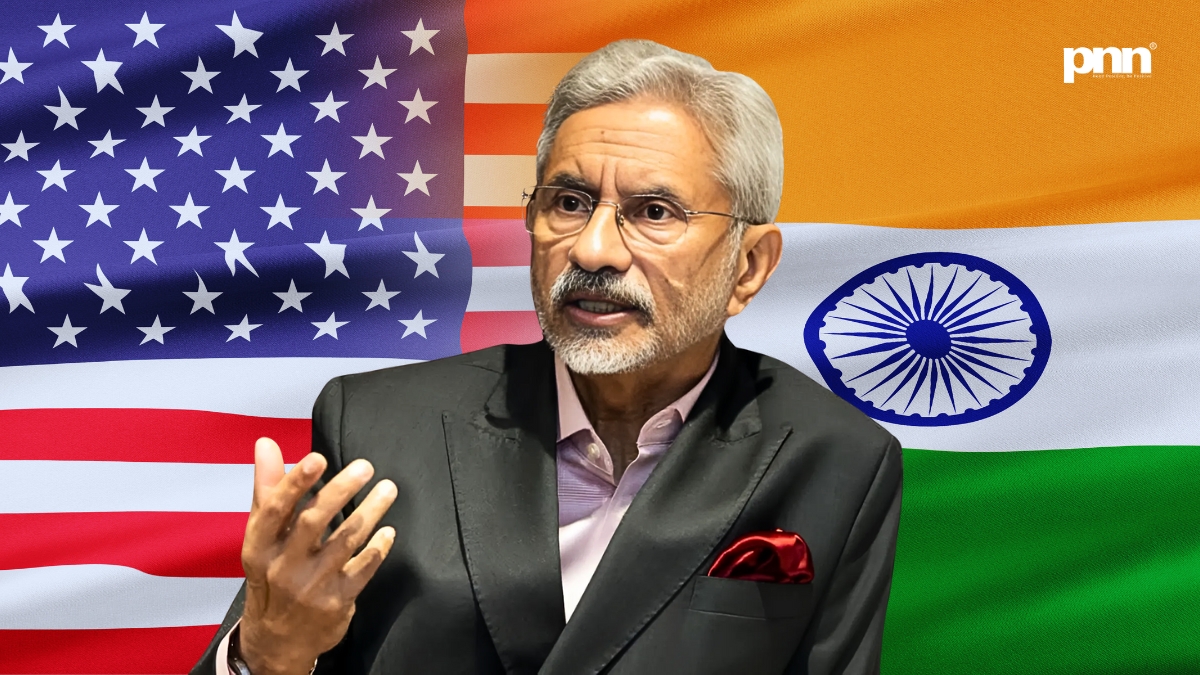
    New Delhi [India], August 23: External Affairs Minister S. Jaishankar doesn’t do diplomatic fluff. With Washington tightening the tariff screws, he cut through the noise: yes, India-US trade negotiations are still alive. No, India won’t sacrifice its farmers or small producers to appease the White House. In his words, “we have some red lines”, and those are not negotiable.

    Tariffs Rising, Patience Running Thin

    The India-US trade standoff has been brewing for months. Washington’s latest move is brutal: a 25% extra duty already slapped on Indian goods, with another 25% set to kick in on August 27. That’s a total 50% tariff wall, among the harshest the United States has ever erected against a partner economy.

    The trigger? New Delhi’s continued import of Russian oil. President Donald Trump framed the levy as punishment. But the punishment looks more like politics than economics.

    Speaking at a World Leaders Forum, EAM Jaishankar didn’t mince words. “Negotiations are still going on in the sense that nobody said the negotiations are off. People do talk to each other. It is not like there’s a kutti there,” he quipped, using the Tamil slang for a child’s sulk.

    In other words: don’t mistake disagreement for divorce. The lines are still open. But they aren’t blank cheques.

    Agriculture: India’s Immovable Wall

    If Washington thought tariffs would bully New Delhi into opening up its farm and dairy sectors, it miscalculated.

    “Our red lines are primarily the interests of our farmers and, to some extent, our small producers. We are very determined on that,” EAM Jaishankar declared. “That’s not something we can compromise on.”

    This is not just economics; it’s politics. India’s 120 million farmers are the backbone of the country’s food security and a decisive voting bloc. Any Indian government, BJP or Congress, that caves on agriculture is signing its political death warrant.

    The US, of course, protects its own farmers fiercely with subsidies and tariffs. But it expects India to drop its guard. That hypocrisy was not lost on EAM Jaishankar’s audience.

    Bilateral trade may have crossed $190 billion, but agriculture remains the big rock in the road. New Delhi simply won’t allow American agribusiness to steamroll its rural economy.

    Russia Oil: The Convenient Excuse

    Trump’s tariff strike is justified in Washington as punishment for India’s crude imports from Moscow. But EAM Jaishankar called out the double standard with surgical precision.

    “Europe trades far more with Russia than India does,” he pointed out. “If the argument is energy, they are bigger buyers. If the argument is who is the bigger trader, they are bigger than us.”

    Translation: the West is wagging its finger at India while filling Russia’s coffers far more than we ever have.

    Then came the knockout punch. On US criticism of India’s oil purchases, EAM Jaishankar scoffed: “It’s funny to have people who work for a pro-business American administration accusing other people of doing business. If you don’t like it, don’t buy it. Nobody forces you to.”

    For Washington, that’s about as blunt a dismissal as diplomacy gets.

    Trump’s Style: Foreign Policy As Reality TV

    Asked about Trump’s hardball tactics, EAM Jaishankar observed that no previous US President has conducted foreign policy so publicly. “That itself is a departure that’s not limited to India… President Trump’s way of dealing with the world, even dealing with his own country, is a very major departure from the traditional orthodox manner of doing so.”

    Read between the lines: Trump runs foreign policy like a Twitter brawl, while India still values closed-door negotiation. For a country like India, that prefers strategic patience over public posturing, the contrast couldn’t be sharper.

    Commerce Ministry Keeps It “Open-Minded”

    Commerce Minister Piyush Goyal, speaking at the same event, tried to strike a conciliatory note. He said India would approach trade talks with Washington with “a very open mind, a positive outlook and the confidence that the India-US relationship is very consequential.”

    That’s the friendly face to EAM Jaishankar’s steel spine. Goyal’s optimism keeps the door open. But the substance hasn’t changed: farmers are untouchable, small producers are untouchable, sovereignty is untouchable.

    Negotiations Without Breakthroughs

    A US trade team had been scheduled to visit New Delhi from August 25–29. That visit has been called off. For Indian exporters, that cancellation means one thing: don’t expect tariff relief before the August 27 hike.

    Still, Jaishankar stressed that dialogue continues. “We are two big countries. The lines are not cut. People are talking to each other, and we will see where it goes,” he said.

    That’s as close to optimism as it gets in this round. Talks will happen. Concessions? Don’t hold your breath.

    Strategic Autonomy: India’s Red Line In Practice

    At the heart of EAM Jaishankar’s position is a bigger philosophy: strategic autonomy. India will not allow itself to be boxed into one camp’s dictates, whether on trade, oil, or foreign policy.

    “The issue of decisions which we make in our national interest is our right. And I would say that’s what strategic autonomy is about,” he said.

    That doctrine is not new. It runs back to Nehru and the Non-Aligned Movement. But under PM Modi and EAM Jaishankar, it comes with sharper teeth. India will buy oil where it wants, sell goods where it wants, and take flak if necessary.

    The Road Ahead: Collision Or Compromise?

    With tariffs doubling in days, the question is whether Washington blinks or New Delhi adjusts. If neither side moves, Indian exporters, especially in textiles, leather, and machinery, will feel the pinch. But New Delhi’s political calculus is clear: better to absorb economic pain than cave on sovereignty.

    India is betting that Washington needs this partnership too much to let tariffs ruin it. And in the long run, that may be true. India is the world’s fastest-growing large economy, and no US President can afford to ignore a $190 billion trade relationship.

    For now, though, EAM Jaishankar’s message is simple: negotiations, yes. Capitulation, never.

    PNN News

  • Historic Training on Pest Management in Food Sector Marks Milestone for India’s Food Safety Standards

    Historic Training on Pest Management in Food Sector Marks Milestone for India’s Food Safety Standards

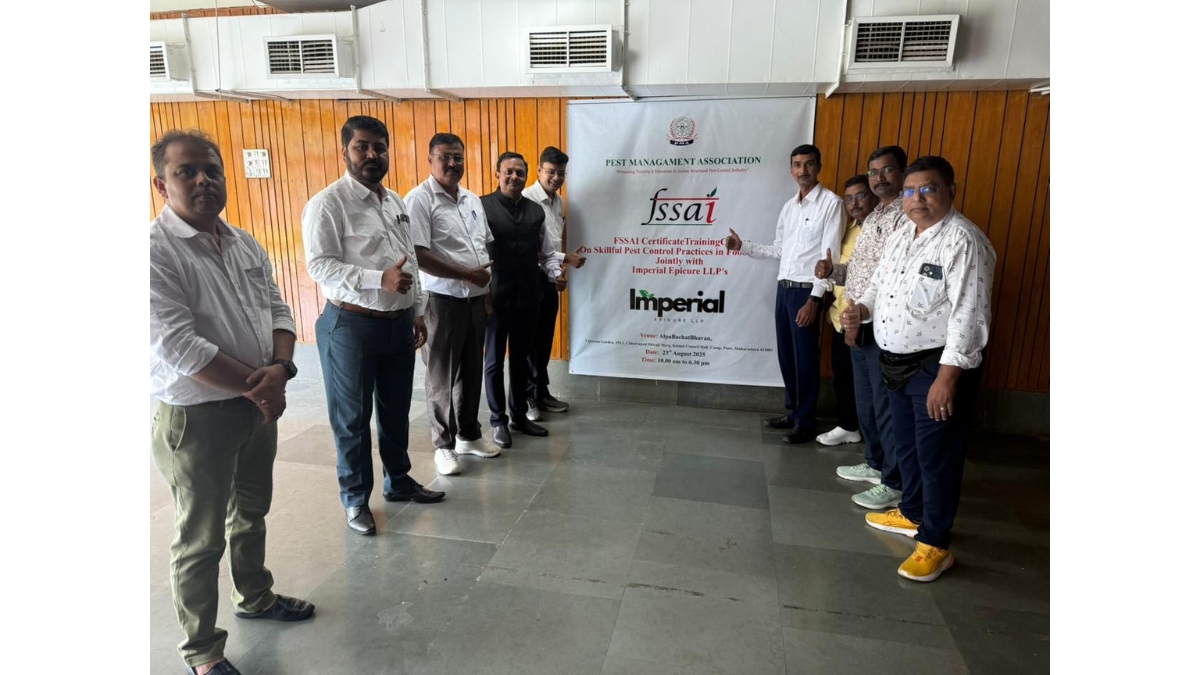
    Pune (Maharashtra) [India], August 23: Imperial Epicure LLP, in collaboration with the Pest Management Association and RIR Certification (FOSTAC Certified Training Institute), successfully organised a Basic Manufacturing Training (FSSAI-FOSTAC Basic Manufacturing Certificate Course) and certificate course on Skillful Pest Control Practices in the Food Industry.

    The exclusive training session, held at Alpha Bachat Bhavan, Pune, brought together 100 participants from across India, representing professionals committed to advancing food safety standards. This initiative marks an important milestone in strengthening industry practices, ensuring safer and more compliant food manufacturing processes through training under FSSAI guidelines.

    Led by Dr Sarang & Dr. Anil Mazagonkar (Pest Management), the course provided participants with hands-on knowledge, compliance insights, and best practices essential for pest management within the food sector.

    Speaking on the success of the event, Ms. Purva Sharma spokesperson for Imperial Epicure LLP, said: “We are proud to have partnered with the Pest Management Association to create a programme that directly addresses one of the most critical areas in food safety, effective pest control. The overwhelming response from participants across India highlights the industry’s commitment towards maintaining the highest hygiene and safety standards. Through our collaboration with Pest Management Association, we aim to make such specialised training a continuous effort, strengthening the backbone of India’s food industry.”

    Imperial Epicure LLP - PNN

    The training concluded with participants receiving certifications, empowering them to implement industry-best pest management practices within their organisations. Imperial Epicure LLP plans to roll out more such collaborative initiatives across India to promote food safety and sustainable pest control practices.

    Imperial Epicure LLP - PNN

    Mr. Anup Karmakar, General Secretary of the Pest Management Association, emphasized that skillful pest practices are vital for the food sector as they ensure safety, hygiene, and compliance with global standards. He highlighted that specialized training equips professionals to effectively prevent contamination risks, safeguard consumer health, and maintain the industry’s credibility.

    About Imperial Epicure LLP Imperial Epicure LLP is committed to delivering excellence in food safety, compliance, and training. Through innovative programmes and industry collaborations, the company supports businesses in meeting regulatory standards while enhancing operational efficiency.

    For more information:

    Contact no – +91 8920553930
    www.imperialepicure.com

    If you object to the content of this press release, please notify us at pr.error.rectification@gmail.com. We will respond and rectify the situation within 24 hours.

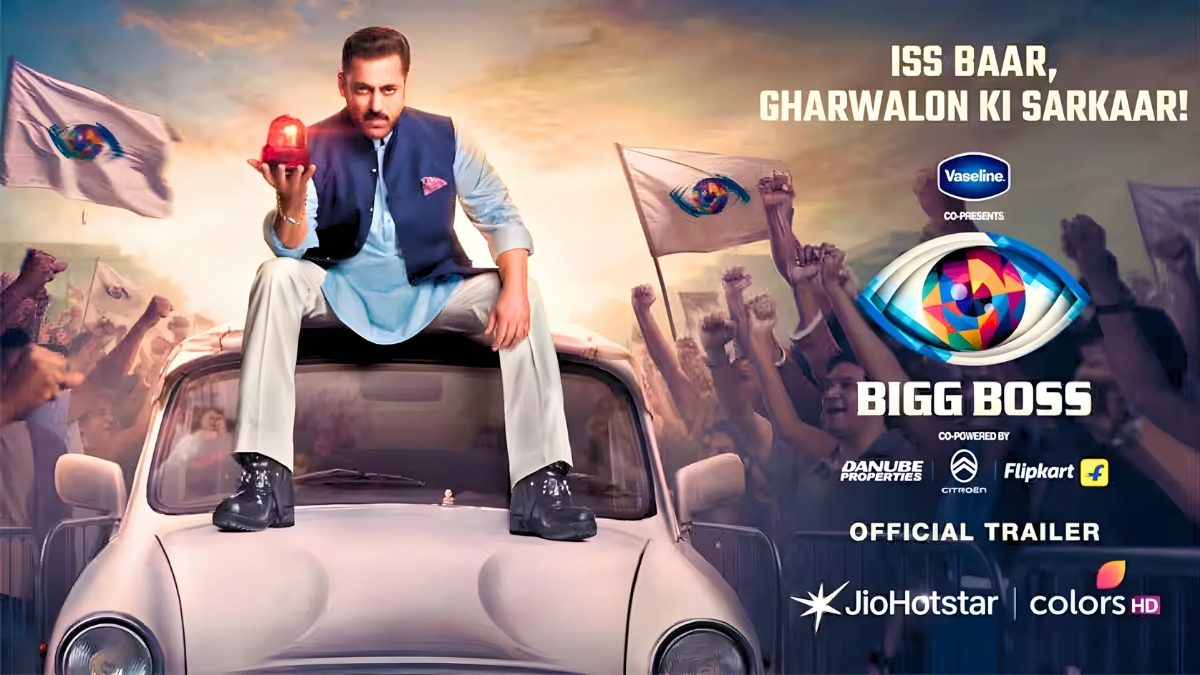
  • Bigg Boss 19: Salman Khan Teases Contestants – A Shocking Season of Twists Begins!

    Bigg Boss 19: Salman Khan Teases Contestants – A Shocking Season of Twists Begins!

    Mumbai (Maharashtra) [India], August 23: The Bigg Boss house is ready to swing open its doors once again, and Salman Khan, the eternal king of chaos and charisma, has decided to play his usual game—tease first, answer never. With Bigg Boss 19 premiering on August 24, 2025, the buzz isn’t just about contestants entering the house—it’s about how much trouble they can stir before they even unpack their bags.

    Salman, in his signature style, recently posted a teaser on social media, cheekily asking fans:
    “Achha, itni jaldi jaane ki contestants kaun honge? Chalo ek chhota sa glimpse hi de dete hain… but keep guessing, yaar!”
    Of course, only one contestant was partially revealed, and naturally, speculation went wild. Social media exploded, theories were thrown around faster than you can say “Captain’s chair,” and memes were born faster than anyone could moderate them. Because, let’s face it, in the world of Bigg Boss, suspense is half the entertainment—drama is just the icing.

    A Star-Studded—but Potentially Explosive—Lineup

    This year’s contestant list reads like a reality-TV dream board, a cocktail of old-school TV stars, social media influencers, and those looking to resurrect past fame. Here’s a glimpse of who’s entering the house:

    • Gaurav Khanna – The TV heartthrob known for Anupamaa, likely to charm and infuriate in equal measure.
    • Ashnoor Kaur – Youthful energy bundled with a dash of sass; expect witty remarks and playful tantrums.
    • Awez Darbar – The dance sensation; can he groove his way out of conflicts or just dance through them?
    • Nagma Mirajkar – Social media maven; hashtags incoming.
    • Baseer Ali – Reality show veteran; knows the tricks, but will it be enough to survive the Bigg Boss jungle?
    • Siwet Tomar, Hunar Hali, Payal Dhare, Zeeshan Quadri, Abhishek Bajaj, Shafaq Naaz, Mridul Tiwari, Shehbaz Badesha – A mix of actors, creators, and influencers who could either gel or collide spectacularly.

    Rumors have added even more spice: Ram Kapoor & Gautami Kapoor (the OG TV power couple), Dheeraj Dhoopar, Munmun Dutta, Anita Hassanandani, Krishna Shroff, Gaurav Taneja, Mr Faisu, Tanushree Dutta, Kanika Mann, Daisy Shah, and even Mamta Kulkarni—because what’s a season without nostalgia and a hint of controversy?

    Gharwalon Ki Sarkaar: Politics Meets Reality TV

    In a bold twist, this season introduces “Gharwalon Ki Sarkaar”. Housemates are divided into a ruling party and opposition, with power struggles, secret alliances, and betrayals on the menu. It’s politics, but with more tantrums, less legislation, and way more dramatic eye rolls. Imagine heated debates over household chores, nominations being called “cabinet meetings,” and Salman dropping sarcastic bombs from the stage:
    “Arre bhai, jo rules banaye hain, unko follow karna ya ignore karna—yeh aap log decide karo, main sirf judge hoon!”

    Of course, the line between governance and gossip will blur faster than anyone can predict. Alliances will shift overnight, friendships will fracture over trivial tasks, and power struggles will make Parliament debates look like child’s play.

    The Good, the Bad, and the Chaos

    Positive angle? The house is brimming with energy, talent, and personalities that can genuinely entertain. Contestants like Gaurav Khanna and Ashnoor Kaur bring seasoned acting chops, while influencers like Awez Darbar promise a modern, quirky touch.

    Negative angle? Well, let’s just say reality TV rarely fails to disappoint on the drama front. Arguments over food, petty jealousies, and the inevitable “secret tasks” designed to push contestants to the edge could turn this house into a full-blown emotional rollercoaster. Social media, as always, will act as the third, omniscient housemate—commenting, trolling, and turning every eye-roll into a viral moment.

    The Bigg Boss Factor

    Salman’s participation means another layer of unpredictability. With his quick wit and biting sarcasm, he’ll be there to push, chastise, and sometimes roast contestants. As he stated in the promo:

    “Yeh ghar ka drama, yeh politics, aur yeh votes—sab kuch sirf ek hi cheez ke liye: entertainment!”

    Fans, on the other hand, are divided between enthusiasm and cynicism. Will the program manage to sustain the excitement after 18 seasons? Or is the drama merely being dragged out with big names and smart marketing? Either way, there’s feverish anticipation.

    Final Thoughts

    Bigg Boss 19 is going to be crazy, laugh-out-loud funny, and sometimes tear-jerking—a reflection of society, only louder, messier, and with fewer screens. With a combination of veterans, newbies, social media stars, and celebrity surprise entries, the house is set for entertainment as well as emotional whiplash.

    Whether this season is a cultural sensation or simply another hot social media fad only time will tell. But this much is clear: The drama has just started, and audiences will be fixated to television screens, awaiting every eyebrow arch, snarky cut, and clandestine alliance to be revealed.

    PNN News

  • HEC Infra Projects Limited Secures Rs 12.08 Cr Orders Across Water and Energy Infrastructure

    HEC Infra Projects Limited Secures Rs 12.08 Cr Orders Across Water and Energy Infrastructure

    Ahmedabad (Gujarat) [India], August 23: HEC Infra Projects Limited (HEC, The Company), (NSE Code: HECPROJECT), – HEC Infra Projects Limited, a prominent engineering, procurement, and construction (EPC) company, is pleased to announce a series of new contracts that will expand its footprint in both urban water distribution and energy infrastructure. The company has secured three significant orders with a combined value of nearly ₹12.08 Cr. The details of the newly secured orders are outlined below:

    New energy storage project from Advait Energy Transitions Limited

    • Amount: ₹7.15 Cr (August 21, 2025)
    • Scope of Work: Design, installation, testing, and commissioning of a 185 MW Battery Energy Storage System with a 220 KV substation
    • Details: Project located at Charal, Sanand GIDC, near GETCO’s 400 KV facility in Gujarat
    • Timeline: 12 months

    Repeat orders from Ahmedabad Municipal Corporation (AMC)

    • Amount: ₹1.65 Cr (August 12, 2025) and ₹3.28 Cr (August 18, 2025)
    • Scope of Work: Augmentation of water distribution stations at Narol Gam (South Zone) and Sola ADB & Ambli ADB (North-West Zone)
    • Details: Civil, electrical, mechanical, and instrumentation works, including SITC
    • Timeline: 8 months

    These wins underscore the company’s growing capabilities across diverse sectors. While the AMC contracts highlight trusted partnerships in urban civic infrastructure, the battery energy storage project reflects HEC Infra Projects’ expanding presence in supporting India’s renewable energy transition. The company’s continued success in securing these contracts underscores its commitment to innovation and excellence in engineering

    On the receipt of the orders, Mr. Gaurang Shah, Managing Director of HEC Infra Projects Limited said, “We are delighted to have been entrusted with these important projects from both Ahmedabad Municipal Corporation and Advait Energy Transitions Limited. The repeat confidence shown by AMC strengthens our belief in long-term partnerships built on performance and reliability.

    At the same time, the large-scale battery energy storage project represents a forward-looking opportunity for us to contribute to India’s evolving energy landscape. Together, these orders reflect the versatility of our expertise ranging from civic utilities that touch everyday lives to pioneering clean energy solutions.

    Our focus will remain on timely execution, rigorous safety standards, and uncompromising quality. Each of these projects is another step in our journey of shaping resilient infrastructure that supports both urban growth and the energy transition.”

    If you have any objection to this press release content, kindly contact pr.error.rectification@gmail.com to notify us. We will respond and rectify the situation in the next 24 hours.

  • TikTok’s Big India Tease: A Promising Comeback or Just Déjà Vu in HD?

    TikTok’s Big India Tease: A Promising Comeback or Just Déjà Vu in HD?

    New Delhi [India], August 23: It is almost as if a dream. Five years ago, TikTok was dumped out of India with the severity you save for a toxic relationship—blocked, removed, and condemned. And yet, here we are in 2025, with rumors that the app might very well be staging a quiet comeback. The website comes back online, but the app itself? Still absent. As if an ex-flame sends a “Hi” on WhatsApp but won’t commit.

    So, the natural question is, do we even want it back? Or is this just a case of nostalgia operating on us?

    When TikTok Dictated the Streets

    For the forgetful, let’s reminisce. From 2018 to 2020, TikTok was not just an app—there was a revolution brewing. A Surat shopkeeper lip-syncing to Arijit Singh, a Kanpur youth excelling at dance trends, a Chennai granny rehearsing sambhar on loop, each one of them became a hit overnight.

    It didn’t matter whether you were glamorous or goofy, suave or excruciatingly clumsy. The algorithm of the app was somehow capable of making anyone go viral. Some called it the democratisation of fame; others called it a cultural free-for-all. But you couldn’t help being attracted by it. Even Bollywood stars, who hitherto scoffed at “15-second video kids,” even joined the bandwagon because—well, eyeballs were there.

    Why the Curtain Fell

    And then June 2020. As border tensions with China were escalating and there was a fierce battle on data privacy, TikTok was among 59 apps banned in the dead of night. The official reason was sovereignty and security. Unofficially, it was also about influence—who really owned the stories reaching millions of Indian screens?

    The ban left the creators high and dry. Some shifted to Instagram Reels or YouTube Shorts. Others simply fizzled out. Overnight influencers withdrew to day jobs, memories of a momentary brush with fame now a distant past.

    Fast-Forward to 2025: Too Late to the Party?

    Now TikTok appears set for round two, but the world is different. Instagram, YouTube, and even home-grown players like Moj and Josh have constructed solid kingdoms. They’ve enticed creators, wooed brands, and occupied the space TikTok vacated.

    So where does TikTok stand now? Will the people re-download it out of pure nostalgia, or have the Indian consumers moved on? After all, we’ve become savvier consumers. We want better content, not just wobbly dance trends and prank videos that resemble bloopers for a subpar sitcom.

    The Case for a Comeback

    Let’s be fair, TikTok did one thing brilliantly. Its algorithm was addictive, precise, and oddly intimate. It knew what you wanted to see before you even realised it. That’s why creators from small towns, often ignored by mainstream media, found massive followings.

    For many, TikTok was not just an app; it was a career path. Its return could reignite that ladder for thousands who still believe they have “15 seconds of fame” left in them. Imagine a florist in Jaipur gaining a million followers with bouquet hacks, or a bus driver in Kochi turning into a motivational speaker. Sounds wild, but hey, it happened before.

    The Shadows That Linger

    But the skeptics have valid points too. Will the security concerns magically vanish? If TikTok comes back, will it promise local data storage and compliance with India’s stricter digital rules? Or will it once again carry the baggage of being “foreign-owned” in a market increasingly proud of its homegrown apps?

    And let’s not ignore the cultural baggage. Remember the infamous “challenges”—some funny, some dangerous, and some outright disturbing? Do we really want to go back to debating whether teenagers should be climbing moving trains for likes?

    Brands and Advertisers: Tempted, but Hesitant

    Marketers are already sharpening their pencils. On one hand, TikTok’s return is tempting: a fresh platform, a hungry audience, and insane engagement rates. On the other hand, brands are wary of stretching themselves too thin. They’re already juggling Instagram, YouTube, and homegrown apps. Another player means more money, more manpower, more risk.

    Still, nobody likes missing out on a viral wave. And if TikTok does regain momentum, rest assured, brands will scramble to jump back in, “ethics” and “policy” conveniently taking a back seat.

    Verdict: Second Chance or Same Old Drama?

    So, where do we land? TikTok’s rumored return is both thrilling and troubling. Thrilling, because few apps have ever managed to electrify the masses the way it did. Troubling, because history has a habit of repeating itself when lessons aren’t learned.

    India today is not the India of 2020. The government is stricter, the audience is savvier, and the alternatives are plenty. TikTok’s comeback could either be the redemption arc of a lifetime or just a rerun of old chaos, this time in higher resolution.

    For now, we watch and wait. TikTok has knocked on the door, but whether India opens it with a smile or a stern glare remains the story worth following

    Also Read: South Asia Health Research

  • South Asia Health Research Collab Takes Bold Step

    South Asia Health Research Collab Takes Bold Step

    New Delhi [India], August 23: India pulled off something rare this week, getting its neighbours to agree on action, not just talk. Bhutan, Nepal, Sri Lanka, Timor-Leste, and India came together in Delhi to strengthen health research systems. The message was blunt: no country can fix pandemics, NCDs, or antibiotic resistance alone.

    We’ve all seen enough regional “dialogues” that go nowhere. This one, convened by the Indian Council of Medical Research (ICMR), tried to cut through that. The plan is to align research with policy, share resources, and build systems that can stand up to future health shocks.

    India Takes Centre Stage

    Let’s be honest, India wasn’t just a host. It was the heavyweight in the room. From med-tech breakthroughs to vaccine diplomacy, we’ve already shown what scale and speed look like. Amit Agrawal, Secretary of the Department of Pharmaceuticals, drove the point home: India’s innovation platforms are open, and neighbours should plug in. His pitch was simple: start-ups and med-tech don’t just fuel growth; they deliver affordable solutions that work across the region.

    And yes, this is the same India that rolled out vaccines for 1.3 billion people and shipped doses abroad when others hoarded supplies. If that’s not proof of capacity, what is?

    The Commitments On Paper

    By the end, countries signed onto a to-do list that looks refreshingly specific:

    • South–South collaboration: Coordinate on antimicrobial resistance, pandemic prep, and lifestyle diseases.
    • Pooling resources: Train epidemiologists, improve research ethics, strengthen labs, and develop med-tech together.
    • Research to policy: Stop treating science as shelf decoration. Evidence must feed directly into government programmes.
    • ICMR’s toolkit: India will share ethics forms, free online courses, and digital tools with countries still building systems.

    India’s Diplomacy In Science

    Dr. Rajiv Bahl, ICMR’s Director-General, reminded the room that South–South collaboration isn’t charity, it’s strategy. India’s science diplomacy has always rested on sharing capacity with partners, not gatekeeping it. His line, “Science and research must serve people directly”, wasn’t just a soundbite. It fit the theme: make research useful, not ornamental.

    Priorities For The Region

    The thematic focus areas were split up: One Health, pandemics, infectious diseases, NCDs, maternal health, and med-tech innovation. The idea is that different countries will lead in different areas, so expertise isn’t duplicated.

    India naturally sits at the core of this. We’ve built giant digital health stacks, produced low-cost drugs, and fought epidemics at scale. Bhutan’s experience with community health, Sri Lanka’s public health system, and Nepal’s grassroots innovations bring their own value. Together, the region could finally move from patchwork fixes to something closer to resilience.

    Experts In The Mix

    This wasn’t a dry bureaucrats-only exercise. Names like Dr. V.K. Paul from NITI Aayog, Prof. Srinath Reddy from PHFI, and Dr. Shamika Ravi from the PM’s Economic Advisory Council added weight. Regulators, pharma heads, and health economists joined the table too. Translation: the people who can actually connect dots between research, industry, and policy were in the room.

    From Talk To Execution

    The final consensus was sharp: less knowledge-sharing, more joint projects. Countries agreed on regular meetings, exchange visits, and co-developed training. That might sound small, but it’s how durable systems are built. Annual speeches won’t stop dengue. Shared training and real-time data just might.

    This isn’t altruism. For India, regional resilience means fewer imported health shocks. Dengue doesn’t stop at customs, and antimicrobial resistance doesn’t need a passport. By helping neighbours build capacity, we protect ourselves and project influence at the same time. That’s soft power with teeth.

    Good to see South Asia finally acting like a region instead of a neighbourhood of strangers. Let’s be blunt: if COVID didn’t teach us that health threats cross borders, nothing will. India stepping up with ICMR’s tools and platforms is smart. It builds influence while solving real problems. But the test isn’t in declarations. It’s in whether bureaucrats actually follow through. Annual meetings are great, but dengue mosquitoes don’t wait for agendas. Time for South Asia to walk the talk.

    Also Read: DLI Scheme: India’s Chip Dream Gets a Boost