Author: Sutun Nayak

  • Jogani Reinforcement’s Basalt and Brass Coated Fibers appreciated with Product of the Year at WOC India 2024

    Jogani Reinforcement’s Basalt and Brass Coated Fibers appreciated with Product of the Year at WOC India 2024

    Mumbai (Maharastra) [India],November 11: Jogani Reinforcement, a leading name in crack control technologies and industrial reinforcement sector, added another feather to its cap when it received  Product of the Year recognition at the World of Concrete Show on 17th October 2024 at the Bombay Exhibition Centre, Mumbai, India. JOGANI Reinforcement, got a huge appreciations from  civil engineers, structural consultant and concrete technologists for their groundbreaking innovative products—JOGANI Basalt Fiber and JOGANI Brass Coated Micro Steel Fibers.

    It was a moment of immense pride for the JOGANI Reinforcement  that the JOGANI team received this recognition at such a  forum where leading professionals across the Concrete Business  presented some of the most impressive innovations in concrete technologies, equipment, materials, services, and tools. While interacting with the media, Mahesh Kumar  FROM Jogani Reinforcement stated, “Innovation is the only easy, economical effective tool for value creation and problem solving not only for concrete but for society and the country at large. Innovation is  at the core of everything we do. Currently when global warming has created threat not only growth and prosperity but on very existence of life, all research and development focused towards creating products that are eco friendly and sustainable. As a developing nation India need more and more infrastructure, buildings and civic facilities these all need a huge volume  of building materials which are limited and pollution and green house gas emission is big challenge. At Jogani Reinforcement the team of technocrats introduced JOGANI Basalt Fibers to India Market  which are natural and having mechanical properties far better than traditional materials. The recognition “ Product of the year by World of Concrete 2024  is a great motivation and a reflection of our dedication to pushing the boundaries of design and ergonomics in providing the most effective and sustainable products in the market.”

    The World of Concrete (WOC) India Show 2024, initiated by The Informa Markets India Pvt. Ltd., is one of the most esteemed awards that celebrates the creative excellence in Concrete landscape. The grand and unique exhibition in its second edition was held between 16th to 18th October 2024. The platform united thousands of industry experts including architects, engineers, builders, contractors, and project managers—all of whom benefit from the innovations on display. The WOC India Conclave also featured participation from over 200 exhibitors, showcasing the latest products, technologies, and innovations in the concrete industry.

    About The Award-Winning Reinforced Products

    JOGANI Basalt Fiber and JOGANI Brass Coated Micro Steel Fibers are the two most promising  products that represent significant advancements in High Grade and Ultra-High-Performance Concrete (UHPC), Composites, Industrial Flooring , Defence and Industrial Reinforcement Sector, besides setting new benchmarks for sustainability and efficiency in the developing structural environment. These specialized engineering fibres  are superior choices for any concrete and building professionals to enhance strength, improve durability, and innovative design applications over traditional materials.

    The award-winning reinforced products enhancing concrete properties and performance  for high tensile strength, intense impact resistance, and enhanced crack control capabilities. The products are abrasion-resistant, and tough, and showcased increased flexibility that can suit challenging environments. As India’s top crack control fibreglass mesh products and engineering  technologies  supplier- Jogani Reinforcement have been time and again recognized for their remarkable efforts, impeccable ideas and advanced concrete solutions. However, this WOC India appreciation is a testament to the Jogani Group’s dedication and focus on driving the future of construction, by enhancing the quality and performance of concrete products in the ever-evolving industry.

    Jogani Reinforcement can be reached on 9107 690 690 and Mail at joganireinforcement@gmail.com or www.joganireinforcement.com

    If you have any objection to this press release content, kindly contact pr.error.rectification@gmail.com to notify us. We will respond and rectify the situation in the next 24 hours.

  • Arre Studio to bring the internationally-acclaimed survival show ‘Alone’ to India

    Arre Studio to bring the internationally-acclaimed survival show ‘Alone’ to India

    Mumbai (Maharashtra) [India] November 12: A+E Global Media Group today announced that it will partner with Arré Studio to bring its global hit format to India for the first time, it was announced today by Namit Sharma, CEO Arré Studio and Amreet Chahal, Content Sales Director for A+E Media Group, Asia-Pacific.

    Alone, the ultimate survival competition format, described by The New Yorker as “the best reality show ever made”, sees contestants dropped one by one into the remote wilderness, where each must survive entirely alone, using their wits, mental resilience, and survival skills. With no camera crew, contestants must self-film as they source food and water, build their own shelter, and battle ever-worsening weather.

    “Alone is an incredible, ambitious format, gripping audiences the world over. We’re excited to be bringing it to India,” said Namit Sharma, CEO Arré Studio. “Our audience loves captive reality shows and Alone is a uniquely dramatic and challenging format. This partnership with A+E is a mark of Arré’s commitment to bringing the best international scripted and unscripted formats to our clients and audience”

    “A+E is thrilled to be partnering with top producers Arré Studio,” said Amreet Chahal, Content Sales Director for A+E Media Group, Asia-Pacific. “Alone is an awe-inspiring test of the power of human spirit, set in stunning unspoiled wilderness. We can’t wait to bring this to an Asian territory for the very first time”

    Alone first premiered on A+E’s The History Channel US in 2015, and has now run for eleven smash hit seasons with a twelfth season in production. Alone Denmark has aired for eight seasons, and three new European adaptations of the format are shortly to be announced. Alone Australia has been the highest rating original commission in the history of the network channel SBS, and a third season will premiere in 2025.

    If you have any objection to this press release content, kindly contact pr.error.rectification@gmail.com to notify us. We will respond and rectify the situation in the next 24 hours.

  • Smriti Irani Inaugurates Aigiri’s Showroom In New Delhi, Asia’s Largest Lab-Grown Diamond Jewellery Store

    Smriti Irani Inaugurates Aigiri’s Showroom In New Delhi, Asia’s Largest Lab-Grown Diamond Jewellery Store

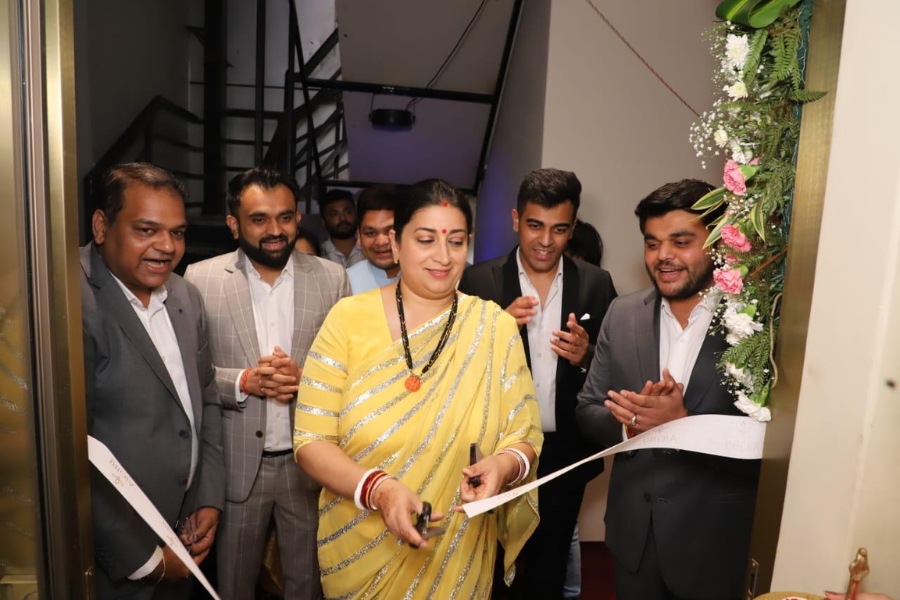
    New Delhi [India], November 12:  Aigiri, an innovative brand specialising in lab-grown diamond jewellery, recently celebrated the opening of Asia’s largest lab-grown diamond jewellery store in South Extension 1, New Delhi.

    The store was inaugurated by former Union Minister Smriti Irani, who joined Aigiri’s co-founders Smit Patel, Sanket Patel, and Miraj Patel in marking the momentous milestone for the sustainable luxury brand.

    Backed by Greenlab Diamonds, Aigiri’s flagship store is designed to make high-quality, ethical jewellery accessible to modern consumers who value sustainability and craftsmanship. With a wide range of stunning, eco-conscious pieces, the store represents a huge leap forward in India’s expanding lab-grown diamond industry.

    Speaking at the inauguration, Smriti Irani lauded Aigiri’s support of the “Make in India” and “Vocal for Local” campaigns and praised the brand for its dedication to responsible luxury.

    “Aigiri’s innovative work in the lab-grown diamond industry reflects India’s technological advancement and commitment to sustainability. This flagship store is a landmark for ethical luxury, blending heritage with progress to set new standards in the jewellery industry,” she said.

    Since its founding, Aigiri has rapidly risen as a leader in sustainable jewellery under the guidance of its co-founders. Aigiri continues to drive change in luxury jewellery by combining cutting-edge technology with environmentally responsible practices.

    “We are deeply honoured to have Smt. Smriti Irani for the inauguration of our flagship store. This store represents a critical step in our journey to bring conscious luxury to India, aligned with our commitment to ethical and sustainable practices,” said Smit Patel, Founder of Aigiri.

    Echoing the sentiment, Co-founder Sanket Patel said, “Our flagship store is much more than a jewellery showroom. It is a one-of-a-kind experience that brings together tradition, innovation and sustainability. We are thrilled to invite consumers to discover the future of fine jewellery.”

    Aigiri’s flagship showroom includes dedicated spaces for bridal collections, everyday wear and custom designs, offering a personalised experience tailored to modern tastes. All pieces are backed by Aigiri’s comprehensive assurance programme, which includes IGI and GIA certification, a 100% buyback and exchange policy, and lifetime assured maintenance.

    Looking ahead, Co-founder Miraj Patel said, “We are excited about Aigiri’s future, with plans to open five additional stores in key cities across India by 2025. The Delhi store is just the beginning as we shape the future of luxury jewellery with a focus on exquisite craftsmanship and sustainable growth.”

    About Aigiri

    Aigiri stands out as Asia’s largest lab-grown diamond jewellery brand, presenting beautifully crafted pieces that combine sustainable luxury with enduring elegance. Embodying a philosophy of mindful everyday elegance, Aigiri crafts timeless jewellery that narrates a tale of resilience, affection and commitment to the planet. Every Aigiri creation exemplifies the brand’s dedication to artistry, eco-friendliness, and honouring the most cherished moments in life. The brand presents a diverse range of styles, with prices beginning at Rs. 10,000 and extending beyond Rs. 1 crore. Aigiri stands out as India’s sole destination for 100% CVD jewellery, featuring diamonds that are exclusively sourced from Greenlab Diamonds.

  • Indian Economy, Trump and Much Ado About US Fed Rates

    Indian Economy, Trump and Much Ado About US Fed Rates

    New Delhi [India], November 11: Trump’s resounding win did not just add US$12 billion to Elon Musk and caused a broader rally across the US equity markets. One may justify the optimism due to the expected policy changes in stocks, but the subject that is less talked about is the rates. US government bonds dropped dramatically on the expectation of higher rates and for longer.

    For various reasons well known to investors, the US dollar plays an important role in global economics. It is not just the world’s reserve currency; it is also the denominator for the price of global assets and the provision of international services. From the valuation of the coal trade between South Africa and Germany to the pricing of offshore IT consulting services between Kenya and India, deals are struck primarily in US dollars. Therefore, the impact of Fed rates is profound and global, but it seems particularly pronounced in India.

    The recent debates on Fed rate cuts seem to consume Indian investors and economic strategists. Shockingly, US economists do not seem to give much importance to the Reserve Bank of India’s (RBI) rate cuts. This note is my evaluation of whether US dollar interest rates continue to deserve the same VIP treatment as they have done historically. In my view, in the current context, the Federal Reserve’s monetary policy should be afforded much less significance, and any material reaction to US rate cuts by the Indian capital markets could be misplaced and perhaps result in an opportunity for investors.

    Bhumi Chaudhary of Astra Asset Management UK Limited shares here insight here:

    What Impact does the central bank’s monetary policy have on capital markets?

    Borrowing costs, corporate profitability and consumer confidence and behavior

    First, to understand the impact, we should understand how the Central Bank’s policies, particularly the spot rate target, impact the economy. Although there are others, for the purpose of this discussion, I’ll focus on the following key factors:

    Interbank borrowing rate: For any large economy with several established banks, the interbank borrowing rate represents the cost of liquidity in the market. It is the main driver against which financing costs are benchmarked. Yields on government bonds and Treasury bills are intricately determined by this rate, and it generally sets the tone for short-term financing costs.

    Corporate borrowing cost: The higher the borrowing costs, whether for banks borrowing from central banks or corporations from lending institutions, the greater the friction to growth in the economy by increasing the overall costs of producing goods and services. Higher costs are often either passed on partly or wholly to the consumer, thus tilting lower both demand and profitability for the providers. Lower profitability and lower growth may result in a weaker equity market that, in turn, weakens economic sentiment, resulting in the withdrawal of risky capital from the markets, further reducing the liquidity available for growth

    Consumers’ savings: Consumers also tend to save more if they receive more incentives to do so. If the value of money remains the same year to year, then consumption now is almost always preferred to consumption later. This results in a further reduction of money invested in both equity and debt securities. The poorer economic sentiments as a result of this strong cycle often put fairly dramatic brakes on GDP growth in the affected country, and thus, increasing interest rates is not a tool used by central bankers unless the economy overheats, causing inflation, potential economic bubbles, etc.

    But why does the US Dollar Rate impact the Indian Economy?

    Foreign investments, Global Assets financing cost and Rupee-Dollar exchange rate

    Not only is the US the largest exporting partner for India, but it is also the third largest source of equity foreign direct investment (FDI) in India. The current annual equity inflow from the US was US$ 5bn in FY 2024, representing 9% of the equity FDI in India. Moreover, the US represents ca. 18% of India’s total exports between 2017 and 2021.

    Like any investor, US investors assess the yield pickup from investing in a safe asset versus a risky asset. As an investment in an emerging market (EM) (despite being one of the largest, behind China), India is considered risky by US investors compared to US government bonds (risk-free), US corporate bonds (less risky), or US equities. If they receive lower yields from US investments, investors are more likely to search for higher yields in EM and consider making direct investments in EM, including India. The higher the investments in capital markets, the higher the demand, and hence, the higher the market capitalisation attained for Indian assets. A marginal increase in the FDI can, therefore, lead to a significant increase in market capitalisation since marginal demand drives marginal price.

    A higher Fed rate also weakens the rupee against the US dollar, and that may result in a higher purchasing cost for US dollar-based assets, such as oil, that are priced in the global markets. A substantial portion of US dollars spent is buying oil in the global market. Any other imports, including a subscription to Chat GPT or Netflix, also cost more in rupees. This also gives rise to direct inflation in India, as companies cannot stomach higher costs and, therefore, pass them on to consumers. Higher inflation in India would result in tightening monetary policy and, therefore, is also entirely tied to US rates.

    Will there be a significant US dollar rate cut? 

    Despite the post-election euphoria, there would be some, but not a lot, and not lower for much longer.

    The past decade has seen extraordinary action to keep interest rates low for longer globally, and this has resulted in ‘cheap money’ in the developed market that gave rise to

    • ✓ High leverage and;
    • ✓ Market expectations of low interest rates being the new normal.

    “Current inflation in the developed economy stems much less from loose economic policies than from the helicopter money dropped during COVID and subsequent reduction in global efficiency. This is what has resulted in extraordinary wage inflation and historically low global unemployment rates,” says Anish Mathur, Chief Investment Officer of Astra Asset Management UK Limited, London.

    Therefore, despite a rapid increase in interest rates, developed markets have not been fully able to tame inflation. The market expected that inflation would be controlled, leading to a consensus that there would be six cuts in the past twelve-month period. Clearly, we have not seen that.

    Ken Brougher, Head of Private Debt at Astra Asset Management, says, “Through 2023–24, we maintained our opinion that the rates are likely to remain higher for longer. Now, although we expect the Fed to cut, we neither expect these to be very deep nor for very long. We do not expect the 10-year US government bond yields to drop below 350 bps or increase above 450 bps in the medium term.”

    Why has the impact of US monetary policy diminished for India?

    Inverted Yield Curve, Non-Dollar Trading Partners, Long-term Foreign Investors

    There are various reasons today why the impact of the US Fed’s action has significantly diminished (albeit it has not disappeared). I list the few more important ones below.

    Direction of capital flow

    Indian capital markets are quite sensitive to inflows and outflows of foreign direct investment in Indian equities, historically driven by the yield on US dollars. As rates go down, investors increase allocation to Indian markets, and as they go up, they reduce the allocation and repatriate capital back to US markets. However, this has systemically changed over the past few years.

    Short-term global investors  

    These investors look at the global capital markets to find relative value, but lately, the focus has mostly been on the US equity markets. The S&P500 and Nasdaq have performed so well over the past decade that there has been a continued inflow from many sources of capital to passive equity ETFs. The relative returns generated by US equity markets have not just beaten perhaps every other global market (at least when denominated back in US dollars), but, in absolute terms, these returns have been very satisfactory for most speculative US investors that target mid-teens annual returns. Investors, therefore, do not see the attraction of investing in foreign capital markets, as they are able to achieve this level of return on their home turf. In any event, the expected pick-up in yield is minimal against a backdrop of a significant increase in exposure to market and currency risks. The lack of scalability or opportunity has also not been very appealing for speculative global investors. They have thus not played a significant role in Indian capital markets and have tended to stay out of it. The current short-term rate changes will continue to remain unnoticed by speculative allocators in India.

    Indices YTD 1 Year 3 Year 5 Year 10 Year
    S&P 500 22% 37% 28% 93% 196%
    Nasdaq 20% 37% 32% 154% 401%
    Nifty 50 12% 27% 35% 111% 204%

    Long-term global Investors

    The FDI that India has seen is, therefore, from those institutional investors who seek to diversify risk through their investments in global capital markets and see long-term growth potential in India. India is probably one of the largest markets in the world, and it has significant areas remaining for market expansion. It has a rapidly increasing middle-class population with ever-increasing purchasing power that contributes increasingly to global consumption. The American/global long-term investor, therefore, does not look at the short-term change in US interest rates to determine their allocation to India’s equity capital markets. Changes in the short-term rates are not going to change their allocation policy for India.

    Inverted Yield Curve

    The Indian fixed-income market does compete for capital with the long-term carry-on US dollars. However, the peculiar shape and the length of time that the US$ yield curve has remained inverted have created immunity to its impact.

    Typically, short-term rate cuts are accompanied by a downward shift of the entire rate curve, i.e., the overnight fed target rate often reduces 10-year government bond yields, but it does so in a normal-shaped upward-sloping yield curve. With the expectation of recession diminishing, the shape of the yield curve would normalise, and for that to occur, long-term rates must not go down. Thus, the expectation that long-term rates will decline with spots is unlikely to come about. Ten-year rates may, in fact, go higher and remain at about 4% or range bound (+/- 50 bps) in the medium term. This at least counters any cut in the spot rate, if not completely diminishing its impact on the long-term carry cost of US dollars. Thus, this also contributes to the reduction of the impact of any Fed rate cut on the capital inflow in Indian fixed-income markets.

    India’s Foreign Policy

    While the numbers may or may not be estimated accurately, the Indian government has been able to significantly shift the utilisation of US dollars to buy dollar-denominated commodities such as crude oil. Despite the Ukraine war, India has maintained its trading ties with Russia, becoming a significant non-dollar-denominated trading partner for Russia. As a result, US dollar expenditure has been reduced significantly, offsetting the decrease in the demand for US dollars in India. India has also not been impacted (and has, in fact, benefitted) by the restrictions on Russian oil and has been able to source cheaper oil and other commodities. The impact of lower demand for US dollars and the availability of cheaper global commodities has resulted in muted inflation in India, whereas the Western developed markets have had a difficult time taming the inflation beast.

    The impact of changes in interest rates, which determine the cost of financing in US dollars, has, therefore, diminished quite significantly for the Indian economy.

    China’s relation with the western world

    Finally, the current changes in the geopolitical schema have put India in a strong position. When it comes to the destination of investor capital headed out of US shores, China has historically been the only real contender for investors who looked for scale and liquidity in EM and has thus been the largest beneficiary in recent years. However, investors perceive significant incremental risk due to the friction between Western countries and China and have consequently reduced their exposure to Chinese capital markets. In addition, the recent performance of the Chinese capital market has been very poor, causing it to fall out of favour with foreign investors. Analysts’ outlook for Chinese capital markets remains negative, and despite recent government announcements for stimulus in the equity markets, investors remain jittery, and confidence remains very fragile. With Brazil, Russia, and China out of competition, the I of the BRICs will remain a significant beneficiary. Fed hikes or cuts would not change that allocation, as it is largely driven by geopolitical factors.

    To Conclude

    While policy changes under the Trump administration would have an economic impact that may translate into fed actions, the market prices a bit more, and those reverberate are not going to be felt at the Reserve Bank of India. The political environment in India, however, does.

    As Deepali Rana of CNBC India says, “With Modi returning for a third term in government, India provides a stable political environment, low inflation, a sizable market for global growth, and a large English-speaking population, and changes in Fed policy have a diminishing impact on Indian capital markets.”

    While the US dollar continues to dominate the global landscape and the impact of changes in the dollar-denominated financing costs will continue to be felt globally, India is currently more insulated than it has been in the past from changes in US Fed policies. Whether it is a trend or a temporary shield created by a unique set of global and macroeconomic circumstances remains to be seen.

    About Author:

    Bhumi Chaudhary is a member of the Investment Team at Astra Asset Management UK Limited, where she leads sourcing, origination, and credit underwriting for private debt investments across the UK and Europe. With expertise in direct lending, acquisition financing, and refinancing, she takes a sector-agnostic approach to senior and subordinate investments. Previously, Bhumi worked as a credit analyst focusing on US and European mortgage-backed securities, CLOs, and CDOs. She holds a Bachelor’s in Commerce (Hons) from Delhi University.

    Sources :

    1. https://www.investindia.gov.in/foreign-direct-investment

    2. https://wits.worldbank.org/CountrySnapshot/en/IND

    If you have any objection to this press release content, kindly contact pr.error.rectification@gmail.com to notify us. We will respond and rectify the situation in the next 24 hours.
  • Top Defence Academy in India for Exam Preparation: The Best Academy for Aspiring Armed Forces Officers

    Top Defence Academy in India for Exam Preparation: The Best Academy for Aspiring Armed Forces Officers

    New Delhi [India], November 11: Looking for the best defence academy in India? This top-rated institute offers expert coaching for NDA, CDS, AFCAT, and SSB exams, helping aspiring officers achieve success. With experienced mentors, comprehensive training, and a proven track record, it’s the ideal choice for candidates preparing for a career in the Indian Armed Forces.

    If your dream is to serve in the Indian Army, Navy, or Air Force, clearing the NDA, CDS, or AFCAT exams is just the first step. However, achieving success in these exams requires more than just hard work—it demands expert guidance and strategic preparation. That’s where Learn With Sumit (LWS) and Defence Mania stand out. With a 20% selection rate and 450+ successful candidates, they have established themselves as the top coaching institutes in India for defence exam preparation.

    LWS: The Best Choice for NDA Exam Preparation

    When it comes to preparing for the NDA (National Defence Academy) exam, Learn With Sumit is the go-to institute for aspirants across India.

    Why is LWS the Best for NDA Preparation?

    • Experienced Faculty: LWS offers expert faculties who have a deep understanding of the NDA exam pattern.
    • Comprehensive Coaching: LWS covers every aspect of the NDA syllabus with clarity and precision.
    • Personalized Attention: Every student gets individualized coaching, ensuring they have a clear understanding of their strengths and weaknesses.
    • Mock Tests & Practice Papers: LWS conducts regular mock tests to help students improve their time management, speed, and accuracy.

    Defence Mania: Your Path to Success in AFCAT & CDS

    For those aspiring to join the Indian Air Force or Indian Army through the AFCAT (Air Force Common Admission Test) or CDS (Combined Defence Services) exams, Defence Mania offers specialised coaching at a pocket-friendly price that’s tailored to these competitive exams.

    Why Choose Defence Mania for AFCAT & CDS?

    • In-depth knowledge of the Exams: The faculty at Defence Mania has in-depth knowledge of the AFCAT and CDS exam formats, ensuring that students are fully prepared.
    • Tailored Exam Strategies: Defence Mania’s expert faculties provide strategies to tackle complex questions and boost exam performance, giving students an edge.
    • Regular Mock Exams: To get a real-time feel of the exam, Defence Mania conducts regular mock tests, helping students improve their exam strategies and performance.
    • Subject-Specific Coaching: Defence Mania provides expert coaching in every subject that matters for AFCAT and CDS exams.

    LWS SSB Coaching: Master the SSB Interview

    After clearing the written exams, the next crucial step for many defence aspirants is the SSB interview. LWS SSB provides specialized coaching to help students excel in this final stage, focusing on both psychological tests and physical assessments.

    Why Choose LWS SSB for SSB Interview Preparation?

    • Experienced Trainers: LWS SSB include SSB ex-assessors & Retired Officers who have practical experience and deep insights into the selection process.
    • Comprehensive SSB Coaching: LWS SSB prepares candidates for all the stages of the SSB interview, including Group Discussions, GTO, Psychological Tests, and Personal Interviews.
    • Personality Development: Apart from coaching for the SSB tests, LWS SSB focuses on developing confidence, leadership skills, and communication abilities—traits that are essential to succeed in the SSB interview.
    • Mock SSB Interviews: To provide a real-life experience, LWS SSB conducts mock interviews and group tasks that mirror the real selection process.

    Success Stories: Hear From Our Students

    Here’s what some of our successful candidates have to say about their experience with LWS, Defence Mania, and LWS SSB:

    “I cleared the NDA exam thanks to Sumit Sir & LWS team. The expert guidance and personalised approach helped me stay focused and excel in every section of the exam.” – NDA candidate

    “Thanks to Sahil Bhaiya & Defence Mania, I cleared AFCAT and am now preparing for my final selection. Those 10 hours Maths Marathon, The mock exams and exam strategies were key to my success.” – AFCAT candidate

    “The SSB coaching at LWS SSB was absolutely amazing. The mock interviews and group tasks gave me the confidence I needed to clear the SSB interview successfully.” – SSB candidate

    Conclusion

    With LWS for NDA, Defence Mania for AFCAT and CDS, and LWS SSB for SSB interview coaching, you have everything you need to succeed. 450+ successful candidates, a 20% selection rate, and a comprehensive approach to exam preparation make these institutes the best choice for any aspirant serious about joining the Indian Armed Forces.

    After reading this article, you might have a few questions. Don’t worry! We’ve got you covered—just go through our FAQs below:

    1. Is LWS good for NDA?
      Ans: Absolutely! LWS has a proven track record of success with NDA aspirants, thanks to its experienced faculty, comprehensive syllabus coverage, and personalized attention that helps each student excel in their preparation.
    2. Is Defence Mania the best for AFCAT and CDS?
      Ans: Yes! Defence Mania has established itself as a top choice for AFCAT and CDS preparation, with expert coaching, strategic study plans, and regular mock exams that ensure students are fully equipped for these exams.
    3. Does LWS SSB have the highest selection rate?
      Ans: Yes, LWS SSB boasts one of the highest selection rates in the country for SSB coaching, with personalized guidance, experienced trainers, and practical mock sessions that prepare students thoroughly for the SSB interview process.
    4. Are Defence Mania courses really affordable?
      Ans: Absolutely! Defence Mania is committed to providing high-quality, pocket-friendly courses, making professional coaching accessible to aspirants from all backgrounds without compromising on quality.
    5. How do I enrol in LWS, Defence Mania, or LWS SSB?
      Ans: You can enrol by visiting their official websites/app or contacting their team directly. They will guide you through the enrollment process and help you choose the program best suited to your goals.

    Have more questions? Our team is here to help! Feel free to reach out, and we’ll be happy to assist you in any way we can.

    If you have any objection to this press release content, kindly contact pr.error.rectification@gmail.com to notify us. We will respond and rectify the situation in the next 24 hours.

  • Raghu Vamsi Group acquires UK-based PMC Group

    Raghu Vamsi Group acquires UK-based PMC Group

    Hyderabad (Telangana) [India],November 11: Hyderabad based Raghu Vamsi Group, a Tier One manufacturer of high precision and hi-critical components, sub-assemblies, and systems for global OEMs like Boeing, GE Aviation, Honeywell, Rolls Royce, Collins Aerospace, Halliburton, Eaton, Cytiva etc. Celebrated its successful 100% acquisition of PMC Group, a leading UK-based precision machining company specializing in components for the Oil & Gas industry.

    The acquisition of PMC Group represents a strategic step forward in Raghu Vamsi Group’s vision to enhance its global footprint and expand its capabilities by moving up the value chain in providing high-precision products and solutions to critical industries worldwide. PMC Group’s expertise in precision machining, coupled with Raghu Vamsi Group’s state-of-the-art manufacturing facilities in Hyderabad, will foster greater synergies in product innovation and cater to a wider segment of high precision products, delivering advanced engineering solutions for the Oil & Gas sector and beyond. The combined strengths of India & UK will provide a cost-efficient & high precision solution for customers.

    PMC Group brings over 35 years of rich experience & deep knowledge in Critical manufacturing capabilities, supplying to Global Oil & Gas OEMs like SLB, Baker Hughes, Halliburton, Expro, Tech FMC, One Sub Sea etc. The Group employs around 100 employees and has a revenue of INR 180 Crore with manufacturing capabilities of complex parts and assemblies in Nickel Alloys up to 6 meters in length.

    The announcement was made at a special event attended by key industry stakeholders, including the Deputy High Commissioner of the UK to India, Mr. Gareth Wynn Owen, Shri Jayesh Ranjan – Special Chief Secretary (ITE&C) and Industries & Commerce Telangana, Shri Praveen PA – Director, Aerospace & Defence, Telangana, Dr. S.K. Jha – C&MD, MIDHANI and Dr. L. Rama Krishna, Scientist-G, ARCI.

    Delighted at the acquisition, Mr. Vamsi VikasMD of Raghu Vamsi Group, said: “We are thrilled to welcome PMC Group into the Raghu Vamsi family. We are excited that this acquisition now combines our manufacturing strengths with PMC Group’s expertise in precision machining and helps expands our global footprint and cater to a wider segment of high precision products. Our portfolio will also grow beyond our traditional Aerospace & Defence to include Oil & Gas sectors with an entry into growing European markets.” 

    The Deputy High Commissioner of the UK to India, Mr. Gareth Wynn Owen, also spoke at the event, highlighting the significance of the acquisition as a positive development for UK-India business relations. “This acquisition is a prime example of the growing collaboration between the UK and India in advanced manufacturing and technology. We look forward to seeing how this partnership enhances both companies’ positions in the global market,” said Gareth Wynn Owen.

    Shri Jayesh Ranjan – Special Chief Secretary (ITE&C) and Industries & Commerce Telangana said, “This acquisition is a highly strategic milestone, being the first of its kind between Raghu Vamsi, an Indian MSME and PMC, a renowned UK-based precision manufacturing group with roots tracing back over 100 years. It serves as a prime example of how Indian industries can expand their global footprint and compete at the highest levels. I am also pleased to note the active support of major Indian PSUs like MIDHANI and ARCI, who are supplying specialized raw materials and advanced engineered coatings, thereby fostering a local ecosystem capable of meeting global demand while maintaining the highest standards of quality. It is truly inspiring to witness a Hyderabad-based MSME transforming into a multinational company, marking a historic moment in our journey.”

    Raghu Vamsi Group’s world-class manufacturing facilities, bolstered by advanced engineering capabilities, already support critical programs for Indian Defence and Space Research Labs. With this acquisition, the company aims to expand its portfolio to cater to the evolving needs of global OEMs, offering cutting-edge solutions that meet the highest standards of quality and precision.

    About Raghu Vamsi Group:

    Raghu Vamsi Group has carved a space for itself in the Aerospace & Defence industry world- wide over the past two decades since its inception in the year 2004. The Company and its subsidiaries have gained the trust and built lasting relationships over these years by delivering High Precision Engineering Components and Sub-Assemblies to some of the largest Global Corporations.

    Today Raghu Vamsi Group is AS 9100 D and NADCAP Approved consortium of Companies engaged in the Design, Development, Manufacturing and Exporting of High Precision Engineering Components and Sub-Assemblies for Aerospace, Defence, Space, Industrial, Medical, Oil & Gas, Energy and UAV’s employing more than 800 in the group.

    About PMC Group:

    PMC Group is a UK-based precision machining company that specializes in manufacturing high-quality components for the Oil & Gas sector. With decades of experience, the company has established itself as a trusted partner for key players in the industry, providing critical components that meet stringent quality standards. They are world renowned for producing choke valve components, finishing of hard surfaces, including flats, rounds and spheres and manufacturing complex components in exotic alloys including Inconel, MP35N, K500 and K400 Monel, Toughmet, etc. PMC Group has been in the business for more than 35 years with deep knowledge in Critical manufacturing capabilities, supplying to Blue Chip Oil & Gas OEMs like SLB, Baker Hughes, Halliburton, Expro, Tech FMC, One Sub Sea and employing around 100 employees and a revenue of over 180 Cr.

    If you have any objection to this press release content, kindly contact pr.error.rectification@gmail.com to notify us. We will respond and rectify the situation in the next 24 hours.

  • Engineering Education in India Needs a Modern Makeover – Vineet Gupta, Founder of Plaksha and Ashoka Universities

    Engineering Education in India Needs a Modern Makeover – Vineet Gupta, Founder of Plaksha and Ashoka Universities

    New Delhi [India], November 11: As technology and industry advance at breakneck speed, the call to revamp engineering education in India has become more pressing than ever. Vineet Gupta, Founder of Plaksha University, advocates for a transformation in how engineering is taught across the country. His goal? To develop a new generation of engineers who are equipped not only with technical knowledge but also with the creativity and problem-solving skills essential to tackle today’s complex challenges.

    The Need for a Hands-On Approach

    Vineet Gupta points out that traditional engineering programs in India often lean heavily toward theory, which doesn’t fully prepare students for real-world applications. “In today’s world, the role of an engineer has shifted from merely understanding principles to being able to apply them in dynamic environments,” he says. Gupta believes that integrating practical, project-based learning is critical, where students engage directly with industry challenges through internships, hands-on projects, and mentorship from industry leaders.

    At Plaksha University, this approach is foundational. Students are not only absorbing information but applying it to solve meaningful problems. According to Gupta, “The aim is to nurture engineers who think critically, approach problems creatively, and possess an entrepreneurial mindset.”

    Embracing Interdisciplinary Learning

    In an increasingly interconnected world, Vineet Gupta believes that engineers must develop expertise across multiple fields. Rather than focusing on single-discipline expertise, Gupta advocates for an interdisciplinary curriculum. Plaksha University’s programs reflect this philosophy by blending fields like data science, artificial intelligence, and environmental studies into traditional engineering. This approach allows students to address multi-faceted problems in sectors such as climate change, healthcare, and water security.

    “Tomorrow’s engineers need to understand not just machines, but also the broader ethical, societal, and economic impacts of technology. By exposing students to diverse subjects, we can prepare them for complex, interdisciplinary challenges,” Gupta explains.

    Bridging the Skills Gap

    Another key element of Gupta’s vision for engineering education is aligning academic programs with the skills required in the modern job market. Many engineering graduates in India find themselves inadequately prepared for industry demands. Gupta advocates for a focus on skill development within engineering programs, emphasizing that soft skills like adaptability, leadership, and critical thinking are just as important as technical knowledge.

    To achieve this, Plaksha University integrates experiential learning with skill-based courses and industry collaborations. This approach resonates with the objectives of the National Education Policy (NEP), which encourages skill-oriented learning to prepare students for real-world challenges. “Our mission is to ensure that graduates aren’t just technically proficient but equipped with a range of skills to thrive in a dynamic global market,” Gupta notes.

    Cultivating Lifelong Learning and Flexibility

    In a world where technology is constantly evolving, Gupta stresses the need for lifelong learning. Engineers must stay current with emerging tools and methodologies to remain competitive. Gupta envisions a culture in Indian engineering education that emphasizes continuous learning and adaptability as core competencies, preparing students to meet new challenges head-on.

    However, Gupta acknowledges that overhauling the system is a long journey. Shifting to a more experiential, interdisciplinary, and skill-based model requires substantial investment in faculty training, infrastructure, and industry partnerships. It also demands a shift in mindset among students and educators who are accustomed to traditional methods of learning.

    A Path Toward Innovation and Global Leadership

    Vineet Gupta’s vision is clear: he doesn’t just want to produce graduates who are competent engineers. He aims to develop innovators and leaders capable of making significant impacts in their fields. Through the work being done at Plaksha and Ashoka Universities, Gupta hopes that India’s engineering education system will evolve to meet the global demands of a rapidly changing technological landscape.

    Gupta’s goal for engineering in India is ambitious but essential—fostering a new generation of engineers who are not only technically skilled but also socially responsible, adaptable, and equipped to lead in a global market. With the foundation laid by institutions like Plaksha, India is moving toward an educational future where engineers don’t just keep up with trends but help define them.

    If you have any objection to this press release content, kindly contact pr.error.rectification@gmail.com to notify us. We will respond and rectify the situation in the next 24 hours.

  • Amid FTA Uncertainty between India and the UK, Consider Self-Sponsorship as a Solution for UK Immigration

    Amid FTA Uncertainty between India and the UK, Consider Self-Sponsorship as a Solution for UK Immigration

    Mumbai (Maharashtra) [India] November 11:  The UK is a preferred international destination for 89% of Indian businesses, according to new research. But while mid-market businesses recognise the opportunities the UK offers, a key barrier to trade and investment is a restrictive immigration and visa regime. Also, the need for detailed business documentation and proof of economic contribution’ is posing a challenge for investors.

    With a Free Trade Agreement (FTA) between India and the UK yet to materialise, visa specialists point to the self-sponsorship system as a solution. The scheme was pioneered by British legal firm A Y & J Solicitors and has allowed overseas businesspeople to start ventures in the UK in a wide range of sectors including research, IT, construction, logistics and food production. Self Sponsorship has been growing in popularity since several commonly used business visa routes were cancelled as part of an overhaul of British immigration.

    Yash Dubal, director of A Y & J Solicitors, has helped facilitate over 140 Self Sponsorship applications. He says it is the only option available for many smaller investors.

    “Many Indian businesses are keen to invest in the UK but there are limited visa options for them, particularly those who are serious about setting up an independent small business in the UK,” he said. “Self Sponsorship is proving to be a lifeline for these people. The system has helped entrepreneurs from all over the world who otherwise would not have been able to bring their skills and investment to the UK. They have established IT businesses, food manufacturing businesses, research and development companies and renewable energy ventures.”

    Under the Self-Sponsorship system, overseas entrepreneurs legally establish UK limited companies from abroad and then sponsor themselves for a Skilled Worker visa to work in a role that qualifies under the Skilled Worker route.

    According to the Grant Thornton research, almost all (92%) of the Indian businesses surveyed said an FTA with the UK would encourage them to explore opportunities in this market.

    Earlier this year Grant Thornton issued its India meets Britain Tracker, developed in collaboration with the Confederation of Indian Industry in the UK. It identified a record 971 Indian-owned companies operating in the UK, up from 954 in 2023. These companies had a combined revenue of £68.09 billion (an increase from £50.5 billion in 2023). They employed 118,430 people, up from 105,931 in 2023, and paid £1.17 billion in corporation tax, compared with £944 million in 2023. The tracker also identified 100 Indian businesses in the UK growing at a rate of 10% or more. The tracker also highlighted that a free trade deal between India and the UK has the potential to increase bilateral trade to more than $100 billion by 2030.

    The biggest sector in terms of number of Indian companies in the UK is technology, media and telecommunications (TMT), followed by engineering and manufacturing and pharmaceuticals and chemicals.

    Foreign direct investment (FDI) from India created over 8,000 new jobs in 2023, during which there were 118 Indian FDI projects in the UK, according to figures from The Department for Business and Trade.

    Trade in goods and services between the UK and India in 2023 was £39 billion, an increase of 4.8% on the previous year. As a result, India is currently the UK’s 12th largest trading partner, accounting for 2.1% of total UK trade. The FTA has the potential to increase bilateral trade to more than $100 billion by 2030 and create new employment opportunities.

    The India meets Britain Tracker also highlighted visa frictions as a barrier to growth, specifically the salary threshold increase for the ICT visa, now known as the Senior or Specialist Worker visa. In April 2024 this rose from £45,800 to £48,500. Indian businesses report that this is making it difficult to bring in talent to address the shortage in tech skills in the UK. Possible alternative visa routes for tech workers who do not meet the minimum salary requirement include the India Young Professionals Scheme and High Potential Individual visa.

    Mr Dubal continued: “With so much potential investment and such interest in locating business activity in the UK, it makes sense to address immigration concerns in trade negotiations. These reports prove that there is work to be done to reduce friction of movement. But even if that doesn’t happen, Self Sponsorship is proving a simple and effective lifeline for smaller investors, entrepreneurs and SMEs to take advantage of the UK market.”

    If you have any objection to this press release content, kindly contact pr.error.rectification@gmail.com to notify us. We will respond and rectify the situation in the next 24 hours.
  • Taneira and JJ Active Host An Exhilarating Experience With A Saree Run In Bengaluru

    Taneira and JJ Active Host An Exhilarating Experience With A Saree Run In Bengaluru

    Bengaluru (Karnataka) [India], November 11: This Sunday, Taneira, a Tata product, joined forces with Bengaluru-based fitness company JJ Active to host a fun morning run. With a congregation of 9,000 women draped in a diverse range of exquisite weaves from across the country, Shalini Grounds in Jayanagar turned into a spectacular vision of colour, camaraderie and community. A powerful celebration of feminity, fitness and freedom, the Bengaluru Chapter of the Taneira Saree Run was flagged off by Mr. Tejasvi Surya, MP from Bangalore South, Mr. Ambuj Narayan, CEO of Taneira, and Coach Pramod from JJ Active.

    Much like the spirit of the modern woman, the Taneira Saree Run reinforces the saree as a canvas of endless possibilities, holding together its traditional roots while adapting to the myriad novelties of modern living.  A meaningful celebration of the versatility of the six yards and its wearers not only highlights the saree as a medium of self-expression that transcends boundaries and resonates across diverse settings but also brings forth the relevance of the saree in the contemporary context. The event serves as a powerful statement, integrating empowerment with well-being, encouraging women from all walks of life to break the mould, shatter inhibitions and express themselves confidently.

    Building on successful runs in cities like Pune, Kolkata, and Hyderabad, the event fosters a deeper connection among women, catapulting the saree from a mere garment to a common thread upon which women weave together stories of resilience, individuality and accomplishment, honouring the diverse narratives that shape their lives.

    Speaking at the event, Mr. C.K Venkataraman, MD, Titan Company limited, said “Titan’s legacy is built on the fusion of innovation and tradition, and the Taneira Saree Run beautifully embodies this spirit. Much like our timepieces that symbolize precision and timelessness, the Saree Run has celebrated the enduring beauty, power, and relevance of the saree for centuries—a symbol of tradition that continues to empower women today. The event is a reflection of our commitment to honoring womanhood in all its diversity, and creating opportunities for women to come together, celebrate their strength and embrace the values of tradition in a modern world all while promoting women’s health, inclusivity and empowerment.”

    Speaking at the event, Mr. Ambuj Narayan, CEO of Taneira, said, “The Taneira Saree Run embodies our commitment to celebrating the strength and spirit of womanhood. By reimagining the saree as a vibrant symbol of liberation and individuality, we invite women to embrace their heritage while confidently expressing who they are. Our partnership with JJ Active amplifies this vision, demonstrating how the saree seamlessly integrates into a dynamic lifestyle. The event fosters a vivacious community, showcasing the transformative potential that arises when we come together in solidarity while exploring new horizons.”

    Coach Pramod from JJ Active shared, “The Saree Run started in Bengaluru eight years ago. With Taneira’s support over the past two years, it has grown from a local run to a national movement. Today, the Taneira Saree Run is proof that women can celebrate their unique styles while focusing on health, empowerment, and well-being.”

    About Taneira:

    Taneira, the women’s ethnic wear brand from Titan, the TATA group company, offers differentiated design sarees, blouses, and ready-to-wear kurta sets made from pure and natural fabrics from over 100+ weaving clusters of India and brings the best of India under one roof. Instilled with TATA trust, Taneira aims to provide rooted yet progressive Indian women with diverse craftsmanship and exclusive crafts and designs. The products cater to everyday fashion and all occasions a woman would want to adorn herself for – festivals, weddings, and special occasions.

    In its endeavour to provide authentic weaves that are handcrafted with love, Taneira works with weaver communities all over India. It has also launched the ‘Weavershala’ initiative to modernize the weaving techniques and, at the same time, preserve traditional procedures of hand weaving for future generations. In addition, the brand has introduced frame looms and all essential workspace facilities for the weavers in collaboration with localized weaver-led organizations. Currently, there are 20 Weavershalas operational across the country.

    Launched in 2017, Taneira offers a unique and relaxed browsing experience with knowledgeable staff to provide quality service through a strong network of 81 stores across 40 cities. The brand is present across all prominent metro hubs and is building to strengthen its presence across key Tier I and Tier II cities. Taneira is also available online with global delivery at www.taneira.com.

    If you have any objection to this press release content, kindly contact pr.error.rectification@gmail.com to notify us. We will respond and rectify the situation in the next 24 hours.

  • KAI India Starts Children’s Library Program at GSSS Islampur Gurugram

    KAI India Starts Children’s Library Program at GSSS Islampur Gurugram

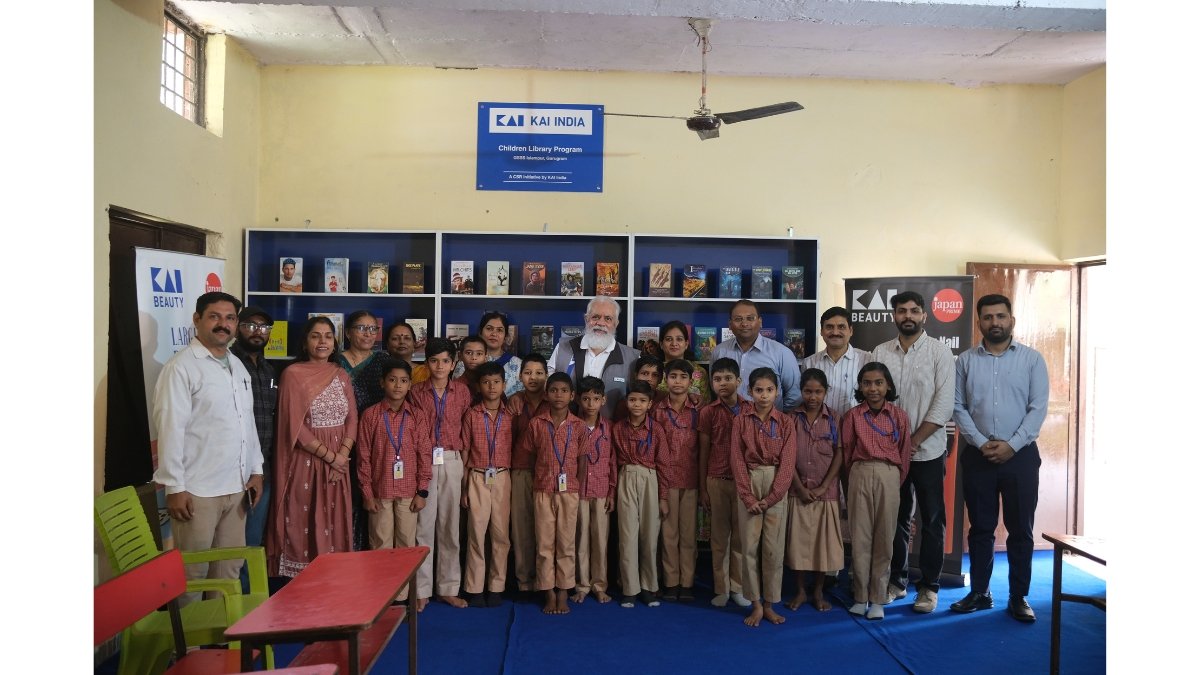
    New Delhi [India], November 11:  In a move to foster literacy and the joy of reading among school children, KAI India, the Indian arm of the esteemed 116-year-old Japanese KAI Group, has inaugurated a dedicated library at the Government Senior Secondary School (GSSS) Islampur, Gurugram. This initiative is part of KAI India’s community empowerment project, the KAI India Children Library Program, aimed at encouraging a sustained reading habit in school children through accessible, well-resourced library spaces.

    The newly established library corner, which houses over 500 books, serves students from classes 6th to 12th. This installation follows similar initiatives by KAI India in Manipur, where libraries were established at Eastern Ideal High School, Imphal East, and Keishamthong High School, Imphal West, as part of the organization’s commitment to nurturing reading culture across various regions in India.

    “We believe that access to books and a dedicated reading space can transform young minds,” said Mr Rajesh U. Pandya, Director of KAI India. “Through our Children Library Program, we aim to help students develop a love for reading and create a gateway to lifelong learning and personal growth. We are excited to see the enthusiasm of students here at GSSS Islampur and look forward to inspiring more young minds across the country.”

    With this community empowerment initiative, KAI India reaffirms its dedication to the holistic development of young minds, empowering students with essential skills that will serve them throughout their lives. The KAI India Children Library Program reflects KAI Group’s commitment to supporting education and fostering community development through meaningful and lasting contributions.

    Mr. Hitesh Singla, Head of Marketing at KAI India, highlighted the program’s impact, stating“The KAI India Children Library Program aims to provide children in government schools enhanced access to quality literature that can inspire a lifelong love of reading. Our goal is not only to offer these resources but to create an environment that encourages curiosity, critical thinking, and active engagement. We’re excited to extend this initiative to Gurugram and support young minds in building essential skills that will serve them throughout their education and beyond.”

    Founded in Seki in 1908, KAI has achieved cult status in Japan and worldwide for its high-quality grooming and beauty care products, which blend practical aesthetics with refined craftsmanship. Known for well-designed, innovative houseware and beauty care products, KAI India is committed to delivering products backed by detailed R&D and superior Japanese technology, aiming to become a trusted household name in India. The Japan-based KAI Group, with a legacy spanning over 116 years, has made a foray into the Indian market with the establishment of its manufacturing facility spanned over 30,000 sq. meters in Neemrana, Rajasthan. Bringing an 800-year-old tradition of Japanese blade-forging directly to Indian households, KAI offers a kitchenware range along with high-precision beauty and personal care products, adding value to the daily lives of Indian consumers.

    If you have any objection to this press release content, kindly contact pr.error.rectification@gmail.com to notify us. We will respond and rectify the situation in the next 24 hours.