Tag: Business

  • India and South Africa Join Forces to Establish Chamber of Commerce, Strengthening Bilateral Economic Ties

    India and South Africa Join Forces to Establish Chamber of Commerce, Strengthening Bilateral Economic Ties

    • The newly formed chamber will promote trade and investment, facilitate business partnerships, and offer a platform for networking and knowledge sharing between businesses.
    • A key focus of the initiative is youth and women empowerment.
    • The chamber aims to build a conducive business environment and inspire confidence in the future of India-South Africa trade.

    New Delhi [India] November 13: In 2024, India and South Africa celebrate the 30th anniversary of their diplomatic relations, marking three decades of deep-rooted historical ties and cooperation. This milestone year has also seen a significant economic achievement- a bilateral trade between the two nations has surpassed pre-pandemic figures, reaching an impressive total of approximately US$19 billion. In support of the strong bilateral relations between South Africa and India, the private sector of both countries has collaborated in launching the India-South Africa Chamber of Commerce (ISACC) as an important and strategic platform in deepening and diversifying economic relations between the two countries. The chamber is set to play an important role in promoting bilateral trade and investment, facilitating business partnerships, and providing a platform for businesses to network and exchange knowledge. With a strong commitment to empowering youth and women, the chamber will create opportunities for participation in economic activities and entrepreneurship, including the MSME sector.

    Minister of Trade, Industry and Competition, Parks Tau at the launch of the inauguration of the India-South Africa Chamber of Commerce shared, “South Africa and India have established a strong framework of co-operation with the conclusion of many agreements and of understanding since the establishment of diplomatic relations in 1993. We believe that the forum will continue to nurture and strengthen the bilateral commercial relations. The South African government’s ambitions of generating growth, creating sustainable jobs and eradicating poverty through an inclusive economy can be achieved only through collaboration with the private sector. In this regard, we believe that the India-South Africa Chamber of Commerce will play a significant role in facilitating trade and investment between our two countries.”

    A business discussion was recently held in Cape Town with the key players, including Leon Schreiber, the Minister of Home Affairs; Ambassador Anil Sooklal, South Africa’s High Commissioner Designate to India, Bangladesh and Nepal; and Rahul Kaushik, the president of the ISACC. The discussions marked a significant step forward in enhancing collaboration between South Africa and India, with a focus on addressing key visa challenges and improving economic ties.

    The High Commissioner designate, Anil Sooklal, outlined the important role of the Department of International Relations and Cooperation in advancing Economic Diplomacy between the two countries. He stressed the importance of active support from the key Economic Departments of not only the National but also Provincial Government in fully harnessing the vast Economic opportunities for mutual benefits.

    During the discussion, Minister Dr. Leon Schreiber’s expressed, “South Africa’s Department of Home Affairs’ has always been committed to being a key economic enabler for South Africa. ISAAC will play a pivotal role in promoting economic growth and job creation across the country. Also, a significant progress is being made in reducing visa backlogs by 60%, as well as the ongoing Digitization Process, which is modelled after India’s Aadhar System, which will expedite visa processing and approvals.”

    Speaking on the formation of the chamber, Mr. Rahul Kaushik, President of the India-South Africa Chamber of Commerce, said, “The primary goal of this chamber is to build the economic and commercial ties between India and South Africa. Despite the longstanding relationship between our nations, nothing has been done to address this relationship formally. The India-South Africa Chamber of Commerce will help bridge that gap, enabling bilateral business ventures and private sector partnerships.”

    “India is one of the world’s fastest-growing economies, driven by technological and infrastructural advancements. At the same time, South Africa, with its wealth of natural resources, is often seen as the gateway to the African continent due to its strong infrastructure. There is immense potential for Indian businesses to invest in South Africa, be it in sectors such as tourism, mining, industry, infrastructure, or energy. Further, exchange programs will be organized between the two nations will foster closer cooperation”, he adds.

    Furthermore, the chamber will address the limited exposure that South African businesses currently have with the Indian market. “While there is an understanding that India is one of the fastest-growing economies, there is still limited experience in conducting business between the two nations. This platform will provide transparency and clarity, helping businesses in both countries understand the opportunities and pathways for investment,” Kaushik explained.

    To achieve its goals, the chamber plans to organize trade missions, business matchmaking events, and industry-specific seminars and conferences. It will also facilitate the exchange of knowledge and best practices between businesses in India and South Africa. Additionally, mentorship and training programs for youth and women entrepreneurs will be implemented to support empowerment. ISACC will be the first business-led entity to work towards deepening the strategic partnership between India and South Africa in the seminal year when we celebrate 30 years of diplomatic relations.

    Beyond facilitating trade and investment, the chamber will serve as a proactive advocate for businesses in both countries. It will assist companies by offering market intelligence, legal and regulatory guidance, and advocating for trade-friendly policies. These efforts will instill confidence in businesses seeking to navigate the complexities of international trade, ultimately fostering a more conducive business environment.

    By promoting trade, investment, and empowerment, the chamber will play a crucial role in fostering long-term partnerships and unlocking vast opportunities for businesses in both countries.

    If you have any objection to this press release content, kindly contact pr.error.rectification@gmail.com to notify us. We will respond and rectify the situation in the next 24 hours.

  • Master Trust Limited Announces Its Listing on the National Stock Exchange Today

    Master Trust Limited Announces Its Listing on the National Stock Exchange Today

    New Delhi [India], November 13: Master Trust Limited, a leading broking and investment platform, is delighted to announce the listing of its equity shares on the National Stock Exchange of India Limited (NSE), the country’s premier stock exchange. Trading of the company’s shares commenced on November 12, 2024, marking a significant milestone in Master Trust Limited’s journey as it continued to expand its market presence and commitment to delivering value for its shareholders and clients.

    Master Trust Limited’s shares were made available for trading under the symbol “MASTERTR” in the EQ series, designated with the ISIN Code INE677D01037. With a total of 112,266,000 shares admitted to dealings on the NSE platform, the equity shares carried a face value of Re. 1 each and were traded in the Normal Market segment, ensuring streamlined and secure transactions for all investors.

    This listing on the NSE was a landmark development for Master Trust Limited, underscoring the company’s resilience and growth in the competitive financial services sector. Over the years, Master Trust has established itself as a reliable name, providing a comprehensive range of services, including wealth management, portfolio advisory, broking, and investment. The listing not only strengthened the company’s brand presence but also enhanced its ability to create value for its stakeholders by enabling a broader investor base, increased market visibility, and further liquidity for shareholders.

    Master

    Master Trust Limited made its debut on the BSE on April 25, 1995. The company reported a strong consolidated financial performance for the quarter ended June 30, 2024, with a total income of ₹1,603.6 million. EBITDA stood at ₹619.1 million, while Profit Before Tax (PBT) and Profit After Tax (PAT) were ₹454.7 million and ₹346.5 million, respectively, reflecting robust growth. This performance highlighted Master Trust Limited’s commitment to sustained growth and profitability.

    Commenting on the development Mr. Harjeet Singh Arora, Managing Director at Master Trust Limited, said “It is with great pride and pleasure on this momentous occasion as Master Trust Ltd. embarks on its journey on the National Stock Exchange platform. This direct listing marks a new chapter for our company, which has been steadfast in its commitment to excellence and innovation for nearly four decades. Over the past four decades, Master Trust has navigated the complexities of the financial world with strong adherence to our core values of integrity, innovation, and excellence. Transitioning from a traditional broking house, we have embraced a hybrid model that combines high-touch services with cutting-edge technology. Looking ahead, we remain devoted to upholding our core values of integrity, transparency, and client-centricity. With vigilance toward emerging trends and opportunities, we are prepared to navigate the future with agility and foresight.”

    This direct listing on the NSE was a testament to Master Trust Limited’s dedication to growth and value creation, empowering the company to reach new heights as it continued to serve its clients and shareholders with excellence.

    If you have any objection to this press release content, kindly contact pr.error.rectification@gmail.com to notify us. We will respond and rectify the situation in the next 24 hours.

  • Inter Dairy Expo 2024 to Showcase Innovations in India’s Dairy Industry from December 5 to 7 in Mumbai

    Inter Dairy Expo 2024 to Showcase Innovations in India’s Dairy Industry from December 5 to 7 in Mumbai

    Mumbai (Maharashtra) [India], November 13:  Having clocked in the best decade in its entire history, Indian Dairy sector is getting further fillip with “Inter Dairy Expo 2024”, an initiative of VA Exhibitions in association with India Dairy Association (West Zone) which is scheduled to be organized from December 5 – 7, 2024 at Bombay Exhibition Centre, Mumbai INDIA showcasing complete value chain of dairy industrySustainable technologies, advanced packaging and preservation concepts, innovations in processing and production, cutting-edge automation, and much more will be exhibited by more than 120 leading Indian and global companies. This unique trade fair offers an opportunity to engage with industry leaders, explore the newest technologies, access Lab to Table Dairy Innovations and experience live demonstrations.

    Presently, India is the world’s highest producer of milk, contributing about 24% of global milk production. Registering a growth of 6% over the previous year, India’s milk production for 2023-24 touched a record high of 230.58 million metric tons, which is three times that of China, with a current valuation of approx. USD 125 billion, Indian dairy market is pegged to grow at about 9% annually to reach USD 230 billion by 2030 thanks to adoption of new technologies right from milk production to processing & packaging as also for improving productivity made possible by the Government of India’s proactive support to the Indian dairy industry.

    Highlighting the critical role of India’s dairy sector, Dr. R.S. Sodhi, President of the Indian Dairy Association, states, “Dairy provides a livelihood to over 80 million rural households, primarily composed of landless and marginal farmers. Milk cooperative societies and village collection systems have not only fostered economic independence among farmers but also broken barriers of gender, caste, religion, and community. Women, who form the backbone of this sector, contribute significantly to its success. The dairy industry serves as a vital job provider, particularly for women, and plays a pivotal role in advancing women’s empowerment across the country.”

    Amongst the gamut of products and solutions that will be a part of this vital trade show are Milk and Milk Products, Dairy Farming & Farm Equipment, Veterinary solutions, Processing and packaging equipment, Automation & Data processing, Ingredients and Additives, Cold chain management, distribution and logistics, Financial assistance institutions, high-precision labelling machines, Dairy Testing equipment, Packaging solutions that ensure durability, efficiency, and product appeal, innovative methods for preserving dairy product quality etc.

    Says Ashwani Pande, CEO of VA Exhibitions Pvt Ltd, “Inter Dairy Expo – along with parallel events like seminar, B2B meetings, CEO Conclave, etc. – will enhance the understanding of industry trends and possible solutions to the challenges being faced by the Indian dairy industry. A dedicated Start-up Zone will provide an ideal platform for recent entrants providing solutions for manufacturing and brand building among potential investors and mentors.”

    Concurrent with the B2B expo, the Indian Dairy Association (West Zone) is organising a high-level, 2-day Seminar on “Global Market Opportunities for Indian Dairy” to explore how India can tap into global dairy markets with insights on production, exports, and regulatory trends to be addressed by Industry veterans, academia and policymakers. The Inter Dairy Awards 2024, scheduled to be announced on December 05, 2024, shall honor remarkable achievements in Innovation, excellence and entrepreneurship in the Dairy Industry with a particular focus on Quality & Safety Control, Processing Technology, Packaging Innovation, and Sustainability.

    For more information, kindly visit the website www.interdairy.in

    If you have any objection to this press release content, kindly contact pr.error.rectification@gmail.com to notify us. We will respond and rectify the situation in the next 24 hours.

  • 200-Hour Certified Yoga Teacher Training Rishikesh- A Life-Changing Experience

    200-Hour Certified Yoga Teacher Training Rishikesh- A Life-Changing Experience

    New Delhi [India] November 12: 200-hour course for certified yoga teachers There is more to Rishikesh than a certification. Aspiring yoga teachers can set out on a path of skill improvement, spiritual development, and self-discovery. This will enable you to fulfil your ambition of teaching yoga.

    A thorough program is offered by the 200-hour Certified Yoga Teacher Training Rishikesh. Your confidence in becoming a certified yoga instructor will increase as a result. This introductory course covers all facets of yoga, including anatomy, philosophy, and hands-on teaching methods.

    Yoga practice and study are part of the 200-hour YTT, which takes 24 days to finish. Traditional Ashtanga, Vinyasa, and Vinyasa flow-style training routines are the focus of this course.

    You will study pranayama, meditation, and yoga philosophy in addition to asana practice. Additionally, the organisation and leadership of a yoga class will be emphasised throughout your training program. You are capable of handling a classroom, guiding pupils, and making modifications with assurance.

    A Life-Changing Experience:

    There is more to the 200-hour YTT than simply learning new skills. It will provide you with a life-changing experience. Additionally, the location’s strong spiritual energy makes it the ideal setting for personal development. It provides a renewed sense of clarity and purpose.

    Yoga and meditation on a daily basis will help you develop inner calm and mindfulness. A happy existence is the result of this.

    The Benefits Of Yoga Teacher Training Certification:

    Numerous options arise with a 200-hour yoga teacher training certification. You can begin teaching yoga, provide one-on-one training, or organise retreats. This is a special, reasonably priced Hatha   yoga teacher training program.

    International Acclaim: Rishikesh Yogdham is a Yoga Alliance RYS 200 recognised school in the United States. A credible school’s certification is respected all around the world.

    Personal and Professional Development: Teaching yoga is more than just a job; it’s a way of life. You will enhance their mental and physical health in addition to sharing the advantages of yoga.

    Community and Connection: Assemble a global community of people who share your values. It’s everlasting.

    Preparing for the Journey:

    Before joining a 200-hour YTT, prepare yourself physically, mentally, and emotionally. Focus on building strength and flexibility, familiarize yourself with basic yoga philosophy and anatomy, and set your intention for yoga.

    Moreover, a 200-hour Certified Yoga Teacher Training Rishikesh will enrich your life in ways you never imagined. Book your spot today! Call us at +91-6395949067 for more information.

    If you have any objection to this press release content, kindly contact pr.error.rectification@gmail.com to notify us. We will respond and rectify the situation in the next 24 hours.

  • Smriti Irani Inaugurates Aigiri’s Showroom In New Delhi, Asia’s Largest Lab-Grown Diamond Jewellery Store

    Smriti Irani Inaugurates Aigiri’s Showroom In New Delhi, Asia’s Largest Lab-Grown Diamond Jewellery Store

    New Delhi [India], November 12:  Aigiri, an innovative brand specialising in lab-grown diamond jewellery, recently celebrated the opening of Asia’s largest lab-grown diamond jewellery store in South Extension 1, New Delhi.

    The store was inaugurated by former Union Minister Smriti Irani, who joined Aigiri’s co-founders Smit Patel, Sanket Patel, and Miraj Patel in marking the momentous milestone for the sustainable luxury brand.

    Backed by Greenlab Diamonds, Aigiri’s flagship store is designed to make high-quality, ethical jewellery accessible to modern consumers who value sustainability and craftsmanship. With a wide range of stunning, eco-conscious pieces, the store represents a huge leap forward in India’s expanding lab-grown diamond industry.

    Speaking at the inauguration, Smriti Irani lauded Aigiri’s support of the “Make in India” and “Vocal for Local” campaigns and praised the brand for its dedication to responsible luxury.

    “Aigiri’s innovative work in the lab-grown diamond industry reflects India’s technological advancement and commitment to sustainability. This flagship store is a landmark for ethical luxury, blending heritage with progress to set new standards in the jewellery industry,” she said.

    Since its founding, Aigiri has rapidly risen as a leader in sustainable jewellery under the guidance of its co-founders. Aigiri continues to drive change in luxury jewellery by combining cutting-edge technology with environmentally responsible practices.

    “We are deeply honoured to have Smt. Smriti Irani for the inauguration of our flagship store. This store represents a critical step in our journey to bring conscious luxury to India, aligned with our commitment to ethical and sustainable practices,” said Smit Patel, Founder of Aigiri.

    Echoing the sentiment, Co-founder Sanket Patel said, “Our flagship store is much more than a jewellery showroom. It is a one-of-a-kind experience that brings together tradition, innovation and sustainability. We are thrilled to invite consumers to discover the future of fine jewellery.”

    Aigiri’s flagship showroom includes dedicated spaces for bridal collections, everyday wear and custom designs, offering a personalised experience tailored to modern tastes. All pieces are backed by Aigiri’s comprehensive assurance programme, which includes IGI and GIA certification, a 100% buyback and exchange policy, and lifetime assured maintenance.

    Looking ahead, Co-founder Miraj Patel said, “We are excited about Aigiri’s future, with plans to open five additional stores in key cities across India by 2025. The Delhi store is just the beginning as we shape the future of luxury jewellery with a focus on exquisite craftsmanship and sustainable growth.”

    About Aigiri

    Aigiri stands out as Asia’s largest lab-grown diamond jewellery brand, presenting beautifully crafted pieces that combine sustainable luxury with enduring elegance. Embodying a philosophy of mindful everyday elegance, Aigiri crafts timeless jewellery that narrates a tale of resilience, affection and commitment to the planet. Every Aigiri creation exemplifies the brand’s dedication to artistry, eco-friendliness, and honouring the most cherished moments in life. The brand presents a diverse range of styles, with prices beginning at Rs. 10,000 and extending beyond Rs. 1 crore. Aigiri stands out as India’s sole destination for 100% CVD jewellery, featuring diamonds that are exclusively sourced from Greenlab Diamonds.

  • Indian Economy, Trump and Much Ado About US Fed Rates

    Indian Economy, Trump and Much Ado About US Fed Rates

    New Delhi [India], November 11: Trump’s resounding win did not just add US$12 billion to Elon Musk and caused a broader rally across the US equity markets. One may justify the optimism due to the expected policy changes in stocks, but the subject that is less talked about is the rates. US government bonds dropped dramatically on the expectation of higher rates and for longer.

    For various reasons well known to investors, the US dollar plays an important role in global economics. It is not just the world’s reserve currency; it is also the denominator for the price of global assets and the provision of international services. From the valuation of the coal trade between South Africa and Germany to the pricing of offshore IT consulting services between Kenya and India, deals are struck primarily in US dollars. Therefore, the impact of Fed rates is profound and global, but it seems particularly pronounced in India.

    The recent debates on Fed rate cuts seem to consume Indian investors and economic strategists. Shockingly, US economists do not seem to give much importance to the Reserve Bank of India’s (RBI) rate cuts. This note is my evaluation of whether US dollar interest rates continue to deserve the same VIP treatment as they have done historically. In my view, in the current context, the Federal Reserve’s monetary policy should be afforded much less significance, and any material reaction to US rate cuts by the Indian capital markets could be misplaced and perhaps result in an opportunity for investors.

    Bhumi Chaudhary of Astra Asset Management UK Limited shares here insight here:

    What Impact does the central bank’s monetary policy have on capital markets?

    Borrowing costs, corporate profitability and consumer confidence and behavior

    First, to understand the impact, we should understand how the Central Bank’s policies, particularly the spot rate target, impact the economy. Although there are others, for the purpose of this discussion, I’ll focus on the following key factors:

    Interbank borrowing rate: For any large economy with several established banks, the interbank borrowing rate represents the cost of liquidity in the market. It is the main driver against which financing costs are benchmarked. Yields on government bonds and Treasury bills are intricately determined by this rate, and it generally sets the tone for short-term financing costs.

    Corporate borrowing cost: The higher the borrowing costs, whether for banks borrowing from central banks or corporations from lending institutions, the greater the friction to growth in the economy by increasing the overall costs of producing goods and services. Higher costs are often either passed on partly or wholly to the consumer, thus tilting lower both demand and profitability for the providers. Lower profitability and lower growth may result in a weaker equity market that, in turn, weakens economic sentiment, resulting in the withdrawal of risky capital from the markets, further reducing the liquidity available for growth

    Consumers’ savings: Consumers also tend to save more if they receive more incentives to do so. If the value of money remains the same year to year, then consumption now is almost always preferred to consumption later. This results in a further reduction of money invested in both equity and debt securities. The poorer economic sentiments as a result of this strong cycle often put fairly dramatic brakes on GDP growth in the affected country, and thus, increasing interest rates is not a tool used by central bankers unless the economy overheats, causing inflation, potential economic bubbles, etc.

    But why does the US Dollar Rate impact the Indian Economy?

    Foreign investments, Global Assets financing cost and Rupee-Dollar exchange rate

    Not only is the US the largest exporting partner for India, but it is also the third largest source of equity foreign direct investment (FDI) in India. The current annual equity inflow from the US was US$ 5bn in FY 2024, representing 9% of the equity FDI in India. Moreover, the US represents ca. 18% of India’s total exports between 2017 and 2021.

    Like any investor, US investors assess the yield pickup from investing in a safe asset versus a risky asset. As an investment in an emerging market (EM) (despite being one of the largest, behind China), India is considered risky by US investors compared to US government bonds (risk-free), US corporate bonds (less risky), or US equities. If they receive lower yields from US investments, investors are more likely to search for higher yields in EM and consider making direct investments in EM, including India. The higher the investments in capital markets, the higher the demand, and hence, the higher the market capitalisation attained for Indian assets. A marginal increase in the FDI can, therefore, lead to a significant increase in market capitalisation since marginal demand drives marginal price.

    A higher Fed rate also weakens the rupee against the US dollar, and that may result in a higher purchasing cost for US dollar-based assets, such as oil, that are priced in the global markets. A substantial portion of US dollars spent is buying oil in the global market. Any other imports, including a subscription to Chat GPT or Netflix, also cost more in rupees. This also gives rise to direct inflation in India, as companies cannot stomach higher costs and, therefore, pass them on to consumers. Higher inflation in India would result in tightening monetary policy and, therefore, is also entirely tied to US rates.

    Will there be a significant US dollar rate cut? 

    Despite the post-election euphoria, there would be some, but not a lot, and not lower for much longer.

    The past decade has seen extraordinary action to keep interest rates low for longer globally, and this has resulted in ‘cheap money’ in the developed market that gave rise to

    • ✓ High leverage and;
    • ✓ Market expectations of low interest rates being the new normal.

    “Current inflation in the developed economy stems much less from loose economic policies than from the helicopter money dropped during COVID and subsequent reduction in global efficiency. This is what has resulted in extraordinary wage inflation and historically low global unemployment rates,” says Anish Mathur, Chief Investment Officer of Astra Asset Management UK Limited, London.

    Therefore, despite a rapid increase in interest rates, developed markets have not been fully able to tame inflation. The market expected that inflation would be controlled, leading to a consensus that there would be six cuts in the past twelve-month period. Clearly, we have not seen that.

    Ken Brougher, Head of Private Debt at Astra Asset Management, says, “Through 2023–24, we maintained our opinion that the rates are likely to remain higher for longer. Now, although we expect the Fed to cut, we neither expect these to be very deep nor for very long. We do not expect the 10-year US government bond yields to drop below 350 bps or increase above 450 bps in the medium term.”

    Why has the impact of US monetary policy diminished for India?

    Inverted Yield Curve, Non-Dollar Trading Partners, Long-term Foreign Investors

    There are various reasons today why the impact of the US Fed’s action has significantly diminished (albeit it has not disappeared). I list the few more important ones below.

    Direction of capital flow

    Indian capital markets are quite sensitive to inflows and outflows of foreign direct investment in Indian equities, historically driven by the yield on US dollars. As rates go down, investors increase allocation to Indian markets, and as they go up, they reduce the allocation and repatriate capital back to US markets. However, this has systemically changed over the past few years.

    Short-term global investors  

    These investors look at the global capital markets to find relative value, but lately, the focus has mostly been on the US equity markets. The S&P500 and Nasdaq have performed so well over the past decade that there has been a continued inflow from many sources of capital to passive equity ETFs. The relative returns generated by US equity markets have not just beaten perhaps every other global market (at least when denominated back in US dollars), but, in absolute terms, these returns have been very satisfactory for most speculative US investors that target mid-teens annual returns. Investors, therefore, do not see the attraction of investing in foreign capital markets, as they are able to achieve this level of return on their home turf. In any event, the expected pick-up in yield is minimal against a backdrop of a significant increase in exposure to market and currency risks. The lack of scalability or opportunity has also not been very appealing for speculative global investors. They have thus not played a significant role in Indian capital markets and have tended to stay out of it. The current short-term rate changes will continue to remain unnoticed by speculative allocators in India.

    Indices YTD 1 Year 3 Year 5 Year 10 Year
    S&P 500 22% 37% 28% 93% 196%
    Nasdaq 20% 37% 32% 154% 401%
    Nifty 50 12% 27% 35% 111% 204%

    Long-term global Investors

    The FDI that India has seen is, therefore, from those institutional investors who seek to diversify risk through their investments in global capital markets and see long-term growth potential in India. India is probably one of the largest markets in the world, and it has significant areas remaining for market expansion. It has a rapidly increasing middle-class population with ever-increasing purchasing power that contributes increasingly to global consumption. The American/global long-term investor, therefore, does not look at the short-term change in US interest rates to determine their allocation to India’s equity capital markets. Changes in the short-term rates are not going to change their allocation policy for India.

    Inverted Yield Curve

    The Indian fixed-income market does compete for capital with the long-term carry-on US dollars. However, the peculiar shape and the length of time that the US$ yield curve has remained inverted have created immunity to its impact.

    Typically, short-term rate cuts are accompanied by a downward shift of the entire rate curve, i.e., the overnight fed target rate often reduces 10-year government bond yields, but it does so in a normal-shaped upward-sloping yield curve. With the expectation of recession diminishing, the shape of the yield curve would normalise, and for that to occur, long-term rates must not go down. Thus, the expectation that long-term rates will decline with spots is unlikely to come about. Ten-year rates may, in fact, go higher and remain at about 4% or range bound (+/- 50 bps) in the medium term. This at least counters any cut in the spot rate, if not completely diminishing its impact on the long-term carry cost of US dollars. Thus, this also contributes to the reduction of the impact of any Fed rate cut on the capital inflow in Indian fixed-income markets.

    India’s Foreign Policy

    While the numbers may or may not be estimated accurately, the Indian government has been able to significantly shift the utilisation of US dollars to buy dollar-denominated commodities such as crude oil. Despite the Ukraine war, India has maintained its trading ties with Russia, becoming a significant non-dollar-denominated trading partner for Russia. As a result, US dollar expenditure has been reduced significantly, offsetting the decrease in the demand for US dollars in India. India has also not been impacted (and has, in fact, benefitted) by the restrictions on Russian oil and has been able to source cheaper oil and other commodities. The impact of lower demand for US dollars and the availability of cheaper global commodities has resulted in muted inflation in India, whereas the Western developed markets have had a difficult time taming the inflation beast.

    The impact of changes in interest rates, which determine the cost of financing in US dollars, has, therefore, diminished quite significantly for the Indian economy.

    China’s relation with the western world

    Finally, the current changes in the geopolitical schema have put India in a strong position. When it comes to the destination of investor capital headed out of US shores, China has historically been the only real contender for investors who looked for scale and liquidity in EM and has thus been the largest beneficiary in recent years. However, investors perceive significant incremental risk due to the friction between Western countries and China and have consequently reduced their exposure to Chinese capital markets. In addition, the recent performance of the Chinese capital market has been very poor, causing it to fall out of favour with foreign investors. Analysts’ outlook for Chinese capital markets remains negative, and despite recent government announcements for stimulus in the equity markets, investors remain jittery, and confidence remains very fragile. With Brazil, Russia, and China out of competition, the I of the BRICs will remain a significant beneficiary. Fed hikes or cuts would not change that allocation, as it is largely driven by geopolitical factors.

    To Conclude

    While policy changes under the Trump administration would have an economic impact that may translate into fed actions, the market prices a bit more, and those reverberate are not going to be felt at the Reserve Bank of India. The political environment in India, however, does.

    As Deepali Rana of CNBC India says, “With Modi returning for a third term in government, India provides a stable political environment, low inflation, a sizable market for global growth, and a large English-speaking population, and changes in Fed policy have a diminishing impact on Indian capital markets.”

    While the US dollar continues to dominate the global landscape and the impact of changes in the dollar-denominated financing costs will continue to be felt globally, India is currently more insulated than it has been in the past from changes in US Fed policies. Whether it is a trend or a temporary shield created by a unique set of global and macroeconomic circumstances remains to be seen.

    About Author:

    Bhumi Chaudhary is a member of the Investment Team at Astra Asset Management UK Limited, where she leads sourcing, origination, and credit underwriting for private debt investments across the UK and Europe. With expertise in direct lending, acquisition financing, and refinancing, she takes a sector-agnostic approach to senior and subordinate investments. Previously, Bhumi worked as a credit analyst focusing on US and European mortgage-backed securities, CLOs, and CDOs. She holds a Bachelor’s in Commerce (Hons) from Delhi University.

    Sources :

    1. https://www.investindia.gov.in/foreign-direct-investment

    2. https://wits.worldbank.org/CountrySnapshot/en/IND

    If you have any objection to this press release content, kindly contact pr.error.rectification@gmail.com to notify us. We will respond and rectify the situation in the next 24 hours.

  • Raghu Vamsi Group acquires UK-based PMC Group

    Raghu Vamsi Group acquires UK-based PMC Group

    Hyderabad (Telangana) [India],November 11: Hyderabad based Raghu Vamsi Group, a Tier One manufacturer of high precision and hi-critical components, sub-assemblies, and systems for global OEMs like Boeing, GE Aviation, Honeywell, Rolls Royce, Collins Aerospace, Halliburton, Eaton, Cytiva etc. Celebrated its successful 100% acquisition of PMC Group, a leading UK-based precision machining company specializing in components for the Oil & Gas industry.

    The acquisition of PMC Group represents a strategic step forward in Raghu Vamsi Group’s vision to enhance its global footprint and expand its capabilities by moving up the value chain in providing high-precision products and solutions to critical industries worldwide. PMC Group’s expertise in precision machining, coupled with Raghu Vamsi Group’s state-of-the-art manufacturing facilities in Hyderabad, will foster greater synergies in product innovation and cater to a wider segment of high precision products, delivering advanced engineering solutions for the Oil & Gas sector and beyond. The combined strengths of India & UK will provide a cost-efficient & high precision solution for customers.

    PMC Group brings over 35 years of rich experience & deep knowledge in Critical manufacturing capabilities, supplying to Global Oil & Gas OEMs like SLB, Baker Hughes, Halliburton, Expro, Tech FMC, One Sub Sea etc. The Group employs around 100 employees and has a revenue of INR 180 Crore with manufacturing capabilities of complex parts and assemblies in Nickel Alloys up to 6 meters in length.

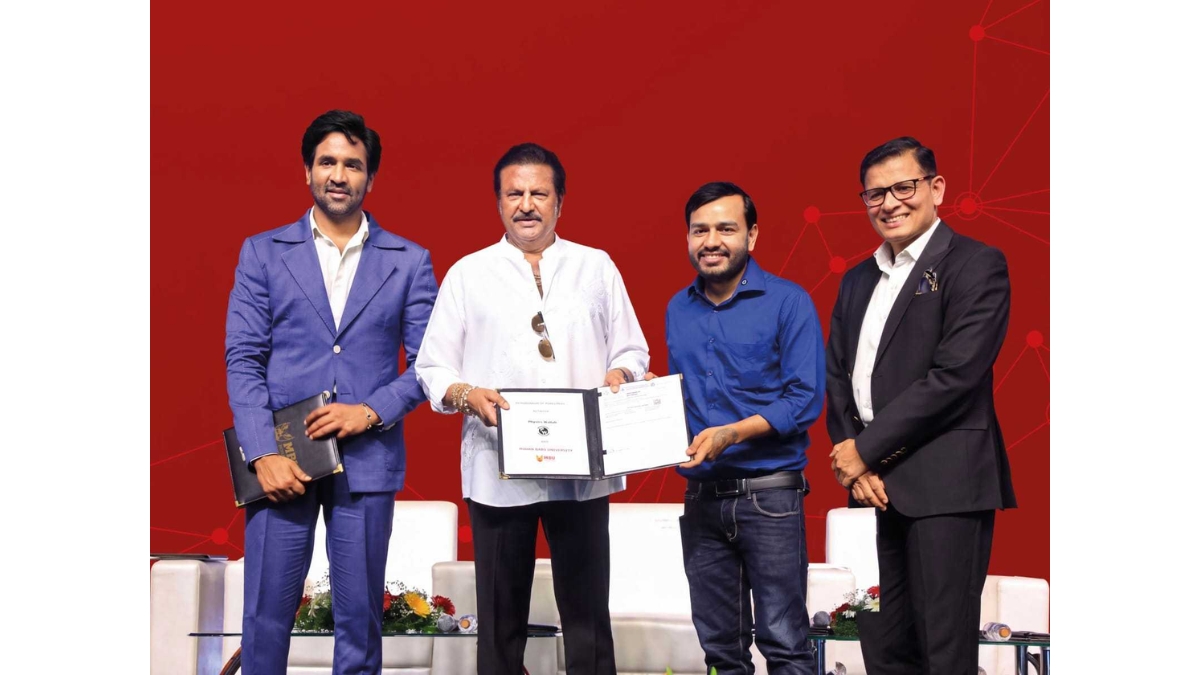
    The announcement was made at a special event attended by key industry stakeholders, including the Deputy High Commissioner of the UK to India, Mr. Gareth Wynn Owen, Shri Jayesh Ranjan – Special Chief Secretary (ITE&C) and Industries & Commerce Telangana, Shri Praveen PA – Director, Aerospace & Defence, Telangana, Dr. S.K. Jha – C&MD, MIDHANI and Dr. L. Rama Krishna, Scientist-G, ARCI.

    Delighted at the acquisition, Mr. Vamsi VikasMD of Raghu Vamsi Group, said: “We are thrilled to welcome PMC Group into the Raghu Vamsi family. We are excited that this acquisition now combines our manufacturing strengths with PMC Group’s expertise in precision machining and helps expands our global footprint and cater to a wider segment of high precision products. Our portfolio will also grow beyond our traditional Aerospace & Defence to include Oil & Gas sectors with an entry into growing European markets.” 

    The Deputy High Commissioner of the UK to India, Mr. Gareth Wynn Owen, also spoke at the event, highlighting the significance of the acquisition as a positive development for UK-India business relations. “This acquisition is a prime example of the growing collaboration between the UK and India in advanced manufacturing and technology. We look forward to seeing how this partnership enhances both companies’ positions in the global market,” said Gareth Wynn Owen.

    Shri Jayesh Ranjan – Special Chief Secretary (ITE&C) and Industries & Commerce Telangana said, “This acquisition is a highly strategic milestone, being the first of its kind between Raghu Vamsi, an Indian MSME and PMC, a renowned UK-based precision manufacturing group with roots tracing back over 100 years. It serves as a prime example of how Indian industries can expand their global footprint and compete at the highest levels. I am also pleased to note the active support of major Indian PSUs like MIDHANI and ARCI, who are supplying specialized raw materials and advanced engineered coatings, thereby fostering a local ecosystem capable of meeting global demand while maintaining the highest standards of quality. It is truly inspiring to witness a Hyderabad-based MSME transforming into a multinational company, marking a historic moment in our journey.”

    Raghu Vamsi Group’s world-class manufacturing facilities, bolstered by advanced engineering capabilities, already support critical programs for Indian Defence and Space Research Labs. With this acquisition, the company aims to expand its portfolio to cater to the evolving needs of global OEMs, offering cutting-edge solutions that meet the highest standards of quality and precision.

    About Raghu Vamsi Group:

    Raghu Vamsi Group has carved a space for itself in the Aerospace & Defence industry world- wide over the past two decades since its inception in the year 2004. The Company and its subsidiaries have gained the trust and built lasting relationships over these years by delivering High Precision Engineering Components and Sub-Assemblies to some of the largest Global Corporations.

    Today Raghu Vamsi Group is AS 9100 D and NADCAP Approved consortium of Companies engaged in the Design, Development, Manufacturing and Exporting of High Precision Engineering Components and Sub-Assemblies for Aerospace, Defence, Space, Industrial, Medical, Oil & Gas, Energy and UAV’s employing more than 800 in the group.

    About PMC Group:

    PMC Group is a UK-based precision machining company that specializes in manufacturing high-quality components for the Oil & Gas sector. With decades of experience, the company has established itself as a trusted partner for key players in the industry, providing critical components that meet stringent quality standards. They are world renowned for producing choke valve components, finishing of hard surfaces, including flats, rounds and spheres and manufacturing complex components in exotic alloys including Inconel, MP35N, K500 and K400 Monel, Toughmet, etc. PMC Group has been in the business for more than 35 years with deep knowledge in Critical manufacturing capabilities, supplying to Blue Chip Oil & Gas OEMs like SLB, Baker Hughes, Halliburton, Expro, Tech FMC, One Sub Sea and employing around 100 employees and a revenue of over 180 Cr.

    If you have any objection to this press release content, kindly contact pr.error.rectification@gmail.com to notify us. We will respond and rectify the situation in the next 24 hours.

  • COSTECH – ESYGO Joint Project to Set Up 2000 Electric Vehicle Charging Stations in Kerala

    COSTECH – ESYGO Joint Project to Set Up 2000 Electric Vehicle Charging Stations in Kerala

    Thiruvananthapuram (Kerala) [India] ,November 9: Kerala State Co-operative Institute of Information Technology, Electronics, and Communications (COSTECH), based in Thiruvananthapuram, India’s first IT federal cooperative institution, is all set to establish 2000 EV charging stations across the state in collaboration with ESYGO, a Chennai-based company that manufactures and operates EV Charging stations throughout the country. The agreement was signed in a ceremony in Thiruvananthapuram, attended by the State Cooperative Registrar, Dr. D. Sajith Babu IAS, COSTECH Chairman Prof. E. Kunhiraman, ESYGO Chairman Dr. V.P. Sajeevan   ESYGO CEO – Sanjey Sajeevan and ESYGO Business Head( South) Mr Krishnakumar.

    The aim of this project is to ensure EV charging infrastructure across Kerala by 2030, from major cities to rural areas. This initiative will promote an eco-friendly transportation system and contribute to reducing carbon emissions. The installation of charging stations in urban centers, medium-sized towns, and rural areas will provide income opportunities and employment for small entrepreneurs, cooperatives, and residential complexes. It also encourage greater use of electric vehicles through innovative technology and faster charging facilities.

    The joint project by COSTECH and ESYGO will feature charging stations operating 24/7, along with coffee shops, internet cafes, and public information centers to offer an enhanced customer experience. The rapid growth of electric vehicle adoption in India, especially in Kerala, is supported by studies indicating that by 2030, over 10 million and more electric vehicles will be on Kerala’s roads, making comprehensive charging infrastructure a necessity.

    The charging stations in Kerala will be set up in compliance with the guidelines set by the central government for the installation and operation of electric vehicle charging infrastructure. Technical assistance and bank loans will be provided to individuals, groups, cooperatives, and organizations with at least 500 square feet of space, whether owned or leased, to install charging stations under the COSTECH – ESYGO project.

    For more information, please contact:  8925229920

    If you have any objection to this press release content, kindly contact pr.error.rectification@gmail.com to notify us. We will respond and rectify the situation in the next 24 hours.

  • Kingston Leads Channel SSD Shipments for the 7th Consecutive Year in 2023

    Kingston Leads Channel SSD Shipments for the 7th Consecutive Year in 2023

    Mumbai (Maharashtra) [India] November 08: Kingston Technology, a world leader in memory products and technology solutions, today announced TrendForce has named it as the number one third-party supplier of SSDs in the channel for all of 2023; leading channel SSD shipments for the 7th consecutive year. Based on the numbers provided by TrendForce, Kingston accounted for a massive 34 percent of the units shipped in 2023.

    Kingston remained the top SSD shipment leader in 2023 maintaining a solid advantage and saw growth in market share over 2022. The results reinforced Kingston as the clear leader in SSD production, as the second-place supplier accounted for only 11 percent of the total channel market. This is widely due to its vast worldwide sales network, a top-tier SSD portfolio and exceptional customer support.

    According to the latest findings, shipments of branded SSDs in the retail market reached 118 million units in 2023, reflecting a 3.7% YoY growth. Most PCs are equipped with 256GB or 512GB SSDs, which often prove insufficient for gamers and high-performance users. As a result, many users upgraded to SSDs with over 2TB of storage, driving increased sales. TrendForce also noted that many PCs purchased during the pandemic have now entered their typical replacement cycle, further contributing to market growth.

    In 2023, Kingston expanded its range of products within its external SSD and datacenter lineups. With the launch of its new DC600M Enterprise SSD, Kingston widened its portfolio with an SSD optimized for mixed-use workloads with excellent Quality of Service (QoS) to ensure latency and IOPS consistency to hit service-level agreements. Following the success of the award-winning XS2000 external SSD, Kingston launched the new, affordable XS1000 External SSD. Both external drives are extremely compact and under 29 grams to provide pocket-sized portability for users on-the-go. With the addition of these new drives, Kingston created a well-rounded SSD portfolio which contributed to record-breaking SSD sales in the channel in 2023, marking Kingston’s 7th consecutive year as the leader in channel SSD shipment.

    “We are honored to receive this top ranking once again”, said Kingston. “From the start, Kingston has remained committed to serving our customers and channel partners worldwide. These strong relationships have been key to the remarkable growth of our SSD business. This achievement reflects the dedication and hard work of our entire team, and we are grateful to celebrate this recognition and success together.”

    In celebration of Kingston’s achievement as the world’s No. 1 SSD brand, purchase a Kingston External SSD and receive a complimentary Kingston Exclusive External SSD Protection Hard Case to keep your drive safe and secure! The offer ends on November 15, 2024.

    Kingston can be found on:

    Facebook: https://www.facebook.com/KingstonIndia/

    Instagram: https://www.instagram.com/kingston_india/

    YouTube: http://www.youtube.com/user/KingstonAPAC

    If you have any objection to this press release content, kindly contact pr.error.rectification@gmail.com to notify us. We will respond and rectify the situation in the next 24 hours.


  • Kennametal India sales higher by 4.8 Percent for Q1 FY25, PBT up 28.6 Percent

    Kennametal India sales higher by 4.8 Percent for Q1 FY25, PBT up 28.6 Percent

    Bengaluru (Karnataka) [India] November 8: Kennametal India Limited concluded Q1 FY25, ended September 30, 2024, registering sales of ₹ 2,704 Mn, 4.8% higher as compared to ₹ 2,579 Mn in the same quarter last fiscal year, driven by volume growth in both the Hard Metal and Machining Solutions Group businesses. Profit Before Tax (PBT) after exceptional item was ₹337 Mn against ₹262 Mn, up 28.6% over the same quarter, last fiscal year.

    Commenting on the results, Vijaykrishnan Venkatesan, Managing Director, Kennametal India said, “In Q1, our team continued to deliver profitable growth through cost efficiency measures and strong topline growth. Our financial performance was supported by growth across our businesses with a focus on share gain initiatives, project solutions and new customer acquisition.”

    About Kennametal

    Kennametal India Limited is a subsidiary of Kennametal Inc., USA. With over 80 years as an industrial technology leader, Kennametal Inc. delivers productivity to customers through materials science, tooling, and wear-resistant solutions. Customers across aerospace, earthworks, energy, general engineering, and transportation turn to Kennametal to help them manufacture with precision and efficiency. Every day approximately 8,600 employees are helping customers in more than 60 countries to stay competitive. Kennametal Inc. generated approximately $2.1 billion in revenues in fiscal 2024. Learn more at www.kennametal.com.

    Follow @Kennametal: Instagram, Facebook, LinkedIn, and YouTube.

    If you have any objection to this press release content, kindly contact pr.error.rectification@gmail.com to notify us. We will respond and rectify the situation in the next 24 hours.