Tag: Business

  • Pre-Budget Expectations 2024 in Indian Medical Devices Industry

    Pre-Budget Expectations 2024 in Indian Medical Devices Industry

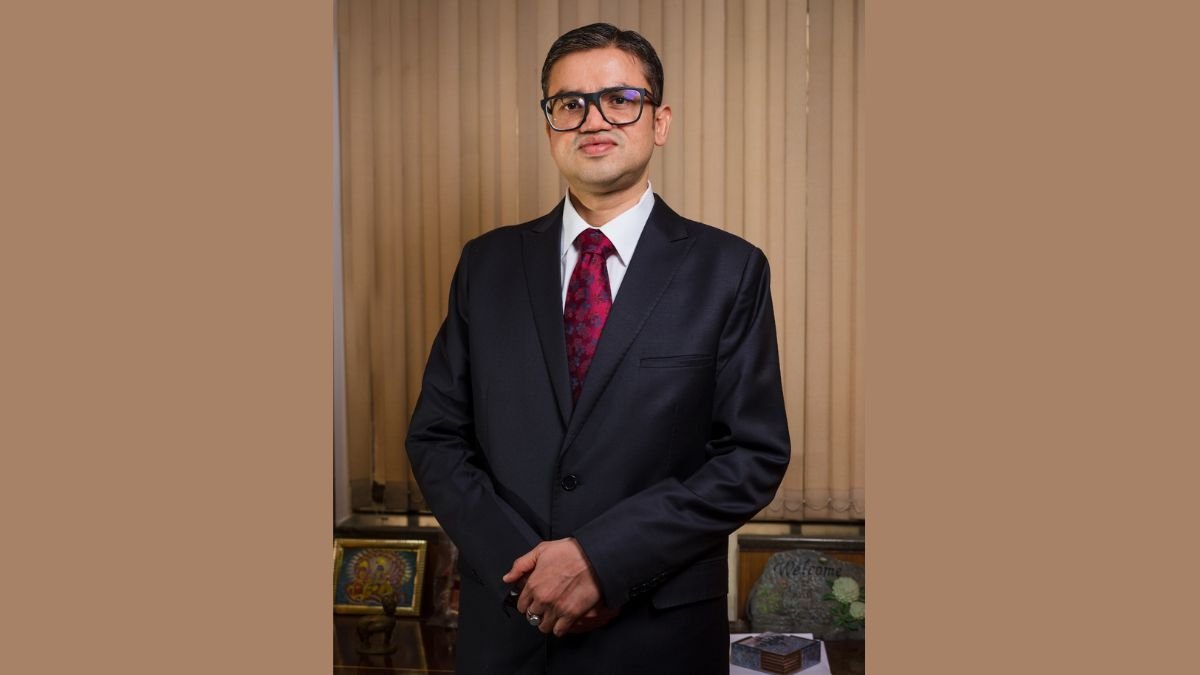
    Mr Jatin Mahajan

    Secretary – Association of Diagnostic Manufacturers of India (ADMI)

    Managing Director, J Mitra & Company

    The Indian Medical Devices Industry has made remarkable progress in recent years. India is one of the leading medical device markets, with a size of about ₹1,04,760 crores (US$12.8 billion) in 2023 and is likely to reach US$ 50 billion by the year 2030 with a CAGR of 16.4 %.

    According to IBEF (India Brand Equity Foundation), India’s share in the overall medical devices market is estimated at just 1.65%. India ranks 4th after Japan, China, and South Korea in the Asian medical devices market, and from the global perspective, it ranks among the top 20.

    If India is to make a substantial dent in the global medical devices market, much must be done to provide the growth impetus.

    • Indian medical devices export was ₹19,803 crore (US$ 2.40 billion) in 2022 and is expected to rise to US$10 billion by 2025 (IBEF). The Indian Government formed the Export Promotion Council for Medical Devices (EPC-MD) under the Department of Pharmaceuticals in 2023. This body must be strengthened to address the MedTech industry’s export issues adequately. EPC-MD has the potential to drive international growth and must be empowered and fast-paced.
    • Quality standardisation and rationalisation – There is a need to bring in rationalisation and ensure that Indian standards like ICMED enjoy the same respect, credibility, and acceptance as international standards like ISO, FDA, CE, MDR and AIMD. Without an ‘at-par’ status, Indian exporters will continue to grapple with export bottlenecks.
    • The Government’s decision last year to allow refurbished medical devices contravenes the National Medical Device Policy 2023. It opens the ground for the large-scale dumping of older technology and electronic waste from other countries and is against the spirit of Atma Nirbhar Bharat. This decision needs to be reversed.
    • The Government is the largest buyer of medical device companies. India’s Government procurement policy seems to favour imported devices, and the current trend highlights more imports than procurements from domestic players. The existing policy for purchase preference for Made in India products is ineffective.
    • Inverted duty structure remains a long-standing woe of the medical devices segment, with raw materials being taxed more than finished imported products. This makes manufacturing in India an unviable option, and should therefore be corrected.

    There are numerous other issues, concerns, and attention areas that we have highlighted to the Government from time to time – insufficient raw material & supplies, access to clinical trial samples, and the limited effectiveness of the PLI scheme since it does not cater to the relatively less significant players. For India to shine on the global MedTech map, the Government must address these concern areas on a war footing.

    India is the global Centre for frugal medical device engineering. Most technological products and innovations originate from a well-developed ecosystem, and the US, Europe, and Japan collectively account for roughly 85 per cent of the approximately $220 billion in revenues. There is an urgent need for G2G and P2G interactions and interfaces to transfer relevant technologies to India (as is happening in defence productions).

    If you have any objection to this press release content, kindly contact pr.error.rectification@gmail.com to notify us. We will respond and rectify the situation in the next 24 hours.
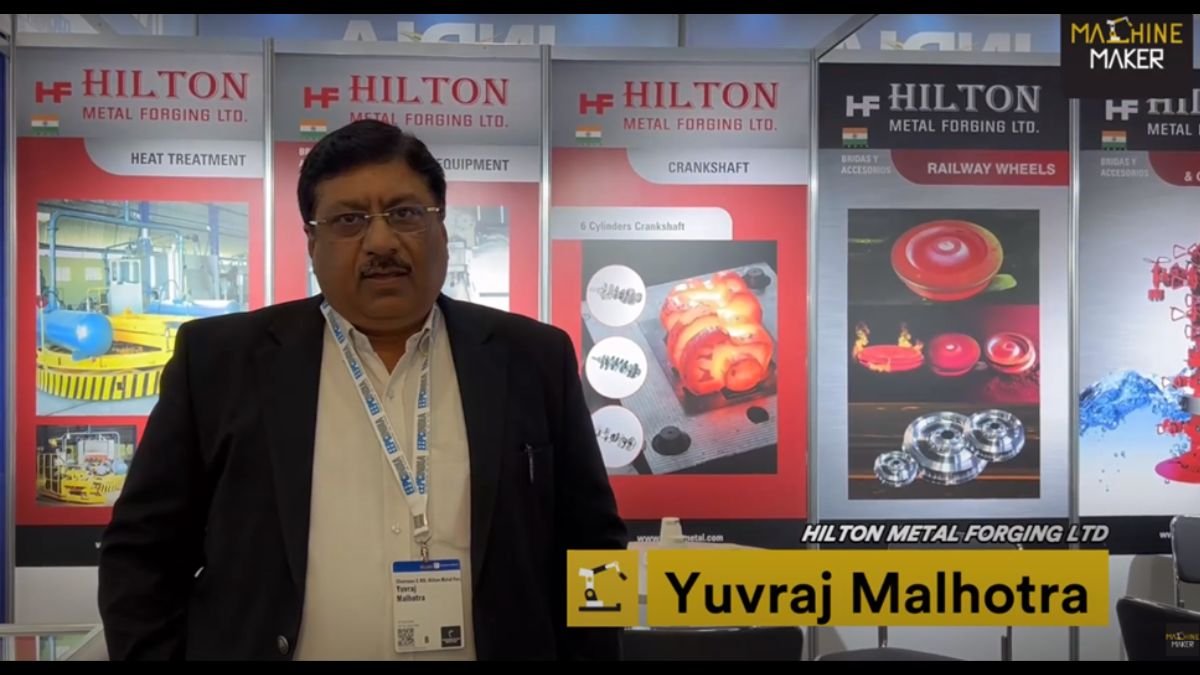
  • Big opportunity for Indian Forging companies to contribute in Indian Railway Growth story – Mr. Yuvraj Malhotra, CMD, Hilton Metal Forging Ltd

    Big opportunity for Indian Forging companies to contribute in Indian Railway Growth story – Mr. Yuvraj Malhotra, CMD, Hilton Metal Forging Ltd

    Pre-Budget expectations – Hilton Metal Forging Ltd

    Ahmedabad (Gujarat) [India], February 01: The Interim Budget is expected to maintain its focus on key sectors such as infrastructure, power, and railways, reflecting the government’s continued emphasis on these areas. In the previous fiscal year, the Indian Railways received a record allocation of Rs 2.4 lakhs crores in the last union budget which is four times of the allocation of Rs 60,000 crore in Union Budget in 2014, indicating a commitment to modernisation of Indian Railways and development of Railway infrastructure. We expect a further increase in the budget allocation for railways in the upcoming fiscal year, with the aim of supporting modernization initiatives such as faster trains, upgraded stations, improved safety features, and the expansion of freight corridors. Railways plans to introduce 3,000 new passenger trains in next few years to cut down waiting time for expected 1,000 crore passengers in next few years.

    The year 2023-24 witnessed significant developments in the Indian Railways, including the inauguration of new Vande Bharat trains and the introduction of the no-frills Amrit Bharat Express. Against this backdrop, there is widespread anticipation that the Finance Minister will allocate a substantial budget to facilitate the ongoing modernization efforts in the railway sector.

    Beyond the railways, sectors, including agriculture, infrastructure, healthcare, education, banking, and industry need special thrust for a growth-oriented Budget that encourages innovation and enhances societal well-being. While acknowledging the success of Production Linked Incentive (PLI) schemes, there is a suggestion to consider extending the concessional tax regime for manufacturing operations for a minimum of five years.

    With global business dynamics undergoing changes and advanced economies adopting strategies like the “China plus one” approach, India has a significant opportunity to emerge as a global manufacturing hub. To capitalize on this potential, we emphasize the importance of incentivizing and attracting substantial investments from global manufacturing companies. The government could play a crucial role in fostering this growth by creating a conducive environment for large-scale investments, thereby positioning India as a key player in the evolving global manufacturing landscape.

    About – Indian Forging Industry Forging is traditionally considered as the back bone of manufacturing industry. It is a major input to the sectors which support economic growth of the nation, such as, Automobile, Industrial Machinery, Power, Construction & Mining Equipment, Railways and General Engineering. The Indian forging industry is well recognised globally for its technical capabilities. With an installed capacity of around 38.5 lakh MT, Indian forging industry has a capability to forge variety of raw materials like Carbon steel, alloy steel, stainless steel, super alloy, titanium, aluminium and so forth, as per the requirements of user industry.

    Big opportunity for Indian companies to contribute in Indian Railway Growth story

    • The anticipation of substantial railway orders is on the horizon as India gears up to manufacture over 2,000 locomotives domestically. Additionally, the expansion of new rail tracks presents promising opportunities for casting foundries to contribute to the growing needs of the railway infrastructure.
    • The demand for wheels in the railway sector is significant, with an annual requirement reaching approximately 3,80,000 wheels. This demand stems from the production needs of new coaches, wagons, and locomotives, accounting for around 2,80,000 wheels, while the replacement market necessitates an additional 1,00,000 wheels. The mandatory overhaul maintenance every 4.5 years for all wagons and freight adds to the continuous demand for wheels.
    • Presently, the combined annual production of casting and forged wheels stands at around 2,75,000, resulting in a shortfall of roughly 1,05,000 wheels per year based on the current requirements of wagon/coach production and the replacement market. To address this shortfall, India currently relies on imports. In line with this, the Indian Government is actively encouraging domestic companies to engage in the production of railway wheels, aligning with the ‘Make in India’ initiative to promote self-sufficiency.
    • Looking ahead, the annual demand for forged wagon wheels is expected to be around 30,000 in FY24 and approximately 45,000 in FY25. This demand is projected to grow incrementally each year, reaching over 60,000 forged wagon wheels in FY26. This growth is particularly attributed to the replacement market, with LHB wagons completing 5 years of operation. The phased increase in demand signifies a continuous opportunity for domestic manufacturers to enhance production capacities and contribute significantly to the objectives of the ‘Make in India’ initiative.

    Advantage – Hilton Metal Forging Ltd

    Hilton Metal Forging Ltd stands as a prominent manufacturer and distributor in the steel forging industry, specializing in products such as flanges, fittings, and oilfield and marine products. The company has successfully expanded its portfolio by entering the aerospace sector, manufacturing turbine blades, and making inroads into the railway industry with the production of forged wheels. Equipped with an in-house facility encompassing forging, machining, heat-treatment, a computerized laboratory for testing, and a dedicated quality control department, the company is well-positioned to meet industry standards.

    Recognizing a significant opportunity in the railway sector, Hilton Metal Forging Ltd is strategically focusing on the production of Forged Wagon Wheels with a strong emphasis on speed, safety, modernization, and the ‘Made In India’ initiative. The company is eligible for a minimum of 20% of the Global Wagon Wheel Tender (L1) under the Make in India scheme, backed by its proven track record. The Forged Wagon Wheels manufactured by the company undergo inspection and certification by RITES, further establishing their suitability for supply to Indian Railways.

    • With a targeted production capacity of 1000 Wheels/month, Hilton Metal Forging Ltd aims to scale up to around 2000 Wheels/month to meet the increasing demand in the replacement market. The Board of Directors proudly announced that the company has successfully developed and supplied railway wheels to the Indian Railways, achieving the distinction of being the first Indian MSME company to produce Indigenous Forged Railway Wheels. Having supplied 1500 Railway Wheels to date, the company is now eligible to participate in Global tenders. Furthermore, the company has initiated Research and Development in the Railway Wheel Set Assembly, with plans to release a press release post-approval from third-party agencies.
    • In a significant development, Jupiter Wagons has placed an order for 250 Forged Wagon Wheelsets with Hilton Metal Forging Ltd as a trial order. Following the successful supply of the initial 250 sets, Jupiter Wagons has issued a Letter of Intent (LOI) for procuring 6000 Forged Wagon Wheelsets annually, highlighting the company’s growing recognition and potential in the market. Hilton Metal Forgings Ltd has set an ambitious target to manufacture 12000 Forged Wagon Wheelsets in FY26. Additionally, TEXMACO/Titagarh wagons are identified as potential clients for Forged Wagon Wheelsets, indicating the company’s expanding market reach and promising future in the railway industry.

    Indian Railway Growth Story – Highlights

    • As of March 2022, Indian Railways‘ rolling stock consisted of 3,18,196 Freight wagons, 84,863 passenger coaches and 13,215 Locomotives. Indian Govt. focus in modernization, safety and increasing speed of the Trains. Indian Railway budget in 2023-24 is 2,40,000 crore which is 4 times increase from Indian Railway budget of 65,445 crore in 2014-15. To increase speed of the Trains, Indian railways is focussed on increasing usage of Forged wheels. Casting wheels has speed limitation of upto 120 km/hour. Indian Trains can go upto speeds of 220 km/hour using Forged wheels.
    • Presently 27% freight traffic in India moves on Indian Railway network which Indian Govt. plans to increase to 45% by 2030. Govt. has created 2 dedicated Freight Corridors – EDFC (Eastern Dedicated Freight Corridor), WDFC (Western Dedicated Freight Corridor) for faster and dedicated freight movement. FY22 Indian Railways placed order of 60,000 freight wagons to Private cos for delivery within next 3 years.
    • Indian Railways operates around 34,000 LHB coaches out of total 84,863 passenger coaches. IR plans to phase out 50,000 odd ICH coaches and replace with LHB coaches. Passenger coaches are manufactured in 3 Indian railway coach factory.
    • Indian Railways plans to add 3000 new trains to its network to eliminate waiting list for tickets and increase passenger capacity from 800 crore passengers to 1,000 crore passengers by 2027. Each train would have 22 coaches which means additional 66,000 new coaches over and above present 84,863 passenger coaches.

    If you have any objection to this press release content, kindly contact pr.error.rectification@gmail.com to notify us. We will respond and rectify the situation in the next 24 hours.

  • Mr. Agastya Sonani, Director of Sonani Jewels shares Budget Expectations for Lab Grown Diamond Jewellery Industry in India

    Mr. Agastya Sonani, Director of Sonani Jewels shares Budget Expectations for Lab Grown Diamond Jewellery Industry in India

    Surat (Gujarat) [India], January 31: Mr. Agastya Sonani, Director of Sonani Jewels, expresses excitement about the upcoming interim budget for the lab-grown diamond jewellery industry in India for the year 2024. He highlights the global boom in the lab-grown diamond sector, positioning India as a key player with its skilled workforce and advanced technology, poised to become a leading hub for lab-grown diamond jewellery production.

    The Indian Lab-Grown Diamond Jewellery industry is a significant contributor to the nation’s economy, sustaining around 4.3 million jobs, contributing 10% to merchandise exports, and influencing overall economic growth. The estimated market size in 2023 is US$ 299.9 million, with a projected market size of US$ 1,192.3 million by 2033, reflecting a value-based Compound Annual Growth Rate (CAGR) of 14.8%.

    The industry’s growth is attributed to rising consumer demand for sustainable and ethically sourced diamonds, with lab-grown diamonds being viewed as a responsible alternative. As awareness of the environmental and social impact of traditional diamond mining increases, consumers are increasingly turning to lab-grown diamonds. This shift in preferences is expected to fuel further growth, creating substantial opportunities for the lab-grown diamond jewellery industry.

    Looking ahead to 2024, Mr. Sonani anticipates promising budget expectations for the industry. With the government’s emphasis on fostering the growth of the gem and jewellery sector, he expects the budget to introduce various incentives and support measures. These may include tax benefits, subsidies, and initiatives aimed at advancing research and development in lab-grown diamond technology.

    Additionally, Mr. Sonani advocates for a reduction in import duties, emphasizing its potential positive impact on the industry. A reduction in import duties would likely lower production costs, making lab-grown diamond jewellery more competitive in the market. This move could stimulate domestic manufacturing, encourage exports, and further solidify India’s position as a global leader in the lab-grown diamond industry.

    In conclusion, Mr. Agastya Sonani remains optimistic about the budget’s potential to propel the lab-grown diamond jewellery industry forward, fostering sustainability, innovation, and economic growth.

    If you have any objection to this press release content, kindly contact pr.error.rectification@gmail.com to notify us. We will respond and rectify the situation in the next 24 hours.

  • Advancing Financial Inclusion in India: A Strategic Vision for 2024

    Advancing Financial Inclusion in India: A Strategic Vision for 2024

    New Delhi (India), January 31: In the wake of the challenges posed by the COVID-19 pandemic, last year’s budget laid the groundwork for robust financial inclusion initiatives in India, with a distinct emphasis on leveraging digital means. While strides have been made, scaling financial inclusivity remains a formidable challenge. The upcoming budget holds the promise of continuing the momentum, with a specific focus on the under banked and unbanked sectors.

    A fundamental goal for the fiscal year ahead should be the expansion of digital financial inclusion initiatives. This involves a multi-faceted approach, starting with the allocation of funds to fortify digital transactional platforms. Strengthening the security of these platforms is essential to build trust among users and encourage widespread adoption. There is an expectation of continuous government investment in artificial intelligence (AI) which would enable the sector to come up with innovative solutions and establish strong security measures. Given the increasingly sophisticated tactics used by fraudsters, it would be beneficial for the government to establish a cyber-fraud agency to safeguard customer interests and prevent losses from online scams.

    Simultaneously, expanding the retail agent networks can act as a force multiplier, reaching remote areas where traditional banking infrastructure may be lacking. These agents play a crucial role in bridging the gap between financial institutions and individuals, making financial services more accessible to a broader population.

    There is a need for the budget to increase credit penetration among unserved and underserved individuals in tier-2 and tier-3 markets and over 64 million MSMEs. Initiatives such as the ‘One KYC’ repository can significantly streamline processes, reducing redundancy and ensuring a more efficient onboarding of individuals into the financial ecosystem. Easier access to data for credit assessment is another key area that demands attention. By facilitating a smoother credit evaluation process, financial institutions can enhance their ability to extend loans, fostering economic growth and empowering individuals. 

    Sadly, only 27 percent of the country’s citizens are financially educated, according to a recent SEBI survey. This disparity highlights the pressing need for financial education nationwide. There should be continuous focus on promoting financial literacy amongst the youth. One way could be to urge financial sector regulators and organisations to provide age-appropriate resources and reading materials that will foster this critical financial know-how and avoid scams.

    Recognizing the need for targeted efforts, it is imperative to introduce programs and campaigns that specifically promote women’s participation in digital financial services. Gender inclusivity is not only a matter of social equity but also a strategic imperative for economic development. By removing barriers and empowering women economically, India can unlock a vast reservoir of untapped potential.

    The convergence of these initiatives aligns with the broader vision of creating a more inclusive and digitally empowered financial landscape in India. As the nation looks ahead, the upcoming budget has a unique opportunity to solidify these foundations and propel the country towards a more equitable and financially resilient future. By addressing the challenges head-on and investing strategically, India can emerge as a global leader in digital financial inclusion, setting a benchmark for other nations to follow suit.

    https://www.linkedin.com/in/danishmohd1/

    If you have any objection to this press release content, kindly contact pr.error.rectification@gmail.com to notify us. We will respond and rectify the situation in the next 24 hours.

  • Navitas Solar Optimistic as India Eyes Sustainable Future: Anticipating Pro-Green Measures in Upcoming Interim Budget

    Navitas Solar Optimistic as India Eyes Sustainable Future: Anticipating Pro-Green Measures in Upcoming Interim Budget

    Surat (Gujarat) [India], January 31: As we anticipate the upcoming interim budget, Navitas Solar, a leading solar manufacturing company, reflects on the significant strides made in the renewable energy sector in the past year and outlines expectations for further growth and support.

    In 2023, India added a substantial 13.5 GW of renewable energy capacity, investing ₹74,000 crores. This accomplishment propelled India to the 4th position in both total renewable energy and wind power installed capacities and 5th in solar power capacity globally. Looking ahead to 2024-25, the government aims for 29.91% of the total energy to be sourced from renewable energy, adhering to the Renewable Purchase Obligation (RPO). This commitment is set to increase to 43.33% by 2029-30, demonstrating a strong push towards sustainable energy sources.

    The Ministry of New and Renewable Energy (MNRE) has recently augmented the Central Financial Assistance (CFA) for residential consumers adopting rooftop solar projects. The increased CFA of Rs. 18,000/kW for 1-3 kW capacity and Rs. 9,000/kW for 3-10 kW projects showcases the government’s commitment to promoting solar adoption among households.

    A noteworthy introduction is the green credit program, incentivizing environmentally positive actions through a market-based mechanism. Tradable green credits, available on a domestic market platform, aim to encourage and reward sustainable practices.

    Prime Minister Narendra Modi’s announcement of the ‘Pradhanmatri Suryoday Yojana’ is a monumental step towards self-reliance. The plan is focusing on installing solar rooftops on one crore houses, not only aims to reduce electricity bills but also projects India as a self-reliant nation. This initiative is expected to attract investments of up to ₹12,500 crores, expand solar capacity beyond 30 GW, generate employment, and boost local manufacturing of solar products.

    Commending the Delhi government’s recent move with the Delhi Solar Policy 2024, Navitas Solar acknowledges the efforts to encourage solar rooftops. The policy promises zero electricity bills for consumers and halved tariffs for commercial and industrial users upon installing rooftop solar panels.

    Expressing gratitude to the Indian government for promoting renewable energy, Navitas Solar anticipates the interim budget with hopes for additional policies and financial incentives, especially for MSME-scale solar manufacturing companies. Encouraging domestically manufactured products aligns with the ‘Aatmanirbhar Bharat’ initiative. The company looks forward to a sustainable budget, seeking economic schemes that support eco-friendly products, contributing to the national goal of achieving 500 GW of renewable energy by 2030.

    If you have any objection to this press release content, kindly contact pr.error.rectification@gmail.com to notify us. We will respond and rectify the situation in the next 24 hours.

  • Amit Rathi, Founder of ARPY Asset Pvt. Ltd, Advocates for an Innovative and Inclusive Union Budget to Propel India’s Long-Term Prosperity

    Amit Rathi, Founder of ARPY Asset Pvt. Ltd, Advocates for an Innovative and Inclusive Union Budget to Propel India’s Long-Term Prosperity

    New Delhi (India), January 31: In the realm of economic visionaries, Amit Rathi stands as a beacon of foresight, steering the course towards a future marked by resilience and innovation. As the Founder of ARPY Asset Pvt. Ltd, he casts a formidable shadow in the financial landscape, one that envisions a Union Budget as not just a fiscal document but a catalyst for sustainable growth, incentivized investments, and an enhanced business environment.

    Rathi’s vision for the upcoming budget is rooted in the belief that strategic measures can fortify the economic landscape, creating an ecosystem that nurtures resilience and celebrates innovation. His expectations echo the sentiments of a leader committed to shaping policies that not only weather economic storms but also sow the seeds for long-term prosperity.

    At the heart of this vision lies the emphasis on policies promoting financial inclusion. Rathi understands that for an economy to truly thrive, it must be inclusive, ensuring that the benefits of growth are not confined to a select few but are distributed across the socio-economic spectrum. Financial inclusion, in his perspective, is not just a policy agenda but a moral imperative, a commitment to empower every stratum of society with the tools and resources needed to participate in the economic tapestry.

    The call for technological advancement resonates strongly in Rathi’s expectations. In an era where innovation is the heartbeat of progress, he envisions a budget that embraces technology as a transformative force. Technological advancements not only drive efficiency but also act as a catalyst for new business models, creating a dynamic and adaptive economic ecosystem. Rathi’s plea for policies that foster technological growth is a clarion call to position India at the forefront of the global innovation landscape.

    Amit Rathi’s outlook for the budget is not merely a laundry list of demands; it is a strategic roadmap for the nation’s economic future. Incentivizing investments is a linchpin of his expectations. Recognizing that investments are the lifeblood of economic growth, Rathi advocates for policies that not only attract investments but also ensure a conducive environment for their sustained growth. His vision is one where investments become a vehicle for job creation, industry expansion, and economic dynamism.

    The overarching theme in Rathi’s expectations is the commitment to long-term prosperity. He doesn’t seek quick fixes or short-term gains; instead, his vision is rooted in the creation of an economic architecture that withstands the tests of time. Rathi understands that the budget is not just an annual financial exercise but a blueprint for the nation’s economic destiny.

    As we anticipate the unveiling of the Union Budget, Amit Rathi’s vision serves as a guiding light. It transcends the realm of financial jargon and policy intricacies, weaving a narrative of economic empowerment, technological prowess, and inclusive growth. In a world fraught with uncertainties, Rathi’s expectations are a testament to the power of visionary leadership and the belief that the budget can be a transformative force, shaping the destiny of a nation on the cusp of greatness.

    https://www.linkedin.com/in/amit-rathi-9008b8a6/

    If you have any objection to this press release content, kindly contact pr.error.rectification@gmail.com to notify us. We will respond and rectify the situation in the next 24 hours.

  • A New Holistic Health Care Alternative – A Revivifying Portrayal of Hemp’s Narrative

    A New Holistic Health Care Alternative – A Revivifying Portrayal of Hemp’s Narrative

    Modern problems require modern solutions, with a boom in health issues like anxiety, insomnia, and depression, people are now looking for new holistic alternatives. People are now looking beyond the old narrative and adopting novel treatment alternatives. That’s where Hemp’s narrative shines through!

    The plant is derived from the Hemp sativa and offers numerous health and medicinal applications. Researchers and industry experts are now recognizing the benefits of this ancient herb in holistic healthcare.

    Additionally, with the blessings of the AYUSH ministry, Hemp research and production has seen an exponential boom in just a few years. Not only that, people are now recognizing the sustainable benefits of hemp farming.

    A revivifying portrayal of the narrative – Hemp’s benefits & products

    Hemp has a wide array of benefits that are now being uncovered. Hemp seeds are a rich source of fiber, healthy fats, and proteins. A good omega-3 to omega-6 ratio in hemp seeds ensures that it’s a perfect way to manage heart health.

    Additionally, hemp seeds also provide numerous benefits for weight control. It manages satiety, boosts the body’s metabolism, and provides energy for the body’s basic functioning. Hemp seeds can be crucial in combating inflammatory diseases like arthritis and diabetes.

    What’s more, is that Hemp provides a healthy alternative to traditional wheat flour. It can be a great alternative for gluten-free bread, pancakes, etc. while retaining fiber, healthy fats, and essential proteins. Hemp milk is a non-dairy milk made by mixing hemp seeds with water and also proves to be an excellent alternative for the lactose intolerant. It is a remarkable source of healthy vitamins and omega-3 fatty acids.

    A Brief Look At The Hemp Industry – Dipping The Toes Into Holistic Healthcare And Sustainable Farming.

    Hemp provides lots of medical and commercial benefits. In 2018, Uttarakhand became the first state to legalize large-scale industrial hemp farming, with Uttar Pradesh following suit. 

    Hemp farming requires less water, no pesticides, and provides more output with less land, making it a great method to practice sustainable farming. Additionally, hemp fibers also provide textile/yarns to local clothing businesses. Further research is also being conducted to convert hemp fibers into raw materials for cosmetic and body care firms.

    Pharmaceutical companies have also shown considerable interest in hemp products due to their immunity-boosting properties, sleep-aiding properties, and anxiety and depression management.

    ⁠HempKart – A Rising Star In The Hemp Industry

    HempKart is an exciting newcomer in the industry. They provide hemp-based products at unbeatable prices across the country. In addition to their exceptional services, they provide free consultation to all of their customers with registered Ayurvedic practitioners. Moreover, they provide an exceptional range of products ranging from nutritional supplements, hair and skin care products, migraine and depression treatment, and pet care items.

    HempKart also boasts of being a trusted platform to partner with India’s prominent brands like Cannarma, Medicann, Healing Leaf, Noigra, and India Hemp Organics.

    “We are catering to anyone from 18 till 65 years, including professionals offering plant-based natural solutions for modern problems such as stress, anxiety, insomnia, and much more. One doesn’t need medications for everything and the world is moving towards holistic health. Now we have started to offer free consultations from Ayurvedic doctors to all our customers to gain traction and raise awareness ” says HempKart Co-founder and CEO, Nishant Choudhry.

    He also added, “At HempKart, we make sure the customers find all the required Hemp-based products under one roof coupled with an exceptional standard of customer service ensuring a seamless shopping experience.”

    With the shift in lifestyle, people are looking for holistic alternatives to healthcare. Hemp not only provides medical benefits but also paves the way for sustainable farming alternatives.  HempKart acknowledges the promising qualities of hemp and actively promotes the sales of hemp-derived products via the website.

    The information provided in this article is for general informational purposes only. We do not endorse or encourage the consumption or subscription of any products or ideas mentioned. It is strongly advised to consult with a physician before considering any ideas or products discussed in this article.

  • Unveiling the Pinnacle of SoBo’s (South Bombay) Real Estate Excellence: AKG’s Exclusive Chat with Visionary Mr Hitesh Avhad, Managing Director, Avhad Group

    Unveiling the Pinnacle of SoBo’s (South Bombay) Real Estate Excellence: AKG’s Exclusive Chat with Visionary Mr Hitesh Avhad, Managing Director, Avhad Group

    Mumbai (Maharashtra) [India], January 31: In a recent interview that’s set to redefine the real estate narrative in South Mumbai, AKG Talks pulled back the curtains on the captivating world of SoBo’s property market. The rendezvous, hosted by the dynamic AKG, featured an exclusive tête-à-tête with Mr. Hitesh Avhad, Managing Director, Avhad (avhadgroup.com). This conversation was more than just a podcast – it was a glimpse into the very heartbeat of SoBo’s real estate landscape from 2022 to 2024.

    The episode commenced with an electrifying introduction by AKG, setting the stage for an immersive exploration. AKG skillfully steered the conversation, unraveling the intriguing journey of Hitesh Avhad into the realm of real estate development. 

    The narrative took an impactful turn as AKG and Hitesh Avhad delved into the socially transformative subject of slum redevelopment. Mr Hitesh Avhad shared profound insights into the pivotal role – development plays in fostering positive community change, shedding light on the broader social implications of real estate initiatives.

    Numbers took center stage as the dialogue shifted towards the impressive statistics of units sold in Mumbai over the past two years. A staggering 74,000 flats were sold in 2022, with South Bombay alone accounting for 14,700 units valued at 39,000 crores. Fast forward to 2023, and the figures jumped to 75,000 units citywide, with South Bombay commanding a substantial share. Projections for 2024 hinted at even more remarkable numbers, showcasing the robust growth of Mumbai’s real estate market.

    Adding a personal touch, Mr Hitesh Avhad reflected on the profound meaning South Mumbai holds for him. He emphasized the significance of providing premium living spaces in a metropolis like Mumbai, allowing listeners to connect with the developer on a deeper, more emotional level.

    Transparency in the homebuying process took the spotlight, providing a detailed glimpse into Avhad Group’s commitment to openness for homebuyers. The conversation seamlessly transitioned into the pivotal role of technology in reshaping the real estate landscape, highlighting the industry’s adaptation to the digital era.

    Anticipation soared as the focus turned towards Avhad Group’s upcoming project in Matunga (https://avhadgroup.com/upcoming-projects/). Hitesh Avhad unveiled the unique selling points of this venture, providing listeners with an exclusive preview of the innovative features that set it apart in the competitive real estate arena.

    Closing the episode on a lighthearted note, a rapid-fire round injected a sense of fun into the conversation. Mr Hitesh Avhad shared his personal favorites in the housing project and developer categories, leaving listeners with a smile.

    In summary, AKG Talks with Mr Hitesh Avhad emerged as a beacon of insight into the realm of South Mumbai’s real estate marvels. From market trends and transformative initiatives to personal reflections and a touch of rapid-fire fun, this podcast episode serves as a testament to the unwavering commitment of Avhad Group to deliver homes that turn dreams into reality.

    You can visit avhadgroup.com to learn more about Avhad and its upcoming projects.

    If you have any objection to this press release content, kindly contact pr.error.rectification[at]gmail.com to notify us. We will respond and rectify the situation in the next 24 hours.

  • Telecom Entrepreneur No 1 Sridhar Rao Makes a Big Impact at World Economic Forum

    Telecom Entrepreneur No 1 Sridhar Rao Makes a Big Impact at World Economic Forum

    CEO of Walgo Infra Plays Important Role in Building Global Business Connections

    Hyderabad (Telangana) [India], January 31: Renowned telecom entrepreneur and CEO of Walgo Infra, No.1 Sridhar Rao, made a significant impact at the World Economic Forum in Davos, Switzerland, with the esteemed presence of Telangana Chief Minister Mr. Revanth Reddy. Mr. Sridhar Rao orchestrated and participated in high-level meetings with industry titans, fostering global business connections.

    Engaging in discussions with influential industrialists such as Mr. Sunil Bharti Mittal, Chairperson of Bharti Enterprises, and Mr. Sajjan Jindal, Managing Director of JSW Steel, Mr. Sridhar Rao opened doors to exciting opportunities for collaboration and growth.

    Hailing from Warangal District in Telangana State, Mr. Sridhar Rao boasts a robust global business network. Leveraging his influential relationships, he attracted substantial investments for Telangana and the neighboring state of Karnataka. His close ties with the Karnataka Chief Minister facilitated meetings between global industrialists and officials like Mr. M. B. Patil, Minister of Infrastructure Development of Karnataka.

    At the World Economic Forum, Mr. Sridhar Rao engaged in discussions with Mr. Sunil Mittal, Chairperson of Bharti Airtel, on the expansion of 5G services across India. Additionally, he held strategic meetings with various telecom companies to pave the way for 5G services in regions like Uttar Pradesh, Tamil Nadu, and Gujarat.

    Mr. Sridhar Rao’s active participation in the 54th Annual Meeting of the World Economic Forum underscored his influential leadership in the telecommunications industry. Committed to enhancing India’s business landscape through global connections, he emerges as a true pioneer in the field.

    If you have any objection to this press release content, kindly contact pr.error.rectification@gmail.com to notify us. We will respond and rectify the situation in the next 24 hours.
  • Masala King Dhananjay Datar Encourages the Government of India to Support NRI and International Business Investment in Indian Retail Sector

    Masala King Dhananjay Datar Encourages the Government of India to Support NRI and International Business Investment in Indian Retail Sector

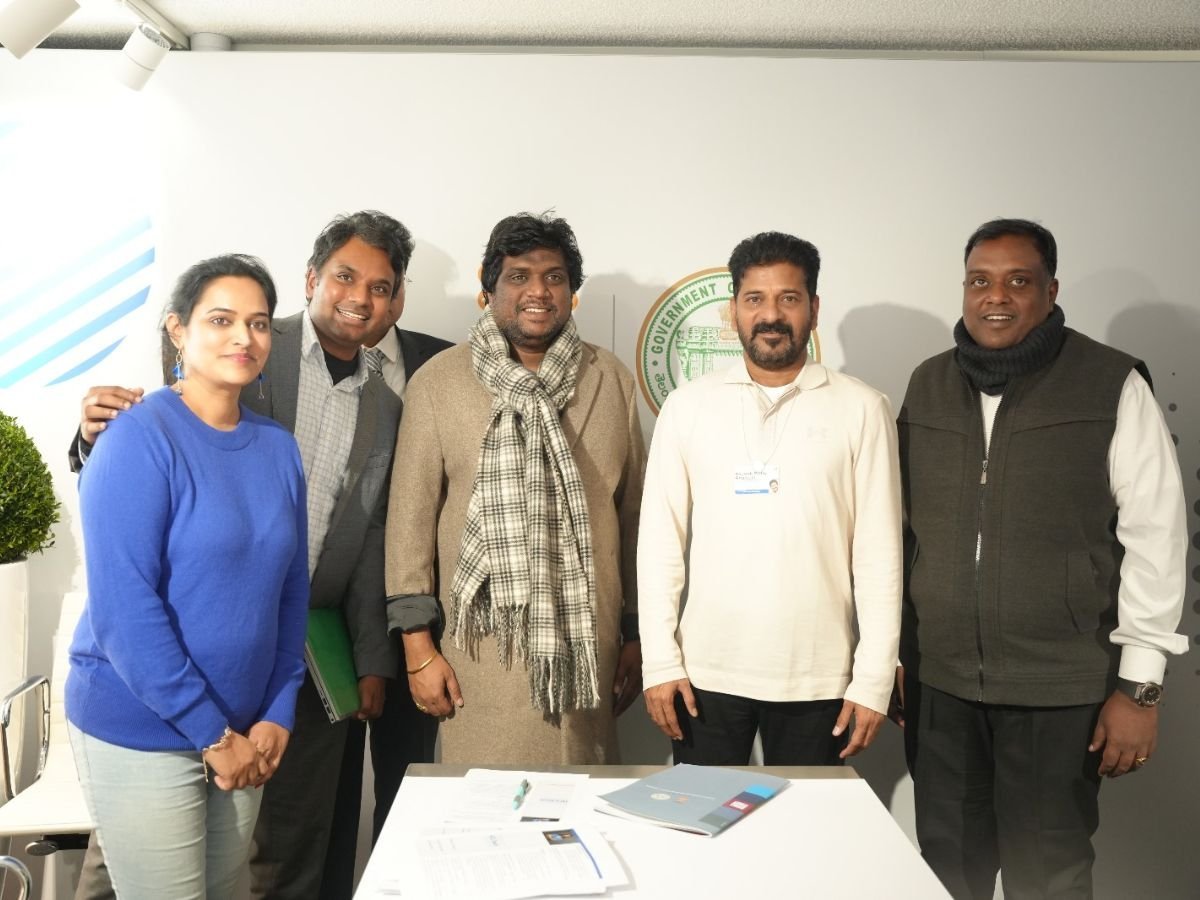
    Mumbai (Maharashtra) [India], January 31: “The Indian retail sector has an enormous potential to boost and empower the Indian economy, but there are very few players in this sector and those who run their businesses can’t compete in the international market due to the burden of various taxes. A possible solution could be to offer tax relief to them and to the common people and simultaneously chalk out such policies which will encourage the NRIs and international businesses to bring FDI in this sector,” said Masala King Dhananjay Datar, CMD, Adil Group of Super Stores, UAE, while expressing his expectations from the upcoming Union Budget. 

    He said, “There are opportunities as well as challenges before the Indian retail sector today. Post the COVID pandemic, prices of essential commodities, products and services witnessed a considerable increase, but at the same time, income of the common man or salaried class did not increase to match the challenging situation. People are curtailing the consumption and expenditure of daily essential commodities, which is reflected in reducing the volume of business in retail sector. Should the government lower the taxes and give relief to individual taxpayers, they would be able to purchase more from their monthly disposable income, which will help to increase the consumption. Also, retailers burdened under higher taxes and facing stiff competition in international markets are looking towards the upcoming budget with hope.” 

    He further said, “India has a large population which created a huge market in the world. But even if the volume of business in the Indian retail sector is massive, there are very few players here. Many Indians successfully run their business abroad, but seldom generate employment in India. The wages and salaries of workers in the domestic market are inadequate and disappointing as compared to markets abroad. If the government attracts NRIs and International businesses by giving tax concessions and/ or encourages FDI in the retail sector, the result will be generation of more jobs and direct as well as indirect employment. Workers will get handsome salaries. Moreover, when the number of players increase in the sector, the competition will reduce the prices of commodities and products, thus benefiting the public at large.”

    “The Indian retail sector has a huge potential to grow and the coming era is promising for India. A decade ago, India was a buyer’s market, but today it has transformed into a seller’s market. Many countries in the world are desperately eyeing India for a supply of foodgrains and other agricultural commodities. The demand for Indian products and services is rising. Let me give an example of my company. We are in retail sector and operating in GCC region. Last year, we have earned a commendable 25 percent business growth as a result of increased demands for Indian groceries and food stuff. If we develop a comprehensive ecosystem for retail sector in India, it will surely prove to be a catalyst for Indian economy to transform into a Superpower, much ahead of the targeted period,” concluded Dr. Datar.

    If you have any objection to this press release content, kindly contact pr.error.rectification@gmail.com to notify us. We will respond and rectify the situation in the next 24 hours.