
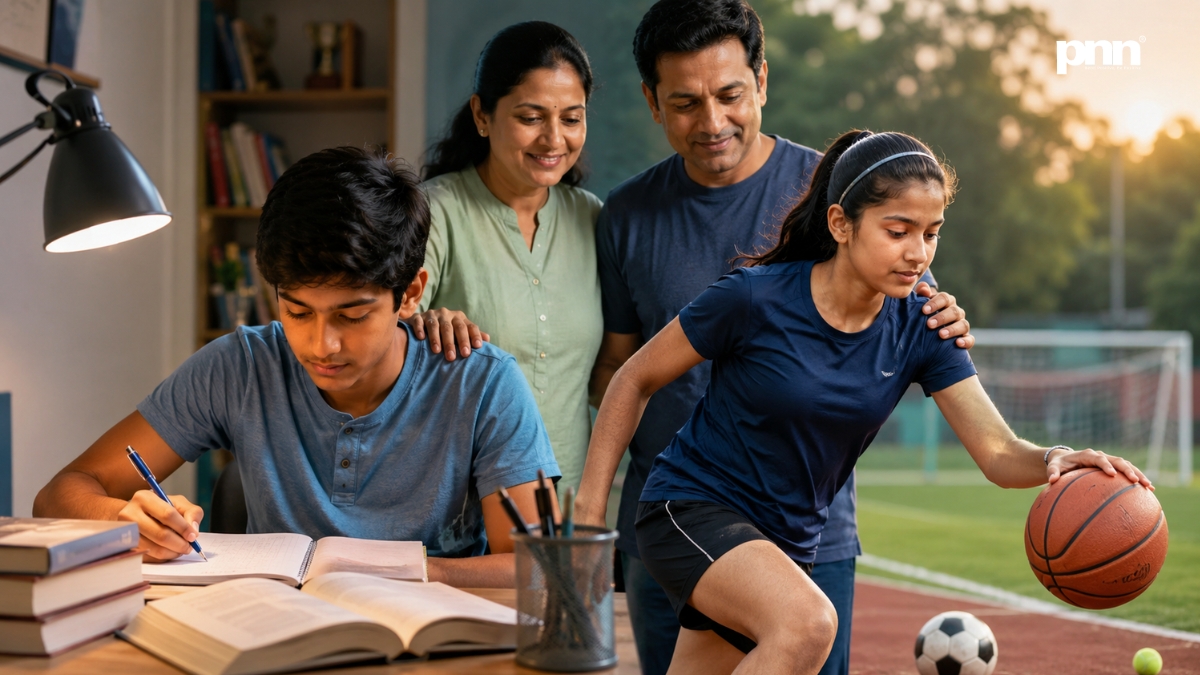
Mumbai (Maharashtra) [India], July 25: Ten years ago in a small town in Haryana, if a father told his neighbors his daughter was skipping tuitions for wrestling practice, most people would have raised their eyebrows. Some might’ve said it out loud. Today? The same news gets nods, maybe even a proud grin. Something has genuinely shifted in how Indian families look at sport—not just because of Neeraj Chopra’s Olympic throw or the medals after, but something deeper: parents are rethinking what a “good future” actually looks like for their kids.
The old equation is breaking down
For years, the formula was set in stone. Study like your life depends on it, get good marks, engineer or doctor—those were the gates to a secure life. Sports? Fine, play a little, blow off steam, but don’t let it interfere with JEE or NEET prep. A kid who put hours into badminton instead of the coaching center was usually just “wasting time.”
That old mindset is fading. It’s not gone, but it doesn’t rule like it used to. The difference is, people are seeing proof. When Manu Bhaker grabbed two Olympic bronzes in Paris, or Gukesh took the world chess title at nineteen, or the women’s hockey team kept making it to the big leagues—suddenly, parents in Rohtak or Kochi or Nagpur saw something they hadn’t before: a “regular” kid could turn sport into a real career, not just a hobby.
Money has entered the picture, and that changes minds fast
Let’s be honest—money talks. Indian parents are nothing if not practical. The rise of the Pro Kabaddi League, the Indian Super League, all those new badminton and volleyball circuits—they’ve opened up careers with salaries and sponsorships that didn’t even exist fifteen years ago. One kabaddi player from a Punjab village can make more in a single season than most first-year engineers, and that reality probably did more to swing attitudes than any “awareness program” ever could.
Government support matters, too. Khelo India has spent the last decade putting scholarships, coaching, even actual sports grounds into places that never had proper playgrounds, let alone stadiums. The ASMITA initiative, focusing on girls, is a game-changer—families that would have held their daughters back are suddenly rethinking. There are parts of Kashmir where sports used to be considered a distraction at best; now, school notice boards brag about sporting wins right next to board exam results.
It isn’t only about becoming an athlete
But here’s what most stories miss: it’s not really about producing professional athletes. If you talk to parents in cities like Bengaluru or Pune, sending kids to weekend football academies, they’re not expecting a national jersey. They want their kids to learn discipline, get stronger, maybe toughen up a bit. They want their kid to lose a match on Saturday and still show up for the Monday test unfazed.
It’s not just parents saying this, either. Quite a few IIM grads and startup founders have openly talked about how their years playing cricket or track taught them how to manage pressure—better than any school lesson. Over time, stories like these start to stick. A parent working in marketing in Gurugram reads that stuff and starts looking at their ten-year-old’s football practice in a new light.
There’s another big reason: screens. So many parents remember climbing trees, street cricket, outdoor play. Now, their own kids spend evenings on phones. Dragging them off to the badminton court or the swimming pool feels less like academic strategy, more like a rescue mission.
The tension hasn’t fully gone away
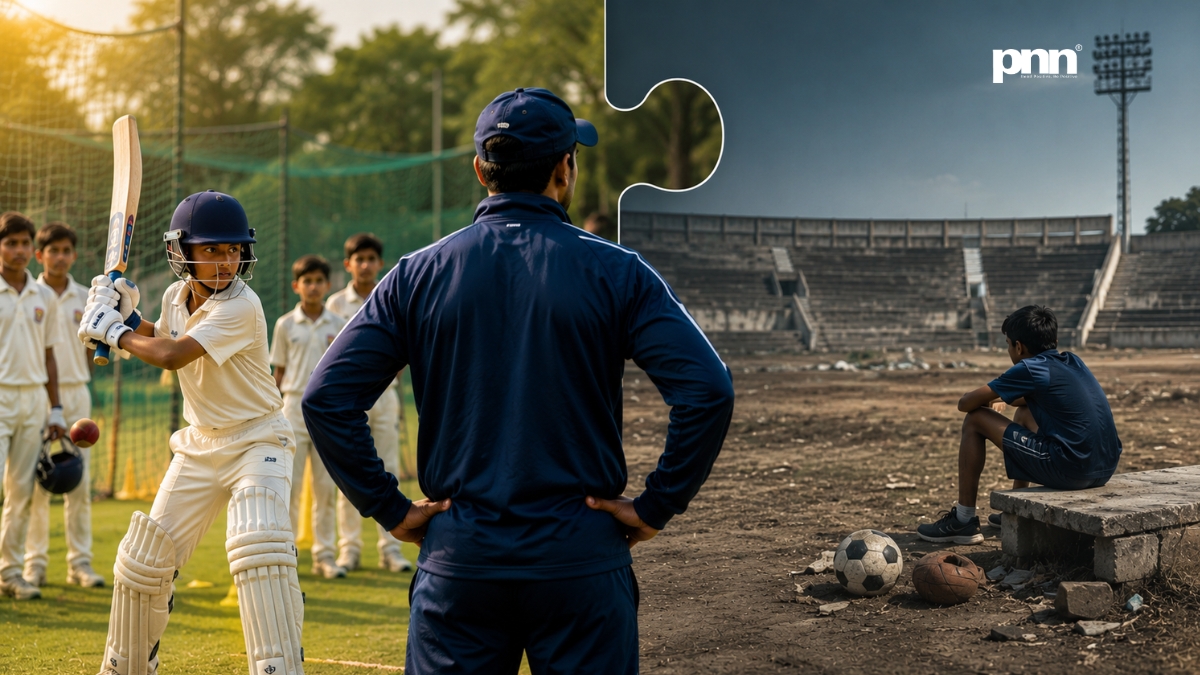
Of course, none of this means the struggle is over. Many parents still pull their kids out of sports the moment board exams get close. Coaches at Mumbai and Delhi academies will tell you: every year, as soon as kids hit class 9 or 11 and the pressure ramps up, attendance drops. The fear is real. What if the sports plan doesn’t take off? What’s left if your kid neither gets a medal nor a degree? That anxiety isn’t going away, and honestly, it’s not baseless—a handful of athletes can make this a steady living, most can’t.
Schools are trying to bridge the gap. The National Education Policy treats sports as equal to academics on paper, so kids don’t have to pick one or fall behind. But whether that actually happens, well, it really depends—on the school, the state, sometimes just luck. A lot of parents are muddling through without much help.
What’s actually changed
What’s really changed is the story parents tell themselves about what sports mean for their kid’s future. It’s not a threat to academics now. It’s a parallel investment—something that builds a different set of muscles, literal and figurative. And thanks to people like Chopra, Bhaker, Sindhu, it doesn’t feel like a dead end.
Whether this hope lasts depends on a lot: on more sports jobs opening up, on schools actually backing up their promises, on whether infrastructure keeps growing as fast as ambition. For now, though, the change is real. And you can see it in a simple thing—a father in a small town, smiling, not scowling, when his daughter ties up her shoes for wrestling instead of settling in for another round of tuitions.