Category: Education

  • From a Parent’s Frustration to a National Education Platform: The Story Behind Qurocity

    From a Parent’s Frustration to a National Education Platform: The Story Behind Qurocity

    From a Parent’s Frustration to a National Education Platform: The Story Behind Qurocity

    New Delhi [India], June 18: When Sheetal and Ram began searching for a Japanese tutor for their daughter, they weren’t planning to build a company. They simply wanted a good teacher. What they discovered instead was a problem affecting millions of families across India.

    Finding a language tutor sounded simple enough. India has no shortage of people offering language classes. Yet after months of searching, the couple found themselves trapped in a cycle familiar to many parents: promising introductions followed by disappointing outcomes.

    One tutor lacked a structured teaching approach. Another started enthusiastically but failed to maintain consistency. A third arrived with impressive credentials that quickly lost credibility once classes began.

    What seemed like an isolated challenge soon revealed a much larger issue.

    “If it is this difficult for us to find one qualified language teacher for one child, what are other families experiencing?” became the question that changed everything.

    As they investigated further, Sheetal and Ram discovered a fragmented ecosystem with little standardisation, inconsistent teaching quality, and almost no accountability. More importantly, they realised the challenge extended far beyond private tutoring.

    India was entering a new phase of multilingual education. With policy changes driving greater emphasis on language learning across schools, the demand for qualified language educators was set to grow dramatically. Yet the infrastructure needed to support that demand was largely missing.

    Rather than continuing the search, they decided to build what they wished had existed from the beginning.

    That decision led to the creation of Qurocity, a multilingual education platform designed to address both access and quality in language learning. Instead of functioning as a simple tutor marketplace, the company focused on creating a vetted network of language educators supported by structured curriculum and consistent teaching standards.

    Joining the founding team was Aditya Muthane, who helped develop the operational framework required to maintain quality at scale.

    Today, Qurocity reports a network of more than 25,000 qualified teachers across 33 languages, including 22 Indian and 11 foreign languages. The platform works with both schools and families, supporting multilingual education through teacher training, curriculum design, and classroom delivery.

    What makes the story noteworthy is not merely the scale the company has achieved, but the origin of its mission. Many education startups begin with a market opportunity. Qurocity began with a personal problem.

    The founders often point to those early experiences as the reason behind many of the platform’s systems today. The rigorous teacher vetting process exists because they encountered instructors who were unprepared. The curriculum framework was built because they saw firsthand the consequences of inconsistent teaching methods. The broad language portfolio emerged because they understood that every child’s learning journey is different.

    The company has since received support through Google’s AI Academy and continues to expand its presence within India’s education ecosystem.

    Yet despite its growth, the founding story remains remarkably simple.

    “The R3 mandate has made official what we already knew — India’s children need structured multilingual education and the system wasn’t ready to deliver it. We’ve spent years building exactly that infrastructure. The timing couldn’t be more important.”

    — Sheetal Ramkumar, Founder Qurocity

    At its core, Qurocity is the result of two parents refusing to accept that finding a qualified language teacher should be so difficult. What began as a search for one tutor ultimately evolved into an effort to strengthen multilingual education for students across the country.

    Sometimes, the most significant ideas do not begin in boardrooms or strategy meetings. They begin with a problem at home and a determination to solve it.

    If you object to the content of this press release, please notify us at pr.error.rectification@gmail.com. We will respond and rectify the situation within 24 hours.

  • What Makes Graphic Era University More Than a Classroom Experience

    What Makes Graphic Era University More Than a Classroom Experience

    New Delhi [India], June 18: Every student remembers the first day they walk onto a university campus. There is excitement, curiosity, and often a little uncertainty. For many, it is the beginning of a journey that will shape not only their career but also the way they think, work, and see the world. That is why students today are looking beyond courses and placements. The real question is whether a university can provide an environment that encourages learning, broadens perspectives, and helps develop skills that remain relevant long after graduation.

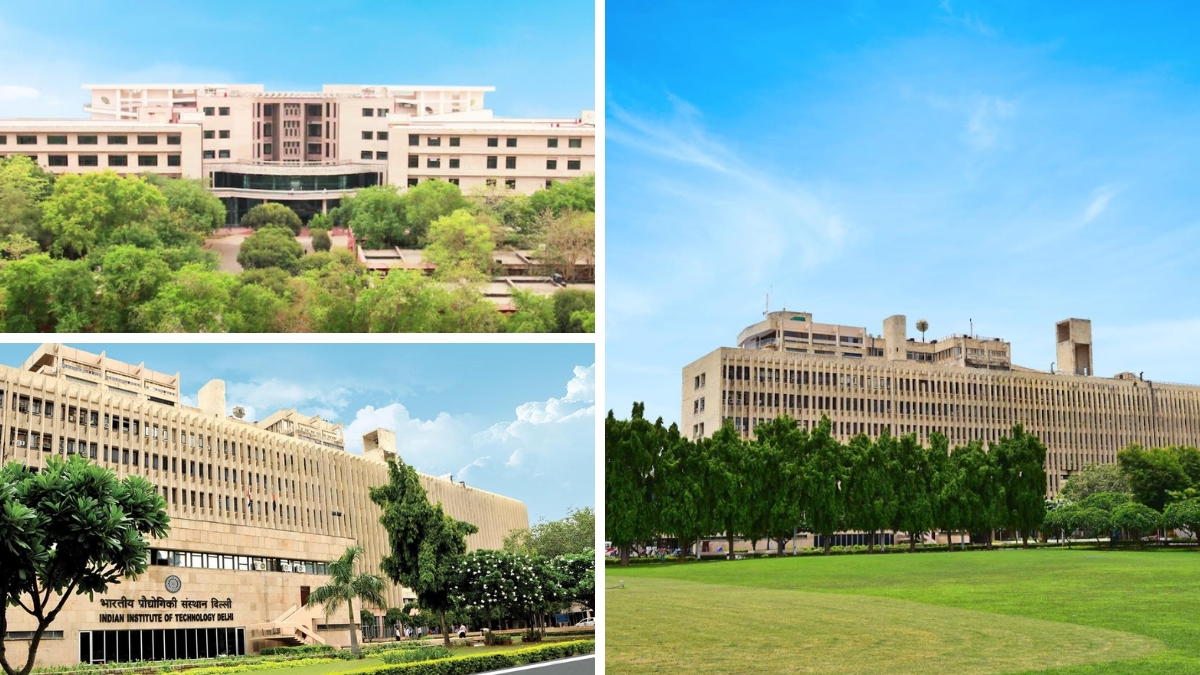
    In many ways, a university campus speaks long before a classroom lesson begins. The spaces where students learn, collaborate, experiment, and interact often play an important role in shaping their overall experience. At Graphic Era University, this understanding is reflected across the campus. Accredited with a NAAC A+ grade and ranked 48th in the NIRF Rankings 2025, the university has invested in creating spaces that support learning, research, creativity, and practical exposure in equal measure.

    What Students Have Access to at Graphic Era University

    The university’s learning environment brings together academic spaces, industry collaborations, and research facilities that support learning beyond textbooks. Some of the key highlights include:

    • India’s first Generative AI campus developed in collaboration with Amazon Web Services
    • Silver Jubilee Convention Hall, one of the campus’s landmark venues for large scale academic, cultural, and student events
    • Smart classrooms designed to support interactive learning
    • iOS Development Centre established in collaboration with Apple and Infosys
    • NVIDIA Centre for AI and High Performance Computing
    • Advanced laboratories across disciplines for practical learning and project work
    • Extensive sports infrastructure including modern sports grounds, indoor facilities, and a state of the art badminton arena
    • Research environment recognised nationally and internationally
    • Extensive digital learning resources and academic support systems

    These facilities create opportunities for students to engage with ideas, test their understanding, and gain exposure that extends beyond traditional classroom learning.

    Where Learning Becomes More Engaging

    The role of a university campus has changed considerably over the years. Students no longer expect learning to happen only inside classrooms. They want opportunities to discuss ideas, work on projects, participate in activities, and gain experiences that help them connect academic concepts with real situations. This thinking is visible across Graphic Era University’s learning spaces. Smart classrooms support interactive teaching, while collaborative spaces encourage students to exchange ideas, work in teams, and learn from one another. The objective is not simply to deliver information but to create an environment where students become active participants in the learning process.

    One of the most distinctive spaces on campus is the Convention Hall. Designed to host presentations, discussions, academic events, innovation showcases, and student engagement activities, it gives students opportunities to communicate their ideas, present their work, and build confidence in front of larger audiences. These experiences often become just as valuable as what students learn through coursework.

    Bringing Industry Closer to Students

    One of the biggest concerns students have today is whether what they learn in college will remain relevant when they begin their careers. As workplaces continue to adopt new technologies and ways of working, universities are expected to provide exposure that goes beyond theory. Graphic Era University has addressed this through specialised centres developed in collaboration with leading global organisations.

    The iOS Development Centre, established in collaboration with Apple and Infosys, allows students to understand application development within a globally recognised ecosystem. It provides exposure to the processes and practices involved in creating products used by millions of people worldwide.

    The NVIDIA Centre for AI and High Performance Computing gives students access to advanced computing resources that support learning and research in areas such as machine learning, data analysis, computational research, and intelligent systems. Facilities like these help students understand how technology is being applied across different sectors and how classroom learning connects with real world challenges.

    Learning Through Experience

    Some of the most valuable lessons students take away from university come from experiences rather than lectures. Working on projects, solving problems, participating in competitions, and collaborating with peers often teach skills that cannot be developed through theory alone.

    Graphic Era University places considerable emphasis on creating such opportunities. Advanced laboratories and practical learning facilities allow students to apply concepts, explore ideas, and engage more deeply with their subjects. Whether through project work, research activities, technical events, or workshops, students are encouraged to move beyond passive learning and develop a stronger understanding of how knowledge is applied.

    This approach helps students build confidence, strengthen problem-solving abilities, and become more comfortable working on challenges that require both technical understanding and creativity.

    A Strong Foundation in Research

    A university’s learning environment is shaped not only by its facilities but also by the academic culture that surrounds them. At Graphic Era University, research forms an important part of that culture. The university was ranked second in India for research quality by Times Higher Education. In addition, 34 faculty members have been featured in the Stanford Elsevier Top 2 percent Scientists list.

    For students, these recognitions are not just about rankings. They reflect the kind of academic environment they become part of, one where research, curiosity, and exploration are valued alongside classroom learning.

    Looking Beyond a Degree

    The university experience is about much more than earning a qualification. It is about discovering interests, developing confidence, building skills, and preparing for life beyond campus. At Graphic Era University, the combination of specialised centres, advanced laboratories, collaborative learning spaces, research opportunities, and industry partnerships creates an environment where students are encouraged to learn by doing, questioning, and exploring.

    For students looking for a university where learning extends beyond classrooms and where they can understand how ideas are applied in the real world, that difference can shape the entire college experience.

    If you object to the content of this press release, please notify us at pr.error.rectification@gmail.com. We will respond and rectify the situation within 24 hours.

  • TERI SAS B.Sc. Economics Programme: Shaping Future-Ready Economists Since 2023

    TERI SAS B.Sc. Economics Programme: Shaping Future-Ready Economists Since 2023

    NEP 2020-aligned | Multiple exit options | Open to all streams — no Mathematics at 10+2 required

    New Delhi [India], June 18: TERI School of Advanced Studies (TERI SAS) is proud to highlight its Bachelor of Science (B.Sc.) in Economics, a programme launched in 2023, to prepare students for careers at the intersections of economics, sustainability, and public policy.

    The Programme takes an interdisciplinary approach, weaving together economic theory and policy analysis. Students will examine real-world challenges, drawing on perspectives across social sciences and multidisciplinary streams of environmental science, natural science, and data science. This breadth equips graduates to contribute meaningfully to research, government, civil society, and the private sector.

    Optional Minor Degree in Data Science: Students may opt for a minor specialisation in Data Science, gaining hands-on training in statistical modelling, machine learning, and data visualisation — making economic insights actionable in an increasingly data-driven world.

    Fully aligned with the National Education Policy (NEP) 2020, the programme offers flexible exit options: students completing three years are awarded a B.Sc. degree in Economics, while those who continue for a fourth year earn a B.Sc. Honours with Research. This flexibility ensures students can tailor their academic journey to their career goals and circumstances.

    The programme does not require Mathematics at the 10+2 level as an eligibility criterion. An introductory course is offered in Semester 1 of the Programme to provide exposure to the students with the 10+2 level Mathematics. Students from Humanities, Commerce, and Science backgrounds are equally welcome, broadening access to quality Economics education across India.

    Universities must do more than respond to change – they must help shape it. At TERI SAS, we are committed to preparing future-ready professionals and generating knowledge that addresses some of the world’s most pressing challenges. – Prof. Suman Kumar Dhar, Vice-Chancellor, TERI SAS

    In today’s rapidly evolving job market, employers value professionals who can interpret data, generate insights, and address complex socio-economic challenges. The Bachelors in Economics at TERI School of Advanced Studies develops precisely these capabilities through rigorous analytical training and a strong research component, making students industry-ready while also preparing them for higher studies and research careers. – Prof. Sukanya Das, Dean (Research & Partnerships), Department of Policy and Management Studies

    Admissions are open to students who have completed 10+2 from any recognised board and stream. For eligibility details and application information, visit www.terisas.ac.in or write to admissions@terisas.ac.in.

    About TERI SAS:
    TERI School of Advanced Studies (TERI SAS) is a UGC-recognised deemed university established under The Energy and Resources Institute (TERI), and located in Vasant Kunj, New Delhi, near the Aravalli Biodiversity Park. TERI SAS offers research-driven programmes with a focus on Sustainability, Energy, Data Science, Economics, Biotechnology, Climate Science, Geoinformatics, Public Policy, Renewable Energy, Management, Law, Sustainable Development, and Environmental Studies.

    If you object to the content of this press release, please notify us at pr.error.rectification@gmail.com. We will respond and rectify the situation within 24 hours.

  • Northeast India’s Medical Education Boom Positions Tripura as an Emerging Destination for Aspiring Doctors

    Northeast India’s Medical Education Boom Positions Tripura as an Emerging Destination for Aspiring Doctors

    Mumbai (Maharashtra) [India], June 18: Northeast India is rapidly emerging as one of the most important growth regions for medical education in the country, driven by rising MBBS seat capacity, new institutional development, improving connectivity, and a growing need for doctors across underserved states. Against the backdrop of India’s largest-ever expansion in medical education, Tripura is standing out as a smart and practical destination for aspiring doctors seeking quality education closer to home.

    India’s medical education landscape has expanded sharply in recent years, rising from 387 medical colleges and 51,348 MBBS seats before 2014 to 818 colleges and 1,28,875 MBBS seats by December 2025. In October 2025 alone, the National Medical Commission approved an additional 10,650 MBBS seats across 41 new colleges for the 2025–26 session, reflecting the country’s continued push to expand access to medical education.

    Within this national growth story, the Northeast has seen a remarkable transformation. The region has grown from an estimated 11–12 MBBS colleges a decade ago to roughly 25–27 today, with total MBBS seats rising from about 1,500 to more than 3,000. Three states that had no medical college at all in 2014 – Arunachal Pradesh, Mizoram and Nagaland now each have one, underscoring the pace at which medical infrastructure is being built across the region.

    Tripura, in particular, has emerged as a notable education hub. The state now has three MBBS colleges – one government and two private or society-run institutions – with a total of 450 MBBS seats, up from an effective 225 seats just three years ago. This expansion became even more significant when the National Medical Commission sanctioned 50 additional seats on November 4, 2025, prompting Chief Minister Manik Saha to observe that the state had achieved “a record addition of 225 MBBS seats in the last three years”.

    Commenting on the state’s growing importance in the medical education landscape, a professional from a leading Medical College, said, “Tripura is steadily emerging as a meaningful destination for medical education in India. The state’s expanding MBBS seat capacity, improving healthcare ecosystem, and better connectivity are creating the right environment for aspiring doctors to study and build their careers here. As more institutions, infrastructure and specialist services come up, Tripura is not just addressing local demand but also contributing to the larger national and regional mission of strengthening medical education and healthcare access.”

    The state government has also publicly committed to making Tripura a “self-sufficient medical hub,” with plans and investments extending beyond undergraduate education into healthcare delivery and infrastructure. These include a government dental college with 63 seats, proposed Ayurvedic and homeopathy institutions, a Tripura University of Health Sciences, private super-speciality hospitals, an AIIMS New Delhi partnership for Agartala Government Medical College and GBP Hospital, and a 2026–27 state budget that sharply increases health allocation.

    This growth is taking place at a time when the need for doctors remains acute, particularly across Northeastern states. India’s official doctor-population ratio is around 1:811 when AYUSH practitioners are included, but the numbers mask sharp regional disparity. Nagaland is estimated at around 1:1,600 and Mizoram at around 1:2,500, while rural community health centres across India faced an estimated 80% shortfall of specialist doctors in 2022–23. For medical graduates, this creates strong career demand and long-term opportunities in the region.

    Tripura’s healthcare ecosystem is expanding alongside its medical education base. The state’s network includes around 104 rural hospitals, 94 PHCs, 22 CHCs and over 2,000 ASHA workers serving a population of 3.7 million, with most facilities empanelled under Ayushman Bharat (PM-JAY) and the Tripura Health Assurance Scheme for the Poor. Recent additions such as nine super-speciality services at GBP Hospital, kidney transplants done within the state, and planned liver transplant capabilities further strengthen the environment for future medical professionals.

    Connectivity is another advantage that is often underestimated. Guwahati’s Lokpriya Gopinath Bordoloi International Airport is the undisputed gateway to the Northeast and the busiest airport in the region, handling 6.50 million passengers in FY 2024–25 and ranking as India’s 10th busiest airport. The newly inaugurated ₹4,000 crore “Bamboo Orchids” terminal, completed in December 2025, has added major capacity to the region’s connectivity backbone. Agartala’s Maharaja Bir Bikram Airport is the second-busiest airport in the Northeast, has been upgraded from Grade III to Grade II, now serves ten destinations, and handled around 15 lakh passengers in 2025–26.

    For students and parents, this improved connectivity matters. It makes travel more affordable and convenient, supports family visits, and reduces the sense of isolation that once discouraged students from considering the region. Agartala’s integrated terminal, built under a ₹438 crore project and opened in January 2022, has strengthened the city’s accessibility and positioned it as the second-best-connected city in the Northeast after Guwahati.

    The Northeast also offers a strong academic and lifestyle environment. Tripura has a cost of living that is modestly below the Indian average, India’s third-highest literacy rate at over 87%, forest cover exceeding 60% of its land area, and a reputation for being calm and safe. These factors contribute to a study atmosphere that is often seen as more focused and less stressful than crowded metro college towns.

    Private medical colleges are playing an essential role in meeting India’s growing demand for medical education. With roughly 22–24 lakh students appearing for NEET each year for about 1.1–1.3 lakh MBBS seats, private and deemed institutions now account for nearly half of all MBBS seats in the country. This makes them critical to absorbing demand and expanding access, especially in regions like the Northeast where seat availability is improving steadily.

    This capacity expansion also helps reduce the pressure to study MBBS abroad. More than 30,000 Indian students are currently enrolled overseas for medical education, including in Russia, Bangladesh, China and other countries, often at costs comparable to or higher than Indian private colleges and with added risks related to geopolitical disruptions and licensing uncertainty. India’s overall FMGE pass rate was just 20.19% in June 2024, meaning roughly four in five foreign-trained candidates failed the screening test. In this context, every additional seat in India represents one less reason for students to leave the country.

    The broader trend points to a clear shift in perception. The Northeast is no longer seen only as a remote region; it is increasingly viewed as a destination with educational opportunity, career relevance, stronger infrastructure and an improving quality of life. For medical aspirants, Tripura offers a compelling combination of access, affordability, safety, connectivity and long-term professional opportunity.

    Recent industry developments further support the strength of this narrative. The National Medical Commission’s October 2025 approval of 10,650 additional MBBS seats across 41 new colleges signals continued momentum in medical education expansion across India. The Northeast remains a priority region within that growth story, especially as states that once had no medical colleges now have at least one institution each.

    Tripura’s positioning as a medical hub is also being reinforced through public investment, specialist services, and institutional partnerships. The state’s healthcare expansion, combined with its growing education capacity and improved air connectivity, makes it one of the more strategically important emerging markets for medical education in India. As awareness grows, the state is likely to attract not only local aspirants but also students from outside the region who are seeking a more affordable and supportive environment.

    If you object to the content of this press release, please notify us at pr.error.rectification@gmail.com. We will respond and rectify the situation within 24 hours.

  • Through CSR and Multiple Healthcare Initiative Dr. Geetika Madan Patel Medical Director and Vice President of Parul University Strengthens Community Development and Women Empowerment

    Through CSR and Multiple Healthcare Initiative Dr. Geetika Madan Patel Medical Director and Vice President of Parul University Strengthens Community Development and Women Empowerment

    Inspired and driven by the belief that “women empowerment thrives rapidly when opportunities are offered for sustained independence, dignity and growth,” Geetika Madan Patel, Vice President and Medical Director of Parul University, is currently leading several movements aimed at bringing effective change within the communities. Efforts like such have helped Parul University maintain its dedication toward socially responsible development through CSR activities like women empowerment, health care access, and other areas of social upliftment.

    With her leadership, projects as “Garima” Women Livelihood Centres have been able to help over 1,000 women in Vadodara through livelihood opportunities as well as skill-building programs. In addition, through Sahiyar Gram Haat, women artisans have an opportunity to showcase and sell their craftwork at marketplaces directly. In collaboration with the Apollo Tyres Foundation, the “TRUPT” store at the Parul Sevashram Hospital has also been able to provide livelihood opportunities to women in villages through employment benefits. Supporting this cause, the Parul Mahila Credit Cooperative Society is also consistently contributing towards economic stability and inclusion of women in society.

    Adding to the list of collaborative activities that Dr. Geetika Madan Patel has contributed towards making a social impact by helping organize the CSR Convention & Best Practices in CSR Awards program associated with HelpAge India. This annual event is a platform where various NGOs, corporate houses, social activists, and change-makers come together to discuss and recognize significant CSR activities. Supporting these efforts, the implementation of the “Health for All” program of the institution had health camps organized on a mass scale and was able to reach out to more than 61,150 patients.

    Through initiatives like such, Dr. Geetika Madan Patel has continued to promote her leadership principles that revolve around compassion, inclusion, empowerment, and sustainable community development. These developmental projects ensure further reinforcement of the vision at Parul University towards a sustainable transformation of society. By creating such opportunities that are focused on the empowerment of women, healthcare services, rural development, financial inclusion, and social impact collaboration, all these projects have been making an impact on the lives of countless people within the society.

  • IITM Pravartak Announces Batch 03 of Applied Artificial Intelligence and Deep Learning Programme to Build Enterprise-Ready AI Talent

    IITM Pravartak Announces Batch 03 of Applied Artificial Intelligence and Deep Learning Programme to Build Enterprise-Ready AI Talent

    The programme aims to equip professionals to build production-grade AI capabilities across machine learning, deep learning, MLOps, cybersecurity, Generative AI, LLMs, and agentic AI systems.

    Chennai (Tamil Nadu) [India], June 17: As enterprises move from exploratory AI use cases to scalable, production-ready implementations, IITM Pravartak, Technology Innovation Hub of IIT Madras, in collaboration with TimesPro, has announced Batch 03 of its Advanced Certificate in Applied Artificial Intelligence & Deep Learning (AAIDL) programme. The programme seeks to address the growing need for professionals who can design, deploy, and apply AI systems with technical rigour, business relevance, and operational reliability.

    The seven-month programme is designed for professionals who aspire to lead with data and build AI-led solutions that can be translated into measurable business outcomes. As organisations across retail, BFSI, healthcare, logistics, manufacturing, and public-sector environments increasingly use AI to forecast demand, personalise customer experiences, detect anomalies, automate quality checks, and optimise operations, the need for talent with applied AI capability, sound judgement, and an understanding of scalable deployment has become more urgent.

    The seven-month programme will enable learners to gain practical exposure to widely used AI and deep learning frameworks, including TensorFlow and PyTorch, while strengthening their understanding of real-world data challenges. The curriculum also introduces learners to MLOps and cybersecurity essentials through hands-on learning, case-based instruction, and guided projects. Participants will engage with core and emerging areas such as machine learning, deep learning, Generative AI, Large Language Models, and agentic AI systems, preparing them to build solutions that are robust, secure, and aligned with enterprise priorities.

    Industry momentum continues to reinforce the relevance of applied AI capability. Market estimates suggest that the global deep learning market could reach USD 506.75 billion by 2035, growing at a CAGR of 31.7 per cent between 2024 and 2035. McKinsey’s 2025 global survey also found that 88 per cent of organisations reported regular AI use in at least one business function, although only about one-third had begun scaling AI programmes, signalling a clear shift from adoption to execution. KPMG’s Global AI Pulse Q1 2026 further notes that enterprise value from AI remains uneven and will depend on how organisations align operating models, governance, workforce readiness, and execution at scale.

    Speaking on the announcement, Dr. Suchitra Veeravalli, Consultant, IITM Pravartak, said, “AI now demands professionals who can move beyond theoretical familiarity and design systems that work reliably in complex business environments. Through this programme, we aim to strengthen applied competence, analytical judgement, and responsible implementation, enabling learners to build production-ready AI solutions that create measurable value across sectors and emerging enterprises alike.”

    Sridhar Nagarajachar, Business Head – Executive Education, TimesPro, said, “India’s AI opportunity will be shaped by professionals who understand data, models, and business context with equal rigour. Our collaboration with IITM Pravartak brings a strong practice-led learning experience that helps learners develop contemporary AI capabilities and apply them to enterprise priorities across industries with confidence and purpose at scale.”

    On completion, learners can explore career opportunities across sectors in roles such as Data Scientist, Machine Learning Engineer, Data Analyst, AI/ML Research Scientist, Business Intelligence Analyst, Data Engineer, Deep Learning Engineer, and Quantitative Analyst, among others. Earlier batches attracted participants from diverse sectors, including automotive, banking and mortgage, computer software, customer service, education, manufacturing, healthcare, and R&D, with senior professionals such as CTOs, VPs, directors, senior solution architects, technical leads, project leads, and general managers joining the programme.

    The programme invites graduates and postgraduates in engineering, mathematics, or computational sciences, as well as professionals seeking to transition into AI-focused roles or future-proof their careers with strong domain-aligned analytical capability. The eligibility criteria listed for the programme include graduation or postgraduation in engineering, mathematical, and computational sciences.

    The programme follows a Direct-to-Digital mode with interactive live online sessions led by IIT Madras faculty and experienced industry practitioners. Learners will be supported through webinars, assignments, and a capstone project, along with a campus immersion at IIT Madras Research Park. Successful participants will receive a Certificate of Completion from IITM Pravartak, Technology Innovation Hub of IIT Madras.

    About IITM Pravartak

    IITM Pravartak Technologies Foundation is a Section 8 company housing the Technology Innovation Hub on Sensors, Networking, Actuators, and Control Systems (SNACS). We are hosted by the Indian Institute of Technology, Madras, and funded by the Department of Science and Technology, Government of India, under its National Mission on Interdisciplinary Cyber-Physical Systems.

    About TimesPro

    TimesPro, established in 2013, is a leading Higher EdTech platform dedicated to empowering the career growth of aspiring learners by equipping them with skills to rise in a competitive world. TimesPro’s H.EdTech programmes are created to meet the rapidly changing industry requirements and have been blended with technology to make them accessible and affordable.

    TimesPro offers a variety of created and curated learning programmes across a range of categories, industries, and age groups. They include employment-oriented early career programmes across BFSI, e-Commerce, and technology sectors; executive education for working professionals in collaboration with premier educational institutions like IIMs and IITs; and organisational learning and development interventions at the corporate level.

    TimesPro also collaborates with India’s leading organisations across varied sectors to provide upskilling and reskilling solutions to boost employability and create a robust workforce. TimesPro is a Higher EdTech initiative by the Times of India Group.

    If you object to the content of this press release, please notify us at pr.error.rectification@gmail.com. We will respond and rectify the situation within 24 hours.

  • Parul University’s Vice President and Medical Director Dr. Geetika Madan Patel Highlights The Need for Holistic Stroke Rehabilitation in India

    Parul University’s Vice President and Medical Director Dr. Geetika Madan Patel Highlights The Need for Holistic Stroke Rehabilitation in India

    Parul University continues its commitment, for patient centered healthcare and rehabilitation medical practices, through thought leadership, more advanced treatment options and community focused healthcare programs. With that in mind, Dr. Geetika Madan Patel, Vice President of Parul University, recently shared her perspective on how stroke care is changing and how rehabilitation fits in. She did it via an initiative titled “Stroke Care Beyond the Emergency Room”, which was published in Healthcare Horizons magazine.

    The initiative leans into the rising need for a more integrated, patient-centered approach to stroke care in India, and argues that good treatment goes beyond just emergency medical intervention. It points out long term rehabilitation, neurological recovery, plus physiotherapy, and then the emotional support side as well. There’s also this emphasis on multidisciplinary treatment models, where multiple kinds of specialists work together so patients can slowly regain independence and ultimately improve their quality of life after the stroke , not only for the first hours or days but for the latter too.

    From her background in healthcare leadership, Dr. Geetika Patel stressed that rehabilitation should be within reach and that care should feel human, like a compassionate framework that blends clinical excellence with a more holistic healing approach. Under her direction, Parul Sevashram Hospital keeps refining its advanced rehab services, and also pushing community based healthcare efforts, so patients can recover better and sooner, in a way that actually holds up.

    Under the guidance of Dr. Geetika Madan Patel, Parul Sevashram Hospital and Parul Ayurved Hospital keep strengthening their rehab-oriented healthcare ecosystem with integrative treatment models, patient-centric recovery programmes and more accessible rehabilitation support services. The institution’s dedication to restorative healthcare has, somehow, also been recognized nationally through the “Excellence in Stroke Rehabilitation Services” award, which it received at the National Stroke Conclave 2026. This recognition points to its contribution toward holistic and long-term stroke recovery practices.

    Speaking on the importance of rehabilitation focused health care systems, Dr. Geetika Madan Patel, Vice President and Medical Director of Parul University, said “Stroke recovery is not limited to emergency response alone. True recovery requires continuity of care, rehabilitation support, emotional resilience, and equal access to healthcare services. Our focus has always been to build healthcare ecosystems that treat patients with both medical expertise and human compassion.”

    Through thought leadership,initiatives such as Stroke Rehabilitation and ongoing advancements in patient-care practices, Parul University and Parul Sevashram Hospital keep helping reinforce India’s healthcare ecosystem, with a clear focus on accessibility, rehabilitation, and more holistic wellbeing.

  • PP Savani Family Organises Grand ‘Trividh Samman Samaroh’ to Honour Public Representatives, Bank Directors, and Meritorious Students

    PP Savani Family Organises Grand ‘Trividh Samman Samaroh’ to Honour Public Representatives, Bank Directors, and Meritorious Students

    Surat (Gujarat) [India], June 15: The PP Savani Family organised a grand ‘Trividh Samman Samaroh’ at PP Savani Chaitanya Vidya Sankul, Abrama, to honour newly elected councillors of Surat Municipal Corporation, newly elected directors of The Varachha Co-operative Bank Ltd., and the meritorious students associated with the PP Savani Family.

    The ceremony commenced with the traditional lighting of the lamp. The event was graced by several distinguished dignitaries, including Gujarat Health Minister Prafulbhai Pansheriya, Gujarat BJP Mahila Morcha President Anjuben Vekariya, Surat Mayor Mayaben Mavani, Karanj MLA Pravinbhai Ghoghari, former Mayor Daksheshbhai Mavani, BJP Surat General Secretary Karshanbhai Gondaliya, BJP Yuva Morcha Surat President Bipinbhai Talaviya, and other eminent guests.

    Addressing the gathering, Maheshbhai Savani stated that the felicitation ceremony was organised with the objective of encouraging newly elected public representatives, newly elected bank directors, and talented students who contribute to society’s overall progress.

    He further announced that on the occasion of Prime Minister Narendra Modi completing 4,400 successful days in office, the PP Savani Group has undertaken a pledge to plant 4,400 saplings while praying for his long and healthy life. In addition, 4,400 individuals collectively chanted the sacred mantra “Om Namah Shivaya” 4,400 times.

    PP Savani Group Media Coordinator Vipul Talaviya informed that renowned spiritual leader Rasarajji Maharaj’s recitation of the Sundarkand inspired confidence and positivity among attendees. The collective chanting of “Om Namah Shivaya” was also performed to pray for national welfare, global peace, and the Prime Minister’s well-being, creating a spiritually uplifting atmosphere throughout the venue.

    Mayor Mayaben Mavani’s Address

    Surat Mayor Mayaben Mavani was accorded a special honour through the donation of books equivalent to her body weight.

    In her address, she said, “Our collective responsibility is to make Surat as beautiful and exemplary as a golden idol. This is not just my duty, but the responsibility of every citizen.”

    She assured citizens that continuous efforts would be made to resolve civic issues and appealed for public cooperation in maintaining Surat’s cleanliness achievements. She emphasised that refraining from littering and keeping the city clean is the responsibility of every resident.

    Mayor Mavani also highlighted Surat’s aspiration to achieve even greater recognition at the global level and acknowledged the vital role played by citizens in securing numerous awards and accolades for the city.

    PP Savani

    Felicitation of Meritorious Students

    The PP Savani Family honoured outstanding and academically gifted students with shawls, mementoes, and books. Students were also encouraged to continue striving for excellence and achieve greater milestones in the future.

    Health Minister Prafulbhai Pansheriya’s Address

    Health Minister Prafulbhai Pansheriya remarked that one of the greatest lessons to learn from Prime Minister Narendra Modi is the ability to remain humble despite attaining power and to stay connected with the grassroots even after achieving electoral success.

    He praised Surat’s elected representatives for their dedication towards the city’s development, noting that many often sacrifice family time in service of the public.

    Referring to banking accessibility, he said that while opening a bank account was once a cumbersome process, institutions like The Varachha Co-operative Bank have made it significantly easier. He also congratulated the honoured students and expressed hope that they would continue to excel and earn recognition in the future.

    Highlighting educational advancements in Gujarat, he stated that more than 1.21 lakh smart classrooms have been established across the state, providing students with access to modern learning infrastructure.

    Discussing healthcare development, he announced plans for a state-of-the-art 1,500-bed hospital spread across 150 bighas of land in the Kamrej region. Additionally, a Spine and Super Specialty Hospital is proposed near the recent aircraft accident site.

    He further noted that Surat Municipal Corporation is performing commendably and continues to advance development initiatives aligned with Prime Minister Modi’s vision. Modern technologies are also being integrated into the city’s drainage and water management systems.

    The Minister added that nearly 3,000 tribal families in the SUDA region near Kamrej have been provided housing, describing it as a significant example of inclusive development and public service.

    PP Savani

    Guidance for Youth and Social Service

    Prafulbhai Pansheriya emphasised the importance of introducing the values and teachings of the Bhagavad Gita to students from Classes 9 to 12, stating that spiritual strength brings peace and direction in life.

    He urged young people to pursue a path of service-oriented and socially responsible leadership rather than focusing solely on personal achievement or political success.

    “Every individual should contribute to society according to their capacity and remain open to good ideas from all directions,” he said.

    The event was successfully coordinated by Vallabhbhai Chothani, Jitubhai Makwana, Gaurav Sir, Jayesh Sir, and Pawan Sir.

    The ceremony witnessed the presence of a large number of dignitaries, corporators, students, parents, and prominent citizens of the city.

    The programme concluded with a vote of thanks delivered by Vallabhbhai Chothani.

  • TGTWREIS and Transform Schools Partner to Strengthen Learning Outcomes for Tribal Students Across Telangana

    TGTWREIS and Transform Schools Partner to Strengthen Learning Outcomes for Tribal Students Across Telangana

    Three-year MoU signed at Academic Success Meet 2026, committing to quality education improvements across 91 residential schools benefiting 27,211 tribal students

    Hyderabad (Telangana) [India], June 13: Telangana Tribal Welfare Residential Educational Institutions Society (TGTWREIS) organised the Academic Success Meet 2026 on 30 May 2026 at Babu Jagjivan Ram Bhavan, Hyderabad, to celebrate academic excellence across its residential schools and recognise the outstanding performance of students, teachers, and institutions during the academic year 2025–26.

    The event was inaugurated by Sri Adluri Laxman Kumar, Hon’ble Minister for Scheduled Castes Development, Tribal Welfare, Empowerment of Persons with Disabilities, Senior Citizens and Transgender Persons, Government of Telangana, as the Chief Guest. Sri Ponnam Prabhakar, Hon’ble Minister for Transport and BC Welfare, Government of Telangana, and Smt. Anasuya Seethakka Dhanasari, Hon’ble Minister for Panchayat Raj and Women & Child Welfare, Government of Telangana, attended as Honorary Guests.

    The event was also attended by Sri Addanki Dayakar, Hon’ble MLC, and Sri V. Naveen Yadav, Hon’ble MLA, Jubilee Hills Constituency, along with several elected representatives, senior government officials, and education leaders. The programme was presided over by Smt. K. Seetha Lakshmi, IAS, Secretary, TGTWREIS& TGEMRS (Telangana Eklavya Model Residential Schools Society).

    MoU Signing: A Strategic Partnership for Tribal Education

    A key highlight of the event was the formal handover of a three-year Memorandum of Understanding (MoU) between TGTWREIS and Transform Schools, People For Action (PFA). The MoU was formally handed over by Hon’ble Minister Sri Adluri Laxman Kumar and Smt. K. Seetha Lakshmi, IAS, marking the beginning of a strategic partnership to strengthen learning outcomes and educational quality across the TGTWREIS school network. As part of the current plan for 2026–27, TGTWREIS schools are set to be included under Qualcomm® aqriti™ STEM (Science, Technology, Engineering, and Mathematics) Education program, implemented by People for Action, which aims to enhance access to STEM learning for underprivileged girls in government schools across India.

    The partnership will improve the quality of teaching and learning in 91 residential schools across Telangana, benefiting approximately 27,211 students in Classes 6–9. The initiative will address learning gaps, strengthen foundational and prerequisite competencies, and support students in achieving grade-level proficiency in Telugu, English, Mathematics, and Science.

    Programme Objectives

    The programme will focus on three key objectives:

    • Strengthening the Learning Improvement Programme to improve classroom teaching and learning.
    • Providing technical and management support to TGTWREIS for effective programme implementation, governance, monitoring, and review.
    • Improving learning outcomes among students in Classes 6–9 through evidence-based remedial and accelerated learning approaches.

    Transform Learning Programme

    As part of the collaboration, Transform Schools, People For Action will provide a comprehensive package of academic and system-strengthening support through the Transform Learning Programme: a proven 200-hour structured learning model designed to improve foundational and grade-level competencies through targeted instruction and continuous assessment.

    Support will include curriculum-aligned learning resources and practice materials to support classroom instruction, remediation, and self-directed learning; structured capacity-building for teachers to strengthen lesson planning, pedagogy, assessment practices, and the use of learning data; and capacity-building support for school heads and middle cadre officials to strengthen academic planning, school management, instructional leadership, and continuous improvement processes.

    Distinguished Guests of Honour included Sri Vedma Bhoju, Hon’ble MLA, Khanapur Constituency and Special Invitees included Sri Bellaiah Naik, Chairman, TRICOR.

    The event also saw in attendance Dr. Samujwala Director for Tribal Cultural Research & Training Institute. The programme was presided over by Smt. K. Seetha Lakshmi, IAS, Secretary, TGTWREIS & TGMRES, whose leadership has been instrumental in advancing quality education and learning opportunities for tribal children across Telangana.

    About TGTWREIS

    Telangana Tribal Welfare Residential Educational Institutions Society (TGTWREIS) runs a network of residential schools serving tribal students across Telangana. The Society is committed to providing quality education and creating equal opportunities for students from scheduled tribe communities across the state.

    About Transform Schools, People For Action

    Transform Schools, an award-winning initiative by People For Action, is focused on improving education quality and equity in government secondary schools in India. Partner state governments implement its proven models to ensure systems change and whole-school alignment for learning improvement. The models are designed to meet the urgent need of realising India’s demographic dividend and the emerging needs of a high-performing population in a dynamic, technology-driven economy. Transform Schools’ work has supported learning improvement efforts in secondary schools across Odisha, Chhattisgarh, Haryana, Himachal Pradesh, Telangana, West Bengal, Karnataka, Telangana and Maharashtra. Visit www.transformschools.in

    If you object to the content of this press release, please notify us at pr.error.rectification@gmail.com. We will respond and rectify the situation within 24 hours.

  • Hiraba no Khamkar Foundation Launches Lifelong Educational Assistance Scheme

    Hiraba no Khamkar Foundation Launches Lifelong Educational Assistance Scheme

    Surat (Gujarat) [India], June 12: Hiraba no Khamkar Foundation has launched a Lifelong Educational Assistance Scheme with the objective of ensuring that no student’s academic journey is interrupted due to financial constraints.

    The initiative has been introduced with the support and guidance of noted industrialist and philanthropist Piyush Desai (Nanota) and is aimed at supporting both boys and girls studying from standard 5 through to college. Under the scheme, selected students will receive educational assistance throughout their academic journey, helping them pursue their studies without financial hardship.

    The scrutiny of application forms and the selection process is currently underway. Owing to the large number of applications received, the evaluation process is being conducted in phases. Students who are selected under the scheme will be informed as and when the verification and selection process is completed.

    The Foundation has appealed to students who have not yet submitted their application forms or have yet to provide the required supporting documents at the earliest.

    Hiraba no Khamkar

    Required Documents

    Applicants are required to submit copies of:

    • Aadhaar Card
    • Father’s Aadhaar Card
    • Latest Marksheet
    • Electricity Bill
    • Two Passport-Sized Photographs

    The Hiraba no Khamkar Foundation is committed to bringing about positive social change through education and has urged eligible students and their families to take advantage of the scheme and complete the application process at the earliest.

    Contact Information

    The Foundation’s office is located in the Empire State Building on the Ring Road.

    For further information, students and parents may contact the Foundation at:

    • 9638086191
    • 7490886191