Mumbai (Maharashtra) [India], April 01: In an era where digital convenience is rapidly transforming urban life, the rise of cyber fraud has emerged as a parallel threat that demands urgent attention. A recent case involving fraudulent activity linked to the “Mahanagar Gas App” once again underscores how unsuspecting citizens in metropolitan cities like Mumbai are being targeted through sophisticated digital traps.
Speaking on the issue, Mahesh Bhambwani, Media Secretary of the BJP Professional Cell, Mumbai, emphasized that cyber fraud today is not merely a technological issue but a societal concern requiring coordinated action between citizens, law enforcement, and policymakers.
Guided by the vision of Hon’ble Chief Minister Devendra Fadnavis, and with the support of Cabinet Minister Ashish Shelar and Mumbai BJP President Amit Satam, a delegation from the BJP Professional Cell recently engaged in a crucial dialogue with cyber law enforcement authorities. The delegation, led by Shailesh R Ghedia and Anil Sharma, along with Bhambwani, met DCP Cyber Shri Karad to discuss actionable strategies to curb such fraudulent activities.
During the interaction, DCP Karad highlighted the proactive and rigorous measures being undertaken by the Cyber Police Department to track, trap, and bring fraudsters to justice. He also outlined ongoing efforts to strengthen mechanisms for recovery of defrauded funds—an area that often determines the real impact of such crimes on victims.
One of the most critical takeaways from the discussion was the importance of immediacy in reporting cyber fraud. Citizens were strongly advised to report incidents on the national cyber helpline 1930 within 2–3 minutes of the transaction. According to officials, this narrow window significantly increases the chances of freezing the transaction and recovering the lost money.
Equally important was the caution against downloading suspicious links, particularly files ending with .APK. These files often act as gateways for malware, enabling fraudsters to gain unauthorized access to personal and financial data.
Bhambwani noted that while enforcement agencies are strengthening their response systems, prevention remains the most effective defense. He stressed the need for continuous public awareness campaigns, urging the police department to leverage multiple media platforms to educate citizens at regular intervals.
“The fight against cyber fraud cannot be won in isolation. It requires an informed citizenry, responsive governance, and a vigilant enforcement framework,” Bhambwani stated, adding that such collaborative efforts reflect the government’s commitment to safeguarding digital India.
As Mumbai continues to embrace digital ecosystems, this initiative serves as a timely reminder: convenience must always be accompanied by caution.
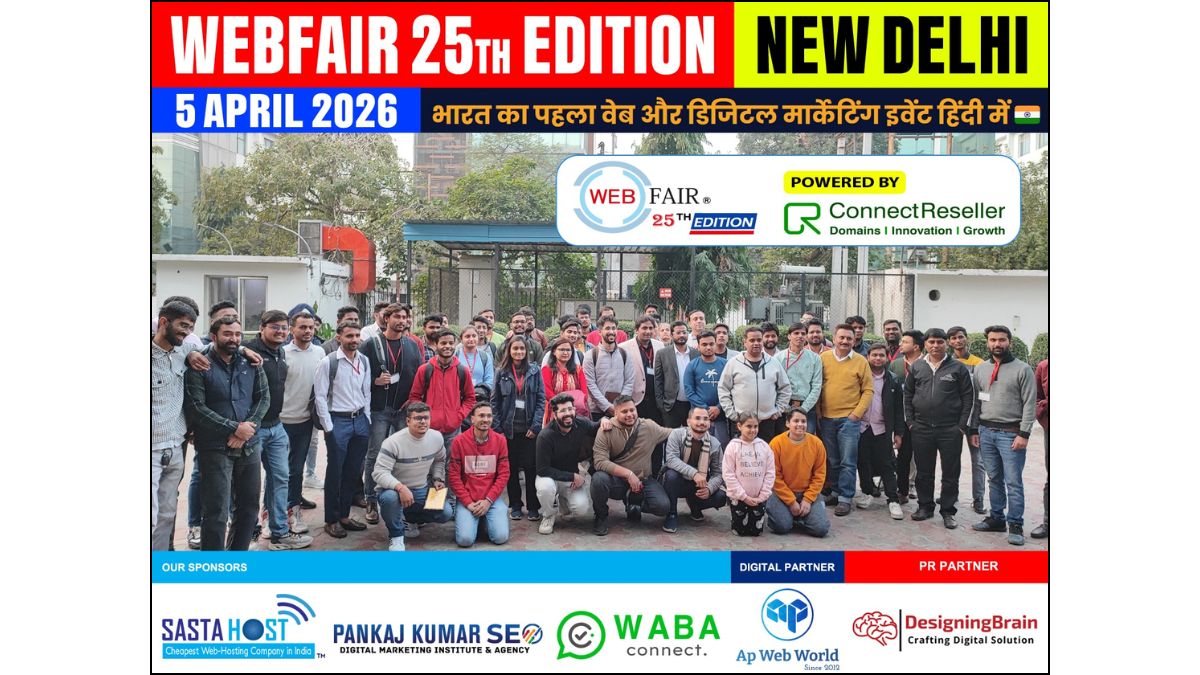
New Delhi [India], April 01: India’s digital and startup ecosystem continues to expand rapidly, and platforms that enable real connections and practical learning are becoming increasingly important. In this direction, WebFair 25th Edition is set to be hosted in New Delhi, creating a space where business owners, creators, and digital professionals come together to exchange ideas and opportunities.
Venue: Lajpat Bhawan Auditorium, New Delhi
Date: 05 April 2026
Time: 09:00 AM – 06:30 PM
With participation expected from over 200 attendees, the event aims to create a focused environment for collaboration and business-oriented discussions.
Registrations Open for Participants
Registrations for WebFair 25th Edition are currently live.
As seats are limited, early registration is advisable for those interested in attending.
Designed for Today’s Digital Professionals
WebFair has carved out a niche as a platform focused on the practical side of digital growth. Instead of broad motivational talks, the event is structured around real use cases, tools, and strategies that professionals can apply immediately.
This year’s sessions will explore areas such as the following:
Search engine visibility and ranking improvements
Website infrastructure, including domains and hosting
The growing role of AI in business workflows
Content-led growth through platforms like YouTube
Expansion strategies for early-stage startups
The idea is to simplify complex topics and make them usable for attendees across experience levels.
The Minds Behind WebFair
The initiative is led by Sumit Chopra and Pankaj Chopra, who have consistently focused on building a platform that supports the real needs of digital entrepreneurs.
Their approach has been centered around community building and knowledge accessibility, ensuring that attendees don’t just listen but also implement what they learn.
From Small Meetups to a Recognized Platform
Over time, WebFair has transitioned from a niche gathering into a recognized industry event. With multiple editions completed, it has developed a network of professionals who actively participate, collaborate, and grow together.
The 25th edition represents not just continuity but also the evolution of the platform into a more structured and impactful experience.
Industry Support and Collaborations
The event is backed by a group of ecosystem partners contributing across different domains:
Title Partner – ConnectReseller
Gold Partner – SastaHost
Silver Partners – Pankaj Kumar SEO, WABA Connect
Supporting & Media Collaborations
Ap Web World
Chatora Point
Surekhta Events
DesigningBrain.com
Such collaborations enable the event to maintain quality while offering value-driven experiences to participants.
Strengthening Media Outreach
To maximize its media impact, WebFair 25th Edition has partnered with a Leading Press Release Agency in India, DesigningBrain.com, to strengthen its overall visibility and communication strategy.
In the previous edition, Jatin Batra, Founder of DesigningBrain and a PR Strategist, delivered a session at WebFair 24th Edition on the “Power of Press Releases”, highlighting how structured media communication can elevate brand perception and visibility. The session was highly appreciated by attendees.
If you object to the content of this press release, please notify us at pr.error.rectification@gmail.com. We will respond and rectify the situation within 24 hours.
Mumbai (Maharashtra) [India], April 01: Cupid Limited (BSE: 530843 | NSE: CUPID), a premier manufacturer and brand of premium male and female condoms, water based personal lubricants, IVD kits, deodorants, perfumes, almond hair oil, face wash, petroleum jelly and other FMCG Products, announced its strongest quarterly performance in the Company’s history, driven by robust growth across key business segments.
Cupid Limited is set to comfortably surpass its FY26 annual guidance of ₹335 Cr in revenue and ₹100 Cr in net profit, supported by strong execution, improving operating leverage, and sustained demand momentum.
Providing an outlook on future growth, Cupid Limited indicated strong visibility ahead, with expectations of achieving:
• Revenue of atleast ₹600 Cr in FY27
• Net profit margin in excess of 30%
The Company continues to operate from a position of strength, supported by
• Adequate raw material inventory, ensuring no near-term challenges from crude-derived inputs, with visibility secured for the next six months
• Strong export growth outlook, with increasing traction across international markets expected to drive the next phase of expansion
Commenting on the performance, Mr. Aditya Kumar Halwasiya, Chairman & Managing Director, said, “We are pleased to report a record-breaking quarter, with performance exceeding our annual guidance on both revenue and profitability. This reflects the strength of our business model, disciplined execution, and growing global demand for our products.Looking ahead, we are confident of sustaining this growth momentum. With strong export tailwinds, stable input costs, and a well-secured raw material position, we are well positioned to scale our operations meaningfully over the coming years.Our focus remains on driving consistent growth, improving margins, and strengthening our global footprint as we work towards building a resilient, high-quality business.”
The detailed financial results for the quarter and year ended March 31, 2026 will be announced following approval by the Board of Directors.
If you object to the content of this press release, please notify us at pr.error.rectification@gmail.com. We will respond and rectify the situation within 24 hours.
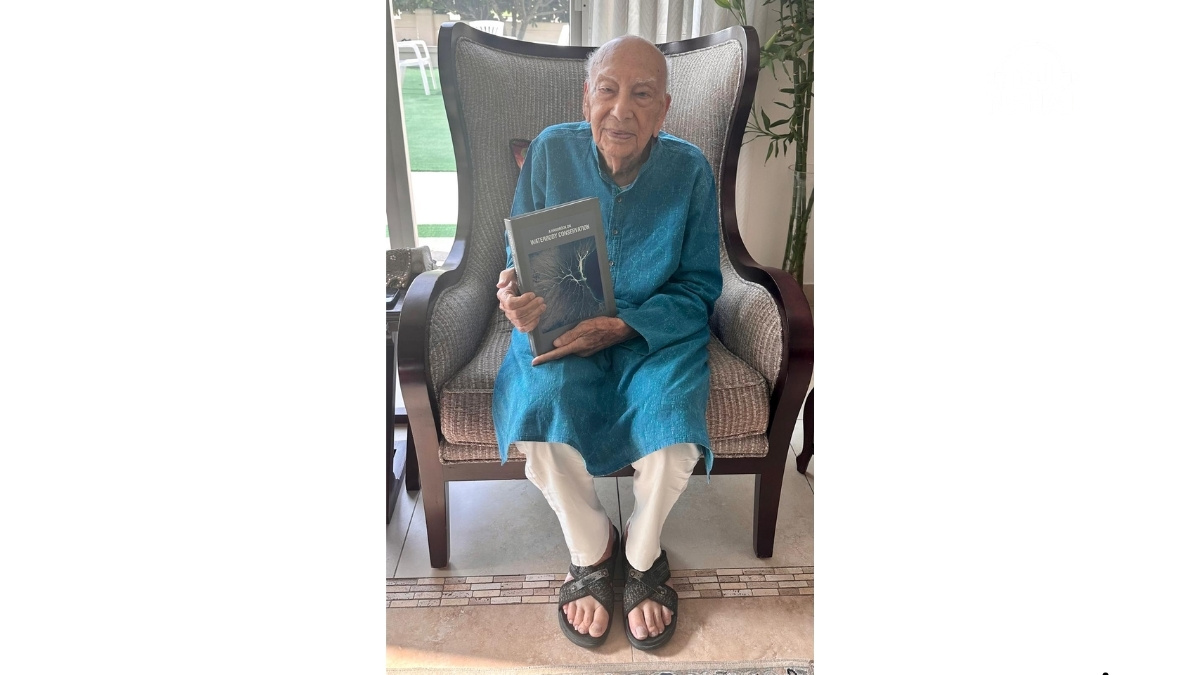
New Delhi [India], April 01: K Malhotra, a foremost architect of India’s hydropower and Irrigation Infrastructure, with over 70 years of experience in leading implementation of iconic projects like the Bhakra Dam, Beas Sutlej Link and Lok Tak Hydroelectric projects, later serving as a Mission Member of The World Bank, launches “ A Handbook on Waterbody Conservation”, his legacy for future generations.
This book, representing a culmination of a lifetime devoted to hands-on engineering, knowledge sharing, and the stewardship of one of our planet’s most vital resources—water, is designed as a practical reference guide for engineering students in IITs and engineering colleges, practicing engineers, contractors, NGOs, teaching faculty and agricultural engineers. It presents real-world and field proven solutions for the construction, rehabilitation, maintenance, and conservation of water bodies and water infrastructure, along with soil and water conservation practices.
Released by the august hands of Sri Sri Ravi Shankar, an internationally renowned spiritual leader, humanitarian, peace ambassador and founder of the Art of Living Foundation across 180 countries, the book couldn’t have found a better platform in Bengaluru on 28th March 26, than the 6th edition of “ Jal Yodha Samman 2025”(Honoring national and international Water Warriors), a unique ongoing Niti Aayog, Ministry of Jal Shakti, backed initiative to promote water conservation and save environment and graced by 6 Padma Shree awardees, 35 Jal Yodha awardees besides knowledge partners comprising Wheels Global Foundation, USA, ASSOCHAM, Ministry of Jal Shakti, IIT Roorkee, and a host of eminent speakers and dignitaries for excellence in water conservation stewardship and sustainability.
In an era of growing water scarcity, climate uncertainty, and increasing pressure on natural resources, A Handbook on Waterbody Conservation, designed as a foundational guide, aims to support professionals and institutions working to protect and sustain water resources through practical engineering approaches, community participation, and effective project implementation. The book will hopefully serve as a beacon for engineers, policymakers, and practitioners. After all, water is life and engineering it well is survival!
To quote Mr. Vibhu Nair, Additional Chief Secretary and Project Head, Irrigated Agriculture Modernization and Water Bodies Restoration and Management, Government of Tamil Nadu, “the construction procedures, sequence to be followed, fulfillment of quality control requirements during rehabilitation and modernization of various components of 5,000+ tank systems duly illustrated, helped not only in the successful conclusion of this project encompassing earthen tank bund, irrigation sluices, surplus weirs and irrigation channels in 2016 but also passed the acid test of unprecedented , once in a century, heavy floods in Tamil Nadu in 2018,with no damage whatsoever occurring to rehabilitated concrete lined canals or any other rehabilitated anicuts or other structures”.
The handbook will help engineers formulate job specific technical specifications of all works along with quality control requirements and methodology, to achieve, amongst other things, the following:
Effective and enduring bond between the old and the new earth fill
New techniques encompassing device for ensuring compaction of earth fill on side slopes of tank bunds or canals
Mechanized placement through pavers for concrete lining in bigger section canals and slip form steel gantry in in small section channels
Deployment of an “O K Card System” on all works with due participation of all stakeholders – local community, water user’s associations etc.
Modernization through use of flow measuring devices, concrete model sections and building a Mobile Quality Control Laboratory (MOQL) System
Control of corrosion in reinforced concrete structures – a serious and recurring problem the world over
Introduction of sand grouting behind cement concrete lined canals to plug cavities for long term durability of canal lining
Very often, well-meaning waterbody restoration interventions revert back to their old state within a year or two, thus not achieving their life expectancy of 15+ years, primarily because of engineering flaws and lack of desired community participation. A Handbook of Waterbody Conservation is the effective antidote to ensure getting a full ROI from the invariably scarce budgets available!
A Handbook on Waterbody Conservation is published by Manipal Universal Press and edited by Madhur Khanna, a Board Member and Co-Chair Water Council @ Wheels Global Foundation, USA.
If you object to the content of this press release, please notify us at pr.error.rectification@gmail.com. We will respond and rectify the situation within 24 hours.
New Delhi [India], April 01: Laser hair removal is considered one of the most sought-after aesthetic procedures to remove unwanted body hair and enjoy hair-free, silky soft skin. It gives freedom from frequent waxing or shaving and is convenient & cost-effective. But often, patients seeking laser hair reduction in Delhi get confused by the fluctuating laser hair removal costs in different clinics. Many people expect a standard cost; however, that’s not the case. Cost changes from clinic to clinic. But why? Several factors impact the cost of laser hair removal, from technology and expertise to safety protocols. So, it is necessary to understand these factors to make an informed and safe decision.
Technology & Equipment Used
The type of laser technology used to perform the procedure is one of the major factors impacting the cost of laser hair reduction. Advanced laser machines such as Soprano Titanium, Morpheus8 Laser, and Diode laser are more effective, safer, and suitable for various skin types of skin than the old ones. Clinics that invest in US FDA-approved equipment usually charge more since these devices deliver better results with minimal sessions. Therefore, when searching for the best skin care clinic in Delhi NCR, you should ask about the technology being used rather than focusing only on pricing.
Expertise of the Skin Specialist
The cost largely depends on the experience and qualification of the skin specialist or the dermatologist performing the procedure. The highly trained and experienced dermatologists conduct the procedure with precision and safety, thus reducing the possibilities of burns or unsatisfactory results. Expert-led clinics usually charge higher, though the procedure becomes safe and effective. According to Dr. Navnit Haror, a gold medalist dermatologist and founder of Dr. Haror’s Wellness, the best skin care clinic in Delhi NCR, “Preferring expertise over cost can prevent long-term damage to the skin and complications. This is particularly relevant in the case of permanent laser hair removal.
Customization & Treatment Areas
The price also differs based on the area of treatment and customization needed. Procedures such as underarms/bikini/facial hair removal vary in terms of complexity, thickness of hair, and length of session. The larger or more delicate areas need more time, expertise, and advanced settings. In Delhi, clinics that provide personalized treatment plans for laser hair reduction might be expensive, but the results will be better and long-lasting, depending on your skin and hair type.
Safety Protocols & Hygiene Standards
The best skin care clinic in Delhi NCR spends a lot on hygiene, sterilization and safety measures. These precautions play a crucial role in the prevention of infections, acne, and skin irritation. Poorly maintained equipment or unhygienic practices may cause severe complications. So, when choosing a clinic for laser hair removal, you should not overlook safety standards – it is non-negotiable, even if it means paying slightly more.
Risk of Acne, Pigmentation & Burns
Unplanned or poorly executed laser hair reduction can lead to acne breakouts, pigmentation issues, or even burns especially on sensitive skin. So, skin clinics where the procedure is performed under the supervision of experienced dermatologists who carefully assess skin type and adjust laser settings accordingly may charge more. Dr. Vineeta Pathak, aesthetic physician at Dr. Haror’s Wellness, says, “incorrect laser settings may cause pigmentation or burns, hence professional monitoring is crucial.”
Number of Sessions & Long-Term Results
The low-cost clinics may offer a cheaper package, but often need more sessions due to outdated laser technology or poor procedural practices. Conversely, premium clinics offering permanent hair reduction deliver visible results in fewer sessions. This makes the overall cost more economical in the long run. So, when planning laser hair reduction in Delhi, the cost should be evaluated on the basis of the overall treatment plan rather than per session.
Consider Quality Over Cost
The cost of laser hair removal is not just about the procedure; it also indicates the quality, safety, and expertise of the treatment. Though a low price may look appealing, they often come with risks like burns, acne, and pigmentation. Therefore, choosing a skin clinic with high-quality equipment, qualified dermatologists, and high safety standards may seem costly, but you are assured to get better results and peace of mind. If you are thinking of safe and effective laser hair reduction in Delhi, skin experts at Dr. Haror’s Wellness can help. Their team of highly skilled skin specialists will devise a customized treatment plan based on your skin and hair type and perform the procedure using state-of-the-art laser technologies to deliver long-term and safe results.
FAQs
Q. Does laser hair removal remove hair permanently?
Laser hair removal is considered a long-term solution for unwanted body hair, not 100% permanent hair reduction. With this procedure, you can achieve 80-90% hair reduction and may require maintenance sessions to maintain optimal results.
Q. What is the cost of laser hair removal in Delhi NCR?
Laser hair removal cost in Delhi is not fixed. It depends on several factors such as treatment areas, number of sessions, laser technology used, expertise of the dermatologist, etc.
If you object to the content of this press release, please notify us at pr.error.rectification@gmail.com. We will respond and rectify the situation within 24 hours.
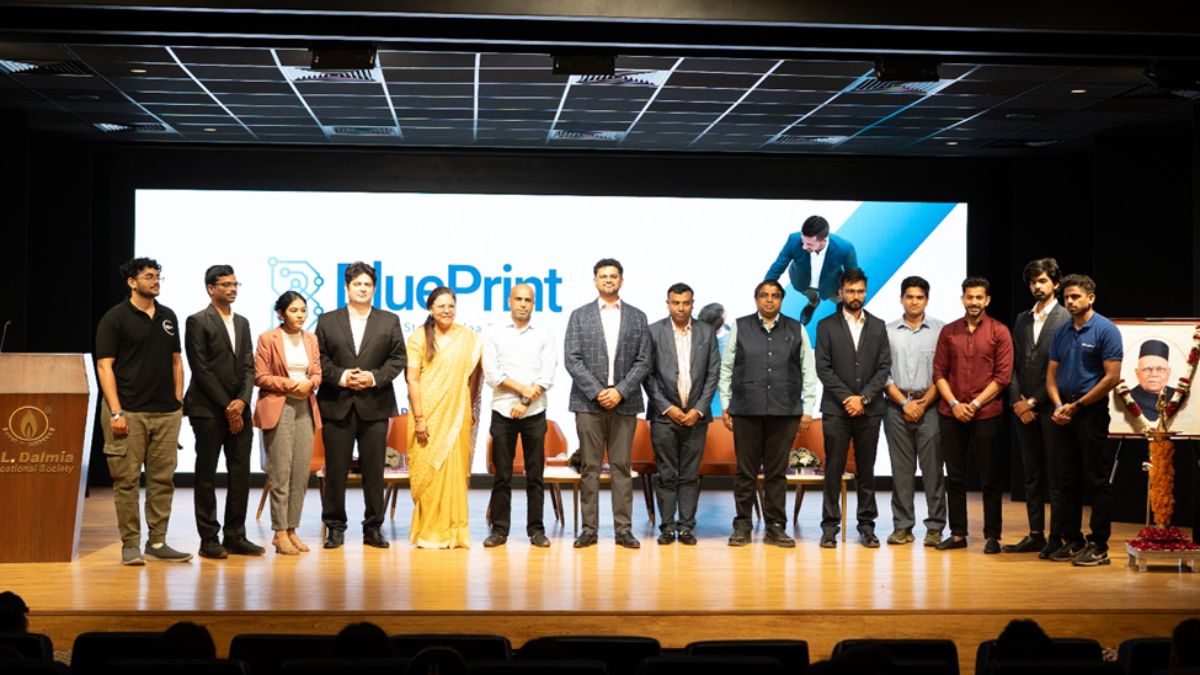
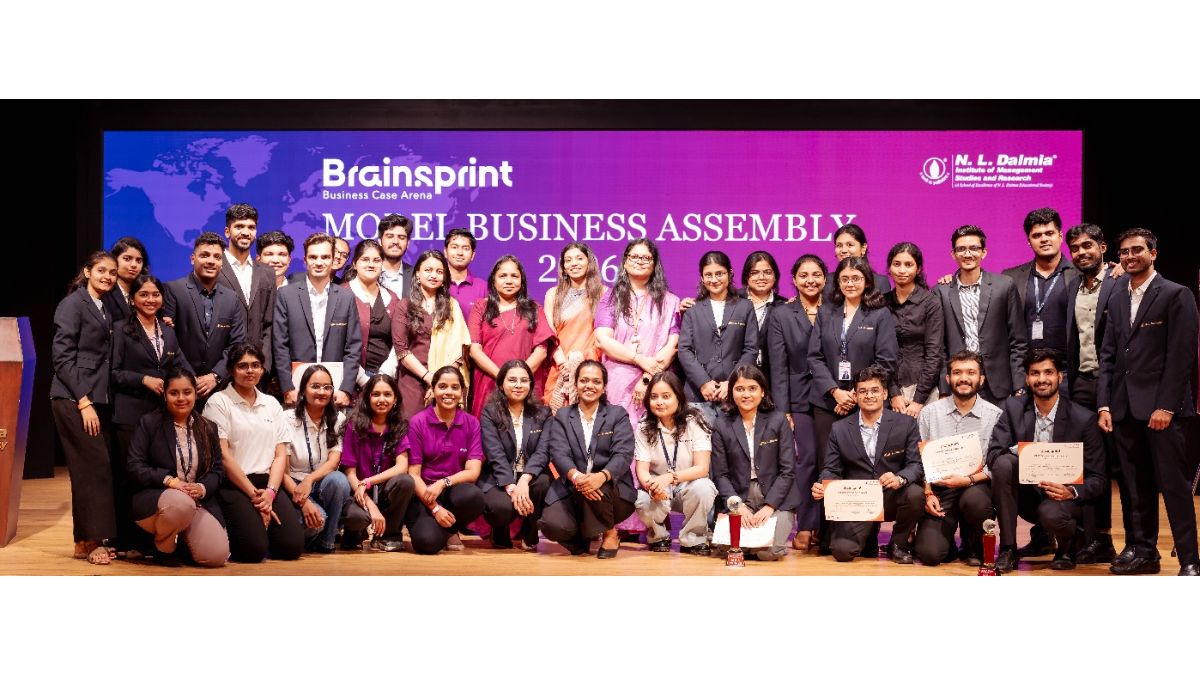
New Delhi [India], April 01: The future belongs to those who don’t just learn, but build, experiment, and step into real challenges. Shaped by this belief, N. L. Dalmia Institute of Management Studies and Research (NLDIMSR) has cultivated a culture where learning goes beyond classrooms, creating an environment where experience leads, and excellence follows. Recognized among Mumbai’s leading B-schools, the institute has consistently built a learning environment that extends beyond conventional academic frameworks.
The Institute encourages students to take ownership of real initiatives, shaping their learning through active engagement. Rooted in the belief that meaningful learning comes from independence and initiative, NLD Synapse brings this ideology to life as a national platform for innovation and experiential learning. At its core, NLD Synapse is not just an annual flagship event, but a reflection of a larger belief – that true learning emerges when individuals are given the space to think, build, and lead, transforming education from a passive experience into an active pursuit of impact.
NLD Synapse 2026 enabled students to drive key aspects of the event with institutional guidance, creating a distinctive model of applied learning. It brought together aspiring founders, researchers, analysts, and investors from across India, fostering an environment where ideas were not just presented but examined, challenged, and further developed.
NLD Synapse 2026 witnessed a remarkable national turnout, with over 13,000 participants competing across multidisciplinary competitions. Bringing together students and young professionals from 5,047 colleges across 28 states and 6 union territories, the event reflected the scale, reach, and diversity of talent the platform attracts.
The Institute has built a distinctive identity at the intersection of academic rigour, research, entrepreneurship, data analytics, and meaningful industry engagement. The NLD Synapse ecosystem reflected this approach by bringing together students from diverse disciplines, industry leaders, and the investor community to exchange ideas and explore real opportunities.
The event featured four core competitions, each designed to assess a key aspect of modern business.
Synthesis: The research paper presentation competition brought forward rigorous, data-backed insights on the theme “India’s Consumption Economy 2030: Scaling Growth Responsibly through Sustainability.” Participants presented outstanding research infused with data, real-world understanding, and innovative thinking. The quality of work highlighted NLDIMSR’s growing focus on building a research-driven mindset and applying theory to solve emerging industry challenges.
BrainSprint: A national-level business case study challenge that tested UG, MBA, and PGDM students’ ability to solve complex business situations. Participants tackled cases across marketing, finance, and corporate strategy, thinking on their feet under time pressure. Evaluated by academic and industry experts, BrainSprint highlighted strategic decision-making and readiness for real boardroom environments.
DecodeX: The 24-hour national-level hackathon brought together 4500+ participants from 400+ institutions across India. It became a major attraction at Synapse, bringing together top analytics talent for an intense, data-driven problem-solving experience. Participants worked on real-world business cases, applying analytical frameworks, decoding complex datasets, and delivering actionable insights within tight timelines.
With live evaluation from industry and academic experts, national-level recognition, PPIs for top teams, and immersive learning across multiple domains, DecodeX offered one of the most high-impact arenas of Synapse, blending hands-on analytics with the event’s dynamic environment.
BluePrint: The start-up pitching platform connected high-potential early-stage founders with a seasoned investor panel, emerging as a standout and one of the most anticipated platforms at Synapse.
BluePrint attracted more than 5,300 Series A start-up registrations and over 590 start-up applications, reflecting the growing credibility of the initiative. After multiple rounds of evaluation, 30 start-ups were shortlisted for a virtual round of discussions, and 11 finalists earned the opportunity to pitch live before an esteemed panel of investors.
The founders brought forward high-calibre ideas across FinTech, AI, Climate Tech, HealthTech, advanced technology, and other high-impact sectors, demonstrating strong market understanding and potential.
The participation of a Shark Tank India-featured start-up further added to the initiative’s visibility and entrepreneurial relevance. Beyond the pitching experience, founders were given access to a pledged fund of up to $500,000 through incubation and mentorship enabled by the network of Venture Catalysts.
Investors appreciated the level of preparedness and clarity of the ideas, reflecting NLDIMSR’s focus on building platforms that drive meaningful outcomes. Unlike a typical college pitch competition, BluePrint has evolved into a credible interface between founders and the investor community—serving as a unique bridge between academia and entrepreneurship.
Together, these competitions reflected Synapse as a platform designed to identify potential, reward depth, and create credible pathways between academic excellence and larger opportunity.
While competition formed the core of Synapse, the event was equally shaped by the energy and vibrancy of campus life. With an engaging mix of DJ performances, stand-up comedy, open mic sessions, and cross-college networking, the experience was curated to feel not only intellectually stimulating but also dynamic and memorable. This balance added depth to the event, reflecting an understanding that platforms of this scale are strengthened not only by rigour and performance but also by the sense of connection, participation, and shared experience they create.
NLD Synapse 2026 reflects the caliber, clarity, and vision with which N. L. Dalmia Institute of Management Studies and Research continues to distinguish itself. More than an annual event, it has become a powerful expression of the institute’s ability to create experiences that are relevant, immersive, and future-facing. In doing so, Synapse leaves behind not just visibility, but lasting recall—strengthening NLDIMSR’s standing as an institute that people do not simply notice, but remember and increasingly look towards for what comes next.
If you object to the content of this press release, please notify us at pr.error.rectification@gmail.com. We will respond and rectify the situation within 24 hours.
New Delhi [India], April 01: Losing a hundred strands of hair a day is considered normal. But when you start noticing thinning patches, a receding hairline, or more hair on your pillow than usual, something else is going on. Hair fall in men is incredibly common, but that doesn’t mean it’s simple. There are usually several things happening at once, and understanding what’s actually driving the loss is the first step toward doing something useful about it.
Why Genetics Is Often the Starting Point
Most men who experience significant hair loss have a genetic predisposition to it. This type is called androgenetic alopecia, more commonly known as male pattern baldness. It’s not simply about “having the baldness gene” — it’s about how sensitive your hair follicles are to a hormone called DHT (dihydrotestosterone).
DHT is a byproduct of testosterone. In men who are genetically sensitive to it, DHT gradually shrinks hair follicles over time. The hair that grows from these follicles becomes thinner and shorter with each cycle, until eventually the follicle stops producing hair altogether. This process can begin as early as the late teens or early twenties. A receding hairline or thinning at the crown are usually the first visible signs.
The Role of Hormonal Imbalances
Even without a strong family history, hormonal changes can disrupt the hair growth cycle significantly. Elevated DHT levels, thyroid dysfunction, and insulin resistance are among the most common hormonal contributors to male hair loss.
Thyroid disorders, both hypothyroidism and hyperthyroidism, affect the body’s metabolism at a cellular level, including the rate at which hair follicles regenerate. Insulin resistance, which is increasingly common in men with sedentary lifestyles or poor diets, can raise androgen levels and, in turn, accelerate follicle miniaturization.
These hormonal causes are often overlooked because the symptoms can be subtle or attributed to other things. A blood panel that checks thyroid function, insulin, and androgen levels can reveal a lot more than a scalp examination alone.
Nutritional Deficiencies That Quietly Damage Hair
Hair is made primarily of a protein called keratin, and it needs a steady supply of nutrients to grow properly. When the body is deficient in key vitamins and minerals, hair is usually one of the first things to suffer, because the body prioritizes vital organs over follicle health.
Some of the most common deficiencies linked to male hair loss include:
Iron deficiency, which reduces oxygen supply to follicles
Low levels of vitamin D, which plays a role in follicle cycling
Zinc deficiency, which disrupts protein synthesis in hair cells
Biotin and B12 insufficiency, both of which affect keratin production
Many men eat enough in terms of calories but still fall short on these specific nutrients, especially if their diet is heavily processed or lacks variety.
How Stress and Lifestyle Quietly Accelerate the Process
Chronic stress triggers a condition called telogen effluvium, where a large number of hair follicles prematurely enter the resting phase of the growth cycle. This often shows up as sudden, diffuse shedding rather than patterned thinning. The tricky part is that it typically appears two to three months after the stressful event, making the connection easy to miss.
Beyond psychological stress, poor sleep, smoking, and excessive alcohol consumption also compromise scalp circulation and follicle health over time. These aren’t direct causes, but they create conditions where existing vulnerabilities become more pronounced.
Scalp Health and Its Underrated Impact
A healthy scalp is the foundation for healthy hair, and this part is often completely ignored. Conditions like seborrheic dermatitis, dandruff, and folliculitis can inflame the scalp and clog follicles, directly interfering with hair growth.
Poor scalp hygiene or, conversely, over-washing with harsh shampoos can strip the scalp of its natural oils and disrupt its microbiome. A compromised scalp environment means follicles are working against the odds before any other factor even comes into play.
Connecting the Dots Before Picking a Solution
The reason most hair loss treatments fail or deliver inconsistent results is that they address symptoms rather than causes. Applying a topical solution without knowing whether the issue is hormonal, nutritional, or stress-related is essentially guessing. Some approaches, like Traya, are built around identifying what’s actually driving the loss before recommending any kind of treatment plan, which is a more logical starting point for most men.
Final Thoughts
Hair fall in men rarely has a single cause. Genetics may set the stage, but hormonal imbalances, nutritional gaps, chronic stress, and poor scalp health often determine how quickly things progress. Understanding which of these factors are at play in your specific situation matters far more than reaching for the first product that promises results. The more clearly you see the root cause, the better positioned you are to actually address it.
If you object to the content of this press release, please notify us at pr.error.rectification@gmail.com. We will respond and rectify the situation within 24 hours.
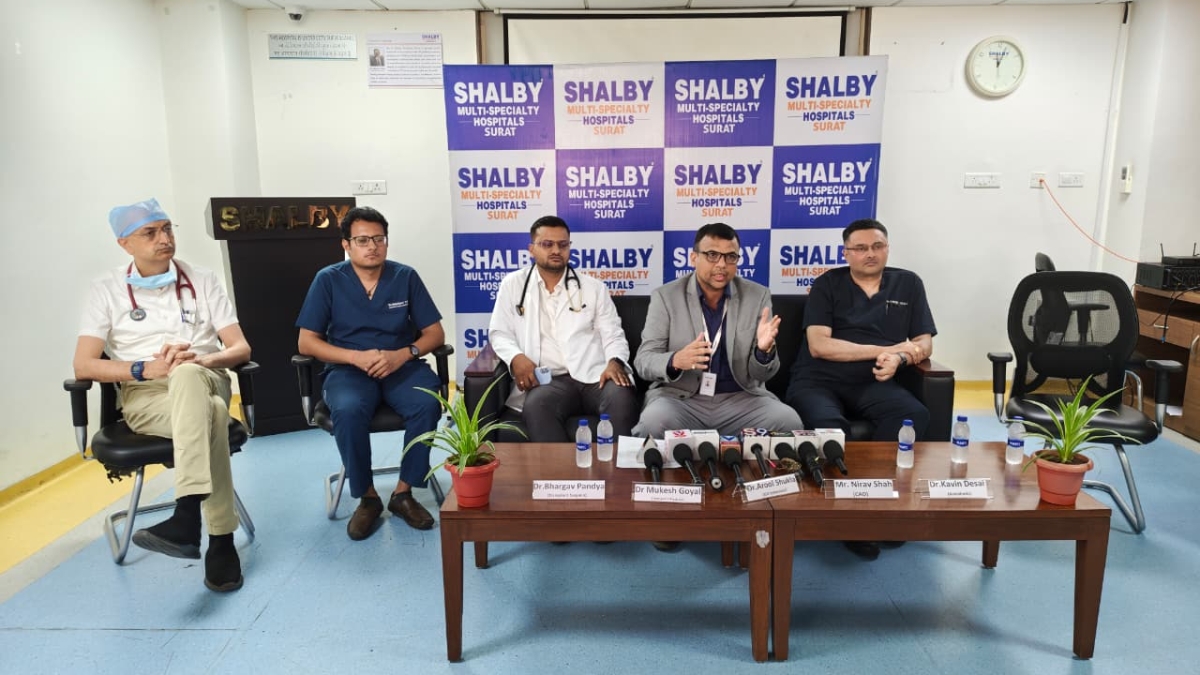
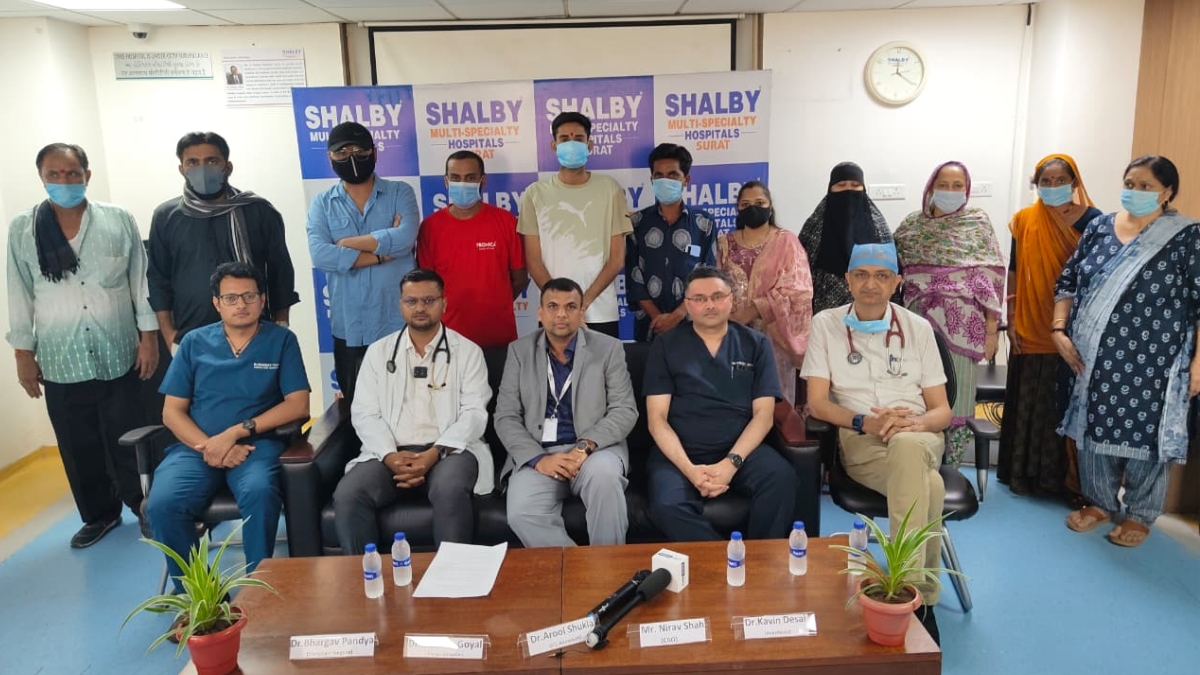
Surat (Gujarat) [India], April 01: Known as the Diamond and Textile City, Surat is now building a new identity in the healthcare sector as well. With 12 successful kidney transplants performed at Shalby Hospital in the past three months, Surat is emerging as a transplant hub. This achievement has also helped the city gain a strong position on the medical tourism map.
Nirav Shah, Chief Administrative Officer of Shalby Hospital, stated that earlier, people used to travel to Mumbai or Ahmedabad for transplants, but now Surat has become a city where even complex transplant procedures can be successfully performed. He added that all 12 transplants carried out in the last three months have been successful, and a large number of patients are making inquiries for future procedures. Currently, the hospital has made a strong beginning with kidney transplants and is planning to expand into liver and other organ transplants in the future.
Consultant nephrologist and transplant specialist Dr. Mukesh Goyal said that after receiving approval for transplants, the hospital has performed 12 procedures in just a few months, all of which were successful. He noted that Surat is no longer limited to serving just the city but is now attracting patients from across Gujarat and Saurashtra.
Transplant surgery is a complex procedure that requires coordinated teamwork among specialists. It primarily involves a nephrologist, a urosurgeon, and an anesthetist.
In such surgeries:
Dr. Mukesh Goyal (Nephrologist) identifies the patient, conducts a thorough evaluation, and prepares them for the transplant.
Dr. Bhargav Pandya (Urologist) handles the main surgical procedure.
Dr. Kavin Desai (Anesthetist) ensures proper anesthesia and maintains patient stability during the surgery.
The coordination and teamwork of these experts make transplant surgeries safe and successful. After the surgery, Dr. Arool Shukla, Dr. Himani Garasia, and the ICU intensive care team play a crucial role in patient recovery. Transplant coordinator Sanjay Tanchak acts as a bridge between the patient and the hospital.
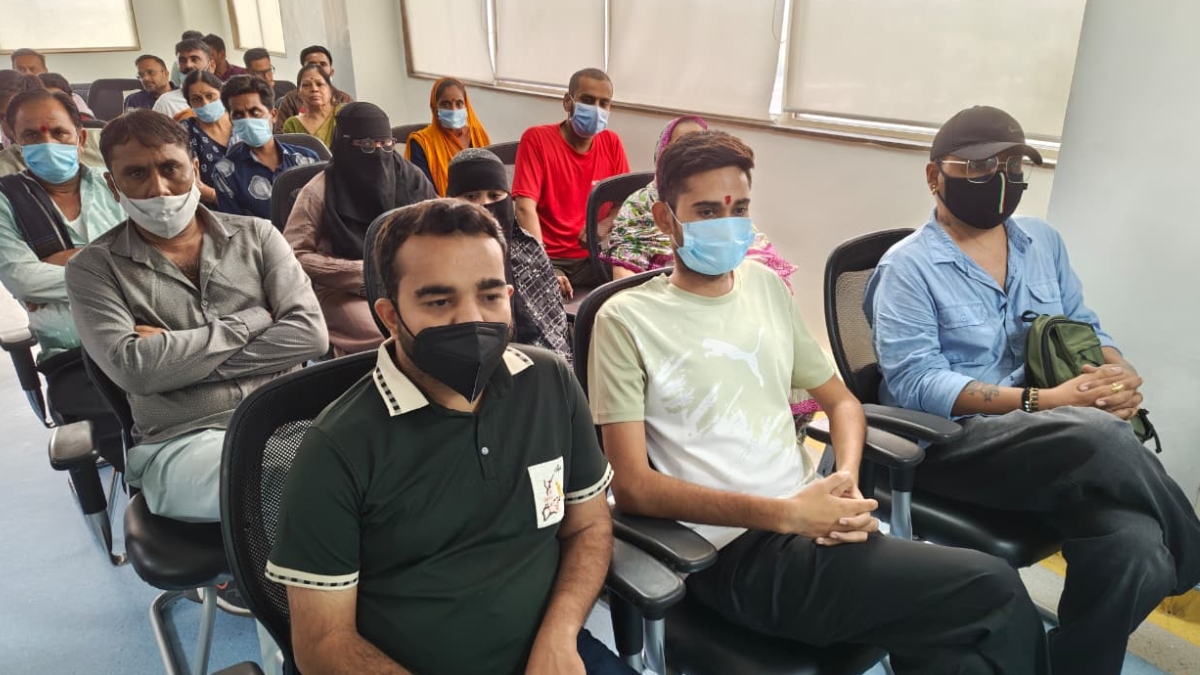
According to available data, 4 women and 8 men have undergone transplants so far. Patients from cities like Bharuch, Junagadh, and Morbi are also included. Family members have played a vital role as donors, with examples such as brothers donating to sisters, mothers to children, and sisters-in-law to brothers-in-law.
Dr. Goyal addressed common myths about kidney donation, stating that donating a kidney does not affect the donor’s health or lifespan. Humans have two kidneys, and a person can live a normal life with just one. Donors are usually discharged within 3–4 days and do not require lifelong medication.
After a transplant, patients no longer need dialysis and can return to a normal life. Recent data suggests that the 10-year survival rate for kidney transplants is around 80%, which is considered very promising.
In this way, Surat is reaching new heights in healthcare, and with increasing awareness about organ donation, the city is gradually earning recognition as a life-saving hub.
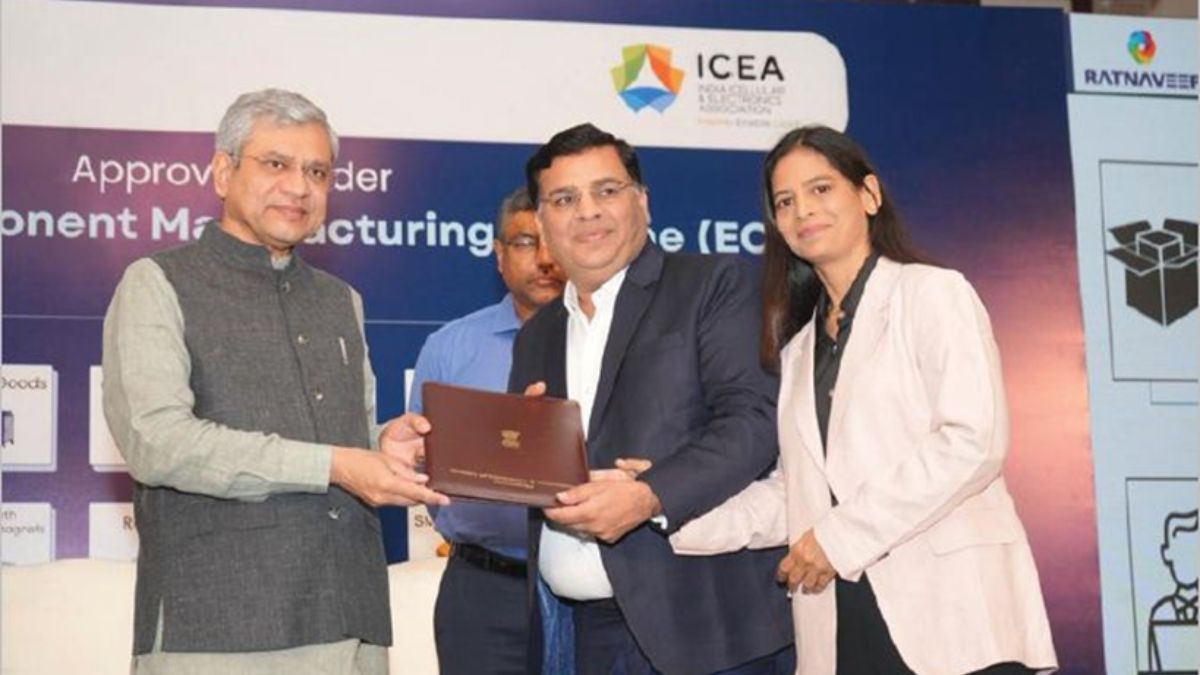
New Delhi [India], April 01: Ratnaveer Precision Engineering Limited has informed the stock exchanges that the company has received approval under the Electronics Component Manufacturing Scheme (ECMS) for its Copper Clad Laminates (CCL) project. The approval letter was formally received by Managing Director Vijay Sanghvi from Ashwini Vaishnaw, Minister of Railways, Electronics & Information Technology and Information & Broadcasting, on March 30, 2026, in New Delhi.
According to the company management, under this approval, Ratnaveer will establish India’s first fully integrated Copper Clad Laminates manufacturing facility in Vadodara, Gujarat. The company will invest approximately Rs. 338 crore over the next three years. The objective of this project is to enable full integration in critical electronic components and strengthen domestic manufacturing capabilities. The project has already commenced, and the company expects commercial operations to begin by November 2026. The company has placed orders for machinery and the procurement process is ongoing. Civil work has started in full swing. Technical collaboration has been established with a leading machinery manufacturing company in the industry.
Managing Director Vijay Sanghvi and Seema Sanghvi receiving the award from
Minister Ashwini Vaishnaw
This initiative is part of a broader national vision aimed at achieving 100 percent import substitution and establishing India as a global manufacturing hub for electronics. Commenting on this achievement, Managing Director Vijay Sanghvi said, “We are proud to receive approval under the Electronics Component Manufacturing Scheme (ECMS) for our Copper Clad Laminates project. This marks a significant step in our strategic journey towards advanced electronic materials manufacturing. This project reflects our strong commitment to contributing to India’s self-reliance in critical electronic components and aligns with national initiatives under the Prime Minister’s vision such as Atmanirbhar Bharat, Digital India, Make in India, and the India Semiconductor Mission. With this investment, our aim is to develop world-class capabilities, promote innovation, and play a meaningful role in strengthening India’s electronics ecosystem.”
This project aligns with the policy frameworks of both central and state governments, including the Electronics Components Manufacturing Scheme (ECMS) of the Ministry of Electronics and IT and the Gujarat Electronics Policy. It has been facilitated under the Gujarat State Electronics Mission (GSEM) (2022-2028) by the Department of Science and Technology (DST).
Proposed Layout: Ratnaveer’s state-of-the-art CCL unit is a high-tech, advanced, fully automated and integrated green power Copper Clad Laminates (CCL) manufacturing facility, strategically located in Vadodara, Gujarat, and designed to deliver world-class production efficiency, precision, and scalability.
Business Activities
Ratnaveer Precision Engineering Limited is a leading engineering company engaged in the manufacturing of stainless steel products and solutions. With a strong focus on quality, innovation, and value-added manufacturing, the company continues to expand into high-growth sectors. According to the management, entry into the Copper Clad Laminates segment represents a strategic diversification for the company, strengthening Ratnaveer’s vision of becoming a key contributor in India’s evolving electronics manufacturing landscape.
New Delhi [India], April 01: You have probably heard of AI tools that help you prepare for interviews.
Write your resume. Practice questions. Research the company. All useful, all happening before you walk in the door.
But what about the moment you are inside the interview and your mind goes blank? The live client call where you forget a key number? The team meeting where someone puts you on the spot?
LazyJobSeeker is an AI assistant that works in real time, during your live professional conversations.
Most people looking for a tool like this search for things like:
“AI tool to help during job interview”
“real-time meeting assistant AI”
“how to never blank during an interview”
“AI that listens to my calls and helps me respond”
LazyJobSeeker is the answer to all of those searches.
It is not a chatbot. It is not another resume builder. It is an AI co-pilot that runs alongside your conversations and helps you respond with more clarity, speed, and confidence, in the moment that matters most.
Who Is It For?
Job seekers — If you have ever frozen during an interview, stumbled over a behavioral question, or struggled to articulate your experience clearly, LazyJobSeeker gives you real-time backup. You stay in the conversation. You stay composed.
Working professionals — Meetings happen every day. Client calls, internal standups, performance reviews, negotiations. LazyJobSeeker keeps you sharp across all of them without requiring you to memorize everything in advance.
Freelancers and consultants — When you are on a sales call or project scoping call, every answer matters. LazyJobSeeker keeps you precise and professional even when the conversation goes off-script.
How It Works
You join your interview, meeting, or call
LazyJobSeeker runs quietly in the background
It understands what is being discussed in real time
It surfaces relevant support, facts, talking points, suggested responses, exactly when you need them
You come across as sharp, prepared, and confident
No more scrambling. No more post-call regret about what you should have said.
Why This Is Different From Every Other AI Tool
Almost every AI product today is asynchronous. You write a prompt. You wait. You get an answer. Then you use it somewhere later.
LazyJobSeeker is built for the moment happening right now.
This is the category Silicon Valley largely overlooked: synchronous professional AI. AI that works at the speed of human conversation, not at the speed of a search engine.
Users who have experienced it describe it simply: “It feels like having a very smart friend who can answer anything.”
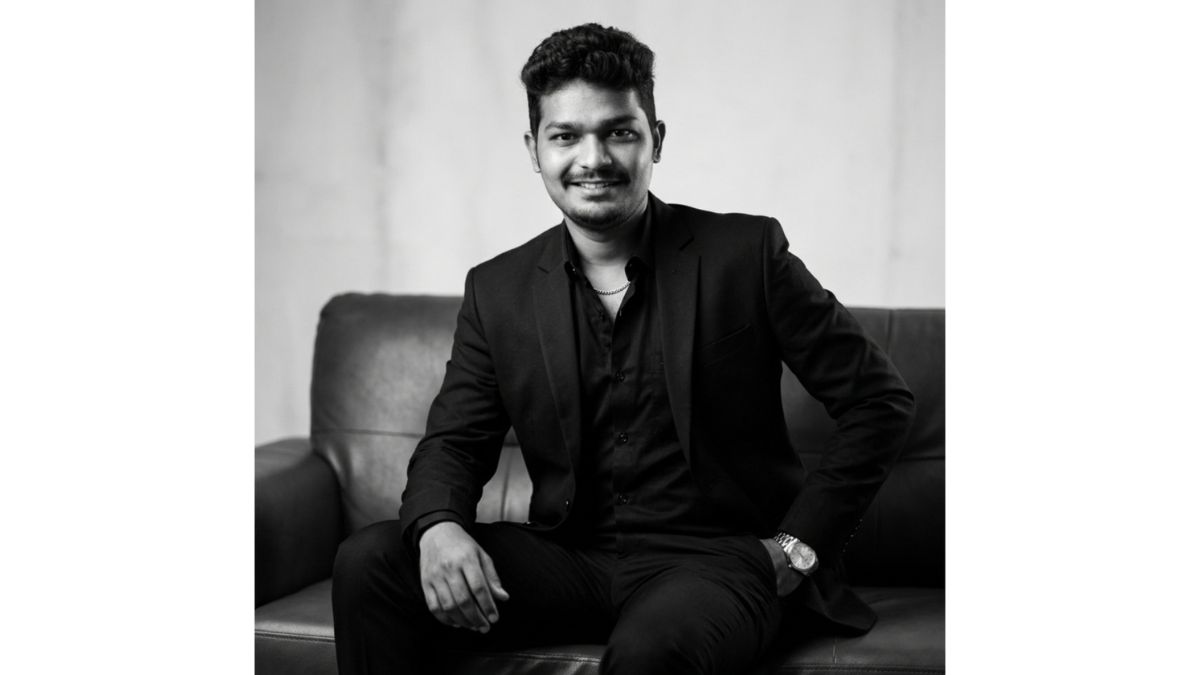
It was built by Ravi Teja Beere, a solo founder from Dharmavaram, Andhra Pradesh, who originally created it to survive his own freelance client meetings. He open sourced it, posted on LinkedIn, and months later a stranger messaged him asking where to buy it. The rest followed
organically: no venture capital, no paid growth, just a product that works.
Common Questions
Does it work for video calls?
Yes. It is built for the online professional conversations that dominate modern work, interviews, client meetings, team calls, and more.
Is it only for job seekers?
Despite the name, LazyJobSeeker is designed for any professional who wants to communicate better in live settings. The name reflects its origin story, but the product serves a much broader audience.
The Bottom Line
If you are a job seeker, a working professional, or someone ready to shift your career, this is the only AI assistant you need.
It does not replace your preparation. It makes your preparation actually count, in the moment when it matters most.
LazyJobSeeker was built by Ravi Teja Beere, a solo founder and freelance developer from Dharmavaram, Andhra Pradesh. He originally built it just to survive his own client meetings, open sourced it, and six months later a stranger messaged him asking “where can I buy this?” and a company was born. Today it serves over 95,000 users globally with 15% month-over-month growth.
If you object to the content of this press release, please notify us at pr.error.rectification@gmail.com. We will respond and rectify the situation within 24 hours.