Author: Sutun Nayak

  • LPG gas shortage starts to bite households, commercial establishments: Which alternatives do you have?

    LPG gas shortage starts to bite households, commercial establishments: Which alternatives do you have?

    New Delhi [India], March 14: The US-Iran war is being fought miles away in the Middle East, yet its ripples have already reached our kitchens. Ever since the war started, LPG prices have skyrocketed across the country, while many places are witnessing shortages. 

    Until now, the government had been actively encouraging the use of LPG, over the years, with LPG coverage nearing 100% saturation under the Pradhan Mantri Ujjwala Yojana (PMUY).

    With Indians now depending on LPG for their daily meals more than ever, the supply disruption from the Middle East has started to bite everyone from students, housewives, canteen owners, restaurateurs and more. But the lack of LPG cylinders does not mean that we go back to traditional, polluting chulhas, there are solutions that have existed earlier and can work as a viable alternative. 

    Electric induction cooktops 

    The induction cooktop is the primary solution here. These appliances use electromagnetic energy to heat cookware directly, making them significantly more energy-efficient than traditional electric stoves.

    Induction cooktops are particularly popular these days as they run on electricity, just like your press iron. They heat food quickly, offer precise temperature control, and eliminate the risk of gas leaks. Already used as a backup during LPG refill delays, these cooktops will now rule the roost, though you will require compatible cookware and a continuous supply of electricity.

    PNG pipelines emerging as a stable option

    Piped Natural Gas (PNG) is another cheaper alternative in cities where gas pipeline infrastructure is available. The biggest advantage here is convenience, as you get a continuous supply through pipelines, like water or electricity, though its availability is limited to certain cities for now.

    Electric pressure cookers and multi-cookers

    Electric pressure cookers have been around for quite some time now, and can be used to make rice, dal, curries or streamed dishes without using LPG. Ideal for household use, many of these models come with programmable settings, allowing you to prepare quick meals using standard electricity connections. 

    Solar cookers offer eco-friendly option

    Solar cookers are another alternative that has long been promoted in India but remains underutilized. These devices use sunlight to generate heat for cooking, making them completely fuel-free and environmentally friendly.

    They work well in regions with strong sunlight and are ideal for slow cooking dishes such as rice, lentils, and vegetables, though they aren’t that popular as weather conditions and daylight availability of sunlight varies widely. 

    The road ahead

    The LPG shortage highlights the importance of diversifying India’s cooking energy ecosystem. While LPG continues to remain the primary cooking fuel for millions of households, alternatives using electric appliances and piped gas systems will be highly encouraged as a hedge to remove the dependency on LPG cylinders. 

    Though you may not be able to replace LPG entirely, these backup options offer a viable alternative that doesn’t require you to stand in line for hours for a gas cylinder. Given the rising costs of these cylinders, you could even use LPG as a backup if necessary!

  • From Data to Decisions: Abbhinav R Jain on the Future of AI, Privacy and Performance Marketing

    From Data to Decisions: Abbhinav R Jain on the Future of AI, Privacy and Performance Marketing

    Abbhinav R Jain, Co-founder & Chief Financial Officer, AdCounty Media
    New Delhi [India], March 14: The digital advertising industry is undergoing a rapid transformation as artificial intelligence, evolving privacy regulations, and changing consumer behaviour reshape how brands reach their audiences. As companies increasingly rely on data-driven strategies, the intersection of finance and marketing is becoming more important than ever.

    In this interaction, Abbhinav R Jain, Co-founder & Chief Financial Officer, AdCounty Media shares insights on how marketing data is influencing financial forecasting, the growing importance of first-party data, and how emerging formats like short-video and creator ecosystems are redefining digital engagement. He also discusses the evolving balance between brand building and performance marketing in today’s competitive AdTech landscape.

    Below, Abbhinav R Jain shares his perspectives on the growing role of AI, the shift toward privacy-first advertising, and the future of performance marketing.

    1. As digital advertising becomes increasingly data-driven, how are CFOs today using marketing performance data as a financial forecasting tool rather than just a campaign metric?

    Data is now much more than just tracking campaigns; it is a global strategic resource of information for financial planning, forecasting, and constructing a proper revenue model. Using data to track customer acquisition costs, customer lifetime value, cohort behaviour, and overall conversion rates can ensure that an organisation has an accurate revenue model. The data collected through the above-mentioned areas also allows finance departments to forecast how scalable marketing investments are, which directly impacts the budgeting process related to the organisation’s growth expectations. Because there is a direct relationship between marketing data and revenue outcome, it is a good indicator of where to commit resources as a financial tool and improve the ability to project long-term forecasting.

    2. The global AdTech ecosystem is rapidly shifting with privacy regulations and the decline of third-party cookies. What new data strategies or alternative targeting models do you see becoming the industry standard?

    The industry is undergoing a significant transition towards privacy-based data strategies due to regulatory pressure and the elimination of third-party cookies. First-party data ecosystems have become increasingly important, along with strategies for marketing based on contextual targeting and predictive modelling using artificial intelligence. Brands are focused on developing identity frameworks that leverage consented user data and aggregated analytics (not tracked by individuals) and building more robust direct relationships with their customers, using machine learning techniques to gain valuable insights from lawful data.

    3. With AI reshaping campaign optimization and media buying, where do you think human decision-making will still remain critical in performance marketing?

    Although artificial intelligence provides incredible improvements to advertising efficiency,  human judgment and human decision-making are still necessary in strategizing for these channels/brands. The responsibility of creating a brand’s positioning, analyzing the competitive landscape, establishing the long-term vision for the company, and other strategic matters still rests squarely on the shoulders of the marketer. Marketers also have to use their own judgment to properly evaluate the context of the data they are analyzing, ensure the safety and well-being of the brand, and create emotional, meaningful content to connect with the audience. While AI can help optimize the delivery of ad/marketing messages at scale, the strategic outlook and ethical oversight required to be effective will always require the expertise of a trained human being.

    4. Many brands are now questioning the sustainability of pure performance marketing. Do you think the industry is moving toward a hybrid model combining brand building and measurable performance?

    The industry is slowly transitioning to a balanced marketing model that incorporates both building brands and generating measurable performance. While performance marketing will generate short-term revenue from customers making purchases, to ensure continued growth, marketers must build a brand that will create long-lasting value in their customers’ minds. Organizations have begun the integration of upper funnel brand storytelling with lower funnel performance marketing by implementing improvements in attribution and measurement. This hybrid blend of brand and performance marketing allows brands to measure results over time while building brand equity and linking those performance metrics back to their performance-based marketing efforts.

    5. In a highly competitive AdTech market, what differentiates AdCounty Media from other global performance marketing platforms?

    AdCounty Media differentiates itself through a strong commitment to measurable performance and operational excellence, backed by strong operational discipline and technologically optimized solutions. It promotes a transparent partnership model, where all decisions are made on data; therefore, allowing you to take a more strategic approach when developing and implementing campaigns across many channels (Search, Social, Display, Video, Affiliate, etc.). AdCounty not only provides the best possible analytics but also deep market research that allows brands to effectively acquire customers efficiently. The combination of optimization strategies, business practices, performance-based costing, and growth-based objectives creates a sound basis for advertisers’ measurable growth while building sustainable digital marketing strategies.

    6. As someone with experience in both operations and finance, how do you strike the balance between aggressive growth in digital advertising and maintaining financial discipline?

    To achieve the right balance of growth with financial discipline, you must align your marketing investments with clearly defined and measurable business outcome objectives. From the finance side of the house, all growth initiatives need to have a measurable KPI component that links back to overall revenue contribution, overall customer lifetime value, and potential for long-term scalability. At the same time, making efforts to maintain strong cost control and to perform routine evaluations on the overall effectiveness of each campaign will help to ensure that the ability to expand your business is sustainable as well. Ultimately, the objective is to continue our support of innovative ideas for business development and market expansion while ensuring that all capital is deployed in a manner consistent with creating value in the long run.

    7. Global brands today are looking beyond traditional ad platforms. How do you see emerging formats like short-video, creator ecosystems, and mobile-first platforms reshaping the advertising landscape?

    Formats that are used less frequently, such as short video, the creator ecosystem, and mobile-first platforms, fundamentally alter the way brands are reaching out to their audiences. Authenticity, storytelling, and real-time interaction are key elements of these formats, and they have a very strong appeal with digital natives. Through their partnerships with creators, brands can leverage community-based content to create trust. As mobile usage continues to grow rapidly, so does the strength of advertisers’ products specifically for the mobile experience, incorporating interactive formats and data-driven customisation to drive engagement and conversion.

    8. India is quickly becoming a hub for AdTech innovation. What structural advantages do Indian AdTech companies have when competing with global players?

    There are several structural advantages to India’s AdTech ecosystem. It has a significant, growing population of digital users, providing tremendous data insight and testing opportunity; a strong pool of technology talent, allowing companies to build scalable systems and advanced analytics; and the mobile-first internet adoption in India has promoted mobile advertising innovation in general, allowing local AdTech companies to create products that can operate in the global markets.

    9. Many startups focus heavily on acquiring users through paid marketing. From a financial perspective, how should companies evaluate the true ROI of digital acquisition campaigns?

    Companies need to consider digital acquisitions for their financial worth, not just based on immediate conversions; rather, they should consider how valuable the customer’s lifetime has been to the organisation, following the model of LTV. It is good practice to find out how well a customer was retained, how often they returned to purchase again, and what contributed to the bottom line, which will give a better view of the success of any acquisition campaign than immediate conversion figures. It is equally important from an operational perspective to look at payback periods for all marketing investments and whether any incremental revenue was produced as a result of these types of investments. Establishing a systematic measurement framework for acquiring customers (i.e., monitoring and tracking key metrics) and regularly modelling performance against established financial goals will assist organisations in remaining focused on their long-term business objectives with regard to acquiring customers.

    10. Looking ahead, what do you believe will be the next big disruption in AdTech—AI-led programmatic ecosystems, privacy-first advertising models, or something entirely new?

    The next major AdTech disruption will probably come from the merging of Artificial Intelligence technology with privacy-driven data strategies and highly automated systems. Programmatic advertising processes that take advantage of AI technologies are already enhancing how advertisers make their ad buys and allowing marketers to target individuals accurately; therefore, when combined with the process of collecting and using private data, these types of technologies will create an entirely new way of doing business in the field of marketing. AI technologies will help marketers develop more sophisticated forms of intelligent automation, while privacy-related practices will foster greater trust in an organisation and its future use of consumer information.

    According to Abbhinav R Jain, the future of AdTech will be shaped by the convergence of AI-powered automation, privacy-first data strategies, and smarter performance measurement. While technology will continue to transform digital advertising, strategic thinking and creative storytelling will remain essential for brands looking to stand out and build lasting consumer relationships.

    If you object to the content of this press release, please notify us at pr.error.rectification@gmail.com. We will respond and rectify the situation within 24 hours.

  • How Crude Oil Continues to Power the Global Economy

    How Crude Oil Continues to Power the Global Economy

    New Delhi [India], March 14: Crude oil still runs the world. Not quietly either. It’s loud, messy, political, expensive, and weirdly unavoidable.

    Oil is still right at the heart of the global economy even in 2026, when the climate conferences, electric car advertisements, and governments use such phrases as energy transitions have taken place. Ships run on it. Planes absolutely need it. Plastics come from it. A supermarket shelf has half of its items that have their source in a barrel of crude in the Middle East, the United States, or offshore Brazil. Individuals like to fantasize that we are already relinquishing oil, but the truth is that we are not. Not yet.

    Look at the numbers for a second.

    The global community is presently using about 100 million barrels of oil daily. That’s not a typo.. One hundred million. Daily. And weirdly enough, demand hasn’t collapsed the way some forecasts predicted a decade ago. If anything, global consumption has stayed stubbornly high. The International Energy Agency has repeatedly pointed out that oil demand keeps growing in developing economies, such as India, Southeast Asia, and parts of Africa, because industrialization simply requires enormous amounts of energy.

    And induction changes… it takes time. A lot of time.

    Consider it as infrastructure inertia. When many millions of gasoline cars are built, and thousands of refineries, and cross-continental pipelines, and petrochemical plants to supply whole manufacturing sectors, you do not just turn the switch and put thousands of refineries in place. It is as though attempting to change the direction of a cargo ship in the sea. Possible, yes. Fast? Not even close.

    Take transportation, for example.

    Electric vehicles get all the headlines, and sure, EV adoption is rising quickly in countries like China, Norway, and the United States. But the global car fleet today still includes more than 1.4 billion vehicles, and the overwhelming majority run on petrol or diesel. Even if every new car sold tomorrow were electric—which obviously isn’t happening—it would still take maybe 15 to 20 years for the existing fleet to gradually disappear.

    And that’s just cars.

    Aviation is a completely different beast. Jet fuel has an energy density that batteries simply can’t match right now. A fully electric long-haul aircraft? Engineers are working on it, but commercially viable versions are probably decades away. Airlines burn around 7–8 million barrels of oil per day, and that demand isn’t vanishing anytime soon.

    Shipping too. Cargo ships carry about 90% of global trade, most of it powered by heavy fuel oil or marine diesel. Alternative fuels like ammonia or green methanol are being tested, but scaling those technologies across tens of thousands of vessels will take—honestly—years and years.

    Then there’s petrochemicals. And this is where things get interesting.

    People often think of oil mainly as fuel. Gasoline, diesel, jet fuel. But roughly 12–15% of global crude oil demand goes into petrochemicals, which means plastics, fertilizers, synthetic fibers, detergents, medical equipment, packaging… the list goes on forever. Your phone casing? Oil. Polyester clothing? Oil. Many pharmaceuticals? Also oil.

    This part of the demand is actually expected to keep growing, even in aggressive clean-energy scenarios. Because as incomes rise globally, people consume more manufactured goods. More packaging. More electronics. More everything.

    So… how long will people depend on crude oil?

    Most serious energy forecasts, IEA, OPEC, BP, the big consulting firms, tend to land on a similar uncomfortable answer: oil will remain a major energy source until at least 2040 or 2050. Maybe longer.

    But here’s the subtle thing many headlines miss. Dependence doesn’t disappear suddenly. It fades slowly.

    Coal, for instance, peaked in many Western countries decades ago but still hasn’t vanished entirely. Oil will likely follow a similar pattern. Demand will eventually plateau. Then decline. But it’ll be a long slope downward, not a cliff.

    India is a good example of why.

    The energy needs of the country are increasing at an unbelievable rate with the growth of the cities, the development of industries and the entrance of several millions of people into middle classes. India has been consuming oil at an almost annual rate. Sure, electric mobility is increasing, but trucks, buses, and construction machines are too much dependent on diesel. And with the continuing growth of the economy, fuel demand tends to trail.

    So while Europe may gradually reduce oil use, other regions are still ramping it up. Global demand ends up balancing out.

    There’s also geopolitics. And honestly… this part always complicates things.

    Wars, sanctions, OPEC actions, shipping shocks and financial speculation play with oil markets. An outbreak of war in the Middle East, embargo on Russian exports or a Saudi shutdown can push prices overnight. Governments understand this and that is the reason why most nations do not want to give up oil too fast. Energy security matters. A lot.

    Right, so here’s the uncomfortable reality.

    The world is establishing itself without crude oil. Renewable energy grows at an accelerated pace solar, wind, battery storage, all the hydrogen experiments, etc. There is an increasing number of electric vehicles. Carbon targets are being established by governments.

    The transformation is not a straight line. It’s messy. Delayed here and fast here. And of a huge industrial ecosystem centuries old, crude oil is the heart.

    As most observers can decipher, the global oil demand may reach its peak in the late 2030s or early 2040s. Then it is possible that it will gradually decrease as clean energy becomes larger. However, the world is also likely to continue consuming tens of millions of barrels per day even in 2050.

    Not because people love oil.

    Because replacing it everywhere, all at once, is just… really, really hard.

    And honestly? Anyone promising a quick, painless exit from crude oil is probably oversimplifying things. The global energy system is massive. Complex. Sticky. You pull one thread, and suddenly, airlines, plastics, fertilizers, shipping, and power grids are all tangled together.

    So yeah. Oil’s era isn’t ending tomorrow.

    But it is slowly, awkwardly, maybe inevitably… beginning to fade. Just not as fast as people sometimes hope. Or fear.

    PNN national

  • KRAFTON and Hanwha Aerospace Announce Strategic Alliance on Physical AI

    KRAFTON and Hanwha Aerospace Announce Strategic Alliance on Physical AI

    Signed MOU to initiate long-term co-development in physical AI technology and Joint Venture with Hanwha Group. To invest in Hanwha Asset Management’s global AI, robotics, and defense fund targeting USD 1 billion.

    Bengaluru (Karnataka) [India], March 14: KRAFTON, Inc. has entered a strategic alliance with Hanwha Aerospace focused on physical AI. The two companies aim to develop and commercialize technology across various sectors, including defense.

    KRAFTON and Hanwha Aerospace today announced the signing of a Memorandum of Understanding (MOU) to jointly develop physical AI technology and set the grounds for a Joint Venture (JV). The partnership combines KRAFTON’s advanced AI research and software development capabilities with Hanwha Group’s industrial infrastructure in defense and manufacturing.

    KRAFTON’s accumulated experience in operating large-scale game data and physics-based virtual worlds serve as core assets in training and verifying physical AI software. Built on this foundation, KRAFTON plans to power the real-world operation of physical AI, while validating feasibility across phased steps.

    The strategic alliance will focus on three key areas:

    • Joint research and development of core technologies behind physical AI
    • Validating scenarios for technology implementation and physical application
    • The establishment of technical and operational systems

    Building on this alliance as a long-term partnership, KRAFTON plans to launch a JV with Hanwha to seamlessly advance joint development outcomes from implementation to commercialization.

    KRAFTON will also invest in a fund established by Hanwha Asset Management centered on AI, robotics, and defense, with a target size of USD 1 billion. This investment in technologies and companies aims to expand the physical AI ecosystem and strengthen technology competitiveness. The fund will serve to identify partners with high growth potential across the core value chain.

    “KRAFTON will accelerate the development of physical innovation by combining the company’s AI technology and software expertise with Hanwha’s industrial strengths,” said KRAFTON CEO CH Kim. “As our JV with Hanwha evolves to materialize co-development outcomes, we expect it to emerge as a global defense technology company like Anduril.”

    “AI technology is rapidly growing beyond industries, with new physical AI applications in the defense sector,” said Jae-il Son, Hanwha Aerospace President and CEO. “Our partnership with KRAFTON will offer a new paradigm standard in areas of physical AI and future defense.

    Leveraging its core AI technology and strengths as a global game publisher, KRAFTON continues to conduct long-term research in physical AI through a newly established robotics research entity, Ludo Robotics, based in the United States with operations in Korea led by KRAFTON CAIO Kangwook Lee. KRAFTON plans to explore long-term innovation and synergies built on two main pillars driving the CAIO organization: robotics research through Ludo Robotics and business implementation possibilities through the JV with Hanwha Group.

    More information about KRAFTON can be found at https://krafton.com/en.

    About KRAFTON, Inc.

    Headquartered in Korea, KRAFTON, Inc. is a global game developer and publisher dedicated to pioneering unforgettable worlds for players everywhere. Founded in 2007, KRAFTON brings together a diverse portfolio of studios including PUBG STUDIOS, Striking Distance Studios, Unknown Worlds, Neon Giant, KRAFTON Montréal Studio, Bluehole Studio, RisingWings, 5minlab, Dreamotion, ReLU Games, Flyway Games, Tango Gameworks, inZOI Studio, JOFSOFT, Eleventh Hour Games, OmniCraft Labs, Olivetree Games, Loonshot Games, and 9B STUDIO. Each is united by a commitment to bold imagination and breakthrough game-making.

    KRAFTON’s franchises and titles include PUBG: BATTLEGROUNDS, PUBG MOBILE, PUBG: BLINDSPOT, inZOI, Subnautica, MIMESIS, Hi-Fi Rush, Dinkum, TERA, My Little Puppy, and more. Guided by its vision to pioneer the path to players’ dreams, KRAFTON is focused on building franchises that last and delivering experiences that resonate with players around the world.

    For more information, visit www.KRAFTON.com.

    About KRAFTON India

    In India, KRAFTON is responsible for premier mobile games, including BATTLEGROUNDS MOBILE INDIA (BGMI), which has surpassed 250 million downloads, Bullet Echo India, Road To Valor: Empires, and CookieRun India, among others. Committed to enhancing the start-up ecosystem in India, KRAFTON has invested over $200 million in several Indian startups across interactive entertainment, gaming, Esports, and technology, since 2021. KRAFTON actively supports India’s game development ecosystem through its KRAFTON India Gaming Incubator.

    If you object to the content of this press release, please notify us at pr.error.rectification@gmail.com. We will respond and rectify the situation within 24 hours.

  • ACREX India 2026 Opens in Mumbai as India’s HVAC Market Surges Toward  USD 29.4 Billion by 2030

    ACREX India 2026 Opens in Mumbai as India’s HVAC Market Surges Toward USD 29.4 Billion by 2030

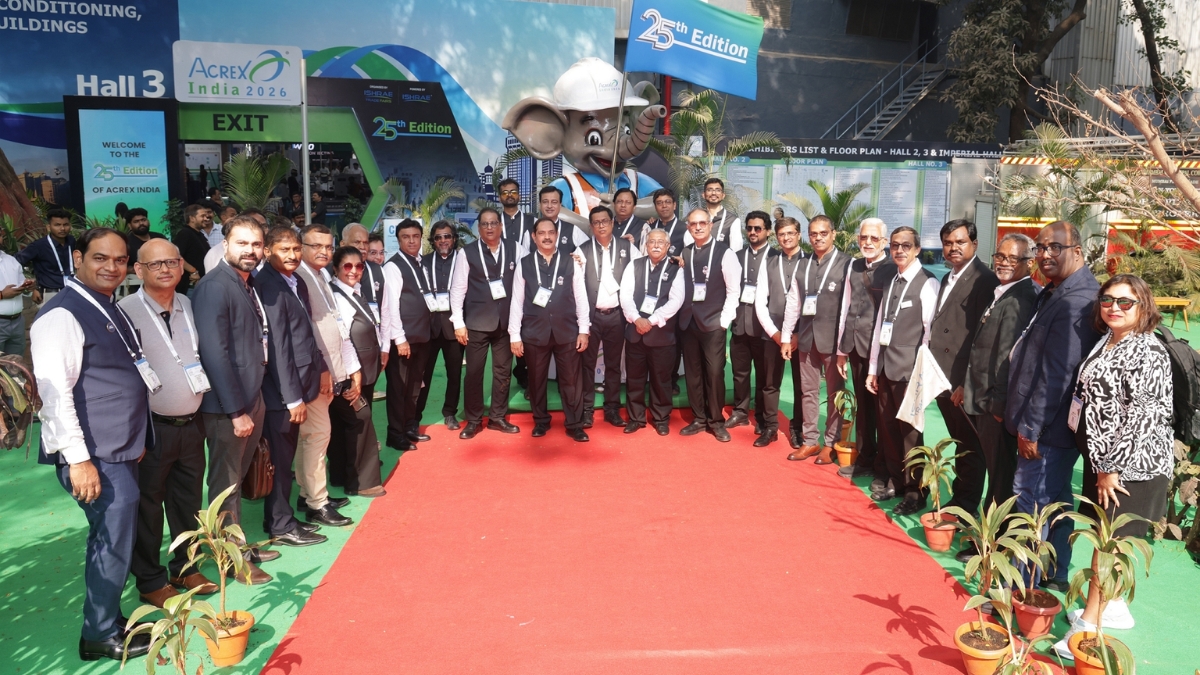
    Mumbai (Maharashtra) [India], March 14: ACREX India, South Asia’s largest platform for HVAC and intelligent building excellence, commenced today at the Bombay Exhibition Centre. Organised by the Indian Society of Heating, Refrigerating and Air Conditioning Engineers (ISHRAE), the three-day exhibition, being held from 12–14 March 2026, brings together leading global and domestic manufacturers, policymakers, and industry experts to showcase next-generation technologies and drive industry collaboration. The event comes at a pivotal time as India emerges as one of the fastest-growing HVAC markets globally, driven by rapid urbanisation, infrastructure expansion, and rising cooling demand. Reflecting this momentum, the Indian HVAC market is projected to reach $29.4 billion by 2030, highlighting the growing need for industry platforms that accelerate innovation and support sustainable sectoral growth.

    The exhibition kicked off in the presence of distinguished dignitaries including Mr. Mukundan Menon, Managing Director, Voltas Limited, Mr. RaviChandran Purushothaman, President, Danfoss Industries Private Limited; Mr. Jayanta Kumar Das, Society President, ISHRAE; Mr. Amod Dikshit, Chairman, ACREX; Mr. Anoop Ballaney, Chairman, ISHRAE Trade Fairs; Mr. Himanshu Chitnis, Head, ISHRAE Trade Fairs; Mr. Vishal Kapur, Chairman, Advocacy, ISHRAE, along with several other eminent industry leaders. Their presence reflected on the expanding influence of the exhibition as a key meeting point for thought leadership, technological advancement, and strategic dialogue, shaping the future of the HVAC ecosystem.
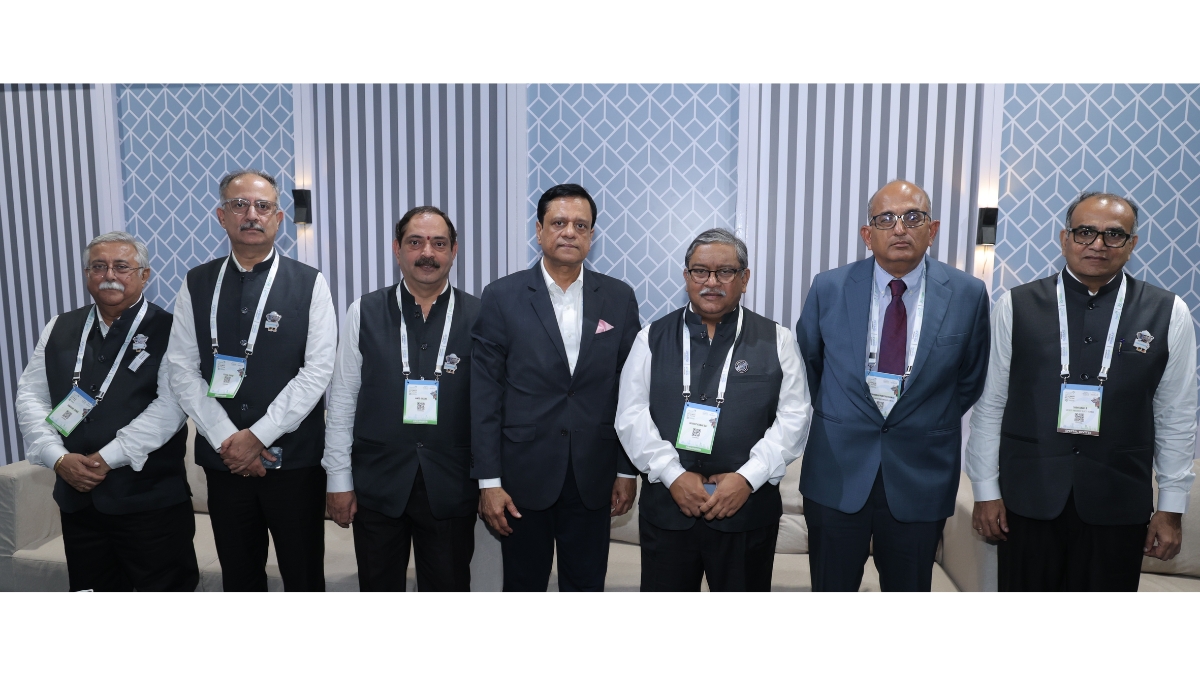
    ACREX India 2026 Opens in Mumbai as India’s HVAC Market Surges Toward USD 29.4 Billion by 2030-PNN

    Highlighting the strong growth trajectory of the HVAC industry, Mr Mukundan Menon, Managing Director, Voltas Limited, said, “The Indian HVAC industry is at the cusp of significant expansion, with the sector expected to grow at nearly 15% annually, potentially doubling within the next five years. Currently, about 15 million residential AC units are sold in India each year, and this is projected to reach around 30 million units by 2030. On the commercial side, India continues to build rapidly, creating strong opportunities across data centres, district cooling and infrastructure development. The recent GST reduction on ACs from 28% to 18% is a welcome policy step that will stimulate demand, with the first visible impact expected during the summer of 2026. While the industry is managing cost pressures from rising copper prices, currency fluctuations and increased logistics costs due to geopolitical developments, most manufacturers have already secured supplies for the upcoming season. Overall, the demand outlook for India remains extremely strong with significant opportunities ahead.”

    Emphasizing the strong transformation and long-term growth potential of the HVAC industry in India, Mr Ravichandran Purushothaman, President, Danfoss Industries Private Limited, said, “Over the past three years, the HVAC industry in India has nearly doubled in size, with a significant shift toward local manufacturing, reflecting the momentum of Atmanirbhar Bharat and the government’s focus on reducing import dependence in the cooling sector. Looking ahead, the opportunity is substantial. As per the India Cooling Action Plan, cooling demand in India is expected to grow eightfold by 2038. On the commercial side, rapid expansion in semiconductor facilities, advanced manufacturing and data centres is driving demand for high-performance cooling solutions. At the same time, the industry is focusing on energy-efficient, water-efficient and carbon-efficient technologies, increasing localisation in electronics and strengthening new skill capabilities. Together, these developments are shaping a resilient and innovation-driven cooling ecosystem for India’s future growth.”

    Mr Jayanta Kumar Das, Society President, ISHRAE, said, “ACREX India brings the entire HVAC ecosystem onto one platform, enabling companies to showcase innovations and engage with the broader industry community. As cooling demand grows rapidly in India, the focus must move beyond equipment to the entire lifecycle of systems, where installation, operation and maintenance account for nearly 90% of the total cost. Through nationwide training programs, research and industry partnerships across 55+ locations, ISHRAE is working to strengthen skills, encourage innovation and support the sector’s mission of delivering more cooling with lower energy consumption and reduced environmental impact.”

    Mr Amod Dikshit, Chairman, ACREX India, said, “India’s rapid infrastructure expansion and growing dependence on cooling across sectors such as data centres, district cooling, airports, hospitals, hotels and metro rail projects is creating a significant opportunity for the HVAC industry over the next decade. As this demand accelerates, the industry is focusing on localising the production of key sub-assemblies, strengthening capabilities and advancing more energy-efficient technologies. Cooling already accounts for nearly 40% of India’s electricity demand, which makes efficiency and sustainability critical priorities. With the Bureau of Energy Efficiency progressively upgrading standards every two years by about 7–10%, the industry continues to move towards more energy-efficient solutions. At this juncture, ACREX India provides the industry with an important platform to accelerate innovation, strengthen collaboration and shape the future of sustainable cooling in India.”

    Mr. Sanjeev Seth, Sr Vice President and Business Head, Systems Air Conditioning Division, LG Electronics India Limited said, “India’s HVAC sector is on a strong growth trajectory, driven by rapid urbanization, infrastructure expansion and increasing demand for efficient climate control. At the same time, AI is beginning to revolutionize HVAC system management in India, as customers seek higher energy efficiency and reduced downtime. Technologies such as predictive maintenance, cloud-based remote monitoring and intelligent controls are improving reliability and optimizing energy consumption in VRF and chiller systems. This integration of digital technologies will significantly boost system performance and operational efficiency. At ACREX India 2026, LG Electronics India is showcasing its latest intelligent HVAC innovations designed for India’s evolving cooling landscapes. LG Electronics India has launched its AI based VRF system Multi Vi and also showcased its Innovative One way cassettes and 4 way cassettes along with round cassettes”

    The HVAC industry continues to record strong growth momentum, with analysts estimating a compound annual growth rate between 12% and 16%. Reflecting this trajectory, the 2026 edition is expected to attract over 30,000 visitors and would feature more than 400 exhibitors from over 40 countries, making it one of the most significant global gatherings for the HVAC and refrigeration sector. Participating nations include Belgium, China, Czech Republic, Egypt, France, Germany, Italy, Japan, Korea, Malaysia, Saudi Arabia, Singapore, Spain, Switzerland, Taiwan, the Netherlands, UAE, UK, Uzbekistan and the USA, among others. Leading industry players such as Daikin Industries Ltd, Voltas Limited, Danfoss A/S, Schneider Electric, Panasonic, Carrier, ABB, and Johnson Controls, among others, are showcasing advanced technologies and solutions that reflect the latest developments shaping the global HVAC landscape.

    The exhibition is further strengthened by the support of leading national and international industry bodies, reflecting the strong collaborative ecosystem driving the HVAC sector. Supporting associations include the Refrigeration and Air Conditioning Trades Association (RATA), All India Air Conditioning and Refrigeration Association (ACRA), American Society of Heating, Refrigerating and Air-Conditioning Engineers (ASHRAE), International Institute of Ammonia Refrigeration (IIAR), ASSOCHAM India, Indian Plumbing Association, India Green Building Council (IGBC), Fire and Security Association of India (FSAI), UN Environment Programme, International Copper Association India, Contamination Control Society of India (CCSI), Federation of European Heating, Ventilation and Air Conditioning Associations (REHVA), IIFIIR, ISKID, and the Green Business Certification Institute (GBCI), among others. Their participation reinforces the exhibition’s role as a global knowledge and collaboration platform for advancing sustainable and energy-efficient HVAC solutions.

    ACREX India 2026 also features a dynamic line-up of knowledge platforms, innovation showcases, and live demonstrations designed to highlight the latest advancements shaping the HVAC industry. A key attraction is ACREX HVAC Shark, a first-of-its-kind stage dedicated to HVAC game changers, where companies presented breakthrough technologies and practical solutions through live demonstrations.  Adding a distinctive engagement element to the exhibition is Climo, the official mascot of ACREX India, connected with visitors and industry stakeholders, bringing a relatable identity to the highly technical HVAC ecosystem.

    The event also hosted a series of technical seminars and industry knowledge sessions focusing on critical themes such as targeted ventilation to enhance indoor climate, indoor air quality, and energy efficiency. Complementing these initiatives, the Innovation Zone and product demonstration areas provided attendees with a first-hand look at emerging technologies and solutions, all aligned with the event’s overarching theme of “Unlocking Business Potential, Enhancing Opportunities, Accelerating Growth, Building a Better World.” 

    If you object to the content of this press release, please notify us at pr.error.rectification@gmail.com. We will respond and rectify the situation within 24 hours.

  • Choosing a Health Insurer You Can Trust in 2026: 9 Real-World Checks (Hospitals, Cashless, Support)

    Choosing a Health Insurer You Can Trust in 2026: 9 Real-World Checks (Hospitals, Cashless, Support)

    Mumbai (Maharashtra) [India], March 14: Buying health insurance is not only about comparing premiums or picking a plan that looks popular online. What matters more is whether the insurer feels dependable when you need hospital care, cashless approval, policy clarity, and support during a stressful moment.

    If you want to choose health insurance with greater confidence in 2026, look beyond advertisements and focus on checks that reflect real policy experience. The points below can help you assess an insurer in a more informed and careful way.

    Check The Hospital Network Properly

    A wide hospital network can look attractive on paper, but the real value lies in whether the listed hospitals are actually relevant to your needs and location.

    When reviewing an insurer, pay attention to the quality and spread of network hospitals in the cities you live in, travel to, or may seek treatment in. A strong list should feel useful, not just impressive. It is also worth checking whether the hospitals you trust are part of the cashless arrangement, because that can affect how smooth your treatment journey feels.

    Check How Cashless Treatment is Explained

    Cashless treatment is often one of the first things people notice in health insurance, but the wording around it matters just as much as the promise itself.

    A trustworthy insurer usually explains the cashless process in a clear and straightforward way. Look for details on pre-authorisation, planned admission, emergency admission, and what may still need to be paid directly by the policyholder. If these steps are described plainly, it becomes easier to understand how the process may work during hospitalisation.

    Check Whether The Policy Wordings Feel Clear

    The policy document says far more about an insurer than a sales page ever can. If the wording feels vague or overly complicated, that should not be ignored.

    Read the sections on inclusions, exclusions, waiting periods, claim conditions, and renewal terms with care. A reliable health insurance provider should make it easier for you to understand what the policy is designed to cover and where its limits may apply. Clarity at the buying stage often helps reduce confusion later.

    Check How Easy it is to Reach Support

    Support matters most when you are already dealing with illness, admission formalities, or claim follow-up. That is why accessibility should be treated as an important check, not a minor feature.

    Look at whether the insurer offers clear contact routes and whether support information is easy to find. Useful signs include:

    • Visible customer care details
    • Simple claim assistance guidance
    • Clear escalation channels
    • Organised grievance redressal information

    Good support is not only about being available. It is also about being understandable when you need answers quickly.

    Check The Claims Process For Transparency

    Many people compare health insurance plans by benefits alone, but the claims process often tells you more about the insurer’s working style.

    Review how the insurer explains document submission, reimbursement steps, timelines for communication, and reasons a claim may require further review. You are not looking for promises. You are looking for transparency. When the process is explained without hiding the difficult parts, it becomes easier to trust the insurer’s approach.

    Check Renewal Terms With Care

    Trust in health insurance also depends on how comfortable you feel about continuing the policy over time. Renewal terms deserve close attention because they affect long-term usability.

    Read how renewals are described, especially around continuity of benefits, waiting period treatment, and any conditions linked to policy maintenance. The language should feel steady and easy to follow. If the renewal section seems confusing or full of unclear conditions, it may be worth slowing down before making a decision.

    Find Out What is Excluded Before You Focus on Benefits

    It is natural to begin with what the policy covers, but exclusions often shape the real outcome when a claim is raised. That is why they deserve equal attention.

    While reviewing health insurance, look carefully at exclusions related to treatments, illnesses, consumables, non-medical expenses, and other situations where payment may not apply. Every policy has boundaries. The key question is whether those boundaries are communicated honestly and without unnecessary complexity.

    The Insurer’s Communication Style

    An insurer’s communication style can tell you a lot about how it may deal with policyholders later. If the communication feels confusing at the start, it may not feel any easier during a claim.

    Pay attention to how the insurer presents important information across brochures, website pages, policy wordings, and customer support guidance. A trustworthy insurer usually avoids overstatement and gives balanced information instead. You should feel informed, not pushed.

    Conclusion

    The decision to take health insurance in 2026 requires more than just a brief comparison of features. It pays special attention to the aspects of influencing real experience, including access to hospitals, cashless clarity, support, policy formulations, and claims communication.

    To take the insurer with whom you can rely, pay attention to what you can see, feel, and understand regarding your needs. The decision on reliable health insurance is normally made on a prudent reading, comparison and a clear view of the manner in which the insurer would treat the most important moments.

    If you object to the content of this press release, please notify us at pr.error.rectification@gmail.com. We will respond and rectify the situation within 24 hours.

  • Hipmunk Reopens to Deliver a Better Flight Booking Experience for Travelers

    Hipmunk Reopens to Deliver a Better Flight Booking Experience for Travelers

    New Delhi [India], March 14: The online travel business is always changing because people who travel are always looking for better and faster ways to book flights. Hipmunk is open again, which is great news for people who travel a lot or plan trips. Hipmunk wants to make it easier and better for people all over the world to book flights. People like it because it is easy to use and has special tools for finding flights.

    We talk about why Hipmunk’s return is important, what features travelers can expect, and how it makes it easier for people to find cheap flights in this article.

    Hipmunk Official Website – https://www.hipmunk.co.in/

    The Comeback of Hipmunk in the Travel Industry

    Hipmunk first became popular as a powerful travel search engine that made it easy for people to compare flight options. The platform was designed to make it easy to book flights by focusing on clear results, better filtering options, and prices that are easy to understand.

    Hipmunk’s return after a break is a new start in the competitive market for booking travel. The platform is coming back with better technology and a stronger focus on helping travelers find the best flight deals.

    A lot of people remember Hipmunk for its unique search tools and simple interface. When it reopens, the platform wants to use modern technology to build on its original strengths and meet the needs of today’s travelers.

    A Smarter Way to Search for Flights

    The smart flight search system is one of the best things about Hipmunk. The platform doesn’t just show you flights by price; it also tries to give you the best travel options.

    The search system looks at a number of things, including:

    • Flight duration
    • Number of stops
    • Layover time
    • Ticket price
    • Airline quality

    Hipmunk helps travelers find flights that are the best balance between cost and comfort by taking all of these things into account. This method saves time and helps people stay away from complicated flight paths that may seem cheaper but are not as convenient.

    Improved User Experience and Interface

    People who travel these days want booking sites that are quick and easy to use. The main goal of Hipmunk’s reopening is to make the user experience better.

    • The platform now offers:
    • Faster search results
    • Clean and easy navigation
    • Mobile-friendly design
    • Better filtering options

    These changes make it easier for people to compare flight tickets and pick the best way to travel in a matter of minutes.

    The goal is to make planning a trip less stressful and make booking a flight easy from beginning to end.

    Better Price Comparison for Travelers

    It can be hard to find the best flight price because different travel websites have different prices for tickets. Hipmunk fixes this problem by being a travel search engine that compares prices from different booking sites.

    Travelers can see a lot of flight options in one place instead of having to go to a lot of different websites. This is helpful for users:

    • Compare airline prices quickly
    • Identify the cheapest flight deals
    • Discover alternative travel routes
    • Save money on airfare

    This feature can make a big difference for travelers who want to save money when planning trips.

    Helping Travelers Save Time and Money

    Two important things to think about when planning a trip are time and money. Hipmunk tries to solve both problems by making it easier to find flights.

    Travelers can easily tailor their searches to their needs with the help of its advanced filtering tools. For instance, users can pick flights with fewer stops, certain airlines, or times that are easy for them to leave.

    Hipmunk helps travelers make smart choices without having to spend hours looking for the right flight by making it easier to compare flights.

    A Strong Competitor in the Online Travel Market

    There are a lot of well-known booking sites in the online travel market. But Hipmunk’s unique way of searching sets it apart from many other companies.

    The platform doesn’t show users a lot of flight listings all at once. Instead, it shows the most relevant results first. This plan makes booking easier and helps travelers find flights that work for them faster.

    As the travel industry grows quickly, modern travelers are likely to pay more attention to platforms that are simple and clear.

    The Future of Flight Booking with Hipmunk

    Hipmunk’s reopening is a big deal for the online travel industry. The platform wants to change the way people book flights by using smart search technology, clear pricing, and an easy-to-use interface.

    As more and more people want to travel, sites like Hipmunk can help them find cheap and easy flight options. Users can make better travel choices, find things faster, and compare things better when they are planning a business trip or a vacation.

    Hipmunk’s return could make booking flights online easier for travelers who want a simpler way to do it.

  • CARS24 acquires automotive utility platform Vehicle Info from Surat-based Vasundhara Infotech

    CARS24 acquires automotive utility platform Vehicle Info from Surat-based Vasundhara Infotech

    From Left to Right: Swena Sehrawat – Business Leader at Cars24, Pushkal Arora – Vice President at Cars24, Himanshu Ratnoo – CEO at Cars24, Chirag Pipaliya – CEO at Vehicleinfo and Somish Kakasiya – EMO at Vasundhara Infotech

    Surat (Gujarat) [India], March 14: Global used-car marketplace CARS24 has acquired automotive utility platform Vehicle Info from Surat-based Vasundhara Infotech LLP as it looks to expand beyond vehicle transactions and build a full-stack digital platform for vehicle ownership.

    Founded in 2017 by entrepreneur Chirag Pipaliya, Vehicle Info enables users to access a range of vehicle-related services through a single digital platform. The application allows vehicle owners to check registration details, view and pay traffic challans, verify insurance validity, track service history and access other essential vehicle information online.

    Since its launch, Vehicle Info has grown organically and attracted lakhs of users by simplifying everyday vehicle-related tasks that are often scattered across multiple platforms. By aggregating key vehicle data and services in one place, the application allows users to retrieve vehicle details quickly, manage challan payments, renew insurance policies and receive reminders for important vehicle-related activities.

    With the acquisition, CARS24 aims to expand beyond vehicle buying and selling and build a broader digital platform for vehicle ownership. The integration of Vehicle Info is expected to enable the platform to support users not only during vehicle transactions but also throughout the years they own and manage their vehicles.

    Commenting on the development, Chirag Pipaliya, Co-founder at Vasundhara Infotech, said, “Vehicle Info was built with the goal of making vehicle-related information and services easily accessible for everyday users. Joining hands with CARS24 gives the platform an opportunity to scale that vision further and integrate it into a larger ecosystem that supports users throughout the lifecycle of vehicle ownership.”

    He said the acquisition also validates the technology capabilities developed by the Vasundhara Infotech team.

    “The development demonstrates that globally relevant digital products can be built from regional technology ecosystems with the right vision and innovation,” Pipaliya added.

    The integration is expected to strengthen digital services for vehicle owners while creating new opportunities for innovation across the automotive technology ecosystem.

    About Vasundhara Infotech LLP

    Vasundhara Infotech LLP is a technology and software development company headquartered in Surat, Gujarat. Founded by entrepreneur Chirag Pipaliya, the company specialises in developing digital products and software solutions for clients across multiple sectors. Over the years, Vasundhara Infotech has delivered more than 300 technology projects and built a reputation for creating practical, user-focused digital solutions. The company is also the parent organisation behind the Vehicle Info platform, which was developed to simplify everyday vehicle-related services for users across India.

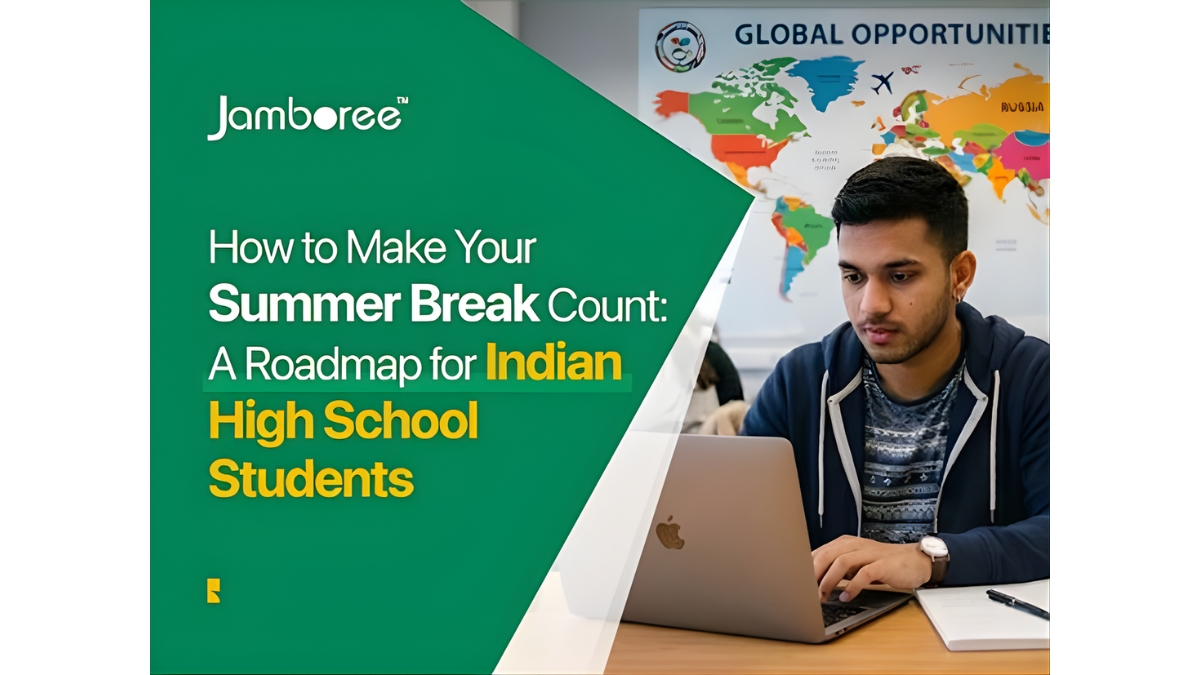
  • How to Make Your Summer Break Count: A Roadmap for Indian High School Students Aspiring to Study at Top Universities Abroad

    How to Make Your Summer Break Count: A Roadmap for Indian High School Students Aspiring to Study at Top Universities Abroad

    New Delhi [India], March 14: For many school students, summer break means holidays, travel, and a much-needed pause from exams and homework. But if you’re aiming to study at a top university abroad, summer can be much more than downtime: it can be one of the most valuable periods of your academic journey.

    That doesn’t mean sacrificing rest or fun entirely. Rather, it’s about planning your time intentionally and using the break to take meaningful steps toward your long-term goals. A well-used summer can strengthen your university applications, clarify your interests, and help you build skills that admissions committees value.

    Here’s a simple roadmap for students across different grades to make the most of their summer break and maximise their top university admissions chances.

    Class 12: Focus on Your University Applications

    If you’re entering Class 12, your summer break is one of the most important windows in the application process.

    Most applications to universities in the US, UK, Canada, and other global destinations open in the early months of the academic year. Starting early can make a significant difference.

    During the summer, Class 12 students should:

    • Begin drafting application essays and personal statements
      Strong essays take time. Starting early allows you to brainstorm ideas, write multiple drafts, and refine your story without the pressure of school deadlines.
    • Finalize your university shortlist
      Research courses, campuses, and admission requirements to build a balanced list of universities.
    • Prepare supporting materials
      This includes recommendation planning, activity lists, and portfolios if required.

    Using the summer productively means you’ll start Class 12 ahead of schedule rather than scrambling once school gets busy.

    Class 11: Build Your Profile

    For students entering Class 11, summer is the ideal time to strengthen the activities and experiences that will eventually shape your university application.

    Admissions officers look for curiosity, initiative, and depth of interest, in addition to good grades.

    Some productive ways to spend your summer include:

    • Working on a capstone project related to a subject you’re passionate about
    • Pursuing internships or shadowing opportunities to gain real-world exposure
    • Participating in academic researchcompetitions, or summer programs
    • Starting an initiative, club, or community project

    The goal is not to do everything, but to do something meaningful that reflects your interests.

    Class 10: Begin Your SAT Preparation

    If you’re moving into Class 10, summer is a great time to start laying the groundwork for standardized tests like the SAT, which many universities abroad consider during admissions.

    Starting early has several advantages:

    • You can build strong fundamentals in math and reading.
    • There’s less pressure compared to preparing during the school year.
    • You have more time to take practice tests and improve gradually.

    Beyond test preparation, Class 10 students can also explore new interests through reading, online courses, or creative projects. This is the stage to start discovering what truly excites you academically.

    Planning a Purposeful Summer

    Across all grades, the key is intentional planning. A productive summer does not mean filling every hour with work. Rather, it’s about balancing rest, exploration, and progress toward your goals.

    Ask yourself:

    • What skills do I want to build this summer?
    • What experiences will help me understand my interests better?
    • What steps can I take now to make the application process smoother later?

    Even small, consistent efforts during the summer can make a big difference by the time university applications begin.

    Where to Find the Right Guidance

    Navigating the path to top universities abroad can feel overwhelming, especially with changing admission requirements and timelines. This is where Jamboree Education supports students with structured guidance.

    Through counseling and preparation programs, Jamboree helps students:

    • Plan their academic and extracurricular roadmap from Class 9 onwards
    • Prepare for standardized tests such as the SAT
    • Identify meaningful projects, internships, and activities
    • Develop strong application essays and personal statements
    • Build a balanced and strategic university list

    With the right guidance, students can turn their summer break into a powerful stepping stone toward their dream universities.

    The Takeaway

    Your summer break can be a major opportunity if utilised correctly.

    Whether you’re starting SAT prep in Class 10, building projects in Class 11, or writing application essays in Class 12, using this time wisely can put you ahead of the curve.

    A well-planned summer is about doing the right things at the right time. And for students dreaming of studying abroad, that preparation can begin today.

    If you object to the content of this press release, please notify us at pr.error.rectification@gmail.com. We will respond and rectify the situation within 24 hours.

  • Snow Marathon League Launched in India; SnowTails Fest in Lahaul from March 20–22

    Snow Marathon League Launched in India; SnowTails Fest in Lahaul from March 20–22

    Chandigarh [India], March 14: The Snow Marathon League (SMLg), an initiative aimed at promoting adventure sports while raising awareness about environmental conservation and animal welfare in the Himalayas, has been launched in India.

    The league has been conceptualised by the team behind the World’s Highest and Asia’s Only Snow Marathon held in Lahaul, which has already completed four successful editions. The initiative brings together mountain communities, adventure enthusiasts and environmental advocates to promote responsible engagement with fragile Himalayan ecosystems.

    As part of the league’s activities, the SnowTails Fest, described as the world’s highest snow dog race featuring dogs and their owners, will be held in Lahaul from March 20 to 22, 2026. The event follows the successful conduct of three earlier editions of SnowTails in the region.

    The Snow Marathon League will also introduce the world’s highest Snow Ultra, along with a Snow Walkathon, allowing a wider section of people to participate in the initiative and support environmental causes such as solid waste management and animal welfare in the Himalayas.

    Race Director Col. Schimer said the Snow Walkathon will provide an opportunity for participants who may not be ready for the challenging high-altitude marathon to still be part of the league and walk for causes close to them.

    Inviting runners to the inaugural edition of the Snow Marathon Kashmir (SMK) scheduled to be held at Gulmarg on February 14, 2027, Col. J.S. Dhillon, Principal Chief of the event, said the Indian Institute of Skiing & Mountaineering (IISM), Gulmarg, will serve as the technical partner and welcomed runners and adventure lovers from across the world to experience the unique destination run in Kashmir.

    Event Chief Col. Arun Natarajan, who has been instrumental in organising the Snow Marathon in Lahaul, said efforts are underway to institutionalise the league in India with support from the Indian Armed and Paramilitary Forces, which have a strong culture of endurance sports and adventure activities.

    Highlighting the medical preparedness required for such high-altitude endurance events, Abhijit Singh, Director, Fortis Hospital, Mohali, said physical sports at high altitude require extensive preparation and training. He added that Fortis Hospital Mohali, a long-term medical partner of the Snow Marathon Lahaul, will continue supporting the league in its future programmes.

    Speaking about the environmental vision behind the initiative, Gaurav Schimar, Founder of the Snow Marathon League, said the league aims to encourage people to reconnect with nature and work collectively to protect the planet’s fragile ecosystems.

    Animal welfare will also be a key focus of the initiative. Dr. Becky Metcalf, Co-founder of Manali Strays, which works for the welfare of wild and stray animals in Kullu and Lahaul-Spiti, invited pet owners to participate in the SnowTails Fest and support efforts related to animal birth control, rabies eradication and creating a more animal-friendly ecosystem in the Himalayas.

    Heritage conservationist Lama Stanzin Gurmat, who graced the occasion, expressed confidence that the Snow Marathon League would help promote harmony between humans, nature and all living beings.

    If you object to the content of this press release, please notify us at pr.error.rectification@gmail.com. We will respond and rectify the situation within 24 hours.