Author: Sutun Nayak

  • Are We Living on Our Phones? Jolt App Study of 10,000 Users Reveals Shocking Trends

    Are We Living on Our Phones? Jolt App Study of 10,000 Users Reveals Shocking Trends

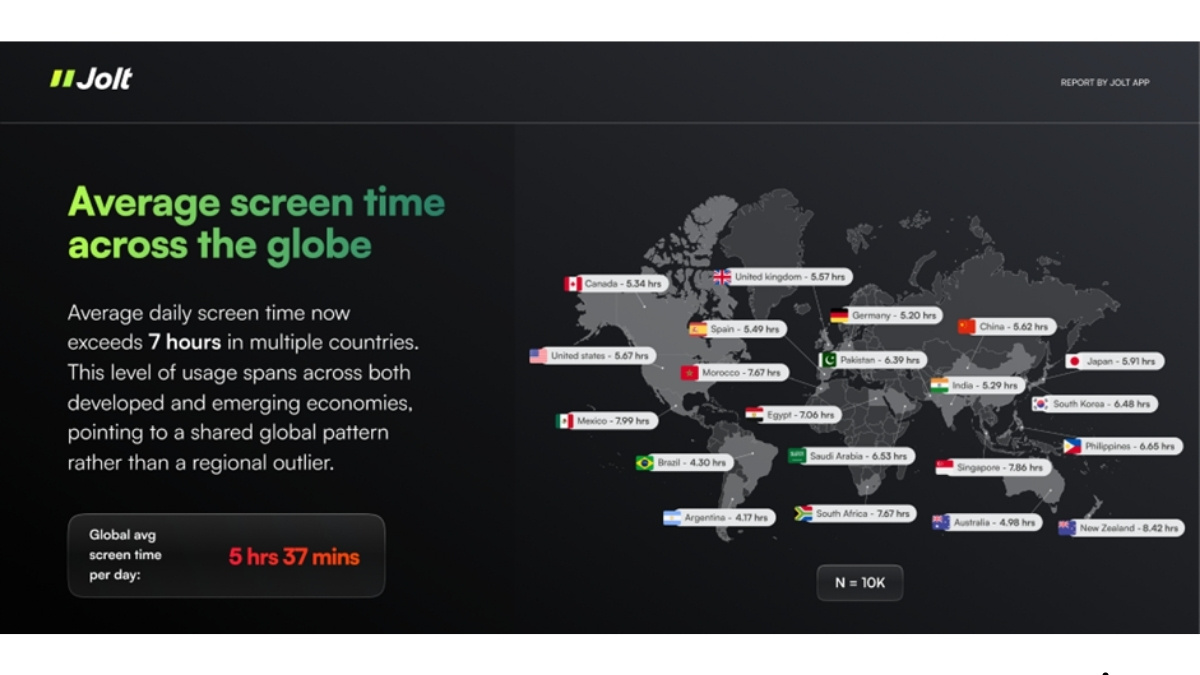
    New Delhi [India], March 12: A new global study has found that daily smartphone use has climbed to levels researchers say could reshape how people work, rest, and recover. The State of Human Attention report, released by The Jolt Screen Time App, the best screen time app, analysed the behaviour of nearly 10,000 users and discovered that the average person now spends 5 hours and 37 minutes per day on their phone. The findings suggest that high screen exposure is no longer an exception but a defining feature of modern life.

    One of the most significant insights from the report is that elevated screen time is not tied to teenagers alone. Instead, the data shows a steady, long-lasting pattern of high usage from early adolescence to mid-adulthood, indicating that smartphone dependence is now deeply linked to work responsibilities, communication needs, and lifestyle habits.

    Key Findings From the Report

    • The average user spends 5 hours and 37 minutes each day on their smartphone, which researchers say is now a common global behaviour.
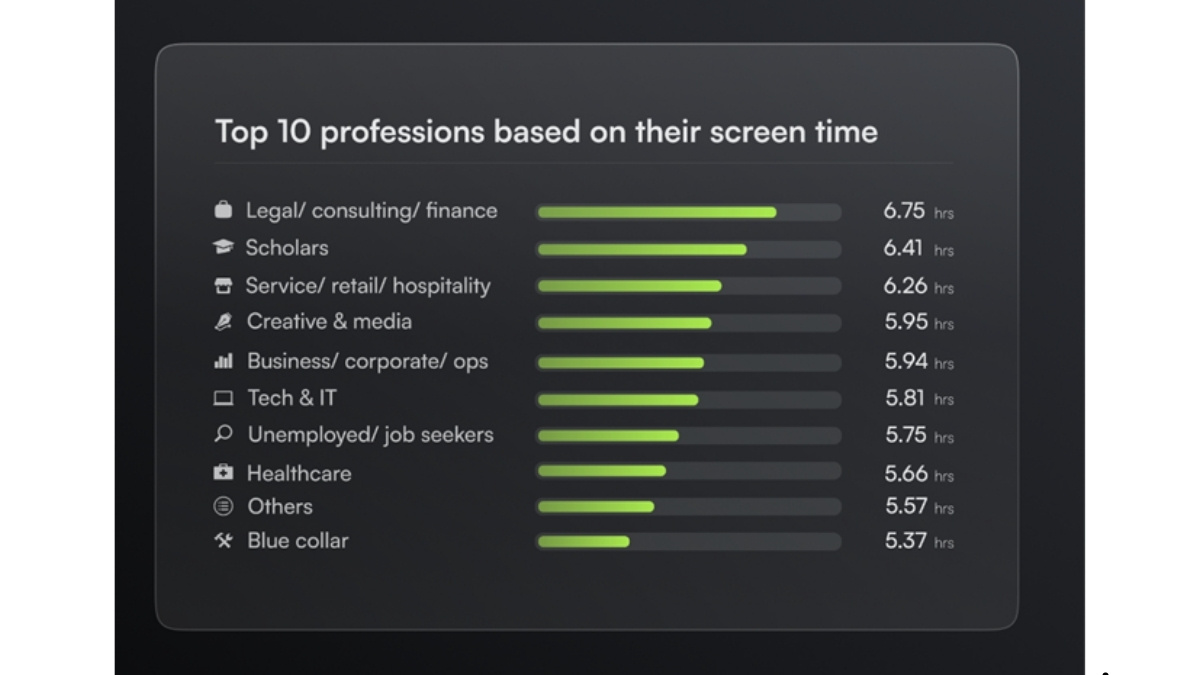
    • Legal, consulting, and finance professionals record the highest daily usage, spending an average of 6.75 hours on their phones.
    • Academic and research professionals spend an average of 6.4 hours per day on their devices, making them one of the most screen-exposed groups.
    • Workers in service, retail, and hospitality roles spend around 6.26 hours daily, showing that high screen time is not limited to office-based jobs.
    • Creative, media, corporate, and operations workers approach six hours of daily use, reflecting the growing digital nature of modern work.
    • Blue-collar professionals record 5.37 hours of daily usage, proving that smartphone dependence extends across all industries.
    • Phone usage rises sharply during rest moments, including late at night before sleeping, early mornings after waking, short breaks, commutes, and waiting periods.
    Are We Living on Our Phones? Jolt App Study of 10,000 Users Reveals Shocking Trends-PNn

    Profession-based data reveals how deeply digital work has expanded. Several industries now exceed six hours of daily phone use, and even roles once considered low-tech now show high digital involvement. Researchers say this reflects a wider shift: smartphones have become central to workflows, expectations, and communication, making long hours of screen exposure “structural rather than optional.”

    The report highlights that screen time rises most sharply during moments intended for rest. Instead of being used only during active work, phones are also filling moments of silence, boredom, or emotional release. This pattern raises concerns about the shrinking space for mental recovery.

    People who block their time with a clear plan often achieve better results. It is not just about blocking time, but about knowing exactly when to block it. Clarity is important. When you understand which hours matter most, you can protect them and use them wisely.

    Research shows that certain time windows are especially important to save through time blocking:

    • Mornings: This is when your mind is fresh and focused. It is the best time for important and creative work.
    • Work hours: Blocking specific hours during the day helps you avoid distractions and stay productive.
    • Before bed: Protecting this time helps you relax, reduce screen use, and improve sleep quality.

    Being intentional about these key time periods can make a big difference in your focus, performance, and overall results.

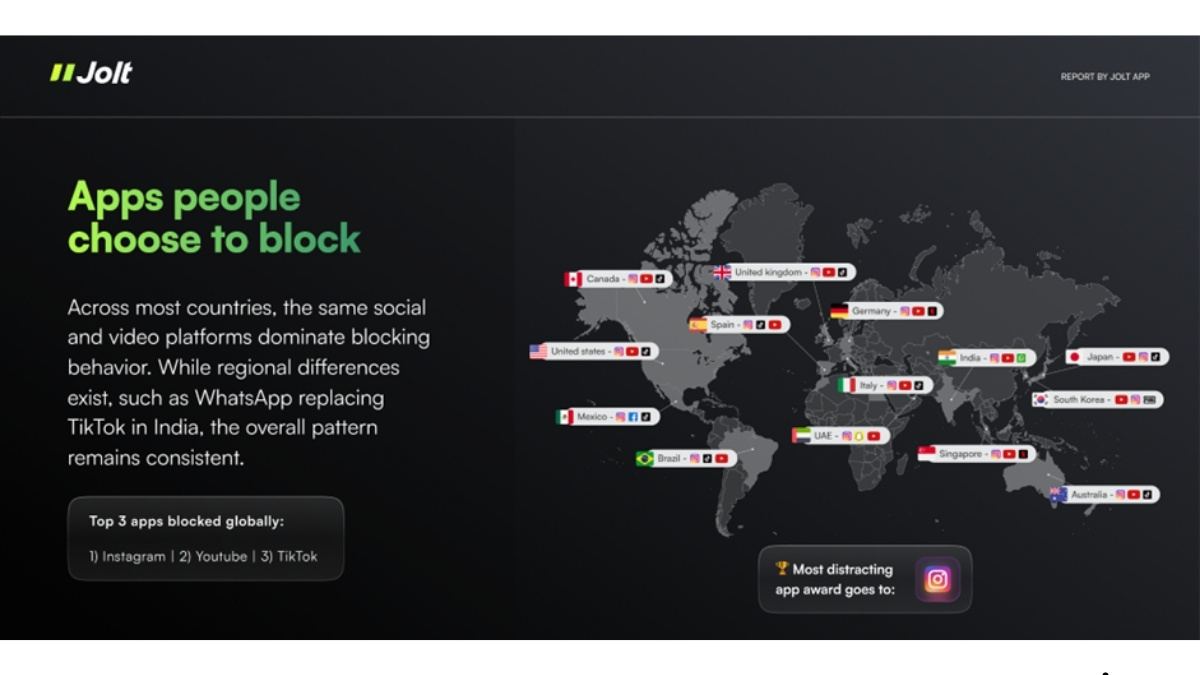
    Users often restrict social platforms such as Instagram, YouTube, and TikTok, but the report notes that overall usage remains largely unchanged. This suggests that distraction is driven more by routine, environment, and work culture than by specific apps.
    Are We Living on Our Phones? Jolt App Study of 10,000 Users Reveals Shocking Trends-P{NN

    Speaking on the findings, Ankur Solanki, founder of the Jolt App, shared his view on the growing pressure on human attention: “What we see in this data is not a lack of discipline but a system that constantly pushes people toward their screens. Attention has become something people must defend, not something they can freely control. Our digital environments are designed for continuous engagement, and that makes it harder for individuals to find moments of rest or focus. If we want healthier habits, we need healthier environments not just stronger willpower.”

    Researchers say the findings should encourage companies, educators, and policymakers to look beyond simple usage limits. As digital work becomes more widespread, understanding how screen time affects focus, recovery, and overall well-being is becoming increasingly important.

    The report concludes that the real challenge is not avoiding technology but rebalancing how it fits into daily life, so that attention, rest, and productivity can coexist without competing for space.

    If you object to the content of this press release, please notify us at pr.error.rectification@gmail.com. We will respond and rectify the situation within 24 hours.
  • Galgotias University Alumnus Joins the Indian Army, Commissioned as Lieutenant

    Galgotias University Alumnus Joins the Indian Army, Commissioned as Lieutenant

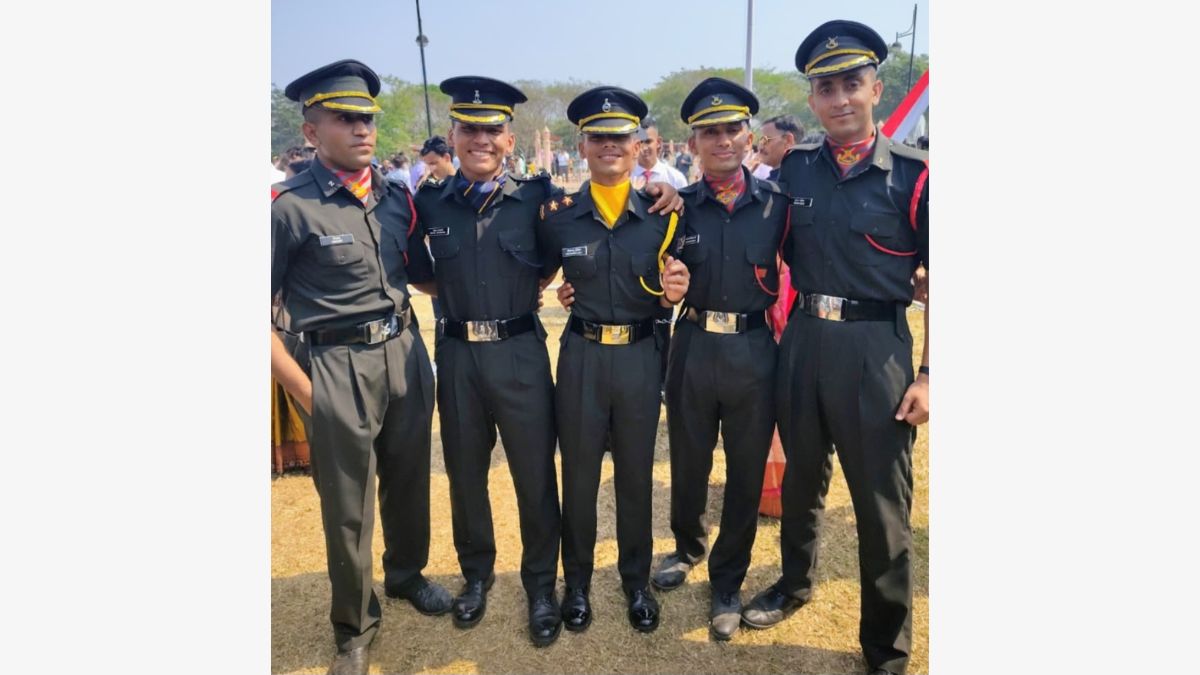
    Greater Noida (Uttar Pradesh) [India], March 12: Galgotias University has achieved another milestone, as one of its alumni and former Army Wing NCC cadet, Priyanshu Dixit, has been commissioned as a Lieutenant in the Three Sikh Regiment of the Indian Army, at the Passing Out Parade held at the Officers Training Academy (OTA), Chennai, on 7 March 2026.

    Priyanshu Dixit, an Ex Army Wing Cadet of the NCC (National Cadet Corps) Batch 2020, 40 UP Battalion NCC and a student at the School of Basic and Applied Sciences, was widely respected among his peers and mentors for his strong sense of responsibility, discipline, and leadership. During his time at Galgotias University, he served as Senior Under Officer (SUO), the highest rank held by an NCC cadet. He was always a fitness enthusiast, fond of sports, and maintained a high level of physical fitness.

    From the beginning of his educational life, he showed a strong interest in joining the Indian Army to serve the nation. Field Marshal Sam Manekshaw, one of India’s most respected military leader, was his inspiration, and he always aspired to follow in his footsteps. His parents supported him in pursuing this dream.

    Galgotias University has developed a strong NCC ecosystem where cadets regularly participate in national-level events such as the Republic Day Camp (RDC) and ceremonial parades. In 2022, six cadets (5 male, 1 female) were selected for RDC. In 2023, five cadets (3 male, 2 female) represented the university. In 2024, six cadets (1 male, 5 female) were selected, followed by six cadets (4 male, 2 female) in 2025. Continuing this tradition, in 2026 four cadets (3 male, 1 female) have been selected for RDC, reflecting the university’s growing contribution to NCC excellence and national service.

    Galgotias University proudly congratulates its student, Lieutenant Priyanshu Dixit, and wishes him strength, honour, and success as he begins his service to the nation.

    For more information, please contact:

    Dr. A Ram Pandey

    Professor

    Galgotias University

    aram.pandey@galgotiasuniversity.edu.in

    If you object to the content of this press release, please notify us at pr.error.rectification@gmail.com. We will respond and rectify the situation within 24 hours.
  • Delhi Technological University, TimesPro announce the inaugural Advanced Certificate Program in Artificial Intelligence

    Delhi Technological University, TimesPro announce the inaugural Advanced Certificate Program in Artificial Intelligence

    Six-month, CTEL-led programme blends machine learning, deep learning and generative AI with hands-on projects and a three-day campus immersion.

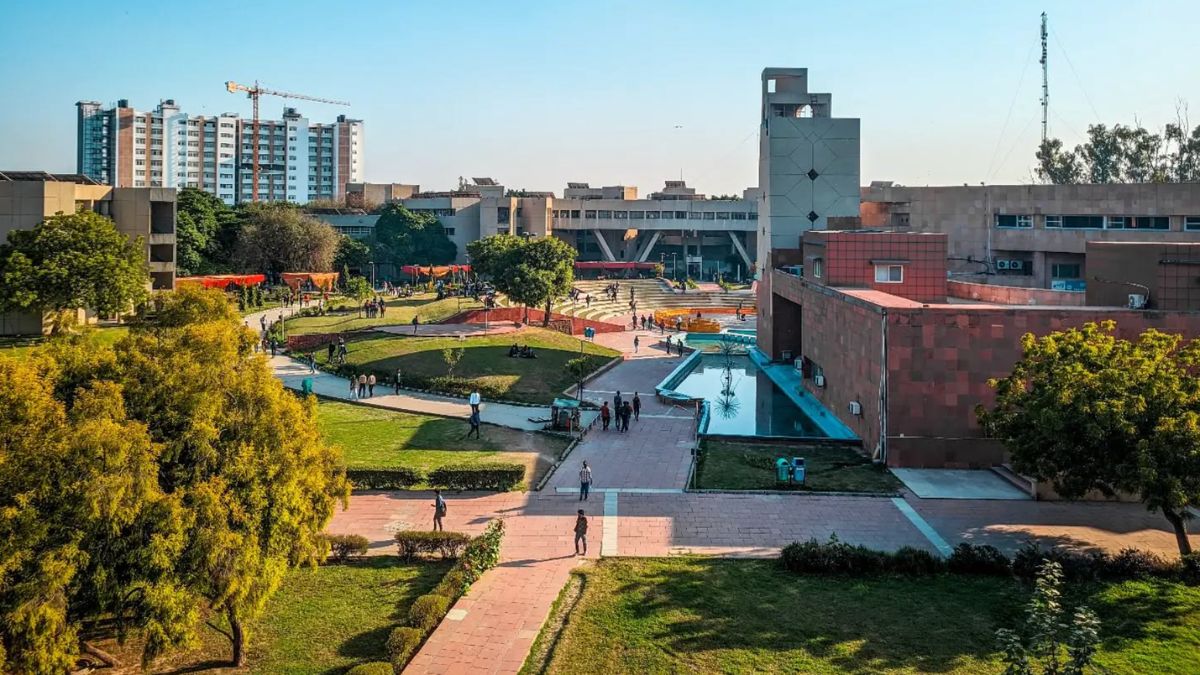
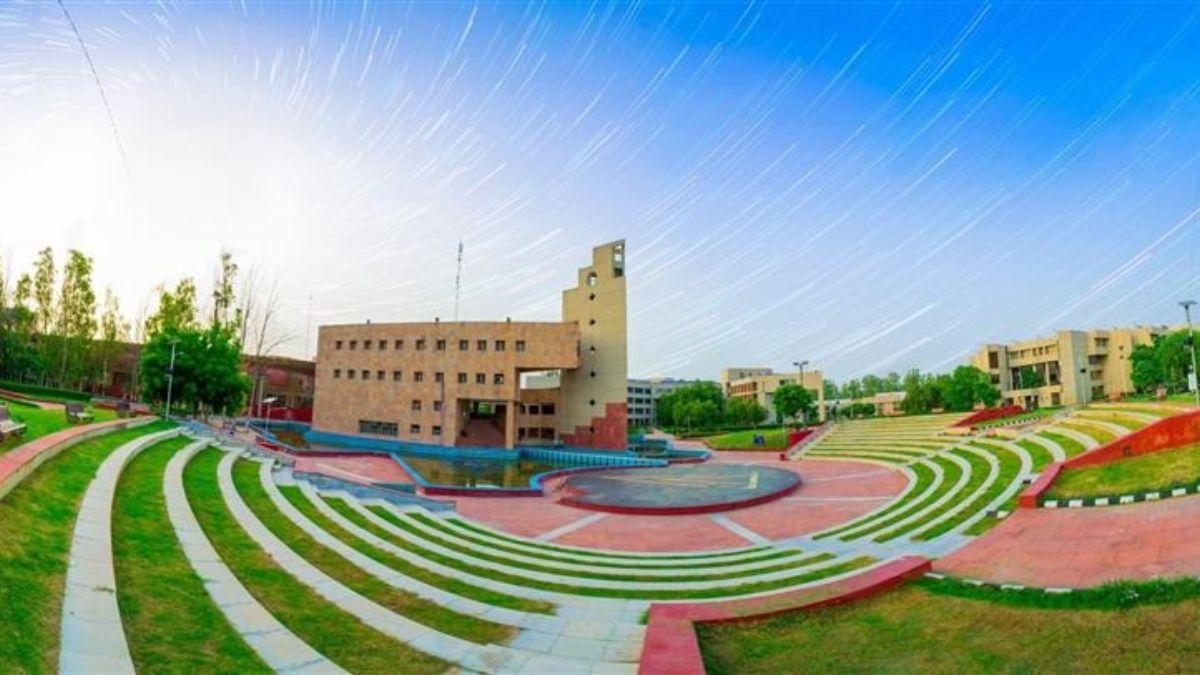
    New Delhi [India], March 12: As artificial intelligence rapidly reshapes how organisations build products, manage risk, serve customers and run operations, the need for professionals who can design, deploy and govern intelligent systems has accelerated. Delhi Technological University (DTU, New Delhi), in collaboration with TimesPro, has announced the inaugural batch of the Advanced Certificate Programme in Artificial Intelligence, aimed at learners seeking strong conceptual grounding alongside practical, job-relevant capability.

    Anchored by DTU’s Centre for Technology Enhanced Learning (CTEL), the six-month programme extends DTU’s academic strengths into a technology-enabled format that supports rigorous learning at scale. CTEL’s mandate centres on delivering accessible, learner-centric digital programmes that remain contemporary, industry-aligned and outcomes-driven.

    The Advanced Certificate Programme in Artificial Intelligence builds a structured pathway across Artificial Intelligence, Machine Learning, Deep Learning and Generative AI, with an emphasis on responsible development and real-world performance. Learners engage with applied problem-solving across domains such as healthcare, finance, marketing, engineering and analytics, translating theory into solutions that can be evaluated, improved and deployed in practice.

    Participants gain hands-on exposure to machine learning tools, algorithms and industrial use cases, while building and deploying ML models and implementing core neural-network architectures, including CNNs, RNNs and LSTMs, from the ground up. The curriculum also introduces advanced methods such as Generative AI, GANs, VAEs and GNNs and supports end-to-end AI system design using Python, TensorFlow, PyTorch and other widely used libraries.

    Delhi Technological University

    The market signals are unequivocal. UN Trade and Development (UNCTAD) projects the global AI market will rise from USD 189 billion (2023) to USD 4.8 trillion by 2033, highlighting the scale and speed of AI-led growth. McKinsey’s latest global survey also reports 88% of organisations now use AI in at least one business function, up from 78% a year earlier, evidence that adoption is normalising across sectors. In India, NASSCOM projects the AI talent pool will grow from roughly 6–6.5 lakh professionals to over 12.5 lakh by 2027, at a 15% CAGR, reinforcing the need for structured, industry-ready upskilling.

    Speaking at the inaugural announcement, Prof. S. Indu, Dean- Digital Education, Delhi Technological University, said, “Artificial intelligence now sits at the centre of engineering, business and public services. Through CTEL, DTU is bringing our academic rigour to a format that working professionals can pursue without stepping away from their careers. This programme blends strong fundamentals with applied projects, ethics and responsible deployment, so learners can design, train and scale AI systems that create measurable impact.”

    Sridhar Nagarajachar, Business Head – Executive Education, TimesPro said, “Enterprises want practitioners who can move from algorithms to production-grade solutions. With DTU, TimesPro is curating an intensive learning journey that combines expert-led sessions, hands-on tutorials and a capstone aligned to real industry problems. Delivered on our interactive Direct-to-Device platform and reinforced through campus immersion, the programme helps learners build robust portfolios in machine learning, deep learning and generative AI.”

    Delhi Technological University


    The programme comprises 110 hours of learning through a blend of online instruction and self-paced study, supported by hands-on tutorials for key AI and ML topics delivered by industry experts. Learners complete advanced assignments and an applied capstone, such as building a recommender system using CNN, LSTM, GNN or hybrid AI pipelines. The programme is well-suited to engineering, technology, computer science, IT and mathematics graduates, as well as working professionals in software, analytics, engineering and allied domains and professionals aiming to transition into advanced AI/ML and data science roles.

    The eight-module curriculum spans AI literacy, Python and data thinking, mathematical foundations, regression methods, hyperplanes, clustering, deep learning and neural networks and advanced AI and emerging techniques. TimesPro will deliver learning through its interactive Direct-to-Device (D2D) platform and facilitate a three-day campus immersion to strengthen peer learning, academic engagement and applied orientation. On successful completion, learners will receive a certification issued by Delhi Technological University (DTU, New Delhi).

    About Delhi Technological University: 

    Delhi Technological University DTU, one of India’s premier institutions of higher learning, remains firmly committed to realizing its vision of becoming a leading world-class technology university. Serving as a key node in national and global knowledge networks, DTU strives to empower India through knowledge and innovation. Established in 1941, DTU’s main campus spans 164 acres near Rohini, New Delhi. Over its distinguished 84-year history, the university has achieved numerous milestones and built a legacy of excellence in engineering, technology education, research, and innovation. Few know that DTU is the founding cradle of some of India’s foremost academic institutions — including the Faculty of Management Studies, University of Delhi), School of Planning and Architecture SPA, and the Departments of Chemical Engineering and Textile Technology at IIT Delhi. Today, DTU nurtures over 16,000 students across undergraduate, postgraduate, and doctoral programs spread across two campuses. With a faculty of around 450 accomplished academicians across 15 departments and 3 interdisciplinary centres, DTU is supported by a strong administrative and technical team. Globally recognized for producing some of the brightest minds, DTU alumni continue to drive innovation and growth both domestically and internationally. The university stands tall on its enduring commitment to quality teaching, cutting-edge research, and meaningful societal contributions — helping individuals, communities, and the nation, realize their highest potential.

    About TimesPro:

    TimesPro, established in 2013, is a leading Higher EdTech platform dedicated to empowering the career growth of aspiring learners by equipping them with skills to rise in a competitive world. TimesPro’s H.EdTech programmes are created to meet the rapidly changing industry requirements and have been blended with technology to make them accessible & affordable.

    TimesPro offers a variety of created and curated learning programmes across a range of categories, industries, and age groups. They include employment-oriented early career programmes across BFSI, e-Commerce, and technology sectors; executive education for working professionals in collaboration with premier educational institutions like IIMs and IITs; and organisational learning and development interventions at the corporate level. TimesPro also collaborates with India’s leading organisations across varied sectors to provide upskilling and reskilling solutions to boost employability and create a robust workforce. TimesPro is a Higher EdTech initiative by The Times Group.

    About the Centre for Technology Enhanced Learning (CTEL):

    The Centre for Technology Enhanced Learning CTEL at DTU is dedicated to empowering learners worldwide through accessible, innovative, and personalized digital education. CTEL leverages appropriate technologies to reach enthusiastic learners in remote areas, offering courses that combine practical application, industry relevance, and up-to-date best practices. Designed to prepare participants for emerging challenges and opportunities, these programs emphasize real-world learning and measurable career impact. The offerings from CTEL foster a collaborative learning environment through peer-to-peer interaction, discussion forums, and networking opportunities. Participants who successfully complete the programs with satisfactory performance receive a Professional Development Certificate, boosting their professional credentials and supporting their career aspirations. Beyond individual learning, CTEL aims to contribute to India’s workforce development and economic growth. The Centre also acts as a bridge for government and non-governmental organizations, helping them address present and future challenges by drawing upon DTU’s vast intellectual and research resources. Committed to democratizing education, CTEL ensures that quality learning remains affordable and within the reach of all.

    If you object to the content of this press release, please notify us at pr.error.rectification@gmail.com. We will respond and rectify the situation within 24 hours.
  • Dr. Jyotiee Mehraa: The Woman Building Safe Spaces for Mental Well-Being in Modern India

    Dr. Jyotiee Mehraa: The Woman Building Safe Spaces for Mental Well-Being in Modern India

    Dr. Jyotiee Mehraa, Founder of Pragmana Foundation, is working toward normalizing mental health support through community-led and accessible care models.

    In a rapidly evolving world where success is often measured through economic growth and innovation, emotional well-being rarely receives equal attention. Yet behind every resilient individual and strong community lies mental stability — something that has long remained overlooked in India’s public discourse. For decades, conversations around mental health were confined to silence, stigma, or moments of crisis. Dr. Jyotiee Mehraa chose to approach this reality differently, working toward making mental health support accessible, practical, and deeply human.

    With a professional journey spanning more than four decades across academia, public health, and international development, Dr. Mehraa’s work has taken her across Asia and the Pacific in collaboration with global institutions such as the United Nations, AusAID, and UK Aid. Early in her career, she became among the first Indian women to receive the prestigious Fulbright Fellowship in 1990, where she studied substance-use management systems in the United States and explored ways to adapt global learnings to Indian social contexts. These experiences shaped her understanding that mental  distress is rarely isolated; it is often linked to changing family roles, caregiving responsibilities, social transitions, and economic uncertainty.

    Over the years, she observed a growing gap between mental health needs and available support systems. While clinical services continued to expand in hospitals and private practices, many individuals hesitated to seek help because accessible and non-judgmental spaces simply did not exist. Mental health support was still perceived as something people approached only when situations became overwhelming. Recognizing this disconnect, Dr. Mehraa founded Pragmana Foundation in 2024 as a not-for-profit initiative aimed at normalizing emotional care and making support services available before distress escalates into crisis.

    What distinguishes Pragmana Foundation is its effort to move mental health conversations beyond therapy rooms. Community surveys conducted around Gurgaon revealed that people were willing to invest in mental well-being but lacked awareness of options beyond one-to-one counselling. Drawing from her international experience, Dr. Mehraa introduced structured listening circles, peer support systems, and guided group interactions alongside professional counselling services. These initiatives provide individuals with safe environments to share experiences related to life transitions such as retirement, job insecurity, caregiving pressures, parenting challenges, or personal loss — situations that often remain invisible yet emotionally demanding.

    “Mental health support should begin long before crisis — within families, communities, and everyday conversations.”

    At the heart of the Foundation lies the philosophy of “Practical Care with Science and Sensitivity,” combining evidence-based psychological practices with cultural understanding and empathy. The approach acknowledges that in societies like India, healing often begins through shared experiences, family and community support rather than clinical intervention alone.

    Equally significant is the organization’s sustainable model of functioning.  Revenue generated through purchase of services offered in urban settings is used to support free/ subsidized mental health programs for underserved communities in rural and semi-urban villages in Haryana, reducing dependence on external funding while expanding reach. The Foundation also extends its efforts toward community programs addressing substance-use challenges and emotional well-being among adolescents — areas often neglected within mainstream development initiatives.

    “Dignity and emotional well-being are not privileges — they are essential foundations of a healthy society.”

    Through this approach, Pragmana Foundation works with senior citizens experiencing isolation, caregivers managing emotional fatigue, women navigating life-stage transitions, men facing professional or personal uncertainty, and children with special needs such as autism and ADHD.

    Dr. Mehraa believes that many emotional struggles arise quietly during moments of transition — retirement, grief, shifting identities, or changing social roles — gradually affecting confidence and self-worth. By creating structured yet approachable support systems, her work focuses on prevention rather than reaction, encouraging individuals to seek professional help early without hesitation or stigma. Her leadership reflects a belief that mental health must move from whispered conversations into organized systems of care accessible to all sections of society.

    As India continues to progress socially and economically, initiatives like Pragmana Foundation highlight an important shift toward recognizing emotional wellness as an essential part of collective growth.

    Dr. Jyotiee Mehraa’s journey represents leadership rooted not in visibility, but in lasting social impact. This Women’s Day, her work serves as a reminder that meaningful change often begins with listening — and with creating  safe spaces where people feel understood, supported, and empowered to move forward with dignity.

  • Kolkata’s Startup, Yes Sir Secures Funding to Expand Men-Only At-Home Massage & Grooming Services across India

    Kolkata’s Startup, Yes Sir Secures Funding to Expand Men-Only At-Home Massage & Grooming Services across India

    Kolkata (West Bengal) [India], March 12: Kolkata-based men’s grooming and wellness startup Yes Sir has secured fresh investment from Kolkata Ventures and Bengal Angel Network, as the fast-growing platform looks to accelerate expansion across India’s rapidly evolving men’s personal care and wellness market.

    Launched in 2024, Yes Sir has quickly emerged as a specialised platform offering on-demand grooming and massage services exclusively for men, building a strong presence across 13 cities including Delhi, Kolkata, Mumbai, Bengaluru, Hyderabad, Pune, Ahmedabad, Lucknow, Chandigarh, Noida, Gurgaon, Ghaziabad and Faridabad.

    The company is currently valued at ₹118 crore and has served over 1 lakh customers, with a repeat usage rate of 74 per cent, reflecting strong customer retention in the growing male wellness segment.

    Yes Sir has 250+ trained wellness professionals in 13 cities, earning ₹75,000 per month on average, creating a premium gig economy segment. Given the company’s focus on privacy & LGBTQ friendly model, gay and bisexual men also feel non-judged at Yes Sir.

    Lead Investor and MD of Kolkata Ventures, Avelo Roy, said, “Urban men across India are waking up to the reality that they are not just ATMs serving their family. At Yes Sir, men are pampered by men. Be selfish, gratify your senses and return to your responsibilities with a fresh body & mind. 

    Bengal Angel Network, which participated in the investment, comprises several prominent Bengali entrepreneurs and business leaders including CAB President and former Indian cricket captain Sourav Ganguly, Chandrasekhar Ghosh, Chairman of Bandhan group, Samit Ghosh, Founder of Ujjivan Bank and Suvankar Sen, Managing Director and CEO of Senco Gold, among others.

    Kolkata Ventures is regarded as East India’s largest startup incubator, having supported more than 550 revenue-generating startups over the past decade. The organisation operates as an Indo–US collaboration with investors from India and the United States, aimed at fostering entrepreneurship and driving economic growth in eastern India.

    The fresh capital will be used to expand into new cities, strengthen technology infrastructure and scale operations, as  Yes Sir aims to consolidate its position in India’s fast-growing men’s grooming and wellness market.

    If you object to the content of this press release, please notify us at pr.error.rectification@gmail.com. We will respond and rectify the situation within 24 hours.

  • Women on the Move: Why Safe Spaces Matter More Than Ever for Women Travellers

    Women on the Move: Why Safe Spaces Matter More Than Ever for Women Travellers

    New Delhi [India], March 12: Every journey should begin with excitement, not concern. Yet for many women travelling across Indian cities, safety often becomes the first thing they think about, whether it is stepping out late, commuting alone, or checking into a hotel in an unfamiliar neighbourhood.

    Around Women’s Day this year, Brevistay highlighted an important message through its campaign: women deserve spaces where they feel secure, respected, and comfortable, no matter where their journey takes them.

    As more women travel independently for work, leisure, and personal exploration, the demand for safe and trustworthy accommodation options has grown significantly. A recent YouGov survey revealed that more than half of urban Indian women feel unsafe walking alone at night, highlighting the everyday safety concerns many still face. At the same time, travel trends show that more women are embracing solo travel and exploring cities on their own terms, signalling a shift toward greater independence.

    As women’s travel patterns continue to shift, safety is not just a social conversation but a responsibility for businesses that cater to travellers. Recognising this need, Brevistay has focused on building a hospitality ecosystem where safety, privacy, and reliability remain central to the travel experience, particularly for women navigating cities on their own.

    Creating Safe and Trusted Stay Options

    One of the biggest concerns for women travellers is the uncertainty of unfamiliar accommodations. A hotel stay, especially for a few hours between travel schedules or meetings, should offer comfort and peace of mind rather than additional stress.

    Brevistay addresses this through a careful partner verification process. Hotels listed on the platform undergo checks for service quality, hygiene standards, and safety protocols before they are onboarded. This helps ensure that travellers can confidently choose accommodations that meet defined safety and hospitality benchmarks.

    Many partner hotels also maintain surveillance in common areas, trained staff, and secure access points. While these measures are standard for quality hospitality, their presence becomes particularly meaningful for women travellers, especially those arriving late at night, travelling alone, or unfamiliar with the city.

    Equally important is the idea of respectful hospitality. For many women, the experience of checking into a hotel can sometimes involve unnecessary questions or uncomfortable interactions. Brevistay has worked with its partner properties to encourage smooth and discreet check-in processes, supported by transparent booking policies and clear identification requirements.

    This allows guests to focus on their travel plans rather than worry about awkward situations at the front desk. Whether someone is taking a break between meetings, waiting out a long layover, or simply looking for a quiet place to rest during the day, the experience is designed to remain hassle-free and respectful.

    Supporting Women’s Mobility and Independence

    Travel rarely unfolds exactly as planned. Flights get delayed, meetings extend beyond schedule, and itineraries change unexpectedly. During such moments, quick and reliable support can make all the difference, especially for travellers navigating unfamiliar surroundings.

    Brevistay provides round-the-clock customer assistance to help guests resolve booking queries, check-in concerns, or last-minute changes. Having accessible support ensures that travellers can address issues quickly and continue their journey without unnecessary stress.

    Safe accommodation options also play an important role in encouraging women to move freely through cities. Much of the conversation around women’s safety in India tends to focus on restrictions, what women should avoid doing or where they should not go. But the larger goal should be to build environments where women feel confident enough to explore opportunities, travel for work, and experience new places independently.

    Platforms like Brevistay are working to support that shift by offering flexible short-duration hotel bookings across multiple cities. Travellers can reserve rooms for three, six, or twelve hours, making it easier to find safe spaces during layovers, business trips, or quick city visits.

    As more women step out to explore the world on their own terms, access to safe and reliable travel infrastructure becomes increasingly important. Hospitality platforms, hotels, and service providers all have a role to play in creating environments that prioritise safety and respect.

    Women’s Day serves as a reminder not only to celebrate progress but also to recognise the work that still lies ahead. Ensuring that women feel secure in cities, workplaces, and travel environments requires collective effort, from policymakers and urban planners to businesses that shape everyday travel experiences.

    By placing safety, privacy, and reliability at the centre of its service model, Brevistay aims to contribute to a travel ecosystem where women can move through cities with greater confidence.

    Because true empowerment lies not only in opportunity, but in the freedom to pursue those opportunities without fear. When women feel safe during their journeys, travel becomes what it is meant to be, a way to independence, exploration, and new possibilities.

    For more information, visit: https://www.brevistay.com/

    If you object to the content of this press release, please notify us at pr.error.rectification@gmail.com. We will respond and rectify the situation within 24 hours.
  • CognexiaAI Launches India’s First AI Native Legal Intelligence Platform, Announces Rs 540 Crore Global Contracts

    CognexiaAI Launches India’s First AI Native Legal Intelligence Platform, Announces Rs 540 Crore Global Contracts

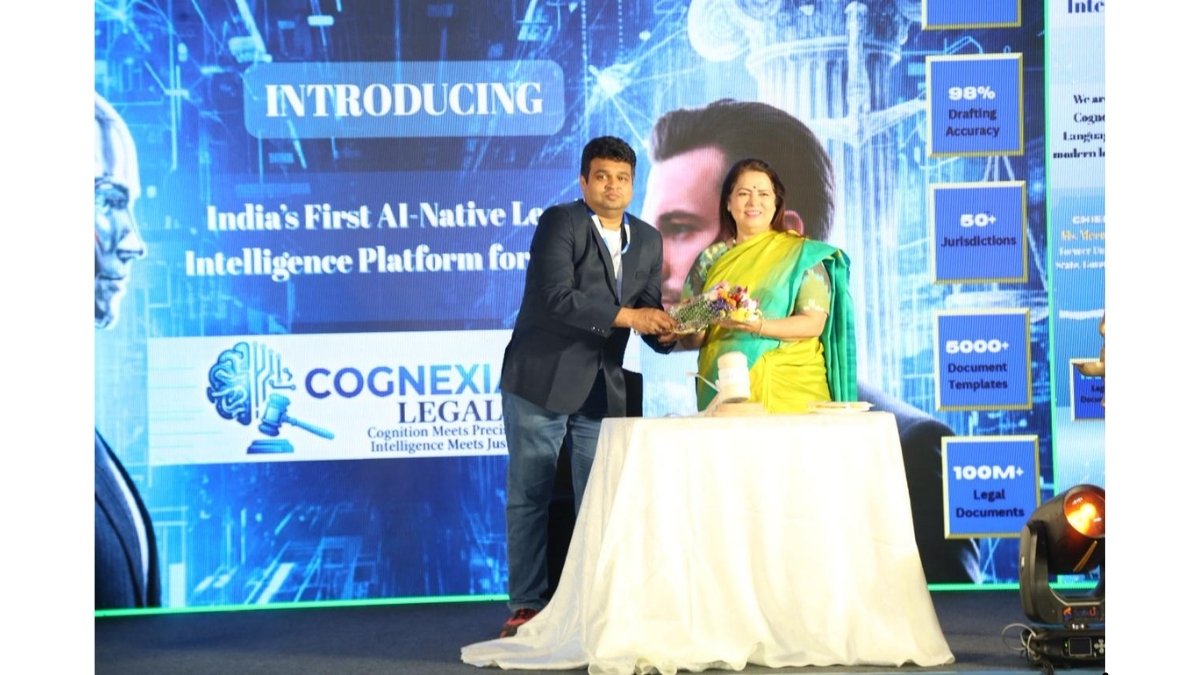
    New Delhi [India], March 12: Artificial intelligence technology company CognexiaAI has announced the launch of CognexiaAI Legal, India’s first AI native legal intelligence platform designed to simplify legal processes, enhance transparency, and improve efficiency across the legal ecosystem. The announcement was made at a launch event attended by policymakers, legal experts, and industry leaders.

    Former Union Minister of State for External Affairs Meenakshi Lekhi, the chief guest, highlighted the growing importance of indigenous digital infrastructure in strengthening India’s legal and governance systems.

    According to the company, CognexiaAI Legal is a fully indigenous platform that ensures that sensitive legal and institutional data remain securely stored in India. The platform leverages advanced artificial intelligence, proprietary large language models, workflow automation, and advanced analytics to process complex legal documents and extract actionable insights.

    One of the key capabilities of the platform is its ability to analyse extensive legal documentation, including charge sheets running into thousands of pages, within minutes. Traditionally, reviewing such documents could take weeks or months. By significantly reducing the time required for analysis, the platform aims to help lawyers, judges, investigators, and citizens better understand legal processes and improve decision-making.

    CognexiaAI Legal has been designed to support a wide range of legal and regulatory functions, including arbitration, corporate law, taxation, regulatory compliance, human resources compliance, and judicial case management. The platform enables faster document review, improved compliance tracking, and structured legal insights for both public institutions and private enterprises.

    Dr. Nirmal Singh, Founder and Chairman of CognexiaAI, said the launch represents a shift from generic artificial intelligence toward domain-focused legal intelligence. He emphasised that India must move beyond being only a consumer of global technology and become a creator of advanced digital intelligence systems tailored to its own institutional and regulatory frameworks.

    “The vision behind CognexiaAI Legal is to build intelligent digital systems that understand the depth and complexity of Indian law. By combining AI, large language models, and advanced analytics, we are creating a platform that can transform how legal information is processed and understood,” he said.

    The platform has been built on an Industry 5.0 architecture, integrating artificial intelligence, proprietary large language models, digital twin frameworks, IoT ecosystems, and intelligent automation with CognexiaAI’s cloud infrastructure and enterprise data centers. This architecture is designed to enable scalability across government departments, legal institutions, law firms, and large enterprises.

    Alongside the launch of its legal intelligence platform, CognexiaAI also announced that it has secured enterprise contracts worth ₹540 crore in Australia and New Zealand. These agreements represent one of the largest overseas contract wins for an Indian AI native ERP and CRM platform in recent years.

    The newly secured contracts span multiple sectors including construction, hospitality, manufacturing, automotive services, travel, architecture, jewelry, and healthcare. According to the company, these partnerships reflect the increasing demand for AI driven enterprise solutions in global markets.

    Following these agreements, CognexiaAI’s global client base has expanded to approximately 15,000 organizations, supported by more than 5,000 international channel partners. The company currently operates across several international markets including Australia, New Zealand, the UAE, Singapore, the United Kingdom, Denmark, the Netherlands, Germany, France, Nigeria, and Ghana.

    Industry experts believe that the launch of CognexiaAI Legal and the company’s growing international footprint reflect the rapid expansion of India’s artificial intelligence ecosystem. As businesses and governments worldwide accelerate digital transformation, indigenous AI platforms developed in India are increasingly gaining recognition in global technology markets.

    With the introduction of CognexiaAI Legal, the company aims to contribute to a more transparent, efficient, and technology driven legal framework while strengthening India’s position as a global hub for advanced artificial intelligence innovation.

    If you object to the content of this press release, please notify us at pr.error.rectification@gmail.com. We will respond and rectify the situation within 24 hours.

  • 100 Sessions, 1 Mission: NXT Fellowship Debuts Alongside NXT Summit To Shape Next Generation Of Global Leaders

    100 Sessions, 1 Mission: NXT Fellowship Debuts Alongside NXT Summit To Shape Next Generation Of Global Leaders

    New Delhi [India], March 12: We are thrilled to announce the official launch of the NXT Fellowship, a premier one-week immersion program designed for the next generation of global leaders in the heart of Bharat. Launched by the NXT Foundation, the fellowship coincides with the second edition of the NXT Summit at Bharat Mandapam, bringing together a diverse cohort of scholars to engage directly with the unfolding story of India’s progress.

    100 sessions, 70 Fellows, 39 Universities, 8 Days, 1 Mission: Towards Peak Humanity.

    The inaugural cohort represents an extraordinary coming together of young minds from some of the world’s most prestigious institutions. Fellows have travelled to India from universities across the world,  including Harvard University, Stanford University, University of Cambridge, University of Oxford, London School of Economics, Tsinghua University, Johns Hopkins University, Tufts University – The Fletcher School, National University of Singapore, University of Tokyo, as well as leading institutions across India such as Indian Institute of Technology Madras, Indian Institute of Science Bangalore and IIT Gandhinagar. From Armenia and Bhutan to the United States, Europe, and East Asia, the cohort reflects the truly global spirit of the program.

    Over the course of eight days, fellows are participating in an intensive schedule of dialogues, site visits, and cultural experiences, designed to give them a deeper understanding of India’s ideas, institutions and aspirations.

    The mornings begin with the practice of Yoga, where guided postures and breath work help set the tone of the day.

    Beyond the classroom, the fellowship also offers a window into India’s living heritage. The fellows have travelled to the historic 15th century Neemrana Fort Palace in Rajasthan, where they indulged in the ‘Bharat Bazaar’, a curated shopping experience with traditional indian Trinkets and practices.

    At the core of the program are conversations with some of India’s most distinguished voices in policy, economics, and diplomacy. The fellows have engaged in insightful sessions with leading figures such as economist and former Chief Economic Advisor Krishnamurthy V. Subramanian, veteran diplomats Bhaswati Mukherjee and Ajay Bisaria, historian Hindol Sengupta, development economist Mitali Nikore, and Lt Gen PJS Pannu.  These interactions have given participants an opportunity to explore themes ranging from India’s economic transformation and foreign policy to the country’s evolving role in shaping the global order.

    Through discussions, cultural experiences, and leadership dialogues, the NXT Fellowship is designed not just as a program but as a platform, one that connects emerging global leaders with the ideas and energies shaping India today.

    As the fellowship unfolds alongside the NXT Summit at Bharat Mandapam, these 70 fellows are not merely observers of India’s journey. They are active participants in a shared conversation about the future, and about how a new generation can work together towards peak humanity.

    If you object to the content of this press release, please notify us at pr.error.rectification@gmail.com. We will respond and rectify the situation within 24 hours.
  • Teerth Realties Taps Pune’s Emerging Growth Corridors With Commercial and Residential Developments

    Teerth Realties Taps Pune’s Emerging Growth Corridors With Commercial and Residential Developments

    New Delhi [India], March 12: Pune’s real estate market is witnessing a steady transformation as expanding infrastructure, growing IT hubs, and improved connectivity continue to reshape the city’s property landscape. Micro-markets across western Pune, including Baner, Balewadi, Sus, and Hinjewadi, are emerging as key growth corridors, attracting both residential buyers and commercial occupiers seeking well-connected and future-ready developments.

    The rising demand for Grade-A office spaces, integrated residential communities, and flexible work environments is prompting developers to focus on projects that align with Pune’s evolving urban ecosystem. Businesses are increasingly prioritizing modern office infrastructure near technology parks, while homebuyers are opting for residential communities that offer connectivity to employment hubs and key infrastructure.

    Amid this shift, Teerth Realties has been actively developing residential and commercial projects across Pune’s western corridor, focusing on locations that benefit from proximity to IT clusters and major connectivity routes. The company has delivered more than 2 million square feet of real estate developments, spanning residential communities, commercial office spaces, and institutional projects, while also securing land parcels for future developments.

    One of its notable commercial developments, Teerth Technospace in Baner, reflects the growing demand for technology-driven workspaces in Pune’s IT corridor. Spread across approximately 350,000 square feet, the project offers modern IT and ITES office spaces with connectivity to key business districts such as Hinjewadi, Wakad, Aundh, and Pashan.

    On the residential side, the company has developed projects such as Teerth Avila in Sus, catering to the increasing preference for well-planned communities located close to both natural surroundings and employment hubs. The development features multiple residential towers, landscaped open spaces, and lifestyle-oriented amenities designed for contemporary urban living.

    Mr. Vijay Raundal, Teerth Realties, Managing Directorsaid the city’s evolving infrastructure and expanding IT ecosystem are creating new opportunities for developers focused on long-term value creation.

    “Pune is entering a new phase of urban growth driven by infrastructure upgrades and the expansion of IT and business corridors. Developers today need to focus on projects that combine strategic location, connectivity, and quality development to create spaces that support both businesses and communities,” Mr. Vijay Raundal said.

    As Pune continues to strengthen its position as one of India’s leading technology and business destinations, developers aligning their projects with infrastructure growth and evolving lifestyle needs are expected to play a key role in shaping the city’s next phase of real estate development. With its presence across Pune’s expanding western corridor, Teerth Realties is positioning its developments to align with these emerging market trends.

    Disclaimer: This article is for informational purposes only and does not constitute financial advice.

  • Lotus Boulevard Muslim Community Distributes 750–1000 Food Packets to Mark the Spirit of Ramadan

    Lotus Boulevard Muslim Community Distributes 750–1000 Food Packets to Mark the Spirit of Ramadan

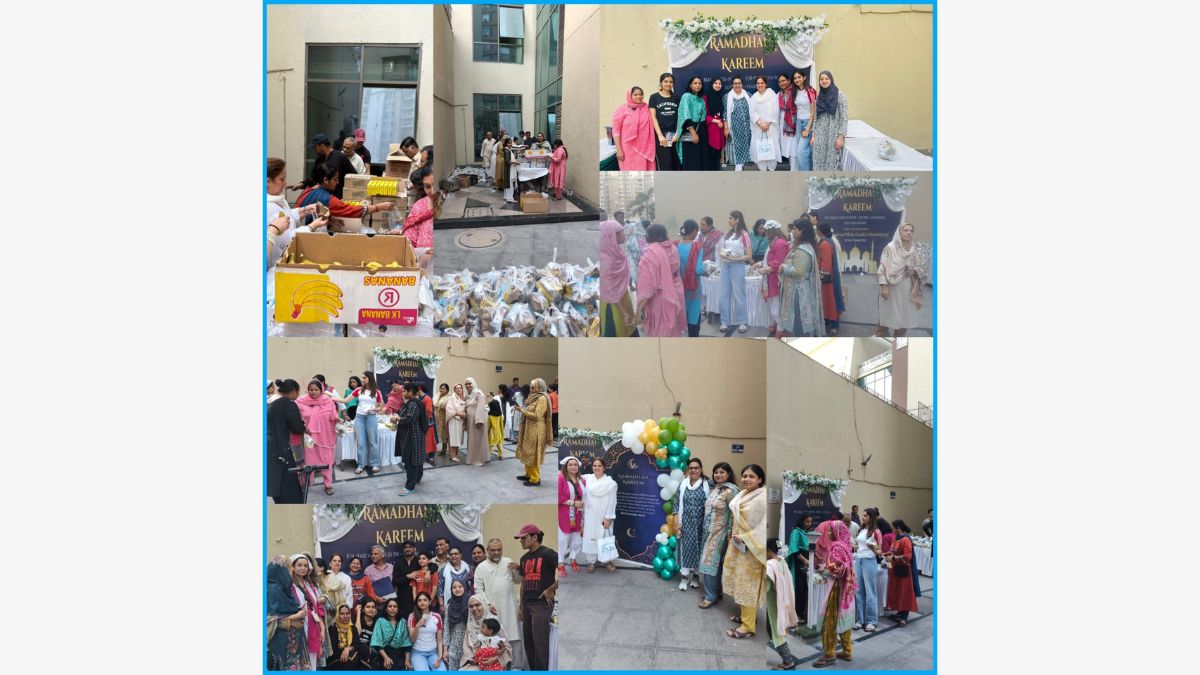
    Noida (Uttar Pradesh) [India], March 12: As the holy month of Ramadan begins, the Lotus Boulevard Muslim community has come together to spread kindness, compassion, and generosity by distributing between 750 and 1,000 food packets to those in need. The initiative reflects the true spirit of Ramadan—service to humanity, empathy for the less fortunate, and a collective effort to bring smiles to many households during this sacred time.

    Inspired by the profound belief that every act of kindness during Ramadan is rewarded many times over, members of the community have enthusiastically contributed their time, resources, and efforts to ensure the success of this initiative. The drive aims to support underprivileged families by providing essential food packets, helping them observe the holy month with dignity and comfort.

    The initiative is part of a cherished tradition within the Lotus Boulevard Muslim community that has grown stronger over the years. While the practice of community outreach existed earlier, it gained even greater significance following the pandemic, when many families faced economic hardship. Since then, residents have remained committed to continuing this meaningful effort every Ramadan.

    A dedicated core team has been instrumental in organizing and executing the initiative. The team includes Dr. Nusrat Nabi, Mrs. Fatima Khanam, Mr. Shakir Kidwai, Mr. Imran Khan, Mr. Abdul Rehaz, and Ms. Asma Javed. Their collective leadership and coordination have helped mobilize volunteers and resources to ensure the smooth distribution of the food packets.

    Through this initiative, the Lotus Boulevard Muslim community hopes not only to provide essential support to those in need but also to inspire a broader culture of compassion and giving. As Ramadan continues, the community remains united in its mission to serve humanity and seek Allah’s blessings through acts of generosity and goodwill.

    If you object to the content of this press release, please notify us at pr.error.rectification@gmail.com. We will respond and rectify the situation within 24 hours.