Author: Sutun Nayak

  • ‘Gap Between Sangh’s Image and Reality Over 100 Years Is Unfortunate,’ says Nitin Gadkari

    ‘Gap Between Sangh’s Image and Reality Over 100 Years Is Unfortunate,’ says Nitin Gadkari

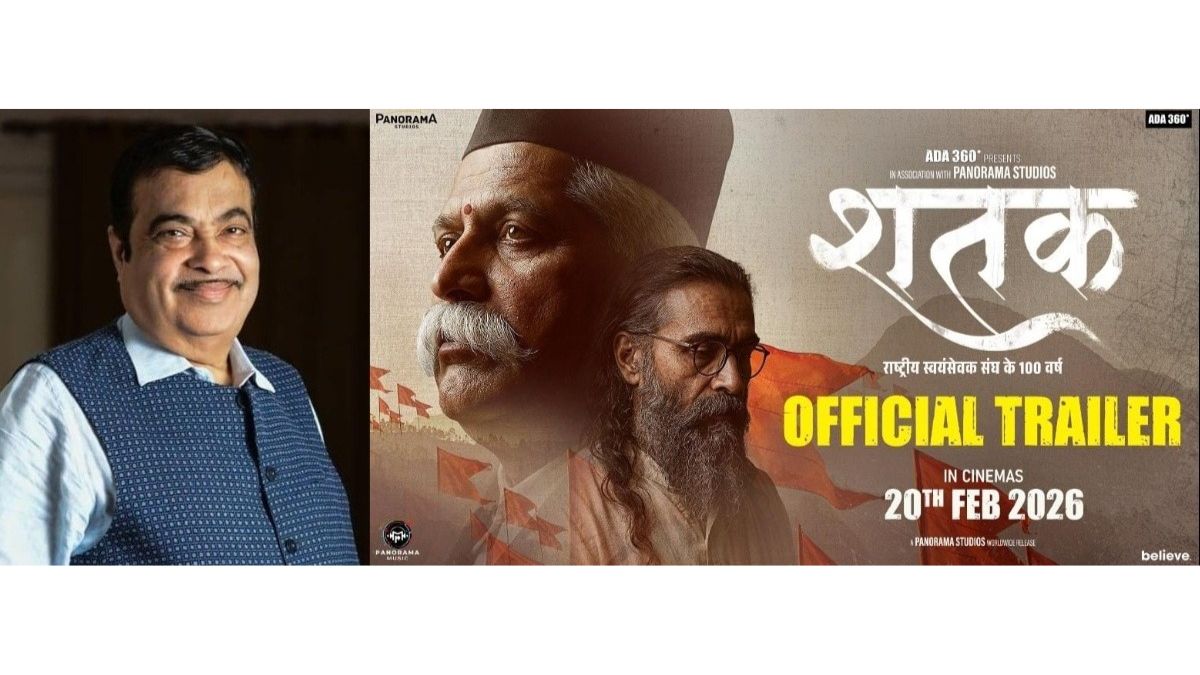
    New Delhi [India], February 17: Union Minister for Road Transport and Highways Nitin Gadkari, known for his focus on nation-building, has highlighted Shatak: Rashtriya Swayamsevak Sangh ke 100 Varsh as a cinematic glimpse into a little-known chapter of India’s nation-building. He noted that while the Sangh’s contributions are widely discussed, there has often been a gap between public perception and the ground reality.

    Urging people to watch the film to better understand the Sangh and its role in shaping the nation, Gadkari said, “As a volunteer, I sometimes feel there has been a gap between image and reality, or between perception and the ground truth. Unfortunately, this has happened with the Sangh. I invite you to come closer, explore its ideology, and understand the spirit of sacrifice, dedication, and patriotism. See the scale of individual development work, from service to tribal regions, from cooperatives to education. In the progress and development of our nation, the credit for these achievements belongs to the Sangh.”

    He added, “I have worked on roads, bridges, expressways, and tunnels. I am not an engineer, nor did I have prior experience. Many ask how I managed, and I say: I am a volunteer of the Sangh and a worker of the Student Council. The values I received from these institutions guided my work, and that is why I continued.”

    Inviting people to step forward, he said, “I believe we should all come together to celebrate this centenary, understand the Sangh, and embrace its ideology in our lives. I sincerely request you to watch this film and make an effort to understand the Sangh.”

    Talking about the Sangh, Gadkari said, “Over these 100 years, the RSS has inspired millions of young people with patriotism and the spirit of nation-building. I am proud to say that I, too, am one of the many small volunteers who have received this inspiration.”

    He added, “Because of their dedication, we celebrate this historic 100 years today. Yet, the work is far from complete. Our goal is to make India a world leader. In every field—social, economic, and educational—we aim to work so that our country rises to the top globally.”

    Gadkari further stated, “We strive to uplift Dalits, the oppressed, and marginalized communities, those struggling with poverty, hunger, and unemployment, and work to change their lives. We are Indians, and Hindutva is our Indian identity. Indian identity is Hindutva. It is a timeless cultural heritage passed down from our ancestors. Hindutva is neither casteist nor communal, nor is it tied to any single religion. It is a way of life. People of all faiths can be Indian, and Indian identity is rooted in our history, culture, and heritage. This is the inspiration that the RSS has given us.”

    Shatak: Rashtriya Swayamsevak Sangh ke 100 Varsh traces the Sangh’s ideological evolution, social initiatives, and national service across generations. The trailer, released recently, has generated wide discussion and interest. The film is scheduled for release in cinemas across India on 20 February 2026.

    Visit this link

    If you object to the content of this press release, please notify us at pr.error.rectification@gmail.com. We will respond and rectify the situation within 24 hours.

  • PCI SECURITY STANDARDS COUNCIL RELEASES ITS FIRST-EVER ANNUAL REPORT

    PCI SECURITY STANDARDS COUNCIL RELEASES ITS FIRST-EVER ANNUAL REPORT

    Report Highlights Stepped Up Engagement in India

    New Delhi [India], February 17: The PCI Security Standards Council (PCI SSC), the global body that sets payment card security standards, has sharpened its focus on India and South Asia as the region’s digital payments ecosystem continues to scale rapidly, according to its first-ever annual report released this week.

    The report highlights broader representation in governance, with a record 64-member global Board of Advisors for the 2025-2027 term, aimed at increasing geographical and market diversity. The PCI Security Standards Council highlights the launch of the India-South Asia Regional Engagement Board (REB) in August 2025, marking a significant step in localizing global payment security standards for one of the world’s fastest-growing payments markets.

    Indian and South Asian firms now have a more direct channel into how future PCI standards are drafted and revised. The newly formed India-South REB includes key Indian and regional players across banking, fintech, payments processing and technology, including NPCI, HDFC Bank, Google, Cred, Zeta, among others. The REB will advise PCI SSC on regional risks, implementation challenges and evolving fraud patterns unique to India and South Asia.

    Gina Gobeyn, Executive Director of the PCI Security Standards Council said, “As payment technologies continue to evolve and transaction volumes grow, collaboration across the global payments’ ecosystem is more critical than ever. This first annual report reflects the collective effort of our Participating Organizations, partners, and stakeholders to advance payment security for businesses and consumers everywhere.”

    India has emerged as a critical market for global payment security bodies due to the sheer scale of transactions flowing through digital rails such as UPI, cards, wallets and embedded payments.

    “The PCI SSC 2025 Annual Report reflects an approach that is continually aligning with an increasingly complex payments landscape. The report brings more clarity through its product-family approach and stronger alignment across standards, guidance, and training. The Council’s expanded global engagement and new regional collaboration, reinforces the industry-led momentum needed to keep payment environments resilient as threats and technologies evolve,” said Aniket Bhosle, Partner, Technology Consulting Ernst & Young LLP.

    “Active engagement from India, South Asia, and the Middle East, as highlighted in the PCI SSC Annual Report, demonstrates the power of community-driven collaboration in advancing payment security. I sincerely thank the payment industry stakeholders across these regions for their continued contribution and collaboration,” added Nitin Bhatnagar, Regional Director India, South Asia and Middle East.

    The PCI SSC report flags a sharp rise in transaction volumes, speed and complexity globally. The pace of change in payments continues to accelerate, and threats evolve as emerging technologies, new payment devices and third-party integrations are expanding the attack surface for fraud and cybercrime.

    For India, where mobile-led payments dominate, PCI Security Standards Council said 2025 saw heightened focus on mobile payment security, e-commerce safeguards and software security standards.

    The PCI Security Standards Council introduced guidance on the use of artificial intelligence in payment environments, including principles for using AI in PCI assessments, a move that comes as Indian banks and fintechs increasingly deploy AI for fraud detection, underwriting and customer onboarding.

    It also set up an E-commerce Guidance Task Force to align security standards with real-world implementation challenges faced by merchants and payment processors.

    PCI Security Standards Council said it will continue expanding regional participation and training programs in emerging markets, including India, as it heads into its 20th anniversary year in 2026.

    Visit the PCI SSC website for more information on the annual report.

    About the PCI Security Standards Council

    The PCI Security Standards Council (PCI SSC) leads a global, cross-industry effort to increase payment security by providing industry-driven, flexible and effective data security standards and programs that help businesses detect, mitigate and prevent cyberattacks and breaches. Connect with PCI SSC on LinkedIn. Join the conversation on Instagram and X (formerly Twitter) @PCISSC. Subscribe to the PCI Perspectives Blog. Listen to the Coffee with the Council podcast.

    Contact Details: 

    Anjali Digari
    anjali@cha-chi.in

    If you object to the content of this press release, please notify us at pr.error.rectification@gmail.com. We will respond and rectify the situation within 24 hours.
  • Vast Selected by NASA for Sixth Private Astronaut Mission to International Space Station

    Vast Selected by NASA for Sixth Private Astronaut Mission to International Space Station

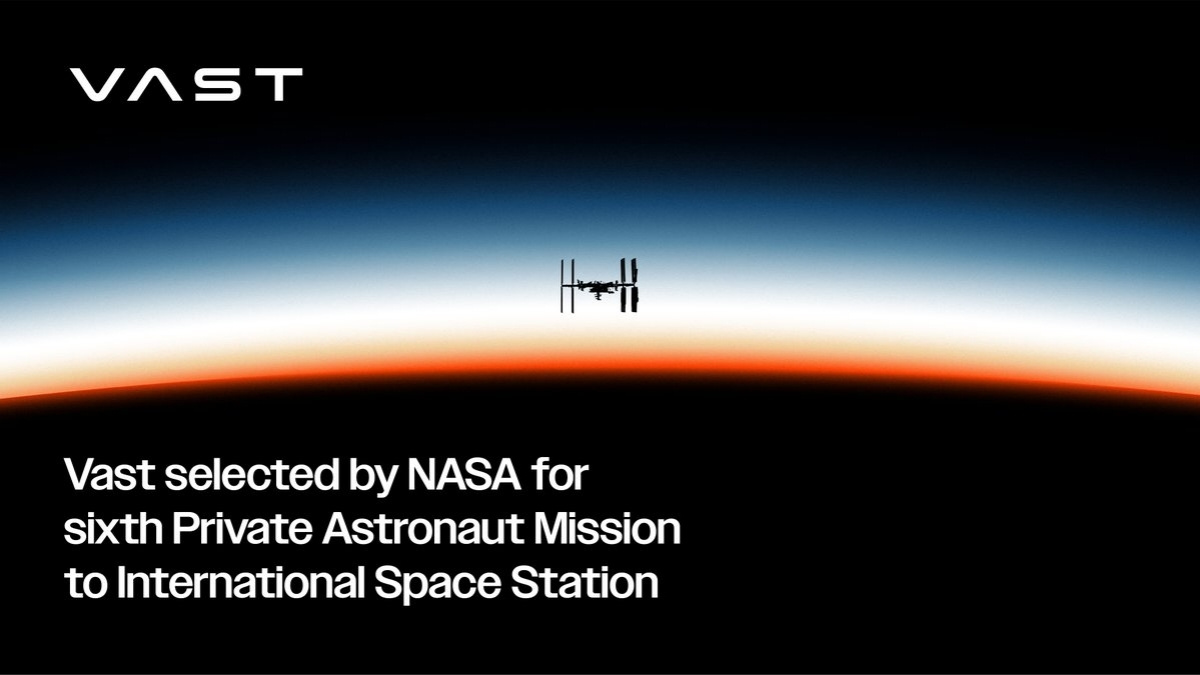
    New Delhi [India], February 17: Vast, the company developing next-generation space stations, has signed an order with NASA for the sixth private astronaut mission to the International Space Station, targeted to launch no earlier than summer 2027 from Florida. It is Vast’s first private astronaut mission to the space station in partnership with NASA.

    “Vast is honored to have been selected by NASA for the sixth private astronaut mission to the International Space Station,” said Max Haot, CEO of Vast. “Leveraging the remaining life of the International Space Station with science and research-led commercial crewed missions is a critical part of the transition to commercial space stations and fully unlocking the orbital economy.”

    The Vast private astronaut mission crew is expected to spend up to 14 days aboard the space station. A specific launch date will depend on overall spacecraft traffic at the orbital outpost and other planning considerations. SpaceX’s Falcon 9 rocket will launch the crew on a Dragon spacecraft to the space station as previously announced.

    The mission will generate invaluable insights into the infrastructure and processes required for Vast to safely accomplish human spaceflight missions. The mission supports deeper collaboration with NASA and international space agencies in addition to strengthening Vast’s position as a candidate to deliver its proposed successor to the space station, the multi-module, continuously crewed Haven-2.

    Vast is planning a robust science and research portfolio with a focus on biology and biotechnology, physical sciences, human research, and technology demonstrations for the mission. Last year, Vast announced a call for research proposals for a potential PAM mission. In addition, Vast’s current agreement with CASIS will enable increased throughput of high-quality science that aligns with its science strategy.

    To submit a research proposal for consideration, visit: https://www.vastspace.com/science-rfp-eligibility.

    About Vast

    Vast is developing next-generation space stations to ensure continuous human presence in space for America and its allies, enabling advanced microgravity research and manufacturing, and unlocking a new space economy for government, corporate, and private customers. Using an incremental, hardware-rich and low-cost approach, Vast is rapidly developing its multi-module Haven Station. Haven Demo’s 2025 success made Vast the only operational commercial space station company to fly and operate its own spacecraft. Next, Haven-1 is expected to become the world’s first commercial space station when it launches in 2027, followed by additional Haven modules to enable permanent human presence by 2030.

    With more than 1,000 employees at its Long Beach, California headquarters and over a billion dollars in private capital invested, Vast has built the facilities required to manufacture and operate America’s next space station. The company plans to develop future habitats for the Moon and Mars, dedicated space stations for government partners, and other crewed systems that will unlock the expanding long-term space economy.

    If you object to the content of this press release, please notify us at pr.error.rectification@gmail.com. We will respond and rectify the situation within 24 hours.
  • IIM Indore, TimesPro announce 17th batch of Certificate Programme in Project Management

    IIM Indore, TimesPro announce 17th batch of Certificate Programme in Project Management

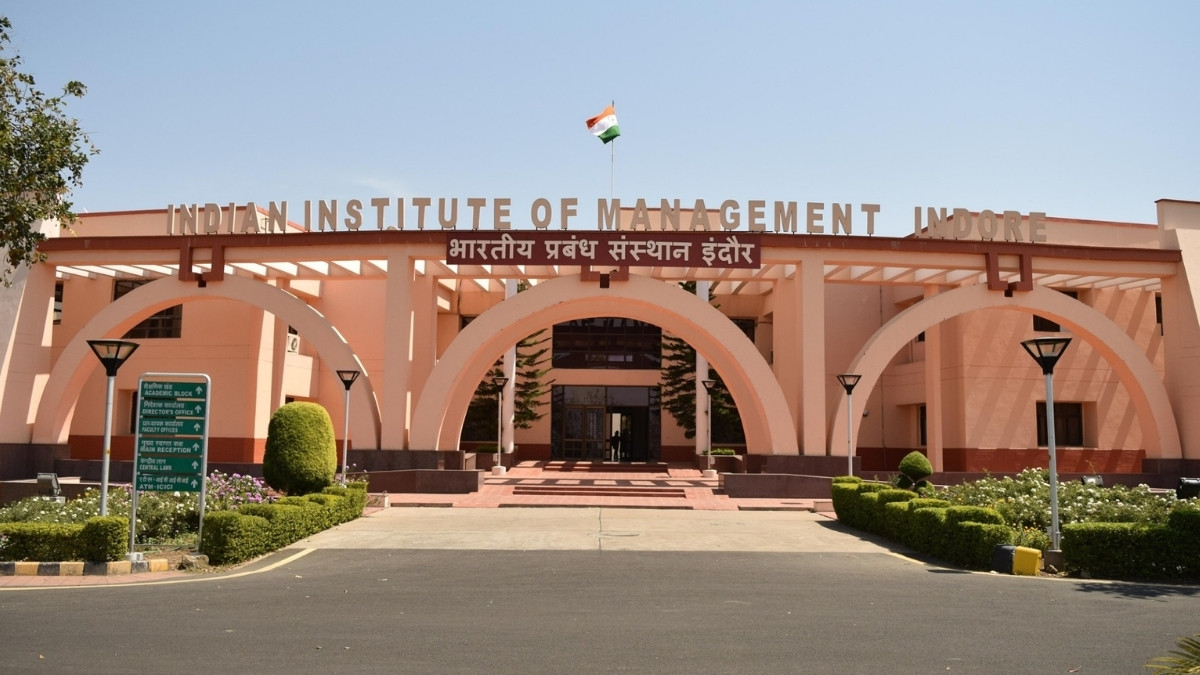
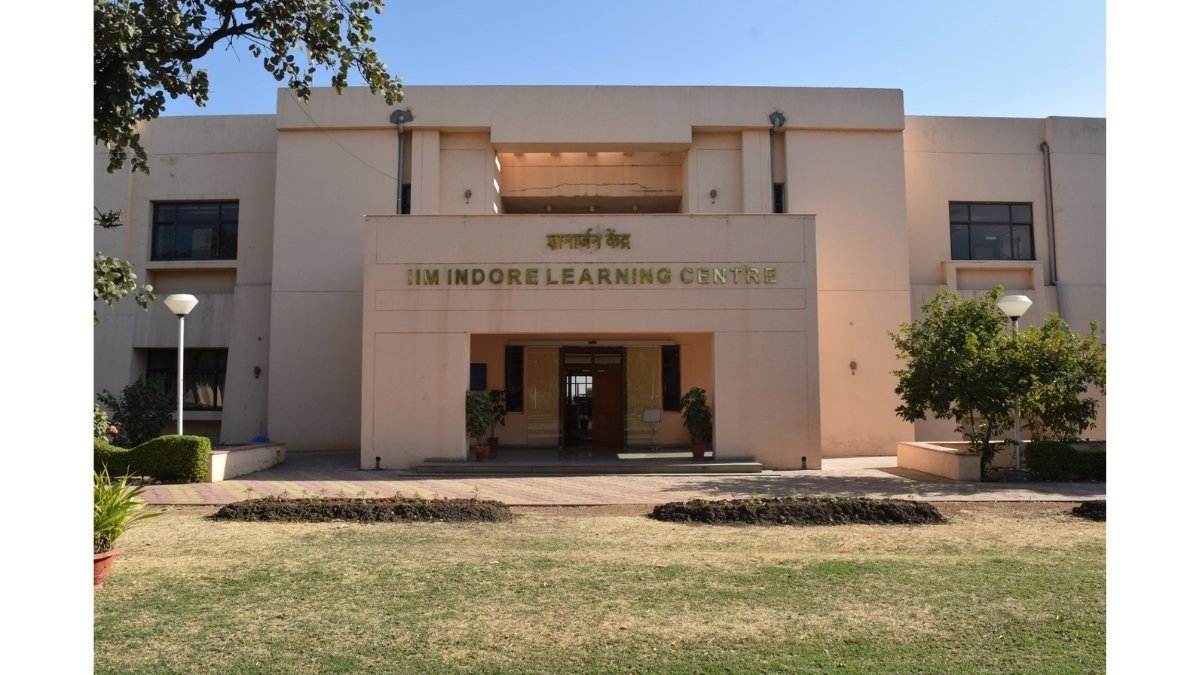
    Indore (Madhya Pradesh) [India], February 17: The Indian Institute of Management Indore, in collaboration with TimesPro, has opened applications for the 17th cohort of its Certificate Programme in Project Management. This six-month, LIVE online project management programme aims to equip professionals with the capabilities required to manage projects successfully and effectively across every stage,  from initiation and planning to execution, control, evaluation and closure.

    The Certificate Programme in Project Management enables professionals to build a deep understanding of project dynamics, governance and control mechanisms, and performance tracking. It strengthens project leadership and cross-functional coordination by blending practical frameworks with disciplined execution strategies. Learners will enhance their capabilities with Work Breakdown Structures, CPM, PERT, risk evaluation, Agile frameworks and tools such as MS Project to lead projects with precision across varied environments and industries.

    PMI projects a potential global talent shortfall of up to 30 million project professionals by 2035, while the demand for project talent could grow by 64 per cent between 2025 and 2035, driven by capital investment and sectoral transformation. According to NASSCOM, project management roles are set to grow by 33 per cent by 2027, creating approximately 21.7 million opportunities across industries. These cross-sectoral opportunities create sustained growth pathways for skilled professionals who engage with multiple dimensions of project management and enhance their repertoire in an era defined by rapid digital transformation.

    IIM Indore, TimesPro announce 17th batch of Certificate Programme in Project Management - PNN

    Speaking at the announcement of the 17th batch, Prof. Himanshu Rai, Director, IIM Indore said, “This programme equips professionals to navigate complex projects with confidence, rigour and strategic clarity. By integrating contemporary methodologies with IIM Indore’s academic depth, we aim to build project leaders who can orchestrate multi-stakeholder initiatives, manage risk intelligently and deliver measurable outcomes that align with organisational priorities in an increasingly dynamic, technology-driven, competitive business environment, across sectors.”

    Sridhar Nagarajachar, Business Head – Executive Education, TimesPro said, “At TimesPro, we see project management as a critical career accelerator in a world defined by digital transformation, complexity and constrained resources. Our collaboration with IIM Indore combines future-facing curricula, immersive pedagogy and industry-aligned tools to help professionals deliver projects on time, within budget and with tangible impact for their organisations, stakeholders, customers and wider ecosystems across India and beyond.”

    The previous cohorts have featured professionals in roles such as managers, project coordinators, architects, vice-presidents, engineers, application specialists and developers, representing sectors including information technology, pharmaceuticals, BFSI, architecture, construction, medical equipment, engineering, energy and more. This rich peer group has created a diverse learning community and a robust professional network for participants.

    IIM Indore, TimesPro announce 17th batch of Certificate Programme in Project Management -PNN

    The programme delves deeply into core project management domains such as Processes and Project Life Cycle, Project Integration, Scheduling, Cost Management, Quality and Resource Management, and Risk Management across 17 carefully structured modules. The curriculum aligns with contemporary project management practices while maintaining the academic rigour associated with IIM Indore.

    The pedagogy comprises highly interactive LIVE online sessions led by IIM Indore faculty and industry practitioners, complemented by case studies, assignments, term papers, project work and tests. TimesPro will deliver sessions through its state-of-the-art Interactive Learning platform in Direct-to-Device (D2D) mode, enabling busy executives to engage in high-impact learning with flexibility. The programme also includes a three-day campus immersion, during which learners collaborate on projects, engage closely with faculty and build deep networks with their peers.

    Professionals holding a Diploma (10+2+3) or Graduation or Post Graduation from a university recognised by the Association of Indian Universities, with at least 50 per cent marks and a minimum of two years of relevant full-time work experience, are eligible to apply for the programme.

    In addition to the Certificate Programme in Project Management, enrolled learners will also undertake a complimentary Certificate Programme in GenAI for Managers by TimesPro. This programme enables managers and aspiring leaders to derive actionable insights from real-life GenAI use cases across 12 hours of focused learning. The curriculum covers Large Language Models, GenAI tools and technologies, and industry-specific and business applications, helping professionals integrate AI-enabled thinking into their project and business decisions.

    Upon successful completion, learners become eligible for the prestigious Executive Education Alumni status of IIM Indore—one of India’s exclusive ‘Triple Crown’ business schools, accredited by AACSB, EQUIS, and AMBA—significantly enhancing their professional stature and credibility in Indian and global markets.

    IIM Indore, TimesPro announce 17th batch of Certificate Programme in Project Management -PNN

    About IIM Indore:

    IIM Indore is among the 100 global business schools (and the second IIM in the country) to receive the prestigious Triple Crown in the form of accreditations from EQUIS, AACSB, and AMBA. IIM Indore has been consistently ranked in the top by various National and International ranking agencies, including NIRF, QS, and the FT-100 rankings. The institute offers a diverse set of executive education opportunities, spanning several long-term and short-term courses. With a robust offering of 200+ executive programmes, including specialized courses tailored for the UAE, GCC, and the Middle East, IIM Indore empowers professionals with globally relevant skills and expertise.

    About TimesPro:

    TimesPro, established in 2013, is a leading Higher EdTech platform dedicated to empowering the career growth of aspiring learners by equipping them with skills to rise in a competitive world. TimesPro’s H.EdTech programmes are created to meet the rapidly changing industry requirements and have been blended with technology to make them accessible & affordable.

    TimesPro offers a variety of created and curated learning programmes across a range of categories, industries, and age groups. They include employment-oriented early career programmes across BFSI, e-Commerce, and technology sectors; executive education for working professionals in collaboration with premier educational institutions like IIMs and IITs; and organisational learning and development interventions at the corporate level.

    TimesPro also collaborates with India’s leading organisations across varied sectors to provide upskilling and reskilling solutions to boost employability and create a robust workforce. TimesPro is a Higher EdTech initiative by The Times Group.

    If you object to the content of this press release, please notify us at pr.error.rectification@gmail.com. We will respond and rectify the situation within 24 hours.
  • SchemaNinja.com Launches AI-Powered Content Marketing Platform to Help Brands Dominate LLMs

    SchemaNinja.com Launches AI-Powered Content Marketing Platform to Help Brands Dominate LLMs

    New Delhi [India], February 17: The way people discover brands is changing faster than most businesses have caught up with. Search queries that once sent users clicking through 10 blue links are now answered within AI chatbots, Google’s AI Overviews, and tools like ChatGPT and Perplexity, often without a single website visit.

    SchemaNinja.com, the platform originally built by AI SEO Expert in India Jitendra Vaswani as a WordPress schema markup plugin back in 2016, has relaunched as an AI-powered content marketing agency designed to help small and mid-sized businesses show up where it actually matters in 2026: inside the answers generated by large language models.

    The pivot addresses a problem that is growing more urgent by the month. According to industry data published by Semrush in 2025, AI-generated search results are steadily eating into traditional organic traffic. Zero-click search queries, where the user never visits a destination website, now account for a massive share of all search activity. For brands that built their entire customer acquisition strategy on Google rankings, the ground is shifting fast.

    SchemaNinja.com is positioning itself as the agency that helps those brands adapt before the traffic dries up.

    From Plugin to Platform: How SchemaNinja Got Here

    The SchemaNinja story stretches back nearly a decade. Vaswani launched the original product in 2016 as a WordPress plugin that automated structured data markup, the behind-the-scenes code that helps search engines understand what a webpage is actually about. The plugin gained solid traction, generating consistent sales and building a niche reputation among WordPress users focused on technical SEO.

    But Vaswani saw the bigger picture forming. Schema markup was not just a tool for earning rich snippets in Google results anymore. Structured data has become a core signal for large language models when deciding which sources to trust, cite, and surface in their responses. The same technical foundation SchemaNinja was built turned out to be one of the most important ingredients for visibility in an AI-first search world.

    That realization pushed the evolution from a standalone plugin into a full-service content marketing operation. The agency now employs a creative team led by Vaswani as CEO, with Diksha heading content management and Aishwar serving as CMO. Together, they run campaigns that span content strategy, blog creation, social media content, SEO optimization, email marketing, and critically the kind of schema integration and entity optimization that gives AI models a reason to reference a brand when someone asks a question.

    What LLM Optimization Actually Means for a Small Business

    The concept goes by several names right now. Some people call it AI Optimization, or AIO. Others use LLM Optimization, LLMO, or Generative Engine Optimization, GEO. Regardless of the label, the core idea is the same: structuring your brand’s digital footprint so that AI systems recognize you as a credible, authoritative source worth citing.

    This is not a small technical tweak. It requires rethinking how content gets created, organized, and distributed. AI models do not rank pages the way Google’s traditional algorithm does. They synthesize information from across the web drawing on reviews, media coverage, directory citations, blog posts, and structured data to build a picture of which brands merit mention in a given context. If your digital presence is thin, inconsistent, or poorly structured, you simply get skipped.

    SchemaNinja’s approach tackles this at every layer. The agency conducts a deep audit of a client’s existing digital footprint, identifies gaps in entity signals and content authority, and then builds a sustained content engine designed to fill those gaps. Blog posts are written with natural language processing in mind, not just keyword density. Schema markup is woven into every page to enable AI crawlers to parse the content efficiently. And the whole operation is tracked through analytics that measure not just traditional rankings but actual AI citation frequency.

    “If a brand’s digital footprint is not optimized for large language models, that brand risks being invisible in this new economy,” said Jitendra Vaswani, CEO of SchemaNinja.com. “We are past the point where SEO means stuffing keywords and chasing backlinks. The game now is about building the kind of structured, authoritative presence that AI systems trust enough to recommend.”

    How the Platform Works

    The newly introduced system combines structured data architecture, entity mapping, and contextual reinforcement signals to improve how AI systems interpret brand content.

    Key capabilities include:

    • AI-readable content structuring

    • Entity-based topic authority building

    • Semantic internal linking recommendations

    • Content clarity optimization for AI summaries

    • Rich snippet and schema deployment automation

    • Authority reinforcement across digital platforms

    The goal is not just to rank higher but to become a trusted source referenced by AI systems when generating answers.

    Solving a Growing Visibility Problem

    Many publishers are reporting declining click-through rates despite maintaining strong rankings. The reason: users increasingly rely on AI-generated summaries.

    SchemaNinja addresses this by aligning content with how language models retrieve and synthesize information.

    According to the company, brands must now optimize for three layers:

    1. Search engine indexing

    2. Knowledge graph understanding

    3. LLM answer inclusion

    Most existing SEO tools only handle the first layer.

    A New Category: LLM Optimization

    The company describes its approach as LLM Optimization (LLMO),  an evolution beyond traditional SEO.

    Rather than focusing solely on keywords or backlinks, LLMO emphasizes:

    • contextual authority

    • entity relationships

    • informational completeness

    • answer-ready formatting

    This allows AI systems to confidently reference a brand as a source rather than ignoring it.

    Pricing Built for the Businesses That Need This Most

    One deliberate choice the SchemaNinja team made was to keep pricing accessible. The entry level Schema Ninja Content Package starts at $1,200 per month and includes content strategy, blog creation, social media content, SEO optimization, email marketing setup, and monthly reporting. The Premium Content and Schema Package runs $2,400 per month and adds advanced schema markup, technical SEO audits, video content creation, landing page optimization, A/B testing, and biweekly strategy calls.

    That pricing reflects the agency’s stated mission of democratizing access to AI-powered marketing tools. Large enterprises with six figure agency retainers have already started adapting to the LLM shift. SchemaNinja wants to make sure small businesses and startups are not locked out of that transition simply because they cannot afford enterprise-level budgets.

    Why This Matters Right Now

    The window for brands to establish themselves as trusted sources within AI models is open, but it will not stay open indefinitely. As more businesses begin optimizing for LLMs, the early movers will have a compounding advantage — their content will already be embedded in the training data and retrieval pipelines that AI systems rely on. Brands that wait risk playing catch up against competitors who locked in their authority signals months or years earlier.

    SchemaNinja.com is betting that the businesses that act now will be the ones AI recommends tomorrow.

    Brands ready to explore how AI-powered content marketing and LLM optimization can reshape their visibility can visit SchemaNinja.com to schedule a consultation and get started.

    About SchemaNinja.com

    SchemaNinja.com is an AI-powered content marketing and SEO automation agency founded by Jitendra Vaswani. Originally launched in 2016 as a WordPress schema markup plugin, the platform has evolved into a full-service content marketing agency specializing in structured data, technical SEO, and generative engine optimization. SchemaNinja serves small businesses, startups, and freelancers looking to build lasting visibility in both traditional search engines and AI-powered discovery platforms.

    If you object to the content of this press release, please notify us at pr.error.rectification@gmail.com. We will respond and rectify the situation within 24 hours.
  • Guilty Until Proven Innocent – Facial Recognition’s False Accusations

    Guilty Until Proven Innocent – Facial Recognition’s False Accusations

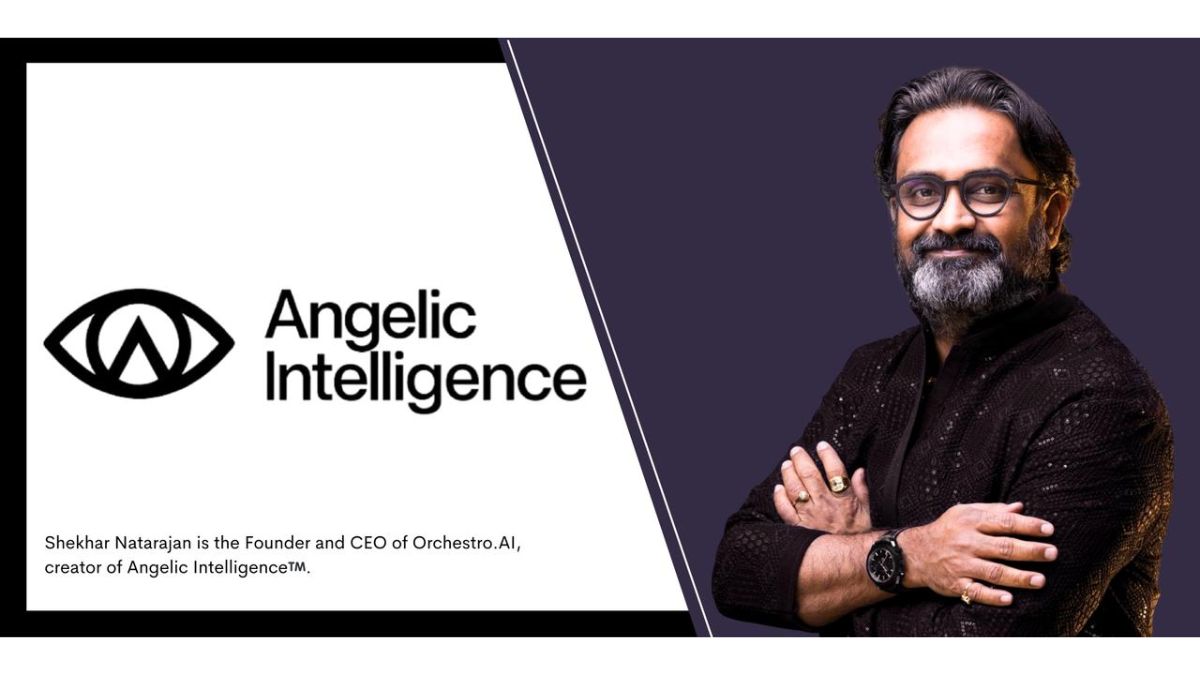
    New Delhi [India], February 15: Shekhar Natarajan, Founder and CEO of Orchestro.AI, explains how the misuse of facial recognition software impacts narratives in this opinion piece.

    Umar Khalid has spent more than five years in prison. His trial has not yet meaningfully begun.

    He was arrested in September 2020 under the Unlawful Activities (Prevention) Act — India’s harshest anti-terror law — accused of conspiring to incite the communal violence that swept parts of Delhi in February 2020. The riots left 53 people dead, most of them Muslims, and took place amid massive protests against a controversial citizenship law.

    The evidence against him? Speeches he gave at peaceful protests. WhatsApp group chats. And facial recognition matches that placed him — or someone who looked like him — at various locations.

    On January 5, 2026, India’s Supreme Court denied Khalid bail, ruling that he played a “central and formative role” in the alleged conspiracy. Five other accused in the same case were granted bail, having spent years in jail without trial. But Khalid and fellow activist Sharjeel Imam were told they could reapply after one year.

    One more year. After five already served.

    “We can be kept in jail for years, without those framing us needing to prove anything,” Khalid wrote from Tihar Jail on completing two years of detention. “This is the power of UAPA.”

    The 2% Problem

    The technology that helped identify Khalid and hundreds of others has a documented accuracy problem that should disqualify it from any serious evidentiary role.

    In 2018, Delhi Police testified to the Delhi High Court that their facial recognition system had an accuracy rate of just 2% when trying to trace missing children. The system was so poor that officials admitted it often couldn’t distinguish between boys and girls.

    Two percent.

    Yet this same technology was deployed aggressively after the 2020 riots. Union Home Minister Amit Shah told Parliament that 1,922 perpetrators — comprising 73.3% of those arrested — had been identified through facial recognition technology.

    The results have been devastating for the accused — and embarrassing for the prosecution. More than 80% of riot cases heard so far have resulted in acquittals or discharges. The facial recognition matches that seemed so definitive have crumbled under scrutiny. Witnesses have turned hostile. Evidence has fallen apart.

    But the years in jail cannot be given back.

    The Investigation

    An investigation by The Wire and the Pulitzer Center found that many riot accused were arrested “solely on the basis of facial recognition,” without solid corroborating evidence or credible public witness accounts.

    Mohammad Shahid: Spent 17 months in jail before formal charges were even filed.

    Ali: Arrested in March 2020, still in pre-trial detention more than four and a half years later. Arrested “solely on the basis of facial recognition.”

    Gulfisha Fatima, Meeran Haider, Shifa-Ur-Rehman, and others: Activists who spent years in jail, finally granted bail in January 2026 by the Supreme Court after the lower courts repeatedly denied them.

    The pattern of arrests reveals something beyond technology failure. Of the 18 activists charged under anti-terrorism laws in connection with the riots, 16 were Muslim. The police framed peaceful protests against a discriminatory citizenship law as a “larger conspiracy” to incite violence.

    Meanwhile, video evidence exists of police forcing five injured Muslim men to sing the national anthem while they lay bleeding on the ground. One of them, Faizan, 23, died two days later. No prosecution has resulted.

    Kapil Mishra, the BJP leader recorded making speeches that many believe incited the violence, is now an elected official serving as a cabinet minister.

    The Surveillance State

    India has spent Rs 9.6 billion on facial recognition technology. The National Automated Facial Recognition System (NAFRS) is being built for nationwide deployment — a system that will be able to identify any face captured on any camera across the country.

    No privacy impact assessment was conducted before the Delhi Police deployed their system. No audit of accuracy. No oversight mechanism.

    “If you are a Dalit woman in India,” says Vidushi Marda of Article 19, “the nature and extent to which you are under surveillance are far more than an upper-caste Hindu man. There is a disproportionate impact on communities that have been historically marginalized.”

    The Internet Freedom Foundation has called for a three-year moratorium on biometric facial recognition systems. Research has consistently shown that such systems perform worse on darker-skinned faces, on women, and on minority populations — precisely the groups most likely to be subjected to surveillance.

    Criminal databases in India disproportionately include Muslims, Dalits, and Indigenous people — the legacy of colonial-era “criminal tribes” designations and ongoing discriminatory policing. When facial recognition systems are trained on these databases, they inherit and amplify those biases.

    “Policing has always been casteist in India,” says Nikita Sonavane of the Criminal Justice and Police Accountability Project. “And data has been used to entrench caste-based hierarchies. Any new AI-based predictive policing system will likely only perpetuate the legacies of caste discrimination.”

    The Legal Trap

    The Unlawful Activities (Prevention) Act has become the weapon of choice for silencing dissent. Under UAPA, the normal presumption of innocence is effectively reversed. Courts are required only to see whether allegations appear “prima facie true” — not whether they are proven beyond doubt.

    Bail becomes extraordinarily difficult. Accused can be held in pre-trial detention almost indefinitely. The process itself becomes the punishment.

    The Financial Action Task Force noted in 2024 that delays in UAPA prosecutions are “resulting in a high number of pending cases and accused persons in judicial custody waiting for cases to be tried and concluded.”

    UAPA’s conviction rate is just 2.2%, according to National Crime Records Bureau data. The vast majority of those arrested are eventually acquitted — but often only after years in prison.

    In the Delhi riots case, the prosecution’s “larger conspiracy” theory has faced consistent criticism. Defense lawyers argue there is no direct evidence linking the accused to acts of violence, no recovery of weapons, and much of the case rests on hearsay, selective witness accounts, and interpretation of speeches and chats.

    “Chakka jams and other forms of non-violent agitation are part of India’s democratic lexicon,” Senior Advocate Kapil Sibal argued before the Supreme Court. They “cannot be elevated to UAPA-level offences merely because they make authorities uncomfortable.”

    The Architecture of Presumption

    Shekhar Natarajan sees facial recognition as deployed in India as “the architecture of presumed guilt.”

    “The system begins with a match and works backward,” he explains. “It does not ask: What was this person doing? Were they a participant or a bystander? Were they there at all, or did the algorithm make an error? It cannot ask these questions. It only sees faces — and it sees them imperfectly.”

    In Angelic Intelligence, the architecture would force different questions:

    An agent embodying nyaya (justice) would require corroborating evidence before any action with life-altering consequences. A facial match alone — especially from a system with documented 2% accuracy — would never be sufficient.

    An agent embodying satya (truth) would flag the technology’s known limitations. It would require disclosure of accuracy rates, training data biases, and error margins. It would not allow a 2% accurate system to present itself as definitive.

    An agent embodying sahana (patience) would demand pause before irreversible actions. Arrest, detention, the destruction of a person’s life and reputation — these require certainty that current systems cannot provide.

    And an agent embodying sama (equanimity) would check for disparate impact. It would ask: Are certain communities being targeted more than others? Is the system’s deployment fair across populations?

    The current system has no sahana. It has only efficiency, measured in arrests made, cases filed, conspiracy theories constructed.

    Umar Khalid remains in jail. The algorithm made matches. The courts found the matches sufficient for continued detention. But the algorithm cannot be cross-examined. The algorithm cannot be held accountable. The algorithm cannot give back five years of a young man’s life.

    If you object to the content of this press release, please notify us at pr.error.rectification@gmail.com. We will respond and rectify the situation within 24 hours.
  • Sarvesh Goel’s Urban Vision Mirrors Uttar Pradesh’s Rise as India’s New Opportunity Frontier

    Sarvesh Goel’s Urban Vision Mirrors Uttar Pradesh’s Rise as India’s New Opportunity Frontier

    Lucknow (Uttar Pradesh) [India], February 16: Lucknow is undergoing a quiet but decisive transformation. Known for its refined tehzeeb, literature, and Awadhi cuisine, the city is now emerging as a nucleus of investment, entrepreneurship, and modern infrastructure in northern India. This shift reflects a broader change across Uttar Pradesh, where policy push, connectivity upgrades, and a renewed focus on industry are repositioning the state as a land of opportunity.

    A symbolic expression of this transition can be seen in new age developments that blend cultural identity with global ambition. Among them is The Centrum, an urban resort concept created by entrepreneur Sarvesh Goel, which has drawn attention for redefining hospitality in the state capital. The property is notably the only five star non franchised hotel in Lucknow, operating independently without an international brand, a distinction that industry observers see as a sign of growing local confidence.

    Goel’s journey into hospitality did not follow a conventional path. With a background in education and business, he approached the sector from a perspective shaped by travel and observation rather than industry tradition. “I didn’t want to build a hotel; I wanted to build an emotion,” he told to media. “The intent was to create a place where people could disconnect from stress and reconnect with themselves.”

    Colleagues describe Goel as part of a new generation of regional entrepreneurs who are investing in experiences rather than just infrastructure. His decision to conceptualize a resort environment within city boundaries reflects a belief that aspirational consumers in tier two cities are ready for global standards without losing local roots.

    This vision aligns with Uttar Pradesh’s broader economic trajectory. Following major investment summits and infrastructure expansion, the state government under Chief Minister Yogi Adityanath has emphasized industrial growth, improved law and order, and business facilitation. Officials project that these measures will help transform UP into a trillion dollar economy, with sectors such as manufacturing, logistics, tourism, and services driving growth.

    Lucknow sits at the center of this strategy. Enhanced air connectivity, expressway networks, metro expansion, and planned industrial corridors are reshaping the city’s economic geography. The hospitality and events industry has expanded in parallel, hosting international meetings, government summits, and large private gatherings that once bypassed the region.

    Goel believes the demand was latent rather than absent. “When we completed the property, there was no defined market for such a space in Lucknow,” he said. “We had to demonstrate that if you create a world class experience, people will come. Today guests travel from across India because they want a resort atmosphere without leaving the city.”

    Sarvesh Goel

    Observers say the project’s design philosophy mirrors Lucknow’s evolving identity. Instead of replicating colonial or international styles, the architecture draws from Awadhi heritage while incorporating contemporary amenities. Wooden cottages, landscaped open areas, and privacy focused layouts attempt to recreate the calm of a distant retreat within an urban setting.

    The emphasis on cultural authenticity also resonates with the city’s recent global recognition. Lucknow was designated a UNESCO Creative City of Gastronomy in October 2025, honoring its culinary legacy from dum pukht traditions to iconic dishes such as galouti kebabs and biryani. The recognition has strengthened the city’s brand as a cultural destination while encouraging tourism and investment in food and hospitality ventures.

    Urban development experts note that such projects serve a dual function. They cater to rising consumer expectations while signaling investor confidence in the region’s future. The presence of independent high end ventures suggests that local entrepreneurs are willing to take risks traditionally associated with metro markets.

    Goel maintains that adaptability has been central to the concept. The property hosts diverse events ranging from cultural exhibitions to high level meetings and destination weddings. “A hospitality space should evolve with the needs of the people it serves,” he said. “It should not just provide rooms, but create memories and experiences.”

    His approach reflects a leadership style focused on long term vision rather than short term returns. Associates say he views the project as part of a larger effort to position Lucknow as a global city that still preserves its identity.

    Uttar Pradesh’s emergence as an investment destination has altered perceptions that once limited it to agriculture and traditional industries. New sectors such as electronics manufacturing, defense production, data centers, and tourism are gaining ground. Analysts argue that if infrastructure development continues at the current pace, cities like Lucknow could become major economic nodes in the next decade.

    For now, the convergence of policy support, entrepreneurial ambition, and cultural capital is reshaping the narrative. Lucknow is no longer defined only by its past but increasingly by its capacity to innovate.

    As Sarvesh Goel’s experiment suggests, the future of Uttar Pradesh may lie in leaders who are willing to imagine beyond conventional boundaries. In that sense, the story of one urban resort also reflects a larger story of a state repositioning itself on India’s growth map, driven by vision, opportunity, and the confidence to build something new.

    If you object to the content of this press release, please notify us at pr.error.rectification@gmail.com. We will respond and rectify the situation within 24 hours.

  • Mintonette+ Volleyball League Junior 2026 Kicks Off with Grand Inaugural Auction in Navi Mumbai

    Mintonette+ Volleyball League Junior 2026 Kicks Off with Grand Inaugural Auction in Navi Mumbai

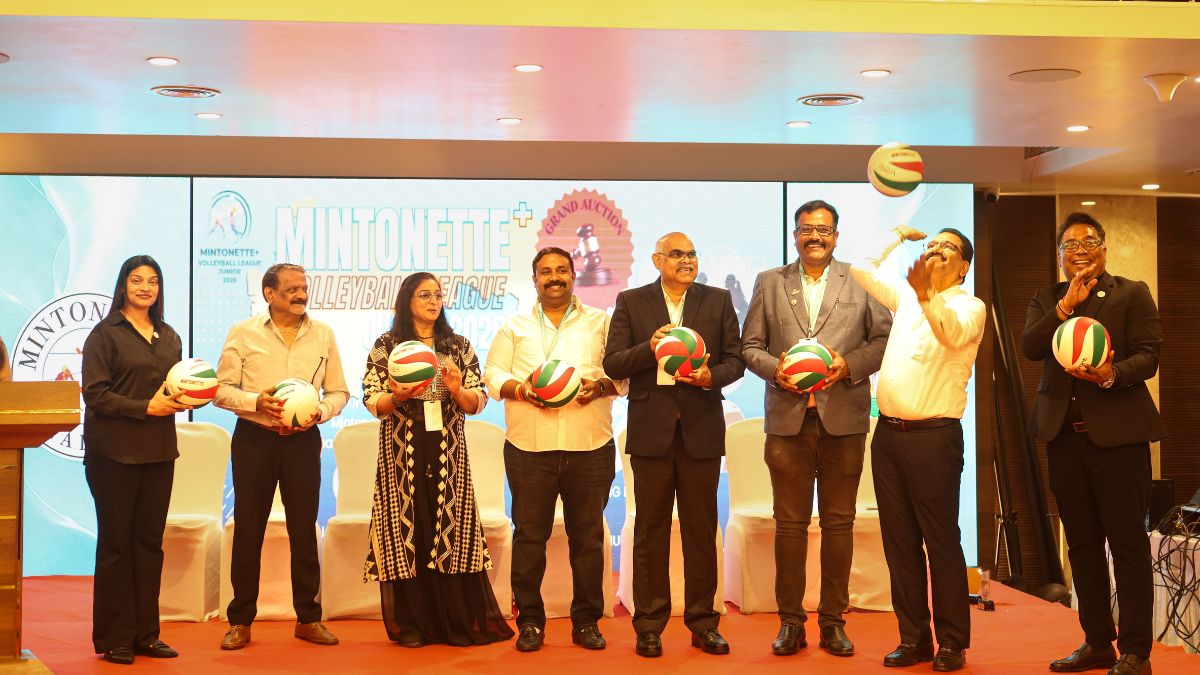
    Navi Mumbai (Maharashtra) [India], February 16: Maharashtra’s first-ever franchise-based junior volleyball tournament, the Mintonette+ Volleyball League Junior 2026, officially began with a spectacular inaugural auction held at Hotel Regenza by Tunga, Vashi. Organized by Mintonette+ Academy under the aegis of the Maharashtra Volleyball Association (MVA), the landmark event marked a new chapter in the competitive volleyball development across the state.

    The evening began with a warm welcome address by Dr. Jaya Gupta Rajesh, who hosted a distinguished gathering of Maharashtra’s sports leadership and volleyball fraternity. The event was graced by several eminent dignitaries including Mr. Vijay Dangrae, President, MVA; Mr. Sanjay Sethae, Secretary, MOA; Mr. Sunil Agarkar, Joint Secretary, Ministry of Sports, Maharashtra; and Mr. Nilesh Jagtap, Secretary, MVA and Joint Secretary, MOA.

    Mintonette

    Adding further prestige to the occasion were celebrated volleyball personalities such as Shiv Chhatrapati Award winner Mr. Suresh GaikwadIndia international player Mohd. Zama, and Mrs. Pratibha Prabhu, National Player and Co-Founder of Mintonette+ Academy. All dignitaries were felicitated with mementos by the Mintonette+ Academy team in recognition of their contribution to the sport.

    Highlighting the academy’s roadmap for the future, Mr. Vijay Menon presented Mintonette+ Academy’s long-term vision focused on strengthening grassroots engagement, structured training pathways, and competitive exposure for young athletes. This was followed by the ceremonial unveiling of the league’s official Mintonette+ ball and jersey by Mr. Rajesh Pushpan, alongside the distinguished guests.

    The league introduces twelve franchises across boys’ and girls’ categories, representing a wide geographic footprint across Maharashtra. Teams from Mumbai, Pune, Latur, Beed, Kolhapur, Amravati, Nagpur, Nashik, and Palghar reflect the league’s bold statewide ambition. While some franchise owners attended virtually or were represented due to prior commitments, the enthusiasm and commitment to building a sustainable junior volleyball ecosystem were unmistakable.

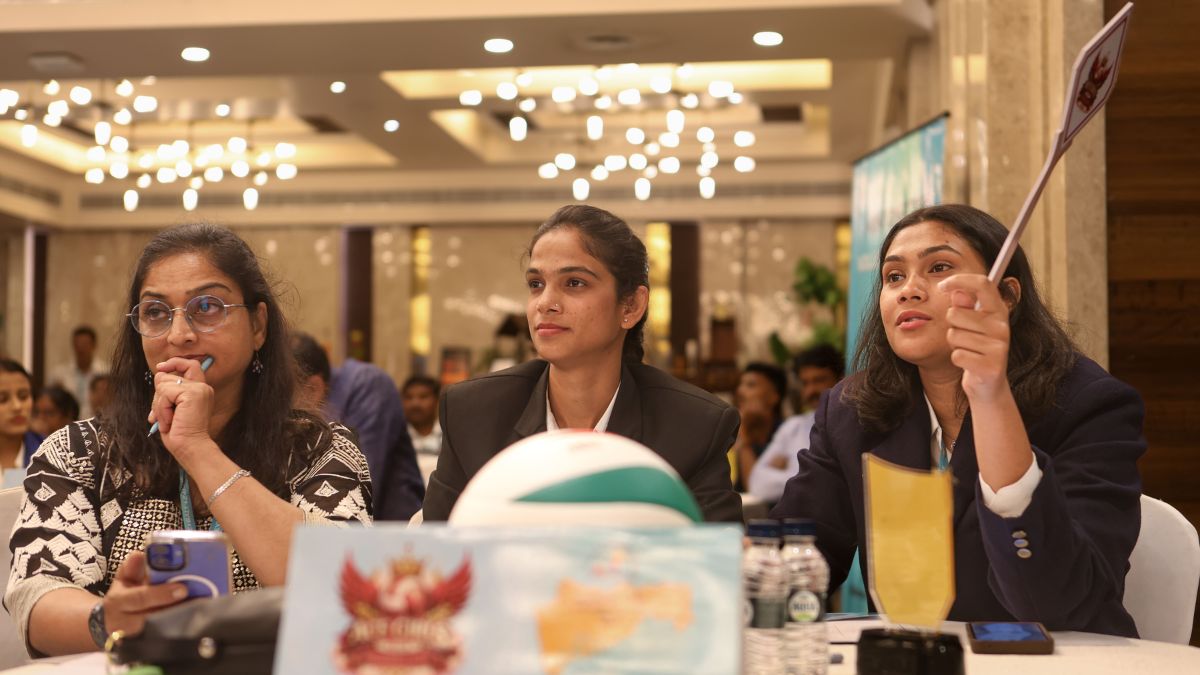
    The auction itself witnessed spirited bidding, setting the tone for a highly competitive inaugural season.

    Girls’ Category Top Picks:

    • Anooja Kumar – Rs.60,000 by Nagpur Super Queens
    • Shriya Chandrashekar – Rs.40,000 by Mumbai NET DIVAS
    • Sanjana – Rs.29,000 by Nashik Ace Girls
    • Sakshi Salunkhe – Rs.20,000 by Pune Phoenix

    Boys’ Category Top Picks:

    • Sayed Arsalan – Rs.40,000 by Beed Amens
    • Vishwajit Patil – Rs.35,000 by Kolhapur Royals
    • Kunal Gadge – Rs.32,000 by Palghar Patriots
    • Ravi Singh – Rs.30,000 by Mumbai Kings

    Expressing pride in the outcome, Mr. Shiju, National Player and Co-Founder of Mintonette+ Academy, said, “I am glad several of our M+ Academy-trained players secured selections, reinforcing the league’s commitment to homegrown talent.”

    In her closing remarks, Dr. Jaya Gupta Rajesh emphasized the larger vision behind the initiative: “We aren’t just starting an auction. We are starting a movement.” Her words captured the spirit of transformation and opportunity that the Mintonette+ Volleyball League aims to bring to junior volleyball in Maharashtra.

    The proceedings were expertly steered by India’s leading auctioneer, Mr. Kapil Dedhia, whose high-energy hosting kept the atmosphere electric throughout the evening.

    With strong institutional backing, star participation, and statewide representation, the Mintonette+ Volleyball League Junior 2026 promises to become a pioneering platform for nurturing young volleyball talent and elevating Maharashtra’s presence on the national stage.

    If you object to the content of this press release, please notify us at pr.error.rectification@gmail.com. We will respond and rectify the situation within 24 hours.
  • Indias AI Impact Summit Signals A New Phase For AI Governance

    Indias AI Impact Summit Signals A New Phase For AI Governance

    New Delhi [India], February 16: Indicatively, India has recently inaugurated the India AI Impact Summit, and it is already clear that this is not just another technology event. The scale is bigger, the message stronger, and the intent unmistakable. From global CEOs to heads of state, artificial intelligence is no longer a side conversation. India is treating it as a serious national and global priority.

    India AI Impact Summit Takes Centre Stage

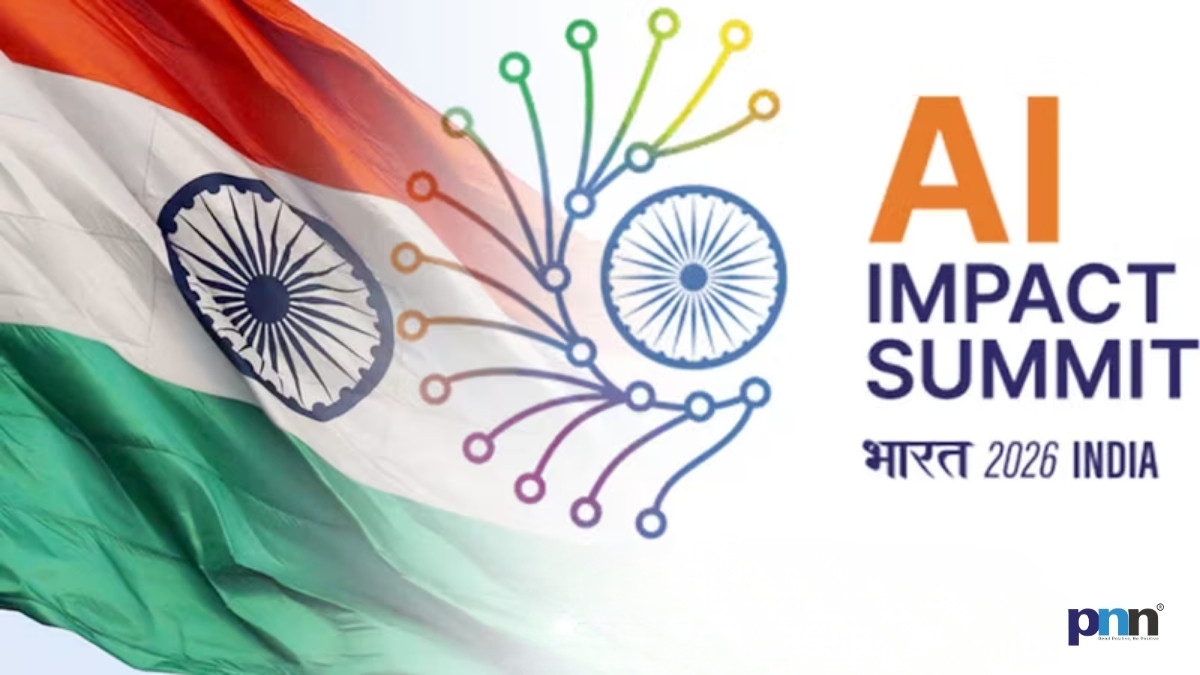
    The India AI Impact Summit is a five-day international conference being held in New Delhi. It focuses on artificial intelligence, its future potential, and the risks that come with rapid adoption. Beginning on February 16, the summit has brought together world leaders, senior policymakers, and top executives from some of the largest technology companies in the world.

    This is not a routine industry gathering. It is a strategic statement. By hosting the summit, India is placing itself firmly at the centre of global discussions on how AI should evolve. The theme of the summit, People, Progress, Planet, reflects an effort to balance innovation with responsibility. For a country that is still developing its AI ecosystem, this move is ambitious and deliberate.

    Beyond the Hype: Safety, Jobs, and Digital Harms

    The conversations at the summit go well beyond showcasing new tools or breakthroughs. The focus is on real-world concerns. Panels and discussions have addressed issues such as child safety online, the spread of misinformation, deepfakes, and the impact of AI on jobs.

    Experts have warned that while AI can increase efficiency and profits, it can also cause serious harm if left unchecked. Some speakers have raised concerns about the broad scope of the agenda. When a summit tries to cover too much, there is a risk that discussions remain high-level without clear outcomes. This matters because many people in the room are decision-makers expected to take action, not just listen.

    The message is clear. AI is no longer only a technology issue. It is a social issue, and the risks rise alongside the rewards.

    Who Is in the Room and Why It Matters

    The list of attendees explains the importance of this summit. National leaders, heads of state, and senior government officials are present alongside CEOs of major AI and cloud computing companies. Industry figures such as Sam Altman of OpenAI and Sundar Pichai of Google are part of the discussions.

    Delegations from over 45 governments, hundreds of thousands of visitors, and hundreds of exhibitors have gathered at the event. This rare mix of political power and corporate influence signals something important. India is not just hosting the summit. It is helping shape the global conversation.

    For the first time, a Global South nation is taking the lead in setting the agenda on how AI should be developed and governed. This marks a shift from being a technology user to becoming a rule-maker. The presence of Prime Minister Narendra Modi, along with leaders like Emmanuel Macron of France and Luiz Inácio Lula da Silva of Brazil, underlines another reality. AI policy has become part of global geopolitics.

    India’s Global South Moment

    Technology summits have traditionally been dominated by the United States, Europe, and China. Holding a major AI summit in India represents a clear shift. The goal is to ensure that global AI policies reflect the needs of developing countries, not just advanced economies that export technology.

    The summit emphasizes cooperation and shared responsibility rather than control by a few powerful players. At its core, the event seeks to create a shared understanding of how AI should be governed across borders. It recognizes that technology affects everyone and that its risks and benefits cannot be managed by one country alone.

    This is India asserting its place in the global technology order, with a clear awareness of both the opportunities and the dangers involved.

    Critics and Constraints

    Despite the scale and ambition, the summit is not without criticism. Some observers worry that covering too many issues, from job losses to misinformation, could reduce the effectiveness of the discussions. Broad themes sound impressive, but turning them into clear action plans is difficult.

    There is also concern about voluntary commitments from technology companies. Critics argue that self-regulation often looks strong on paper but leads to limited real-world change. The challenge lies in finding the right balance. Too much regulation can slow innovation. Too little oversight can create serious risks. This balance is difficult, and India’s effort to manage it is being closely watched.

    AI in India: Background and Opportunities

    India’s AI ecosystem has its own strengths and limits. While the country does not yet lead in developing core AI models, it benefits from a large market, a skilled workforce, and widespread adoption of digital tools.

    India is reportedly the largest user base for OpenAI’s ChatGPT, with tens of millions of daily users. This gives India valuable experience in how AI is used in everyday life. At the same time, concerns remain about job disruption, especially in IT and service sectors that rely heavily on outsourcing.

    However, new roles are also emerging. Fields such as data analysis, AI training, system monitoring, and safety auditing are creating fresh opportunities. If managed well, India’s human talent could become its biggest advantage in the AI era.

    What the Summit Could Deliver

    Global summits are often criticised for producing more talk than results. Still, the India AI Impact Summit has the potential to influence future policy. While no binding agreements are expected, the summit may lead to shared frameworks on AI ethics, safety standards, inclusion, and ways to counter misinformation and deepfakes.

    It may also encourage stronger partnerships between governments and the private sector. With so many global leaders present, even common language in official statements can shape future policies. Today’s discussions could become tomorrow’s global norms.

    Final Word

    This summit is not about showing power. It is about setting direction. India is making it clear that the future of AI should be guided by cooperation, responsibility, and inclusion. Whether the promises turn into concrete action will take time to assess. But one thing is certain. AI has become a global concern, and India has stepped forward to help shape its future.

    PNN NATIONAL

  • AM/NS India Expands Value-Added Steel Portfolio with World-Class Branded Offerings Vibrance and Optima to Power Appliance and Industrial Manufacturing

    •    To meet rising OEMs’ demand for surface precision, aesthetics and manufacturing reliability

    •    Enabling OEMs to source world-class value-added steels from within India, aligned with the Aatmanirbhar Bharat vision

    Surat (Gujarat) [India], February 16: ArcelorMittal Nippon Steel India (AM/NS India) today announced the strengthening of its value-added portfolio with AM/NS Vibrance and AM/NS Optima – two world-class, premium branded steel solutions engineered to meet the increasingly design-led needs of Original Equipment Manufacturers (OEMs) across appliance and industrial manufacturing ecosystems.

    With demand rising for steel that combines consistent surface quality, tight tolerances and reliable performance at scale, AM/NS India is expanding its value-added portfolio with branded offerings that reduce reliance on imports while making premium, internationally benchmarked quality available domestically. These two branded coated offerings now form part of a value-added product portfolio that includes Optigal®, Magnelis®, Optigal® Prime, Optigal® Pinnacle, and others – each validated for consistency, efficiency, and durability across diverse applications.

    Mr. Ranjan Dhar, Director and Vice President – Sales & Marketing, ArcelorMittal Nippon Steel India (AM/NS India), said: “For Original Equipment Manufacturers (OEM) focused on precision manufacturing and consistent brand quality, material choice directly impacts productivity, cost, and long-term performance. Against this backdrop, the addition of AM/NS Vibrance and AM/NS Optima is a significant step in expanding our branded steel portfolio to support OEM productivity and value creation. These two coated steel offerings strengthen our position as a preferred solution provider, offering innovative, high-quality steel solutions aligned with our brand promise – ‘Smarter Steels, Brighter Futures’. By making world-class value-added steels available domestically, we are contributing to the ‘Make in India’ vision, while enabling our customers to build differentiated products with confidence and gain a competitive advantage domestically and globally. The appliance and industrial manufacturing ecosystems continue to be key growth pillars for our value-added steel portfolio, as we advance purpose-led innovations that help our customers become increasingly ‘Aatmanirbhar’.”

    AM/NS Vibrance – Premium colour-coated steel

    AM/NS Vibrance is a premium colour-coated steel solution for appliance OEMs, combining strength, precision, and superior surface aesthetics. As appliances become increasingly visible design features in homes and commercial settings, manufacturers need materials that combine consistent colour, controlled gloss and refined finishes with durability and efficient manufacturability. AM/NS Vibrance meets these requirements through advanced coating technology applied over precision-engineered steel substrates, ensuring reliable performance from fabrication through end use. AM/NS Vibrance ensures that manufactured appliances are visually appealing and built to last. It is well-suited for diverse appliance applications, including refrigerators, washing machines, microwave ovens, and water dispensers.

    AM/NS Optima – True Zero-Spangle Galvanised Steel

    AM/NS Optima is one of India’s most premium True Zero-Spangle Galvanised Steel products. It offers a higher degree of surface uniformity and control than conventional Galvanised Steel, enabling manufacturers to achieve cleaner, more consistent finishes.

    Built on superior precision-engineered substrates with uniform thickness and tightly controlled surface quality, AM/NS Optima steel bends predictably, offers finishes with visual harmony, and performs consistently across production runs. It empowers manufacturers to create highly refined, precise, and flawless surfaces that fulfil the most exacting applications. It is well-suited for multiple applications, including AC outdoor units, panels, and cleanroom installations.

    India’s consumer durables market – expected to become the world’s fourth largest by FY27 – is rapidly premiumising, driven by rising demand for appliances that offer flawless finishes and complement design-led living spaces.

    Annual coated steel demand in India – currently at 11.1 million tonnes – is projected to grow at an 8 –10% CAGR in the coming years. Within the appliance segment specifically, coated steel consumption is growing at about 10% annually, driven by rising consumer aspirations, rapid urbanisation, accelerating premiumisation, and supportive national initiatives such as the Production Linked Incentive (PLI) scheme and import substitution efforts.

    The coated steel demand from industrial applications is projected to grow at an 8–12% CAGR through 2030, supported by government policies driving PLI, self-reliance initiatives, and the expansion of automotive, electronics, and engineering sectors.

    Together, the appliance and industrial segments reinforce the strategic importance of coated steel in India’s long-term growth trajectory and highlight the critical role of high-quality value-added steel in powering the country’s manufacturing ambitions.

    If you object to the content of this press release, please notify us at pr.error.rectification@gmail.com. We will respond and rectify the situation within 24 hours.