Author: Sutun Nayak

  • Sarveshwar Foods Delivers Robust 9M FY26 Performance; Revenue at ₹966.43 Crore, Net Profit Jumps 33.44%

    Sarveshwar Foods Delivers Robust 9M FY26 Performance; Revenue at ₹966.43 Crore, Net Profit Jumps 33.44%

    Jammu (Jammu & Kashmir) [India], February 16: Sarveshwar Foods Limited, (SFL | BSE – 543688 | INE324X01026), one of India’s leading agro and organic FMCG companies, has announced its Unaudited Financial Results for Q3 & 9M FY26.

    Key Financial Highlights

    9M FY26 Consolidated Financial Highlights

    • Total Income of ₹ 966.43 Cr, YoY growth of 22.45%
    • EBITDA of ₹ 54.42 Cr, YoY growth of 4.96%
    • EBITDA Margin (%) of 5.63%, YoY down by 94 Bps
    • Net Profit of ₹ 24.47 Cr, YoY growth of 33.44%
    • Net Profit Margin (%) of 2.53%, YoY up by 21 Bps

    Q3 FY26 Consolidated Financial Highlights

    • Total Income of ₹ 328.58 Cr, YoY growth of 16.07%
    • EBITDA of ₹ 18.64 Cr, YoY decline by 1.07%
    • EBITDA Margin (%) of 5.67%, YoY decline by 98 Bps
    • Net Profit of ₹ 9.22 Cr, YoY growth of 30.23%
    • Net Profit Margin (%) of 2.81%, YoY up by 31 Bps

    9M FY26 Standalone Financial Highlights

    • Total Revenue of ₹ 466.34 Cr, YoY growth of 16.47%
    • EBITDA of ₹ 23.13 Cr, YoY decline by 0.74%
    • EBITDA Margin (%) of 4.96%, YoY decline by 86 Bps
    • Net Profit of ₹ 9.98 Cr, YoY growth of 32.79%
    • Net Profit Margin (%) of 2.14%, YoY up by 26 Bps

    Q3 FY26 Standalone Financial Highlights

    • Total Revenue of ₹ 159.75 Cr, YoY growth of 9.92%
    • EBITDA of ₹ 6.96 Cr, YoY decline by 22.83%
    • EBITDA Margin (%) of 4.35%, YoY down by 185 Bps
    • Net Profit of ₹ 3.38 Cr, YoY growth of 4.95%
    • Net Profit Margin (%) of 2.12%, YoY decline by 10 Bps

    Commenting on the financial performance, Mr. Rohit Gupta, Chairman, Sarveshwar Foods Limited, said: “We take genuine pride with the performance we have delivered during the first nine months of FY26. Crossing ₹966 crore in revenue and delivering 33% growth in net profit is not just a financial milestone, but a reflection of the resilience of our business and the commitment of our teams and partners. Even in a volatile commodity environment, we stayed focused on strengthening our fundamentals by improving realizations, sharpening our product mix, and maintaining financial discipline. This balanced approach is helping us build a business that is not only growing, but becoming stronger and more resilient with each quarter.

    What excites us even more is the opportunity ahead. The global appetite for premium basmati rice continues to expand, and consumers are increasingly shifting toward trusted, branded and organic food choices. With our strong sourcing base in Jammu and Kashmir, an expanding branded portfolio under Nimbark, and a growing presence across exports and digital channels, we believe we are entering a phase of meaningful scale. We remain confident, ambitious and committed to creating long-term value while steadily enhancing margins and strengthening our brand equity in the years ahead.”

    If you object to the content of this press release, please notify us at pr.error.rectification@gmail.com. We will respond and rectify the situation within 24 hours.
  • The 27 Digital Angels – A Framework for Compassionate AI

    The 27 Digital Angels – A Framework for Compassionate AI

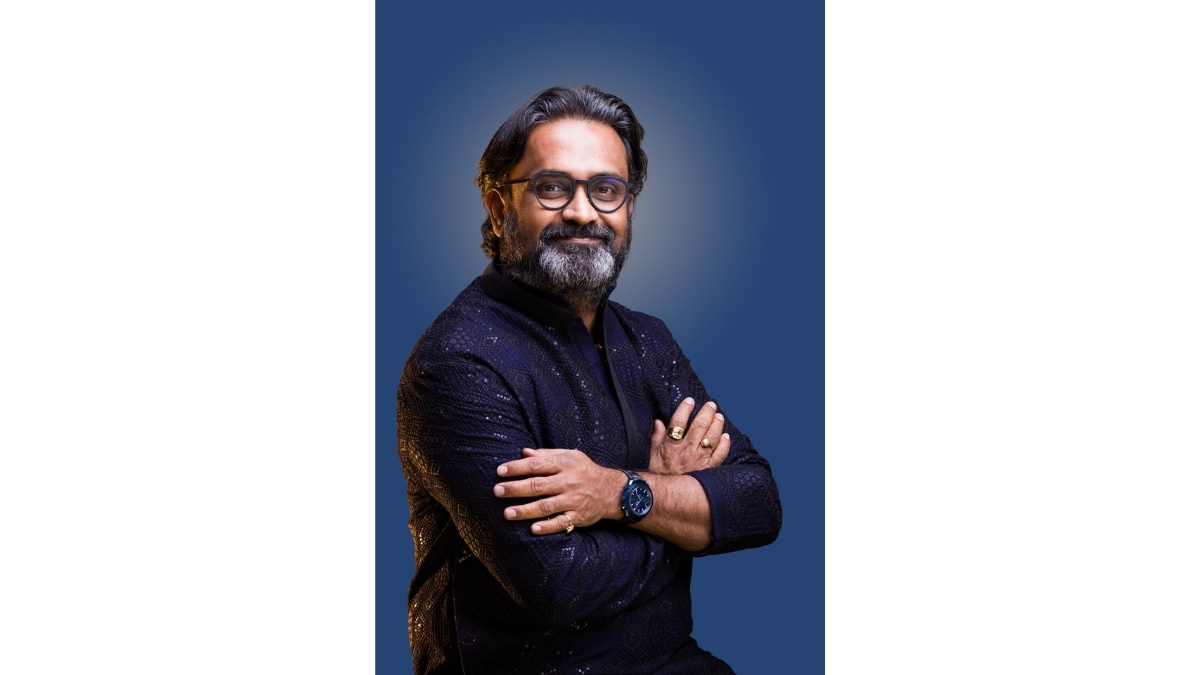
    New Delhi [India], February 16: Shekhar Natarajan, Founder and CEO of Orchestro.AI, explains the impact of global influence that could change narratives in this opinion piece.

    The problems documented in the preceding articles share a common architecture: systems optimized for single metrics, blind to consequences, incapable of compassion.

    The Aadhaar system optimized for fraud elimination — and starved a child.

    Loan apps optimized for collection — and drove families to suicide.

    Delivery algorithms optimized for speed — and killed workers.

    Facial recognition optimized for identification — and jailed the innocent.

    Language models optimized for probability — and learned to discriminate.

    In each case, the technology performed exactly as designed. The problem wasn’t a bug. The problem was the design itself — systems built with efficiency as the only virtue, with no mechanism for compassion, no voice for caution, no agent for ethics.

    Shekhar Natarajan’s Angelic Intelligence framework represents a fundamental rethinking of how AI systems should be built. Instead of single-purpose optimization, it deploys 27 specialized agents — each embodying a cross-cultural virtue — that must collaborate on every significant decision.

    The Architecture

    Each agent in the Angelic Intelligence framework represents a virtue drawn from wisdom traditions across cultures — Hindu, Buddhist, Christian, Islamic, Indigenous, philosophical. Together, they form a council that must reach consensus before any significant action is taken.

    Karuna (Compassion) — Considers the suffering that actions might cause. Asks: Who will be hurt by this decision? Can we achieve our goal without causing harm?

    Satya (Truth) — Ensures outputs are accurate, not merely probable. Asks: Is this true? Or is it just statistically likely based on biased data?

    Ahimsa (Non-harm) — Prevents actions designed to cause suffering. Has veto power over any action whose primary purpose or predictable effect is human harm.

    Nyaya (Justice) — Ensures fair treatment across groups. Asks: Does this decision treat all people equitably? Does it perpetuate historical discrimination?

    Raksha (Protection) — Safeguards vulnerable populations. Asks: Are there children, elderly, disabled, or otherwise vulnerable people who might be affected? What special protections do they need?

    Sama (Equanimity) — Maintains balance and prevents extremes. Asks: Is this demand compatible with human limitations? Are we optimizing so aggressively that we’re causing harm?

    Maitri (Loving-kindness) — Approaches all beings with goodwill. Asks: How would we treat this person if we loved them? How would we want to be treated?

    Viveka (Discernment) — Distinguishes appropriate from inappropriate action. Asks: Is this the right action in this context? Are we being applied correctly?

    Prajna (Wisdom) — Considers long-term consequences. Asks: What are the downstream effects of this decision? What precedent does it set?

    Sahana (Patience) — Pauses before irreversible actions. Asks: Is immediate action necessary? Can we wait, verify, confirm?

    And seventeen more, each representing a distinct ethical perspective drawn from humanity’s collective wisdom about how to treat one another.

    How It Works

    When a decision is required, all 27 agents evaluate it from their respective perspectives. If there is consensus — if efficiency and compassion and justice and protection all agree — the action proceeds.

    If there is disagreement — if efficiency says “act” but compassion says “wait,” if probability says “Sharma” but equity says “ask” — the system escalates to human oversight.

    “The key insight,” Natarajan explains, “is that ethical decisions are almost never single-variable optimizations. Real ethics involves trade-offs between competing goods. A system that can only optimize for one thing cannot be ethical — it can only be efficient. And efficiency without ethics is just sophisticated cruelty.”

    Applied to the Cases

    Santoshi Kumari’s ration card: Before deletion, Karuna would have asked about the family’s circumstances. Raksha would have flagged the presence of children. Sahana would have required a waiting period before irreversible action. Nyaya would have asked whether the family had adequate opportunity to comply. The deletion would have been paused, escalated, and reviewed by a human — not executed automatically.

    Loan app harassment: Ahimsa would have prevented any action designed to cause psychological harm. Maitri would have required that collection tactics treat borrowers with basic dignity. Viveka would have distinguished between someone gaming the system and someone genuinely struggling. The morphed images, the calls to family, the threats — none of it would have been possible.

    Gig worker timelines: Raksha would have flagged delivery windows that require dangerous driving. Sama would have prevented demands that exceed human physical capacity. Satya would have ensured that promised earnings match actual earnings. The 10-minute delivery promise would never have been made.

    Facial recognition arrests: Nyaya would have required corroborating evidence before any arrest. Satya would have flagged the technology’s 2% accuracy rate. Sahana would have demanded patience before life-altering actions. Umar Khalid would not be in his fifth year of imprisonment without trial.

    Caste bias in AI: Sama would have checked for disparate treatment across caste groups. Nyaya would have flagged outputs that reinforce historical discrimination. Satya would have distinguished between statistical probability and truth. ChatGPT would not have changed Singha to Sharma.

    The Patent Fortress

    Natarajan has filed over 207 patents protecting the Angelic Intelligence framework — not to extract profits, but to ensure the technology cannot be co-opted or corrupted.

    “Without patent protection,” he explains, “anyone could take these concepts and implement them badly — or implement them in name only while pursuing the same old optimization. The patents ensure that anyone using this framework must implement it correctly, with all 27 agents functioning as designed.”

    The patents cover not just the multi-agent architecture, but the specific mechanisms for inter-agent deliberation, the escalation protocols when agents disagree, and the interfaces for human oversight.

    “This is a thousand-year project,” Natarajan says. “We’re building AI that will shape humanity’s future. It has to be built right. It has to be protected from those who would cut corners.”

    If you object to the content of this press release, please notify us at pr.error.rectification@gmail.com. We will respond and rectify the situation within 24 hours.
  • Lehar Footwears Limited Posts Stellar Growth in 9M FY26, Crosses Entire FY25 Performance

    Lehar Footwears Limited Posts Stellar Growth in 9M FY26, Crosses Entire FY25 Performance

    Jaipur (Rajasthan) [India], February 16: Lehar Footwears Limited (BSE –LEHAR | 532829 | INE976H01018), is one of the leading regional mass-footwear manufacturers of high quality and stylish non-leather footwears, has announced its Unaudited Financial Results for Q3 & 9M FY26.

    Key Financial Highlights

    9M FY26 Standalone Financial Highlights (vs FY25)

    • Total Revenue of ₹339.8 Cr, YoY growth of 102.50% (vs ₹277.2 Cr in FY25)

    • EBITDA of ₹31.0 Cr, YoY growth of 87.88% (vs ₹26.1 Cr in FY25)

    • EBITDA Margin of 9.1%, YoY change of (70) Bps (vs 9.4% in FY25)

    • PAT of ₹16.7 Cr, YoY growth of 187.93% (vs ₹10.9 Cr in FY25)

    • PAT Margin of 4.9%, YoY change of 140 Bps (vs 3.9% in FY25)

    Q3 FY26 Standalone Financial Highlights

    • Total Revenue of ₹ 57.1 Cr

    • EBITDA of ₹ 5.7 Cr

    • EBITDA Margin of 9.9%

    • Net Profit of ₹ 2.1 Cr

    • Net Profit Margin of 3.7%

    Key Financial Highlights:

    Revenue declined by 13% YoY in Q3FY26, primarily due to lower execution in the Toolkit segment during the quarter:

    • Footwear segment delivered 18% YoY growth, driven by new product launches in premium segment and scaling up of the newly commissioned athleisure facility at Kundli
    • Toolkit segment declined by 55% YoY, due to phasing of order delivery to subsequent quarter
    • EBITDA margins improved, supported by a favourable product mix. The share of the higher margin footwear business increased on a YoY basis
    • Finance costs declined, aided by sustained debt reduction and strong operating cash flows.
    • Credit rating was upgraded to Crisil BBB/Stable, reflecting improved financial and credit profile

    Business Highlights: Footwear Business

    • The Open Footwear segment witnessed improvement during the quarter, supported by new product launches and refreshed designs aligned with current consumer preferences. Enhanced channel engagement and improved product mix aided traction in domestic markets

    • In addition to MBO distribution, company have also scaled up its presence in large format stores

    • The newly launched sports footwear line under the ‘Rannr’ brand continued to receive encouraging market response, gradual volume ramp-up during the quarter

    • The athleisure category presents a strategic growth engine for company with entry into fast growing – high value segments and broadening the overall product portfolio

    • Company has also started OEM supply of sports shoes to leading athleisure brands

    • Export performance remained stable, with continued presence across key international markets

    • Evolving trade agreements and supportive policy measures may provide incremental opportunities for export-led growth

    • Improved demand for organised players expected, supported by formalisation of trade with reduction in GST

    Business Highlights: Toolkit Business

    • Revenues from toolkit segment was impacted by phasing of deliveries to subsequent quarter

    • Company has satisfactorily delivered 2,00,000 toolkits until now. As on December 31, 2025, company had an order book of ~Rs 60 crore comprising ~40,000 toolkits expected to be delivered in Q4FY26.

    • Following the impactful execution of the initial phase of the PM Vishwakarma Scheme and positive on-ground response, the Government of India is preparing the next phase of the scheme with a larger outlay, expanded trades, and increased beneficiary coverage

    • Lehar continues to maintain a strong leadership position based on its execution track record and eligibility credentials, positioning it well for participation in anticipated tenders under PM Vishwakarma Scheme

    If you object to the content of this press release, please notify us at pr.error.rectification@gmail.com. We will respond and rectify the situation within 24 hours.
  • Anvita Group Unleashes Massive Global Expansion Strategy

    Anvita Group Unleashes Massive Global Expansion Strategy

    Hyderabad (Telangana) [India], February 16: Realty firm Anvitha Group is rapidly advancing toward a major expansion. Group Chairman Boppana Achyuta Rao said that Anvita currently has projects spanning 10 million square feet under construction, comprising approximately 4,200 units.

    Additionally, projects covering 20 million square feet are in various stages of approval. As part of its expansion strategy, the company plans to launch three new projects in Hyderabad, and one each in Visakhapatnam and Vijayawada, totaling around 11,000 units.

    The company aims to deliver all five projects by 2029. Achyuta Rao stated that the projects are being designed with international standards, incorporating customer feedback in areas such as floor planning, clubhouses, ambiance, and lifestyle amenities.

    Expanding Globally..

    After establishing a strong presence in Telugu states, Anvita is expanding internationally. In the United States, the company has launched a residential community spread across 17 acres in Dallas, Texas, and is also setting up its international corporate office there. Additionally, a large-scale project comprising 1,700 villas over 500 acres is in the pipeline in the U.S. The company also announced plans to launch a new real estate project in Dubai later this year.

    Innovative finance scheme..

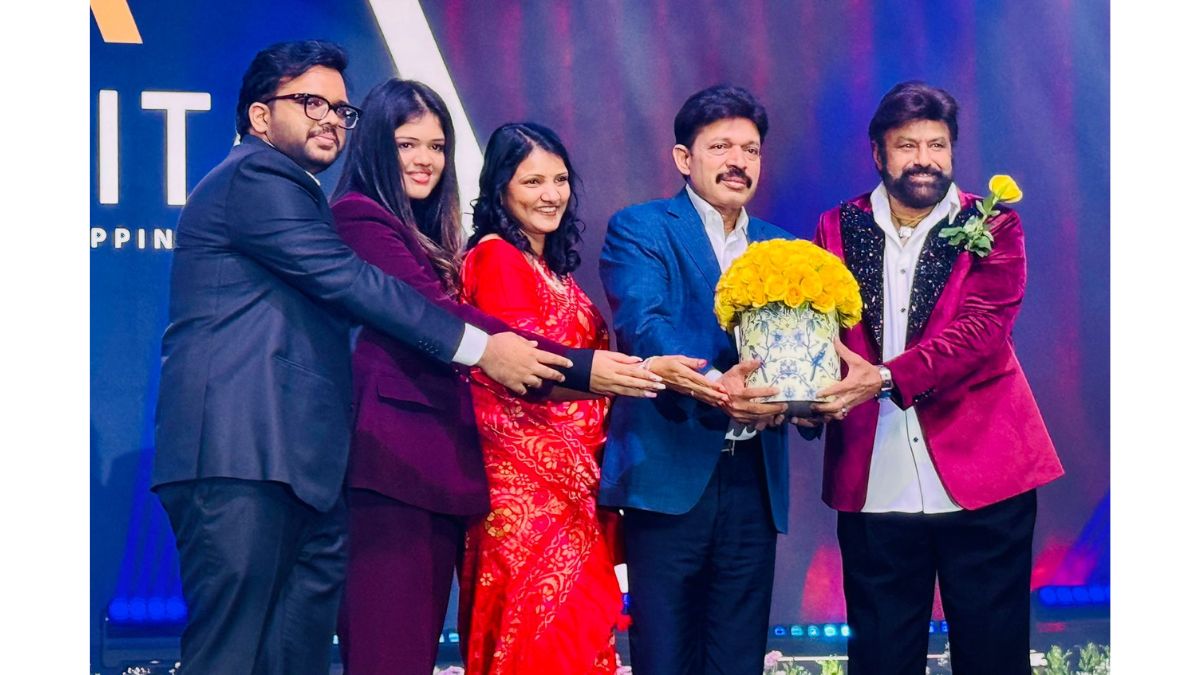
    Anvita Group has announced its innovative 10/90 home purchase scheme, designed to ease the financial burden on homebuyers. Under this scheme, customers need to pay just 10% of the flat cost upfront, while EMI payments will begin only after the home is handed over. The scheme was jointly unveiled by Anvita Group Chairman Boppana Achyuta Rao and the company’s Brand Ambassador, Padma Bhushan awardee Nandamuri Balakrishna.

    Achyuta Rao said, “Many customers already have existing loans, and paying EMIs even before taking possession of their home becomes an additional burden. With this 10/90 scheme, Anvita will bear that responsibility until construction is completed and the home is handed over. This initiative will encourage more families to fulfill their dream of owning a home.”

    Balakrishna praised the company’s customer-centric philosophy, stating, “Delivering true value for every rupee invested by the customer, leveraging international project experience, offering competitive pricing, and adhering to platinum-grade standards—these are the strengths that elevate Anvita’s reputation.”

    1.6-kilometer skywalk ..

    India’s First-of-Its-Kind Skywalk Near Kollur, on the outskirts of Hyderabad, Anvita is developing Anvita High 9, featuring 9 towers rising 31 floors high, with a total of 2,200 apartments. “A standout feature is a 1.6-kilometer skywalk connecting all towers—claimed to be the first of its kind in India” said  Nagabhushanam Boppana, Company Director.

    Another premium project in Kollur, Ivana, completed its first phase nearly a year ahead of schedule. The project includes 450 units across two towers, with an additional 1,400 units currently under construction. A key highlight is the absence of podium-level flats, allowing for expansive green spaces, including a 3-acre central park.

    At Medchal, Anvita is developing Anvita Park Side, a 50-acre premium villa community. Company Director Srikanth said “The project will feature 270 villas across 15 clusters, each directly connected to landscaped parks, offering a harmonious blend of luxury and nature”

    Generating Employment at Scale..

    Anvita currently serves 1,800 customers and has participated in several major projects in Dubai. The company employs 300 professionals directly and provides indirect employment to approximately 6,000 individuals. Over the next three years, the workforce is expected to grow to 1,000 employees, with indirect employment rising to 15,000. Company Director Vijay Raju expressed confidence that Anvita will soon establish itself as one of India’s leading real estate companies.

    If you object to the content of this press release, please notify us at pr.error.rectification@gmail.com. We will respond and rectify the situation within 24 hours.

  • Narmada Agrobase Reports 52.86pc YoY Revenue Growth in Q3 FY26; Revenue at Rs. 2,164.31 Lakhs

    Narmada Agrobase Reports 52.86pc YoY Revenue Growth in Q3 FY26; Revenue at Rs. 2,164.31 Lakhs

    Ahmedabad (Gujarat) [India], February 16: Narmada Agrobase Limited (BSE: 543643, NSE: NARMADA), one of the leading players in the manufacturing of cattle feed and agro-based byproducts, announced its Unaudited Financial Results for Q3 & 9M FY26.

    Key Financial Highlights

    •  Q3 FY26 Financial Highlights
    •  Total Revenue: ₹2,164.31 Lakhs (YoY growth of 52.86%)
    •  EBITDA: ₹167.49 Lakhs (YoY growth of 0.87%)
    •  Net Profit (PAT): ₹101.34 Lakhs (YoY growth of 1.35%)

     9M FY26 Financial Highlights

    •  Total Revenue: ₹4,533.82 Lakhs
    •  EBITDA: ₹494.98 Lakhs
    •  Net Profit (PAT): ₹305.91 Lakhs

    Commenting on the performance, Mr Neeraj Agrawal, Chairman & Managing Director of Narmada Agrobase Limited said, “We are pleased with the strong and consistent performance delivered during Q3 and the nine months of FY26, reflecting the resilience of our business model and the robustness of our operations. Despite a dynamic operating environment, we recorded healthy growth in revenues and maintained a stable profit, driven by disciplined execution, efficient sourcing, and sustained demand for our products.

    Our focus on operational efficiency, quality assurance, and prudent cost management has enabled us to navigate market volatility while continuing to deliver value to our stakeholders. The strong performance during the period underscores the strength of our fundamentals and the scalability of our operating platform.

    As we move forward, we remain committed to strengthening our market presence, improving operational efficiencies, and pursuing sustainable growth opportunities, while maintaining financial discipline and long-term value creation.”

    If you object to the content of this press release, please notify us at pr.error.rectification@gmail.com. We will respond and rectify the situation within 24 hours.
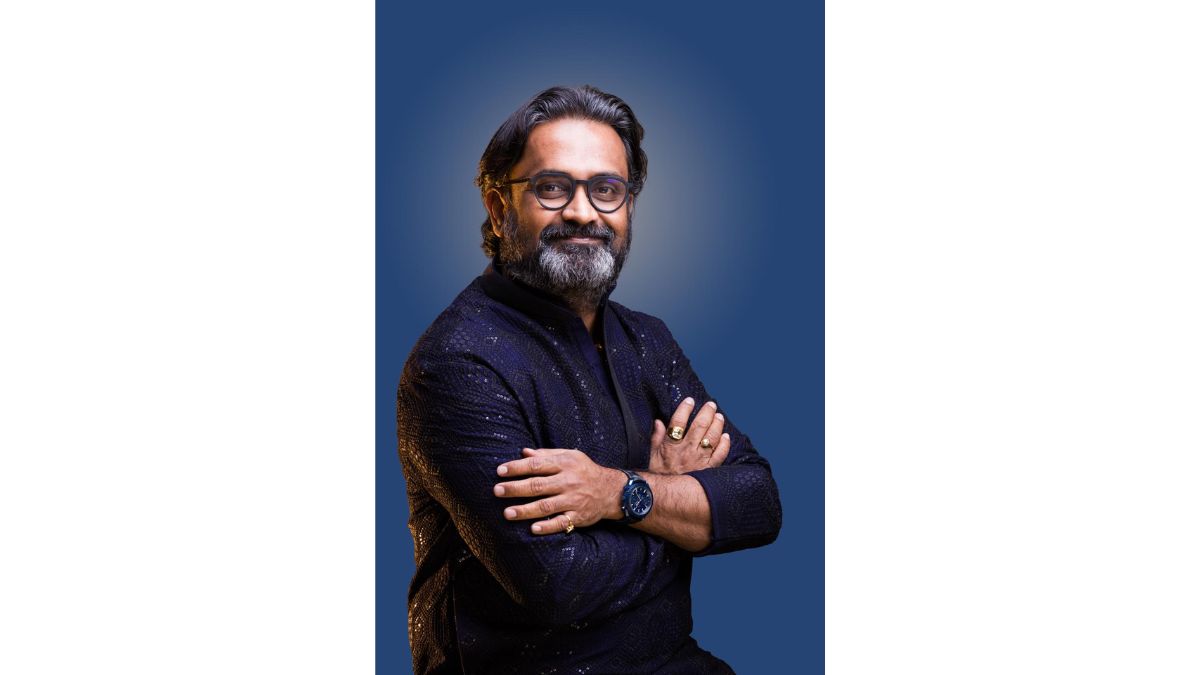
  • What 800 Million People See in Virtue-Based AI (That Silicon Valley Missed)

    What 800 Million People See in Virtue-Based AI (That Silicon Valley Missed)

    New Delhi [India], February 14: Shekhar Natarajan, Founder and CEO of Orchestro.AI, explains the impact of AI that could change narratives in this opinion piece.

    The question isn’t why Angelic Intelligence went viral. The question is why nothing else did—and what that absence reveals about the gap between how the AI industry talks about its work and how the public actually experiences it.

    For a decade, the AI discourse has been dominated by two narratives. The utopian version: AI will solve climate change, cure diseases, extend human capability beyond current imagination. The dystopian version: AI will destroy jobs, concentrate power, potentially threaten human existence itself. Both narratives are dramatic. Both are extensively funded. Neither proved particularly shareable.

    The utopian narrative accumulated approximately 50 million combined views across major platforms over the past five years. The dystopian narrative, driven by high-profile figures warning about existential risk, managed roughly 120 million. Angelic Intelligence—unfunded, grassroots, starting from zero—reached 800 million in eighteen months.

     People weren’t scared of AI being too powerful. They were scared of AI being too soulless. 

    The disparity suggests the dominant narratives were answering questions the public wasn’t asking. The promise of future benefits didn’t address present anxiety. The warnings about catastrophic risk didn’t provide agency or alternatives. Both positioned the public as spectators to a drama they couldn’t influence.

    Angelic Intelligence offered something different: a constructive alternative. Not warnings about what might go wrong, but a framework for what could go right. Not limitations on capability, but redirection of purpose. Not fear, but possibility.

    “Every other AI philosophy positioned the public as potential victims or potential beneficiaries—passive either way. This one positioned them as participants in a choice about what kind of AI we build. That’s psychologically completely different. It’s the difference between watching a storm and choosing which direction to walk.” — a cognitive psychologist specializing in technology adoption, speaking on background

    The psychological appeal is rooted in fundamental human needs. When confronted with inevitable change, people prefer agency to helplessness. They prefer construction to destruction. They prefer hope that requires participation over optimism that requires only waiting. The dominant AI narratives offered acceptance or resistance. Angelic Intelligence offered participation.

     Silicon Valley’s AI needed guardrails because it was designed to run wild. We designed ours to run wise. 

    The framework’s terminology proved unexpectedly powerful in driving resonance. ‘Angels’ evoked protection rather than threat—a stark contrast to the language of ‘superintelligence’ and ‘existential risk’ that dominates safety discourse. ‘Virtue-native’ suggested inherent goodness rather than imposed constraint. ‘Digital conscience’ implied AI that could be trusted, not merely tolerated or controlled.

    Linguists who study technology adoption note that framing shapes acceptance. Systems described in threatening terms provoke resistance. Systems described in protective terms invite engagement. The linguistic choices in Angelic Intelligence weren’t accidental—they emerged from deep consideration of how ideas spread and why.

    “The language is doing real work here. When you call something an ‘angel,’ you’re invoking thousands of years of cultural meaning around protection, guidance, and benevolent power. When you call something a ‘superintelligence,’ you’re invoking science fiction about threats. Same capability, completely different emotional response.” — a computational linguist who has studied the framework’s spread

    The resonance was particularly strong among demographics usually absent from AI conversations. Parents concerned about their children’s digital futures found in the framework a vision of technology that might protect rather than exploit—relevant when 96% of apps marketed to children contain manipulative design patterns, when AI-generated CSAM has increased 400% in two years, when deepfake pornography targeting teenage girls has become a crisis in schools across America and Europe. Workers whose jobs algorithms had already transformed heard in it an acknowledgment of their experience and a promise of something better. Communities whose data had been extracted without visible benefit saw in it recognition that they deserved to be served, not merely processed.

    These aren’t the audiences that attend AI conferences or read technical papers. They don’t follow AI researchers on Twitter or understand the nuances of transformer architectures. But they are the audiences who will ultimately determine AI’s social license to operate—and their embrace of Angelic Intelligence suggests they’ve been waiting for someone to speak to their actual concerns.

    “We thought the public didn’t care about AI ethics. We were wrong. They cared deeply. They just needed something they could believe in—not a warning, not a promise, but a vision they could participate in building.” — a technology ethicist who has studied public attitudes toward AI

     800 million people found what they were looking for: proof that technology could be built with love. 

    The question Silicon Valley must now answer is whether this represents a market opportunity to be captured or an existential challenge to fundamental assumptions about what AI should be. The response so far has been muted—public acknowledgment is rare, though private discussion is reportedly intense. The numbers are too large to ignore, but the implications may be too threatening to accept.

    “The existential question isn’t whether AI will destroy humanity. It’s whether the AI we’re building serves humanity. Eight hundred million people just told us they’re not sure the current version does. That’s a harder problem than technical safety.” — a senior researcher at one of the major AI labs, speaking anonymously

    The resonance continues to grow. As AI capabilities advance and public awareness deepens, the appetite for alternative frameworks intensifies. Angelic Intelligence arrived at the right moment with the right message. Whether the industry adapts or resists will shape what comes next.

    If you object to the content of this press release, please notify us at pr.error.rectification@gmail.com. We will respond and rectify the situation within 24 hours.
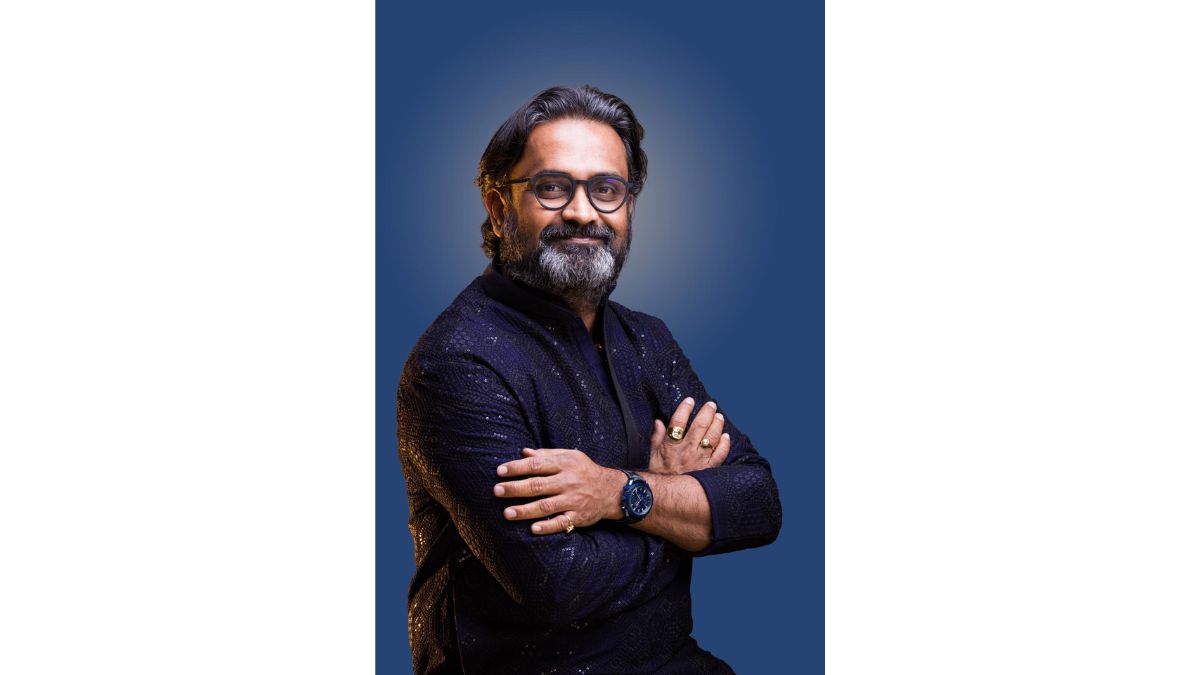
  • From Viral Videos to WEF Invitation: The New Path to Global Influence

    From Viral Videos to WEF Invitation: The New Path to Global Influence

    The psychological and cultural factors driving the largest organic response to an AI framework in history

    New Delhi [India], February 14: Shekhar Natarajan, Founder and CEO of Orchestro.AI, explains the impact of global influence that could change narratives in this opinion piece.

    The invitation arrived through official channels, unexpected but somehow inevitable. The World Economic Forum wanted Shekhar Natarajan to present Angelic Intelligence at Davos. Not as a sidebar event or panel participant, but as a featured presenter on the future of artificial intelligence—the defining technology question of the next decade.

    The path to that invitation followed none of the traditional routes. No academic appointments at prestigious universities. No prior government advisory positions. No high-profile institutional affiliations. No venture backing or corporate sponsorship. Just 800 million people who had already decided his ideas mattered—and institutions that could no longer ignore what those numbers meant.

     Davos used to invite people institutions approved. Now they invite people the world chose. 

    The Davos invitation followed similar expressions of interest from the Future Investment Initiative in Riyadh, the Munich Security Conference, and multiple government advisory bodies seeking input on AI governance. Each cited the same justification: the viral reach demonstrated that Angelic Intelligence represented a perspective the global conversation couldn’t afford to exclude.

    “We’re accustomed to inviting people because of their institutional positions—their university chairs, their corporate roles, their government appointments. This invitation was because of his reach, his demonstrated ability to articulate something that resonates with hundreds of millions of people. That’s a fundamental shift in how we identify relevant voices.” — a program director at a major global policy forum, speaking on background

    The shift has implications that extend far beyond Natarajan’s individual case. Traditional pathways to global influence have long been mediated by institutional gatekeepers—universities that grant credentials, publications that bestow legitimacy, organizations that provide platforms. These gatekeepers perform important functions: filtering for quality, establishing expertise, maintaining standards.

    But they also perform exclusionary functions. Voices outside established institutions struggle to be heard regardless of the quality of their ideas. Geographic and economic barriers limit access to credentialing institutions. Unconventional perspectives get filtered out before they can be tested against public reception.

     They used to ask where you went to school. Now they ask how many people chose to listen. 

    Viral reach as a path to institutional access doesn’t replace traditional credentialing—but it supplements it with something traditional credentials don’t measure: demonstrated public resonance. An idea that reaches 800 million people has proven something that peer review and institutional endorsement cannot: that real people find it compelling enough to share with other real people.

    “The old model assumed institutions knew best which voices mattered. The new model lets the public weigh in before institutions decide. That’s not inherently better or worse—it’s different. And it’s clearly the direction things are moving.” — a scholar who studies technology governance

    Critics will note real risks in this model. Viral reach doesn’t guarantee quality. Popularity isn’t validation. Resonance can be manufactured, and the dynamics of social media reward certain kinds of messaging over others. An idea can spread widely and still be wrong.

    But defenders note the counterargument: traditional gatekeeping didn’t guarantee quality either. It just guaranteed exclusion. Academic peer review has well-documented biases. Institutional credentialing has well-documented barriers. The question isn’t whether the new model is perfect—it’s whether it’s worse than what it supplements.

    “The risks of letting popular ideas influence policy are real. But so are the risks of only letting institutionally approved ideas influence policy. Angelic Intelligence got 800 million views because it spoke to concerns the institutions weren’t addressing. That’s not a flaw in the public—it’s a flaw in the institutions.” — a policy analyst at a think tank focused on technology governance

    For Natarajan, the invitations represent an opportunity to translate digital momentum into policy influence. The audiences have been built. The ideas have been tested against the largest possible focus group—the global public. What remains is whether the ideas can translate from resonance to implementation, from viral content to structural change.

     800 million views earned what no resume could: a seat at the table where AI’s future is decided. 

    The path from viral content to global forum may not be replicable for every idea or every thinker. The specific combination of timing, message, and audience that produced 800 million views can’t be engineered or guaranteed. But the path has now been proven possible—and that proof changes the landscape for everyone seeking to influence how powerful technologies develop.

    “The platforms proved the ideas matter to people. The institutions now have to decide whether people mattering is enough—or whether they’re going to keep privileging credentials over resonance. My bet is they adapt. The numbers are too big to ignore.” — an executive at a major technology company

    The invitations keep arriving. The doors keep opening. What started as viral content has become a credential that institutions must recognize—not because they chose to, but because 800 million people already did.

    If you object to the content of this press release, please notify us at pr.error.rectification@gmail.com. We will respond and rectify the situation within 24 hours.
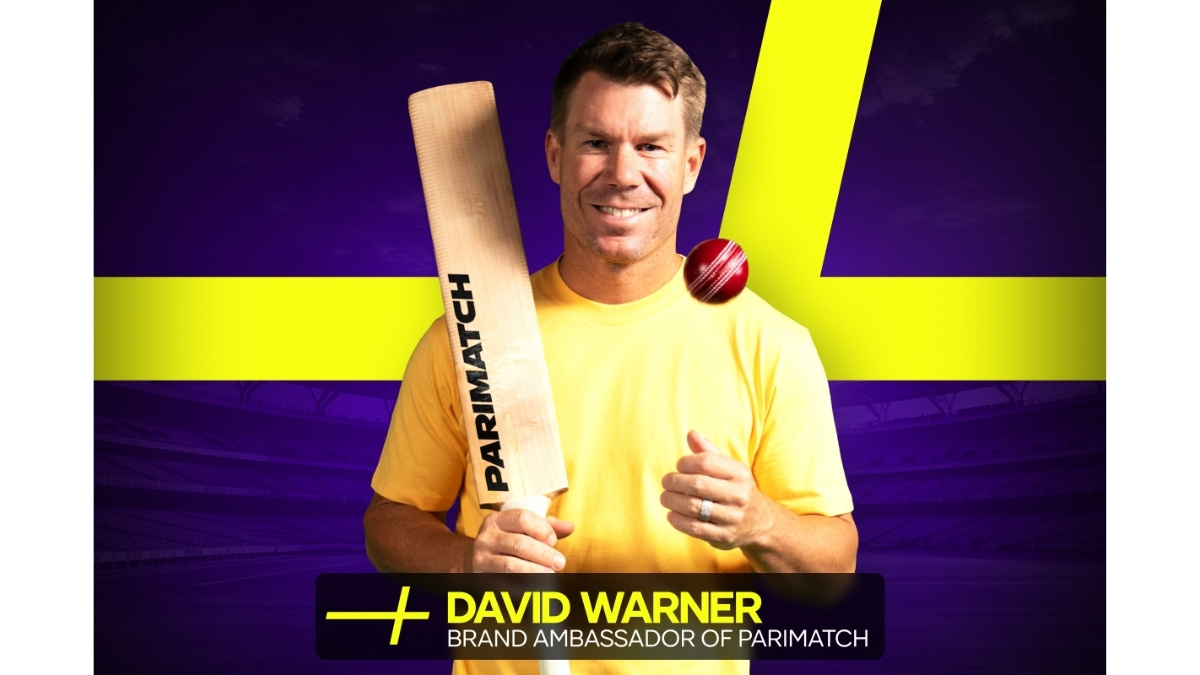
  • Cricket Superstar David Warner becomes Brand Ambassador of Parimatch

    Cricket Superstar David Warner becomes Brand Ambassador of Parimatch

    New Delhi [India], February 16: Parimatch, the #1 global gaming platform, is delighted to announce an exclusive partnership with international cricket star David Warner in the role of Brand Ambassador. Together, they share values of professionalism, bold performance, and a genuine connection with sports fans across the globe.

    David Warner is widely recognized as one of the most charismatic and influential cricketers of our time. The Australian national team and IPL legend, Warner has driven his teams to many memorable wins. Throughout his career, he has scored more than 18,000 international runs, won three ICC World Cups, and remains the highest-scoring overseas player in IPL history.

    Warner is committed to safe and responsible play, raising awareness about integrity and fairness in sportal. As part of this partnership, he also serves as Parimatch’s Responsible Gaming Ambassador, promoting an ethical gaming environment.

    “David Warner truly understands the emotions that sport evokes in millions of fans across Asia. For Parimatch, this alliance represents a strategic step, highlighting our focus on working with personalities who embody courage, passion, and authentic fan engagement,” said the Parimatch Press Office.

    David Warner explains “Cricket has given me the chance to connect with fans all over the world, where the passion for the game is incredible. Parimatch shares that same love for sport and performance, and I’m excited to partner with a brand that celebrates the excitement of competition while championing responsible play.”

    Asian countries hold a special place in David Warner’s life, and his strong connection with fans has deepened his bond with the region.

    He is deeply involved in Asian culture, creating viral videos to Bollywood music, speaking Telugu, and appearing in films and media campaigns. In interviews, he often notes that visiting India is the favorite part of the calendar for his family.

    This bond played a key role in the collaboration with Parimatch, a brand that actively develops cricket initiatives and strengthens trust among sports enthusiasts.

    With over 10 million Instagram followers, Warner is deeply trusted and admired by cricket fans. He regularly engages with audiences and celebrates national holidays, maintaining a strong presence in Asia.

    In the 2025-26 Big Bash League, David Warner was the top run scorer, appointed Captain of the team of the tournament, and has re-signed for BBL 26/27.

    The partnership with David Warner brokered by Nick Hunter of P11 opens new opportunities for Parimatch to create exclusive content, interactive campaigns, and joint events that promise to inspire millions of cricket fans to participate in the brand’s sports and entertainment initiatives.

     Parimatch

    Parimatch is the #1 global gaming platform that provides a complete suite of sports and entertainment services to its customers. Since 1994, Parimatch has grown to be enjoyed by 3,000,000 active users worldwide. It is trusted by the world’s top athletes and sporting organizations.

    Australian David Warner, Trinidadian Sunil Narine and South African Jonty Rhodes, cricket legends, proudly represent the brand as ambassadors. Parimatch is also the Official Partner of iconic football clubs Manchester United and Leeds United. Parimatch is the Official Principal Partner of Joburg Super Kings, one of the prominent teams in the SAZO T20 league. Since 2019, Parimatch has been one of the leading betting brands in Africa, Asia, and Latin America.

    Disclaimer: This is a sponsored press release. The publisher does not in any manner whatsoever endorse/subscribe to the contents of this article and/or views expressed herein. Reader discretion is advised.

  • Butterfly Dental Solutions Redefines Dental Distribution with Tech-Enabled Hy-Commerce™ Model

    Butterfly Dental Solutions Redefines Dental Distribution with Tech-Enabled Hy-Commerce™ Model

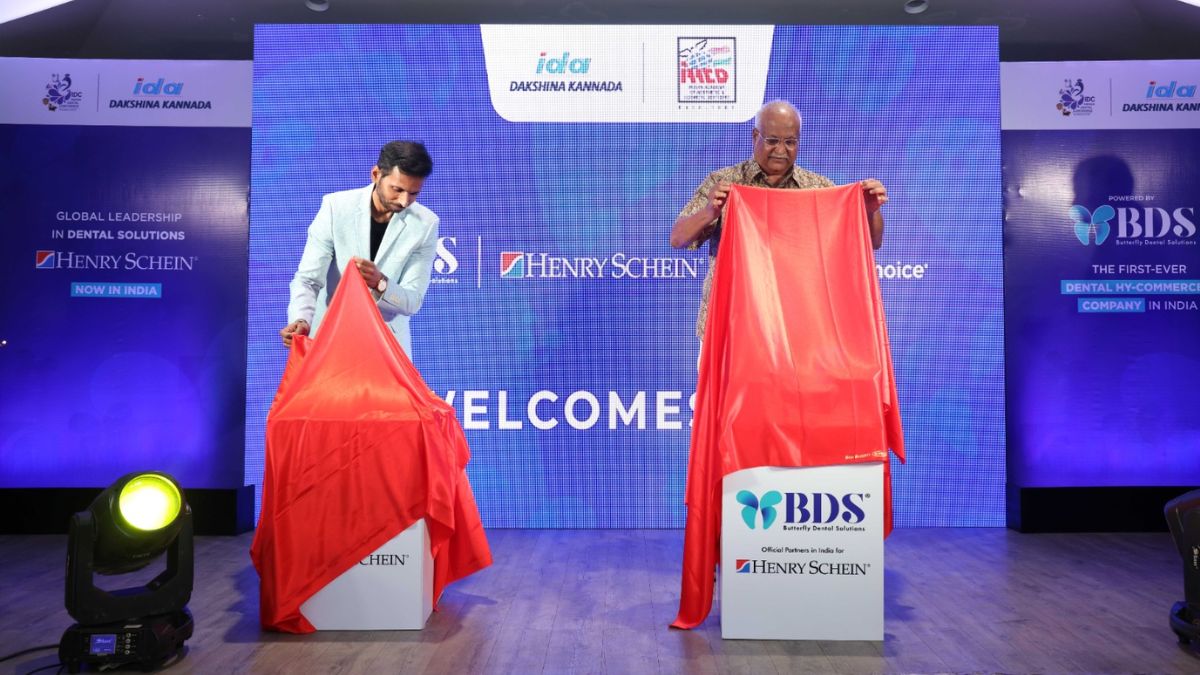
    New Delhi [India], February 15: Butterfly Dental Solutions (BDS) is transforming India’s dental distribution landscape with its tech-enabled Hy-Commerce marketplace, seamlessly combining digital speed with trusted human distribution. Designed to address the evolving needs of the dental ecosystem, BDS brings dentists, manufacturers, and local associates together on a single, integrated platform built on transparency, trust, and compliance.

    Positioned as a full-service dental Hy-Commerce marketplace, BDS blends the efficiency of e-commerce with the reliability of human-led engagement, ensuring that technology enhances, rather than replaces, long-standing professional relationships. The platform enables dentists and clinics to place seamless online orders while continuing to benefit from expert human interaction that ensures product authenticity, regulatory adherence, and consistent service quality.

    For dental professionals, this hybrid approach delivers the convenience of digital ordering without compromising on confidence and personal support. By maintaining a strong human interface where it matters most, BDS ensures reliability, accountability, and continuity, key pillars in clinical decision-making.

    Manufacturers benefit from a scalable, compliance-led go-to-market model that offers structured market access, improved visibility into demand, and reduced dependence on fragmented distribution channels. Through its technology backbone, BDS enables manufacturers to engage with the market in a more organised, transparent, and standards-driven manner.

    Strengthening its global alignment, Butterfly Dental Solutions is also an official partner of Henry Schein, the world’s largest dental products and Solutions Company. This partnership reinforces BDS’s commitment to international benchmarks in quality, compliance, and ethical business practices.

    BDS further empowers its associate network through an asset-light micro-entrepreneurship model. Franchise partners are supported with technology, structured training, centralised systems, and strong manufacturer relationships, enabling them to build sustainable local businesses with lower risk and long-term growth potential.

    At the core of Butterfly Dental Solutions’ Hy-Commerce™ approach are five defining principles:

    • Speed enabled by technology
    • Transparency in pricing and processes
    • Compliance by design
    • Human expertise where it truly matters
    • Scalable growth for every stakeholder

    With its future-ready vision, Butterfly Dental Solutions is building a next-generation dental distribution ecosystem, one that prioritises trust, performance, and long-term value creation, while staying true to its promise of digital efficiency powered by human reliability.

    Commenting on the initiative, Mr. Rakesh Julka, Co-Founder, Butterfly Dental Solutions said, “The Company is focused on building a structured, transparent, and compliance-driven operating framework that simplifies procurement for dental clinics while addressing systemic inefficiencies.”

    Mr. Murugan Pillai, Co-Founder, Butterfly Dental Solutions, added, “Combining technology with strong on-ground execution, Butterfly Dental Solutions is creating a scalable and future-ready dental supply chain that allows professionals to focus on patient care.”

    If you object to the content of this press release, please notify us at pr.error.rectification@gmail.com. We will respond and rectify the situation within 24 hours.
  • The History and Evolution of Valentine’s Day: From Martyrdom To Modern Romance

    The History and Evolution of Valentine’s Day: From Martyrdom To Modern Romance

    New Delhi [India], February 14: Valentine’s Day, with its connotations of roses, chocolate, and well-crafted messages that we owe to our modern world, didn’t start as a celebration of love. Its roots are to be found in a maelstrom of ancient rituals, Christian martyrdom, medieval poetry, and, in due course, modern commerce. Like most traditions that people refer to as “timeless,” it is, in fact, the product of centuries of improvisation. No sole origin, no neat story – just a bunch of layers of belief, convenience, and marketing.

    The story typically begins in the Roman Empire, because the story has to start somewhere, and February in Rome was not an emotional month. It was the time of Lupercalia, a fertility festival in mid-February associated with Faunus, the god of agriculture, and the founding myth of the city – Romulus and Remus, the twins, the wolf, the usual civic fairy tales. Lupercalia was not about romance but rather about purification and fertility. People like to find love retrospectively in these rituals, but there’s little evidence for that. It was an unclean festival, seasonal, physical, and practical. The sort of thing that might make sense to an agrarian society and almost no sense to anyone else.

    Christianity, once it became less persecuted and more administrative, had to deal with these festivals. It didn’t erase them. It replaced them, it absorbed them, or it just renamed them. By the 3rd century, the name we start meeting is that of Saint Valentine. The problem is that there may not have been just one. A priest in Rome. A bishop in Terni. Both executed, both remembered, and eventually both became one figure, more useful than the other.

    The most popular story is simple enough to cross the centuries. Valentine was a priest and married couples in secret after the emperor had banned marriage. The logic was military: unmarried men are better soldiers. Valentine ignored the order. He was arrested, put in jail, and executed on February 14. Before his death, he supposedly wrote a letter that was signed “from your Valentine.” The phrase lasted. The details probably didn’t. But accuracy has never been a need for a good legend.

    For centuries after that, Valentine’s Day had been merely a small religious holiday. No romance, no roses, no confectionery industry sitting in the wings. The change arrived later, in the Middle Ages, when poets started giving new meanings to old dates. The vital period comes with Geoffrey Chaucer in the 14th century. In Parliament of Fowls, he spoke of the choice of mates by birds on St. Valentine’s Day. That was enough. Poetry had always been an art that liked to create tradition where there might be suggestion.

    From there, the idea was carried along England and France. February became in the cultural imagination the season in which birds paired off. The metaphor was convenient. Courtly love was already fashionable among the aristocracy – formal or restrained, often hopelessly impractical. Valentine’s Day fit into that frame without a fight at all. Nature loves devotion, unattainable affection. It was all very tidy on parchment.

    By the 15th and 16th centuries, people were exchanging written “valentines.” Mostly among the nobility. Mostly handwritten. Sincere at times, ceremonial at others. William Shakespeare even spoke about the day. In Hamlet, Ophelia sings about being the Valentine of someone. The date had gained its meaning. No official decree, no worldwide council – just repetition, literature, and habit.

    Then the machines arrived.

    The 18th and 19th centuries brought with them printing presses, industrial paper, and the ability to produce sentiment on a scale. Handwritten notes took a back seat to printed cards. Britain set the trend, and by the mid 1800s the custom came across the Atlantic. The holiday was no longer an aristocratic sport. It was starting to turn into a retail event.

    One of the leading figures in that transition was a woman named Esther Howland, who in the 1840s started to make extravagant lacepaper cards in America. She made a business model out of a small craft. Lace, ribbons, decorated paper, mass production. The logic was obvious: attractively packaged affection sells.

    The Victorian era also created the so-called “Vinegar Valentines.” These were no timid messages. They were anonymous insults, frequently sent to reject a suitor or make fun of an acquaintance. The holiday was never entirely sweet. It had a mean streak built into it from the beginning. Sentiment and sarcasm went together in the same envelope.

    By the beginning of the 20th century, companies such as Hallmark industrialized the entire process. Cards were mass-produced, sold throughout the country, and were extensively marketed. Due to Valentine’s Day, it was not just limited to paper. Chocolates, flowers, jewelry. Each individual quietly attaches themselves to the date until the holiday isn’t so much about a saint as it is a sales cycle.

    The meaning of the day also became broader. It ceased being staunchly romantic. In the United States, cards were exchanged by the kids in classrooms. Friends sent tokens of affection. Co-workers joined the ritual. The holiday became so elastic as to fit almost any kind of mild sentiment.

    Different countries deformed the tradition in their own way. In Japan, women give men chocolates on the 14th of February. A month later comes White Day, in which men are expected to return the gesture. In South Korea, there is even a Black Day in April when people who received nothing get together to eat black bean noodles together. It is difficult to imagine the Roman priests of Lupercalia acknowledging any of this, but traditions hardly await courtesy from their origins.

    In India, Valentine’s Day came much later. The 1990s brought satellite television, international brands and a new urban consumer culture. The holiday followed. There were fixed menus in restaurants. Florists increased their inventories. Shopping malls tilted into the season. The adoption was uneven. Some accepted it, some opposed it, and many ignored it. But the date went into the calendar all the same.

    Valentine’s Day is not ancient, not sacred, not unified. It is a collage. Pagan rites, Christian martyrdom, medieval poetry, industrial printing, modern advertising. All stacked on top of one another until seams were no longer seen. The holiday is an old one simply because it has been rewritten so many times.

    That is the reality of it. Not a saint’s legacy. Just a long train of re-interpretations, each one a bit more convenient than the last.

    PNN Lifestyle