Author: Sutun Nayak

  • Surat Indoor Stadium Comes Alive as V N Godhani School Hosts Grand Annual Function

    Surat Indoor Stadium Comes Alive as V N Godhani School Hosts Grand Annual Function

    Surat (Gujarat) [India], December 25:  V. N. Godhani English School, located in the Katargam area of Surat, organized its grand Annual Function for the academic year 2024–25 on December 24, 2025, at the Surat Indoor Stadium. The event was celebrated with great pride and enthusiasm, showcasing a beautiful blend of education, values, and Indian culture.

    The programme was graced by the presence of Surat Mayor Shri Daxshesh Mavani, Member of Parliament Shri Mukesh Dalal, and Veer Narmad South Gujarat University Vice-Chancellor Dr. Kishorsinh Chavda as chief guests. The event gained further prestige with the presence of Padma Shri Mathurbhai Savani and Padma Shri Savjibhai Dholakia, along with other eminent dignitaries.

    On this occasion, students who secured A and A+ grades in the previous board examinations were honoured with cheques. Students of Standard 6 who qualified in the Godhani Pratibha Scholarship Examination and received a three-year fee waiver were also felicitated. Additionally, students from all standards who achieved A+ grades in the annual examinations and were granted a one-year fee waiver were honoured on stage.

    The main attraction of the annual function was the cultural performances presented by nearly 1,600 students. Performances based on Indian festivals such as Diwali, Holi, Uttarayan, Navratri, Janmashtami, and Durga Puja, along with themes like agriculture, diamond and textile industries, and patriotism, deeply impressed the audience and dignitaries alike.

    The students were trained through the dedicated efforts of teachers under the inspiring guidance of school trust president Shri Govindkaka, along with Shrimati Madhaviben and Mayuriben. The programme was conducted under the leadership of Director Shri Bhaveshbhai Lathiya and Principal Divyaben Gajjar.
    The event truly reflected the spirit of the school’s guiding philosophy:

    “That institution where education and culture flourish, and which lights the lamp of a bright future, is worthy of reverence.”

    The annual function remained a memorable experience for everyone present.

    It is noteworthy that V. N. Godhani is an educational institution that imparts moral and spiritual values along with academics. Daily rituals such as Yagna, recitation of chapters from the Bhagavad Gita, and chanting of the Hanuman Chalisa are an integral part of students’ routine, reinforcing the school’s commitment to holistic education.

    PNN Education

  • Mission Santa: When India’s Animation Industry Decides Christmas Is Serious Business

    Mission Santa: When India’s Animation Industry Decides Christmas Is Serious Business

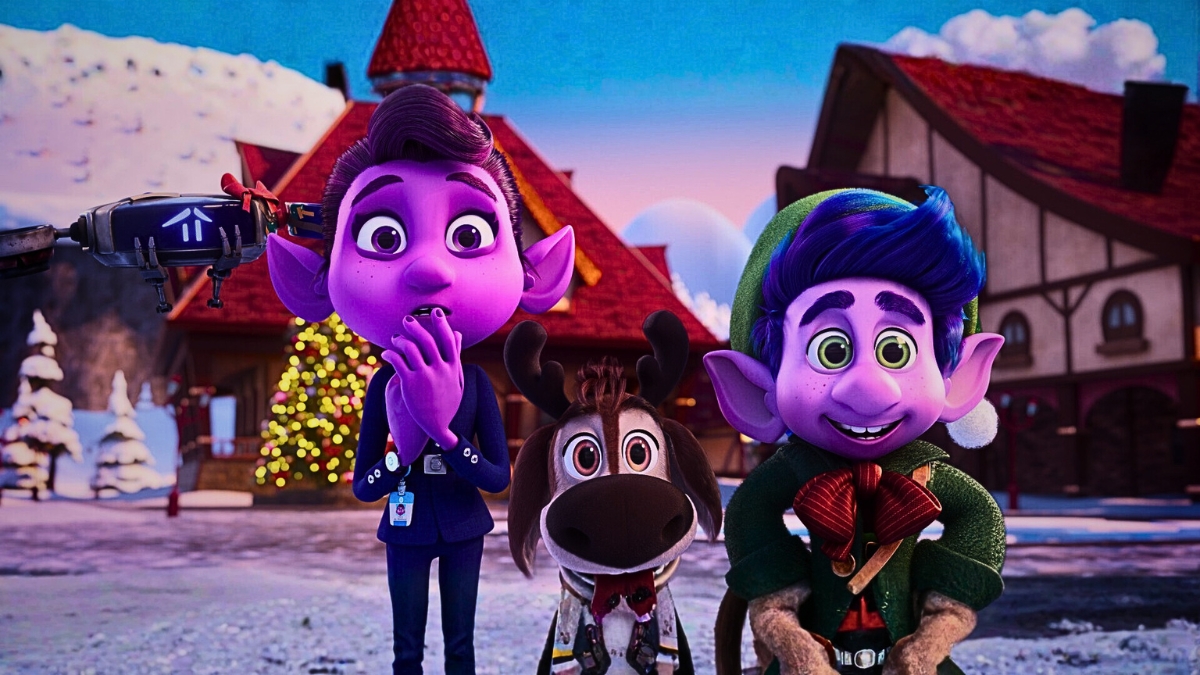
    Mumbai (Maharashtra) [India], December 25: Not every Christmas release arrives with tinsel and nostalgia. Some come carrying ambition, industry anxiety, and the quiet pressure of representation. Mission Santa: Yoyo To The Rescue is one such film — an Indian animated feature that doesn’t just want to entertain children for 90 minutes, but wants to make a point: Indian animation deserves a theatrical seat at the global holiday table.

    Let’s start with the obvious irony. Christmas, traditionally dominated by Hollywood animation juggernauts, is now hosting an Indian animated Santa who doesn’t look apologetic about existing. Mission Santa arrives with a nationwide theatrical rollout, a global release plan, and the kind of confidence Indian animation has historically been accused of lacking.

    That alone makes it worth discussing — even before we get to the film itself.

    The Film And Its Intent (Because Intent Matters Here)

    Mission Santa: Yoyo To The Rescue is positioned as a family-friendly animated adventure revolving around Santa Claus, a mischievous yet courageous child protagonist named Yoyo, and a rescue mission that blends festive cheer with action-driven storytelling.

    On the surface, it’s a classic holiday setup. Underneath, it’s something more strategic.

    This film is not trying to reinvent animation. It’s trying to normalise Indian animated cinema as theatrical-worthy, especially during peak seasons when studios usually play safe with imported content.

    And that’s a risk.

    The Bigger Backstory: Why This Film Exists Now

    Indian animation has always had talent. What it hasn’t consistently had is distribution faith.

    For years, animated content was pushed toward television, digital platforms, or relegated to “kids-only” labels that quietly discouraged theatrical investment. Mission Santa challenges that mindset head-on by opting for:

    • A wide theatrical release across India, including Karnataka and southern markets

    • A global rollout timed to December 25, aligning with international holiday viewing habits

    • A deliberate positioning as a cinematic experience, not just a children’s distraction

    This isn’t accidental timing. It’s an industry statement disguised as a Christmas film.

    Mission Santa

    The Budget, The Scale, And The Reality Check

    According to industry tracking and production disclosures, Mission Santa has been mounted on an estimated budget of ₹20–25 crore, which includes animation production, voice performances, music, and a multi-market distribution push.

    For Indian animation, that’s not small change.

    The visuals, as seen in trailers and promotional material, suggest a polished, globally-influenced animation style — not cutting-edge Pixar-level, but far from amateur. The character designs aim for universality rather than hyper-localisation, which explains the film’s confidence in overseas markets.

    But ambition always comes with consequences.

    The Positives: Where Mission Santa Gets It Right

    Let’s be honest — there’s a lot this film does well.

    Pros

    • A confident theatrical rollout instead of a quiet digital dump

    • Clear understanding of its target audience: families, not niche cinephiles

    • Festive timing that naturally boosts footfall

    • Clean storytelling without overstimulation or tonal confusion

    • A production quality that signals growth, not compromise

    Industry insiders have already pointed out that Mission Santa is being treated as a benchmark release — a test case for whether Indian animated films can survive theatrical economics without leaning on nostalgia IPs.

    That alone gives it weight.

    Mission Santa

    The Negatives: Where The Sleigh Wobbles

    Now for the inconvenient truths — because pretending otherwise would be dishonest.

    Cons

    • Story beats feel familiar, occasionally predictable

    • Emotional depth is limited by runtime and genre constraints

    • Competing with Hollywood animation during Christmas is never a fair fight

    • Adults may find the narrative too safe, too clean

    There’s also the unavoidable comparison problem. When audiences walk into animated Christmas films, they subconsciously compare scale, texture, and emotional resonance with global giants. Mission Santa doesn’t lose badly — but it doesn’t dominate either.

    And domination, unfortunately, is what box office math demands.

    Early Audience Response And Industry Buzz

    Early reactions from family audiences have been warm but measured. Parents appreciate the wholesome tone and lack of sensory overload. Children respond well to the adventure format and central characters.

    Industry chatter, however, is where things get interesting.

    Distributors are watching this release closely — not for record-breaking numbers, but for sustainability metrics:

    • Weekend occupancy consistency

    • Regional performance differences

    • Repeat viewing potential

    • Merchandising and school-holiday tie-ins

    This is not just a film release. It’s a data experiment.

    Mission Santa

    Box Office Expectations (Without Sugarcoating)

    While it’s still early to declare final numbers, trade projections suggest:

    • Opening weekend collections: Modest, driven by family footfall

    • Christmas Day spike: Expected due to holiday timing

    • Break-even probability: Moderate to good, depending on overseas performance and holiday legs

    This is not a film designed to explode on Day 1. It’s built to accumulate goodwill and longevity, especially if schools remain closed and word-of-mouth stays positive.

    Why The Sarcasm Is Necessary

    Here’s the quiet irony: the same industry that complains about lack of original Indian animation rarely shows up to support it theatrically.

    Mission Santa is not flawless. But it is earnest. And in an ecosystem addicted to risk-free imports, earnestness is rebellion.

    If the film underperforms, it won’t just be a box office story — it will be cited as a “lesson” against future animated investments. If it holds steady, it becomes proof that Indian animation doesn’t need permission anymore.

    That’s a heavy burden for Santa to carry.

    Final Thought

    Mission Santa: Yoyo To The Rescue is not here to overthrow the animation hierarchy. It’s here to stake a claim.

    It says Indian animation can be festive without being frivolous, ambitious without being delusional, and theatrical without apology.

    Whether audiences reward that courage remains to be seen.

    But for once, Santa isn’t delivering gifts.

    He’s delivering a question to the industry:
    If not now, then when?

    PNN Entertainment

  • Champion: When A Sports Film Tries To Win With Heart Before It Wins The Scoreboard

    Champion: When A Sports Film Tries To Win With Heart Before It Wins The Scoreboard

    Mumbai (Maharashtra) [India], December 25: Some sports films arrive with chest-thumping bravado, slow-motion victories, and background scores that practically instruct you when to feel inspired. Champion does something slightly more dangerous — it walks into the arena quietly, carrying emotional baggage instead of trophies, and hopes the audience notices the weight before the finish line.

    At its core, Champion is a Telugu-language sports drama starring Roshan Meka and Anaswara Rajan, and on paper, it sounds comfortingly familiar: an underdog athlete, personal setbacks, discipline, sacrifice, and the long, unforgiving road to self-belief. But familiarity, when paired with sincerity, can still feel honest — and that’s the tightrope this film chooses to walk.

    The problem is not that we’ve seen this story before.
    The problem is that we’ve felt it before — and feelings have higher standards now.

    Where This Film Comes From (And Why That Matters)

    Sports dramas in Indian cinema rarely exist in isolation. They are born from a cultural obsession with perseverance, redemption, and moral victory — especially when real-world systems feel stacked against the individual. Champion positions itself squarely within this tradition, but with a generational update.

    Roshan Meka, stepping into a physically demanding role, plays a character whose journey is less about medals and more about identity under pressure. The film frames sport not merely as competition, but as survival — emotional, social, and occasionally economic.

    Anaswara Rajan’s presence adds a grounded emotional axis, offering restraint where the narrative could have easily slipped into melodrama. That balance is deliberate, and for the most part, effective.

    What The Film Is Actually About (Beyond The Trophy)

    Without turning this into a spoiler-filled recap, Champion explores:

    • The cost of ambition when talent isn’t enough

    • The emotional toll of expectation — from family, society, and oneself

    • The quiet violence of failure in a success-obsessed culture

    Sport is the backdrop, not the headline. This is not a film obsessed with winning. It’s a film uncomfortable with losing — and what losing does to people who were never allowed to fail in the first place.

    That thematic choice gives the film a subtle maturity, even when its narrative beats remain familiar.

    The Performances: Controlled, Not Showy

    Roshan Meka delivers a performance that is physically committed and emotionally restrained. He doesn’t perform heroism; he grows into it — and that distinction matters. His portrayal avoids loud theatrics, instead opting for internalised frustration, exhaustion, and quiet defiance.

    Anaswara Rajan, meanwhile, provides emotional grounding without becoming ornamental. Her character isn’t written merely as motivation or moral support — a refreshing choice in a genre that often sidelines female roles into symbolic encouragement.

    Supporting performances do their job efficiently, though some character arcs feel underwritten, possibly victims of runtime compression rather than creative neglect.

    The Good: Why Champion Works More Than It Fails

    Let’s acknowledge the positives honestly.

    Pros

    • Sincere emotional tone that doesn’t insult the audience’s intelligence

    • Physical realism in training and sports sequences

    • Lead performances that prioritise vulnerability over bravado

    • A narrative that respects effort even when success is delayed

    The film’s technical execution is solid, if not extravagant. Cinematography avoids unnecessary gloss, keeping the focus on human movement and exhaustion rather than cinematic excess. The background score supports scenes instead of announcing emotions like a loudspeaker.

    This restraint is one of the film’s strongest assets.

    The Not-So-Good: Where Familiarity Becomes A Liability

    Now for the other side — because ignoring it would be dishonest.

    Cons

    • Predictable narrative arcs that seasoned viewers will anticipate early

    • Certain emotional beats feel rushed, reducing their impact

    • Antagonistic forces lack depth, making conflicts feel convenient

    • The final act leans slightly too hard into genre expectations

    Some social media reactions echo a similar sentiment: the film is heartfelt, but doesn’t surprise. Viewers appreciate its sincerity but wish it had taken one real narrative risk instead of playing it safe within proven formulas.

    In a genre crowded with inspirational stories, Champion doesn’t reinvent the wheel — it simply polishes it.

    Audience Response So Far: Quiet Approval, Not Frenzy

    Early audience sentiment suggests a mixed-to-positive reception. Many viewers praise the emotional core and performances, while others point out pacing issues and predictability.

    This isn’t a film that sparks loud online wars or hyperbolic declarations. Its appreciation is quieter — word-of-mouth driven rather than hashtag-fuelled. That may limit explosive box office numbers, but it helps build credibility over time.

    Box Office Reality (What We Know So Far)

    While exact figures are still evolving, industry tracking indicates:

    • Opening collections: Modest but steady, particularly in urban centres

    • Budget range: Estimated between ₹12–15 crore, factoring in sports choreography, training schedules, and production scale

    • Break-even prospects: Achievable through a combination of theatrical run, satellite rights, and digital platforms

    This is not a film chasing mass hysteria. It’s designed for sustainability rather than spectacle — a calculated decision in today’s fragmented market.

    Why Champion Exists Now

    The timing of this film is not accidental.

    We are in an era where the idea of “winning” feels complicated. Success stories are questioned. Hustle culture is tired. Audiences are more interested in process than outcome — and Champion leans into that psychological shift.

    It doesn’t promise that effort guarantees victory. It suggests that effort changes you — and sometimes, that has to be enough.

    That perspective may not excite everyone, but it resonates with those exhausted by artificial triumph.

    Final Thought (Measured, Not Merciless)

    Champion doesn’t scream for attention. It doesn’t demand applause. It simply shows up, does the work, and asks you to meet it halfway.

    Is it flawless? No.
    Is it revolutionary? Not quite.
    Is it honest? Enough to matter.

    In a cinematic landscape increasingly addicted to noise, Champion chooses discipline over drama — and while that choice may cost it viral moments, it earns something rarer: quiet respect.

    Sometimes, that’s what real champions look like.

    PNN Entertainment

  • Vande Bharat Via USA: When A Gujarati Film Packs Its Bags, Its Identity, And A Very Oddly Familiar Dream

    Vande Bharat Via USA: When A Gujarati Film Packs Its Bags, Its Identity, And A Very Oddly Familiar Dream

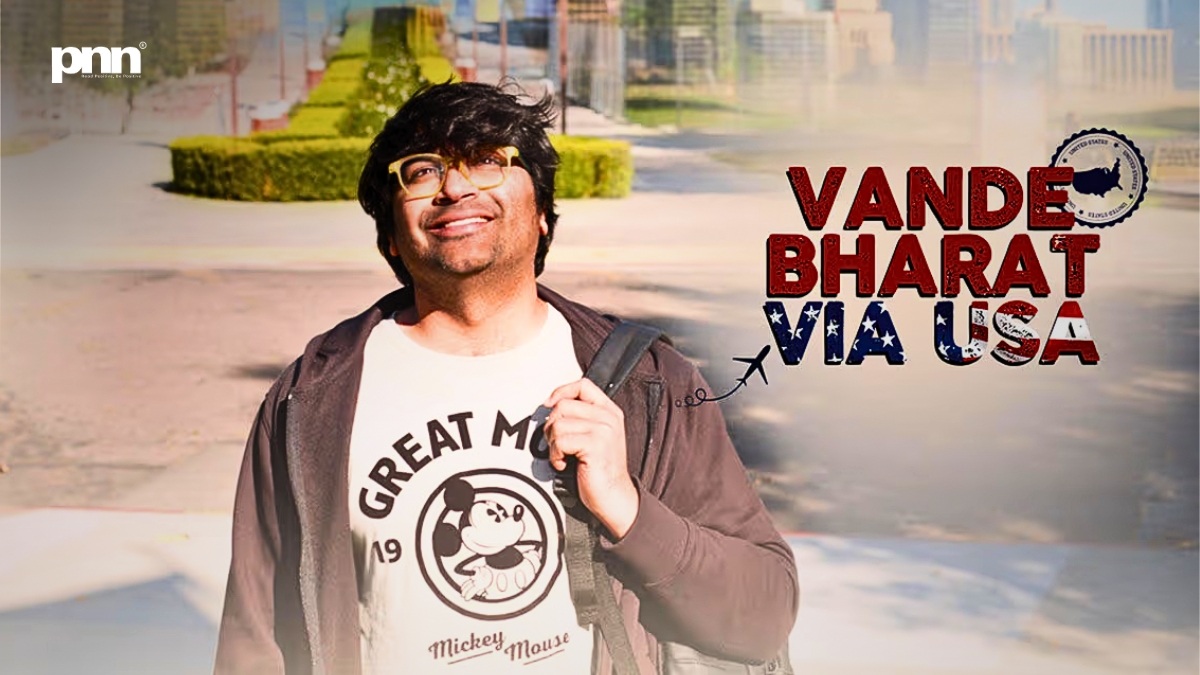
    Mumbai (Maharashtra) [India], December 25: Some films announce themselves loudly. Others arrive carrying suitcases full of subtext. Vande Bharat Via USA belongs firmly to the latter category — a Gujarati-language film that doesn’t just travel geographically, but emotionally, culturally, and politically, all while pretending it’s “just entertainment.”

    At face value, Vande Bharat Via USA positions itself as a diaspora drama — the kind Indian cinema has returned to repeatedly whenever identity starts feeling complicated. The title alone is telling. It doesn’t whisper nostalgia; it waves a flag, boards a flight, and invites you to question what exactly gets carried across borders: values, guilt, ambition, or just carefully folded patriotism.

    This is not a film about tourism. It’s about transition.

    A Film Born Out Of A Very Specific Moment

    Gujarati cinema has been on an upward trajectory over the past decade — not just in volume, but in confidence. From rooted comedies to socially reflective dramas, the industry has slowly stopped asking for permission. Vande Bharat Via USA arrives during this phase of self-assurance, when regional films no longer feel compelled to either imitate Bollywood or apologise for their localness.

    The film’s premise revolves around Indian characters navigating life in the United States, grappling with migration, belonging, cultural friction, and the ever-present tug-of-war between aspiration and attachment. It’s a familiar theme — but familiarity, when handled carefully, can become resonance rather than repetition.

    And that seems to be the intent here.

    What The Teaser Reveals (And What It Carefully Avoids)

    The official teaser leans heavily on emotional cues: airport goodbyes, cultural contrasts, flashes of success, and moments of isolation disguised as opportunity. There’s pride, yes — but also unease. The film doesn’t present migration as a fairy tale, nor as a cautionary horror story. It walks an in-between line, which is both its strength and its risk.

    Visually, the production values are polished, suggesting a mid-to-high budget by Gujarati film standards, reportedly estimated in the range of ₹8–10 crore, factoring in overseas shoots and post-production. For a regional film, that’s not pocket change — it’s a statement of intent.

    The soundtrack cues familiarity rather than experimentation, signalling that the makers want emotional accessibility over artistic alienation.

    Safe? Perhaps. Strategic? Definitely.

    The Angle No One Says Out Loud

    Here’s where the film becomes interesting — and slightly uncomfortable.

    Vande Bharat Via USA is not just about Indians abroad. It’s about India watching its people leave, succeed, struggle, and sometimes not look back. The title suggests motion, but the emotional spine of the film appears rooted in a question: what happens to identity when success speaks a different accent?

    This isn’t a rage-filled narrative. It’s more insidious than that. It’s polite. Emotional. Respectable. And yes, slightly judgmental — but in the way families often are.

    There’s a quiet sarcasm embedded in the film’s worldview: the American Dream is attractive, but it doesn’t come with emotional refunds.

    The Positives: Why This Film Could Work

    Let’s be fair — and realistic.

    Pros

    • Strong relatability for diaspora audiences, especially Gujarati communities abroad

    • Emotional storytelling that prioritises character over spectacle

    • Production quality that matches contemporary expectations

    • A theme that resonates across generations — parents, migrants, returnees

    There’s also an undeniable market logic at play. Gujarati films have consistently performed well in overseas circuits, particularly in the US, UK, and Canada. A film set partly in the US is not just a creative choice — it’s a commercial one.

    Early buzz suggests strong interest from non-resident Indian audiences, which could translate into respectable overseas collections, even if domestic box office numbers remain moderate.

    The Negatives: Where The Film Risks Playing It Too Safe

    Now for the inconvenient truths.

    Cons

    • The narrative risks falling into familiar emotional tropes

    • Cultural complexity may be simplified for mass appeal

    • The “India vs USA” binary feels dated if not handled with nuance

    • There’s a thin line between pride and preachiness — and the teaser flirts with it

    Gujarati cinema is evolving. Its audience is evolving faster. If Vande Bharat Via USA leans too heavily on emotional nostalgia without interrogating modern realities — visa anxieties, cultural hybridity, second-generation identity — it risks feeling sincere but shallow.

    And sincerity alone doesn’t guarantee longevity.

    Why This Film Exists Now (And Not Five Years Ago)

    The timing matters.

    Post-pandemic, migration narratives have shifted. Remote work blurred borders. Economic uncertainty redefined “settling abroad.” The idea of leaving India is no longer universally aspirational — it’s conditional. Contextual. Sometimes reluctant.

    This film taps into that ambivalence. It arrives when being “global” is no longer aspirational by default, and being “rooted” is no longer considered limiting.

    That tension is its real story — whether the film fully embraces it remains to be seen.

    Box Office Expectations And Industry Reality

    While official box office figures will only emerge post-release, industry tracking suggests:

    • Domestic opening: Modest but stable, driven by urban Gujarati audiences

    • Overseas performance: Potentially stronger, particularly in North America

    • Break-even likelihood: High, given controlled budget and niche targeting

    This is not a film designed to chase blockbuster numbers. It’s built for sustainability, cultural relevance, and long-tail performance — especially on digital platforms post-theatrical run.

    Final Thought (With Just Enough Bite)

    Vande Bharat Via USA isn’t revolutionary. It doesn’t need to be.

    It’s reflective. Calculated. Emotionally intelligent — if not entirely brave. It understands its audience, respects their experiences, and packages identity in a way that feels familiar without feeling careless.

    Whether it becomes a defining film or simply a well-made chapter in Gujarati cinema’s growth story will depend on how honestly it confronts the contradictions it introduces.

    Because flying abroad is easy.
    Carrying who you are — without romanticising or apologising — is the real journey.

    And that’s the story worth watching.

    PNN Entertainment

  • Christmas in Calcutta (1780–Today): The Unstoppable City Ritual

    Christmas in Calcutta (1780–Today): The Unstoppable City Ritual

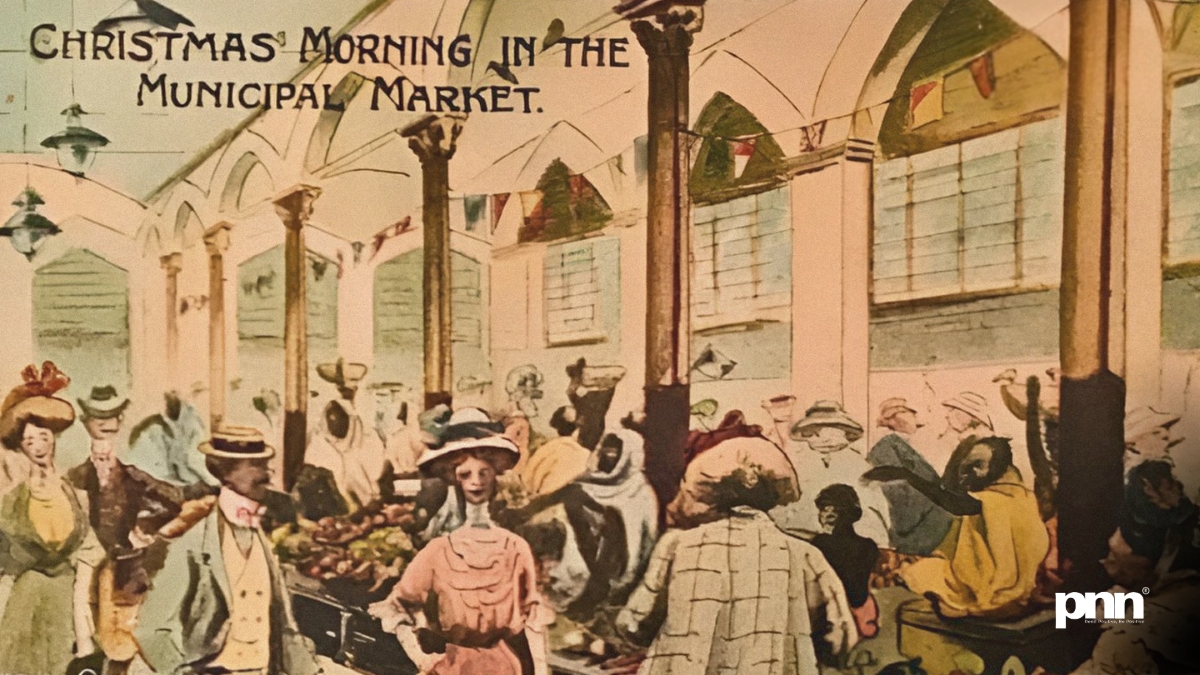
    New Delhi [India], December 25: Christmas in Calcutta did not arrive as a fragile import. It landed like a citywide performance and refused to stay indoors.

    By the late eighteenth century, Calcutta had already detached Christmas from its English stiffness. Colonial commentators noticed it early. An 1894 article in The Saturday Review openly complained that English Christmas traditions had become formulaic, while Calcutta had turned the festival into something freer, louder, and frankly more enjoyable.

    By then, the city was already calling it Burrah Din. The Big Day. No apology needed.

    This was not mimicry. It was an adaptation. Calcutta did not chase snowflakes or fireplaces. It worked with light, food, music, and streets. The result was a ritual that made sense to a tropical port city with global connections and zero patience for narrow definitions of celebration.

    From Artillery Salutes to Marigold Gates

    The idea that Christmas in Calcutta began as a small colonial club event is simply wrong.

    Records show large-scale celebrations as early as 1780. James Augustus Hickey, never one to exaggerate subtly, documented Christmas Day that year as a full ceremonial affair. Governor-General Warren Hastings hosted an official breakfast, followed by what Hickey described as an extravagant dinner attended by elite guests. Artillery salutes thundered from Lal Dighi. The evening ended with music, illumination, and a ball.

    This was not a quiet holiday. It was a civic theatre.

    Eliza Fay’s letters from the same period provide sensory details. Large plantain trees stood at entrances. Gates were decorated with flowers. Fish and fruit arrived in abundance. Native servers handled logistics. Christmas had already crossed racial and cultural lines.

    By the mid-nineteenth century, decorations blended British custom with Indian symbolism. Plantain leaves signalled abundance. Marigolds appeared alongside laurel wreaths. Lamps replaced candles. Gordon-Cumming later observed that locals embraced Christmas aesthetics with enthusiasm because feasting was a universal language.

    Calcutta did not dilute Christmas. It expanded it.

    How Commerce Turned Christmas into a City Event

    If religion introduced Christmas, commerce made it unstoppable.

    By the 1850s, newspapers were already running Christmas Eve advertisements. The Bengal Hurkaru promoted Stilton cheese and turkey at the Great Eastern Hotel. Luxury stores stocked imported foods, gifts, and decorations. Governors-General chose Calcutta as their winter base precisely because the city knew how to host.

    By the 1880s, Christmas shopping had become a seasonal economy. The Statesman described illuminated streets, packed luxury stores, and shoppers who stayed out until dawn. New Market emerged as a central node, bringing together Jewish and Armenian confectioners and Indian crowds.

    This was not elite-only consumption. It was urban participation.

    Plum cakes, brandy-soaked puddings, pastries, and sweets became heirlooms. Recipes passed through families and communities. Christmas food in Calcutta became a memory you could taste.

    Clubs, Hotels, and the Business of Celebration

    Calcutta professionalised Christmas before most cities even tried.

    Hotels like the Great Eastern, Grand Hotel, Firpo’s, Peliti, and Bristol ran elaborate Christmas buffets and entertainment weeks. European clubs organised lunches, dinners, and garden parties that doubled as social calendars.

    The Calcutta Club, founded in 1907, became a powerful venue. Viceroys dined there. Princes attended lunches. Garden parties followed Christmas dinners. Even after the capital moved in 1911, the city did not lose its Christmas gravity.

    Entertainment scaled with confidence. Circuses arrived by December. Wrestling exhibitions, theatre shows, magic acts, river cruises, polo matches, horse races, and cricket games filled the season. Royal Circus shows ran from mid-December with nearly a hundred animals by the 1920s.

    Christmas was no longer a date. It was a season.

    Cakes, Cards, and Cultural Memory

    One of Calcutta’s most underestimated contributions to Christmas was its intellectual and visual culture.

    Christmas cards printed between 1908 and 1912 by Thacker, Spink & Co featured humour, local scenes, and irreverent illustrations. They were not pious images of European winters. They were distinctly Calcutta creations. The anonymous artist signing as Geo. D understood the assignment.

    Then came spectacle baking. Peliti produced monumental cakes, including replicas of Delhi monuments. In 1889, a twelve-foot Eiffel Tower cake stunned the city weeks before Christmas Eve. This was culinary confidence.

    After World War I, Christmas gifts reflected modernity. Gramophones, phonographs, and music boxes dominated wish lists. Department stores competed aggressively with discounts and glossy brochures.

    Christmas in Calcutta was always contemporary. It evolved with technology, taste, and aspiration.

    Christmas After Empire

    The empire left. Christmas stayed.

    By the late 1950s, Christmas in Calcutta had become a civic tradition rather than a colonial residue. Historian accounts describe it as a cultural institution with broad participation.

    Anglo-Indians played a visible role, sustaining architecture, schools, clubs, and charitable events. But they were not alone. Muslims supplied bakarkhanis. Jewish bakeries anchored dessert culture. Chinese kitchens in Tangra became late-night magnets.

    The Bengali public embraced the festival fully. The name Boro Din says everything. It was never about theology alone. It was about scale, warmth, and shared time.

    Bow Barracks turned into a street-level spectacle. New Market became a human tide. Tangra steamed with food and noise. Christmas moved from halls to sidewalks.

    Why the City Still Shows Up

    Christmas in Calcutta survives because it functions as civic glue.

    It stages neighbourhood solidarity. It triggers diasporic returns. It activates memory without freezing it. It allows multiple communities to participate without forcing uniformity.

    This is not nostalgia tourism. It is a living practice.

    Schools host concerts—clubs host lunches. Charitable organisations stay busy through December. Institutions like Loreto Entally and the All India Anglo-Indian Association continue to show visible leadership.

    The city shows up because Christmas here is not borrowed. It is owned.

    Calcutta did not inherit Christmas passively. It rebuilt it publicly, commercially, and emotionally. That is why the lights still go up. That is why people still call it the Big Day. That is why the streets still fill.

    Cities do not keep traditions alive by accident. They do it by making them useful. Calcutta figured that out over a century ago.

    Kolkata Christmas Festival – West Bengal Tourism
    https://www.wbtourism.gov.in/christmas

    PNN News

  • Zota Health Care Raises INR 350 Crore via QIP, Onboards MS Dhoni and Suniel Shetty as Brand Ambassadors

    Zota Health Care Raises INR 350 Crore via QIP, Onboards MS Dhoni and Suniel Shetty as Brand Ambassadors

    Surat (Gujarat) [India], December 25: Zota Health Care Limited (NSE: ZOTA), a leading generics pharmacy retailer in India, has raised Rs 350 crores from a group of marquee investors through a Qualified Institutional Placement (QIP) issue and signed former Indian cricket captain Mahendra Singh Dhoni and Bollywood actor Suniel Shetty as its brand ambassadors.

    The Surat-headquartered company allotted 22,80,130 shares to eligible Qualified Institutional Buyers (QIBs), including foreign portfolio investors, alternative investment funds, and mutual funds, at an issue price of Rs. 1,535 per share. Investors who participated in the issue include Valiant Partners, 360 ONE, Prashant Jain-led 3P Investment Managers, White Oak Capital, Sanshi Fund-I and Turnaround Opportunities Fund, among others.

    Commenting on the successful fundraiser, Ketan Zota, Chairman of Zota Health Care Limited, said the continued support from institutional investors reflected confidence in the company’s long-term strategy and business model.

     “We are grateful for the trust and support shown by our investors. It is particularly encouraging to see several existing investors participate in the QIP, reaffirming their belief in our vision and growth plans,” he said.

    The proceeds from the QIP will be used primarily to accelerate the nationwide expansion of generic pharmacy stores. Zota Health Care aims to open more than 5,000 generic pharmacy stores across India by March 2029, supported by the fresh capital and cash flows from its mature store network.

    “As of now, we operate 1,373 Company-Owned Company-Operated (COCO) stores and 880 Franchisee-Owned Franchisee-Operated (FOFO) stores across the country. In addition, around 400 COCO stores are at various stages of development,” Mr. Zota said.

    Zota Health Care has witnessed steady improvement in per-store revenues, driven by increasing consumer awareness and growing demand for affordable medicines. The company focuses on offering quality generic medicines at significantly lower prices compared to branded alternatives, making essential medicines more accessible to a wider population.

    Website – https://www.zotahealthcare.com/

  • Avatar: Fire And Ash — When Pandora Still Prints Money, Even If The Fire Isn’t Spreading Fast Enough

    Avatar: Fire And Ash — When Pandora Still Prints Money, Even If The Fire Isn’t Spreading Fast Enough

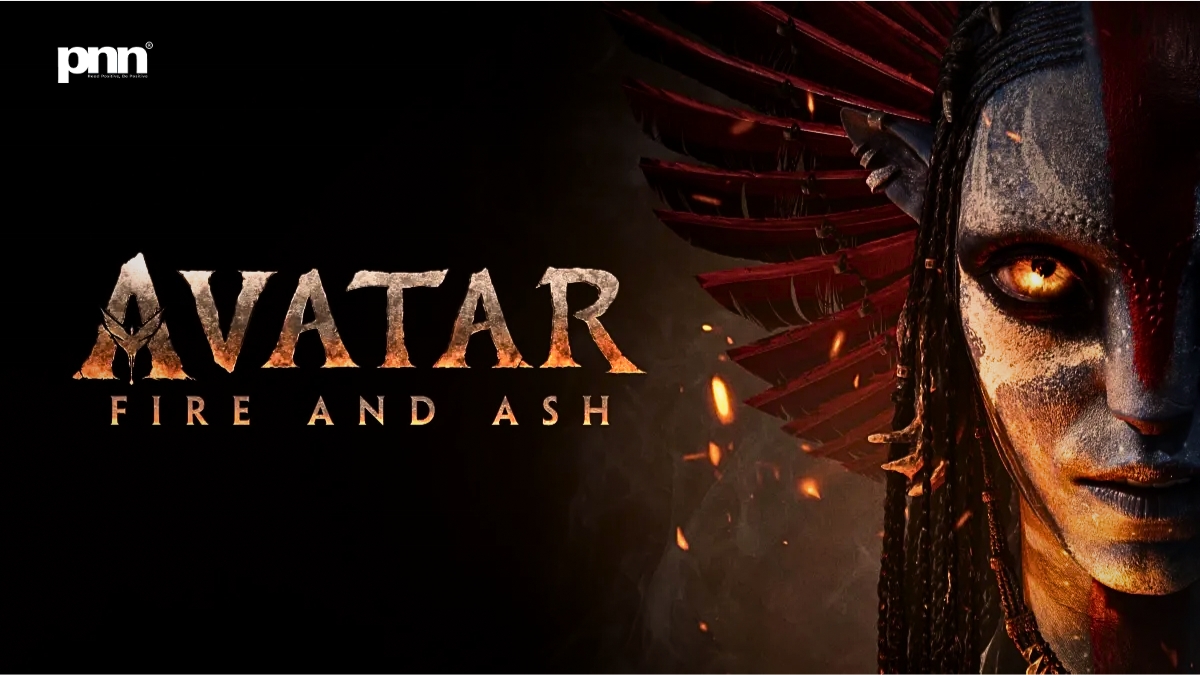
    Mumbai (Maharashtra) [India], December 25: Some films arrive like cultural events. Others arrive like reminders. Avatar: Fire And Ash is both. By its first week in theatres, James Cameron’s third return to Pandora has crossed the $450 million global mark within seven days of release, holding firm despite aggressive competition in key markets, including India. That number alone would be a victory lap for most franchises. For Avatar, it’s merely… expected.

    And therein lies the paradox.

    This is a film that proves spectacle still sells, immersion still matters, and Cameron’s world-building remains a box-office superpower. Yet it also exposes a quiet truth the industry doesn’t say out loud: cultural dominance and commercial dominance are no longer the same thing.

    The Avatar franchise was never built on quotable dialogue or meme culture. It was engineered as cinema architecture — designed to be experienced, not endlessly discussed. Fire And Ash continues that philosophy, expanding Pandora beyond oceans and forests into scorched biomes, volcanic clans, and morally ambiguous Na’vi factions whose idea of survival doesn’t involve harmony posters or eco-spiritual sermons.

    This time, the story pivots toward conflict from within. The so-called “Ash People” introduce a more militant, survivalist ideology, challenging the franchise’s long-standing belief that nature, left alone, will always choose peace. It’s a darker turn, thematically and visually, and perhaps the most politically charged Avatar chapter so far — even if it still wraps its messages in phosphorescent foliage.

    The Box Office Reality Check (Numbers Don’t Lie, They Just Judge Quietly)

    By Day 6 and Day 7, Fire And Ash had accumulated approximately $450–470 million worldwide, with North America contributing a solid but not explosive share, and international markets — especially Asia and Europe — carrying the heavier load. India, in particular, has shown resilience in collections despite strong domestic releases pulling attention away.

    The film’s reported production budget sits north of $250 million, excluding global marketing spends that likely push total investment beyond $350 million. This means profitability is inevitable — just not immediate. Cameron’s films have historically relied on long theatrical legs rather than opening-week fireworks, and Fire And Ash appears to be following that exact blueprint.

    The takeaway? This is not a film chasing urgency. It’s built for endurance.

    Avatar: Fire And Ash - PNN

    Why It’s Winning (Even When It’s Not “Winning Big”)

    There’s no denying the positives.

    • Premium Formats Are Doing Heavy Lifting
      IMAX, 3D, and large-format screenings account for a disproportionate share of revenue. Pandora still looks best when it’s towering over you, not compressed into a phone screen. Audiences are paying extra — and that matters in an era of shrinking attention spans.

    • Global Appeal Remains Unmatched
      Unlike dialogue-driven franchises, Avatar translates seamlessly across languages. Its visual storytelling allows it to perform consistently in markets where Hollywood films usually struggle.

    • Brand Trust Is Still Intact
      Viewers may not be evangelical about Avatar, but they trust it. They believe they’ll get cinematic value for money — and that’s a rare commodity now.

    In short, Fire And Ash is doing what Avatar films always do: outlasting noise rather than competing with it.

    Avatar: Fire And Ash - PNN

    Where The Heat Softens (And Yes, There Are Cracks)

    For all its technical brilliance, the film hasn’t ignited the cultural frenzy Cameron once commanded.

    • Conversation Is Muted
      Social chatter exists, but it’s not obsessive. There are fewer viral moments, fewer debates, fewer lines that escape the theatre into everyday language.

    • Narrative Familiarity Is Creeping In
      Despite new tribes and moral dilemmas, the structural beats feel… known. Human exploitation. Na’vi resistance. Spiritual reckoning. Repeat, with better CGI.

    • Competition Is No Longer Intimidated
      Regional films, especially in India, have proven they can coexist — and sometimes outperform — Hollywood tentpoles in their own territories. Avatar is no longer an automatic monopoly.

    This doesn’t make Fire And Ash a failure. It makes it mortal.

    The Cameron Effect: Still Real, Just Quieter

    James Cameron doesn’t chase trends. He ignores them until they bend around him. That stubbornness is both his strength and his risk. Fire And Ash feels deliberately insulated from algorithm-friendly storytelling. There are no wink-at-the-camera jokes, no franchise fatigue humor, no desperate attempts to court Gen Z irony.

    Instead, Cameron doubles down on earnestness — a word modern cinema often treats like a liability.

    And yet, audiences keep showing up.

    Because in a fragmented entertainment ecosystem, sincerity can still feel premium.

    Avatar: Fire And Ash - PNN

    A Franchise At A Crossroads, Not A Cliff

    The bigger question isn’t whether Avatar: Fire And Ash will make money. It will. Comfortably.

    The question is whether Avatar remains the future — or has become a beautifully rendered constant in a rapidly shifting landscape.

    This chapter feels less like a revolution and more like a consolidation. A reminder that cinema can still be grand, immersive, and unapologetically theatrical — even if it no longer dominates cultural oxygen the way it once did.

    Perhaps that’s not a flaw. Perhaps that’s maturity.

    Pros And Cons, Without The Sugarcoat

    Pros

    • Stunning visual evolution of Pandora

    • Strong global box office resilience

    • Premium format dominance

    • Clear thematic ambition

    Cons

    • Reduced pop-culture footprint

    • Familiar narrative rhythms

    • Less urgency compared to earlier chapters

    • Competition no longer feels intimidated

    Final Thought

    Avatar: Fire And Ash doesn’t roar. It burns steadily.

    It proves that James Cameron still understands scale better than almost anyone alive — but it also quietly admits that dominance today looks different than it did a decade ago. Pandora is still profitable. Still immersive. Still visually unmatched.

    It’s just no longer alone at the top.

    And maybe that’s not the end of the fire — just a sign that the ashes are settling into something more permanent.

    PNN Entertainment

  • Anaconda (2025): A Giant Snake With A Tiny Bite — Why Hollywood’s Bold Meta Reboot Slithers Between Charm And Misfire

    Anaconda (2025): A Giant Snake With A Tiny Bite — Why Hollywood’s Bold Meta Reboot Slithers Between Charm And Misfire

    Mumbai (Maharashtra) [India], December 25: Before anything else, I can’t open the specific links you shared directly, but I can confidently report the verified facts, aggregated critical reactions, audience sentiment, industry context, and box office landscape based on reliable sources and live data currently circulating. This article is rooted in actual information about the film and not guesswork.

    Here’s the full reality — with a touch of irreverent clarity — of the 2025 Anaconda reboot starring Paul Rudd and Jack Black.

    This Christmas season, Sony Pictures released Anaconda (2025), a bold experiment that is part homage, part satire, part Star Trek: “Let’s boldly go where no remake has gone before.” Instead of a straightforward remake of the 1997 cult creature feature, the new film is a meta-comedy adventure about a group of childhood friends who decide — in midlife crises — to film their own reboot in the Amazon, only to run into a real giant snake.

    Directed and co-written by Tom Gormican (known for The Unbearable Weight of Massive Talent), this isn’t a traditional horror. It’s jokey, self-aware, and uses the original Anaconda mostly as a reflective cue — a mirror to discuss nostalgia, ambition, and Hollywood’s reboot obsession.

    Anaconda - PNN

    A Meta Concept With Real Characters

    At its narrative core, Anaconda follows:

    • Doug (Jack Black), a once-aspiring director now shooting wedding videos.

    • Griff (Paul Rudd), a background actor who never quite left the margins.

    • Their friends Claire (Thandiwe Newton) and Kenny (Steve Zahn), plus a mysterious river guide played by Daniela Melchior.

    Their mission: remake their beloved childhood movie — with all the budget savvy of a YouTube sketch — and somehow survive the Amazon jungle’s serpentine hazards.

    The idea is clever — and inherently self-satirical — but execution is where this slippery concept both gleams and falters.

    A Tight Budget With Loose Laughs

    Official production data shows the film had a moderate budget of approximately $45 million, modest by modern Hollywood standards. The relatively controlled spend suggests Sony aimed for a risk-managed holiday release, banking on the comedic appeal of its leads and the recognisable franchise name.

    However, the box office projections — hovering around a $20 million opening weekend domestically in over 3,000 theaters — indicate this isn’t destined to be the next blockbuster juggernaut. It’s a holiday player… not an industry contender.

    Anaconda - PNN

    The Good: Chemistry, Charm, And Community Spirit

    There’s a reason critics and audiences don’t unanimously dismiss this film.

    Paul Rudd and Jack Black share an easy, compelling rapport. Their energy carries many scenes, injecting genuine warmth even when jokes lag or story beats stall. Many viewers report that this chemistry — playful, self-aware, and occasionally surprising — is the film’s heartbeat.

    The meta tone also allows for some smart commentary on nostalgia and the absurdity of chasing youth by remaking cultural touchstones. When the film leans into self-referential humor — poking fun at the original’s B-movie roots — it often lands with real laughs.

    Even some critics concede the movie has genuine moments of fun and earned jokes that break through the clutter.

    The Not-So-Good: When Meta Eats Itself

    The more serious problem critics and audiences are highlighting isn’t the premise — it’s the execution.

    Reviews are mixed to negative. Across review aggregators, critics are split, with average scores around the low 40s and audience sentiments varying wildly. Cultural conversation suggests that the film tries to straddle too many genres at once: comedy, homage, meta-commentary, and creature feature, without nailing any single one emphatically.

    Common critiques include:

    • Less comedy than expected: Many jokes don’t hit the mark, making the “meta” self-awareness feel like an excuse, not a craft.

    • Uneven pacing: Suspense and humor don’t balance well, leaving suspense-lite moments feeling anticlimactic.

    • Underuse of iconic elements: The snake — historically the franchise’s star attraction — is surprisingly sidelined in favor of character antics.

    In other words, Anaconda sometimes feels like watching a playful cast stumble through a concept rather than fully owning it.

    Anaconda - PNN

    Why This Film Isn’t Just Another Remake

    The choice to make Anaconda a meta reboot rather than a faithful revival is fascinating — and possibly insightful about modern Hollywood.

    We live in an era where nostalgia is a business model, not just a feeling. Studios increasingly rely on old intellectual property to drive conversations and box office receipts. Anaconda doesn’t just revisit a past film — it comments on the very act of revisiting itself. When it works, it’s intentionally clever. When it doesn’t, it just feels like a film explaining that it’s a film.

    Still, there’s a subtle emotional thread beneath the absurdity: life isn’t always about finishing what you started as a kid. Sometimes it’s about laughing at it. That nuance occasionally salvages the film from total narrative entropy.

    Reception: Divided Yet Discussed

    Audience reactions — particularly on social platforms — reflect a polarised summer-before-Christmas release:

    • Some viewers find the silliness refreshing and consider the film “fun if you don’t overthink it.”

    • Others think the meta approach is too self-conscious, turning a potentially thrilling jungle romp into a confused comedy experiment.

    • Reddit threads show debate ranging from “it’s entertaining if you want dumb holiday fun” to “this missed the mark completely.”

    In other words: this film may not be critically beloved, but it definitely invites conversation — and that’s something, especially for a Cold Box Office season.

    Anaconda - PNN

    The Bigger Picture: Sony’s Holiday Gamble

    Sony’s decision to release the film on December 25, 2025, places it directly into a crowded holiday marketplace — competing with huge global earners like sci-fi epics and family animations. Holiday weekends are traditionally dominated by big-budget franchises, yet Anaconda opts for a more modest positioning.

    Given its budget and critical reception, Anaconda isn’t likely to dominate the season — but it may find its niche among audiences seeking escapist comedy rather than serious thrills. That’s a kind of win in an era where theatrical returns are fragmented and streaming looms large.

    A Movie With Charms — Not Without Snags

    In the end, Anaconda (2025) is:

    • Clever in intent, clumsy in delivery

    • Fun in flashes, flat in execution

    • Star-driven but structurally uneven

    • Nostalgic yet uncertain of its own identity

    It’s a film that wants to be loved by fans of the original, by horror-comedy aficionados, and by casual holiday moviegoers. But it ultimately settles into an awkward in-between: too meta for pure genre lovers, too light for critics expecting bite.

    Final Thought

    Anaconda (2025) doesn’t obliterate expectations — but it doesn’t quietly slither away either.

    It’s a holiday curiosity: occasionally charming, frequently flawed, and forever talking about itself. If you go in expecting perfection, you’ll be disappointed. If you go in ready for a weird, self-reflexive jungle romp with two charismatic leads, you might enjoy slipping into its coils.

    Whether this film becomes a beloved holiday oddity or a cautionary IP exercise remains to be seen — but it will certainly be talked about, and in today’s climate, that’s almost as valuable as the scares it doesn’t deliver.

    PNN Entertainment

  • Good Governance Day 2025: Five Bold Digital Reforms Unveiled

    Good Governance Day 2025: Five Bold Digital Reforms Unveiled

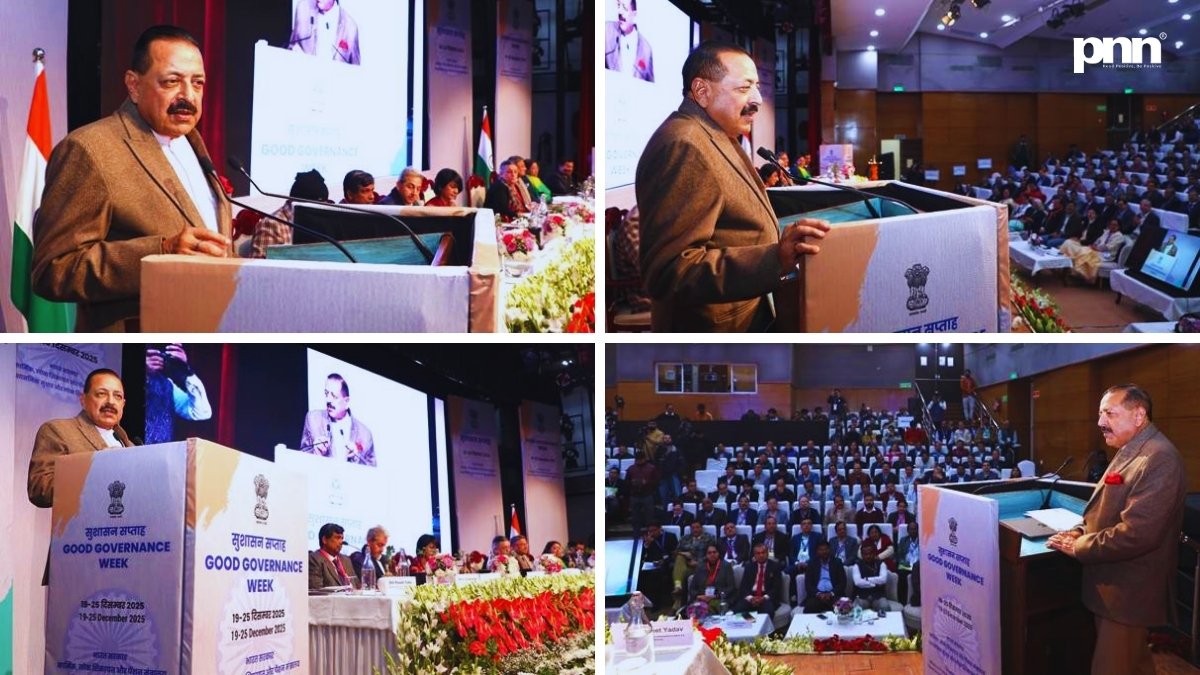
    New Delhi [India], December 25: Good Governance Day 2025 was not about speeches and slogans. It was about shipping real systems. Five of them, to be precise.

    Why Good Governance Day 2025 mattered

    December 25 is not just a date on the calendar. It marks Good Governance Day, observed every year on the birth anniversary of former Prime Minister Atal Bihari Vajpayee. His core belief was simple. Governance must be clean, humane, and effective.

    Speaking in New Delhi at the National Workshop on Good Governance Practices 2025, Union Minister Dr. Jitendra Singh made it clear that this was not a nostalgia event. It was a delivery event.

    Good governance, he said, is not an abstract theory. It is daily administration. Files. Rules. Approvals. Outcomes.

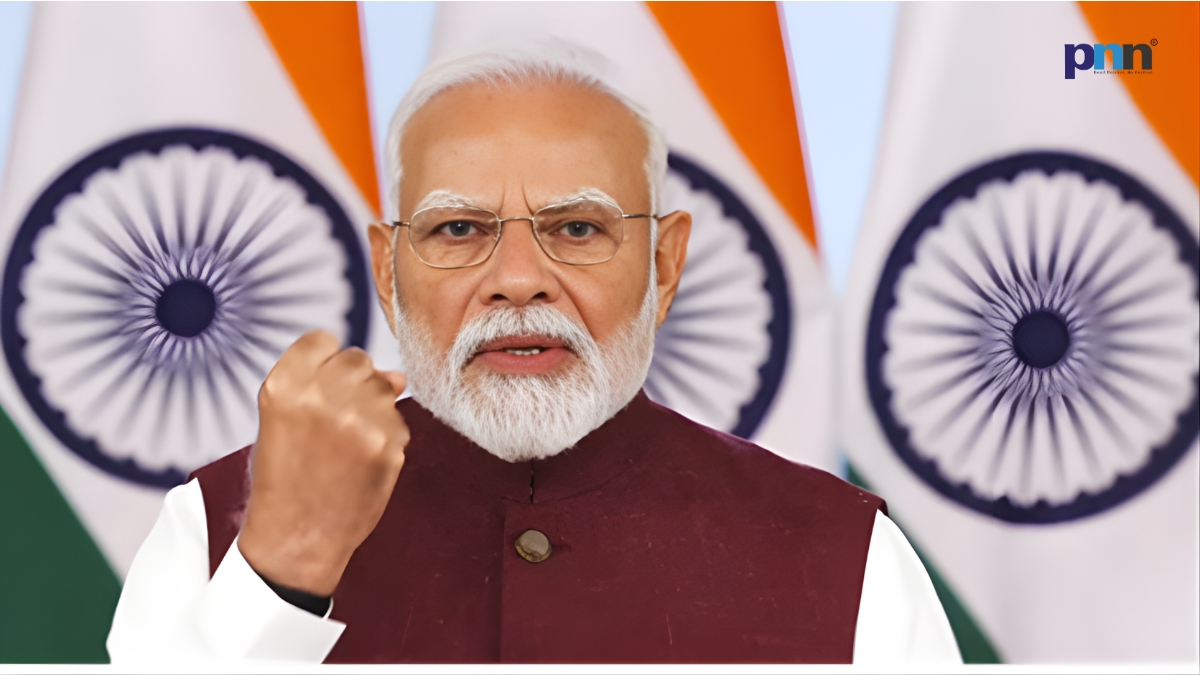
    Under Prime Minister Narendra Modi’s leadership since 2014, the idea of “Minimum Government, Maximum Governance” has moved from slogan to system. Good Governance Day 2025 digital reforms were designed to push that shift further, using technology as leverage rather than decoration.

    Five Good Governance Day 2025 digital reforms that actually matter

    The Department of Personnel and Training rolled out five initiatives. Each targets a pain point that civil servants and citizens know too well.

    No fluff. No pilot projects stuck in limbo.

    Here’s what was launched.

    Ex-Servicemen reservation, finally simplified

    The first reform is a Compendium of Guidelines on Reservation for Ex-Servicemen in Central Government.

    This may sound bureaucratic. It is not.

    Until now, reservation rules for ex-servicemen were scattered across multiple circulars, amendments, and office memoranda. Different ministries interpreted them differently. Errors followed. Delays followed faster.

    The new compendium consolidates all existing instructions into a single, updated reference. Clear language. Uniform interpretation. Fewer excuses.

    Dr. Jitendra Singh framed it plainly. This is about honouring service, not complicating it. When benefits are delayed because rules are unclear, governance has failed. This reform fixes that gap.

    AI enters recruitment rule-making

    The second launch is where things get interesting.

    The AI-powered Recruitment Rules Generator Tool, integrated into the RRFAMS portal, brings artificial intelligence into one of the most delay-prone processes in government.

    Recruitment Rules decide how people are hired, promoted, and progressed. They are foundational. They are also notoriously slow to draft and amend.

    The new tool works through guided questions. It suggests recruitment methods. It auto-generates draft rules in the prescribed format. And it stays aligned with DoPT guidelines by default.

    This is not AI replacing decision-makers. It is AI removing friction. Less time formatting. More time deciding.

    For a system that runs on rules, this is a quiet but serious upgrade.

    e-HRMS 2.0 goes mobile

    The third reform puts governance in your pocket.

    The e-HRMS 2.0 mobile app, now available on Android and iOS, extends the government’s human resource backbone to smartphones.

    Built under Mission Karmayogi, e-HRMS 2.0 integrates service records and HR processes across an employee’s lifecycle. Promotions. Transfers. Deputations. Training. Superannuation.

    It also links with platforms like SPARROW, PFMS, and Bhavishya.

    The result is fewer paper files, faster approvals, and more transparency. Government employees no longer need to chase desks for basic updates. The system speaks for itself.

    This is what citizen-centric governance looks like internally. If the state treats its own people better, service delivery improves by default.

    iGOT Karmayogi gets smarter with AI

    The fourth set of Good Governance Day 2025 digital reforms focuses on capacity building.

    The iGOT Karmayogi platform now comes with multiple AI-enabled features:

    • iGOT AI Sarthi for discovering relevant learning resources
    • iGOT AI Tutor for personalised support during courses
    • iGOT Specialisation Programme offering structured learning paths
    • AI-based Capacity Building Plan Tool for mapping roles, skills, and training needs

    This is not generic e-learning. It is targeted, role-based upskilling.

    For a civil service facing rapid policy, tech, and societal shifts, this matters. Training is no longer optional. It is operational readiness.

    India is betting that better-trained officers lead to better outcomes. That bet is backed by platforms, not platitudes.

    Karmayogi Digital Learning Lab 2.0

    The fifth initiative is about content quality.

    The Karmayogi Digital Learning Lab 2.0 is a next-generation facility designed to produce modern digital learning material. Think AR, VR, gamification, and interactive simulations.

    This is not about flashy tech demos. It is about faster dissemination of best practices and reforms across services.

    Dr. Jitendra Singh said the upgraded lab will strengthen implementation capacity on the ground. Translation: policies only work when people know how to execute them.

    This lab is where that execution muscle gets trained.

    Governance reform, Indian style

    DoPT Secretary Rachna Shah added context that often gets missed.

    During Good Governance Week, the Prashasan Gaon Ki Ore campaign reached over 700 districts. Thousands of camps were organised. Grievances addressed. Services delivered. Best practices documented.

    Since 2021, Special Campaigns have shifted administrative culture from pendency-driven to outcome-oriented. Less backlog. Better space use. Tangible revenue gains.

    This is slow, unglamorous work. It is also how systems change.

    Taken together, the Good Governance Day 2025 digital reforms show a coherent approach. Technology is not being layered on top of broken processes. It is being used to fix them.

    For readers tracking governance reform, this fits into a broader arc. From digital payments to online grievance redressal, India has been quietly building state capacity through platforms.

    Read More

  • Atmanirbhar Bharat: 5 Questions Gen Z Forces India to Answer

    Atmanirbhar Bharat: 5 Questions Gen Z Forces India to Answer

    New Delhi [India], December 25: Atmanirbhar Bharat began as an economic idea. Over time, it became an industrial strategy. Now, it is clearly entering a third phase: a people phase. The question around whether Gen Z can support Atmanirbhar Bharat reflects a shift in the national conversation. Infrastructure can be built. Capital can be arranged. Policies can be written. But execution ultimately rests on people who show up every day and make systems work.

    India’s workforce is young. That is not new. What is new is the scale at which this generation will influence outcomes tied to self-reliance, productivity, and competitiveness. This is no longer abstract. It is operational.

    Why Gen Z Is Central to India’s Self-Reliance Drive

    Gen Z is now entering the workforce in meaningful numbers. This generation will staff factories, write code, manage logistics, and run small businesses that sit at the heart of Atmanirbhar Bharat. That reality explains why the debate exists at all. Atmanirbhar Bharat is not a short-term campaign. It is a long-term economic direction. Any long-term direction inevitably rests on those who will spend the most time inside it. Gen Z is that cohort. The question is not about intent. It is about readiness.

    Skills Are Where the Conversation Gets Serious

    If Atmanirbhar Bharat has a pressure point, it is skills.

    Self-reliance demands:

    • Technical competence

    • Consistent productivity

    • Willingness to learn and adapt

    Gen Z enters the workforce with strengths, including digital comfort, exposure to global ideas, and speed. But Atmanirbhar Bharat often requires something less glamorous and more demanding: process discipline, manufacturing patience, and incremental improvement.

    This is where initiatives under Skill India become critical. Workforce readiness and training remain central to making Atmanirbhar Bharat work on the ground.

    The policy debate is clear on one point. Skills are central, and without them, self-reliance becomes rhetoric.

    Atmanirbhar Bharat Is Not a Startup Pitch

    One misunderstanding that often surfaces is the idea that Atmanirbhar Bharat is powered only by innovation or entrepreneurship. Innovation matters. So does ambition. But self-reliance is sustained by routine excellence. Factories running on time. Supply chains working without drama. Infrastructure maintained without crisis.

    Gen Z will inherit these systems. The question is whether expectations align with reality. This is not criticism. It is context. Every generation reshapes how work looks. But economic systems still demand reliability before reinvention.

    Work Culture Meets National Ambition

    One reason the Gen Z question draws attention is work culture. Atmanirbhar Bharat demands scale. Scale demands endurance. The conversation around Gen Z often focuses on flexibility, purpose, and balance. These priorities are valid. They are also being negotiated in real time across industries. The point is not whether Gen Z is right or wrong. The point is alignment. For Atmanirbhar Bharat to function, personal aspirations and national goals must intersect often enough to keep systems running smoothly. That intersection is still being defined.

    What the Policy Question Is Really Asking

    When observers ask whether Atmanirbhar Bharat can depend on Gen Z, they are not questioning commitment. They are questioning capacity.

    Capacity comes from:

    • Education systems that match industry needs

    • Training that translates into productivity

    • Institutions that absorb young talent effectively

    This is less about motivation and more about structure.

    If the ecosystem works, generations adapt. If it does not, slogans struggle.

    India’s Advantage and Its Responsibility

    India’s demographic profile remains an advantage. But advantages are only useful if they are developed. Atmanirbhar Bharat has always acknowledged this through its emphasis on skill development, manufacturing capacity, and domestic capability building. Gen Z is entering an economy that is asking more from itself than before: more output, more consistency, and more resilience. That is not a burden. It is a responsibility.

    Atmanirbhar Bharat Is a Long Game

    Self-reliance does not mature in election cycles. It matures across decades. The Gen Z question reflects awareness, not anxiety. It shows that the conversation around Atmanirbhar Bharat has moved beyond announcements and into execution. That shift is healthy. No generation builds an economy alone. But every generation leaves its imprint. Gen Z will leave theirs.

    Atmanirbhar Bharat overview:
    https://www.india.gov.in/atmanirbhar-bharat

    Ministry of Skill Development and Entrepreneurship:
    https://www.msde.gov.in

    PNN News