Author: Sutun Nayak

  • Tu Mera Main Tera, Main Tera Tu Meri: A Love Story That Wants To Feel Eternal—And Sometimes Tries Too Hard To Prove It

    Tu Mera Main Tera, Main Tera Tu Meri: A Love Story That Wants To Feel Eternal—And Sometimes Tries Too Hard To Prove It

    Mumbai (Maharashtra) [India], December 25: There’s something audacious about naming a film Tu Mera Main Tera, Main Tera Tu Meri. It’s not just a title; it’s a declaration. A looping promise. A romantic mantra that sounds beautiful until you repeat it enough times to realise it’s also slightly suffocating.

    Which, incidentally, sums up the film rather well.

    This is a modern Hindi romantic drama that wants to believe—almost desperately—that love can still be all-consuming without being questioned, ironised, or dissected. In an era where romance on screen often arrives with disclaimers, trauma, or cynicism, this film chooses sincerity. Whether that sincerity lands as earnest or excessive depends largely on how much patience you have for old-school emotional intensity repackaged for a streaming-era audience.

    At its core, the film follows two lovers who are emotionally—and narratively—incapable of existing without each other. Their relationship isn’t about sparks; it’s about dependence, longing, and the illusion of permanence. This is not a rom-com built on banter. It’s a romantic saga built on proximity, absence, reunion, and emotional loops.

    The story doesn’t ask, “Should they be together?”
    It asks, “How do they survive when they aren’t?”

    That choice is both its strength and its problem.

    A Familiar Romance In An Unfamiliar Mood of Tu Mera Main Tera

    The film draws from a long lineage of Hindi cinema romances where love is destiny rather than decision. Fate looms larger than logic. Emotions override practicality. The lovers don’t negotiate their bond; they surrender to it.

    What feels different is the tone.

    This isn’t glossy escapism. It’s moody, introspective, and often intentionally slow. The pacing reflects emotional inertia—the kind that makes sense in heartbreak but tests endurance on screen. Scenes linger. Silences stretch. The film wants you to feel time passing, not just watch it.

    For some viewers, this registers as depth.
    For others, as indulgence.

    Both reactions are valid.

    Performances That Carry More Weight Than The Script

    Kartik Aaryan leans into restraint more than flamboyance here. This is not his loud, monologue-driven persona. His character is reactive, wounded, and frequently quieter than expected. There’s an attempt to strip away charm and lean into vulnerability—and it mostly works.

    Ananya Panday, meanwhile, delivers one of her more controlled performances. Her character isn’t written as a manic pixie or a passive romantic ideal. She’s emotionally conflicted, torn between desire and consequence, and allowed moments of moral ambiguity. That alone feels like progress.

    Their chemistry isn’t explosive. It’s intimate. Claustrophobic, even. Which seems intentional.

    Still, chemistry cannot compensate for repetition—and the film does repeat itself, emotionally and structurally.

    Where The Film Loses Its Grip

    The biggest criticism emerging from early audience reactions is not about acting or intent—it’s about escalation.

    The film keeps circling the same emotional beats: separation, yearning, reunion, despair. Without enough narrative evolution, intensity begins to feel static. What should feel tragic starts to feel predictable.

    Romantic obsession, when portrayed without self-awareness, risks romanticising emotional stagnation. The film flirts with that line—and occasionally crosses it.

    Sarcastically speaking, love here isn’t blind. It’s just unwilling to learn.

    The Visual And Musical Language

    Visually, the film is polished without being extravagant. The cinematography favours muted palettes, natural light, and close frames—keeping the focus firmly on faces, pauses, and physical distance.

    Music plays a significant role, but not as chart bait. Songs function more like emotional punctuation than spectacle. They reinforce mood rather than interrupt narrative flow, which is commendable, even if some tracks blur together tonally.

    Budget, Scale, And Industry Reality

    While official figures are still being consolidated, the film is understood to be a mid-budget romantic drama, not a tentpole spectacle. Production spending prioritised locations, music, and visual texture over scale-heavy elements.

    Early box office movement suggests a moderate opening, driven more by curiosity and star pairing than unanimous critical acclaim. This is not a runaway hit, but neither is it a rejection. It sits in that increasingly common middle zone: watched, discussed, debated.

    Which, in today’s content-saturated environment, still counts as visibility.

    The PR Truth: Why This Film Still Matters

    From a positioning standpoint, the film does several things right:

    The Positives

    • Reinforces the actors’ willingness to attempt emotionally demanding material

    • Revives the serious romantic drama without irony

    • Appeals to audiences craving sincerity over spectacle

    • Sparks conversation rather than indifference

    The Negatives

    • Risks alienating viewers seeking narrative efficiency

    • Romantic intensity may feel outdated to some

    • Emotional repetition limits replay value

    Yet, there’s something admirable about a film that refuses to dilute its emotional thesis just to please algorithms.

    What The Mixed Reactions Really Say

    The divided response isn’t a failure—it’s a reflection of where audiences are.

    Some want romance with boundaries. Others want romance without apologies. This film chooses the latter.

    It doesn’t try to be modern in the progressive sense. It tries to be timeless in the obsessive sense. Whether that resonates depends less on craft and more on temperament.

    Final Thought

    Tu Mera Main Tera, Main Tera Tu Meri doesn’t want to redefine love. It wants to insist on it.

    That insistence will feel poetic to some, exhausting to others, and outdated to a few. But it is rarely dishonest. In a cinematic landscape obsessed with irony and speed, the film’s greatest risk—and its quiet strength—is that it takes love seriously.

    Whether that’s brave or naïve depends on how much faith you still have in forever.
    PNN Entertainment

  • Affordable Homestay Near Dwarka Mor Metro Station – Garvik Stay

    Affordable Homestay Near Dwarka Mor Metro Station – Garvik Stay

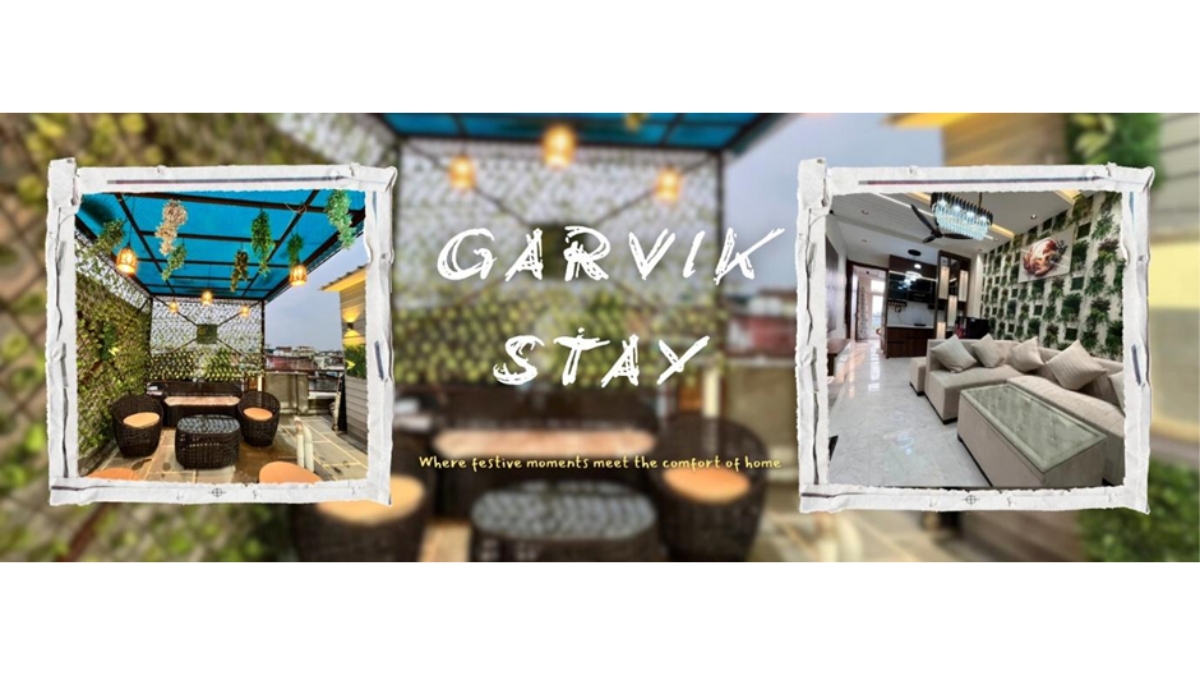
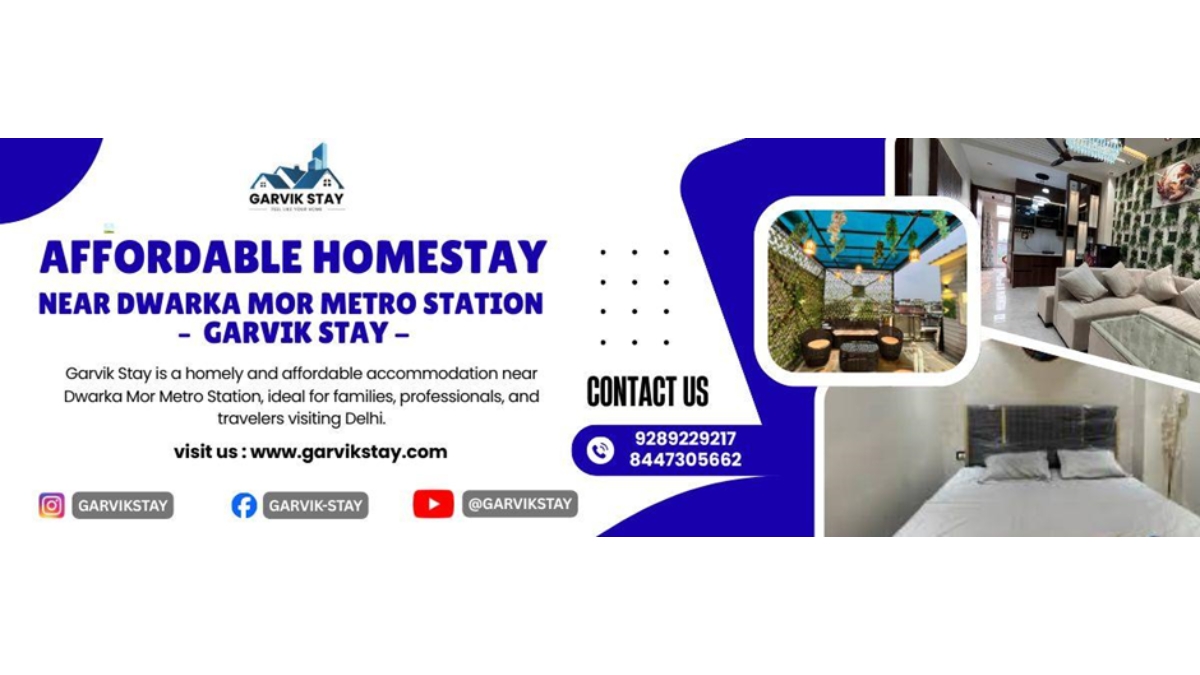
    New Delhi [India], December 24: Finding an affordable homestay near Dwarka Mor Metro Station that offers comfort, safety, and a homely atmosphere can be challenging in a busy city like Delhi. Travelers today are no longer satisfied with cramped hotel rooms and high tariffs. They seek peaceful accommodation with easy connectivity, personalised hospitality, and value for money. Garvik Stay, with its thoughtfully designed and well-maintained accommodations listed across multiple locations, located in Patel Garden, Nawada, Dwarka Sector 13, perfectly meets these expectations by offering a comfortable and budget-friendly homestay experience. You can explore the complete range of Garvik Stay properties to choose the stay that best suits your travel needs.

    Whether you are a tourist, working professional, family visitor, or medical traveler, Garvik Stay stands out as a trusted homestay near Dwarka Mor Metro that combines convenience with comfort.

    Celebrate Christmas at Garvik Stay – Your Perfect Homestay with Terrace Party Space.

    Garvik Stay, located in Nawada, has been steadily gaining attention for offering a comfortable and welcoming homestay experience that feels both personal and thoughtfully curated. As the festive season approaches, the property stands out for one feature that is becoming increasingly rare in Delhi—a private terrace garden space that allows guests to celebrate in an open, relaxed setting.

    During Christmas, the terrace becomes an ideal spot for small gatherings, quiet celebrations, and festive evenings with friends or family. Guests have the freedom to decorate the space, enjoy music, and spend quality time together without the typical rush or restrictions often associated with hotels and restaurants. This balance of privacy, space, and affordability makes Garvik Stay a preferred choice for those seeking a more meaningful festive stay.

    What further adds to its appeal is Garvik Stay’s focus on value-driven hospitality. Seasonal pricing benefits and flexible stay options during the festive period make it accessible for families, working professionals, and out-of-town visitors looking for a peaceful yet well-connected location near Dwarka Mor Metro. The combination of a homely atmosphere, thoughtful amenities, and a terrace suited for celebrations positions Garvik Stay as a noteworthy option for festive stays in West Delhi.

    Dwarka Mor

    Prime Location Near Dwarka Mor Metro Station

    One of the biggest advantages of Garvik Stay is its strategic location. Situated close to Dwarka Mor Metro Station, the homestay provides excellent connectivity to major parts of Delhi, including Janakpuri, Uttam Nagar, Rajouri Garden, Connaught Place, and Gurgaon.

    Staying near a metro station saves time, travel costs, and daily commuting stress. This makes Garvik Stay an ideal homestay near Dwarka Mor Metro Station for guests who need quick access to business hubs, hospitals, markets, and tourist attractions.

    Nearby connectivity highlights include:

    • Dwarka Mor Metro Station (Blue Line)
    • Easy access to Indira Gandhi International Airport
    • Smooth road connectivity to West and South Delhi
    • Close proximity to offices, coaching centers, and shopping areas
    • Comfortable and Well-Maintained Homestay Rooms

    Garvik Stay offers clean, spacious, and thoughtfully designed rooms that create a peaceful living environment. Unlike commercial hotels, this homestay focuses on comfort and personal space, making guests feel at home.

    Each room is designed to suit both short-term and long-term stays. Guests choosing a budget homestay near Dwarka Mor appreciate the calm residential surroundings, cleanliness, and comfort provided at Garvik Stay.

    Key room features include:

    • Comfortable bedding
    • Clean and hygienic environment
    • Well-ventilated rooms
    • Quiet and peaceful residential location

    Affordable Homestay Without Compromising Quality

    Affordability is one of the strongest reasons guests prefer Garvik Stay. Compared to hotels near Dwarka Mor Metro, Garvik Stay offers reasonable pricing without compromising on cleanliness, safety, or comfort.

    As an affordable homestay in Dwarka Sector 13, it is suitable for:

    • Budget travelers
    • Corporate professionals
    • Families visiting Delhi
    • Students and interns
    • Long-term guests

    Flexible stay options such as daily, weekly, and monthly stays make Garvik Stay a cost-effective solution for extended visits.

    Ideal for Families, Professionals, and Medical Visitors

    Garvik Stay caters to a wide range of guests. Families appreciate the safe and homely environment, while professionals enjoy the peaceful atmosphere after long workdays. Medical visitors find the location convenient due to nearby hospitals and easy metro access.

    This makes Garvik Stay a preferred family-friendly homestay near Dwarka Mor Metro that prioritizes safety, privacy, and comfort.

    Safe and Peaceful Residential Environment

    Located in Patel Garden, Nawada, Garvik Stay is surrounded by a well-developed residential neighborhood. The area is calm, secure, and ideal for guests who prefer a peaceful stay away from noisy commercial zones.

    Daily essentials such as grocery stores, pharmacies, local markets, and eateries are easily accessible, making long-term stays comfortable and hassle-free.

    Why Choose Garvik Stay Near Dwarka Mor Metro?

    Here’s why Garvik Stay is a top choice for travelers looking for an affordable homestay near Dwarka Mor Metro Station:

    • Prime location with excellent metro connectivity
    • Clean, comfortable, and spacious rooms
    • Budget-friendly pricing
    • Homely and peaceful environment
    • Suitable for families, professionals, and tourists
    • Personalized hospitality and guest-focused service

    These factors have helped Garvik Stay build a strong reputation as a reliable homestay in Dwarka Sector 13, Delhi.

    Homestay Near Dwarka Mor for Long-Term Stay

    Long-term guests often struggle to find affordable and comfortable accommodation in Delhi. Garvik Stay solves this problem by offering flexible long-term stay options at reasonable rates.

    If you are relocating for work, attending a course, or staying in Delhi for medical reasons, Garvik Stay is a smart alternative to expensive hotels and rental apartments.

    Conclusion

    If you are searching for an affordable homestay near Dwarka Mor Metro Station, Garvik Stay is the perfect choice. With its excellent location, comfortable rooms, peaceful environment, and budget-friendly pricing, it offers a truly homely stay experience in West Delhi.

    Whether your stay is short or long, Garvik Stay ensures comfort, convenience, and value for money—making it your ideal home away from home in Dwarka.

    Book Your Stay Today

    Looking for a comfortable and affordable homestay near Dwarka Mor Metro Station? Garvik Stay is ready to welcome you.

    Reserve Now: 9289229217 / 8447305662
    Website: https://www.garvikstay.com/
    Connect With Us on Social Media
    Instagram: https://www.instagram.com/garvikstay/
    Facebook: https://www.facebook.com/profile.php?id=61572914363700
    YouTube: https://www.youtube.com/

    @GarvikStay Book your stay today and experience comfort, convenience, and homely hospitality at Garvik Stay – Dwarka Sector 13, Delhi.

    PNN Lifestyle

  • Where Aspirations Shop Local: How Tier-2 Cities Are Quietly Redefining Lifestyle Consumption

    Where Aspirations Shop Local: How Tier-2 Cities Are Quietly Redefining Lifestyle Consumption

    Mumbai (Maharashtra) [India], December 25: Once upon a time, lifestyle consumption in India followed a predictable map. Premium meant metropolitan. Aspirational meant imported. And “local” was code for compromise.

    That map is now outdated.

    In cities like Vijayawada, lifestyle consumption is no longer an imitation of metro behaviour—it’s an interpretation. Grocery aisles sit next to premium skincare. Branded athleisure coexists with neighbourhood tailoring. Café culture hums alongside traditional eateries. The shift isn’t loud, but it’s deliberate.

    This isn’t about splurging. It’s about confidence.

    Tier-2 cities are no longer waiting for validation from bigger pin codes. They are building their own consumption grammar—one that blends practicality with pride, affordability with aspiration, and local identity with global taste.

    And yes, the market has noticed.

    For decades, economic narratives treated smaller cities as feeders—sources of labour, migration, and demand leakage toward metros. That assumption is slowly unraveling. Rising incomes, better connectivity, digital access, and regional economic growth have changed what people want—and more importantly, what they’re willing to pay for.

    Lifestyle, it turns out, travels faster than urban planning.

    The Backstory Nobody Put In Investor Decks

    Tier-2 cities didn’t suddenly “discover” lifestyle. They always had taste. What they lacked was access, choice, and acknowledgement.

    Earlier, premium consumption meant travel—physically or digitally. Either you went to a bigger city, or you ordered online and hoped for the best. Local markets focused on volume, not experience.

    But as regional economies strengthened and consumer exposure expanded, something subtle happened. People stopped treating premium as aspirational theatre and started treating it as normal life progression.

    This isn’t metro envy. It’s self-assurance.

     Tier-2 Cities - PNN

    Premium Consumption As A Confidence Signal

    What Spending Patterns Reveal About The Middle Class Mindset

    Premium consumption in smaller cities isn’t reckless spending. It’s selective upgrading.

    Consumers are choosing better products in categories that matter most:

    • Food quality and grocery sourcing

    • Personal care and wellness

    • Home décor and appliances

    • Clothing that balances brand with comfort

    The psychology here is crucial. This isn’t about showing off. It’s about feeling aligned with one’s income, exposure, and effort. People want their surroundings to reflect their progress—not exaggerate it.

    Middle-class confidence is no longer quiet. It’s calibrated.

    Retail Isn’t Shrinking—It’s Localising

    How Lifestyle Brands Must Rethink Tier-2 Markets

    Retail success in tier-2 cities doesn’t come from copy-pasting metro formats. What works in a mall-heavy ecosystem doesn’t always translate to mixed-use, community-driven markets.

    Consumers here value:

    • Accessibility over excess

    • Familiarity over intimidation

    • Value perception over logo obsession

    Brands that succeed understand one thing: aspiration doesn’t erase context. It adapts to it.

    Stores that blend premium aesthetics with regional sensibility outperform sterile luxury templates. Retail in these cities thrives when it feels welcoming, not instructional.

    Grocery To Grooming: Lifestyle Is Becoming Holistic

    The most telling shift isn’t in fashion—it’s in everyday consumption.

    Grocery shopping has evolved from transactional to intentional. Consumers are choosing quality staples, branded essentials, and health-forward options alongside traditional purchases. The same applies to grooming, fitness, and home organisation.

    Lifestyle isn’t an event anymore. It’s embedded into routine.

    Sarcastically speaking, premium is no longer reserved for weekends or weddings. It’s Tuesday afternoon, and people are okay with that.

    Tier-2 Cities - PNN

    Digital Exposure, Local Execution

    E-commerce played a critical role in shaping taste. But brick-and-mortar still seals trust.

    Tier-2 consumers often research online but prefer to buy offline—especially for lifestyle products. Physical presence reassures quality, service, and accountability.

    This hybrid behaviour has created opportunities for:

    • Smaller-format premium stores

    • Local franchise partnerships

    • Experience-driven retail spaces

    Retail here isn’t dying. It’s just refusing to be generic.

    The Economic Reality Beneath The Gloss

    Let’s ground this shift in reality.

    Disposable incomes in tier-2 cities have risen steadily, supported by local industries, government employment, MSMEs, and service-sector growth. Infrastructure upgrades—roads, transport, digital connectivity—have reduced the “distance” between cities.

    Lifestyle spending is no longer aspirational debt. It’s planned allocation.

    That said, growth isn’t uniform. Not every neighbourhood participates equally. Premium consumption often clusters around economically active zones, leaving pockets behind.

    Progress has a postcode bias.

    The Pros Everyone Is Celebrating

    Why This Shift Is Good News:

    • Stronger local economies

    • Reduced dependence on metros

    • More regional entrepreneurship

    • Better quality-of-life choices

    Lifestyle consumption fuels local employment, strengthens supply chains, and encourages innovation closer to home.

    In short, aspiration is no longer outsourced.

    The Cons Nobody Wants To Advertise

    The Risks Beneath The Rise:

    • Over-commercialisation of local culture

    • Price inflation in everyday categories

    • Pressure to “keep up” socially

    • Uneven access across income groups

    Premiumisation can quietly alienate those who don’t—or can’t—participate. When lifestyle becomes a marker of worth, consumption risks turning into competition.

    Confidence should not mutate into quiet anxiety.

    Where Brands Often Get It Wrong

    Some brands still treat tier-2 markets as diluted metros. That assumption backfires.

    Consumers here are discerning, not naïve. They recognise quality—but they also recognise pretence. Overpricing without value, flashy branding without relevance, or tone-deaf campaigns fail quickly.

    Respect, not aspiration, builds loyalty.

    A Different Perspective On Lifestyle

    Lifestyle consumption in smaller cities isn’t about catching up. It’s about settling in.

    People aren’t buying premium products to escape their city. They’re buying them to enjoy living there.

    That distinction matters.

    It suggests a future where economic growth doesn’t automatically funnel ambition outward. Where people invest emotionally—and financially—into their local ecosystem.

    That’s not just market evolution. That’s cultural stability.

    Where This Is Headed Next

    Expect more:

    • Regional-first retail strategies

    • Tier-2 focused product lines

    • Community-driven brand storytelling

    • Experience over excess

    Lifestyle brands that listen rather than lecture will win here.

    Final Thought

    Lifestyle consumption in cities like Vijayawada isn’t a trend. It’s a declaration.

    People aren’t asking for permission to live well anymore. They’re doing it—locally, selectively, and on their own terms.

    And for the first time in a long while, the market is learning to listen.

    PNN Lifestyle

  • Eat Like You Mean It: Why 2026’s Food Trends Feel Less Like Fashion And More Like Personality

    Eat Like You Mean It: Why 2026’s Food Trends Feel Less Like Fashion And More Like Personality

    Mumbai (Maharashtra) [India], December 25: Once upon a time, food trends were frivolous. They arrived with hashtags, overstayed their welcome, and disappeared before anyone could pronounce them correctly. But as 2026 approaches, what people are eating—and how they’re eating it—feels oddly serious. Less about novelty. More about negotiation.

    Negotiation between inflation and indulgence. Between health and comfort. Between cultural curiosity and the stubborn need for something familiar after a long day of pretending to be functional.

    Food, it turns out, has become a mirror. And the reflection isn’t particularly filtered.

    A new global trend report tracking eating habits for 2026 reveals a clear pivot: nutrient-dense foods, high-protein snacks, culturally authentic comfort dishes, premium indulgences, and global flavours are no longer niche interests. They’re daily decisions. From toast-based meals dressed up as minimalism to Icelandic salmon jerky masquerading as wellness, the modern plate is doing emotional labour.

    And yes, it’s tired.

    The shift didn’t begin in kitchens. It began in wallets.

    Food inflation hasn’t just changed what people buy—it’s changed how they justify eating. When prices rise, every bite suddenly needs a reason. Health becomes an argument. Protein becomes a virtue. Premium indulgence becomes “earned.”

    People aren’t eating less joyfully. They’re eating more defensively.

    When Inflation Forced Food To Pick A Side

    How Rising Costs And Health Anxiety Rewrote The Menu

    Inflation has a way of clarifying priorities. As food prices climbed globally over the last few years, consumers didn’t abandon quality—they redefined it.

    Cheap calories lost their appeal. Empty indulgence felt irresponsible. What emerged instead was a strange hybrid: food that promises nourishment and pleasure, often in the same bite.

    High-protein snacks aren’t just about fitness anymore. They’re about satiety. Longevity. Value per mouthful. Nutrient density has become the new thrift.

    At the same time, people aren’t giving up indulgence—they’re upgrading it. If you’re going to splurge, it better feel intentional. Premium comfort foods now carry emotional justification: nostalgia, craftsmanship, cultural depth.

    This isn’t a contradiction. It’s an adaptation.

    Food Trends - PNN

    Snack Culture Grew Up And Got A Personality

    The Rise Of Snacktails And Elevated In-Between Eating

    Meals are losing their monopoly. Snacks have unionised.

    “Snacktails”—small, flavour-forward bites paired with beverages—are emerging as lifestyle markers in urban social spaces. They’re casual but curated. Social but controlled. Perfect for a generation that wants connection without commitment.

    Snack-based eating reflects modern schedules: irregular, hybrid, and perpetually distracted. But it also reflects taste evolution. These aren’t mindless munches. They’re carefully portioned, protein-forward, globally inspired mini-experiences.

    Eating is no longer about fullness. It’s about fit—into time, mood, and identity.

    Comfort Food Is Having A Cultural Renaissance

    Why Authenticity Is The New Luxury

    Comfort food used to mean predictability. In 2026, it means heritage.

    Culturally authentic dishes—once diluted for mass appeal—are reclaiming their complexity. Urban consumers are seeking flavours that feel rooted, not revised. Spice isn’t being apologised for. Texture isn’t being simplified.

    This rise isn’t accidental. As globalisation flattened taste for years, people are now craving specificity. They want to know where a dish comes from, who made it first, and why it mattered.

    Food has become a socially acceptable way to express cultural curiosity without having to explain yourself too much.

    Toast, Jerky, And The Art Of Reinvention

    Some of the most telling trends are deceptively simple.

    Toast-based dishes aren’t about bread. They’re about modular living. Affordable bases dressed up with global toppings—ferments, proteins, sauces—turning minimalism into flavour.

    Icelandic salmon jerky and similar protein-rich snacks signal another truth: wellness has gone portable. Convenience no longer excuses compromise. People want functional food that travels well and photographs better.

    There’s sarcasm in this evolution, of course. We’ve somehow made survival chic.

    The Economics Behind The Plate

    Let’s talk numbers, briefly and without romance.

    Global food and beverage innovation spending continues to rise, with brands investing heavily in protein formulations, sustainable sourcing, and premium packaging. At the same time, consumers are spending more per item—but buying more selectively.

    This selective indulgence means:

    • Fewer impulse buys

    • Higher expectations

    • Stronger loyalty to brands that deliver consistently

    Food is no longer disposable. It’s deliberate.

    The Pros We’re Enjoying (And Posting About)

    The Positives Of This Shift:

    • Better nutritional awareness

    • Greater respect for cultural origins

    • More mindful indulgence

    • Innovation driven by real demand

    Food feels more intentional, less wasteful, and—occasionally—more honest.

    The Cons We’re Quietly Ignoring

    The Less Tasty Realities:

    • Premiumisation risks exclusion

    • Health trends can slide into obsession

    • Cultural foods risk being aestheticised

    • Convenience still drives overprocessing

    Not every “nutrient-dense” snack is virtuous. Not every global flavour is respected properly. And not everyone can afford the new definition of “better food.”

    Progress, as always, arrives unevenly.

    What This Says About Us (Beyond Appetite)

    Food trends rarely lie. They just exaggerate.

    The 2026 food landscape suggests a population that wants control without rigidity, pleasure without guilt, and connection without chaos. Eating has become one of the few spaces where people feel allowed to curate their lives deliberately.

    Food is no longer just nutrition. It’s narrative.

    What you eat says who you are, how tired you are, what you value, and what you’re willing to compromise on. That’s a lot of pressure for lunch—but here we are.

    Where The Industry Is Headed Next

    Brands, chefs, and food entrepreneurs are responding quickly. Expect more:

    • Hybrid formats blending snack and meal

    • Transparent sourcing narratives

    • Functional indulgences

    • Culturally grounded menus with modern delivery

    The challenge will be restraint. Not every tradition needs reinvention. Not every trend needs scaling.

    Sometimes, the smartest move is leaving a good thing alone.


    View this post on Instagram


    A post shared by SIMPLY SOCIAL (@simplysocial___)

    Final Thought

    Food didn’t become complicated.

    Life did.

    And in 2026, what’s on your plate isn’t just about hunger—it’s about how carefully you’re choosing to live with it.

    PNN Lifestyle

  • Kimberley Process: India Clinches High-Impact Chairmanship in 2026

    Kimberley Process: India Clinches High-Impact Chairmanship in 2026

    Surat (Gujarat) [India], December 25: India just secured a seat that matters. From January 1, 2026, New Delhi will chair the Kimberley Process, the world’s primary shield against conflict diamonds.

    India Kimberley Process Chairpersonship is not ceremonial. It is operational power in a sector that touches geopolitics, ethics, and billions in global trade.

    The Kimberley Process Plenary has formally selected India to assume the chairpersonship from January 1, 2026. The decision places India at the centre of a tripartite global initiative involving governments, the international diamond industry, and civil society. One mandate. One focus. Stop conflict diamonds from entering legitimate supply chains.

    India will step into the Vice Chair role on December 25, 2025, before taking over fully in the new year. This marks the third time India has been trusted with steering the Kimberley Process. Repetition here is not routine. It signals reliability.

    What the Kimberley Process Actually Does

    The Kimberley Process was born out of necessity. Conflict diamonds, also called blood diamonds, were funding rebel groups and destabilising legitimate governments. The United Nations stepped in. The Kimberley Process Certification Scheme followed.

    Operational since January 1, 2003, the KPCS requires participating countries to certify rough diamond shipments as conflict-free. No certificate, no trade. Simple in theory. Brutal in execution.

    Today, the Kimberley Process has 60+ participants. The European Union and its member states count as one. Together, these participants account for more than 99 percent of the global rough diamond trade. That makes the KP the most comprehensive international governance framework in the diamond sector. Nothing else comes close.

    Why India’s Role Is Strategic, Not Symbolic

    India is not a casual observer in the diamond business. It is a global hub for diamond cutting, polishing, manufacturing, and trade. Surat alone processes a majority of the world’s diamonds. The numbers are staggering. The influence is undeniable.

    India Kimberley Process Chairpersonship arrives at a moment when global supply chains are under scrutiny. Consumers want proof, not promises. Governments want traceability. Industry wants credibility.

    That is where India steps in.

    Commerce and Industry Minister Piyush Goyal welcomed the decision, calling it a reflection of global trust in the Modi government’s commitment to integrity and transparency in international trade. That line is not fluff. It aligns with India’s broader positioning as a rule-based trade partner in a fragmented geopolitical environment.

    Third Time’s the Signal

    This is India’s third tenure as chair of the Kimberley Process. That matters. Multilateral institutions do not recycle leadership roles unless there is confidence in delivery.

    India’s earlier engagements helped stabilise compliance discussions and bridge gaps between producer nations, trading hubs, and civil society observers. The KP is not always harmonious. Disagreements over definitions, enforcement, and reform are frequent. Chairing requires patience, leverage, and credibility. India brings all three.

    What India Plans to Push as Chair

    India has outlined clear priorities for its tenure. No vague slogans. Concrete focus areas.

    First, governance and compliance. The Kimberley Process only works if rules are enforced evenly. India plans to strengthen peer review mechanisms and reinforce rule-based compliance across participants.

    Second, digital certification and traceability. Paper certificates belong to the past. India will push for digital systems that improve efficiency, reduce fraud, and allow real-time verification across borders.

    Third, data-driven monitoring. Transparency improves when data is accessible, comparable, and actionable. India wants to enhance reporting standards and analytical tools to track diamond flows more accurately.

    Fourth, consumer trust. End buyers increasingly care about where their diamonds come from. Conflict-free is no longer optional. India aims to align KP processes with evolving consumer expectations without diluting core standards.

    All of this feeds into one objective. Make the Kimberley Process more credible, more inclusive, and more effective.

    India’s Vice Chair Role Sets the Stage

    India will not wait until 2026 to act. As Vice Chair from December 25, 2025, it will work closely with current leadership, participants, and observers to ensure continuity.

    This transition period matters. It allows India to shape agendas, build consensus, and prepare reforms before formally taking the gavel. Quiet groundwork now prevents public friction later.

    India has also committed to engaging civil society more actively. That matters because criticism of the Kimberley Process often comes from watchdog groups questioning enforcement gaps. Engagement beats dismissal. India seems to understand that.

    Why This Matters Beyond Diamonds

    India Takes the Helm of the Kimberley Process in 2026 - PNN

    India’s Kimberley Process Chairpersonship is also a diplomatic signal. It reinforces India’s growing role in global governance frameworks beyond security and climate.

    Trade ethics, supply chain transparency, and responsible sourcing are becoming strategic issues. Chairing the KP positions India as a norm-shaper, not just a rule-follower.

    It also strengthens India’s voice in discussions around sustainable mining, labour practices, and cross-border compliance. These conversations increasingly intersect with ESG frameworks and trade agreements.

    For readers tracking India’s broader trade diplomacy, this appointment fits a pattern. India is no longer content sitting in the audience. It wants the microphone.

    Read More

  • PM-SETU Scheme: 5 Bold Reasons Industry Must Step In

    PM-SETU Scheme: 5 Bold Reasons Industry Must Step In

    New Delhi [India], December 25: PM-SETU. The Ministry of Skill Development and Entrepreneurship is asking industry leaders to step up and get involved. It signals a real shift in how India wants its skill and entrepreneurship programmes to work, with businesses no longer on the sidelines but part of the action.

    The message is simple and long overdue: skills don’t work in isolation, and industry has to be part of the process.

    This invitation places industry not as a sponsor or observer, but as a co-creator in shaping skills, training pathways, and entrepreneurial readiness under the PM-SETU Scheme.

    What the Ministry Is Asking Industry to Do

    The ministry’s outreach under the PM-SETU Scheme focuses on participation, alignment, and outcomes.

    Industry leaders are being encouraged to:

    • Engage with skill and entrepreneurship initiatives linked to PM-SETU

    • Support training, mentoring, and capacity-building efforts

    • Align skill development with real business and market needs

    This is not about ceremonial MoUs or logo-heavy conferences. The emphasis is on practical involvement, where industry experience feeds directly into training frameworks and entrepreneurship support systems.

    The ministry’s approach reflects a growing recognition that skill gaps are not theoretical problems. They show up on factory floors, startup balance sheets, and hiring dashboards every day.

    Why Industry Participation Is the Missing Piece

    India has no shortage of skill programmes. What it has struggled with is relevance at scale.

    The PM-SETU Scheme aims to correct that by bringing industry into the design process rather than looping it in at the end. That matters.

    When industry participates:

    • Skills training becomes demand-led, not syllabus-led

    • Entrepreneurship support reflects market realities

    • Employability improves because expectations are aligned

    This is where the PM-SETU Scheme draws its strength. It recognises that entrepreneurship is not born in policy silos. It is shaped by supply chains, customers, capital, and execution pressure.

    And yes, deadlines. Lots of them.

    PM-SETU Scheme and India’s Entrepreneurship Push

    Entrepreneurship in India isn’t just about unicorns and venture capital headlines anymore. The real action is with micro-entrepreneurs, small businesses, and first-time founders trying to survive and grow in crowded markets where margins are tight and mistakes are costly.

    The PM-SETU Scheme sits squarely in this space.

    By inviting industry leaders to participate, the ministry is reinforcing a simple truth: entrepreneurs don’t just need funding or training. They need ecosystems that understand business reality.

    Industry participation can bring:

    • Exposure to real-world business processes

    • Mentorship rooted in experience, not theory

    • Practical insights into scaling, compliance, and competition

    For India’s aspiring entrepreneurs, that combination is often more valuable than capital alone.

    Skills as Economic Infrastructure

    In India, skills are no longer a social sector issue. They are economic infrastructure.

    As India pushes manufacturing, services, and digital entrepreneurship all at once, the pressure on having a job-ready workforce is intense. The PM-SETU Scheme fits into this bigger national effort to ensure growth is backed by fundamental skills, not just big ambitions.

    The Ministry of Skill Development and Entrepreneurship has long made it clear that skills sit at the heart of this push, supporting:

    • Employment generation

    • MSME growth

    • Startup sustainability

    By inviting industry leaders into the PM-SETU Scheme, the ministry is aligning skill development with India’s evolving economic priorities.

    This is less about training for certificates and more about training for outcomes.

    What This Means for MSMEs and Emerging Entrepreneurs

    For MSMEs and small entrepreneurs, industry participation under the PM-SETU Scheme can translate into something rare:

    Access to:

    • Market-aligned skills

    • Mentorship from experienced operators

    • Networks that reduce isolation

    Most small entrepreneurs fail not for lack of effort but for lack of insight. Industry engagement can shorten learning curves that would otherwise take years and costly mistakes.

    That is where PM-SETU’s design becomes relevant. It aims to build bridges, not just programmes.

    Skill Development Moves From Policy to Practice

    The PM-SETU Scheme reflects a broader shift in how India approaches skill development.

    The tone has changed.
    The expectations have changed.
    And increasingly, the accountability is shared.

    • The government sets the framework.

    • Industry shapes relevance

    • Entrepreneurs and trainees apply it on the ground

    This triangle is where effective skill ecosystems are built. The ministry’s invitation signals a clear recognition that without industry inside the loop, even well-intended schemes struggle to deliver lasting impact.

    What Comes Next for the PM-SETU Scheme

    The real test of the PM-SETU Scheme will not be announcements. It will be executed.

    Industry participation needs to move beyond advisory roles into:

    • Curriculum inputs

    • On-ground engagement

    • Long-term commitment

    If that happens, PM-SETU could become more than just another skill initiative. It could evolve into a platform where policy intent meets market intelligence.

    That is when schemes stop being headlines and start becoming systems.

    https://www.msde.gov.in/Ministry of Skill Development and Entrepreneurship

    https://ibef.org/government-schemes/skill-india — overview of Skill India initiatives and how they tie to national skills and entrepreneurship goals.

    PNN News

  • Digital Branding Visionary Mehul Purohit Praises ‘Dhurandhar’ for Its Powerful Storytelling and Brand-Building Potential

    Digital Branding Visionary Mehul Purohit Praises ‘Dhurandhar’ for Its Powerful Storytelling and Brand-Building Potential

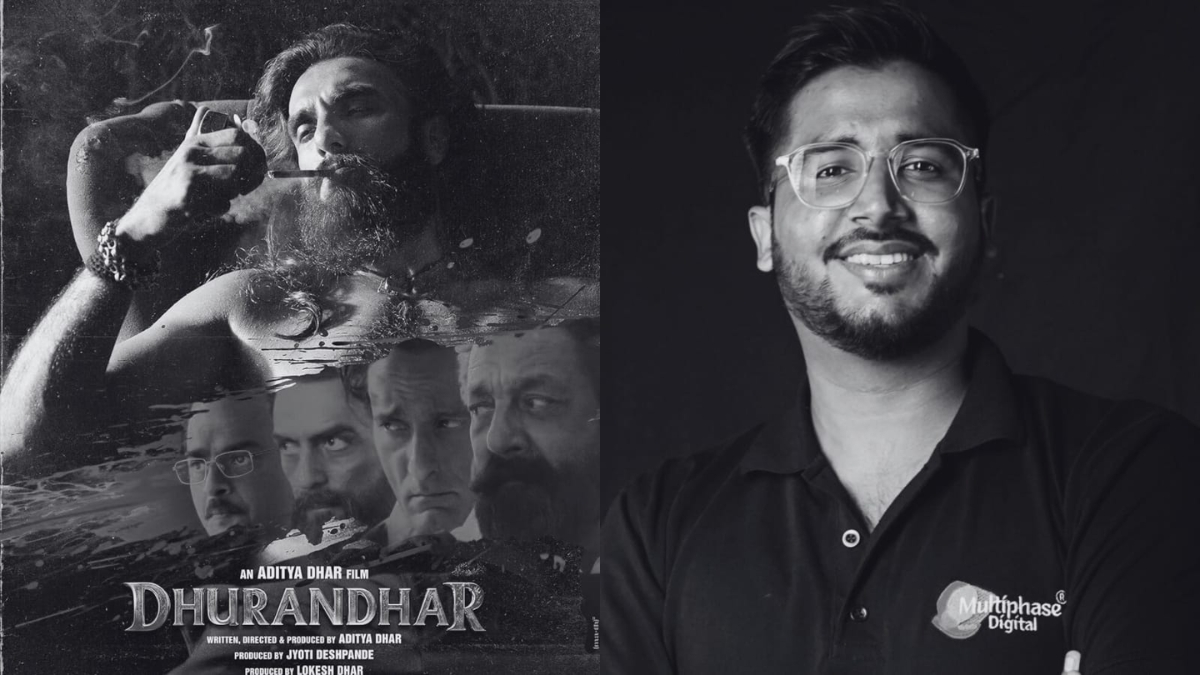
    New Delhi [India], December 24: Entrepreneur and digital branding strategist Mehul Purohit, founder of Multiphase Digital, has lauded the film Dhurandhar for its compelling narrative, strong character arcs, and authentic storytelling—elements he believes are as critical in cinema as they are in building powerful digital brands.

    From the lens of a branding expert, Mehul views Dhurandhar not just as a film but as a masterclass in emotional positioning and audience connection. “A successful brand, much like a successful film, is built on honesty, consistency, and impact,” he shared. “Dhurandhar succeeds because it stays rooted in its core message while fearlessly presenting raw emotions—this is exactly how strong digital identities are created.”

    Known for revolutionising the digital branding landscape through Multiphase Digital, Mehul has helped businesses and individuals build credible, influential online reputations. According to him, Dhurandhar mirrors the same principles he applies in branding—straightforward storytelling, relatable characters, and a narrative that stays with the audience long after the experience ends.

    Mehul particularly appreciated how the film avoided superficial glamour and instead focused on depth and substance. “In today’s attention-driven digital world, authenticity cuts through noise. Dhurandhar proves that when content is real, it doesn’t need exaggeration—it builds trust organically,” he said.

    As someone who has worked extensively with personalities in the entertainment industry, Mehul believes films like Dhurandhar exemplify organic brand building. “Every character in the film carries a distinct identity, much like a well-positioned brand. Their journeys feel earned, not manufactured—this is something marketers and filmmakers alike should learn from.”

    Through Multiphase Digital, Mehul continues to champion storytelling-led branding—an approach that aligns seamlessly with cinema that prioritises narrative strength over shortcuts. His admiration for Dhurandhar reflects his broader belief that content with purpose consistently outperforms content created just for visibility.

    Having shared his entrepreneurial journey on platforms like Josh Talks and TEDx, and being recognized as Asia’s Youngest Entrepreneur (2022), Mehul remains deeply invested in promoting meaningful content—whether in films, brands, or digital platforms. “Stories shape perception,” he concludes. “Dhurandhar is a reminder that when storytelling is honest, impact is inevitable.”

    With leaders like Mehul Purohit bridging the worlds of digital branding and creative storytelling, films like Dhurandhar find appreciation beyond cinema halls—resonating strongly with professionals who understand the true power of narrative.

    If you have any objection to this press release content, kindly contact pr.error.rectification@gmail.com to notify us. We will respond and rectify the situation in the next 24 hours.

  • Beyond Price Tags: Why Indian Homebuyers Are Choosing How They Want To Live—Not Just Where

    Beyond Price Tags: Why Indian Homebuyers Are Choosing How They Want To Live—Not Just Where

    Mumbai (Maharashtra) [India], December 25: For years, Indian real estate conversations followed a predictable script. Budget first. Location second. Compromises everywhere else. If the price was right, everything else—traffic, water supply, commute, air, silence—became negotiable.

    That script is now being quietly shredded.

    In 2025, homebuyers and renters across India are no longer asking only “How much does it cost?” They’re asking a far more inconvenient question: “What does my life look like here?”

    According to a recent nationwide consumer study by a leading property platform, lifestyle priorities—connectivity, infrastructure quality, access to daily services, and overall livability—have overtaken pure affordability in influencing housing decisions. This isn’t a cosmetic shift. It’s a psychological one. And it signals a real estate market that’s finally growing up.

    For context, this change didn’t happen overnight. It crept in slowly, disguised as remote work preferences, post-pandemic fatigue, and a collective refusal to treat homes like temporary storage units for humans.

    People didn’t suddenly become demanding. They became honest.

    The Backstory Nobody Advertised On Hoardings

    Historically, Indian real estate rewarded sacrifice. Long commutes were worn like badges of honour. Poor infrastructure was “manageable.” Amenities were brochures, not realities.

    But something snapped after years of urban congestion, infrastructure strain, and a work culture that blurred personal boundaries. Homes stopped being places you returned to. They became places you lived in all day.

    Once that happened, square footage lost its charm if surrounded by chaos.

    Buyers realised something unsettling: cheaper homes often cost more—in time, health, and sanity.

    Infrastructure Is No Longer Background Noise

    How Infrastructure Is Now Co-Shaping Lifestyle

    Infrastructure used to be invisible until it failed. Now, it’s the main character.

    Road quality, metro access, last-mile connectivity, water reliability, power backup, digital connectivity—these aren’t “extras” anymore. They define daily experience.

    In emerging micro-markets across Indian cities, infrastructure readiness is influencing price resilience and buyer confidence more than developer branding. Homes near transit corridors, mixed-use developments, and civic upgrades are witnessing stronger long-term demand—even if initial prices are higher.

    Sarcasm aside, buyers have realised that saving money upfront only to lose three hours daily in traffic is not financial intelligence. It’s delayed regret.

    When Affordability Stopped Being The Only Virtue

    Why Quality Of Life Is Overtaking Sheer Affordability

    Affordability hasn’t disappeared. It’s been redefined.

    Today’s buyer is calculating cost differently:

    • Time spent commuting

    • Access to healthcare and schools

    • Walkability and safety

    • Environmental quality

    • Work-from-home viability

    A slightly more expensive home with better infrastructure often delivers a lower lifetime cost than a cheaper alternative in a disconnected zone.

    This shift reflects a maturing consumer mindset—one that values long-term comfort over short-term discounts. In simple terms, people are tired of adjusting their lives to bad planning.

    Livability Scores Are Becoming The New Whisper Currency

    The Rise Of Micro-Markets And Experience-Driven Choices

    Instead of broad city-wide preferences, buyers are now dissecting micro-markets. Two neighbourhoods within the same city can deliver radically different lifestyles—and buyers know it.

    Livability metrics—accessibility, green spaces, pollution levels, social infrastructure—are shaping decisions more quietly but more decisively than ever before. Informal “livability scores” circulate through word-of-mouth, online communities, and lived experience.

    This decentralisation of decision-making weakens hype-driven selling and strengthens reality-based evaluation. Developers can’t hide behind generic promises anymore. The neighbourhood speaks for itself.

    Developers Are Being Forced To Evolve (Finally)

    This shift presents both opportunity and discomfort for the real estate industry.

    The Upside:

    • Demand for smart homes is rising

    • Green spaces and sustainable design now justify premiums

    • Community-centric layouts increase long-term value

    • Transit-oriented developments attract consistent demand

    Projects that integrate work-from-home design, shared amenities, walkable layouts, and social spaces are outperforming traditional gated-box models.

    Lifestyle isn’t marketing fluff anymore. It’s a sales requirement.

    The Less Celebrated Side Of This Evolution

    Let’s not romanticise everything.

    The Cons Buyers Are Quietly Facing:

    • Lifestyle-driven homes often carry higher entry prices

    • Peripheral affordability zones risk further neglect

    • Infrastructure-led premiums can fuel exclusion

    • Smaller cities may struggle to keep pace

    There’s also a risk of “lifestyle inflation”—where buyers stretch finances chasing quality-of-life promises that aren’t always delivered as advertised.

    Experience-driven living only works when execution matches intent.

    The Economic Reality Behind The Shift

    India’s urban real estate market is increasingly aligned with long-term capital appreciation rather than speculative flipping. Infrastructure investment, civic upgrades, and urban planning reforms are influencing buyer psychology.

    Residential construction and development continue to attract substantial investment, with developers allocating higher budgets toward sustainability, technology integration, and community planning. Smart infrastructure and green features are no longer experimental—they’re becoming baseline expectations.

    The market isn’t just selling homes anymore. It’s selling future stability.

    What This Says About How We Want To Live

    At its core, this shift isn’t about real estate. It’s about values.

    People are no longer willing to postpone living well. The idea that comfort must wait until retirement has quietly expired.

    Homes are now judged by how they support:

    • Mental health

    • Time autonomy

    • Family rhythms

    • Professional flexibility

    This is not luxury thinking. It’s self-preservation.

    Where The Industry Stands Right Now

    Developers, planners, and policymakers are paying attention—some faster than others. Infrastructure-led growth is reshaping demand patterns, and projects that ignore lifestyle integration are finding themselves oddly quiet, despite competitive pricing.

    The market is speaking more softly—but more clearly.

    Final Thought

    Indian homebuyers didn’t become picky.
    They became tired of adapting to dysfunction.

    In 2025, real estate isn’t just about where you sleep. It’s about how much of your life you’re willing to give up just to get there.

    PNN Lifestyle

  • Manaksia Coated Metals & Industries Undertakes Upgradation, Capacity Expansion for its Continuous Galvanizing Line

    Manaksia Coated Metals & Industries Undertakes Upgradation, Capacity Expansion for its Continuous Galvanizing Line

    Mumbai (Maharashtra) [India], December 24: Manaksia Coated Metals & Industries Limited (NSE: MANAKCOAT, BSE: 539046), is one of the leading coated steel metal manufacturer and exporter, specialized in Galvanised & Pre-painted Steel in both coil and sheet forms, has undertaken a planned shutdown of its Continuous Galvanising Line (CGL) to implement a technology upgrade involving conversion from galvanised steel to Aluminium-Zinc coated steel, along with a capacity expansion.

    Key Project Highlights –

    Technology Upgrade and Capacity Expansion of the Continuous Galvanising Line:

    • Technology Upgrade: Upgradation of the Continuous Galvanising Line to Aluminium-Zinc coating technology with increased line speeds.
    • Capacity Expansion: Installed capacity to increase from 132,000 MT per annum to 180,000 MT per annum, reflecting a 36% enhancement.
    • Execution Timeline: Planned shutdown initiated in December, with production of Alu-Zinc coated steel expected to stabilise from January 2026.
    • Market Opportunity: Supports participation in growing Aluminium-Zinc coated steel demand with higher market acceptance and premium pricing.

    The upgrade is expected to improve line productivity and operating efficiency, reduce coating cost per metric tonne while maintaining superior corrosion performance, and enhance the overall energy efficiency of the line. The conversion supports a transition towards a higher-value product mix and is expected to positively contribute to EBITDA. The upgraded line is expected to strengthen the company’s presence across domestic and export markets, improve operating efficiency, and support scalable volume growth in line with its medium-term business plans.

    Commenting on this, Mr Karan Agrawal, Whole Time Director, Manaksia Coated Metals & Industries Limited, said, “This upgrade reflects the direction in which we want to take our coated steel business. The move to Aluminium-Zinc coating technology allows us to offer a more durable and application-ready product while also improving the efficiency and reliability of our operations. It is a well-timed step that strengthens our manufacturing capabilities and supports a better product mix. The transition has been planned with a clear focus on continuity. Our downstream operations of pre-painted steel production continue smoothly, and we remain fully aligned to meet customer requirements during the upgrade period. Any short-term impact is expected to be addressed through improved operating performance once the upgraded line is in operation.

    Aluminium-Zinc coated steel has strong acceptance in international markets and is witnessing rising demand across multiple applications. This upgrade enables us to participate more meaningfully in these opportunities, both in export and domestic markets, with a product that offers better performance and pricing potential. Looking ahead, the upgraded line positions us to scale volumes efficiently, improve operating margins, and pursue growth in a disciplined and sustainable manner, while maintaining consistency in quality and supply.”

    If you have any objection to this press release content, kindly contact pr.error.rectification@gmail.com to notify us. We will respond and rectify the situation in the next 24 hours.

  • Advocate Shubham Awasthi Honored with Prestigious “40 Under 40 Lawyer Award”

    Advocate Shubham Awasthi Honored with Prestigious “40 Under 40 Lawyer Award”

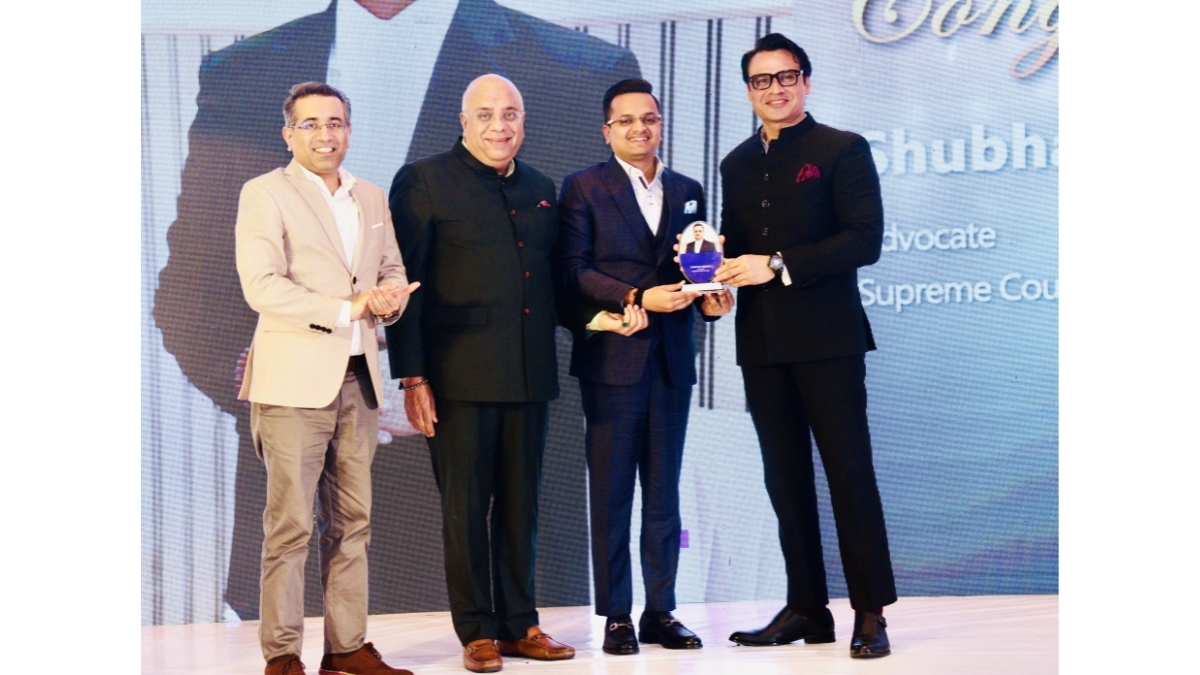
    New Delhi [India], December 24: Shubham Awasthi, the lawyer at the Supreme Court of India and an advocate, was named the winner of the 40 Under 40 Lawyer Award by BW Legal World, which is one of the most reputable legal awards in India. The award was given during the 6 th Anniversary of the BW Legal World 40 Under 40 Lawyers and Legal Influencers Awards 2025 in New Delhi.

    Prior to the ceremony were keynote sessions and panel discussions with a retired judge of the Delhi High Court, Additional Solicitors General of India, senior advocates, policymakers and some of the top legal professionals. The event convened the up-and-coming leaders of the Indian legal and policy ecosystem and gave credit to work in the areas of corporate advisory, dispute resolution, regulatory practice, tech transactions, and cross-border mandates.

    The awards this year confirmed that BW Legal World is determined to recognise merit, professional excellence and leadership in the next generation of lawyers who would shape the future of Indian law.

    On this occasion, Advocate Awasthi claimed that he was selected after a strict interview process by a jury of great jurors in law. He was truly grateful that he was a winner, and he instead pointed out that the award was not only an outcome but also a duty to work harder, better and serve the profession and the society better.

    Advocate Awasthi is of the opinion that lawyers play a selfless, critical role in society. According to him, daily life is controlled and influenced by law, and lawyers have to serve, coach, and guard the interests of the people. He believes, like the old time, that law is a noble career, of which integrity, humility and service are fundamental principles.

    Advocate Awasthi is a postgraduate in Media and Entertainment Laws who works with various government and statutory bodies and panels. He has initiated and litigated several cases of public significance and social justice in multiple litigations and cases before the Supreme Court and other High Courts.

    Advocate Awasthi appreciated the fact that Mr Anurag Batra, Chairman and Editor-in-Chief of BW Businessworld, conceived and made such events happen. He stated that such efforts are praising merit and excellence, and encourage and spur young lawyers to elevate the professionalism and play an important role in the legal fraternity.

    As a humanitarian and public-spirited worker, Advocate Awasthi was appointed Deputy Secretary General – India of the World Humanitarian Drive, which is located in London. This appointment shows his dedication to the practice outside of the profession.

    Advocate Awasthi is widely regarded as an example to the juniors and a stable support to the clients, and he knows his duty very well in the noble law profession, as he is very humble, focused, and ambitious.