Author: Sutun Nayak

  • Patel Retail Limited Appoints Mr. Sanjeev Kumar Nigam As New Chief Executive Officer For Its Spices Brand Indian Chaska

    Patel Retail Limited Appoints Mr. Sanjeev Kumar Nigam As New Chief Executive Officer For Its Spices Brand Indian Chaska

    Mr Sanjeev Kumar Nigam

    Mumbai (Maharashtra) [India], October 6: Patel Retail Limited (BSE: 544487 | NSE: PATELRMART), a diversified retail and food processing company, has appointed Mr Sanjeev Kumar Nigam as the Chief Executive Officer (CEO) of Indian Chaska, the flagship brand of Patel Retail Limited, effective October 05, 2025. With this appointment, the company aims to strengthen Indian Chaska’s growth journey and expand the brand’s presence pan-India.

    Mr Nigam brings over 24 years of diverse experience in Sales, Business Development, Modern Trade, General Trade, Institutional Sales, HoReCa, E-Commerce, and Market Expansion. He has consistently delivered strong revenue growth, profitability, and market leadership in the FMCG and retail sectors. His proven track record includes senior leadership roles at Shreya Agro Foods Ltd., Jalaram Healthcare (Cloud 9), Rasna International, Emami Ltd., Dabur India, and others, where he successfully scaled businesses across India and overseas markets.

    This appointment marks a key step in strengthening Patel Retail’s leadership team to accelerate growth and expand its retail footprint.

    Commenting on the appointment, Mr Dhanji Patel, Chairman & Managing Director of Patel Retail Limited, said, “We are delighted to welcome Mr Sanjeev Kumar Nigam to our leadership team at Indian Chaska under Patel Retail. His deep expertise in sales strategy, retail expansion, and brand building will be pivotal in advancing our growth vision. As we continue to scale our store network and strengthen our integrated food processing business, Mr Nigam’s leadership will help us drive market penetration, enhance customer engagement and deliver sustained value to our stakeholders while steering Indian Chaska’s journey towards pan-India growth.”

    If you have any objection to this press release content, kindly contact pr.error.rectification@gmail.com to notify us. We will respond and rectify the situation in the next 24 hours.

  • Powerful Wins Driving Defence Manufacturing in India – Oct 2025

    Powerful Wins Driving Defence Manufacturing in India – Oct 2025

    New Delhi [India], October 6: India isn’t just building weapons anymore; it’s building the ecosystem to own them. On October 7, Raksha Mantri Rajnath Singh will flip the switch on a national movement to make “Made in India” mean business in the global defence arena. – Defence Manufacturing in India.

    Defence Manufacturing in India: Aligning Industry with Mission Self-Reliance

    At Vigyan Bhawan, New Delhi, the mood will be less “ceremonial launch” and more “boardroom strategy session.” The National Conference on ‘Opportunities in Defence Manufacturing in the Country’, organised by the Ministry of Defence’s Department of Defence Production, is more than another bureaucratic gathering. It’s a high-stakes convergence of policy, tech, and industry muscle.

    The goal? Tight coordination between the Ministry of Defence (MoD) and State/UT governments is a necessary chess move if India is serious about building a homegrown military-industrial complex.

    For years, states have chased industrial growth in silos. Now, they’re being pulled into one integrated orbit: defence self-reliance. The conference will hammer out how regional industrial policies and infrastructure can plug directly into the national defence production grid.

    Think of it as India aligning its industrial “microchips” into one national motherboard.

    Digital Arsenal: Portals That Mean Business

    Shri Rajnath Singh will launch two major digital weapons in India’s defence production arsenal:

    • The Defence Exim Portal: This one’s about speed and sanity. Export and import authorisations in defence manufacturing have traditionally been a bureaucratic labyrinth. The new portal is designed to streamline the process, making it faster, cleaner, and far less prone to the infamous red tape that has long throttled private sector enthusiasm.
    • Srijan DEEP (Defence Establishments and Entrepreneurs Platform): Don’t let the acronym fool you, this platform could be the LinkedIn of India’s defence ecosystem. It’s a digital repository mapping capabilities and products of Indian defence industries, basically, a radar for innovation and manufacturing capacity.

    Together, these portals are not vanity projects. They’re infrastructure, digital highways for policy to meet practice.

    Policy Arsenal: Publications with Purpose

    In addition to the portals, two publications will be unveiled. The first, Aerospace & Defence Sector Policy Compendium of States and Union Territories, is a comprehensive snapshot of where each state stands in defence readiness, industrial clusters, incentives, and growth plans. It’s the scoreboard every investor and policymaker should be watching.

    The second, iDEX Coffee Table Book: Shared Horizons of Innovation, celebrates the innovations under the iDEX (Innovations for Defence Excellence) program. It’s less a coffee table ornament and more a tribute to the start-ups, SMEs, and individual innovators driving India’s new-age defence R&D.

    States as Strategic Partners

    For decades, defence manufacturing sat squarely in the hands of public sector giants like HAL, BEL, and DRDO. States were spectators. That’s changing.

    By roping in state and UT industry departments, the Centre is turning local ecosystems into strategic nodes in the national supply chain. Tamil Nadu is building an aerospace cluster. Maharashtra has shipbuilding potential. Uttar Pradesh is investing in a Defence Corridor. The conference isn’t about symbolism, it’s about execution.

    It’s a recognition that defence self-reliance won’t be achieved in Delhi boardrooms, it’ll be built in factories from Coimbatore to Lucknow.

    India’s Moment to Lead

    Globally, defence is big business, $2.4 trillion spent in 2024 alone, according to SIPRI. India, now the world’s fourth-largest military spender, is still one of its top importers. That contradiction is what this push aims to end.

    The country’s defence export numbers hit ₹21,083 crore in FY 2023–24, a record high. That’s a 32x jump since 2014. But compared to global giants like the US and France, India’s share remains a blip.

    The Defence Exim Portal is part of the solution; cutting paperwork means cutting delays, which means exporters can actually compete on delivery timelines.

    When Shri Rajnath Singh says “Atmanirbharta in defence,” he isn’t just selling patriotism; he’s selling a business case. A future where Indian components power jets, tanks, and ships globally, not just within Indian borders.

    From Make in India to Make for the World

    This conference is also a statement: the shift from “Make in India” to “Make for the World.”

    The government’s Defence Production and Export Promotion Policy (DPEPP) 2020 laid the foundation. Now, this conference is on the next floor of that building.

    India isn’t chasing manufacturing for manufacturing’s sake; it’s positioning itself as a global design-to-delivery hub. With over 350 private companies now part of the defence supply chain and start-ups innovating across UAVs, cyberwarfare, and space-tech, the timing couldn’t be sharper.

    India’s Defence Startups: Quietly Disruptive

    The iDEX initiative has already incubated more than 400 start-ups, funding innovations that range from AI-enabled targeting to indigenous drone swarms.

    Start-ups like NewSpace Research, Tonbo Imaging, and ideaForge are no longer fringe players; they’re building the future of asymmetric warfare tech.

    This conference gives them visibility. More importantly, it aligns state policies to support such ventures with infrastructure, incentives, and fast-track procurement pathways.

    Because, let’s face it: innovation needs oxygen, not files that move at glacial speed.

    Srijan DEEP: The Network Effect

    The launch of Srijan DEEP could quietly be the most consequential part of this event.

    Why? Because defence manufacturing is an ecosystem sport. A small gear manufacturer in Coimbatore might not know that a drone start-up in Bengaluru needs exactly what they make.

    Srijan DEEP bridges that gap. It maps every product, component, and capability, letting suppliers and buyers find each other faster.

    It’s not flashy, but neither is a jet engine’s turbine blade. It’s what keeps the machine running.

    The States’ Turn in the Spotlight

    Each state is expected to showcase its policies, potential, and existing capacities at the conference.

    Expect the big players, Tamil Nadu, Maharashtra, and Karnataka, to highlight their existing aerospace parks. But the real story might come from emerging players like Odisha and Rajasthan, who are aggressively courting MSMEs into defence manufacturing.

    When you see bureaucrats using phrases like “synergising industrial policies,” it usually sounds like jargon. But this time, there’s a clear subtext: “We’re done watching other countries make our weapons.”

    Challenges? Of Course. But Look at the Direction.

    No transformation is clean. There are still issues, procurement delays, testing bottlenecks, limited venture funding, and state-level coordination hiccups.

    But here’s the thing: India’s defence sector is finally talking like an industry, not an institution.

    And this conference, bringing everyone from defence secretaries to state industrial commissioners under one roof, is a signal that the conversation has matured.

    The Shri Rajnath Singh Factor
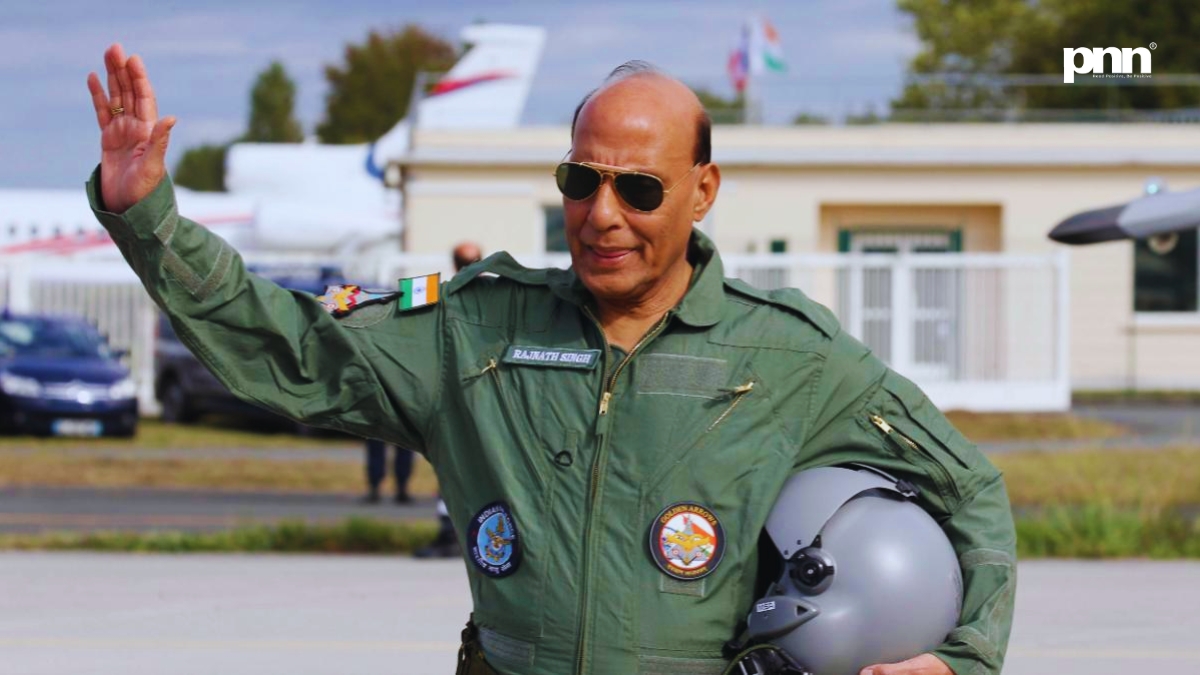
    Defence Manufacturing in India - Raksha Mantri Rajnath Singh - PNN

    Shri Rajnath Singh’s stewardship of defence modernisation has been quietly consistent. From boosting defence exports to clearing record numbers of indigenisation projects, he’s been a more pragmatic CEO than politician.

    This conference fits that pattern: practical, structured, and results-oriented. No fluff, just focus.

    He’s not announcing schemes to grab headlines. He’s launching systems to outlast them.

    The Takeaway

    By the end of this conference, India’s defence manufacturing landscape will have a clearer roadmap and a few more tools to execute it.

    More importantly, the event signals a shift in mindset. The Indian defence ecosystem is no longer asking “if” we can build at scale. It’s asking “how fast.” And that’s the kind of question great nations ask when they stop buying power and start building it.

    PNN News

  • Greta Minerals Doubles Exploration Landholding in Western Australia, Eyes Lithium Supply for India

    Greta Minerals Doubles Exploration Landholding in Western Australia, Eyes Lithium Supply for India

    Nitesh Chaudhari, Chairman of Greta Group and Rajshekhar Kudupali, Managing Director, Greta Minerals

    Singapore, October 10: Greta Minerals Pte Ltd, part of Singapore-based Greta Group, has doubled its exploration footprint in Western Australia to nearly 1,550 sq km, up from about 700 sq km acquired in 2024.

    “We are very happy to expand our landholding, encouraged by the results of initial studies of Ultrafine+ soil sampling and analysis in one of our exploration areas, Gecko North. We believe we are in the right geological corridor to explore for lithium, gold, and other critical minerals,” said Nitesh Chaudhari, Chairman of Greta Group. The Gecko North Project, located 25 km northwest of Coolgardie, is one of seven critical mineral and gold projects under Greta Minerals (Australia) Pty Ltd. The company holds 37 granted and 5 pending mineral tenements, covering 1,550 sq km of prospective ground in Western Australia.

    Gecko North lies within the Kalgoorlie Terrane of the Yilgarn Craton, east of the Ida Fault. This region is renowned for world-class deposits of gold and lithium. The ground also hosts the Silt Dam Monzogranite, part of the fertile Bali Suite monzogranites, which surveys link to both gold and lithium mineralisation.

    Greta Minerals adopted the Ultrafine+ soil sampling & assay technique, developed by CSIRO and Labwest Minerals  Analysis Pty Ltd, to detect deeper ore bodies. The method analyses ultrafine clay particles (<2 micrometres), offering higher sensitivity compared to traditional soil sampling.

    Using this approach, 1,224 soil samples were collected across Gecko North, identifying:

    • Three lithium anomalies, the largest stretching 6.4 km long, average 2.3 km wide, with lithium values peaking at 86.6 ppm Li.
    • One caesium anomaly, up to 1.75 km long, 1.3 km wide, peaking at 41.7 ppm Cs.
    • Three gold anomalies, including one within the Silt Dam Monzogranite, with peak values up to 50.5 ppb Au from a 900 m long, 400 m wide.

    These findings point to a structurally complex but fertile system capable of hosting multiple mineral deposits. As India accelerates its push towards electric mobility and renewable energy storage, lithium demand is expected to soar. Currently, India imports nearly all of its lithium raw material requirements. Greta Minerals believes its projects in Western Australia—one of the world’s most stable and prolific lithium regions—can contribute to bridging this gap.

    “Our exploration efforts are aligned with the growing global demand for critical minerals. For India in particular, securing a lithium supply will be key to powering EV adoption and grid-scale batteries. Greta Minerals, with its strong foothold in Western Australia, is well-positioned to be part of that supply chain,” said Rajshekhar Kudupali, Managing Director, Greta Minerals.

    The company has also strengthened its team by appointing Derrick Kettelwell as Head of Exploration. It plans to expand its exploration programs and advance towards identifying viable deposits for future development.

    With its doubled landholding, early geochemical successes, and focus on critical minerals, Greta Minerals is positioning itself not just as a resource developer in Australia but also as a potential partner in addressing India’s long-term lithium supply security.

    Why Lithium Matters for India

    India targets 30% electric vehicle adoption by 2030, requiring large-scale lithium-ion battery manufacturing. As per the announced capacities, India would have about 150 GWh Lithium-Ion manufacturing capacity.

    Current Lithium & Cobalt associated imports by India is about $3.18 billion (FY2023).

    Lithium is classified as a critical mineral under India’s new exploration and resource security framework.

    • Energy Security: Lithium is central to renewable storage solutions, key for India’s solar and wind power integration.
    • Global Race: Securing long-term lithium supply is vital as countries compete to lock in resources for clean energy transitions

    About Greta Group

    Greta Minerals PTE Ltd, part of the Greta Group, is headquartered in Singapore. Owned by NRI Mr Nitesh Chaudhari, Greta Group has built a notable presence in various industries, including trading (ferrous and non-ferrous metals), agriculture, mining, and power generation. Greta Minerals aims to explore and develop mineral resource assets, with a strong commitment to innovation, sustainability, and excellence. Greta Group is also setting up an integrated green steel plant in Maharashtra.

    If you have any objection to this press release content, kindly contact pr.error.rectification@gmail.com to notify us. We will respond and rectify the situation in the next 24 hours.

  • HEC Infra Projects Limited Secures Two Orders Worth INR 47.98 Cr Across Power and Water Infrastructure Segments

    HEC Infra Projects Limited Secures Two Orders Worth INR 47.98 Cr Across Power and Water Infrastructure Segments

    Ahmedabad (Gujarat) [India], October 4: HEC Infra Projects Limited (HEC, The Company), (NSE Code: HECPROJECT), – HEC Infra Projects Limited, one of the leading EPC players specialising in Electrical, Mechanical, and Instrumentation works, is pleased to announce the receipt of two significant work orders, further enhancing its robust order book.

    Order 1

    • Date: September 23rd, 2025

    • Client: M/s BGP Infra Private Limited

    • Value: ₹28.75 Cr

    • Scope: EPC contract for development of a 66 kV substation at Borosil end, including associated 66 kV underground cable works

    • Execution Timeline: 12 months

    Order 2

    • Date: October 1st, 2025

    • Client: M/s J.P. Construction Company

    • Value: ₹19.23 Cr

    • Scope: Water supply scheme of Village Varli, Pindwara, for providing functional household tap connections under Jal Jeevan Mission – Sirohi (Rajasthan)

    • Execution Timeline: 12 months

    With these two new orders, HEC Infra Projects Limited has further consolidated its position across diverse EPC segments, spanning both power infrastructure and water supply projects.

    The company’s demonstrated expertise in delivering technically advanced assignments, coupled with its commitment to quality, safety, and timely execution, continues to drive confidence among clients. These wins not only strengthen HEC Infra Projects Limited’s order book depth but also reinforce its ability to capitalise on growing opportunities across government and private sector initiatives.

    On the receipt of the order, Mr. Gaurang Shah, Managing Director of HEC Infra Projects Limited said, “We are delighted with the continued trust our clients place in us through these new project awards. Each order reinforces confidence in our technical expertise and execution capabilities, while also strengthening our presence across both power and water infrastructure segments.

    The Jal Jeevan Mission project, in particular, gives us the opportunity to contribute to a government initiative aimed at ensuring household access to clean drinking water, which makes this achievement especially meaningful.

    We remain focused on timely delivery, safety, and quality, and see expanding opportunities in both public and private sector markets. These orders add further strength to our growth momentum and visibility.”

    If you object to the content of this press release, please notify us at pr.error.rectification@gmail.com. We will respond and rectify the situation within 24 hours.

  • Highland Group and Lulu Retail Launch Exclusive Aqua Fair Brand at World Food Expo India 2025

    Highland Group and Lulu Retail Launch Exclusive Aqua Fair Brand at World Food Expo India 2025

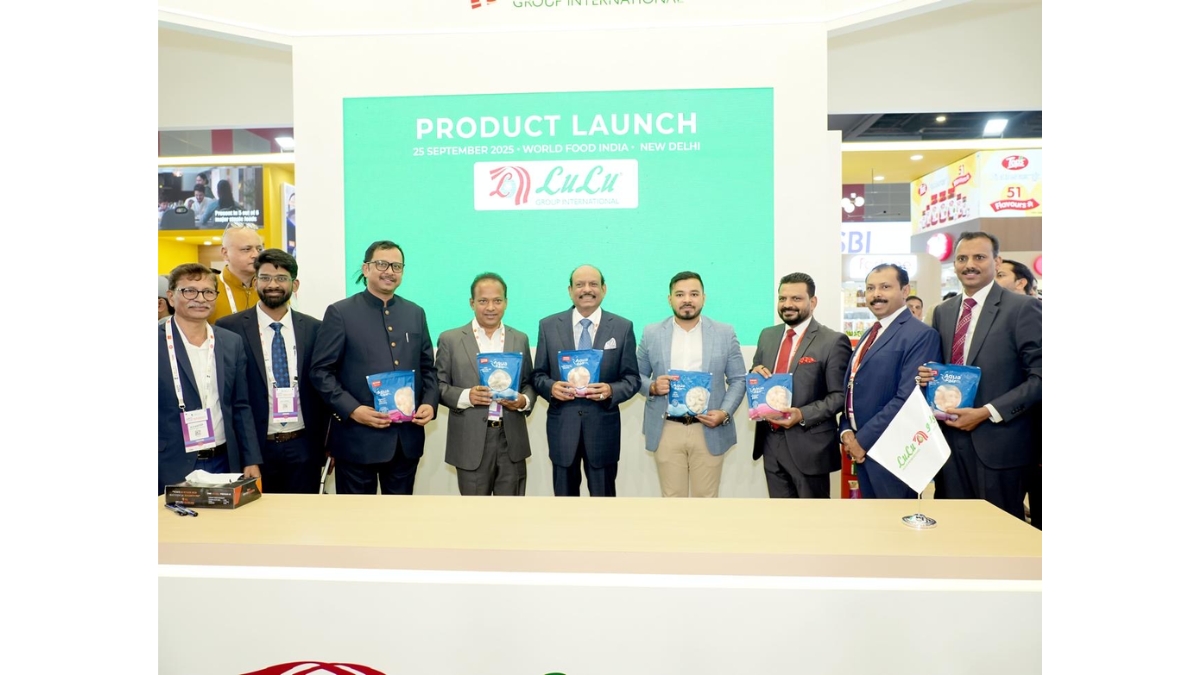
    New Delhi [India], October 5: In a landmark moment for India’s seafood industry, Highland Group, in partnership with global retail giant Lulu Group, has unveiled its exclusive seafood brand Aqua Fair and dispatched the first consignment of premium shrimp to Lulu stores across the Middle East.

    The grand launch was held on September 25, 2025, at the World Food Expo in New Delhi, setting a new benchmark for India’s seafood exports and reinforcing Odisha’s position as a key hub for high-quality aquaculture products.

    The event was graced by respected M.A. Yusuff Ali, Chairman of Lulu Group;

    M.A. Salim Ali, Group Director – Global Operations, Lulu Group; R.K. Jena, Chairman of Highland Group; Pratik Jena, Managing Director of Highland Group; Anil Kumar, Director – Middle East Operations, Highland Group.

    “This collaboration reflects our shared vision to deliver world-class, sustainably sourced seafood to discerning customers in the Middle East and India,” said M.A. Yusuff Ali, Chairman of Lulu Group, highlighting the strategic importance of the partnership.

    Echoing this sentiment, R.K. Jena remarked, “The launch of Aqua Fair and the first shipment of premium shrimp mark a proud milestone for Highland and for the state of Odisha. This partnership with Lulu Group strengthens our mission to bring the finest Indian seafood to global markets.”

    The Aqua Fair range will feature premium farm-raised shrimp, meticulously sourced from Highland’s advanced aquaculture network and processed at its state-of-the-art facility in Balasore, Odisha. The brand promises freshness, consistent quality, and adherence to international food-safety standards, catering to both Middle Eastern consumers and Indian retail markets.

    This milestone follows a strategic sourcing pact signed at Gulfood 2025 in Dubai, under which Highland will supply seafood, rice, fruits, and vegetables to Lulu Group, further boosting trade and investment links between Odisha and the Middle East.

    With the launch of Aqua Fair, Highland Group has not only strengthened its global footprint but also showcased India’s growing prowess in sustainable aquaculture and world-class seafood exports.

    If you have any objection to this press release content, kindly contact pr.error.rectification@gmail.com to notify us. We will respond and rectify the situation in the next 24 hours.

  • Shubham Chaudhary Joins the Big League: New Vice President of India Para Powerlifting (Paralympic Committee of India)

    Shubham Chaudhary Joins the Big League: New Vice President of India Para Powerlifting (Paralympic Committee of India)

    New Delhi [India], October 4: In a significant development for the Indian para sports community, Mr. Shubham Chaudhary has been appointed as the Vice President – Para Powerlifting, unit of the Paralympic Committee of India (PCI), and as the Joint Secretary – Organising Committee for the World Para Athletics Championships 2025, to be held in New Delhi.

    Shubham Chaudhary PNN

    These prestigious appointments reflect Mr. Chaudhary’s growing influence in the sphere of sports administration and youth leadership. With his dynamic vision and commitment to inclusive sports development, he is set to play a crucial role in strengthening India’s para-athletics infrastructure and its representation on the global stage.

    A Youth Leader with a Diverse Portfolio

    Even before these new responsibilities, Mr. Shubham Chaudhary has made his mark through impactful roles such as:

    • State Co-Head – Policy & Research, Yuva Morcha, BJP Haryana
    • Advisor – BRICS Chamber of Commerce & Industry
    • Chairman – Grappling Committee of North India, under the Wrestling Federation of India
    • Founder – Rich One Films, a full-service film and media production house focused on impactful storytelling and visual excellence.

    His engagement across policy, commerce, sports, and media underscores his multifaceted leadership and deep commitment to youth empowerment and national development.

    Committed to Elevating Para Sports

    As Vice President of India Para Powerlifting, Mr. Chaudhary will work closely with the leadership of PCI to uplift para-athletes through better training infrastructure, international exposure, and competitive opportunities.

    As Joint Secretary for the World Para Athletics Championships 2025, he will be responsible for key strategic and operational aspects of the mega event, expected to draw participation from over 100 countries.

    Statement

    “It is a great honor to contribute to India’s para sports movement in such a meaningful way. I am grateful to the senior leadership of PCI for their faith in me. These appointments are not just roles — they are responsibilities toward our para-athletes, who are the real champions. Together, we will build a more inclusive and inspiring future for Indian sports.”

    Mr. Shubham Chaudhary also extended special thanks to:

    • Sh. Devendra Jhajharia, Padma Bhushan Awardee & President, Paralympic Committee of India (PCI)
    • Sh. Satya Prakash Sangwan, Vice President, Paralympic Committee of India
    • Sh. Jayawant Gundu Hamanawar, Secretary General, Paralympic Committee of India
    • Sh. Satyanarayan, Chairman, India Para Athletics (PCI)
    • Sh. J. P. Singh (IRS), Chairman, India Para Powerlifting (PCI)
    • Dr. Narendra Singh, President, India Para Athletics (PCI)

    Looking Ahead

    With a unique blend of grassroots political engagement, sports leadership, and entrepreneurial vision, Mr. Chaudhary is poised to make a lasting impact on India’s para sports landscape.

    If you object to the content of this press release, please notify us at pr.error.rectification@gmail.com. We will respond and rectify the situation within 24 hours.

  • ‘The Lost Bus’ Hits the Flames: McConaughey’s Return Powers a Gritty Survival Saga

    ‘The Lost Bus’ Hits the Flames: McConaughey’s Return Powers a Gritty Survival Saga

    Mumbai (Maharashtra) [India], October 4: Matthew McConaughey is back on the screen with a reckoning against nature — The Lost Bus is the kind of film that doesn’t ask permission to frighten you. Adapted from the real-life 2018 Camp Fire that ravaged Paradise, California, it casts McConaughey as Kevin McKay, a school bus driver thrust into a race against inferno, time, and panic. Directed by Paul Greengrass, co-written with Brad Ingelsby, the film balances emotional weight with flesh-and-blood tension.

    The story unfolds when 22 children and a teacher, stranded in a school, must be evacuated through roads clogged with smoke, flames, and debris. As Kevin and teacher Mary Ludwig (played by America Ferrera) lead the charge, the film’s grit becomes its currency — no frills, just survival. The runtime is around 130 minutes.

    Critics have largely welcomed the film, praising its immersive urgency and strong performances. The Times of India rated it 4.0/5, calling it “a gripping survival drama powered by Matthew McConaughey’s quiet brilliance.” Roger Ebert notes that by the 100-minute mark, the audience is pulled so deep into the crisis that you forget you’re watching a movie. On Rotten Tomatoes, the film holds an 83% Tomatometer, with consensus commending its emotional core despite some impulse toward spectacle.  Metacritic shows “generally favorable” reviews, with a Metascore in the 60s.

    Lost

    What Works: Strengths That Matter

    1. Human Stakes Over Disaster Porn
    Greengrass wisely centres the film on people, not just flames. Fire is the antagonist, but the real conflict is internal: “‘How do I keep a child calm when I’m terrified too?’’ is the thread that runs through the script. McConaughey’s understated anguish, Ferrera’s resilience — these anchor what could have become mere spectacle.

    2. Cinematic Tension & Sound Design
    The smoke, the crackle of fire, crowd panic — the film crafts tension in auditory and visual layers. The camera is often tight, limiting the frame so you feel trapped with it. The Guardian remarks that even before flames reach the horizon, the film has you on edge.

    3. Respecting the True Story (Mostly)
    Based on Lizzie Johnson’s Paradise: One Town’s Struggle to Survive an American Wildfire, the film preserves the core heroism: the real Kevin McKay did guide children to safety. People confirm that McKay and teacher Mary Ludwig were involved in a consultation to retain authenticity.

    4. A Comeback Vehicle
    For McConaughey — whose on-screen presence has receded in recent years — The Lost Bus offers both emotional heft and purposeful resurgence. This isn’t just “Matthew back in action”; it’s a role that asks him to hold silence, fear, hope, and endurance in a single look.

    Lost

    Where the Film Fumbles

    1. Occasional Overdramatisation
    Some critics feel the film slides into cliché — looters, last-second detours, moments of “can he make it?” tension that feel a bit invented. The Washington Post praises the performances, but warns that visual effects sometimes overshadow humanity. Rotten Tomatoes reviews note it “reduces the biggest fire-related calamity in recent memory to an effective but impersonal disaster movie” at times.

    2. Limited Address of Systemic Causes
    Given the Camp Fire’s link to power-line failures, climate change, and corporate responsibility, some viewers expected a more probing critique. Instead, the film remains almost entirely in the moment of survival, avoiding deeper interrogation. Rotten Tomatoes reviews point this out bluntly.

    3. Pressure to Impress
    Because the subject is real and tragic, the film has a high bar. Some critics argue that spectacle (big fire visuals) is used to mask emotional gaps. Rotten Tomatoes remarks it’s “a run-of-the-mill, over-the-top biopic” when seen at its worst. Rotten Tomatoes Metacritic hints at this in more ambivalent tones.

    Lost

    Release & Streaming Footprint

    • The film had its world premiere at the Toronto International Film Festival 2025 on September 5.

    • It launched theatrically in select U.S. theatres on September 19, 2025.

    • Global digital debut: October 3, 2025, on Apple TV+.

    • Production credits include Jamie Lee Curtis, Jason Blum, Apple Studios, Comet Films, and Blumhouse.

    Box office data remains modest in the public domain — The Numbers lists only limited theatrical metrics.

    Lost

    Latest Buzz & Public Pulse

    • True–film gap: Decider notes the film embellishes some sequences (armed looters, dramatic detours) that didn’t happen in real life.

    • Hero’s legacy retold: People recall how McKay and Ludwig risked everything for 22 children, and how the film ties into real community grief and triumph.

    • Climate resonance: With wildfires ravaging regions globally, The Lost Bus feels timely — reminders that survival stories are becoming more urgent.

    • McConaughey’s real family cameo: His mother Kay and son Levi also appear in supporting roles, blurring lines between reel and real.

    On social media, reactions vary: some hail it as “a gripping, emotional ride,” others criticise promotional images for over-Photoshop. Reddit threads debate: “Is this getting theatrical release?” vs. “The teaser looks hyperbolic.”

    Verdict: Worth the Burn

    The Lost Bus doesn’t reach perfection, but it holds itself in the fire. With a lean script, strong leads, and burdened stakes, it earns respect. It’s not a flawless retelling, and its marginal lapses are visible. But when everything else falls away — when a child coughs, a driver hesitates, a teacher quakes — the core truth prevails: ordinary people can become heroes.

    If I must grade: ~ 3.8 / 5.

    This is a film for the brave: those who watch disasters not just to escape, but to feel, reflect, and maybe, remember.

    PNN News

  • Recruitment Platform EarlyJobs Strengthens India Presence Through Franchise Network

    Recruitment Platform EarlyJobs Strengthens India Presence Through Franchise Network

    Bengaluru (Karnataka) [India], October 4: EarlyJobs, one of India’s fastest-growing recruitment-tech startups, has announced the successful expansion of its franchise presence across 10 districts in India, strengthening its mission to connect untapped talent pools in Tier 2 and Tier 3 cities with companies across the country, including major metropolitan hubs. The company’s district-level franchisees are now operational in Mohali, Chandigarh, Hyderabad, Chennai, Rampur, Coimbatore, Bangalore Urban, Ramnagar, Ananthapur, and Mangalore. This network is enabling a new ecosystem of opportunity where candidates who were previously disconnected from mainstream hiring pipelines are now being actively engaged, trained, and connected to employers through EarlyJobs’ recruitment platform.

    The beginning of EarlyJobs’ franchise model can be traced back to its origins, where the founders recognised deep-rooted challenges in India’s hiring landscape. Women professionals often dropped out of the workforce due to social or personal barriers, freshers in Tier 2 and Tier 3 colleges faced limited access to job opportunities, and companies across industries continued to struggle with slow and fragmented recruitment processes. EarlyJobs initially responded with a freelance recruiter network, empowering women to work remotely as HR professionals. However, the team realised that digital solutions alone could not bridge the awareness gap for students and candidates in smaller towns. The franchise model was created to bring EarlyJobs closer to the communities that needed it most.

    The franchisees play a critical role in creating local bridges between talent and opportunity. Each district franchise functions as a hub where recruiters engage directly with colleges, training institutes, and candidates. For example, in Coimbatore and Mangalore, EarlyJobs works with engineering colleges to connect students with IT and core-sector roles, while in

    Rampur and Ramnagar, the focus has been on creating awareness about opportunities in sectors such as retail and operations. In larger hubs like Bangalore Urban and Chennai, the franchisees are equally vital, enabling faster talent sourcing for companies by tapping into EarlyJobs’ recruiter and candidate network. In this way, the franchise footprint reflects both the diversity of India’s regions and the scale of the employment gap that EarlyJobs is determined to close.

    The technology backbone of this network is EarlyJobs.ai, the company’s AI-enabled recruitment platform that powers the entire process. The platform offers skill assessments to ensure candidates are interview-ready, a smart applicant tracking system for faster shortlisting, and resume-building and interview-preparation tools to equip job seekers with confidence. For recruiters and franchisees, the platform provides a centralised dashboard to access thousands of job openings every month, giving even local recruiters in smaller districts access to mandates from companies nationwide. This combination of local presence and AI-driven efficiency is what makes EarlyJobs’ franchise model distinctive.

    The impact of the franchise rollout is already evident in the company’s traction. Between April and September 2025, EarlyJobs reported that walk-ins increased by 163 per cent, selections rose by 56 per cent, and joinings grew by 162 per cent. In addition, the company has already facilitated over 2,000 successful placements for its 100-plus client companies, supported by a growing base of 300 active freelance recruiters and 1,000 trained interns. The franchise network is contributing significantly to this progress, not only by sourcing candidates but also by raising awareness in communities that were previously disconnected from hiring ecosystems.

    The perspective of the founders underlines the importance of this expansion. Saurav Kumar, Founder and CEO of EarlyJobs, explained that every district in India holds immense talent, but much of it remains untapped because students and job seekers are disconnected from recruiters and employers. By embedding recruitment operations locally through franchise partners, EarlyJobs ensures that opportunities are accessible everywhere. Saurav Kumar emphasised that the company’s vision is not limited to the current 10+ districts but aims to eventually expand across all 700+ districts in India, ensuring that recruitment becomes decentralised and equitable.

    The broader significance of the franchise model lies in how it redefines recruitment in India. Rather than being centralised in metropolitan hubs or limited to large staffing agencies, hiring is now being made accessible at the district level. By combining local franchisees with a strong AI-powered technology platform, EarlyJobs is creating a new model of recruitment that is both scalable and inclusive. With franchisees already active in 10 districts and thousands of candidates benefiting from the system, EarlyJobs is proving that recruitment can truly be made “from anywhere to everywhere.”

    Bengaluru, India. EarlyJobs, one of India’s fastest-growing recruitment-tech startups, has announced the successful expansion of its franchise presence across 10 districts in India, strengthening its mission to connect untapped talent pools in Tier 2 and Tier 3 cities with companies across the country, including major metropolitan hubs. The company’s district-level franchisees are now operational in Mohali, Chandigarh, Hyderabad, Chennai, Rampur, Coimbatore, Bangalore Urban, Ramnagar, Ananthapur, and Mangalore. This network is enabling a new ecosystem of opportunity where candidates who were previously disconnected from mainstream hiring pipelines are now being actively engaged, trained, and connected to employers through EarlyJobs’ recruitment platform.

    The beginning of EarlyJobs’ franchise model can be traced back to its origins, where the founders recognised deep-rooted challenges in India’s hiring landscape. Women professionals often dropped out of the workforce due to social or personal barriers, freshers in Tier 2 and Tier 3 colleges faced limited access to job opportunities, and companies across industries continued to struggle with slow and fragmented recruitment processes. EarlyJobs initially responded with a freelance recruiter network, empowering women to work remotely as HR professionals. However, the team realised that digital solutions alone could not bridge the awareness gap for students and candidates in smaller towns. The franchise model was created to bring EarlyJobs closer to the communities that needed it most.

    The franchisees play a critical role in creating local bridges between talent and opportunity. Each district franchise functions as a hub where recruiters engage directly with colleges, training institutes, and candidates. For example, in Coimbatore and Mangalore, EarlyJobs works with engineering colleges to connect students with IT and core-sector roles, while in

    Rampur and Ramnagar, the focus has been on creating awareness about opportunities in sectors such as retail and operations. In larger hubs like Bangalore Urban and Chennai, the franchisees are equally vital, enabling faster talent sourcing for companies by tapping into EarlyJobs’ recruiter and candidate network. In this way, the franchise footprint reflects both the diversity of India’s regions and the scale of the employment gap that EarlyJobs is determined to close.

    The technology backbone of this network is EarlyJobs.ai, the company’s AI-enabled recruitment platform that powers the entire process. The platform offers skill assessments to ensure candidates are interview-ready, a smart applicant tracking system for faster shortlisting, and resume-building and interview-preparation tools to equip job seekers with confidence. For recruiters and franchisees, the platform provides a centralised dashboard to access thousands of job openings every month, giving even local recruiters in smaller districts access to mandates from companies nationwide. This combination of local presence and AI-driven efficiency is what makes EarlyJobs’ franchise model distinctive.

    The impact of the franchise rollout is already evident in the company’s traction. Between April and September 2025, EarlyJobs reported that walk-ins increased by 163 per cent, selections rose by 56 per cent, and joinings grew by 162 per cent. In addition, the company has already facilitated over 2,000 successful placements for its 100-plus client companies, supported by a growing base of 300 active freelance recruiters and 1,000 trained interns. The franchise network is contributing significantly to this progress, not only by sourcing candidates but also by raising awareness in communities that were previously disconnected from hiring ecosystems.

    The perspective of the founders underlines the importance of this expansion. Saurav Kumar, Founder and CEO of EarlyJobs, explained that every district in India holds immense talent, but much of it remains untapped because students and job seekers are disconnected from recruiters and employers. By embedding recruitment operations locally through franchise partners, EarlyJobs ensures that opportunities are accessible everywhere. Saurav Kumar emphasised that the company’s vision is not limited to the current 10+ districts but aims to eventually expand across all 700+ districts in India, ensuring that recruitment becomes decentralised and equitable.

    The broader significance of the franchise model lies in how it redefines recruitment in India. Rather than being centralised in metropolitan hubs or limited to large staffing agencies, hiring is now being made accessible at the district level. By combining local franchisees with a strong AI-powered technology platform, EarlyJobs is creating a new model of recruitment that is both scalable and inclusive. With franchisees already active in 10 districts and thousands of candidates benefiting from the system, EarlyJobs is proving that recruitment can truly be made “from anywhere to everywhere.”

    If you have any objection to this press release content, kindly contact pr.error.rectification@gmail.com to notify us. We will respond and rectify the situation in the next 24 hours.

  • GIC Re to Host 29th FAIR Conference in Mumbai, 5–8 October 2025, Welcoming 700 Global Delegates

    GIC Re to Host 29th FAIR Conference in Mumbai, 5–8 October 2025, Welcoming 700 Global Delegates

    Mumbai (Maharashtra) [India], October 3: The stage is set for one of the most anticipated events in the global insurance and reinsurance sector – the 29th FAIR (Federation of Afro-Asian Insurers and Reinsurers) Conference, taking place from 5th to 8th October 2025 at JW Marriott, Mumbai Sahar, International Airport. The conference is organized by the Federation and is hosted by the General Insurance Corporation of India ‘GIC Re’. The event will bring together over 700 delegates from India and across the world, representing leading insurers, reinsurers, regulators, and policymakers.

    The Opening Ceremony will commence on 6th October with a Welcome Address by Mr. Sanjay Mokashi, General Manager, GIC Re and the Chairman of the Organizing Committee, followed by an Opening Speech from Mr. Mo’men Mukhtar, FAIR Secretary General. A special address from the FAIR President, Mr. Khaled Mohamed Al Badi and a Keynote Speech by Mr. Hitesh Joshi Executive Director, GIC Re. The agenda will also feature a Special Address by Ms. Girija Subramanian, CMD, The New India Assurance Co. Ltd and a Keynote Address by the Guest of Honor, Mr. M. Nagaraju, IAS, Secretary, DFS, Ministry of Finance, Government of India.

    This biennial event, organized since 1967, holds special significance as the 2025 edition not only marks the 29th FAIR Conference but also coincides with the 60th anniversary of FAIR. With the theme “Emerging Markets – Towards Resilient Growth,” this year’s gathering will set the stage for dialogue on the industry’s most pressing challenges and transformative opportunities from systemic volatility and climate risks to technological disruption and sustainable growth strategies.

    The conference promises high-powered keynote sessions, strategic panel discussions, and bilateral meetings, enabling participants to forge new partnerships and explore innovative reinsurance solutions. It also aims to contribute to IRDAI’s Vision 2047, with a focus on expanding insurance accessibility and strengthening regional self-reliance.

    The countdown has begun for this milestone event in Mumbai, a city that embodies resilience and renewal, making it the perfect backdrop for charting the future of the global insurance and reinsurance community.

    For full details on delegate registration, Agenda and the evolving programme, please visit the official website:  https://www.fairconference2025.com

    If you have any objection to this press release content, kindly contact pr.error.rectification@gmail.com to notify us. We will respond and rectify the situation in the next 24 hours.

  • US Visa Travel Insurance: What Indian Travellers Must Know

    US Visa Travel Insurance: What Indian Travellers Must Know

    Mumbai (Maharashtra) [India], October 4: The United States is thrilling and a little unpredictable. Flights connect through busy hubs, luggage takes a different route, and a minor illness can turn into a long clinic visit. That is why many Indian travellers keep a solid travel policy in their back pocket.

    This article explains what to buy, when to buy, and how to use it so you can plan with confidence.

    What is US Visa Travel Insurance

    It is a policy that supports you during a trip to the United States. For US travel insurance from India, the cover usually includes medical treatment for sudden illnesses or injuries, along with assistance for travel disruptions and loss of belongings. The idea is simple. You protect your trip budget and avoid scrambling for solutions in an unfamiliar system.

    Who should consider it:

    • Tourists visiting family and friends
    • Students heading for a semester or longer programme
    • Business travellers with multiple meetings and connections
    • Parents or seniors planning an extended stay with children
    • Anyone taking internal domestic flights within the US

    Short Trip vs Long Stay

    Match the plan to the length of your visit.

    • Short Trip: Going for sightseeing or a quick work visit. Look for short trip travel insurance USA with fixed dates and a single journey.
    • Long Stay: Studying, temporary work, or a long family visit. Explore long stay insurance USA that allows longer durations and easy extensions if your plans change.

    What it Usually Covers

    Refer to the brochure rather than relying solely on headlines. Most plans include:

    • Emergency medical expenses and hospital admission
    • Outpatient doctor visits and prescribed medicines
    • Dental treatment for sudden pain caused by injury
    • Trip cancellation or curtailment for listed reasons
    • Missed connections and long delays caused by specified events
    • Loss, theft, or delay of checked baggage
    • Personal liability within the limits stated in the policy
    • 24×7 assistance to locate care, arrange cashless options, and guide paperwork

    What is Commonly Excluded

    These points vary across insurers, so read carefully.

    • Pre-existing conditions, unless declared and accepted
    • Routine check-ups or planned procedures
    • High-risk sports not named in your plan
    • Travel against medical advice
    • Losses when documents or bags are left unattended
    • Situations that fall outside the policy wording

    How to Choose a Policy From India

    When comparing US travel insurance from India, make your decision a practical one.

    • Purpose Fit: Tourist, student, business, or family visit. Select a plan that clearly states your purpose.
    • Medical Limits: Seek adequate limits for US healthcare. Check sub-limits for room rent, day care, and outpatient visits.
    • Deductible: Understand the amount you pay first before the coverage activates.
    • Travel Benefits: Baggage, delays, missed connections, and a reachable assistance line.
    • Claims Process: Cashless network, document list, and how to submit from overseas.
    • Clarity of Wording: Prefer plans that explain benefits and exclusions in plain language. This helps when comparing options under US travel insurance India.

    When to Buy and How Long to Keep It

    Purchase your tickets after they are reasonably firm. Start from the day you depart India and end on the day you land back home. If you need to extend your stay, choose a plan that allows for extensions before the expiry date. Students should align the cover with their course start and end dates, including a small buffer around travel days.

    Documents and Proof to Carry

    Here are the documents and proof to carry:

    • Policy certificate with names, trip dates, and sum insured
    • Assistance phone number and email saved on your phone
    • Passport and visa copies kept digitally
    • Flight bookings and stay details
    • Prescriptions for any long-term medicines

    Simple Claim Path in The US

    Here, you will explore a simple claim path in the USA:

    1. Call the assistance number on your e-card. Share the policy number and location.
    2. Ask for cashless options near you or follow the steps for reimbursement.
    3. Keep medical reports, bills, prescriptions, and boarding passes.
    4. Submit the claim form with the documents listed in your policy pack.
    5. Track updates through the portal or helpline.

    Real Examples Indian Travellers Can Relate To

    Here you will explore the examples:

    • Tight Layover: A Bengaluru couple lands in New York with a short connection to Orlando. Weather delays cause a missed flight and an overnight stay. Their plan’s missed connection and delay benefits help with the extra costs listed under the policy.
    • Student Flu Season: A Pune student develops a fever during the first month on campus. The helpline directs them to an urgent-care clinic that accepts cashless, which keeps out-of-pocket costs predictable.
    • Visiting Parents: Retired parents from Kochi visit their children for three months. A long stay plan with the ability to extend gives them breathing room when return dates shift.

    Cost Factors That Influence Premium

    Premiums typically adjust according to factors such as trip length, traveller age, medical limits, deductibles, destination cities, and optional add-ons. Lower deductibles and higher medical limits tend to increase the price. Choosing only the add-ons you truly need keeps the plan efficient and cost-effective.

    Final Checklist Before You Pay

    Here is the quick checklist:

    • Trip dates and city list are confirmed
    • Purpose of travel matches the plan type
    • Medical limits and sub-limits are adequate
    • Deductible is acceptable for your budget
    • Assistance line is 24×7 and reachable from the US
    • Claim documents can be submitted online while abroad

    Final Thoughts

    Good planning keeps travel calm. Choose a plan that suits your itinerary and comfort level rather than the cheapest option on the page. Read the exclusions, save your documents in one place, and brief your travel partner on the helpline number. Whether you choose a quick holiday with short trip international travel insurance or a semester-long visit with long stay insurance USA, a well-chosen policy sets you up for a smoother journey.

    If you object to the content of this press release, please notify us at pr.error.rectification@gmail.com. We will respond and rectify the situation within 24 hours.