Author: Sutun Nayak

  • Kunal Sharma Puts Indian Youth at the Heart of Global Dialogue at World Youth Festival in Russia

    Kunal Sharma Puts Indian Youth at the Heart of Global Dialogue at World Youth Festival in Russia

    New Delhi [India], October 3: Showcasing India’s rising youth leadership on the world stage, Kunal Sharma, Founder of Chhatra Sansad India, represented the nation at the World Youth Festival Assembly 2025 in Russia. The event, which convened delegates from more than 200 countries, highlighted the role of young leaders in shaping the future of governance, trade, and society.

    Spanning across Moscow, Nizhniy Novgorod, and Yaroslav, the 10-day festival provided a global platform for discussions on education, innovation, and entrepreneurship. Sharma actively participated in policy exchanges, delivered keynote remarks, and took part in collaborative workshops with youth leaders and international policymakers. His contributions emphasized the transformative potential of India’s education reforms and the increasing participation of Indian youth in global trade and innovation.

    A significant aspect of Sharma’s engagement was his dialogue with senior Russian leadership, including the Governor of Yaroslav, the Governor of Nizhniy Novgorod, and Russia’s Deputy Prime Minister. These conversations extended beyond cultural collaboration, exploring future-oriented areas of cooperation such as technology, industry, and youth-driven entrepreneurship.

    One of the most notable achievements of the visit was the signing of a Memorandum of Understanding (MoU) between Chhatra Sansad India and youth leaders from 25 countries. The agreement is set to establish exchange programs in entrepreneurship, artificial intelligence, and international trade, creating a global network of collaboration for young innovators. For India, this partnership opens new avenues for students, entrepreneurs, and startups to gain access to international opportunities.

    Reflecting on the experience, Kunal Sharma shared:

    “Representing India at such a global gathering was a responsibility as much as an honor. Engaging with leaders from around the world reaffirmed the need for youth to be at the forefront of international partnerships. Our generation has the capacity to connect nations not only through ideas but also through innovation and trade.”

    By participating in the World Youth Festival Assembly 2025, Sharma strengthened India’s image as a country with a vibrant and capable youth population. The recognition also underlined the decade-long mission of Chhatra Sansad India to nurture leadership and civic responsibility. With the new global partnerships forged in Russia, Sharma envisions Indian youth becoming key contributors to global policymaking, cross-border innovation, and cultural cooperation.

    If you have any objection to this press release content, kindly contact pr.error.rectification@gmail.com to notify us. We will respond and rectify the situation in the next 24 hours.

  • Knee ACL Tear: From Setback to Comeback

    Knee ACL Tear: From Setback to Comeback

    Ahmedabad (Gujarat) [India], October 3: An ACL tear can feel devastating — but it doesn’t have to be the end of your activity or sports career. With the right care and expert guidance, we help turn this challenge into a powerful comeback.

    Injury

    Anterior Cruciate Ligament (ACL) is the Knee joint’s key stabilizer, essential for quick stops, pivots, and sudden changes of direction.

    MomentACL injuries often occur due to a sudden twisting or awkward landing, usually accompanied by a sharp “pop,” rapid swelling, pain, and a feeling that the knee is unstable or “giving way.” Don’t ignore these signs — seek the expertise of a Sports Orthopedic Surgeon immediately.

    Danger of Delay: Postponing treatment can lead to persistent knee instability, increasing the risk of meniscus tears, cartilage damage, and early-onset osteoarthritis.

    Prevention to Precision

    Proactive Prevention & Awareness

    Rightly said, prevention is always better than cure. Our specialized programs educate individuals and athletes on injury prevention through targeted strength training, proper sports techniques, and advanced conditioning.

    Led by Dr. Krunal Soni, Apollo RESTORE+ is a comprehensive specialist center dedicated to helping you recover from injuries and return to peak performance.

    Precise, Individualized Treatment

    Dr. Krunal Soni, an Internationally Recognized ACL Specialist adopts a Tailored Restoration Approach for ACL tears. Treatment plans are customized for your sport, activity level, and recovery goals.

    With extensive expertise in Arthroscopy ACL Reconstruction, Dr. Soni follows evidence-based and scientific protocols to restore knee stability and function, empowering you to return to your active lifestyle or competitive sport with confidence.

    Our Commitment

    World-Class Care: Equipped with state-of-the-art diagnostic and surgical technology, Apollo RESTORE+ provides advanced sports injury care for both professional and recreational athletes.

    Future-Ready: Supporting the nation’s vision for an active and healthy population, we are committed to preventing and treating ACL injuries while nurturing the next generation of athletes.

    Global Standards-of-Care in Gujarat: With Ahmedabad aspiring to host the Commonwealth Games and Olympics, Apollo RESTORE+ is equipped to deliver advanced, athlete-focused Orthopedic and Sports care for national and international athletes.

    Your Comeback Starts Here

    An ACL tear may pause your activity or sport — but with early diagnosis, expert treatment, and a personalized treatment plan, your return to the game is within reach.

    Let us help you stand strong, play harder, and get back on your knees, better than ever.

    For ACL tears and other knee injuries, call or schedule an appointment at:   9925354523

    Website:- www.drkrunalsoni.com

    Address:- THE BOMBAY SURGEONS,

    AWS3, B wing / 412, Manav Mandir Road,

    off Drive-In Road, Memnagar, Ahmedabad.

    Disclaimer: This article is for general information purposes only and should not be construed as professional medical advice. Always consult your doctor before taking any step.

  • Suba Hotels IPO Hits Frenzy on Day 3; Taps 15.33x Overall Subscription as Retail, HNIs and FIIs Flock to Offer

    Suba Hotels IPO Hits Frenzy on Day 3; Taps 15.33x Overall Subscription as Retail, HNIs and FIIs Flock to Offer

    Mumbai (Maharashtra) [India], October 3: Suba Hotels Limited’s initial public offering (IPO) concluded its third and final day with extraordinary investor interest, signaling robust appetite for India’s mid-market hotel operator. The issue, priced at ₹105-₹111 per share, raised ₹75.47 crore and closed the session at a healthy subscription of 15.33 times as of 5:14:18 PM on Day 3.

    Day 3 highlights Suba Hotels’ IPO drew exceptional demand across investor categories, with overall subscription at 15.33x. Non-Institutional Investors (NIIs) led the pace at 22.41x, followed by Qualified Institutional Buyers ex-anchor at 20.98x, and retail investors at 9.07x. Anchor investors were fully subscribed at 1.00x, and total applications reached 11,281. The cumulative bid amount stood at ₹772.51 crore, vastly exceeding the ₹75.47 crore issue size.

    What these numbers indicate Investor confidence remains high in Suba Hotels’ mid-market positioning, reflected in the broad demand from NIIs, FIIs ex-anchor, and retail participants. The strong NIIs and FIIs participation points to a belief in Suba Hotels’ growth potential across its 88-hotel portfolio in 50 cities, with emphasis on tier 2 and tier 3 markets.

    Company profile and growth backdrop Suba Hotels Limited operates a predominantly mid-market hotel chain with 88 hotels and 4,096 keys. The portfolio comprises five owned hotels, 19 managed hotels, 14 revenue-share and lease hotels, and 48 franchised hotels. The expansion trajectory remains vigorous, with 40 hotels in the pre-opening phase adding 1,831 rooms to the pipeline.

    Context: Day-by-day subscription dynamic Day 1 saw subdued response, with overall subscription at 0.62x. Day 2 improved modestly to 0.80x. Day 3 marked a surge to 15.33x, driven by NIIs at 22.41x and ex-anchor FIIs at 20.98x, with retail investors at 9.07x, and anchor investors fully subscribed.

    Market positioning and outlook Suba Hotels is positioning itself in India’s expanding mid-market travel demand, particularly in tier 2 and tier 3 cities. The robust Day 3 response supports a favorable aftermarket scenario if price discovery aligns with investor demand.

    If you have any objection to this press release content, kindly contact pr.error.rectification@gmail.com to notify us. We will respond and rectify the situation in the next 24 hours.

  • Nikka Zaildar 4: Romance, Delays & Flood Relief — Punjabi Saga Returns With Heart and Hurdles

    Nikka Zaildar 4: Romance, Delays & Flood Relief — Punjabi Saga Returns With Heart and Hurdles

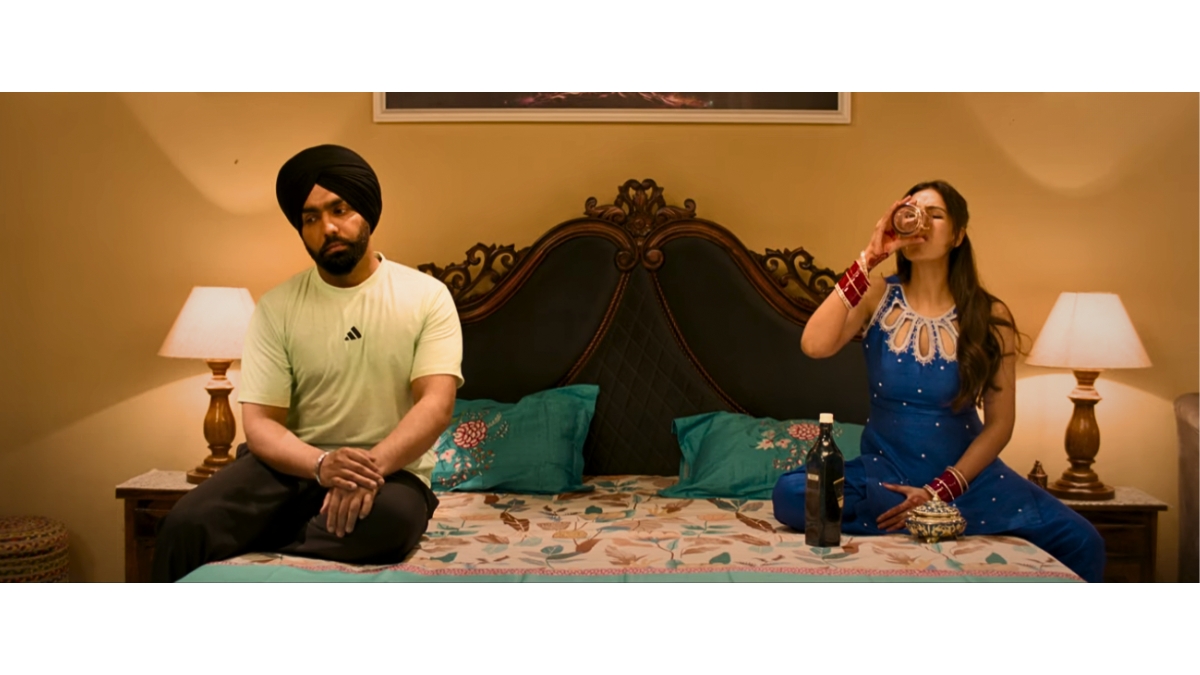
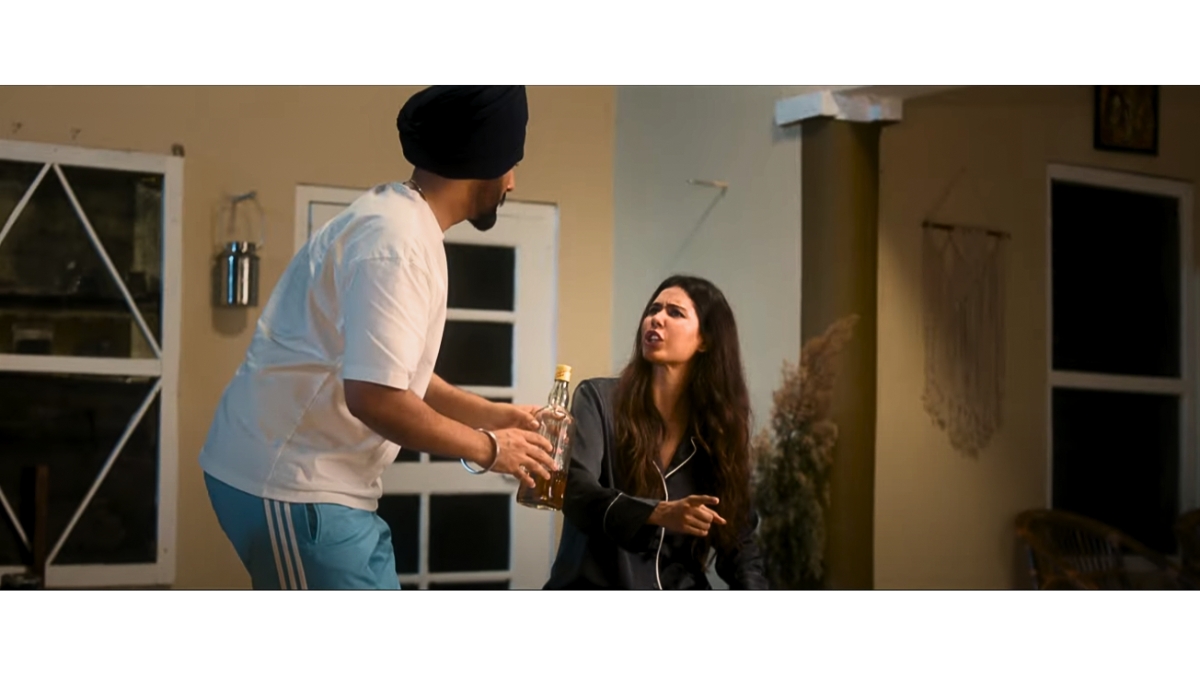
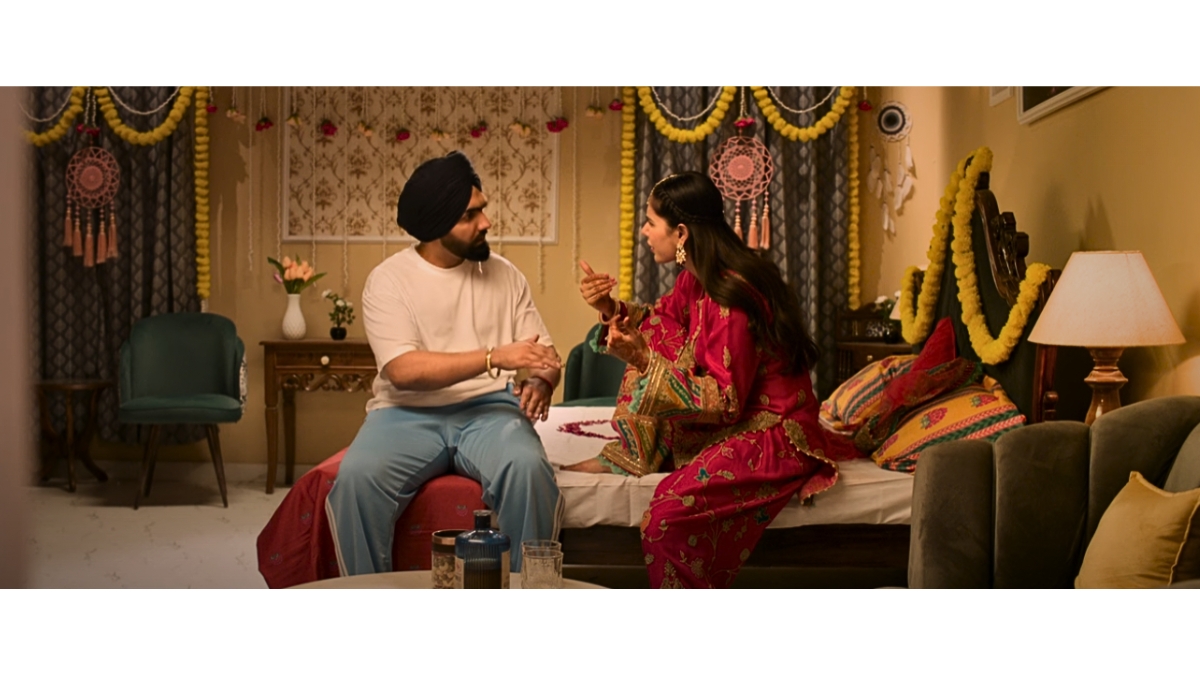
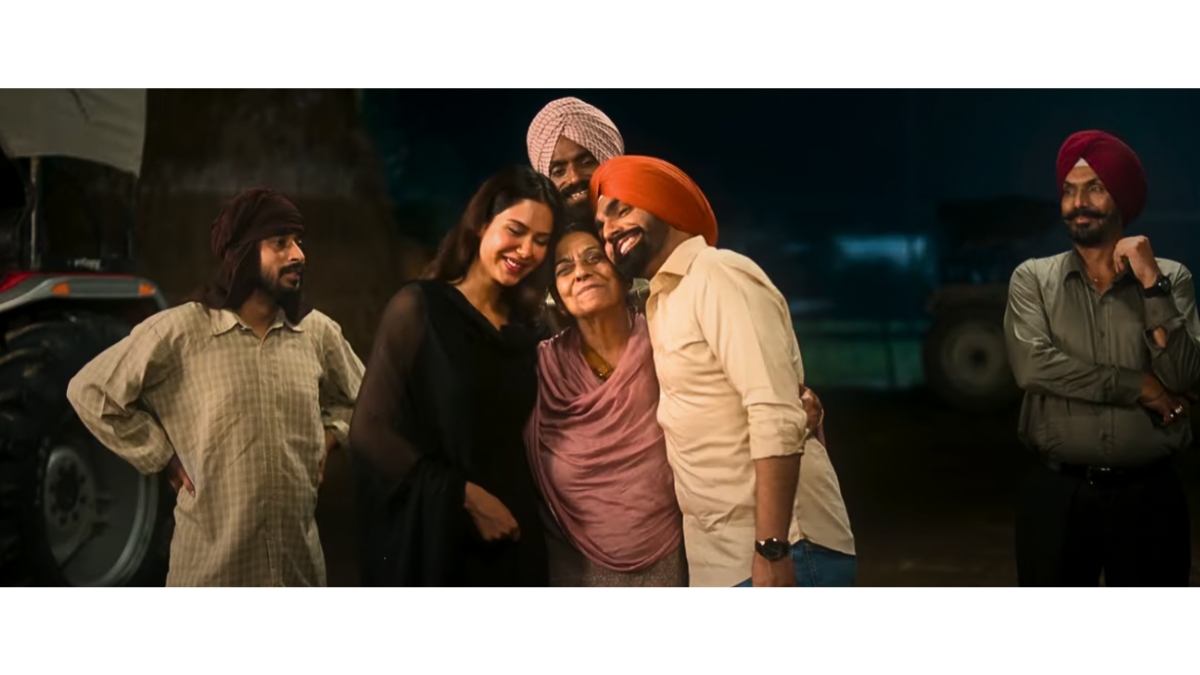
    Mumbai (Maharashtra) [India], October 2: In the Punjabi film universe, Nikka Zaildar has long been a dependable name — romance, rural charm, comic mishaps, and the signature chemistry of Ammy Virk and Sonam Bajwa. Now, the fourth chapter of the franchise is gearing up for its third act: Nikka Zaildar 4. But this time, the journey to the silver screen has had as many twists as the story itself. With floods swirling around Punjab, postponements, philanthropic pledges, and an eager audience on standby, the film’s path to release is proving as dramatic as one of its plot turns.

    It began with hope and a teaser. The official trailer, dropped recently, teases romance, mischief, and emotional spice in equal measure — a hallmark of the Nikka Zaildar brand. The pairing of Ammy Virk and Sonam Bajwa returns with familiar warmth; the visuals marry pastoral beauty with modern conflict, and fans are already speculating about the next chapter in Nikka’s life.

    Yet, once the trailer caught fire, the film’s release plans hit a snag. Initially slated for 12 September 2025, Nikka Zaildar 4 was postponed in light of severe floods in Punjab. The makers — White Hill Studios — cited sensitivity to the crisis: “In these tough times, it is our duty to stand with the people of Punjab.”

    They didn’t stop at announcements. The team pledged relief aid, promising to deliver trucks loaded with rations and essentials to affected regions. The message: this is more than a film release — it’s a gesture of solidarity.  The new release date? 2 October 2025 — a festival tilt and a nod to better timing.

    Nikka

    What the Film Promises

    According to IMDb, Nikka Zaildar 4 is directed by Simerjit Singh and written by Jagdeep Sidhu. The cast includes Ammy Virk, Sonam Bajwa, Nirmal Rishi, Sonia Kour, Nisha Bano, and more. The film’s core narrative pits the rural simplicity of Punjabi life against a romantic conflict: Nikka, initially uninterested in wrestling, falls for a Haryanvi woman passionate about the sport — setting the stage for emotional collision and humorous tweaks.

    On BookMyShow, the listing describes Nikka’s journey as one to win not just his beloved’s heart but also his traditional grandmother’s approval. Chaos, surprises, romantic turbulence — the ingredients are all there. The runtime is listed at 2h 16m, UA (family-friendly with caution).

    The trailer adds more hints: misdirections, moments of humour, reminders of prior Nikka Zaildar tropes, and a sense that this chapter will test the hero more than the previous ones.

    Nikka

    Strengths, Risks & Audience Expectations

    What Could Work in Its Favor

    • Brand equity & nostalgia: The Nikka Zaildar name carries goodwill. Fans of the first three films will come with emotional credits already in place.

    • Star pairing chemistry: Ammy and Sonam’s pairing has a rhythm many Punjabi films chase. Their comfort on screen offers familiarity, which the trailer leans on.

    • Solid backing: White Hill Studios has the clout to mount a wide release. Their flood-relief gesture also tempers the postponement as a principled move.

    • Emotional connect & setting: The rural-Punjab canvas, interlaced with a cross-state element (Haryana), gives room for cultural conflict and regional flavors; that’s often compelling for Punjabi audiences.

    Nikka

    Challenges & Potential Pitfalls

    • Flood-based delay fatigue: Multiple postponements can wear down buzz. Earlier, some reports even projected release on 21 October before settling on 2 Oct. Some fans may feel unsure about scheduling shifts.

    • Comparisons to prior chapters: Audiences will inevitably compare this fourth film to the first three. If Nikka Zaildar 4 doesn’t meet emotional or comedic expectations, critiques of “running on reputation” will emerge.

    • Box office clash: October is a busy season. If Idli Kadai, Kantara or Bollywood releases overlap, Nikka Zaildar 4 might lose screen share in multiplex-heavy regions.

    • Logistical & marketing drag: Advertising campaigns, posters, promotional circuits all get compressed with postponement. Cost overruns or rushed marketing could erode impact.

    Nikka

    Latest Buzz & Fan Reactions

    Social media lit up when the promotional trailer dropped, heralding “romance, drama, mischief” in bold fashion. Fans shared GIFs, quotes, and taglines. On Instagram, White Hill posted the postponement message; the comments ranged from “Proud of the decision” to “Can’t wait till October.”  Some fans expressed disappointment over the delay, but most applauded the solidarity with flood victims.

    In regional news, reports note that Shehnaaz Gill’s Punjabi film Ikk Kudi also postponed its release to October 31 in response to the floods. The pattern of delay underscores how the industry is aligning with relief efforts rather than pushing ahead blindly.

    Trade insiders are watching Nikka Zaildar 4 as a barometer for Punjabi cinema’s post-monsoon recovery. If it opens strong despite the delay, it will affirm that franchise loyalty still matters.

    Nikka

    What We Still Don’t Know (But Hope to)

    • Budget & revenue targets: The production cost hasn’t been publicly confirmed. With the delay, marketing costs likely rose.

    • Advance booking numbers: No credible data yet on pre-sales. But with bookings open on platforms like BookMyShow, early traction will be crucial.

    • OTT/satellite rights: Will the filmmakers balance theatrical exclusivity or rush to streaming? In Punjabi cinema, OTT deals are growing in importance.

    • Critical reception: We’ll soon see whether critics feel Chapter 4 brings novelty or recycles the formula.

    Final Take & Outlook

    • Nikka Zaildar 4 is taking the less-trodden path: launching in turbulent times, delaying for empathy, and hoping to ride on goodwill as much as brand power.

    • The central romance and rural milieu promise what the franchise is known for — light drama and heart. The success will hinge, however, on execution, freshness, and how well it justifies its delayed launch.

    • October 2 is both a gamble and a statement — the makers are betting that Punjab (and Punjabi audiences everywhere) are ready for a cinematic escape, even in the midst of recovery.

    • If the trailer is any indication, they’re not just asking the audience to return — they’re telling them something worth waiting for.

    PNN News

  • Prime Minister Narendra Modi Vijaya Dashami Greetings: 2025

    Prime Minister Narendra Modi Vijaya Dashami Greetings: 2025

    New Delhi [India], October 2: Prime Minister Narendra Modi didn’t mince words on Vijaya Dashami. In a series of messages, he blended tradition, tribute, and a reminder of India’s enduring spirit. Courage, wisdom, and devotion, these weren’t just pleasantries; they were a roadmap.

    Vijaya Dashami: Triumph of Good Over Evil

    On October 2, 2025, the Prime Minister took to X (formerly Twitter) to extend greetings on Vijaya Dashami, the festival celebrating the victory of good over evil. PM Modi’s message was succinct but unmistakable: courage, wisdom, and devotion are non-negotiables on life’s battlefield.

    “Vijaya Dashami celebrates the triumph of good and righteousness over evil and falsehood. May courage, wisdom and devotion always guide our paths. Wishing my fellow Indians a happy Vijaya Dashami.”

    In Hindi, he reiterated the sentiment, emphasizing the inspiration to remain steadfast on the paths of courage, intelligence, and faith. The message resonated across India, cutting through the usual noise of holiday greetings.

    Paying Homage to Gandhiji: Truth, Non-Violence, and Moral Courage

    October 2 is double trouble for the nation: it’s also Gandhi Jayanti. PM Modi’s tribute to Mahatma Gandhi was part homage, part reminder that India’s moral compass still points to truth and non-violence.

    “Gandhi Jayanti is about paying homage to the extraordinary life of beloved Bapu, whose ideals transformed the course of human history. He demonstrated how courage and simplicity could become instruments of great change. He believed in the power of service and compassion as essential means of empowering people. We will keep following his path in our quest to build a Viksit Bharat.”

    PM Modi’s phrasing wasn’t sentimental fluff. It was a clear message: India remembers its icons, and their principles guide policy, leadership, and citizen engagement. In a country navigating rapid technological, social, and economic shifts, referencing Gandhiji is a subtle nudge to stay grounded, moral, and committed to collective progress.

    Lal Bahadur Shastri: Integrity and Decisive Leadership

    The Prime Minister didn’t stop at Gandhiji. Shastri Ji’s birth anniversary also drew PM Modi’s attention. He highlighted the former Prime Minister’s integrity, humility, and decisive leadership, reminding Indians of the man behind the slogan “Jai Jawan Jai Kisan.”

    “Shri Lal Bahadur Shastri Ji was an extraordinary statesman whose integrity, humility and determination strengthened India, including during challenging times. He personified exemplary leadership, strength and decisive action. His clarion call of ‘Jai Jawan Jai Kisan’ ignited a spirit of patriotism among our people. He continues to motivate us in the endeavour of building a strong and self-reliant India.”

    This wasn’t history class. PM Modi’s tribute underscores an enduring leadership lesson: integrity paired with decisive action isn’t optional, it’s essential. Especially for a nation juggling farmers, soldiers, and a growing economy, Shastri’s principles remain relevant.

    Mourning Pandit Chhannulal Mishra: A Life Devoted to Culture

    In a quieter but deeply personal gesture, PM Modi expressed grief over the demise of Pandit Chhannulal Mishra Ji, a titan of the Banaras Gharana.

    Pandit Ji wasn’t just a classical vocalist; he was a custodian of Varanasi’s musical soul. His contributions elevated Indian classical music globally while mentoring generations of students.

    PM Modi emphasized the personal connection: Pandit Ji had been his proposer for the Varanasi Lok Sabha seat in 2014, a symbolic passing of cultural and civic trust.

    “सुप्रसिद्ध शास्त्रीय गायक पंडित छन्नूलाल मिश्र जी के निधन से अत्यंत दुख हुआ है। वे जीवनपर्यंत भारतीय कला और संस्कृति की समृद्धि के लिए समर्पित रहे… शोक की इस घड़ी में मैं उनके परिजनों और प्रशंसकों के प्रति अपनी गहरी संवेदना प्रकट करता हूं। ओम शांति!”

    The Prime Minister’s message combined respect, personal reflection, and a clear statement: Indian art and culture are as critical to national identity as politics or policy. Pandit Ji’s Padma Vibhushan in 2020 affirmed that devotion to art is recognized at the highest level.

    PM Modi’s Messaging Style: Blunt, Inspirational, and Grounded

    Across all these posts, a pattern emerges: PM Modi delivers tradition with a punch. No filler. No empty platitudes. He blends:

    1. Historical reverence: Highlighting Gandhiji and Shastri Ji anchors the messaging in Indian ethos.
    2. Cultural pride: Pandit Mishra tribute signals that art and heritage are national priorities.
    3. Direct appeal: Vijaya Dashami greetings aren’t just ceremonial; they’re a reminder of courage and devotion as life principles.

    PM Modi’s X-feed isn’t just a social media page; it’s a lesson in leadership, culture, and communication.

    India Context: Why These Messages Matter

    October 2 isn’t just symbolic; it serves as a litmus test of leadership messaging. India, with its vast democratic canvas, looks to the Prime Minister for cues on how values intersect with governance.

    • Vijaya Dashami: Reinforces moral courage in everyday life.
    • Gandhi Jayanti: Signals commitment to non-violence and ethical governance.
    • Shastri Ji’s anniversary: Highlights decisive action and self-reliance.
    • Pandit Mishra’s demise: Cultural continuity matters as much as policy.

    These aren’t isolated gestures; they’re a strategic weave of culture, politics, and national identity. Any leader can post wishes. PM Modi layers history, symbolism, and personal connection into every word.

    Looking Ahead: Lessons for Leadership

    For India, this multi-layered approach has a takeaway: leaders who respect the past and mentor culture alongside governance inspire deeper citizen engagement. Lessons for executives, policymakers, and cultural stewards are clear:

    • Anchor initiatives in enduring values.
    • Celebrate tangible heroes, political, cultural, or social.
    • Communicate in a direct, unapologetic tone that doesn’t underestimate the audience.

    Whether you’re running a nation, a company, or a startup, this style, bold, precise, and inspirational, works.

    PNN News

  • Investing in an IPO: 7 Critical Strategies for Amazing Returns

    Investing in an IPO: 7 Critical Strategies for Amazing Returns

    The chance to invest in the early growth phase of a company via an Initial Public Offering (IPO) is tempting, but it is one of the segments of the market that is vulnerable to fluctuating conditions and risk of collapse. IPOs raise the opportunity to buy shares at a discounted price, but they require much more discipline, concentration, and clarity than any investment that could be made in the set companies. Investors will be forced to replace market frenzy with due diligence that is performed with professionalism and an uncompromising investment policy to negotiate their way through this high-stakes environment.

    Basics of IPO Due Diligence.

    Effective investment in an IPO is based on proper knowledge of the fundamentals of the company. The initial one is an examination of the business model of the company. Investing must be restricted to businesses, the major products and services of which, as well as their competitive advantages, are fully understood. This clarity will eliminate the use of emotions and make the investment thesis robust. Some of the important questions will be: What is the distinguishable moat of the company? Does the management team have a provable track record and integrity? Effective leadership is not only a luxury but a necessity of operational prosperity and good governance in the long run.

    Most importantly, a forensic audit of the financial well-being, as stipulated in the Draft Red Herring Prospectus (DRHP), is beyond negotiation. Consistency is key. Seek an evidence-based track record of expanding revenue and profit, which is an indicator of sustainable market penetration and efficiency. Good gross and net profit margins prove good management of costs. Moreover, the debt-to-equity ratio will also have to be evaluated; a small-to-moderate amount of debt implies a sensible financial engineering, whereas the overabundance of leverage imposes a huge amount of risk that could be avoided. The real blood of any growing business is positive and growing operating cash flow, which confirms that the company is capable of financing its operations without excessive outside dependence.

    Geopolitical and Industry Background of Investing in IPO.

    The company does not work in a vacuum. The objective analysis of the industry situation is a prerequisite to the creation of a professional investment decision. Is it in a secular growth of the sector, or is it in saturation and disruption? Competitive intensity should be analysed to find out the positioning of the company. Excellent competitive advantage, either based on proprietary technology, strong brand loyalty or scale of operations, offers protection against the market forces and competition. This strength creates confidence in the sustainability of the company and subsequent profitability.

    The most important technical factor is perhaps valuation. The prices set in an IPO should be fair when compared to its publicly issued counterparts when calculated by such ratios as the Price-to-Earnings (P/E) or Price-to-Sales ratios. An overpriced offering will reduce the chance of immediate gains at the time of listing and reduce long-term growth potential. Specifically, investors should not be tempted to invest in a high valuation and instead should exercise discipline in their pricing.

    There are 7 key tips to successful IPO investment.

    Question the Purpose of the Issue: Favourable offerings commit capital into business growth, research and development or expansion. Weaker ones mostly spend the money on early investor exits (Offer for Sale – OFS) or over-debt repayment.

    Assess Underwriter Credibility: Famous investment banks underwriting the IPO may suggest a greater amount of due diligence performed before the launch, which indicates an indirect protection to the populace.
    Be Positive but Pragmatic: Investors, though optimistic about the market’s potential, need to apply a realistic risk-reward filter to all decisions, rather than the irrational exuberance that often accompanies new listings.

    Apply the Cut-off Price Strategy: To maximize the likelihood of getting an allotment, bid at the Cut-off Price (the highest price in the band), and retail investors will generally have a higher likelihood of getting shares in an oversubscribed offering.

    Distinguish between Short-Term vs. Long-Term Strategy:

    Listing Gains (Short-Term): Extremely speculative; concentrate on underpriced IPOs where retailing is expected to be very strong.

    Wealth Creation (Long-Term): Concentrate on quality management, financial soundness, and long-term ability to grow. This plan consists of keeping a second buy in mind once the volatility has calmed down.
    Institute Rational Risk Territories: Only assign a small and non-material fraction of the total amount of investment to IPOs. They are an extremely volatile and risky category.

    Be Patient and Avoid the Hype: The media hype machine can be shunned. The wise long-term investor would wait until the stock has actually developed a real price in the public market, which in many cases would take a few months after the listing. It matters most to an investor to know what he owns, and why he owns what he owns, as financial analyst Joe Moglia remarked. This takes time and concentration.

    Investing in an IPO presents both emotional and analytical challenges to the investor. Through following a policy that is founded on discipline, clarity and objective analysis, investors would greatly increase their chances at realising astounding, lasting returns instead of just engaging in the act of speculation. The final predictable indicator of success in this dynamic but daunting part of the financial markets is adherence to due diligence.

  • Elixir Wellness Named Healthcare Startup of the Year at Entrepreneur India 2025

    Elixir Wellness Named Healthcare Startup of the Year at Entrepreneur India 2025

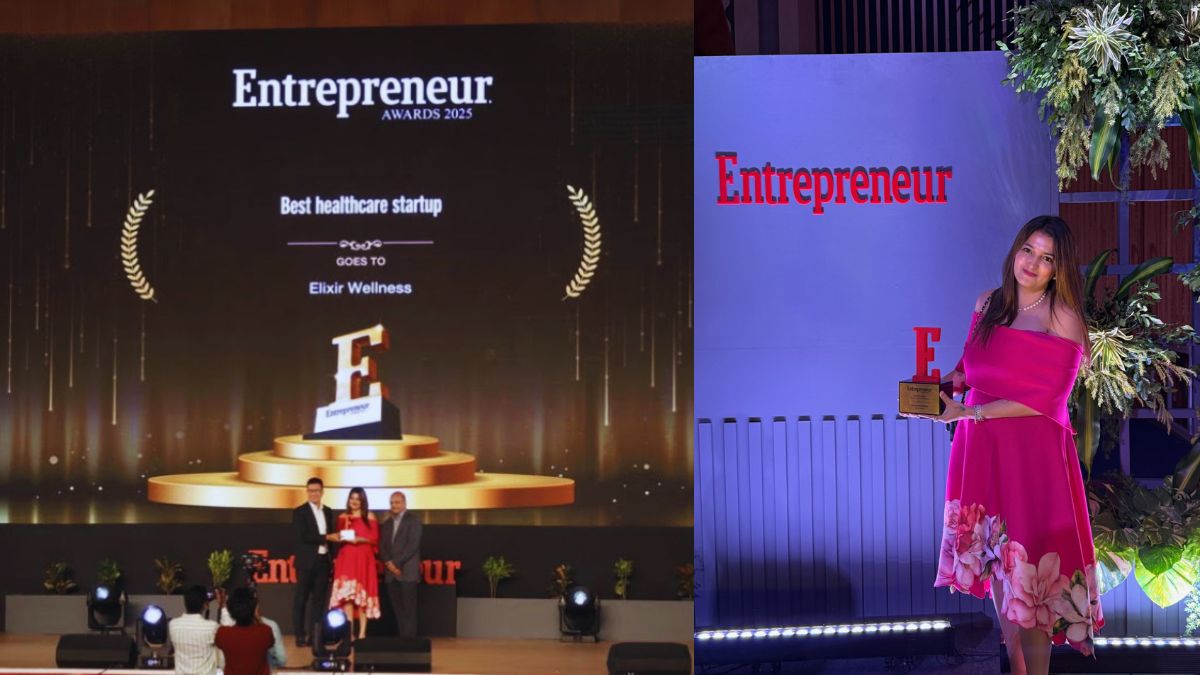
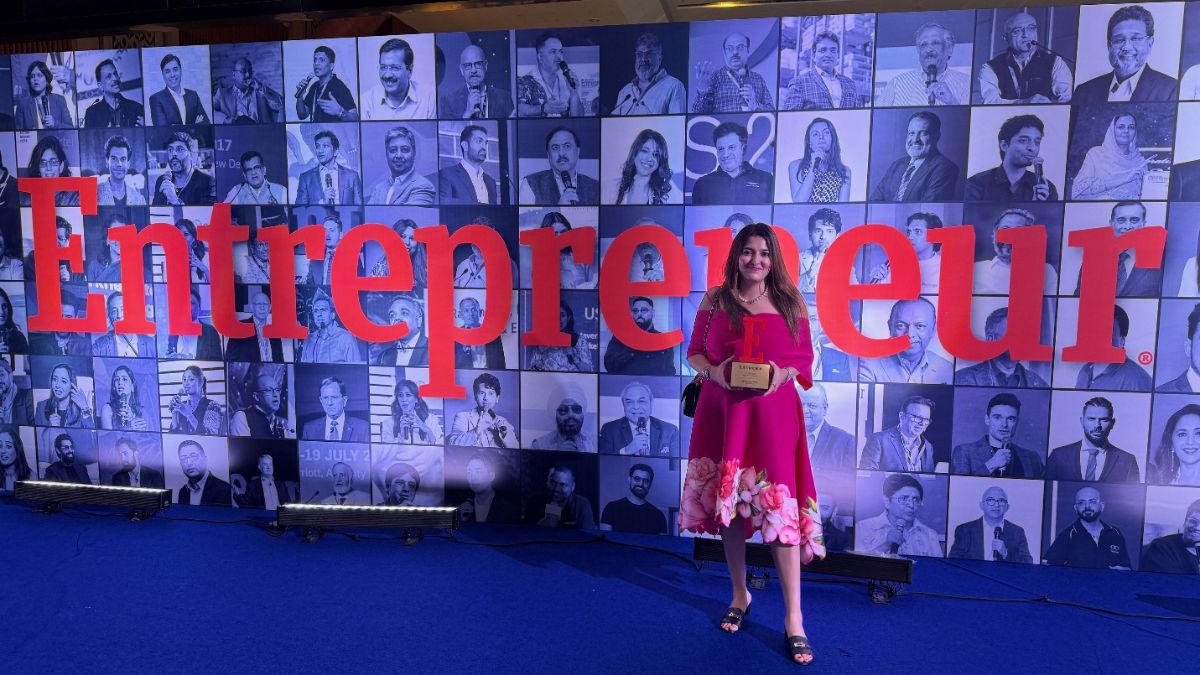
    Mumbai (Maharashtra) [India], September 27: Elixir Wellness, the luxury medical wellness brand founded by public health expert and entrepreneur Tanya Khubchandani, has been awarded the prestigious title of Healthcare Startup of the Year at the Entrepreneur India 2025 Awards. Considered one of the country’s most respected platforms for entrepreneurial excellence, the award recognizes Elixir Wellness as one of the most impactful new ventures in India’s booming health and wellness sector; applauding its unique model of blending longevity science, regenerative medicine, and luxury wellness into one holistic ecosystem.

    Elixir Wellness Named Healthcare Startup of the Year at Entrepreneur India 2025 - PNN

    The Entrepreneur India Recognition

    Winning the Healthcare Startup of the Year award is a milestone moment for Elixir Wellness. It signifies national recognition of the brand’s role in reshaping how India views health – moving away from reactive, symptomatic treatments to proactive, preventive care. For a young brand launched in 2021, this award affirms Elixir’s rapid rise as a leader in the luxury medical wellness category and validates its pioneering approach to fusing science, empathy, and experience in equal measure.

    Speaking about the honour, Tanya Khubchandani said: “This award is a powerful recognition of what we’ve been working towards – making holistic preventive care, regenerative medicine, and longevity science accessible in a way that feels elevated and meaningful. At Elixir, we’re not just offering therapies; we’re building a movement that changes how India thinks about wellness: not as a quick fix, but as an investment in a longer, stronger, more radiant life.”

    Redefining Wellness in India

    Founded in 2021, Elixir Wellness is rewriting the rules of recovery, performance, and longevity in India. With flagship centres in Mumbai and a growing presence in Delhi, Bangalore, and Ahmedabad, Elixir integrates biohacking, regenerative medicine, and advanced aesthetics in formats that are doctor-led, data-driven, and designed to feel like luxury rituals rather than clinical procedures.

    Its therapies range from Whole-Body Cryotherapy, Hyperbaric Oxygen Therapy, Infrared Sauna, Red Light Therapy, Tesla Body Sculpt, and IV Nutrient Drips to medical-grade aesthetics like Q-Switch Laser, Carbon Laser Toning, PRP, and Medifacials. Every service is curated to deliver results that go beyond surface beauty; helping clients recover smarter, age slower, and perform better.

    About Tanya Khubchandani 

    A graduate of Columbia University with a Master’s in Public Health, Tanya has worked across globaal health systems and serves on the leadership team of the HCG ICS Khubchandani Cancer Hospital. Her rare mix of scientific training, entrepreneurial vision, and digital influence (via her widely followed platform Mommy Diaries) makes her one of the most dynamic voices in India’s healthcare and wellness space.

    About Elixir Wellness

    Founded in 2021, Elixir Wellness is India’s premier destination for luxury medical wellness. With centres across Mumbai, Delhi, Bangalore, and Ahmedabad, Elixir offers a curated mix of biohacking, regenerative medicine, advanced aesthetics, nutrition, and mental well-being support. Each therapy is delivered under expert medical supervision, using FDA-approved technology, in an environment designed to reflect calm, class, and sophistication.

    Website: www.theelixirwellness.com

    Instagram: @elixirwell

    If you object to the content of this press release, please notify us at pr.error.rectification@gmail.com. We will respond and rectify the situation within 24 hours.

  • Shah Rukh Khan Becomes Bollywood’s First Billionaire | The Rise of the Billionaire Badshah

    Shah Rukh Khan Becomes Bollywood’s First Billionaire | The Rise of the Billionaire Badshah

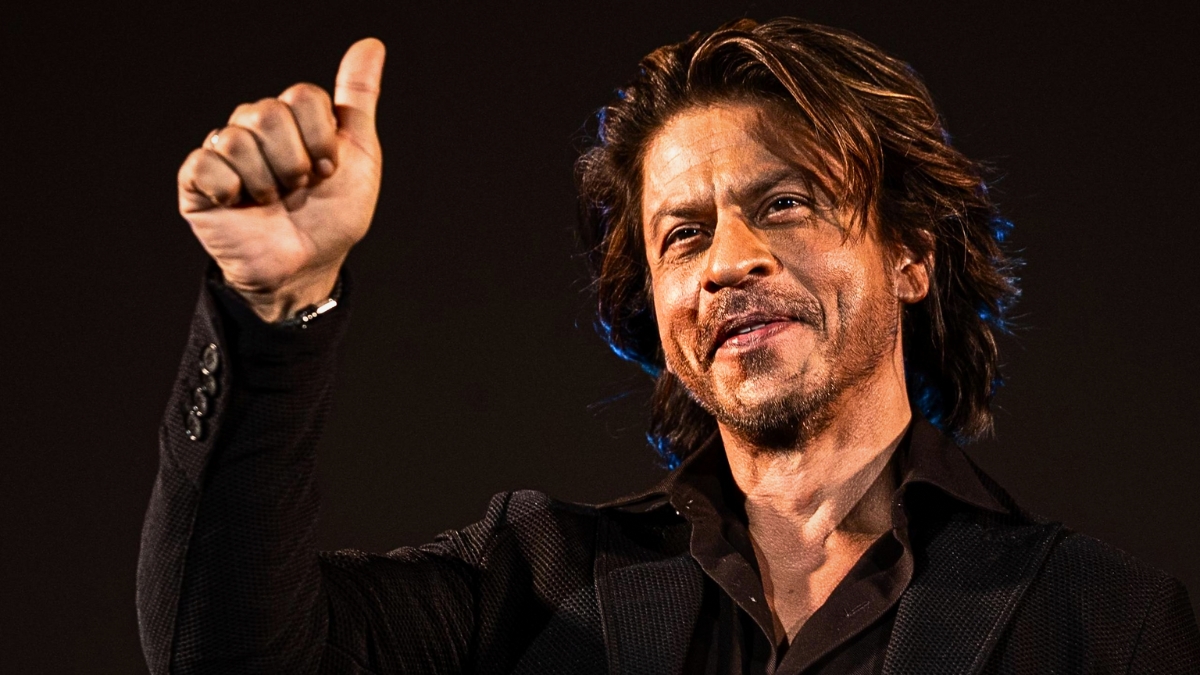
    Mumbai (Maharashtra) [India], October 2: When the world counts its billionaires, the usual suspects—tech moguls, oil barons, hedge fund sharks—dominate the list. But every once in a while, a story drops that redefines stardom itself. Enter Shah Rukh Khan, the man who taught the world that a “Rahul” or a “Raj” could be as bankable as any Silicon Valley founder. In 2025, the Badshah of Bollywood officially joined the billionaire club, clocking a staggering $1.4 billion net worth (₹12,490 crore), as per the Hurun India Rich List. And in case you’re wondering, yes, that’s richer than Taylor Swift, Selena Gomez, and several Hollywood A-listers combined.

    For a boy who once had no connections, no godfather, and no “backup plan,” this is not just a financial milestone—it’s a cultural coup. Shah Rukh Khan isn’t just the wealthiest actor in India anymore; he is, quite literally, the world’s richest entertainer.

    A Net Worth That Reads Like a Box Office Blockbuster

    The headline number is $1.4 billion. But what’s buried beneath those zeroes is the real story. While most actors rely solely on film fees and brand endorsements, SRK’s empire is a carefully curated web of cinema, cricket, luxury real estate, and equity bets that paid off better than any filmi climax.

    • Films & Acting Fees: After a quiet phase in the late 2010s, Khan roared back in 2023 with Pathaan and Jawan, films that together grossed more than ₹2000 crore worldwide. His ability to reinvent himself—playing action heroes in his late 50s while younger actors struggled to find their footing—cemented his box office dominance.

    • Red Chillies Entertainment: Not just a vanity production house, but a serious player in VFX and global distribution. In an era when Netflix and Amazon are desperate for content, SRK’s Red Chillies has turned into a goldmine.

    • Kolkata Knight Riders (KKR): When he bought into the IPL franchise in 2008, skeptics dismissed it as a vanity buy. Today, KKR is valued in the billions, riding on cricket’s unstoppable commercial wave.

    • Brand SRK: From Dubai’s real estate campaigns to luxury watches, from ed-tech endorsements to tourism boards, he remains India’s most sought-after face. Not to forget, he owns prime real estate himself—Mannat in Mumbai, a home in Dubai’s Palm Jumeirah, and properties in London.

    In short, SRK’s empire is what MBA case studies are made of—diverse, scalable, and driven by brand loyalty that refuses to fade.

    Billionaire

    The Global Comparisons: King Khan vs. Pop Royalty

    The Hurun report triggered global headlines, not merely because SRK topped Bollywood but because he leapfrogged global celebrities like Taylor Swift. Imagine that—an actor from Mumbai, who once danced on railway platforms in films like Dil Se, now financially outpaces the woman who practically runs the music industry.

    The comparisons are inevitable: Swift may own her masters, but Khan owns the game. His reach is as much emotional as it is financial—millions of NRIs across continents who buy tickets just to see him smile or spread his arms in the air.

    Yet, let’s not sugarcoat everything. While Swift reinvents music with every album drop, SRK’s filmography in the last decade wasn’t spotless. Projects like Zero and Fan were commercial disappointments. But if anything, his billionaire status proves that brand equity sometimes matters more than a box office hiccup.

    Critics Ask: Does Money Eclipse Art?

    With the billionaire tag, some critics argue that Shah Rukh Khan has crossed from being a “people’s superstar” into being a corporate behemoth. Can a man worth ₹12,490 crore still play the boy-next-door from Dilwale Dulhania Le Jayenge? Or has the distance between reel and real widened forever?

    Sarcastic voices online quip, “Guess Rahul doesn’t take the train to Zurich anymore; he flies private.” Others question whether such wealth dampens his risk appetite for experimental cinema. After all, why chase arthouse credibility when one has a cricket team, multiple production houses, and a villa that itself could fund three indie films?

    And yet, fans would argue: Shah Rukh was never about realism. He was about spectacle, charisma, and making the impossible feel personal. Perhaps being a billionaire is just the newest chapter in his brand mythology.

    The Cultural Currency of SRK

    Numbers aside, Shah Rukh’s real wealth lies in his cultural capital. He is, arguably, India’s greatest global ambassador—not appointed by the government but crowned by audiences. From German fans chanting “Mitwa” at festivals to Arab nations treating him like royalty, SRK embodies India’s soft power in a way few politicians or diplomats could.

    Social media has only amplified his reach. The announcement of his billionaire milestone saw hashtags like #BillionaireBaadshah and #KingKhanForever trend worldwide. Celebrities chimed in too—filmmaker Karan Johar called him “India’s greatest export after yoga,” while global entrepreneur Anand Mahindra tweeted, “Proof that storytelling can be more lucrative than steel.”

    Billionaire

    Spending Power and Philanthropy

    With wealth comes responsibility, and here’s where the conversation turns nuanced. While SRK is known for his quiet philanthropy—funding children’s hospitals, supporting acid attack survivors, donating during COVID—critics note that his charity isn’t as high-profile as his wealth accumulation. Compared to Hollywood billionaires like Oprah or Jay-Z, SRK’s philanthropic portfolio could be showcased more aggressively.

    But perhaps that’s deliberate. He has often said he prefers his donations not to make headlines. In an age of performative philanthropy, maybe understatement is his brand of rebellion.

    Beyond the Billions: What Next?

    Now that the “Billionaire Baadshah” tag is official, what comes next? Insiders suggest that SRK is already eyeing OTT dominance with multi-film collaborations and global partnerships. Red Chillies VFX is being positioned as a Hollywood-scale competitor. And KKR is reportedly in talks for further overseas expansion.

    On the cinematic front, speculation is rife about his next release—rumors swirl around a collaboration with Rajkumar Hirani and possibly a Netflix-backed international project. If true, the world might see SRK not just as Bollywood’s king but as a legitimate global film mogul.

    Curtain Call

    Shah Rukh Khan’s billionaire status isn’t just about the billions—it’s about the narrative. From Delhi’s middle-class boy who once slept on railway platforms to a man who now owns palaces, franchises, and a cultural empire, his journey is as cinematic as the films that made him.

    And if you still think money and magic don’t mix, just wait till his next arms-wide-open pose hits the screen. Because in the universe of Shah Rukh Khan, wealth is just another prop—the real blockbuster is always the man himself.

    PNN News

  • Rags-to-Riches Script That Even Bollywood Couldn’t Write Better

    Rags-to-Riches Script That Even Bollywood Couldn’t Write Better

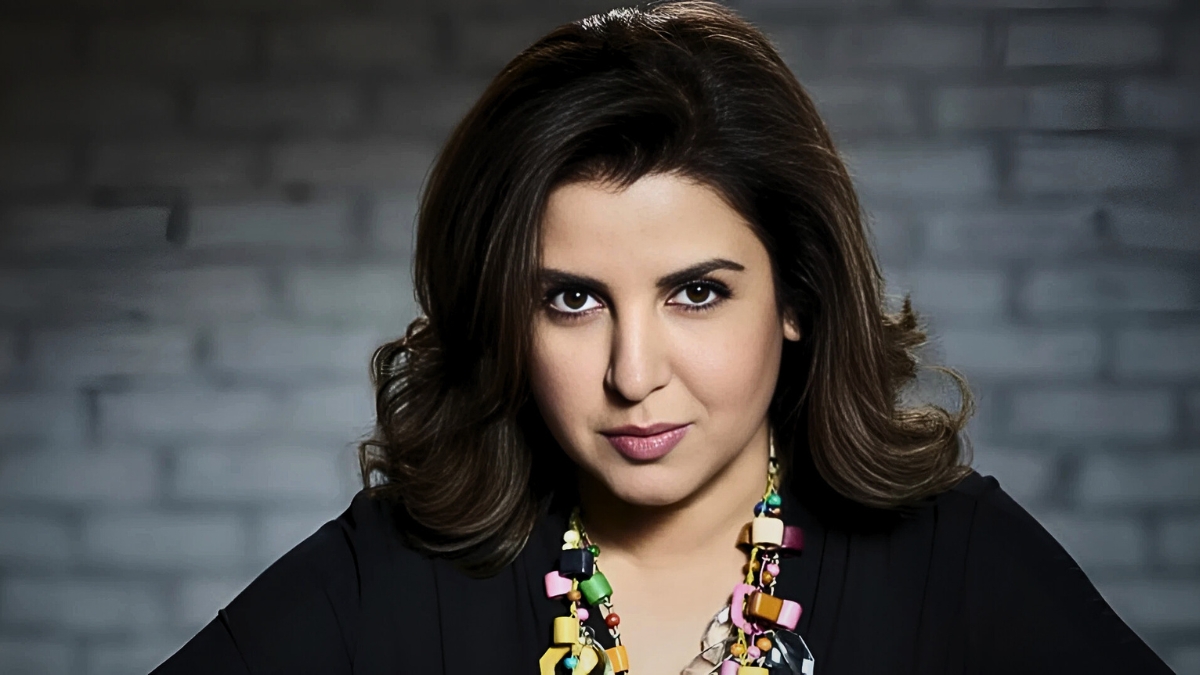
    Mumbai (Maharashtra) [India], October 2: Bollywood often thrives on melodrama—fallen heroes, sacrificial mothers, and phoenix-like resurrections. But sometimes reality outshines fiction. Enter Farah Khan, a woman who once had to roll out a mattress on a cold floor in Mumbai’s Nehru Nagar Society, and today casually hosts soirées in a three-storey mansion with a swimming pool. If that’s not a storyline worthy of a blockbuster, what is?

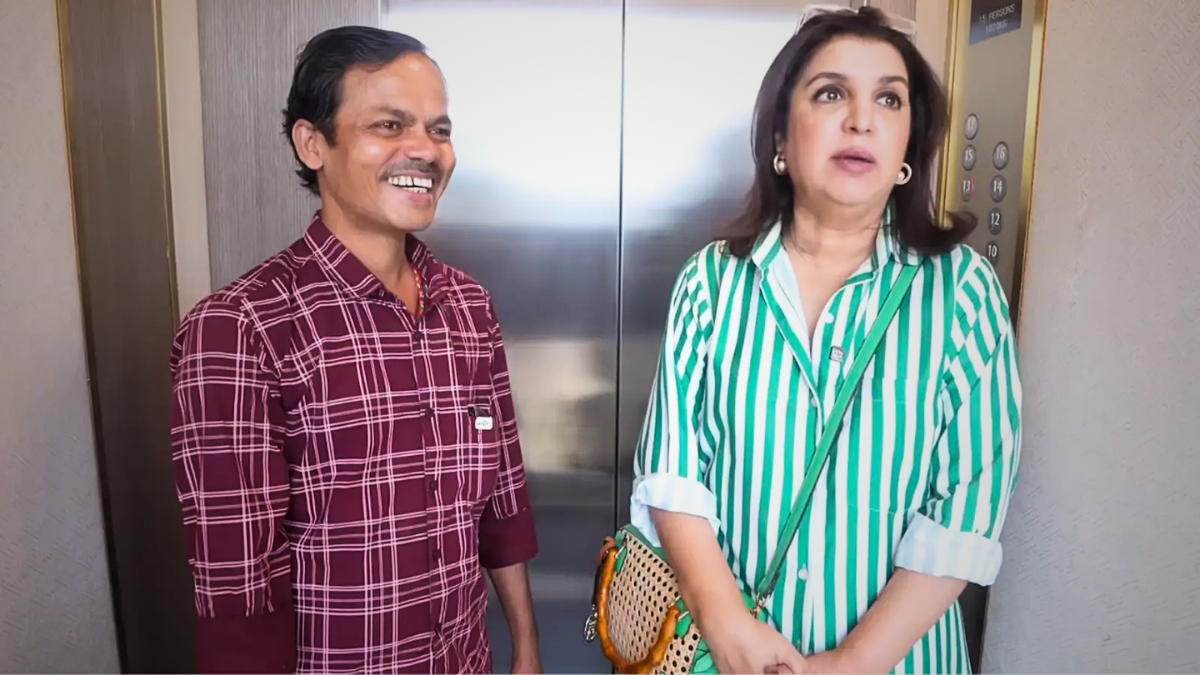
    Farah’s recent vlog series took her fans on a trip down memory lane—except this “trip” wasn’t through designer corridors or luxury vanity vans. It was through the one-bedroom apartment where she, her parents, and siblings survived the aftermath of her father Kamran Khan’s cinematic misadventure. His film bombed, creditors came knocking, and the family traded sofas and jewelry for debts and despair.

    Yet, in a delicious twist of fate, the girl who once had no sofa to sit on is now among the biggest names in an industry that sells dreams.

    A Reality Check That Smells of Nostalgia

    Walking into her old flat, Farah didn’t sugarcoat the struggle. “This was our entire kingdom,” she joked, pointing out that her current storeroom could probably swallow the place whole. There was no telephone—neighbors doubled up as human intercoms. The “bedroom” was essentially a crash pad for five people, and the kitchen was so tight that making dal must have felt like an Olympic sport.

    Her loyal cook Dilip, who accompanied her, quipped that even his present-day pantry is bigger. Sarcasm aside, Farah made it clear—hard work wasn’t just her ticket out, it was her family’s lifeline. She even helped Dilip upgrade to a bigger home, proving that sometimes success has room for generosity too.

    Poverty, Alcohol, and a Father’s Fall

    Farah’s father’s career nosedived faster than a box office dud on opening weekend. Within days, the family plunged below the poverty line. Cars, furniture, and even her mother’s jewelry were sold to plug financial leaks. At one point, their drawing room became a rental space for small gatherings. Meanwhile, her father’s struggle with alcoholism deepened the family’s woes, eventually breaking up the marriage.

    Her father passed away with almost nothing to his name—a cautionary tale in an industry where fortunes are built and lost overnight.

    Bollywood

    The Bollywood Breakthrough

    Despite it all, Farah was never one to wallow. The young girl who couldn’t afford a couch eventually choreographed some of Bollywood’s most iconic songs. Her first big break came with Pehla Nasha in Jo Jeeta Wohi Sikandar (1992)—a track that still gives millennials goosebumps. From there, she turned Bollywood into her dance floor, collaborating with superstars like Shah Rukh Khan, Salman Khan, and Hrithik Roshan.

    But why stop at choreography when you can call “Action!”? Farah donned the director’s hat and gifted audiences with hits like Main Hoon Na and Om Shanti Om. Sure, not all her films were goldmines (Tees Maar Khan, anyone?), but her batting average remains enviable.

    A Contrast Too Stark to Ignore

    Today, Farah resides in a palatial home that often doubles as a gossip magazine’s set-piece—plush interiors, expansive balconies, and that quintessential Bollywood swimming pool. The contrast between her Nehru Nagar past and present-day luxury is so sharp it could cut glass.

    But while fans are lapping up her nostalgic vlog, critics aren’t entirely buying the “humble beginnings” angle. Some argue it’s yet another instance of Bollywood celebrities romanticising poverty for relatability, only to retreat back into their marble-floored mansions. The cynicism isn’t unfounded—Bollywood loves a good sob story, especially when packaged with a luxury endorsement.

    Bollywood

    Trending Today

    Farah’s trip down memory lane has sparked a frenzy on social media. Twitter (or X, if we’re being painfully up-to-date) is brimming with praise for her candidness. “Farah Khan is realer than half the industry,” one user posted, while another quipped, “If only Tees Maar Khan had half the heart her vlog does.” Ouch.

    Meanwhile, Instagram reels of her revisiting the flat are being shared like wildfire, with fans calling it “inspiring” and “emotional.” Even younger Bollywood aspirants have chimed in, using her story as proof that dreams can sprout in the unlikeliest soil—even a cramped one-bedroom in Nehru Nagar.

    Beyond Empathy, a Subtle PR Masterclass

    Make no mistake—this isn’t just nostalgia. It’s smart branding. At a time when Bollywood struggles with disconnect accusations, Farah’s story humanises her. It puts her in the league of “relatable” celebrities—a valuable currency in today’s influencer-driven market. In PR terms, it’s a masterstroke: vulnerability wrapped in success.

    But here’s the kicker: unlike many, Farah’s struggle is undeniably real. The absence of a sofa wasn’t a metaphor; it was Tuesday night reality.

    Bollywood

    The Legacy of Grit

    Farah Khan’s narrative isn’t just about survival—it’s about reinvention. From choreographer to filmmaker to reality TV judge, she’s consistently stayed relevant in a ruthless industry. She’s also turned her personal story into a larger conversation about resilience, reminding an audience increasingly weary of nepotism tales that not every Bollywood story begins with a silver spoon.

    Her journey underscores a universal truth: talent may get you noticed, but tenacity writes the script.

    Final Frame

    Farah Khan’s revisit to her Nehru Nagar roots wasn’t just an emotional stroll—it was a reminder that Bollywood’s biggest stories often begin outside the limelight. It was also a sly wink at the fickleness of fate. After all, what’s more cinematic than a woman who once had no sofa now making blockbusters where couches are just props?

    So yes, the girl who once rolled out a mattress on the floor is now rolling out red carpets for the world’s biggest stars. Life, it seems, choreographed her journey better than any Bollywood script ever could.

    PNN News

  • Disciplined Investment: Evaluating the WeWork India IPO Risks

    Disciplined Investment: Evaluating the WeWork India IPO Risks

    The segment of the flexible workspace in India is currently experiencing a high-profile public market offering with the debut of the initial Public Offering (IPO) of WeWork India Management Ltd. The issue will be subscribed between 3rd and 7th October, with subscription price ranging between 615 and 648 per share. Even though the company is a market leader in the high-end co-working market in India, a conservative investment strategy requires a detailed analysis of the business framework and inherent risks.

    Investors must maintain clarity that this is a pure Offer For Sale (OFS), meaning the company itself will not receive any fresh capital from the issue. All proceeds will go to the existing selling shareholders, primarily the promoter, Embassy Buildcon LLP, and WeWork Global’s entity. This structure limits the company’s ability to use the IPO funds for immediate capital expenditure or debt reduction, requiring a focused analysis of its balance sheet strength.

    WeWork India IPO Risks and Structural Vulnerabilities

    The business model of a flexible workspace operator, heavily reliant on long-term fixed liabilities coupled with short-to-medium-term customer contracts, introduces unique financial vulnerabilities.

    1. High Fixed-Cost Lease Commitments

    The primary risk stems from the asset-light, yet fixed-cost-heavy, operating model. WeWork India leases large office spaces under long-term fixed-cost lease agreements, typically spanning over years with built-in rent escalations. As of mid-2025, the company has significant long-term commitments across millions of square feet.

    This arrangement implies that the company is vulnerable to high fixed costs irrespective of the demand for its desks. When the occupancy rates decrease as a result of the slowing down of economies, alterations in the company’s working policies, or growing competition, the high fixed rent liabilities present a colossal strain on profitability and cash flow. These fixed costs make the whole model dependent on permanence and high occupancy to meet these costs, a factor that is dependent on external commercial real estate cycles.

    2. Persistence of Losses and Cash Flow Concerns

    Although the company has been characterized by strong increase in revenues, it has been characterized in the past by a track record of net losses, and negative operating, investing and financing activity cash flows over the last several fiscal years. Despite the company reporting a net profit in Fiscal Year 2025, analysts warn that this profitability was heavily fuelled by accounting and tax adjustments, and not a substantial increase in operating profitability measures. The persistence of the negative cash flow should be accompanied by an ongoing review of its capability to cover its working capital needs and debt payment without depending on external funding, which will result in a loss of investor confidence.

    3. Legal and Regulatory Proceedings Against Promoter

    A critical non-financial risk is the legal and regulatory scrutiny involving promoter entities. The company’s promoter and chairman, Jitendra Mohandas Virwani, has been facing pending proceedings under the Prevention of Money Laundering Act, 2002, since 2014. Furthermore, a group entity has received a show-cause notice from the Securities and Exchange Board of India (SEBI).

    Though these actions might not specifically affect the operational assets at WeWork India, any negative outcome would gravely affect the investor mood, corporate image, and open them to closer regulation. Such ambiguity of legal finality introduces a certain element of uncertainty that will inevitably affect the future performance of the stock.

    4. High Valuation Compared to Peers

    Measurement of valuation, which is one of the aspects of investment discipline, indicates that the IPO is priced aggressively. On the upper end of the band, the stock is priced at about 68 times its Fiscal Year 2025 earnings. This is not favourable to the industry counterparts, which tend to trade at lower multiples. A rich valuation on the day of listing provides virtually no room to make mistakes and very limited opportunity to take advantage of post-listing appreciation of capital, particularly in a market environment in which recent IPO pricing has been inconsistent.

    5. Geographic and Landlord Concentration

    The geographic concentration is high as the business has a high concentration of revenues and operating capacity within Tier 1 cities, namely Bengaluru and Mumbai. This presents the company with local risks, such as local competition, regulatory changes or disruption unique to these business centers. Moreover, the company has a higher percentage of lease agreements with several main landlords (the top 10 landlords form more than 34% of total area leased). Any conflict, non-renewal or damages of these significant relationships would have a disproportionate impact on the overall operating footprint and financial welfare of the company.

    These are structural and financial risks that need to be balanced by investors with the leadership provided by the foundation and the strong brand name of the company in the market before determining the ultimate subscription decision.