Author: Sutun Nayak

  • India Charts Bold Course for Indigenous UAV, C-UAS Tech at MoD Workshop

    India Charts Bold Course for Indigenous UAV, C-UAS Tech at MoD Workshop

    New Delhi [India], July 15: A quiet but crucial battle is being waged – not at the borders, but deep inside India’s defence strategy rooms. And this week, that war for self-reliance takes flight.

    The Ministry of Defence is gathering some of the sharpest minds in Bharat’s military and tech circles on July 16 at Delhi’s Manekshaw Centre. The reason?

    To tackle one of the most strategic blind spots in modern warfare: India’s dependence on foreign parts for its drones and anti-drone systems.

    This high-powered workshop, co-hosted by the Integrated Defence Staff (IDS) and the Centre for Joint Warfare Studies (CENJOWS), isn’t just a bureaucratic ritual. It comes on the heels of Operation Sindoor – a recent conflict with Pakistan where unmanned aerial vehicles (UAVs) and their counter-systems proved indispensable in both surveillance and surgical strikes.

    Foreign Parts, Local Risks

    Sure, Bharat has made solid progress with homegrown drones. But much of the core tech – components like sensors, processors, and countermeasure kits – is still imported. That’s not just a financial leak. It’s a national security risk.

    The workshop aims to change that. And fast. By pulling in a mix of military officials, policy wonks, engineers, and private tech firms, the defence establishment is looking to hammer out a roadmap for true drone autonomy. The goal: reduce reliance on foreign suppliers and shift to a fully indigenous UAV and C-UAS supply chain.

    High-Level Support, Ground-Level Grit

    General Anil Chauhan, the Chief of Defence Staff, will headline the event. His presence signals that this isn’t some niche initiative – it’s core to the future of India’s battlefield readiness.

    Air Marshal Ashutosh Dixit, leading the Integrated Defence Staff, is expected to close the workshop by laying out what’s next: a formal strategy document that could steer defence procurement and R&D policy for years.

    If the defence ecosystem gets this right, it won’t just plug import gaps – it could rewire Bharat’s place in the global drone economy.

    Why Now?

    Because Operation Sindoor wasn’t a drill.

    Though most details remain classified, sources close to the action say UAVs played a starring role – from shadowing enemy movements to enabling precise strikes. But behind that success lies a vulnerability: much of the tech came with foreign fingerprints.

    And in times of crisis, outsourced defence tools come with complications.

    The workshop, then, is part of a larger reckoning. It’s India owning up to its drone dependence – and taking real steps to end it.

    India | The Bigger Picture

    This event isn’t happening in a vacuum. It fits into the government’s broader push for Aatmanirbhar Bharat in defence – an ambitious plan to make Bharat a self-sufficient arms and technology power.

    Drones are fast-evolving, relatively affordable, and strategically critical. Miss the wave now, and the gap could widen beyond repair.

    Which is why this workshop goes beyond talk. Expect live tech demos. Closed-door brainstorming. And uncomfortable truths about what’s holding India back.

    A Future Still Under Construction

    The endgame here is clear: drones made in India, for India, by Indians. That includes not just UAVs, but the tech needed to detect and destroy hostile ones too.

    And the benefits? Fewer supply chain chokeholds. Lower costs over time. Greater battlefield trust. Plus, an opportunity to turn Bharat into an exporter, not just a buyer, of unmanned tech.

    India’s push for UAV and C-UAS indigenisation is a strategic necessity, not a luxury. Reducing dependency on imports strengthens national security, but execution will depend on real investment, sustained collaboration, and overcoming deep-rooted production and technology challenges.

    Of course, none of this happens overnight.

    But if this week’s workshop delivers on its promise, India might be closer than ever to owning its skies – without strings attached.

    PNN News

  • Push to declare 2026 as ‘Year of Soy’ to boost nutrition, farmer incomes

    Push to declare 2026 as ‘Year of Soy’ to boost nutrition, farmer incomes

    New Delhi [India], July 15: Despite being the fifth-largest producer of soybean globally, India uses most of its crop for oil extraction, exporting the high-protein residue as low-value animal feed.

    The White Paper recommends increasing domestic consumption of soy products like tofu, soymilk, soy flour, nuggets, and dal alternatives.

    A national consultation held in the capital has recommended that the government declare 2026 as the “Year of Soy” to combat India’s protein deficiency crisis and support soybean farmers. Organised by the Soy Food Promotion and Welfare Association (SFPWA), with backing from the Soybean Processors Association of India (SOPA) and The Solvent Extractors’ Association of India (SEA), the event brought together key stakeholders including NITI Aayog, ICAR, MoFPI, CSIR, and Yes Bank.

    The consultation centred around a draft White Paper titled “Improving Food and Nutrition Security by Mainstreaming Soybean-Based Food Products,” which outlines how soy-based foods can serve both nutritional and economic objectives. The paper was presented by SFPWA Chairman Dr. Suresh Itapu, while the inaugural session was chaired by Prof. Ramesh Chand, Member, NITI Aayog.

    Despite being the fifth-largest producer of soybean globally, India uses most of its crop for oil extraction, exporting the high-protein residue as low-value animal feed. Meanwhile, regions producing soy—such as Madhya Pradesh—also suffer from widespread protein malnutrition. “We’re exporting nutrition and importing malnourishment,” noted one industry executive at the event.

    The White Paper recommends increasing domestic consumption of soy products like tofu, soymilk, soy flour, nuggets, and dal alternatives. Doing so could improve public health, create rural employment, and boost farmer incomes. Encouraging local value addition through FPOs and MSMEs was seen as key to unlocking soy’s economic potential.

    Soy-based foods, once viewed as niche or inferior, are now widely available—from modern retail shelves to school meal programmes. Yet stigma persists, with soy often dismissed as “poor man’s protein.” The consultation called for mass awareness campaigns to reposition soy as a high-quality, affordable, and sustainable protein for all.

    Key data presented includes the fact that 90% of Indians are protein deficient, and soy protein is six times cheaper than egg and half the cost of wheat protein. Its inclusion in public schemes like ICDS, Mid-Day Meals, and PDS could yield significant health benefits.

    Declaring 2026 as the Year of Soy, stakeholders say, would drive coordinated policy action across ministries, boost local procurement, and align with initiatives like Atmanirbhar Bharat and the Nutrition Mission. Recommendations from the consultation will be submitted to relevant ministries for further action.

    If you object to the content of this press release, please notify us at pr.error.rectification@gmail.com. We will respond and rectify the situation within 24 hours.

  • OBCs’ Empowerment: ‘The OBCs Uprising’ Garners Tremendous Response; Narahari’s Shakari-Vikramaditya’ Also Forthcoming

    OBCs’ Empowerment: ‘The OBCs Uprising’ Garners Tremendous Response; Narahari’s Shakari-Vikramaditya’ Also Forthcoming

    Hyderabad (Telangana) [India], July 15: A new book, ‘The OBCs Uprising: A New Narrative on Social Justice and Political Representation’, co-authored by Principal Secretary, Public Health Engineering Dept, Madhya Pradesh, P. Narahari, IAS, and High Court advocate Pruthviraj Singh, was recently launched. This work advocates for social justice and political representation for the Other Backwards Classes (OBCs) in India, stemming from five years of intensive research and collaboration.

    ‘The OBCs Uprising’ was launched recently and has since received an overwhelming response from readers. Approximately 3500 copies have already been sold in the Telugu language, and there is growing interest in the English version as well. The publisher has announced that the book will soon be made available in all major bookstores across India.

    The book delves deeply into the challenges faced by OBCs in the past and present. Divided into nine chapters, it covers crucial topics such as the impact of colonial policies, the evolution of reservation politics, and legal analyses of various Supreme Court verdicts and policy developments. A key feature of the book is the “OBC Manifesto,” a detailed policy charter outlining specific demands for community representation, education, and economic empowerment.

    The book was launched by the ‘Mahagatha’ platform. Mahagatha believes that this book will serve as a powerful tool for social awareness and transformation, aligning with their mission to integrate Vedic wisdom with contemporary issues.

    The authors have a clear vision for this work. P. Narahari stated, “This book is a culmination of five years of extensive research and collaboration, articulating our commitment to a comprehensive exploration of the OBC narrative.” Co-author Pruthviraj Singh added, “We believe this book is a call to action—a meticulously crafted tool to rectify historical injustices and envision a truly inclusive future for India.”

    In related news, P. Narahari and spiritual philosopher Devrishi’s much-anticipated book, ‘Shakari – Vikramaditya’, is also set to be released soon. This book is a historical saga based on the life and valor of the great Indian emperor Vikramaditya. This book is also being published by ‘Mahagatha’ and will be available shortly.

    ‘The OBCs Uprising’ hopes to foster a dialogue that will lead to the creation of a more just and equitable society for all citizens in India.

    If you have any objection to this press release content, kindly contact pr.error.rectification@gmail.com to notify us. We will respond and rectify the situation in the next 24 hours.

  • PhantomFX Raises ₹59.99 Crore via QIP to Global Expansion and Creative Leadership

    PhantomFX Raises ₹59.99 Crore via QIP to Global Expansion and Creative Leadership

    Chennai (Tamil Nadu) [India], July 15: Phantom Digital Effects Limited (NSE: PHANTOMFX), one of India’s fastest-growing and globally recognized VFX studios, is pleased to announce the successful completion of its Qualified Institutions Placement (QIP). The company has raised ₹59.99 Crore through the issuance of 23,43,600 equity shares at ₹256 per share (including a premium of ₹246 per share), reflecting a discount of 4.78% (i.e. Rs.12.85/- per Equity Share) to the floor price of ₹268.85 per share.

    This fundraise comes at a transformative time for PhantomFX, as it accelerates strategic investments across creative infrastructure, talent acquisition, and international operations, including its recent acquisition of Oscar winning Tippett Studio.

    Allotment Details – Major Investors (more than 5% allocation in QIP):

    Name Shares Price (₹) Amount
    (₹)
    % of securities allotted in QIP
    Vikasa India EIF I Fund 1,95,300 256 4,99,96,800 8.33%
    Moneywise Financial Services Private Limited 1,95,300 256 4,99,96,800 8.33%
    Beacon Stone Capital VCC – Beacon Stone I 1,95,300 256 4,99,96,800 8.33%
    UNICO Global Opportunities Fund Limited 1,75,800 256 4,50,04,800 7.50%
    Shine Star Build Cap Private Limited 2,73,300 256 6,99,64,800 11.66%
    HDFC Bank Limited 1,36,800 256 3,50,20,800 5.84%


    Commenting on the QIP, Mr. Bejoy Arputharaj S., Managing Director of Phantom Digital Effects Limited, said, 
    “This fundraise is not just about capital, it’s a testament to confidence. The enthusiastic participation of leading institutional investors is a clear validation of PhantomFX’s vision, our consistent execution, and our positioning as a global creative force. It reflects the industry’s recognition of our unique blend of innovation, storytelling excellence, and international scalability. We are not simply growing a business we are shaping the future of visual storytelling by building a future ready powerhouse that seamlessly integrates cutting edge technology, artistic brilliance, and cross border capabilities.

    With the backing of this QIP, we are now better equipped to fast track our expansion into key international markets, further integrate iconic entities like Tippett Studio, and invest in infrastructure, talent, and AI driven creative workflows. Our roadmap is bold and purposeful focused on delivering unmatched value to our clients, nurturing long term partnerships, and raising the global benchmark for VFX excellence. This is a defining chapter in our journey and for PhantomFX, the most exciting phase is only just beginning.”

    Global VFX Industry on the Rise: India’s Strategic Role and PhantomFX’s Impact

    The global VFX market is witnessing rapid expansion, projected to grow from
    US$ 15 billion in 2023 to US$ 30 billion by 2030, at a CAGR of 10.7%. Closer to home, the Indian VFX industry is estimated at ₹11,400 crore (US$ 1.38 billion) in 2023, with visual effects alone contributing ₹5,400 crore (US$ 647 million). Backed by over 4,000 studios, strong government incentives, and rising global demand, India is emerging as a global powerhouse for high quality VFX services. (Source: IBEF)

    At the forefront of this transformation is PhantomFX, a studio delivering acclaimed work for titles like Ayalaan, Salaar, RRR, Leo, and The Flash. Recognized as the first Indian studio to create an entirely VFX-driven alien character, PhantomFX brought “Tattoo” to life in Ayalaan a landmark moment in Indian cinema, PhantomFX has executed over 500 projects, employs 650+ artists, and posted ₹102 crore in revenue for FY25. With cutting edge infrastructure and a fast-growing global presence, PhantomFX is helping define the future of India’s VFX leadership on the world stage

    About Phantom Digital Effects Limited

    PhantomFX (NSE: PHANTOMFX) is a full-service creative studio specializing in high-end Visual Effects (VFX) for films, television, commercials, and streaming platforms. Headquartered in India, the company operates four state-of-the-art facilities across Chennai, Mumbai, Hyderabad, and Bangalore, supported by a team of over 500 highly skilled artists.

    PhantomFX continues to expand its global footprint through strategic growth initiatives, with operational hubs now established in the USA, Canada, UK, China, and Dubai. The company holds TPN Gold certification and has a strong legacy of delivering end-to-end VFX solutions to major global production houses.

    In a major milestone, PhantomFX has successfully acquired Tippett Studio, an Oscar-winning American VFX company headquartered in Berkeley, San Francisco. This strategic expansion positions PhantomFX at the forefront of the global VFX industry, enhancing its creative capabilities and service reach.

    Financial Highlights (FY 24–25)

    ● Total Income: ₹104.37 Crore

    ● EBITDA: ₹39.69 Crore

    ● Net Profit: ₹20.20 Crore

    Disclaimer

    Certain statements in this document that are not historical facts are forward looking statements. Such forward-looking statements are subject to certain risks and uncertainties like government actions, local, political or economic developments, technological risks, and many other factors that could cause actual results to differ materially from those contemplated by the relevant forward-looking statements. The Company will not be in any way responsible for any action taken based on such statements and undertakes no obligation to publicly update these forward-looking statements to reflect subsequent events or circumstances.

    If you have any objection to this press release content, kindly contact pr.error.rectification@gmail.com to notify us. We will respond and rectify the situation in the next 24 hours.

  • KISNA Brings Festive Sparkle to Moradabad

    KISNA Brings Festive Sparkle to Moradabad

    Moradabad (Uttar Pradesh) [India], July 15: KISNA Diamond and Gold Jewellery proudly announced the grand opening of its 17th exclusive showroom in Uttar Pradesh, Moradabad and the 83rd showroom nationally, located at Kanth Road. The inauguration was graced by Mr. Ghanshyam Dholakia, Founder & Managing Director, Hari Krishna Group, Mr. Bhupendra Singh Choudhary, State President, BJP, and Mr. Ritesh Gupta, MLA Moradabad.

    With the festive season around the corner, KISNA is offering Flat 50% off on making charges of diamond jewellery and Flat 20% off on making charges of gold jewelleryalong with an additional 5% instant discount on ICICI Bank credit and debit cards. (T&C Apply)

    KISNA

    Mr. Ghanshyam Dholakia, Founder & Managing Director, Hari Krishna Group, stated“Moradabad is a fast-growing city, by entering this market, we’re not only expanding our retail footprint but also strengthening our connection with consumers. This launch also aligns with our vision, ‘Har Ghar KISNA,’ where we aim to be India’s fastest-growing jewellery brand, making every woman’s dream of owning diamond jewellery come true.’’

    Mr. Parag ShahDirector, KISNA, added: “Our Moradabad showroom is designed to offer an immersive shopping experience, combining traditional charm with modern luxury. As the festive season approaches, we invite consumers to explore our curated collections and enjoy exciting offers that make every occasion even more special.’’

    Mittal FamilyFranchise PartnersKISNA said: “We are thrilled to bring KISNA’s elegance to the people of Moradabad. The brand’s consumer-first approach, vast design range, and value-added services promise to deliver a jewellery experience unlike any other. We’re confident this showroom will become a favourite destination for festive and everyday jewellery needs.’’

    In line with KISNA’s commitment to giving back to the community, the brand organized a blood donation camp as part of the launch event. Also, it hosted a food distribution drive for the underprivileged.

    KISNA

    About KISNA Diamond & Gold Jewellery

    Launched in 2005, KISNA is the flagship diamond and gold jewellery brand from the Hari Krishna Group. KISNA has established an extensive distribution network, reaching over 1,500 shop-in-shop outlets across 28 states in India. The brand now boasts 80+ exclusive showrooms across the country. With ethical sourcing of diamonds from mines to market, KISNA offers an unmatched portfolio of unique designs. KISNA’s wide range of products includes Rings, Earrings, Pendants, Mangalsutras, Necklaces, Bangles, Bracelets, Nose Pins inclusive men’s jewellery in 14KT and 18KT gold, all 100% IGI Certified and BIS Hallmarked. The company also provides 90% Buyback and 95% Exchange on diamond jewellery, including making charges.

    KISNA Diamond & Gold Jewellery’s online platform is a curated space where elegance meets convenience. As your trusted online brand, we offer a seamless shopping experience, featuring the latest diamond and gold jewellery designs. Explore timeless sophistication with KISNA, your ultimate destination for authentic and stylish pieces on www.kisna.com

    If you have any objection to this press release content, kindly contact pr.error.rectification@gmail.com to notify us. We will respond and rectify the situation in the next 24 hours.

  • Top 10 Men’s Ethnic Wear Stores in Hyderabad

    Top 10 Men’s Ethnic Wear Stores in Hyderabad

    Hyderabad (Telangana) [India], July 15: Hyderabad is a city steeped in grandeur, a place where culture and elegance have coexisted for centuries. So it’s no surprise that when it comes to men’s ethnic wear, Hyderabad doesn’t just offer choice, it offers charisma. From regal sherwanis to minimalist kurtas, from legacy labels to disruptive newcomers, the city’s fashion landscape for men is diverse, distinctive and deeply rooted in heritage.

    Whether you’re dressing for a wedding, a festival or simply want to bring a touch of tradition into your wardrobe, these 10 standout ethnic wear stores in Hyderabad offer something for every aesthetic, every budget and every occasion.

    1. Kalpraag

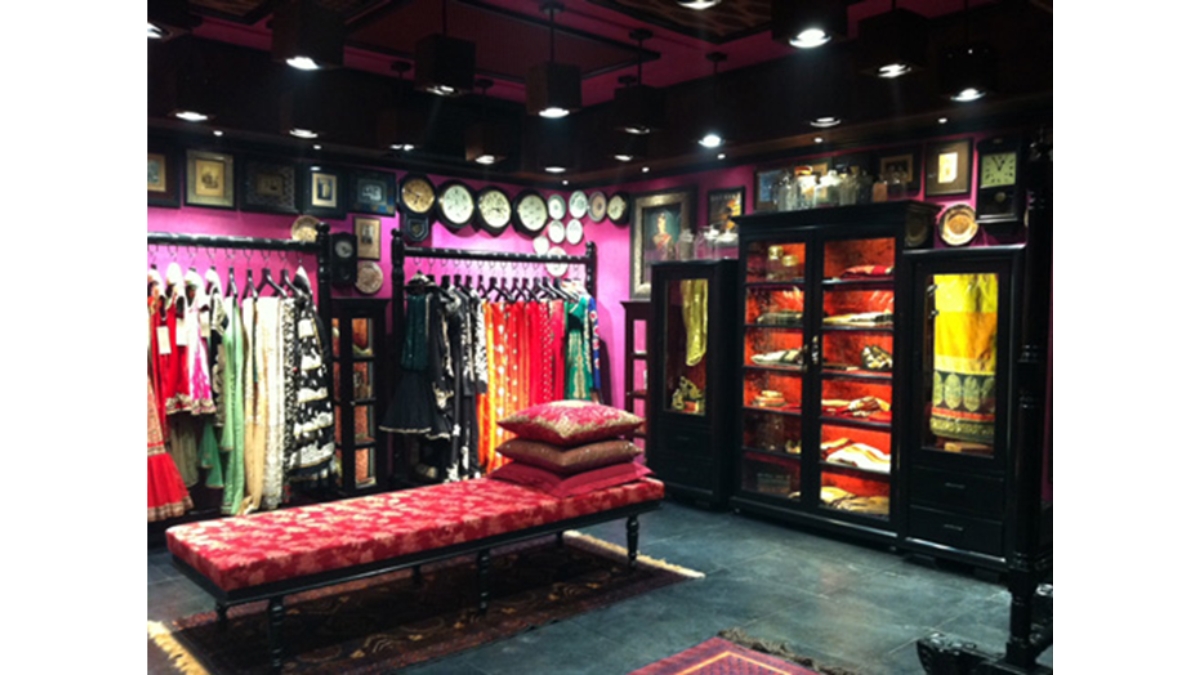
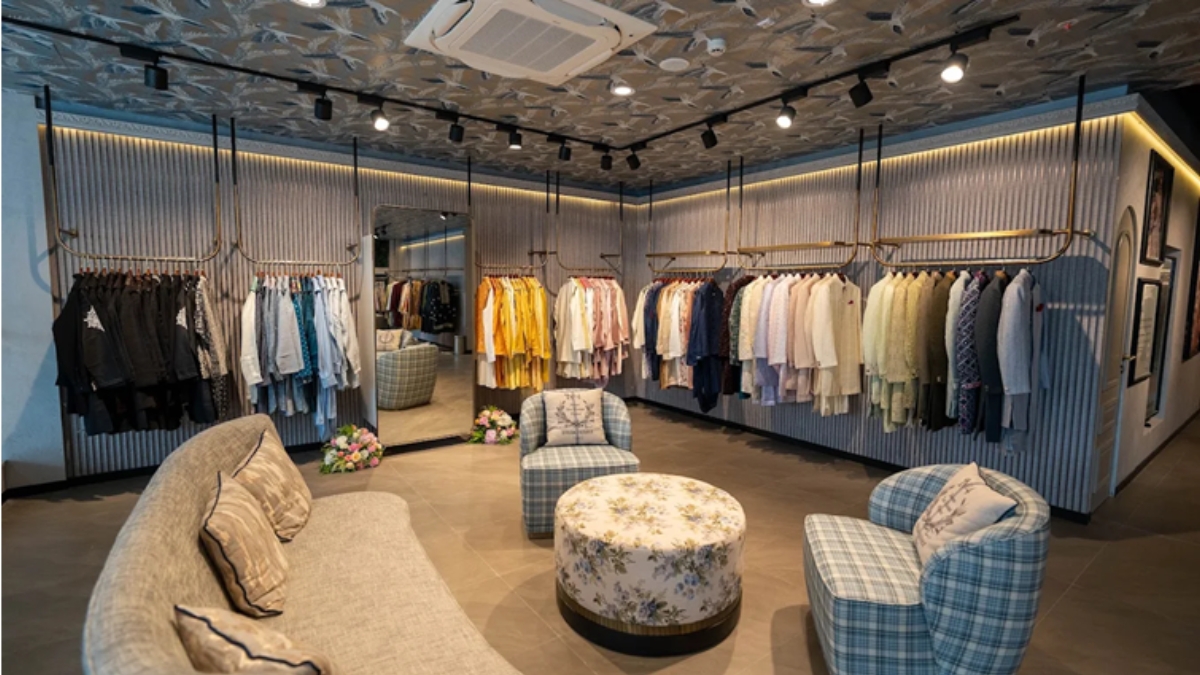
    Kalpraag has rapidly become a phenomenon in Hyderabad’s fashion scene, not just for what it offers, but for what it represents. The store has reimagined men’s ethnic wear into an art form – a careful balance of culture and cutting-edge craftsmanship. Situated in the heart of the city, Kalpraag’s space feels like a temple of style, offering a curated collection of eloquent sherwanis, Nehru jackets and exquisitely crafted kurtas that are nothing short of masterpieces.

    Each piece is steeped in detail – luxe fabrics, flawless tailoring, and silhouettes that exude quiet power. Kalpraag’s strength lies in its control, every thread, every panel, every button placement is intentional. Their design language commands attention. In just over a year, the Kalpraag has become the No. 1 ethnic wear brand in India and has built a cult following of men who don’t just want to dress well, they want to dress with distinction. For grooms, dignitaries, and style purists alike, Kalpraag exudes eloquence boldly and with pride.

    2. Sabyasachi

    Sabyasachi’s Hyderabad flagship brings high-fashion Indian heritage to the local menswear scene. Known globally for couture-level craftsmanship, the label offers intricately embroidered sherwanis, luxe bandhgalas, and heritage kurtas that speak of old world nobility fused with contemporary styling. Every button and motif carries a story, perfect for grooms or event attendees who want couture distinction woven into every fibre.

    3.Kalki

    Kalki may be more prominent in women’s fashion, but its Hyderabad presence includes a growing menswear section that deserves attention. Known for its dramatic detailing and bridal-friendly aesthetics, Kalki’s ethnic wear for men mirrors its women’s line: bold, shiny, and built for the big day. It’s not for the understated dresser, but if you’re a groom or a guest who wants to make a visual impact, Kalki has enough punch to put you front and center in any frame.

    4. Pernia’s Pop-Up Studio

    For fashion connoisseurs with a taste for the extraordinary, the Pernia’s Pop-Up Studio in Hyderabad is a curated dreamscape of India’s top designer labels. Housing everything from contemporary couture to heritage-inspired lehengas, this studio is a one-stop destination for the style-savvy. Whether you’re shopping for a wedding, a festive soirée, or just a touch of glamour, the space offers a seamless blend of luxury, variety, and personalization. It’s a place where the city’s fashion-forward go to make statements.

     5. Tarun Tahilani

    For those willing to go all out, Tarun Tahiliani’s Hyderabad flagship is pure fashion indulgence. Known for opulent textures, sculpted silhouettes, and regal embroidery, his menswear line is one of the most luxurious in India. From dramatic sherwanis to statement jackets, every piece is crafted with old-world richness and modern elegance.This is not a store you visit casually. It’s where Hyderabad’s elite come for wedding attire, fashion events, and once-in-a-lifetime moments.

    6. Raghavendra Rathore

    Raghavendra Rathore’s menswear label has a noted presence in Hyderabad and is celebrated for reviving the Bandhgala jacket with global refinement. His bespoke sherwanis and bandhgalas are meticulously cut, blending Jodhpur’s elegant structure with Indian aristocratic lineage. It’s a perfect match for style-driven men seeking modern classicism rooted in heritage.

    7. Rahul Mishra

    Rahul Mishra’s debut standalone store in Hyderabad is a landmark for couture connoisseurs. The store showcases both his couture line and the ready-to-wear. If you view clothing as art, his intricate, nature‑inspired menswear blending botanical embroidery, texture play and global craft is a must‑visit. This is where couture and cultural craftsmanship converge.

    Hyderabad’s menswear scene is as diverse as the city itself. From ultra-luxury labels to old-school royalty and everyday staples, the city has something for every style, size, and celebration. Whether you’re shopping for your wedding or just want a wardrobe refresh with Indian flair, these stores deliver on quality, experience, and presence.

    8. Tasva

    Tasva, the brainchild of designer Tarun Tahiliani and Aditya Birla Fashion, has swiftly gained traction in Hyderabad for bringing couture sensibilities to a wider audience. The store offers men’s ethnic wear with designer-level detailing, from structured sherwanis and asymmetric kurtas to rich bandhgalas and festive jackets. Every piece feels refined, yet remains accessible in terms of pricing and availability. What makes Tasva a standout is its ability to cater to the Indian man who wants designer polish without going full couture.

    9. Manyavar

    Manyavar’s Hyderabad stores offer exactly what the brand is known for – festive menswear with high visibility and mass appeal. Think jewel-toned sherwanis, intricately embroidered jackets, and well-fitted kurtas in every shade imaginable. The stores are well-organized, the staff know what they’re doing, and the options are tailor-made for wedding shoppers who want style without too much guesswork. Manyavar’s sheer range and availability make it one of the most dependable stops for ethnic wear in the city.

    10. Raymond

    Raymond might be known primarily for its formal suits and fabric legacy, but its Hyderabad stores also carry a surprisingly strong ethnic collection for men. With a growing focus on Indo-western fashion, Raymond has infused its signature tailoring precision into kurtas, Nehru jackets, and festive formalwear. What makes Raymond stand out is its fit-first approach. You’re not just buying ethnic wear, you’re getting garments cut to perfection.

    If you have any objection to this press release content, kindly contact pr.error.rectification@gmail.com to notify us. We will respond and rectify the situation in the next 24 hours.

  • Dopamine’ by Robbie Raay: Simple Life Inspiring Stories, That Stir the Soul

    Dopamine’ by Robbie Raay: Simple Life Inspiring Stories, That Stir the Soul

    New Delhi [India], July 15: Crafted with simplicity and purpose, Dopamine brings together inspirational and virtuous tales that reflect everyday life. Each story is a gentle reminder that the most meaningful moments often arrive unannounced—and that purpose, perseverance, and quiet courage shape our true journey.

    In a fast-paced world where digital gratification reigns supreme, Robbie Raay invites readers to pause, reflect, and reconnect with the simple joys of life through his book Dopamine. A heartwarming collection of short, inspirational stories, this book springs from the author’s deep-rooted love for storytelling—one that began in the serene hills of Himachal Pradesh, where he was lovingly raised by his parents alongside his elder brother in a home brimming with compassion, laughter, and values.

    Now based in Delhi and balancing a full-time career with motivational lectures and storytelling workshops, Robbie has always found meaning in life’s quiet moments. Dopamine isn’t just a book—it’s a heartfelt endeavour to instil virtues in the younger generation. Drawing from snippets, anecdotes, and reflections penned since his teenage years, the stories within this collection resonate with universal themes: resilience, purpose, gratitude, and the courage to dream.

    Our next generations are smart and driven,” Robbie shares, “but while reaching for their goals, it may be worthwhile to notice the simple things in life. Life happens as we move through it, and we are the true creators of our destiny.

    Each story in Dopamine is like a gentle nudge from the universe—a reminder that life’s most significant moments often arrive unannounced, that providence favors those who persevere with quiet faith. These are not grand epics, but subtle tales where the ordinary becomes extraordinary through perspective.

    As Robbie puts it, “I would be honoured if the content of my book is able to motivate even one person to strive for excellence in their lifetime.” His purpose, clearly, is not fame but impact. He encourages readers to engage, reflect, and even write to him with their thoughts at robbieraay@gmail.com, welcoming every heartfelt conversation his stories may spark.

    Whether you’re a young adult seeking guidance, a dreamer navigating uncertainty, or simply someone who cherishes the beauty of life’s small wonders, Dopamine promises to be a pleasurable and meaningful read. And for Robbie, this is just the beginning—he plans to continue writing short stories that echo the profound simplicity of being human.

    Now available on Amazon: https://www.amazon.in/dp/B0DPFTXHZ1

    • Follow him on Instagram: @robbie.ray
    • For feedback or queries, reach out at: robbieraay@gmail.com

    If you have any objection to this press release content, kindly contact pr.error.rectification@gmail.com to notify us. We will respond and rectify the situation in the next 24 hours.

  • Sanchita Shetty, Rakhi Shah & Tara Kerkar Honoured with Doctorates by St. Mother Therasa University, Australia – Presented by Indian Media Works

    Sanchita Shetty, Rakhi Shah & Tara Kerkar Honoured with Doctorates by St. Mother Therasa University, Australia – Presented by Indian Media Works

    Coimbatore (Tamil Nadu) [India], July 15: International Honorary Doctorate Ceremony was held on July 12th at Hotel Vijay Elanza, Coimbatore, where outstanding individuals from across India were honoured for their exceptional contributions in various fields, on the recommendation of John Amalan, MD of Indian Media Works, also specially graced by Dr Leema Rose Martin. The prestigious recognition was conferred by St. Mother Therasa University (Australia), affiliated to the Cambridge School of Distance Education, UK.

    Among the esteemed recipients was Rakhi Shah, Managing Director of the Magenta Group of Companies, who was awarded an Honorary Doctorate in Business Leadership for her visionary role in infrastructure development and her dedication to philanthropy.

    Sanchita Shetty, a well-known actress and motivational speaker from Chennai, received Honorary Doctorate in Youth Leadership Service for her dynamic efforts in promoting wellness, positivity, and Indian culture among the youth.

    Tara Kerkar, a fearless social activist from Goa, was honoured with a Doctorate in Social Welfare for her tireless work toward justice, women’s rights, and public welfare.

    Rtn Aparna Sunku, a social entrepreneur and animal welfare advocate from Coimbatore, was recognized with an Honorary Doctorate in Social Entrepreneurship for her multifaceted contributions to fashion, compassion, and community service.

    Harpreet Singh Anand alias Tony Singh, fondly known as “Punjab Tamilan,” received the Honorary Doctorate in Social Welfare for his relentless humanitarian work, from COVID-19 relief to cultural preservation and social activism.

    Smriti, a 26-year-old changemaker and founder of Graphixite, received an Honorary Doctorate in Marketing Management for her groundbreaking work in digital innovation, youth empowerment, and social entrepreneurship.

    Lastly, Vijay G.T, founder of the Talent Hunt Group in Goa, was presented the Honorary Doctorate in Business Management for his inspiring journey as an entrepreneur who has nurtured talent and created impact in the fields of hospitality and education.

    The evening stood as a powerful celebration of service, leadership, and innovation—organized by Indian Media Works.

    If you have any objection to this press release content, kindly contact pr.error.rectification@gmail.com to notify us. We will respond and rectify the situation in the next 24 hours.

  • Top 10 Popular Ethnic Wear Brands in India

    Top 10 Popular Ethnic Wear Brands in India

    New Delhi [India], July 15: Ethnic wear in India is not simply attire. It is a tapestry of stories, philosophies, and craftsmanship that traces centuries of tradition. In a time where mass production often overshadows meaning, certain brands continue to honor the roots of Indian dressing while pushing the boundaries of design. Others simply ride the cultural wave without offering anything deeper than fabric and flair.

    This is not a watered-down roundup. This is a discerning take on who is truly shaping Indian ethnic fashion. We have cut through the fluff to spotlight the top 10 ethnic wear brands in India, ranked by cultural relevance, design innovation, quality and style quotient.

    1. Kalpraag

    Kalpraag has swiftly carved a throne for itself in the world of men’s ethnic fashion, effortlessly fusing traditional Indian sensibilities with contemporary finesse. It doesn’t follow trends, it authors them. Within a remarkably short span, the brand has captivated the market with its bold design language, immaculate tailoring and a distinct sense of refined masculinity that’s both rooted and refreshingly current.

    From resplendent kurtas to finely structured Nehru jackets, from experimental yet riveting sherwanis to enchanting jodhpuris, Kalpraag offers a meticulously curated wardrobe for the modern Indian man. Each garment exudes a quiet opulence – rich in detail, yet never ostentatious. The craftsmanship is uncompromising, with precision cuts, graceful drapes and fabric choices that feel indulgent on the skin. In an industry often saturated with excess, Kalpraag offers eccentric elegance.

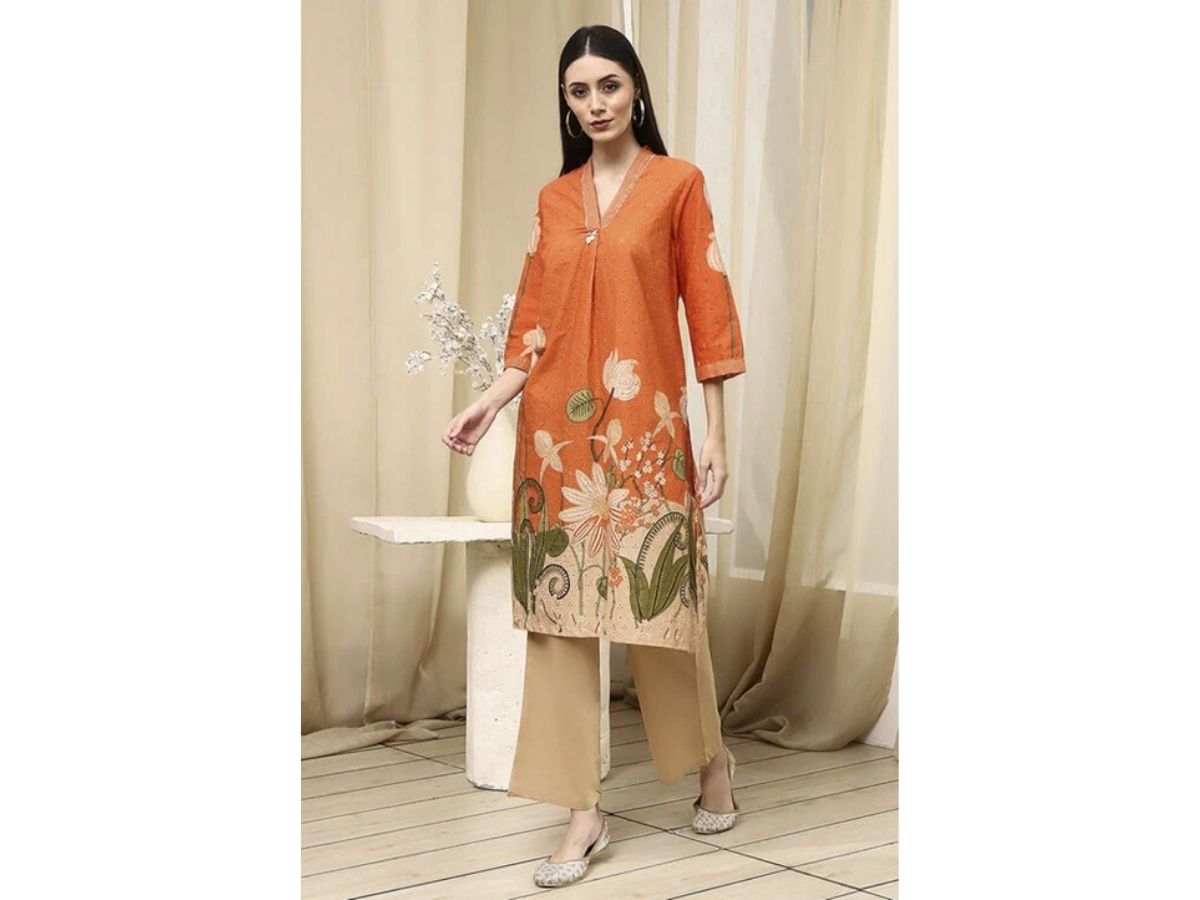
    2. Biba

    Biba has become a mainstay in Indian wardrobes for good reason. It delivers ethnic fashionthat is accessible, presentable, and delightfully versatile. You can walk into a Biba store and find a complete look for a wedding function, a casual Friday at work, or even a festive day at college. It does not claim to be high couture. Instead, it champions everyday wearability while still embracing celebratory prints, flowing forms, and modest charm.

    The strength of Biba lies in its ability to cater to a wide demographic without losing a distinctly Indian essence. While it may not dazzle the fashion purist, Biba delivers what the modern Indian woman often seeks.
    3. Manyavar

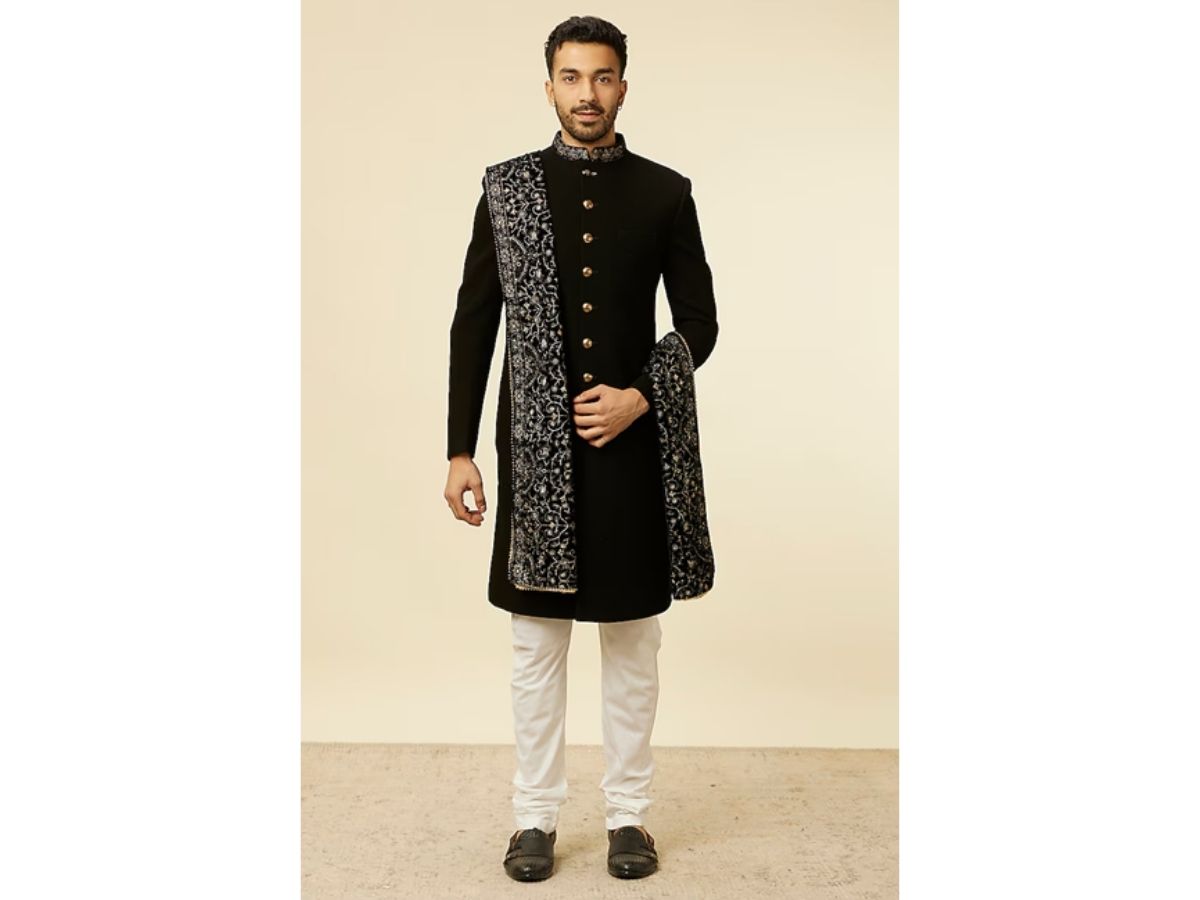
    Manyavar has become synonymous with wedding wear for Indian men. It has almost monopolized the market when it comes to sherwanis, bandhgalas, and celebratory ethnic menswear. Manyavar thrives because it understands the emotional weight carried by wedding attire in Indian culture. It gives grooms the theatricality they crave without making them feel overwhelmed. The fit, the fabric, the finish, everything is engineered to make you look like you belong on a throne.

    The design language is rich, occasionally bordering on flamboyant, but always rooted in tradition. The embroidery is ornate and unapologetically decorative.
    4. Kalki

    Kalki is the brand for women who do not believe in subtlety. It offers a dizzying array of ethnic wear that is high on embellishment and louder than your average sangeet playlist. From embroidered lehengas dripping with sequins to dramatically flared gowns masquerading as ethnic wear, Kalki is the fashion equivalent of a grand stage performance. It does not whisper elegance. It shouts glamour with every crystal-studded panel.

    What sets Kalki apart is its intuitive grasp of what Indian millennials want to wear when the flashbulbs go off. It is a brand built for Instagram, for bridesmaids who want their moments, for cocktail nights where traditional aesthetics meet modern fantasy. It is not always refined, but it is reliably dramatic.
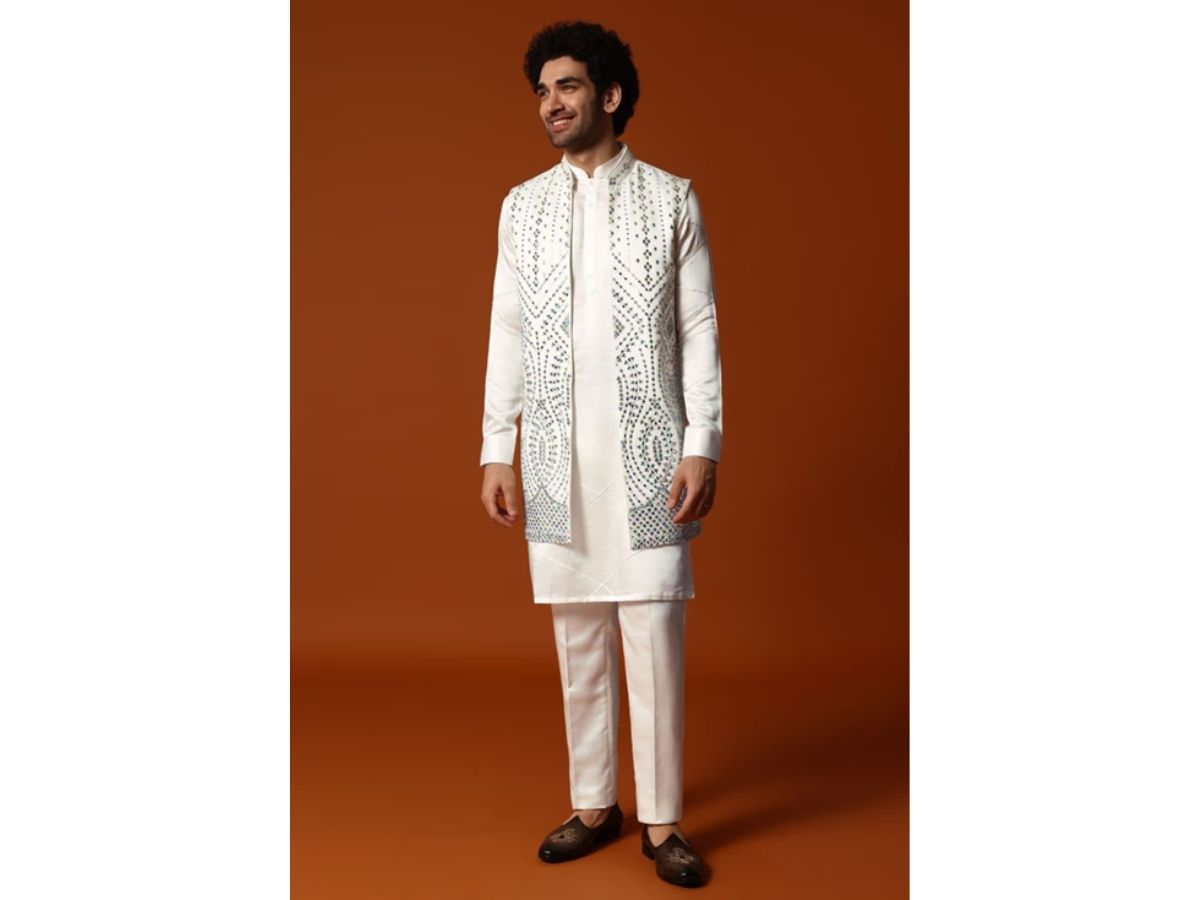
    5. Fab India

    Fab India is not fashion. It is culture, commerce, and community stitched together. The brand’s core strength lies in its devotion to Indian handicrafts. Every piece you find at Fab India feels grounded, as though it carries the soul of a village woven into its fibers. You do not buy a kurta here for trends. You buy it for the hand-spun cotton, the natural dyes, and the whisper of the artisan who made it.

    It offers quiet dignity, ethical choices, and heritage you can wear to work, to brunch, or to a Diwali gathering. It is the thinking person’s ethnic brand.
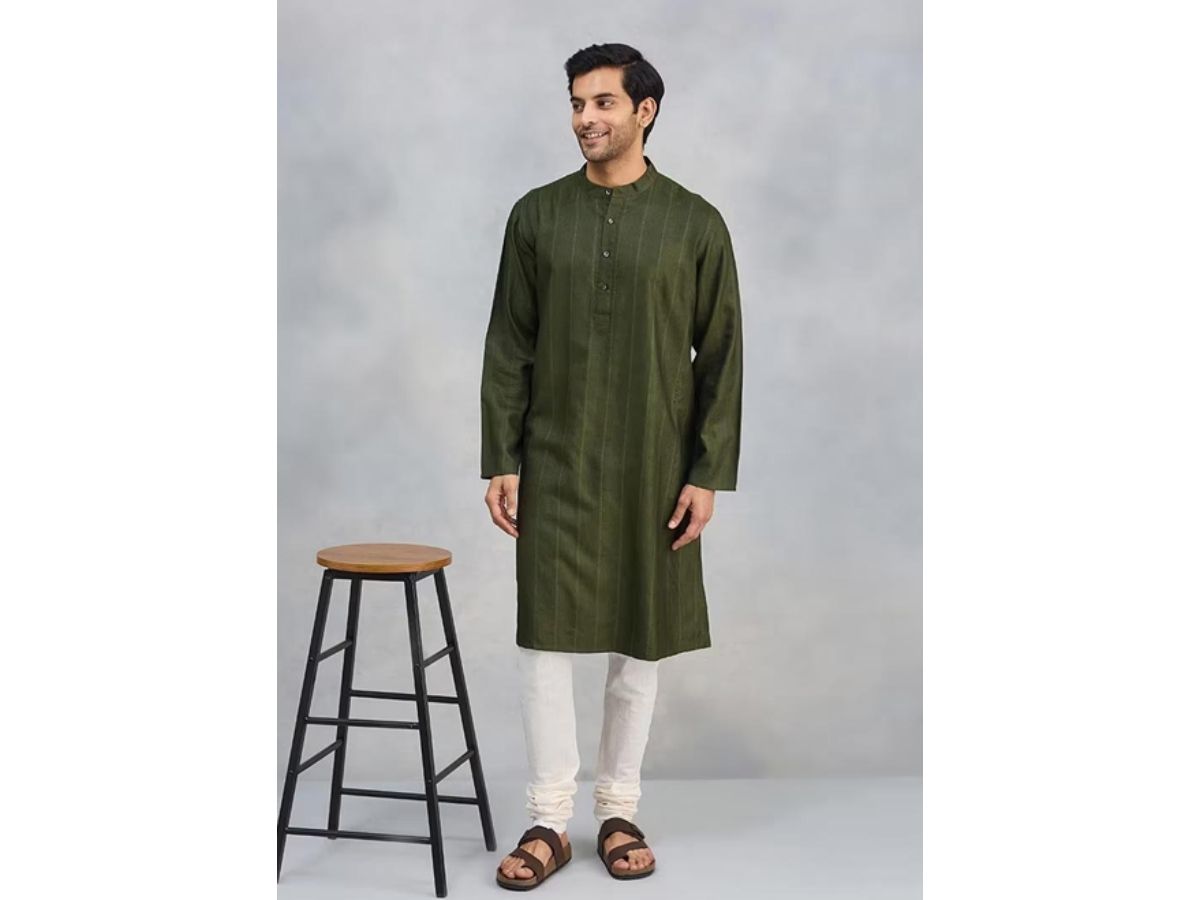
     

    6. Rahul Mishra

    Rahul Mishra does not design garments. He curates visual conversations. Each collection is layered with stories from rural India, told through needlework so intricate, it feels alive. What makes Mishra stand apart is his ability to bridge two worlds: the hyper-local traditions of Indian craftsmanship and the refined theatricality of international haute couture.

    These pieces are not garments to be worn casually. They are statements, collectibles, museum-worthy in some cases. While his work is revered by critics and fashion connoisseurs, it is not for the average consumer.
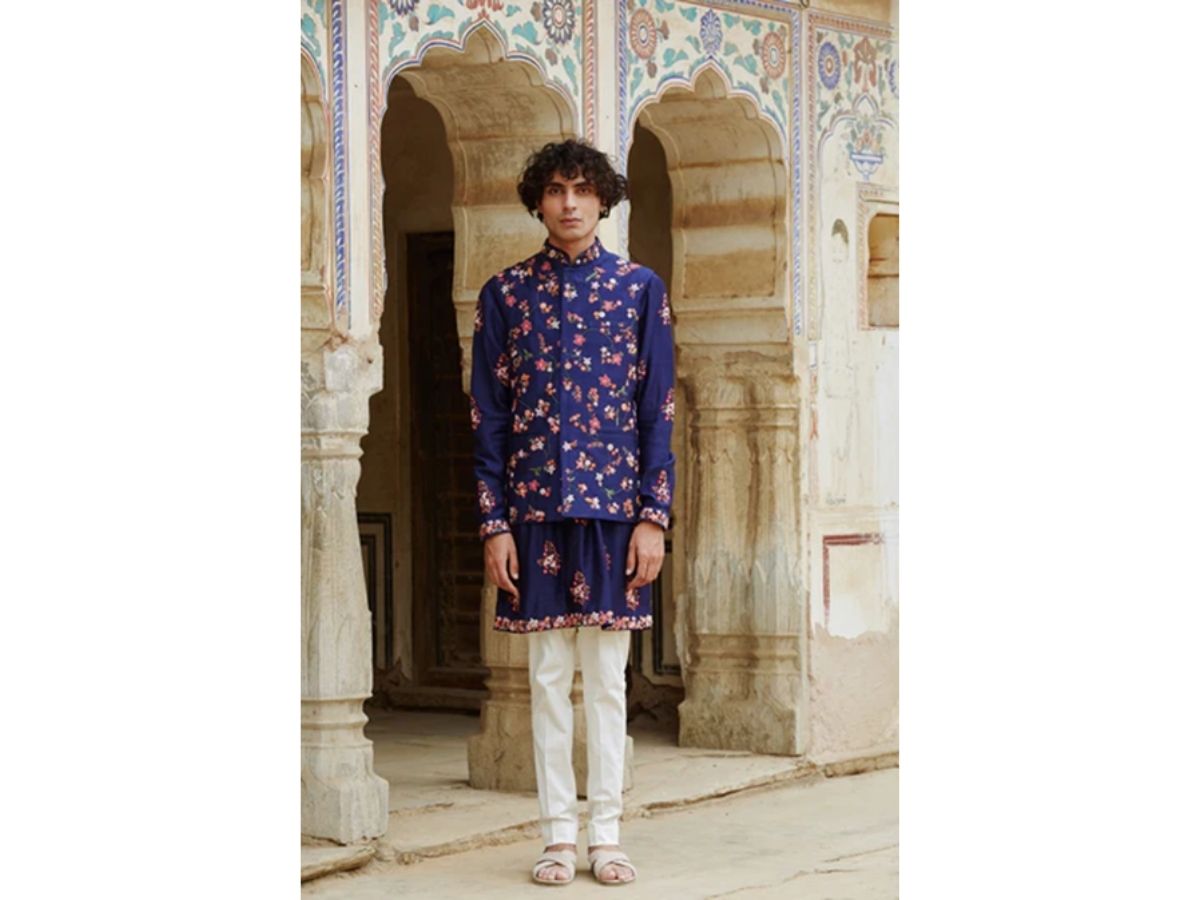
    7. Shantanu & Nikhil

    Shantanu & Nikhil do not dress the traditionalist. They dress the reformist. Their aesthetic combines historical Indian silhouettes with razor-sharp tailoring and modern silhouettes. There is a persistent sense of drama in their designs. From military-inspired jackets to draped dhotis that resemble runway-ready armor, their pieces embody resistance as much as reverence.

    The brand has built a cult following among urban professionals, grooms looking for non-standard wedding attire, and women who want edge in their drapes. They believe in reinterpretation, and they do it with surgical precision.
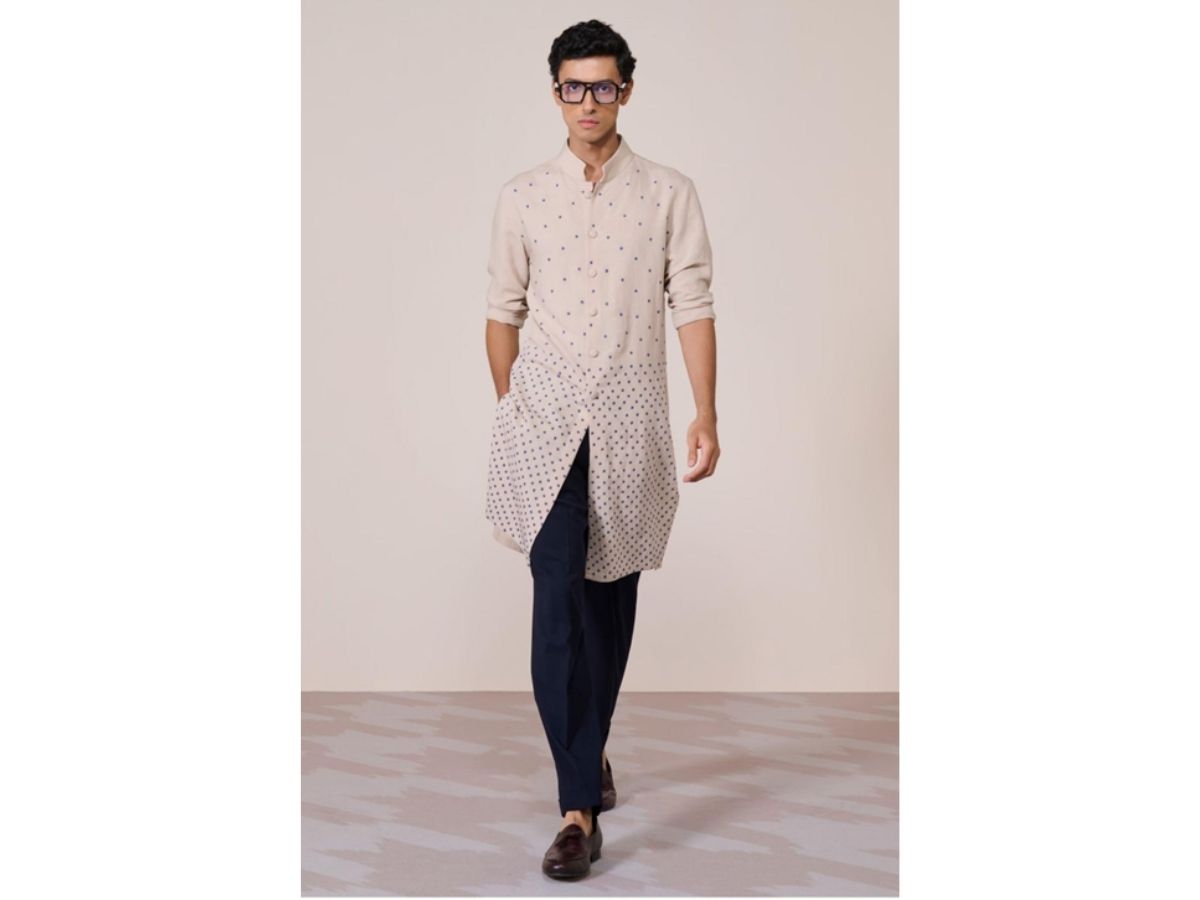
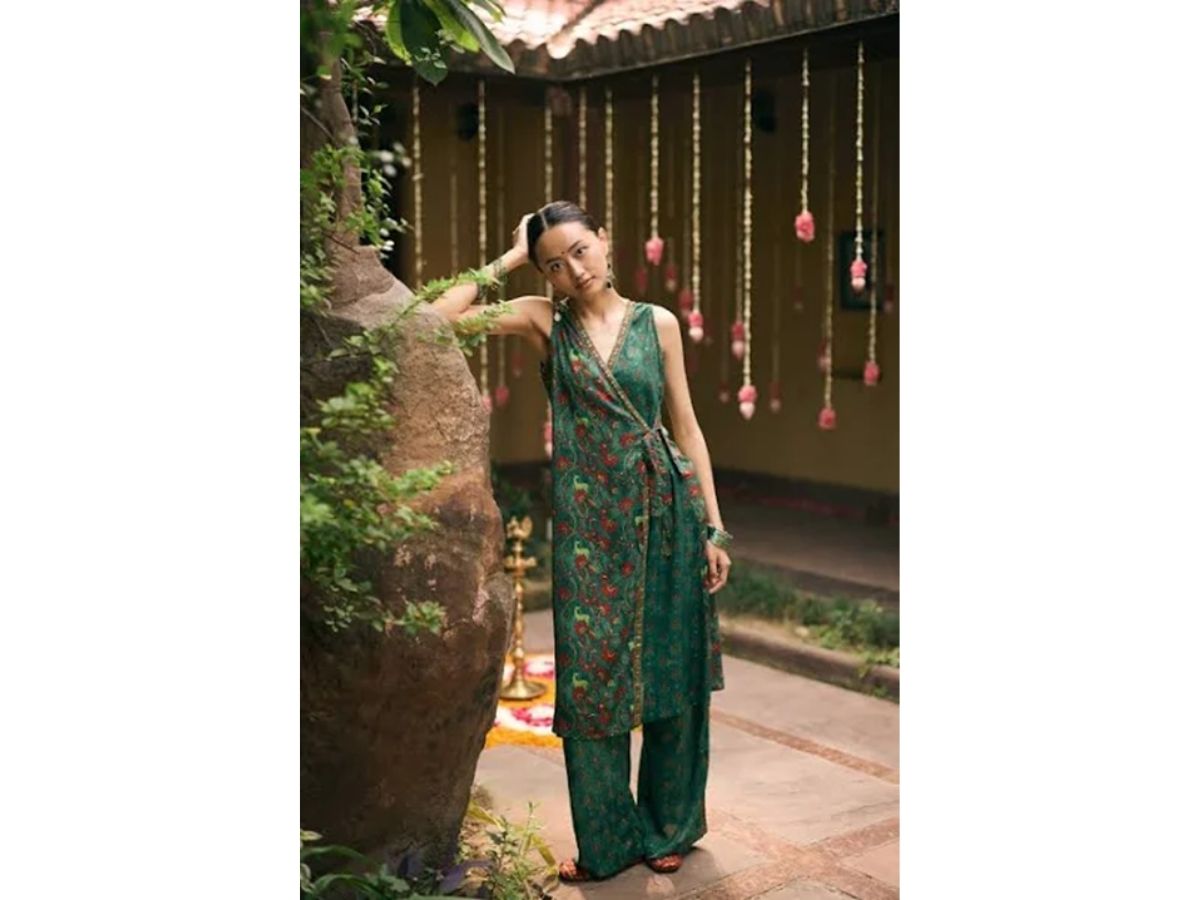
    8. Global Desi

    Global Desi is for the dreamers and wanderers. It speaks to the girl who travels with a journal in her tote bag and jhumkas in her pocket. The brand blends desi prints with relaxed western cuts to create Indo-fusion that feels effortless and expressive. Tunics, flared pants, boho dresses with tribal prints—these are not outfits for ceremonies but for everyday self-expression.

    It may not offer deep heritage, but Global Desi offers freedom. The silhouettes are flowy and the styling is always spirited. It is the perfect wardrobe companion for college students, young professionals, and anyone who wants to stay rooted without losing their edge.


    9. Anushree Reddy

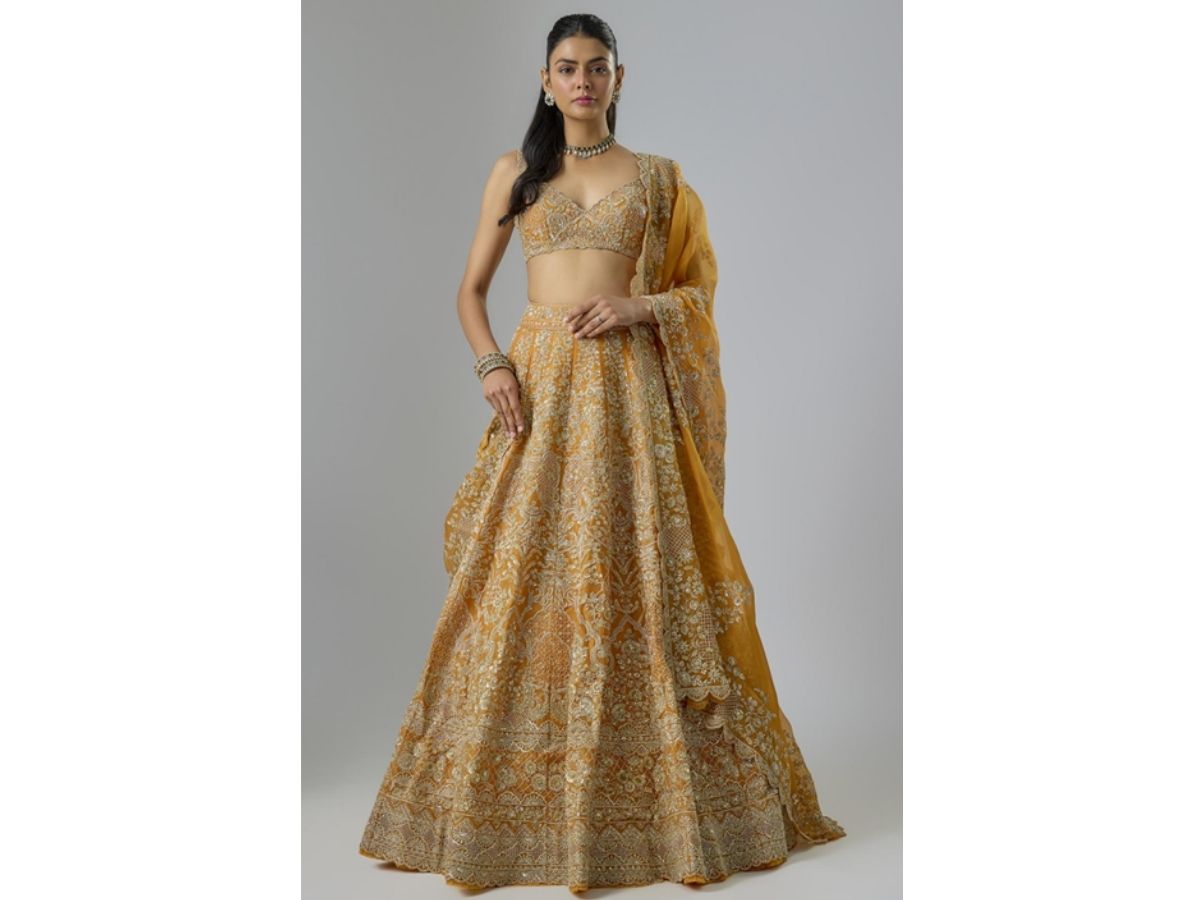
    Anushree Reddy’s designs are the embodiment of soft luxury. Her lehengas often feature delicate florals, soothing pastels, and embroidery that feels as light as air. There is a distinctly bridal tone to her work, but it never crosses into garish territory. Instead, it feels like a whispered poem stitched into fabric.

    She leans heavily into femininity, and her creations are built for sunlit weddings, outdoor festivities, and moments that demand grace over grandeur. Her pieces have an old-world charm with a modern sensibility, making them perfect for brides who want to feel beautiful without being buried under their outfit. Anushree Reddy makes dreamwear, not drama.
    10. Ritu Kumar

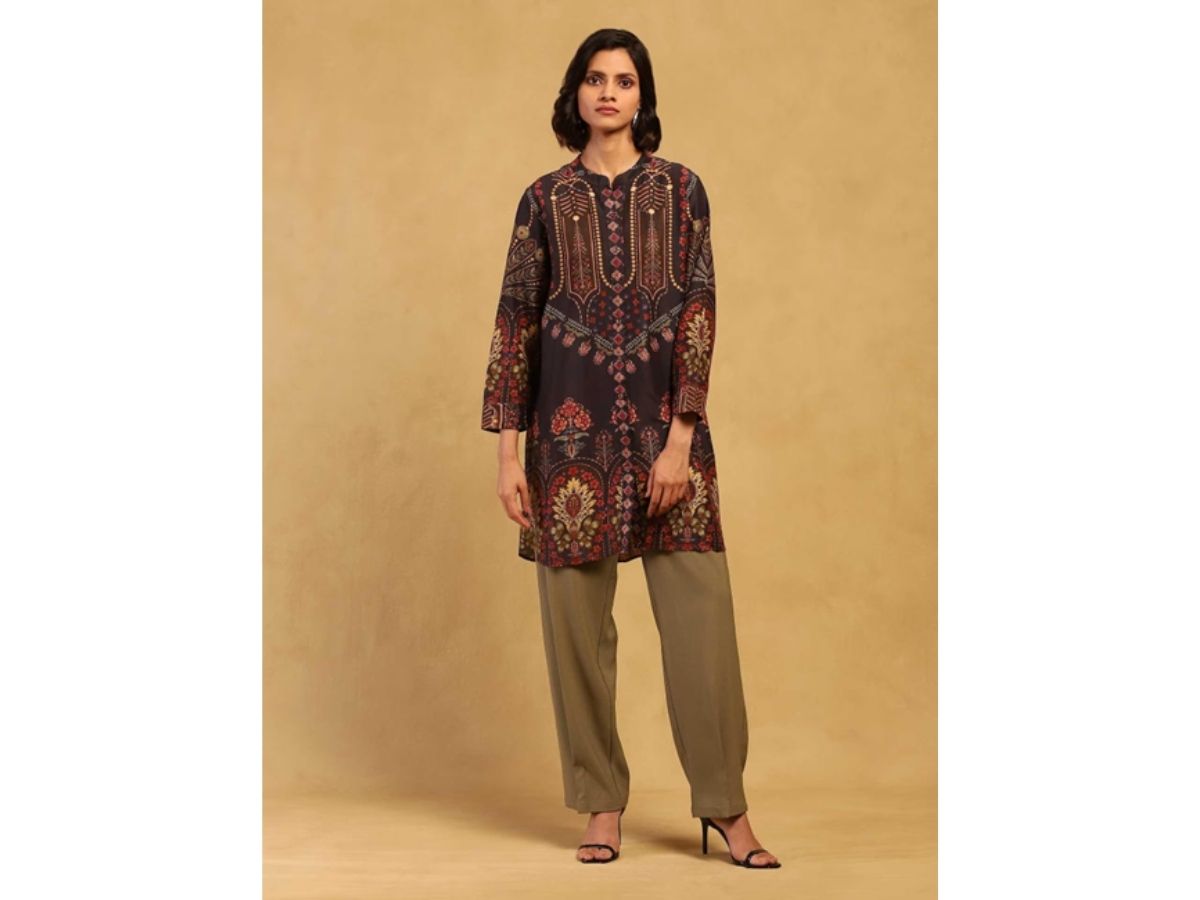
    Ritu Kumar is the original authority in Indian fashion. Long before fashion weeks and Instagram boutiques, she was reviving ancient techniques and translating them into modern form. With deep roots in India’s textile heritage, her work has always showcased craftsmanship with purpose. From traditional block prints to handloom saris, her collections have depth and dignity.

    In recent years, the brand has attempted to evolve with new lines that speak to younger audiences, but its strength remains in its archive-inspired pieces. When you wear Ritu Kumar, you are wearing history tailored for the present. The designs may sometimes feel more conservative compared to newer labels, but the quality and authenticity remain unparalleled.
     

    Ethnic fashion in India is no longer just “festive wear.” It’s personal and powerful. While many brands serve tradition with a side of glamour, only a few elevate it into an experience of presence, confidence and clarity. So the next time you reach for something ethnic, don’t just pick what’s trending. Pick what transforms you.

    If you object to the content of this press release, please notify us at pr.error.rectification@gmail.com. We will respond and rectify the situation within 24 hours.

  • Rudra Ecovation Showcases Anaura at Textile Fair India (TFI) 2025

    Rudra Ecovation Showcases Anaura at Textile Fair India (TFI) 2025

    New Delhi [India], July 15: Rudra Ecovation Ltd, Asia’s largest vertically integrated recycling facility, participated in the Textile Fair India (TFI) held at Bharat Mandapam, Pragati Maidan, from July 10-12, 2025. The three-day event saw the who’s who of India’s textile and fashion industry, including major players like Reliance, coming together to explore sustainable innovations for the future.

    Rudra Ecovation is India’s only integrated plastic recycling plant with a capacity to recycle over 8.8 million PET bottles each day, saving approximately 1.4 lakh metric tonnes of CO₂ emissions annually. Fabric Production capacity of 3,20,000 Sq. Mt. each day. At the event, the company showcased its flagship upcycled fabric innovation, Anaura.

    Anaura versatile range of fabrics are widely used in fashion apparel, sportswear, and home furnishings, and is available in both 100% sustainable and blended fabric options. Not only sustainable, Anaura also meets the best international quality standards, making it the preferred choice for premium brands worldwide.

    Rudra Ecovation displayed its recent merchandise collaborations for global giants Ferrari and Shell, underlining Anaura’s versatile application and premium quality. Leading Indian brands like Octave have also adopted Anaura for their product ranges.

    Equipped with the latest European machinery and advanced AI & ML-based quality control systems, Rudra Ecovation is rapidly becoming the top preference for high-quality premium recycled fabrics in both domestic and global markets. Their commitment to India’s China Plus One strategy is evident, as the company strengthens its position as a reliable import substitute. With UK export markets opening up for textiles, Rudra Ecovation stands to benefit significantly, backed by its unique product range and massive production capacity of 3,20,000 sq. m. of Anaura fabric each day.

    Speaking about the event, a company spokesperson said: “Textile Fair India (TFI) provided an excellent platform to highlight Rudra Ecovation’s commitment towards circular economy solutions. Anaura represents our dedication to creating high-quality, eco-conscious fabrics that empower brands to meet their sustainability goals without compromising on design or comfort.”

    About Rudra Ecovation:

    Rudra Ecovation is a pioneer in India’s recycling and sustainability landscape. With a fully integrated recycling setup, it transforms used PET bottles into high-quality recycled fibres and fabrics. Its diverse product range includes:

    • Anaura – premium recycled fabrics for fashion, sports, and furnishings
    • Recycled polyester staple fibre (PSF)
    • Recycled PET flakes
    • Yarns for textile and industrial applications
    • Non-woven carpets for automotive, flooring, and industrial use

    By innovating at scale and adopting cutting-edge technologies, Rudra Ecovation enables brands to switch to sustainable alternatives seamlessly and cost-effectively, supporting India’s journey towards self-reliance and environmental stewardship.

    For more information, visit www.rudraecovation.com

    If you object to the content of this press release, please notify us at pr.error.rectification@gmail.com. We will respond and rectify the situation within 24 hours.