Author: Sutun Nayak

  • The Importance of the ‘Right Fit’ in Family Office Hiring and Why the Skill Sets Are Different

    The Importance of the ‘Right Fit’ in Family Office Hiring and Why the Skill Sets Are Different

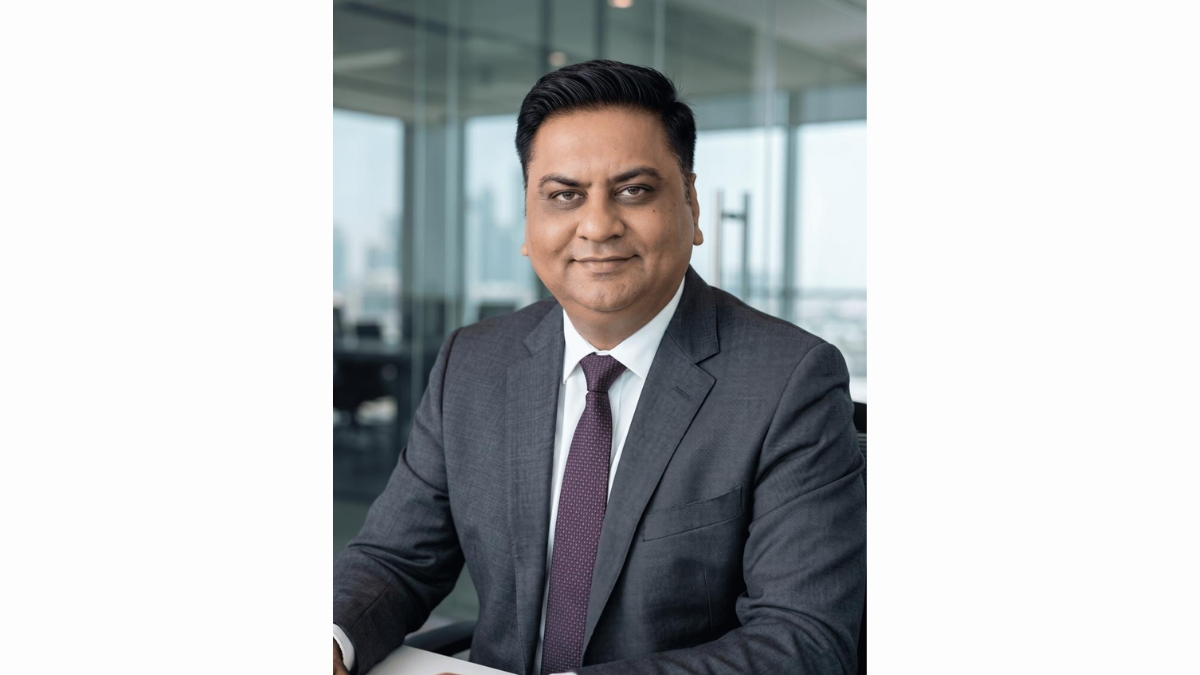
    Soumik Bandyopadhyay, Founder & Managing Director of Soumik Bandyopadhyay Advisors Pvt. Ltd. (SBAPL)

    New Delhi [India], May 13: Over the last decade, as family offices in India have evolved from informal setups into more structured institutions, one question continues to surface repeatedly in my work with business families: Why does hiring for a family office not work the way it does in a corporate environment?

    On paper, the answer seems simple. Family offices require professionals with strong financial, legal, or investment expertise. Naturally, families tend to hire from investment banks, consulting firms, or corporate leadership pipelines. Yet, despite strong credentials, many such hires struggle to deliver impact in a family office environment. This is not a question of capability. It is a question of fit.

    Family offices operate in a fundamentally different context. They are not just financial entities. They sit at the intersection of capital, control, relationships, and legacy. Hiring for such an environment requires a shift in thinking, one that goes beyond resumes and technical skill sets.

    Why Traditional Hiring Frameworks Fall Short

    In a corporate setup, hiring is built around clearly defined roles, measurable outcomes, and structured reporting lines. Performance is tracked through metrics, and accountability is aligned with organizational goals. A family office rarely offers that clarity.

    The role itself is often evolving. The reporting structure may be informal. The decision-making process may involve multiple family members across generations. Expectations are not always articulated in measurable terms. In many cases, the success of a role is judged not by outputs alone, but by how effectively the individual navigates complexity.

    When professionals enter such an environment expecting corporate clarity, they often find themselves disoriented. Not because the system is weak, but because it is fundamentally different. The mistake is assuming that a strong corporate performer will automatically transition into an effective family office professional. In reality, the two environments demand very different capabilities.

    The Nature of Work in a Family Office

    A family office is not just managing money. It is managing outcomes that extend beyond financial returns.

    A single decision may involve multiple layers. It could affect asset allocation, family relationships, long-term succession plans, and even reputational considerations. The same individual may be required to evaluate an investment, participate in governance discussions, and facilitate alignment between family members. This creates a non-linear work environment.

    Unlike corporate roles, where specialization is valued, family office roles often require breadth. The ability to connect different aspects of a problem becomes more important than deep expertise in one function. More importantly, the work is not always transactional. It is often relational.

    The Central Role of Judgement

    One of the most underestimated requirements in family office hiring is judgment. In corporate environments, decisions are often supported by data, processes, and escalation frameworks. In a family office, many decisions sit in grey areas. There may not be a clear right or wrong answer.

    For example, a purely financial decision may suggest exiting an asset. However, that asset may have legacy significance for the family. The decision then becomes more complex. It requires balancing financial logic with emotional context.

    This is where judgment matters. Professionals who rely only on analytical frameworks may find it difficult to operate effectively in such situations. Those who can interpret context, anticipate consequences, and communicate with sensitivity are more likely to succeed.

    Managing Ambiguity as a Core Skill

    Ambiguity is not an exception in a family office. It is the default.

    Roles are not always clearly defined. Priorities may shift. Decisions may evolve based on discussions rather than processes. Professionals are expected to operate without complete information and still move things forward. This requires a different mindset.

    In corporate settings, ambiguity is often seen as a problem to be resolved. In family offices, it is something that needs to be managed continuously. The ability to remain effective without rigid structures becomes a critical capability. This is where many technically strong professionals struggle. They are used to clarity. When that clarity is absent, performance suffers.

    The Trust Factor

    If there is one factor that defines success in a family office, it is trust.

    Family offices deal with highly sensitive information. Financial structures, ownership details, personal relationships, and succession plans are often discussed within a small circle. Any breach of trust, even if unintended, can have long-term consequences. Trust is not built through competence alone.

    It is built through consistency, discretion, and alignment. Professionals must demonstrate that they can handle information responsibly, communicate thoughtfully, and act without bias. Unlike corporate environments, where authority comes from position, in a family office, influence comes from trust.

    The Conflict of Incentives

    Another important distinction lies in the nature of incentives. Corporate environments are designed to encourage growth. Professionals are rewarded for expanding revenues, entering new markets, and taking calculated risks. This naturally creates a bias toward action and expansion.

    Family offices operate with a different objective. Their primary focus is preservation and continuity. While growth is important, it is not pursued at the cost of stability. Risk is something to be managed carefully, not aggressively pursued.

    This creates a mismatch for professionals who are accustomed to growth-driven environments. Their instinct may be to push for expansion, while the family’s priority may be to protect capital.

    Understanding this shift is essential. Hiring decisions must account for whether a candidate’s mindset aligns with the objectives of the family office.

    Emotional Intelligence Is Not Optional

    Family offices operate in environments where decisions are influenced by relationships, history, and perception.

    Generational differences often come into play. The founding generation may prioritize preservation and control, while the next generation may seek innovation and diversification. These differences are natural, but they require careful handling. Professionals in a family office must be able to navigate these dynamics.

    This is where emotional intelligence becomes critical. The ability to listen, interpret unspoken concerns, and communicate in a way that builds alignment is essential. Without this, even well-intentioned decisions can create friction. In many cases, the role of a family office professional extends beyond execution. It includes facilitating conversations that may otherwise not happen.

    Why Experience Alone Is Not Enough

    It is often assumed that senior professionals with extensive experience will naturally adapt to family office roles. While experience is valuable, it does not guarantee effectiveness. Experience built in structured environments does not always translate into unstructured ones.

    Professionals who have operated across diverse contexts tend to adapt better. Those who have been exposed to advisory roles or have worked closely with decision-makers often understand the nuances better. However, even experienced professionals require a period of adjustment.

    The family office environment demands patience. It requires understanding before action. Those who are willing to invest time in this process tend to perform better over the long term.

    Building Teams, Not Just Hiring Individuals

    Family offices are typically small in size, which makes each hiring decision significant. Unlike large organizations, where underperformance can be absorbed, a mismatch in a family office can disrupt the entire setup. It can affect not just output, but also the working environment. This makes it important to think beyond individual hiring.

    Families need to focus on building cohesive teams. Complementary skill sets are important, but alignment in values and approach is equally critical. A team that works well together can manage complexity far more effectively than a group of high-performing individuals working in isolation.

    The Cost of Getting It Wrong

    Hiring the wrong person in a family office is not just a performance issue. It can have broader implications. It can slow down decision-making. It can create misalignment between stakeholders. In some cases, it can even lead to a loss of trust within the system.

    Correcting such situations is not easy. Replacing individuals is possible, but rebuilding trust takes time. This is why hiring needs to be approached carefully. The focus should not be on filling a role quickly, but on finding the right fit.

    Rethinking What “Right Fit” Means

    The concept ofright fit” in a family office is often misunderstood as cultural alignment. While that is important, it is only one part of the equation.

    The right fit combines multiple elements. It includes technical competence, but also judgement, adaptability, discretion, and the ability to operate in ambiguity. It requires alignment with the objectives of the family office and an understanding of the environment in which it operates.

    Most importantly, it requires a willingness to engage with complexity. There are no standard templates for success in a family office. Each setup is unique, shaped by the family it serves. Hiring must reflect that uniqueness.

    A More Thoughtful Approach to Hiring

    As family offices continue to evolve, hiring will become an increasingly important determinant of their effectiveness. The conversation needs to move beyond credentials and experience. It needs to focus on how individuals think, how they operate, and how they engage with complexity.

    In my experience, the most effective family office professionals are not always the most technically accomplished. They are the ones who understand context, exercise judgement, and build trust over time. The difference between a functional family office and an effective one often comes down to the people who operate it. Getting that right is not easy. But it is essential.


  • Bahwan CyberTek Launches Agentic AI-Powered Managed Services Platform in partnership with iFIX Tech Global

    Bahwan CyberTek Launches Agentic AI-Powered Managed Services Platform in partnership with iFIX Tech Global

    Redefining IT operations with 80% automation and 23% reduction in IT incidents

    Chennai (Tamil Nadu) [India], May 12: Bahwan CyberTek (BCT), a global digital transformation and AI-driven technology solutions company, today announced a strategic partnership with iFIX Tech Global to launch an Agentic AI-powered managed services platform. This initiative marks a decisive shift in how enterprise operations are delivered and experienced, targeting 70-80% ticket automation, a 40% reduction in managed services costs, and 99.9% SLA compliance.

    By combining BCT’s F3AI (Fit for Future AI) managed services framework with iFIX’s GYAANi platform, the partnership brings together intelligence and execution in a way that enables systems to not just detect and decide, but also to act autonomously. The result is a new operating model for enterprise IT. One that is self-healing, continuously learning, and fundamentally outcome-driven.

    Interestingly, these outcomes do not come from replacing existing systems. Instead, the platform orchestrates seamlessly across ITSM, ERP, and business applications, enabling enterprises to unlock greater value from their current investments. This approach eliminates the need for large-scale transformation programs while accelerating time-to-impact.

    The commercial model underpinning this shift is equally significant. Traditional IT operations scale linearly with effort, where increased demand drives higher costs. This Agentic AI-powered managed services platform from BCT and iFIX breaks that dependency. As operational volumes grow, costs remain controlled, creating a fundamentally different economics for managed services.

    “This partnership accelerates our vision of AI-first managed services,” said Saravanan Shanmugam, VP & Global Head of Managed Services at BCT. “F3AI was designed to make operations more predictable and efficient. With GYAANi’s agentic capabilities, we are now enabling enterprises to move beyond support models into systems that improve themselves over time.”

    Early deployments are already demonstrating the impact of this shift. Enterprises using the F3AI framework have seen meaningful reductions in incident volumes and resolution times, alongside improvements in service quality and user satisfaction. With the addition of GYAANi’s agentic intelligence, the combined platform is expected to drive significantly higher levels of automation while lowering the overall cost of operations.

    For iFIX Tech Global, the partnership represents an opportunity to bring its vision of unified AI-driven operations to a broader global market.

    “GYAANi rests on one conviction: discovery, decision, and execution belong together – not fragmented across tools,” said Subrata Mandal, Co-founder and CTO of iFIX tech Global“Our partnership with BCT brings this to enterprises globally, with the domain depth and delivery infrastructure that large-scale transformation demands.”

    The timing of this launch reflects a broader shift in the market. Agentic AI is rapidly moving from experimentation to enterprise adoption, with organizations looking to embed intelligence directly into their operational fabric rather than layering it onto legacy systems. In this context, managed services are being redefined, from effort-based delivery models to those built around measurable outcomes.BCT’s partnership with iFIX positions it firmly in this new category.

    Looking ahead, BCT and iFIX plan to expand the platform into industry-specific solutions across sectors such as banking, retail, and energy, while also advancing multi-agent systems capable of coordinating across business functions. The longer-term ambition is to set a new benchmark for what managed services look like in an AI-native enterprise.

  • AM/NS India’s Hazira Facility Produces ABS-Certified EQ70 Welded Pipes, Marking a Key Step for Offshore Manufacturing

    AM/NS India’s Hazira Facility Produces ABS-Certified EQ70 Welded Pipes, Marking a Key Step for Offshore Manufacturing

    Surat (Gujarat) [India], May 14: There are some developments in manufacturing that stay limited to technical circles, and then there are those that quietly signal a larger shift taking place inside the industry. AM/NS India’s latest achievement at its Hazira pipe mill appears to fall in the second category.

    The company has successfully manufactured EQ70 ultra-high-strength welded pipes using Submerged Arc Welding (SAW) technology and secured certification from the American Bureau of Shipping (ABS), one of the globally recognised authorities for offshore and marine standards.

    For the offshore engineering sector, this is not routine news.

    Pipes of this grade are usually associated with highly specialised applications and, in many cases, imported supply chains. Manufacturing them through a welded process while meeting strict offshore performance standards is considered technically demanding, which is why the development is drawing attention across steel and marine engineering circles.

    The work was carried out at AM/NS India’s Hazira-based Pipe Mill in Gujarat.

    EQ70 steel, broadly equivalent to API 5L X100Q grade, is designed for demanding offshore conditions. With a minimum yield strength of 690 MPa along with high toughness characteristics, the material is meant for environments where structures are exposed to extreme operational stress over long durations.

    The pipes are expected to be used in offshore applications such as jackup rig structures, leg bracing systems, and deepwater pipeline infrastructure.

    People familiar with offshore construction say the advantage of higher-strength grades like EQ70 is fairly straightforward. The stronger the material, the thinner and lighter the pipe can be without compromising structural performance. In practical terms, that can reduce weight loads, improve transport efficiency, and support more economical project execution.

    AM/NS

    Of course, manufacturing the material consistently is where the real challenge begins.

    High-strength steel welding leaves very little room for error. Heat management, weld integrity, toughness retention, and long-term reliability all have to work together. Even minor inconsistencies can affect performance, especially in offshore environments where operating conditions are unforgiving.

    According to people associated with the project, the development process took nearly a year.

    The Hazira team reportedly went through multiple welding trials, metallurgical studies, process refinements, validation exercises, and extensive testing before the pipes finally met ABS certification requirements.

    Internally, the project was treated less like regular production and more like a dedicated engineering programme.

    The significance of the development also extends beyond the technical aspect.

    For years, India’s steel industry has largely been associated with scale and production capacity. Increasingly, however, companies are trying to establish themselves in specialised manufacturing segments where technical capability matters as much as output volumes.

    That is where projects like EQ70 become important.

    AM/NS India believes the development can help reduce dependence on imported seamless pipes used in certain offshore applications, particularly products sourced from European suppliers.

    While imported material will continue to have a role in some categories, the availability of certified domestic alternatives could improve procurement flexibility for offshore contractors and engineering companies.

    The timing is also interesting.

    Globally, offshore exploration projects are becoming more complex as companies move toward deeper and more demanding operating environments. At the same time, energy and marine infrastructure projects are increasingly looking for materials that combine durability with lower structural weight.

    That demand naturally increases the relevance of advanced grades like EQ70.

    AM/NS

    AM/NS India says the Hazira facility is now positioned to supply these welded pipes to offshore markets internationally.

    The company, a joint venture between ArcelorMittal and Nippon Steel, currently operates with a crude steel capacity of 9 million tonnes per annum in India. It also maintains downstream facilities focused on value-added flat steel products and has a pellet capacity of 20 million tonnes.

    Within the broader steel sector, there is also a growing focus on materials linked to future energy infrastructure.

    AM/NS India has already started work on hydrogen transportation pipe grades using SAW technology, an area expected to gain relevance as countries expand investments in cleaner energy systems.

    Hydrogen transport infrastructure presents its own technical demands because of pressure sensitivity, material compatibility, and long-term durability requirements. Steelmakers capable of developing solutions early are expected to gain strategic advantages as the segment evolves.

    For Hazira, the EQ70 project adds another milestone to the facility’s growing role in specialised steel manufacturing.

    More broadly, it reflects a transition taking place within Indian manufacturing itself — from competing primarily on production scale to building credibility in advanced engineering and high-performance industrial applications.

    That shift may take time to fully play out, but developments like this suggest the direction is already becoming visible.

  • ABBS Ranked No. 1 Among Top BBA Colleges of Eminence and 6th Among Top Law Schools of Excellence in GHRDC Survey 2026

    ABBS Ranked No. 1 Among Top BBA Colleges of Eminence and 6th Among Top Law Schools of Excellence in GHRDC Survey 2026

    Bengaluru (Karnataka) [India], May 14: ABBS has once again strengthened its position as one of India’s leading higher education institutions with remarkable recognition in the prestigious GHRDC Survey 2026. The institution has been acknowledged for its exceptional contribution to management and legal education, earning top rankings at the national, state, and regional levels. The latest rankings reaffirm ABBS’s commitment to delivering industry-oriented education, academic innovation, and holistic student development.

    Rankings Achieved by ABBS in GHRDC Survey 2026:

    Acharya Bangalore B School (ABBS) – BBA

    • 1st Rank among Top BBA Colleges of Eminence in India
    • 5th Rank in the State of Karnataka
    • 6th Rank in the Southern Region

    ABBS School of Law – Law

    • 6th Rank among Top Law Schools of Excellence in India
    • 9th Rank in the State of Karnataka
    • 10th Rank in the Southern Region

    The recognitions were awarded by the Global Human Resource Development Centre (GHRDC), New Delhi, one of India’s leading education rating and assessment bodies. Institutions are evaluated on key parameters including academic quality, faculty excellence, placements, industry interaction, infrastructure, innovation, leadership development, and student outcomes.

    Acharya Bangalore B School has consistently distinguished itself through its future-focused curriculum, experiential learning model, industry collaborations, global exposure opportunities, and strong placement ecosystem. The institution continues to prepare students to excel in dynamic business environments through leadership training, live projects, entrepreneurial initiatives, and corporate engagement.

    Similarly, ABBS School of Law has emerged as a progressive centre for legal education by combining academic rigour with practical legal exposure. Through moot courts, legal aid initiatives, research-driven learning, and contemporary legal specialisations, the institution is nurturing socially responsible and professionally competent legal professionals.

    “Being recognised in the GHRDC Survey 2026 is a proud moment for the entire ABBS community. These rankings are a reflection of the collective dedication and hard work of our faculty, students, alumni, recruiters, and academic partners. At ABBS, we remain committed to building a culture of excellence, innovation, and impact-driven education that empowers students to become future-ready leaders,” said Mr. Ajitesh Basani, Executive Director, ABBS, Bengaluru.

    With these latest recognitions, ABBS continues to strengthen its position as one of India’s emerging centres of excellence in higher education, setting new benchmarks in management and legal studies while empowering students to become future-ready leaders.

    About ABBS

    ABBS is an autonomous institute affiliated with Bangalore University and approved by AICTE. ABBS is accredited by NAAC with an ‘A’ Grade for three consecutive cycles and by IACBE, USA for the second time. The programmes at ABBS are designed so that students gain nearly 70% of their learning outside the classroom. As an autonomous institution, ABBS regularly revises its curriculum to keep it innovative and aligned with industry expectations.

    If you object to the content of this press release, please notify us at pr.error.rectification@gmail.com. We will respond and rectify the situation within 24 hours.

  • Fredna Dental Systems Hosts Masterclass on Digital Dentistry in Clinical Practice in Mumbai

    Fredna Dental Systems Hosts Masterclass on Digital Dentistry in Clinical Practice in Mumbai

    Mumbai (Maharashtra) [India], May 14: Fredna Dental Systems, India’s largest player in digital dentistry solutions, successfully hosted a specialized Masterclass on Digital Dentistry in Clinical Practice on April 25 in Malad, Mumbai. The event brought together 35–40 practicing dentists from Malad, Goregaon, and surrounding areas to explore the latest advancements transforming modern dental care.

    The masterclass was designed to provide practical insights into digital dentistry and its growing role in improving diagnosis, treatment planning, and patient outcomes. The session was divided into three expert-led segments covering key aspects of contemporary clinical practice.

    The first session, How to Read a CBCT Scan, was conducted by Dr. Vinayak Shirsekar along with Dr. Reshma Saju. The speakers shared detailed guidance on interpreting CBCT scans and utilizing digital imaging for precise diagnosis and treatment planning.

    The second session, Guided Implant Surgery – An Introduction, was delivered by Dr. Ashlesha MaratheKshirsagar, who introduced participants to digitally guided implant procedures and the advantages of precision-driven implant dentistry.

    The final session focused on Aligners in Clinical Practice, presented by Dr. Sneha Karbelkar Mhatre. The session explored the increasing adoption of aligner-based treatments and the role of digital workflows in orthodontic care.

    Speaking on the occasion, Fredun Medhora, from Fredna Dental Systems, said:

    “Digital dentistry is rapidly redefining the future of oral healthcare in India. Through Fredna Dental Systems, our goal is to empower dental professionals with advanced technologies, practical education, and hands-on clinical knowledge that can elevate patient care standards across the country. We believe continuous learning and technology adoption are essential to bridging the gap between traditional and modern dentistry.”

    Fredna Dental Systems operates through eight centers across Mumbai and has been actively contributing to the advancement of digital dentistry in India through training initiatives, technology integration, and clinical education programs.

    Fredna Dental Systems is focused on introducing innovative digital solutions in diagnostics, implantology, aligner therapy, and advanced dental workflows. The organization aims to support dental professionals in transitioning from conventional methods to digitally enabled clinical practices.

    If you object to the content of this press release, please notify us at pr.error.rectification@gmail.com. We will respond and rectify the situation within 24 hours.

  • Country Club Expands Future Growth Vision Through Franchise Model; A Story of Humanity from Amrutha Castle Resonates Beyond Hospitality

    Country Club Expands Future Growth Vision Through Franchise Model; A Story of Humanity from Amrutha Castle Resonates Beyond Hospitality

    Hyderabad (Telangana) [India], May 14: Country Club, one of India’s leading leisure and hospitality brands, is steadily moving towards an ambitious phase of expansion through the franchise route, strengthening its footprint across multiple destinations in India and abroad. Known for creating premium lifestyle, entertainment, wellness, and hospitality experiences for its members over the years, the brand continues to evolve with a larger vision focused on growth, customer engagement, and experience-driven hospitality.

    Further strengthening its international lifestyle offerings, Country Club’s THAILAND MASTER CARD initiative has also emerged as one of the brand’s growing attractions, offering members access to curated travel and holiday experiences across Thailand while enhancing the brand’s global hospitality presence.

    Country Club

    As the company expands into newer markets, stories emerging from within its ecosystem continue to reflect the human side of hospitality that has shaped the brand’s journey over the years.

    At the heart of this journey stands Amrutha Castle — one of Hyderabad’s most iconic hospitality destinations. A property that once hosted former U.S. President George W. Bush also became a place of comfort, healing, and emotional support for families navigating some of life’s most difficult moments during the COVID years.

    One such story is that of Aarti Shourie Peter, a former media professional associated with leading organizations, including TOI, India Today, and Malayalam Manorama. Following the sudden loss of her husband during the COVID period, Aarti and her daughter found support, warmth, and a safe environment at Amrutha Castle during one of the most devastating phases of their lives.

    Expressing her gratitude to Rajeev Reddy, Aarti shares that the support extended to her and her daughter went far beyond hospitality.“It was not just a place for us to stay. It became a space where we could slowly breathe, heal, and rebuild our lives again,” she said.

    YouTube link

    Speaking about the philosophy behind hospitality, Rajeev Reddy stated, “Hospitality is not only about luxury or business. In difficult times, what truly matters is humanity, compassion, and standing beside people when they need support the most. If we can bring hope to someone during their darkest phase, that itself is meaningful.”

    Introducing The Country Club VIP Master Card Thailand

    Priced at 2,50,000/-, the membership offers exceptional value and PREMIUM INTERNATIONAL hospitality benefits.

    Core Benefits:

    • LIFETIME club membership
    • 30 YEARS Holiday Membership
    • 7-ACROSS Membership Access
    • 10 Days & 9 Nights FREE Stay between BANGKOK, PATTAYA & PHUKET at our franchise network Resorts (Option to split into 3 stays during validity OR use in one stretch)
    • Complimentary two-way FLIGHT Tickets for a Couple

    Upgrade Opportunity For Existing Members

    Existing Country Club members can upgrade to the COUNTRY CLUB VIP MASTER CARD THAILAND at a special price of 1 Lakh.

    Upgrade Benefits Include:

    • 30 YEARS Holidays
    • 7-ACROSS Membership
    • 10 Days & 9 Nights FREE Stay (BANGKOK, PATTAYA & PHUKET) at our franchise network resorts
    • FLEXIBLE USAGE to split into 3 stays or use in one stretch

    Elite Member Get Member Scheme

    Under the MGM (MEMBER GET MEMBER) scheme, any existing member of any category who introduces ONE New Member of COUNTRY CLUB VIP MASTER CARD THAILAND will be entitled to a FREE STAY of 6 Nights and 7 Days, between BANGKOK, PATTAYA, and PHUKET in our Franchise Network Resorts.

    As Country Club moves ahead with its future expansion plans and global lifestyle initiatives, stories like these continue to highlight the deeper values behind the brand — where hospitality is measured not only by experiences created, but also by lives touched.

    Website: www.countryclubindia.net

    For franchise enquiries and business collaborations:  

    Contact:

    Nirav 
    nirav@countryclubmail.com

    Hiram 
    hiram@countryclubmail.com

    If you object to the content of this press release, please notify us at pr.error.rectification@gmail.com. We will respond and rectify the situation within 24 hours.

  • World Human Rights Protection Commission (WHRPC) – Serving the Nation Since 2013 Through Human Rights Awareness and Social Service

    World Human Rights Protection Commission (WHRPC) – Serving the Nation Since 2013 Through Human Rights Awareness and Social Service

    New Delhi [India], May 14: Established in 2013, the World Human Rights Protection Commission (WHRPC) is a non-profit social organization dedicated to promoting human rights awareness, legal literacy, social service, and recognition of individuals contributing positively to society.

    For over a decade, WHRPC has actively worked across India through disaster relief initiatives, awareness campaigns, public welfare programs, and volunteer-driven social activities aimed at citizen empowerment and nation-building.

    Key Highlights

    Legacy of Service:
    Since 2013, WHRPC has conducted disaster relief operations, legal awareness camps, plantation drives, blood donation programs, and public welfare activities in different parts of India.

    Membership-Based Organization:
    WHRPC functions through a voluntary membership model where members participate in social service activities, awareness campaigns, training programs, and community development initiatives.

    Honorary Recognitions:
    Through its various councils, including the Honorary Doctorate Award Council and Bharat Gaurav Ratna Shri Samman Council, WHRPC recognizes individuals for exceptional contributions in social service, education, art, culture, entrepreneurship, and public welfare.

    No Academic Degrees:
    WHRPC and its councils do not provide academic qualifications such as PhD, MBBS, or any university-recognized degree. All recognitions conferred by the organization are purely honorary and intended to appreciate social and professional contributions.

    Transparency and Compliance:
    The organization states that all activities are conducted transparently and in accordance with applicable laws and organizational guidelines.

    Dr. Tapan Kumar Rautray, Chairman of WHRPC, said:

    “There is a misconception that we provide academic awards. We wish to clarify that WHRPC does not issue educational degrees. Our mission is to recognize genuine contributors to society and encourage citizens toward nation-building through social service and awareness activities.”

    About Bharat Gaurav Ratna Shri Samman Council

    The Bharat Gaurav Ratna Shri Samman Council operates under WHRPC to honor individuals for excellence in social service, art, culture, education, and entrepreneurship. The recognition is honorary in nature and intended as a civilian appreciation award.

    About WHRPC

    The World Human Rights Protection Commission (WHRPC), established in 2013, is a pan-India social organization committed to promoting human rights awareness, legal literacy, disaster response support, and citizen empowerment.

    Over the years, WHRPC volunteers have actively participated in flood relief efforts, pandemic support activities, awareness drives, and social welfare programs aimed at serving communities across the country.

    Core Activities

    • Human rights and legal awareness campaigns
    • Blood donation and health support drives
    • Plantation and environmental initiatives
    • Disaster management and relief support
    • Volunteer-based social service programs
    • Honorary recognition of social contributors
    • Training and awareness programs related to disaster management, RTI, and human rights

    Disclaimer: This is a sponsored article. The publisher is not responsible for the content, including the data and text. It has no role in its selection and is not liable for any actions taken based on this content.

  • Author Feature: Haresh Sippy — Engineering Insight Meets Reflective Wisdom in Many Hats, Many Insights

    Author Feature: Haresh Sippy — Engineering Insight Meets Reflective Wisdom in Many Hats, Many Insights

    Mumbai (Maharashtra) [India], May 14: BlueRose Publishers announces a book by Haresh Sippy, “Many Hats, Many Insights.” With this book, Haresh Sippy offers more than a book—he offers a lens through which to understand the complexity of modern existence, and a guide to navigating it with clarity, honesty, and purpose.

    In an age where specialization is often celebrated, Haresh Sippy stands as a compelling testament to the power of multiplicity. A master entrepreneur, technocrat, and filmmaker, Sippy has navigated diverse domains with remarkable ease—each role contributing to a reservoir of insights that now find expression in his debut book, Many Hats Many Insights.

    Sippy’s professional journey dates back to the mid-1970s, when he began manufacturing Sampling Bombs for Esso Refinery (now HPCL) and Oil and Natural Gas Corporation, contributing significantly to India’s import substitution efforts. His pioneering work in design technology and fabrication methodology, particularly in Shell & Tube Heat Exchangers, reflects a deep-rooted commitment to indigenous innovation. At the invitation of Caltex Refinery, he developed the technology for rolling titanium tubes. This achievement further propelled advancements in complex metallurgies such as Cu-Ni, Ni-Al-Br, and titanium, along with Monel weld deposits on CS tubesheet blanks.

    As the founder of Leo Engineering Works in 1975—the precursor to TEMA India—Sippy laid the foundation for what would become a key player in process equipment manufacturing. Today, as Chairman and Managing Director of Tema India Pvt Ltd., he continues to drive engineering excellence while fostering vocational training initiatives aimed at empowering underprivileged communities. His dedication to mentoring young engineers and addressing academic forums reflects his enduring commitment to knowledge-sharing and nation-building.

    Yet, beyond engineering and enterprise lies another dimension of Sippy’s persona—that of a storyteller. Under the creative identity of Tapan Ghosh, he explores experimental filmmaking through his distinctive “Scriptless Cinema” approach, delving into social narratives with a philosophical lens.

    Interestingly, writing was not a deliberate pursuit but an organic evolution. “I didn’t choose writing; writing chose me,” Sippy reflects. Decades of lived experience—across boardrooms, workshops, and film sets—naturally culminated in a need to articulate and structure his thoughts. While the act of writing the book may have taken months, the essence of Many Hats Many Insights has been shaped over a lifetime.

    The book itself is a profound exploration of the multiple roles we inhabit—professional, personal, and emotional, and the inherent tensions between them. Sippy introduces readers to a practical framework for navigating these complexities, particularly the interplay between ego and inner self, ethics and ambition. Rather than theoretical discourse, the narrative is grounded in applied thinking, offering clarity through real-world experiences.

    At its core, the book advocates for self-transparency as the cornerstone of better decision-making, meaningful relationships, and a balanced life. It is a reflection of Sippy’s belief that clarity of thought precedes clarity of expression.

    Beyond writing, Sippy continues to balance his responsibilities as a business leader and creative filmmaker, each domain enriching the other. And while Many Hats Many Insights marks his formal entry into the literary world, it is far from a conclusion. “Writing is now an extension of my thinking process,” he shares, hinting at future works that may delve deeper into themes such as self-awareness, decision-making, and the intersection of logic and intuition.

    For aspiring writers, his advice is both simple and profound: “Don’t try to become a writer—focus on becoming someone who has something meaningful to say.” In a world often preoccupied with polish, Sippy emphasizes authenticity and lived experience as the true drivers of impactful writing.

    Available on:
     https://www.amazon.in/stores/author/B0C7KBHNGG?ingress=0&visitId=fe706d20-f213-4440-b771

    If you object to the content of this press release, please notify us at pr.error.rectification@gmail.com. We will respond and rectify the situation within 24 hours.

  • AlgoMatic Hosts Traders Meet-up Hyderabad 2026: 150+ Traders Attend High-Impact Arbitrage Trading Seminar

    AlgoMatic Hosts Traders Meet-up Hyderabad 2026: 150+ Traders Attend High-Impact Arbitrage Trading Seminar

    Hyderabad (Telangana) [India], May 14: Continuing its mission to advance financial literacy and modern trading strategies, AlgoMatic successfully hosted the Traders Meet-up Hyderabad 2026, attracting over 150 traders from across India.

    The seminar focused on arbitrage trading strategies, a method widely used by institutional investors to generate consistent returns while minimizing market risks. Designed as an educational and awareness-driven initiative, the event provided valuable insights into how traders can leverage arbitrage opportunities to scale portfolios, protect capital, and achieve long-term growth.

    AlgoMatic’s experts explained that arbitrage trading is not based on speculation but on structured, data-driven systems followed by institutions globally. Attendees were introduced to practical strategies, real-time examples, and systematic trading approaches that align retail traders with institutional methodologies.

    “Arbitrage trading remains one of the most effective yet underutilized strategies among retail traders in India,” said an AlgoMatic representative. “Our goal is to empower traders with knowledge and tools that prioritize capital protection and consistent performance.”

    The session also highlighted how technology-driven platforms like AlgoMatic enable seamless participation in arbitrage opportunities through automation and algorithmic execution.

    With growing participation and strong engagement, the Hyderabad meet-up further reinforces AlgoMatic’s leadership in algorithmic trading, arbitrage strategies, and portfolio scaling solutions.

    For more information about AlgoMatic and its trading solutions, visit:
    https://algomaticbot.com/

    About AlgoMatic

    AlgoMatic is a rapidly growing fintech platform specializing in algorithmic trading, arbitrage strategies, and capital protection systems, helping traders adopt smarter, data-driven approaches to financial markets.

    If you object to the content of this press release, please notify us at pr.error.rectification@gmail.com. We will respond and rectify the situation within 24 hours.

  • Ratul Puri: Electricity Will Increasingly Become the Backbone of Economic Growth

    Ratul Puri: Electricity Will Increasingly Become the Backbone of Economic Growth

    Ratul Puri, Chairman of Hindustan Power

    New Delhi [India], May 14: Ratul Puri, Chairman, Hindustan Power, said that affordable and uninterrupted electricity availability will emerge as one of India’s biggest competitive advantages as the country enters a new phase of energy-intensive and digitally connected growth.

    Speaking at an event on the future of India’s power sector in New Delhi, Mr. Ratul Puri said electricity is increasingly becoming central to economic growth across sectors.

    “Electricity will increasingly become the backbone of economic growth across sectors ranging from transportation and manufacturing to digital infrastructure and data centres,” he said. “As economies become more energy-intensive and digitally connected, the demand for uninterrupted and affordable power is set to rise significantly across industries and households alike.”

    Highlighting the rapid pace of electrification across transportation, he noted that improvements in battery technologies and operating economics are beginning to make even heavy mobility applications commercially viable.

    “We are on an inevitable path towards electrification. The only uncertainty is the pace at which this transition takes place,” Ratul Puri added. “As the lifecycle economics of electric mobility continue improving, electrification in transportation will move very quickly.”

    He further pointed to the growing electricity demand that will emerge from AI-led digital infrastructure, data centres and distributed computing systems.

    “The next phase of growth will increasingly require compute and inference closer to consumers and businesses,” he said. “This will create a need for significant data centre capacity and dependable electricity infrastructure across the country.”

    Calling for long-term infrastructure planning, Mr. Ratul Puri said India should focus on building future-ready power capacity ahead of demand growth.

    “If electricity is going to become a key differentiator for economic growth, India should ensure there is adequate spare round-the-clock power capacity available,” he further added. “Affordable 24×7 power availability can become one of India’s biggest competitive advantages in the years ahead.”

    He also emphasised that India’s energy transition must focus equally on transmission systems, storage solutions and grid modernisation alongside generation capacity expansion.

    “Renewable energy expansion cannot rely only on daytime generation,” Mr. Puri said. “Battery and storage solutions will play an important role in enabling renewable power availability during non-solar hours.”

    Speaking on the future evolution of the electricity ecosystem, he highlighted the growing importance of distributed generation and smarter electricity networks.

    “The traditional grid structure will evolve significantly over the next two decades. Generation, storage and electricity distribution will increasingly move closer to the point of consumption.”

    On infrastructure development, Ratul Puri stressed the need for equitable PPP contracts, faster dispute resolution mechanisms and quicker resolution of land-related issues to support long-term investments.

    “Strong and equitable PPP contracts are critical for infrastructure sectors with long project lifecycles,” he said. “Alongside this, faster dispute resolution and digitisation of land records will remain important enablers for future infrastructure development.”

    Commenting on the sector’s progress, he noted that India’s electricity ecosystem has undergone significant transformation in recent years and continued policy support will remain important going forward.

    “With continued policy support and effective execution, India stands to benefit immensely in the years ahead,” he added.

    About Ratul Puri :

    Ratul Puri is the Chairman of Hindustan Power, an integrated power generation company with a strong presence in renewable and transitional energy. Over the years, Ratul Puri has been actively involved in developing large-scale energy infrastructure projects that support India’s growing power requirements and its transition toward cleaner energy sources.

    About Hindustan Power:

    Hindustan Power is a leading integrated power generation company in India with a focus on renewable and transitional energy generation. With a commitment to sustainability and innovation, the company has been an active contributor to India’s energy transformation.

    If you object to the content of this press release, please notify us at pr.error.rectification@gmail.com. We will respond and rectify the situation within 24 hours.