Category: Health

  • Doctor’s Day: Insights from Best Cardiologists on Heart Attacks in Young Adults

    Doctor’s Day: Insights from Best Cardiologists on Heart Attacks in Young Adults

    New Delhi (India), July 1: On Doctor’s Day, we turn our attention to a concerning trend: the rise of heart attacks among young adults. This alarming issue calls for insights from leading cardiologists to understand the underlying causes and preventative measures. Young adults, once considered low-risk for cardiovascular diseases, are increasingly experiencing heart attacks, driven by factors such as stress, poor lifestyle choices, and genetic predispositions. In this article, esteemed cardiologists share their expert opinions on why heart attacks are becoming more common in this age group and provide vital advice on how to mitigate these risks and promote heart health.

    Dr. Abhinit Gupta- MD, DM (AIIMS, Delhi) Gold Medalist, FIACM, FSCAI, Senior Consultant Interventional Cardiologist at Regency Health, Kanpur

    Dr. Abhinit Gupta, Senior Consultant Interventional Cardiologist at Regency Health, Kanpur, is a renowned expert in his field. After completing his DM Cardiology from AIIMS, New Delhi, he honed his skills at Max Hospital, Saket, before joining Regency Healthcare. His areas of expertise include STEMI care, primary angioplasty, trans-radial interventions, and structural heart disease interventions. Dr. Gupta excels in complex interventions, pacemaker and ICD implantation, peripheral & renal angioplasty, balloon valvotomy and TAVR. Known for his personalized approach and dedication to evidence-based medicine, Dr. Gupta has achieved impressive clinical outcomes for his patients. His contributions to understanding heart failure, acute coronary syndromes, and preventive cardiology have significantly impacted the field. Dr. Gupta strives for improved quality of life and survival for patients with cardiovascular disease, exhibiting leadership and commitment to excellence. His expertise is invaluable in addressing the growing concern of heart attacks in young adults.

    Dr. Rajinder Thaploo – MBBS, MD Medicine, DNB Cardiology, Senior Consultant & Interventional Cardiologist at Vivekanand Medical Institution, Palampur, Himachal Pradesh

    Dr. Rajinder Thaploo, Senior Consultant & Interventional Cardiologist at Vivekanand Medical Institution, Palampur, Himachal Pradesh, emphasizes the importance of lifestyle changes and regular medical check-ups for maintaining heart health and preventing heart attacks. He advises a diet rich in fruits, vegetables, whole grains, lean proteins, and healthy fats from fish and nuts while avoiding foods high in saturated and trans fats and controlling carbohydrate intake. Regular exercise, including 150 minutes of moderate or 75 minutes of vigorous activity weekly, along with muscle-strengthening exercises, is crucial. Weight management, smoking cessation, and limiting alcohol consumption to one drink a day for women and two for men are essential. Stress management through mindfulness, yoga, meditation, and adequate sleep is also vital. Dr. Thaploo stresses the importance of regular medical check-ups to monitor blood pressure (below 120/80 mm Hg), cholesterol levels (lower LDL, raise HDL), and diabetes (maintain HbA1c below 7%). Regular heart check-ups, including ECGs, are necessary to ensure heart health.

    Dr. Lal Daga – MBBS, DNB (Med.), DNB (Card) MNAMS, FESC (International), FEAC, Advanced Cardiology Training Programme (Seoul), Senior Consultant Interventional Cardiologist at Apollo Hospital, Ahmedabad

    “Heart attacks among young adults are becoming increasingly prevalent, and it’s a concerning trend,” says Dr. Lal Daga, a renowned cardiologist from Ahmedabad. “The primary causes are often linked to lifestyle factors such as poor diet, lack of exercise, and high-stress levels. Additionally, genetic predispositions and undiagnosed conditions can play significant roles. Young adults must be aware of the symptoms of a heart attack, which can include chest pain, shortness of breath, and sudden dizziness. Preventive measures, such as regular health check-ups, maintaining a balanced diet, exercising regularly, and managing stress, are essential for reducing the risk. As healthcare professionals, our goal is to educate the public on the importance of cardiovascular health and to provide the necessary support for those at risk. Early intervention and lifestyle modifications can save lives.” Prevention is better than cure and it’s equally important for the patient who has got the disease as well. Post-heart attack who got stenting or CABG are three times more likely to be at risk, emphasising the importance of prevention and regular follow up says Dr Lal Daga, senior interventional cardiologist at Apollo Ahmedabad.

    Dr. Upendra Bhalerao –  MS, MCh, DNB, FIACS, Consultant Cardiovascular thoracic and Transplant Surgeon at Jaslok Hospital and Research Center, Mumbai 

    “Premature obstructive coronary artery disease (CAD) has become a prime concern for patients and cardiac caregivers in India,” states Dr. Upendra Bhalerao, Consultant Cardiovascular Thoracic and Transplant Surgeon at Jaslok Hospital and Research Center, Mumbai. Premature CAD occurs before the age of 50, and Indians are particularly prone to this at a younger age. Approximately 50% of first heart attacks occur before 55 years, and 25% before 40 years. Acute coronary syndrome is the most common clinical presentation, with ST-segment elevation myocardial infarction (STEMI) being the most prevalent, followed by unstable angina, and non-ST-segment elevation myocardial infarction (NSTEMI). Investigations like exercise stress testing, stress echocardiography, and coronary angiography can identify young individuals at higher risk of CAD. Optimal medical management is essential to reduce recurrent CAD and mortality. CABG is a preferred option for severe CAD, especially in complex triple vessel disease or with impaired left ventricular function, particularly when associated with diabetes. The long-term durability of arterial grafts benefits patients for 25-30 years or more, reducing the risk of repeat procedures and improving outcomes.

    Dr. Bipin Chandra Aditya Dasari – Interventional Cardiologist at Rhythm Heart Institute, Vadodara

    “Cardiovascular disorders are among the leading causes of death globally, and the situation in India is particularly alarming due to genetic predisposition and high incidence of co-morbidities,” states Dr. Bipin Chandra Aditya Dasari, Interventional Cardiologist at Rhythm Heart Institute, Vadodara. Prevention is always better than cure, and early screening of patients with symptoms and co-morbidities is crucial for early diagnosis and treatment before cardiac damage occurs. Various screening methods, such as lipid profile, ECG, Echo, TMT, CT calcium score, CTCAG, and CAG, are available. Diagnosing cardiac diseases before significant events like myocardial infarction (MI) or heart failure can significantly improve patients’ quality of life. Key cardiovascular risk factors include hypertension, diabetes, dyslipidemia, smoking, excessive alcohol consumption, sedentary lifestyle, family history, and stress. “Screening is the key to preventing and managing cardiovascular disorders effectively,” emphasizes Dr. Dasari, highlighting the importance of early detection and proactive healthcare measures.

    Dr. I. V. Siva Prasad, MD Physician, PG Dip Clinical Cardiology, PCHF, PGCDM, EMBA, Yashoda Hospital, Hitec City, Hyderabad

    As we celebrate Doctor’s Day, Dr. I. V. Siva Prasad, a dedicated Cardiologist from Yashoda Hospital, Hyderabad, sheds light on the concerning trend of heart attacks among young adults. He stresses that lifestyle choices play a pivotal role, with factors like sedentary habits, unhealthy diets, and stress contributing significantly to early-onset cardiovascular issues. Dr. Prasad advocates for increased awareness among young adults about the symptoms and risks associated with heart disease. He also highlights advancements in diagnostic technologies, including AI-based cardiology diagnostics such as CT coronary calcium scores, strain echo imaging, and MRI. These technologies enable early detection and proactive management of cardiac health in younger patients, providing non-invasive insights into heart function and structure. Such innovations aid in assessing cardiovascular risk more accurately and facilitate the formulation of personalized treatment plans tailored to each patient’s unique health profile. Through his insights, Dr. Prasad aims to empower young adults to prioritize heart health through lifestyle modifications and proactive medical care, ensuring better outcomes and improved quality of life in the face of this growing health challenge.

    Dr. Amit Munjal – MBBS, MD, DNB, Cardiologist at Munjal Multispeciality Hospital, Fatehabad

    “Heart attacks in young adults are an increasingly alarming issue, and it’s vital to understand that they pose a serious threat, comparable to those in older age groups,” states Dr. Amit Munjal, MD, DNB, Cardiologist at Munjal Multispeciality Hospital, Fatehabad. “At Munjal Multi-speciality Hospitals, we have observed a worrying rise in cardiovascular diseases among individuals in their 20s and 30s. The main contributors to this trend are lifestyle factors such as unhealthy diets, lack of physical activity, smoking, and elevated stress levels. Unfortunately, young adults often ignore early warning signs, mistaking them for less severe health problems. It’s essential to raise awareness about the importance of regular medical check-ups and the adoption of a heart-healthy lifestyle, which includes balanced nutrition, regular exercise, and stress management. Prevention, early detection, and timely intervention are key to combating this trend. On this Doctor’s Day, let’s commit to prioritizing heart health and educating the younger generation about the risks of heart attacks and the steps they can take to prevent them. By doing so, we can significantly reduce the incidence of heart attacks in young adults.”

    Dr. Yogendra Singh – M.D., D.M. (Cardiology), FSCAI (USA) Director Interventional Cardiology; Fellow Interventional Cardiology Catharina Hospital, Holland; Fellow interventional Cardiology Asan Medical Centre, Seoul; Fellow Complex Angioplasty (CTO) Yokohama-City Eastern Hospital, Japan

    Heart attacks occur at a younger age in Indians, with one-fourth of all acute Myocardial Infarctions (MIs) reported in patients below 40 years. In Asian Indians, the risk of heart attack is 3-4 times higher than Americans, 6 times higher than Chinese, and 20 times higher than Japanese. Projections suggest that by 2030, a large number of Indians having heart attacks will be under 40 years old. Several risk factors contribute to this, including smoking, high cholesterol, diabetes, sedentary lifestyle, and hypertension. However, many victims do not have identifiable risk factors, pointing to genetics as a significant cause. There is an urgent need to spread awareness about heart attacks, their symptoms, and early recognition in the community. Any young individual experiencing chest pain or gas-like symptoms should not ignore it until an ECG is obtained. Timely diagnosis and treatment, such as clot busters and emergency stenting, can be life-saving.

    Dr. S. S. Murthy – MBBS, DNB, MNAMS, Director & HOD Cardiology at Ayushman Hospital, New Delhi

    The incidence of heart attacks among young adults, particularly those aged 20 to 50, has risen significantly in the past decade. Approximately 20% of heart attack patients are now in this age group. Factors contributing to this increase include smoking, substance abuse, lifestyle changes, obesity, diabetes, hypertension, and poor mental health. Smoking rates are climbing among both males and females, while substance abuse, including cocaine and marijuana use, is also rising. Lifestyle changes such as lack of physical activity, increased consumption of junk food, and disrupted sleep patterns lead to obesity, diabetes, and hypertension. India, known as the diabetes capital, sees a growing number of young diabetics, while early-onset hypertension is linked to obesity and stress. To reduce the risk, young adults should stop smoking and substance abuse, adopt a healthy lifestyle, exercise regularly, avoid junk food and aerated drinks, detect and treat diabetes and hypertension early, manage stress, and practice yoga and meditation.

    Dr. Amjad Ali – Senior Consultant Cardiologist at Sagar Multispeciality Hospital, Bhopal

    Heart health is paramount, especially among young adults, who often overlook the risk of heart attacks due to a misconception that cardiovascular issues are exclusive to older populations. In reality, lifestyle factors such as poor diet, lack of exercise, smoking, and high-stress levels can significantly increase the risk of heart disease in younger individuals. Early detection and intervention are key to preventing serious outcomes. As a Senior Consultant Interventional Cardiologist, I emphasize the importance of regular check-ups, maintaining a healthy lifestyle, and being aware of your heart health. Small changes in daily habits, such as incorporating physical activity, eating a balanced diet rich in fruits and vegetables, avoiding tobacco, and managing stress through mindfulness or other techniques, can make a profound difference. On this Doctor’s Day, let’s take a moment to prioritize our heart health and work towards a future where heart attacks in young adults are a rarity, not a common occurrence. By being proactive and informed, we can all contribute to a healthier, heart-conscious generation.

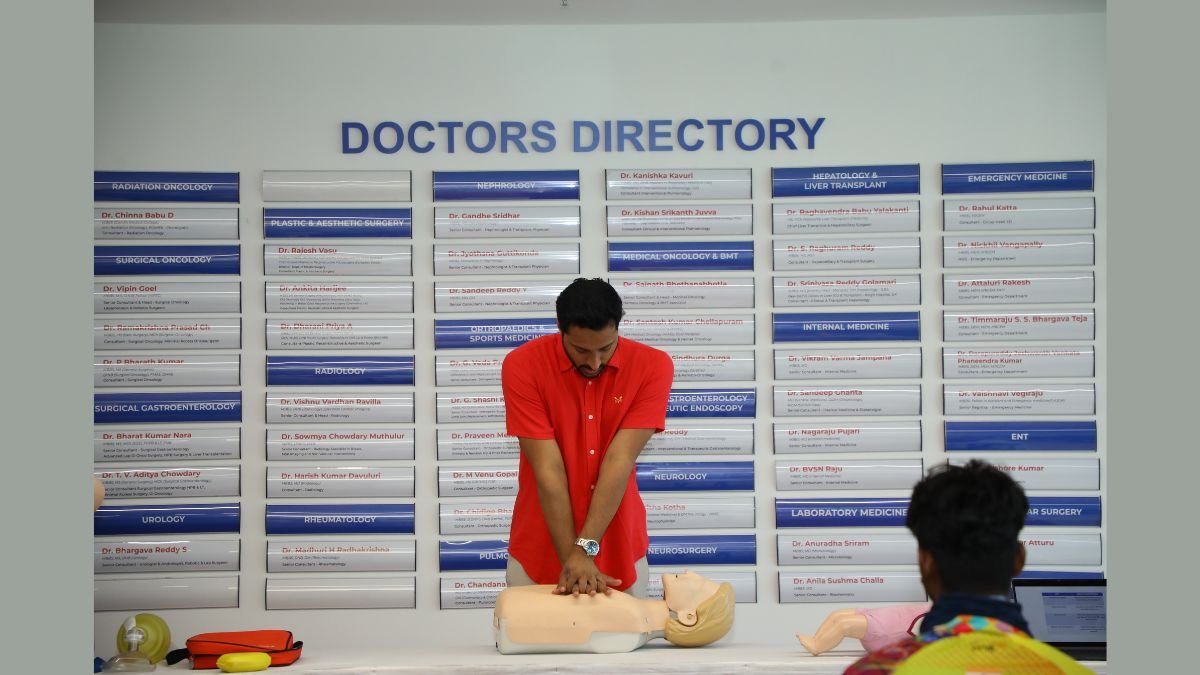
    Understanding the realities of heart attacks in young adults is crucial. By recognizing the warning signs and knowing when to seek immediate help, you can potentially save lives. This Doctor’s Day, consider taking a proactive step towards heart health. Schedule a check-up, learn CPR, or simply make a commitment to prioritize your well-being. Every action counts in safeguarding your heart and the hearts of those you love.

    If you have any objection to this press release content, kindly contact pr.error.rectification@gmail.com to notify us. We will respond and rectify the situation in the next 24 hours.

  • Doctor’s Day Special: Best Health Experts Insights on Managing Osteoporosis

    Doctor’s Day Special: Best Health Experts Insights on Managing Osteoporosis

    New Delhi (India), July 1: Celebrate Doctor’s Day with expert insights on osteoporosis. This article gathers wisdom from leading health professionals to demystify this common yet often misunderstood condition. Gain valuable knowledge on prevention, treatment, and lifestyle tips straight from the experts who specialize in bone health.

    Dr. Rajesh Dharia, Orthopedic Surgeon, Knee/Joint Replacement Doctor, Robotic Surgeon in Opera House, Mumbai

    Osteoporosis and osteoarthritis are prevalent community health concerns. Managing osteoporosis is crucial alongside joint replacements to prevent periprosthetic fractures. Dr. Rajesh Dharia, with extensive experience in hip, knee, and spine surgeries across all patient categories, including celebrities, emphasizes personalized care and excellence in surgical outcomes. He advocates informed decision-making, discussing both benefits and drawbacks of robotic techniques. Trained in Mumbai, UK, Singapore, USA, Germany, and Australia, Dr. Dharia operates in multiple Mumbai hospitals. Osteoporosis often goes undiagnosed until patients experience bone pain or fractures. Routine scans and orthopedic consultations are pivotal for early detection and treatment. Vitamin D deficiency exacerbates symptoms like fatigue and irritability, commonly overlooked, particularly during prolonged indoor activities. This deficiency accelerates bone deterioration, highlighting the importance of sunlight exposure and physical activity for bone health. Dr. Dharia’s holistic approach underscores proactive management of bone health, stressing prevention through regular monitoring and lifestyle adjustments. Awareness and timely intervention can mitigate the silent but potentially debilitating effects of osteoporosis.

    Dr. B A Gopala Krishna, Consultant Orthopaedic Surgeon (Joint Replacement and Key Hole Surgery), FAA (UK), FARCS (Australia)

    On this Doctor’s Day, Dr. B. A. Gopala Krishna, a renowned orthopedic surgeon from Bengaluru, shares valuable insights on understanding osteoporosis. “Osteoporosis is a silent disease that weakens bones, making them fragile and more likely to break. It’s crucial to recognize that this condition often goes undiagnosed until a fracture occurs,” explains Dr. Krishna. He emphasizes the importance of early detection and proactive management to mitigate the risks associated with osteoporosis. “Regular bone density tests, especially for those over 50, can help identify osteoporosis early. Treatment typically involves a combination of lifestyle changes and medication. Weight-bearing exercises, a diet rich in calcium and vitamin D, and medications like bisphosphonates can significantly improve bone health,” he advises. Dr. Krishna also highlights the importance of fall prevention strategies for those diagnosed with osteoporosis. “Simple measures like removing tripping hazards at home and using assistive devices can prevent fractures,” & usage advanced medication methods when indicated, he concludes. Dr. Krishna’s insights underscore the importance of awareness, early detection, and comprehensive management in combating osteoporosis.

    Dr. R K Pandey, MS Ortho, MCh Ortho, Delhi 

    On Doctor’s Day, Dr. R K Pandey, a distinguished health expert, sheds light on the critical aspects of understanding osteoporosis, a condition characterized by weakened bones prone to fractures. Dr. Pandey emphasizes that osteoporosis primarily affects older adults, particularly post-menopausal women, due to hormonal changes affecting bone density. He advises that early detection through bone density scans and regular check-ups is crucial, allowing for timely intervention to prevent fractures. Dr. Pandey underscores the importance of lifestyle modifications such as adequate calcium and vitamin D intake, regular weight-bearing exercises, and minimizing alcohol and tobacco use to maintain bone health. Furthermore, he highlights the role of medications like bisphosphonates and hormone therapy in managing osteoporosis for those at higher risk. Dr. Pandey encourages individuals to be proactive in understanding their bone health, advocating for education and awareness among patients and healthcare providers alike. By fostering a comprehensive approach to osteoporosis prevention and treatment, Dr. Pandey aims to empower individuals to lead healthier lives with stronger bones and reduced risk of fractures.

    Dr.  Siddharth Aggarwal, MBBS, MS – Orthopaedics, Orthopedic Surgeon, Chandigarh

    Dr. Siddharth Aggarwal, a renowned orthopaedic surgeon, shares insightful advice on osteoporosis management as we commemorate Doctor’s Day. He emphasizes that osteoporosis, often asymptomatic until fractures occur, requires proactive measures for prevention. Dr. Aggarwal stresses the importance of lifestyle modifications such as regular weight-bearing exercises, a balanced diet rich in calcium and vitamin D, and avoidance of smoking and excessive alcohol consumption. He highlights the significance of early screening through bone density tests, especially for post-menopausal women and older adults. Dr. Aggarwal advocates for personalized treatment plans tailored to individual risk factors, including pharmacological interventions when necessary to strengthen bones and reduce fracture risk. By promoting awareness and proactive management strategies, Dr. Aggarwal aims to empower patients to take charge of their bone health and enhance their quality of life, emphasizing prevention as the cornerstone of effective osteoporosis care.

    Dr. Varun Aggarwal, MBBS, MS- Orthopaedics, Joint Replacement Surgeon, Golden Clinics, Chandigarh

    Dr. Varun Aggarwal, an esteemed Orthopaedic specialist from Chandigarh, provides valuable insights on osteoporosis management on the occasion of Doctor’s Day. He emphasizes the importance of understanding osteoporosis as a silent disease that weakens bones and increases fracture risk, particularly in older adults. Dr. Aggarwal advises regular bone density screenings, especially for post-menopausal women and those with risk factors like low body weight or a family history of fractures. He advocates for a holistic approach to prevention and treatment, including adequate calcium and vitamin D intake through diet and supplements, weight-bearing exercises to strengthen bones, and lifestyle modifications such as smoking cessation and moderation of alcohol intake. Dr. Aggarwal highlights the role of medications like bisphosphonates and hormone therapy in managing osteoporosis effectively. By raising awareness and promoting proactive bone health strategies, Dr. Aggarwal aims to empower individuals to maintain strong bones and prevent fractures, ensuring enhanced quality of life as they age.

    Dr. Rahul Kumar, MBBS, MS (Ortho), Joint Replacement Surgeon, Orthopedic surgeon, Senior Consultant – Paras Hospital, Gurugram

    Osteoporosis is a condition characterized by weakened bones, increasing the risk of fractures, especially in the hip, spine, and wrist. It occurs when the body loses bone mass or fails to make enough new bone tissue, leading to bones becoming porous and brittle. Several factors contribute to osteoporosis, including age (commonly affecting older adults), gender (women are more prone, especially after menopause due to reduced estrogen levels), and lifestyle choices (like lack of exercise, smoking, excessive alcohol consumption, and poor nutrition). Diagnosis typically involves bone density tests. Treatment focuses on slowing bone loss, promoting bone growth, and preventing fractures through medications, calcium and vitamin D supplements, and lifestyle changes such as regular weight-bearing exercise and a balanced diet. Prevention strategies include maintaining a healthy lifestyle from a young age, ensuring adequate calcium and vitamin D intake, avoiding smoking and excessive alcohol, and engaging in regular physical activity to support bone health throughout life.

    Dr. Rahul Garg,  Jodhpur

    Dr. Rahul Garg, a highly experienced Orthopaedic Surgeon specializing in Arthroplasty and Revision Arthroplasty, offers valuable insights on osteoporosis management in honor of Doctor’s Day. With over 24 years of expertise and international training under renowned mentors at Bombay Hospital, Dr. Garg emphasizes the importance of preventing osteoporotic fractures through early detection and intervention. He stresses the significance of comprehensive bone health assessments, including bone density scans and regular check-ups, particularly for elderly patients and those with predisposing factors. Dr. Garg advocates for a multidisciplinary approach to treatment, integrating lifestyle modifications such as nutrition rich in calcium and vitamin D, weight-bearing exercises, and fall prevention strategies. He underscores the role of advanced surgical techniques and implants in restoring mobility and quality of life for patients suffering from osteoporotic fractures. By leveraging his extensive knowledge and global perspectives in orthopaedic surgery, Dr. Garg aims to improve patient outcomes and promote proactive management of osteoporosis, ensuring optimal bone health across diverse populations.

    Dr. Deep Chakraborty, MBBS, MS Ortho, FICS (Usa), Diploma In Sport Medicine, Consultant Joint Replacement And Sport Injury, Narayana Multispeciality,  Hospital

    Hello, I’m Dr. Deep Chakraborty, an orthopedic surgeon specializing in sports medicine. This Doctor’s Day, let’s celebrate the spirit of resilience and recovery. At our clinic, we’re dedicated to helping athletes and active individuals overcome injuries and return to peak performance. Whether you’re dealing with a sprain, strain, or a more complex condition, we provide personalized treatment plans tailored to your needs. Our advanced techniques and innovative therapies are designed to support your journey back to optimal health. Join us in honoring the commitment to sports and wellness. Schedule a consultation today, and let’s work together to enhance your athletic potential. Your recovery is our passion. Happy Doctor’s Day to all who champion health and vitality!

    Dr.Satwik Thareja (Indore)- MBBS, MS(Ortho), FIRJR, FISM, AOA (Sydney)

    Dr. Satwik Thareja explains osteoporosis, its signs, symptoms, treatment, and other important factors;

    What is osteoporosis?

    Osteoporosis is a disease that weakens your bones. It makes your bones thinner and less dense 

    Its signs and symptoms include

    Changes in your natural posture, Lower back pain, Fatigue

    Risk factors of osteoporosis are as follows 

    Anyone over 50, females especially in postmenopause, People with a family history, who smoke or use tobacco products, those Not getting enough calcium or vitamin D in their diet, Not getting enough physical exercise, Regularly drinking alcohol 

    How is osteoporosis diagnosed?

    DEXA (BONE DENSITY TEST)-

    A bone density test uses low levels of X-rays to measure the density and mineral content of your bones, Serum Calcium and Vitamin D levels 

    How is osteoporosis treated?

    The most common osteoporosis treatments include:

    Exercise: Regular exercise can strengthen your bones, Vitamin and mineral supplements: calcium or vitamin D supplements, Medications for osteoporosis: bisphosphonates, Hormone Replacement. (PTH) analogs, denosumaband romosozumab

    Dr. Rahul Sharma , DNB Orthopedics, Fellowship Joint Replacement and Sports Surgery (Australia & USA), Life in Motion Clinic (Sawan Neelu Angel’s Hospital, Saket, New Delhi

    Osteoporosis is characterized by bone microarchitecture deterioration, reducing density and increasing fragility, elevating fracture risk from minor trauma, earning its nickname, the “Silent Disease.” Globally, about 1/3rd of women and 1/5th of men over 50 suffer from osteoporosis; in India, 65% of those over 50 are affected, predominantly women, posing a significant public health burden. Causes include sedentary lifestyle, inadequate nutrition (low calcium/vitamin D), lack of sunlight, medications (e.g., phenytoin, lithium), smoking, alcohol, and conditions like Rheumatoid arthritis and Diabetes. Symptoms may manifest as back pain, height loss, or spinal deformities, often unnoticed. Diagnosis relies on Bone DEXA scans, especially for high-risk individuals. Prevention involves daily vitamin D (1000 IU) and calcium-rich diets, weight-bearing exercises, and sunlight exposure. Elderly fall prevention includes home modifications like handrails, bed and bathroom grab bars, adequate lighting, and non-slip footwear. Early awareness and proactive measures are essential for managing and reducing osteoporosis-related complications.

    As we celebrate Doctor’s Day, these expert insights underscore the critical importance of proactive bone health management in preventing osteoporosis-related complications. By integrating awareness, early screening, personalized care, and advanced treatments, healthcare professionals strive to empower individuals to maintain strong bones and lead healthier lives.

    If you have any objection to this press release content, kindly contact pr.error.rectification@gmail.com to notify us. We will respond and rectify the situation in the next 24 hours.

  • Doctor’s Day 2024: Expert Advice for Your Health and Well-being

    Doctor’s Day 2024: Expert Advice for Your Health and Well-being

    New Delhi (India), July 1: As Doctor’s Day 2024 approaches, we celebrate the tireless dedication and invaluable expertise of healthcare professionals worldwide. This year, amidst ongoing challenges, their role remains pivotal in safeguarding public health. In honor of this occasion, we bring you insights directly from the experts themselves. Their advice spans a spectrum of crucial health topics, offering guidance on wellness, prevention, and the latest advancements in medical care. Join us in recognizing their commitment and learning from their wisdom, as we navigate towards healthier futures together.

    Ms. Priya Maisa (Post Graduate) – Nutrition Specialist & Founder of Complete Nutrition by Priya Maisa, Mumbai

    In today’s dynamic world, prioritizing health awareness and nutrition is more crucial than ever. Over years of experience, I’ve observed a significant shift towards focusing on dietary choices and lifestyle habits. Preventive care, including regular health check-ups and early screenings, plays a pivotal role in preserving well-being by detecting potential health risks early. A strong physique is vital for mental wellness, highlighting the importance of a balanced diet rich in fruits, vegetables, lean proteins, and whole grains. These choices bolster immune function and sustain energy levels. At our COMPLETE NUTRITION CLINIC, we guide patients on adopting wholesome eating habits and offer personalized dietary advice for managing chronic conditions like diabetes and heart disease. Our approach advocates holistic well-being through adequate sleep, consistent exercise, and self-care practices proven to alleviate anxiety, depression, and stress while enhancing focus and longevity. Our mission is to equip individuals with the tools and knowledge needed to maintain a healthy lifestyle now and in the future.

    Dr. Charu, MBBS, MD, Gynecology at Safdarjung Hospital, New Delhi

    As we step into 2024, I stand before you not just as a doctor, but as a guardian of health. My advice for optimal well-being this year revolves around a few key principles. Firstly, prioritize sleep—quality rest rejuvenates both body and mind, essential for peak performance and immune function. Secondly, embrace a balanced diet rich in fruits, vegetables, and lean proteins, tailored to individual needs. Hydration remains paramount; ample water intake fosters cellular function and detoxification. Regular physical activity, whether walking or structured exercise, is non-negotiable, enhancing cardiovascular health and mental clarity. Equally crucial is mental wellness. Cultivate mindfulness through meditation or hobbies, fostering resilience against stress and anxiety. Lastly, preventive healthcare—regular check-ups and screenings—ensures early detection and treatment. In 2024, let us champion these habits not as burdens, but as investments in our most valuable asset—our health. Together, we can thrive, ensuring a future where vitality and longevity are within everyone’s reach.

    Dr. Ankita Singh, Obstetrics, Gynaecology and Laparoscopic Surgery, Delhi

    Lifestyle plays a pivotal role in maintaining gynaecological health. A balanced diet rich in nutrients supports hormonal balance, which is crucial for regular menstrual cycles and reproductive health. Consuming foods high in fibre, vitamins, and minerals can prevent conditions like polycystic ovary syndrome (PCOS) and endometriosis. Regular physical activity helps maintain a healthy weight. Exercise also improves circulation, which can alleviate menstrual pain and discomfort. Managing stress through relaxation techniques like yoga, meditation, or deep breathing is essential, as chronic stress can disrupt hormonal balance and menstrual regularity. Adequate sleep is crucial for overall health, including gynaecological well-being. Poor sleep can affect hormonal balance and increase the risk of gynaecological issues. Avoid smoking and limit alcohol consumption, as these can negatively impact reproductive health. By adopting a healthy lifestyle, you can significantly enhance your gynaecological health and overall well-being.

    Dr. Aditya Kashyap D, MBBS, MD Psychiatry, Assistant Professor of Psychiatry, Government Medical College, Siddipet, Telangana

    Navigating mental health challenges among doctors requires a multifaceted approach that acknowledges the unique pressures of the medical profession. Doctors often face intense workloads, long hours, and the emotional toll of patient care, which can lead to burnout, anxiety, and depression. The stigma surrounding mental health within the medical community can discourage doctors from seeking help. To address this, healthcare institutions must foster a supportive environment that promotes an open dialogue about mental health and provides accessible resources such as counselling and peer support groups. Implementing systemic changes like manageable work hours, sufficient rest periods, and mental health training can also help mitigate stress. Encouraging self-care practices and mindfulness can further support doctors’ well-being. By prioritizing mental health, the medical community can ensure that doctors remain resilient, effective, and capable of providing the best possible care to their patients.

    Prof. Dr. Sriram Krishnamoorthy, MBBS, MS, MCh Urology, DNB Urology and FRCS (Glasgow, UK), Professor & Head of Urology, Sri Ramachandra Institute of Hr Education & Research, Chennai.

    As we commemorate Doctor’s Day, I am honored to share insights on enhancing and maintaining our well-being. Embracing a holistic approach encompassing physical, mental, and emotional health is pivotal. A balanced diet, minimizing processed foods and sugary drinks while staying adequately hydrated, forms the cornerstone. Regular physical activity, even just 20 minutes daily, boosts mental health and reduces stress. Incorporating mindfulness, meditation, and hobbies fosters a positive mindset. Establishing a consistent sleep routine and limiting screen time before bed supports quality rest. Equally crucial is preventive healthcare through regular check-ups, facilitating early detection and easier treatment of potential health issues. Cultivating robust social connections with family and friends enriches mental health, fostering a sense of purpose and belonging. Health is a lifelong journey, and these habits can pave the way to a healthier, happier life. Let’s unite in prioritizing our health and supporting each other on this journey toward well-being.

    Dr. (Prof.) G. B. Singh, P.hd, Counselling Neuropsychologist & psychotherapist

    When I was given the 2nd UNESCO IAU -Doctorate recently, and asked about the main mental health challenges facing India, I jokingly answered we are not good at Maths. We save about a $1000 worth by not going to a Psychologist in one lifetime and spend $100,000 worth on medicines throughout our entire lifetime. In India, we are walking around wounded in our souls from hurts, and we simply don’t know what to do or, how to begin towards wholeness. Life is not easy and Thinking is difficult. Thinking is complex. And thinking is—more than anything else—a process, with a course or direction, a lapse of time, and a series of steps or stages that lead to some result. But we in India do not think. We agonise and fight. we are the only nation that fights and then lives together in sullen silence. But mention the option of going to a good counselling, psychologist and the first reaction you hear is, “I am not mad. In the United States, my client’s first reaction is, I need to go to my therapist to resolve my needs and questions. What we don’t realise is that our minds and souls also can get tired, and it is the inner part of us that pains the most. if we have bleeding souls, we will not enjoy life. Whether our hurt is from shame, anger, bitterness, depression, doubt, insecurity, guilt, or fear, it needs to be confronted and dealt with.

    Dr. Shabiullah Syyed, MBBS, MD (Psychiatry), WPA Young Fellowship (Germany), Consultant Psychiatrist, The Definitive Mind Clinic, Madhukar Rainbow Children’s Hospital, Continua Kids, Hygiea Hospital, New Delhi

    On Doctors’ Day 2024, Dr. Shabiullah Syyed emphasizes the critical importance of prioritizing mental health for a fulfilling life. He underscores that mental health, encompassing emotional, psychological, and social well-being, profoundly impacts thoughts, feelings, and behaviors. Addressing the stigma surrounding mental illness, Dr. Syyed advocates for open dialogue and acceptance. He stresses that mental disorders are genetic and necessitate the use of medications alongside therapeutic support. Dr. Syyed encourages self-care practices such as exercise, meditation, and healthy relationships, he highlights the benefits of seeking professional help from psychiatrists or psychologists. By fostering openness and support, individuals can enhance their relationships, work productivity, and overall well-being. Dr. Syyed concludes with a call for destigmatizing mental health, advocating for candid conversations and unapologetic treatment-seeking behaviors to nurture robust mental health and holistic wellness.

    Dr. Mayur Dass, MBBS, DGO, DNB Senior Consultant Obstetrician and Gynaecologist – Cloudnine Hospital Patparganj, Visiting Consultant at Max Hospital Patparganj, Director- Dr. Varshney Clinic, Vasundhara Enclave, Delhi

    On this Doctor’s Day, Dr. Mayur Dass, a renowned gynecologist, obstetrician, and infertility specialist from Delhi, sheds light on managing high-risk pregnancies. “High-risk pregnancies require specialized care and close monitoring to ensure the best possible outcomes for both mother and baby,” explains Dr. Dass. “Conditions such as hypertension, diabetes, advanced maternal age, multiple pregnancies, and pre-existing health issues can elevate pregnancy risks.” She emphasizes the importance of early detection and proactive management. “Regular prenatal check-ups, detailed ultrasounds, and comprehensive screenings are crucial in identifying potential complications early. This allows us to implement timely interventions and tailored treatment plans,” she advises. Dr. Dass also highlights the role of lifestyle modifications in managing high-risk pregnancies. “Maintaining a healthy diet, staying physically active as advised, and managing stress through mindfulness and support networks are essential components of care,” she adds. Her insights underscore the necessity of a collaborative approach involving obstetricians, specialists, and the expectant mother to navigate the complexities of high-risk pregnancies and ensure a healthy outcome for both mother and child.

    Dr. Hasit Patel, Nephrologist and Transplant Physician, DNB Nephrology (Apollo Chennai), At present  attached with HCG hospital, Ahmedabad

    Dr. Hasit V Patel, a seasoned nephrologist and renal specialist with nine years of experience, practicing at KD Hospital, Ahmedabad. Dr. Patel is dedicated to providing exceptional care to patients with kidney-related conditions. His background includes completing DNB – Nephrology from Apollo, Chennai, enhancing his knowledge and skills in renal medicine. Dr. Patel’s passion for nephrology extends beyond clinical practice; he actively engages in raising awareness about kidney health and advocating for preventive measures. With a patient-centric approach, Dr. Patel emphasizes the importance of early detection and management of kidney diseases to improve patient outcomes. On World Kidney Day, he underscores the significance of regular health check-ups and lifestyle modifications to maintain optimal kidney health. Dr. Patel’s commitment to excellence and his unwavering dedication to the well-being of his patients make him a valuable asset in the field of nephrology, ensuring that individuals receive the best possible care for their renal health.

    Dr. Radhika Krishna Patil is a Consultant Kidney Pathologist with expertise in reporting Native and Transplant Kidney biopsies. Hyderabad

    She is the Founder and Director of Shri Balaji Kidney Care Pvt Ltd, a company providing clinical Nephrology services and also runs a standalone exclusive Kidney Pathology unit which is one of its kind in the country. Her expertise in reporting Kidney biopsies, her dedication to academic and educational activities have brought her good reputation across the country. She got elected as the Vice President of the Indian Society of Organ Transplantation. Dr. Radhika is also the program director of Kidney and Allograft Pathology Certificate course run by the Indian Society of Organ Transplantation. She is a faculty at many regional and National Conferences and has publications in reputed journals of Nephrology. She is a member of Many National and International Societies of Nephrology and Kidney Transplantation. She has authored a book on Kidney Pathology ” The Kidney Pathology Express”. This book is a product of extensive research and enriched with numerous case studies, serves as an indispensable guide for Nephrologists and Pathologists, offering them a detailed understanding of the nuances of Kidney diseases.

    Dr. P. V. L. N. Murthy, Senior Consultant, Pediatric ENT & Airway Surgeon, Snoring Sleep Apnea surgeon, Rainbow Children’s Hospital, Hyderabad

    On Doctors’ Day 2024, Dr. P. V. L. N. Murthy, Senior Consultant in Pediatric ENT & Airway Surgery and Snoring Sleep Apnea specialist, underscores the importance of respiratory health, particularly in children. He emphasizes that disorders like snoring and sleep apnea can occur commonly due to enlargement of Adenoids and tonsils significantly impacting a child’s development, Growth, and overall health. Dr. Murthy advocates for early recognition and intervention, highlighting that these conditions often go undiagnosed but can be effectively managed with timely attention. He stresses the role of comprehensive evaluation and tailored treatment plans to address individual needs, ensuring optimal breathing and quality sleep. Dr. Murthy encourages parents and caregivers to be vigilant of symptoms such as frequent cold, cough, snoring, pauses in breathing during sleep, and daytime fatigue, poor concentration, bed wetting, which could indicate underlying airway issues. By raising awareness and promoting proactive care, Dr. Murthy aims to improve outcomes for children affected by respiratory disorders, ultimately fostering their growth, development, and overall well-being.

    The vision of the Division of Pediatric Nephrology and Renal Transplantation at Sir Ganga Ram Hospital, New Delhi encompasses not only treating kidney disorders but also preventing them through early detection and intervention strategies.

    Dr. Kanav Anand, MBBS, MD Pediatrics(Gold Medalist),FPN (RGUHS) Senior Consultant, Division of Pediatric Nephrology and Renal Transplantation, Institute of Child Health, Sir Ganga Ram Hospital, New Delhi

    The landscape of pediatric nephrology is evolving rapidly with advancements in technology, diagnostics, and personalized medicine. Genetic testing, for instance, allows us to identify children at risk for hereditary kidney diseases early on, enabling proactive management and family counseling. Innovative treatments, including targeted therapies and biologics, hold promise for improving outcomes in conditions like nephrotic syndrome and autoimmune kidney disorders. Telemedicine has revolutionized how we deliver care, particularly for children in remote areas or with chronic conditions requiring frequent monitoring. It enhances accessibility to specialist consultations and empowers families to actively participate in their child’s care plan. Education remains paramount. We are committed to training future generations of pediatric nephrologists and fostering multidisciplinary collaborations to tackle complex cases comprehensively. Looking forward, our goal is not just to treat kidney disease but to optimize long-term kidney health and quality of life for every child. By embracing innovation, collaboration, and patient-centered care, we are shaping a future where kidney disorders in children are managed effectively, ensuring brighter futures for our young patients and their families.

    If you have any objection to this press release content, kindly contact pr.error.rectification@gmail.com to notify us. We will respond and rectify the situation in the next 24 hours.

  • Aarthi Scans and Labs Revolutionizes Indian Diagnostics Industry with 50 Percent Price Reduction on Essential Diagnostic Tests

    Aarthi Scans and Labs Revolutionizes Indian Diagnostics Industry with 50 Percent Price Reduction on Essential Diagnostic Tests

    New Delhi (India), July 1:  Aarthi Scans and Labs, a leading provider of diagnostic services in India, today announced a significant price reduction on MRI, CT scans, and blood tests, making these essential healthcare services more accessible to the general public. Effective immediately, patients can avail of these critical diagnostic tools at half the usual cost.

    Mr. Govindarajan, a visionary leader in the healthcare industry, has long championed the idea that the cost of diagnosis should never be a barrier to receiving quality care. This price reduction initiative is a testament to the company’s dedication to this principle.Established in 2000, the company has since grown to become one of the largest and most affordable diagnostic provider in India, serving over 7,000 patients daily across its 65 full-fledged diagnostic centerswith branches in Tamilnadu, Bangalore, Hyderabad, Mumbai, Pune, Delhi, Ahmedabad, Kolkata, Trivandrum, and Vizag.

    “Healthcare should not be a luxury,” said Mr. Govindarajan,Founder of Aarthi Scans and Labs. “We believe everyone deserves access to quality diagnostic services, regardless of their economic background. This price reduction is our commitment to making that a reality.”

    The decision to cut prices by 50% is a bold step in the healthcare industry, where costs are often a barrier to timely diagnosis and treatment. With this unprecedented price reduction,Patients who may have previously delayed or forgone essential diagnostic tests due to financial constraints now have the opportunity to receive timely and accurate diagnoses. 

    Key Highlights of the Price Reduction:

    MRI Scans: Starting from ₹2750

    CT Scans: Starting from ₹1000

    Blood Tests: Starting from ₹30 

    A full list of prices are transparently available in www.aarthiscan.com

    Aarthi Scans and Labs is renowned for its commitment to quality and accuracy. It is accredited by both NABL and NABH, the highest standards in the country. The company utilizes best in classequipments, including Siemens Aptio II fully automated lab and 65 state-of-the-art Siemens MRI machines imported from Germany, to ensure precise and reliable results.

    In addition to this price reduction, Aarthi Scans and Labs has taken several initiatives to make healthcare more affordable and accessible. These include evening discounts on scans and the use of a fully automated robotic track for blood tests, the first of its kind in India.

    This latest move reaffirms Aarthi Scans and Labs’ dedication to remaining at the forefront of medical imaging and diagnostics, offering the latest scientific advances at an affordable cost. The company’s team of 7 expert radiologists, all from one family, ensures high-quality scan reports, further solidifying its commitment to excellence in healthcare.

    For further information, please contact:

    Tamilnadu: 75500 75500

    Bangalore: 70224 70224 

    Hyderabad: 76699 76699

    Ahmedabad: 72869 72869

    Delhi: 76394 76394

    Mumbai: 73496 73496

    Kolkata: 95505 95505

    Trivandrum: 73730 72720

    Pune: 76589 76589

    Vizag: 82972 82972

    If you have any objection to this press release content, kindly contact pr.error.rectification@gmail.com to notify us. We will respond and rectify the situation in the next 24 hours.

  • Doctor’s Day Special: Best Pediatricians’ Advice on Balancing Digital Screen Time in Kids

    Doctor’s Day Special: Best Pediatricians’ Advice on Balancing Digital Screen Time in Kids

    New Delhi (India), July 1: On Doctor’s Day, we delve into a critical topic concerning children’s health: managing digital screen time. Pediatricians emphasize the importance of striking a balance in today’s digital age. Excessive screen exposure can impact children’s development and health. Here’s expert advice on fostering healthy screen habits for young minds.

    Dr. Venugopal Reddy I, Medical Director and Consultant Pediatrician – Ovum Hospital, Bangalore

    On the occasion of Doctor’s Day, it’s crucial to address the growing concern of digital screen time among children. While technology has its benefits, excessive use can impact physical and mental health. As a Pediatrician, I advise setting clear boundaries. For children under two, avoid screens entirely except for video calls. For older kids, limit recreational screen time to no more than two hours daily. Encourage outdoor play, reading, and family interactions to foster healthy habits. Create tech-free zones, especially during meals and before bedtime, to ensure quality family time and better sleep. Parents should model good screen habits and engage in activities with their children to build stronger connections. By balancing digital consumption, we can protect our children’s health and promote a more enriching environment for their growth and development.

    Dr. Punit Krishan Malhotra, MBBS, MD Pediatrics(Gold Medalist), FPN (RGUHS), Panipat

    As we celebrate Doctor’s Day, Dr. Punit Krishan Malhotra, a renowned paediatrician underscores the crucial task of managing digital screen time for children amidst today’s pervasive technology. Excessive screen exposure can detrimentally impact physical health, emotional well-being, and cognitive development, leading to issues like sleep disturbances and sedentary lifestyles. Conversely, judicious screen use can enhance educational opportunities and technical skills essential in the digital era. Pediatric guidelines recommend tailored approaches for different age groups, emphasizing interactive co-viewing and limiting screen time to maintain a healthy balance with other activities like sleep and physical play. Practical strategies include creating structured family media plans, promoting outdoor activities, and prioritizing educational content. By fostering a supportive environment that values offline interactions and balanced media consumption, parents can help children navigate the digital landscape responsibly. This Doctor’s Day, reflecting on pediatric insights reminds us of the importance of nurturing holistic child development while harnessing the benefits of technology, ensuring a future where children thrive in both physical and digital realms.

    Dr. Piyush Jain, MBBS, DCH, Sr Pediatrician, Former President IAP, East Delhi Chairman Genesis Neurogen, Neurogen Rehab Centre for Special Needs Children like Autism and Cerebral Palsy, Delhi

    In today’s digital age, balancing screen time for children is crucial. While technology offers learning opportunities, excessive screen time can lead to health issues like eye strain, sleep disturbances, and reduced physical activity. Parents should set clear boundaries, promote physical and social activities, establish ‘screen-free’ zones, and model healthy screen habits. The goal is not to eliminate screens but to use them wisely. By fostering a balanced approach, children can develop healthy digital habits,” recommends Dr. Piyush Jain, Senior Pediatrician. Parents can help by limiting their own screen time, monitoring their child’s screen time, and encouraging outdoor and creative activities. Set and enforce rules consistently, monitor age-appropriate content, and create screen-free zones. Other ways to reduce screen time include creating a screen-time schedule, avoiding screens before bedtime, encouraging physical activities, offering alternative entertainment, educating children about screen time’s impact, engaging in family activities, leading by example, monitoring usage, and creating a reward system to praise efforts.

    Dr. Rajeev Kumar Mittal, MBBS, DCH (Lucknow), PGPN (Boston University), Sanjivani Medical Center, Meerut

    Dr. Rajeev Kumar Mittal emphasizes thoughtful management of screen time for children by setting clear rules tailored to each child’s needs and interests. Prioritizing face-to-face interactions for younger children fosters language and developmental skills. Establishing device-free zones during family time and before bedtime enhances bonding and supports healthy sleep habits. Engaging together in digital activities helps children explore safely, while parental guidance ensures they navigate online content responsibly. Using tools like Apple’s Screen Time and Google’s Digital Wellbeing dashboard allows monitoring and discussing screen usage to promote digital wellness. By modeling balanced screen habits themselves, parents can effectively influence their children’s behavior, encouraging breaks and keeping devices out of bedrooms to maintain a healthy screen-life balance. Dr. Mittal’s advice underscores the importance of parental involvement and proactive management to foster a positive relationship with technology while safeguarding children’s well-being in today’s digital age.

    Dr. Sachinder Jain Nawal, MBBS, DCH, MD, Pediatric, DM (chest + Resp), International Postgraduate, Pediatric Certification, Consultant at Sunrise Hospital and Arihant Hospital, Gurugram

    Balancing digital screen time for children is essential in today’s technology-driven world. As pediatricians, we understand that digital devices can offer educational and entertainment benefits, but moderation is key. Excessive screen time can negatively impact a child’s physical health, social skills, and overall development. Parents must set clear boundaries and create a structured environment. Encourage regular breaks from screens and promote physical activities to keep children active and healthy. Ensure that screen time does not interfere with sleep, homework, or family interactions. Parents should also be good role models when it comes to digital usage. Engage in digital activities together with your children and discuss what they learn to enhance the positive impact of technology. Quality content is just as important as the quantity of screen time. Foster an environment where digital usage is balanced with other enriching activities, such as reading, outdoor play, and family time. By working together, we can create a healthier digital environment that supports the well-being and development of our children.

    Dr. Sanjay D Swamy, MBBS, DNB (Paediatrics), FPCC (IAP), FPIC (UK) Consultant Paediatrician and Intensivist, Cloudnine hospital, Bangalore

    Dr. Sanjay D Swamy underscores critical concerns regarding screen time across different age groups, emphasizing the detrimental effects on physical and mental health. For toddlers, exposure to screens and blue light can disrupt melatonin secretion and hinder brain development. Adolescents face risks such as violent media exposure, posture-related issues, and cognitive impairments. Excessive screen use correlates with obesity, visual problems, sleep disturbances, and developmental challenges like behavioral issues and reduced social interaction. To mitigate these risks, the Indian Academy of Pediatrics recommends strict guidelines: no screen time for children under 2 years, limited supervised exposure for 2-5 years, and up to two hours of supervised, educational, and non-violent content for 5-10 years. Dr. Swamy advocates practical strategies like avoiding screens during meals and in bedrooms, using parental controls, and promoting physical activities and creative play. By prioritizing real-world interactions and limiting screen time, parents can foster healthier development and well-being in children amidst the pervasive digital environment.
     
    Dr. Indrasish Ray Chaudhuri, MD Paediatrics, MRCPCH (UK) Pediatric Neurologist at Amrita Institute of Medical Sciences, Kochi

    Dr. Indrasish Ray Chaudhuri emphasizes the detrimental effects of excessive screen time on young children’s development, advocating for a balanced approach that includes non-electronic activities. He underscores the importance of tactile exploration for comprehensive learning, contrasting it with passive screen viewing. According to the American Academy of Pediatrics (AAP), he recommends restricting screen exposure for children under 5 to one hour daily of high-quality programming to foster language and social skills development effectively. Highlighting the evolving family structure, Dr. Chaudhuri raises concerns about increased susceptibility to neurobehavioral disorders like autism and ADHD due to reduced interaction with adults, particularly in nuclear families where both parents work. He suggests weekend visits to amusement parks or grandparents’ homes as vital opportunities for children to engage meaningfully with older generations and enrich their communication skills. By promoting real-world interactions and diverse activities, parents can mitigate the negative impacts of screen overexposure, nurturing holistic development and ensuring their children’s well-being and social growth.

    Dr. Anil Vaishnavi, Sr Consultant Paediatrician & Neonatologist, Gurgaon

    Dr. Anil Vaishnavi, Sr. Consultant Pediatrician & Neonatologist, emphasizes the crucial need to balance digital screen time for children to support their overall development and well-being. His comprehensive advice includes setting clear limits and creating schedules that integrate screen use after completing tasks like homework and chores, alongside implementing parental controls to monitor and restrict screen time effectively. Dr. Vaishnavi advocates promoting alternative activities such as outdoor play, sports, and hobbies like reading or music to encourage physical and creative engagement. He underscores the importance of parental role modeling by limiting personal screen time and engaging in non-digital family activities while emphasizing screen-free zones in bedrooms and during meals to foster healthy sleep habits and family interactions. Additionally, he recommends selecting educational and age-appropriate content, using interactive learning tools, and ensuring regular breaks to mitigate eye strain and promote physical movement. Dr. Vaishnavi concludes by highlighting the significance of open communication with children about balancing screen time, ensuring adjustments to rules as they mature, thereby supporting their holistic development across all facets of life.

    Dr. Sreenath S Manikanti, MBBS, MD(Ped), DCH (London), MRCPCH (UK), Senior Consultant Pediatrician & Neonatologist, Kauvery Hospital, E-City, Bangalore

    In today’s digital age, managing screen time for children is crucial for their overall development,” says Dr. Sreenath Manikanti, Senior Pediatrician. “While technology can be a valuable educational tool, excessive screen time can lead to issues such as eye strain, sleep disturbances, and reduced physical activity. Exposing young children less than 2 years to screen time can be detrimental to their development. Studies have shown early & prolonged screen exposure increases the risk of developing ASD ( Autistic Spectrum Disorder ) in children.

    Parents need to set clear boundaries and create a balanced routine that includes outdoor play, reading, and family interactions. Encourage children to take regular breaks from screens and engage in activities that stimulate their creativity and physical well-being. Remember, the goal is not to eliminate screen time but to ensure it’s used in a way that complements a healthy lifestyle. Open communication and setting a good example by moderating our screen use can make a significant difference. Let’s work together to foster a balanced digital diet for our kids.

    As Doctor’s Day approaches, the collective wisdom from pediatricians highlights the crucial need to manage digital screen time for children. Incorporating strategies like setting limits, promoting physical activities, and fostering family engagement ensures a balanced approach that supports their overall development and well-being. These insights empower parents to navigate the digital age responsibly, nurturing healthy habits early on.

    If you have any objection to this press release content, kindly contact pr.error.rectification@gmail.com to notify us. We will respond and rectify the situation in the next 24 hours.

  • Expert Insights on Advances in Cancer Treatment through Innovation & Modern Technology

    Expert Insights on Advances in Cancer Treatment through Innovation & Modern Technology

    New Delhi (India), July 1: On this Doctor’s Day, delve into the forefront of cancer treatment innovations. Experts worldwide are harnessing cutting-edge technologies like immunotherapy, precision medicine, and advanced imaging to revolutionize cancer care. These advancements promise more personalized, effective, and less invasive treatments, marking a significant leap forward in oncology.

    Dr. Amish Vora- MBBS, MD, DNB, DM – AIIMS, Medical Oncologist, Director at HOPE Oncology Clinic, New Delhi

    Dr Amish Vora is a renowned medical oncologist and haematologist with 20+ years of experience in the field. He is well known for his penchant for detailed and accurate diagnosis of all types of cancer. Proper diagnosis is half the battle Won- is what he believes in. He treats all types of cancer with Immunotherapy, Targeted Therapy, Chemotherapy or Hormonal Therapy: as suited for patients’ cancer. Cancer treatment has seen a revolution in the last 10 years. Pathbreaking surgical techniques, very safe and effective radiotherapy machines and novel drugs including immunotherapy and CAR-T therapy have made it possible for oncologists to treat a variety of cancers more effectively. Not only cure rates have increased even patients with advanced diseases live longer with a good quality of life, sometimes with the help of a simple oral tablet. We at HOPE Oncology Clinic provide personalized Cancer Treatment in accordance with world oncology standards. *HOPE can fight Cancer!

    Dr. Anil Kumar T – MBBS, MS (General Surgery), MCh (Genito-Urinary Surgery), FMAS, Fellowship in Uro-Oncology and Robotic Surgery, UICC Fellowship (Geneva), Director and Head of Urology, Uro-Oncology, and Robotic Surgery at SOUTH MARK CLINIC, Bengaluru, and ZYMUS HOSPITAL, Bengaluru

    “The role of modern technology in urological cancer treatment cannot be overstated. High-throughput genomic sequencing and advanced imaging techniques are providing a deeper understanding of the genetic and molecular underpinnings of urological cancers, leading to more personalized and effective treatment strategies. Robotic-assisted laparoscopic surgeries are becoming the gold standard, offering unparalleled precision and minimizing patient trauma. Additionally, the advent of liquid biopsies is revolutionizing cancer detection and monitoring, allowing for non-invasive, real-time insights into tumor dynamics and treatment response. Immunotherapies and targeted drugs are further enhancing treatment outcomes by specifically attacking cancer cells while sparing normal tissues. The use of artificial intelligence to analyze vast amounts of clinical data is enabling the development of predictive models for treatment response and disease progression, ensuring that each patient receives the most appropriate and effective care. Innovations in imaging technologies, such as multiparametric MRI and PET scans, are enabling more precise tumor localization and staging, which are critical for effective treatment planning. These innovations are collectively improving survival rates and quality of life for urological cancer patients.”

    Dr. Akshay A. Shivchhand – MD, DM, DrNB (Med Onco), ECMO, Consultant Medical Oncologist at MOC Cancer Care and Research Centre, Kolhapur

    Immunotherapy represents a transformative advancement in cancer treatment, leveraging the body’s immune system to target and eliminate cancer cells. Unlike traditional therapies, immunotherapy offers specificity and potential for long-term remission. Key modalities include checkpoint inhibitors, CAR T-cell therapy, and monoclonal antibodies. Checkpoint inhibitors, such as pembrolizumab and nivolumab, have shown remarkable success in treating melanoma, lung, and kidney cancers. These drugs block proteins that prevent immune cells from attacking cancer, leading to significant survival benefits. Clinical trials, like the KEYNOTE-024 study, demonstrated improved overall survival in advanced non-small cell lung cancer patients treated with pembrolizumab compared to chemotherapy. CAR T-cell therapy, particularly effective in blood cancers like leukemia and lymphoma, involves modifying patients’ T-cells to target cancer cells. Trials have shown complete remission rates in relapsed or refractory patients. Monoclonal antibodies, like trastuzumab for HER2-positive breast cancer, bind to specific cancer cell markers, enhancing immune response and improving survival rates. Overall, immunotherapy’s personalized approach offers hope for durable cancer control, revolutionizing oncology practices.

    Dr. Vikash Kumar, M.B.B.S., M.D. (Radiotherapy), Director & Head – Radiation Oncology, Metro Cancer Institute, Faridabad

    Radiation Oncology, an important cornerstone in cancer treatment, has taken a giant leap, particularly in terms of precision and technologies. These advancements have extensively enhanced the ability to hit tumours more accurately while sparing healthy tissue, thus improving patient outcomes with minimal or no side effects. The integration of imaging with radiation therapy, known as Image Guided Radiation Therapy (IGRT), has been crucial in enhancing treatment accuracy. By using real-time imaging, such as CT scans, MRI and X-rays, during treatment sessions, we can adjust for patient movement and any changes in tumor size or position, ensuring the radiation hits its target with pinpoint accuracy. Stereotactic Radiosurgery (SRS) and Stereotactic Body Radiation Therapy (SBRT) are highly precise forms of radiation therapy that deliver very high doses of radiation to small, well-defined tumours in fewer sessions making the treatment process more convenient for patients and reducing the overall burden on healthcare systems. These techniques are commonly used for selected brain tumours, lung cancers, prostate cancers and other localized tumours, offering a non-invasive alternative to traditional surgery. For those tumours which move with respiration, technologies that manage tumor motion, such as respiratory gating and breath hold techniques, have become integral in ensuring the accuracy of radiation delivery. Adaptive Radiation Treatment is an innovative approach that involves adapting the treatment based on changes observed in the patient’s anatomy or tumor size during the treatment course.

    Dr. Deepak Rao – MS, M.Ch – Surgical Oncology, FIAGS, FIACA(USA), Ex Asso. Professor- GCRI, Civil Hospital, Sr. Consultant Cancer Surgeon, Owner & Director at Pinaksh Cancer Hospital, Navrangpura, Ahmedabad.

    On this Doctor’s Day, Dr. Deepak Rao, a Consultant Cancer Surgeon from Ahmedabad associated with Pinaksh Cancer Hospital, offers profound insights into innovations and modern technology in cancer treatment. Dr. Rao emphasizes the pivotal role of collective efforts in the ongoing battle against cancer, highlighting advancements in personalized treatments. He stresses the critical importance of early detection, noting its significant impact on treatment outcomes and patient survival rates. Beyond medical interventions, Dr. Rao advocates for holistic patient care, addressing not only the physical aspects but also the mental and emotional well-being of patients. Inspired by Pinaksh Cancer Hospital’s slogan, “CancerVijay@Pinaksh,” Dr. Rao’s message resonates with hope and strength, acknowledging the resilience displayed by patients and medical professionals alike. His contributions position Pinaksh Cancer Hospital as a beacon of optimism and progress in the global fight against cancer, reflecting the spirit of innovation and compassion in cancer care.

    Dr. Mahesh Bandemegal – MS, Mch (Surgical oncologist) Certified Robotic surgeon, Senior consultant Surgical oncologist and Robotic surgeon, Senior consultant Surgical oncologist at HCG Hospital, Bangalore

    In the realm of oncology, surgical excellence is paramount for achieving optimal patient outcomes. It requires a combination of advanced technical skills, precise execution, and a deep understanding of cancer biology. By utilizing cutting-edge surgical technologies, such as robotic-assisted systems and intraoperative imaging, we can enhance the accuracy of tumor resections and minimize complications. This approach not only leads to better oncological results but also promotes faster recovery and less postoperative pain for patients. Continuous professional development and adherence to best practices are essential for maintaining surgical proficiency and improving patient care. Furthermore, a holistic approach that incorporates preoperative planning, postoperative care, and long-term follow-up is crucial for addressing the complex needs of cancer patients. Our dedication to surgical excellence in oncology is driven by the goal of providing compassionate, high-quality care that significantly impacts patients’ lives.”

    Dr. Mangesh Kamath – MBBS, DNB, DM, MRCP, ECMO, PGDCR, Senior Consultant, Medical Oncologist, Preventive Oncology, Hematology – Oncologist, Founder & Sr. Consultant at HEALIUS Cancer & Hematology Clinics, Bangalore

    Oncology is probably the fastest-growing and developing field in Medicine today. From labs to clinics, there have been several pathbreaking innovations in onco-therapeutics. Artificial intelligence and robotics are already being used by many oncologists including myself. We are rapidly moving from Chemotherapy towards personalized precisional cancer therapy. Immunotherapy and cancer vaccines are being used with growing evidence in advanced-stage cancer patients and practising oncologists like myself have witnessed durable cancer control and even cure in stage 4 cancers today. The next decade will see the most exciting discoveries where technology will truly provide the best results for our patients. With all these options at our disposal, the world will still need doctors to provide all this treatment with empathy, diligence and Love. On the eve of Doctor’s Day, I would like to remind us all of our resolve – Heal our patients with LOVE.

    Dr. Naveen Sanchety – Director and Head Oncosurgery, DNB Surgery, DNB Oncosurgery, Army Hospital, Research and Referral, Delhi, FAIS, FACS, Trained in Robotic Onco Surgery, Sarvodaya Cancer Centre, Sector 8, Faridabad, Haryana

    Dr. Naveen Sanchety, Director and Head of Oncosurgery, underscores the revolutionary impact of robotic surgery in cancer treatment. This advanced technology combines precise movements and enhanced visualization, offering a minimally invasive approach that significantly improves outcomes and accelerates recovery. Robotic systems provide surgeons with magnified, high-definition 3D views, surpassing the precision of traditional open or laparoscopic surgery. By utilizing small incisions, typically less than an inch, robotic surgery reduces trauma to the patient’s body while enhancing maneuverability with robotic arms that exceed human hand capabilities. Studies consistently highlight comparable oncological outcomes to traditional surgery, emphasizing the meticulous removal of tumors while preserving healthy tissue critical for effective cancer treatment. Moreover, robotic surgery has demonstrated fewer complications and shorter hospital stays, further enhancing patient recovery experiences. As advancements in robotics and surgical techniques continue to evolve, the future of cancer care is promising. Robotic surgery stands at the forefront, poised to further enhance patient outcomes and quality of life through continued innovation and refinement in oncological practices.

    Dr. Ramavath Dev – MBBS, MD, DM, ECMO – Gold Medalist, Chief Consultant Medical Oncology, Hemato-Oncology & BoneMarrow Transplantation, Visakhapatnam 

    Dr. Ramavath Dev, underscores the profound impact of cutting-edge technologies in cancer treatment. Immunotherapy stands at the forefront, leveraging the body’s immune system to combat cancer cells more effectively through checkpoint inhibitors, CAR-T cell therapy, and cancer vaccines. Precision medicine enhances treatment efficacy by tailoring therapies based on genomic and biomarker testing, targeting specific genetic mutations. Advanced imaging technologies like PET-CT scans provide detailed insights for accurate diagnosis and treatment planning. Robotic surgery revolutionizes surgical oncology with its precision and minimally invasive approach, reducing recovery times and complications. Artificial intelligence and machine learning analyze vast datasets to optimize early detection, treatment planning, and predictive analytics for patient-specific outcomes. Nanotechnology offers innovative solutions, delivering chemotherapy directly to cancer cells with nanoparticles and employing nanobots for targeted therapies. These advancements collectively propel cancer treatment forward, offering new hope for improved outcomes and quality of life. As research continues to evolve, these technologies promise to redefine standards of care and pave the way towards more effective strategies in combating cancer comprehensively.

    Dr. Rajesh Bollam – MBBS (Gold Medalist), DNB, DM (Medical Onco – TMH), MRCP, Medical Oncology (UK), European Certified Medical Oncologist, Secunderabad

    On this Doctor’s Day, Dr. Rajesh Bollam, a dedicated Medical Oncologist from Hyderabad, provides insights into innovations and modern technology in cancer treatment. “Recent advancements in oncology have revolutionized our approach to treating cancer,” explains Dr. Bollam. He highlights the significance of precision medicine, which tailors treatment plans based on individual genetic and molecular characteristics of tumors. “Technologies like targeted therapy and immunotherapy are increasingly personalized, offering patients more effective and less invasive options,” he elaborates. Dr. Bollam emphasizes the importance of early diagnosis in improving treatment outcomes and patient survival rates. “Early detection remains crucial. It allows for timely interventions and enhances the effectiveness of treatment strategies,” he notes. Beyond medical advancements, Dr. Bollam underscores the holistic approach to patient care, focusing on both physical and emotional well-being throughout the treatment journey. His insights reflect the ongoing evolution in cancer care, offering hope and better prospects for patients battling cancer in Hyderabad and beyond.

    Prof. Dr Suvadip Chakrabarti – MCh Surgical Oncology, MS, FAIS,  Surgical Oncologist and Robotic Surgeon , Severance International Fellow, Seoul, South Korea, Apollo Multispeciality Hospitals, Kolkata

    In the field of robotic surgical oncology, precision and hope converge, reshaping intricate procedures into avenues of healing and renewal. By leveraging cutting-edge technology, we transcend traditional limitations and open new vistas of possibility for patients. Robotic surgery enables meticulous, minimally invasive interventions that enhance surgical outcomes and accelerate recovery. This transformative approach not only advances the frontiers of medical technology but also fosters optimism for a healthier tomorrow. As we continue to innovate and refine these techniques, we are committed to delivering personalized care that improves quality of life and offers renewed hope to individuals facing cancer. Through precision and compassion, robotic surgical oncology embodies a paradigm shift in oncological care, empowering patients on their journey towards long-term health and well-being.

    Dr. S Varun Kumar – MBBS, DMRT, DNB, PDCR, OCTT, FAGE, Director at Apple Cancer Centre, Bangalore

    On this Doctor’s Day, Dr. S Varun Kumar, a Consultant Oncologist from Bangalore, shares insights into the advancements and modern technology shaping cancer treatment. “Innovations in oncology have significantly transformed our ability to combat cancer,” explains Dr. Kumar. He emphasizes the role of precision medicine, which uses genetic profiling to tailor treatments that target specific mutations driving cancer growth. “Personalized therapies like targeted therapy and immunotherapy are revolutionizing cancer care, offering patients more effective and less invasive treatment options,” he elaborates. Dr. Kumar underscores the importance of early detection in improving treatment outcomes and patient prognosis. “Early diagnosis plays a crucial role in the success of treatment strategies, enabling timely interventions and enhancing survival rates,” he notes. Beyond medical interventions, Dr. Kumar advocates for comprehensive patient care that addresses not only physical health but also emotional and psychological well-being. His insights highlight the transformative impact of modern innovations in oncology, providing new hope and improved quality of life for cancer patients in Bangalore and beyond.

    Dr. Waheedu Zzaman, MBBS, MS( Gen Surgery), M.Ch (Urology), DNB (Urology), MNAMS, DIP Lap Urology (France), Robotic Urology Training, Rosewell Parl Institute, (USA) – Director Urology and Renal Transplant, Max Super Speciality Hospital, New Delhi

    On this Doctor’s Day, Dr. Waheedu Zaman, a distinguished Onco-urologist from Delhi, shares insights on innovations and modern technology in cancer treatment. “Advancements in cancer treatment have revolutionized patient care, offering targeted therapies and personalized medicine,” explains Dr. Zaman. He emphasizes the role of precision medicine, which tailors treatment based on genetic and molecular profiles of tumors. “Technologies like next-generation sequencing allow us to identify specific mutations driving cancer growth, enabling more effective and less invasive treatments,” he elaborates. Dr. Zaman also discusses the integration of immunotherapy and targeted therapies, which harness the body’s immune system to fight cancer cells selectively. “These approaches not only improve survival rates but also enhance quality of life for patients,” he notes. He advocates for ongoing research and clinical trials to further refine treatment options and outcomes in cancer care. Dr. Zaman’s insights underscore the transformative impact of modern innovations, offering new hope and improving outcomes in the battle against cancer.

    As we celebrate Doctors’ Day, these insights into cutting-edge cancer treatments highlight a transformative era in oncology. From immunotherapy’s breakthroughs to the precision of robotic surgery and the promise of AI, each innovation signifies renewed hope and improved outcomes, paving the way for a future where cancer treatment is more effective and compassionate.

    If you have any objection to this press release content, kindly contact pr.error.rectification@gmail.com to notify us. We will respond and rectify the situation in the next 24 hours.

  • Doctor’s Day 2024: Best Health Experts’ Advice for Taking Care of Your Health

    Doctor’s Day 2024: Best Health Experts’ Advice for Taking Care of Your Health

    New Delhi (India), July 1: On Doctor’s Day 2024, we celebrate the invaluable contributions of medical professionals who dedicate their lives to enhancing our health and well-being. This year, amidst ongoing global challenges, their expertise and guidance are more vital than ever. From combating pandemics to advancing personalized medicine, doctors continue to innovate and inspire hope. In this special article, we bring you insights from leading experts across various fields of medicine. Their advice encompasses preventive care, emerging treatments, mental health strategies, and navigating healthcare in a rapidly evolving world. Join us as we honor these dedicated professionals and glean valuable insights to empower your health journey.

    Dr. D. S. K. Sahitya, MBBS ( CMC Vellore) – Gold Medalist, MD Pediatrics, DM – Clinical Hematology, Visakhapatnam 

    Preventing anemia among Indian women is critical given its widespread impact on health and well-being. Anemia, often stemming from iron deficiency but also linked to deficiencies in vitamin B12 and folic acid, manifests through symptoms like fatigue and weakness. To combat this, a multifaceted approach is essential. Dietary strategies include increasing consumption of iron-rich foods such as spinach, lentils, and lean meats, alongside enhancing iron absorption with vitamin C-rich sources like citrus fruits. Lifestyle adjustments, like regular health check-ups and managing menstrual health, are crucial. Educational efforts are also pivotal, ensuring women understand the importance of nutrition and early intervention. Government and community initiatives like the National Iron Plus Initiative (NIPI) and food fortification programs are instrumental in supplementing efforts. By promoting collaboration among individuals, communities, and governmental bodies, we can effectively reduce the prevalence of anemia. This not only improves individual health but also contributes to the broader socio-economic advancement of the nation. Prioritizing anemia prevention will undoubtedly pave the way for healthier futures and a stronger society where women can thrive without the burden of this preventable health condition.

    Dr. Shekar M G, Ms gen, Mch uro, DNB, MRCS Ed, FICS Uro, DLS, FCN, FSM, FICRS, FMAS, MNAMS, FIMSA, FALS, FIAGES, Consultant Urologist Andrologist laparoscopic robotic and transplant surgeon, Chennai

    On this Doctor’s Day, I am Dr. M G SHEKAR, consultant Urologist, Urooncologist and Renal Transplant surgeon, here to share some vital advice for a healthier life. Firstly, let me reinforce that it is everyone’s responsibility to keep themselves healthy not only for their own but for the well-being of their dependability. Regular check-ups and early detection are key to preventing serious illnesses. I advise everyone if feasible to have the medical insurance for the whole family. Let’s embrace a lifestyle that promotes health. Balanced nutrition, regular exercise, and mental well-being. whenever when indulging in any activities or food intake just raise your consciousness to ask if is it necessary. Is it healthy? Is it Peaceful? Finally, on Kidney health, I wish to reinforce maintaining adequate hydration with proper sleeping rhythm, proper counselling of children to avoid postponing urination and maintain private parts hygiene, to avoiding over-the-counter use of medicines pain killers without proper medical advice to avoid kidney damage. May all the blessings be.

    Dr. Shalabh Agrawal, MBBS, MS, DNB, Consultant Urology & Andrology -C K Birla Hospital, Gurugram

    Urine problems are common in the elderly. The problems are not only physical but often cause severe mental and social distress as well. On the occasion of doctor’s day, I would urge everyone to take timely consultation and treatment for their urinary problems. Most of the time they can be treated easily with some medicines and lifestyle changes. If left unattended they can lead to serious complications that become increasingly difficult to manage. For healthy kidneys take about six to eight glasses of water in a day, reduce salt intake in diet, avoid alcohol and smoking and have a balanced diet. Please don’t shy away from discussing your problems with your doctor and follow their advice On this day we pause to honour the silent battles and victories in healthcare. I pay my respect to my peers who have devoted their lives to the betterment of humanity. Stay healthy. Live Long.

    Dr. Parag Gulhane, MBBS, MS, DNB Urology, Dr Gulhane’s Urology & Dental Clinic, Hasapsar, Pune

    Tips for healthy Kidneys: Adequate water intake of 3-4 litres per day, decrease salt intake to less than 1.5 Gm per day, Limit animal fat intake, consume low-fat dairy products, Avoid preserved and packed food. Eat foods made from whole grains such as wheat, brown rice, oats, and corn every day. Substitute brown rice for white rice for home-cooked meals and while dining out. Choose foods low in saturated fats, trans fat, cholesterol, sodium and added sugars. Eating whole fruits rather than juices. Limit alcohol, quit smoking. Weight reduction target BMI 20-22, adequate 7-8 hrs sleep, exercise 30 minutes a day, diabetes and BP control, treat high cholesterol, practice yoga or meditation. Regular urine and blood tests every 6 months or as advised by your physician. 

    Dr. Ravi Nagar, MBBS, MS (General Surgery), DNB (Urology), Indore

    A good life is granted to everyone, but it is not always the healthiest. For decades, we have made a commitment to the welfare of every patient have encompassed medical expertise and have striven for the relentless pursuit of better urological health. In the human body, perhaps the part we neglect and undermine the most is the urinary system. This leads to a plethora of urinary tract infections, kidney stones, bladder control problems, and prostate problems that might prove fatal. Urology has made great strides in terms of treatment, medication and doctor expertise when it comes to triumphing these disorders. So this Doctor’s Day, let us as healthcare professionals, continue our legacy of battling urology diseases by following these easy steps. Incorporating Good lifestyle/ exercises in your life, maintaining a healthy diet including having a low salt intake, consuming plenty of water and liquids daily and most importantly, seeking an appointment with a professional with the first recognition of symptoms. Join us as we celebrate our unwavering dedication and victory over urological diseases and continue safeguarding the well-being of our patients.

    Dr. Madan Mohan Jha, MD (Physician), MS (General Surgeon), FMAS, General & Laparoscopic Surgeon, Western UP.

    On Doctors’ Day 2024, Dr. Madan Mohan Jha, a seasoned General & Laparoscopic Surgeon, delivers a vital message: prioritize health through regular check-ups and preventive care. Highlighting the pivotal role of early detection in treatment success, Dr. Jha stresses the importance of staying proactive and well-informed about personal health. He encourages embracing a healthier lifestyle through small, daily steps, underscoring their cumulative impact on overall well-being. As we celebrate Doctors’ Day, Dr. Jha calls on everyone to commemorate by renewing their commitment to health. By taking proactive measures and staying vigilant, individuals can ensure they are on the path to longevity and vitality. Dr. Jha’s advice resonates with the spirit of Doctors’ Day, celebrating the dedication and guidance of healthcare professionals in safeguarding and promoting good health for all.

    Dr. Jamal Akhtar Azmi, MBBS, MS, MCH (Urology), Consultant Urologist and Uro Oncosurgeon – Saifee Hospital, Wockhardth Hospital & Breachandy Hospital, Mumbai

    “Advancements in cancer treatment have been remarkable, particularly with the integration of modern technology and innovative techniques,” says Dr. Jamal Akhtar, a renowned urologist from Mumbai. “One of the most promising developments is the use of precision medicine, which tailors treatment based on the genetic profile of both the patient and the tumor. This personalized approach enhances the effectiveness of therapies and minimizes side effects. Another significant innovation is the use of robotic surgery, which offers greater precision, reduced recovery times, and less postoperative pain. Techniques such as immunotherapy, which harnesses the body’s immune system to fight cancer, and targeted therapy, which specifically attacks cancer cells, are revolutionizing outcomes for patients. The continuous evolution of these technologies not only improves survival rates but also enhances the quality of life for cancer patients. As healthcare professionals, we must stay abreast of these advancements to provide the best possible care.”

    Dr. S. Hussain, MBBS,MRCP ( UK ), Consultant Physician and Diabetologist, Consultant Physician and Diabetologist at Rahma Emergency Hospital, Siwan, Bihar, I am ex-Senior Resident Fortis Escort Heart Institute,  New Delhi

    On this Doctor’s Day, I am Dr. S. Hussain, a consultant physician and Diabetologist, here to share some vital advice for a healthier life. Firstly, let’s commit to health promotions and awareness. By staying informed about health risks and preventive measures, we can take charge of our well-being. Regular check-ups and early detection are key to preventing serious illnesses. Secondly, let’s take a moment to respect and appreciate our doctors. They are our front-line heroes, dedicating their lives to our health. Their expertise and relentless service, especially during the COVID-19 pandemic, deserve our deepest gratitude. Finally, let’s embrace a lifestyle that promotes health. Balanced nutrition, regular exercise, and mental well-being are the pillars of a healthy life. Small, consistent changes can lead to significant improvements in our health. Remember, good health is a shared responsibility. Let’s work together to create a healthier future.

    Dr. Praveen Pushkar, MBBS MS MCh (Edinburgh), DNB (Urology), MRCS (Edinburgh), FAIS DipMIS (Germany), Urology & Kidney Transplantation, Senior Consultant, Medicant Hospital & Research Centre, Bokaro

    The field of cancer treatment has seen transformative advancements due to modern technology and innovative approaches,” states Dr. Praveen Pushkar, a renowned urologist from Bokaro. “Techniques such as minimally invasive surgery, including laparoscopic and robotic-assisted procedures, have significantly improved patient outcomes. These methods offer greater precision, less postoperative pain, and quicker recovery times. Moreover, the advent of advanced imaging technologies allows for more accurate detection and staging of cancers, which is crucial for effective treatment planning. Innovations like proton therapy and stereotactic radiosurgery provide targeted treatments that minimize damage to surrounding healthy tissues, thereby reducing side effects. Immunotherapy and targeted molecular therapies are also at the forefront, offering new hope for patients with advanced cancers. These treatments harness the body’s own immune system and target specific cancer cell markers, leading to more personalized and effective treatment plans. Our goal is to continue integrating these cutting-edge technologies to enhance patient care and improve survival rates.

    Dr. Priyam Bhatt, MBBS, MD Medicine & Clinical Cardiologist, (Jawaharlal Nehru University Belgaum)

    Keep Active- “Staying active is the most important thing you can do for your health,” says Dr Priyam Bhatt MD MEDICINE, CLINICAL CARDIOLOGIST resident at JNMU BELGAUM, Regular physical exercise helps to improve circulation and prevent inflammation. Not to mention that staying active can help protect against heart disease or a possible heart attack by helping to lower your blood pressure and balance blood sugar and blood triglyceride levels. Quit smoking – Smoking damages the inner lining of your blood vessels, putting you at a greater risk of developing heart disease. When your doctor tells you to quit, that means completely. An occasional cigarette or using a vape pen is still equally bad for your heart health in the long run. Talk to your doctor about all your risk factors, Sometimes your medical history can point to other factors that put you at increased risk for heart problems. That could include – Diabetes, Obesity, High blood pressure, Pregnancy complications, Family history of heart disease or heart failure, Talk with your doctor to learn about ways you can improve your heart health. And remember – take their advice!

    If you have any objection to this press release content, kindly contact pr.error.rectification@gmail.com to notify us. We will respond and rectify the situation in the next 24 hours.

  • Doctor’s Day Special: Expert’s Insights on Innovation & Modern Technology in Cancer Treatment

    Doctor’s Day Special: Expert’s Insights on Innovation & Modern Technology in Cancer Treatment

    New Delhi (India), July 1: As we celebrate Doctor’s Day, we delve into the remarkable advancements shaping the landscape of cancer treatment. From cutting-edge diagnostic tools to personalized therapies, innovation and modern technology are revolutionizing the fight against this complex disease. Today, we hear from leading experts who share their invaluable insights on these ground-breaking advancements, offering hope and a glimpse into the future of cancer care.

    Dr. A. Venugopal – MD (General Medicine), DM (Medical Oncology), MRCP – SCE Medical Oncology (UK), ECMO (Switzerland) – Clinical Director & HOD at Pi Health Cancer Hospital, Hyderabad

    On this Doctor’s Day, Dr. Venugopal Arroju, Clinical Director & HOD at Pi Health Cancer Hospital – Hyderabad, shares insights into the advancements and modern technology transforming cancer treatment. “Recent innovations in oncology have profoundly enhanced our ability to combat various types of cancer,” explains Dr. Venugopal. He emphasizes the pivotal role of precision medicine, utilizing genetic profiling to tailor personalized treatment strategies.” Technological advancements like targeted therapy, and immunotherapy are revolutionizing cancer care, offering patients more effective and less invasive treatment options,” he elaborates. Dr. Venugopal underscores the critical importance of early detection in improving treatment outcomes and patient survival rates. “Timely diagnosis enables prompt interventions that can significantly impact disease progression,” he notes. Beyond medical interventions, Dr. Venugopal advocates for comprehensive patient-centred care, addressing not only physical health but also the emotional and psychological well-being of patients and their families.

    Dr. Anusha K S, MBBS, DGO, DNB, LCC, FMAS (Fellowship in Minimal Access Surgery) Senior Consultant and Head, Department of Obstetrics and Gynaecology, South Mark Clinic, ISRO layout & Zymus Hospital Kanakapura Road, Bengaluru

    Modern technology is playing a pivotal role in advancing gynecological cancer treatment, leading to significant improvements in patient care and outcomes. The use of genetic and molecular profiling is enabling personalized treatment plans that target the specific genetic alterations in each patient’s cancer, improving the effectiveness of therapies. Robotic-assisted surgeries provide minimally invasive options that enhance surgical precision and reduce recovery times. Innovations in immunotherapy and targeted therapies are offering new, effective treatments for advanced and recurrent cancers, improving survival rates and quality of life. High-resolution imaging techniques are improving the accuracy of cancer detection and staging, crucial for effective treatment planning. Additionally, the application of artificial intelligence in clinical practice is optimizing treatment decisions and predicting patient outcomes, ensuring that each patient receives the most appropriate care. These advancements are transforming gynecological oncology, offering new hope and better outcomes for patients.

    Dr. Atish Bakane, MBBS, DCH, DNB (Pediatrics), FNB, FIAP (Ped Hemato-Oncology and BMT ), Nagpur

    Recent innovations in cancer treatment are transforming patient care with advancements across various fronts:

    Immunotherapy

    Checkpoint Inhibitors: Drugs such as pembrolizumab and nivolumab boost the immune system’s ability to target cancer cells, proving effective in melanoma, lung cancer, and kidney cancer.

    CAR-T Therapy: This technique modifies T cells to attack cancer cells, showing promising results in certain leukemias and lymphomas.

    Precision Medicine

    Targeted Therapies: Drugs like trastuzumab and imatinib target specific genetic mutations, improving outcomes in HER2-positive breast cancer and chronic myeloid leukemia (CML).

    Advanced Radiation Therapy

    Proton Therapy and SRS: These methods deliver precise radiation doses, minimizing damage to healthy tissue while effectively treating localized tumors.

    AI and Big Data

    AI enhances diagnostic accuracy and personalizes treatment plans by analyzing extensive datasets.

    Liquid Biopsies

    Non-invasive detection of cancer-related mutations aids in early diagnosis and treatment monitoring.

    Oncolytic Viruses

    Viruses such as T-VEC selectively kill cancer cells and stimulate immune responses.

    Nanotechnology

    Delivery of chemotherapy directly to cancer cells reduces side effects.

    Personalized Vaccines

    Tailored vaccines based on individual tumor profiles enhance immune responses.

    CRISPR

    Gene editing techniques hold the potential for disabling cancer-causing genes.

    These innovations offer new hope and significantly improve outcomes for cancer patients by leveraging cutting-edge technology and personalized approaches.

    Dr. Bharat Ashok Vaswani, MD (General Medicine), DM (Medical Oncology), MRCP-UK (Medical Oncologist), ECMO, PDCR, Senior Medical Oncologist & Hematologist – Yashoda Hospital, Secunderabad

    Recent advancements in cancer treatment, driven by innovation and modern technology, have transformed cancer diagnosis and management. These breakthroughs have significantly enhanced patient outcomes and quality of life. 

     1. Precision medicine: Precision medicine utilizes genetic information to customize treatment, optimizing effectiveness and minimizing side effects for better outcomes.

     2. Immunotherapy: Immunotherapy uses the body’s immune system to combat cancer, yielding promising results in melanoma, lung cancer, and some leukemias.

     3. Targeted therapy: Targeted therapy uses drugs to pinpoint and attack cancer cells while sparing healthy ones, effectively treating cancers like breast cancer and leukemia.

     4. Artificial intelligence: Artificial intelligence (AI) aids cancer care by detecting cancer early, planning treatments, and monitoring progression. AI algorithms analyze vast data sets to uncover patterns that may elude human doctors.

     5. Liquid biopsies: Liquid biopsies detect cancer non-invasively by analyzing blood for tumor cells, DNA, and biomarkers, offering insights into cancer status and treatment response.

    The integration of innovation and modern technology in cancer treatment has markedly improved patient outcomes. Ongoing research promises further breakthroughs in cancer treatment in the future.

    Dr. Dipendra Singh, BHMS, MD, Homeopathy, Lucknow

    Dr. Dipendra Singh, a young visionary and a highly respected doctor, under the guidance and capable direction of his father Dr Devendra Singh is proceeding with Cancer Treatment through Expert Cancer Homoeo Clinic medicine and has effectively added to his credit the successful treatment of thousands of patients. With an experience of almost 15 years in medical oncology, 

    Dr. Dipendra Singh is one of the best oncologists in India. He has clinics in Lucknow, Delhi and Mumbai. A leading Homoeopath who is leading Expert Cancer Homoeo Clinic to international fame and reputation by curing dreaded disease Cancer by the principles of Homoeopathy. He has extensive experience in treating prostate cancer, lung cancer, breast cancer, liver cancer, lymphomas, multiple myeloma, Glioma, stomach cancer, pancreas cancer, rectum cancer and bone cancer. He represents modern and scientific face of Homoeopathy medicine and has contributed significantly towards the development and research of cancer treatment becoming one of the best oncologists today.

    Dr. Gunjesh Kumar Singh – MBBS, MD, DM, Medical Oncology (Tata Memorial Hospital Mumbai), ESMO Certified Medical Oncologist, Consultant & HOD at Bhagwaan Mahavir Medica Super Speciality Hospital, Ranchi 

    On Doctor’s Day, Dr. Gunjesh Kumar Singh, Consultant & HOD at Bhagwaan Mahavir Medica Super Speciality Hospital, Ranchi, underscores the transformative impact of innovations and modern technology in cancer treatment. Immunotherapy, including checkpoint inhibitors and CAR-T cell therapy, harnesses the immune system to combat cancer effectively. Targeted therapies, tailored to specific molecular targets, minimize side effects compared to traditional chemotherapy. Precision medicine, guided by genomics and molecular profiling, customizes treatment plans for individual patients, optimizing efficacy. Minimally invasive surgeries like laparoscopy and robotic techniques reduce recovery times and improve patient outcomes. Liquid biopsies offer non-invasive cancer detection and treatment monitoring through blood samples. Advanced radiation therapies such as IMRT, SBRT, and proton therapy deliver precise doses while sparing healthy tissue, enhancing treatment outcomes. Supportive care innovations further enhance patient quality of life during and after treatment. These advancements reflect a paradigm shift towards personalized therapies, promising better outcomes and improved patient experiences in the ongoing fight against cancer.

    Dr. Lepakshi K – MBBS, MD & DNB (General Medicine), DNB (Medical Oncology) and ECMO (ESMO-Europe), Senior Medical Oncologist and Assistant Professor at Zulekha Yenepoya Institute of Oncology (Supported by Tata Trusts), Mangalore

    Recent advances in cancer treatment have increased the survival rates and given hope for a cure to many cancer patients. We are now treating cancer more precisely and with minimal adverse events. Innovative treatments in cancer – CAR-T cell therapy (Chimeric Antigen Receptor T cell therapy): It acts by modifying a patient’s immune cells and training them to attack cancer cells.   Immunotherapies: These therapies enhance a patient’s immune cells to kill cancer cells. Novel Chemotherapies: Newer formulations and newer drug delivery system enhances efficacy and are also safer compared to Conventional chemotherapy, Minimal Invasive Surgery like Robotic surgery, and advances in Radiation therapy like Proton therapy. These are the innovative cancer therapies that have changed the landscape in cancer management.

    Dr. Pradeep Kumar Karumanchi – MBBS(OSM),   DNB(RADIATION ONCOLOGY), FCPC, ECFMG(USA), CCPT (USA), CTO (USA), CPO (SWISS), Consultant Radiation Oncologist at Yashoda Hospitals,  Hyderabad

    On Doctor’s Day, we celebrate the tireless efforts of medical professionals, particularly in advancing cancer treatment through innovation and modern technology. From early detection to personalized therapies, the landscape of oncology has been transformed by groundbreaking advancements. Experts emphasize the pivotal role of precision medicine, where treatments are tailored to the genetic profile of each patient, maximizing efficacy and minimizing side effects. Immunotherapy stands out as a game-changer, harnessing the body’s immune system to target and destroy cancer cells with remarkable success. Technological innovations such as MRI Guided Radiotherapy, Stereotactic Radiosurgery, Robotic Surgery enable more precise and minimally invasive procedures, reducing recovery times and enhancing patient outcomes. Furthermore, AI and machine learning assist in Radiation therapy and analysing vast amounts of data to predict treatment responses and identify new therapeutic targets. As we honour doctors’ dedication on this special day, their commitment to integrating these innovations into clinical practice continues to offer hope and progress in the fight against cancer.

    Dr. Sarita Kumari – MBBS (AIIMS, ND), MD (AIIMS ND), DNB, MRCOG (II), MCh Gynae Oncology (AIIMS, ND), FICRS, Ex AP Gyn Oncology, NCI AIIMS, Jhajjar, Junior editorial board member (IJGC), Consultant, IPIROC at KolGOTrg, GCIG, Consultant Gyn Oncology at Aarvy Healthcare, Sector 90, Gurugram

    Innovations and modern technology in cancer treatment have significantly transformed the landscape of oncology in recent years. Key advancements and technologies are Immunotherapy: Which harnesses the body’s immune system to fight cancer. Precision Medicine: Uses genetic testing and molecular profiling to tailor treatment plans. Targeted Therapies: Target specific molecules involved in cancer growth and progression. Minimally Invasive Surgery: Enable surgeons to perform complex procedures with smaller incisions leading to faster recovery and reduced pain. Radiation Therapy Innovations: Intensity-modulated radiation therapy, stereotactic body radiation therapy, and proton therapy, allow for precise targeting of tumour while sparing healthy tissue. Liquid Biopsies: Analyze circulating tumour cells to detect cancer, monitor treatment response, and identify genetic mutations. Artificial Intelligence (AI): Used to analyze medical images and pathology slides. Telemedicine and Remote Monitoring: Allows to manage treatment plans in underserved areas. These innovations are continuously evolving and offer new hope to cancer patients.  

    Dr. Shivakumar Uppala – MBBS, MS, MCH (Surgical Oncologist), FAIS, FMAS, Consultant Surgical Oncologist, AMD Medical Director at Trust in Hospital & Norgh Bangalore Hospital, Bangalore

    Cancer as a disease is increasing rapidly and we are seeing more cases compared to 2-3 decades ago … reasons are changes in dietary habits, water, air pollution, sedentary lifestyle, obesity, avoiding breast feeding, Cancer detected in early stages very good prognosis and excellent cure rates. We should be aware of the early symptoms   Of cancer also the screening methods available to identify cancers in their early stages. The most common symptoms are loss of appetite, unintentional loss of weight, and generalised weakness. Specifically, breast lump, discharge in breast cancer, post-coital bleeding, intermenstrual bleeding, and post-menopausal bleeding in cervical and endometrial cancers. Colon and other GI cancers have symptoms of bleeding per rectum, painful swallowing, alternate constipation and diarrhoea. Screening methods available are breast mammography, Pap smear, colonoscopy, and serum tumour blood marker test. Also, there is the availability of vaccine against cervical cancer which is against the HPV virus. Overall having a healthy lifestyle, regular exercise and activity, awareness of symptoms, screening methods, vaccination against cancer will contribute to the prevention, early detection and cure of most common cancers.

    Dr. Shubha Sinha – MBBS, MS (General Surgery), Fellowship in Breast Surgical Oncology (TMH, Mumbai), ESSO Certified Oncoplastic Surgeon, FAIS, PDCR, Senior Consultant Breast & Oncoplastic Surgeon at Apollo Cancer Centre, Ahmedabad

    The burden of breast disease is rising across the globe. It has become the leading cause of cancer-related deaths. There have been many advancements in breast cancer research and treatment enabling a tailor-made treatment plan for patients. A greater understanding of the immune system, genetics and cancer pathology has opened the doors to an ever-increasing range of new cancer treatments and diagnostic tools. Genomic analyses, have provided more insights into the molecular diversity of breast cancer and eventually helped identify more breast cancer subtypes. This knowledge, in turn, has led to the development of therapies that target the genetic alterations that drive those cancer subtypes. An improved understanding of the biological heterogeneity of BC has allowed the development of a more effective and individualized approach to treatment. Complementary and integrative therapies (acupuncture, prayers, massages, yoga) are used in addition to standard medical treatments. They may relieve side effects and improve quality of life.  

    Dr. Sneha Jha – DMRT (BMC & Kidwai Memorial Hospital), DNB (VMMC & Safdarjung Hospital), Ex Faculty Indraprastha Apollo Hospital, Swai Man Singh Hospital Jaipur, Chief & Senior Consultant Radiation Oncology, Patna

    Dr. Sneha Jha, Chief & Senior Consultant Radiation Oncology, underscores technology’s critical role in shaping contemporary radiotherapy. Recent decades have witnessed a profound revolution driven by technological innovations, significantly enhancing the precision and safety of delivering intricate radiation doses. This progress has translated into notable clinical advancements, particularly in managing lung cancer and oligometastatic disease through stereotactic body radiotherapy. Ongoing research continues to explore diverse frontiers including image guidance, adaptive radiotherapy, artificial intelligence integration, heavy-particle therapy, and ‘flash’ ultra-high dose-rate radiotherapy. These innovations promise further refinements in treatment efficacy and patient outcomes. Moreover, the evolving landscape towards personalized oncology aims to integrate predictive models and omics analyses, tailoring treatments to individual patient profiles. Dr. Jha emphasizes the imperative of affordable technological solutions, especially crucial for addressing the increasing cancer burden in middle- and low-income countries. In essence, technology-driven advancements in radiotherapy not only enhance treatment precision but also pave the way for more accessible and personalized cancer care worldwide.

    Dr. Sreenija Yarlagadda – MBBS, MD (Radiation Oncology), Fellow at Miami Cancer Institute, Miami, Florida, USA

    Dr. Sreenija Yarlagadda, a leading expert in Radiation Oncology, currently a fellow at Miami Cancer Institute, highlights the transformative impact of recent innovations in cancer treatment. Advanced techniques such as stereotactic radiosurgery and stereotactic body radiotherapy with technologies like Gammaknife and Cyberknife are revolutionizing patient care. These methods deliver highly precise doses of radiation, targeting tumors with unprecedented accuracy while sparing healthy tissue, thus minimizing side effects. Moreover, Dr. Yarlagadda emphasizes the role of MRI-guided radiotherapy in enhancing treatment precision. Real-time imaging during therapy allows adjustments for tumor movement and changes in size, ensuring optimal radiation delivery. Proton therapy, another breakthrough, offers unparalleled precision in targeting tumors, particularly beneficial for pediatric cancers and those near critical structures like the brainstem. These advancements collectively represent a paradigm shift in oncology, offering patients more targeted, personalized, and less invasive treatment options. Dr. Yarlagadda’s insights underscore how these innovations are significantly improving outcomes and enhancing the quality of life for cancer patients worldwide.

    If you have any objection to this press release content, kindly contact pr.error.rectification@gmail.com to notify us. We will respond and rectify the situation in the next 24 hours.

  • Doctor’s Day: Insights from Best Health Experts on Understanding Osteoporosis

    Doctor’s Day: Insights from Best Health Experts on Understanding Osteoporosis

    New Delhi (India), July 1: On this Doctor’s Day, leading health experts share invaluable insights into understanding osteoporosis. This bone disease, affecting millions worldwide, weakens bones and increases fracture risk. Experts discuss prevention strategies, diagnostic advancements, and treatment innovations to empower readers in managing and mitigating osteoporosis effectively.

    Dr. Samir Pilankar – MS Orth, DNB, MNAMS, Fellowship training, (Germany,   Switzerland & Spain), Senior Joint replacement & Arthroscopy surgeon, Robotic Knee Surgeon at Sujay & Nanavati Max Hospital, Mumbai

    Dr. Samir Pilankar, Senior Joint Replacement & Arthroscopy Surgeon, renowned for his expertise in robotic knee surgery at Sujay & Nanavati Max Hospital, Mumbai, addresses the impact of osteoporosis and osteoarthritis on bone and joint health. With India projected to have the highest number of osteoarthritis cases globally by 2025, Dr. Samir emphasizes the importance of preventive measures and awareness. Drawing from over 25 years of experience, Dr. Samir advocates for maintaining bone health through a balanced diet rich in calcium and vitamin D, supplemented if necessary. He promotes regular physical activity like walking and resistance training to enhance bone strength, cautioning against high-impact exercises on hard surfaces to prevent arthritis progression. Stressing the avoidance of smoking and alcohol to preserve bone density, he advises regular orthopedic check-ups and DEXA bone density tests when indicated. For those with advanced osteoarthritis, Dr. Samir highlights the transformative benefits of robotic knee replacement surgery, enhancing mobility and overall quality of life. His proactive approach underscores the importance of education and early intervention in managing these common bone and joint conditions effectively.

    Dr. Satish Mutha, MS, DNB Orthopaedics, Orthopaedic & Sports Medicine Consultant, P D HINDUJA, Khar & Siddhi Clinic, Mumbai

    Osteoporosis is rapidly emerging as one of the most common deterrents to a quality life in the elderly population. With the average lifespan reaching 80 now, more and more people are suffering from osteoporosis-related fragility fractures like compression fractures in the spine and hip fractures. These fractures significantly affect the quality of life of senior citizens and also are a major financial burden on the family. To a large extent, these can be prevented by taking care of bone health & timely detection & treatment of osteoporosis. Periodic DXA scans can help the physician monitor the bone density of the individual & institute timely remedial measures to prevent secondary complications of osteoporosis.

    Dr. Rohil Singh Kakkar, MBBS, D.Ortho, MS Ortho, Fellowship in Trauma & Joint Replacement Surgery, Faculty Member – Royal College of Surgeons of England, Consultant Joint Replacement and Orthopaedic Surgeon, Marble City Hospital, Rajasthan

    Dr. Rohil Singh Kakkar, a Consultant Orthopaedic Surgeon with a subspecialty in Joint Replacement Surgeries, shares valuable insights into osteoporosis. Osteoporosis is a metabolic bone disease that causes substantial decreases in bone matrix or mineral quality. Osteoporosis prevention focuses on a variety of dietary and lifestyle adjustments. He suggests a nutritional regimen that includes 1,200 mg of calcium and 800-1,000 IU of vitamin D per day for the elderly population. Activities such as walking, jogging, or exercising with weights help improve bone density and balance, thereby decreasing the chances of fractures and falling. All postmenopausal women and elderly men should be given bone density tests regularly and those who have risk factors like having a low body weight, having a family history of osteoporosis or having fractures, should especially take the key measures of dietary modifications, exercise and early diagnosis and treatment to keep osteoporosis in control. Fall prevention strategies and regular monitoring are essential to mitigate fracture risks and enhance overall bone health. His comprehensive approach aims to empower patients in managing osteoporosis effectively, thereby reducing its impact on quality of life and mortality rates associated with osteoporotic fractures.

    Dr. Vidyasagar Chandankere, MS Ortho, Fellowship in PEDIATRIC Orthopedics, Pediatric Orthopedic surgeon, Hyderabad

    Osteoporosis is a metabolic bone disease wherein the quantity or quality of bone matrix or bone mineral is reduced substantially. It is common in females who are more than 60 years old. Some of the common symptoms include back pain, stooping posture or even fracture with trivial injury. Bone health is maintained by good mineralization of the bone matrix which is continuously broken down and reformed. When the bone breakdown outpaces formation, osteoporosis results. It is also known as “Silent Bone disease”, as one may be asymptomatic until they break a bone. Old age, Hormonal imbalance, Use of steroids or anti-epilepsy medications, smoking and alcohol consumption have been associated with Osteoporosis. A good diet with sunlight exposure and decent daily physical exercises can help reduce the risk. Post-menopausal females after 65 years of age may need screening. Bone DXA scans are done to assess bone mineral density. Vitamin D, Calcium supplements, Bisphosphonates and hormone replacement therapy are used for treating osteoporosis.

    Dr. Madan Mohan Reddy, Sr. Consultant Orthopedic Surgeon Robotic Knee Replacement Surgeon at Apollo Hospitals, Chennai

    Dr. Madan Mohan Reddy provides valuable insights into robotic-assisted knee replacement surgeries, highlighting their benefits and misconceptions. Robotic-assisted knee replacement (rTKR) surgeries offer enhanced accuracy compared to traditional methods, with a success rate approaching 100%. Contrary to common belief, the procedure is performed by the surgeon with the assistance of a robotic arm, ensuring precise implant positioning derived from pre-operative CT scans. This technology minimizes soft tissue damage, facilitating quicker recovery times and potentially allowing for same-day hospital discharge. Dr. Reddy stresses that while robotic assistance improves surgical outcomes and customization for each patient’s anatomy, experience remains paramount. Surgeons with extensive experience in robotic procedures can optimize results, ensuring patients achieve a more natural knee feel post-surgery. For younger patients previously limited by traditional knee replacement longevity, rTKR offers a promising alternative, allowing for active lifestyles with improved comfort and function. Dr. Reddy underscores the evolving role of robotics in orthopedic surgery, transforming outcomes and expanding treatment options for patients seeking long-term relief from arthritis-related knee pain. 

    Dr. Anuj Chawla, MBBS, MS (Ortho), DNB(Ortho), MRCS (Glasgow), Dip SICOT, FRCS Tr & Orth (Glasgow), SICOT Fellowship Madrid, Spain, Foot and Ankle fellowship, UK, Consultant Orthopedic and Foot & Ankle Surgeon

    As Doctors’ Day approaches, Dr. Anuj Chawla, a Consultant Orthopedic and Foot & Ankle Surgeon at Saqsham Ortho, sheds light on the critical issue of osteoporosis, a condition affecting millions globally. Emphasizing the silent yet devastating nature of osteoporosis, Dr. Chawla underscores the urgent need for awareness and proactive measures to combat this prevalent disease. India has notably become the Osteoporotic Capital of the World, impacting nearly one-third of women post-menopause. Early detection through routine bone density tests is essential for timely intervention and effective management strategies. Dr. Chawla advocates for preventive actions such as maintaining a balanced diet rich in calcium and vitamin D, engaging in weight-bearing exercises, and avoiding habits like smoking and excessive alcohol consumption, which can exacerbate bone loss. By empowering individuals through education and advocating for preventive healthcare, Dr. Chawla envisions a future where osteoporosis-related complications, particularly fractures, are minimized. His commitment to raising awareness and promoting healthy lifestyle choices aims to build a resilient population better equipped to combat the challenges posed by osteoporosis.

    Dr. Jitesh Jain, MS, FNB( sports med), FISM, Dip. Sports med ( UK) Consultant Joint Replacement and Ligament Injury Specialist in RHL Rajasthan Hospital, Jaipur

    Osteoporosis (OP) is a disease that weakens bones and has a high morbidity rate worldwide. Many factors, including aging, estrogen deficiency (in postmenopausal women), prolonged immobilisation (post fracture) and a sedentary lifestyle make its prevalence high, particularly among the elderly. Moderate exercise as an effective non-drug treatment helps increase bone formation and help prevent osteoporosis. Brisk walking, dancing, low-impact aerobics, elliptical training machines, stair climbing and gardening all are good weight-bearing aerobic exercises to prevent osteoporosis. Calcium (dairy, green leafy vegetables, soy, tofu, plant-based drinks, nuts, and fish), Magnesium and potassium (fruits and vegetables), Vitamins C, K, and A (fruits and vegetables), Fiber (whole grains) should be included in your daily diet plan to keep bones healthy.

    Dr. Naveen Kumar LV, MBBS, MS Orth, FRCS Orth (Eng), MCh Hip & Knee (UK), MSc Orth (UK), Dip SICOT (Italy), FEBOT (Portugal), MRCGP (UK), Dip FIFA SM (Switzerland), (FSEM (UK), Bangalore

    Dr. Naveen Kumar LV provides comprehensive insights into osteoporosis, emphasizing its causes, risk factors, symptoms, diagnosis, and management strategies. Osteoporosis, characterized by weakened and brittle bones prone to fractures, primarily affects women after menopause and older adults due to accelerated bone loss. Factors such as family history, certain medical conditions (like rheumatoid arthritis), long-term steroid use, physical inactivity, and poor nutrition exacerbate the risk. Signs and symptoms of osteoporosis often manifest only after a fracture occurs, commonly in the spine, hip, or wrist, and may include back pain, loss of height, or a stooped posture. Diagnosis relies on bone density scans (DXA), as X-rays are insufficient indicators. Dr. Naveen Kumar advocates a multifaceted approach to treatment and prevention, including calcium and vitamin D supplements, weight-bearing exercises, and medications like bisphosphonates or denosumab to slow bone loss. Lifestyle adjustments such as quitting smoking and moderating alcohol intake are also crucial. Early detection and intervention are pivotal in managing osteoporosis effectively and reducing the incidence of debilitating fractures, ensuring a better quality of life for patients.

    Dr. J Sachdeva, MS Orthopedic, MCh Orthopedic, Faridabad

    Dr. J Sachdeva, a senior orthopedic surgeon with 23 years of experience and founder of an orthopedic specialty hospital in Faridabad, provides crucial insights into osteoporosis. This condition, characterized by reduced bone mass and increased fracture risk, particularly affects postmenopausal women and is a significant public health concern in India, impacting millions. Preventive measures such as ensuring adequate calcium and vitamin D intake through diet or supplements, regular weight-bearing exercises, and lifestyle modifications like avoiding smoking and excessive alcohol are emphasized. Dr. Sachdeva underscores the importance of early screening with bone density tests (DEXA scans) and raising awareness about osteoporosis risks. Treatment options include medications like bisphosphonates, SERMs, and Denosumab to prevent bone loss, along with physical therapy to improve strength and balance. Fall prevention strategies and regular monitoring are essential to mitigate fracture risks and enhance overall bone health. His comprehensive approach aims to empower patients in managing osteoporosis effectively, thereby reducing its impact on quality of life and mortality rates associated with osteoporotic fractures.

    Dr. Nelson Pinto, Mangalore, Consultant orthopaedic Arthroscopic surgeon and sports injury specialist, Team Doctor and Head of medical services at Lucknow Supergiants (LSG) /Durban Supergiants(DSG)/ Mohun Bagan Supergiants (MBSG), Previously Head of medical services at FC Goa

    Osteoporosis is a progressive disease that weakens bone and increases the risk of fractures. It is a silent disease until complicated by fractures. 50 % of women and 20% of men above 50 develop osteoporosis-related fractures. Women, Aged>50, unhealthy lifestyles, chronic disease and premature menopause are major risk factors. Diagnosis and investigations, DEXA scan of the hip, femoral neck, Lumbar spine and combination of above sites. In obese or bedridden patients 1/3rd radius also may be used. The important thing to note is that the T score is applied in post-menopausal women and men above 50 years. T score >_2.5 SD  is called osteoporosis Z score oops applied in premenopausal women and men less than 50 years old. Z score <_ 2 is called osteoporosis. Prevention, detection and treatment are very essential to prevent fractures from osteoporosis. Prevention by a diet rich in calcium, Vitamin D and protein, exercise regularly and lifestyle modifications Get frequently assessed by an orthopaedic surgeon or physician when to do Dexa scan and treat or prevent osteoporosis. Treatment: -Calcium and vitamin D supplements as suggested by doctors Group of drugs called bisphosphonates /SERMS Teriparatide or denosumab individually or combination therapy as prescribed by specialists. 

    If you have any objection to this press release content, kindly contact pr.error.rectification@gmail.com to notify us. We will respond and rectify the situation in the next 24 hours.

  • Doctor’s Day Special: Expert Insights on Modern Innovations in Fertility Treatment

    Doctor’s Day Special: Expert Insights on Modern Innovations in Fertility Treatment

    New Delhi (India), July 1: As we commemorate Doctor’s Day, it is an opportune moment to delve into the transformative advancements in fertility treatment that have revolutionized reproductive healthcare. From groundbreaking technologies in assisted reproductive techniques to pioneering research in reproductive endocrinology, doctors at the forefront of fertility medicine continue to push boundaries, offering new hope and solutions to individuals and couples facing challenges in conceiving. In this special feature, we explore the insights and expertise of leading fertility specialists who are shaping the future of reproductive health with innovative approaches and compassionate care.

    Dr. Vaishali Sharma, Senior Consultant Gynecologist, Laparoscopic Surgeon and Infertility specialist, MD (AIIMS) COAG (Harvard) Delhi 

    Dr. Vaishali Sharma MD (AIIMS) COAG (Harvard) RCOG Associate (London) is a National Award-winning Laparoscopic Surgeon and IVF Specialist. She has won many National Awards at the National Fertility Conclave by the Economic Times. She has also received the National Women Pride Award 2021 for being The Most Trusted Gynaecologist Laparoscopic Surgeon and Infertility Specialist of the Year. She has also received the “Distinguished Doctor Award” from the Indian Medical Association (IMA). Recently she has been conferred a Certificate of Achievement from the prestigious HARVARD MEDICAL SCHOOL, Harvard (USA). A highly successful infertility specialist treating blocked tubes with either performing laparoscopic tuboplasty (correction of blocked tubes) or offering IVF, she has an illustrated academic career. With PICSI, LAH and Embryo Glue  success rate of IVF cycles have jumped to 80% in new protocols.

    Dr. Sona Malik Malhotra, Panipat

    On Doctor’s Day, the contributions of healthcare professionals like Dr. Sona Malik Malhotra shine brightly in advancing fertility treatment, offering renewed hope to countless couples. Dr. Malhotra emphasizes the transformative impact of innovations in reproductive medicine, highlighting breakthroughs such as Preimplantation Genetic Testing (PGT) and Non-Invasive Prenatal Testing (NIPT), which have significantly improved IVF success rates and early detection of chromosomal abnormalities. Techniques like Intracytoplasmic Sperm Injection (ICSI) and Cryopreservation have revolutionized fertility care by addressing male infertility and enabling flexible family planning options. Personalized treatment protocols, informed by individual genetic profiles and advancements in immunotherapy, are further optimizing patient outcomes under her guidance. Dr. Malhotra also underscores the role of wearable technology and telemedicine in enhancing monitoring and accessibility to specialized care, particularly crucial during recent global challenges. Looking forward, ethical considerations such as equitable access and responsible use of genetic technologies remain at the forefront of her practice, ensuring that advancements in fertility treatment continue to positively impact individuals and families worldwide.

    Dr. Jyoti S Bali, Medical Director – BabySoon Fertility & IVF Centre, Delhi

    On this Doctor’s Day, Dr. Jyoti Bali, a renowned infertility specialist, gynecologist, and obstetrician from Delhi, shares her insights on modern innovations in fertility treatment. “The field of fertility treatment has seen remarkable advancements in recent years, offering hope to many couples struggling to conceive. Techniques like In Vitro Fertilization (IVF) and Intracytoplasmic Sperm Injection (ICSI) have significantly improved success rates,” explains Dr. Bali. She highlights the role of technology in enhancing these treatments. Dr. Bali also emphasizes the importance of personalized care. “Every couple’s journey is unique, and individualized treatment plans, tailored to specific needs and conditions, are crucial for success,” she advises. Additionally, Dr. Bali points out that advancements such as oocyte freezing give women the freedom to balance their personal lives with their professions, allowing them to embrace motherhood at their convenience and marry when they are ready and have found their right partner. Her insights underscore the transformative impact of modern innovations in fertility treatment, providing new avenues of hope and possibilities for aspiring parents.

    Dr. Neha Jain, Senior Consultant Gynecologist & Obstetrician, Infertility specialist, Dr. Jain’s Bliss and Bless Women’s Health Clinic & Dr. Jain’s Path Lab, Delhi

    Modern fertility treatment has transformed the landscape of reproductive health, providing hope and solutions to countless families. As an obstetrician-gynecologist, I have witnessed the incredible advancements in this field, from sophisticated diagnostic tools to cutting-edge assisted reproductive technologies. Innovations such as in-vitro fertilization (IVF), genetic screening, and minimally invasive surgical techniques have significantly improved success rates and patient experiences. One of the most exciting developments is the integration of personalized medicine, allowing us to tailor treatments based on individual genetic profiles. This not only enhances the effectiveness of fertility treatments but also reduces the emotional and physical toll on patients. It’s an honor to be part of a profession that continually pushes the boundaries of what’s possible in reproductive health. Every day, we are not just creating families but also fostering hope and resilience. On this Doctor’s Day, let’s celebrate these advancements and the dedicated professionals who strive to make parenthood a reality for so many.” – Dr. Neha Jain, Obstetrician-Gynecologist.

    Dr. Sreevani Karnav, Integrative Gynaecologist, PCOS Fertility Specialist Polycystic Ovary Syndrome (PCOS) affects approximately 6-12% of women of reproductive age globally, making it a significant health concern. 

    As the leading cause of infertility in women, PCOS is characterized by hormonal imbalances that hinder ovulation. Traditional treatments often involve medications, but there is a growing emphasis on natural approaches as the first line of management. Lifestyle modifications, including a balanced diet, regular exercise, optimisation of sleep, avoiding xenoestrogens and stress reduction, have shown promising results in managing PCOS symptoms and improving fertility in our community. Additionally, supplements like inositol and herbal remedies such as cinnamon and spearmint tea have been found effective. As an integrative gynecologist and PCOS fertility specialist, I advocate for these holistic treatments to not only address the root causes of PCOS but also to enhance overall well-being.

    Dr. Kavita Goel, MBBS, MS, FMAS, FGES, Senior Obstetrician, Gynae Laparoscopic Surgeon & Fertility Expert, Jaipur

    Dr. Kavita Goel, a Gynae Laparoscopic Surgeon & Fertility Expert from Jaipur, underscores the profound impact of modern innovations in fertility treatment. She highlights that infertility affects approximately 1 in 10 couples in India, emphasizing the significance of advanced reproductive techniques like In Vitro Fertilisation (IVF), Test Tube Babies, and Surrogate Mothers in bringing happiness to families. Dr. Goel discusses the latest advancements in Fertility Enhancing Endoscopic Surgery (FEES), specifically tailored for conditions such as malposition of the uterus, polyps, fibroids, and fallopian tube blockages. FEES, incorporating Hysteroscopic and Laparoscopic procedures, aims to reconstruct and normalize genital organs, enhancing the chances of natural or assisted conception and supporting healthy fetal development. Dr. Goel predicts that as science progresses, even more complex cases of infertility will become treatable, offering hope that advancements in science and technology will continue to fulfill the dreams of couples longing for parenthood with tears of joy and the cries of newborn babies becoming a reality for all in need.

    Dr. Mohan Rout, Obstetrics & Gynaecology, MBBS, DGO, Gynecologist, Obstetrician, Mumbai 

    Repeated miscarriages or recurrent IVF failures are traumatic events in the life of a couple. What makes it worse is, a significant number of these cases are unexplained and are difficult to treat. A large number of these cases are now known to be due to immunological reactions against pregnancy (allo-immune problem). These patients can be treated successfully with Lymphocyte Immunization Therapy (LIT), if the investigation reports indicate so. Dr. Raut’s Centre for Reproductive Immunology provides the LIT treatment with a unique patented process branded as ImmuLIT™. This treatment is available at all their centres, Mumbai, Nagpur, Pune, Delhi, Hyderabad and Bangalore. The ImmuLIT™ procedures are performed by Dr. Mohan Raut and Dr. Mugdha Raut, who are qualified clinical reproductive immunologists. ImmuLIT™ is a one time 3 hour process. It involves the separation of lymphocytes from the husband’s blood by a patented process and injecting them in the wife. It is a safe process and has been associated with a success rate of around 80%.

    Dr. Dhwani Mago, DGO, MBBS, Obstetrician, Gynecologist, Infertility Specialist, Delhi 

    Dr. Dhwani Mago, a dedicated gynecologist, emphasizes the critical importance of prioritizing women’s health in today’s fast-paced world. She advocates for proactive measures that every woman can adopt to safeguard her well-being. These include scheduling routine check-ups for vital screenings like Pap smears and breast exams to ensure early detection of potential health issues. Dr. Mago stresses the significance of maintaining healthy habits such as consuming a balanced diet rich in fruits, vegetables, and lean proteins, alongside regular exercise and weight management to prevent diseases. She encourages reproductive awareness, emphasizing the importance of choosing contraception wisely and monitoring menstrual health. Addressing sexual health, Dr. Mago advises practicing safe sex and undergoing regular STI checks. She underscores the essentiality of managing stress, prioritizing mental health, and ensuring bone strength through adequate calcium, vitamin D intake, and weight-bearing exercises. Dr. Mago also highlights the importance of preventive care, including staying updated on vaccinations and screenings, while advocating for a lifestyle free from harmful substances like alcohol and tobacco. By following these guidelines, women empower themselves on their health journey, ensuring a proactive approach to well-being starting today.

    Dr. Anju Suryapani, Obstetrician & Gynaecologist, MBBS, DGO, MS (Obst & Gynac), MBA in Hospital Administration, PG Diploma in Ultrasound and Fellowship in IUI & IVF Pregnancy, High-Risk Pregnancy Expert – Infertility Specialist and Laparoscopic Surgeon, Sr. Consultant at Metro Hospital Noida (UP)

    On this Doctor’s Day, Dr. Anju Suryapani, a renowned laparoscopic surgeon and specialist in high-risk pregnancies from Noida, shares her insights on modern innovations in fertility treatment. “The advancements in fertility treatments over the past decade have been groundbreaking, offering renewed hope to couples facing challenges. Techniques such as In Vitro Fertilization (IVF) and Intracytoplasmic Sperm Injection (ICSI) have revolutionized the field, significantly improving success rates,” explains Dr. Suryapani. She highlights the importance of integrating new technologies into treatment protocols. “The use of time-lapse imaging to monitor embryo development and the application of artificial intelligence in embryo selection are enhancing outcomes. These innovations allow us to choose the best embryos for implantation, increasing the likelihood of a successful pregnancy,” she adds. Her insights reflect how modern innovations are reshaping fertility treatment, offering promising pathways to parenthood for many couples.

    Dr. Richa Saxena MD (OBGYN), RCOG Associate, Obstetrician Gynecologist, New Delhi, founder of the initiative “Lets talk woman’s health”, Director and mentor for cracking MRCOG-Diginerve

    Modern innovations in fertility treatment have revolutionized the landscape of reproductive health. Advances in in vitro fertilization (IVF) technology, including pre-implantation genetic testing, especially NIPT, have significantly increased success rates and reduced the risk of genetic disorders. Additionally, emerging technologies such as time-lapse imaging of embryos and artificial intelligence applications in embryo selection are providing deeper insights and greater accuracy in fertility treatments. Artificial intelligence (AI) is playing a transformative role in infertility treatment, particularly in the realm of IVF. AI algorithms can analyze large datasets to identify patterns that may not be visible to human clinicians, thus improving diagnostic accuracy and treatment personalization. In the embryology lab, AI helps increase the safety and standardization of procedures by closely monitoring gametes and embryos, as well as ensuring consistent quality control. AI technology, such as time-lapse imaging and machine learning, is utilized to objectively grade and rank embryos, aiding in the decision-making process for embryo selection, which enhances the chances of successful implantation and pregnancy. Overall, the integration of AI in infertility treatment is not only improving the success rates of fertility treatments but also offering new hope to many couples facing infertility challeng

    If you have any objection to this press release content, kindly contact pr.error.rectification@gmail.com to notify us. We will respond and rectify the situation in the next 24 hours.