Category: Lifestyle

  • Building a Spiritual Empire: The Business Behind Abundant Lives Academy and Its 60+ Courses

    Building a Spiritual Empire: The Business Behind Abundant Lives Academy and Its 60+ Courses

    New Delhi [India], January 6: For decades, spirituality in India lived in living rooms, temple corridors, and small, closed circles. Today, it is undergoing a massive cultural rebirth — not as superstition or ritual alone, but as a structured path for emotional well-being, inner clarity, and personal transformation.

    Website – https://www.abundantlivesacademy.com/

    Across the country, people are actively seeking:
    – purpose
    – healing
    – energetic balance
    – intuitive development
    – and deeper connection with themselves

    What was once considered “alternative” is now becoming mainstream.

    In the middle of this shift stands a brand that is not just riding the wave — it is shaping it.

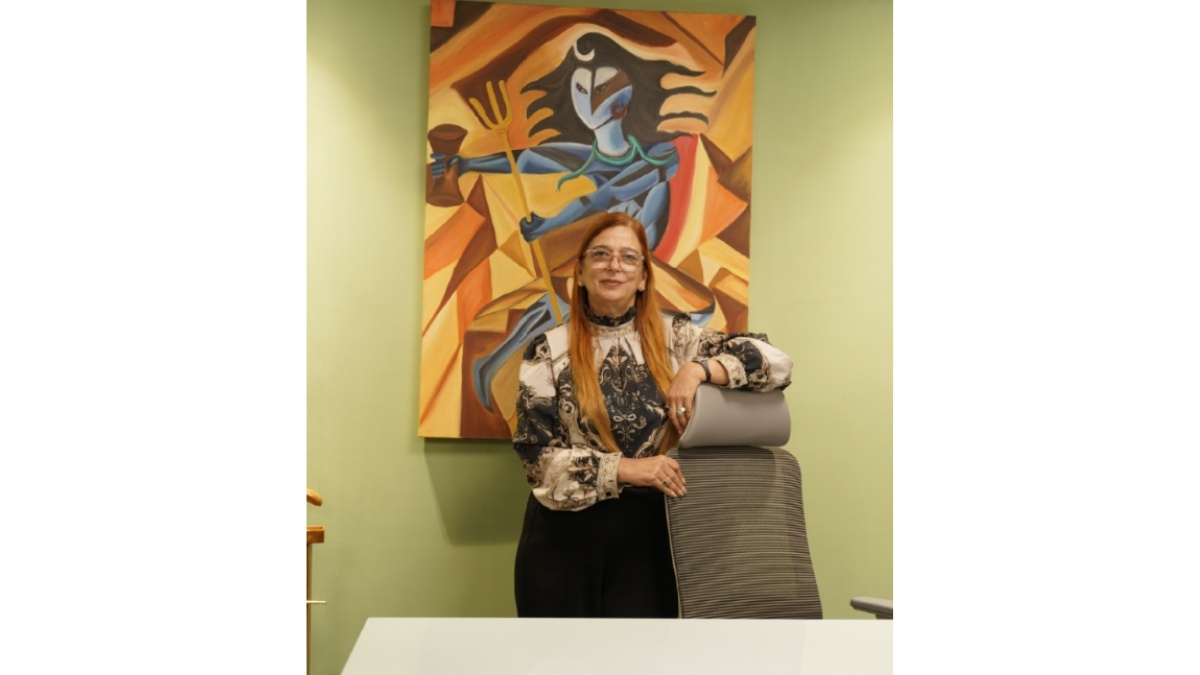
    That brand is Abundant Lives Academy, founded by spiritual mentor and Reiki Grand Master Dipti N. Jaiswal.

    A New Era of Spiritual Education

    Abundant Lives Academy is not a casual workshop space.
    It is a full-fledged spiritual learning ecosystem, offering more than 60+ transformative courses across healing, manifestation, energy sciences, intuitive arts, and inner work.

    At a time when spiritual education was scattered and unorganised, ALA brought:

    – proper structure
    – consistent learning paths
    – documented techniques
    – curriculum-based programs
    – guided transformations
    – long-term community support

    This shift — from fragmented learning to organised teaching — is what makes Abundant Lives Academy one of the most influential spiritual institutions in India today.

    People Are Changing — And Their Spiritual Needs Are Changing Too

    Across India, there is a visible movement:
    Young professionals, entrepreneurs, homemakers, students, healers, therapists — all are turning to spiritual learning with sincerity, curiosity, and discipline.

    Why?
    Because people are tired of:

    – emotional overwhelm
    – financial anxiety
    – relationship blocks
    –  inherited traumas
    – uncertainty
    – and inner disconnect

    They want tools, they want clarity, and they want something that really works.

    This is where ALA makes the leap.

    Instead of offering quick-fix “spiritual shortcuts,” it delivers:

    – systematic healing

    – deep emotional release

    – energy realignment

    – manifestation techniques

    – ancestral clearing

    – intuitive development

    – lifestyle transformation

    It gives people not just hope — but a method.

    60+ Courses Rooted in Depth, Designed for Real Life

    Abundant Lives Academy’s course library is unmatched in breadth and depth.

    HEALING SCIENCES

    Traditional Reiki & Rainbow Reiki®, Chakra healing, EFT, Energetic Balancing, and Aura Work.

    SPIRITUAL PROTECTION & CLEARING

    Spell Reversal, Imprint Removal, Energy Shielding, Past Life Regression.

    INTUITIVE & MYSTICAL ARTS

    Tarot, Numerology, Angel Symbols, Signature Analysis.

    MANIFESTATION & PROSPERITY WORK

    Money Mindset, Gratitude Manifestation, Abundance Challenges, Prosperity Rituals.

    DEEP WORK & ADVANCED SYSTEMS

    Ancestral Baggage Release, Wolf Magic, Portal Activations, Cosmic Alignment.

    MIND–BODY WELLNESS

    Meditation, Breathwork, Emotional Regulation, Yoga, Palm Chakra Activation.

    Each course has a defined structure, clear outcomes, guided processes, and spiritual depth — creating both transformation and trust.

    A Modern Delivery System for Ancient Wisdom

    One of ALA’s biggest innovations has been delivering spiritual education through modern channels — including live classes, self-paced formats, and WhatsApp-based workshops.

    Why does this matter?

    Because it makes spirituality:

    – accessible
    – comfortable
    – simple
    – tech-free
    – time-flexible
    – stress-free

    People can learn from anywhere — office, home, commute, or while managing family responsibilities.

    This accessibility is a major reason why ALA has attracted students across age groups, cities, professions, and countries.

    Community-Led Growth, Not Advertisement-Led Hype

    In a world driven by digital noise, ALA’s growth is entirely powered by:

    – real results
    – genuine testimonials
    – student-to-student recommendation
    – deep emotional trust
    – and a strong spiritual community

    Thousands of learners stay connected, keep learning, revisit courses, and join advanced programs because of the quality of transformation they experience.

    This makes ALA not just a business — but a self-sustaining spiritual ecosystem.

    The Founder Behind the Movement

    Dipti N. Jaiswal has spent 20+ years mastering multiple healing and spiritual modalities — from Traditional Reiki to Advanced Intuitive Sciences.

    As a Chartered Accountant by qualification and a spiritual mentor by calling, she brings the rare combination of:

    • intuitive clarity
    • disciplined structure
    • ethical practice
    • compassionate guidance
    • grounded, practical teachings

    Her approach is not dramatic or performative.
    It is clean, pure, methodical, and deeply transformative.

    This is why her community calls her:

    “a guide who can see your energy even when you cannot express it.”

    “a teacher who gives endlessly.”

    “a spiritual mentor who shapes lives.”

    Leading the Cultural Shift in India’s Spiritual Landscape

    India is gradually moving from:

    • superstition → to structured spiritual learning
    • fear-based rituals → to empowered healing
    • generic advice → to personalised transformation
    • occasional practices → to disciplined spiritual study

    And Abundant Lives Academy is one of the platforms ushering in this shift.

    It is creating a new category:
    a modern spiritual university disguised as an accessible, loving, community-driven academy.

    The Vision Going Forward

    Master Dipti’s mission for ALA is simple yet powerful:

    To democratize spiritual learning
    To make healing a daily habit
    To help people break generational limitations
    To build a conscious, abundant, spiritually awakened society

    With more courses, more formats, more global outreach, and a rapidly expanding community, Abundant Lives Academy is poised to become one of India’s leading spiritual schools.

    Not as a trend.
    Not as a brand.
    But as a movement.

    A movement that honours ancient wisdom, embraces modern learning, and gives people exactly what they’re seeking:

    A path to heal.
    A system to grow.
    A space to transform.

    A spiritual empire — built with sincerity, structure, authenticity, and heart.

    If you object to the content of this press release, please notify us at pr.error.rectification@gmail.com. We will respond and rectify the situation within 24 hours.

  • Surat Literature Festival 2026: A Platform For National Ideas Beyond The Metros

    Surat Literature Festival 2026: A Platform For National Ideas Beyond The Metros

    Surat (Gujarat) [India], January 5: As India approaches the centenary of Independence, debates on culture, governance and national direction remain concentrated in a few metropolitan centres.
    It is against this backdrop that the Surat Literature Festival returns for its fourth edition from 9 to 11 January 2026 at Veer Narmad South Gujarat University, seeking to widen the geography of India’s intellectual life and anchor serious public conversations beyond the metros.

    Conceived not merely as a literary gathering but as a forum for ideas, policy debate and cultural reflection, Surat LitFest has steadily grown in scale and ambition. Its third edition in 2025 was organised within the broader framework of Bharat@2047 and brought together policymakers, scholars, defence experts, scientists and cultural figures to reflect on India’s long-term national journey.

    Discussions ranged across governance, national security, education, media, the economy and indigenous knowledge systems, signalling a move beyond conventional festival programming.

    The 2025 edition featured speakers such as former ISRO chairman Dr A. S. Kiran Kumar, former Chief Justice of India Ranjan Gogoi, Lt Gen N. S. R. Subramani and economist Dr Shamika Ravi. A strong cultural programme complemented these discussions, drawing large and engaged audiences and establishing a format that has since become a defining feature of the festival.

    Viksit Bharat 2047 and Civic Purpose

    In recent years, Surat LitFest has explicitly linked its conversations to the idea of Viksit Bharat 2047, a national vision that seeks to make India a developed country by the centenary of Independence. The framework places emphasis on inclusive growth, infrastructure and technological advancement, human capital development and institutional reform.

    Within this context, the festival has positioned discussions on education reform, strategic autonomy and indigenous knowledge systems as practical contributions to the national roadmap. Organisers and speakers have argued that intellectual self-reliance and cultural confidence are essential to long-term transformation, alongside economic and technological progress.

    Civilisational Questions in Public Debate

    Alongside policy and economic themes, the festival has foregrounded conversations reflecting a broader civilisational reawakening in contemporary India. These sessions seek to reintroduce classical knowledge, spirituality and cultural memory into modern public discourse—not as nostalgia but as living frameworks shaping society and governance.

    Panels at the 2025 edition explored Indian knowledge systems and Dharmic heritage in relation to nation building, education and public ethics. This integration of civilisational inquiry with policy debate distinguishes Surat LitFest from many metropolitan literary events.

    Literature Festival

    A Broader 2026 Programme

    The fourth edition promises to be larger and more ambitious, with a structured three-day programme of thematic sessions.

    Day One will open with an inaugural ceremony featuring Swami Paramatmanand Ji, Dr Bhagyesh Jha, Shri Kishor Makwana and Shri Ratnakar Ji, followed by a cultural evening of folk and classical performances.

    Day Two will feature sessions on Rashtriya Suraksha, Technological Warfare & Bharat, Media, Dharma & Gen Z, and Cinema & Bharat@2047, with speakers including Major Gen Shashi Asthana, Vice Admiral Shekhar Sinha, Dr B K Das, Dr G K Goswami, Dushyanth Sridhar, Vishnu Shankar Jain, Pratik Gandhi and filmmaker Sudipto Sen.

    Day Three will focus on Mahila Shakti@2047, Rajneeti@2047, RSS@100, Education & Bharat@2047, and Communism & Bharat@2047, featuring voices such as Tehseen Poonawalla, Ajeet Bharti, Pradeep Bhandari, Meghna Pant, Prof M Jagadesh Kumar, Shri Ram Lal Ji and Dr Dilip Mandal.

    Culture at the Core

    Cultural programming remains central to the festival’s identity. Highlights include the theatrical production ‘Hu Chandrakant Bakshi’, performed by actor Pratik Gandhi on 10 January and billed as the festival’s crown jewel.

    A large folk and classical showcase titled Rhythms of India will bring together Kathak, Bharatanatyam, Yakshagana, Kalaripayattu and Tamasha performances by artists from across the country, alongside musical and dance events across all three days.

    Surat as a City of Ideas

    From a historic port city to one of India’s most dynamic commercial centres, Surat has long been associated with enterprise, textiles and diamonds. The festival seeks to leverage this economic energy to build a durable platform for national conversations beyond traditional cultural hierarchies.

    At a time when India’s intellectual life remains metro-centric, platforms like Surat LitFest signal a quiet but significant shift. By rooting national conversations in a non-metro city, the festival challenges the assumption that serious ideas must originate in Delhi or Mumbai.

    Its emphasis on civilisational confidence, public policy and cultural continuity suggests that India’s emerging intellectual landscape will be broader, more decentralised and more representative.

    Surat Literature Festival 2026 will be held from 9 to 11 January at Veer Narmad South Gujarat University.
    Further details are available at www.srtlitfest.com.

  • The Convenient Future Is Watching You Back: Why 2026’s Tech Boom Feels Personal, Powerful—and Slightly Unsettling

    The Convenient Future Is Watching You Back: Why 2026’s Tech Boom Feels Personal, Powerful—and Slightly Unsettling

    Mumbai (Maharashtra) [India], January 5: By the time 2026 knocks properly, technology won’t be something people use. It will be something they inhabit.

    That distinction matters.

    For years, tech companies sold tools. Then they sold platforms. Somewhere along the way, they began selling presence. AI assistants that speak like companions. Wearables that know your heart better than you do. Devices that anticipate needs before you articulate them. Convenience has evolved from a feature to a philosophy.

    And like all philosophies that promise ease, it comes with conditions.

    The big story of 2026 isn’t faster processors or smarter apps. It’s how technology is quietly renegotiating daily life—rewriting habits, redefining privacy, and gently suggesting that humans might not be the most efficient managers of themselves.

    Charming. Efficient. Slightly alarming.

    Tech didn’t barge into lifestyle. It waited to be invited.

    Burnout culture, health anxiety, productivity guilt, digital fatigue—modern life laid the groundwork. Technology simply arrived with solutions wrapped in soft interfaces and friendly voices.

    And people said yes.

    When Utility Quietly Became Identity

    Once upon a time, owning tech signalled capability. In 2026, it signals selfhood.

    Wearables don’t just count steps anymore; they narrate wellness. AI assistants don’t just answer questions; they curate decisions. Ambient computing doesn’t demand attention; it dissolves into surroundings, like a well-trained butler who never asks permission.

    The upside:

    • Life feels smoother, less fragmented

    • Health insights are accessible, personalised, and  continuous

    • Cognitive load decreases—decisions outsource themselves

    The unease:

    • Autonomy becomes collaborative

    • Silence becomes data

    • Opting out starts to feel… inefficient

    Progress didn’t remove friction. It relocated it.

    Wearables And The Rise Of Measurable Humanity

    2026 marks the year wearables stopped being accessories and became self-quantification mandates.

    Sleep scores dictate mood. Heart-rate variability influences schedules. Stress metrics justify rest—or guilt. Wellness transforms into dashboards, and the body becomes a report card.

    This isn’t dystopian. It’s practical.

    Until it isn’t.

    Pros:

    • Early detection of health irregularities

    • Preventive care replaces reactive medicine

    • Individuals gain visibility into long-ignored patterns

    Cons:

    • Anxiety thrives on numbers without context

    • Data interpretation becomes moral judgment

    • Health shifts from feeling to compliance

    The body used to speak in sensations. Now it sends notifications.

    AI Assistants: From Help To Habit

    The AI companions of 2026 aren’t dramatic breakthroughs. They’re persistent presences.

    They schedule, summarise, remind, predict, nudge. They learn tone, preference, emotional rhythm. Not because they care—because it works.

    The seduction is subtle. Delegation feels rational. Resistance feels stubborn.

    But here’s the catch: when an assistant learns your patterns better than you reflect on them, who’s really deciding?

    Positive reality:

    • Time reclaimed from trivial decisions

    • Accessibility expanded for diverse users

    • Personalisation becomes genuinely helpful

    Less advertised trade-off:

    • Cognitive atrophy through over-automation

    • Emotional dependency on responsive systems

    • Reduced tolerance for uncertainty

    Efficiency, it turns out, has opinions.

    Ambient Computing And The Disappearing Interface

    In 2026, the best tech barely announces itself.

    Lights adjust before irritation. Temperature adapts without commands. Content surfaces without searches. Homes become responsive ecosystems, offices predictive environments.

    It feels luxurious. Almost magical.

    Until invisibility becomes authority.

    Benefits:

    • Reduced screen fatigue

    • Seamless digital-physical integration

    • Environments adapt to human rhythms

    Concerns:

    • Consent becomes implied, not explicit

    • System errors become life disruptions

    • Manual control feels archaic

    When tech disappears, accountability gets fuzzy.

    Privacy: The Cost Nobody Reads Anymore

    Consumers say they care about privacy. Behavior suggests they care about convenience more.

    On-device AI promises data stays local. Wearables assure encryption. Interfaces whisper trust. And largely, they’re right. Security has improved. Architecture is smarter. But volume is the real issue.

    The more life becomes measurable, the more it becomes recordable.

    Privacy doesn’t vanish in 2026. It just becomes contextual, negotiable, and often postponed.

    The Economics Behind The Lifestyle Shift

    This transformation isn’t accidental. It’s expensive.

    Trillions have flowed into AI infrastructure, chip design, health-tech research, and consumer hardware ecosystems. Entire industries now depend on tech, embedding itself into daily rituals.

    This isn’t just innovation. It’s infrastructure psychology. The market isn’t asking whether people want this future. It’s ensuring it feels inevitable.

    Public Sentiment: Quiet Fascination, Muted Resistance

    Latest consumer surveys suggest excitement wrapped in caution. People love the outcomes, question the process, and rarely change behavior.

    Sarcasm thrives online. Adoption continues offline.

    That contradiction defines 2026.

    Pros And Cons, Without Romance

    Why It Works:

    • Life becomes smoother

    • Health becomes proactive

    • Accessibility expands

    • Friction decreases

    Why It’s Fragile:

    • Dependency increases

    • Self-trust erodes

    • Human unpredictability gets edited out

    Technology didn’t dominate lifestyle. Lifestyle outsourced itself.

    Final Thought: The Future Isn’t Cold—It’s Comfortably Warm

    The tech trends shaping 2026 don’t feel invasive because they don’t behave like invasions. They feel like help.

    And that’s precisely why scrutiny matters.

    The future isn’t about machines replacing humans. It’s about machines collaborating with them—sometimes too smoothly.

    The question isn’t whether technology will shape how people live.

    It already has.
    The real question is whether people will still recognise which parts of life should remain deliciously inefficient.

    PNN Lifestyle

  • Marvelous Mrs. India Season 3 Celebrates Beauty, Courage and Transformation in Regal Udaipur

    Marvelous Mrs. India Season 3 Celebrates Beauty, Courage and Transformation in Regal Udaipur

    Winners of Marvelous Mrs./Ms India Season 3

    Udaipur (Rajasthan) [India], January 5: Udaipur witnessed an evening of grace, emotion, and powerful storytelling as Nuke Preworkout presents Marvelous Mrs India Season 3 unfolded on 16th December. More than a pageant, the evening stood as a heartfelt celebration of womanhood — where dreams were honoured, identities reclaimed, and beauty redefined from the inside out.

    The prestigious crown of Nuke Preworkout, Marvelous Mrs India Season 3, was won by Anjali Gorang Kothari, whose poise, wisdom and life experience moved both the audience and the jury. Diti Thacker was announced as the First Runner-Up, while Dr Suyesha Khanijao claimed the title of Second Runner-Up, each embodying strength, authenticity and quiet confidence.

    In another title category- Marvelous Ms India for Unmarried women over 35, Aditi Agarwal emerged victorious, with Eesha Agarwal securing the First Runner-Up position — once again reinforcing that this platform celebrates diversity of journeys, not a singular definition of beauty.

    The presence of distinguished dignitaries elevated the evening. Mrs Amrita Fadnavis, First Lady of Maharashtra and wife of Hon’ble Deputy Chief Minister Mr Devendra Fadnavis, graced the occasion as the Chief Guest, lending warmth and encouragement to the participants. Nivritti Kumari of Mewar, representing a lineage of grace and legacy, attended as Guest of Honour, adding royal elegance to the night.

    Marvelous

    The panel of judges featured celebrated personalities: Sangeeta Bijlani, a Bollywood actress and Winner of Mrs UAE World; Taylor Elizabeth Peramond, a winner of Mrs UAE World; and industrialist Dhruv Somani, who brought global perspective, empathy, and discernment to the judging process.

    Hair and makeup by Mala Motwani of Shine & Glow and Designer Ashfaq Ahmed made the special chabbis look their gorgeous best.

    Founded by Dr Aditi Govitrikar, with support from Aarzoo Govitrikar, Marvelous Mrs India is built on a philosophy that challenges long-standing stereotypes. With the powerful hashtag #BeautyInsideOut, the pageant boldly declares that beauty is not defined by height, weight, age, skin colour or language. It is one of India’s most inclusive platforms — welcoming women from all walks of life, at any stage of their journey.

    “If you look at our winners, you will understand our belief,” shares Dr Govitrikar. “Sunita Dia is a practising doctor, Salona Pati proudly embraces her curves, and Anjali Gorang Kothari is a stunning and fit 58-year-old woman. This is what real beauty looks like — lived, earned and owned.”

    What truly sets Marvelous Mrs India apart is its holistic transformation journey. Participants undergo an intense and nurturing online training programme that spans a month, culminating in immersive, hands-on grooming at the finale. Dr Govitrikar personally mentors every contestant through one-to-one sessions, focusing not just on ramp walk and presentation, but on confidence, emotional healing, mindset shifts and self-worth.

    For many women, this platform is not about winning a crown — it is about reclaiming themselves.

    As the curtains closed on an unforgettable Season 3, one thing was clear: Marvelous Mrs India is not just creating queens — it is creating empowered women who walk back into their lives taller, braver and more unapologetically themselves.

    The journey continues.

    Marvelous Mrs. India returns in September 2026, and registrations are already open — inviting women everywhere to step into a transformation that could change their lives forever.

    If you have any objection to this press release content, kindly contact pr.error.rectification@gmail.com to notify us. We will respond and rectify the situation in the next 24 hours.

  • When Screens Decide The Menu: How Entertainment Quietly Hijacked Lifestyle Choices In 2025

    When Screens Decide The Menu: How Entertainment Quietly Hijacked Lifestyle Choices In 2025

    Mumbai (Maharashtra) [India], January 5: By the end of 2025, one uncomfortable truth became impossible to ignore: entertainment no longer ends when the credits roll. It follows people home, into wardrobes, onto plates, across airports, and—most critically—into spending decisions they swear were “personal choices.”

    They weren’t.

    Movies, streaming series, viral pop moments, and fandom economies didn’t just dominate conversations this year; they redesigned routines. The line between what people watch and how they live blurred into something almost poetic—if poetry were monetised, algorithm-fed, and occasionally exhausting.

    And yet, no one seems particularly eager to resist.

    Entertainment didn’t conquer lifestyle in a dramatic coup. It slipped in politely. A jacket here. A travel reel there. A café menu subtly renamed after a fictional universe. By the time consumers noticed, their aesthetic, appetite, and aspirations were already sponsored by screen culture.

    That’s the real story of 2025.

    The Lifestyle Was Always Watching Back

    For decades, cinema influenced fashion and travel in predictable bursts. A blockbuster released, trends followed, hype faded. But streaming altered the rhythm.

    Instead of short-lived waves, 2025 saw persistent cultural drip-feeding. Characters lived longer in people’s minds because they lived longer on screens. Ten-hour series didn’t just entertain—they imprinted.

    Clothing brands noticed.
    Travel boards noticed.
    Food chains noticed.
    Tech companies noticed.

    Consumers? They called it inspiration.

    Fashion: From Costume To Closet Staple

    What once stayed on red carpets now entered everyday wardrobes. Statement coats, distressed boots, monochrome palettes, hyper-specific accessories—2025 fashion leaned heavily on character aesthetics rather than seasonal trends.

    Interestingly, luxury houses weren’t always the winners. Mid-range and fast-fashion brands capitalised faster, recreating looks within weeks. Authenticity became optional; recognisability was currency.

    The positive:

    • Fashion became narrative-driven, emotionally engaging.

    • Smaller brands leveraged fandom without blockbuster budgets.

    The downside:

    • Sustainability quietly took a backseat.

    • Original design struggled against algorithm-approved replicas.

    Style didn’t die. It just outsourced creativity to scripts.

    Food: When Fiction Decided Flavor

    Restaurants and cafés experienced one of the most underestimated ripple effects of entertainment culture. Dishes referenced on screen—or merely seen being enjoyed—triggered real-world demand spikes.

    Comfort foods thrived. Regional cuisines have gained global curiosity. Theatrical eating became experiential marketing.

    Pop-up menus inspired by fictional worlds were no longer novelties; they were business models.

    Pros:

    • Cultural cuisines gained mainstream visibility.

    • Dining became storytelling, not just consumption.

    Cons:

    • Culinary authenticity blurred.

    • Viral demand often collapsed as fast as it rose.

    People didn’t just want to eat. They wanted to belong.

    Travel: Screens Became Silent Travel Agents

    Tourism boards rarely needed traditional campaigns in 2025. One visually striking location in a popular series did more than months of advertising.

    Search data showed destination queries spiking immediately after on-screen exposure. Hotels, homestays, and tour operators adjusted packages almost in real time.

    The irony? Many travellers arrived seeking cinematic solitude—only to find crowds chasing the same illusion.

    Positive impact:

    • Lesser-known destinations entered global itineraries.

    • Local economies benefited from pop culture exposure.

    Negative reality:

    • Over-tourism pressures intensified.

    • Cultural commodification followed quickly behind.

    Screens sold dreams. Reality handled logistics.

    Tech, Gadgets, And The Quiet Flex Economy

    What characters used mattered almost as much as what they wore. Phones, headphones, cars, and even home layouts became aspirational cues.

    Entertainment subtly validated purchasing decisions. Not through ads—but through association.

    What worked:

    • Product placements evolved into narrative props.

    • Tech adoption felt organic, not imposed.

    What didn’t:

    • Consumer fatigue grew.

    • The illusion of choice shrank.

    Freedom of preference became curated convenience.

    Fandom As A Consumption Engine

    Fandom wasn’t just emotional in 2025—it was operational.

    Merchandise launches, themed experiences, digital collectables, and community-driven commerce thrived. Audiences didn’t wait for brands; they demanded alignment.

    The smartest companies didn’t sell products. They sold belongings.

    But belonging, when monetised aggressively, risks becoming transactional.

    The Psychology Behind The Shift

    Why did entertainment succeed where traditional lifestyle marketing struggled?

    Because it didn’t interrupt life—it mirrored it.

    Stories validated identity. Characters offered emotional permission. Consumption felt like self-expression rather than persuasion.

    That’s powerful. And dangerous.

    The PR-Safe Truth Brands Won’t Say Aloud

    Entertainment-led lifestyle influence is efficient—but volatile.

    One narrative shift, one cultural backlash, one audience fatigue cycle, and the same trends evaporate. Brands tethered too closely to fiction risk inheriting its impermanence.

    Long-term equity still requires substance. Not just aesthetics.

    Latest Industry Whispers

    Toward the end of 2025, marketing strategists quietly began recalibrating. Over-dependence on pop culture tie-ins showed diminishing returns. Audiences started recognising patterns. Sarcasm entered comment sections.

    Ironically, authenticity—once dismissed as unfashionable—made a cautious comeback.

    The Pros And Cons In One Breath

    Pros:

    • Cultural exchange accelerated

    • Lifestyle marketing became narrative-rich

    • Audiences felt seen, not sold to

    Cons:

    • Consumer identity blurred with fiction

    • Sustainability suffered quietly

    • Trends aged faster than relevance

    Balance, as always, remained optional.

    Final Thought: Entertainment Didn’t Replace Lifestyle—It Edited It

    2025 didn’t witness lifestyle surrender to entertainment. It witnessed a merger.

    People still chose how they lived. They just chose from menus written by stories they loved.

    And maybe that’s not dystopian. Maybe it’s human.

    After all, civilisations have always lived by stories.
    2025 simply added better lighting, better costumes, and a checkout link.

    PNN Lifestyle

  • History Created on Mumbai’s Soil: Grand Culmination of the ‘Rishabhayan-2’ International Conference Amidst a Gathering of Over One Lakh People

    History Created on Mumbai’s Soil: Grand Culmination of the ‘Rishabhayan-2’ International Conference Amidst a Gathering of Over One Lakh People

    Mumbai (Maharashtra) [India], January 3: At Borivali, the three-day international conference “Rishabhayan-2: Forerunner and Architect of Indian Culture”, dedicated to the life and values of Bhagwan Rishabhdev—the pioneer of human civilisation—concluded successfully in a truly historic manner. Scholars, saints, thinkers, educationists, and students participated in the conference, which was witnessed by an audience of over one lakh people.

    The programme commenced on Friday, 19 December, with a grand procession. The inspirer of the Rishabhayan Conference, Jain Gachchhadhipati Acharya Yashovarmasurishwarji Maharaj, bestowed blessings. In the august presence of saints from all four Jain traditions, more than 15 Acharyas and over 400 sadhus and sadhvis, the conference was inaugurated by Maharashtra Chief Minister Devendra Fadnavis. While releasing the book “Rishabhayan”, the Chief Minister stated that the text is highly relevant to modern society. On this occasion, saints such as Vijay Somtirth, Dandi Swami Jitendra Saraswatiji, and Shantigiri Maharaj provided profound guidance on the universal philosophy of Rishabhdev. Saints from Sikh, Buddhist, Hindu, and Jain traditions marked their presence, collectively acknowledging King Rishabhdev’s contributions and existence, and celebrating the day as a reaffirmation of his status as the pioneer and architect of Indian culture. During the inauguration, Dr N. P. Singh, Executive Chairman of the Indian Education Board, expressed keen interest in integrating values with modern education.

    An initiative was launched to distribute the booklet “Rishabh Jeevan”, which presents the life of Rishabhdev, to every school and educational institution across India. This publication was prepared under the guidance of Gachchhadhipati Acharya Yashovarmasurishwarji and Acharya Bhagyayashasurishwarji.

    Sessions focusing on the origins of civilisation and the pride behind the name “Bharat” presented historical and archaeological evidence establishing Bhagwan Rishabhdev as the actual initiator of Indian civilisation. Scholars explained, with precise references, that modern concepts such as entrepreneurship, skill development, and sustainable living were embedded thousands of years ago in the arts of Asi, Masi, and Kasi, imparted by Rishabhdev. Citing the Shrimad Bhagavata Purana, it was reaffirmed that the country’s name “Bharat” is derived from the name of Chakravarti Emperor Bharat, the eldest son of Rishabhdev. In the startup-focused session, industry leaders including Niranjan Hiranandani (Hiranandani Group), Hitesh Doshi (Wari Group), Uttam Jain (Neon Laboratories Group), and Krishna Rana (Platinum Group) interacted with students.

    On the second day, national and international researchers presented papers on the Brahmi script, mathematics, the 72 masculine arts, and the 64 feminine skills from the era of Rishabhdev. With the cooperation of 1,111 Jain Sanghs under the Mumbai Jain Sangh Organisation, trustees from Vihar Dham, and support from regions spanning Navi Mumbai to Virar and Surat, a historic public unveiling of manuscripts dating from 200–500 years ago and 1,111 rare texts was held. Union Minister Piyush Goyal and Maharashtra Education Minister Chandrakant Dada Patil were present in person. One of the conference’s most outstanding academic achievements was the signing of memoranda of understanding with universities across Mumbai and India, including Nalanda University, SAU University, and the Archaeological Survey of India. Gujarat Deputy Chief Minister Harsh Sanghavi also extended an invitation to host Rishabhayan-3 in Gujarat in 2026.

    Eminent scholars from India and abroad deliberated intensely on Bhagwan Rishabhdev’s contributions to civilisation. Padma Shri Kumarpal Desai highlighted Rishabhdev’s role in the rise of human civilisation and presented a creative, thought-provoking monologue by King Rishabh. Advocate Vishnu Shankar Jain presented legal and historical perspectives on “King Rishabhdev’s System of Justice.”

    Scholars Dr Rajmal Jain and Dr Bipin Doshi described Rishabhdev as the founder of a cultured human society, discussing both historical contexts and contemporary relevance. Prof. Jitendra Shah and Dr Dharamchand Jain elaborated on Rishabhdev’s teachings and his contributions to nation-building. Dr Bhagchandra Jain ‘Bhaskar’ explained the roots of civilisation through archaeological and historical evidence. Architect Mayank Barjatya presented insights into the science of energy in the Bhaktamar Stotra and Rishabhdev. Young astrologer Vishwa Vora, a recipient of the President’s Award, captivated the audience with his profound knowledge. At the same time, Rahul Kapoor from Bengaluru delivered an hour-long presentation on a paper authored by a revered sadhviji.

    As part of the conference, large sets and advanced digital models vividly showcased the 72 vocational arts, 64 fine arts, and ancient historical heritage. Stalls featuring ancient handicrafts, women-led home industries, and art-based startups by hundreds of youth and schoolchildren attracted massive crowds.

    On the final day, Maharashtra Cultural Affairs Minister Ashish Shelar stated that “Rishabhayan” is not merely a festival but a mission to connect future generations with their roots. The Labdhi Vikram Janseva Trust organised the event in cooperation with Naginadas Khandwala College. Legislators Sanjay Upadhyay and Pravin Darekar, along with several Jain organisations, youth groups from Borivali, Kandivali, Malad, Bhayandar, Mira Road, and RSS leaders, were present.

    More than 100 research papers were presented during the conference, discussed by scholars from across India, forming the foundation for the forthcoming “Rishabhayan-2” volume. During the programme, the Labdhi Vikram Janseva Trust inaugurated research initiatives under the Rishabh Swadhyay Peeth. Sejal Shah and Ramzan Hasniya skilfully anchored the three-day event.

    The tireless efforts of motivational trainer and BJP leader Sunil Lodha of Mumbai, Mukeshbhai of Multi Graphics, Lalit Gandhi, Girish Shah, trustees of LVGST, Ketanbhai, Jineshbhai, Ashokbhai, and many others bore fruit. Above all, the dedicated efforts of Gachchhadhipati Acharya Yashovarmasurishwarji Maharaj, Acharya Bhagyayash Maharaj, Acharya Hrinkaryash Maharaj, Muni Tirthyash Maharaj, Sadhviji Vipulmalashriji, and accompanying sadhvis ensured the grand success of the event. With over one lakh people in attendance, Rishabhayan-2 emphatically proved that India’s ancient culture is the foundation of a bright future for the nation.

    The three-day conference featured two main halls: the primary hall hosted scholarly lectures, saintly discourses, and political dignitaries, while the adjoining smaller hall—Rishabh Swadhyay Peeth—witnessed the presentation of over 100 research papers over three days. These discussions by scholars from across India will culminate in the publication of Rishabhayan-2. Sejal Shah and Ramzan Hasniya efficiently conducted the programme.

    The efforts of motivational trainer and Mumbai BJP leader Sunil Lodha, along with Mukeshbhai of Multi Graphics, Lalit Gandhi, Girish Shah, and the trustees of LVGST — Ketanbhai, Jineshbhai, Ashokbhai, and other eminent personalities — bore fruitful results. In the overall organisation, the dedicated efforts of Gachchhadhipati Acharya Yashovarmasurishwarji Maharaj, Acharya Bhagyayash Maharaj, Acharya Hrinkaryash Maharaj, and Muni Tirthayash Maharaj, as well as Sadhviji Vipul Mala Shriji and her fellow Sadhvi Bhagwants, played a significant role in its success.

    PNN Lifestyle

  • Celebrate With Style: A Curated Seasonal Style Edit 2026 For Festive Elegance and Timeless Gifting

    Celebrate With Style: A Curated Seasonal Style Edit 2026 For Festive Elegance and Timeless Gifting

    New Delhi [India], January 2: As the festive calendar unfurls its joyful array of celebrations, this Seasonal Style Edit 2026  brings together an inspired selection of fashion, beauty, accessories, and fragrance that make every moment shine with purpose and personality. From hand-crafted designs to statement luxury pieces, this lineup celebrates craftsmanship, modern indulgence, and the art of giving — perfectly curated for gifting, events, and unforgettable seasonal style. Let’s unwrap this season’s standout edit that strikes a balance between refined elegance and expressive flair.

    Diamond Sophistication with Youthful Allure

    Leading the edit is a piece that embodies sparkling optimism: the College-Crush Diamond Danglings from Heera One. Crafted with precision and suspended diamonds that catch every glint of light, these earrings redefine understated glamour. Ideal for festive gatherings or evening soirees, they pair effortlessly with both traditional silhouettes and contemporary fashion. A versatile jewel that feels both fresh and timeless, this piece captures the joyous spirit of celebration with effortless charm.

    Effortless Elegance in Sustainable Fashion

    For those who value mindful style, the Lilac Dawn Dress by Bloom by Bodhi Label blends serene sophistication with breathable comfort. Made from natural linen and thoughtfully designed with soft gathers and subtle cut-outs, this ensemble transitions beautifully from casual festive brunches to sunlit celebrations. Designed for women who appreciate grace in simplicity, the dress reflects a philosophy where fashion meets purpose.

    Capturing a whimsical yet refined aesthetic, Roohrang by Shasha Gaba interprets nature’s hues — from Blue Blossom to Scarlet Desire — in fluid silhouettes and delicate floral motifs. Whether it’s a daytime festival stroll or a dusky evening gathering, these pieces evoke the season’s warmth with Florals that feel both rooted and radiant.

    The edit also spotlights the Flamingo Flounce Lehenga Set by Jigar & Nikita — a handcrafted lehenga in dreamy pink hues, rich with Lakhnawi embroidery and crystal accents that elevate festive wear into the realm of couture.

    Modern Festive Staples and Versatile Style

    Blending contemporary with classic, the Boho Straight Skirt & Waistcoat Set from Her Storie by Bhawna offers a refined yet relaxed silhouette, perfect for day-to-evening transitions. Designed with a dual-purpose ethos, it can be styled together for a head-turning look or mixed and matched for a variety of occasions.

    For men’s festive gifting and celebratory dressing, Adyaaye’s Vivah Collection reimagines traditional menswear with royal inspiration and contemporary tailoring. Featuring bandhgalas in rich hues and detailed collars, this range speaks to the modern groom and stylish celebrant alike.

    Beauty Essentials for the Glow-Driven Festive Season

    No festive edit is complete without skincare that keeps pace with celebrations. Enter the Take 2 Swipe Savy Toner Pads — a skincare multitasker designed for radiant, balanced skin without the fuss. Infused with AHA + BHA, hydrating botanicals like Centella Asiatica and Rice Water, and antioxidant-rich Pomegranate Extract, these pads exfoliate, soothe, and protect in a single swipe — ideal for prepping skin before makeup or refreshing after a long day. Stylishly simple and travel-friendly, they’re a standout addition to any beauty kit.

    Fragrance That Leaves a Mark

    Indulgence takes aromatic shape in Adorable Bliss’s Golden Drizzle — an eau de parfum crafted to linger like a warm memory. Opening with smooth notes of rum, it blossoms into a heart of coffee and dark chocolate, finally settling into rich caramel, sandalwood, and vanilla. With a concentration of 20–25% perfume oil and lasting wear up to 10 hours (or more on fabric), it’s a scent that complements festive evenings and celebratory mornings alike.

    Accessories That Balance Function and Flair

    Accessories in this edit blend practical design with sophisticated style. The Tero Backpack — crafted from premium leather — marries organisation with understated luxury. Thoughtfully compartmentalised and finished with refined details, it’s an essential for everyday elegance that carries seamlessly from urban commutes to weekend explorations.

    For standout wardrobe moments, the Elegant Luxe Gown by Bling Empire delivers unapologetic glamour. With a bold silhouette and hand-beaded geometric patterns that catch the light, this gown is engineered for memorable festivities and captivating entrances.

    Statement Fashion Pieces With Deep Roots

    Closing the edit are pieces that draw inspiration from heritage and artistry. Safar-e-Chaand by Banjara Trail evokes nomadic spirit through luminous pearls and earth-rooted textures — a poetic celebration of movement and moonlit journeys. Meanwhile, Amelia Corset Pants Set from Tasia by Jade by Ashima reinterprets Renaissance silhouettes with contemporary tailoring, merging bold lines and artisanal embroidery into a striking ensemble.

    And for a touch of vivid holiday glamour, the Red Sequin Off-Shoulder Dress by Ellemora makes a modern statement with its sparkling silhouette and bold design — ideal for New Year’s Eve revelry.

  • Prayagraj Magh Mela 2026: A Powerful Return of Faith

    Prayagraj Magh Mela 2026: A Powerful Return of Faith

    New Delhi [India], January 3: Prayagraj Magh Mela 2026 is not just another date on India’s cultural calendar. It is a reminder that scale does not always mean chaos. That belief, when organised well, can look almost effortless.

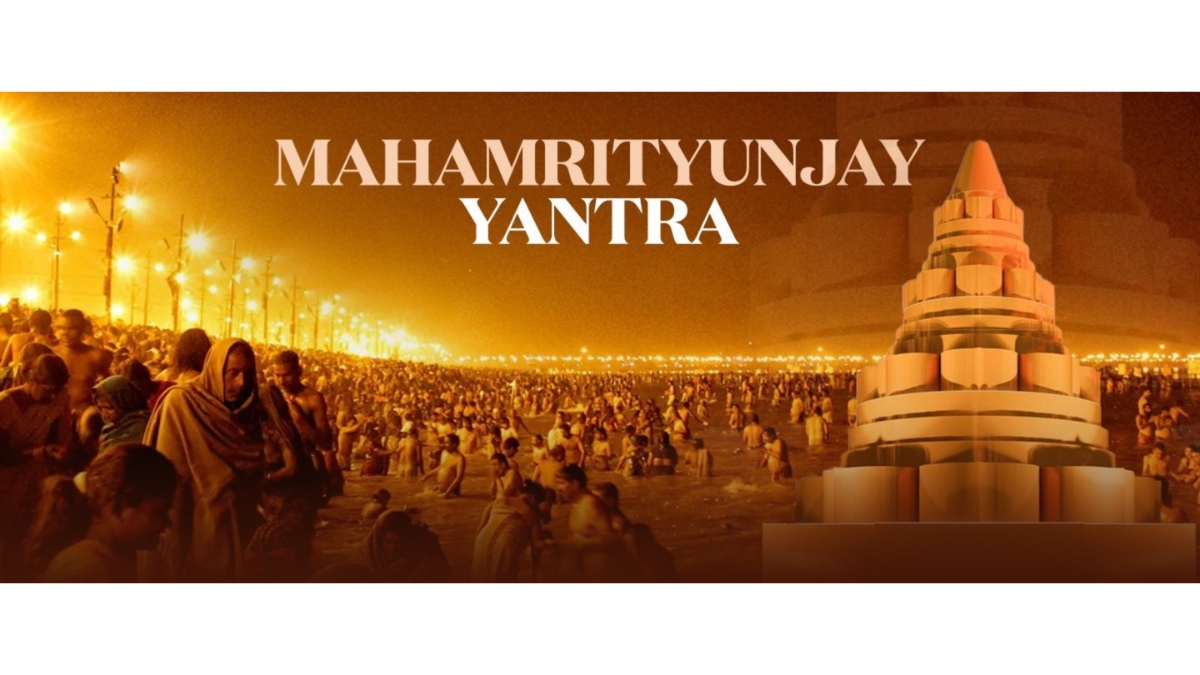
    Held annually on the floodplains of the Ganga, the Magh Mela is regarded as one of India’s largest and most disciplined pilgrimages. Unlike one-day festivals, this is a sustained spiritual gathering where people live, bathe, pray, and leave without leaving scars behind.

    Equality is not discussed here. It is practiced.

    Dates, Duration, and Sacred Beginning

    The Prayagraj Magh Mela 2026 officially begins on January 3, 2026, coinciding with the auspicious occasion of Paush Purnima. From this day onward, devotees will gather daily on the banks of the river for ritual bathing, prayers, and spiritual discourse.

    The Mela will continue for over six weeks, culminating in mid-February, following the traditional Hindu calendar. Each phase is marked by specific snans that carry religious significance, drawing saints, ascetics, Kalpvasis, and ordinary devotees alike.

    This is faith that follows a timetable. And it does not miss deadlines.

    Triveni Sangam: Where Rivers and Belief Meet

    The heart of Prayagraj Magh Mela 2026 is the Triveni Sangam, the sacred confluence of the Ganga, Yamuna, and the mythical Saraswati.

    This is not symbolic geography. For millions, this is spiritual mathematics. Three rivers. One belief. Zero doubt.

    According to official cultural records, the Sangam is considered one of the holiest pilgrimage sites in India. A dip here is believed to cleanse sins and offer liberation. Whether one believes that literally or metaphorically, the discipline with which devotees approach the ritual is impossible to ignore.

    No pushing. No shouting. Just patience.

    Ritual Snans and the Discipline of Faith

    The ritual snan is the core of the Magh Mela experience. Devotees begin arriving before dawn, forming long, orderly lines that move steadily toward the river.

    There is no rush, even though the crowd runs into lakhs daily.

    That is the paradox of the Magh Mela. Immense numbers. Minimal disorder.

    Kalpvasis, who stay for the entire duration of the Mela, follow strict routines that include early morning baths, simple meals, spiritual study, and minimal possessions. In a world obsessed with accumulation, this is voluntary subtraction.

    Railways Step In: Special Trains for Devotees

    To support the massive movement of pilgrims, Indian Railways has announced special train services for Prayagraj Magh Mela 2026.

    The North Eastern Railway (NER) has made focused preparations to ensure smooth travel for devotees. During the Mela period, six pairs of special trains will operate via the Varanasi route, improving connectivity and easing congestion on regular services.

    These special trains are not just logistical add-ons. They are essential infrastructure for faith on the move.

    Pilgrimage without access is just an intention. Railways turn it into action.

    [Internal Link → Placeholder: Indian Railways festival travel planning]

    [External Link → Placeholder: Official Indian culture portal on Magh Mela]

    Temporary City, Permanent Impact

    What emerges during Prayagraj Magh Mela 2026 is a fully functional temporary city.

    Pontoon bridges span the river. Medical camps appear overnight. Sanitation systems run round the clock. Security, traffic management, and disaster preparedness operate silently in the background.

    Then, after the Mela ends, everything disappears.

    No concrete. No clutter. No trace.

    Urban planners study it. Administrators admire it. Visitors remember it.

    This is infrastructure without arrogance.

    Why Prayagraj Magh Mela 2026 Still Matters

    In an era of digital spirituality and compressed attention spans, Prayagraj Magh Mela 2026 asks for something radical.

    It does not chase relevance. It commands respect.

    The Mela survives because it adapts without compromising its core. Railways modernise access. Administration improves safety. But the ritual remains unchanged.

    That balance is rare.

    And powerful.

    Ministry of Culture – Magh Mela (India Culture Portal)
    https://indianculture.gov.in/festivals-fairs/magh-mela

    PNN NEWS

  • Surajkund Craft Mela 2026 Gets a Powerful Uttar Pradesh Spotlight

    Surajkund Craft Mela 2026 Gets a Powerful Uttar Pradesh Spotlight

    Surajkund Craft Mela 2026 is not just another festival date to circle. It is one of India’s most serious platforms for living culture. No gimmicks. No cosmetic patriotism. Just craft, skill, and survival.

    Hosted annually in Haryana, the Surajkund Craft Mela has earned its reputation by doing something radical. It respects artisans. It pays attention to process. And it gives India’s traditional economy a global stage without diluting it.

    This year, by naming Uttar Pradesh as the theme state, the mela is not being nostalgic. It is being precise.

    Uttar Pradesh as Theme State: A Strategic Call

    Uttar Pradesh is not a token choice. It is a heavyweight.

    From Banarasi silk to Moradabad brassware, from Chikankari embroidery to Bhadohi carpets, Uttar Pradesh carries centuries of craft intelligence. This is not heritage frozen in glass cases. This is a skill passed through hands, families, and neighbourhoods.

    Surajkund Craft Mela 2026 will spotlight this ecosystem on a full scale. Not just products, but the people behind them.

    This matters because India’s craft story is often flattened into décor. Uttar Pradesh breaks that illusion. Its crafts are economic engines, employing millions and anchoring regional livelihoods.

    That is not sentiment. That is a fact.

    The Crafts That Built Civilisations

    Uttar Pradesh’s craft legacy did not arrive overnight. It was engineered over centuries.

    Banaras alone represents one of the world’s most complex textile traditions. Every weave is geometry. Every motif is memory. Moradabad’s metal craft feeds global markets. Saharanpur’s woodwork travels far beyond Indian borders.

    Surajkund Craft Mela 2026 gives these traditions visibility without translation. No need to modernise them for approval. The work speaks for itself.

    That is power.

    Folk Arts, Not Museum Pieces

    The mela is not only about objects. It is about expression.

    As the theme states, Uttar Pradesh will also bring its folk music, dance forms, and performance traditions to the forefront. Nautanki, Raslila, and regional storytelling traditions will be part of the live cultural programming.

    This is important. Folk arts die when they are archived instead of performed. Surajkund keeps them breathing.

    In an era where culture is often compressed into reels and trends, this festival insists on presence. You show up. You listen. You engage.

    No shortcuts.

    Cultural Diplomacy Without the Noise

    Surajkund Craft Mela has always been a soft-power platform. International participation is routine, not performative. Diplomats, cultural delegations, and global buyers attend not for spectacle, but for sourcing and collaboration.

    With Uttar Pradesh as the theme state in 2026, India is quietly exporting credibility. Craft is not nostalgia. It is an industry.

    And unlike loud summits and glossy expos, this is diplomacy done with clay, thread, wood, and metal.

    Subtle. Effective. Durable.

    What Visitors Can Expect in 2026

    Visitors to the Surajkund Craft Mela 2026 can expect a fully immersive experience of Uttar Pradesh.

    Craft clusters curated by region
    Live artisan demonstrations
    Traditional cuisine from across UP
    Folk performances rooted in community traditions
    Direct interaction with master craftsmen

    This is not retail therapy. This is cultural literacy.

    And yes, it is also a reminder that India’s informal economy often carries more design intelligence than most urban studios.

    Why This Choice Sends a Bigger Message

    By choosing Uttar Pradesh, Surajkund Craft Mela 2026 is making a statement about scale and seriousness.

    Big states matter. Deep traditions matter. And craft deserves policy-level respect, not seasonal applause.

    For artisans, this visibility can translate into orders, recognition, and sustainability. For audiences, it is an education without preaching. For India, it reinforces that cultural confidence does not require reinvention.

    It requires commitment.

    Ministry of Textiles (Development Commissioner for Handicrafts) — Event Page for Surajkund Craft Mela 2026
    https://indian.handicrafts.gov.in/en/events/view/NjAy

    https://cgiperth.gov.in/event?id=e36rd

    PNN News

  • On New Year’s Day, a Massive Crowd of Devotees Gathered at Khatu Shyam Delhi Dham in Alipur, with more than 20 Lakh Devotees Visiting the Temple

    On New Year’s Day, a Massive Crowd of Devotees Gathered at Khatu Shyam Delhi Dham in Alipur, with more than 20 Lakh Devotees Visiting the Temple

    On the New Year, a Sea of Devotees at Khatu Shyam Delhi Dham in Alipur; Over 20 Lakh Offer Darshan

    New Delhi [India], January 2: On the occasion of the New Year, a massive crowd of devotees gathered at Khatu Shyam Delhi Dham in Alipur, Delhi. The entire temple complex and surrounding areas resonated with chants of “Jai Shri Shyam.” According to estimates, more than 20 lakh devotees offered darshan to Shyam Baba, with the scale of the gathering drawing comparisons to the Kumbh Mela.

    Ghanshyam Gupta Javeri, National President of Khatu Shyam Delhi Dham, stated that long queues for darshan had formed from the early hours of New Year’s Day. The atmosphere was steeped in devotion, echoing continuously with chants in praise of Shyam Baba.

    He further shared that Khatu Shyam Delhi Dham, often described by devotees as a wonder of the world, witnessed queues stretching 4 to 5 kilometres as soon as people stepped into 2026. Despite the overwhelming crowd, devotees displayed remarkable enthusiasm and unwavering faith.

    Darshan commenced as early as 1:00 a.m., and even at that hour, the surroundings reverberated with “Jai Jai Shyam.” Devotee lines were seen extending up to 6 kilometres. Throughout the event, discipline and devotion prevailed, as devotees welcomed the New Year by offering themselves at the feet of Shyam Baba.

    On this occasion, the endeavour was led by S.S. Agarwal, Satyabhushan Jain, National Senior Vice President Hariom Goyal, National General Secretary Sanjeev Kumar Mittal, National General Secretary Ramesh Gupta, National General Secretary Pawan Singh, Madhu Gopal Goyal, Anil Gupta, and Naveen Garg.

    If you have any objection to this press release content, kindly contact pr.error.rectification@gmail.com to notify us. We will respond and rectify the situation in the next 24 hours.