Tag: entertainment

  • Shaarib–Toshi Unveil “Ishq Da Haasil” at Grand Launch of Their Dream Sufi Album Roohaniyat

    Shaarib–Toshi Unveil “Ishq Da Haasil” at Grand Launch of Their Dream Sufi Album Roohaniyat

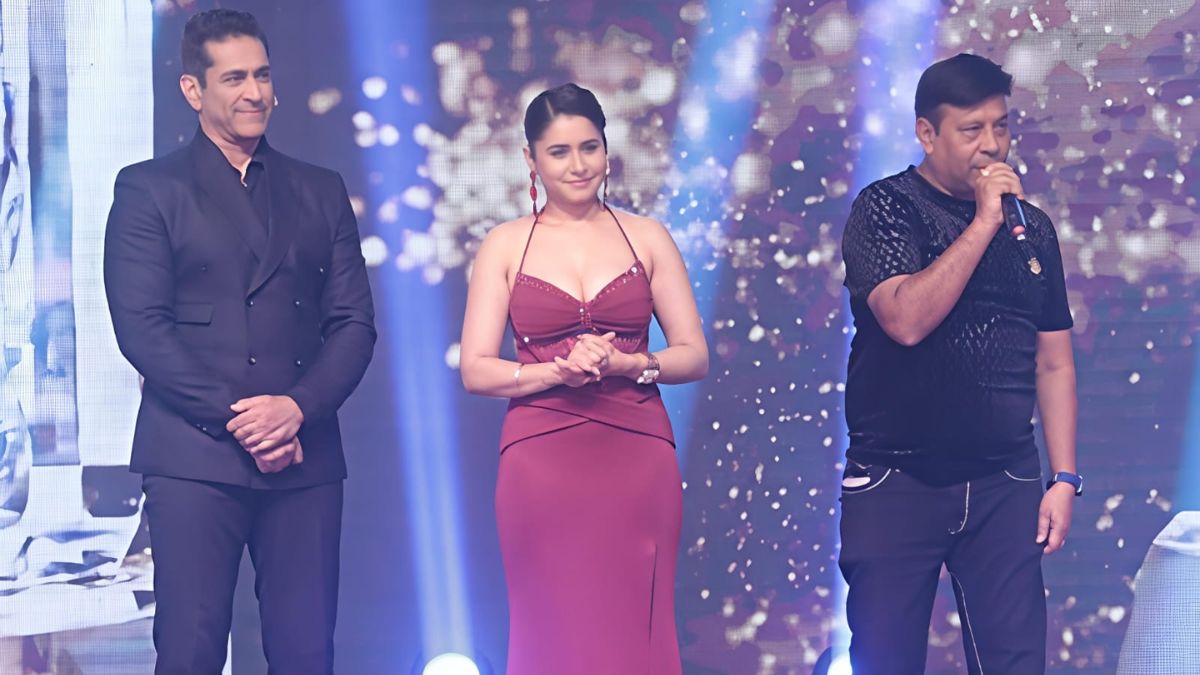
    Mumbai (Maharashtra) [India], January 23: The grand star-studded launch saw artists, industry icons, and music connoisseurs gather to celebrate what is being hailed as India’s biggest and most powerful Sufi album. To name a few were Neeraj Bhatia, Vipin Pathania, Smita Gondkar, Abhimanyu Singh, Sargam Singh, Vipul Roy, Aamir Ali, Umar Riaz, Sonia Birje and many more.

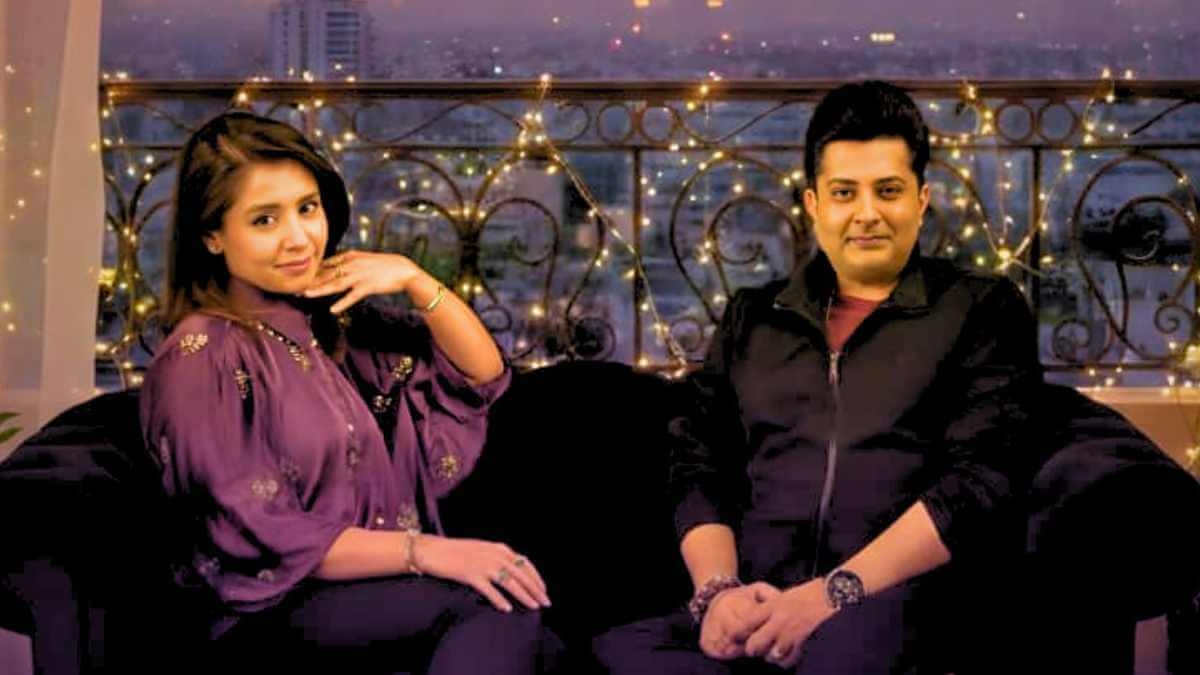
    Mumbai witnessed a resplendent, spiritually charged evening as celebrated musical duo Shaarib Sabri & Toshi Sabri unveiled the second song, “Ishq Da Haasil,” from their long-awaited, dream Sufi album ROOHANIYAT, presented by Opul Music.
    A ten-track spiritual odyssey, Roohaniyat is a musical tapestry of Sufi serenity, divine energy, and transcendent emotion. Steeped in spiritual fervour and crafted with the unmistakable Sabri signature, the album stands as a testament to Shaarib and Toshi’s artistic evolution and unwavering devotion to music that elevates the soul.

    “Ishq Da Haasil” features the voices of Shaarib & Toshi along with Nakash Aziz, beautifully encapsulating the journey of spiritual love—the kind that dissolves ego, awakens consciousness, and brings one closer to the divine. With hauntingly powerful vocals, soulful arrangements, and poetry that lingers long after the music fades, the track represents the heart of Sufi philosophy: love as the ultimate truth.
    The song blends traditional mysticism with contemporary resonance, creating a soundscape that draws listeners into a higher state of emotional and spiritual awareness. True to the Sabri lineage, “Ishq Da Haasil” reverberates with purity, passion, and prayer.

    Shaarib Sabri, speaking about the album, said,

    “‘Ishq Da Haasil,’ the second track from Roohaniyat, is a simple yet heartfelt take on love that brings peace, clarity, and genuine connection. The song focuses on the kind of love that makes a person feel seen and understood, a love that changes you from within. With honest vocals and an easy, soulful melody, ‘Ishq Da Haasil’ is designed to make listeners feel warm, comforted, and emotionally anchored. It’s a relatable, real expression of love that stays with you.”

    Toshi Sabri says,

    “With ‘Ishq Da Haasil,’ we wanted to create a song that feels honest and real. It’s about the kind of love that steadies you in life—the love that gives you strength on days when nothing else makes sense. This track comes from a very personal place, and we hope people connect with it in their own way.”

  • Bhooth Bangla: 1 Haunted Bungalow, 1000 Laughs, Infinite Thrills

    Bhooth Bangla: 1 Haunted Bungalow, 1000 Laughs, Infinite Thrills

    New Delhi [India], January 24: Akshay Kumar is back. Priyadarshan is back. And they’re not messing around. Bhooth Bangla isn’t a polite rom-com or a half-baked thriller. It’s a full-throttle comedy-horror, built to jolt, tickle, and entertain simultaneously. Think Tony Stark designing a haunted mansion: flashy, chaotic, and impossible to ignore.

    Akshay & Priyadarshan: Reunion Goals

    This is not merely a reunion, but a complete Bollywood event. The last time Akshay Kumar and Priyadarshan collaborated was more than 14 years ago, producing hits that are now classics of Indian comedy cinema. Fans have been eagerly awaiting this chemistry.

    Akshay brings his usual energy: martial arts combined with sharp dialogue, while Priyadarshan directs the comedy chaos with pinpoint precision. Together, they vow a movie where timing is everything—humour, suspense, and genuine fright all coexist.

    At a time when horror films have become copy-pasted gore-fests and rom-coms are endlessly recycled, Bhooth Bangla dares to be different. Indian audiences are ready for intelligent chaos, and this movie delivers.

    Cast Explosion: Who the Hell is in the House?

    Ensemble casts are a Bollywood favourite, but Bhooth Bangla elevates it a notch higher. Akshay Kumar anchors the film, but the supporting cast ensures an endless stream of brilliant moments.

    • Tabu: Intensity meets subtle comedy; she adds believability and keeps scenes grounded.

    • Wamiqa Gabbi & Jisshu Sengupta: Younger leads inject fresh energy and charm.

    • Paresh Rawal & Rajpal Yadav: Comedy legends; they don’t just make you laugh—they dominate every scene.

    • Asrani, Rajesh Sharma, Manoj Joshi: Seasoned actors providing depth and impeccable timing.

    • Mithila Palkar: Modern, relatable humour for the millennial audience.

    In terms of laughs per minute, this cast overperforms. Even background interactions are staged to maximise humour. This is ensemble comedy at its finest.

    Comedy Meets Horror: The Ideal Cocktail

    Bollywood has tried comedy-horror numerous times, and a few have succeeded. Priyadarshan has a doctorate in combining slapstick, suspense, and supernatural tension.

    Picture this: a haunted bungalow, ghosts with attitude, humans scrambling, and Akshay Kumar striding through it all like Harvey Spectre negotiating a deal. That’s the level of timing and energy at play.

    The horror is narrative-driven. Forget cheap jump-scares—here, no haunting feels out of place, no scream is wasted. Comedy doesn’t dilute tension; it amplifies it. And the dialogue? Blunt, occasionally sarcastic, never monotonous.

    This combination will resonate with India’s multiplex audiences, who are tired of formulaic Hollywood-inspired thrillers. Bhooth Bangla doesn’t sneak in—it storms in with confidence.

    Priyadarshan’s Signature Chaos

    Priyadarshan is the maestro of orchestrated chaos. From Hera Pheri to Hungama, he knows how to handle ensemble comedy without losing the plot. Bhooth Bangla is no exception: layered jokes, character-driven humour, and impeccable timing.

    Every actor gets their moment. Akshay delivers literal and verbal punches. Tabu smirks as she causes havoc. Paresh Rawal and Rajpal Yadav steal scenes effortlessly. With Priyadarshan at the helm, the chaos never feels forced—it’s calculated entertainment.

    Think Elon Musk testing a rocket while juggling fireworks and stand-up comedy. That’s the level of disciplined chaos Priyadarshan delivers.

    Behind the Scenes & Production Insights

    Shooting Bhooth Bangla wasn’t easy. The production team meticulously designed sets to allow smooth movement for actors, cameras, and CGI effects. Bungalows weren’t just haunted—they were engineered to deliver scares and laughs simultaneously.

    Special effects are effective but subtle, blending realistic hauntings with cartoonish exaggeration where needed. Music cues heighten both tension and humour. Cinematography balances the eerie with the absurd, maintaining tone throughout.

    This is Bollywood on steroids: every frame matters, every joke has purpose, every scare is deliberate.

    Buzz and Fan Expectation in Marketing

    Fans have been vocal online. BookMyShow demand is off the charts. Social media teasers hint at chaotic, comedic, and scary moments. Promotional events and campaigns are planned in metro cities, showing the studio’s confidence in the film’s reach.

    This level of hype for a comedy-horror hasn’t been seen in Bollywood for years. It’s bold, loud, and unapologetically entertaining. The marketing clearly targets millennials and Gen Z—audiences craving thrills, nostalgia, and laughter in a single package.

    Release Date and Ticket Highlights

    • Release Date: 15 May 2026

    • Format: 2D, Hindi

    • Cities: Major metros including Surat, Mumbai, Delhi, Bangalore

    • Theatres: Pragati Cinemas, Rajhans Multiplex, PVR, Popcorn Movies

    • Tickets: Booking live on BookMyShow

    • Offers: Buy-one-get-one, credit card deals, loyalty benefits

    If you’re hesitating, here’s the blunt truth: skipping this would be like missing Hera Pheri in its prime. Don’t even think about it.

    PNN entertainment

  • Korean Pop Music Against Hollywood Barricades

    Korean Pop Music Against Hollywood Barricades

    When bubblegum hooks meet barbed wire gatekeepers

    Santa Clara (California) [USA], January 21: Hollywood loves a wall. A gate. A velvet rope with a publicist guarding it like a dragon with a spreadsheet. Enter K-pop: neon-bright, algorithm-savvy, multilingual, and utterly uninterested in waiting for permission.

    This isn’t a crossover. It’s a siege.

    The Barricades (Made in L.A.)

    Hollywood’s music machinery still runs on a charming antique belief: global means “English, plus maybe London.” Awards calendars, radio formats, and studio deal math cling to the idea that taste trickles down from Los Angeles like sacred rain. K-pop looked at that system, nodded politely, and built a pipeline straight to fans—no translators required, just subtitles and stamina.

    The barricades weren’t breached. They were bypassed.

    The Trojan Horse Wears Gloss

    K-pop didn’t arrive with guitars and grit to prove seriousness. It arrived with choreography sharp enough to cut glass, visuals loud enough to start arguments, and songs that refuse to apologise for joy. Hollywood mistook this for fluff. That was adorable.

    Under the gloss is industrial discipline: training systems that would make Wall Street interns cry, release schedules timed like military ops, and fandoms that operate with the efficiency of a hedge fund—minus the moral ambiguity (okay, less moral ambiguity).

    Language Barrier? That’s a You Problem

    Hollywood spent decades insisting English was the toll booth to global success. K-pop responded by turning the toll booth into a merch stand. Fans learned lyrics phonetically. Charts learned humility. Radio programmers learned what denial sounds like.

    The punchline? K-pop didn’t break the language barrier. It exposed it as imaginary—an industry excuse dressed up as concern.

    Algorithms Don’t Care About Your Oscars

    Streaming platforms don’t ask for studio approval. TikTok doesn’t require a press junket. YouTube doesn’t need a greenlight. K-pop mastered the holy trinity early, feeding the machine with precision and personality while Hollywood argued about “authentic virality.”

    Turns out the algorithm’s love language is consistency, spectacle, and fandoms that treat comebacks like national holidays. Who knew.

    Hollywood’s Favourite Word: “But”

    Hollywood’s response has been a masterclass in reluctant admiration.
    “They’re huge, but are they sustainable?”
    “They sell out stadiums, but what about longevity?”
    “They chart globally, but do they translate culturally?”

    Translation: Please stop winning while we’re still deciding if you’re real.

    The Fandoms Are the Point

    K-pop fans don’t consume. They mobilize. They organise streaming parties like union meetings and defend their idols with the intensity of constitutional lawyers. Hollywood used to call this “niche.” Now it calls it “engagement,” whispers it reverently, and tries to recreate it with focus groups and branded hashtags.

    Spoiler: You can’t manufacture devotion with a marketing deck.

    Dark Humour Interlude

    Hollywood spent a century exporting American pop culture to the world. K-pop said, “Thanks for the infrastructure,” and sent it back—optimised, subtitled, and emotionally devastating.

    Globalisation is funny like that.

    The Real Clash

    This isn’t East vs. West. It’s old power vs. new flow. Centralised tastemakers vs. decentralised fandoms. Gatekeeping vs. gravity.

    K-pop doesn’t need Hollywood to fall. It just needs it to keep standing very still while the crowd walks around.

    Final Beat Drop

    The barricades are still there. Award shows still squint. Radio still hesitates. But the stadiums are full, the streams are loud, and the money is multilingual.

    Hollywood can keep polishing the gate.

    K-pop already found the door—and it’s labelled “Global.”

    Entertainment

  • Ramyaa Storms into Cinemas This February 2026

    Ramyaa Storms into Cinemas This February 2026

    A gripping action drama where intensity meets raw emotion, powered by a commanding performance from Janmmejaya

    New Delhi [India], January 21: A thunderous new force rises in Indian cinema as Janmmejaya  takes center stage in the action drama Ramyaa, directed by filmmaker Santosh Parab. The poster has set the internet ablaze, with Janmmejaya intense, fiery avatar, gun in hand, eyes blazing with raw fury already being hailed as one of the most impactful introductions of the year.

    Produced by Anandvan Creations and Sulbha Kala Kruti, Ramyaa marks a defining moment for Janmmejaya, who steps into a commanding lead role that promises power, grit, and high-voltage drama. His screen presence dominates the poster, establishing him unmistakably as the heart, soul, and unstoppable driving force of the film.

    Joining him in strong supporting roles are industry stalwarts Sayaji Shinde, Ashok Samarth, Samaira Rao, Sheetal Pathak, and Ganesh Yadav. But make no mistake, Ramyaa is Janmmejaya film all the way, with the narrative crafted to showcase his intensity, versatility, and heroic charisma.

    With a gripping story by Sunil Rajan and Santosh Parab, dynamic cinematography by Navin N. V. Mishra, and a pulsating background score by Bilpaab Dutta, Ramyaa is shaping up to be a high-impact entertainer that introduces a bold new protagonist for the masses, Janmmejaya in and as Ramyaa.

    The film’s production has been backed by top creative talents, including action director Kindhen R. Singh, editor duo Amit K. Kaushik and Rahul Prajapati, and choreographer Sushma Suman, ensuring a cinematic experience built around Janmmejaya’s commanding performance

    Ramyaa hits cinemas on Valentine 2026, offering audiences a fierce, emotional, and adrenaline-packed story led by the blazing presence of Janmmejaya

    “Ramyaa is not just a character I portrayed. Stepping into his skin demanded that I break myself down and rebuild from scratch. This film pushed me emotionally and physically and I embraced every moment of that transformation. I truly believe audiences will feel Ramyaa’s heartbeat through mine, because every frame carries a part of my soul”, says Janmmejaya

    Santosh Parab the dircetor says, “Ramyaa blends intensity, emotion, and action in a way that creates a completely immersive experience. We’ve worked with an exceptional team to build a film where every detail, from the story to the visuals to the atmosphere, hits with force. Ramyaa is designed to stay with you long after the credits roll”

    If you object to the content of this press release, please notify us at pr.error.rectification@gmail.com. We will respond and rectify the situation within 24 hours.

  • Ultra Play and Ultra Jhakaas Launch Khotachi Wadi – Ek Shaapit Vastu in a Simultaneous Multi-Language Drop

    Ultra Play and Ultra Jhakaas Launch Khotachi Wadi – Ek Shaapit Vastu in a Simultaneous Multi-Language Drop

    Mumbai (Maharashtra) [India], January 20: Ultra Media sets a new benchmark in regional ott with a multi-language horror original with Khotachi Wadi – Ek Shaapit Vastu, premiering January 23 simultaneously on Ultra Jhakaas (Marathi) and Ultra Play (Hindi). The release is probably the first time in India when a multi-platform, multi-language distribution model, where a single original story drops across language-first OTT platforms at the same time. The exciting trailer for the web series is out now.

    Directed by Rajesh Chavan, the supernatural thriller is set in the haunting Konkan region and follows Sanika, a young woman drawn into the dark secrets of an ancient mansion, where Dharmasen, a spirit bound to the mortal world by his obsession with hidden treasure, haunts. As the past resurfaces, the series unfolds into a chilling tale of fear and survival.

    The series stars Suhas Joshi in a powerful lead role, alongside Sania Chaudhary, Abhinay Sawant, Roshan Vichare, Kashyap Parulekar and Nayan Jadhav.

    Commenting on the launch, Sushilkumar Agrawal, CEO, Ultra Media & Entertainment, said, “With Khotachi Wadi – Ek Shaapit Vastu, we are enabling one story to reach multiple audiences simultaneously, reinforcing our vision of a language-first yet pan-Indian OTT ecosystem.”

    With Ultra Play catering to Hindi audiences and Ultra Jhakaas strengthening its leadership in Marathi content, the launch signals Ultra Media’s next phase of growth, driven by regional originals, digital expansion and cross-language storytelling.

    Ultra Play, Ultra Media’s Hindi-language OTT platform, offers 5,000+ hours of curated entertainment across 1,800+ titles, spanning Hindi cinema from 1943 to today’s blockbusters, web series and South Indian films dubbed in Hindi, guided by its ‘Har Pal Filmy’ philosophy.

    Watch the Video Here: https://www.youtube.com/watch?v=t47R4-DpTCQ

    Ultra Jhakaas continues to strengthen its position as India’s biggest Marathi OTT platform, with 2,000+ Marathi titles across films, originals, theatre content, television shows and culturally rooted programming, serving audiences in Maharashtra and the global Marathi diaspora.

    Media Queries – Shraddha 9869100555 Firdous  85914 75196 ashwinipublicity@gmail.com

    PNN Entertainment

  • Korean Kanakaraju Teaser Signals a Reset: Take 15

    Korean Kanakaraju Teaser Signals a Reset: Take 15

    Mumbai (Maharashtra) [India], January 20: The Korean Kanakaraju teaser does not ask for attention. It takes it. Varun Tej is back, blade in hand, mood locked, and the message is loud and clear.

    A Birthday Reveal With Teeth

    The teaser of Korean Kanakaraju was released on Varun Tej’s birthday, but this was no soft celebration. This was not nostalgia bait. This was a statement.

    Unveiled by the film’s producers, the teaser officially confirms the title of Varun Tej’s fifteenth film, earlier referred to as VT15. Even the name sets expectations. Korean Kanakaraju. Swagger, mystery, and a cross-cultural edge rolled into one.

    This is an Indo-Korean project. That much is official. The teaser makes this clear visually and tonally, without spelling it out like a brochure. The setting, characters, and atmosphere point to an international canvas, while firmly holding on to a distinctly Telugu core.

    No fluff. No backstory dump. Just intent.

    What the Korean Kanakaraju Teaser Demonstrates

    The Korean Kanakaraju teaser is lean and sharp. Varun Tej appears in a rugged, intense avatar, holding a katana. Not for style points. For business.

    The violence is implied, not glorified. There is power, but it is controlled. The visuals are dark. The mood is heavy. This is not slapstick comedy or overcooked action. It is mass cinema, handled with restraint.

    The teaser reflects a genre blend that has been widely discussed: an action thriller with strong comic undertones. Some outlets have described it as a horror comedy, while others see it as a mass-appeal action drama. The teaser itself refuses to sit neatly in one box, and that ambiguity works in its favour.

    Also worth noting, the Korean element is not treated as a gimmick. There are no postcard shots. No touristy flex. The Korean connection feels embedded, not glued on.

    The Reset Button Moment for Varun Tej

    Let’s call this what it is. Korean Kanakaraju offers Varun Tej a clear reset moment.

    After a mixed box office phase, the teaser places him back in control. The body language is different. The styling feels confident. The performance energy is focused, not scattered.

    There is a quiet arrogance to his screen presence here. Not loud heroism. Not forced bravado. The kind that says, “I know exactly what I’m doing.”

    This feels deliberate. Like a man choosing his shot carefully. Very Harvey Specter energy. Calm. Calculated. Unbothered.

    For Telugu cinema audiences, this matters. Returns are not announced. They are earned. And this teaser does the early groundwork.

    The Indo-Korean Angle, Done Right

    Indo-Korean collaborations are not new, but they often feel like surface-level experiments. Korean Kanakaraju appears to avoid that trap.

    The teaser suggests that Korean characters and locations are integral to the story. Not a cameo-driven cultural exchange. Not a random foreign antagonist.

    Director Merlapaka Gandhi has reportedly worked closely with Korean technicians to ensure authenticity in action choreography and visual language. The teaser reflects this effort. The action beats feel different. Sharper. Less theatrical, more tactical.

    This is important for Indian cinema, especially Telugu films aiming for global relevance. Audiences are quick to spot lazy international window dressing. This does not feel lazy.

    Controlled Chaos by Merlapaka Gandhi

    Merlapaka Gandhi is known for balancing humour with narrative discipline. Films like Venkatadri Express and Express Raja showcased his grip on timing and tone.

    With Korean Kanakaraju, he seems to be exploring darker territory without losing control. The teaser shows restraint. No unnecessary dialogue. No spoon-feeding.

    It feels like a director trusting the audience to connect the dots. That confidence is rare. And refreshing.

    If this control carries through the full film, Korean Kanakaraju could land in that sweet spot where mass meets smart.

    Thaman S Turns the Volume Up

    Thaman S handles the teaser’s background score, and it lands.

    The music does not overpower the visuals. It supports them. The beats build tension without announcing themselves like a marching band.

    Thaman has faced past criticism for excess. Here, he keeps it tight. The score enhances the mood rather than hijacking it.

    Based on the teaser, the full soundtrack is likely to lean more toward atmosphere than celebration. A smart choice for this genre blend.

    Why the Korean Kanakaraju Teaser Is Working

    The Korean Kanakaraju teaser works because it understands one simple truth. Less is more.

    It does not explain the plot. It does not introduce every character. It does not shout “pan-India” every few seconds.

    Instead, it shows confidence. Mood. Intent.

    Audiences today are tired of noise. This teaser offers focus. And that is exactly why it stands out.

    Early reactions across platforms reflect this. Viewers are responding to Varun Tej’s look, the action design, and the serious tone. Not memes. Not sarcasm. Genuine interest.

    That is the goal.

    What Comes Next

    The teaser is only the opening move. The film still needs to deliver on story, pacing, and payoff. But as first impressions go, this one lands.

    Korean Kanakaraju is positioned for a theatrical release. The makers have not announced a release date yet. More promotional material is expected in the coming months.

    For now, the teaser has done its job. It has reset expectations. It has put Varun Tej back in active conversation. And it has done so without pleading for attention.

    https://www.imdb.com/title/tt32474264/

    PNN News

  • Zootopia 2 box office record Signals a Turning Point for Animated Cinema

    Zootopia 2 box office record Signals a Turning Point for Animated Cinema

    Cambridge (Massachusetts) [USA], January 20: By surpassing the world box office to earn a staggering 1.7-billion-dollar mark, Zootopia 2 did not only set a new record but also made a statement to Hollywood. The follow-up is currently the biggest grossing animated Hollywood venture ever and its triumph provides some revelation as to the convergence position of animation, theatrical distribution and worldwide storytelling at the present moment.

    Zootopia 2 Box office record is not interesting due to its ability to replace the past hits, but, it is important to challenge the old-assuming views on the capabilities of animated features in a post-pandemic streaming-centered economy. Zootopia 2 offers a reminder at a time when most studios are still apprehensive of theatrical animation, that maybe it is possible to shatter the ceiling and it is taller than thought to be.

    The movie was launched in the late-year holiday period, and it started out with a lot of heavy momentum and, more crucially, it maintained this momentum. But contrary to most of the new releases, where the movie starts off strong and then falls in a short period, Zootopia 2 was performing well several weeks into its release. Such durability indicates a high level of audience satisfaction as opposed to front-loaded curiosity – something that is important in assessing the long-term franchise value.

    One of the factors that contributed to the box office hit with Zootopia 2 was the fact that the film had a global appeal. Whereas North American receipts were less risky, overseas markets accounted most of the revenue. China proved to be one of the selling points, bringing over $600 million, an uncommon achievement in the Hollywood release in the recent years. This level of performance puts Zootopia 2 in a very exclusive category of foreign films enjoying mass appeal in that country.

    As a business, we find this global performance worthwhile of stories with cross-cultural understandability. The world of Zootopia does not have any region specific references, as the theme is translated readily ambition, cooperation, identity, and social balance. These aspects enable the film to operate in cross-market without watering down, which is becoming more critical in the box office strategy in the world markets.
    The sequel is creative and is advantageous because of a continuity in leadership. Jared Bush and Byron Howard came back as directors with a clear vision of the tone of the franchise as well as what they expect the audience to receive. Zootopia 2 has relied on the development of a story instead of growing spectacle purely as a spectacle. That decision seems to have found a connection with both sides of the demographic viewer, such as adults who are not necessarily prioritizing animated releases.

    There is also credibility of the film through performances. The dialogue of the returning cast has a measured tone and is not overwhelming the story but enhances it. This reserve corresponds to a wider movement in effective animation, in which emotional foundations can be more helpful than to incessant comic effects.
    On the industry level, the Zootopia 2 box office record comes at the time of re-calibration. Stress Studios are re-evaluating release periods, franchise schedules, and the importance of theatrical release to family content. The success of the film is a good data point: animation features tomorrow, when placed in the right spots and sustained up to the brim in movie theaters, can still serve as global tentpoles.

    It also has a strategic implication when it comes to the intellectual property management. Zootopia was not exactly framed as a franchise that Disney has gone after the most but it has since provided one of the biggest commercial performance of the studio. That indicates a long-term brand loyalty and viewer goodwill can prove to be more lucrative than temporary saturation.

    Notably, it does not seem that the film performance is motivated by the controversy, viral moments, and overestimates. Rather it has continually grown due to word-of-mouth and rewatching. In the case of studios, such organic performance can be more long-lasting – and more indicative of future success – than a burst-in but brief opening.

    In future, Disney has yet to establish further installments. Nevertheless, it can hardly be overlooked what the Zootopia 2 box office record implies. By either a third movie or the different storytelling lengths, the franchise now takes upon itself a new strategic level in the portfolio of the studio.

    After all, Zootopia 2 does not achieve success through animation reinvention, but rather by performing the basics at an exceptionally high level. It is a combination of both a concise narrative, an executing creative decision-making, and international reach that so far, as the numbers indicate, does it in large quantities.

    In the case of Hollywood, it is a simple lesson of animation is a strong theatrical asset when realized as such. And Zootopia 2 has given the most obvious testament.

    If you object to the content of this press release, please notify us at pr.error.rectification@gmail.com. We will respond and rectify the situation within 24 hours.]

    Entertainment 

  • Golden Globes 2026 Delivers A Glorious Win — And A Few Familiar Eye-Rolls

    Golden Globes 2026 Delivers A Glorious Win — And A Few Familiar Eye-Rolls

    Mumbai (Maharashtra) [India], January 19: There are award nights that feel ceremonial, and then there are award nights that quietly reset the temperature of an entire industry. The 83rd Golden Globe Awards belonged firmly to the latter category. Not because Hollywood suddenly reinvented itself, but because it reminded everyone—studios, streamers, audiences, and Oscar campaign managers included—that momentum is currency, and the Golden Globes still mint plenty of it.

    The trophies were expected. The optics were not.

    Yes, One Battle After Another walked away with four wins, flexing its early-season dominance. Yes, Hamnet secured Best Film – Drama, cementing its position as prestige cinema’s emotional heavy-hitter. And yes, television favorites like The Pitt and The Studio continued their victory laps. But what lingered longer than the applause were the aftershocks: streaming spikes, social media memes, musical choices that refused to behave, and an awards body once again reminding Hollywood it still knows how to command attention.

    This wasn’t just a celebration. It was a strategic broadcast.

    The Night That Confirmed Front-Runners

    Let’s start with the obvious. One Battle After Another didn’t just win—it announced itself. Four Golden Globes is not subtle. It’s the awards-season equivalent of placing your bag on every empty seat in the room.

    The film’s sweep reinforced its reputation as both a critics’ favorite and an industry-safe bet: ambitious without being alienating, political without being polarizing, and emotional without collapsing into sentimentality. The kind of project studios quietly pray will carry them through awards season without scandal.

    Hamnet, on the other hand, took the more elegant route. Best Film – Drama is a singular win, but a decisive one. It confirmed the film’s standing as the season’s introspective darling—literary, restrained, and just inaccessible enough to feel “important.”

    Between the two, the Globes effectively sketched the early Oscar battlefield.

    Television’s Golden Era Refuses To Clock Out

    While cinema soaked up the prestige, television reminded everyone why it’s no longer the junior partner.

    The Pitt and The Studio continued their dominance, reinforcing a now-familiar truth: serialized storytelling remains where cultural conversation lives the longest. These shows aren’t just watched; they’re dissected, memed, and emotionally weaponized across platforms.

    The wins also highlight a subtle industry shift. Television awards aren’t merely celebrating popularity anymore. They’re rewarding tonal confidence—shows that know exactly what they are and refuse to dilute themselves for mass appeal.

    In an era of algorithm-driven commissioning, that confidence is almost rebellious.

    The Music That Stole The Algorithm

    Oddly enough, one of the most talked-about aspects of the night wasn’t a speech, a snub, or a surprise win—it was the music.

    The Golden Globes’ eclectic musical selections became instant internet fodder. Clips circulated. Memes multiplied. The soundtrack of the night briefly overshadowed the speeches themselves.

    This wasn’t accidental.

    Awards shows have learned that virality doesn’t require controversy—it just requires unexpected texture. The Globes leaned into that, proving they understand modern attention economics better than they’re often given credit for.

    A little chaos, tastefully deployed, goes a long way.

    Golden Globes - PNN

    Why The Golden Globes Still Matter (Despite Everything)

    It’s fashionable to dismiss awards shows as outdated, irrelevant, or performative. And yet, every January, the industry behaves as if the Golden Globes are a dress rehearsal for destiny.

    Here’s why they still carry weight:

    • Oscar Momentum: Early wins shape campaign narratives

    • Streaming Impact: Post-Globes viewership spikes are measurable

    • Global Reach: International audiences treat the Globes as a discovery engine

    • Press Framing: Winners receive weeks of unpaid cultural amplification

    In short, the Golden Globes don’t crown champions. They manufacture inevitability.

    The Business Beneath The Velvet Rope

    Let’s talk numbers—not box office fantasies, but real industry mechanics.

    Films like One Battle After Another and Hamnet benefit immediately from awards recognition through:

    • Expanded theatrical runs

    • Increased streaming acquisition value

    • International sales acceleration

    • Long-tail cultural relevance

    Awards are not vanity trophies. They’re balance-sheet accessories.

    Studios know this. Streamers know this. And audiences, consciously or not, respond to the signal: this is what matters right now.

    The Pros: What The Globes Got Right This Year

    Clarity Over Chaos
    The wins felt deliberate, not reactionary. No tokenism. No panic picks.

    Cultural Timing
    The ceremony balanced gravitas with levity—an increasingly rare skill.

    Global Accessibility
    The chosen winners translated well across borders, reinforcing international appeal.

    Television Parity
    TV wasn’t treated as filler between film awards. It stood on equal footing.

    The Cons: Familiar Critiques Refuse To Die

    Still, not everything shimmered.

    Predictability
    For all the glamour, few outcomes truly shocked.

    Representation Gaps
    Progress remains incremental, not transformative.

    Campaign Gravity
    Big studios still wield disproportionate influence, despite claims otherwise.

    Performative Moments
    Some speeches flirted dangerously close to self-awareness without crossing into sincerity.

    The Globes didn’t reinvent themselves. They refined the formula.

    Awards As Pop Culture Accelerators

    Perhaps the most interesting shift is how awards no longer end conversations—they begin them.

    Winning a Golden Globe now means:

    • Weeks of TikTok edits

    • Fan discourse migrating across platforms

    • Renewed interest from younger demographics

    • A second life far beyond the ceremony

    Awards have become content engines.

    The ceremony itself is only the ignition point.

    Backstory: The Globes’ Redemption Arc Continues

    It’s worth remembering that the Golden Globes are still navigating a reputation rebuild. Past controversies forced institutional introspection, structural changes, and a renewed emphasis on credibility.

    This year’s ceremony felt like another calculated step in that recovery. Less desperate. More assured. Almost… comfortable.

    That comfort, ironically, made it more effective.

    Final Thought: Prestige With A Pulse

    The Golden Globes 2026 didn’t scream relevance. They demonstrated it.

    By rewarding films and shows that already shaped cultural conversation—and amplifying them further—they reminded Hollywood of a simple truth: awards don’t create quality, but they do decide who gets remembered.

    In an industry obsessed with the next big thing, the Globes quietly crowned what already mattered.

    And then, just to keep things interesting, they let the music misbehave.

    PNN Entertainment

  • A Quiet Triumph With Loud Consequences: How The European Film Awards 2026 Politely Disrupted Global Cinema

    A Quiet Triumph With Loud Consequences: How The European Film Awards 2026 Politely Disrupted Global Cinema

    Mumbai (Maharashtra) [India], January 19: The European Film Awards have never been interested in fireworks. No mid-ceremony brand launches. No forced viral moments. No manufactured outrage packaged as “cultural conversation.” And yet, in 2026, they managed to do something far more subversive: they shifted the global awards mood without asking for permission.

    The evening belonged—unexpectedly and almost inconveniently—to Sentimental Value, a Norwegian drama that walked away with Best Film, Best Director, Best Actor, and Best Actress. Not a polite win. A sweep. The kind that makes publicists blink twice and forces international distributors to suddenly pretend they were “watching this space all along.”

    But the real story wasn’t just the trophies. It was the tone. The silences. The speeches that refused to behave. And the growing discomfort among those who prefer cinema to be decorative rather than declarative.

    A Sweep That Wasn’t Supposed To Happen

    On paper, Sentimental Value doesn’t scream “award season disruptor.” It’s restrained. Introspective. Almost aggressively uninterested in spectacle. The kind of film that trusts its audience to sit still and feel something without being spoon-fed emotional cues.

    That trust paid off.

    The film’s domination of the top categories sent a clear message: European cinema is done apologising for its pacing, politics, or emotional austerity. It doesn’t want to be Hollywood-adjacent anymore. It wants to be taken seriously on its own terms.

    And for once, the jury listened.

    When Politics Refuse To Stay Off The Stage

    Awards ceremonies love to say they’re “about the art.” Until the art insists on talking back.

    Filmmakers like Jafar Panahi used the platform to deliver speeches that were pointed, unglamorous, and very much aware of the room they were unsettling. These weren’t abstract calls for “peace” or “unity.” They were reminders that cinema, especially outside Hollywood, is often created under surveillance, censorship, exile, or economic precarity.

    The applause was respectful. The tension was palpable.

    For some viewers, this was refreshing. For others, exhausting. But that split reaction is precisely the point. European cinema has never existed to soothe.

    European Cinema’s Slow, Stubborn Ascent

    This wasn’t an overnight phenomenon. European films have been quietly accumulating influence for years—through festival circuits, international co-productions, and streaming platforms hungry for prestige that doesn’t come with blockbuster budgets.

    What 2026 marks is a tipping point:

    • European films are no longer “festival darlings” alone

    • They are increasingly shaping global awards narratives

    • And they’re doing so without anglicizing their identities

    The irony? Much of this growth has happened while mainstream coverage still treats European cinema as a niche curiosity.

    European Film Awards - PNN

    Why Hollywood Is Paying Attention (Even If It Pretends Not To)

    Awards strategists understand signals. And this year’s European Film Awards sent several:

    • Intimate stories can outperform expensive campaigns

    • Non-English narratives aren’t “risky”—they’re resonant

    • Political clarity isn’t box-office poison; it’s relevance

    Studios won’t admit it publicly, but the ripple effect is already visible. Acquisition deals spike after these wins. International titles quietly enter “serious contender” conversations. And suddenly, subtitles don’t feel like such a hard sell.

    The Pros: What This Shift Gets Right

    European cinema’s rising influence brings genuine advantages to global storytelling:

    Creative Freedom

    • Directors are less constrained by franchise logic

    • Risk-taking is rewarded, not punished

    Narrative Diversity

    • Stories emerge from cultural specificity, not universality-for-export

    • Language, place, and politics are treated as assets

    Awards Integrity

    • Jury-driven recognition resists algorithmic popularity

    • Craft still matters more than campaign noise

    For audiences fatigued by formula, this feels like oxygen.

    The Cons: Let’s Not Romanticize Everything

    That said, European cinema’s ascent isn’t without friction.

    Accessibility Remains A Problem

    • Distribution outside festivals is still limited

    • Marketing budgets are modest, sometimes invisible

    Perception Of Elitism

    • Slow pacing and ambiguity alienate casual viewers

    • Not everyone wants to “work” for a film after a long day

    Political Saturation

    • When every speech becomes a statement, nuance can get lost

    • Audiences sometimes tune out, even when the message matters

    There’s a fine line between conviction and repetition. European cinema occasionally tiptoes over it.

    European Film Awards - PNN

    Money, Reality, And The Uncomfortable Economics

    Let’s talk numbers—without pretending this is a billionaire’s game.

    Most European award-winning films are produced on moderate budgets, often supported by national film boards, cultural grants, and cross-border funding. That ecosystem allows for creative autonomy but also imposes constraints:

    • Limited promotional reach

    • Dependence on festival validation

    • Slow returns on investment

    Ironically, winning big awards often becomes the most effective marketing strategy they can afford.

    In that sense, Sentimental Value’s sweep isn’t just symbolic—it’s economically consequential. Awards like these directly influence international sales, streaming deals, and future funding.

    A Different Kind Of Prestige

    What the European Film Awards 2026 offered wasn’t glamour. It was credibility.

    In an industry increasingly driven by metrics, virality, and “engagement,” European cinema is making a counteroffer: stay with us, and we’ll give you something that lasts longer than a trending clip.

    That won’t appeal to everyone. And it shouldn’t.

    The Bigger Picture: Global Cinema Is No Longer Centered

    Perhaps the most important takeaway is this: global cinema no longer has a single axis. Hollywood is still powerful, but it’s no longer the unquestioned center.

    European cinema, along with Korean, Iranian, Latin American, and African storytelling, is participating in a multipolar cultural moment. Influence is distributed. Attention is fragmented. Authority is negotiated.

    And awards nights like this don’t just reflect that shift—they accelerate it.

    Final Thought: Less Noise, More Consequence

    The European Film Awards 2026 didn’t try to go viral. They didn’t chase relevance. They simply did what European cinema has always done best: tell serious stories and let the discomfort linger.

    In a year obsessed with spectacle, that restraint felt almost radical.

    Not louder.
    Not shinier.
    Just harder to ignore.

    PNN Entertainment

  • Russell Peters India Tour 2026: A Comedy Power Move

    Russell Peters India Tour 2026: A Comedy Power Move

    New Delhi [India], January 19: Russell Peters is back in India in March 2026, and this time he is not easing in. The Relax World Tour is loud, global, and designed to sell out fast.

    The Question of Why Russell Peters Still Owns the Global Comedy Circuit

    The careers of most comedians fade quietly. Russell Peters did the opposite. He went international at a time when being “global” was not yet a LinkedIn buzzword or a marketing slide.

    Three decades later, Peters remains one of the very few stand-up comics who can fill arenas across continents without leaning on shock value or social media gimmicks. His material travels because it is rooted in culture, family, and the shared awkwardness of everyday life. Indians get it. So do Americans, Canadians, Brits, and everyone in between.

    The Russell Peters India Tour 2026 proves one simple point. The audience is still listening.

    Russell Peters India Tour 2026: Cities, Dates, Scale

    The Relax World Tour arrives in India in March 2026, spanning seven major cities. This is not a token visit. It is his biggest and most deliberate India tour in years.

    Confirmed cities include:

    • Delhi NCR

    • Mumbai

    • Pune

    • Bengaluru

    • Hyderabad

    • Chennai

    • Kolkata

    Pune, in particular, has already generated serious buzz, with a mid-March show drawing early attention. Large venues. Prime weekends. Tight scheduling. This is not a casual drop-in. It is a precisely built tour.

    What the Relax World Tour Is Really About

    Despite the name, this tour is anything but lazy.

    When Peters says “Relax,” he is doing what he does best. Decades of experience sharpened into observational comedy. Crowd work that feels spontaneous but lands clean. Cultural stories, family anecdotes, light political jabs, and everyday absurdities are delivered without sounding preachy.

    There are no reinvention gimmicks here. No forced relevance. Just a seasoned performer leaning fully into experience.

    And yes, the jokes will shift city to city. Peters understands what many miss. Indian audiences are not a monolith.

    Why Russell Peters Still Cares About India

    India has always been one of Russell Peters’ core building blocks. His jokes about Indian families, accents, and traditions drew massive crowds long before streaming platforms pretended borders did not exist.

    But this relationship has matured.

    The Russell Peters India Tour 2026 is less about nostalgia and more about mutual respect. Today’s Indian audiences are sharper, more exposed, and far less tolerant of lazy punchlines. Peters meets them at that level.

    That is why he keeps coming back. And why arenas continue to fill up.

    Live Comedy Is Back, Bigger and Sharper

    The economics of entertainment have shifted since the pandemic. Live comedy has emerged as one of the strongest performers in the ticketed events market.

    People want to laugh together again. Not clips. Not reels. Full shows.

    This shift benefits Russell Peters, but he also reinforces it. His tours remind promoters that international comedy still sells when the content is strong and the brand is trusted.

    India’s live entertainment market in 2026 is no longer niche. It is competitive. And Peters is operating at the highest level.

    The Business of Laughter in 2026

    Without guessing, let’s talk scale.

    Seven cities. Arena-sized venues. International production standards. Premium ticket pricing.

    This tour is a serious commercial operation. It reflects how Indian audiences now value global live acts and how promoters are willing to invest in size and quality.

    Comedy is no longer the opening act. It is the main event.

    What Fans Should Expect From the Shows

    Expect:

    • New material blended with signature storytelling

    • Direct and confident crowd engagement

    • Cultural references that land without apology

    • A pace that never drags

    Do not expect:

    • Safe jokes

    • Social media pandering

    • Over-scripted routines

    Russell Peters has never chased trends. He simply outlasts them.

    https://www.russellpeters.com/pages/upcoming-shows-tour-dates

    PNN News