Tag: Health

  • Man on a Mission: How Dr. Dinesh Tiwari Is Transforming the Trauma Belt of North Gujarat

    Man on a Mission: How Dr. Dinesh Tiwari Is Transforming the Trauma Belt of North Gujarat

    In the rapidly growing medical landscape of North Gujarat, one name has quietly—but consistently—emerged as a symbol of trust in the most critical moments of life: Dr. Dinesh Tiwari, Consultant Neurosurgeon at Pluto Hospital, Himmatnagar.

    His journey is not defined by awards, headlines, or academic showcases.

    It is defined by passion, persistence, and a deep commitment to saving lives in one of the most underserved trauma belts of Gujarat.

    From a Middle-Class UP Household to North Gujarat’s First Full-Time Neurosurgeon

    Born in a simple middle-class family—father a teacher, mother a homemaker—Dr. Tiwari’s path to neurosurgery was neither planned nor guided.

    “Coming from a non-medical background, there was no roadmap,” he shares. “But passion makes its own path.”

    After his schooling across UP and Mumbai, he pursued MBBS, followed by MS from Vadodara Medical College, and finally MCh in Neurosurgery from V.S. Hospital, Ahmedabad, training under renowned neurosurgeon Dr. Mukesh Patel.

    His early professional years took him across India:

    • Consultant Neurosurgeon at Medistar
    • Assistant Professor at Heritage Institute of Medical Sciences, Varanasi
    • A five-year innings at Jupiter Brain & Spine Trauma Hospital, Himmatnagar, where he worked full-time in a high-intensity trauma setup

    “Trauma cases were avoided out of fear. I wanted to change that.”

    Identifying a Critical Gap in North Gujarat

    When he first came to Himmatnagar, Dr. Tiwari noticed a glaring gap—there was no high-end trauma center capable of handling critical brain and spine injuries.

    “Doctors would avoid taking up severe trauma cases simply because the facilities didn’t exist. Mortality fear was real.”

    This sparked a mission—to build a trauma ecosystem where no family must rush to Ahmedabad in panic.

    Pluto Hospital: A Game-Changer for North Gujarat

    In the last few years, Dr. Tiwari has been instrumental in building Pluto Hospital, a technologically advanced trauma care center—at par with top hospitals in Ahmedabad.

    Pluto introduced several firsts to the region:

    • 128-Slice CT Scan Machine capable of advanced cardiac & neuro imaging
    • Robotic Knee Replacement System
    • High-end trauma infrastructure designed for speed, precision, and survival

    Today, Pluto stands as North Gujarat’s most high-tech trauma facility, handling complex neurosurgical emergencies with remarkable outcomes.

    A Surgeon No One Can Beat in Trauma Care

    Dr. Tiwari says it with simplicity, not arrogance:

    “In trauma and critical cases, no one can beat me.”

    His confidence comes not from awards but from:

    • Thousands of surgeries
    • 15+ years of hands-on trauma experience
    • Managing high-complexity cases with consistently excellent outcomes

    Patients across Sabarkantha, Aravalli, and even South Rajasthan now travel to Himmatnagar specifically to seek his care.

    Changing the Public Mindset: Awareness Over Assumptions

    Dr. Tiwari feels strongly about the lack of public awareness in medical emergencies.

    “People ask a thousand questions before buying a bus ticket—but when it comes to health, they don’t ask the doctor about facilities, equipment, or experience.”

    His vision includes:

    • Basic CPR awareness for common people
    • Training camps in collaboration with Himmatnagar Medical College
    • Educating citizens to choose high-end trauma centers instead of nearby low-facility clinics

    “Every person should know basic life support. It can save lives even before the doctor arrives.”

    The Next 20 Years: Making Himmatnagar a Medical Hub

    Dr. Tiwari sees the next two decades as decisive for North Gujarat:

    “In the coming 20 years, healthcare here should become world-class. People shouldn’t have to travel outside the district for critical care.”

    His mission is simple but powerful:

    To build a healthcare ecosystem so strong that no life is lost because help was far away.

    Beyond Surgery: A Passion for Motivation & Education

    Outside the OT, Dr. Tiwari dreams of becoming a motivational speaker, helping young people believe that background is not a barrier.

    His personal line is simple:

    “If you have passion, everything is possible.”

    He also indulges in his love for stock market and investments, calling it his “mental relaxation zone.”

    Conclusion: A Man Rewriting the Trauma Story of North Gujarat

    In a world where many doctors chase titles, awards, and recognition, Dr. Dinesh Tiwari is quietly building something far more meaningful—a safe, reliable trauma ecosystem for lakhs of people across North Gujarat.

    He is not just a neurosurgeon.

    He is a mission-driven leader, a man who turned a gap into a vision and a vision into a reality that is already saving countless lives.

    For the people of Himmatnagar and nearby districts, he represents hope in their most desperate moments.

    For Gujarat’s medical fraternity, he represents an example of what passion-driven healthcare can achieve.

  • Dr Khizer Ahmed and Dr Namrata Sugandhi Announce National Initiative to Strengthen Women’s Health Awareness

    Dr Khizer Ahmed and Dr Namrata Sugandhi Announce National Initiative to Strengthen Women’s Health Awareness

    Bengaluru (Karnataka) [India], December 12: Digital influencer and entrepreneur Dr Khizer Ahmed, through his company Quick Health Solutions, has partnered with Bengaluru-based gynaecologist Dr Namrata Sugandhi to launch a national initiative focused on improving women’s health awareness across India. The collaboration aims to expand access to accurate, practical and timely medical information using a mix of digital communication and community outreach.

    According to the organisers, the initiative responds to persistent gaps in preventive health literacy, early detection practices and general awareness around reproductive and hormonal health. They noted that a significant portion of women across the country continue to rely on inconsistent sources for health information, making structured education an important requirement. The program intends to reach individuals in both urban and rural regions through formats that are accessible and easy to understand.

    Quick Health Solutions, owned by Dr Khizer Ahmed, will serve as the operational and communication arm of the initiative. The company works within the digital health awareness space and will support the rollout by developing content frameworks, outreach channels and scalable distribution models. The organisers stated that this structure will allow the campaign to maintain continuity and reach diverse demographic groups.

    Dr Khizer Ahmed’s role in the initiative focuses on communication strategy and digital engagement. Known for his presence across lifestyle, wellness and public-interest content, he is expected to use his platforms to extend the campaign’s reach and simplify complex medical topics for the general audience. The team said his involvement will help ensure that credible health information is distributed through channels that already attract high engagement from women across different age groups.

    The medical direction of the initiative is led by Dr Namrata Sugandhi, a practising gynaecologist with extensive experience in public health education. She has previously delivered numerous talks on menstrual hygiene, cervical screening, breast health, PCOD, adolescent wellbeing and pregnancy care. Her role involves ensuring the accuracy of all health-related content and guiding the selection of topics for various phases of the initiative.

    The organisers explained that the first phase of the program will focus on preventive health and early detection. This includes digital modules explaining screening guidelines, common symptoms associated with reproductive and hormonal disorders, practical hygiene practices and basic information for adolescents. The aim is to make medical guidance more approachable and to encourage women to seek consultations without hesitation when they notice concerning symptoms.

    Later phases will introduce interactive elements such as live sessions, expert conversations and extended awareness series. Quick Health Solutions will coordinate these formats to ensure consistent messaging and ease of access for viewers. The team also plans to explore partnerships with schools, colleges, NGOs and workplace wellness programs to strengthen on-ground engagement.

    A central objective of the initiative is to counter misinformation. The organisers highlighted that online platforms often circulate unsupported health claims, which can influence decision-making and delay proper treatment. By combining professional medical guidance with a structured digital distribution network, the initiative aims to create clearer pathways for women seeking reliable information.

    The campaign also intends to normalise discussions around topics that are frequently overlooked due to cultural hesitation, including reproductive changes, hormonal conditions and adolescent health issues. The organisers said the content will prioritise clarity and practicality, encouraging conversations within families and communities that support informed choices.

    Although the initiative is primarily digital in its early stages, the organisers noted that offline components may be added. These may include awareness camps, community meetings and youth-focused programs conducted in collaboration with local organisations. The team said that a hybrid model will help the initiative maintain relevance in areas where digital access is limited.

    Both leaders described the collaboration as a long-term effort aimed at building a more informed health landscape for women. They said the initiative is not designed as a short campaign but as an evolving platform that will adapt to emerging needs and feedback from participants. Quick Health Solutions will continue to provide the operational structure required for this continuity.

    Further details regarding upcoming phases, expert participation and extended outreach activities will be shared as the initiative progresses. The organisers expressed confidence that the combined strengths of digital communication, medical expertise and structured content delivery will contribute meaningfully to women’s health awareness across the country.

    If you object to the content of this press release, please notify us at pr.error.rectification@gmail.com. We will respond and rectify the situation within 24 hours.

  • FITTR Announces Back 2 Basics Results: Participation Doubles as Indians Prioritize Health Through Practical Fitness Education

    FITTR Announces Back 2 Basics Results: Participation Doubles as Indians Prioritize Health Through Practical Fitness Education

    FITTR proudly announces the successful completion and results of its flagship Transformation Challenge, Back2Basics 2025

    Pune (Maharashtra) [India], December 9: FITTR proudly announces the successful completion and results of its flagship Transformation Challenge, #Back2Basics 2025, a focused 16-week journey committed to helping participants rediscover their best selves through discipline, consistency, and holistic wellness.

    This was one of its kind TC where blood markers were also evaluated, allowing participants to monitor their real health vitals alongside physical progress.

    The challenge, spanning from the registration period starting 20th June to the final week ending on 19th October 2025, invited individuals to reset, rebuild, and rise, either guided by a coach or boldly going solo. Participants engaged rigorously by uploading weekly progress videos and submitting mandatory health reports, underlining FITTR’s commitment to measurable and sustainable transformation.

    The #Back2Basics challenge isn’t just about fitness; it’s about reclaiming discipline and true commitment. FITTR ensured every participant had access to tools and guidance, whether through the Coach or Open Category, empowering unique fitness journeys shaped around smart training, sustained effort, and a holistic view of wellness.

    After thorough evaluation by FITTR’s panel of judges, the winners and runners-up were selected based on their dedication, progress, and overall transformation.

    Winners and Prizes

    Coach Category

    • Male Winner: Pavan Pardeshi
    • Female Winner: Reemal Rodrigues

    Prizes: ₹5 Lakhs worth of choice between an UltraViolette Bike, BMW G3 RR, Gold, or a Travel Package plus HART Ring, Sense Scale, Trophy & Certificate.

    • Male Runners-up: Manish Jain
    • Female Runners-up: Nisha Mohan

    Prizes: ₹2 Lakh worth of choice between UltraViolette Scooter, Laptop, Gold, or Travel Package plus HART Ring, Sense Scale, Trophy & Certificate.

    Open Category

    • Male Winner: Sowrav Bhowmik
    • Female Winner: Tia Sparkles

    Prizes: ₹2 Lakh worth of choice between UltraViolette Scooter, Laptop, Gold, or Travel Package plus HART Ring, Sense Scale, Trophy & Certificate.

    • Male Runners-up: Kunal Pandav
    • Female Runners-up: Monalisa

    Prizes: iPad plus HART Ring, Sense Scale, Trophy & Certificate.

    “These transformation challenges prove adherence, cut through the fitness noise, and force people to show up week after week. This #Back2Basics edition was different; we tracked blood markers, too, so participants saw real health changes, not just mirror selfies. It worked because it’s practical, no shortcuts. Next versions? Bigger prizes, tougher standards, more impact, get ready,” says Jitendra Chouksey, Health educator, CEO & Founder of FITTR.

    This edition of the Transformation Challenge delivered on its promise—motivating hundreds to prioritise their health, remain accountable, and execute their training with unwavering focus. By backing “Back 2 Basics,” FITTR has reinforced its position as a leader in fitness transformation, crafting a platform where results come from hard work, not shortcuts.

    The journey may have closed for the finalists, but the vision continues. FITTR invites everyone ready to embrace discipline and unlock their true potential to join upcoming challenges and keep the transformation momentum alive.

    If you have any objection to this press release content, kindly contact pr.error.rectification@gmail.com to notify us. We will respond and rectify the situation in the next 24 hours.

  • IVF In Chandrapur: Why Couples From Across Vidarbha Choose Aansh IVF With Dr Shweta Agarwal

    IVF In Chandrapur: Why Couples From Across Vidarbha Choose Aansh IVF With Dr Shweta Agarwal

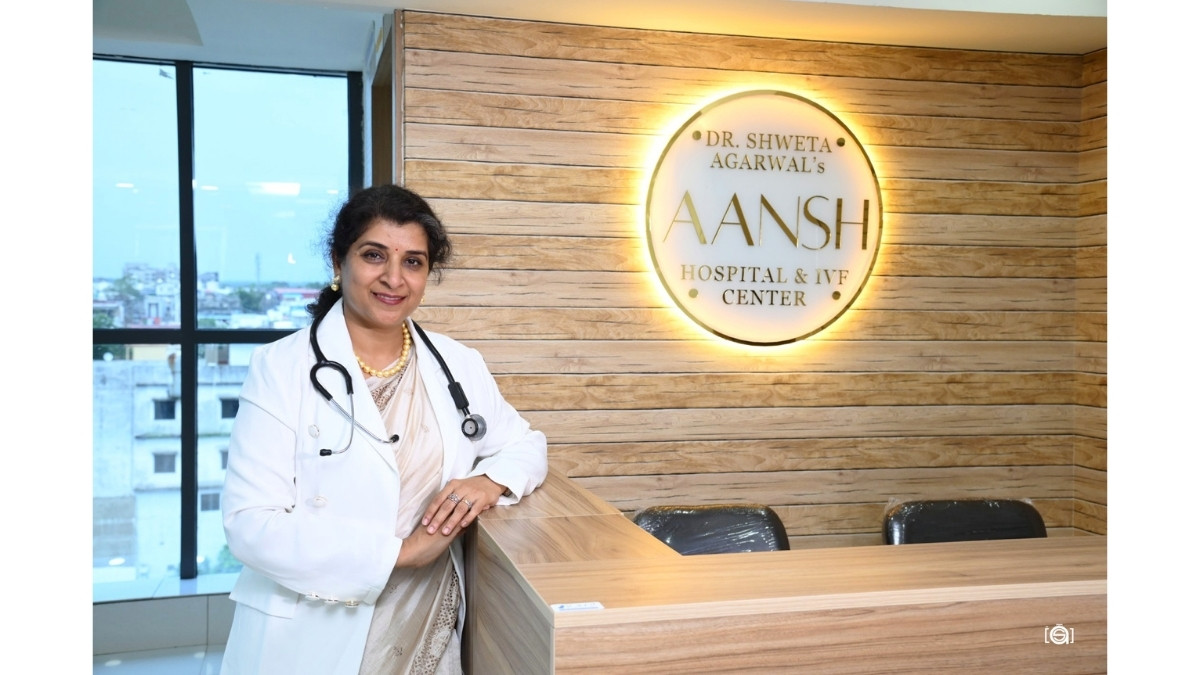
    Nagpur (Maharashtra) [India], December 9: In an era where lifestyle changes are rewriting the rules of family planning, Dr. Shweta Agarwal’s Aansh IVF in Chandrapur has established itself as a preferred destination for couples seeking advanced fertility solutions in Central India.

    For decades, access to advanced infertility treatment was largely confined to metropolitan cities. However, the narrative is shifting. With rising stress levels and lifestyle changes, infertility has become a pressing concern in Tier-2 and Tier-3 cities.

    For couples in Chandrapur, GadchiroliWardhaYavatmalAdilabadKagaznagar, Sirpur, Asifabad, and surrounding regions, a diagnosis often meant expensive travel to metros like Nagpur or Hyderabad. This frequently resulted in weeks off work, navigating unfamiliar cities, and enduring the emotional isolation of being away from family support systems.

    Aansh IVF was established to address this critical gap. Often cited as the best IVF center in Chandrapur—and supported by a consistent 4.9 rating on Google reviews—the center ensures geography is no longer a barrier to parenthood. Positioned as a central hub, the clinic serves nearby towns like Ballarpur, Warora, Bhadravati, Bramhapuri, Mul, Rajura, Ghugus, and Gadchandur, as well as connecting tehsils like Saoli, Sindewahi, and Nagbhid. For many, the facility is just a convenient short drive or a direct train/bus journey away, transforming what was once a stressful metro trip into a manageable day visit.

    World-Class Science & A One-Stop Solution

    To maintain its standing as a top fertility clinic, Aansh IVF prioritizes technological infrastructure that rivals metropolitan centers and is an ISO certified facility.

    The facility is equipped with advanced machinery and features an AI and IoT-enabled laboratory, designed to maintain precise environmental conditions that support higher success rates. The comprehensive suite of services covers complex procedures such as IVF, ICSI, Freeze-Thaw cycles, Blastocyst culture, and TESE. Beyond assisted reproduction, the center provides specialized care for female infertility through Laparoscopy, Hysteroscopy, and holistic PCOD management.

    Functioning as a One-Stop Solution, the center addresses the logistical stress often associated with treatment. By housing a fully stocked in-house pharmacy and advanced diagnostics under one roof, patients can access blood tests, ultrasounds, and medications in a single location, streamlining the treatment cycle.

    The Human Touch: Dr. Shweta Agarwal

    The clinical team is led by Dr. Shweta Agarwal, a highly respected name in the region. With over 30 years of experience spanning gynecology, obstetrics, and high-risk pregnancies, she is widely recognized as a leading fertility doctor in the area. Having previously established a successful IVF center in Udaipur, Rajasthan, Dr. Agarwal brings decades of reproductive expertise to Chandrapur.

    Continuity of Care: Conception to Delivery

    A frequent challenge in franchise-based fertility chains is the rotation of doctors, which can lead to fragmented care. Additionally, many IVF centers discharge patients once the pregnancy is confirmed (typically at 3 months), requiring them to transition to a new gynecologist.

    At Aansh IVF, the approach is different. Dr. Shweta Agarwal provides end-to-end personalized care. As an experienced Obstetrician, she offers seamless High-Risk Pregnancy Support, guiding patients through IVF protocols, monitoring the pregnancy, and remaining available to deliver the baby. This continuity is particularly valuable for IVF pregnancies, which require specialized monitoring.

    Beyond Treatment: A Holistic & Private Experience

    Recognizing that fertility treatment is as much emotional as it is medical, the center has structured its services to include:

    • Privacy and Confidentiality: Understanding that social stigma remains a concern in smaller cities, Aansh IVF emphasizes discreet consultations and strict data privacy, ensuring patient confidentiality.
    • Holistic Approach: The clinical team adopts a holistic approach, integrating dietary guidance, BMI management, and mental wellness counseling to help optimize the patient’s health for conception.
    • Outstation Patient Support: For families traveling from distances like Adilabad, Asifabad, or Gadchiroli, the patient care team assists in arranging safe and affordable accommodation nearby, simplifying logistics for outstation visitors.

    Financial Integrity: Transparent Pricing & 0% EMI

    A common concern for families seeking fertility care is the complexity of pricing structures often found in the industry. It is not uncommon for “base rates” to exclude essential components like injections, leading to unexpected costs later.

    Aansh IVF differentiates itself through a policy of transparency. The center’s IVF packages are all-inclusive, covering the full cost of the cycle—including injections, disposables, anesthesia, oocyte pickup, and embryo transfer. The quoted price is intended to be final, preventing financial surprises.

    To further support accessibility, Aansh IVF offers a 0% interest EMI option. This allows families to access the best IVF treatment available to them without the immediate burden of heavy upfront payments.

    Giving Back: Free Consultations & Second Opinions

    In an effort to make expert advice more accessible, the center offers free consultation slots for couples seeking guidance and free second opinions for those already in treatment elsewhere who may have concerns about their progress.

    These slots are available every Saturday from 10:00 AM to 11:00 AM(Note: Slots are limited; prior booking is recommended.)

    Celebrating Life: The ‘Baby Meet’

    The impact of the center’s work was recently highlighted during its Anniversary Celebration and “Baby Meet”—a reunion attended by hundreds of families from across Vidarbha, all of whom conceived under the care of Dr. Shweta Agarwal.

    For current patients, such events serve as a source of encouragement, showcasing real-world success stories. It underscores the long-term relationship the center maintains with families well beyond the treatment phase.

    Ethics, Integrity, and the Future

    Aansh IVF operates with a strict ethical framework. Notably, it is one of the very few centers in the entire Vidarbha region to be officially recognized as a Registered ART Level 2 Clinic and ART Bank. This certification under the ART Law (Department of Health Research, Ministry of Health & Family Welfare, Government of India) makes it one of the select few facilities legally authorized to perform advanced IVF procedures.

    The center adheres to all regulations, including a zero-tolerance policy towards sex selection. Looking ahead, the goal is to position Chandrapur as a regional healthcare hub, serving as a center of excellence for Wardha, Yavatmal, Gadchiroli, and Adilabad.

    For couples considering fertility treatment, the consensus is clear: Timely evaluation is critical to success. With Aansh IVF, advanced medical science is now available closer to home.

    aanshivf.com

    Disclaimer: This press release is for general information purposes only and should not be construed as professional medical advice. Always consult a doctor before taking any decisions.

  • How Inflation and Medical Costs Are Influencing Health Insurance Premiums

    How Inflation and Medical Costs Are Influencing Health Insurance Premiums

    Mumbai (Maharashtra) [India], December 8: Health insurance pricing is closely tied to the real costs of treatment. When hospitals revise tariffs or newer therapies become standard, claim values move accordingly, and premiums reflect that shift.

    Understanding the mechanics behind this helps buyers judge value, compare options sensibly, and select the best health insurance policy in India for their circumstances.

    How Hospital Costs Flow Into Premiums

    Insurers price underlying risk rather than headlines. They assess claim frequency, average hospitalisation costs, treatment mix, and the trajectory of medical inflation. As provider charges rise across diagnostics, implants, disposables, and clinical staff, average claim amounts increase.

    Pricing teams recalibrate premiums accordingly to ensure future claims can be met, reserves remain sufficient, and the product stays sustainable over time.

    Three practical drivers sit beneath most price movements:

    Treatment Intensity and Technology

    Modern care often relies on advanced equipment, precision imaging, and minimally invasive procedures. Outcomes improve, recovery times shorten, and day-care procedures expand, but such progress usually carries a higher unit cost. As those therapies become common in claims, premiums absorb the trend.

    Utilisation Patterns

    More people are seeking preventive checks, elective procedures, and planned interventions. That is positive for public health, yet it changes how often policies are used and the kinds of claims submitted. Pricing reflects the pattern, not only the headline tariff.

    Regulatory and Risk Capital Requirements

    Insurance operates within a prudential framework. If medical inflation pushes expected claims upward, reinsurance terms and capital needs shift too. Those shifts are quiet but material inputs to what policyholders eventually pay.

    Where Inflation Shows up in Healthcare

    Inflation in health care is rarely a single event; it is cumulative and multi-factorial.

    • Consumables and implants: Items used in theatres and intensive care, such as sutures, stents, specialised implants, and sterile disposable carry import exposure and supply-chain costs.
    • Diagnostics: High-resolution imaging and advanced pathology enable better decisions, yet each scan or panel influences the claim bill.
    • Workforce: Skilled clinicians, nurses, and technicians are in demand. Training, retention, and specialist expertise add cost pressure to hospital operations.
    • Infrastructure: Compliance with quality standards, infection control, and digital records requires sustained investment that is ultimately reflected in tariffs.

    What Does This Mean When You Compare Policies

    Price is important, but the design of the cover matters more in an inflationary environment. Those seeking the best health insurance plan in India should focus on features that help the policy absorb rising treatment costs without unpleasant surprises at claim time.

    Policy Elements That Protect Against Rising Costs

    Pointers:

    • Sum insured aligned to your city of treatment: Metros and tier-one locations typically bill higher. Benchmark your sum insured against the hospitals you would actually use.
    • Room-rent rules without restrictive caps: Room entitlement often governs the reimbursement limit on many services. Flexible room eligibility helps avoid proportionate deductions.
    • Clear coverage of modern treatments and day-care: Look for explicit inclusion of procedures that no longer require overnight stays and of therapies commonly used in complex care.
    • Network access and cashless strength: A reliable network reduces out-of-pocket spend and speeds up discharge, which indirectly controls costs.

    Premium Management Without Weakening Protection

    It is possible to temper what you pay while keeping robust cover.

    • Deductibles chosen deliberately: A voluntary deductible can lower premiums. It should be an amount you can comfortably fund during a claim.
    • Top-ups and super top-ups: Building a high ceiling of protection above a base plan is an efficient way to handle significant, low-frequency events.
    • Continuity of cover: Staying with a single policy preserves waiting-period benefits and long-term features that are difficult to replicate if you switch casually.
    • Wellness and preventive care: Programmes that encourage healthy behaviour and regular screening help detect issues early and may support affordability over time.
    • Porting with documentation in order: If you decide to move to a new insurer, ensure portability of waiting-period credits and disclose past claims entirely to avoid friction later.

    Final Thoughts

    Medical inflation is persistent, and insurance pricing follows the evidence found in claims. Buyers who focus on the quality of coverage, adequate sums insured, flexible room eligibility, strong cashless networks, and meaningful add-ons are better protected from rising treatment costs. Approach the decision as a long-term contract rather than a short-term bargain, and you will be closer to the best health insurance policy in India for your needs.

    If you have any objection to this press release content, kindly contact pr.error.rectification@gmail.com to notify us. We will respond and rectify the situation in the next 24 hours.

  • Winter and Pollution: An Emerging Health Hazard – Can Nutrition Help Counter This Threat

    Winter and Pollution: An Emerging Health Hazard – Can Nutrition Help Counter This Threat

    • Satya Dev Tiwari, MD & CEO at Voll Sante Functional Foods & Nutraceuticals Pvt. Ltd Every winter, millions of people in north and western India wake up to a thick grey blanket of smog. From November to February, the air often becomes dangerous to breathe. The Air

    • Quality Index (AQI) regularly crosses 400–500 (anything above 300 is considered “severe”). Crop burning in Punjab and Haryana, millions of vehicles, factory smoke, and cold air that traps everything close to the ground turn the season of festivals and weddings into a silent health emergency.

    Mumbai (Maharashtra) [India], December 5: This isn’t just “fog” that makes your eyes water. It’s a direct attack on your lungs that can harm you as much as years of smoking, even if you’ve never touched a cigarette. A major 2023 study in The Lancet showed that lung cancer in Delhi’s non-smokers has shot up because of air pollution.

    Here are the eight main ways this polluted air hurts your lungs and body:

    1. Instant irritation: Within hours of breathing bad air, your throat and chest feel tight, you cough, and you wheeze. Harmful gases irritate the airways like chilli powder in your nose.

    2. Tiny invisible particles (PM2.5) slip deep into the lungs and create “free radicals” – angry molecules that damage lung cells, almost like rust eating metal.

    3. Over weeks, the airways get thick and scarred. Even non-smokers start coughing up phlegm every morning – an early sign of COPD (chronic lung disease).

    4. The tiny air sacs that put oxygen into your blood start breaking, just like in heavy smokers. Many Delhi patients lose 15-20% of their lung power every year.

    5. Lungs slowly turn stiff and fibrous, making every breath feel harder.

    6. Cancer risk increases: Chemicals stuck to the pollution particles can change DNA and cause lung cancer. City residents are 2-3 times more likely to get it.

    7. Your lungs’ natural cleaning system (tiny hair-like sweepers called cilia) stops working properly, so colds, coughs, and pneumonia become common and last longer.

    8. The damage doesn’t stay in the lungs. Those tiny particles enter the blood and raise the risk of heart attacks, strokes, and in children, permanently smaller lungs.

    This is happening right now to millions of us.

    The good news? You can fight back from the inside.

    Your lungs depend on a strong immune system, and the right food gives your body the tools it needs. Vitamins C and E, Zinc, Omega-3 fats, and good protein act like an internal shield – they calm inflammation, repair damage, and keep the lung cleaners working.

    But in most Indian cities, getting enough of these nutrients is tough. Fast food, stress, lack of sleep, and expensive vegetables mean 7 out of 10 urban Indians are low on Vitamin C and Zinc. On top of that, pollution itself uses up these protective nutrients faster. It’s a losing battle unless you do something extra.

    This is where smart, targeted nutrition supplements can help fill the gap.

    One Indian company, Voll Sante, has created two products specially designed for people breathing polluted air:

    Voll Pro Respi is a plant-based, protein-powered lung support formula designed to help people breathe easier in polluted and post-illness conditions. It contains NAC (a compound doctors use in hospitals to thin stubborn mucus), turmeric, ginger, bromelain, and quercetin.

    Together, these ingredients help open the airways, reduce inflammation, and clear out trapped smoke and dust particles from the lungs. The protein component supports stronger respiratory muscles, which play a key role in better breathing capacity. The formula also helps boost glutathione, the lungs’ most important natural antioxidant.

    Many users report coughing less, feeling less heaviness in the chest, and breathing more comfortably within a few days – without any of the side effects associated with steroid-based options.

    Vollcee Z – a plant-based daily immunity tablet that gives 100% of your daily vitamin C from real amla (Indian gooseberry), proper doses of zinc and magnesium, plus black pepper extract that helps absorb these ingredients 20 times better. It keeps your defence system strong when pollution is trying to weaken it.

    Voll Pro Respi Protein Powder and Vollcee Z are widely available on Voll Sante Website and platforms like Amazon as well.

    Winter smog may be outside your control, but how hard it hits your body is not. A few small daily habits – eating more colourful fruits and vegetables when you can, staying hydrated, and adding science-backed nutritional support – can make a real difference.

    This year, don’t just wait for the air to get better. Give your lungs the backup they desperately need.

  • India and Obesity: SMSRC Insights Report reveals the weight of opportunity

    India and Obesity: SMSRC Insights Report reveals the weight of opportunity

    New Delhi [India], December 2: India stands at an inflexion point in its battle with obesity. For many years, obesity remained peripheral to mainstream clinical focus, overshadowed by diabetes, cardiovascular disease and chronic respiratory illness. New real-world evidence from the latest “SMSRC Insights” Report (a data-based research study), based on aggregated and de-identified data on prescription behaviour from nearly 10,700 OPD-practising physicians across Tier 1 to Tier 3 cities, shows that this situation is changing rapidly.

    Obesity is positioning itself as one of the most significant chronic diseases of the next decade. It is redefining patient demographics, influencing how physicians prescribe, and altering the trajectory of therapeutic markets across India. It now sits at the centre of the country’s chronic disease landscape, necessitating healthcare professionals to recognise the scale of this shift.

    Leading published studies on prevalence estimated that approximately 7.4 crore Indians live with obesity, which represents approximately 5% of the population. This burden is projected to rise to 18.5 crore over the next 15 years, bringing the national prevalence to 11.5%. With obesity growing at 15% annually, the consequences for outpatient care will be substantial. However, current treatment levels do not reflect this reality.

    The SMSRC Insights Report reveals that only 31.6 lakh obese individuals are under active OPD management/treatment every year. This significant mismatch between prevalence and treatment represents a major opportunity for early intervention as well as a serious risk that co-morbidities would deepen if obesity continues to be underdiagnosed.

    The SMSRC Insights Report also reveals a major shift in the demographic pattern of obesity. Women still constitute a larger share of diagnosed cases, but diagnoses among men are rising at a faster pace. Younger adults below 40 comprise the highest share of only-obesity cases, suggesting that weight gain is beginning earlier in life and may precede the onset of metabolic disease. Among adults aged 41 to 60, obesity is far more closely tied to co-morbidities that include diabetes, hypertension, dyslipidaemia, fatty liver disease and hypothyroidism. Obesity with co-morbidities today is the larger cohort, with approximately 96% of total labelled obesity as a provisional diagnosis on Rx. This reflects the natural evolution of obesity into a multisystem disorder that requires coordinated and sustained care once it advances.

    Further, obesity management traditionally was thought to be primarily the domain of endocrinologists or nutrition-focused practitioners. However, SMSRC’s real-world data contradict this assumption. Diabetologists, Cardiologists, Gastroenterologists, Nephrologists, Chest Physicians and Consulting Physicians are the highest contributors to the diagnosis and treatment of obesity linked with several key co-morbidities treated by them. This trend indicates that obesity is no longer just a metabolic issue but also a direct threat to cardiovascular, renal and respiratory health and other associated comorbidities.

    Orthopaedics and Gynaecologists also feature prominently due to the prevalence of osteoarthritis and hypothyroidism andPCOS/PCOD, respectively, among obese patients. Aneesh Mitra, President, SMSRC, says: “Over time, this therapy might expand into prescriptions of many other specialty segments such as Dermatologists for cosmetic indications or Psychiatrists for anxiety- or depression-related obesity. However, this would depend on how effectively the scientific concept of obesity treatment is established with real-world evidence studies and how the probable side effects of GLP-1 therapies are managed.

    The SMSRC Insights Report outlines the magnitude of the opportunity of obesity linked with co-morbid diseases across physician segments for the first time in India, a key insight that would aid in shaping long-term strategies for healthcare providers tackling or seeking to tackle the anti-obesity market in India.

    India is also experiencing a strong uptake of modern anti-obesity medications, especially GLP-1 receptor agonists (Tirzepatide and Semaglutide injectables). These therapies are redefining obesity care by delivering meaningful and sustained weight loss and improving glycaemic control. The Insights Report finds a significant rise in prescriptions for GLP-1 therapies and lipase inhibitors since May/June 2025. At the same time, more established therapies such as SGLT2 inhibitors and Metformin (remains steady) continue to play an important role, given their added benefits of being weight-neutral or resulting in modest weight loss in diabetic patients. The cost differential, however, remains significant. While Metformin may cost as little as ₹72 per month, injectable anti-obesity agents range from just under ₹11,000 to more than ₹16,000, depending on the dosage.

    These high-cost treatments are currently prescribed to a relatively small proportion of obese patients, though their chronic usage and growing acceptance are providing a strong tailwind to overall market expansion. Further, once Semaglutide (injectables and orals) loses exclusivity, the entry of low-cost generics would dramatically expand access to even smaller cities and semi-urban markets. India’s experience in diabetes treatment shows that when prices fall, both prescriber support and patient adoption rise quickly. Based on past case studies of similar loss of exclusivity (LoE) in the IPM, SMSRC recommends that incumbents consider price rationalisation strategies when generics enter the market to retain leadership during what is likely to be an intensely competitive and expanding post-LoE phase.

    The future of obesity therapy will also be shaped by strong consumer interest. The Insights Report notes that demand will be driven not only through prescriber support, but also by consumer pull (OTx), in line with other high-impact lifestyle therapies in which consumer enthusiasm initially outpaced clinical readiness. Much would depend on the extent of price cuts and whether there is a sudden massification of GLP-1 therapy, which might limit the therapy concept-building processes and ultimately dilute the overall perception of Semaglutide among specialist prescribers, leading to early stagnation of prescription growth.

    Thus, doctors could take a more measured approach as they work to align patient expectations with scientific evidence and safety requirements. This increases the responsibility on healthcare professionals to strengthen patient counselling frameworks and to counter misinformation, especially as the therapy categories gain visibility. Taken together, the SMSRC Insights Report illustrates that obesity has a huge opportunity to be treated vis-à-vis current prevalence rates and is emerging as a key clinical and public health challenge. It shows a disease burden rising far more rapidly than diagnosis, a therapy landscape changing faster than ever, and a health system that will require deeper coordination across specialties.

    For a detailed and in-depth strategic view of where obesity care stands today and where it is headed over the next decade, read the complete Insights Report.

    Disclaimer: This press release is for general information purposes only and should not be construed as professional medical advice. Always consult a doctor before taking any decisions.

  • Guwahati Dentist Makes History with Double Win at ASEAN Dentistry Awards 2025

    Guwahati Dentist Makes History with Double Win at ASEAN Dentistry Awards 2025

    Guwahati (Assam) [India], December 3: In a landmark achievement for Indian dentistry, Dr. Adil Lyngdoh from Guwahati has secured the 2nd position in both the Endodontics and Re-Endodontics categories at the prestigious ASEAN Dentistry 2025 Awards. With this, Dr. Adil becomes the only winner from Assam as well as Northeast India.

    The event, held on November 22 at the Malaysia International Trade and Exhibition Centre (MITEC) in Kuala Lumpur, is widely regarded as one of the most competitive platforms in the region. This year’s edition saw a staggering attendance of over 3,000 participants from across Asia, including distinguished speakers, professors, and renowned clinical experts.

    Despite the intense competition, Dr. Adil Lyngdoh stood out for their clinical excellence, emerging as the only Indian dentist to achieve a podium finish in both the Endodontics and Re-Endodontics categories simultaneously.

    “To achieve this ranking among participants from all Asian countries is truly surreal,” said Dr. Lyngdoh, regarding the win.

    He added, “The competition was incredibly stiff, with nominees comprising some of the most respected figures in Asian dentistry. This is a profoundly significant moment in my career.”

    This accolade highlights the rising standard of Indian dental practice on the international stage, placing Dr. Adil Lyngdoh among the elite tier of specialists in Asia.

    Dr. Adil Lyngdoh is a BDS, FAD (AESTHETIC DENTIST & IMPLANTOLOGIST). He is the Chief Dental Surgeon in ES DENTAL CARE located at Sixmile, Vip Road, Guwahati.

    If you object to the content of this press release, please notify us at pr.error.rectification@gmail.com. We will respond and rectify the situation within 24 hours.

  • Welex Care Strengthens Its Commitment to Natural, Safe Health Care Solutions

    Welex Care Strengthens Its Commitment to Natural, Safe Health Care Solutions

    Welex Care reinforces its commitment to safe, natural health solutions.

    Mumbai (Maharashtra) [India], December 1: Welex Care, a trusted name in herbal healthcare with 46 years of export experience,  reinforces its commitment to safe, natural solutions for chronic health conditions. Backed by robust R&D and multiple international certifications, the company provides clinically tested Ayurvedic supplements designed to address everyday health challenges without the side effects commonly associated with long-term allopathic use.

    Legacy and Growth in Global Ayurvedic Healthcare

    Founded in 1979, Welex Care has grown into a global supplier of premium Ayurvedic products. The company’s portfolio focuses on long-term wellness and chronic conditions such as digestive disorders, joint problems, liver support, urinary issues, and respiratory concerns. Welex Care products are made from 100% Ayurvedic herbs and extracts, formulated to work with the body’s natural systems and to treat issues at their root rather than simply masking symptoms.

    Quality Certifications and Global Reach

    Quality and trust are central to Welex Care’s approach. The company operates a modern, environmentally friendly manufacturing facility that is WHO-GMP certified and complies with FDA, ISO 9001:2015, FSSAI, Kosher, Sattvik, and Halal standards. These certifications complement a track record of export excellence. Welex Care exports to more than 20 countries, including the USA, UAE, Oman, Kuwait, Malaysia, Indonesia, Kazakhstan, Bulgaria and Nepal. The company has also been recognised with industry honours such as the Chemexcil Award for excellence in exports (Ministry of Commerce, 1999) and multiple Pharmexcil Best Exporters Awards.

    Research-Backed Ayurvedic Formulations

    Scientific rigour supports Welex Care’s traditional formulations. Several products have been clinically tested in  government-approved hospitals under medical supervision, with clinical trials registered on CTRI and some results  published in reputable international medical journals. Manufacturing and packaging are fully automated, ensuring consistent quality and presentation for global markets.

    “Welex Care’s mission is simple: help people live hale and hearty using nature’s healing power,” said Mrs Priya Roopam Bhatt, Director. “Our vision is to grow the herbal way and remain a trusted member of the global healthcare family. We combine traditional Ayurvedic wisdom with modern research to offer safe, efficacious and  plant-based options for chronic health management.”

    Welex Care

    Key Products 

    •  Ayurhoids: formulated for piles, offering a natural approach to support digestive and rectal health.  • Ayulax: designed for constipation relief and to support healthy bowel habits.
    •  Ayulite: a liver tonic intended to support liver function and overall detoxification.
    •  Ayuasmo: targeted at respiratory health to support breathing and lung function.
    •  Ayucid: formulated for acidity and digestive comfort.

    These products are sugar-free, vegan, and positioned as safe alternatives that can be integrated into daily health routines. Welex Care emphasises that its supplements are complementary to medical advice and are not intended to replace prescribed treatments.

    Welex Care’s competitive edge lies in its combination of heritage, certification and research. The company was an early adopter of WHO-GMP standards in Maharashtra and is among the first herbal firms in the state to achieve

    this recognition. With a dedicated R&D team and a suite of over 17 proven products for chronic ailments, Welex  Care continues to expand its global reach while maintaining strict quality controls and clinical oversight.

    About Welex Care

    Welex Laboratories Private Ltd. markets its range under the brand name Welex Care. The company’s mission is to help people live healthier lives using natural, time-tested remedies. Its vision is to grow sustainably, always prioritising quality, adaptability and trust.

    For further information on Welex Care and its product range, please visit: https://welexcare.com/

    Disclaimer: This press release is for general information purposes only and should not be construed as professional medical advice. Always consult a doctor before taking any decisions.

  • In a Time of Toxic Air and Tainted Food, Haldiva India Calls Attention to a Quiet Crisis

    In a Time of Toxic Air and Tainted Food, Haldiva India Calls Attention to a Quiet Crisis

    New Delhi [India], December 1: There was a time when mornings carried a lightness of being — when breathing in fresh air felt energizing, when choosing vegetables from the neighbourhood market brought a quiet assurance, and when food symbolised nourishment rather than doubt. Today, however, many families across India find themselves living in an environment where every breath feels heavier and every meal demands scrutiny. Between rising pollution and widespread food adulteration, a silent shift has reshaped the country’s relationship with safety. It is within this shift that the Haldiva Purity Movement has emerged as a message of calm amidst chaos.

    Pollution and adulteration — a double blow to health

    Air pollution in India has long transcended mere discomfort. Findings from leading health research bodies suggest that millions of Indians face chronic respiratory ailments each year due to toxic air, with heart disease and lung disorders forming the bulk of long-term consequences.

    Children, whose immunity is still evolving, often bear the brunt. Pediatric specialists across the country report increasing cases of asthma-like symptoms even among toddlers. Prolonged exposure to fine particulate matter continues to raise serious concerns about impaired lung development and lifelong respiratory challenges.

    Parallel to this public health crisis is another troubling reality — food adulteration. In several states, a significant proportion of food samples routinely fail safety checks. Artificial colouring, chemical ripening agents, excess preservatives and diluted staples have made their way into everyday meals. What should nourish the body now demands vigilance.

    The combination of toxic air and questionable food has turned into a double burden: weakened immunity, unexplained fatigue, hormonal fluctuations and a deepening sense of insecurity around daily living. Families now evaluate not only what they eat, but what they breathe.

    Haldiva India

    Haldiva India — Purity with a purpose

    At the centre of this growing uncertainty, three professionals — a senior forensic scientist, a medical doctor and a pharmacology expert — found themselves united by one question: Are we truly eating what nature intended us to eat? Their shared concern became the seed for Haldiva India.

    Built on the teachings and values of Shri Vijayshree Ramesh C. Madan, a respected President’s Award recipient, Haldiva India rests on the principles of truth, integrity and purity. The organisation positions itself not as a brand chasing trends, but as a commitment to restoring honesty in consumption.

    As the mission gained momentum, specialists from research, finance, law and digital communication joined the initiative. The result is a movement — the Haldiva Purity Movement — aimed at ensuring that purity becomes an accessible reality for Indian households.

    Purity Through Products — A Focus on Real Needs

    At the heart of this movement lies Haldiva’s effort to expand product offerings that genuinely address today’s health challenges. Each product is centred around clean sourcing, traditional preparation and scientific validation.

    Haldiva’s range of products include:

    • Haldiva Gir Cow Ghee: Made using traditionally processed A2 milk from organically raised Gir cows, this ghee contains no additives. Its nutrient profile is associated with improving digestion, supporting heart health and strengthening immunity.

    • Haldiva Turmeric Milk: This high-curcumin golden milk blend is designed to boost immunity, support weight management, reduce inflammation and help the body counteract stress caused by pollution and modern lifestyles.

    These products reflect Haldiva’s commitment to offering families safe, pure and trustworthy alternatives — each crafted in response to real-time health concerns affecting millions of Indian homes.

    A small step in kitchens, a big step for wellness

    Haldiva India’s approach does not rely on sweeping claims. Instead, it promotes a quieter yet more impactful revolution: empowering households to choose purity. A shift in purchasing habits — from chemically altered to naturally sourced — creates ripples of long-term benefit. Healthier choices today translate into better immunity, calmer minds and enhanced well-being tomorrow.

    While individuals cannot control the smog outside, they can make conscious decisions about what enters their plates. Haldiva believes that this simple, intentional shift is the foundation of sustainable wellness.

    Haldiva India

    Why this matters — and why now

    Air pollution and adulteration have become systemic issues. As public trust weakens, consumers increasingly seek transparency and accountability from brands. Haldiva India’s emphasis on clean sourcing and honest product preparation aligns with this growing demand.

    Moreover, the movement encourages families to prioritise health through small, consistent choices — from selecting pure groceries to supporting responsible producers.

    Clean plates, clear hearts — the way forward

    The rise of Haldiva under the banner of the Haldiva Purity Movement carries a meaningful message: the journey toward a healthier life begins at home. Every small choice — whether it is switching to pure ghee, choosing natural ingredients or demanding higher safety standards — becomes a contribution to a larger transformation.

    In an age marked by pollution and adulteration, the promise that Haldiva brings is simple yet powerful: purity in every home, trust in every heart.

    For more information, please visit: https://haldivaindia.com/

    PNN Health