Tag: Health

  • Chandan Healthcare Limited inaugurates second Diagnostic Centre in Ayodhya

    Chandan Healthcare Limited inaugurates second Diagnostic Centre in Ayodhya

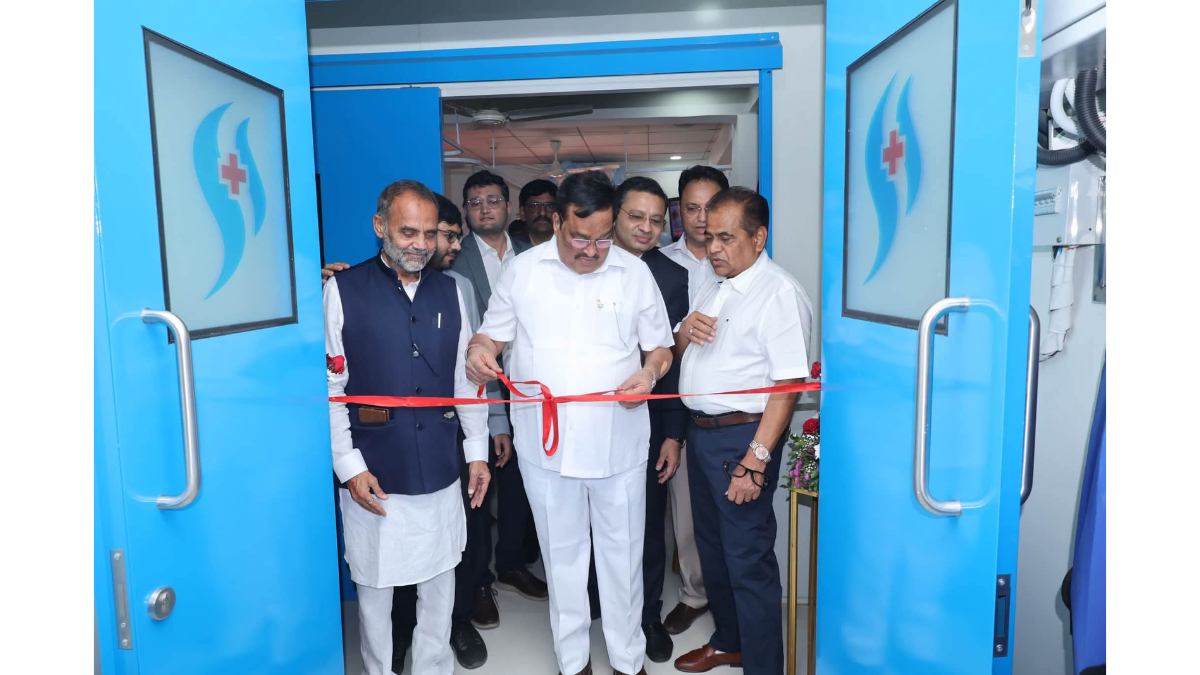
    Lucknow (Uttar Pradesh) [India], September 3: Chandan Healthcare Limited (NSE – CHANDAN), – Chandan Healthcare Limited, one of the leading players in North India’s diagnostics and healthcare services sector, has inaugurated and commenced operations at its newest unit, the Chandan Diagnostic Centre, Ayodhya. This marks the company’s second diagnostic unit in the city, highlighting its commitment to strengthening healthcare accessibility in Tier 2 and Tier 3 locations.

    Positioned as a beacon of advanced medical diagnostics, the state-of-the-art facility is designed to redefine healthcare excellence by offering cutting-edge technology and comprehensive testing services. The centrecombines technological innovation with patient-centric care and aims to cater to a wide spectrum of diagnostic needs, ensuring timely and accurate results to support effective treatment plans.

    The new facility is equipped with advanced diagnostic capabilities, including:

    • Digital X-Ray: Delivering precise imaging for accurate diagnosis and treatment.
    • 4-D Ultrasound: Providing high-resolution, real-time visualisation for superior insights into patient health.
    • Cardiac CT scan: Specialised scanning technology offering critical information about heart health.
    • MRI: High-quality magnetic resonance imaging for detailed studies of organs and tissues.
    • Pathological Lab Testing: A full suite of diagnostic tests to support comprehensive health evaluations.

    The Chandan Diagnostic Centre has been thoughtfully designed to deliver a seamless and comfortable experience for patients, supported by skilled professionals and a compassionate approach. With this addition, Chandan Healthcare continues to advance its mission of making world-class healthcare accessible and affordable, while reinforcing its focus on expanding its footprint and delivering diagnostic excellence across India.

    Commenting on the receipt of new order, Mr. Amar Singh, Promoter and Managing Director of Chandan Healthcare Limited, said, “We are pleased to announce the inauguration of our second diagnostic centre in Ayodhya, a significant step towards strengthening healthcare accessibility in Tier 2 and Tier 3 cities. This state-of-the-art facility has been designed to deliver comprehensive diagnostic services under one roof, combining cutting-edge technology with a patient-centric approach.

    Equipped with advanced capabilities such as Digital X-Ray, 4-D Ultrasound, Cardiac CT, MRI and a full suite of pathological testing, the centre is positioned to provide timely and accurate results that support effective treatment plans. With this addition, we aim to redefine healthcare standards in Ayodhya and continue building a strong diagnostic network that makes world-class healthcare both accessible and affordable for communities we serve.”

    If you object to the content of this press release, please notify us at pr.error.rectification@gmail.com. We will respond and rectify the situation within 24 hours.

  • Psoriasis and Skin Diseases – The Ayurvedic Approach at Kalpataru Ayurvediya Chikitsalaya

    Psoriasis and Skin Diseases – The Ayurvedic Approach at Kalpataru Ayurvediya Chikitsalaya

    New Delhi [India], August 26: Skin is the largest organ of our body, and it reflects not only our outer beauty but also our inner health. Conditions like psoriasis, eczema, urticaria (hives), fungal infections, acne, vitiligo, and other chronic skin diseases are not just cosmetic concerns but also indicate an imbalance in the body. In Ayurveda, skin disorders are called Kushtha Roga, and they are explained in detail with their root causes, symptoms, and holistic treatments. At Kalpataru Ayurvediya Chikitsalaya, skin diseases are managed with a holistic Ayurvedic approach. Here, the focus is not just on external symptoms but on identifying the root cause of imbalance in doshas and panchmahabhutas (Vata, Pitta, Kapha and the five basic elements as Pruthwi, Aap, Tej, Wayu, Aakash) and correcting it through natural therapies. Dr. Manoj Deshpande, a renowned Ayurvedic Doctor in Pune, Maharashtra, with more than 25 years of experience and a deep understanding of Ayurveda, offers effective and personalized solutions to help you reclaim healthy, radiant skin. He has successfully treated thousands of patients with various skin conditions, including psoriasis.

    Understanding Psoriasis and Skin Diseases in Ayurveda

    Ayurveda explains that skin disorders like psoriasis occur due to a combination of improper diet, lifestyle habits, emotional stress, and weakened digestion. Some of the important causes include:

    1. Viruddha Aahara (Incompatible Foods) – Eating food combinations that have opposite properties, such as milk with fruits, milk with curd, or fish with dairy.
    2. Unhealthy Eating Habits – Frequent intake of oily, salty, excessively spicy, heavy-to-digest, or very dry food.
    3. Water-Heavy Foods – Excess use of new grains, sour curd, fish, or salty items that aggravate Kapha and Pitta.
    4. Improper Lifestyle Practices – Exercising or indulging in sexual activity immediately after meals, excessive exposure to sunlight and heat, or suddenly consuming cold and hot substances one after another.
    5. Suppression of Natural Urges – Forcefully holding back vomiting, stool, urine, thirst, hunger, sleep, tears, yawning, or cough, which creates an internal imbalance.
    6. Emotional Stress – Excessive work, fear, anger, anxiety, or worry weakens digestion and immunity, aggravating skin conditions.
    7. Irregular Eating Patterns – Eating on a full stomach, eating without proper digestion, or consuming heavy meals late at night.
    8. Addictions – Smoking, alcohol consumption, and other addictive substances that weaken immunity and digestion.
    9. Vitamin D Deficiency – Lack of sunlight exposure also plays a role in modern times, worsening psoriasis and other skin issues.

    How Kalpataru Ayurvediya Chikitsalaya Treats Psoriasis & Skin Diseases

    1) Panchakarma Therapy (Shodhana Chikitsa – Detoxification)

    Dermatological disorders and Panchakarma are closely linked in Ayurveda. By cleansing the body through purification therapies, the root factors causing skin disease are eliminated, reducing relapses significantly. Depending on the individual’s prakriti and condition, our doctors recommend:

    1. Vamana (Therapeutic Vomiting): For Kapha-dominant cases with itching and oozing eczema.
    2. Virechana (Purgation Therapy): Removes excess Pitta and toxins from the liver and blood – highly effective in psoriasis and other Pitta-related skin issues.
    3. Raktamokshana (Bloodletting): For conditions like psoriasis, eczema, and urticaria, it purifies blood and reduces inflammation.
    4. Basti (Medicated Enema): Balances Vata, boosts immunity, and supports chronic skin disease management.
    5. Nasya (Nasal Therapy): Used in selected cases for balancing doshas and improving overall immunity.
    6. Leech Therapy (Jalaukavacharana): Applied in stubborn skin conditions to locally purify blood and reduce itching, swelling, and pain.

    Panchkarma therapies are done only as and when required.

    2) Herbal & Ayurvedic Medicines (Shamana Chikitsa)

    Once detoxification is done, patients are prescribed herbal and herbo-mineral medicines to balance doshas, improve digestion, and purify blood.

    1. Liver-supporting medicines: Ayurvedic medicines like Phalatrikadi Guggulu and Arogyavardhini Vati help in blood purification and Pitta balance.
    2. Agnivardhak (Digestive stimulants): Weak digestion produces toxins (Ama) and sticky metabolic waste (Kleda), which aggravate skin diseases. Herbs of Tikta (bitter) and Kashaya (astringent) taste are prescribed to correct this.
    3. Cell-division controlling medicines: In psoriasis, skin cell division speeds up to 10 times faster than normal. Ayurveda attributes this to a Vata imbalance. Herbomineral formulations with Kaf-Vatashamak properties are used to slow down excessive cell division.
    4. Blood purifiers & Skin-healing herbs: Neem, Khadira, Manjistha, Sariva, and Guduchi are used for cleansing, reducing scaling, and restoring natural skin texture.

    3) Rasayana Chikitsa (Rejuvenation Therapy)

    Chronic skin diseases weaken the body over time. To rejuvenate tissues and prevent recurrence, Rasayana therapy is advised.

    1. Boosts immunity and prevents relapses.
    2. Improves skin glow, texture, and health.
    3. Includes formulations like Guduchi Rasayana, Amalaki Rasayana, and Chopchinyadi Rasayan

    4) Diet & Lifestyle Modifications:

    At Kalpataru Ayurvediya Chikitsalaya, patients are counseled to follow strict diet and lifestyle rules to prevent recurrence of psoriasis and skin problems.

    Recommended Diet:

    1. Freshly prepared, warm meals.
    2. Green leafy vegetables, bitter foods like karela, neem, and methi.
    3. Easily digestible grains and plenty of fluids.

    To Avoid:

    1. Curd, fish, milk with sour or salty foods.
    2. Oily, spicy, junk, and preserved food.
    3. Alcohol, smoking, and incompatible food combinations.

    Lifestyle Advice:

    1. Maintain a regular sleep schedule.
    2. Avoid excessive stress, anger, and late nights.
    3. Practice Yoga, Pranayama, and meditation to support immunity and mental health. Takradhara and shirodhara are the best therapies to reduce stress and heal psoriasis

    5) Counseling & Stress Management

    Stress is one of the biggest triggers for psoriasis and many skin conditions. Along with medicines, our doctors provide:

    1. Lifestyle counseling.
    2. Yoga and meditation guidance.
    3. Pranayama practices to calm the mind and reduce stress-related flare-ups.

    Benefits of Ayurvedic Treatment for Psoriasis & Skin Diseases

    1. Works on the root cause.
    2. Provides long-term relief.
    3. Safe, natural, and holistic treatment.
    4. No harmful side effects.
    5. Improves overall health, immunity, and skin quality.

    Conclusion

    Skin diseases like psoriasis, eczema, urticaria, fungal infections, and vitiligo need deep and holistic healing. Ayurveda, with its combination of Panchakarma, herbal medicines, diet, lifestyle guidance, and Rasayana therapy, provides a comprehensive solution. At Kalpataru Ayurvediya Chikitsalay™, every treatment is carefully designed to restore balance, strengthen immunity, and provide long-term relief. Under the guidance of Dr. Manoj Deshpande and Dr. Aparna Deshpande, patients receive authentic Ayurvedic care that is personalized to their condition, lifestyle, and overall health. Whether it is skin disorders, digestive problems, joint pains, respiratory diseases, chronic conditions like psoriasis, or lifestyle-related issues, the clinic offers natural, root-cause-based healing. With a combination of classical Ayurvedic therapies, herbal medicines, and modern diagnostic understanding, Kalpataru ensures safe, effective, and holistic results.

    Contact us today:

    Please visit: http://www.kalpataru-ayurved.com

    +91 9422068682 / +91 97648 37167 / 020-24480625

    If you object to the content of this press release, please notify us at pr.error.rectification@gmail.com. We will respond and rectify the situation within 24 hours.

  • Mistakes to Avoid When You Buy Health Insurance for the First Time

    Mistakes to Avoid When You Buy Health Insurance for the First Time

    Mumbai (Maharashtra) [India], August 25: Buying health insurance for the first time can feel like stepping into unfamiliar territory. Policies look similar on the surface, but a closer look reveals differences that can decide whether the plan truly works for you. Rushing the process or skipping over details is where most people go wrong. If you want to make a choice you won’t regret later, avoid these common missteps.

    1. Choosing Less Coverage to Save on Premiums

    A low premium may look appealing, but it often means a smaller sum insured. That might work if you’re lucky enough not to need major hospital care, but one surgery or extended treatment can wipe out the coverage. For individuals, picking a sum insured that can handle serious medical costs makes sense. Families using a shared cover, known as a floater plan, often need a higher limit because several members might need treatment in the same year.

    2. Ignoring the Real Cost of “Cheap” Plans

    It’s tempting to pick the lowest price on the comparison chart. The catch? Many budget-friendly options shift a big part of the bill back to you through co-payment clauses. This means you pay a set percentage of every hospital bill, even if you’ve been paying premiums for years. Sometimes, paying a slightly higher premium for fairer co-payment terms is a more brilliant move in the long run.

    3. Overlooking the Hospital Network

    The idea of cashless treatment sounds good, but it only works if the hospital is in the insurer’s network. A plan might boast broad coverage nationally, but if the hospitals near you aren’t included, you’ll be paying first and claiming later. Always scan the list to check whether reputable hospitals in your area are part of the network before you buy health insurance..

    4. Forgetting to Check for Sub-Limits

    There are other policies that silently place restrictions on what their policy will cover, like when renting a room or when performing a certain surgery. These sub-limits may become a bitter surprise that you will have to make the choice between spending more and getting the choice of less comfortable reliefs.

    A plan with no such caps, in particular with respect to charges on hospital room and board, is preferable, in case one is available. In this way, you can make your choices with respect to comfort and recovery instead of being constrained by budget considerations.

    5. Skipping the Waiting Period Details

    Every policy has a waiting period for certain benefits, particularly for pre-existing conditions or maternity cover. If you assume all benefits apply from day one, you might find claims rejected during the initial months or years. Check how long you’ll need to wait for the benefits that matter most to you and compare this across plans before you buy medical insurance.

    6. Not Researching the Insurer’s Track Record

    Coverage and pricing matter, but so does the company behind the policy. Look into how efficiently claims are processed and settled before you buy health insurance. Delays and disputes can be stressful, especially during a medical emergency. Reliable service and a good claim settlement record are just as important as the features listed in the brochure.

    Practical Pointers for First-Time Buyers

    Here are the key things you must know before you buy health insurance:

    • Read the policy wordings instead of relying only on summaries.
    • Make sure the coverage is something you can keep paying for over the years.
    • Consider add-ons only if they meet your actual needs.

    Use tools like a health insurance premium calculator to estimate how much coverage will cost based on your details.

    The Bottom Line

    Choosing the right health insurance plan for the first time requires more than scanning premiums and benefits. It means looking beyond the obvious to ensure coverage, hospital access, and policy terms match your needs. Avoiding mistakes like underinsuring, ignoring sub-limits, or overlooking waiting periods can save you from costly surprises later. Take time to read the details, use tools like a health insurance premium calculator, and compare wisely so your decision provides both protection and long-term peace of mind.

    If you have any objection to this press release content, kindly contact pr.error.rectification@gmail.com to notify us. We will respond and rectify the situation in the next 24 hours.

  • On World Senior Citizen’s Day, Milind Soman and Centre for Sight Highlight Eye Care Awareness

    On World Senior Citizen’s Day, Milind Soman and Centre for Sight Highlight Eye Care Awareness

    New Delhi [India], August 21: On World Senior Citizens’ Day, Centre for Sight, India’s leading network of super-speciality eye hospitals, is calling attention to the urgent need for timely intervention in age-related eye diseases. With over 140 million Indians above the age of 60, nearly one in three faces visual impairment, a challenge that threatens both independence and quality of life.

    Globally, 80 percent of blindness is considered avoidable. Yet myths and delayed care continue to cost seniors their sight. Cataract, the leading cause of blindness in India, can now be corrected through advanced bladeless, robotic laser surgery performed as a same-day procedure. Glaucoma, often known as the “silent thief of sight,” advances without early symptoms, while diabetic retinopathy and retinal diseases are also on the rise.

    To raise awareness, Centre for Sight has partnered with fitness icon Milind Soman, who embodies active ageing and holistic wellness. The campaign reminds families that overall health is incomplete without regular eye check-ups.

    “Eye health defines dignity, confidence, and independence in old age,” said Dr. Mahipal S. Sachdev, Chairman & Medical Director, Centre for Sight Group of Eye Hospitals. “No one should accept poor vision as an inevitable part of ageing, because with today’s technology and expertise, they don’t have to.”

    Femto-second robotic laser cataract surgery now offers patients greater safety, speed, and precision. Combined with advanced intraocular lenses (IOLs), many seniors are able to regain clear vision and reduce dependence on glasses, enhancing their ability to lead active lives.

    Centre for Sight emphasizes that responsibility for elder care extends beyond medicines and nutrition. Regular eye check-ups can prevent blindness and preserve independence. Early signs such as blurred vision, dull colors, halos at night, or difficulty reading should never be ignored.

    Watch the campaign film here: https://www.youtube.com/watch?v=y7k8hHvEMkg

    About Centre for Sight

    Established in 1996, Centre for Sight has grown into one of India’s largest networks of super-speciality eye hospitals. With over 85 centers, more than 350 doctors trained at premier institutes, and 12 lakh patients served annually, the network provides advanced, ethical, and patient-first eye care. Its specialties span cataract surgery, glaucoma, retinal diseases, corneal disorders, pediatric ophthalmology, oculoplasty, and eye trauma care. The guiding philosophy remains simple: Every eye deserves the best.

    If you object to the content of this press release, please notify us at pr.error.rectification@gmail.com. We will respond and rectify the situation within 24 hours.

  • Hope in Surat: 74-Year-Old Liver Cancer Patient’s “Impossible” Recovery Under Herbal Treatment

    Hope in Surat: 74-Year-Old Liver Cancer Patient’s “Impossible” Recovery Under Herbal Treatment

    Surat (Gujarat) [India], August 22: On a hot April afternoon in Surat, the Patel family sat in a crowded hospital waiting room, clutching a CT scan report that felt heavier than paper. The words were sharp, merciless: advanced liver cancer, spread across both lobes, blocked veins, fluid buildup, bone changes. For 74-year-old Ravjibhai (name changed), the doctors spoke plainly: there was no cure left, only comfort care.

    “You could say it was the moment we stopped talking about tomorrow,” remembers his nephew, Dr. Siddharth Patel. “We were quietly preparing for the end.”

    Yet just three months later, on another afternoon in July, the same family stared at a different scan. The tumours had shrunk to one patch. Blood was flowing again. The swelling was gone. Even the alarming tumour marker that had shot up to 1,000 ng/mL had fallen to 10, back in the safe zone. For a man who had been fading fast, it was a turnaround no one in the room dared to predict.

    The difference between those two afternoons was a name: Dr. Ranjit Sinh Solanki, a Surat-based oncologist whose reputation runs on both herbal roots and scientific rigour. Known for treating thousands of cancer patients and publishing in international journals, Dr. Solanki is neither a mystic nor a miracle-seller. His work draws from Ayurveda, ethnobotany and pharmacology, blended into what he calls “integrative oncology.”

    “People assume herbs mean guesswork,” he says, sitting in his modest clinic. “But my regimens are science-driven. They target the molecular pathways of disease, while also protecting the body from toxic side effects. It’s not alternative, it’s integrative.”

    Ravjibhai’s case became proof of concept. Prescribed a personalised herbal regimen meant to reduce tumour load, restore liver function and boost immunity, he began showing slight changes in weeks. The fever broke. Jaundice eased. He ate a little more each day and walked a little further. His family noticed he was laughing again, something they hadn’t heard in months.

    The July scan sealed what they were already feeling at home. The many shadows in his liver had shrunk into one. His abdomen, once swollen with fluid, was flat again. His numbers, which had scared even seasoned oncologists, were suddenly within range.

    A senior radiologist who reviewed both reports told this correspondent, “Such a reversal in advanced liver cancer is extremely rare. Clinically, it borders on the unbelievable.”

    Of course, medicine is cautious by nature. Experts warn that one case does not equal a cure. Clinical trials and larger studies are necessary before anyone can claim victory over such a deadly disease. But in living rooms and small temples across Gujarat, people don’t speak in clinical terms. They call it a chamatkar, a wonder.

    Dr. Siddharth Patel, who referred his uncle to Dr. Solanki, remains both a believer and a doctor. “We saw him slipping away in April. By July, we saw him walking in the courtyard, asking for chai. Call it science, call it a miracle, it gave us back precious time.”

    Dr. Solanki himself avoids the word miracle. “This is research, not ritual,” he insists. But he does admit one thing: India’s herbal heritage may hold answers the world has underestimated. “Our plants, our knowledge systems, they are not relics. With proper validation, they can save lives. What matters is restoring dignity, giving patients life without fear of toxicity.”

    Today, Ravjibhai is stable. The disease has not disappeared entirely, but it is no longer dictating his everyday. He eats, he sleeps, he speaks with his grandchildren. For a man once written off, each day is now a gift.

    And in Surat, where faith and pragmatism often walk hand in hand, the story is already spreading. A man who was told there was no tomorrow now has many tomorrows. Science will debate the details, but for his family, it is simple: he is alive, and that is enough.

  • Centre for Sight and Milind Soman Urge India to Prioritize Eye Health on World Senior Citizen’s Day

    Centre for Sight and Milind Soman Urge India to Prioritize Eye Health on World Senior Citizen’s Day

    New Delhi [India], August 21: On World Senior Citizens’ Day, Centre for Sight, India’s leading network of super-speciality eye hospitals, is calling attention to the urgent need for timely intervention in age-related eye diseases. With over 140 million Indians above the age of 60, nearly one in three faces visual impairment, a challenge that threatens both independence and quality of life.

    Globally, 80 percent of blindness is considered avoidable. Yet myths and delayed care continue to cost seniors their sight. Cataract, the leading cause of blindness in India, can now be corrected through advanced bladeless, robotic laser surgery performed as a same-day procedure. Glaucoma, often known as the “silent thief of sight,” advances without early symptoms, while diabetic retinopathy and retinal diseases are also on the rise.

    To raise awareness, Centre for Sight has partnered with fitness icon Milind Soman, who embodies active ageing and holistic wellness. The campaign reminds families that overall health is incomplete without regular eye check-ups.

    “Eye health defines dignity, confidence, and independence in old age,” said Dr. Mahipal S. Sachdev, Chairman & Medical Director, Centre for Sight Group of Eye Hospitals. “No one should accept poor vision as an inevitable part of ageing, because with today’s technology and expertise, they don’t have to.”

    Femto-second robotic laser cataract surgery now offers patients greater safety, speed, and precision. Combined with advanced intraocular lenses (IOLs), many seniors are able to regain clear vision and reduce dependence on glasses, enhancing their ability to lead active lives.

    Centre for Sight emphasizes that responsibility for elder care extends beyond medicines and nutrition. Regular eye check-ups can prevent blindness and preserve independence. Early signs such as blurred vision, dull colors, halos at night, or difficulty reading should never be ignored.

    Watch the campaign film here: https://www.youtube.com/watch?v=y7k8hHvEMkg

    About Centre for Sight

    Established in 1996, Centre for Sight has grown into one of India’s largest networks of super-speciality eye hospitals. With over 85 centers, more than 350 doctors trained at premier institutes, and 12 lakh patients served annually, the network provides advanced, ethical, and patient-first eye care. Its specialties span cataract surgery, glaucoma, retinal diseases, corneal disorders, pediatric ophthalmology, oculoplasty, and eye trauma care. The guiding philosophy remains simple: Every eye deserves the best.

    If you object to the content of this press release, please notify us at pr.error.rectification@gmail.com. We will respond and rectify the situation within 24 hours.

  • What Makes a Health Insurance Plan Worth the Premium?

    What Makes a Health Insurance Plan Worth the Premium?

    Mumbai (Maharashtra) [India], August 18: Most of us don’t think about health insurance until something actually goes wrong. Maybe it’s a hospital bill that shakes us, or a medical emergency in the family that makes us realise how important coverage really is. And that’s usually when people start wondering – is my plan good enough? Am I paying the right amount? Or worse, did I choose it just because it was cheap?

    The truth is, a lower premium doesn’t always mean you’re saving money in the long run. Sometimes, you’re just signing up for a false sense of security. On the other hand, a costlier plan might seem unnecessary until you need it, and suddenly, you’re glad you had the extra coverage.

    This blog isn’t about selling a plan or telling you which one is “the best.” It’s about helping you understand what makes health insurance plans truly worth what you’re paying, especially if you’re planning to cover your whole family.

    Why Premiums Can Be Misleading

    When comparing health insurance plans, many people look only at the premium. And sure, price matters, but that’s not the full story. Let’s say two policies cost ₹12,000 and ₹18,000 a year. If the costlier one covers more hospitals, includes daycare procedures, offers quicker claims, and restores your sum insured after each use, is it really expensive?

    It depends on what you’re getting, not just what you’re paying.

    Go Beyond the Hospital Bed

    There’s more to health insurance than hospitalisation. A truly helpful policy looks at the entire treatment process – from early symptoms to follow-up visits.

    What Happens Before Admission?

    You might visit the doctor a few times, go through scans, and get tests done before you’re even admitted. If your plan doesn’t cover these, you’re paying out of pocket, even though the hospital bill is covered.

    What Happens After Discharge?

    Some people need physiotherapy. Others may have to continue medications, meet specialists again, or get reviewed regularly. A good plan covers all of that. The best health insurance options extend support beyond just the main event.

    Sub-Limits Can Ruin Good Cover

    Ever heard of someone who had insurance but still paid a huge hospital bill? That’s often because of sub-limits.

    Room Rent Restrictions

    Let’s say your policy limits your room cost to ₹3,000 per day, but the hospital charges ₹6,000 for a private room. Not only will you pay the extra rent, but other costs like doctor fees might also get reduced by half. That’s a common trap.

    Procedure Caps

    Some plans cap the amount they’ll pay for specific treatments like cataract surgery or dialysis. The treatment might cost ₹40,000, but your insurer only pays ₹25,000. The rest? You bear it.

    If a slightly higher premium removes these caps, it’s often worth the trade.

    Plans That Adapt to Your Family’s Needs

    Buying health insurance plans for family? Then you’ll need a policy that’s flexible and wide in coverage.

    Maternity and Child Benefits

    Planning a baby in the next few years? Look for plans that offer maternity cover, newborn protection, and vaccination benefits. Many have a waiting period of 2–3 years, so the earlier you opt in, the better.

    Health Check-Ups and Wellness Extras

    Some policies throw in free check-ups every year, wellness consultations, or even counselling sessions. These don’t sound critical, but can save you money over time, especially for families with kids or older parents.

    Restoration and No-Claim Bonuses

    Here’s where many high-value health insurance plans shine.

    Restoration of Sum Insured

    Used your full coverage once? Some plans restore the entire amount, so you’re protected again. This is especially useful in family floater plans, where more than one person might get hospitalised in a year.

    Bonus for No Claims

    If you don’t make a claim this year, many insurers increase your sum insured for the next year, at no extra cost. These bonuses can build up over time, offering you more coverage without increasing the premium.

    A Quick Look: What Adds Value?

    Feature Low-Cost Plan Higher-Value Plan
    Pre & Post-Hospitalisation Cover 15–30 days 60–90 days
    Room Rent Cap Yes (₹2,000–₹3,000/day) No limit or higher cap
    Maternity Cover Often excluded Included after waiting period
    Cashless Network Limited hospitals National coverage
    Claim Process Manual, paper-heavy Mostly digital
    Restoration of Sum Insured Not included Available
    No-Claim Bonus 5–10% per year Up to 50% over time

    Add-Ons That Are Actually Useful

    Not every add-on is worth buying. But a few options do make sense if they match your situation. You can test their impact on your premium using a health insurance premium calculator online.

    • Critical Illness Cover: Ideal for those with a family history of major illnesses.
    • Accidental Hospitalisation: Can offer extra support for accident-related injuries.
    • OPD Cover: For those who frequently visit doctors or get tests done outside hospital settings.

    Pick what’s relevant, not what sounds fancy.

    Claim Experience Matters Too

    You don’t want to be struggling with paperwork when a family member is unwell. A good plan should make the claim process smooth, quick, and preferably cashless.

    Check reviews and talk to people you trust. A company that settles claims efficiently, even if it costs a bit more, can make all the difference.

    Simple Tips to Maximise Your Policy

    • Buy early: Premiums go up with age. Younger buyers pay less and finish waiting periods sooner.
    • Go for multi-year options: You might get better deals for 2–3 year terms.
    • Use the health insurance premium calculator: Compare plans side-by-side before deciding.

    Final Take

    The value of a health insurance plan doesn’t lie in the premium alone. It’s in how it fits your life, protects your savings, and supports you when things go sideways. If a plan costs more but covers everything you might realistically need, that’s money well spent.

    Always choose a policy that looks beyond numbers. Look for the one that works when it matters, without leaving you with surprise bills or unnecessary stress. Because at the end of the day, you’re not just buying insurance. You’re buying peace of mind.

    If you have any objection to this press release content, kindly contact pr.error.rectification@gmail.com to notify us. We will respond and rectify the situation in the next 24 hours.

  • Why Dr. Raviram S is Palakkad’s Most Trusted Laser Proctology Specialist for Piles, Fissures, and Fistulas

    Why Dr. Raviram S is Palakkad’s Most Trusted Laser Proctology Specialist for Piles, Fissures, and Fistulas

    Palakkad (Kerala) [India], August 13: Life is put on hold when an individual has to undergo the pain and discomfort of piles, fissures, fistula or the dreaded pilonidal sinus. It becomes tough to do any everyday activities, and, in most cases, even sitting comfortably becomes a mirage. Yet the name of a single practitioner has changed the dream of relief to reality for many thousands of people in Palakkad and surrounding regions – Dr. Raviram S, one of the leading specialists in laser proctology.

    In addition to having more than 15 years of field-specific experience and more than 3,000 laser surgery successes under his belt, Dr. Raviram has established himself as not only an expert physician who possesses state-of-the-art skills but also as someone who is caring and puts the patient at the centre of attention.

    From Pain to Healing – A Journey with the Right Doctor

    After 42-year-old Anil of Palakkad started bleeding heavily and feeling a lot of pain when passing stool, the thought of his death crossed his mind. Anil remembers trying home remedies, creams and neglecting it for months on. When I came to see Dr. Raviram, I was suffering. He told me all this in clear language and assured me. The laser therapy was fast, and I was back in the office in days.”

    The examples of stories like Anil are typical of the patients of Dr. Raviram. The combination of high-tech with the most human touch has earned him the status of a frontrunner when it comes to treating piles, fissures, fistula, and pilonidal sinus in the area.

    Why Dr. Raviram Stands Out

    Dr. Raviram is also the founder of Thrissur Piles Clinic, which does work not only in Thrissur. He often meets and serves customers of Palakkad, Malappuram, and other districts around as he says they are ready to travel to be treated by him.

    Highlights of his journey include:

    • More than 15 years of pure proctology.
    • More than 10,000 patients have been treated successfully.
    • More than 3,000 laser surgeries and miraculous recovery rates.

    National awards, such as the Global Icon Award 2024, Excellence in Minimally Invasive Treatments and Excellence Award in Laser Proctology (2022).

    The fact that he has worked in several well-established hospitals, such as PK Das Institute of Medical Sciences (Palakkad), Sun Hospital, and Daya General Hospital, also makes his knowledge of medicine more available to the patients who require it the most.

    Understanding the Role of a Proctologist 

    Proctology is not a commonly heard word, but to an individual with issues pertaining to anorectal problems, it becomes life-altering. A proctologist is a doctor who treats conditions that relate to the rectum, anus, and the colon. These include:

    Piles (Haemorrhoids) – painful, inflammatory swelling of the rectal veins, possibly with haemorrhaging.

    Anal Fissures- tiny breaks in the anus resulting in pain that is sharp and stabbing during bowel movements.

    Anal Fistulas- an unnatural passageway between the anal canal and the piece of skin, which may result in infection.

    Pilonidal Sinus- cysts around the tailbone that were full of pus or hair that would most often reoccur unless managed appropriately.

    Although general surgeons can take care of some of these problems, a trained proctologist such as Dr. Raviram has specialised knowledge and approaches, and also offers minimally invasive, and in particular laser-related treatment options that mean even less pain, less bleeding and faster recovery.

    Advanced, Minimally Invasive Methods

    Dr. Raviram stands at the forefront of using laser technology and modern surgical methods to get rid of anorectal disorders.

    The following are some of his highly demanded procedures:

    Laser Piles Surgery. The surgery has minimal bleeding; the patient is discharged and healed on the same day.

    • FiLaC (Fistula-tract Laser Closure) – An operation that preserves the sphincter; 99 percent success depends on patient selection.
    • Video-Assisted Anal Fistula Treatment (VAAFT) – Quite precise and little recurrence.
    • HAL-RAR – Doppler-guided ligation in advanced phases of piles.
    • Stapler Hemorrhoidectomy (MIPH) – requires less time to fully recover with no external incisions.

    There are also traditional methods such as Kshar Sutra Therapy, Rubber Band Ligation or Sclerotherapy offered to some of the patients.

    A Patient-Centred Approach

    Patients can feel the change since the very first consultation. Dr. Raviram spares time to:

    • Learn symptoms and history.
    • Carry out a gentle but complete exploration.
    • Prescribe individual care- medication, diet suggestions, or surgical intervention, as may be necessitated.

    To him, it is not only crucial to get the procedure right, but to make the patient comfortable and, by extension, trusting. It makes the patients feel comfortable, be it simplifying the complex procedures through innocuous words or checking on the patients personally after the surgeries.

    When to Seek Help Without Delay

    Although less-severe symptoms may pass in some cases by adopting changes in lifestyle, Dr. Raviram advises against, but does not rule out, early warning symptoms such as:

    • Constant or frequent blood passing with bowel movement.
    • Excruciating pain or anus swelling.
    • Oozing of pus or blood.

    Get expert diagnosis, advanced treatment, and compassionate care — because your health deserves nothing less than the best.

  • HART Ring by FITTR: Transforming Health Monitoring Across India

    HART Ring by FITTR: Transforming Health Monitoring Across India

    Pune (Maharashtra) [India], August 12: Since its launch, the FITTR HART Ring has rapidly gained traction as a pioneering health wearable in India, enabling users to monitor vital health parameters in real time with unprecedented simplicity and accuracy.

    With the increasing importance of preventive healthcare, real-time access to health data is proving critical. The HART Ring offers continuous monitoring of heart rate variability, blood oxygen levels, sleep patterns, Skin temperature, and daily activity metrics, empowering users to make informed decisions about their health seamlessly throughout the day.

    Recent market trends underscore the accelerating adoption of smart health devices in India. According to industry sources, usage of smart rings has surged by 50 percent over the past year, reflecting a growing preference for discreet, user-friendly devices that integrate effortlessly into daily routines. The HART Ring has been a key contributor to this trend, noted for its medical-grade sensors and a battery life that supports up to eight days of uninterrupted use.  Smart rings are consistently gaining traction. Even though smart rings have a fairly small market share, they’re growing rapidly. Last year 200k rings were shipped in India. This year, the projections are a north of 300k.

    Jitendra Chouksey, Founder and CEO of FITTR, emphasizes the significance of this shift: “The future of healthcare lies in proactive monitoring and timely intervention. By placing critical health insights literally at the user’s fingertips, the HART Ring makes preventive healthcare accessible and actionable, helping individuals stay ahead of potential risks and maintain healthier lifestyles.”

    FITTR’s data from user engagement highlights increased health awareness and behavioural change prompted by real-time feedback from the HART Ring, marking a tangible step in India’s digital health evolution. Available across online platforms nationwide, the FITTR HART Ring continues to bridge gaps in health monitoring, particularly in a country where early detection and continuous health management are vital.

    If you have any objection to this press release content, kindly contact pr.error.rectification@gmail.com to notify us. We will respond and rectify the situation in the next 24 hours.

  • India’s First AR Skull Base Cadaver Course Held at Apollo ENT Meet

    India’s First AR Skull Base Cadaver Course Held at Apollo ENT Meet

    Hyderabad (Telangana) [India], August 2: Apollo Hospitals, Jubilee Hills, successfully inaugurated the two-day International 360° ENT & Skull Base Conference on Saturday. The event brought together over 250 National and International ENT experts, faculty members, and postgraduate students, fostering an environment of academic excellence, clinical innovation, and collaborative learning.

    The conference was inaugurated by Dr. Sangita Reddy, Joint Managing Director, Apollo Hospitals, who lit the ceremonial lamp and delivered the keynote address. Speaking on the occasion, she stated, “Attendees will benefit from a diverse agenda that includes ground-breaking research presentations, live workshops, and invaluable networking opportunities. Our goal is to drive progress and excellence in patient care through robust educational sessions and collaborative dialogue.”  She emphasised that The International 360° ENT & Skull Base Conference stands as a testament to Apollo Hospitals’ continued commitment to medical excellence, innovation, and education in the field of Otolaryngology. Themed “Master the Anatomy, Prevent the Complications,” the conference focused on critical and intricate areas of ENT and Skull Base Surgery. One of the major highlights was India’s first AR (Augmented Reality)-powered Skull Base Cadaver Course, setting a new benchmark in surgical training and education.

    Dr. E.C. Vinay Kumar, Chief of ENT, Apollo Hospitals Jubilee Hills, emphasized the significance of this hyper-focused academic event from an ENT perspective, noting its pivotal role in enhancing the precision and safety of skull base procedures. The conference featured eminent speakers and contributors, including Dr. Prepageran Narayanan, ENT & Skull Base Surgeon, UMMC Malaysia, and Dr. Sanjeev Mohanty, Senior Consultant & HOD – ENT, Head & Neck Surgery, MGM Hospital, Chennai, among others. In addition to insightful lectures, the conference included live panel discussions and lectures by leading ENT surgeons, and cadaver-based training sessions, offering participants an immersive learning experience.

    Dr. Vemuru Tejasvi, Consultant ENT & Skull base Surgeon and Organizing chairman of the conference remarked, “This conference is a cornerstone for professionals in Otolaryngology offering a platform to explore the latest advancements and innovations in the ENT field.

    If you have any objection to this press release content, kindly contact pr.error.rectification@gmail.com to notify us. We will respond and rectify the situation in the next 24 hours.