Author: Sutun Nayak

  • Spiritual leader Omguru makes acting debut with Hindi short film ‘Mind Game’

    Spiritual leader Omguru makes acting debut with Hindi short film ‘Mind Game’

    Ahmedabad (Gujarat) [India], March 03: Renowned spiritual leader and filmmaker Omguru has made his acting debut with the Hindi short film Mind Game. The film marks a new creative chapter for Omguru, who is 80 per cent physically disabled and widely recognised for his work across cinema, spirituality, and social inclusion.

    Produced under the banner of Omguru Films, Mind Game sees Omguru step in front of the camera after having previously scripted and directed two award-winning films, Gaamdhani and Vardan Ke Shrap. With this latest project, he adds acting to a diverse creative portfolio that includes direction and screenwriting. He is also the founder of the Ahmedabad International Film Festival (AIFF), which provides a platform for both established and emerging voices in cinema.

    Despite significant physical challenges, Omguru has continued to pursue his artistic vision with determination, inspiring audiences and followers across India and internationally. Mind Game has been submitted to leading international film festivals, and early industry feedback has been encouraging.

    Speaking about his acting debut, Omguru said, “Whether it is writing, directing or now acting, my purpose remains the same. I want to send a clear message that physical disability does not define one’s potential. People with disabilities do not need sympathy, but need encouragement, opportunity and a platform to show their talent. Films, with their wide reach and emotional connect, are a powerful medium to drive that change.”

    The film comes at a time when preparations are also under way for the 17th edition of the Ahmedabad International Film Festival. The upcoming edition has already witnessed strong interest with 4,700 entries till February 2026 and continuing to arrive from across the world ahead of the August deadline. AIFF 2026 is expected to further strengthen its reputation as a people-centric, culturally rooted and globally relevant celebration of cinema.

  • Supreme Power Equipment Limited Commences Operations at New High-Capacity Transformer Manufacturing Facility

    Supreme Power Equipment Limited Commences Operations at New High-Capacity Transformer Manufacturing Facility

    Chennai (Tamil Nadu) [India], March 03: Supreme Power Equipment Limited(SPEL) (NSE: SUPREMEPWR), one of India’s leading manufacturers of power and distribution transformers, has successfully commenced commercial production at its new manufacturing unit located at Kannur Village, Thiruvallur District, near Chennai, Tamil Nadu.

    The newly commissioned facility is designed for the manufacture of power transformers up to 200 MVA and 220 kV, with an annual production capacity of 6,000–6,500 MVA. With the commencement of operations at this unit, the company’s total installed manufacturing capacity now stands at approximately 9,000 MVA per annum, significantly enhancing its production capabilities.

    Prior to this expansion, the company operated with an installed capacity of 2,500 MVA for transformers up to 110 kV, with capacity utilisation levels ranging between 70% and 80%. The new facility substantially increases Supreme Power Equipment Limited’s manufacturing bandwidth by enabling the production of higher voltage and larger MVA-rated transformers, positioning the company to cater to more complex and large-scale power infrastructure projects.

    The expansion involves an investment of approximately ₹100 Crand above, covering the establishment of infrastructure, advanced manufacturing capabilities, and supporting facilities for high-capacity transformer production. The project is funded through a combination of IPO proceeds, internal accruals, debt, and proceeds from a preferential issue, ensuring a balanced and diversified financing structure.

    The capacity augmentation is strategically aligned with growing demand in the power transmission and distribution sector. The expansion is expected to enable execution of larger MVA contracts, strengthen revenue visibility over the medium term, and support sustained business growth by addressing increasing requirements from utilities, industrial customers, and infrastructure projects.

    With the commissioning of this new manufacturing unit, Supreme Power Equipment Limited reinforces its operational scale, technological capability, and market readiness to serve evolving power sector requirements, while supporting long-term growth and improved competitiveness in the transformer manufacturing segment.

    Commenting on the commencement of operations at the new facility, Mr. Vee Rajmohan, Chairman and Managing Director of Supreme Power Equipment Limited, said “The commencement of commercial operations at our new manufacturing facility marks an important milestone in Supreme Power Equipment Limited’s growth journey. This expansion has been undertaken with a clear strategic focus on strengthening our capabilities in manufacturing higher-capacity and higher-voltage power transformers. The new unit significantly enhances our manufacturing bandwidth, enabling us to address larger MVA requirements and participate in more complex power transmission and infrastructure projects.

    The investment reflects our long-term commitment to meeting the evolving needs of the power sector and supporting growing demand from utilities and industrial customers. By expanding into transformers up to 200 MVA and 220 kV, we are positioning the company for sustained growth, improved revenue visibility, and enhanced operational scalability. This facility reinforces our focus on future-ready manufacturing and aligns with our objective of building a stronger, more resilient business platform over the medium to long term.”

    If you object to the content of this press release, please notify us at pr.error.rectification@gmail.com. We will respond and rectify the situation within 24 hours.

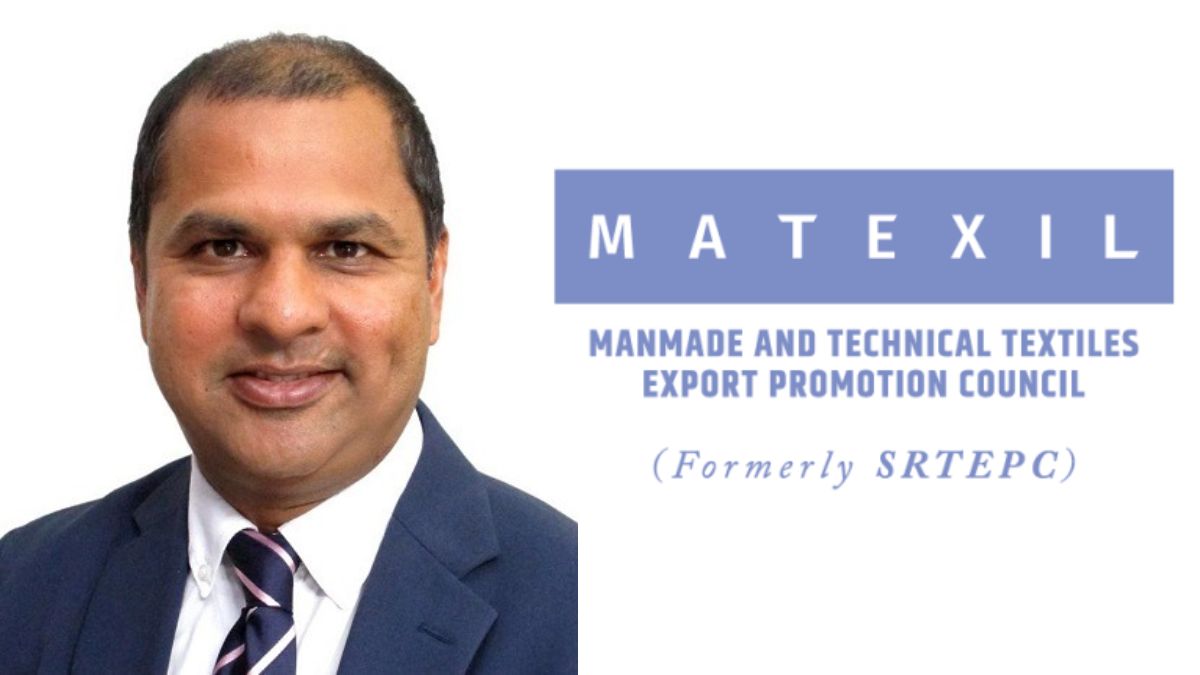
  • RoDTEP Rates Reduction – A Huge Shock for Exporters – Shri Shaleen Toshniwal, Chairman, MATEXIL

    RoDTEP Rates Reduction – A Huge Shock for Exporters – Shri Shaleen Toshniwal, Chairman, MATEXIL

    Shaleen Toshniwal, Chairman – MATEXIL

    Mumbai (Maharashtra) [India], March 02: “The abrupt and unexpected reduction in the RoDTEP rates and the notified value caps for all HS lines by 50% has come as a big surprise and a huge shock for the exporters,” said Shaleen Toshniwal, Chairman of MATEXIL (Manmade and Technical Textiles Export Promotion Council).

    The DGFT (Directorate General of Foreign Trade) has reduced RoDTEP rates and the notified value caps for all HS lines by 50% vide Notification No. 60/2025-26 dated February 23, 2026.

    “The implementation of this notification with immediate effect will have an adverse impact on exports of manmade fibre textiles and technical textiles, as it will significantly affect their competitiveness,” said  Shri Toshniwal .

    The RoDTEP (Remission of Duties and Taxes on Exported Products) scheme was introduced with the objective of neutralizing embedded central, state, and local taxes and levies—including prior-stage cumulative indirect taxes on goods and services used in the production and distribution of exported products—that are not otherwise refunded or credited and remain embedded in export goods.

    “At a crucial juncture, when exporters are passing through unprecedented challenges, turbulence &  uncertainty in global markets and are finding it difficult to sustain operations, this reduction has further aggravated their problems,” the MATEXIL Chairman added.

    Shri Toshniwal further pointed out that the RoDTEP Committee constituted by the Government is presently reviewing the existing RoDTEP rates and  while this review exercise is underway, the unexpected reduction has caused serious concern and uncertainty among exporters of manmade fibre textiles and technical textiles.

    He urged the Government to reinstate the original RoDTEP rates and value caps and continue with the same until the revised rates are formally notified.

    If you object to the content of this press release, please notify us at pr.error.rectification@gmail.com. We will respond and rectify the situation within 24 hours.

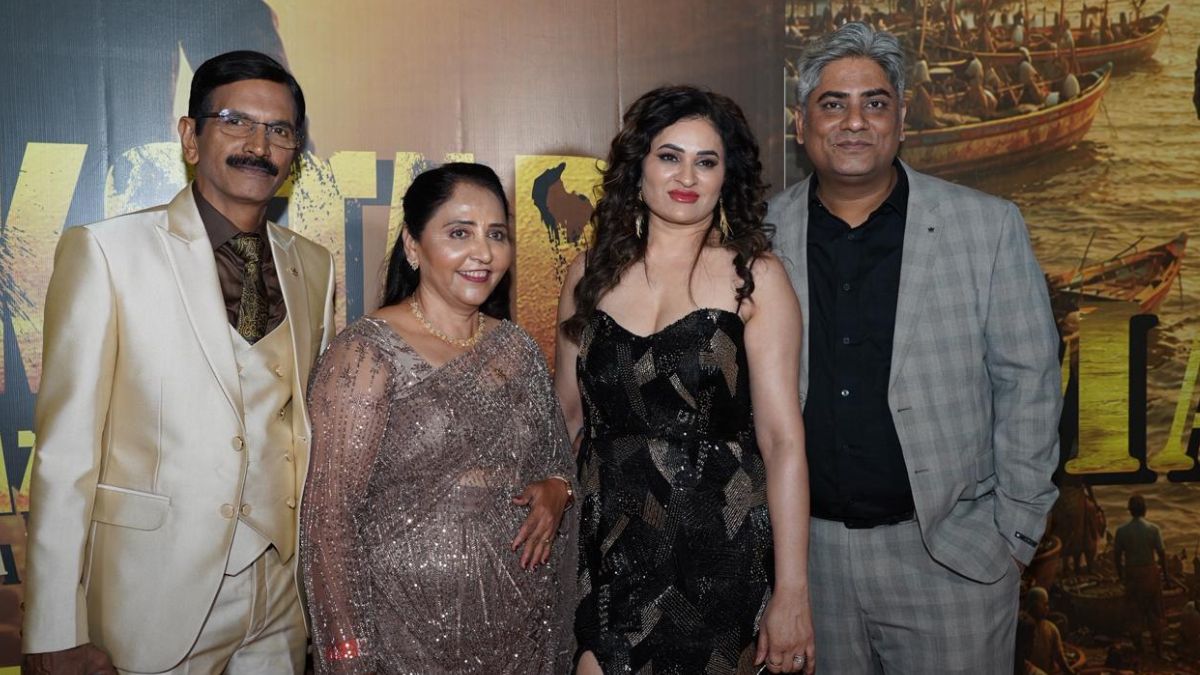
  • Producer Prakash Patil and Director Gourav Mishra unveil PPP Production House’s ambitious five-film slate; Maya Mishra to headline two projects

    Producer Prakash Patil and Director Gourav Mishra unveil PPP Production House’s ambitious five-film slate; Maya Mishra to headline two projects

    Mumbai (Maharashtra) [India], March 02: Marking a significant moment in its journey, PPP Production House has announced an ambitious slate of five feature films at a grand industry event in the city. Backed by producer Prakash Patil and helmed by director Gourav Mishra, the banner is set to explore diverse genres ranging from mythology and musical drama to investigative thrillers and patriotic action.

    The highlight of the evening was the introduction of debutante Maya Mishra, who will headline Mallah and Rockstar. Industry members and dignitaries were present to extend their support, reflecting the scale and confidence behind the projects.

    Opening the slate is Shree Krishna Janmabhoomi, a mythological drama rooted in India’s spiritual heritage, promising large-scale visuals and advanced VFX. Mallah is described as a zero-to-hero story of resilience, while Rockstar traces the emotional journey of a young woman fighting for her place in the music industry. Ground Zero focuses on a fearless journalist building an independent news platform, and Quisling is a patriotic thriller exploring themes of national security and betrayal.

    Speaking at the launch, Patil said, “For me, cinema is devotion. These five films are the result of years of research, planning and passion. We want PPP Production House to stand for meaningful, high-quality storytelling.”

    Mishra added, “Each film represents a different emotional universe. Whether it is the spiritual depth of Shree Krishna Janmabhoomi or the intense suspense of Quisling, our goal is to create experiences that stay with audiences long after they leave the theatre.”

    With this multi-genre lineup, PPP Production House signals its intent to carve a distinct space in mainstream Indian cinema.

    If you object to the content of this press release, please notify us at pr.error.rectification@gmail.com. We will respond and rectify the situation within 24 hours.

  • From Swadeshi to Startups: The Century-Long Evolution of the Indian Woman Entrepreneur

    From Swadeshi to Startups: The Century-Long Evolution of the Indian Woman Entrepreneur

    New Delhi [India], March 02: The history of Indian enterprise is usually narrated through policy—Five-Year Plans, the License Raj, and 1991 liberalization. Clean chapters. Clean transitions.

    The real shift happened elsewhere. Inside homes. In garages. In clinics that were never meant to exist.

    Indian women did not “enter” entrepreneurship. They carved space in economies that were not designed for them.

    This article traces that evolution across roughly a century, from the early 1900s to the end of the last completed decade. It stops there deliberately. The current decade is still unfolding, and while its momentum is visible, structural outcomes take time to mature. Sustainable shifts in capital, policy, and power can only be evaluated in hindsight.

    The evolution of Indian women entrepreneurs spans over a century — from the Swadeshi Movement in the early 1900s to digital startups and venture capital leadership by 2015. Over this period, women moved from informal economic participation to industrial ownership, global leadership, and capital allocation influence within India’s startup ecosystem.

    The Era of Resistance: 1900–1950

    The first incubation lab was political.

    The Swadeshi Movement turned domestic labor into economic defiance. Boycotting British textiles was not symbolic. It redirected production into households. The charkha was not nostalgia; it was distributed manufacturing before the term existed.

    Women who had no access to formal capital converted domestic skills into economic leverage. Profit was secondary. Autonomy was primary.

    Then came professional breach.

    Kadambini Ganguly walked through male-only institutional gates and established a private practice in Calcutta. She did not frame it as empowerment. She identified unmet demand — gynecological care in a gender-segregated society — and converted expertise into revenue. That is entrepreneurship stripped of decoration.

    Resistance created the first blueprint: identify structural exclusion, monetize the gap.

    The Industrial Climb: 1960s–1980s

    Post-independence India tightened control. The License-Permit-Quota Raj suffocated agility. For women, credit access was gated by male guarantors and institutional bias.

    And yet.

    In 1978, Kiran Mazumdar-Shaw founded Biocon in a rented garage. Banks saw risk. She saw fermentation science and export potential. Joint ventures became tactical instruments to navigate FDI ceilings. Seventy percent Indian ownership was not ideological. It was structural maneuvering.

    High-barrier sectors were not supposed to be penetrated by women. Biotechnology did not receive that memo.

    Parallel to heavy industry, consumer sectors professionalized. Simone Tata built Lakmé into a national cosmetics force. Shahnaz Husain exported Ayurveda before global wellness made it fashionable. Vandana Luthra formalized wellness into VLCC in 1989, persuading a skeptical medical ecosystem that aesthetics could be systematized.

    The constraint was capital. The response was structural creativity.

    The Liberalization Paradox: 1991–2005

    In 1991, markets opened. Doors widened. Not evenly.

    Factories Act — specifically Section 66 — restricted women from night shifts in factories. Operational inflexibility meant employers optimized for male labor in 24-hour cycles. Liberalization expanded output. It did not automatically expand access.

    The hours-constraint quietly redirected female ambition toward media, services, and IT.

    Ekta Kapoor launched Balaji Telefilms in 1994 and industrialized television storytelling. Serial production became scalable IP manufacturing.

    At the global end, Indra Nooyi’s ascent within PepsiCo and eventually becoming CEO in 2006 functioned as a signal flare. Not symbolic. Structural. An Indian woman controlling a multinational balance sheet recalibrated ambition thresholds.

    By the mid-2000s, the Sixth Economic Census recorded roughly 14% of enterprises as women-run. The percentage was modest. The complexity was not. Scale had shifted. Sector composition had shifted. Confidence had shifted.

    The Digital Equalizer: 2005–2015

    E-commerce did what regulation could not. It bypassed gatekeepers.

    Retail shelf space, distributor networks, and male-dominated trade associations — irrelevant if logistics and payment rails function.

    Falguni Nayar launched Nykaa in 2012 at fifty. Inventory-led. Margin-controlled. No marketplace dilution. It ended in a public listing that forced the market to accept late-career entrepreneurship as serious capital formation.

    Richa Kar built Zivame by digitizing a category constrained by social discomfort. Privacy became a conversion strategy.

    Upasana Taku co-founded MobiKwik before UPI normalized digital payments. Fintech was not a “female-friendly” sector. That assumption dissolved.

    The digital bazaar removed geography and social friction simultaneously. That mattered more than policy language.

    The New Frontier: Capital Allocators (Up to the Last Decade)

    Ownership is one level. Allocation is another.

    For years, venture capital in India was structurally male. As late as 2008, female leadership across top VC firms was statistically negligible.

    By the end of the last decade, the shift had become measurable.

    Vani Kola at Kalaari Capital and Renuka Ramnath at Multiples Private Equity controlled capital pools measured in billions. They were not “women investors.” They were allocators influencing cap tables across sectors, including companies like Flipkart.

    This marked the structural pivot of the first full century: moving from applicant to approver. From pitch deck to term sheet.

    Capital allocation shapes ecosystems. Networks that include female partners tend to widen opportunity pipelines. Influence compounds differently than participation.

    Why This Narrative Stops at the Last Decade

    The current decade has already produced headline-grabbing funding rounds, rapid digital penetration, policy shifts, and increased visibility for women founders. However, early momentum is not the same as structural permanence.

    Ecosystems require time to test resilience through market cycles, regulatory changes, global recessions, and liquidity contractions. Many of the celebrated gains of this decade are still in their expansion phase. Their durability — in profitability, governance maturity, generational wealth transfer, and institutional representation — can only be assessed with distance.

    History is clearest in the rear-view mirror. The last completed decade provides enough data to analyze scale, capital access, and institutional influence. The present decade is still writing its balance sheet.

    A Note on the Present Decade

    What is visible today is acceleration. Greater access to digital infrastructure, improved formal credit inclusion, expanding angel networks, policy conversations around women-led enterprises, and a cultural normalization of female founders across sectors — from deep tech to climate, from manufacturing to fintech.

    Yet this phase remains transitional. The true measure will not be unicorn counts or funding spikes, but whether women control larger portions of institutional capital, board representation, secondary wealth cycles, and intergenerational enterprise ownership.

    The century-long arc — from resistance to allocation — is undeniable. The next chapter is underway.

    It is simply too early to close the book on it.

    PNN Lifestyle

  • How Nesamani Maran Muthu Balances Legacy and Innovation at MGM Group

    How Nesamani Maran Muthu Balances Legacy and Innovation at MGM Group

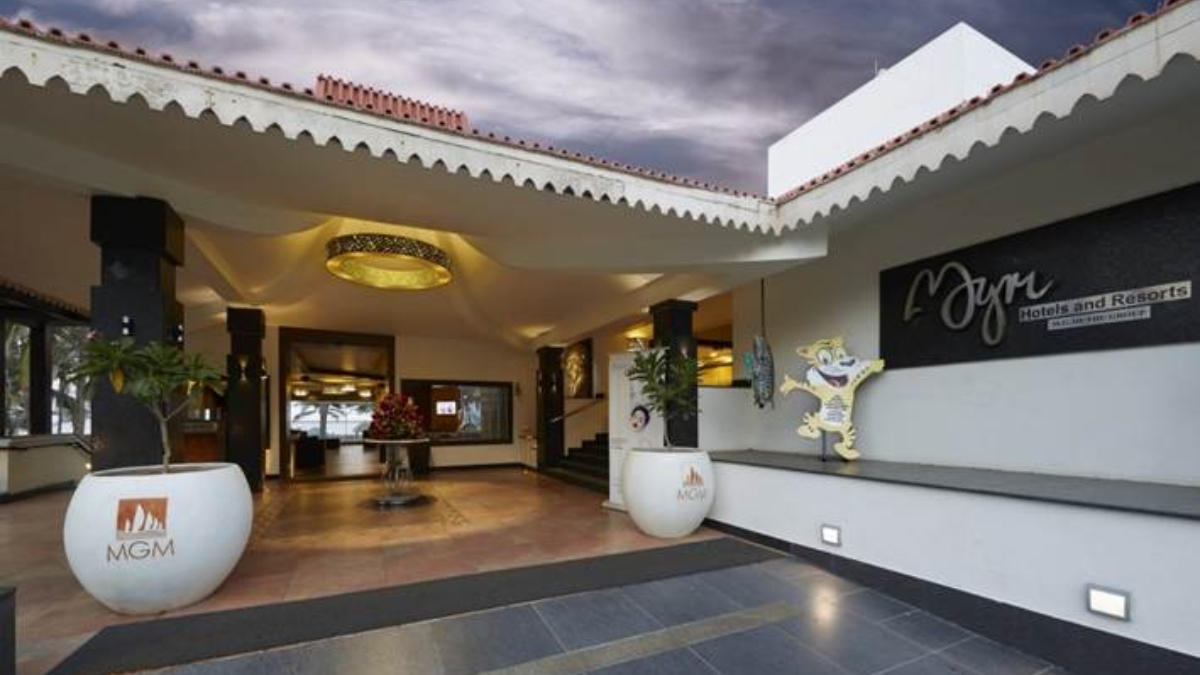
    New Delhi [India], March 02: The story of Nesamani Maran Muthu & MGM Group is, at its core, a story about continuity. It is about how a second-generation leader carries forward a powerful entrepreneurial legacy while reshaping it for a rapidly changing global economy. From its beginnings in the 1960s as a logistics venture founded by the late M.G. Muthu, MGM Group has grown into a diversified multinational presence spanning hospitality, logistics, agriculture, and entertainment. Today, as Vice Chairman, Nesamani Maran Muthu stands at the intersection of heritage and transformation.

    “We are custodians of a legacy built on trust and resilience,” says Nesamani Maran Muthu, Vice Chairman of the MGM Group. “Innovation for us is not about replacing people with machines. It is about empowering our teams with the right tools so they can deliver better service, make faster decisions, and stay globally competitive without losing the human warmth that defines MGM.”

    That philosophy has shaped much of the group’s recent direction. While many traditional family-led enterprises struggle to modernize without diluting their identity, Nesamani Maran Muthu has taken a measured approach what he often describes as a form of nuanced automation. Instead of allowing technology to dominate operations, he positions it as a supporting framework. In MGM’s hospitality arm, this has translated into the use of AI-driven systems for pricing strategies, inventory management, safety monitoring, and backend logistics. Yet, the guest-facing experience remains unmistakably human.

    The idea is simple but powerful: high-tech should enable high-touch. Staff are freed from repetitive administrative tasks and empowered to focus on what truly matters: guest comfort, personalized experiences, and attentive service. In an industry where brand loyalty is built on trust and emotional connection, this balance has allowed MGM to modernize without losing its warmth.

    Under his leadership, MGM Muthu Hotels has expanded significantly, including acquisitions in the United Kingdom and operations across Europe and Cuba. The group now manages thousands of rooms internationally, marking a far cry from its original logistics footprint. One notable move was the development of niche hospitality offerings, including a pioneering LGBTIQ+ hotel concept in Cuba, an example of thoughtful market segmentation combined with inclusive brand positioning.

    Beyond hospitality, Nesamani Maran Muthu has also driven diversification into sustainable agriculture, distilleries, entertainment ventures, and advanced logistics operations. Each new sector reflects a careful reading of long-term global trends rather than short-term gains. In logistics and port management, the integration of digital informatics systems has streamlined operations, improved compliance, and enhanced supply-chain visibility. The approach is not merely about growth; it is about scalable growth rooted in process efficiency and governance.

    What distinguishes his leadership style is a consistent focus on stability. Corporate expansions are paired with systems that strengthen oversight and operational discipline. Even as the group enters new geographies, there is a clear emphasis on maintaining quality benchmarks and brand consistency. The founding ethos: resilience, customer commitment, and operational integrity remains intact.

    Importantly, Nesamani Maran Muthu’s journey has also required navigating public scrutiny and regulatory complexities that can arise for large business conglomerates operating across sectors and borders. His response has been to reinforce governance frameworks, adopt compliance-focused systems, and align the group with evolving regulatory expectations. For a legacy brand, credibility is not optional it is foundational.

    At the heart of the transformation lies a mindset shift. Instead of viewing legacy as a constraint, he treats it as an anchor. The founding values of MGM Group: entrepreneurial grit, service orientation, and disciplined growth are not replaced but reframed within a modern context. Affordable luxury, flexible service models, digital dashboards, and predictive analytics coexist with the same old-fashioned belief in relationship-building.

    His academic grounding in sociology, combined with decades of executive experience, appears to inform this people-centric yet forward-looking strategy. Employees are not seen as cost centers but as culture carriers. Technology is not introduced as a disruption, but as an enabler. Expansion is not pursued recklessly, but strategically.

    The result is a conglomerate that feels both rooted and ambitious. A business that honors its past without being bound by it. As global markets evolve with increased digitization, sustainability pressures, and shifting consumer expectations MGM Group’s direction reflects a clear understanding that relevance must be continuously earned.

    In many ways, Nesamani Maran Muthu embodies a dual role. He is both guardian and architect. Guardian of a legacy built by his father. Architect of a future shaped by AI, global partnerships, and diversified growth. The careful blending of high-tech efficiency with high-touch service has positioned MGM as not just a surviving family enterprise, but a future-ready multinational.

    The ongoing narrative of Nesamani Maran Muthu & MGM Group is therefore not one of reinvention, but of evolution. It is about strengthening foundations while building new floors. About honoring memory while embracing momentum. And in that balance lies the group’s enduring relevance in an increasingly competitive global landscape.

    If you object to the content of this press release, please notify us at pr.error.rectification@gmail.com. We will respond and rectify the situation within 24 hours.

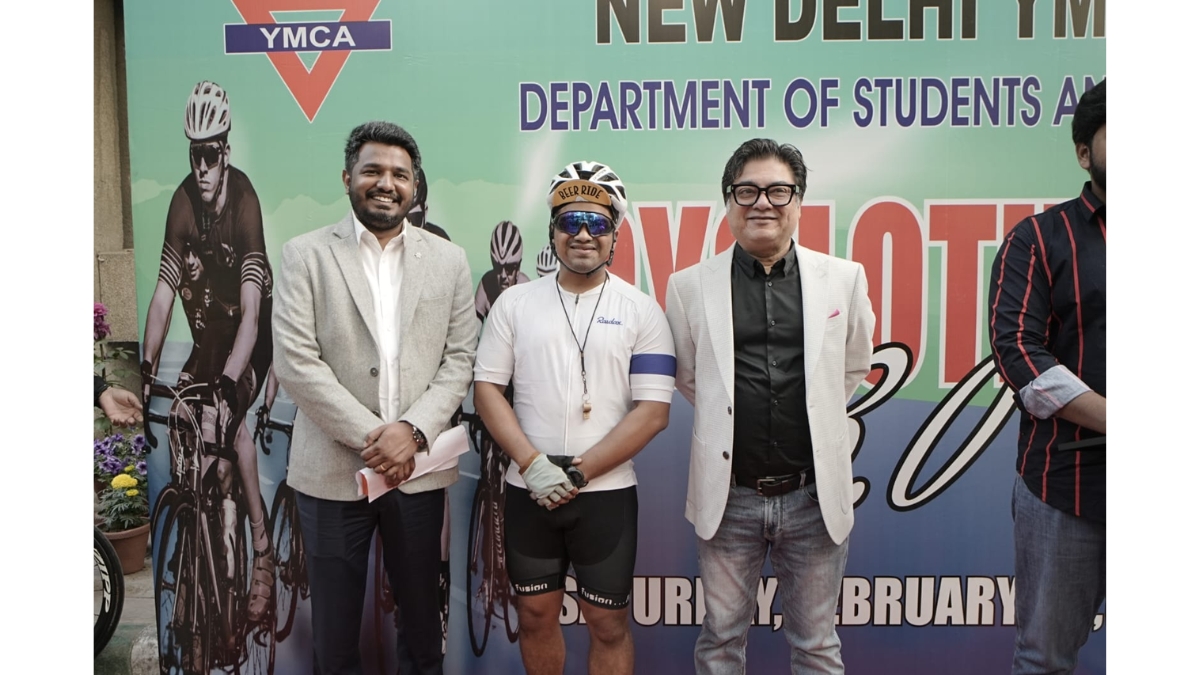
  • New Delhi YMCA Organizes Cyclothon 3.0: 180 Riders Pedal for a Pollution-Free Environment

    New Delhi YMCA Organizes Cyclothon 3.0: 180 Riders Pedal for a Pollution-Free Environment

    New Delhi [India], March 02: The New Delhi YMCA – Department of Students & Youth successfully organized Cyclothon 3.0 on Saturday, February 28, 2026, at 6:30 a.m., under the impactful theme “Riding for a Pollution Free Environment.” The event witnessed the enthusiastic participation of 180 cyclists, including students, youth members, fitness enthusiasts, and YMCA supporters.

    The Cyclothon was organized as a public awareness rally to promote eco-friendly transportation and encourage citizens to adopt sustainable lifestyle practices in response to the rising pollution levels in the national capital.

    The programme commenced with an Opening Prayer led by Mr. Vineet Masih, Assistant General Secretary, NDY, setting the tone for a purposeful and responsible initiative.

    The Welcome Address was delivered by Mr. Rajeev Singh, General Secretary & CEO, New Delhi YMCA, who emphasized the importance of youth-led environmental action and reaffirmed the YMCA’s commitment to nation-building through community engagement.

    Greetings were shared by Mr. Walter Prince Wilson, Chairman – Department of Students & Youth, who appreciated the participants for choosing action over indifference in addressing environmental concerns.

    New Delhi YMCA Organizes Cyclothon 3.0: 180 Riders Pedal for a Pollution-Free Environment-PNN

    Prior to the commencement of the rally, Mr. Oliver Joshua Jacob, Board of Director – NDY, briefed participants on safety protocols and riding guidelines to ensure a disciplined and secure event.

    The Cyclothon was officially flagged off by Mr. Rajeev Singh, marking the beginning of the rally that proceeded along the designated route.

    The route covered key central locations, including Ashoka Road, C-Hexagon, Akbar Road, Teen Murti Roundabout, Mother Teresa Crescent, B.K.S. Marg, and Gole Dak Khana, before culminating back at the YMCA campus. The event was conducted with due authorization, and formal permission was obtained from the Delhi Police, ensuring smooth coordination and public safety throughout the rally.

    Participants rode with great enthusiasm, symbolizing collective responsibility toward reducing carbon emissions and promoting cleaner air for future generations.

    Upon successful completion of the rally, a Medals Distribution Ceremony was held to acknowledge and appreciate the spirit and participation of all cyclists. The event concluded with a Vote of Thanks delivered by Mr. Feroze Khan, Assistant General Secretary, NDY, who expressed gratitude to the Delhi Police authorities, organizing committee members, volunteers, and participants for making the event a grand success.

    To conclude the programme on a note of fellowship and appreciation, breakfast was served to all participants.

    Cyclothon 3.0 stood as a powerful demonstration of how community-driven initiatives can contribute meaningfully toward environmental awareness and sustainable living. Through such impactful programmes, the New Delhi YMCA continues to empower youth to lead social change and actively participate in building a healthier and pollution-free India.

    If you object to the content of this press release, please notify us at pr.error.rectification@gmail.com. We will respond and rectify the situation within 24 hours.

  • Emerald Finance Limited Accelerates EWA Growth with Multiple Employer Partnerships in February 2026

    Emerald Finance Limited Accelerates EWA Growth with Multiple Employer Partnerships in February 2026

    Mumbai (Maharashtra) [India], March 02: A suite of financial products, including its flagship Earned Wage Access (EWA) solution in India, has further strengthened its EWA platform by onboarding five new employer partners between 16th February and 28th February 2026 across multiple sectors and geographies.

    During the period, the Company entered into strategic collaborations with:

    • Bawa Global Synergy Private Limited, Mohali, Punjab
    • Dharam Chand Dwarka Das Steels Private Limited, Kanpur
    • Vera Developers Private Limited, Zirakpur, Punjab
    • Passim Lifesciences Limited, Panchkula, Haryana
    • Kapoor Project and Management Consultants Private Limited, Panchkula, Haryana

    These collaborations facilitate the implementation of the Company’s Early Wage Access (EWA) program for employees of the respective organizations.

    Under this model, eligible employees can draw a portion of their earned salary during the pay cycle, addressing short-term liquidity needs without waiting for payday. The facility follows a structured, salary-linked advance mechanism, with repayments recovered through payroll deductions to ensure transparency and credit discipline.

    The initiative aligns with Emerald Finance Limited’s strategy to scale employer-integrated financial solutions and strengthen its retail portfolio across sectors. The increasing adoption of EWA highlights its recognition as a responsible financial tool supporting employee well-being.

    The Company remains focused on expanding its EWA platform across industries and geographies through technology-driven, customer-centric solutions.

    Consequently, the Company has onboarded twelve employer partners in aggregate during February 2026.

    Commenting on the partnerships Mr. Sanjay Aggarwal, Managing Director of Emerald Finance Limited said, “We are pleased with the strong momentum in February, marked by the onboarding of multiple employer partners across diverse sectors and regions. This reinforces the growing acceptance of our Earned Wage Access platform as a responsible financial solution for salaried employees.

    Our Early Wage Access facility enables timely access to earned income, helping employees manage short-term financial needs without affecting the regular payroll cycle. Through a structured, salary-linked repayment mechanism, we ensure a seamless experience while maintaining prudent credit discipline.

    Going forward, we see EWA as a scalable growth opportunity. We aim to expand across industries, strengthen technology-led efficiencies, and build a stable fee-based revenue stream aligned with our long-term retail-focused strategy.”

    Disclaimer: This article is for informational purposes only and does not constitute financial advice.

  • “Sometimes You Have to Leave Empty Spaces”: A Conversation with Ameet Shetye on His Instrumental Track The Zephyr

    “Sometimes You Have to Leave Empty Spaces”: A Conversation with Ameet Shetye on His Instrumental Track The Zephyr

    New Delhi [India], March 02: Composer and guitarist Ameet Shetye, whose earlier compositions have been sung by celebrated voices like Udit Narayan and Shankar Mahadevan, has taken a deeply personal turn with his latest instrumental release, The Zephyr. In this candid conversation, he reflects on the journey behind the piece and the emotion that shaped it.

    Q: When you think back to the time you created The Zephyr, who were you emotionally in that phase of your life?

    It began one fine December evening — Christmas Eve, to be precise. I came up with the intro riff on an electric guitar. At that time, it was just a feeling, just a phrase. Over the years, that tune slowly came into life and evolved into what you now hear in the solo guitar version. Emotionally, I was in a quiet, reflective space.

    Q: There’s a quiet sensitivity in this track. Was there something you were feeling but not saying out loud?

    As I started composing it further, I gradually imagined a misty morning. That imagery shaped the tune. Naturally, it became ethereal and open — almost like something ringing in your head. It wasn’t about saying something directly. It was about creating a feeling.

    Q: The word The Zephyr suggests a soft breeze. Was the song meant to be gentle?

    Yes — a gentle breeze. That’s exactly what it represents. The idea was softness, lightness, and subtle movement rather than intensity.

    Q: Did you ever hesitate about releasing something so personal?

    I make music that is quite personal anyway. There is no holding back. I create what I experience and feel — it’s always inside out.

    Q: Was there a specific setting that inspired the full composition?

    Once I discovered the riff, I imagined a situation that helped me build the piece further. The concept behind The Zephyr is very visual for me.

    I see myself in a treehouse, wrapped in a misty morning breeze. Sunlight slowly leans in and gently wakes my muse from an eternal slumber. In that moment, time dissolves. Music finds me before I even reach for it.

    That’s how the tune flowed.

    Q: The track is just a single acoustic guitar. Why keep it so minimal?

    The whole thing is raw. Usually, musicians add layers, instruments, arrangements — I’ve done that in the past too. I could have added synth pads or keys. But sometimes you just have to leave empty spaces. Just one acoustic guitar, yet it fills the sound spectrum on its own.

    Q: Did creating The Zephyr change you as an artist?

    Yes. It made me experiment with the concept of singularity. Earlier, I would compose for multiple instruments and build arrangements. Suddenly, it was just one guitar and a simple tune. That simplicity taught me something new.

    Q: What do you hope listeners feel when they hear it alone, maybe with headphones on?

    When I create an instrumental tune, it’s my journey. When someone listens to it, it becomes theirs. It might take them to a past memory, a journey, an intimate moment — the possibilities are limitless.

    Q: Has anyone’s reaction stayed with you?

    Yes. A friend once listened to it at sunrise and described exactly the same feeling I had imagined while composing it. That stayed with me.

    Q: If The Zephyr were a chapter in your life story, what would it be called?

    “You are all by yourself.”

    With The Zephyr, Ameet Shetye returns to pure instrumental expression — not with grandeur, but with stillness. A gentle breeze, carried on six strings.

    If you object to the content of this press release, please notify us at pr.error.rectification@gmail.com. We will respond and rectify the situation within 24 hours.

  • Tap Into India’s Urban Growth Story with CEPT’s Specialised MBA Programs

    Tap Into India’s Urban Growth Story with CEPT’s Specialised MBA Programs

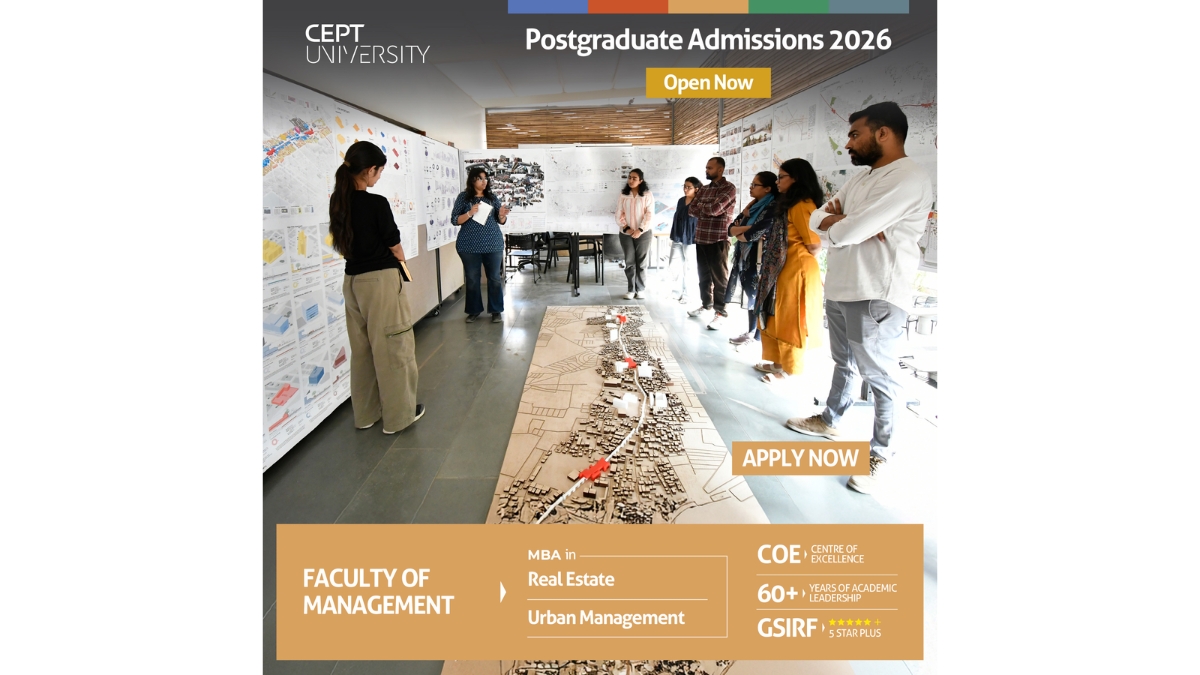
    March 02, 2026: CEPT University’s Faculty of Management has opened admissions for its specialised MBA programs designed exclusively for careers in the urban and built environment domain.

    Unlike general management programs, CEPT’s MBA offerings are structured specifically around the governance, financing, planning, and execution of urban systems and real estate markets. The Faculty of Management at CEPT University is among a limited number of institutions in the country that offer programs dedicated exclusively to the management of cities and infrastructure.

    As India’s real estate landscape continues to expand rapidly and urban systems grow in complexity, organisations across public, private, and development sectors are seeking professionals who combine analytical rigour with deep sectoral understanding.

    Commenting on the distinctive positioning of the programs, Pranavant, Dean, Faculty of Management, CEPT University, said, “India’s urban and infrastructure expansion is not merely a growth story — it is a structural transformation. This transformation demands managers who understand the institutional, financial, spatial, and regulatory dynamics that shape cities and real estate markets. Our MBA programs are intentionally domain-focused. They combine managerial rigour with deep engagement in infrastructure systems, land economics, governance frameworks, and design intelligence. We are preparing professionals who can manage and lead service delivery outcomes, mobilise capital responsibly, and shape the long-term trajectory of India’s built environment.”

    The Faculty of Management at CEPT University offers two specialised MBA programs:

    MBA in Urban Management: The MBA in Urban Management prepares professionals to manage the systems that enable cities to function — from water supply, transport networks, and housing to energy distribution and municipal services. These systems operate through intricate institutional and financial structures that require informed decision-making and cross-sector coordination.

    The two-year program combines the analytical depth of a professional MBA with immersive studio-based engagements in real urban contexts. Students work closely with municipal corporations, infrastructure agencies, consulting firms, and development organisations. Through these studios, they design implementation strategies, structure financing models for infrastructure projects, apply digital tools for city-scale data management, and bridge policy frameworks with operational realities.

    Graduates pursue careers with global consulting firms such as EY, KPMG, Deloitte and PwC, infrastructure and development companies, multilateral agencies, government-backed national missions, and advisory organisations shaping India’s urban future. The program offers both high-demand career pathways and long-term sectoral stability.

    MBA in Real Estate: The MBA in Real Estate is designed to prepare professional managers for organised real estate development, financing, and investment.

    The program builds capabilities in capital markets, land and property economics, project structuring, sustainability, construction processes, and design differentiation. Drawing upon CEPT University’s interdisciplinary strengths in architecture, urban systems, construction technology, and building design, the program integrates managerial competence with spatial and strategic intelligence.

    Graduates are equipped for leadership roles in real estate development firms, investment and private equity platforms, International Property Consultants (IPCs), infrastructure enterprises, and allied urban sectors. As institutional capital increasingly enters India’s property markets, the demand for professionally trained real estate managers continues to rise significantly.

    Admissions Open

    As India’s urban population grows and infrastructure investments accelerate, specialised managerial expertise is becoming central to sustainable and inclusive development. CEPT University’s Faculty of Management is committed to building a cadre of professionals capable of navigating the financial, technical, and institutional complexities of the urban economy.

    For program details, eligibility criteria, and application deadlines, visit: www.cept.ac.in

    About CEPT University

    CEPT University is a recognized leader in education and research in the areas of architecture, planning, design, technology, and urban management. Its teaching programs aim to build thoughtful professionals, and its research programs deepen understanding in its areas of expertise. CEPT University also undertakes advisory projects to supportthe national,state andcitygovernmentsand large sections of private industry. Through its education, research, and advisory activities, the University strives to contribute to enriching the lives of people in India’s villages, towns, and cities.

    The University comprises five faculties: viz. the Faculty of Architecture, the Faculty of Planning, the Faculty of Technology, the Faculty of Design, and the Faculty of Management. In December 2023, CEPT University was recognized by the Government of India as a Centre of Excellence in Urban Planning and Design. This comes with an endowment of Rs. 250 Crore to be used towards the research and training on India-specific knowledge in Urban Planning and Design over the next 25 years. CEPT University was established by the CEPT University Act of 2005, enacted by the government of Gujarat. It was originally started in 1962 as the School of Architecture, supported by the Ahmedabad Education Society. The Department of Scientific and Industrial Research (DSIR) of the Government of India recognizes the University as a Scientific and Industrial Research Organization (SIRO). CEPT University is recognized as a Centre of Excellence by the Government of Gujarat. CEPT University has over 30 ongoing collaborations and exchange programs with top-ranked universities across the world.

    If you object to the content of this press release, please notify us at pr.error.rectification@gmail.com. We will respond and rectify the situation within 24 hours.