Author: Sutun Nayak

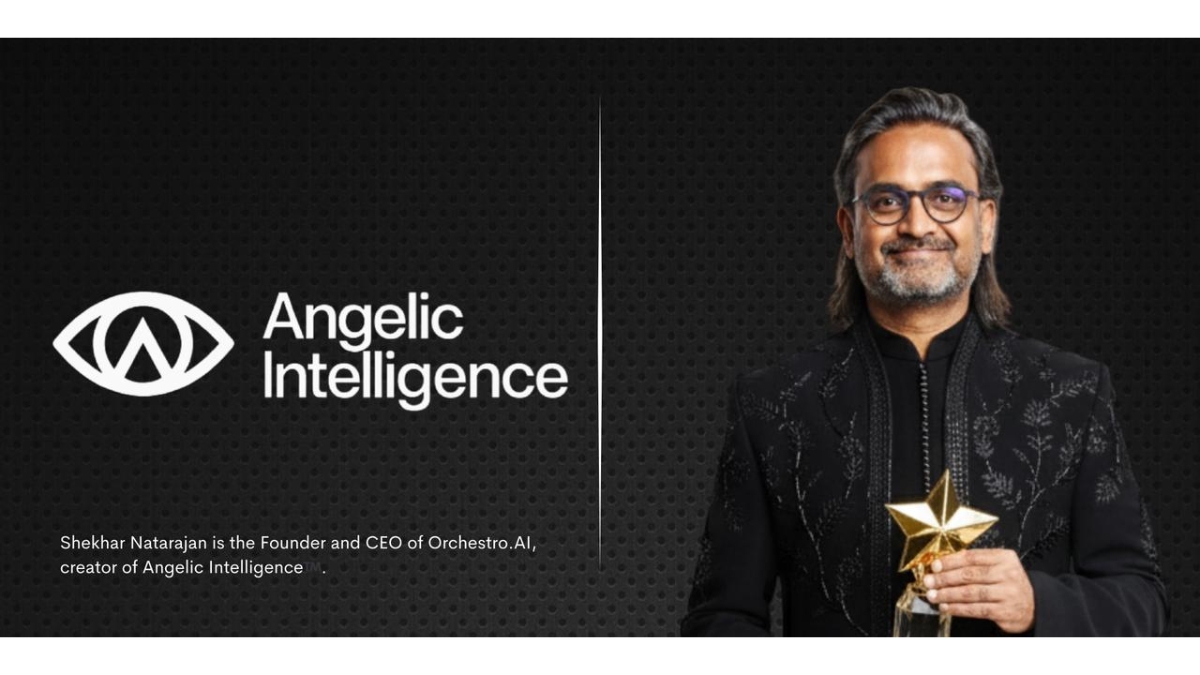
  • Why Traditional Media Is Playing Catch-Up to a Viral AI Movement

    Why Traditional Media Is Playing Catch-Up to a Viral AI Movement

    A media critic’s examination of how journalism failed to see the biggest story in AI ethics—and what that failure reveals

    Bengaluru (Karnataka) [India], March 02: This publication, like most legacy media, is writing about Angelic Intelligence after 800 million people have already made up their minds about it. The sequence is worth examining, because it says something uncomfortable about how news organizations cover technology—and how that coverage is increasingly irrelevant to how ideas actually spread.

    For 18 months, the framework spread across social platforms, accumulating views that dwarfed most media coverage of AI. It sparked discussions in forums and comment sections, generated user-created explanatory content, reshaped how millions conceptualize AI development. Traditional media largely ignored it.

    Technology journalism focused on product launches, funding rounds, and executive movements. AI coverage concentrated on capability announcements, regulatory debates, and existential risk discussions. The biggest grassroots phenomenon in AI discourse happened in plain sight while journalism watched press conferences.

     The biggest story in AI ethics happened on social media while journalism watched press conferences. 

    The gap reflects structural problems in technology coverage that predate this specific failure. Traditional news organizations are calibrated to cover institutions—companies, governments, research laboratories, and regulatory bodies. They have established relationships with institutional sources, understand institutional press cycles, and have developed metrics for institutional significance.

    They struggle to cover movements that emerge outside institutional frameworks. They lack early-warning systems for phenomena that spread through channels journalists don’t monitor. They don’t have metrics for grassroots significance until that significance becomes impossible to ignore.

    “We kept waiting for the news peg—a funding round, a partnership announcement, a policy citation, something that would make this fit our coverage templates. Meanwhile, the story was happening without our permission. By the time we recognized it, hundreds of millions of people had already encountered it.” — a technology editor at a major publication, speaking on background

    The belated coverage creates an ironic situation that reveals the diminished role of traditional media in technology discourse. Publications now explaining Angelic Intelligence to their audiences are writing about something those audiences may already understand better than the journalists covering it.

    A reader who encountered the framework through social media six months ago, who watched explanatory videos, read user discussions, and followed the growth in real time, now receives a ‘news’ article explaining what they’ve already assimilated. The information flow has inverted—media isn’t informing the public; it’s catching up to them.

     Traditional media didn’t break this story. It joined it. 800 million people were already there. 

    “I find it somewhat embarrassing to write this explainer, knowing my audience probably discovered this before I did. We’re not breaking news. We’re validating what people found for themselves. That’s a very different function than what journalism traditionally provides.” — a technology reporter at a national newspaper

    The structural issues are difficult to address. Monitoring every viral phenomenon for potential significance isn’t feasible. Social media creates more noise than signal; most viral content deserves to be ignored. The challenge is distinguishing meaningful grassroots movements from ephemeral viral moments—and making that distinction early enough for coverage to matter.

    Traditional signals don’t help. Follower counts, blue checks, and institutional affiliations—the markers journalists use to identify credible sources—weren’t present. The phenomenon spread through ordinary users, not verified influencers. It originated from outside the institutions journalists know how to cover.

    “Our source validation is designed for institutional actors. Someone at Google says something, we can verify they’re at Google and that Google is significant. Someone on LinkedIn posting about AI ethics doesn’t fit our templates. We don’t have systems for recognizing grassroots authority.” — a media researcher who studies technology journalism

    There’s a lesson here about technological change and journalism’s role in interpreting it. If significant ideas can achieve massive reach before media attention, the traditional function of journalism as an information intermediary diminishes. Audiences no longer wait for coverage to discover what matters. They find it themselves, discuss it themselves, form opinions themselves—and then perhaps encounter journalism’s belated validation.

     Journalism’s job used to be telling people what mattered. On Angelic Intelligence, people told journalism. 

    The challenge for publications isn’t whether to cover viral AI movements but whether coverage arrives in time to matter. On Angelic Intelligence, that window may have already closed. The public has formed its understanding. The framework has achieved institutional recognition. Journalism is writing history, not news.

    “By the time we write the explainer, 800 million people don’t need one. We’re explaining to ourselves what they already decided. It’s not journalism in the traditional sense—it’s documentation. We’re archivists now, not scouts.” — a media critic at a journalism school

    Future coverage of technology movements will need to account for this shift. Social listening will need to become more sophisticated—not just tracking volume, but tracking meaningful signals. Source validation will need to extend beyond institutional markers. Coverage timelines will need to accelerate, recognizing that relevance has a shorter half-life.

    Or journalism will continue arriving late to stories that matter, writing explainers for audiences who already know, providing validation that no longer conveys authority. The world doesn’t wait for coverage anymore. It moves, and media follow—when it notices at all.

    This article, appearing after 800 million views have been counted, is itself evidence of the problem it describes. We’re not ahead of this story. We’re behind it. The question is whether we can learn to do better—or whether ‘playing catch-up’ becomes journalism’s permanent condition in the age of viral ideas.

    If you object to the content of this press release, please notify us at pr.error.rectification@gmail.com. We will respond and rectify the situation within 24 hours.
  • Aditya Dhar And Team Dhurandhar Shine Bright At Iconic Gold Awards 2026

    Aditya Dhar And Team Dhurandhar Shine Bright At Iconic Gold Awards 2026

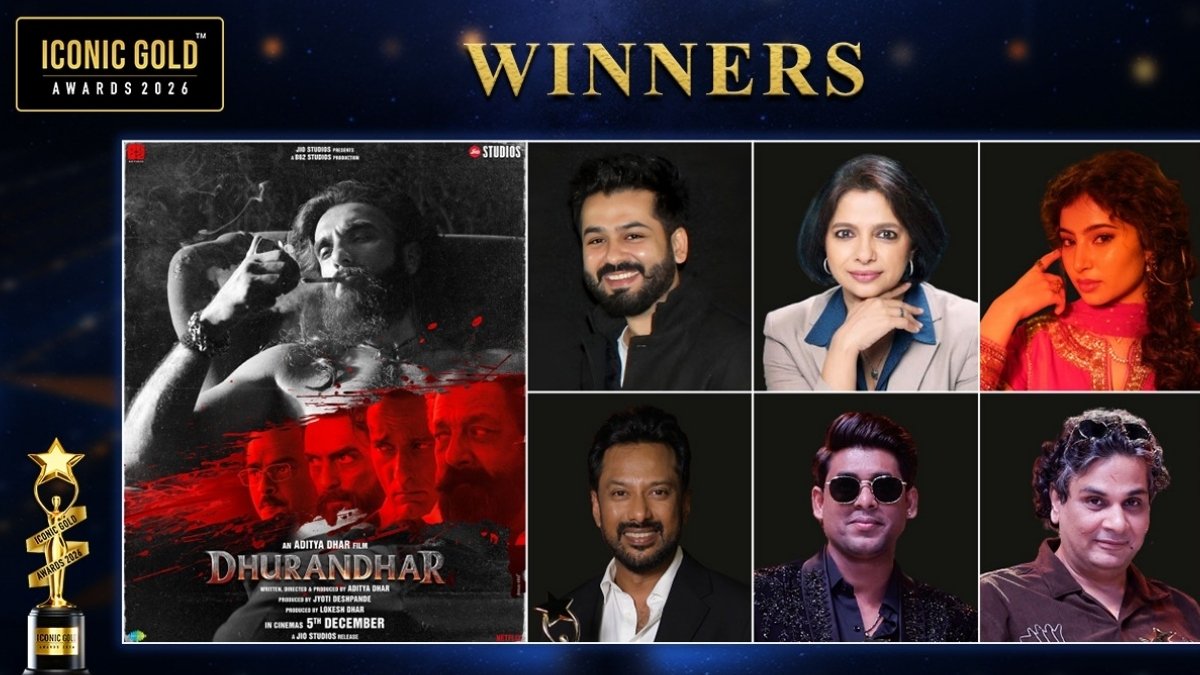
    Mumbai (Maharashtra) [India], March 3: The 7th edition of the Iconic Gold Awards 2026 turned out to be a proud and memorable evening for the team of Dhurandhar, as the film turned out to be one of the biggest winners of the night. Held in Mumbai, the prestigious award ceremony celebrated excellence in cinema, digital entertainment and music but it was Dhurandhar that really stole the spotlight.

    The film received the award for the Best Film (Popular), which shows the immense love and support the film has received from the audiences. Over the last year Dhurandhar has created a solid fan following with its gripping story line, powerful performances and high production value. This award remains as an evidence of its popular use.

    Director Aditya Dhar received the Best Director award for his exceptional vision and story-telling. Known for telling intense and engaging stories, Dhar’s direction in Dhurandhar played a key role in shaping the impact of the film. His victory highlights the creative strength behind the project, as well as the effort that went into bringing the story to life on screen.

    To add to the success of the film, Jyoti Deshpande won the title of Game Changer Producer of the Year for Dhurandhar. Her contribution as a producer was instrumental in supporting the film from development to release. The recognition honours her commitment to supporting meaningful and ambitious cinema.

    Young talent Sara Arjun won the award for Best Debut (Popular) for her performance in Dhurandhar. Her role in the film was a significant step in her acting career and the award recognizes her impressive screen presence and dedication. Her debut has been widely appreciated and she is clearly a bright new face in the industry.

    The success of the film was not limited to the main categories either. Renowned casting director Mukesh Chhabra was awarded as the Best Casting Director award for his keen eye in the selection of the perfect ensemble for the film. The powerful casting gave the story depth and authenticity.

    Celebrated choreographer Vijay Ganguly won the Best Choreographer award for the energetic and visually appealing dance sequences associated with the film. Meanwhile, the singer Shahzad Ali received the Voice of the Year Award for the song “Ishq Jalakar” which became one of the musical events linked to Dhurandhar and flows well with the people.

    The multiple wins definitely make the film Dhurandhar one of the most celebrated films at 7th Iconic Gold Awards 2026. From direction to production, debut performance to music – the film’s recognition in various categories is the result of the collective effort of the talented team.

    The 7th Iconic Gold Awards 2026 witnessed a star-studded appearance that included some of the most familiar faces of Indian entertainment. Major Bollywood and TV personalities such as Farhan Akhtar, Rakul Preet Singh, Manoj Bajpayee, Nawazuddin Siddiqui, Hina Khan, Nimrat Kaur and Avneet Kaur were seen gracing the red carpet and adding glamour to the event. Veteran actor Anupam Kher and emerging talents like Fatima Sana Shaikh and Radhika Madan were also present making the event a proper tribute to talent across film, television, and digital content.

    https://www.instagram.com/iconicgoldaward/?hl=en


  • Corium Introduces 2026 Italian Seating Trends to Indian Homes

    Corium Introduces 2026 Italian Seating Trends to Indian Homes

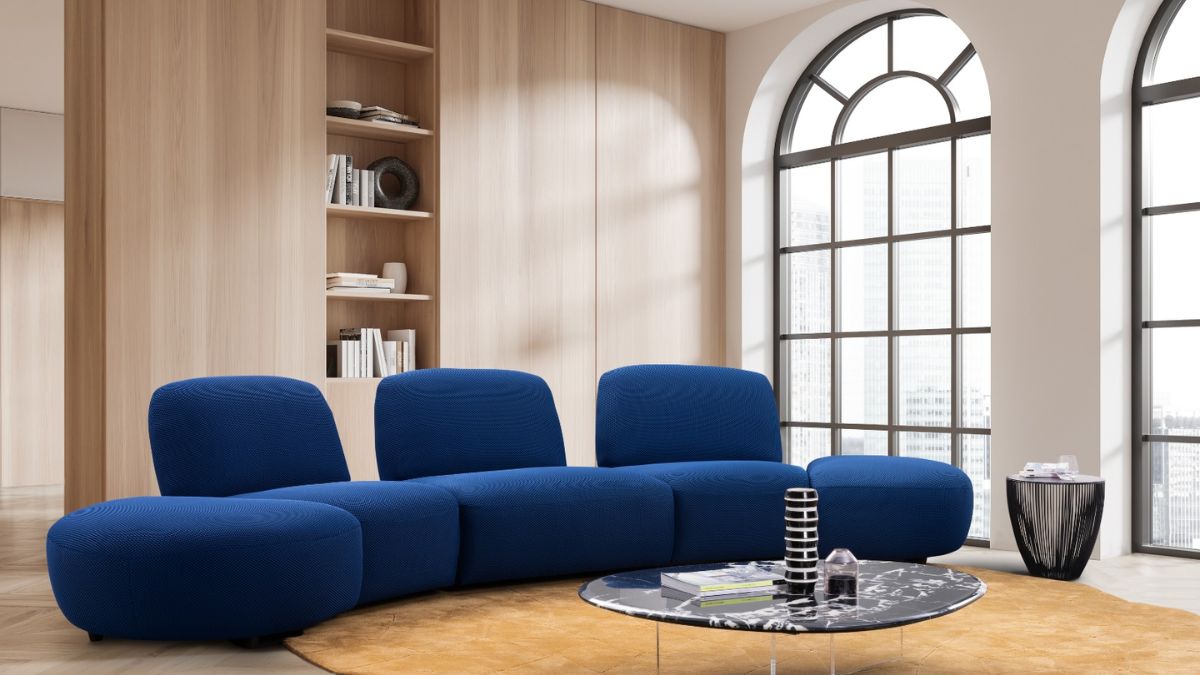
    Bengaluru (Karnataka) [India], March 02: Corium, a high-end Italian furniture brand from House of HTL, unveils its latest sculptural seating collection—an elegant exploration of how contemporary homes are lived in, experienced, and shared. Designed around comfort, fluidity, and modern luxury, the new portfolio reimagines furniture not merely as functional objects, but as immersive experiences—inviting, expressive, and deeply personal.

    Created for evolving lifestyles, the collection brings together a refined family of sofas, sectionals, and lounge chairs that combine sculptural beauty with indulgent comfort. Soft curves, generous proportions, and thoughtful detailing define the range, making each piece as visually striking as it is welcoming. At the heart of the collection is a commitment to comfort engineering, where every seat is crafted to invite you to linger a little longer and Live with Pride.

    Jerome sets the tone for the collection with its relaxed elegance. Designed for long, unhurried hours of lounging, it combines plush cushioning with a refined, architectural base. Immediate comfort meets enduring support, making Jerome equally suited to everyday family living, entertaining, or moments of quiet repose.

    Delizia brings a sense of quiet poetry to the collection, defined by its gently curved form and an integrated marble-topped tray table with concealed storage. Sculptural and tactile, the design blurs the line between furniture and functional art. Its enveloping comfort and carefully balanced proportions allow it to command attention while remaining effortlessly inviting.

    With its clean lines and elevated stance, Verso brings a composed, architectural sophistication to the collection. Structured yet welcoming, the design feels light and thoughtfully resolved – ideal for contemporary homes that favour restraint, clarity, and understated luxury.

    Salto is an iconic expression of refined craftsmanship, defined by its sculptural presence and exceptional versatility. Its modular composition allows for effortless customisation, adapting seamlessly to the way you choose to live and relax. Powered adjustable backrests enable a fluid transition from sitting to lounging or rest at the touch of a button, while adjustable armrests offer a personalised layer of comfort.

    Corium

    Designed with togetherness in mind, Doris brings art and comfort into a harmonious balance, supported by exceptional ergonomics. Its gently curved configuration eases conversation, inviting shared moments and relaxed gatherings. Warm in presence and deeply supportive, it is created for homes where the living room becomes a true place of connection.

    Ciottoli offers flexibility without compromising on presence. This distinctive sectional sofa is defined by its exquisite modular design and expressive form. The interplay of curved and straight seating elements creates a sculptural composition that brings depth, character, and a subtle infusion of colour to contemporary living spaces. Disjointed backrests introduce a striking visual rhythm, setting Ciottoli apart as a statement of modern design—crafted to be both seen and experienced.

    Defined by understated simplicity, the Eterno sofa features softly rounded armrests and contrast leather detailing at the base, adding a refined layer of visual interest that elevates the overall design. Balancing elegant aesthetics with generous comfort, Eterno transforms living spaces into a sanctuary of effortless ease.

    With its low-slung profile and relaxed silhouette, Mino presents a grounded expression of contemporary luxury. Deep, enveloping cushions create an atmosphere of informality and calm, making it ideal for interiors that value quiet sophistication over overt statement.

    Donut adds a note of playful sophistication to the collection. With its soft, rounded form and sculptural presence, it functions as both a lounge chair and a design accent. Perfect for reading corners, bedrooms, or private retreats, it offers a cosy, cocooning comfort in a compact, expressive form.

    Completing the collection, Alix offers a timeless armchair silhouette defined by elegance and restraint. Designed for moments of pause, its inviting proportions and composed presence make it a natural addition to studies, bedrooms, or intimate lounge settings.

    Together, the collection reflects Corium’s vision of contemporary Italian living—where comfort is generous, design is expressive, and every piece is created to be lived in, not merely admired. A language of living shaped by the proud tradition of Italian Firenze craftsmanship.

    Visit: coriumindia.com

    If you object to the content of this press release, please notify us at pr.error.rectification@gmail.com. We will respond and rectify the situation within 24 hours.

  • Navigating Life’s Path: Sri Gayathri Astro Center and the Wisdom of Rajguru Sri Sri Raghavan Shastriji

    Navigating Life’s Path: Sri Gayathri Astro Center and the Wisdom of Rajguru Sri Sri Raghavan Shastriji

    New Delhi [India], March 02: Sri Gayathri Astro Center stands as a prominent spiritual and astrological hub, offering a bridge between ancient Vedic wisdom and modern life challenges. At the heart of this center is the profound expertise of Rajguru Sri Sri Raghavan Shastriji, a distinguished astrologer known for his deep insights into planetary influences and human destiny.

    Specializing in a diverse array of services, the center provides comprehensive guidance ranging from traditional Horoscope Reading and Kundali Matching to specialized fields like Numerology, Vastu Shastra, and Palmistry. Under the guidance of Rajguru Sri Sri Raghavan Shastriji, individuals receive personalized solutions for career growth, financial stability, and health concerns.

    A significant portion of their expertise is dedicated to relationship dynamics, offering “Love Solutions” and marital counseling to help individuals navigate compatibility and family disputes. Beyond simple predictions, the center emphasizes spiritual remediation through Pooja services and negative energy removal. Their approach is highly accessible, offering consultations in-person, over the phone, and via their official platform.

    To explore their services or book a consultation, visit: https://srigayathriastromumbai.com

    If you object to the content of this press release, please notify us at pr.error.rectification@gmail.com. We will respond and rectify the situation within 24 hours.
  • Holi and Your Skin: A Dermatologist’s Advice By Dr. Jagdish Sakhiya, MD Dermatologist

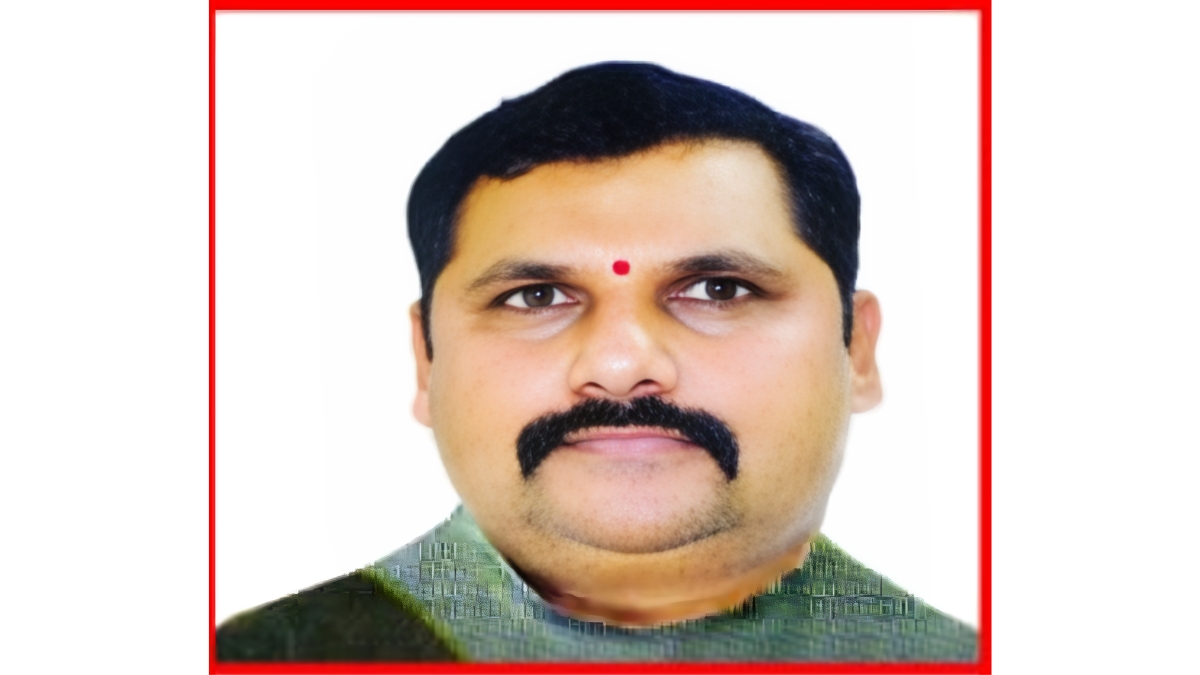
    Holi and Your Skin: A Dermatologist’s Advice By Dr. Jagdish Sakhiya, MD Dermatologist

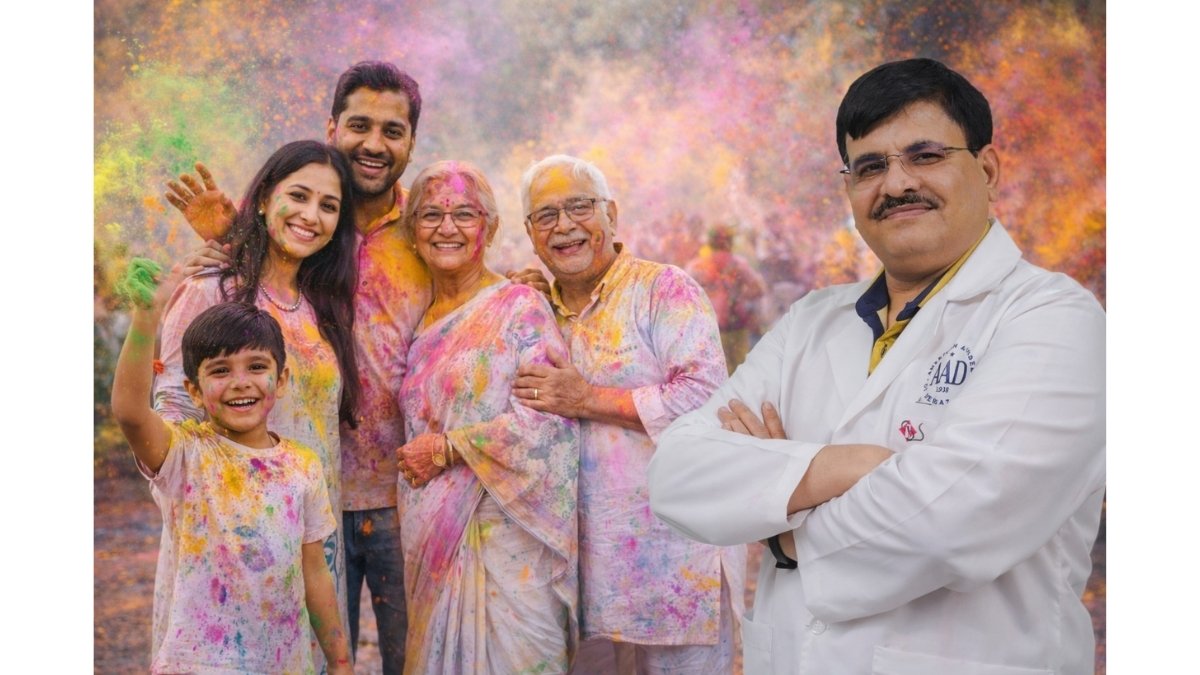
    New Delhi [India], March 02: Holi is one of the most joyful festivals we celebrate. Colors, laughter, family gatherings, it’s a beautiful time of the year. But as a dermatologist, I also know what happens in the days after Holi?

    Every year, my clinic sees an increase in patients with skin rashes, itching, acne flare-ups, hair damage, and pigmentation. Most of these issues are preventable with simple precautions. Let me guide you on how to enjoy Holi without harming your skin.

    Why Holi Colors Can Be Harmful?

    Many commercially available colors are not skin-friendly. They may contain synthetic dyes, chemicals, and sometimes even heavy metals. These ingredients can: Trigger allergic reactions. Cause redness and irritation, Worsen acne Lead to dark patches and pigmentation, Make hair extremely dry and brittle. If you already have sensitive skin, eczema, acne, or pigmentation issues, you need to be extra cautious.

    What You Should Do Before Playing Holi ?

    Prevention is always better than treatment. Apply oil generously, Use coconut oil or almond oil on your face, body, and especially your hair. It forms a protective layer and makes it easier to remove colors later, Use sunscreen, Apply a broad-spectrum sunscreen (SPF 30 or above) at least 20 minutes before stepping out. Sun exposure combined with colors can worsen pigmentation, Wear protective clothing Full sleeves, covered legs, and tied hair reduce direct contact with colors, Protect your lips and nails, Apply lip balm and a coat of nail paint to prevent staining.

    After Holi: How to Clean Your Skin Safely?

    Many people make the mistake of scrubbing hard to remove colors. This actually damages the skin barrier. Use lukewarm water, not hot water, Choose a mild cleanser instead of harsh soaps, Do not use scrubs immediately after Holi, Apply a soothing moisturizer or aloe vera gel, Use a deep conditioning mask for your hair,

    If you notice persistent itching, swelling, rashes, or unusual pigmentation, consult a qualified dermatologist instead of trying home remedies.

    Who Should Be Extra Careful?

    Individuals undergoing chemical peel or laser treatments,Patients using retinol or active acne medications, People with melasma or sensitive skin, Young children

    In such cases, it may be better to avoid harsh colors altogether.

    My Final Advice 

    Festivals should create memories not skin problems that last for months. Choose safe, skin-friendly colors whenever possible. Prepare your skin before stepping out, and treat it gently afterward. Healthy skin requires care and consistency. One day of negligence can lead to weeks of recovery. Celebrate responsibly. Protect your skin. And enjoy a safe, happy Holi.

    Dr. Jagdish Sakhiya

    MD Dermatologist

    Sakhiya Skin Clinic

    If you object to the content of this press release, please notify us at pr.error.rectification@gmail.com. We will respond and rectify the situation within 24 hours.
  • 7th International Conference on Technology Driven Innovation and Sustainable Business Practices Concludes Successfully at IMS Ghaziabad (University Courses Campus)

    7th International Conference on Technology Driven Innovation and Sustainable Business Practices Concludes Successfully at IMS Ghaziabad (University Courses Campus)

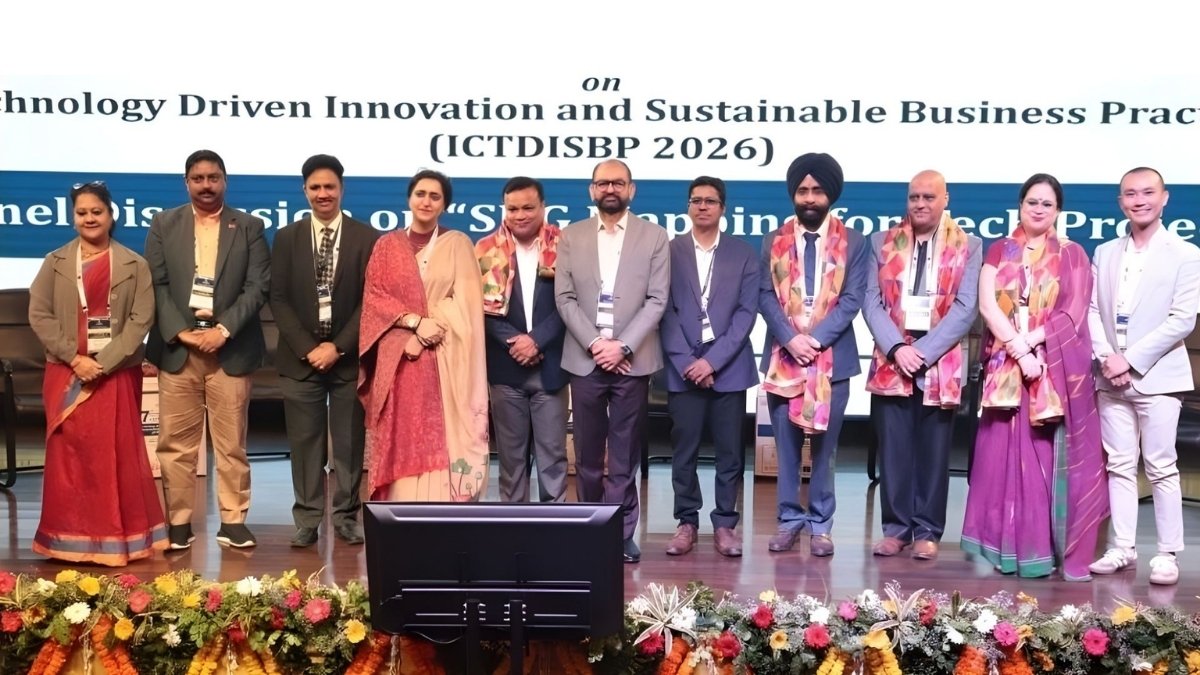
    New Delhi [India], March 02: IMS Ghaziabad (University Courses Campus) successfully concluded the 7th International Conference (ICTDISBP 2026) on Technology Driven Innovation and Sustainable Business Practices, bringing together eminent academicians, industry leaders, researchers, and global delegates for a two-day exchange of knowledge and ideas.

    The conference culminated in an insightful Valedictory Session graced by Abhinav Gopal, IAS, Chief Development Officer, Ghaziabad, as the Chief Guest. In his address, he highlighted the importance of sustainable development and effective administrative leadership, offering valuable guidance to scholars and future leaders navigating evolving global challenges.

    Global Academic Collaboration and Thought Leadership

    The event served as a dynamic international platform for discussing emerging trends in digital transformation, sustainability, and innovation. A distinguished panel of experts participated in deliberations on “Digital Transformation Roadmaps for MSMEs,” emphasizing adaptive digital strategies as essential for long-term sustainability and competitiveness.

    The conference featured an eminent panel including:

    • Jaskiran Kaur – Professor & Director; Chairperson, ICTDISBP 2026 (Moderator)
    • Sandeep Poddar – Deputy Vice Chancellor, Lincoln University College, Malaysia
    • Phan Bao Giang – Vice President, UEF University of Economics and Finance, Vietnam
    • Kushal Sharma – Division Head, Messe Frankfurt GmbH
    • Buddha Chandrashekhar – Chief Coordinating Officer, All India Council for Technical Education
    • Hitesh Gulati – Founder, Diversity Ace Business Consulting
    • Manpreet Singh Manna – Vice Chancellor, Chandigarh University; Director, AICTE

    Engaging Sessions and Key Outcomes

    Across keynote lectures, panel discussions, and research presentations, participants explored the intersection of technology and sustainability, focusing on innovation-led business transformation, policy frameworks, and practical strategies for MSMEs. The sessions fostered academic collaboration and industry insights aimed at driving future-ready solutions.

    Institutional Acknowledgement

    The institute expressed sincere gratitude to international delegates, speakers, researchers, and participants whose contributions enriched the intellectual depth and success of the conference. The event reaffirmed the institution’s commitment to fostering global academic dialogue and promoting research that addresses real-world challenges.

    With the successful completion of ICTDISBP 2026, IMS Ghaziabad (University Courses Campus) continues to strengthen its position as a hub for academic excellence, innovation, and global thought leadership.

    About IMS Ghaziabad (University Courses Campus)

    Backed by a 36-year legacy of academic excellence, IMS UCC stands among North India’s most respected institutions, recognized for shaping industry-ready professionals and future leaders. Established in 1990 and affiliated with Chaudhary Charan Singh University, the institute offers a diverse portfolio of career-focused programmes including BBA, BCA, BAJMC, B.Sc. (Hons.) Biotechnology & Microbiology, M.Sc. Biotechnology, and MIB.

    If you object to the content of this press release, please notify us at pr.error.rectification@gmail.com. We will respond and rectify the situation within 24 hours.
  • Vasai Girl Wins National Fashion Title with Collection Refreshing Heritage Textiles

    Vasai Girl Wins National Fashion Title with Collection Refreshing Heritage Textiles

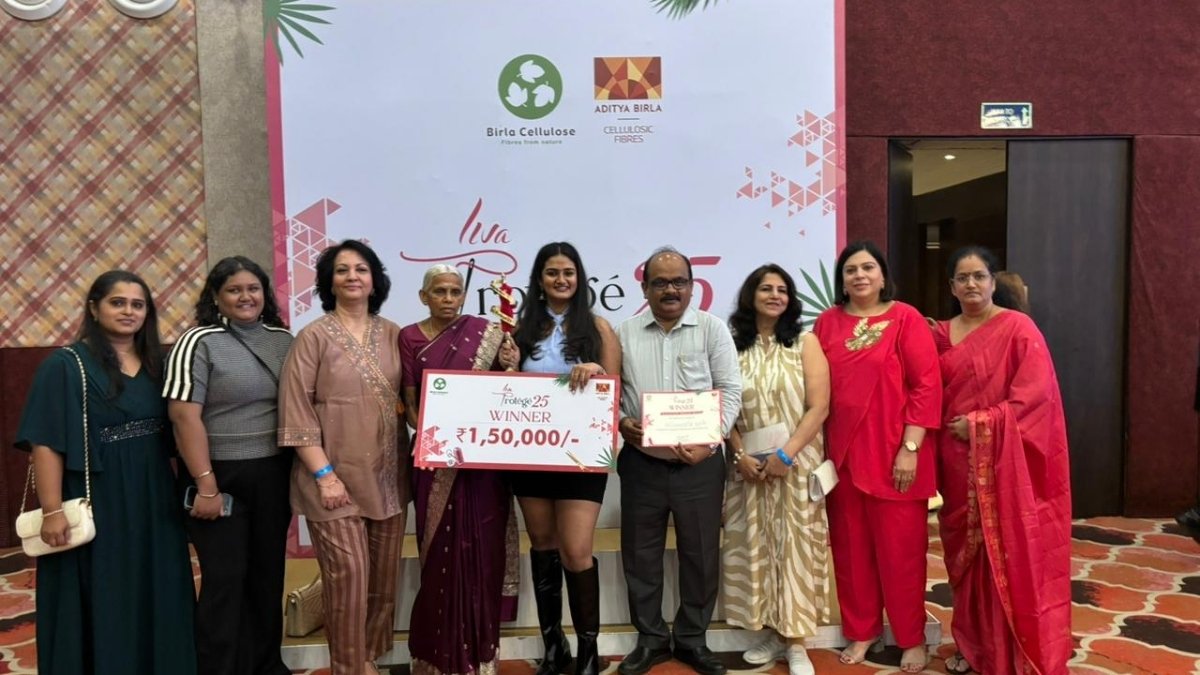
    Mumbai (Maharashtra) [India], March 02: A final-year Fashion Design student from Amity University has brought national laurels to Vasai by winning the top prize in the Elevated Indianwear category at the prestigious Liva Protege 25 competition.

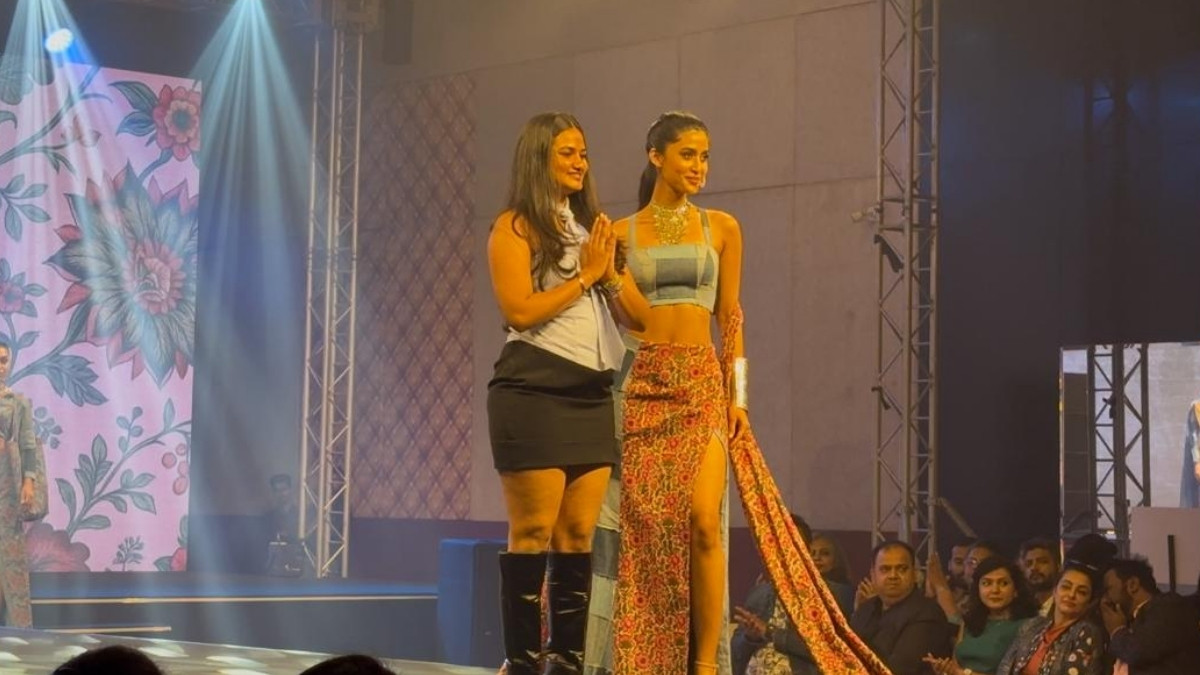
    Krishnapriya Girish Nair, daughter of Girish and Surabhi Nair, impressed a panel of expert judges with her innovative concept collection titled “Cheent CTRL+R.” The grand finale was held on Tuesday at the Sofitel Mumbai BKC, where she competed against 239 other contestants from across the country.

    Her winning collection offers a contemporary reinterpretation of Cheent (Chintz)—the hand-painted, sun-dyed textiles that originated on the Indian subcontinent and became one of the country’s first globally traded fashion exports centuries ago.

    Vasai Girl Wins National Fashion Title with Collection Refreshing Heritage Textiles -PNN

    A ‘Refresh’ of a Rich Legacy

    Rather than a traditional revival, Ms. Nair presents her work as a “recode” of history. The collection’s title, “Cheent CTRL+R,” draws a direct parallel with the digital command used to refresh a page, symbolizing her mission to update the classic Chintz aesthetic for a modern, global audience.

    The designer achieves this by merging the fluid grace of the traditional saree with structured, contemporary silhouettes. Flowing saree-gowns form the core of the collection, creating a dialogue between nostalgia and rebellion. The garments, which blend heritage craftsmanship with modern construction techniques, speak a language of pixels, patterns, identity, and pride.

    Her innovative use of fabric played a key role in the collection’s success. By utilizing premium, sustainable materials known for their fluidity—including Livaeco Linen Satin, 100% Modal, and Excel Linen—Ms. Nair was able to enhance the elegance and movement of each ensemble, reinforcing the theme of elevated Indianwear that is both rooted in tradition and globally relevant.

    The collection stood out to the judges for its originality, strong execution, and compelling storytelling, earning Ms. Nair the top honor in her category. Alongside the title, she received a cash prize of ₹1,50,000, a certificate, and a memento.

    A Homecoming Victory

    The victory has sparked pride within the Malayali community and the residents of Vasai, who are celebrating the young designer’s achievement. Through “Cheent CTRL+R,” Ms. Nair has demonstrated that tradition can be confidently carried forward without losing its soul. Her win at Liva Protege 25 marks a significant milestone at the start of what promises to be a promising journey in the world of fashion

    If you object to the content of this press release, please notify us at pr.error.rectification@gmail.com. We will respond and rectify the situation within 24 hours.
  • From Clinics to Corporates: How Voll Sante is Redefining India’s Wellness Economy

    From Clinics to Corporates: How Voll Sante is Redefining India’s Wellness Economy

    Mumbai (Maharashtra) [India], March 02: India’s wellness economy is no longer being shaped inside clinics. It is being shaped inside office cabins, factory floors, and late-night work calls. The cost of India’s hustle culture is now showing up not just in burnout conversations, but in falling energy levels, early-onset deficiencies, and productivity losses that cannot be addressed through quick fixes. For companies, health has quietly become an economic variable.

    For decades, the corporate world’s approach to wellness was reactive. Nutrition and supplements entered the picture only after a diagnosis, a prescription, or a visible health concern. Clinics have always been effective at treating illness, but they were never designed to address the depletion of essential nutrients, low energy levels, and mental stress caused by long working hours, chronic stress, and poor diet.

    As work patterns became longer, faster, and more demanding, a clear gap emerged between being medically “healthy” and having the energy, focus, and stamina to function well at work. Traditional healthcare stepped in when people fell sick, but had little to offer for preventing this slow, ongoing decline in everyday performance and wellbeing.

    Corporate wellness initiatives in the past did attempt to bridge this gap, but for many years their impact remained limited. Annual health check-ups, gym discounts, or motivational webinars looked good on paper but did little to change long term health outcomes. Employees continued to skip meals, sit for long hours, and rely on quick fixes. The result was a system that talked about wellbeing without actually improving it.

    This is where the shift becomes disruptive rather than gradual. Organisations are now realising that preventive health cannot sit outside the workspace. It has to fit into it. Nutrition, especially, is emerging as a practical lever.

    Functional foods and nutraceuticals are filling this gap because they operate between clinical care and lifestyle habits. They are structured enough to deliver measurable outcomes, yet simple enough to be used daily without medical supervision. This is the space where a new age company named, Voll Sante has positioned itself in, with a clear focus on “food as medicine” and formulation-led outcomes rather than generic supplementation.

    Instead of broad, one-size-fits-all products, Voll Sante has launched plant-based products that are differentiated, unique, nutrient combinations, and offer better side effect profiles than conventional nutraceuticals which might contain constituents from unnatural sources. Voll Sante’s calcium supplementation, Calgal Plus, for instance, is designed to address some of the most common drawbacks of conventional calcium supplements – low absorption and unnatural sources like rocks, bones and shells, thus making Calgal Plus a smarter choice for working professionals, women and elderly.

    But plant-based Calcium supplement is only one part of their wider portfolio. Voll Sante has expanded into plant-based phyto-nutraceuticals, a differentiated protein range, oil-filled capsule portfolio, healthy millet-based snacks, and condition-specific formulations that align with metabolic health, bone strength, women’s wellness, and long-term nutritional balance. These categories reflect a deeper understanding of how modern lifestyles strain the body in multiple ways, not just one.

    As corporate wellness matures, companies are moving away from symbolic initiatives toward solutions that employees can realistically follow. Products that require minimal behaviour change but deliver consistent nutritional support are seeing greater adoption. This has led to Voll Sante being integrated into employee wellbeing programmes, particularly where organisations are looking for credible, research-informed options rather than just wellness “add-ons.”

    Another factor accelerating this shift is transparency. Today’s workforce is more informed and more sceptical. Employees want to know what they are consuming, how it works at a physiological level, and whether there is evidence behind the claim. Brands that communicate clearly – using the language of science without exaggeration – are building stronger trust with both individuals and employers.

    The movement from clinics to corporates reflects a larger redefinition of health in India. Wellness is no longer viewed only as recovery from illness. It is being treated as an enabler of performance, focus, and resilience. For employers, this reframes health from a cost centre to a productivity metric. For employees, it integrates wellbeing into daily routines rather than post-crisis interventions.

    As India’s wellness economy grows, the winners will be those who address real, everyday health gaps – absorption failures, nutritional fatigue, and lifestyle-driven deficiencies – without overcomplicating the solution. Voll Sante’s approach signals where the market is heading: clinically informed, easy to adopt, and built for the realities of modern work.

    The message is becoming hard to ignore. Health is no longer confined to hospitals or annual reports. It is now embedded in how India works. And in this new reality, wellness is not a perk – it is part of economic performance.

  • Research Study Explores Ideological Differences Between Orphan Care and Family Care in Literature and Society

    Research Study Explores Ideological Differences Between Orphan Care and Family Care in Literature and Society

    Kolkata (West Bengal) [India], March 02: A comprehensive academic study titled “Orphan Care Versus Family Care: An Ideological Study on Children in Orphanages and Foster Care vs Children in Families” has sparked renewed discussion on child welfare systems and their representation in global literature. The research was conducted by Alex Sam, Dr. Rejoice Solomon, Dr. Lydia R. Conger, Dr. Shambu Kumar Yadav, and Dr. Sweety Marandi.

    Alex Sam, President of ILDC-India and a PhD scholar in Social Work, collaborated with Dr. Rejoice Solomon (PhD, Lords Business School, Lords University, Alwar, Rajasthan), Dr. Lydia R. Conger (PhD, NIMHANS, Consultant – Social Impact), Dr. Shambu Kumar Yadav (PhD, Former Chairperson, Child Welfare Committee, Pakur), and Dr. Sweety Marandi (PhD Social Work, Department of L.S.W, K.K.M College, Pakur) to examine how literature shapes public perceptions of orphanhood and alternative caregiving systems.

    Literature as a Mirror of Child Welfare

    The study critically analyzes portrayals of orphanhood across classical, Victorian, American, and contemporary literature. It references iconic literary characters such as Oliver Twist from Oliver Twist, Jane Eyre from Jane Eyre, Huckleberry Finn from Adventures of Huckleberry Finn, and Harry Potter from Harry Potter.

    According to the researchers, these narratives reveal evolving societal attitudes toward orphanages, foster care, and family systems. Victorian literature, particularly works like Oliver Twist, highlighted institutional neglect and systemic injustice, while novels such as Jane Eyre portrayed orphanhood as a catalyst for resilience and self-determination.

    In American literature, Adventures of Huckleberry Finn reflects tensions between foster supervision and individual freedom. Meanwhile, contemporary fantasy like Harry Potter redefines family through emotional bonds rather than biological ties.

    Foster Care vs Family Care: Key Findings

    The research emphasizes that traditional family care is often idealized in literature as a source of emotional security and identity formation. In contrast, foster care and orphanages are frequently depicted as unstable or harsh environments. However, the study also acknowledges that alternative caregiving systems can foster resilience, independence, and moral growth when guided by compassionate guardianship.

    Drawing on sociological and historical perspectives, the authors argue that literature not only reflects societal realities but also influences public opinion and policy regarding child welfare. The portrayal of orphans as sympathetic archetypes has historically generated empathy but has sometimes reinforced stereotypes of vulnerability and dependency.

    Call for Policy Reform and Reframing Perceptions

    The researchers conclude that while literature often critiques institutional care, it also offers space to reimagine foster care and orphanages as potential environments for emotional development when properly supported.

    The study calls for a rehabilitated perception of foster care systems and urges policymakers to recognize the psychological importance of stability, belonging, and emotional security for children outside traditional family structures.

    By bridging literary criticism with social work scholarship, Alex Sam, Dr. Rejoice Solomon, Dr. Lydia R. Conger, Dr. Shambu Kumar Yadav, and Dr. Sweety Marandi highlight the need for continued dialogue on child welfare reform—both in narrative representation and real-world practice.

    The publication adds a significant interdisciplinary contribution to discussions on orphanhood, foster care, and family systems in both academic and public spheres.

    If you object to the content of this press release, please notify us at pr.error.rectification@gmail.com. We will respond and rectify the situation within 24 hours.
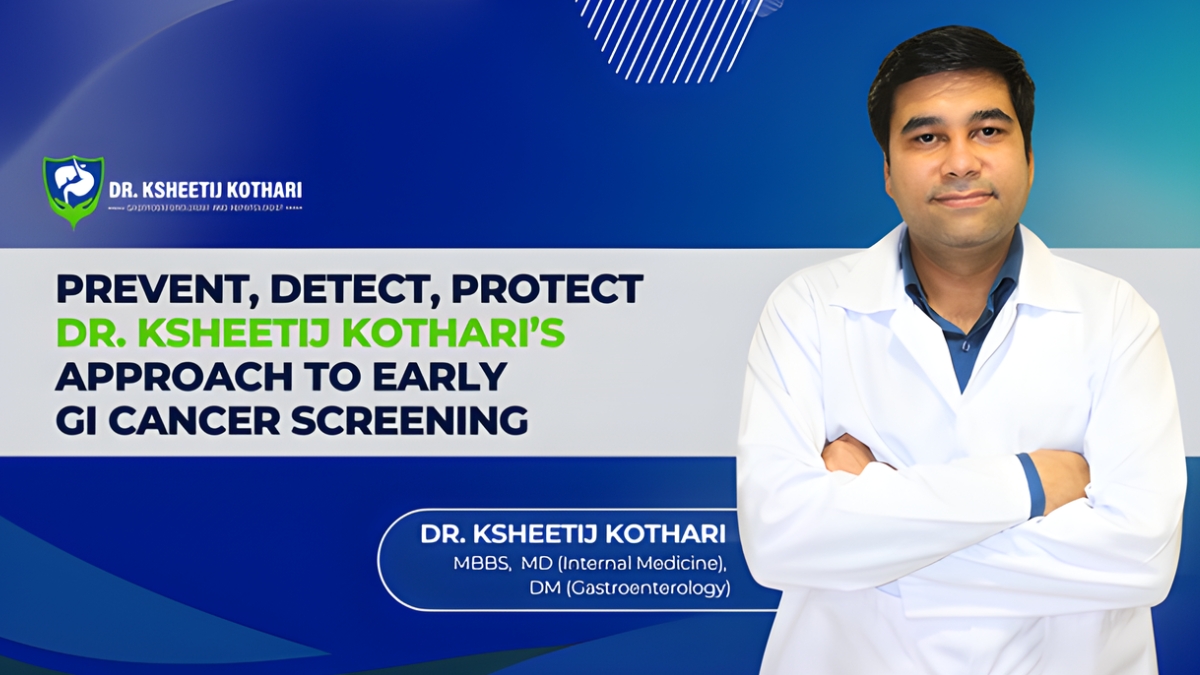
  • Dr. Ksheetij Kothari on Gastrointestinal Cancer Screening: The Importance of Early Detection and What Every Patient Should Know

    Dr. Ksheetij Kothari on Gastrointestinal Cancer Screening: The Importance of Early Detection and What Every Patient Should Know

    Pune (Maharashtra) [India], March 02: Gastrointestinal (GI) cancers, including colorectal, gastric, and esophageal cancers, remain some of the most common and deadly types of cancer worldwide. Early detection plays a critical role in improving treatment outcomes and survival rates, making timely screening an essential part of maintaining digestive health. Dr. Ksheetij Kothari, a leading specialist, highlights the importance of regular GI cancer screenings and educates patients on how early intervention can save lives.

    Dr. Kothari, a well-known gastroenterologist in Pune, specializes in diagnosing and treating complex gastrointestinal conditions at his clinic. He underscores the significance of early screening in preventing and detecting cancerous changes in the digestive system. According to Dr. Kothari, gastrointestinal cancers often develop without noticeable symptoms in their early stages, which is why routine screenings like colonoscopies, endoscopies, and other diagnostic procedures are crucial for at-risk individuals.

    “Many GI cancers are preventable or treatable if detected early,” says Dr. Ksheetij Kothari. “Unfortunately, many patients delay screenings due to a lack of awareness about their risk or fear of the procedures involved. The truth is that screenings are typically safe, minimally invasive, and can significantly reduce the likelihood of developing advanced-stage cancer. Early detection through procedures such as colonoscopies or upper gastrointestinal endoscopies can lead to more effective treatments and improve long-term outcomes.”

    As a trusted gastroenterologist in Pune, Dr. Kothari recommends that individuals with certain risk factors undergo screenings at regular intervals. Common risk factors for GI cancers include family history, age over 50, a sedentary lifestyle, smoking, heavy alcohol consumption, and chronic gastrointestinal issues such as inflammatory bowel disease (IBD) or gastrointestinal reflux disease (GERD). Individuals with these factors are advised to consult a gastroenterologist to discuss appropriate screening plans.

    Dr. Kothari explains that different types of screenings are used depending on the type of gastrointestinal cancer and the patient’s individual risk profile. Colonoscopies are one of the most widely used and effective methods for detecting colorectal cancer, allowing physicians to examine the entire colon and remove any precancerous polyps during the procedure. Upper gastrointestinal endoscopies (UGIs) are employed to screen for esophageal and gastric cancers, offering a high-resolution view of the digestive tract to identify abnormalities like tumors, ulcers, or inflammation.

    In addition to these primary methods, other screenings such as stool tests, imaging techniques, and biopsies may be recommended based on a patient’s health status. Dr. Kothari’s clinic utilizes state-of-the-art technology to offer comprehensive diagnostic services, ensuring early and accurate detection of potential issues.

    While general practitioners can help identify some health concerns, consulting a specialist like Dr. Ksheetij Kothari is vital for patients at higher risk of gastrointestinal cancers. A gastroenterologist can provide in-depth evaluations, personalized screening recommendations, and tailored care plans to optimize health outcomes. Dr. Kothari’s approach emphasizes patient education and empowerment. By educating patients on the importance of screening, potential risk factors, and available treatment options, he ensures that each person understands the significance of proactive health management. “Our goal is to provide not just the treatment, but the knowledge that empowers patients to take charge of their health,” says Dr. Kothari.

    For patients who do experience symptoms such as unexplained weight loss, persistent abdominal pain, difficulty swallowing, blood in stool, or changes in bowel habits, Dr. Kothari stresses the importance of seeking medical attention promptly. “These symptoms may not always indicate cancer, but they should never be ignored. Early consultation with a gastroenterologist is the key to identifying any underlying issues, whether they be benign or malignant,” he adds.

    With advancements in medical technology and the widespread availability of screening procedures, there is no excuse for delaying necessary checks. Dr. Kothari encourages everyone, especially those over 50 or with a family history of GI cancers, to schedule regular screenings and take preventive action.

    About Dr. Ksheetij Kothari
    Dr. Ksheetij Kothari is a distinguished gastroenterologist and hepatologist based in Pune, India. He specializes in diagnosing and treating digestive disorders, liver diseases, and gastrointestinal cancers. With years of experience and advanced training in endoscopic procedures, Dr. Kothari provides personalized, patient-centered care for individuals suffering from gastrointestinal concerns. His clinic offers the latest in diagnostic technologies and treatment methods to ensure optimal health outcomes for his patients.

    Contact Information:
     Dr. Ksheetij Kothari’s Clinic
    Office No. 205, City Center, Solapur, Opp. Vaibhav Theater
    Contact: +91 97651 80181
    Hours: Monday to Sunday, 9 AM – 9 PM
    For more information, visit Dr. Ksheetij Kothari

    If you object to the content of this press release, please notify us at pr.error.rectification@gmail.com. We will respond and rectify the situation within 24 hours.