Author: Sutun Nayak

  • India Goldilocks Economy: RBI’s Strong, Steady Signal

    India Goldilocks Economy: RBI’s Strong, Steady Signal

    New Delhi [India], March 02: India isn’t overheating. It isn’t stalling either. According to the RBI, the economy is right where it needs to be, steady, balanced, and holding its nerve.

    What the RBI Really Means by “Goldilocks

    The term gets thrown around a lot. Sometimes lazily. Sometimes, to avoid saying anything specific. But when Sanjay Malhotra talks about a Goldilocks phase, he’s being precise.

    The Reserve Bank of India sees an economy that’s growing without lighting inflation on fire. Demand is alive. Credit is flowing. Financial stress isn’t creeping in through the back door.

    And that’s the point.

    In a world where economies are either slamming the brakes or flooring the accelerator, India is cruising. Calmly. Almost stubbornly so.

    India’s Goldilocks Economy and the Strength of Demand

    The backbone of the India Goldilocks economy is demand that refuses to collapse. Consumption hasn’t vanished the moment borrowing costs rose. Investment hasn’t frozen because of global uncertainty.

    Households are still spending. Carefully, yes. But spending nonetheless. Businesses are expanding capacity where it makes sense. Infrastructure projects keep rolling, not in bursts, but steadily.

    This isn’t headline-grabbing growth. It’s the kind that sneaks up on you and then sticks around.

    Credit growth reflects this reality. Lending isn’t concentrated in one overheated corner. It’s spread across housing, services, industry, and MSMEs. That spread matters. A lot.

    When growth is broad, it’s harder to break.

    Banks, Finally, Are Doing Their Job

    I still remember when any RBI speech about growth was followed by a quiet pause. Then someone would say it. Banks. Bad loans. Stressed balance sheets. Those words haunted every forecast.

    That phase, largely, is behind us.

    Malhotra made it clear. Banks today are stronger, better capitalised, and far more disciplined. Asset quality has improved. Provisioning buffers exist for bad days, not just good PowerPoint slides.

    Risk-taking hasn’t disappeared. It’s just smarter now. Less bravado. More math.

    And honestly, that’s exactly what the India Goldilocks economy needs. Banks that lend without panicking. And without gambling.

    Inflation Still Bites, But It’s Not Running Wild

    Let’s not pretend inflation feels gentle. It doesn’t. Especially food prices. They spike. They fall. They spike again. Don’t ask me why onions always end up starring in macro debates, but here we are.

    Still, the RBI’s assessment is measured. Inflation pressures exist, but they aren’t spiralling. Core inflation has moderated. Expectations remain anchored.

    Malhotra didn’t dismiss the risks. Global commodity swings. Weather shocks. External volatility. All acknowledged.

    But here’s the key line. Inflation is manageable.

    That single word changes everything. Manageable inflation allows growth to continue. Unmanageable inflation kills it. India, for now, sits on the right side of that line.

    Global Mess, Domestic Composure

    Zoom out for a second. The global economy is jittery. Trade tensions simmer. Geopolitics refuse to calm down. Capital flows move at the speed of headlines.

    And yet, India’s macro foundations hold.

    Foreign exchange reserves act as a buffer. Fiscal consolidation continues, even if not at breakneck speed. External balances remain within comfort zones.

    This doesn’t mean India is immune. No economy is. But shocks are being absorbed, not amplified.

    That difference is the unsung hero of the India Goldilocks economy.

    Why This Phase Could Last Longer

    The RBI isn’t promising fireworks. No chest-thumping. No victory laps. What Malhotra is signaling is continuity.

    Growth that’s strong enough to create jobs. Monetary conditions that are supportive without being reckless. Policy that responds to data, not noise.

    In other words, discipline.

    And discipline is boring. Until you realize how rare it’s become.

    India isn’t chasing sugar highs. It’s building stamina. That’s why this Goldilocks phase might actually last longer than skeptics expect.


    PNN NATIONAL

  • Healthy Aging Tips for 2026

    Healthy Aging Tips for 2026

    New Delhi [India], February 28: Healthy aging tips are usually packaged as optimism. Creams. Superfoods. A smiling sixty-year-old on a paddleboard. The biology is less sentimental.

    Aging is cellular wear compounded by the environment. Chronic inflammation. Sedentary work. Sleep erosion. Ultra-processed food. Social isolation disguised as digital connection. None of this is inevitable. All of it is common.

    Age is inevitable. Decline isn’t.

    Why Aging Accelerates Today

    Modern life compresses movement and amplifies stress. We sit longer, sleep shorter, and eat faster. The anti-aging lifestyle 2026 conversation exists because baseline habits deteriorated.

    Muscle mass declines with age — sarcopenia begins earlier than most expect. By your thirties, loss is measurable if resistance training is absent. Muscle loss prevention isn’t cosmetic. It’s metabolic insurance. Muscle regulates glucose disposal, supports joint stability, and protects against falls.

    Inflammation accumulates quietly. Anti-inflammatory foods are discussed as trend pieces, but systemic inflammation correlates with cardiovascular disease, metabolic dysfunction, and neurodegeneration. The aging process accelerates when inflammatory signaling remains chronically elevated.

    Add chronic sleep restriction, and the equation worsens. Growth hormone declines. Repair slows. Cognitive sharpness dulls at the margins first.

    None of this is dramatic. It is incremental decay.

    Movement & Muscle Preservation

    Longevity habits start with resistance training. Not optional cardio alone. A load-bearing stimulus tells the body to keep tissue it would otherwise discard.

    Two to four sessions per week. Compound movements. Progressive overload. The body adapts to demand. Remove demand, and it adapts downward.

    An energy-boosting routine is rarely about caffeine. It is about mitochondrial density, insulin sensitivity, and vascular efficiency. Movement improves all three.

    Walking daily remains underrated. Ten thousand steps is not sacred, but consistent locomotion supports metabolic flexibility. Combine strength with steady movement, and the decline curve flattens.

    Mobility matters too. Connective tissue stiffens with inactivity. Range of motion shrinks. Functional age increases faster than chronological age.

    Aging well requires physical friction.

    Brain Health Habits

    Cognitive decline prevention is less about crossword puzzles and more about vascular integrity and metabolic stability.

    The brain consumes disproportionate energy. Impaired glucose regulation affects it early. Stable blood sugar, adequate sleep, and regular aerobic activity preserve cognitive resilience.

    Novelty matters. Learning new skills — language, instrument, complex tasks — stimulates neuroplasticity. The brain retains adaptability when challenged.

    Social engagement is protective. Isolation accelerates decline more reliably than many realize. Conversation is a neurological exercise.

    Alcohol excess erodes cognition over time. Chronic sleep debt does the same. No supplement compensates for either.

    Mental sharpness is maintained, not inherited.

    Nutrition for Longevity

    Natural anti-aging begins with caloric moderation and nutrient density. Not starvation. Not extremes.

    Protein intake must remain adequate to preserve muscle mass. Older adults often underconsume it. Plant and animal sources both work if the quantity is sufficient.

    Anti-inflammatory foods — leafy greens, berries, legumes, fatty fish, olive oil — reduce oxidative stress markers. Ultra-processed food does the opposite.

    Fiber supports gut microbiome diversity, which influences immune function and systemic inflammation. A compromised microbiome correlates with metabolic and cognitive decline.

    Hydration influences joint health, circulation, and even perceived energy. Boring advice, effective outcome.

    Healthy aging tips are not revolutionary. They are repetitive. Lift weight. Move daily. Sleep deeply. Eat minimally processed food. Maintain relationships. Learn continuously.

    There is no dramatic pivot at forty or fifty. There is only accumulation of neglect or of discipline.

    Choose which compounds.

    The clock continues either way.

    PNN Lifestyle

  • Morning Sunlight Benefits Backed by Science

    Morning Sunlight Benefits Backed by Science

    New Delhi [India], February 28: Morning sunlight benefits are not a hack. They are the baseline physiology that most people accidentally erase.

    The body evolved under a rising sun, not LED ceilings and notification glow. Yet people troubleshoot insomnia with magnesium stacks and blackout curtains while never stepping outside at 8 a.m.

    Before coffee. Before emails. Get light.

    How Sunlight Regulates Circadian Rhythm

    Circadian rhythm reset sounds sophisticated. It isn’t. Light hits the retina. Specialized cells send signals directly to the brain’s master clock. The clock adjusts its timing. Hormones follow.

    Within minutes of morning light exposure, the cortisol awakening response sharpens. Not stress cortisol. Activation of cortisol. It mobilizes energy, increases alertness, and anchors the sleep-wake cycle for roughly the next sixteen hours.

    Skip this cue and timing drifts. Melatonin release shifts later. Sleep onset delays. You call it “being a night person.” Often, it’s just weak morning light signaling.

    Indoor lighting rarely exceeds a few hundred lux. Outdoor morning light — even through clouds — reaches into the thousands. The circadian system responds to intensity, not intention.

    Light exposure therapy has long been used clinically to correct seasonal mood disorders and circadian misalignment. Morning sunlight is simply the unbranded version.

    Vitamin D exposure gets attached to the conversation, but early light’s primary function is timing, not supplementation. The retinal pathway regulates the clock. Skin synthesis is secondary and variable.

    The mechanism is not mystical. It is photoreception.

    Mood & Dopamine Effects

    Serotonin production correlates with brightness. Dopamine signaling adjusts with circadian alignment. The result is often described as a natural mood booster. That phrase sounds soft. The biology is not.

    When circadian timing stabilizes, neurotransmitter rhythms stabilize. Energy becomes predictable. Irritability decreases. Focus improves.

    The morning routine 2026 industry packages complexity — cold plunges, breathwork, supplements. Yet ten minutes of outdoor light does more for sleep optimization habits than most stacked protocols.

    There is also cumulative effect. Repeated morning light exposure strengthens amplitude in the circadian system. Stronger amplitude means clearer separation between day and night physiology. Alert when you should be. Sleepy when you should be.

    People mistake chronic fatigue for personal weakness. Often it’s misaligned light.

    Ideal Timing & Duration

    The protocol is simple and unimpressive.

    Within 30 to 60 minutes of waking, go outside. Ten minutes if the sky is bright. Twenty if overcast. Longer in winter at higher latitudes. No sunglasses. Regular eyeglasses are fine.

    Do not stare at the sun. Just allow ambient light into the eyes. Walk. Stand. Move lightly. The behavior doesn’t matter as much as the brightness.

    If mornings are dark due to season or geography, duration increases. Artificial light boxes exist, but natural light remains superior when available.

    Consistency matters more than intensity. A daily signal anchors the clock. Sporadic exposure does little.

    The body calibrates to repetition.

    Common Mistakes

    Window light through glass. Insufficient intensity.

    Checking a bright phone in a dim room before stepping outside. The first light input of the day becomes artificial and directionless.

    Assuming late-afternoon sunlight compensates. It doesn’t anchor the clock the same way.

    Treating morning light as optional because it feels too simple to be powerful.

    The sleep-wake cycle is not negotiated through willpower at midnight. It is programmed at sunrise.

    Morning sunlight benefits are not inspirational. They are corrective. The nervous system expects a dawn signal. Provide it, and timing tightens. Ignore it, and drift becomes normal.

    Step outside.

    Let the clock set.

    Then proceed.

    PNN Lifestyle

  • Skincare Ingredients to Avoid in 2026

    Skincare Ingredients to Avoid in 2026

    New Delhi [India], February 28: The phrase “skincare ingredients to avoid” used to belong to niche forums and conspiracy-leaning corners of the internet. Now it’s mainstream. Not because fear won — because information did.

    Consumers are reading labels. Dermatologists are less patient with marketing euphemisms. Regulatory lag is visible. Clean beauty trends 2026 didn’t emerge from aesthetic preference. They emerged from fatigue.

    Flip the bottle. Read the label.

    Why Ingredient Awareness Is Rising

    Skin is not an inert surface. It is a barrier, yes — but also permeable under the right conditions. Chronic exposure matters more than single use. Low-dose, repeated contact accumulates relevance.

    The safe skincare guide conversation accelerated once people understood cumulative irritation and barrier disruption. The skin barrier damage epidemic isn’t dramatic like an allergic reaction. It’s subtle. Redness that lingers. Tightness is mistaken for “clean.” Breakouts triggered by overcorrection.

    Add social media ingredient literacy, dermatology commentary, and better access to toxicology databases. Brands can’t hide behind fragrance blends and proprietary complexes the way they used to.

    “Harmful skincare chemicals” is an imprecise phrase. The real issue is risk tolerance. Dose. Frequency. Skin type. Long-term exposure.

    The debate isn’t hysteria. It’s recalibration.

    Controversial Additives

    Parabens sit at the center of the parabens debate. They are effective preservatives. They also exhibit weak estrogen-mimicking activity in lab settings. Regulatory bodies consider them safe within limits. Consumers remain skeptical. Many brands reformulated, not necessarily because the data was catastrophic, but because trust eroded.

    Synthetic fragrance risks are less abstract. “Fragrance” on an ingredient list can represent dozens of undisclosed compounds. For sensitive skin, this is a predictable irritant. Allergic contact dermatitis linked to fragrance components is not rare. The issue is opacity more than singular toxicity.

    Formaldehyde-releasing preservatives still appear in certain products. They extend shelf life efficiently. They also raise legitimate concerns due to formaldehyde’s classification as a carcinogen at sufficient exposure levels. The nuance gets lost; the caution remains.

    Certain alcohols — particularly high concentrations of denatured alcohol — compromise the lipid barrier with repeated use. Immediate matte finish. Long-term dryness.

    Sodium lauryl sulfate in cleansers? Effective surfactant. Also, it aggressively strips for many skin types. Context matters. Concentration matters. But irritation reports are consistent.

    The toxic ingredients list circulating online occasionally exaggerates. It also flags patterns the industry ignored for years.

    How to Read Labels

    Ingredient lists are ordered by concentration, highest first. If fragrance appears near the top, expect a stronger presence. If active ingredients are buried at the end, temper expectations.

    Look for patterns, not single villains. Multiple exfoliating acids combined with retinoids and high alcohol content signal cumulative irritation risk. Over-exfoliation is not sophistication. It is barrier erosion.

    Understand synonyms. Parabens end in “-paraben.” Formaldehyde releasers hide under names like DMDM hydantoin or quaternium-15. Fragrance may appear as “parfum.”

    The safest strategy is reduction. Fewer products. Fewer overlapping actives. Skin stabilizes when assault decreases.

    Clean beauty trends 2026 market minimalism aggressively. Sometimes it’s branding. Sometimes it’s overdue restraint.

    Safer Alternatives

    Preservation without parabens exists — phenoxyethanol, ethylhexylglycerin — though they are not flawless. No preservative is universally adored.

    Fragrance-free formulations reduce unpredictable irritation. Not “unscented.” Fragrance-free.

    Barrier-supporting ingredients — ceramides, cholesterol, fatty acids — rebuild what aggressive routines strip away. Glycerin and hyaluronic acid hydrate without disruption when balanced properly.

    Gentler surfactants replace harsher sulfates in many cleansers. The skin does not require squeaking.

    The safe skincare guide is less about purity and more about probability. Reduce exposure to known irritants. Avoid chronic barrier damage. Question ingredients that exist solely for sensory marketing.

    Skincare in 2026 is not about fear. It is about literacy.

    The bottle tells you everything.

    If you bother to read it.

    PNN Lifestyle 

  • Plant-Based Diet for Beginners

    Plant-Based Diet for Beginners

    New Delhi [India], February 28: A plant-based diet for beginners is usually sold as moral clarity or metabolic salvation. It is neither. It is a nutritional shift that removes default convenience and replaces it with planning.

    Plants fuel performance. That line circulates because it is partly true. Fiber-rich meals stabilize glucose. Legumes blunt insulin spikes. Phytonutrients modulate inflammation. But none of that matters if the transition is sloppy.

    Most beginners fail not because the model is flawed, but because they confuse restriction with structure.

    Benefits of Going Plant-Based

    The benefits are documented. Lower LDL cholesterol in many cohorts. Improved glycemic control when refined carbohydrates are minimized. Increased microbiome diversity when fiber intake rises. Sustainable food choices reduce the environmental load per calorie compared to high-meat consumption.

    But health outcomes depend on food quality. A vegan diet guide 2026 that revolves around ultra-processed meat substitutes and refined grains is technically compliant and metabolically unimpressive.

    The advantage of plants is density — fiber, antioxidants, potassium, and magnesium. When meals revolve around vegetables, legumes, intact grains, nuts, and seeds, caloric excess becomes harder. Satiety improves. Energy smooths out.

    None of this is automatic. Oreos are plant-based.

    Key Nutrients to Monitor

    The conversation becomes serious here.

    Protein is manageable but requires attention. Plant protein sources — lentils, chickpeas, tofu, tempeh, edamame, quinoa, hemp seeds — provide adequate amino acids when intake is varied and sufficient. Complete plant proteins exist, but obsessing over single-meal completeness is unnecessary if overall intake across the day is diverse.

    Vitamin B12 is non-negotiable. It must be supplemented or obtained from fortified foods. There is no reliable plant source.

    Iron is present in legumes and leafy greens, but non-heme iron absorbs less efficiently. Pairing with vitamin C improves uptake. Monitor levels if fatigue emerges.

    Omega-3 fatty acids require intake. Flaxseeds, chia seeds, and walnuts provide ALA. Conversion to EPA and DHA is limited; some choose algae-based supplementation.

    Calcium, iodine, zinc — manageable, but not accidental.

    The plant-based diet for beginners becomes sustainable when it is nutritionally literate. Ideology does not prevent deficiency.

    Beginner Grocery List

    The foundation is unglamorous.

    Dried or canned legumes. Brown rice. Oats. Potatoes. Seasonal vegetables. Leafy greens. Tofu or tempeh. Nuts and seeds. Olive oil. Fortified plant milk. Berries when affordable.

    Healthy plant meals are built from combinations of these, not from specialty aisles. The perimeter of the store remains the anchor.

    Spices matter more than people admit. Without them, adherence drops.

    Convenience is redesigned, not eliminated. Cook larger batches. Store portions. Reduce daily decision fatigue. Sustainable eating habits require logistical support.

    7-Day Starter Plan

    The idea of a seven-day plan is not a transformation. It is exposure.

    Breakfast rotates between oats with seeds and fruit, tofu scramble with vegetables, or fortified plant yogurt with nuts. Lunch centers on grain bowls — rice or quinoa layered with beans, roasted vegetables, tahini or olive oil. Dinner alternates lentil stews, chickpea curries, stir-fried tofu with greens, whole-grain pasta with vegetables and legumes.

    Snacks are fruit, handfuls of nuts, and hummus with carrots.

    Fiber intake will increase sharply. Expect digestive adjustment. Hydration becomes more important. The microbiome adapts, but not instantly.

    This is not detox. It is recalibration.

    The plant-based diet for beginners works when it is treated as a structural dietary pattern, not a temporary cleanse. Adequate calories. Adequate protein. Strategic supplementation. Repetition until it becomes default.

    Sustainable food choices are long-term behaviors, not weeklong experiments.

    Remove the drama. Keep the structure.

    The rest follows, or it doesn’t.

    PNN Lifestyle

  • The Psychology of Habits Explained

    The Psychology of Habits Explained

    New Delhi [India], February 28: The psychology of habits is not motivational. It is mechanical.

    People talk about discipline as if it were a personality trait. It isn’t. It is architecture. Most behavior runs on loops built years ago, reinforced thousands of times, and rarely inspected. You wake up and reach for your phone. You feel stressed and reach for sugar. You sit at a desk and open the same distractions. Not decisions. Sequences.

    Motivation fades. Systems remain.

    Cue–Routine–Reward Loop

    The habit formation science has been settled for decades: cue, routine, reward. A trigger appears. A behavior follows. A payoff closes the circuit. Repeat it enough and the brain compresses the sequence into automation.

    The dopamine reinforcement cycle is misunderstood. Dopamine is not pleasure. It is anticipation. It spikes at the cue, not the reward. The brain predicts relief, stimulation, or validation — and pushes you toward the routine before you consciously approve it.

    Behavioral triggers are everywhere. Time of day. Location. Emotional state. Social context. The phone buzzes; you check it. You feel bored; you scroll. The cue doesn’t need to be dramatic. It needs to be consistent.

    Neuroplasticity learning is simply repetition carving efficiency. Neurons that fire together wire together. The brain conserves energy by automating repeated actions. That’s not laziness. That’s survival.

    This is why bad habits feel effortless. They are well-rehearsed.

    Identity-Based Behavior Change

    Most behavior change tips fail because they focus on outcomes. Lose weight. Write a book. Wake at 5 a.m. Outcomes require sustained alignment. Identity based habits reverse the equation.

    Instead of asking, “What do I want to achieve?” the better question is, “Who would do this consistently?” A person who trains daily does not negotiate with the gym each morning. Training is congruent with identity.

    The psychology of habits shifts when behavior reinforces self-image. Each repetition becomes evidence. You write one page. You become someone who writes. You cook one clean meal. You become someone who eats intentionally.

    This is not affirmation language. It is cognitive consistency. Humans prefer actions that align with their internal narrative. Change the narrative, and friction drops.

    Productivity systems work only when they reflect identity. Otherwise, they become abandoned frameworks downloaded in optimism and ignored in fatigue.

    Breaking Bad Habits

    Breaking bad habits is subtraction before addition.

    You do not overpower a loop with willpower. You disrupt the cue or dilute the reward. If late-night scrolling persists, the phone should not live beside the bed. If stress eating dominates evenings, the pantry should not contain automatic relief.

    Friction is underrated. Increase it for destructive routines. Decrease it for constructive ones. Leave a book on the desk. Hide the junk food. Pre-schedule workouts. Automation beats intention.

    Replacement works better than removal. The brain resists voids. If boredom triggers scrolling, replace it with a walk or a single deliberate task. The cue remains. The routine shifts. The reward — stimulation, movement, closure — is preserved.

    The brain does not care about moral categories. It cares about efficiency and reward prediction.

    Habit Tracking Tools

    Habit tracking tools are not about surveillance. They are about visibility. What gets measured becomes undeniable.

    A simple calendar mark. A digital tracker. A written log. The act of recording creates a secondary reward — completion. It also exposes inconsistency. You cannot claim commitment when the record contradicts you.

    But tracking without environmental design collapses. Tools are scaffolding, not structure.

    The psychology of habits in 2026 is not revolutionary. It is clarified. Behavior change is not about intensity. It is about repetition under stable cues. It is about shaping environments until the desired action is the path of least resistance.

    People wait to feel ready. The brain waits for repetition.

    Only one of them wins consistently.

    PNN Lifestyle 

  • Delhi to Transform into a Cinematic Wonderland: Government Announces the Grand Debut of International Film Festival Delhi (IFFD) 2026

    Delhi to Transform into a Cinematic Wonderland: Government Announces the Grand Debut of International Film Festival Delhi (IFFD) 2026

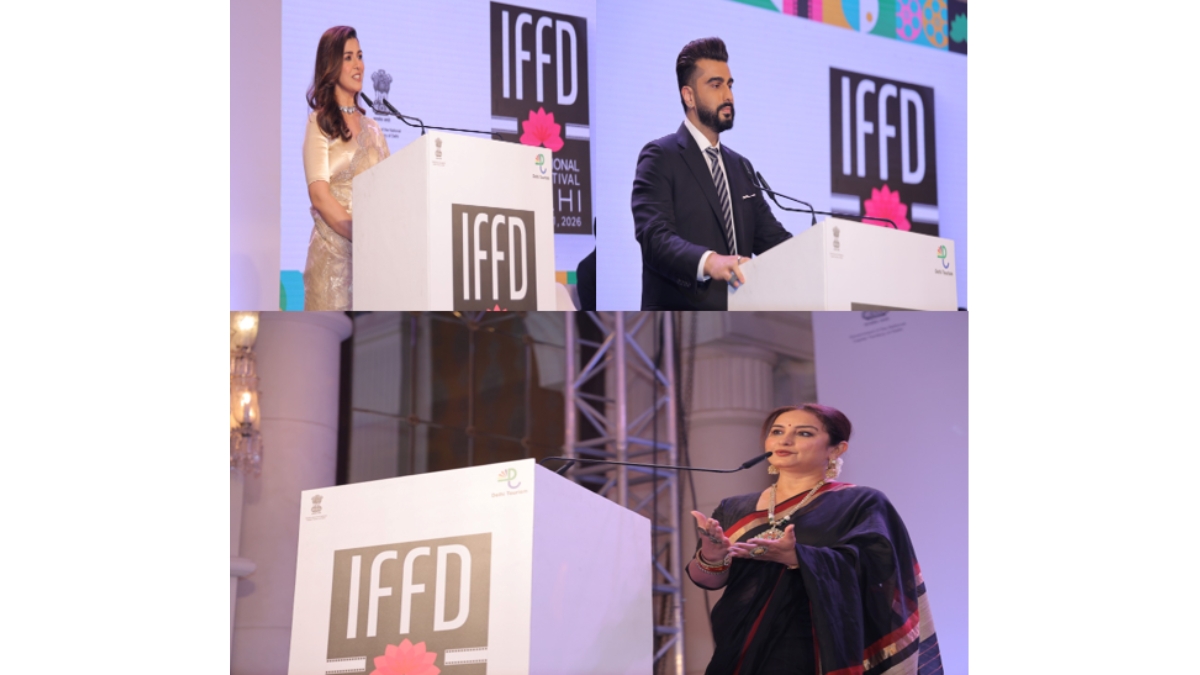
    New Delhi [India], February 28: The Government of Delhi, through Delhi Tourism & Transportation Development Corporation Ltd., hosted an evening that announced, in style, the upcoming festival running 25 – 31 March. Held at the elegant Leela Palace in Chanakyapuri, the event brought together government leaders, filmmakers, cultural curators, and the media to unveil the festival’s vision, programming highlights, and international tie-ups.

    In her presence as the chief guest, CM Rekha Gupta welcomed the plan to position the capital as a global cinematic destination. Tourism Minister Kapil Mishra led the evening, which attracted eminent figures from the film and entertainment sectors, industry partners, and press representatives.

    “Delhi has always shaped culture, not followed it. With International Film Festival Delhi, we are creating a public festival that belongs to the people of this city,” says the Hon’ble Chief Minister of Delhi, Mrs Rekha Gupta. “This is not an event for a few insiders. It is a city-wide celebration of cinema that supports creativity, creates opportunity and places Delhi firmly on the global cultural map.”

    What unfolded was part announcement, part showcase. The organisers revealed a slate of premieres, neighbourhood screenings, masterclasses, live performances, and cultural activations designed to showcase the city’s UNESCO sites, heritage monuments, and living neighbourhoods to filmmakers and audiences from around the world. Planners emphasised that the festival is meant to open doors for production teams, storytellers, and local talent and to seed long-term film tourism opportunities.

    “Delhi is set to host its first International Film Festival a landmark initiative inspired by the Hon’ble Chief Minister’s vision. With 2,000+ entries from 100+ countries and screenings across the city, this will be an inclusive platform celebrating global and Indian cinema, and a sustained effort to promote cultural diversity and nation-building through film.” says the Hon’ble Tourism Minister, Delhi, Mr Kapil Mishra.

    Delhi Government Sets the Tone for a City Wide Celebration of Film Culture and Film Tourism-PNN

    Highlights from the evening: 

    • The evening highlighted the programming overview and the international partnerships that will shape the March festival.
    • A preview of world and Indian premieres to be staged at major venues and community screenings across the city.
    • Announcements on masterclasses, talent platforms and industry roundtables aimed at connecting local creators with global collaborators.
    • Cultural performances that mixed classical and contemporary forms, reinforcing the festival’s city-wide footprint.

    “IFFD is not a one-week spectacle. We are building a cultural institution for Delhi that grows year after year,” shares the MD & CEO of DTTDC, Mr Suneel Anchipaka, IAS. “We want to give citizens a festival they can truly participate in and take pride in. One that attracts visitors to join us in Delhi to partake in the celebrations”

    Rakeysh Om Prakash Mehra, Festival Director, said: “IFFD is a platform for the youth, to challenge themselves and be challenged, to be inspired and to inspire, to discover and be discovered. There are several inspiring stories waiting to be told and the International Film Festival Delhi is the platform to ignite a new flame for cinema. Through the festival we also seek to amplify Delhi’s stories, from its neighbourhoods to its stages, and to connect local talent with global audiences. I’m honoured to help build a festival that truly belongs to the city.”

    Actor Divya Dutta said: “As a Delhi girl, these streets are part of me. I’ve played characters shaped by the city’s humour and grit, and I’m proud to welcome IFFD, a festival that brings those neighbourhood stories to a wider audience.”

    Actor Nimrat Kaur said: “Delhi shaped me, from DPS Noida to Shri Ram College of Commerce and the city’s endless, messy journeys on U-specials, and it was there I found the stories I needed to tell. The Lunchbox proved that the most intimate story can be the most universal; cinema carries feeling across languages and borders. That’s exactly what IFFD stands for, a space where local voices find global audiences. As someone who has lived on both sides of the camera, I’m proud to be part of this festival and to champion the young storytellers of Delhi: tell your story honestly, unapologetically, and the world will listen.”

    Delhi Government Sets the Tone for a City Wide Celebration of Film Culture and Film Tourism-PNN

    Actor Arjun Kapoor said: “There’s something about Delhi, its energy, its diversity, its conversations, its myriad cultures. It carries centuries of history comfortably with its cool modern energy. IFFD taps into that composite facet of the city, bringing together artistes and storytellers from across the country under one roof. I see IFFD as a reminder that stories can start anywhere, and a city as multifaceted as this has plenty waiting to be told. In Delhi, something powerful is always about to begin. I’m excited to experience it with everyone.”

    The organisers noted the festival’s dual purpose: to stage a compelling cultural event and create sustainable opportunities for film production and storytelling in the capital. The message was clear: this isn’t just a week of screenings; it’s a strategic push to make the city a preferred destination for filmmakers, production houses and cultural tourism.

    Sabbas Joseph, Co-founder and Director of Wizcraft Entertainment Group, said: “What we launched today goes beyond a festival format; it establishes a global cultural property. At this scale, the platform creates meaningful opportunities for Indian and international storytellers to connect, collaborate and find audiences worldwide. The sheer largeness and ambition of the project signal that Delhi is stepping onto the world stage as a lasting hub for cinema and cultural exchange.”

    The execution of this cinematic extravaganza is being led by Wizcraft Entertainment Group, known for its large-scale cultural and entertainment productions. Like the pageantry of the IIFA Awards, IFFI and GIMA, Wizcraft brings the sheer scale and “wow factor” required to make this first edition an unforgettable spectacle. While M/s KPMG is the knowledge partner, the festival is owned and organised by the Delhi Tourism & Transport Development Corporation (DTTDC), Government of NCT Delhi.

    About IFFD    

    International Film Festival Delhi is a government-led, city-wide film festival created to showcase Indian and international cinema and make film culture accessible to all Delhi residents. The festival is taking place across venues in New Delhi from 25th to 31st March 2026.

    Instagram- https://www.instagram.com/iffdelhi/
    X- https://x.com/IFFDelhi
    Youtube– https://www.youtube.com/@IFFDelhi
    LinkedIn– https://www.linkedin.com/in/iffdelhi/
    Fb– https://www.facebook.com/people/IIFDelhi/61587507658088/

    If you object to the content of this press release, please notify us at pr.error.rectification@gmail.com. We will respond and rectify the situation within 24 hours.

  • IPS Academy, North Campus Students Bag Prestigious AICTE Saraswati Scholarships

    IPS Academy, North Campus Students Bag Prestigious AICTE Saraswati Scholarships

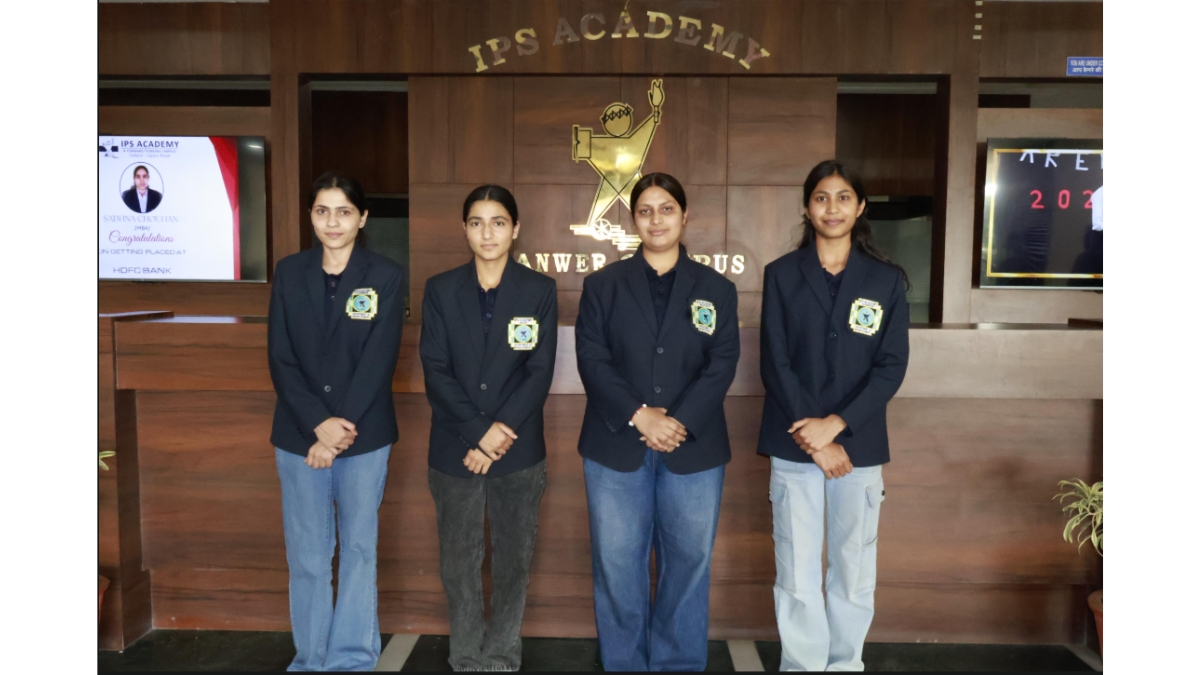
    New Delhi [India], February 28: In a proud moment for IPS Academy’s Institute of Business Management & Research (IBMR) North Campus on Indore-Ujjain Road, four BBA second year students have been selected for the AICTE Saraswati Scholarship Scheme, each receiving INR 25,000.

    The scholarships are awarded purely on merit from qualifying exams for BBA programs at AICTE-approved institutions with state-wise merit lists prepared. Madhya Pradesh has a total quota of 96 seats for BBA and IPS Academy IBMR’s students have secured four of them.

    Principal Dr. S.L. Kale expressed delight, stating, “This recognition underscores our commitment to merit-based excellence.” Vice-Principal Dr. Gagan Prakash, President of IPS Group of Institutions Ar. Achal K. Choudhary and Management Member Er. Rajesh Choudhary also congratulated the students, emphasizing the institute’s role in nurturing top talent.

    The achievement highlights IBMR North Campus, affiliated to DAVV, Indore, as a leading choice for aspiring BBA students in the region.

    If you object to the content of this press release, please notify us at pr.error.rectification@gmail.com. We will respond and rectify the situation within 24 hours.

  • Writing Beyond Applause: The Inner Calling of Videh Arvind Kumar

    Writing Beyond Applause: The Inner Calling of Videh Arvind Kumar

    New Delhi [India], February 28: In the culturally resonant city of Lucknow, where refinement of language and tehzeeb shape intellectual discourse, 68-year-old ‘Videh’ Arvind Kumar stands as a steadfast custodian of disciplined literary commitment. A retired Assistant General Manager of the State Bank of India, he is, in essence, a writer by temperament and conviction — one for whom literature is not a pursuit of momentary acclaim but a lifelong tapasya.

    With an impressive corpus of 27 published books — 17 in English and 10 in Hindi — spanning fiction, poetry, drama, translation, and literary commentary, his journey reflects not only productivity but persistence. His long-running English fiction series, Hypocrisy & Reality, comprises nine volumes that probe societal contradictions with unsparing candour. Alongside this, works such as Chambellion (a comedietta), Brainy Beasts (short stories), Bewailing Muse (poetry), and Self-Styled Sovereign, the Judiciary (dramatic deliberation) demonstrate his comfort across genres.

    Equally significant is his engagement with literary scholarship. His critical study Nagasaki: Bomb & Aftermath examines A Pale View of Hills by Nobel Laureate Kazuo Ishiguro, while Procreation, the Adorable reinterprets the Shiva Puraan through a contemporary lens. As a translator, he has rendered major Hindi poetic works into English, notably Search for Life and Reality of Invisible, thus bridging linguistic traditions.

    His Hindi oeuvre is no less substantial: three short story collections (Anapadh LipiPaashaan YugNisarg), three poetry anthologies (Aart GaanKaal KrandanAnanubhoot Kaal), a drama (Ambedkar Smriti), and scholarly condensations of classical texts including Priya Pravaas and Mahaamuni Vaalmeeki Rachit Itihaas: Ramayan – Uttar Kaand. Through these, he demonstrates a commitment to recontextualising India’s literary heritage for contemporary readers.

    The pen name ‘Videh’, suggestive of detachment and transcendence, mirrors the philosophical undercurrent in his writing. His prose is marked by forthrightness — often blunt, always deliberate. Poverty and struggle in childhood, followed by professional success and international exposure, have lent his voice both grit and breadth.

    Retirement in 2018 did not diminish his creative output; rather, it intensified it. His works are accessible globally via platforms such as Amazon and Flipkart in eBook, paperback, and hardcover formats — affirming the universality of his themes.

    For aspiring writers, his message is resolute: continue writing, irrespective of external validation. Doubt from others is inevitable; perseverance must be intentional. True literary worth, he believes, is not measured by applause but by authenticity of expression.

    In an era enamoured of immediacy, ‘Videh’ Arvind Kumar represents the enduring power of sustained reflection. His twenty-seven books are not mere publications; they are milestones of intellectual labour. Through fiction that questions, poetry that mourns, drama that debates, and scholarship that interprets, he has carved a literary space defined by depth rather than display.

    His journey reminds us that creative vitality is governed not by age but by intent — and intent, in his case, remains unwavering.

    If you object to the content of this press release, please notify us at pr.error.rectification@gmail.com. We will respond and rectify the situation within 24 hours.

  • District 98 Hosts ‘Campus to Corporate’ Conclave in Jaipur to Bridge Industry-Academia Readiness Gap

    District 98 Hosts ‘Campus to Corporate’ Conclave in Jaipur to Bridge Industry-Academia Readiness Gap

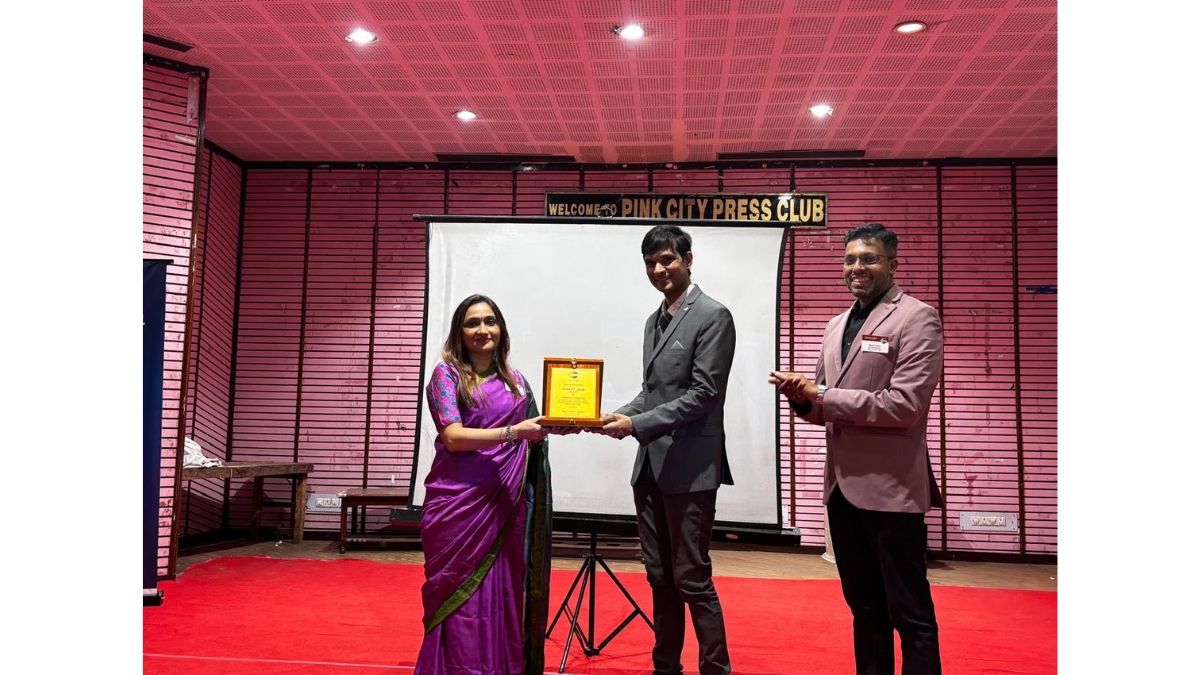
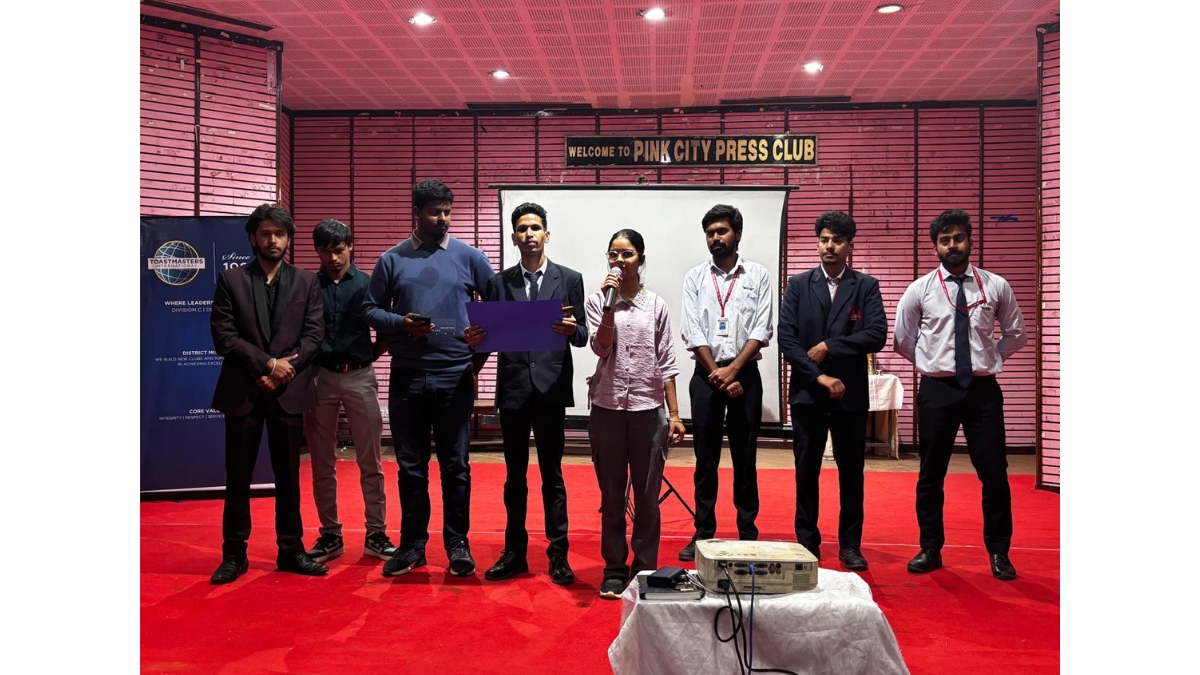
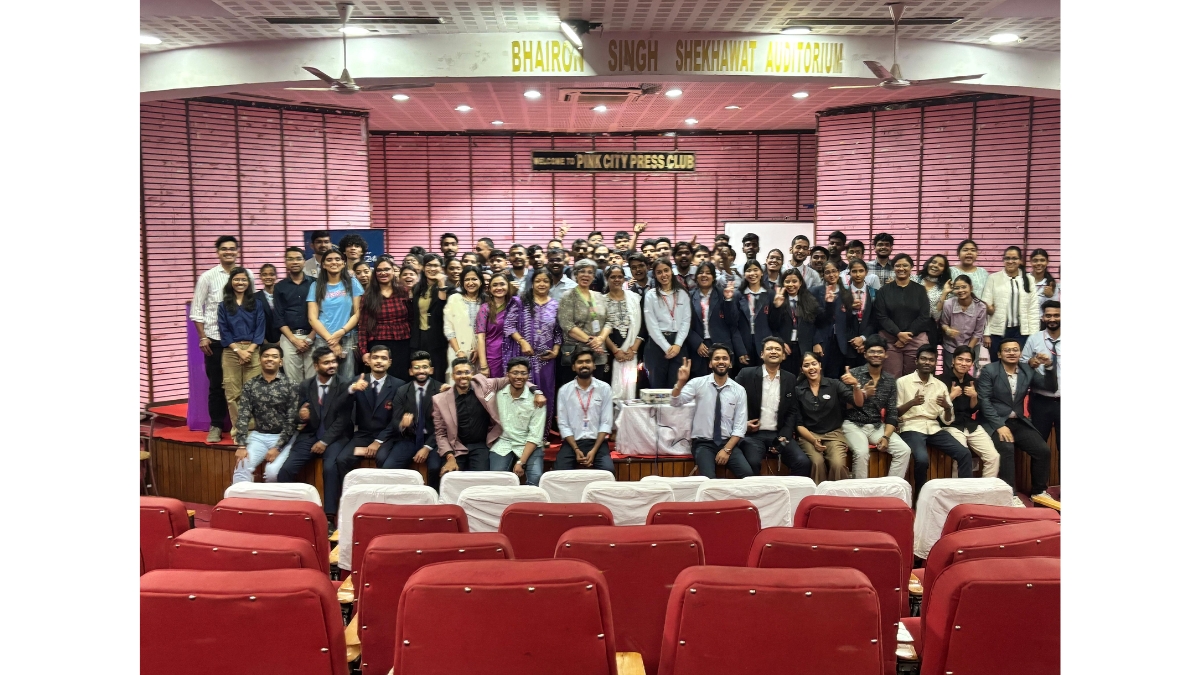
    Jaipur (Rajasthan) [India], February 28: District 98 of Toastmasters International successfully hosted its landmark Campus to Corporate Conclave, bringing together industry leaders, academia, and emerging talent under one roof to address one critical question: “Where does the campus-to-corporate transition truly break down?”

    Having worked closely with early talent, District 98 has consistently observed that while academic foundations are strong, translating this knowledge into workplace readiness remains a challenge. However, students actively involved in the Toastmasters ecosystem across Rajasthan campuses are breaking this pattern by continuously sharpening their presentation, communication, and leadership skills.

    The event saw enthusiastic participation from leading institutions including SKIT Jaipur, Birla Institute of Technology and Science, Pilani – Jaipur Campus, Jaipur Engineering College and Research Centre (JECRC), UEM Jaipur, and ACM Student Chapter, Faculty of Computer Science and Applications, VGU Jaipur.

    These institutions actively participated through their student leaders, marking their contribution as a significant step toward shaping a corporate-ready workforce.

    Keynote & Distinguished Speakers

    The conclave featured insightful sessions by industry and communication leaders, including keynote speaker Vineet Jain, who shared powerful perspectives on aligning student strengths with evolving corporate expectations.

    Neha Bhatt, DTM, District Director, District 98, remarked:
    “The future workforce is being shaped right now. When students gain communication confidence early, their transition to the corporate world becomes smoother, stronger, and significantly more impactful. Toastmasters at campuses are not just learning skills-they’re learning how to lead.”

    Other notable speakers included District 98 Trio Leaders:

    • Ashok Anand, Club Growth Director of District 98

    Their combined insights helped attendees understand where theory meets real-world execution, and how organisations can nurture talent that is ready from Day One.

    District 98 Hosts ‘Campus to Corporate’ Conclave to Bridge Industry-Academia Readiness Gap-PNN

    Purpose of the Conclave

    The ‘Campus to Corporate’ initiative aims to:

    • Bring corporates closer to young talent pools

    • Create structured networking opportunities

    • Bridge expectation vs. readiness gaps

    • Empower students through communication, leadership, and a platform to express their potential

    District 98 continues to run active Toastmasters programs across multiple Rajasthan campuses, ensuring students develop essential soft skills long before they step into professional environments.

    District 98 Hosts ‘Campus to Corporate’ Conclave in Jaipur to Bridge Industry-Academia Readiness Gap-PNN

    About the Event

    The conclave was designed as a space “Where talent meets the workplace.”
    Attendees participated in panel discussions, interactive sessions, and networking segments with industry leaders.

    The event also aligns with District 98’s theme #Celebrating10YearsofSuccessfulYou, marking a decade of enabling individuals to become confident communicators and leaders.

    About District 98

    District 98 represents Toastmasters clubs across western and central India, dedicated to building speaking and leadership excellence among students and working professionals alike.

    If you object to the content of this press release, please notify us at pr.error.rectification@gmail.com. We will respond and rectify the situation within 24 hours.