Author: Sutun Nayak

  • 1/3rd Indians wake up to poor sleep: Dr Vikas Agrawal

    1/3rd Indians wake up to poor sleep: Dr Vikas Agrawal

    Dr. Vikas Agrawal, Asia’s leading ENT surgeon.

    Mumbai (Maharashtra) [India], February 19: Mumbai will host India’s first International Sleep Surgery Conference (ISSS2026) from February 20–22, 2026, at JW Marriott Sahar. Chaired by Dr Vikas Agrawal, called the ‘father of sleep surgery’ in India, this landmark three- day event features global experts in sleep medicine to address one of the most silent epidemics of modern times; sleep apnea, which affects a staggering one third of Indians. Given the importance of the subject, Justice D.Y. Chandrachud, former Chief Justice of India will inaugurate the conference and highlight why ‘sleep health’ is an important public health and policy issue.

    The three-day conference aims to spotlight three big growing medical and public health concerns

    • Sleep apnea is extremely dangerous but easily treatable if diagnosed early.
    • The lifetime burden of sleep apnea indicates that this condition leads to everything from heart disease to cancer to road safety concerns linked to excessive daytime sleepiness to divorces. This can be easily prevented if treated early and insurance companies cover all treatment modalities for sleep apnea.
    • Snoring is a sensitive subject. Families can now use technology to detect snoring, sleep apnea and seek intervention early.

    The inaugural event will also feature prominent voices in ENT including Padmashri Dr. Milind Kirtane and Padmashri Dr. Kameswaran. Global experts such as Dr. Maria Suurna (Miami), President of the International Sleep Surgery Society (ISSS) will throw light on insurance practices in the US.

    Ahead of the conference, Dr Vikas Agrawal said, “Insurance coverage for basic OSA surgery is fragmented. Given how destructive sleep apnea is, and the pace of medical advancements, it is important that treatment be covered by all policies.  – for eg. in patients who cannot tolerate CPAP- a tongue based pace maker is available in developed countries, should be made available in India- it is important for families to be able to reach out for a cure. A simple day care procedure to cure sleep apnea can make a massive difference to people’s daily lives and prevent dangerous diseases from taking hold.”

    Beyond surgical advancements, the conference seeks to encourage wider awareness, early diagnosis, and collaborative policy discussions to address sleep apnea as a growing public health concern in India.

  • Nihilent’s Founder and Executive Chairman, L.C. Singh, Honoured with Prestigious VASVIK Industrial Research Award for Pioneering AI Innovation

    Nihilent’s Founder and Executive Chairman, L.C. Singh, Honoured with Prestigious VASVIK Industrial Research Award for Pioneering AI Innovation

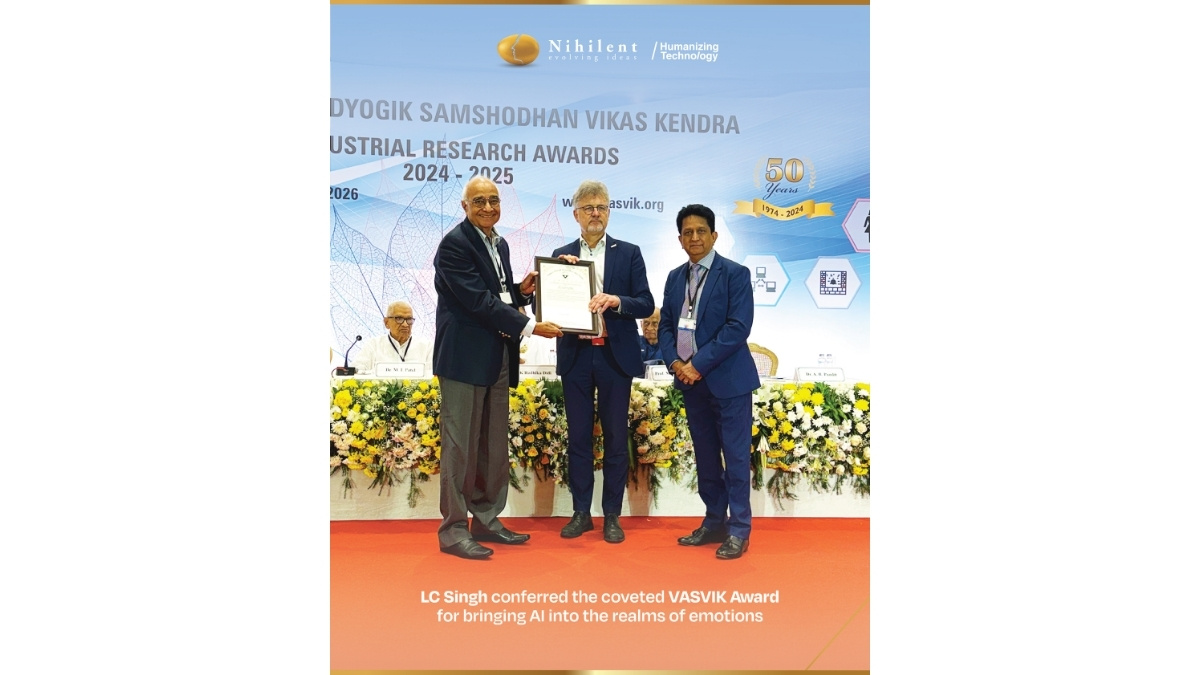
    L to R: Mr. L. C. Singh receiving the VASVIK Industrial Research Award from Lord Dr Frank Mentrup, Mayor of Karlsruhe, Germany.

    Pune, (Maharashtra) [India], February 19:In a milestone moment for the future of responsible, human-centred technology, Mr. Lal Chandra (L.C.) Singh, Founder and Executive Chairman of Nihilent, Pune, has received the prestigious VASVIK Industrial Research Award (2025) in Information & Communication Technology. The 51st Annual Industrial Research Awards, hosted by Vividhlaxi Audyogik Samshodhan Vikas Kendra (VASVIK) at B. J. Hall, Mumbai, celebrated Indian scientists who have made extraordinary contributions to national prosperity. The ceremony was graced by Chief Guests BK Radhika Didi and Lord Dr. Frank Mentrup, Mayor of Karlsruhe, Germany, alongside distinguished leaders including Dr. Mohan I. Patel and Prof. M. M. Sharma.

    This recognition acknowledges Mr. Singh’s sustained intellectual leadership in developing human-centred frameworks across technology and organisational systems. Over the years, he has created proprietary models such as MC³, a patented change management tool; 14Signals, a structured framework for evaluating customer perception, experience, and value association; and PROLICY-D™, a design thinking-led holistic product development framework that integrates human-centric principles into the development lifecycle. Building on this foundation of structured, human-centred thinking, his latest breakthrough, Emoscape, has emerged as a defining advancement in medical-grade Emotion AI.

    Speaking on the occasion, Mr. L.C. Singh, Founder and Executive Chairman of Nihilent Ltd., said, “I am deeply honoured to receive the VASVIK Industrial Research Award. This recognition belongs to the entire team at Nihilent, who believed in the vision of Emoscape. Our goal has always been to move beyond data processing and leverage AI to better understand human emotions. I extend my heartfelt congratulations to each recipient for their dedication, perseverance and invaluable contributions to the nation.   I sincerely thank VASVIK for underscoring the importance of responsible and ethically driven innovation in the ICT sector”.

    Emoscape is a medical-grade Emotion AI platform that detects and calibrates emotional states through a precise one-minute scan, analysing subtle upper-body micro-movements using a standard web camera. By translating these micro-movement patterns into a structured emotional profile, Emoscape introduces an objective and measurable layer to understanding emotional dynamics across healthcare, sports, education, insurance, marketing, corporate ecosystems and more.

    At its core, Emoscape is grounded in the nine classical emotional archetypes articulated in the Natyashastra—the ancient Indian treatise on human behaviour and performance. Using three-dimensional motion capture techniques and advanced analytical algorithms, it maps fine-grained body dynamics onto this framework with clinical-grade precision, an approach that has been strengthened through recent peer-reviewed academic publication and continued research.

    By bringing together classical behavioural insight with modern Emotion AI, Emoscape reflects Nihilent’s broader philosophy of elevating emotion from abstraction to accountability. It envisions a world where emotion is no longer dismissed as subjective, but recognised as a structured force shaping outcomes across industries, institutions, and societies.

    Established in 1973, VASVIK is a non-profit organisation committed to promoting excellence in science and technology in India. Over the decades, it has honoured more than 450 Indian scientists whose research and innovation have directly contributed to national prosperity. The awardees are selected through a rigorous evaluation process led by expert committees and the Board of Advisors, ensuring recognition of individuals whose work significantly impacts industrial growth and societal development.

    This recognition marks a defining moment for Nihilent and reinforces India’s growing leadership in responsible and human-centric emotion-AI innovation.

    About Nihilent

    Nihilent is a global consulting, products and solutions company specializing in business transformation, digital innovation, data analytics and technology solutions. Founded in 2000, it operates in multiple countries, helping businesses enhance efficiency and customer experience. Emoscape is one of Nihilent’s pioneering AI platforms, reflecting the company’s focus on creating category-defining solutions that bridge technology, human behaviour and ancient wisdom.

    https://www.nihilent.com/

  • ‘Shatak’ Brings to Life the Inspiring Journey of Dr. Hedgewar ji: RSS Chief Mohan Bhagwat ji

    ‘Shatak’ Brings to Life the Inspiring Journey of Dr. Hedgewar ji: RSS Chief Mohan Bhagwat ji

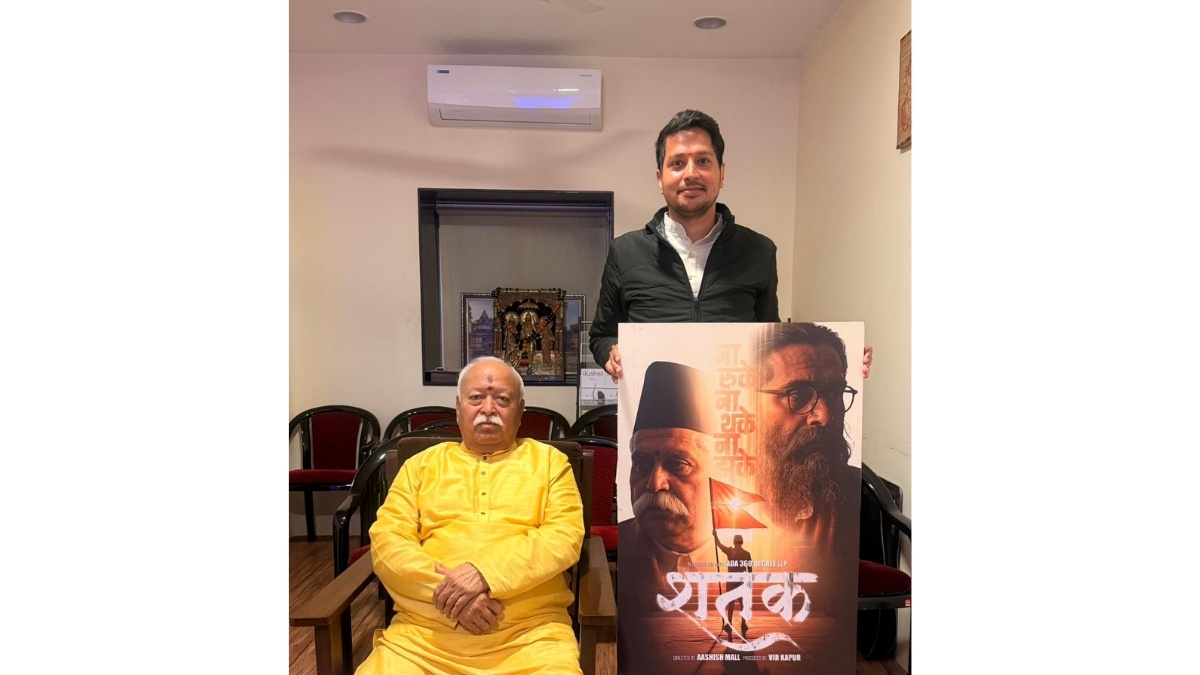
    Mumbai (Maharashtra) [India], February 19 The excitement around the film Shatak, being made to mark the centenary year of the Rashtriya Swayamsevak Sangh, continues to grow. Speaking at a recent event at Keshav Kunj, New Delhi, RSS Chief Maohan Bhagwat ji shared his thoughts on the film, describing it as not merely a cinematic work, but a vivid portrayal of an ideological journey.

    Highlighting the life of Dr. Keshav Baliram Hedgewar ji, he said, “He was the founder of the Rashtriya Swayamsevak Sangh and devoted his entire life to the organisation of the nation and social awakening. His life stood as a symbol of sacrifice, discipline, and an unwavering spirit of national unity.”

    He further added, “Through the film ‘Shatak’, an effort has been made to present various inspiring episodes from Dr. Hedgewar ji’s life. Notably, one of the songs in the film beautifully portrays a poignant incident from his childhood that shaped his character with strength and determination.” He also congratulated and thanked the entire cast, makers, and collaborators associated with the film.

    Dedicated to the 100-year journey of the RSS, ‘Shatak’ is set for a nationwide theatrical release on 20 February.

  • Inside Vidyasvam’s Structured Approach to Learning Samskrita

    Inside Vidyasvam’s Structured Approach to Learning Samskrita

    New Delhi [India], February 19: Samskrita has long been regarded as a language of depth, precision, and intellectual beauty. Yet for many learners today, the thought of studying it can feel overwhelming. Complex grammar rules, unfamiliar script, and traditional learning styles often create hesitation. At the same time, there is a growing desire among professionals, students, and knowledge seekers to understand classical texts in their original form rather than depend solely on translations. What many learners look for is a clear and structured path—one that respects the rigor of the language while making it approachable.

    Vidyasvam has built its teaching philosophy around this very need. Its approach to learning Samskrita combines the classical strength of the Pāṇinian grammatical framework with structured teaching methods suited to modern learners. The result is a program that emphasizes understanding, clarity, and practical application rather than memorization. By focusing on foundations and logical progression, Vidyasvam offers a way to learn Samskrita that feels both disciplined and accessible.

    A Foundation Rooted in the Pāṇinian System

    At the heart of Vidyasvam’s methodology lies the Pāṇinian grammatical tradition. Pāṇini’s Aṣṭādhyāyī is widely recognized for presenting one of the most systematic frameworks for any natural language. Rather than approaching Samskrita as a collection of isolated rules and vocabulary lists, Vidyasvam organizes learning around the underlying principles that hold the language together.

    Students are introduced to core elements such as varṇa, prakṛti, pratyaya, sandhi, and kāraka theory in a logical sequence. Each concept builds upon the previous one, enabling learners to see how words are formed, how forms change according to grammatical rules, and how meaning emerges from structure. This systematic framework reduces confusion and replaces guesswork with clarity.

    Instead of memorizing lengthy tables without context, learners understand why certain forms exist and how they are derived. This approach strengthens comprehension and lays the foundation for independent study later on.

    Building Strong Grammar Before Textual Reading

    One of the distinguishing aspects of Vidyasvam’s program is its emphasis on grammar before textual exploration. While many learners are eager to begin reading verses immediately, Vidyasvam ensures that a solid grammatical base is established first. This preparation allows students to approach texts with confidence rather than uncertainty.

    By mastering structural concepts early, learners develop the ability to analyze sentences methodically. They begin to identify roots, understand suffixes, dissolve sandhis, and recognize grammatical relationships within a verse. When textual reading begins, students are no longer intimidated because they possess the tools required for proper interpretation.

    This step-by-step progression prevents learners from feeling lost midway through their journey. Instead, they experience a steady build-up of competence.

    Integrating Modern Teaching Tools

    Although rooted in tradition, Vidyasvam uses contemporary teaching tools to support understanding. Presentations, diagrams, mind maps, and structured learning materials are used to break down complex concepts into manageable sections. Visual aids play an important role in helping learners see connections between rules.

    For online participants, recordings of sessions provide flexibility and the opportunity for revision. Learners can revisit challenging topics and reinforce their understanding at their own pace. Regular quizzes encourage active learning and ensure that grammar rules are applied rather than passively absorbed.

    Interactive sessions further enhance engagement. Learners are encouraged to ask questions, discuss interpretations, and clarify doubts in a supportive environment. This balance between traditional content and modern delivery methods helps maintain clarity throughout the program.

    Emphasis on Application Through Classical Texts

    Learning grammar in isolation can feel abstract. Vidyasvam addresses this by integrating application into the course design. Once foundational knowledge has been established, students begin applying concepts to classical texts, especially selections from Vālmīki’s Rāmāyaṇa.

    Through guided analysis, learners practice breaking down compound words, identifying kārakas, dissolving sandhis, and arranging words in anvaya to grasp meaning correctly. This practical application deepens understanding and reveals how grammar operates in real literary contexts.

    The experience of analyzing a verse independently builds confidence. Students move beyond translating word by word and begin understanding structure and intent. This transition marks a significant turning point in their learning journey.

    Designed for Modern Learners

    Vidyasvam’s structured approach is particularly well-suited to professionals and students from analytical backgrounds. Many participants come from fields such as engineering, sciences, medicine, academia, and management. The logic-based structure of Pāṇinian grammar resonates strongly with those accustomed to systematic thinking.

    At the same time, the course remains accessible to dedicated beginners. Participants are expected to read Devanagari, possess basic English proficiency, and approach learning with commitment and regular practice. The program encourages discipline but does not assume prior mastery.

    Because sessions are organized in a consistent weekly format, learners can balance the course alongside professional and personal responsibilities. This practicality makes sustained learning possible.

    Mentoring and Peer Engagement

    Beyond formal instruction, Vidyasvam emphasizes mentoring and peer interaction. Discussion groups allow learners to exchange perspectives and clarify understanding collectively. Often, explaining a concept to another student reinforces one’s own comprehension.

    Mentors guide learners through difficult sections, offering steady support. This shared journey reduces isolation and builds a community of learners who are collectively invested in the study of Samskrita.

    Such an environment encourages persistence. Learning a classical language demands patience, and the presence of mentors and peers helps sustain motivation.

    Guidance from an Interdisciplinary Scholar

    The program is led by Dr. Sridhar Subbanna, whose academic journey spans computer science and Samskrita scholarship. His doctoral research explores parallels between Pāṇini’s grammatical system and modern computational ideas. This interdisciplinary perspective shapes his structured teaching methodology.

    His explanations are grounded in logic and clarity, reflecting both traditional training and contemporary understanding. Students often find that his systematic approach demystifies complex sutras and makes them approachable.

    This balance of traditional depth and analytical clarity supports learners throughout the course.

    Progressive Skill Development

    Vidyasvam’s structured progression ensures that learning does not remain theoretical. Students move from understanding basic grammatical units to performing detailed textual analysis. Each stage builds toward the larger goal of independent reading.

    Gradually, learners begin recognizing patterns intuitively. Grammar no longer appears as a maze of rules but as a coherent structure. As confidence increases, the language feels less intimidating and more accessible.

    By the end of the program, students are better equipped to pursue advanced Samskrita studies or explore classical literature on their own.

    Conclusion

    Inside Vidyasvam’s structured approach to learning Samskrita lies a careful balance between tradition and clarity. The program respects the rigor of Pāṇinian grammar while organizing content in a way that modern learners can absorb steadily. By combining foundational training, guided application, modern tools, and mentoring support, Vidyasvam creates a learning pathway that is disciplined yet approachable.

    For those who wish to move beyond surface familiarity and engage deeply with Samskrita, a structured method can make all the difference. Vidyasvam’s approach demonstrates that with clarity, consistency, and logical progression, learning this classical language can be both meaningful and achievable.

    If you object to the content of this press release, please notify us at pr.error.rectification@gmail.com. We will respond and rectify the situation within 24 hours.
  • Cash Ur Drive Acquires 50 Percent Stake of Charjkaro Greentech Mobility; Strengthens EV Ecosystem Presence

    Cash Ur Drive Acquires 50 Percent Stake of Charjkaro Greentech Mobility; Strengthens EV Ecosystem Presence

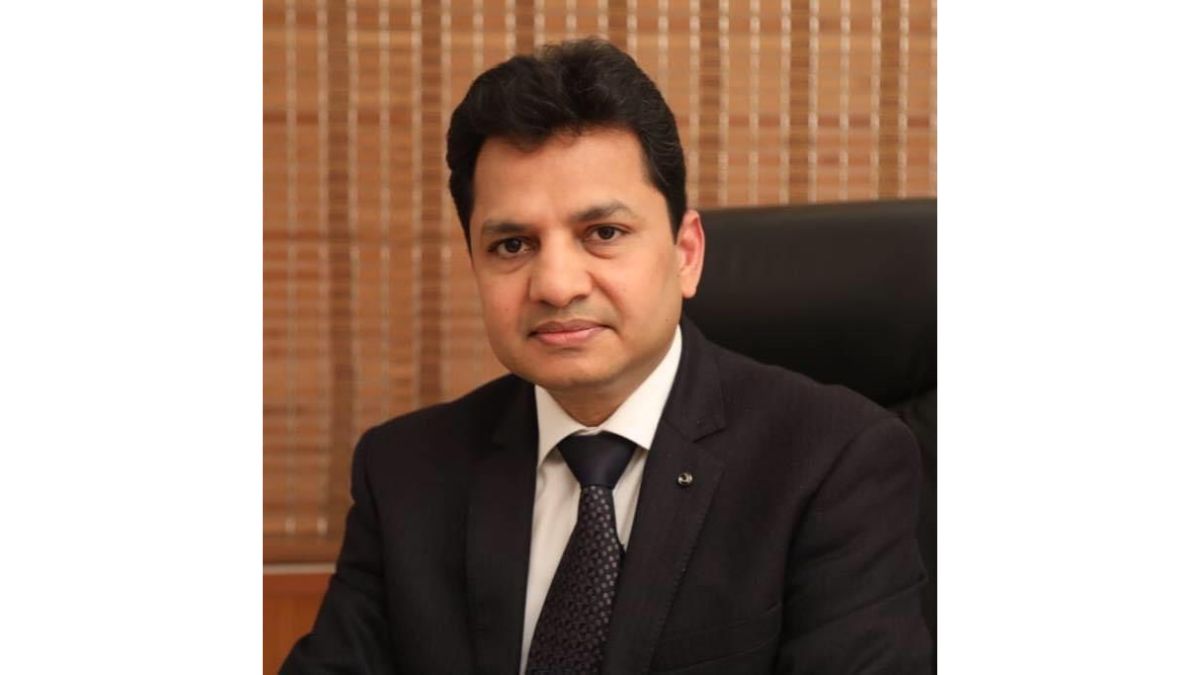
    Mumbai (Maharashtra) [India], February 19: Cash Ur Drive Marketing Limited (NSE: CUDML | INE0WL201014), one of India’s fast-growing sustainable transit media companies, has announced the acquisition of a 50% equity stake in Charjkaro Greentech Mobility Private Limited, marking a strategic move to expand its footprint within the electric mobility ecosystem.

    Transaction Overview

    • The Company has acquired 5,000 equity shares, representing 50% of the paid-up equity share capital of Charjkaro Greentech Mobility Private Limited. The acquisition comprises 2,500 equity shares from Mr. Raghu Khanna and 2,500 equity shares from Mr. Parveen K. Khanna.

    • Post completion of the transaction, Cash Ur Drive will hold joint ownership in the company, enabling strategic collaboration and long-term value creation within the sustainable mobility space.

    • The above acquisition was completed through cash consideration and is classified as a related party transaction under the applicable provisions of the Companies Act, 2013 and SEBI norms. Further, the transaction was conducted on an arm’s-length basis and in the ordinary course of business, after obtaining the necessary approvals. This investment aligns with the Company’s medium-term growth strategy, enabling revenue diversification through asset-backed media monetization across EV charging infrastructure while strengthening its presence in the sustainable mobility ecosystem.

    Strategic Rationale & Forward Outlook

    This investment reinforces Cash Ur Drive’s strategy of integrating sustainable transit media with the rapidly expanding electric mobility ecosystem. As EV adoption accelerates and charging infrastructure expands across urban India, the convergence of mobility, media, and technology creates scalable opportunities for engagement, innovation, and monetization.

    Commenting on the development, Mr. Raghu Khanna, Managing Director and Chairman, Cash Ur Drive Marketing Limited, said: “Through this partnership, the Company aims to strengthen its presence within EV infrastructure while developing integrated media solutions across charging networks and leveraging technology-driven platforms to enhance consumer engagement. Going forward, Cash Ur Drive will continue to evaluate opportunities aligned with sustainable mobility and infrastructure-linked assets, positioning itself at the intersection of green mobility and high-impact media engagement.”

    Disclaimer: This article is for informational purposes only and does not constitute financial advice.

  • Florian Foundation by Archana Jain and Mumbai Halchal by Dilshad Khan Honours the Top 30 Achievers at The Leading National Excellence Awards 2026

    Florian Foundation by Archana Jain and Mumbai Halchal by Dilshad Khan Honours the Top 30 Achievers at The Leading National Excellence Awards 2026

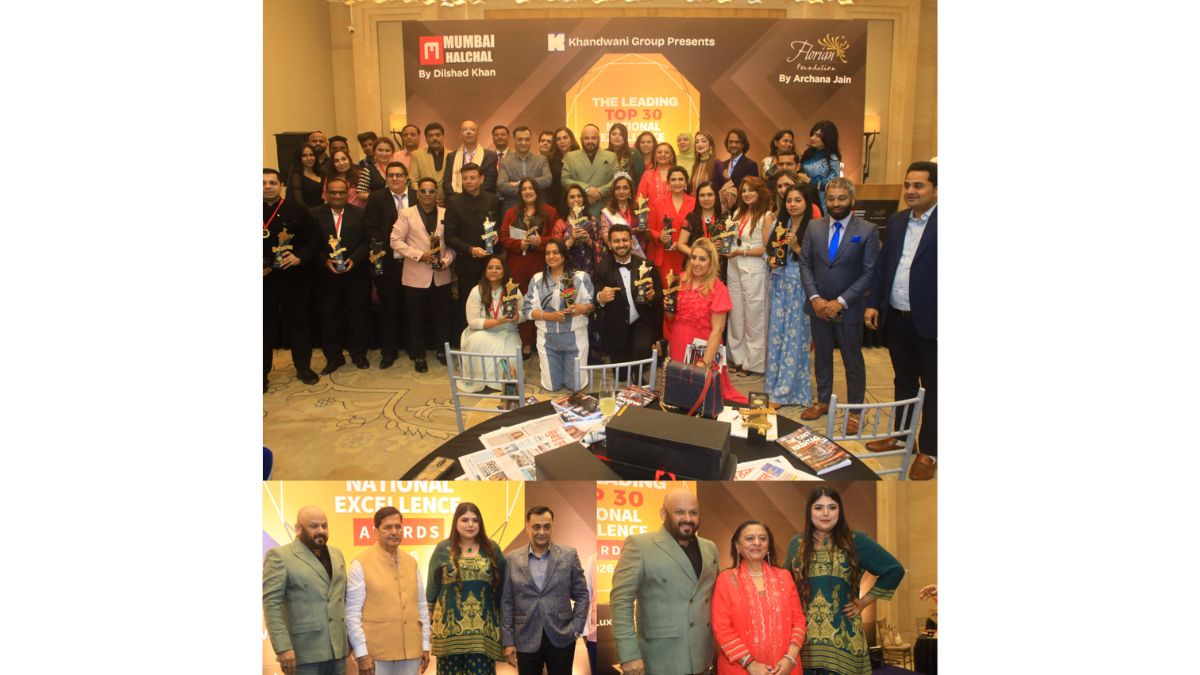
    New Delhi [India], February 19: The Leading Top 30 National Excellence Awards 2026 along with The Couture Pages luxury coffee table book limited Edition was successfully organized through the Florian Foundation by Archana Jain and Mumbai Halchal by Dilshad Khan. The prestigious event was presented by Khandwani Group of Suhail Khandwani and powered by Trending Times, in association with NITI Aayog and MSME.

    The organizers extended heartfelt gratitude to Chief Guest Cabinet Minister Mangal Prabhat Lodha ji and Manju Lodha ji for gracing the occasion. The event was further honoured by the presence of esteemed Guests of Honour including Rakesh Agarwal, Shyam Singhania, and Sanjeev Gupta.

    The awards recognized 30 distinguished individuals for their exceptional contribution and dedicated work across various fields. The awardees honoured at the ceremony were:

    • Arjun Manoj Purohit,
    • Kishore J Vyas,
    • Toqeer Rahi,
    • Asma Batliwala,
    • Dr. Ajay L Dubey,
    • Ismail Nazir Shakoor,
    • Shri Shyam Kamble,
    • Abhay Parpani,
    • Jalpa Merchant,
    • Rupika Grover,
    • Madhu Lakhotia,
    • Anjalika Somani Maroo,
    • Priti Vanigotta,
    • Aparna Ahirrao,
    • Rashmi Tiwari,
    • Daivata Chavan-Patil,
    • Aleifiya,
    • Pawan Chauhan,
    • Adv. Ashokvardhan Mahesh Purohit,
    • Ekta Jain,
    • Pratibha Jain,
    • Mahi S. Molla,
    • Adv. Shahbaaz Khan,
    • CTPR. Vipul Narendra Luthia,
    • Dr. Roshan Jahan,
    • Harshul Patel,
    • Hasan Makbul Mulani,
    • Sagar Visawdia,
    • Imran Shamim Gani,
    • Dr. Mithun Palangthor,
    • Deesha Nandi,
    • Risha & Disha Mehra.

    The celebration marked a strong commitment towards appreciating excellence, leadership, and social impact. The event concluded with congratulating all awardees for their immense efforts and wishing them continued success in their respective journeys.

    If you object to the content of this press release, please notify us at pr.error.rectification@gmail.com. We will respond and rectify the situation within 24 hours.

  • The Cost of a Hashtag by Archana Jain Human Stories Behind Hashtags: A Thought-Provoking New Social Commentary Book

    The Cost of a Hashtag by Archana Jain Human Stories Behind Hashtags: A Thought-Provoking New Social Commentary Book

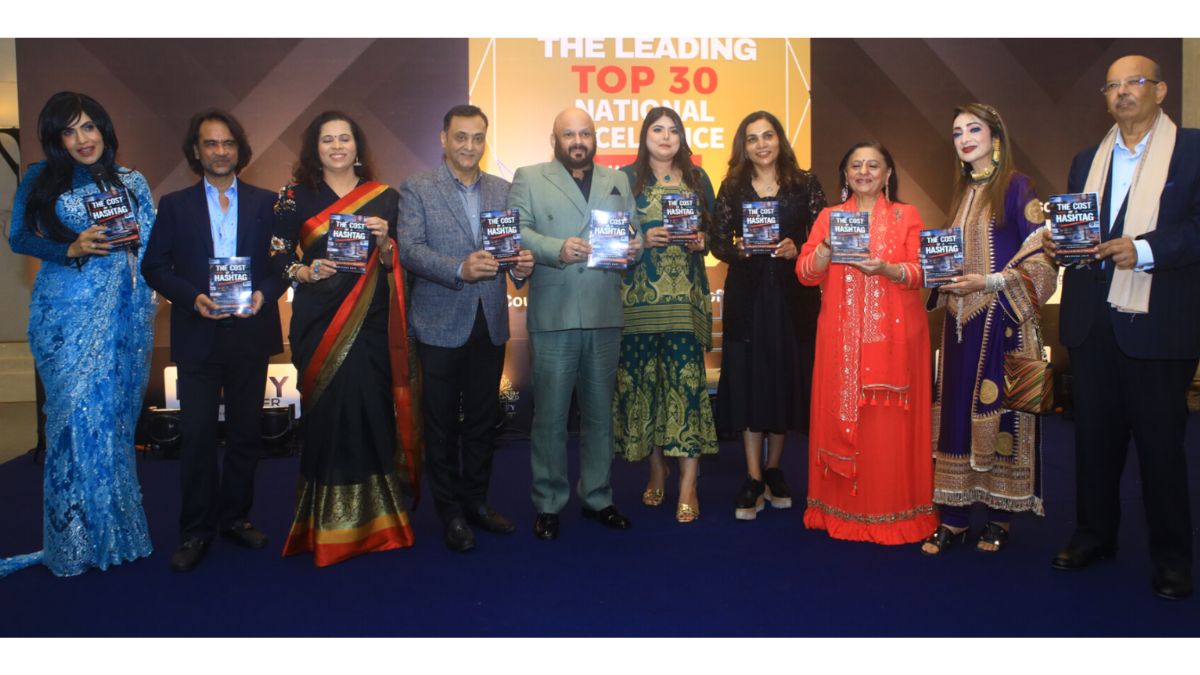
    New Delhi [India], February 19: The Cost of a Hashtag by  Author Archana Jain is not a narrative about choosing sides between men and women, nor is it an argument rooted in meninism or feminism. At its heart, it is a call to return to something deeper — humanism. In a world where social media has amplified voices, accelerated reactions, and blurred the space between truth and perception, this work questions what happens when justice becomes performative and empathy becomes selective. It reminds us that beyond every trend, accusation, defence, or public debate, there is always a human life carrying consequences that do not fade when the hashtag stops trending.

    Archana Jain is an author and thinker focused on social consciousness, human dignity, and balanced justice. Through her writing, she explores human behaviour, power, and the emotional impact of modern digital and societal conflicts.

    The Cost of a Hashtag

    The book recognises the undeniable struggles women have faced historically and the importance of movements that created space for voices that were once silenced. At the same time, it acknowledges another uncomfortable reality — that pain, trauma, misuse of power, and emotional damage are not owned by one gender alone. When conversations become polarised, society begins to measure suffering through identity rather than truth. This is where justice risks turning into ideology instead of remaining a moral responsibility toward fairness. Humanism demands that we listen before we label, understand before we react, and seek truth before we choose sides.

    The digital age has given society powerful tools to expose wrongdoing, but it has also created environments where speed often replaces verification. A single post can elevate someone toward justice or push someone toward irreversible damage. The book challenges readers to question how quickly we form opinions and how easily collective outrage can silence nuance. When judgment becomes instant, both the innocent and the guilty can disappear inside noise, leaving truth lost in emotional momentum. The real cost of a hashtag is not measured in views or virality, but in broken reputations, unheard truths, and emotional scars carried long after public attention moves on.

    Ultimately, this work stands on one central belief — humanity must come before gender, before ideology, and before public validation. Humanism is not about weakening justice; it is about strengthening it through fairness, accountability, and compassion. It asks society to create systems where victims feel safe to speak and where accusations are handled with responsibility and due process. Because when humanity leads, justice heals. When identity leads without balance, justice divides. And the future of any progressive society depends not on who wins gender debates, but on whether we learn to protect dignity — for everyone.

    The Cost of a Hashtag by Archana Jain explores the human consequences of digital outrage and social media justice. It moves beyond debates of meninism or feminism, focusing instead on humanism — fairness, empathy, and truth. The book highlights how real lives are affected when judgment becomes instant and humanity is forgotten.

    Grab your copy from

    Amazon:  (https://www.amazon.in/dp/9356791821)
    Goodreads: https://www.goodreads.com/book/show/247493521-the-cost-of-a-hashtag
    Kindle: https://a.co/d/0hcjiuAP

    If you object to the content of this press release, please notify us at pr.error.rectification@gmail.com. We will respond and rectify the situation within 24 hours.

  • How Easy Spin Is Building India’s First Organized Laundry Service Platform

    How Easy Spin Is Building India’s First Organized Laundry Service Platform

    Udaipur (Rajasthan) [India], February 19: In a country where laundry services have largely remained unorganized and fragmented, Easy Spin is creating a powerful shift by building India’s first large-scale laundry marketplace and service platform. Founded by entrepreneur Rakesh Mishra, Easy Spin does not operate its own physical stores. Instead, it connects customers with verified local laundry partners through a single, trusted platform.

    From its origins in Udaipur, Easy Spin has expanded its network and is now actively operating in Udaipur, Jaipur, and Hyderabad, creating new opportunities for local laundry businesses while offering customers a reliable, standardized service experience.

    How Easy Spin Is Building India’s First Organized Laundry Service Platform-PNN

    The Vision Behind Easy Spin

    Rakesh Mishra founded Easy Spin after noticing a critical problem in the Indian laundry market. Thousands of local laundry stores exist, but most lack digital access, consistent pricing, hygiene standards, and professional customer handling. Customers, on the other hand, struggle with unreliable service, delays, and quality issues.

    Easy Spin was created to organize this unstructured industry by acting as a technology-driven marketplace that connects customers to trusted laundry partners while enforcing service standards.

    “Easy Spin is not about replacing local laundries. It’s about empowering them with technology, visibility, and systems, while giving customers a better experience,” said Rakesh Mishra.

    A Marketplace Model That Works

    Unlike traditional laundry brands that open and operate their own outlets, Easy Spin follows a marketplace business model. The platform onboards and verifies local laundry stores and provides them with:

    • Digital order management
    • Customer acquisition through the Easy Spin platform
    • Standard pricing frameworks
    • Quality control guidelines
    • Delivery coordination support

    This allows laundry partners to grow their business without investing in marketing, technology, or logistics infrastructure.

    Seamless Customer Experience

    For customers, Easy Spin provides a single app and support system where they can:

    • Book laundry pickup
    • Choose services (wash, fold, iron, dry clean)
    • Select their preferred pickup and delivery time slots
    • Track order status in real time
    • Make digital payments
    • Get support and quick issue resolution

    Growing Across India

    Easy Spin started in Udaipur and quickly built a strong network of partner stores. With growing demand, the company expanded to Jaipur and Hyderabad. Each city follows the same operational standards and technology system, allowing Easy Spin to scale without owning physical infrastructure.

    Technology as the Backbone

    Easy Spin is building a robust tech-enabled platform with real-time tracking, partner dashboards, customer notifications, and performance monitoring. This ensures transparency and accountability across the network.

    Supporting Local Businesses

    Easy Spin is not just a service platform; it is a growth engine for small laundry stores, helping them compete with large brands and online aggregators.

    Future Vision
    In the coming years, Easy Spin plans to expand into major Tier-1, Tier-2, and Tier-3 cities across India, making professional laundry services accessible to millions of households and businesses, while introducing subscription laundry plans and corporate laundry solutions to serve both individual and large-scale clients efficiently.

    About Easy Spin

    Easy Spin is a laundry marketplace and service platform founded by Rakesh Mishra. The company connects customers with verified laundry partners in Udaipur, Jaipur, and Hyderabad, delivering convenience, quality, and transparency.

    https://play.google.com/store/apps/details?id=com.easyspinlaundry.user

    https://easyspin.co.in/

    If you object to the content of this press release, please notify us at pr.error.rectification@gmail.com. We will respond and rectify the situation within 24 hours.


  • India Offers AI-Based Disaster Management Solutions to the World

    India Offers AI-Based Disaster Management Solutions to the World

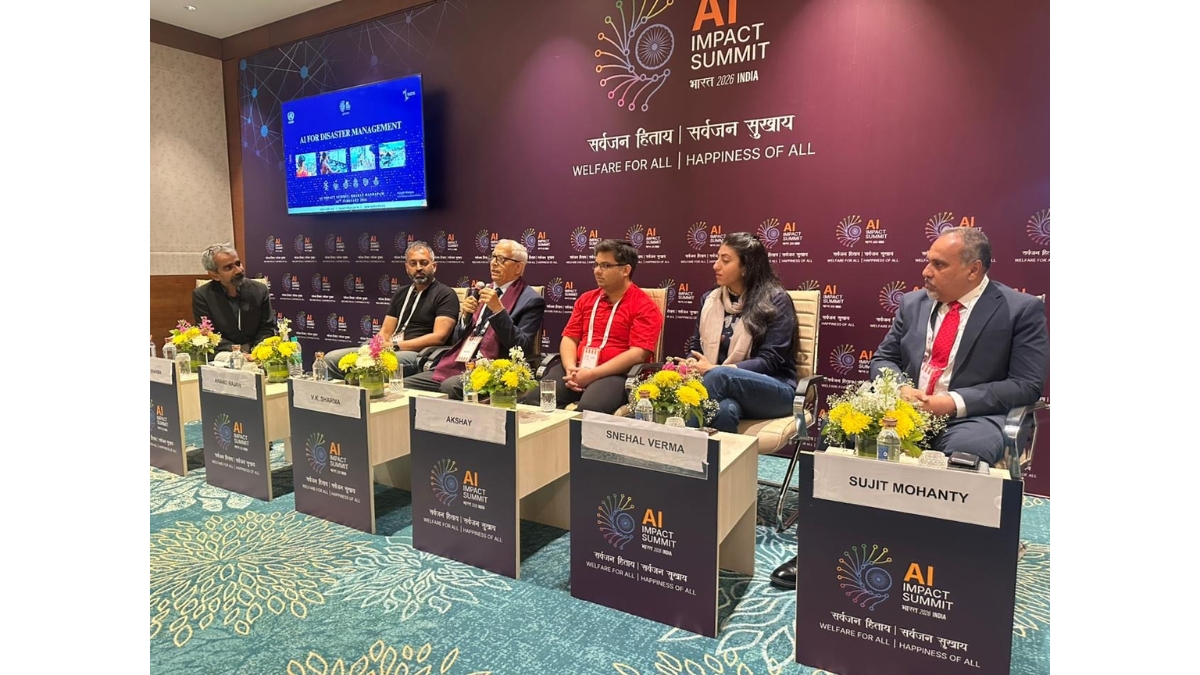
    New Delhi [India], February 19: Policymakers, disaster risk leaders, technologists, and global experts came together on 16 February at Bharat Mandapam, New Delhi, for a high-level dialogue on AI for Disaster Management: Anticipatory, Hyperlocal, Scalable, hosted by SEEDS (Sustainable Environment and Ecological Development Society) in collaboration with the United Nations Office for Disaster Risk Reduction (UNDRR).

    The session explored how artificial intelligence can help reframe disaster management from reactive response to continuous risk governance – integrating early warning, preparedness, response, and recovery into people-centred systems that strengthen decision-making and protect lives and livelihoods.

    Moderator of the panel Dr. Anshu Sharma, brought together diverse perspectives from government, global institutions, and the technology ecosystem to examine how AI can move beyond pilots and dashboards toward solutions that governments can absorb, trust, and scale, while remaining inclusive and application-based.

    Drawing on state-level experience, Prof. V.K. Sharma, Vice-Chairman of the State Disaster Management Authority, Sikkim, reflected on how the state rebuilt after the 2011 earthquake by embedding disaster resilience into every reconstructed asset – from homes and hospitals to public infrastructure. He highlighted the use of technology-enabled monitoring and vulnerability assessments to ensure accountability and resilience at scale, noting that the next step lies in moving from fragmented pilots to systematic application of AI across regions facing recurrent risk, particularly in the Himalayas and South Asia.

    From a global governance perspective, Dr. Sujit Kumar Mohanty, Chief of Branch for Intergovernmental, Interagency Cooperation and Partnerships at UNDRR, underscored that while AI capabilities are advancing rapidly, their real value depends on institutional readiness. He emphasised that decision-makers – from district magistrates to national authorities – require legal frameworks, policies, and institutional capacity to act on AI-based insights. Without this enabling environment, even the most sophisticated tools risk remaining unused, he cautioned.

    Representing the technology ecosystem, Akshay Zadgaonkar, Director at SavyCode, spoke about India’s distinct approach to AI – focused not on competing in large language model races, but on building context-specific, resource-efficient solutions.

    He highlighted the potential of edge AI and lightweight “pocket models” that can function offline and on limited compute, enabling disaster risk applications in low-connectivity settings.

    Focusing on equity and inclusion, Anand Rajan, Founder of Apurva.ai, emphasised that disaster risk and climate challenges cannot be addressed through averages alone. He argued for AI architectures that recognise long-tail vulnerabilities and treat communities as co-creators of solutions rather than passive beneficiaries, ensuring that the most vulnerable remain visible in decision-making systems.

    Bringing in the perspective of nature-based and environmental intelligence, Snehal Verma, Co-founder of NatureDots, spoke about the role of foundational AI models in addressing disaster and climate risks in data-scarce regions. She articulated how hyperlocal, predictive insights – particularly in water and natural resource systems – can enable early action, reduce losses, and support both disaster preparedness and sustainable development.

    Across the discussion, speakers stressed on the need to balance bottom-up community realities with top-down governance systems. AI, they noted, offers a bridge between contemporary scientific knowledge and community wisdom – supporting welfare for all and enabling resilient development pathways.

    India Offers AI-Based Disaster Management Solutions to the World-PNN

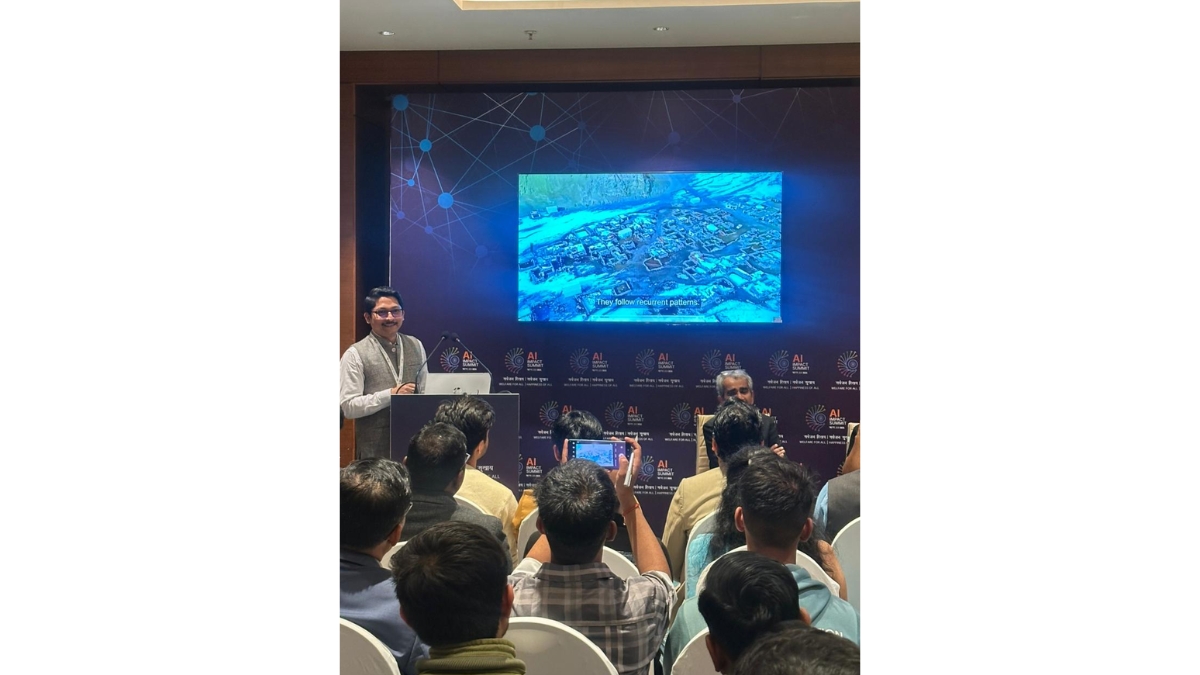
    Building on these perspectives, Arijit Das, Regional Director – SEEDS, demonstrated how SEEDS is integrating AI into disaster resilience systems across India. Drawing from field experience, he showed how AI is driving a shift from reactive response to anticipatory, hyperlocal, and scalable risk management. The presentation outlined how combining weather data, satellite imagery, and vulnerability indicators can predict risk at the asset and community level, allowing early action. He added that AI must move beyond simply layering technology onto existing systems to fundamentally reshaping how risk is understood and acted upon. AI-supported assessments can also deliver near real-time damage insights, leading to faster recovery and response.

    The session concluded with a shared call to move beyond isolated innovations toward integrated, people-centred risk governance systems, positioning India’s experience as globally relevant in an era of escalating climate and disaster – driving solutions that are both inclusive and application-based.

    About SEEDS

    SEEDS (Sustainable Environment and Ecological Development Society) is a leading non-profit organization with over three decades of experience in building resilience among communities vulnerable to disasters and the impacts of climate change. Combining innovative technologies with traditional wisdom, SEEDS designs and implements solutions that strengthen disaster preparedness, response, and recovery. With a special focus on marginalized groups, the organization works closely with local governments and community networks to equip people with the knowledge and resources needed to face future risks with confidence.

    For media inquiries, please contact:

    Sushmita Malaviya

    Associate Director, Strategic Communications and Marketing, SEEDS

    sushmita@seedsindia.org

    +91 9717243131

    If you object to the content of this press release, please notify us at pr.error.rectification@gmail.com. We will respond and rectify the situation within 24 hours.

  • HROne AI Summit 2026 Concludes, Reframing AI in HR as a Leadership Mandate Rather Than a Technology Trend

    HROne AI Summit 2026 Concludes, Reframing AI in HR as a Leadership Mandate Rather Than a Technology Trend

    New Delhi [India], February 19: HROne, a leading HR software platform, successfully concluded the HROne AI Summit 2026, the world’s largest two-day virtual summit focused on AI accountability, governance, and decision ownership in HR, held on February 12–13, 2026.

    Bringing together 10,000+ registered HR leaders globally, including CHROs, senior HR executives, and AI practitioners, the summit marked a decisive shift in how AI in HR is being framed: not as a tool adoption exercise, but as a leadership responsibility. The discussions underscored how modern HR software must evolve beyond automation to embed ethical AI governance, transparent decision-making, and accountability frameworks at its core.

    In association with SHRM as knowledge partner, the summit convened 35+ HR and AI leaders, including globally respected voices such as Dr. T. V. RaoDr. Dieter VeldsmanShashikant Jayramanan, Shailaja Venkat Iyer, Yogesh Patgaonkar alongside CHROs from Indian and global enterprises where AI is already embedded in hiring, performance management, workforce analytics, and compliance decisions.

    Summit Discussions Underscore That AI in HR Has Entered a Phase of Governance and Accountability

    HROne

    Across two days of closed-door discussions, a consistent conclusion emerged: AI adoption without ownership creates leadership risk.

    35+ speakers briefly discussed how HR must now be prepared to:

    • Defend hiring outcomes shaped by AI-led screening and assessments
    • Explain predictive attrition models in executive and board settings
    • Address bias, transparency, and explainability concerns in real time
    • Partner cross-functionally with technology and risk teams
    • Define governance structures before regulators do

    The dialogue moved beyond experimentation. As multiple CHROs noted during the summit, AI literacy is now directly linked to HR credibility at the leadership table.

    Release of the ‘AI in HR 2026’ Report Highlights the Gap Between Adoption and Decision Maturity

    At the summit, HROne formally released its flagship research report, AI in HR 2026: State of Adoption, Readiness & Impact, one of the most comprehensive assessments of AI maturity in HR to date.

    The report identifies a clear structural imbalance:

    • AI usage in HR is accelerating across recruitment and workforce analytics
    • Governance frameworks and decision accountability are lagging behind adoption
    • HR leaders are expected to defend AI-led outcomes without shared playbooks
    • Competitive advantage is shifting from tool deployment to decision maturity

    The findings reinforced a central summit theme: AI capability in HR is rising, but governance capability must rise faster.

    HR Leaders Received Execution-Grade Frameworks Designed for Board-Level and Regulatory Scrutiny

    Beyond discussions, the summit delivered practical resources designed to be used in board reviews, audits, and executive conversations, not experimentation.

    Participants gained access to:

    • AI decision roadmaps for the next 12–18 months
    • Governance frameworks aligned to executive and regulatory expectations
    • Operational models for recruitment, performance, and attrition analytics
    • Closed-door case walkthroughs detailing implementation realities
    • Structured approaches to explain and defend AI-led people decisions

    The emphasis throughout was consistent: HR must transition from participating in AI conversations to leading them with authority.

    HROne Positions Itself as a Global Convenor in Defining AI-for-HR Leadership Standards

    “This summit was never about AI hype,” said Karan Jain, Founder – HROne.
     “It was about accountability. HR leaders are now expected to stand behind AI-driven people decisions in front of boards, regulators, and employees. Our role is to ensure they are prepared to do so with clarity and confidence.”

    With participation crossing 10,000+ HR leaders, the HROne AI Summit 2026 established itself not merely as a large-scale event, but as a structured forum shaping how AI-for-HR leadership is defined globally.

    As AI becomes structurally embedded in enterprise systems, the divide between HR leaders who can confidently own AI-led decisions and those who cannot is expected to widen. The HROne AI Summit 2026 signals that AI in HR is no longer a feature set or capability upgrade.

    If you object to the content of this press release, please notify us at pr.error.rectification@gmail.com. We will respond and rectify the situation within 24 hours.