Author: Sutun Nayak

  • Mohit Chauhan, Taapsee Pannu, and Anubhav Sinha Champion Jal Vaani Nationwide Campaign with National Water Mission, Urge Citizens to Save Water Daily

    Mohit Chauhan, Taapsee Pannu, and Anubhav Sinha Champion Jal Vaani Nationwide Campaign with National Water Mission, Urge Citizens to Save Water Daily

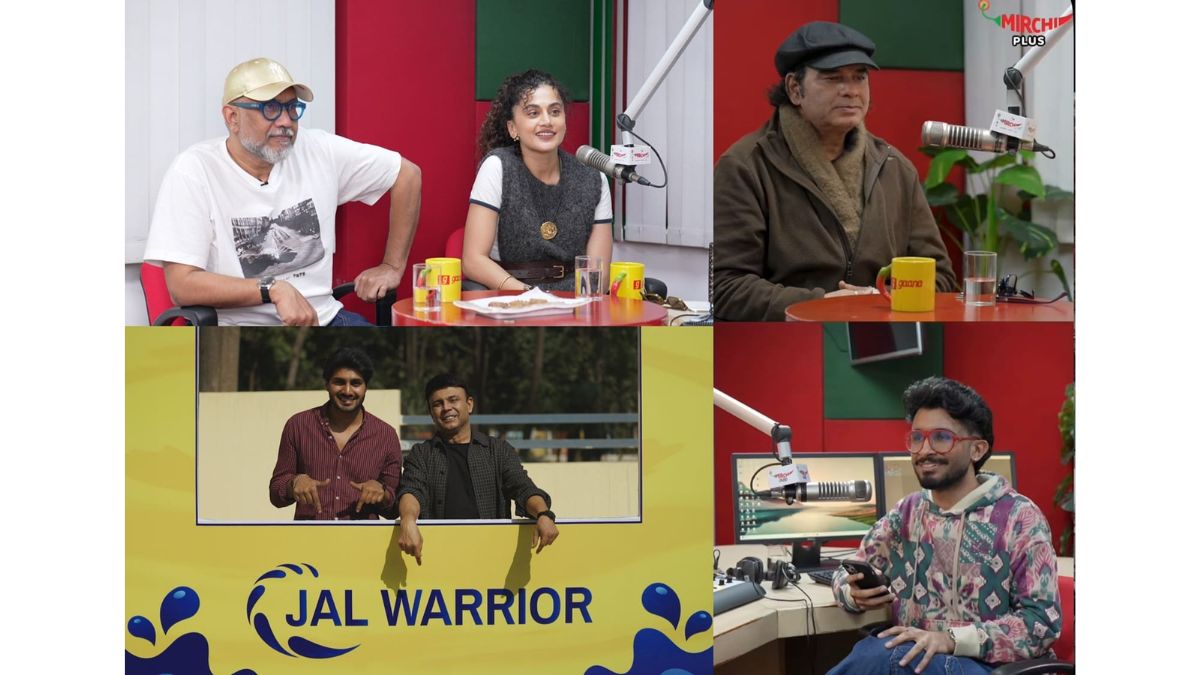
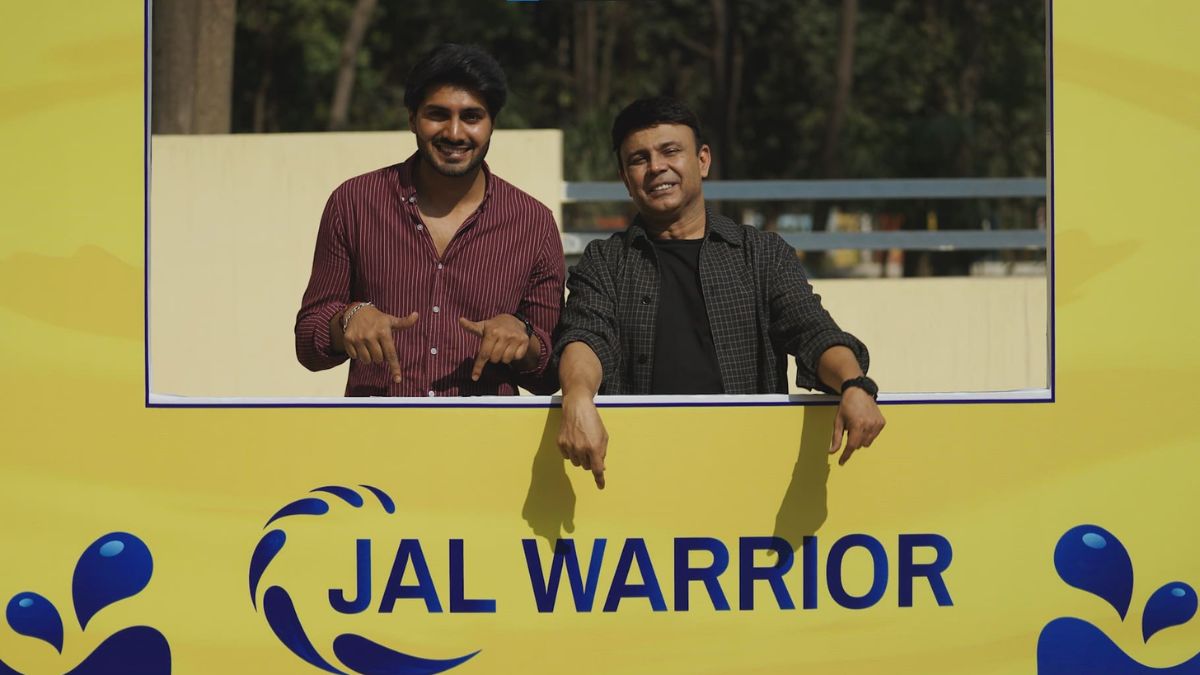
    New Delhi [India], February 18: Water shortages, polluted rivers, and irregular supply have quietly become part of daily life for many Indians. To address this, Mirchi has launched Jal Vaani, a nationwide campaign in association with the National Water Mission and the Ministry of Jal Shakti. Singer Mohit Chauhan, actor Taapsee Pannu, and filmmaker Anubhav Sinha are supporting the initiative to encourage people to take small steps to save water.

    Jal Vaani uses familiar voices and everyday situations to spark natural conversations about water. Rooted in the philosophy of Jal Sanchay, Jan Bhagidari, the campaign puts communities at the centre of the story. The message is clear: long-term water security depends on both policy and individual action. Each episode features government recognised Water Warriors from across India who have taken practical steps to conserve water and mobilise their communities.

    ohit Chauhan, Taapsee Pannu,

    Mohit Chauhan expressed, “Water is something we all take for granted until it becomes scarce. Being part of Jal Vaani gave me a chance to remind people that every action counts. Turning off a tap, saving every drop, or just noticing wastage around you. These small steps build a bigger culture of care. I hope my voice helps people pause, reflect, and take action because water is a shared responsibility and the time to act is now. I’m happy that the Ministry of Jal Shakti and Mirchi have come up with this initiative, and I hope we start seeing these positive changes in the times to come.”

    Taapsee Pannu emphasized the collective responsibility, stating, “Water conservation isn’t just a policy matter, it’s a personal responsibility each of us must embrace. Every drop we save today is a promise we keep for future generations.”

    Echoing a shared commitment to sustainable water management, the Water Warriors who were part of Mirchi Jal Vaani articulated a unified vision, stating, “India’s water situation is a result of years of overuse, pollution and disregard for natural limits. The challenge is not just about availability; it is about awareness and attitude. Governments can create systems and policies, but conservation will only succeed when citizens recognise water as a shared and finite resource.”

    The campaign is supported through RJ-led digital content, helping the message reach urban audiences and younger listeners who are shaping everyday consumption habits. Through Jal Vaani, the National Water Mission and the Ministry of Jal Shakti hope to inspire more people to treat water as a precious, shared resource.

    If you object to the content of this press release, please notify us at pr.error.rectification@gmail.com. We will respond and rectify the situation within 24 hours.
  • Dr. V. Anantha Nageswaran, Chief Economic Advisor, Government of India Inaugurates DICCI’s International Conclave on AI for Inclusion and the Future of Work

    Dr. V. Anantha Nageswaran, Chief Economic Advisor, Government of India Inaugurates DICCI’s International Conclave on AI for Inclusion and the Future of Work

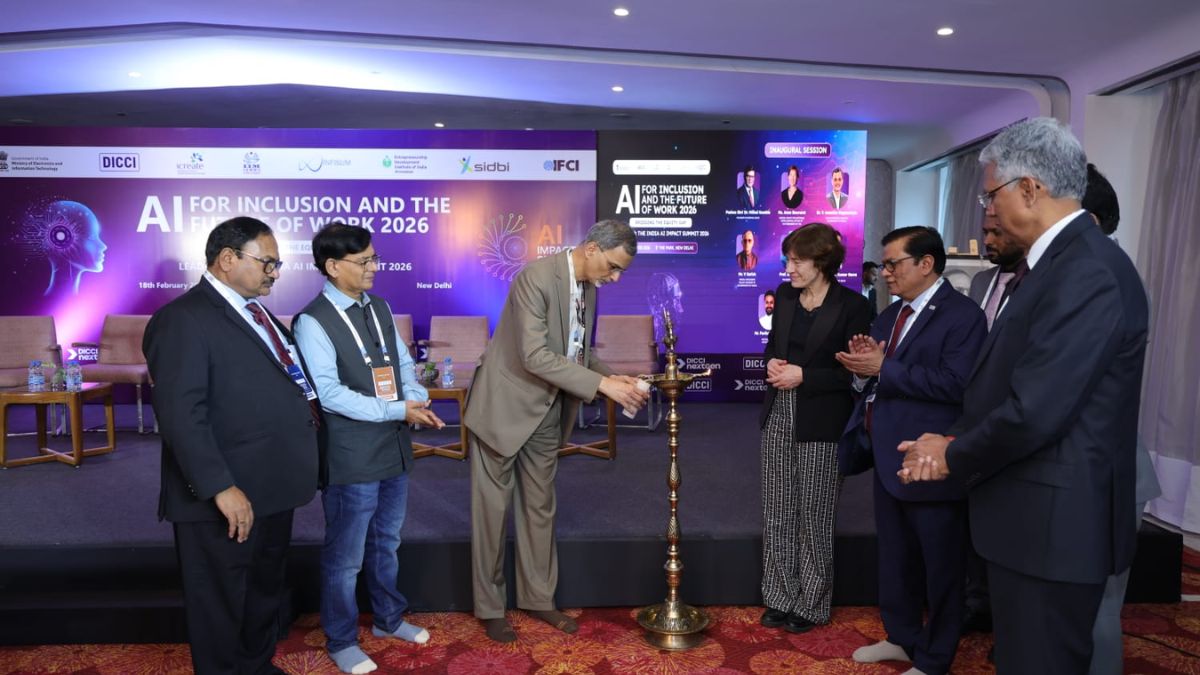
    New Delhi [India], February 18: The Dalit Indian Chamber of Commerce and Industry, (DICCI), hosted the International Conclave titled AI for Inclusion & the Future of Work 2026: Bridging Divides, Building Futures at The Park Hotel, New Delhi. The conclave brought together senior policymakers, global representatives, industry leaders and academic institutions to deliberate on how artificial intelligence can be shaped as a force for equitable growth and livelihood security. The event served as a strategic lead-in to the India AI Impact Summit 2026.

    Chief Guest Dr. V. Anantha Nageswaran, Chief Economic Advisor to the Government of India inaugurated the DICCI’ International Conclave on AI for Inclusion and the Future of Work, and emphasized that productivity gains from AI must be complemented by investments in skilling, institutional preparedness and equitable access to digital infrastructure to ensure sustained and broad-based growth.

    From a global governance perspective, Ms. Anne Bouverot, Special Envoy for Artificial Intelligence to the President of France stressed that trust, transparency and human-centric design are essential to building AI systems that serve society at scale. She noted the importance of international cooperation in ensuring that AI standards reflect democratic values and inclusive development priorities.

    Addressing the conclave, Dr. Milind Kamble, Founder Chairman, DICCI, said, “Our focus must be clear i.e., education that delivers excellence, entrepreneurship that creates empowerment, and technology that drives transformation. A child in a tribal village or remote hill area must have access to the same quality of education taught at Harvard or Oxford. We must shift the narrative from victimhood to leadership, so that communities once excluded become architects of India’s growth. With 73 percent of our economy in the informal sector, AI must accelerate formalisation and expand opportunity. By 2047, development must be measured not only by GDP, but by dignity, participation and shared prosperity.”

    Mr. Avinash Punekar, CEO, iCreate said “AI carries both immense promise and serious risk. Women remain underrepresented in AI leadership, and if its trajectory is left concentrated in a few hands, the socio-economic consequences can be significant. Just as financial systems required regulation after the 2008 crisis, AI now requires formalisation, accountability and clear governance to ensure its benefits are inclusive and its risks are contained.”

    Prof. B. S. Sahay, Founder Director, IIM Jammu, emphasised that inclusion becomes meaningful only when it leads to measurable enterprise creation and income stability. Drawing from DICCI’s experience in economic empowerment initiatives, he noted that structured policy intervention, when aligned with institutional support, can transform vulnerable communities into organised entrepreneurs.

    The conclave was structured around four institutional pillars: Global, Thinktank & Policy Advisory, Industry and Academia ensuring balanced representation across decision-making ecosystems. The Global pillar featured, and Ms. Maya Sherman, Innovation Attaché, Embassy of Israel in India. The Thinktank and Policy pillar included Dr. V. Anantha Nageswaran, Chief Economic Advisor to the Government of India, and Mr. V. Satish, Social Inclusion Policy Advisor to the Government of India. Industry leaders included Mr. Avinash Punekar, CEO, ICreate; Mr. Ashish Chauhan, MD and CEO, National Stock Exchange of India; Ms Mercy Epao, Joint Secretary, Ministry of MSME, Government of India, Dr. Chris Merz, Mastercard; Mr. Angshuman Bhattacharya, Adani AI Labs; Mr. Hitesh Sachdeva, ICICI Bank; Mr. Nipun Mehrotra, The Agri Collaboratory; Mr. Rishi Bal, BharatGen; and Mr. Anjul Katare, Central Business Solutions. The Academia pillar was represented by Prof. B. S. Sahay, Founder Director, IIM Jammu; Dr. Vinita Sahay, Director, IIM Bodh Gaya; Dr. Sunil Shukla, Director General, EDII; Prof. Binod Kumar Kanaujia, Director, NIT Srinagar; and Dr. Nitin Upadhyay, Dean, IIM Jammu.

    Across four thematic pillars, discussions moved from principle to implementation.

    The first session examined AI inequality and global development. Participants highlighted the concentration of compute capacity and capital, and stressed the need for expanded access to infrastructure, inclusive datasets and targeted skills development to prevent the emergence of a widening AI divide.

    The second session focused on governing AI for livelihoods and small businesses. Deliberations centered on enabling formalisation for MSMEs, enhancing access to credit and markets, and deploying AI tools in agriculture and local enterprise ecosystems. The discussion reinforced that informal workers and first-generation entrepreneurs must be equipped to transition into higher productivity roles.

    The third session addressed governance and oversight. Speakers examined standards for transparency, auditability and accountability in AI systems, with particular attention to bias mitigation and representational diversity in data. The importance of public disclosure norms in government-deployed AI systems was highlighted as critical to sustaining public trust.

    The fourth session explored infrastructure, data and digital public goods. Industry and institutional leaders emphasized the expansion of compute infrastructure, multilingual AI systems and interoperable digital platforms to ensure equitable deployment across rural and urban geographies.

    The conclave’s deliberations were anchored around seven development priorities i.e., Education, Healthcare, Agriculture, Speedy Justice, Financial Literacy, Unorganised Workers and Entrepreneurship. Participants outlined how AI-driven solutions can improve learning outcomes, expand preventive healthcare access, enhance agricultural productivity, enable faster dispute resolution, strengthen financial inclusion and support the formalisation of unorganised workers.

    A key outcome of the conclave was the unveiling of the Delhi Declaration on AI for Inclusion and the Future of Work. The one-page document outlines shared principles on equity by design, worker transition pathways, inclusive digital infrastructure and responsible governance standards. The Declaration will be presented at the India AI Impact Summit 2026.

    The conclave concluded with a synthesis session consolidating insights and policy recommendations aimed at building future-ready, inclusive work ecosystems. Through this initiative, DICCI built upon its emphasis to ensure that India’s AI trajectory remains anchored in constitutional values of equity, economic justice and inclusive development.

    If you object to the content of this press release, please notify us at pr.error.rectification@gmail.com. We will respond and rectify the situation within 24 hours.
  • Indo US Bio-Tech Limited to invest Rs.71.51 crore in Agricultural Innovation and Research and Development by 2030-31

    Indo US Bio-Tech Limited to invest Rs.71.51 crore in Agricultural Innovation and Research and Development by 2030-31

    New Delhi [India], February 18: Ahmedabad-based Indo US Bio-Tech Limited (BSE: 541304 NSE: INDOUS) is a leading company engaged in developing high-quality seeds through research and development. The company has released its investment roadmap up to 2030-31. It will invest Rs. 71.51 crore in agricultural innovation and research & development by 2030-31. A brief outline of the company’s roadmap is given below.

    Establishment of Seed Processing Plant (2026-27):

    In 2026-27, the company will invest more than Rs. 25 crore on 100 acres of land for R&D. For a controlled environment, it will establish a high-tech greenhouse on 1 acre of land with an investment of more than Rs. 5 crore. Similarly, the company will set up a net house on 3 acres of land with an investment of more than Rs. 75 lakh.

    The company will also establish a 5000 square feet seed processing plant. More than Rs. 75 lakh will be invested in plant infrastructure. Rs. 1.25 crore will be invested in seed processing machinery.

    • Focus on Seed Export (2026-27): During this period, the company will focus on seed exports. It will strategically expand into the US markets and undertake direct marketing expansion in Africa. The company will invest Rs. 5.70 crore to enter the US market, completing export licensing and documentation processes. An estimated annual growth of 12 percent is projected from this expansion. The revenue target for 2027-28 is Rs. 10.00 crore.

    Additionally, the company will develop the African market with an investment of Rs. 5.60 crore, focusing on Kenya, Nigeria and Ghana. An annual growth of 15 percent is projected from this region, with a revenue target of Rs. 8.00 crore by 2027-28.

    Thus, the company will focus on exports with a total investment of Rs. 11.30 crore. Break-even is expected by 2027-28 with an estimated initial profit margin of 25 percent. By 2035-36, combined revenue is projected to reach Rs. 49.17 crore.

    Key implementation timeline:

    2025-26: Export licenses and partnerships with African countries.

    2026-27: Pilot marketing and initial exports.

    2027-28: Full-scale operations begin.

    • Establishment of a new Groundnut Seed Plant in Joint Venture (2026-27): The company will establish a new groundnut seed plant through a joint venture with an investment of Rs. 15 crore. A joint venture with 50 percent participation will be formed for processing and packaging. In 2026-27, the total company investment will be Rs. 59.55 crore.
    • Tomato R&D Project (2027-28): In the first year, the company will invest Rs. 50 lakh in laboratory setup and genetic screening. In the second year, more than Rs. 75 lakh will be invested in breeding and field trials, along with resistance testing. In the third year, Rs. 1 crore will be invested in molecular studies and trials. Gene testing and advanced trials will be conducted. In the fourth year, Rs. 1.25 crore will be invested in large-scale trials and farmer feedback collection. In the fifth year, Rs. 1.50 crore will be invested in launching seeds in the market and providing farmer training.

    This is a five-year project to develop disease-resistant tomato varieties with a total budget of more than Rs. 5 crore. The company expects to develop 2-3 resistant varieties and reduce yield loss by 25-40 percent.

    • Bottle Gourd and Chilli R&D Project (2028-29): In the first year of the bottle gourd R&D project, more than Rs. 22 lakh will be invested in lab setup, screening and germination collection. In the second year, more than Rs. 28 lakh will be invested in hybridization, cross-breeding, field trials and disease testing. In the third year, more than Rs. 35 lakh will be invested in advanced trials including multi-location and pre-commercial trials. In the fourth year, sales of bottle gourd seeds will begin, with more than Rs. 40 lakh invested in full-scale production, marketing and farmer training. Total investment in the bottle gourd R&D project is estimated at more than Rs. 1.25 crore.

    Under the chilli R&D project, in the first year the company will invest more than Rs. 35 lakh in collection and screening, germplasm collection, laboratory screening and marker identification. In the second year, Rs. 50 lakh will be invested in cross-breeding, marker validation and multi-location trials. In the third year, more than Rs. 60 lakh will be invested in advanced testing, germplasm improvement and pre-commercial seed launch. In the fourth year, full-scale seed production will begin with Rs. 70 lakh invested in marketing. Total investment in the comprehensive four-year chilli R&D project is estimated at Rs. 2.15 crore.

    • Increase in Processing Plant Capacity (2029-30): During this period, the company will purchase state-of-the-art machinery for increased production capacity, install advanced sorting machines for maximum efficiency and expand facility space.

    Through this implementation approach, the company will achieve comprehensive facility modernization. Each phase builds upon the previous one, ultimately resulting in a fully optimized processing plant. Total investment for 2028-29 is estimated at Rs. 5 crore.

    8 Brinjal R&D Project (2029-30): Under the brinjal research and development project, in the first year the company will invest Rs. 50 lakh in germplasm collection, disease screening and laboratory setup for molecular breeding. In the second year, more than Rs. 65 lakh will be invested in molecular marker-assisted breeding and bacterial wilt resistance testing. In the third year, more than Rs. 60 lakh will be invested in advanced multi-location trials and Phomopsis blight resistance validation. In the fourth year, brinjal seeds will be commercialized with more than Rs. 70 lakh invested in full-scale production and farmer training programs.

    The project focuses on developing high-yield hybrid varieties resistant to bacterial wilt, Phomopsis blight and fruit and shoot borer. A 50-60 percent improvement in yield is expected for farmers.

    Total investment in the four-year development cycle is estimated at more than Rs. 2.65 crore. Revenue of more than Rs. 31.25 crore is targeted by the sixth year of the project.

    • Tomato Seed R&D Project (2030-31): Under the two-year structured initiative, the company will work on five key stages including planning, laboratory analysis, product development, testing and commercialization. Total investment in infrastructure, human resources, materials, testing and marketing is estimated at Rs 2.69 crore. The project aims to transform tomato seeds into innovative health and agricultural solutions through nutrient extraction and sustainable methods.

    In conclusion, the company will invest Rs. 71.51 crore in various agricultural innovation and research & development projects by 2030-31. This is expected to drive revenue growth, profitability and market expansion. The company management anticipates strong performance supported by improved operational efficiency and strategic growth in both domestic and international markets, with profit margins steadily increasing and potentially reaching up to 70 percent.

    Note: Timelines of all projects  may change or be adjusted based on seasonal weather patterns and  agricultural conditions.

    If you object to the content of this press release, please notify us at pr.error.rectification@gmail.com. We will respond and rectify the situation within 24 hours.
  • Mehta Realty perfects the art of balance with Mehta Marquina, East Goregaon’s tranquil oasis where indulgent luxury meets conscious living

    Mehta Realty perfects the art of balance with Mehta Marquina, East Goregaon’s tranquil oasis where indulgent luxury meets conscious living

    The image shared is a render image. Maharera Number- PR1180002501971 

    Mumbai (Maharashtra) [India], February 18: Mehta Realty, a name synonymous with top-tier projects and heralded by a 48-year legacy, has unveiled the latest addition to their portfolio – Mehta Marquina, an integrated lifestyle destination moulded on the principles of balance, calm and everyday ease. Located beside Mumbai’s green lung – the Aarey Forest, the project is designed as a restorative retreat where nature flows seamlessly into everyday life and mindfulness is infused into the structure’s DNA. Mehta Marquina thus is a perfect amalgamation of form and function, where modern geometry intersects natural materials, where layouts welcome sunlight, fresh air, and openness into every home, and where wellness is prized as the ultimate luxury.

    • The striking 38-storey project blends seamless connectivity with enhanced quality of life at one of Goregaon’s most coveted addresses
    • The 2 and 3 Bed deck residences bring the outdoors in, allowing the tranquillity of one of Mumbai’s greenest expanses to flow effortlessly into the daily routine
    • The state-of-the-art wellness-themed amenities occupy an intuitive layout, carefully designed to offer residents the most restorative living experience

    The structure comprises 2 & 3 Bed deck residences that not only offer panoramic views but also emanate gentle calm. Residents are thus invited to replace the mayhem of city living with a slower, more balanced way of existence. The project’s layout is intuitive, with every detail consciously planned to create a sense of calm from the moment residents step in. While landscaped podiums encourage relaxed daytime living, elevated retreats offer moments of quietude and respite while soaking in the most resplendent views of the city.

    From the eight-level podium parking that offers residents direct access to their designated space to the grand entrance lobby that is furnished with high-speed elevators, daily arrivals and departures at Mehta Marquina feel more effortless. Nest 9 is the project’s social heart, which elevates everyday moments and shared experiences to unforgettable memories. The multipurpose court, mini golf course, Pilates studio and callisthenics corner add a social edge to wellness, while the infrared therapy chamber, cold plunge facility reflect Mehta Realty’s dedication to facilitating the latest regenerative therapies. Altitude 120, located on the building’s rooftop at 120 meters above, makes relaxation feel even more indulgent with hydrotherapy facilities, a jacuzzi, an observatory, an infinity pool and a sunset lounge that encourage residents to unwind in harmony with nature.

    An intentional commitment to sustainability has shaped the very foundations of the project – Mehta Marquina is an IGBC Gold Pre-Certified Green Building, supporting energy efficiency, water conservation and a healthier living environment through every step of the planning and execution process. From responsible construction practices and mindful material choices to systems that reduce environmental impact and enhance everyday comfort, Mehta Marquina  reflects Mehta Realty’s long-term commitment to building a better tomorrow.

    Mehta Marquina has been positioned as a legacy investment that’s primed for long-term value creation. With East Goregaon showing steady price appreciation, driven by infrastructure upgrades, metro connectivity and limited premium housing supply, the neighbourhood’s central location between the railway station and the Western Express Highway ensures strong accessibility while supporting everyday routines. Mehta Marquina further adds to these advantages by facilitating efficient entry and exit access, while opening the doors to a micro-market that is rapidly gaining momentum. While being rooted in nature, the location is also aligned with ongoing infrastructure growth and has a strong potential future value appreciation.

    Ruchit Mehta, Partner at Mehta Realty, said, “Since our inception, Mehta Realty has built a peerless reputation for our meticulous approach to development, bringing together world-class lifestyle experiences and a homeowner-first focus. Mehta Marquina is an extension of that philosophy, and of our focus on creating spaces that are perfectly suited to the evolving needs of modern-day homeowners. In addition to being an iconic landmark that offers breathtaking views of the scenic locality, Mehta Marquina represents our commitment to creating legacy projects that are built for future generations and continue to yield value for our customers throughout their lifecycle.”

     About Mehta Realty:

    Mehta Realty has been a pivotal force in shaping Mumbai’s skyline. With a rich heritage in real estate, the group has delivered landmark residential and commercial projects that stand as a testament to thoughtful planning, enduring quality, and community-centric design. Guided by the core values of Trust, Integrity, and Innovation, Mehta Realty is dedicated to building a sustainable future, with a vision to become a carbon-neutral organisation by 2035.

    Mehta Realty –  https://mehtamarquina1978.com/

    If you object to the content of this press release, please notify us at pr.error.rectification@gmail.com. We will respond and rectify the situation within 24 hours.

  • Globe Civil Projects India Limited Announces Q3 and 9M FY26 Financial Results

    Globe Civil Projects India Limited Announces Q3 and 9M FY26 Financial Results

    Mumbai (Maharashtra) [India], February 18: Globe Civil Projects India Limited, an EPC-focused infrastructure company, has announced its unaudited standalone and consolidated financial results for the quarter and nine months ended December 31, 2025, as approved by its Board of Directors.

    The Company continued to demonstrate stable operational execution during the period, supported by progress across ongoing projects and disciplined cost management within its Engineering, Procurement and Construction (EPC) operations.

    Key Financial Highlights – (Standalone)

    9M FY26

    • Total Income: ₹2481.37 Million

    • Profit Before Tax (PBT): ₹ 233.45 Million

    • Net Profit: ₹175.67 Million

    • Net Profit Margin (NPM): ~7.07%

    • Earnings Per Share (EPS): ₹3.23

    Q3 FY26 

    • Total Income: ₹937.57 Million

    • Profit Before Tax (PBT): ₹79.96 Million

    • Net Profit: ₹65.28 Million

    • Net Profit Margin (NPM): ~6.96%

    • Earnings Per Share (EPS): ₹1.10

    Key Financial Highlights – (Consolidated)

    9M FY26

    • Total Income: ₹2645.70 Million

    • Profit Before Tax (PBT): ₹ 233.19 Million

    • Net Profit: ₹175.41 Million

    • Net Profit Margin (NPM): 6.63%

    • Earnings Per Share (EPS): 3.23

    Q3 FY26 Highlights

    • Total Income: ₹1020.91 Million

    • Profit Before Tax (PBT): ₹79.84 Million

    • Net Profit: ₹65.16 Million

    • Net Profit Margin (NPM): 6.37%

    • Earnings Per Share (EPS): 1.10

    Mr. Vipul Khurana, Managing Director, Globe Civil Projects Limited, said:

    “The performance during the quarter and the nine-month period reflects the Company’s continued focus on disciplined execution, effective cost management, and steady progress across its EPC projects. Despite a dynamic operating environment, we were able to maintain stable revenues and profitability through prudent project selection and efficient resource utilization.”

    “We remain committed to strengthening our execution capabilities, improving working capital efficiency, and selectively pursuing opportunities aligned with our risk framework. With an improving project pipeline and a strong focus on operational discipline, we are cautiously optimistic about sustaining growth momentum in the coming periods.”

    If you object to the content of this press release, please notify us at pr.error.rectification@gmail.com. We will respond and rectify the situation within 24 hours.
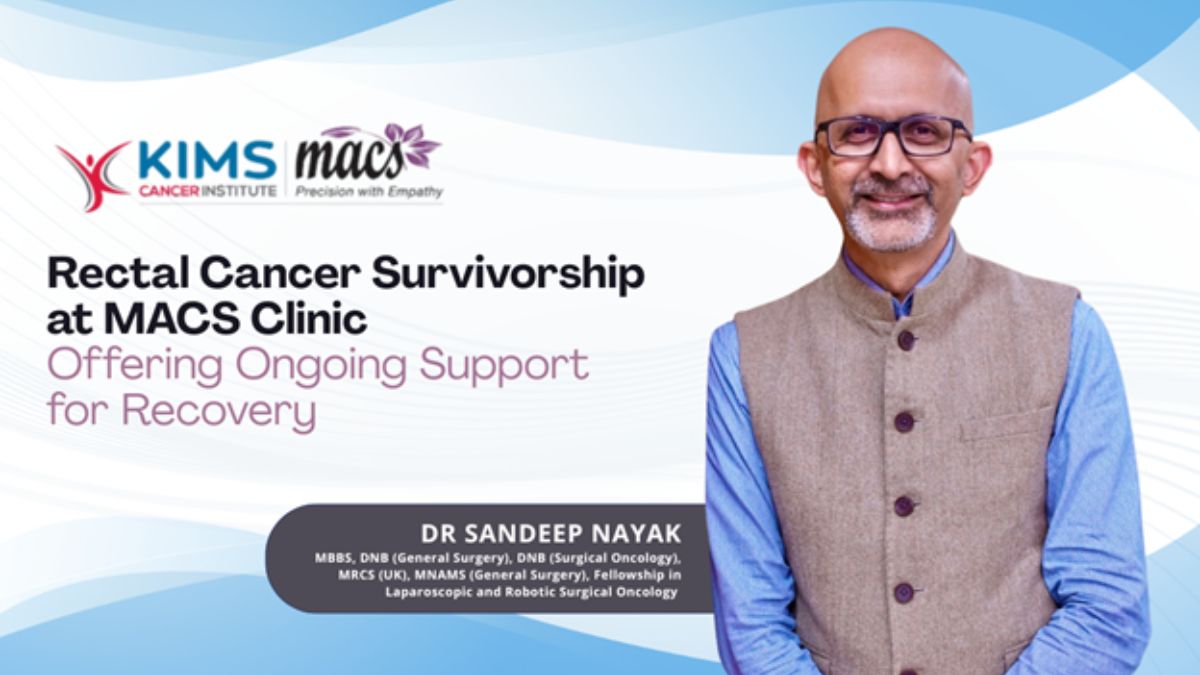
  • Rectal Cancer Survivorship at MACS Clinic: Offering Ongoing Support for Recovery

    Rectal Cancer Survivorship at MACS Clinic: Offering Ongoing Support for Recovery

    Bengaluru (Karnataka) [India], February 18: Cancer treatment doesn’t end when the last surgery or cycle of chemotherapy is complete, especially for patients who have battled rectal cancer. Survivorship brings its own set of challenges, from physical healing to emotional adjustment. At MACS Clinic in Bengaluru, a strong emphasis on comprehensive post‑treatment care ensures patients don’t merely survive cancer; they thrive beyond it. Spearheading this compassionate approach is Dr. Sandeep Nayak, a globally recognized surgical oncologist known for his innovative cancer surgery techniques and patient‑centred care.

    As a leader in Cancer Treatment in Bangalore, MACS Clinic understands that rectal cancer recovery is a journey, not a destination. “We treat the tumour first, but then we help patients rebuild their lives,” says Dr. Nayak. “Survivorship care means empowering patients with the tools, support, and guidance they need to regain strength, confidence, and normalcy after intensive treatment.” At every stage, MACS Clinic’s multidisciplinary team stands beside the patient, offering personalised support tailored to each survivor’s physical, emotional, and psychological needs.

    Rectal cancer can affect quality of life long after the tumour is removed. Patients may struggle with bowel dysfunction, fatigue, dietary changes, or anxiety about recurrence. Recognising these realities, Dr. Nayak and his team have developed a comprehensive survivorship programme that goes beyond standard follow‑ups. “Every person’s journey is unique,” explains Dr. Nayak. “We assess not just test results, but quality of life, daily function, and emotional well-being. That’s what true cancer care looks like.”

    MACS Clinic’s survivorship care includes rehabilitation, dietary guidance, pain management, psychosocial counselling, and routine surveillance to detect early recurrence. Physiotherapists, dietitians, counsellors, and oncology specialists work together to help survivors resume their daily routines with confidence. “Our patients often tell us that the fear of recurrence is as real as the disease itself,” says Dr. Nayak. “We listen, we guide, and we help them find strength in the path ahead.”

    For many rectal cancer survivors, practical support is just as important as medical follow‑ups. MACS Clinic provides education on lifestyle modifications that may reduce long‑term complications, including guidance on exercise, nutrition, and bowel health. “Knowledge is power,” Dr. Nayak notes. “Understanding your body and how to care for it after cancer gives patients a sense of control. That’s a huge part of recovery.”

    Stories of restored hope and resilience are a testament to the clinic’s approach. Take the case of a person who underwent robotic‑assisted rectal cancer surgery at MACS Clinic. After surgery and adjuvant therapy, he struggled with fatigue, anxiety, and changes in bowel habits. The survivorship team provided tailored rehabilitation exercises, nutritional counselling, and regular check‑ins, enabling him to regain strength and return to work within months. “I felt supported every step of the way,” he says. “The team didn’t just treat my cancer, they treated me as a person.”

    MACS Clinic’s survivor care model also encourages family involvement, ensuring caregivers have the resources to support their loved ones. “Cancer affects families as much as it does patients,” Dr. Nayak explains. “We encourage open conversations, counselling sessions, and family education so the whole support system is strong.”

    Dr. Nayak’s vision of holistic care is rooted in decades of experience and innovation in surgical oncology. As the Founder and Chief of Surgical Oncology at MACS Clinic, he has dedicated his career to minimally invasive and robotic techniques that reduce trauma and accelerate recovery. His expertise extends to complex procedures such as robotic and laparoscopic surgery for rectal, thyroid, head and neck, and other cancers. “My goal has always been to minimise the physical burden of cancer treatment,” says Dr. Nayak. “But survivorship is about minimising the emotional and social burdens too.”

    The clinic’s commitment to excellence attracts patients not only from across India but also from abroad. With state‑of‑the‑art facilities and a multidisciplinary team that includes medical oncologists, radiation specialists, nutritionists, physiotherapists, and counsellors, MACS Clinic ensures a continuum of care that extends well into the post‑treatment phase.

    Importantly, survivorship care at MACS Clinic is proactive rather than reactive. Regular surveillance with imaging, blood tests, and clinical evaluations helps catch potential recurrence early, when treatments are most effective. Patients also have access to support groups and educational sessions that keep them informed and engaged long after formal treatment has ended.

    “Becoming a survivor is a milestone,” Dr. Nayak reflects. “But living well after cancer, that is the real victory. We are here to make sure survivors do not feel alone, confused, or uncertain. This is our promise to every person who walks through our doors.”

    If you or a loved one is navigating life after rectal cancer treatment, MACS Clinic’s comprehensive survivorship programme offers ongoing support designed to restore health, confidence, and wellbeing.

    Clinic Locations:

    • MACS Clinic
      No. 96/A /9/1, 42nd Cross, 3rd Main, 8th Block, Jayanagar, Bengaluru – 560070
    • KIMS Hospitals, Mahadevapura
      Survey No. 36/5, Outer Ring Road, Doddanekkundi, Mahadevapura, K.R. Puram Hobli, Bengaluru, Karnataka – 560037
    • KIMS Hospitals, Electronic City
      Survey No. 37 & 38, PES University EC Campus, Hosur Road, Konappana Agrahara, Electronic City, Bengaluru, Karnataka – 560100

    If you object to the content of this press release, please notify us at pr.error.rectification@gmail.com. We will respond and rectify the situation within 24 hours.
  • Ventura AirConnect Launches Flights Between Surat, Ahmedabad, Bhavnagar, and Other Cities

    Ventura AirConnect Launches Flights Between Surat, Ahmedabad, Bhavnagar, and Other Cities

    Surat (Gujarat) [India], February 18: Ventura AirConnect, Surat’s own regional airline, has launched flights connecting the city with Ahmedabad, Bhavnagar, Rajkot and Amreli, reducing the travel time between Surat and Saurashtra to just 30 minutes.

    The public-spirited vision of Ventura AirConnect’s mentors Govind Dholakia, Savji Dholakia and Lavji Badshah, and their commitment to public service has ensured that this essential regional air service has continued uninterrupted since 2014.

    Ventura AirConnect has been operating daily flights between Surat–Ahmedabad, Surat–Bhavnagar, Surat–Rajkot and Surat–Amreli for more than 11 years using Cessna Grand Caravan 9-seater aircraft, which is one of the world’s safest aviation categories. The airline offers these services at highly affordable fares, making air travel accessible to people across all sections of society. Over two lakh passengers have availed of the service so far.

    Each aircraft operates with nine passengers and two pilots. Flight durations are approximately 30 minutes to Bhavnagar, 45 minutes to Amreli, and 60 minutes to Ahmedabad and Rajkot, significantly reducing travel time across the state.

    It is noteworthy that Ventura AirConnect is the only airline in India to have operated continuous daily services with small aircraft at economical fares from a single base for over 11 years. The airline also holds a leading position in the NSOP (Non-Scheduled Operator Permit) category, a matter of pride for both Surat and Gujarat.

    Ventura AirConnect Launches Flights Between Surat, Ahmedabad, Bhavnagar, and Other Cities-PNN

    Passengers have consistently shared positive feedback, stating that travelling on Ventura’s aircraft offers a unique experience compared to larger airlines. Many travellers appreciate being able to observe cockpit operations during flight, while the absence of additional charges for window seats has added to customer satisfaction. The airline has also enabled elderly passengers, children and first-time flyers from modest backgrounds to experience air travel at nominal fares.

    Ventura AirConnect was launched when commercial airline services were suspended from Surat following the buffalo-hit incident in 2014. The promoters launched the venture without concern for financial losses, solely in the interest of the city. That vision, along with Ventura AirConnect’s efforts, have contributed significantly to the development of Surat International Airport.

    Ventura AirConnect said Surat symbolises progress and development, and the aviation sector in the city has shown strong enthusiasm and support since the company’s inception.

    Ventura AirConnect has recently introduced a luxurious, high-speed and ultra-safe 8-seater Pilatus PC-12 aircraft, manufactured in Switzerland, to expand its charter flight services. This charter service allows passengers to travel from Surat to destinations of their choice and is especially beneficial for emergency travel and corporate requirements across Gujarat.

    Demonstrating its commitment to humanity, Ventura AirConnect recently also launched a dedicated organ transport air service. The airline has received medical approval to transport human organs swiftly between cities. This service is now being successfully implemented across Gujarat and will soon be extended to other states at affordable rates.

    The objective behind this initiative is not only civic service but also saving human lives by ensuring timely organ delivery in emergency situations. The aircraft used for this service is registered as VT-DEV, aptly named Dev, symbolising its role as a “divine messenger” in saving lives. Through this initiative, Ventura AirConnect has once again shown the vital role the private sector can play in humanitarian service.

    Moreover, Ventura AirConnect has launched Surat’s only advanced aircraft maintenance facility, which is expected to usher in a new era of aircraft maintenance in the city, attracting aircraft from across India. With airports such as Mumbai and Ahmedabad facing congestion, limited space and high maintenance costs, Surat Airport is expected to emerge as a preferred maintenance hub, thereby enhancing its global stature.

    Ventura AirConnect continues to offer affordable daily flight services across Gujarat. Bookings and information are available at www.flyAirConnect.com, via 99099 00100, or toll-free number 1800 1080 108.


  • Sand Stone by Technogym: the new era of Wellness Luxury Living

    Sand Stone by Technogym: the new era of Wellness Luxury Living

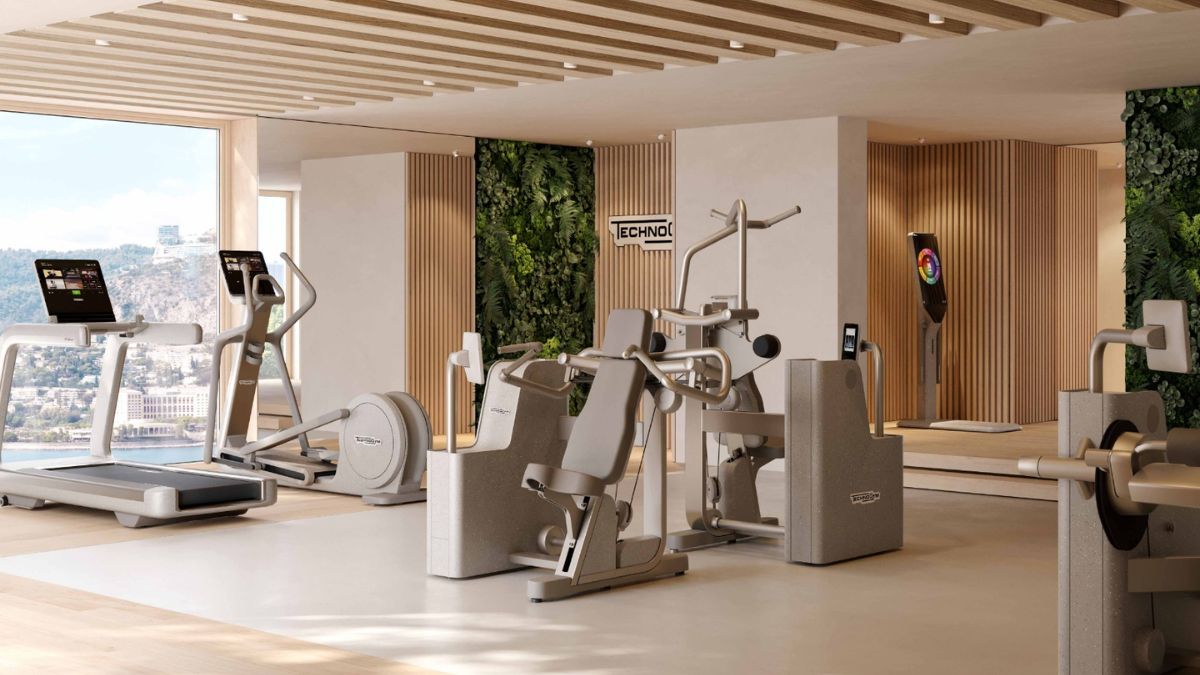
    Technogym’s Sand Stone Collection

    New Delhi [India], February 18: The Sand Stone collection by Technogym offers a renewed aesthetic inspired by nature, combining careful design and advanced materials to differentiate and elevate the design of the most exclusive wellness spaces. The authenticity and warmth of typical Mediterranean sandstone give rise to a versatile and sophisticated palette, capable of combining performance, sustainability, and timeless elegance in a wide variety of premium wellness contexts. The neutral tones and meticulously designed finishes allow the products to blend perfectly with wood, stone, and other high-quality materials, creating authentic and immersive spaces.

    Sand Stone’s versatile and cross-cutting aesthetic offering is the only one that enables the creation of wall-to-wall wellness spaces that include products for cardio, strength and functional training in a complete family feeling. This creates a refined environment where design and performance merge into a seamless experience across different lines and products: Technogym Checkup, Artis cardio, Artis strength, Biostrength, up to Personal Tools and Technogym Reform.

    Designed for both homes and high-end wellness spaces in hotels, residential complexes, and fitness clubs, Sand Stone allows you to create highly distinctive environments. Thanks to Sand Stone, architects can differentiate their offerings thanks to a consistent and uniform aesthetic that helps improve brand identity, customer experience, and perceived value. Every space becomes an opportunity to communicate quality, refinement, and a wellness-conscious approach.

    Sand Stone’s innovation extends to its materials and finishes, designed to foster a renewed connection with nature through textures, colors and sensations inspired by the natural world.

    Speckled Stone: the product casings are made from an innovative plastic material that contains 2-3% natural mica for a texturized effect reminiscent of real stone. 30% of these components come from recycled materials to reduce production impact. Warm Titanium: frames and inlays (the details that define the silhouettes of Artis products) in a metalized titanium finish express both luxury and technology, inspired by contemporary design’s most iconic hi-tech objects. Clay: all the tactile surfaces that come into direct contact with the user, such as handles and seats in vegan leather, are made from an opaque warm material that is pleasing to the touch, designed for natural and comfortable interaction. Beech and ash wood: the presence of natural wood veining reflects the most organic, living dimension of the material (in the Personal Tools handles and Technogym Reform frame).

    Together, these elements create a holistic and exclusive design language made up of warm and welcoming tones that invite everyone to train without intimidation, offering users a unique wellness experience and operators the opportunity to create unique and differentiated spaces.

    https://www.technogym.com/en-IN/

    Founded in 1983, Technogym is a world-leading brand for fitness, wellness, sport, and health. Technogym offers a complete ecosystem made of connected smart fitness equipment, digital services, training content and apps that enable each user to access a fully personalized workout experience, anywhere and anytime: at home, at the gym and on-the-go. With over 2,500 employees Technogym is present in over 100 countries. More than 70 million people train with Technogym equipment in 100,000 wellness centers and 500,000 private homes in the world. For the tenth time, Technogym has been appointed as the Official Supplier of the Milano Cortina 2026 Winter Olympics and Paralympics and it’s the reference brand for the training of worldwide champions.

  • From Secunderabad to Silicon Valley – The Man Building AI with Love

    From Secunderabad to Silicon Valley – The Man Building AI with Love

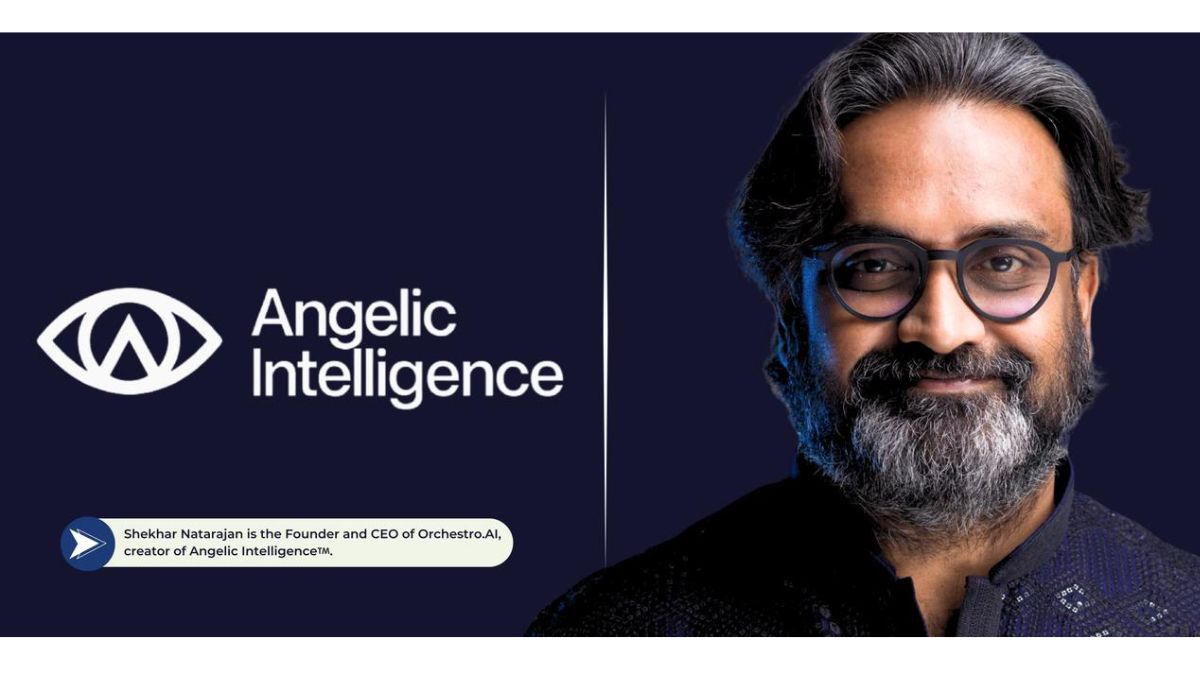
    New Delhi [India], February 18: From studying under streetlights in Secunderabad to becoming the CEO of Orchestro AI, Shekhar Natarajan’s life story has inspiring, to say the least. His trajectory has been a rare blend of corporate mastery and purpose-driven reinvention, starting with his journey in America with $34 in his pocket.

    He had grown up in South Central India, in a one-room house in Secunderabad where his family lived without electricity. He studied under street lights because there was no other way to read at night. His mother bound newspapers to earn a few rupees; when he needed money for education, she pawned her wedding ring for 30 rupees.

    That sacrifice — a mother’s wedding ring traded for a son’s future — shaped everything that followed.

    “Real wealth is not money,” Natarajan says. “Real wealth is wisdom. My mother understood that. She gave up her most precious possession so I could learn. That’s not optimization — that’s love.”

    The Corporate Ascent

    From those beginnings, Natarajan built one of the most remarkable careers in American business. He earned degrees from Georgia Tech, MIT, Harvard Business School, and IESE. He spent 25 years in Fortune 500 leadership at companies including Coca-Cola, PepsiCo, Walmart, Target, Disney, and American Eagle.

    At Walmart, he grew the grocery business from $30 million to $5 billion. He pioneered crowdsourced delivery systems that transformed how products reach consumers. At Disney, he helped create the MagicBand experience that millions of visitors now take for granted. Along the way, he accumulated over 207 patents.

    He was, by any measure, a master optimizer — someone who understood how to squeeze efficiency from complex systems, how to make supply chains faster and cheaper, how to scale operations across continents.

    And then he looked at what optimization had wrought.

    The Reckoning

    “I spent decades making systems more efficient,” Natarajan reflects. “Faster. Cheaper. More scalable. And I was good at it. But efficiency without ethics is just sophisticated cruelty.”

    He saw delivery workers pushed to dangerous speeds by algorithms he could have designed. He saw loan collection systems that automated harassment with techniques he could have invented. He saw welfare systems that deleted hungry children from databases with the same dispassion they’d delete duplicate records.

    The skills he had spent a lifetime developing were being used to harm people. Not by villains — by systems. By algorithms optimizing for metrics that didn’t include human dignity.

    “The people building these systems aren’t evil,” he says. “They’re optimizing for the metrics they’re given. The problem is that the metrics don’t include compassion. They don’t include dignity. They don’t include the child asking her mother for rice.”

    The Morning Practice

    Every morning at 4 AM, Natarajan practices classical Indian painting.

    It is both artistic expression and problem-solving methodology. The discipline of the brush, the patience of the stroke, the attention to detail — these are not separate from his work on AI. They are preparation for it.

    “Building technology with love, not speed, over thousand-year timeframes” — this is how he describes his philosophy. It sounds impractical until you realize what the alternative has produced.

    Move fast and break things. Santoshi Kumari was broken.

    Disrupt everything. Bhupendra Vishwakarma’s family was disrupted.

    Scale at all costs. The cost was paid by gig workers dying on the roads.

    “We’ve tried building technology fast,” Natarajan says. “Now let’s try building it right.”

    The Wedding Ring

    Natarajan still thinks about his mother’s wedding ring.

    “She didn’t optimize,” he says. “She sacrificed. She gave up something precious so something more precious could grow. That’s what love does. That’s what the best technology should do — not extract value, but create space for human flourishing.”

    Angelic Intelligence is, in some ways, an attempt to encode that mother’s love into computational systems. To build AI that asks, before every action: Does this help people flourish? Does this create space for dignity? Does this honor the sacrifice of those who came before?

    It’s an audacious project. It may be an impossible one.

    But someone has to try.

    “I came from nothing,” Natarajan says. “I studied under street lights. I know what it means to be invisible to systems. And I know that the child asking for rice in Jharkhand is not a deletion error. She’s a human being. If our technology can’t see that, our technology is broken.”

    He pauses.

    “My mother pawned her wedding ring so I could have a future. I’m trying to build AI that honors that sacrifice — AI that sees every human being as worthy of that kind of love.”

    If you object to the content of this press release, please notify us at pr.error.rectification@gmail.com. We will respond and rectify the situation within 24 hours.

  • Vision Beyond Boundaries: How Dr. Suresh K. Pandey and Dr. Vidushi Sharma Are Transforming Kota into a Global Ophthalmic Hub

    Vision Beyond Boundaries: How Dr. Suresh K. Pandey and Dr. Vidushi Sharma Are Transforming Kota into a Global Ophthalmic Hub

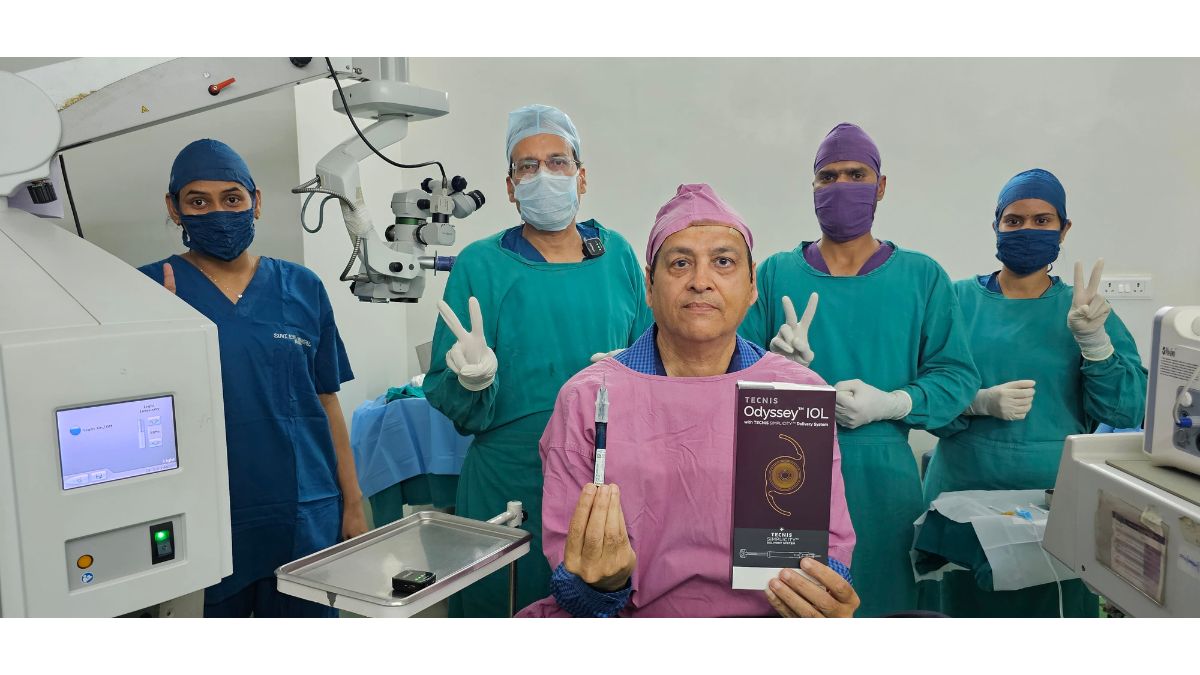
    Kota (Rajasthan) [India], February 18: For decades, the city of Kota in Rajasthan has been synonymous with academic coaching, serving as the intense crucible for India’s future engineers and doctors. However, a quiet but powerful transformation is currently reshaping the city’s identity: it is rapidly evolving from a center of academic preparation into a destination for advanced medical innovation and execution. Leading this paradigm shift in the field of ophthalmology are Dr. Suresh K. Pandey and Dr. Vidushi Sharma, the founders of SuVi Eye Institute & Lasik Laser Centre. Their latest achievement—the state-first implantation of the Johnson & Johnson Vision TECNIS Odyssey intraocular lens (IOL) on February 13, 2026—is more than a surgical milestone; it is a definitive statement that Kota has evolved into a bona fide ophthalmic hub, capable of delivering specialized care previously available only in metropolitan giants or overseas medical centers.

    The landmark procedure was performed on Mr. Kailash Chand Jain, a retired banker who had been struggling with deteriorating vision. The surgery utilized the TECNIS Odyssey’s proprietary Freeform Diffractive technology, a revolutionary advancement designed to restore full-range, spectacle-free vision. Unlike previous generations of multifocal lenses, which often necessitated a trade-off between visual clarity and side effects, this next-generation lens minimizes visual disturbances like halos and glare while maximizing contrast sensitivity in low-light conditions. The surgery was led by Dr. Pandey alongside a dedicated team including Dr. Vidushi Sharma, Dr. Satyendra Kumar Gupta, and Dr. Nipun Bagrecha. The procedure—a masterclass in modern cataract management documented for a global audience—culminated in an exceptional visual outcome of 6/6 and N6, effectively restoring perfect distance, intermediate, and near vision for the patient.

    But for seasoned observers of Rajasthan’s medical landscape, this event was merely the latest coordinate in a trajectory that Dr. Suresh K. Pandey and Dr. Vidushi Sharma have been plotting since 2006. Their mission has been singular and unwavering: to dismantle the geographical hierarchy of healthcare, where “best-in-class” technology was the exclusive domain of Tier-1 cities. By successfully deploying this technology, the team has once again proven that geography is no barrier to clinical excellence.

    Building a Hub: The “Reverse Brain Drain” Effect

    The story of SuVi Eye Hospital is a compelling case study in the phenomenon of “reverse brain drain.” Dr. Suresh K. Pandey and Dr. Vidushi Sharma returned to India after completing extensive fellowships and training at some of the world’s most prestigious institutions, including the Storm Eye Institute at the Medical University of South Carolina (USA), the John A. Moran Eye Center at the University of Utah (USA), and the Sydney Eye Hospital (Australia). At a time when most professionals with such global credentials were gravitating toward Mumbai, New Delhi, or remaining abroad, they chose Kota. They were driven by a vision to create a center of excellence in the Hadoti region that would rival international standards.

    “Our goal was never just to run a clinic; it was to build an institution where the technology matches the talent,” says Dr. Suresh K. Pandey, a recipient of the prestigious American Academy of Ophthalmology (AAO) Achievement Award. “When we perform a procedure like the TECNIS Odyssey implantation here, we are sending a message to patients in Bundi, Baran, Jhalawar, and beyond: You do not need to travel hundreds of kilometers for world-class sight. The hub is here.”

    A Legacy of Firsts: The Pillars of Excellence

    A true medical hub is defined by its ability to pioneer, not just replicate. SuVi Eye Hospital has consistently validated Kota’s status through a series of groundbreaking “firsts” that have drawn attention from the international ophthalmic community. On July 23, 2021, the institute set a national benchmark by performing India’s first implantation of the TECNIS Synergy Toric IOL in a child with congenital cataract and astigmatism. This complex procedure, viewable at

    https://www.youtube.com/watch?v=CTcWS5dSLuY

    showcased the hospital’s capability to handle the most delicate and high-stakes cases, granting a young patient a future of clear vision.

    Further cementing this reputation for innovation, in July 2025, Dr. Pandey pioneered the world’s first “dropless” toric Implantable Phakic Contact Lens (IPCL, Care Group, India) surgery. Using the MydriCare XL PFS intracameral solution, he eliminated the need for preoperative dilating drops, streamlining the surgical workflow and significantly enhancing patient comfort. This technique, documented at

    https://www.youtube.com/watch?v=lZiRPQ47TXA

    placed Kota on the global map for refractive surgery innovation, proving that procedural advancements can originate from Tier-2 cities.

    Democratizing Knowledge and Access

    SuVi Eye Hospital has transcended its role as a mere healthcare provider to become a dynamic global center for learning and community impact. Its YouTube channel serves as a “digital amphitheater,” where Dr. Suresh K. Pandey, Dr. Vidushi Sharma, Dr. Satyendra Kumar Gupta, and Dr. Nipun Bagrecha share surgical pearls, complex case studies, and new techniques with thousands of ophthalmologists worldwide. This culture of open knowledge-sharing reinforces Kota’s reputation as a center of intellectual weight in the medical field. The academic rigor is tangible on the ground: SuVi Eye Hospital has trained over 100 ophthalmology fellows, including 25 medical retina specialists under the expert mentorship of Dr. Nipun Bagrecha, thereby seeding the next generation of surgeons with advanced skills.

    The NABH-preaccredited facility supports this expertise with world-class infrastructure that rivals top university hospitals. The center features Rajasthan’s first Zepto® Nano Pulse technology, a revolutionary precision tool for automated capsulotomy, alongside the advanced VISX STAR S4 IR Excimer Laser for LASIK. The facility is further equipped with state-of-the-art phacoemulsification systems, Optical Coherence Tomography (OCT), YAG and Green lasers, Pentacam for corneal topography, and specular microscopes. This technological arsenal ensures a rare continuity of care in a non-metro setting, spanning adult and pediatric cataract, strabismus, glaucoma, keratoconus, oculoplastics, and cornea services. Additionally, the hospital provides specialized care for ocular trauma, runs a dedicated myopia clinic, and offers comprehensive retina services.

    Crucially, the institute’s mission extends beyond the sterile environment of the operating theatre. Through a mobile eye care unit bus and vital public health initiatives, including extensive myopia awareness programs in local schools, the hospital takes a proactive approach to community health. By seamlessly blending high-tech surgical training with grassroots service, SuVi Eye Hospital is effectively redefining the concept of a comprehensive medical hub, ensuring that advanced, compassionate care is truly accessible to every patient, regardless of their socioeconomic status.

    The Future of Eye Care in Rajasthan

    The successful visual rehabilitation of Mr. Jain with the TECNIS Odyssey™ serves as a microcosm of the hospital’s broader impact. “It used to be that if you wanted the latest American or European technology, you had to go to Delhi,” Mr. Jain remarked post-surgery. “Now, the technology comes to us.”

    As Dr. Suresh K. Pandey and Dr. Vidushi Sharma continue to introduce state-of-the-art solutions to Rajasthan, they are doing more than restoring sight; they are redefining the medical geography of India. By turning Kota into a hub where innovation meets compassion, they are ensuring that the future of ophthalmology is not just urban-centric, but universally accessible. “Vision Beyond Boundaries” is not just a slogan for SuVi Eye Hospital; it is the lived reality of every patient who walks through their doors.

    If you object to the content of this press release, please notify us at pr.error.rectification@gmail.com. We will respond and rectify the situation within 24 hours.