Author: Sutun Nayak

  • An 11,000-Kilometre Belt of Sunlight: Inside Japan’s Lunar Ring Vision

    An 11,000-Kilometre Belt of Sunlight: Inside Japan’s Lunar Ring Vision

    New Delhi [India], February 09: The phrase “lunar ring” sounds like something a marketing department would invent after a late lunch, but the geometry is embarrassingly straightforward. The Moon is tidally locked, its equator running in a patient circle of dust and rock that hasn’t felt wind in four billion years. Put solar panels along that belt and, because of the Moon’s slow, stately rotation, some part of that belt will almost always be in sunlight. Not all of it. Not cleanly. But enough. The idea is to turn that accident of celestial mechanics into a power plant.

    Japan calls it the Lunar Ring. Eleven thousand kilometres of photovoltaic skin wrapped around the Moon like an industrial bracelet. A permanent line of collectors harvesting the Sun’s energy and throwing it back toward Earth in the form of microwaves or lasers. It is an engineer’s dream because it reduces the Moon to a predictable surface and the Sun to a dependable source of energy. No clouds. No seasons in the terrestrial sense. Just a slow, obedient orbit and a long, clean day.

    The day on the Moon lasts about two Earth weeks. The night lasts the same. Anyone who has spent more than five minutes thinking about solar power on the lunar surface arrives at the same unpleasant fact: your panels sit in darkness for half a month unless you move them or place them somewhere the Sun never really leaves. The poles offer that trick—peaks of eternal light, the phrase people like to use—but they are small, crowded, and inconveniently shaped. You can’t build a global energy economy on a handful of ridges.

    So the ring solves it by brute force. If one segment falls into darkness, another segment further along the equator will be lit. Power flows around the loop, from bright side to dark side, like current through a wire. It’s not elegant. It’s not even subtle. It’s just very, very large.

    And that’s where the numbers start to feel less like engineering and more like stubbornness. Eleven thousand kilometres is not a poetic figure. It’s roughly the circumference of the Moon at the equator. The proposal is not for a cluster of stations or a chain of outposts. It is a continuous industrial band encircling another world. Imagine building a solar farm that wraps around the Earth’s equator, crossing oceans, jungles, deserts, and cities, then imagine doing it in a vacuum, at minus 170 degrees Celsius, with abrasive dust that behaves like ground glass.

    The dust is the real antagonist here. Lunar regolith is electrostatically charged, jagged, and chemically eager. It sticks to everything. Apollo astronauts complained about it constantly; it ate through seals, scratched visors, and clogged joints. Now picture conveyor belts, robotic installers, transmission lines, microwave emitters—all of them operating in that environment for decades. You can design around it. Engineers always say that. But the Moon doesn’t negotiate. It simply continues being the Moon.

    There is also the matter of getting there. Every kilogram of hardware must be launched out of Earth’s gravity well, ferried across cislunar space, and then lowered gently onto the surface. Even with reusable rockets, even with optimistic cost curves, the arithmetic is not friendly. Tens of thousands of tonnes of equipment, probably more. Panels, support structures, wiring, control systems, transmitters. Then the robots assemble them. Then the spare parts for the robots.

    People talk about using lunar materials—mining regolith, refining it into silicon, and printing panels on-site. That is the kind of sentence that appears in concept papers because it closes a budget gap. In practice, it means building an entire mining and manufacturing industry on the Moon before you even start building the power system. The ring is not just a power project. It is an industrial civilization, scaled down and transplanted into a vacuum.

    Transmission back to Earth is the quieter complication. The ring’s power is useless unless it can be delivered. The current favourite is microwave beaming: convert the electricity into microwaves, aim them at giant receiving stations—rectennas—on Earth, and convert them back into electricity. It works in principle. Experiments have been done over small distances. But the beam must remain tightly controlled across hundreds of thousands of kilometres. Any serious drift and you’re heating the wrong patch of atmosphere.

    Safety committees would have opinions about that. So would farmers whose fields suddenly host multi-kilometre rectennas. The ring shifts the geography of energy: power doesn’t come from a river or a coal seam anymore. It comes from a spot in the sky, aimed deliberately at a patch of land chosen for its emptiness and political convenience. The infrastructure becomes less local, more orbital, and far less negotiable.

    But the physics itself is not controversial. The Sun delivers more energy to the Moon than humanity uses in a year. The Moon has no weather to interrupt collection. Orbital mechanics make the equatorial belt a logical place to smooth out the light–dark cycle. None of this is speculative. It’s arithmetic and geometry.

    The difficulty is everything that comes after the arithmetic.

    A structure that long cannot be built in one heroic push. It must grow, segment by segment, over decades. Which means generations of engineers working on the same line of panels, adding to a belt that will outlive their careers. Maintenance crews—robotic or human—circling the Moon forever, replacing worn emitters, cleaning dust, patching micrometeorite damage. The ring is not a project; it is a permanent obligation.

    There’s a certain honesty in that. Earth’s energy systems are also permanent obligations, just messier ones. Coal plants, gas pipelines, offshore rigs—they all require constant tending. The lunar ring merely relocates the maintenance problem a quarter of a million miles away and dresses it in vacuum and silence.

    Japan’s involvement makes sense if you look at it from their side. An island nation, energy-poor, dependent on imports, shaken by nuclear accidents and fossil price shocks. The idea of pulling clean power directly from the Sun, bypassing fuel markets and shipping lanes, has an obvious appeal. If you can’t find resources under your soil, you start looking upward.

    Still, the ring is not a quick fix. It is a century-scale object. By the time the full belt exists—if it ever does—the political systems that conceived it will have changed beyond recognition. The engineers know this. They draw the diagrams anyway.

    Because in the end, the Moon is just sitting there, circling us with maddening regularity, bathing half its surface in sunlight at any given moment. The energy is free, constant, and utterly indifferent. The only real question is how much machinery we are willing to scatter across another world to catch it. And how long we’re prepared to keep that machinery alive once it’s there.
    PNN TECHNOLOGY

  • Dumas Art Project inaugurated its 11th edition

    Dumas Art Project inaugurated its 11th edition

    The 11th edition of Dumas Art Project takes place from 8th February – 28th February 2026, at VR Surat, with the theme “The Future is Now”

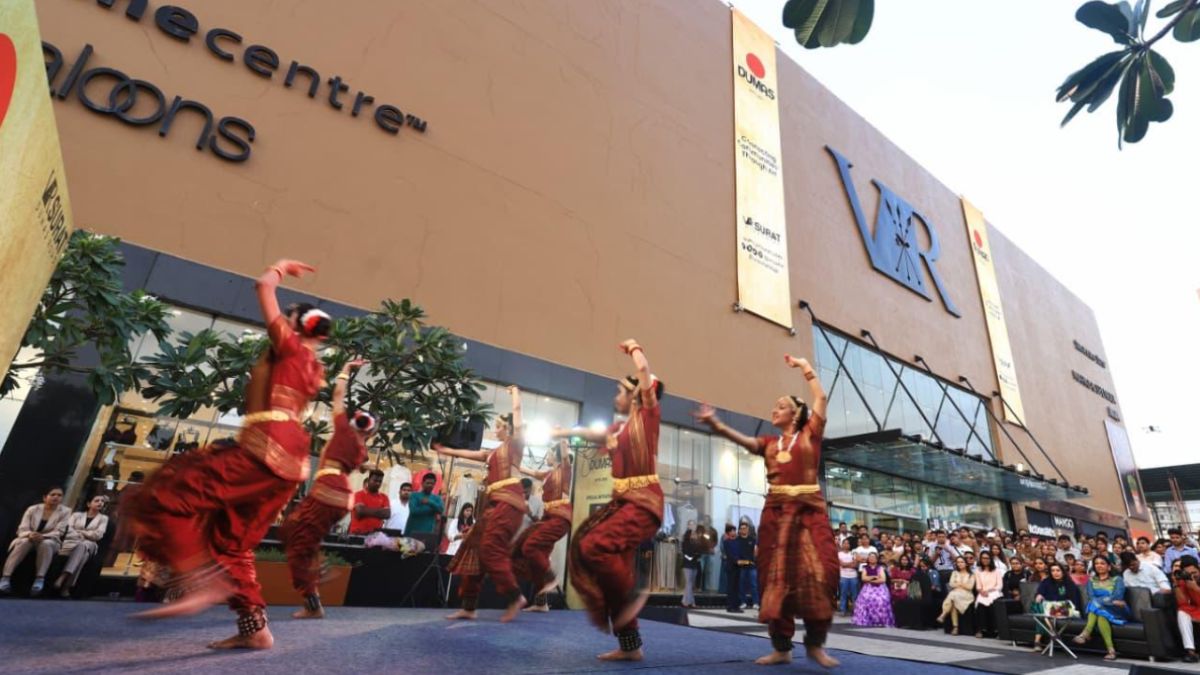
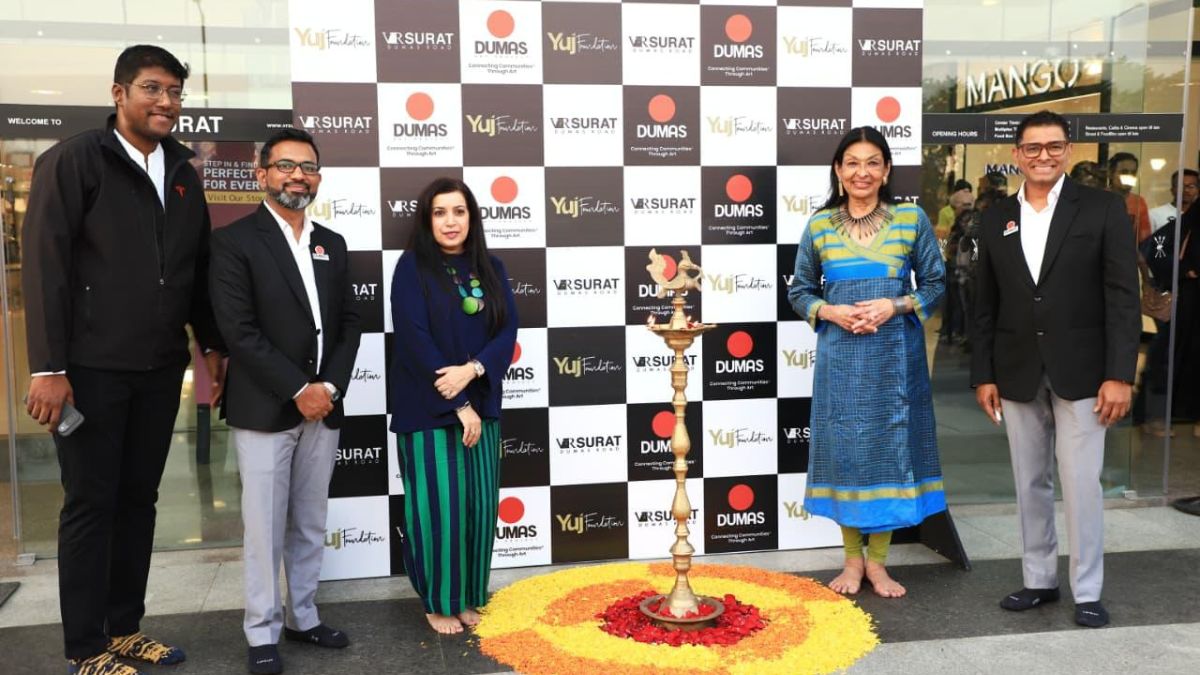
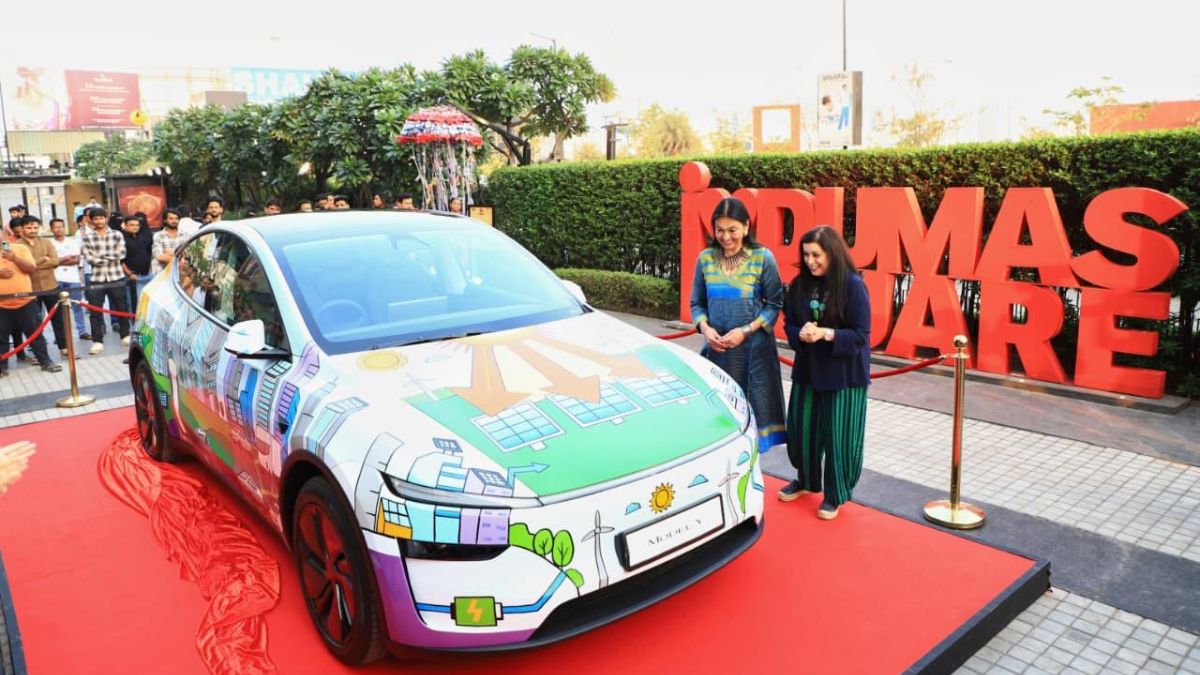
    Surat (Gujarat) [India], February 09: The Dumas Art Project, supported by the Yuj Foundation, commenced its eleventh edition on 8th February 2026, with the theme ‘The Future is Now’. Renowned classical dancer and choreographer Dr. Mallika Sarabhai, recipient of the Padma Bhushan 2010 inaugurated the festival with a traditional lamp lighting ceremony and unveiling of the special ‘Kala Car’ where artists this year have transformed a Tesla into a moving canvas of contemporary expression.  The evening featured a classical dance performance by students of Darpana Academy, Ahmedabad followed by an exclusive viewing of the art installations across VR Surat including the fine art gallery.

    The ‘Kala Car’ marks Tesla’s first public showcase in Gujarat and a rare intersection of technology, sustainability, and art. The Kala Car has been brought to life by award-winning artist Mital Sojitra, known for her large-scale public artworks and community-led artistic practice.

    We are thrilled to have more than 160 installations, sculptures, paintings, and photographs by students of Sir J.J. School of Art, Mumbai, The Maharaja Sayajirao University of Baroda, Veer Narmad South Gujarat University, and Anant National University, Ahmedabad at the Dumas Art Project this year.  Transforming the walls of the basement at VR Surat into an art gallery, the basement art project displays works by artists from across the city.  Over the next three weeks, VR Surat will transform into a hub for artistic programming, with installations, fine art, photography exhibitions, music, theatre, workshops, young artists competition, and an artisanal bazaar.

    Dumas Art Project

    This edition features a series of significant collaborations, each contributing to the festival’s broader vision. In partnership with UNESCO, the festival presents Pockets of Hope, a photography exhibition that draws attention to marine ecosystems, their ecological value, and the growing pressures they face. The exhibition extends into a large-scale suspended installation created in collaboration with Project Surat – a community led environmental and sustainability initiative. Shaped like a jellyfish and fabricated out of waste collected from the Dumas beach, the installation draws attention to the impact of marine waste on ocean life and urges audiences to reflect on responsible consumption and waste disposal.

    “Eleven editions in, the Dumas Art Project remains Surat’s only public platform for art built through continuity, participation, and a belief in making art accessible. What began as a city initiative has grown into a platform with a wider regional presence, where student and established artists, audiences, and the community engage with art as part of everyday life. This year’s theme, The Future Is Now, calls on artists to respond to the present with imagination and intent, as the choices we make today begin to shape what follows. The focus of the Public Art Festivals is to expand reach, increase public participation, and strengthen the role of public art as a civic voice through meaningful collaborations, as the festival enters its next decade,” said Sumi Gupta, curator of the Dumas Art Project. 

    “Climate resilience begins with climate literacy. Empowered communities are built on understanding, and understanding grows through shared stories and accessible knowledge. ‘Pockets of Hope’ is a new illustrated book project by UNESCO that brings to life the World Network of Biosphere Reserves, with its terrestrial, coastal, and marine ecosystems, and the communities who call them home. Through its photography exhibition at Dumas Art Project and an illustrated journey across all Biosphere Reserves in South and Central Asia, ‘Pockets of Hope’ highlights the urgency of responsible ecosystem management and conservation. By placing science and nature within cultural spaces, public art becomes a bridge, expanding participation, deepening awareness, and inspiring more informed and collective climate action,” said Dr. Benno Böer, Chief, Natural Sciences Unit, UNESCO Regional Office for South Asia.

    “Art has the power to awaken consciousness and inspire change. It is heartening to see the Dumas Art Project use creativity as a medium to engage the larger audience with critical and much needed themes such as sustainability, the environment, and our collective future. Public art platforms like this help to nurture young voices and remind us that art is not just about beauty, rather it is about awareness, dialogue, and responsibility,” said Mallika Sarabhai, classical dancer and choreographer. 

    Dumas Art Project

    The art festival brings together a dynamic mix of artistic expressions, talent, and creative projects. The Art Gallery showcases a collection of works by Studio White, while “Gujarat in Focus” presents photographs of the city captured by both established photographers and emerging talents. The Young Artists Programme offers students a platform to experiment, learn, and express themselves across a range of artistic mediums.

    Other attractions include a theatre performance and workshops on madhubani, lippan and bandhej. The Art Bazaar will offer a curated market for local artisans to engage with audiences, accompanied by live music.

    Building on its collaboration with Art Reach, the Dumas Art Project has initiated a three-year programme to create sustained creative engagement for children from marginalised and underserved communities. Shaped by participant needs, local context, and the festival’s curatorial theme, the programme will use hands-on learning to develop foundational art skills and self-expression. Participating children will present their works and creative process at the festival.

    The 11th edition of Dumas Art Project is made possible through collaborations with Darpana Academy – Ahmedabad, Pintura Art, Project Surat, DRP Entertainment, Paint Social, and NOS photography.

    The ‘Kala Car’ will travel to VR Bengaluru at the Whitefield Art Collective, extending its public art journey beyond Surat. At other VR destinations, including Nagpur, Chennai and Amritsar, Tesla will showcase the Model Y. Together, these presentations reflect different formats of engagement, bringing conversations around technology, sustainability and design to varied audiences across VR centres in India.

    Surat is a city that celebrates creativity, with its residents enthusiastically engaging in diverse forms of artistic expression. This is evident in the festival’s remarkable success, attracting over 4 million visitors since its inception.

    Dumas Art Project, established in 2013, is a vibrant showcase of the diverse artistic expressions of Gujarat. It is supported by The Yuj Foundation and is also part of VR Surat’s Connecting Communities © initiative that aims to encourage civic pride, strengthen the local economy, and enhance the city’s national and international image.

    About VR Surat

    VR Surat is Virtuous Retail South Asia’s flagship destination and is a first-of-its-kind, community-oriented integrated lifestyle destination. Spread over 615,000 sq. ft., the centre has established itself as Surat’s only destination that offers a curated mix of local and global programmes in the fields of retail, food, music, art, culture, and entertainment.

    Over the years, VR Surat has emerged as a platform for cultural festivals, public-private partnerships and cross border collaborations that encourage civic pride and enhance the city’s brand image. Reflecting Surat’s vibrant cultural heritage, the centre integrates art, architecture, and unique programming. VR Surat is home to over 100 domestic and international brands, including Westside, Dyson, Lacoste, Swarowski, Birkenstock, New Balance, Tira, Calvin Klein, Shoppers Stop, Bath & Body Works, and MAC.

    Committed to the local community and environment, VR Surat also significantly contributes to the local economy and employment. With ongoing asset enhancement initiatives, it continues to diversify its brand mix, ensuring a vibrant calendar of events and community spaces for recreation and dining.

    About Public Art Festivals

    Established in 2013, the Public Art Festivals are a not-for-profit initiative supported by the Yuj Foundation. Over the past 13 years, the Public Art Festivals have enriched the cultural calendars of several Indian cities. In each edition, partnerships with renowned institutions and eminent artists enable a dynamic art festival rooted in the ethos of the host city.
    In collaboration with VR South Asia (VRSA), 28 art festivals in the cities of Amritsar, Bengaluru, Chennai, Nagpur, Mohali, and Surat have been hosted till date.

    The Public Art Festivals are a student-led initiative designed to provide emerging artists with a platform to express their creativity. Since its inception, the festivals have welcomed over 2,500 student artists, offering them a space to showcase their talents and engage with a wider audience. Over the years, the festival has evolved to include literary events, poetry readings, performing arts, workshops across mediums such as pottery and textile practices, drawing competitions, folk performances, artisanal bazaars, and more building a multidisciplinary celebration of art and culture.

  • From Kashmir to Kanyakumari, Shatak Dhwaj Yatra Begins with the Historic Bhagwa Flag Waved at Lal Chowk

    From Kashmir to Kanyakumari, Shatak Dhwaj Yatra Begins with the Historic Bhagwa Flag Waved at Lal Chowk

    Mumbai (Maharashtra) [India], February 09: The Shatak Dhwaj Yatra marking 100 years of the Rashtriya Swayamsevak Sangh began on a historic and emotional note. The journey commenced at Srinagar’s iconic Lal Chowk where, for the first time since Independence, the Bhagwa flag was waved proudly, accompanied by chants of Vande Mataram and Bharat Mata Ki Jai, creating a powerful moment of togetherness as citizens joined the march.

    In Jammu, the yatra received a warm public welcome, carrying forward the spirit of service, discipline and unity inspired by the hundred-year journey of RSS under Dr. Keshav Baliram Hedgewar ji and Guruji Golwalkar ji.

    The first leg concluded in Ludhiana with energetic celebrations, traditional dhol beats and a rally of 100 bikers symbolising 100 years of the Sangh, followed by a felicitation ceremony honouring community heroes.

    Speaking on the occasion, karyakarta and producer Vir Kapur said, “Starting the Shatak Dhwaj Yatra at Lal Chowk where Bhagwa was raised again after Independence with chants of Vande Mataram was a moment of deep pride and emotion. Through Shatak The Film, and through this Yatra across cities, we are celebrating the hundred years of RSS, it’s service and the unity that binds our nation together.”

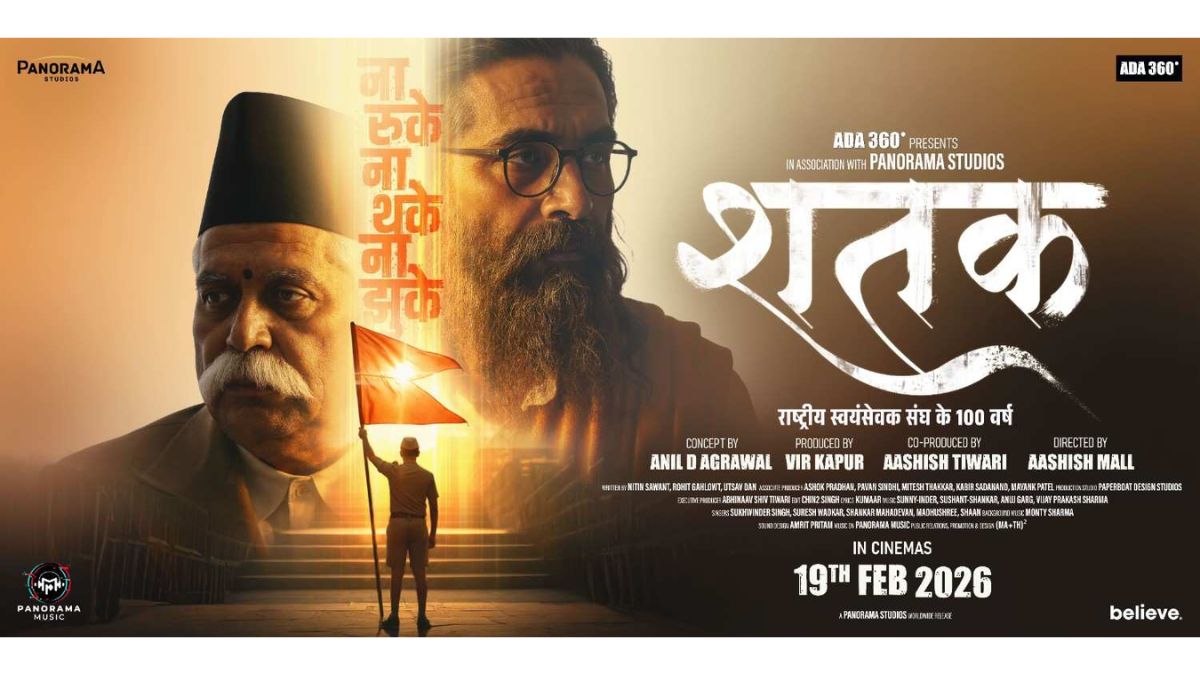
    Produced by Vir Kapur in association with PANORAMA Studio, co-produced by Aashish Tiwari and directed by Aashish Mall, Shatak: Sangh’s 100 Years releases in theatres on February 19, 2026.

    If you object to the content of this press release, please notify us at pr.error.rectification@gmail.com. We will respond and rectify the situation within 24 hours.

  • Children Welfare Centre High School Celebrates Its Grand 42nd Annual Day Function Organised by the Principal Ajay Kaul with Bollywood Luminaries in Attendance

    Children Welfare Centre High School Celebrates Its Grand 42nd Annual Day Function Organised by the Principal Ajay Kaul with Bollywood Luminaries in Attendance

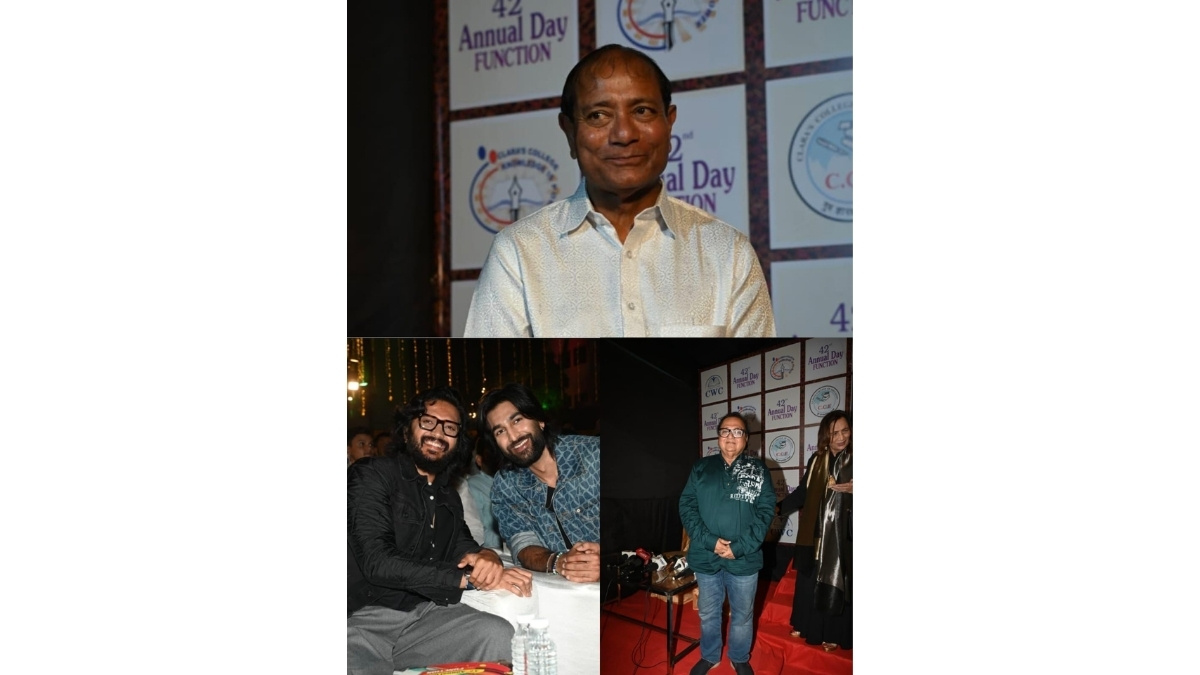
    Mumbai (Maharashtra) [India], February 09: Children Welfare Centre High School, Clara’s College of Commerce and Clara’s College of Education, celebrated its magnificent 42nd Annual Day Function at the Children Welfare Centre High School Ground, Versova, Andheri West, Mumbai. The event was impeccably organised by Principal Ajay Kaul, who once again showcased his commitment to fostering talent, culture, and academic excellence.

    The evening witnessed an extraordinary gathering of celebrities and distinguished guests who graced the celebration with their presence. Renowned actors like Ritesh Deshmukh, Meezan Jafri, Aayush Sharma, Rakesh Bedi, Nimrat Kaur, Meenakshi Seshadri, Mandar Chandwadkar, & Many More. added immense sparkle and warmth to the occasion.

    Children Welfare Centre High School Celebrates Its Grand 42nd Annual Day Function Organised by the Principal Ajay Kaul with Bollywood Luminaries in Attendance-PNN

    The programme featured captivating cultural performances, music, dance, and theatre presented by students, reflecting the rich creative spirit and holistic growth encouraged by the Children Welfare Centre educational family. The Annual Day served as a platform to honour academic achievers, talented performers, and educators whose dedication continues to shape the next generation.

    Speaking on the occasion, organiser Ajay Kaul_expressed his gratitude to all dignitaries, parents, faculty, and students for their continual support. He emphasised the institution’s commitment toward nurturing young minds and building a strong foundation for future leaders.”

    The event concluded with resounding applause, reaffirming the legacy of Children Welfare Centre High School, Clara’s College of Commerce, and Clara’s College of Education as institutions that blend discipline, creativity, and excellence.

    If you object to the content of this press release, please notify us at pr.error.rectification@gmail.com. We will respond and rectify the situation within 24 hours.

  • From Farms to Finance: The Hidden Risks and Path Forward (Part 2)

    From Farms to Finance: The Hidden Risks and Path Forward (Part 2)

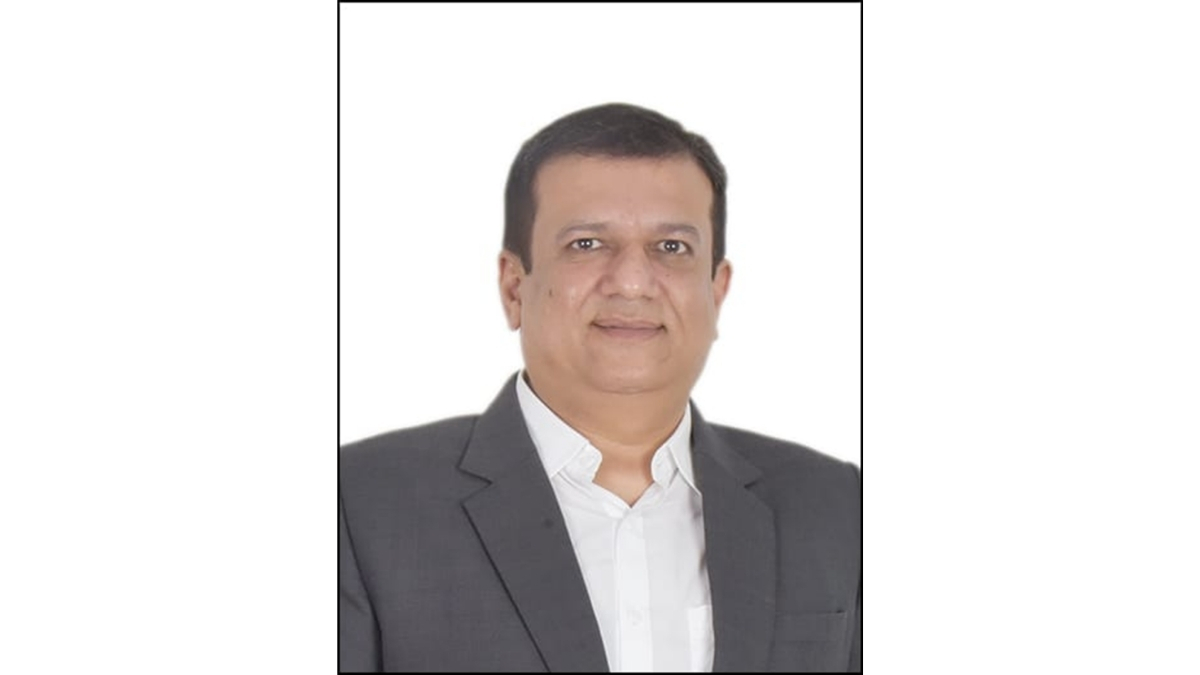
    Pradeep Motwani -CEO at Terrablu Climate Technologies Pvt Ltd

    Pune (Maharashtra) [India], February 09: In Part 1, we examined how India’s agricultural carbon credit market promises to transform farming from an emissions source into a climate solution, but warned of troubling patterns emerging as agrochemical and pesticide companies dominate this new value chain. Part 2 explores the specific risks farmers face and outlines a comprehensive path forward.

    Yield Risks and the Transparency Gap

    Another critical concern is food security. If carbon farming reduces yields, farmers lose far more than they gain from carbon payments. Several studies indicate that the transition to certain sustainable or low-input agricultural practices can initially reduce crop yields, particularly during the early years of adoption. However, this evidence is often underreported or selectively presented by carbon credit companies operating in the agriculture sector. In many cases, the dominant focus remains on maximizing carbon credit generation, rather than transparently assessing impacts on farm productivity and farmer incomes. This lack of transparency raises serious concerns: if yield losses are ignored or downplayed, farmers may bear the economic risk while intermediaries capture the carbon revenues.

    This risk is explicitly acknowledged in carbon standards. Under the widely used VM0042 methodology that certifies agriculture carbon credits, it is stipulated that certification will not be granted if a reduction of chemical fertilizer use results in a decrease in yields. Yet evidence on yield impacts especially during early transition years is often underreported by carbon credit companies, whose primary focus is maximizing credit volumes rather than safeguarding farm incomes. Without clear disclosure, robust safeguards, and farmer-centric design, agricultural carbon markets risk becoming extractive, prioritizing credit volumes over food security, livelihood resilience, and long-term soil health.

    The Biochar Cautionary Tale

    Biochar is increasingly being promoted in India as promising tools for carbon sequestration in agricultural soils, particularly because it is believed to offer long-term carbon storage. However, a growing body of scientific literature points to important limitations and uncertainties around their actual climate benefits at scale. The effectiveness of biochar is highly context-specific, varying with soil type, climate conditions, cropping systems, and complementary agronomic practices. This makes it risky to assume uniform carbon gains across India’s highly diverse agricultural landscapes.

    While biochar is widely marketed as a long-term soil carbon solution, studies show that biochar delivers agronomic and carbon benefits only when applied in combination typically around 5% with organic manure or fertilizers. When applied alone, biochar has in many cases led to reduced crop yields and limited or even negative soil carbon outcomes. Its effectiveness is also significantly lower in acidic soils, which is a critical concern given that India has large stretch of agricultural land with acidic soil. Thus, methods like biochar carbon sequestration outcomes depend strongly on climatic and edaphic factors.

    Despite significant scientific uncertainties, biochar-based carbon credits are being aggressively promoted in India, often without robust, large-scale field evidence across the country’s diverse agro-climatic zones. Several major technology companies, including AI-driven firms with rapidly rising emissions, are investing millions of dollars in biochar credits to offset their carbon footprints. While the demand for offsets is understandable, responsible climate action requires more than credit purchases. A more credible approach would be to fund independent research, long-term field trials, and large-scale pilots to rigorously assess the viability and scalability of biochar and other soil-carbon methods under Indian conditions. Without such evidence, the rush to monetize soil carbon risks becoming greenwashing delivering uncertain climate benefits and limited value for farmers.

    The Untapped Potential of Dairy Methane Mitigation in India

    Home to the world’s largest population of cattle and buffalo, India also generates the highest volume of methane emissions from enteric fermentation emissions released during ruminant digestion that are far more potent than carbon dioxide in the short term. Yet, despite this outsized climate footprint, India’s dairy sector remains largely absent from the country’s emerging agricultural carbon credit ecosystem. Most carbon farming initiatives focus on soil carbon, fertilizer optimization, or water management, while livestock methane arguably more measurable and impactful has received limited attention.

    This gap is striking when viewed against international experience. In countries such as the United Kingdom, feed-based methane-reduction solutions have already been certified under global carbon standards and are generating tradable carbon credits. In India, however, fragmented smallholder dairy systems, limited animal-level emissions data, lack of India-specific methodologies, and weak incentives have slowed progress. Yet these constraints also point to opportunity. Even modest methane reductions per animal, if scaled across India’s vast dairy sector, could deliver significant climate benefits. Without deliberate policy and scientific investment, dairy methane risks becoming the largest missed opportunity in India’s agricultural carbon transition.

    A Market Designed for Finance, Not Farmers

    At its core, agricultural carbon markets are designed around financial efficiency, not farmer welfare. Without strong safeguards, transparent contracts, fair revenue sharing, yield protection, and independent verification, carbon credits risk becoming another extractive system, where farmers supply land and labour while others capture most of the value.

    What Needs to Change: Recommendations

    1. Mandate Revenue Transparency: Require public disclosure of carbon credit prices, transaction costs, and farmer revenue shares to prevent value capture by intermediaries.
    2. Farmer, First Contract Standards: Develop standard, farmer-friendly contracts with limits on lock-in periods, clear exit clauses, and shared risk for climate shocks and reversals.
    3. Yield Protection as a Non-Negotiable: Certification should be linked to independent yield monitoring, with compensation mechanisms if productivity declines.
    4. Publicly Funded Field Evidence: Large-scale, multi-year pilots across soil and climate zones especially for methods like biochar and ERW must precede large-scale crediting.
    5. Decouple Climate Finance from Greenwashing: Corporates buying agricultural credits should co-finance research, extension, and soil health restoration not just claim offsets.
    6. Mainstreaming Dairy into Carbon Markets: Bringing India’s dairy sector into carbon markets requires context-specific methodologies that reflect indigenous breeds, buffalo dominance, mixed feeding systems, and smallholder realities. Large-scale pilots on methane-reducing feed additives, improved fodder, and herd productivity must precede credit issuance, backed by independent measurement and verification. Carbon programs should link methane reduction with higher milk yields, better animal health, and lower input costs, not just carbon revenues. Joint funding by government, cooperatives, and research institutions and strong revenue-sharing safeguards is essential to ensure small farmers benefit fairly.
    7. Beyond Carbon Credits: Combine carbon payments with premium markets for sustainably produced food, concessional finance, crop insurance, and advisory services.
    8. Strengthen Public Oversight: India’s carbon market regulator should actively monitor agricultural credits, enforce safeguards, and prioritize farmer welfare over credit volumes.

    If carbon credits are to play a meaningful role in climate-smart agriculture, they must move beyond hype and financial extraction. Otherwise, the risk is clear: farms will become carbon assets for others while farmers remain as vulnerable as ever.

    Terrablu Climate Technologies Pvt Ltd for more info kindly visit http://www.terrablu.life

    If you object to the content of this press release, please notify us at pr.error.rectification@gmail.com. We will respond and rectify the situation within 24 hours.

  • SEPC Limited Crosses FY25 Performance Benchmarks Within First 9 Months of FY26

    SEPC Limited Crosses FY25 Performance Benchmarks Within First 9 Months of FY26

    Chennai (Tamil Nadu) [India], February 09: SEPC Limited (NSE: SEPC | BSE: 532945), one of India’s leading Engineering, Procurement and Construction (EPC) companies with a diversified presence across Water & Municipal Services, Roads, Industrial Infrastructure, and Mining, has announced its Unaudited Financial Results for Q3 & 9M FY26.

     Key Financial Highlights

    9M FY26 Consolidated Financial Highlights

    • Total Revenue of ₹ 796.89 Cr, YoY growth of 53.28%
    • EBITDA of ₹ 83.60 Cr, YoY growth of 10.96%
    • Net Profit of ₹ 39.81 Cr, YoY growth of 168.66%
    • Net Profit Margin (%) of 5.00%, YoY growth of 215 Bps
    • EPS (Diluted) of ₹ 0.22, YoY growth of 120.00%

    Q3 FY26 Consolidated Financial Highlights

    • Total Revenue of ₹342.07 Cr, up 114.12% YoY and 36.27% QoQ
    • EBITDA of ₹29.66 Cr, down 1.53% YoY and up 22.64% QoQ
    • Net Profit of ₹14.96 Cr, up 236.62% YoY and 80.28% QoQ
    • Net Profit Margin at 4.37%, up 159 bps YoY and 107 bps QoQ
    • Diluted EPS of ₹0.08, up 166.67% YoY and 100% QoQ

    Commenting on the performance Mr. Venkataramani Jaiganesh, Managing Director of SEPC

    Limited, said: “We are encouraged by the consistent progress SEPC continues to deliver across its diversified project portfolio. The period reflects focused execution on ongoing projects, tighter operational controls, and improving coordination across business verticals.

    Our growing footprint in core infrastructure segments such as water, transportation, mining, and industrial projects reinforces our confidence in the underlying strength of the business. Recent project wins and scope expansions highlight our technical capabilities, execution track record, and the trust placed in us by clients in India and international markets.

    Looking ahead, our focus remains on disciplined growth, timely project delivery, and prudent risk management. With improved project visibility and a strong pipeline, SEPC is well positioned to sustain momentum and drive long-term, stable business growth.”

    Recent Key Business Highlights

    MOIL Vertical Shaft Project

    • Wins 230 Crore Turnkey Order from MOIL Limited for 3rd Vertical Shaft at Chikla Mine.
    • Scope covers Engineering, Civil Works, Equipment Installation, and Commissioning.

    Railway EPC Order Win

    • Secured a 269.69 crore railway EPC sub-contract under the Ajmer-Chanderiya Doubling Project.

    Coal Mining Project

    • Associated with the JARPL–AT Consortium for the Rampur Batura Opencast Coal Mine Project with an aggregate order value of ~3,300 crore.

    Successful Settlement and Project Expansion

    • Successfully settled all arbitration claims with Hindustan Copper Limited.
    • Received 30.45 crore as full and final settlement.
    • Additionally awarded a 72.55 crore supplementary work order for the ongoing project.

    Airport Infrastructure Project

    • SEPC–Furlong JV received an LoA worth 86 crore for the Bihta Airport civil enclave project, Patna
    • Awarded by JSC IA Vozrozhdenie India Private Limited.
    • Scope includes integrated terminal building, utility structures, elevated road, electro-mechanical works, airport and security systems

    International Order – UAE

    • Secured an order worth AED 35 million (~85 crore) through UAE arm SEPC FZE under the ADOC framework.
    • Scope includes ESD, Nitrogen Generation, and PAGA systems at Mubarraz Island, UAE

    If you object to the content of this press release, please notify us at pr.error.rectification@gmail.com. We will respond and rectify the situation within 24 hours.

  • Aditya Kumar Halwasiya strengthens his stake in Cupid Limited, reaffirming strong promoter confidence in the company’s long-term growth

    Aditya Kumar Halwasiya strengthens his stake in Cupid Limited, reaffirming strong promoter confidence in the company’s long-term growth

    Mumbai (Maharashtra) [India], February 09: Cupid Limited (Cupid, The Company), Mr. Aditya Kumar Halwasiya, Chairman and Managing Director of Cupid Limited, has increased his equity stake in the company through a market purchase of 6,46,513 shares on 5 February 2026. The acquisition represents 0.24 percent of the company’s total equity.

    Following this transaction, Mr. Halwasiya’s personal shareholding in Cupid Limited has increased to 32.82 percent. Consequently, the aggregate shareholding of the promoter and promoter group now stands at 45.80 percent.

    This strategic increase in shareholding reflects the promoter’s continued confidence in the company’s long-term strategy, business fundamentals, and growth potential. The purchase of additional shares from the open market demonstrates a strong commitment to the company’s future and reinforces belief in its ability to deliver sustained value over the long term.

    About The Company

    Established in 1993, CUPID Limited, India’s premier manufacturer and brand of male and female condoms, water based personal lubricants, IVD kits, deodorants, perfumes, almond hair oil, body oils, petroleum jelly and other FMCG Products. The company operates with a strong commitment to public health and well-being, maintaining ethical business practices aligned with international standards.

    In alignment with its strategic growth plans, the company has recently expanded its product offerings to include Fast-Moving Consumer Goods (FMCG) such as fragrance products (Eau De Perfumes, Deodorants, Pocket Perfumes), personal care items (Toilet Sanitizers, Hair & Body Oils, Hair Removal Sprays, Face Wash), and other wellness solutions.

    In March 2024, the company completed a strategic land acquisition in Palava, Maharashtra, enabling it to amplify its production capacity. As a result, the annual production capacity will be augmented by approximately 770 million male condoms and 75 million female condoms.

    If you object to the content of this press release, please notify us at pr.error.rectification@gmail.com. We will respond and rectify the situation within 24 hours.

  • Twirtles launches Superpuffs, India’s first protein chips fortified with vitamins and minerals

    Twirtles launches Superpuffs, India’s first protein chips fortified with vitamins and minerals

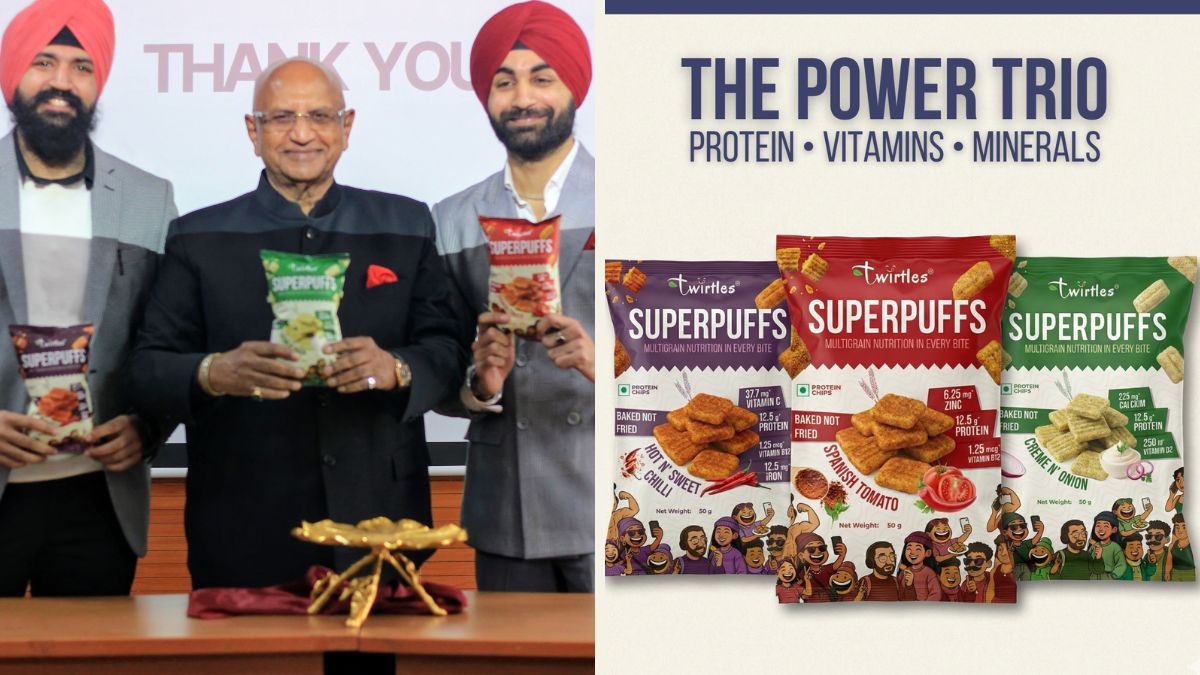
    New Delhi [India], February 09: Twirtles, a new-age healthy snacking brand, announced the launch of Superpuffs, positioning it as India’s first range of protein chips fortified with essential vitamins and minerals. The product was unveiled at an official launch event attended by industry stakeholders, retail partners and members of the food innovation ecosystem, marking the brand’s entry into the fast-evolving functional snacking space.

    A key moment at the event was the formal launch of Superpuffs by Padma Shri Dr. Arvind Lal, Executive Chairman of Dr Lal PathLabs. The gathering included participants from the startup ecosystem, as well as the health and nutrition sector and select industry representatives. It reflected Twirtles’ aim to present Superpuffs as a science-backed option within the mainstream snacking category.

    • New range combines high protein with essential micronutrients to tackle nutritional gaps in everyday snacking habits.
    • Clean-label formulation developed by a young Indian brand focused on modern, health-conscious consumers.
    • Product officially unveiled at a launch event attended by industry and retail stakeholders.

    The launch comes at a time when urban Indian consumers are rethinking everyday food choices, particularly snacks that often deliver on taste but fall short on nutrition. Superpuffs was developed to address this gap, combining high protein content with targeted micronutrient fortification across flavours.

    According to the company, each Superpuffs variant includes a selected mix of vitamins and minerals aimed at addressing common dietary gaps, while maintaining the taste and texture of regular chips. The brand also highlights its clean-label positioning, with an emphasis on straightforward ingredients and transparent product information.

    Superpuffs is the outcome of an extended in-house research and development effort by Twirtles, a young Indian brand that has built its portfolio around everyday snack formats such as chips and makhana. The company said the product went through multiple formulation cycles to balance protein levels, micronutrient stability and taste, a combination that has historically been difficult to achieve in the puffed snacks category.

    “Snacking habits in India have changed faster than the products on shelves,” said Arjun Veer Singh, Co-founder, Twirtles“We saw a clear gap between what people enjoy eating and what their bodies actually need. Superpuffs was created to bridge that gap. It delivers high protein, essential vitamins and minerals, and a flavour profile that does not feel like a compromise. For us, this is not an extension of an existing line, but the start of a new category.”

    His co-founder Pawanjot Singh said the focus was to build a product for long-term relevance rather than a short-term trend. “We are building Twirtles for modern Indian consumers who read labels, care about ingredients, and still want their snacks to taste familiar and satisfying. Superpuffs reflects how we think about product innovation, with nutrition, clean formulation and scale in mind from day one,” he said.


    Twirtles

    With Superpuffs, Twirtles is seeking to position itself in a segment that is increasingly crowded with low-calorie or baked alternatives but still thin on products that combine protein fortification and micronutrients in a mainstream snack format. Industry analysts note that protein chips remain a niche in India, often priced at a premium and limited in flavour variety, leaving room for brands that can balance accessibility with functional benefits.

    Twirtles plans to roll out Superpuffs across key urban markets in the coming months through modern trade and online channels, alongside its existing product portfolio. It will continue to invest in product development as it looks to expand into adjacent categories within healthy snacking.

    About Twirtles

    Twirtles is a new-age healthy snacking brand under Deccan Food Ventures LLP, focused on creating clean, innovative snacks that balance taste and nutrition. The brand was founded to rethink snacking by offering products that are tasty, nutritious, and suited to on-the-go lifestyles. It emphasizes thoughtful product development, clean ingredients, and formats that fit seamlessly into daily life.

    If you object to the content of this press release, please notify us at pr.error.rectification@gmail.com. We will respond and rectify the situation within 24 hours.

  • KRAFTON ANNOUNCES SHAREHOLDER RETURN PROGRAM OF AT LEAST KRW1 TRILLION FOR 2026-2028

    KRAFTON ANNOUNCES SHAREHOLDER RETURN PROGRAM OF AT LEAST KRW1 TRILLION FOR 2026-2028

    Bengaluru (Karnataka) [India], February 09:KRAFTON, Inc. today announced the company’s largest Shareholder Return Program.

    • KRW300 billion to be returned in dividend payouts; at least KRW 700 billion in shares to be repurchased and canceled
    • Initial KRW200 billion share buyback to commence on February 10.

    On February 9, KRAFTON’s Board of Directors authorized a Shareholder Return Program for 2026-2028, under which a minimum of KRW 1 trillion will be returned to shareholders over the next three years. This is more than a 44% increase compared to the previous three-year program, which totaled KRW 693 billion across 2023-2025.

    The new program aims to provide a higher predictability of shareholder return scale, while strengthening long-term shareholder value. It will be carried out in two streams: 1) Dividend payouts, and 2) Share repurchases and cancelations.

    Dividend Payouts

    KRAFTON is implementing dividend payouts for the first time in its history.

    • A total of KRW300 billion will be returned over three years via KRW 100 billion annual payouts.

    Share Repurchases and Cancelations

    • KRAFTON will repurchase at least KRW700 billion worth of shares, all of which will be canceled.

    The company’s Shareholder Return Program funds, excluding those allocated for dividend payouts, will be fully placed toward buying back stock. With this approach, KRAFTON plans to enhance capital efficiency and strategically respond to market needs. The company will review opportunities to expand the scale of returns according to financial performance and market conditions.

    CEO CH Kim announced, “This Shareholder Return Program reflects KRAFTON’s firm commitment to boosting shareholder value. While continuing to develop unique games and pursuing strategic investments in global markets, we will leverage our capital and stable operating cash flow to create sustainable long-term value through shareholder returns.”

    KRAFTON will commence the first phase of share repurchases on a scale of KRW 200 billion beginning February 10.

    About KRAFTON, Inc.

    Headquartered in Korea, KRAFTON, Inc. is dedicated to discovering and publishing captivating games that offer fun and unique experiences. Established in 2007, KRAFTON is built on a global network of 19 creative studios that include PUBG STUDIOS, Striking Distance Studios, Unknown Worlds, Neon Giant, KRAFTON Montréal Studio, Bluehole Studio, RisingWings, 5minlab, Dreamotion, ReLU Games, Flyway Games, Tango Gameworks, inZOI Studio, JOFSOFT, Eleventh Hour Games, OmniCraft Labs, Olivetree Games, Loonshot Games, and 9B STUDIO. Each independent studio strives to continuously take on new challenges and leverage innovative technologies. Their goal is to win over more fans by broadening KRAFTON’s platforms and services.

    KRAFTON is responsible for premier game IPs, including PUBG: BATTLEGROUNDS, PUBG MOBILE, PUBG: BLINDSPOT, inZOI, Subnautica, MIMESIS, Hi-Fi Rush, Dinkum, TERA, My Little Puppy, and more. With a passionate and driven team across the globe, KRAFTON is a tech-forward company with world-class development capabilities, continuously exploring new possibilities that enhance the gameplay experience — including AI and other emerging technologies. For more information, visit www.krafton.com.

    About KRAFTON India

    In India, KRAFTON is responsible for premier mobile games, including BATTLEGROUNDS MOBILE INDIA (BGMI), which has surpassed 250 million downloads, Bullet Echo India, Road To Valor: Empires, and CookieRun India, among others. Committed to enhancing the start-up ecosystem in India, KRAFTON has invested over $200 million in several Indian startups across interactive entertainment, gaming, Esports, and technology, since 2021. KRAFTON actively supports India’s game development ecosystem through its KRAFTON India Gaming Incubator.

    If you object to the content of this press release, please notify us at pr.error.rectification@gmail.com. We will respond and rectify the situation within 24 hours.

  • Who Moved My Protein? Launches With a Call for Transparency and Ethics in the Protein Industry

    Who Moved My Protein? Launches With a Call for Transparency and Ethics in the Protein Industry

    New Delhi [India], February 09: As consumer awareness around food sourcing and sustainability continues to grow, a new nutrition brand, Who Moved My Protein?, has entered the market with a focus on transparency, ethics, and responsible protein production. The brand positions itself not just as a supplement company, but as part of a broader movement questioning how modern protein is sourced and produced.

    The launch comes at a time when the global protein supplements market is facing increased scrutiny over industrial dairy practices, animal welfare concerns, and the environmental impact of large-scale production. While protein powders have become a staple for athletes and health-conscious consumers, critics argue that the industry has largely prioritised volume and speed over sustainability and transparency.

    Who Moved My Protein? aims to address this gap by shifting attention to the earliest stages of the supply chain. Its core proposition centres on ethical dairy sourcing, responsible use of technology, and clear communication around how protein is made. The brand draws a sharp distinction between grass-fed dairy systems and intensive factory-fed models, highlighting how farming practices influence not only animal welfare but also long-term environmental stability.

    Rather than relying solely on performance claims, the brand uses storytelling to communicate its message. Through a modern fable-inspired narrative, Who Moved My Protein? seeks to make complex topics such as dairy processing, sustainability, and ethics more accessible to everyday consumers. The approach is designed to encourage people to ask questions about where their protein comes from and the cost at which it is produced.

    According to the company, its unique selling proposition lies in combining ethical sourcing principles with consumer education. By framing protein as part of the wider food system rather than a standalone supplement, the brand aims to bridge the gap between fitness nutrition and responsible food consumption.

    Commenting on the launch, the founder of Who Moved My Protein? said, “Protein has become a daily essential for millions of people, but very few are told the full story behind it. We started Who Moved My Protein? to bring transparency back into the conversation and to show that strength, health, and ethics don’t have to be at odds with each other.”

    The brand also emphasises that it does not position itself against technology or progress, but advocates for balance. Its philosophy supports the use of modern processing methods where they protect quality and safety, while rejecting practices that push animals and ecosystems beyond sustainable limits.

    As conversations around ethical food systems gain momentum globally, Who Moved My Protein? enters the market with a clear message: protein choices are no longer just about nutrition labels, but about values, responsibility, and long-term impact. With its launch, the brand hopes to contribute to a more informed dialogue around what sustainable nutrition should look like in the years ahead.

    Explore their products at: www.whomovedmyprotein.com

    If you object to the content of this press release, please notify us at pr.error.rectification@gmail.com. We will respond and rectify the situation within 24 hours.