Author: Sutun Nayak

  • Emerald Tyre – An Indian Tyre Manufacturer Plans To Acquire 65% Stake In A South African Tyre Company To Expand Its Volumes In US Market

    Emerald Tyre – An Indian Tyre Manufacturer Plans To Acquire 65% Stake In A South African Tyre Company To Expand Its Volumes In US Market

    Chennai (Tamil Nadu) [India], January 27: “Emerald Tyre Manufacturers Limited (NSE: ETML | INE0RHD01013) is one of the largest manufacturers and exporters of Off-Highway Tyres, has taken a decisive step in its international growth journey by acquiring a 65% controlling stake in SA Rubber Engineering Pty. Ltd., South Africa.

    The proposed acquisition approved by ETML’s Board of Directors on 22 January 2026, involves an investment of up to ₹14 crore, through a combination of cash and non-cash consideration. Upon completion, SA Rubber Engineering will operate as a subsidiary of ETML, with the proposed acquisition expected to close within 6–8 months.

    WHY THIS MOVE MATTERS

    A Strategic Geography with Global Reach

    • Anchors the Company’s expansion across high-growth African industrial and mining tyre segments
    • Serves as Emerald Tyre’s export launchpad for the US Market.

    Built on Structural Advantages

    • Deep industrial & mining ecosystem
    • Efficient logistics and port infrastructure
    • Seamless access to global trade corridors
    • Positive & growing economic climate.

    These strengths create a natural base for scalable international operations.

    SA Rubber Engineering Contribution

    • Established regional distribution network
    • Proven expertise in industrial, mining, rebuilt tyre solutions and poly wheels
    • Immediate operational readiness for overseas scale-up

    Business Snapshot

    • Ready manufacturing Base.
    • Customer Base: Multiple industrial end-use segments
    • Role Post-Acquisition: Core driver of ETML’s Africa and export strategy

    Commenting on the strategic proposed acquisition & international expansion, Mr. Chandhrasekharan Thirupathi Venkatachalam, Chairman & Managing Director of Emerald Tyre Manufacturers Limited said, “Our approach to growth has always been measured and purposeful. This proposed acquisition is a natural extension of Emerald Tyre’s capabilities into international markets. South Africa provides a strong base to engage with Africa and serve global customers, including US in a disciplined manner.

    We view this investment as a long-term commitment focused on operational alignment & scale. The transaction is structured with strong governance, arm’s length execution, and financial discipline, allowing flexibility while remaining focused on creating sustainable value and staying true to the principles that have guided our growth.”

    ABOUT EMERALD TYRE MANUFACTURERS LIMITED

    Emerald Tyre Manufacturers Limited (Emerald Tyre, the Company), incorporated in 2002, is one of the leading manufacturers and exporters of Off-Highway and Industrial Tyres, headquartered in Chennai, Tamil Nadu. Company is engaged in the Business of Manufacturing, Supplying and Services for a comprehensive range of tyres for material handling applications like forklifts, skid loaders, ground support equipment of Airports, Port trailers, agri implements, lawn and garden mowers, mining equipment, aerial work platform trucks, backhoe loaders etc.

    The Company offers a comprehensive product portfolio including solid resilient tyres, press-on bands, industrial pneumatic tyres, wheel rims, steel bands, and fitment solutions, and is widely recognized for its technological innovation, product durability, and eco-friendly solutions supported by strong in-house R&D and mould design capabilities. The Company operates through a modern integrated manufacturing facility located in the SIPCOT Industrial Estate, Gummidipoondi, Tiruvallur District, Tamil Nadu designed to serve both domestic and international markets.

    With a strong global presence and wholly-owned subsidiaries in Belgium and the UAE, Emerald Tyre is recognized as a preferred OEM supplier and a trusted export partner. Over the past two decades, Emerald Tyre has built a reputation for quality, reliability, and customer focus, positioning itself as one of the most respected brands in the Off-Highway tyre segment under the name “GRECKSTER.”

    Disclaimer:

    Certain statements in this document that are not historical facts are forward looking statements. Such forward-looking statements are subject to certain risks and uncertainties like government actions, local, political or economic developments, technological risks, and many other factors that could cause actual results to differ materially from those contemplated by the relevant forward-looking statements. The Company will not be in any way responsible for any action taken based on such statements and undertakes no obligation to publicly update these forward-looking statements to reflect subsequent events or circumstances.

  • Vishnu Prakash R Punglia Limited Successfully Delivers Silchar 24×7 Water Supply Project

    Vishnu Prakash R Punglia Limited Successfully Delivers Silchar 24×7 Water Supply Project

    Jodhpur (Rajasthan) [India], January 27: Vishnu Prakash R Punglia Limited (NSE – VPRPL, BSE – 543974 | INE0AE001013), one of India’s leading Engineering, Procurement and Construction (EPC) companies with a diversified presence across Water & Municipal Services, Roads, Railways, Infrastructure, and Mining, has announced successfully completed and handed over the Silchar 24×7 Water Supply Project under the AMRUT Mission in Assam.

    The project was executed for the Assam Urban Water Supply & Sewerage Board (AUWSSB) at an approximate cost of 177.47 crore.

    Project Overview

    The project includes key infrastructure such as intake systems, a water treatment plant, transmission mains, pumping stations, service reservoirs, distribution network, household connections, and PLC-SCADA automation. Water supply commenced on March 1, 2024, and the project was partially inaugurated by the Hon’ble Chief Minister of Assam. The executing authority has certified the Company’s performance as satisfactory.

    Strategic Perspective

    The completion of the Silchar project strengthens the Company’s track record in urban water infrastructure and large EPC execution. Vishnu Prakash R Punglia Limited remains focused on timely delivery, operational efficiency, and selective bidding across water and municipal infrastructure projects aligned with national development programs.

    Commenting on the update Mr. Manohar Lal Punglia, Managing Director of Vishnu Prakash R Punglia Limited, said: “The completion of the Silchar project highlights our strength in consistent execution and delivery at scale. It reinforces our ability to manage complex urban infrastructure with discipline on timelines and outcomes, while staying aligned with long-term public infrastructure priorities.”

    If you object to the content of this press release, please notify us at pr.error.rectification@gmail.com. We will respond and rectify the situation within 24 hours.

  • Dr. Biswaroop Roy Chowdhury Launches English Edition Cure Autism Now (C.A.N.) on Netaji Subhas Chandra Bose Jayanti

    Dr. Biswaroop Roy Chowdhury Launches English Edition Cure Autism Now (C.A.N.) on Netaji Subhas Chandra Bose Jayanti

    New Delhi [India], January 27: Following the success of his Hindi book Autism se Azadi (ऑटिज़्म से आज़ादी), which became a No. 1 bestseller on Amazon, Dr. Biswaroop Roy Chowdhury launched its English edition titled Cure Autism Now (C.A.N.) on the occasion of Netaji Subhas Chandra Bose Jayanti, January 23, in New Delhi. The book launch ceremony was graced by Shri Sanjay Mayukh, MLC, Bihar, along with other distinguished guests.

    Addressing the gathering, Dr. Biswaroop stated that in present-day India, one out of every 100 children is affected by autism, whereas 30–40 years ago such cases were rarely reported. He attributed the sharp rise in autism cases to vaccination and referred to an observational study documented in the book to support his views.

    Dr. Biswaroop further stated that autism, according to him, is both preventable and curable. He emphasized that the book challenges commonly held beliefs regarding vaccines and presents what he described as extensive evidence questioning their effectiveness and safety. He urged readers to study the first module of Cure Autism Now to understand this perspective in detail.

    During the event, Dr. Biswaroop introduced the C.A.N. Protocol, developed by him, which comprises five major components aimed at reversing autism-related symptoms. He claimed that children following this protocol have shown rapid improvements, including the development of speech, reduction in hyperactivity, cessation of toe walking and hand flapping, improved cognitive skills, and better concentration, with noticeable changes observed within a few days.

    He highlighted Neem Therapy as the most important component of the protocol, describing it as a complete therapy in itself. He added that detailed information on this therapy is available in his earlier book Green Gold: The Neem-Farmacy, a long-standing bestseller on Amazon.

    Other components of the C.A.N. Protocol include the D.I.P. Diet, grounding practices, fermented drinks, and coconut-based recipes. All daily recipes recommended for children are provided in Module 3 of Cure Autism Now, while Module 4 presents an extensive observational study covering more than 1,000 reported successful cases.

    According to this study, children who followed the C.A.N. Protocol for an average duration of 26 days showed an average improvement of 52 percent in classic symptoms associated with neurodevelopmental disorders, with autism being the most prominent.

    On the occasion of the book launch, Dr. Biswaroop also presented 100 additional case studies conducted during the current month. Ten children affected by autism, along with their parents, attended the event and performed on stage. Among them, Vedanshi, Prasit, and Arnav were seen singing confidently, while Arakaansh and Abhyuday played the national anthem and other melodious songs, drawing appreciation from the audience.

    While releasing the book, Dr. Biswaroop expressed his gratitude to the entire team involved in its creation, including Ms. Rachna Sharma (Research), Swapan Banik (Graphic Design), Pankaj Singh (Translation), Dr. Namita Gupta (Parents’ Mentor & Report Collection), Kalpana Bourai, Pratiksha Vats, and Dr. Vanshika Tanwar (Technical Compilation).

    Dr. Biswaroop also spoke about the importance of keeping children away from chemicals entering the body through processed foods, fast food, allopathic medicines such as antibiotics and antivirals, and vaccines. He emphasized avoiding pesticides and chemical fertilizers in food and advocated the use of organic produce for better physical and mental health.

    Highlighting the issue of affordability of organic food in India, he introduced the Natural D.I.P. Diet for B.O.S.S., where B stands for Blood Pressure, O for Obesity, S for Sugar, and S for Stiffness. He stated that over the last 15 years, since the development of the D.I.P. Diet, millions of people have reported improvements in conditions related to blood pressure, obesity, diabetes-related issues, and stiffness such as joint pain and arthritis.

    To make chemical-free food more accessible, Dr. Biswaroop launched the Natural D.I.P. Diet for B.O.S.S. Box, a one-month supply of the main diet for one adult, requiring only fruits and vegetables to be purchased separately. The box contains eight varieties of pulses, five types of millets, five types of spices, and rock salt, all sourced from chemical-free farming.

    The Natural D.I.P. Diet for B.O.S.S. has been sourced through Devshree Naturals, founded by Anubhav Mittal, a farmer-linked sourcing initiative working directly with chemical-free farmers. By eliminating intermediaries, this direct-to-consumer model aims to offer organic food at prices comparable to conventionally grown produce.

    With this launch, chemical-free food is now available—at least to a limited number of consumers—at prices similar to non-organic food sold at local stores.

    The book Cure Autism Now and the Natural D.I.P. Diet for B.O.S.S. Box are available on major online platforms including Amazon, Flipkart, and Meesho, as well as on www.biswaroop.com/shop. (SGP)

    Disclaimer: This press release is for general information purposes only and should not be construed as professional medical advice. Always consult a doctor before taking any decisions.

  • Applications Underway for IIM Indore’s Third Master of Management Studies Batch; Deadline February 10, 2026

    Applications Underway for IIM Indore’s Third Master of Management Studies Batch; Deadline February 10, 2026

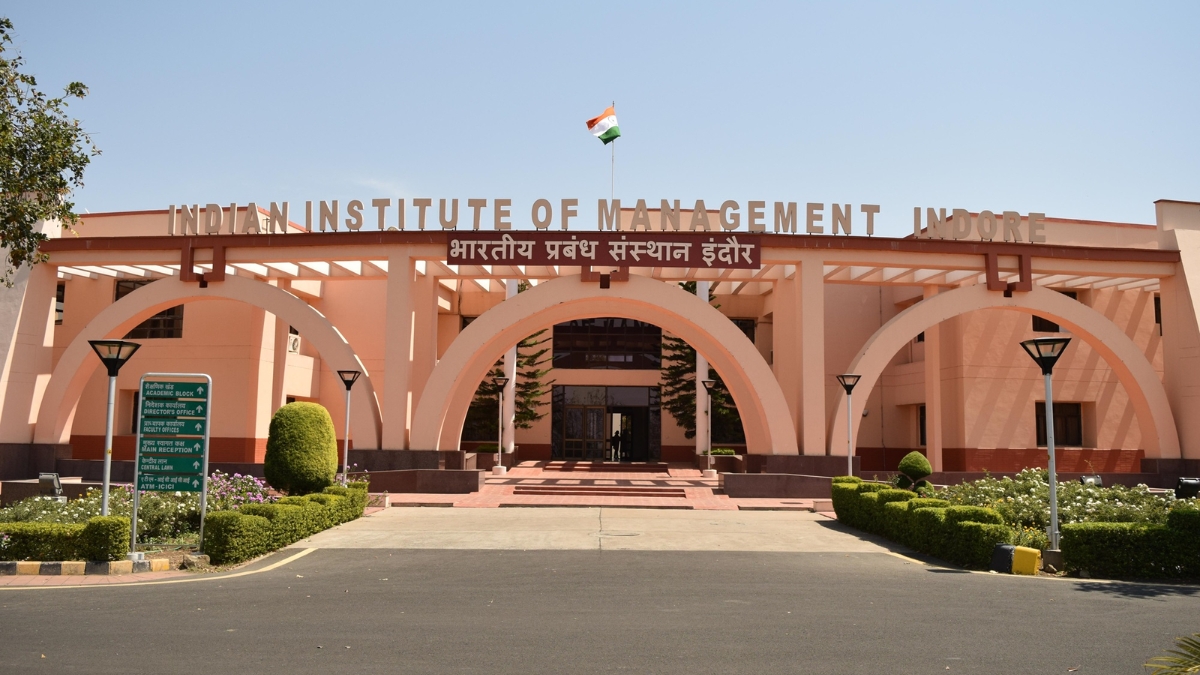
    Indore(Madhya Pradesh) [India], January 27: The Indian Institute of Management Indore (IIM Indore) is accepting applications for the third batch of its marquee two-year Master of Management Studies (MMS) programme for working professionals. The last date for applications is February 10, 2026. The institute is among the few globally to hold the “Triple Crown” of international accreditations – EQUIS, AACSB and AMBA. This LIVE online degree programme, running from March 2026 to March 2028 and comprising 900 learning hours, equips mid-career leaders with advanced general management capabilities, strategic perspectives and behavioural insights to navigate complex business environments.

    IIM Indore

    The Master of Management Studies, in collaboration with TimesPro, equips professionals to develop rigorous, holistic management expertise across core disciplines such as microeconomics, marketing, operations, finance, human resources and strategic management. Learners deepen this foundation through carefully curated electives, applied projects and a thesis track in the later terms. They cultivate data-driven decision-making, responsible leadership, ethical judgement and the ability to navigate complex global business environments through interactive learning and three on-campus immersions, spanning 16 days, which also foster rich peer-to-peer collaboration. Recent cohorts have drawn accomplished professionals from IT, financial services, marketing and advertising, sales, automotive, manufacturing, healthcare and more, representing senior roles including CEOs, Vice Presidents, Directors, General Managers, Senior Managers and analysts.

    IIM Indore

    Rapid advances in technology, particularly in artificial intelligence and information processing, are set to reshape an estimated 86 per cent of businesses globally over the next five years. Yet, even amid this disruption, the World Economic Forum anticipates a net increase of 78 million jobs worldwide by 2030, signalling a decisive shift from automation to augmentation. In this context, sustained investment in learning and development has become a strategic imperative: 94 per cent of employees state they would remain longer with organisations that invest in their growth, while 77 per cent directly associate learning new skills with a stronger sense of purpose in their roles, underscoring the intrinsic value of continuous development.

    Speaking on the programme announcement, Prof. Himanshu Rai, Director, IIM Indore said, “Our two-year online degree programme for working professionals embodies IIM Indore’s dedication to developing leaders who excel amid complexity and change. By integrating rigorous academic frameworks with practical insights, we empower participants to strengthen critical thinking, elevate decision-making and cultivate resilience. This structured yet flexible learning journey prepares individuals to lead with confidence while balancing career demands and driving impactful growth.”

    IIM Indore

    Sridhar Nagarajachar, Business Head – Executive Education, TimesPro said, “The Master of Management Studies for working professionals embodies IIM Indore’s ethos of academic rigour, applied learning and leadership with purpose. By combining live online classes with immersive campus engagements and a strong practitioner-led orientation, the programme enables professionals to integrate advanced management thinking into their daily decision-making. It empowers them to steer complex, multi-stakeholder environments with confidence, while advancing both their own careers and the long-term ambitions of their organisations.”

    Admission requires a bachelor’s degree with a minimum of 50 per cent marks (45 per cent for candidates from reserved categories), at least two years of full-time work experience, and a valid CAT, GMAT, GRE or IIM-EAT score, followed by a personal interview. On successful completion, participants earn the MMS degree and full IIM Indore alumni status, together with the associated alumni benefits and privileges.

    The programme adopts a rich, application-oriented pedagogy delivered through live online classes that integrate lectures, interactive workshops, group discussions, quizzes, simulations, hands-on activities, tests and assignments. TimesPro conducts these sessions via its state-of-the-art Interactive Learning platform in Direct-to-Device (D2D) mode, enabling busy entrepreneurs and senior executives to pursue high-impact learning with flexibility and minimal disruption to their professional commitments.

    About IIM Indore:

    IIM Indore is among the 100 global business schools to receive the prestigious Triple Crown in the form of accreditations from EQUIS, AACSB, and AMBA. IIM Indore has been consistently ranked in the top by various National and International ranking agencies, including NIRF, QS, and the FT-100 rankings. The institute offers a diverse set of executive education opportunities, spanning several long-term and short-term courses. With a robust offering of 200+ executive programmes, including specialized courses tailored for the UAE, GCC, and the Middle East, IIM Indore empowers professionals with globally relevant skills and expertise.

    About TimesPro:

    TimesPro, established in 2013, is a leading Higher EdTech platform dedicated to empowering the career growth of aspiring learners by equipping them with skills to rise in a competitive world. TimesPro’s H.EdTech programmes are created to meet the rapidly changing industry requirements and have been blended with technology to make them accessible & affordable.

    TimesPro offers a variety of created and curated learning programmes across a range of categories, industries, and age groups. They include employment-oriented early career programmes across BFSI, e-Commerce, and technology sectors; executive education for working professionals in collaboration with premier educational institutions like IIMs and IITs; and organisational learning and development interventions at the corporate level. TimesPro also collaborates with India’s leading organisations across varied sectors to provide upskilling and reskilling solutions to boost employability and create a robust workforce. TimesPro is a Higher EdTech initiative by The Times Group.

    If you object to the content of this press release, please notify us at pr.error.rectification@gmail.com. We will respond and rectify the situation within 24 hours.

  • Dnyaan Prasad Global University Reinforces Commitment to Society Through Impactful Social Initiatives

    Dnyaan Prasad Global University Reinforces Commitment to Society Through Impactful Social Initiatives

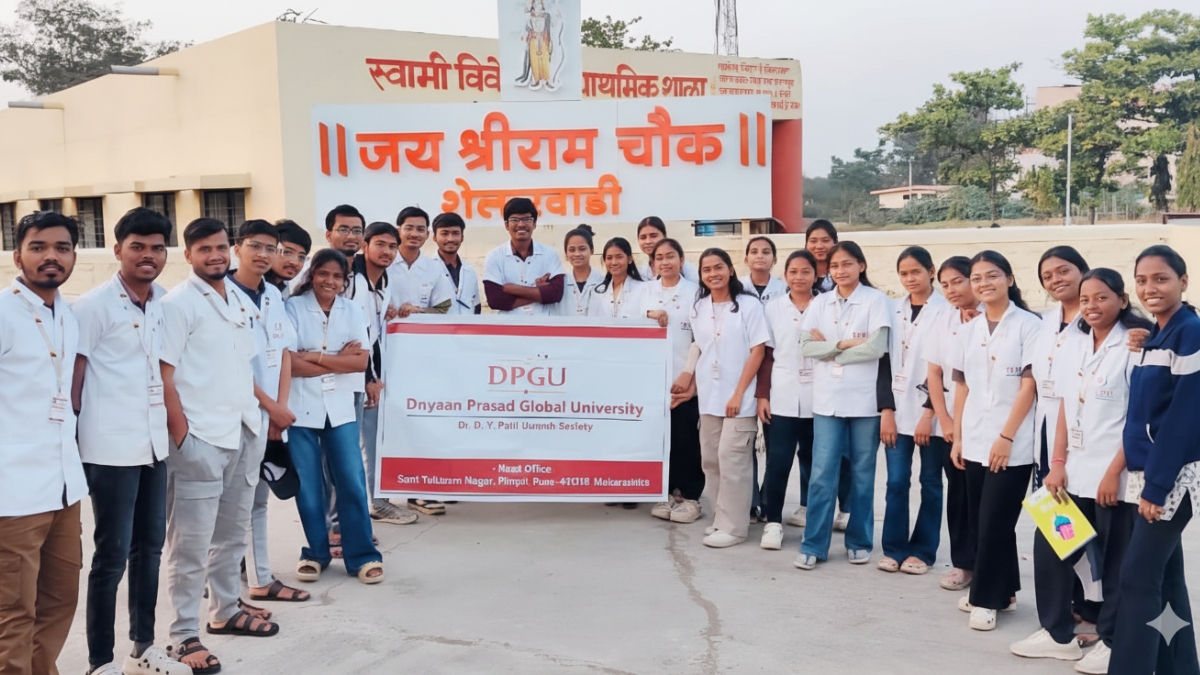
    Pune (Maharashtra) [India], January 27: Dnyaan Prasad Global University by Dr. D. Y. Patil Unitech Society, initiated a series of impactful activities, including a 3-day NSS camp, a clean water and public health awareness programme, as well as healthcare and community engagement initiatives in Shelarwadi village to raise awareness of the environment and value-based education.

    The university organised a “Clean Water, Healthy Life” awareness initiative, and students engaged communities with scientific insights on water hygiene, disease prevention, and sustainable health practices, highlighting the role of informed behaviour in improving quality of life in Shelarwadi. As part of this effort, students conducted comprehensive field surveys, including house-to-house water sample collection, to assess drinking water quality. The collected samples were further analysed in laboratory settings to evaluate purity levels and identify potential contaminants, strengthening awareness around safe water consumption through scientific validation.

    On the other hand, the 3-day NSS camp at Ratangad allowed students to participate in activities that brought together education, nature, values and real-world experiences. With guidance from Hon’ble Vice Chancellor Dr Mohan Waman on how to connect with nature and develop an ecological consciousness and a presentation by noted actor and artist Mr Sayaji Shinde on the connection between learning and action through knowledge, students enjoyed their time at the camp.

    To further engage, faculty and students from the university initiated the healthcare program to improve community health and awareness in Shelarwadi Village. This program was attended by 120  villagers, along with their Sarpanch.

    The ultimate goal of an education is to produce responsible and aware citizens,” said Dr. Somnath P. Patil, Pro-Chancellor of Dnyaan Prasad Global University“While academic performance is important, being a part of the community is also part of our mission as a university. Our Corporate Social Responsibility (CSR) efforts provide our students with empathy, social awareness and civic responsibility.” 

    With these types of initiatives, Dnyaan Prasad Global University confirms its commitment to developing a higher education environment that provides a substantial contribution to society and develops leaders who have a social conscience.

    About DPGU

    Dnyaan Prasad Global University by Dr. D. Y. Patil Unitech Society, based in Pune, Maharashtra, is a multidisciplinary University committed to excellence in education, research, and innovation. DPGU offers globally aligned programs across diverse fields, combining academic rigour with real-world learning. Guided by the values of knowledge and purpose, the university aims to nurture globally competent, socially responsible graduates.

    If you object to the content of this press release, please notify us at pr.error.rectification@gmail.com. We will respond and rectify the situation within 24 hours.

  • S.K. Tiwari and Bigg Boss fame Hema Sharma starrer Hindi music album “Waqt” will be released soon on TPS Music

    S.K. Tiwari and Bigg Boss fame Hema Sharma starrer Hindi music album “Waqt” will be released soon on TPS Music

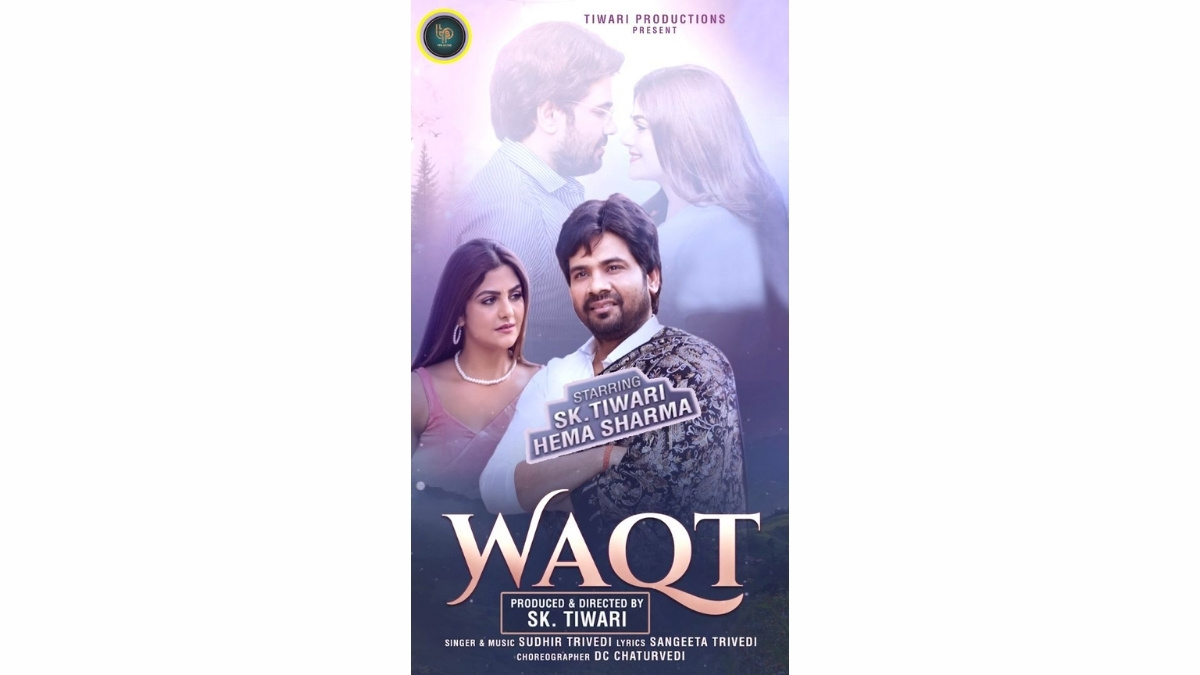
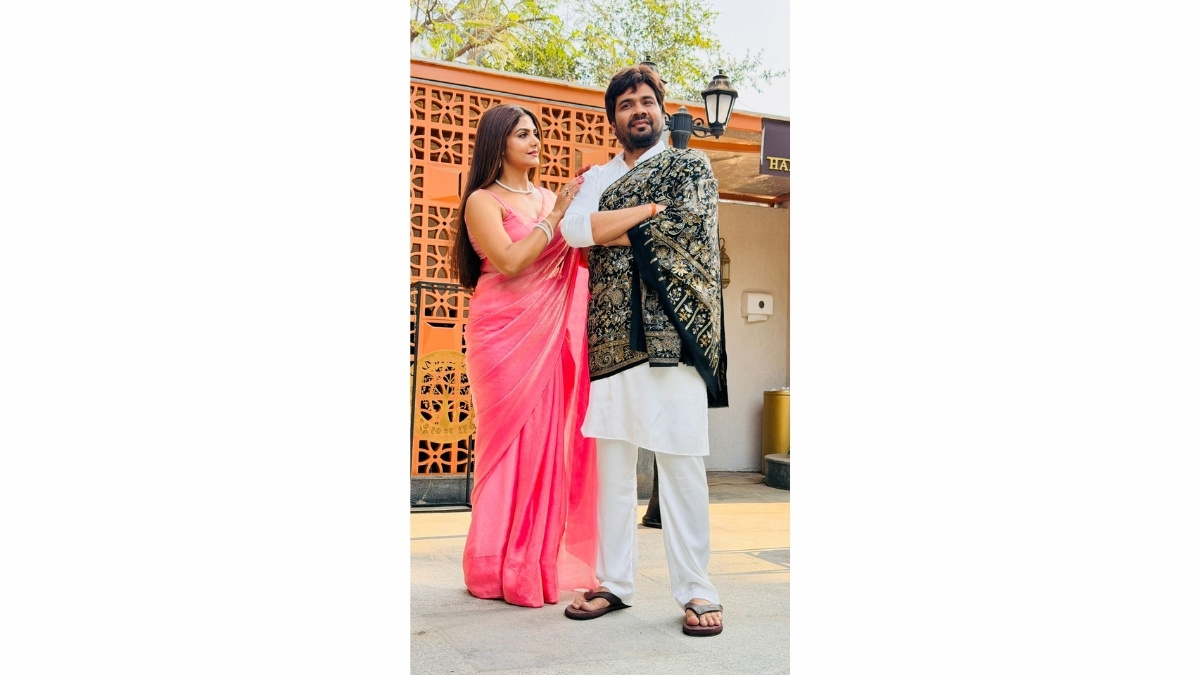
    Mumbai (Maharashtra) [India], January 27: Actor, producer, and director S.K. Tiwari’s beautiful Hindi music album, “Waqt”, is releasing soon on the TPS Music YouTube channel. The music video stars S.K. Tiwari as the lead actor and Bigg Boss fame Hema Sharma as the heroine. Both have delivered stellar performances.

    The most special feature of this song is that this melody-filled song was shot in Mumbai and will soon be released to audiences.

    The singer and composer is Sudhir Trivedi, and the lyricist is Sangeeta Trivedi. The video is choreographed by DC Chaturvedi. A stunning poster for S.K. Tiwari’s new project has been released.

    S.K. Tiwari says that this is a Hindi music album that highlights the importance of time. Its lyrics go like this: “Time is so cruel that it takes away childhood and then youth.” Everyone will be able to relate to this song, as everyone has both suffered from time and found healing through it. This world, the entire universe, moves according to time, and time is both king and pauper.”

    Its composer, Sudhir Trivedi, has sung it with great passion, which is sure to resonate with audiences. SK Tiwari and Hema Sharma have showcased their captivating acting skills.

    waqt_PNN

    The album “Waqt,” presented by Tiwari Productions, is set to be released on TPS Music, a YouTube channel where all the songs released are sure to touch the hearts of listeners. These songs are also meant to soothe the mind and soul.

    SK Tiwari consistently releases excellent songs on the YouTube channel TPS Music. Under the banner of Tiwari Productions, SK Tiwari has been presenting songs that have received immense love from audiences. Most importantly, he presents songs from every genre to the audience. He has also produced and directed this song.

    Hema Sharma, known as “Viral Bhabhi,” is very excited about this song. She says that when she heard about “Waqt,” she felt she had to  Upon hearing the song, she agreed to be a part of it. S.K. Tiwari has beautifully directed the video, and she has also acted brilliantly in it. This music video will be a great treat for the audience.

    As you all know, shooting under Tiwari Productions is carried out with utmost precision. Smoking, non-vegetarian food, or alcohol are absolutely not allowed on their sets. For the past several years, Tiwari Productions has been passionate about its work, regardless of the consequences.

    S.K. Tiwari’s upcoming films as an actor include “Tiwari Sarkar,” a biopic of Chandrashekhar Azad. His real name was Chandrashekhar Tiwari, who was known as Chandrashekhar Azad. S.K. Tiwari will produce and direct this film himself. His second film, “Sorry,” is scheduled to begin shooting soon. His third film, “Kilkari,” will begin shooting in March. His web series, “Dasi” and “Muskane Jhoothi Hai,” are also being developed for major OTT platforms. Tiwari Productions is actively pursuing new projects.

    S.K. Tiwari is fully involved in all projects of Tiwari Productions’ YouTube channel, Sanatan World, and TPS Music. He directs and produces only those films or web series in which he stars. S.K. Tiwari has never worked on a project under any other banner. In all projects produced under Tiwari Productions, special care is taken to ensure that the content is for the entire family. Parents, brothers, and sisters can all watch together. Whether it’s a music video or a web series, not a single shot is obscene. Today, very few producers make a project without bold scenes. S.K. Tiwari says that a hit is simply the content; boldness is not a hit. He consistently creates content that raises awareness about the nation, society, and religion.

    https://www.instagram.com/tiwariproductions?igsh=c3N5Y2lxcnZyMzR3

    If you object to the content of this press release, please notify us at pr.error.rectification@gmail.com. We will respond and rectify the situation within 24 hours.

  • India-EU Free Trade Agreement Signed, Covering 25% of Global GDP

    India-EU Free Trade Agreement Signed, Covering 25% of Global GDP

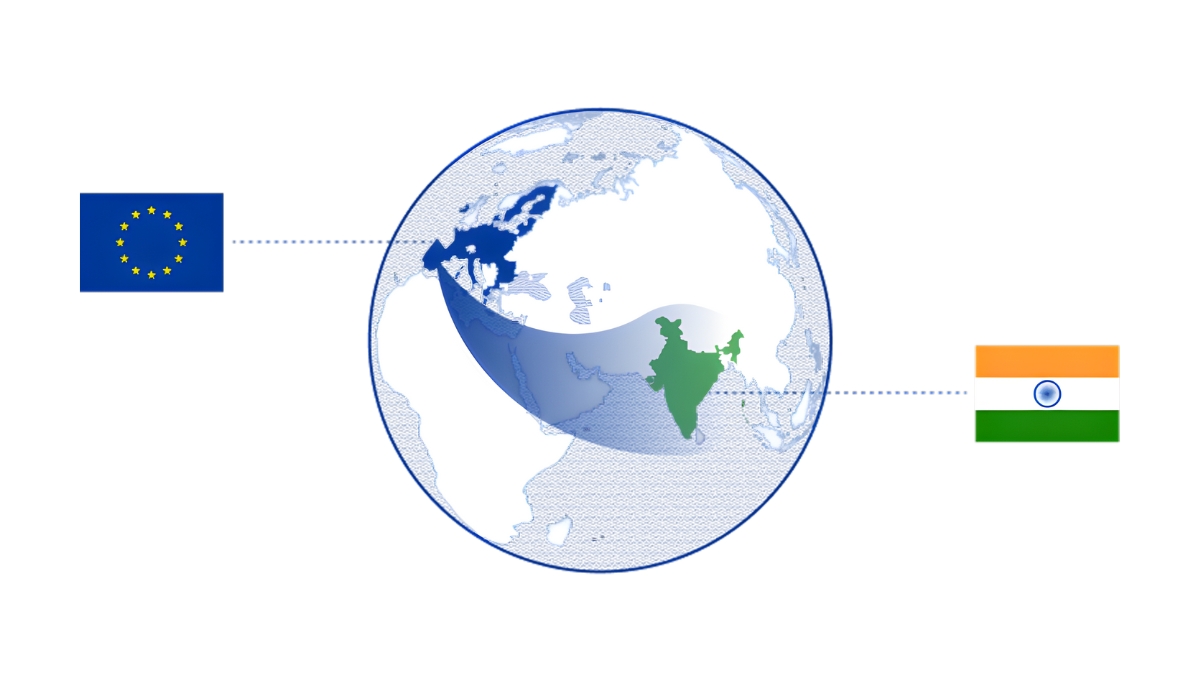
    New Delhi: India-EU FTA: PM Modi made the announcement while addressing the Indian Energy Week virtually. No summit theatrics. No ceremonial delay. Just a statement that cut through weeks of speculation. The agreement between India and the European Union was signed on Monday, he said. The largest trade bloc India has ever locked in.

    “This free trade agreement will strengthen confidence in India for every business and every investor in the world. India is working extensively on global partnerships in all sectors,”

    – PM Modi

    He called it what others already had. The mother of all deals. Not as hype, but as arithmetic. One agreement. Two massive economies. A reach that stretches across continents.

    This India-EU Free Trade Agreement, PM Modi said, opens opportunities for 140 crore Indians and crores of Europeans. That number matters. Scale is the point. Trade is no longer a side conversation in foreign policy. It is the core.

    India-EU Free Trade Agreement: PM Modi congratulates everyone associated with sectors such as textiles, gems, jewellery, leather, and shoes

    The agreement represents 25 percent of global GDP and one-third of global trade. Those figures landed heavily because they redraw economic gravity. Few bilateral or bloc-level deals carry that weight.

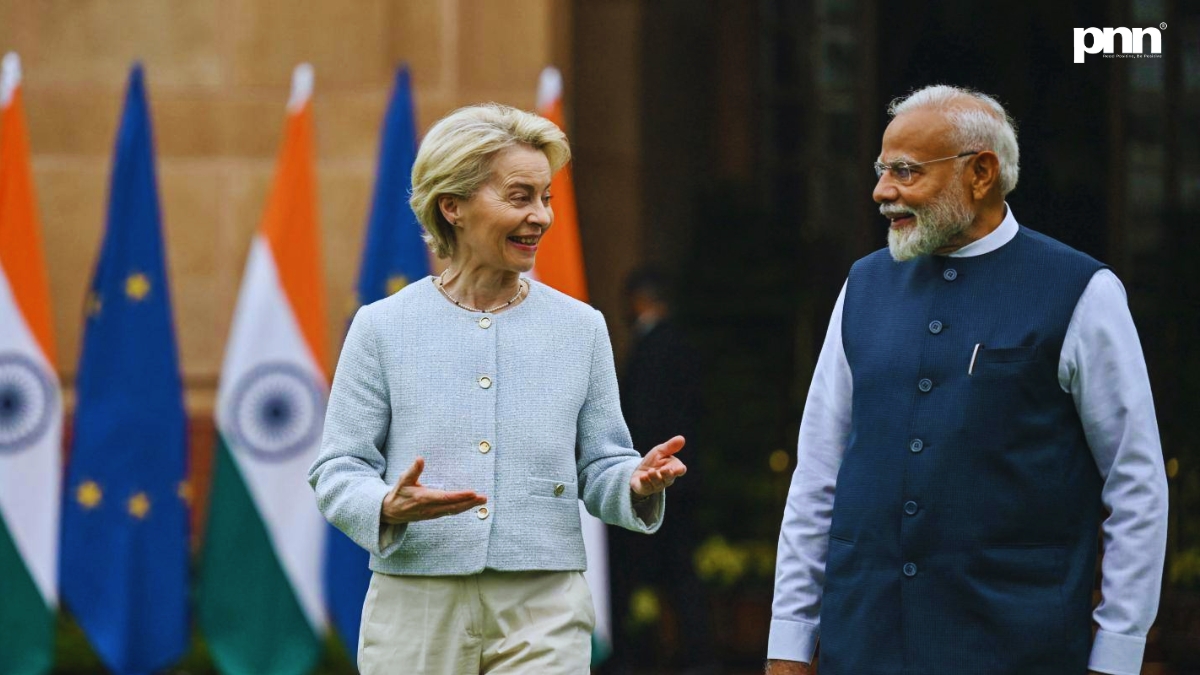
    India-EU Free Trade Agreement Signed as Europe and India Reset Ties - PNN

    PM Modi framed it as coordination, not concession. Two economies aligning, not yielding. The FTA, he added, complements India’s agreements with Britain and the European Free Trade Association. A lattice, not a single bridge.

    The India-EU Summit 2026 didn’t arrive with poetry. It arrived with paperwork, pressure, and decisions that had been parked for years.

    Morning in Delhi felt narrower than usual. Roads trimmed. Corners guarded. Rajghat cordoned off because Europe was in town and memory still carries protocol.

    The India-EU Summit 2026 opened in a world that keeps shedding assumptions. Alliances wobble. Supply chains twitch. Everyone is hedging. India isn’t hedging much.

    Rajnath Singh spoke first, in effect. Technology and defence partnership. Signed. A step closer, he said, in a complex global environment. Not a dramatic sentence. But it landed with the weight of timing. South Block. Republic Day season. Seventy-five years of constitutional muscle memory humming in the background.

    Across the table sat Kaja Kallas, the European Union’s High Representative for Foreign Affairs and Security Policy. She didn’t dilute it either. There is more to do. Defence cooperation can stretch further. Multilateral spaces matter. Translation floats in the air: Europe wants partners that don’t vanish when the weather turns.

    This defence partnership isn’t about flags or handshakes. It’s about wiring. Technology flows. Defence industry linkages. Strategic familiarity that survives election cycles and headline storms. Europe brings depth. India brings scale and appetite.

    Then trade elbowed into the conversation, unapologetically.

    India plans to slash tariffs on cars imported from the European Union to 40 percent, down from rates that once hovered at 110 percent. That’s not trimming the edges. That’s reopening a gate that had been rusted shut on purpose.

    It slots into the larger machine called the India-EU Free Trade Agreement. Negotiations concluded. Confirmed. Quietly. No fireworks. No overwrought declarations. Legal scrubbing remains because bureaucracy loves its rituals. Politically, the door is already open.

    Two decades of negotiation fatigue. Agriculture anxieties. Carbon border taxes. Services. Non-tariff barriers. Every sensitive corner got dragged into the same room. The so-called “mother of all deals” finally stopped being a ghost story.

    Why now. Because the world stopped being patient.

    Europe’s relationship with Washington has grown brittle. Trade tensions. Security recalculations. Policy swings that land like tremors. Europe is diversifying its bets. India is not auditioning. It is simply available, substantial, and unwilling to be ornamental.

    Prime Minister Narendra Modi hosts this summit with the understanding that alignment today is practical, not sentimental. The agenda stretches beyond pleasantries. Supply chains. Technology corridors. Strategic comfort.

    Outside, Delhi adjusted its posture. Traffic curbs near Rajghat. Diversions at ITO Chowk, Delhi Gate, Shantivan, IP Flyover. Bahadur Shah Zafar Marg slowed to a crawl. Asaf Ali Road tightened. NS Marg felt heavier than usual. Commuters recalibrated their mornings. Diplomacy leaves footprints.

    The EU delegation visited Mahatma Gandhi’s memorial. Symbolism, yes. But symbolism chosen carefully. Europe respects narrative. India respects leverage. Both understand theatre when it serves purpose.

    Traffic personnel stood at intersections. Advisories floated across phones and radios. Avoid peak hours. Take alternate routes. Follow instructions. High policy always comes with low-level choreography.

    The India-EU Summit 2026 is not a pivot. It’s a correction after too much hesitation. Defence cooperation formalised because ambiguity stopped paying. Trade liberalisation pushed because delay became expensive.

    India walks into this phase without apologising for its interests. It knows the weight of its market. It knows its strategic gravity. Europe arrives more pragmatic than philosophical, more transactional than lyrical.

    Nothing here wraps neatly. Nothing claims permanence. What’s clear is this: both sides decided movement beats waiting. And waiting had grown stale.

    Read More

  • Mark Carney Heads to India With Billions at Stake? – 2026

    Mark Carney Heads to India With Billions at Stake? – 2026

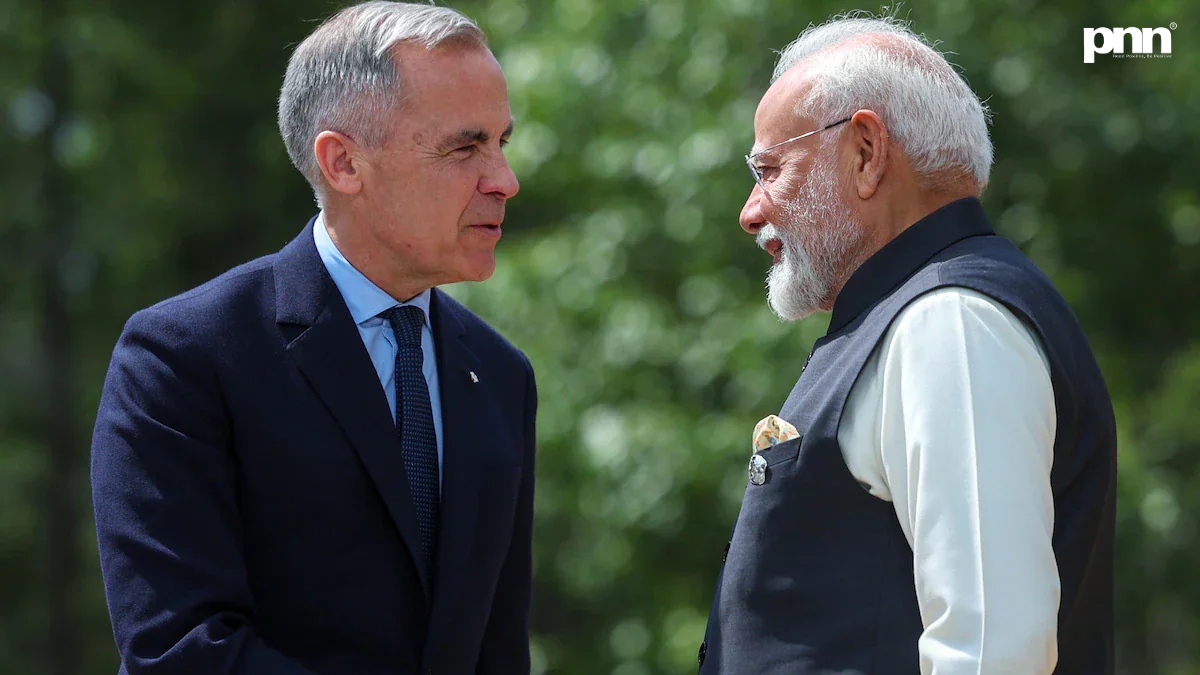
    New Delhi [India], January 26: Mark Carney is preparing to land in India in early March. It is not ceremonial. It is strategic, urgent, and long overdue.

    Canada’s prime minister is expected to visit India in the first week of March to sign a clutch of agreements spanning uranium, energy, critical minerals, artificial intelligence, and emerging technology. The timeline was confirmed by India’s High Commissioner to Canada, Dinesh Patnaik, in an interview this weekend.

    This visit sits inside a much larger recalibration. Canada is actively reducing its dependence on the United States. India is the clearest alternative partner on the table.

    Mark Carney has been explicit about the shift. At Davos last week, he said the old rules-based global order is no longer functioning. The line landed. He received a standing ovation.

    Behind the rhetoric sits action. Canada has already reached an agreement with China to reduce tariffs on electric vehicles and canola, unlocking access to roughly C$7 billion in export markets. The stated goal is blunt: double non-U.S. exports over the next decade.

    India fits cleanly into that math. Large economy. Fast growth. Expanding energy demand. Rising appetite for minerals and technology inputs Canada already produces.

    This is not diversification for optics. It is risk management.

    Formal negotiations for a Comprehensive Economic Partnership Agreement between India and Canada are expected to begin in March. Terms of reference should be finalised in February.

    These talks were stalled for nearly two years. They are now being fast-tracked.

    Patnaik said both sides are operating with a sense of urgency, driven partly by tariff uncertainty out of Washington and a broader loss of faith in predictable trade enforcement.

    Within a year of negotiations beginning, a CEPA deal could be signed. That timeline would have sounded unrealistic twelve months ago. It no longer does.

    India is not a symbolic hedge. It is central to Canada’s energy and resource strategy.

    India’s demand for civilian nuclear energy is rising sharply. Its need for critical minerals is expanding alongside manufacturing and electrification. Its technology sector wants partners that are politically stable and resource-secure.

    Canada checks those boxes.

    During the visit, Carney is expected to sign smaller but consequential agreements covering nuclear energy, oil and gas, environmental cooperation, artificial intelligence, quantum computing, education, and culture.

    One deal stands out. A 10-year uranium supply agreement valued at C$2.8 billion is likely to be included.

    Canada’s Energy Minister Tim Hodgson, currently visiting India, did not confirm the uranium agreement but said Canada is open to selling uranium under the existing nuclear cooperation framework, provided India adheres to International Energy Agency safeguards.

    India’s nuclear expansion plans are no secret. Canada’s willingness to fuel them is equally clear.

    Beyond uranium, energy and mining agreements are expected to dominate announcements in the coming weeks.

    Patnaik said pacts on critical minerals, crude oil, and LNG transactions will be the most prominent outcomes.

    Hodgson was direct. India is a growing user of critical minerals. Canada can supply them. That alignment does not require narrative dressing.

    This is extraction meeting demand. The rest is paperwork.

    Carney’s visit also marks a reset after a deeply strained period in India-Canada relations.

    His predecessor, Justin Trudeau, accused the Indian government in 2023 of involvement in the killing of Sikh separatist leader Hardeep Singh Nijjar. India denied the allegations. Diplomatic trust cratered.

    Carney has moved quickly to stabilise the relationship. Prime Minister Narendra Modi attended the G7 summit last year on Carney’s invitation. Several Canadian ministers have since travelled to India.

    Patnaik confirmed that a Canadian court case against four accused individuals is ongoing. If evidence emerges implicating Indians, India will take action, he said. No hypotheticals. No qualifiers.

    India’s National Security Advisor is also expected in Ottawa next month for routine intelligence and security discussions.

    None of this happens in a vacuum.

    U.S. President Donald Trump threatened 100 percent tariffs on Canada over the weekend if Ottawa signed a deal with China. Carney responded by pointing to Canada’s obligations under the United States-Mexico-Canada Agreement, which restrict free trade deals with non-market economies.

    India is not China. The distinction matters. Legally and politically.

    Still, the pressure is real. Which explains the speed.

    This is not a feel-good bilateral tour. It is transactional and deliberate.

    Carney is stitching together a coalition of middle powers that can absorb shocks from an increasingly erratic global trade environment. India is the largest, most resilient node in that network.

    From New Delhi’s perspective, Canada offers energy security, minerals, technology cooperation, and a counterweight to over-concentration elsewhere.

    Both sides know what they need. Neither has time for delay.

    Read More

  • The $136B Question: India EU Free Trade Agreement Near Closure After 17 Years

    The $136B Question: India EU Free Trade Agreement Near Closure After 17 Years

    New Delhi [India], January 26: This story refused to end for years. Now it’s cornered. The India EU Free Trade Agreement is finally being treated like something real.

    Start with the optics. Delhi. Republic Day afterglow. Prime Minister Narendra Modi hosting European Commission President Ursula von der Leyen and European Council President Antonio Costa. That alone sets the temperature.

    But the substance matters more.

    An announcement signalling the conclusion of talks on the India EU Free Trade Agreement is expected to anchor the summit. Not buried. Not vague. Front and centre. Alongside it, a strategic defence pact and a mobility framework that quietly says more than the speeches will.

    Von der Leyen didn’t hedge. “A successful India makes the world more stable, prosperous and secure.” That line wasn’t crafted for poetry. It was admission.

    Europe has recalculated.

    The India EU Free Trade Agreement began in 2007, back when optimism came cheap. Then it stalled. By 2013, ambition gaps were blamed. Translation: nobody wanted to bend first. The file gathered dust for nearly a decade.

    Then June 2022 cracked it open again.

    This time, the tone shifted. Less sermonising. Fewer red lines shouted across tables. More spreadsheets. More supply chains. More uncomfortable honesty about dependence, resilience, and who can actually deliver when systems wobble.

    That wobble is now permanent.

    Trade numbers don’t whisper anymore. They announce themselves. The European Union is India’s largest trading partner in goods. In FY 2024–25, total goods trade hit about USD 136 billion. India exported roughly USD 76 billion. Imports landed near USD 60 billion.

    That scale rewires priorities.

    The India EU Free Trade Agreement is expected to change texture, not just totals.

    Tariffs matter, sure. So do standards, market access, regulatory friction, and the ability to move faster without asking permission every quarter.

    This is not romance. It’s plumbing.

    Trade, though, is only the loudest piece.

    Defence cooperation has stepped out of the shadows. A proposed Security and Defence Partnership is set to be unveiled at the summit. Officials talk about interoperability. About trust. About aligning capabilities rather than duplicating them.

    There’s a sharper edge underneath.

    The partnership opens doors for Indian firms to participate in the EU’s SAFE programme. SAFE. Security Action for Europe. A Euro 150 billion financial instrument designed to accelerate defence readiness.

    That money isn’t theoretical. It’s already allocated. Europe wants speed. India offers scale and cost discipline. This isn’t charity. It’s mutual convenience, dressed in strategy.

    Then comes the Security of Information Agreement. Dry name. Serious consequences. Without SOIA, industrial defence cooperation stays shallow. With it, joint projects become possible. Quietly. Efficiently.

    No applause required.

    Mobility, though, will get the headlines. A memorandum of understanding to facilitate the movement of Indian workers to Europe is expected as another summit outcome. It creates a framework. Nothing dramatic. Nothing reckless.

    France, Germany, and Italy already have migration and mobility partnerships with India. This just broadens the map.

    Europe has ageing populations and labour gaps it no longer hides. India has people. Skills. Ambition. The debate on that equation is over.

    Beyond these pillars, the agenda sprawls deliberately. Climate change. Critical technologies. Rules-based order. Familiar phrases, yes. But the context has hardened.

    Washington’s trade and security posture forced Europe to rethink old dependencies. India watched closely. Then negotiated accordingly.

    India and the European Union have been strategic partners since 2004. For years, that label felt ceremonial. It doesn’t now.

    Global tensions will surface at the table. The Russia-Ukraine war will be discussed. European officials have made their stance clear. President Costa is expected to call it an existential threat and a challenge to the rules-based international order, with ripple effects beyond Europe.

    India’s view is stable. Strategic autonomy. Dialogue. Balance. No theatre.

    They don’t agree on everything. Nobody pretends they do anymore. What they share is a core interest in stability that doesn’t collapse into dependency or drift.

    The India EU Free Trade Agreement sits at the centre of that shared interest. Not as a trophy. As ballast.

    Read More

  • How Much Sleep You Actually Need

    How Much Sleep You Actually Need

    New Delhi [India], January 26: Everyone keeps pretending this is complicated. It isn’t. The number has been stable for decades, and the arguments around it are mostly coping strategies dressed up as productivity theory. Adult humans need roughly eight hours of sleep. Not “six to seven.” Not “whatever works for you.” Eight. Nightly. Repeatedly. Forever. The variability people cite exists at the margins, and almost no one lives there.

    You can survive on less. You can function. You can even perform. That’s the trap. Sleep deprivation is generous that way. It gives you just enough rope to believe you’re the exception. The brain adapts poorly but convincingly. Reaction time dulls. Judgment warps. Emotional regulation frays. You don’t feel tired so much as narrower. More certain. That’s why the underslept are always so confident about being underslept.

    The data stopped being interesting a long time ago. EEGs flatten. Hormones drift. Glucose tolerance degrades. Immune response thins. This isn’t controversial, it’s boring. The only reason it’s still discussed is that the conclusion is inconvenient. Eight hours cost time. It pushes against work, ambition, children, screens, and cities. So people negotiate with it. Badly.

    Short sleepers get a lot of attention. They’re real. They’re also rare enough to be statistical noise in everyday conversation. If you don’t know, with clinical certainty, that you are one, you aren’t. Feeling “fine” doesn’t count. Everyone feels fine right up until they don’t, and then they retrofit a story about stress, age, or burnout. Sleep never gets blamed. It should.

    There’s an old myth that humans used to sleep less. Pre-industrial biphasic nights, candles, dawn chores. Romantic nonsense. When artificial light disappears, and alarms stop barking, people sleep longer, not shorter. The body stretches out. Nine hours isn’t unusual. The nervous system takes what it’s owed when no one is stealing from it.

    The modern compromise—six hours on weekdays, “catching up” on weekends—is physiologically incoherent. You can’t amortise sleep debt. The brain doesn’t keep a ledger and forgive balances on Sunday. It just accumulates damage and masks it with adrenaline. Monday arrives, and the cycle resumes. People call this normal because it’s common. Those aren’t synonyms.

    Age doesn’t save you. You don’t need less sleep because you’re older; you get less sleep because sleep becomes harder to hold. Fragmentation increases. Depth decreases. The requirement doesn’t budge. The gap widens. This is why older adults feel brittle and insist they’re “used to it.” Used to impairment is still impairment.

    Children and teenagers need more, not because they’re delicate, but because growth is metabolically violent. The brain is rewiring itself nightly. Cutting that short doesn’t make them tougher. It makes them duller, sadder, and harder to live with. Then we diagnose the downstream effects and sell treatments that would be unnecessary if we’d just let them sleep.

    You can optimise around the edges. Timing. Light exposure. Caffeine discipline. None of that changes the core fact. Sleep is not a lifestyle choice. It’s a biological floor. Drop below it, and the structure above starts cracking. Quietly at first. Then all at once.

    People love to say they’ll sleep when things calm down. Things don’t calm down. Life is not a valley between peaks; it’s a plateau of sustained demand. Waiting for a season where eight hours feels convenient is another way of deciding not to do it.

    The culture that praises exhaustion isn’t confused. It’s extractive. Sleep competes with output, so it gets reframed as indulgence. Rest as weakness. Fatigue as proof of effort. This works until bodies start failing earlier than they should. Then we act surprised.

    Eight hours. Dark room. Night after night. No drama. No hacks. The price is time. The return is a nervous system that still works.

    That’s the deal.

    PNN Health