Author: Sutun Nayak

  • Young Indian Entrepreneurs Under 30 Who Didn’t Wait for Permission

    Young Indian Entrepreneurs Under 30 Who Didn’t Wait for Permission

    Mumbai (Maharashtra) [India], January 26: India’s youngest entrepreneurs aren’t “future leaders.” They’re already running the table. Under 30. No inheritance. No patience.

    Something shifted. Quietly at first. Then all at once.

    Young Indian entrepreneurs under 30 in 2026 are not playing startup fantasy leagues. They’re shipping. Scaling. Filing IPO papers. And they’re doing it in sectors that used to scare older money. Deep-tech. Space. Healthcare. Infrastructure disguised as apps.

    This isn’t hustle culture. It’s execution culture.

    Look at Zepto.

    Kaivalya Vohra is 22. Aadit Palicha is 23. The story has been repeated so often it risks sounding cute. It isn’t. They built Zepto from a lockdown WhatsApp experiment into a $5–$7 billion quick-commerce machine. Ten-minute grocery delivery at national scale. Warehouses, supply chains, ruthless math.

    India’s youngest billionaires don’t talk about “vision.” They talk about density, latency, and burn efficiency. Zepto is now lining up a ₹11,000 crore IPO for late 2026. That’s not ambition. That’s timing.

    Quick-commerce isn’t a trend anymore. It’s infrastructure.

    Swish understands that too.

    Ujjwal Sukheja, Saran S, and Aniket Shah didn’t wait for validation. Bengaluru is already choking with delivery startups. They entered anyway. Leaner logistics. Faster fulfillment. Less noise. Enough traction to land on Hurun India’s top 10 youngest entrepreneurs list in 2025.

    The signal is clear. Speed wins. But only when paired with control.

    Then there’s Mercor.

    Adarsh Hiremath and Surya Midha are both 22. Their company hit a $10 billion valuation in 2025. Let that sit.

    Mercor doesn’t sell resumes. It connects elite technical talent to frontier AI labs. Real labs. The kind building models that don’t make press releases. Their platform trains and matches experts refining next-generation AI systems globally.

    Young Indian entrepreneurs under 30 are no longer exporting labour. They’re exporting intelligence infrastructure.

    Healthcare tells a different story. Sharper. More personal.

    Arjun Deshpande started Generic Aadhaar at 16. Not as a pitch deck. As a rebellion against inflated medicine prices. Backed early by Ratan Tata, the company now runs over 2,000 stores across India.

    By cutting out distributors and brand premiums, Generic Aadhaar sells essential medicines at discounts reaching 80%. No theatrics. Just margin math and scale. This is what social impact looks like when it’s engineered, not advertised.

    Healthtech isn’t glamorous. It’s necessary.

    Devika Gholap knows that.

    At 28, her work at OptraSCAN is quietly reshaping digital pathology. AI-driven diagnostics. Faster analysis. Lower error rates. Hospitals don’t care about founder age. They care about accuracy. She delivers it.

    Ajinkya Dhariya attacked a problem nobody wanted to touch. Sanitary waste. PadCare Labs developed patented smokeless recycling tech for menstrual hygiene waste. No slogans. Just a brutal environmental issue handled with engineering discipline. At 29, he’s already built something cities actually need.

    Fintech? That chapter started earlier.

    Shashvat Nakrani co-founded BharatPe at 19 while still at IIT Delhi. QR-based merchant payments scaled because they solved one thing well. Acceptance. Not aspiration. Today BharatPe is embedded in India’s retail bloodstream. The company didn’t wait for policy comfort. It forced relevance.

    Edtech took a beating. But some builders adapted.

    Ritesh Singh Chandel’s Arivihan doesn’t sell motivation. It built India’s first fully automated AI tutor focused on vernacular students. Real students. Tier 2, Tier 3. The kind most platforms forget. Forbes 30 Under 30 2026 noticed. The market already had.

    Space used to be off-limits. Not anymore.

    Rahul Rawat, 25, is building Digantara. Space situational awareness. Tracking debris. Orbital mapping. Think Google Maps for space. As India opens commercial access to orbit, Digantara is already there. Early. Focused. Necessary.

    Healthcare financing rounds this out.

    Hardik Choksi’s MedsCred is tackling affordability head-on. AI-first medical EMI solutions. Claims orchestration. No fluff. Just faster access to treatment for uninsured Indians who don’t have time for paperwork when health fails.

    Stop calling them “young founders.” It’s a distraction.

    Young Indian entrepreneurs under 30 in 2026 are not impressive because of age.

    They’re impressive because of velocity. They move faster than institutions. They ship while committees debate. They scale while incumbents protect turf.

    This cohort doesn’t romanticize struggle. They optimize it away. They don’t wait for regulation to feel comfortable. They build, then force systems to catch up.

    India isn’t short on talent. It’s short on patience. These founders have none. And that’s precisely why they’re winning.

    The gap between ambition and execution is gone.

    Read More

  • Robbie Williams Just Broke a Beatles Record and Pop History Isn’t Comfortable With It

    Robbie Williams Just Broke a Beatles Record and Pop History Isn’t Comfortable With It

    London [United Kingdom], January 26: Robbie Williams now holds the record. Sixteen UK number-one albums. The Beatles are at fifteen. That’s it. That’s the fact. Everything else is people negotiating their feelings about it.

    Different eras. Different rules. Different consumption habits. All true. Also, besides the point. Charts are not philosophy seminars. They’re ledgers. Numbers go up. Records fall over. Nobody asks whether the fall was tasteful.

    What makes people itchy isn’t that Robbie Williams beat The Beatles. It’s how he did it. Slowly. Publicly. Without ever becoming sacred. He didn’t vanish into legend. He didn’t die young. He didn’t stop embarrassing himself. He kept releasing albums that critics sighed at, and audiences quietly bought. Over and over. For nearly thirty years. That’s not romance. That’s attrition.

    The Beatles’ record was built in a compressed blast. Roughly seven years of official releases. A culture that moved together. Fewer distractions. Fewer formats. You could dominate because everyone was listening to the same thing at the same time. Williams did this in the opposite environment. Fragmentation. Tabloids. Streaming recalibrations. Public breakdowns. Public recovery. Public ageing. He survived conditions that flatten most pop careers into nostalgia circuits.

    He wanted the record. That detail bothers people more than the number itself. Wanting it. Saying so. Timing releases. Treating pop success like something you can still chase at fifty. There’s a rule we pretend exists: ambition is charming when you’re young and embarrassing when you persist. Williams never learned that rule. Or he ignored it. Same result.

    There’s also the awkward matter of what counts. Studio albums. Compilations. Soundtracks. Yes. Because charts count what people buy and stream, not what critics wish mattered more. The Beatles benefited from compilation-era accounting, too. The ledger has always been indifferent to purity tests.

    Williams’ career has lived in an uncomfortable middle space from the start. Not cool enough to be untouchable. Too popular to be dismissed. Too messy to canonise. Too durable to erase. He sang like an entertainer, not a revolutionary, and somehow that’s what carried him past a band treated like scripture.

    This isn’t about greatness in the abstract. Lennon and McCartney changed the language of pop. That’s settled. What’s being challenged here is a quieter assumption: that innovation automatically outlives endurance. It doesn’t. Sometimes staying visible, solvent, and emotionally legible for decades beats changing everything once and exiting cleanly.

    You can contextualise all you want. You can underline “different eras” until the ink runs dry. The table doesn’t move.

    Robbie Williams didn’t dethrone The Beatles in spirit. He outlasted them in arithmetic. Which feels wrong to people who prefer their legends untouched by time, sweat, and repetition.

    But pop history isn’t a museum. It’s a balance sheet.

    And the balance has shifted.

    PNN Entertainment

  • Aryan Mehta Makes a Powerful Debut in “Rangrezz”, The Indian Reimagining of Shakespeare’s Othello That Captivated Theatre Circles

    Aryan Mehta Makes a Powerful Debut in “Rangrezz”, The Indian Reimagining of Shakespeare’s Othello That Captivated Theatre Circles

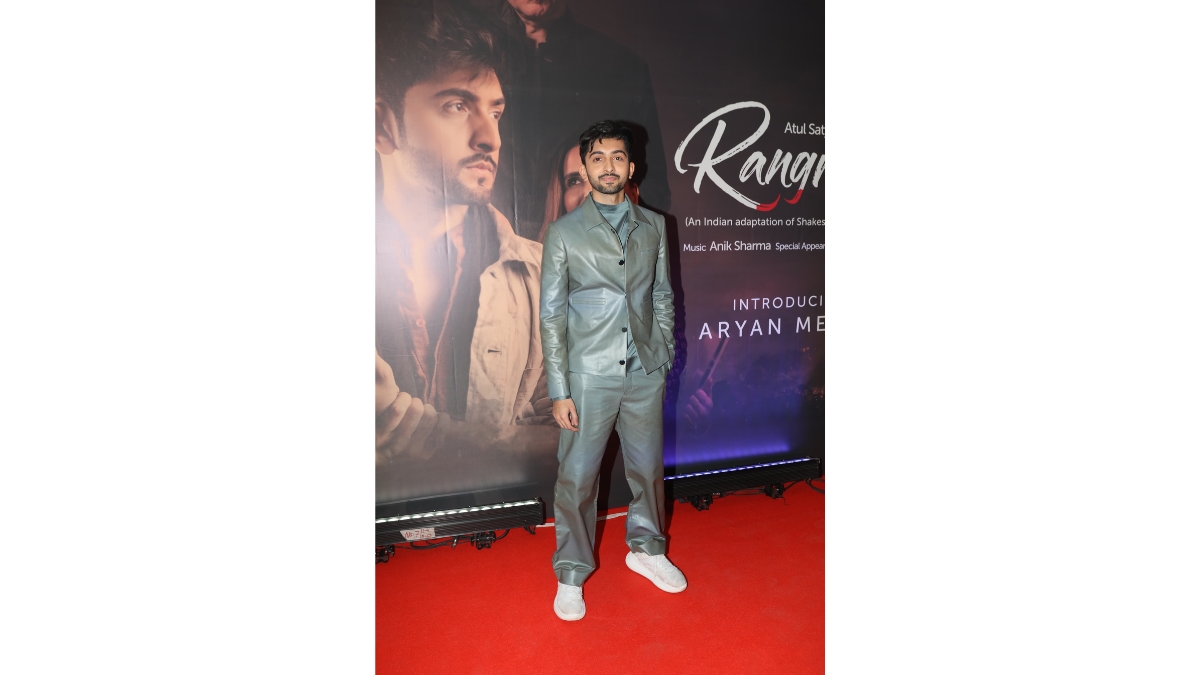
    Mumbai (Maharashtra) [India], January 26: The evening saw the presence of Deepika Singh, Jayati Bhatia, Ankur Panchal, Kishori Shahane, Bobby Vij, Smita Bansal, Yesha Rughani, Pracheen Chauhan, Dishank Arora, Keerti Kelkar, Ishaan Dhawan, Priyanshi Yadav, Rajesh Balwani, Vivaan Bedi, Eshaan Sood, Shailesh Lodha, Manini De, Nivedita Basu, Rajev Paul, Sreejita De, Amar Upadhyay, Anushree Mehta , Abeer Sen Gupta, Haadi Ali Abrar, Rajan Shahi, Ishika Shahi Dr Sameera Gupta, Harry Anand & Many More.

    Aryan Mehta PNN

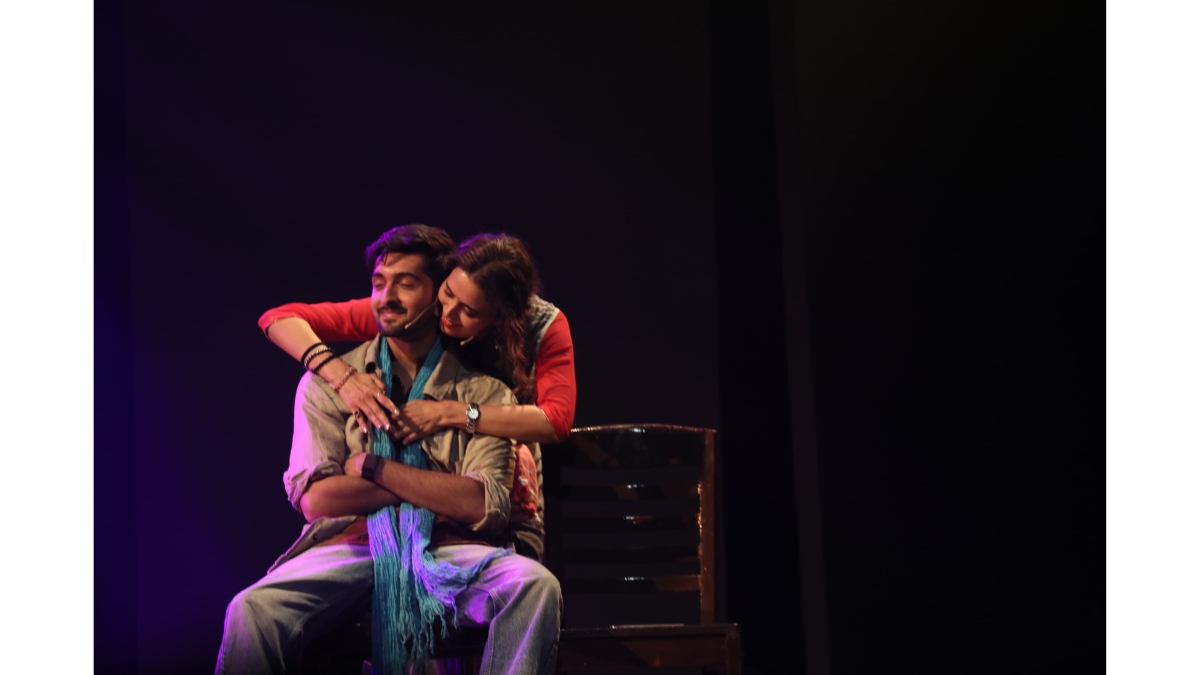
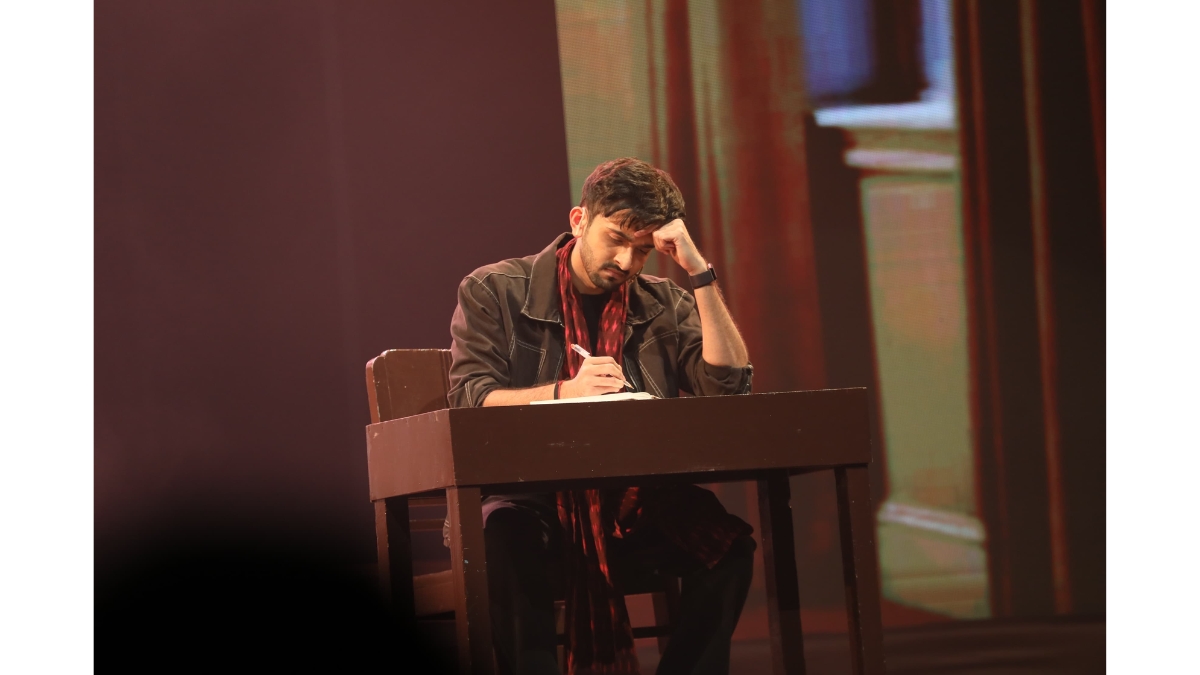
    Aryan Mehta, grandson of legendary filmmaker Pranlal Mehta and son of producer Jay Mehta- made his much-anticipated debut with Rangrezz, an ambitious Indian adaptation of Shakespeare’s iconic tragedy Othello. His performance instantly positioned him as one of the most exciting new voices in Indian theatre.

    In Rangrezz, Aryan brought to life Atharv, a self-made, charismatic young man whose life, rooted in love and loyalty, slowly unraveled under the weight of carefully planted doubts. His descent, quiet, internal, and devastating , required emotional complexity, subtlety, and absolute honesty. Aryan delivered it with startling conviction.

    Before taking centre stage, Aryan had immersed himself behind the camera, contributing to projects such as Dharma Productions’ Naadaniyan and Sandeep Vanga’s blockbuster Animal. That behind-the-scenes learning created a solid artistic foundation, one that Rangrezz allowed him to channel with remarkable refinement.

    Aryan Mehta - PNN

    Reflecting on his experience, Aryan shared, “As a debutant, stepping into Rangrezz felt like stepping into fire and finding my own truth within it. Atharv was a role that demanded vulnerability, courage, and absolute honesty, and I could not have asked for a more challenging beginning. This debut was not just about being seen; it was about proving to myself that I was ready to tell stories that could move people. Rangrezz was my first chapter, and I poured everything I had into it”

    The production was helmed, designed, and staged by acclaimed theatre showman Atul Satya Koushik, who had been searching for a young 23-year-old to authentically portray the Indian Othello. Featuring veteran performer Dalip Tahil and the graceful Meenakshi Dixit, the play combined powerful performances with atmospheric music by Anik Sharma, creating a deeply immersive experience.

    With his debut now unveiled, Aryan Mehta has emerged as one of the most promising new actors of the year, earning admiration for his sincerity, screen presence, and emotional depth.

    If you object to the content of this press release, please notify us at pr.error.rectification@gmail.com. We will respond and rectify the situation within 24 hours.

  • Why Tea Is Still a Booming Business in India and Why Most Entrepreneurs Get It Wrong

    Why Tea Is Still a Booming Business in India and Why Most Entrepreneurs Get It Wrong

    New Delhi [India], January 26: Tea is still a booming business in India because it never needed permission to exist. That’s the part most entrepreneurs miss. Tea doesn’t care about branding decks, pitch days, or lifestyle adjectives. It’s there at 6 a.m. in chipped cups, at railway platforms smelling like burnt milk, in offices where nothing else works but deadlines and caffeine. It’s infrastructure. People confuse that with opportunity and then wonder why they get chewed up.

    India didn’t “discover” tea as a market. It inherited it, absorbed it, ritualised it. Tea isn’t consumed here; it’s leaned on. Emotionally. Economically. Culturally. A bad day still pauses for chai. A good one too. That demand doesn’t spike. It hums. Steady, boring, relentless. Which is exactly why it keeps growing while trend-based beverages flame out every few summers.

    Entrepreneurs see the volume and smell money. So they rush in with pastel cups and English names and the word “artisanal” is doing a lot of unpaid labour. And they immediately misunderstand what they’re up against. Tea drinkers in India are not waiting to be educated. They already know what tea should taste like. They know the price. They know the temperature. They know how long it should sit before the first sip. Deviate too much and they don’t complain. They just don’t come back.

    Here’s the uncomfortable truth: most tea startups fail because they’re built by people who don’t actually drink tea the way the market does. They drink it symbolically. As a habit borrowed from somewhere else. Which leads to bizarre decisions. Over-designed menus. Underwhelming cups. Prices that suggest the founders have never stood in line at a roadside stall counting coins. Tea has an internal price memory in India. Break it without offering something genuinely better, and you’re done.

    And the supply side isn’t forgiving either. Tea isn’t coffee, where roasting theatrics can mask inconsistencies. Bad leaves show up immediately. Milk ratios matter. Water quality matters. The person making the tea matters. Skill here isn’t scalable in a slide deck way. It’s trained. Repeated. Lost when staff churns. Which they do, often. Margins are thin. Rent isn’t. Reality sets in fast.

    The business keeps mushrooming anyway because the base is too wide to collapse. Tea moves through villages, cities, offices, construction sites, and college canteens. It doesn’t need aspiration to survive. It just needs habit. That’s why legacy players endure. They didn’t chase novelty. They chased consistency. Same cup. Same taste. Same disappointment-free experience. Day after day. For years. Boring wins here.

    Entrepreneurs, on the other hand, love to “disrupt” tea. Which usually means removing everything that made it work and replacing it with vibes. They talk about experience. Community. Storytelling. Fine. But tea drinkers are pragmatic. They want speed. Heat. Strength. Familiarity. They’ll listen to your brand story exactly once, maybe, and only if the tea earns it. Most don’t.

    There’s also the mistaken belief that urban equals premium. That Indian consumers are waiting to upgrade their chai like phones. Some are. Many aren’t. Tea doesn’t scale upward neatly. The more you dress it up, the more you narrow your audience. And the ones you narrow it to are fickle, trend-sensitive, and already looking at the next thing. Matcha today. Something fermented tomorrow. Tea doesn’t chase. It endures.

    Another quiet killer is operational arrogance. Entrepreneurs underestimate logistics. Procurement. Storage. Wastage. Tea leaves aren’t forgiving inventory. Milk turns. Sugar fluctuates. Labor disappears. Weather changes footfall. And suddenly the romantic idea of a tea brand collapses under the weight of daily decisions no one wants to Instagram.

    What actually works is unglamorous. Dense neighborhoods. Predictable demand. Tight control. Owners who show up. Brands that don’t overpromise. Businesses that accept tea’s limitations instead of fighting them. That’s why the market keeps growing while individual ventures keep dying. The system rewards patience and punishes fantasy.

    Tea in India is not an empty market waiting to be conquered. It’s a crowded room where everyone already knows each other. Walk in acting like a savior and you’ll be ignored. Or worse, tolerated briefly, then replaced by the guy next door who charges less and gets it right.

    The business will keep expanding. Demand isn’t the problem. It never was. The failure comes from mistaking ubiquity for simplicity. Tea looks easy until you try to make a living from it.

    And most people don’t last long enough to learn why.

    PNN Lifestyle

  • Republic Day 2026: Powerful Messages That Reignite India’s Resolve

    Republic Day 2026: Powerful Messages That Reignite India’s Resolve

    New Delhi [India], January 26: Republic Day 2026 didn’t shout. It didn’t need to. A few words, an old verse, and a familiar reminder did the job.

    Republic Day has a habit of being misunderstood. Too often, it’s reduced to parades, protocol, and a day off work. January 26, 2026, gently corrected that illusion.

    Prime Minister Narendra Modi framed Republic Day not as memory, but momentum. A living marker of India’s freedom, its Constitution, and the democratic values holding this improbable nation together.

    No grand announcements. No chest-thumping. Just intent.

    The centrepiece of the Prime Minister’s Republic Day 2026 message was a Sanskrit Subhashitam. Old words. Sharp edges.

    “पारतन्त्र्याभिभूतस्य देशस्याभ्युदयः कुतः।
    अतः स्वातन्त्र्यमाप्तव्यमैक्यं स्वातन्त्र्यसाधनम्॥”

    The meaning is blunt enough to survive translation. A nation under subjugation cannot rise. Freedom is non-negotiable. Unity is how freedom works.

    That’s it. No footnotes.

    This wasn’t cultural ornamentation. It was political clarity, delivered without varnish. The verse doesn’t ask for applause. It demands reflection. Dependence kills ambition. Disunity erodes freedom from the inside.

    On Republic Day 2026, that message landed exactly where it was meant to.

    The Prime Minister described Republic Day as a powerful symbol. Not symbolic in the decorative sense. Symbolic because it still functions.

    Freedom. Constitution. Democracy. These aren’t museum exhibits. They are tools. Used daily. Sometimes carelessly. Sometimes well.

    According to the Prime Minister, the occasion injects fresh energy and motivation, pushing the country forward together. The emphasis on together matters. India doesn’t move in straight lines. It moves in negotiated ones.

    Republic Day, in that sense, is a checkpoint. A moment to ask whether the Republic is being used as designed.

    Prime Minister Modi also extended Republic Day greetings to citizens across the country. The tone stayed consistent. Calm. Grounded.

    He called Republic Day a symbol of India’s honour, pride, and dignity. Not abstract pride. The kind that shows up in daily conduct. In institutions doing their job. In citizens expecting them to.

    He expressed hope that the resolve to build a Viksit Bharat grows stronger. Not louder. Stronger.

    That distinction matters. Development, as framed here, isn’t spectacle. It’s accumulation. Of effort. Of trust. Of accountability.

    Republic Day 2026 quietly pulled the Constitution back into focus. Not as a ceremonial prop, but as an operating manual.

    India’s Constitution doesn’t promise ease. It promises balance. Between power and restraint. Between rights and duties. Between disagreement and unity.

    The Prime Minister’s emphasis on democratic values wasn’t accidental. Democracies don’t collapse dramatically. They erode. Slowly. Politely. Often with applause.

    Republic Day interrupts that erosion. Briefly, but decisively.

    Union Home Minister and Minister of Cooperation Amit Shah followed with his own Republic Day message. It fit the day’s rhythm. No deviation. No drama.

    He extended greetings to fellow citizens and paid tribute to freedom fighters and the makers of the Constitution. The phrasing was respectful, but the implication was firm. The Republic exists because people built it deliberately.

    Shah described India’s democracy as robust. That word carries weight. Robust systems aren’t fragile. But they still need maintenance.

    He called upon citizens to take a renewed resolve, under the leadership of Prime Minister Modi, to strengthen constitutional values and build a Viksit Bharat.

    Not a demand. A reminder.

    What stood out on Republic Day 2026 wasn’t what was said, but what wasn’t.

    No exaggerated claims. No inflated timelines. No artificial urgency.

    Instead, there was restraint. A confidence that didn’t beg for validation. In politics, that’s rare. And effective.

    The messaging acknowledged something uncomfortable but true. India’s progress is uneven. Always has been. The answer isn’t denial. It’s alignment. Around the Constitution. Around unity. Around freedom that isn’t conditional.

    The Subhashitam shared by the Prime Minister refuses to fade because it applies too neatly to the present.

    Subjugation today doesn’t always wear chains. Sometimes it’s dependency. Sometimes it’s internal fracture. Sometimes it’s the slow abandonment of shared values.

    The verse doesn’t specify the enemy. That’s deliberate. It points inward. Progress begins when freedom is protected and unity is practised, not merely praised.

    Republic Day 2026 used an ancient line to describe a modern risk.

    Away from New Delhi, Republic Day 2026 unfolded in quieter ways. Flags raised in school courtyards. Short speeches in district offices. Conversations that drifted, briefly, toward rights and responsibilities.

    That’s where the Republic actually lives. Not on Rajpath alone, but in ordinary spaces where the Constitution meets daily life.

    For younger Indians, the repeated invocation of Viksit Bharat linked ambition with discipline. Development wasn’t framed as entitlement. It was framed as outcome.

    No Promises, Just Orientation

    Neither Prime Minister Modi nor Amit Shah announced new initiatives on Republic Day 2026. 

    That absence felt intentional. I think the 27th to 29th is going to be bigger than today!

    This was about orientation, not instruction. About reminding the country where the compass points, not how fast to walk.

    Freedom. Unity. Constitution. Development.

    Read More

  • When Cartoons Stop Babysitting And Start Asking Uncomfortable Questions

    When Cartoons Stop Babysitting And Start Asking Uncomfortable Questions

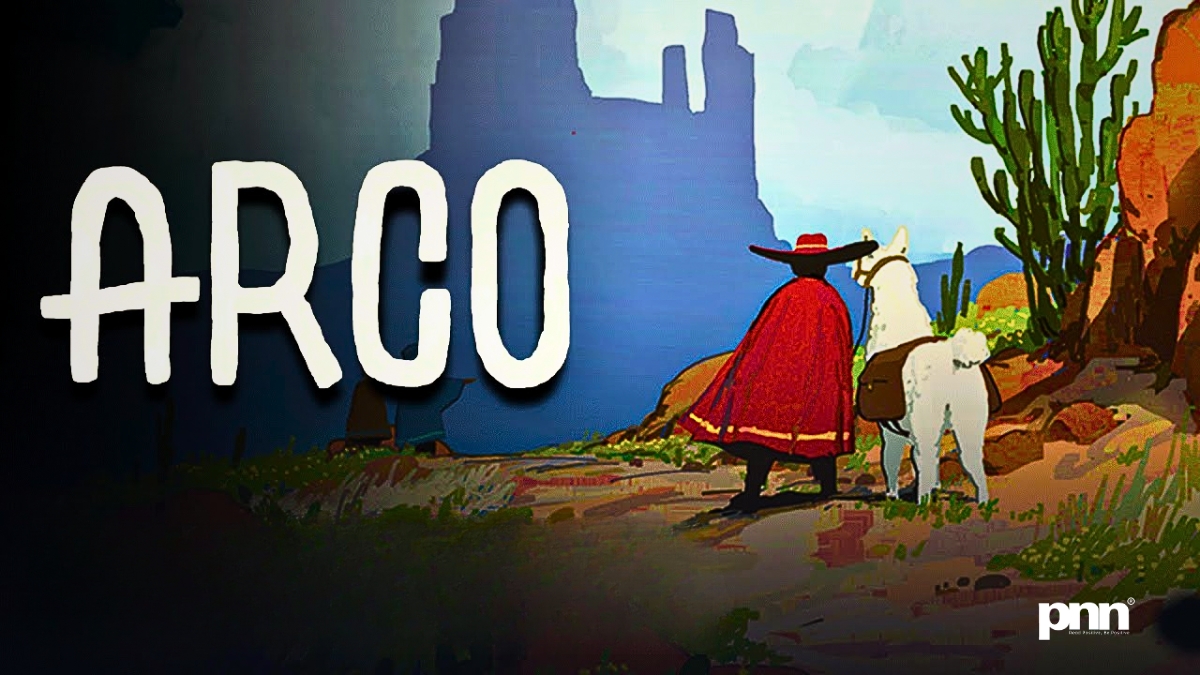
    Mumbai (Maharashtra) [India], January 24: Natalie Portman’s Arco didn’t arrive waving a superhero cape or humming a nostalgic Disney tune. It slipped into the conversation quietly, carrying something far more disruptive: ideas. And not the pastel, easily digestible kind. The kind that sit at the dinner table, linger after the credits roll, and—according to Portman herself—spark awkwardly profound conversations with children about climate collapse, responsibility, and the future we keep postponing.

    That Arco has now found itself in the Oscar conversation for Best Animated Feature feels less like a victory lap and more like a cultural eyebrow raise. Animated films are allowed to be emotional, whimsical, even traumatic (hello, childhood cinema scars). But asking existential questions about the planet’s trajectory? That’s usually reserved for documentaries no one watches or op-eds everyone argues about.

    This is where Arco becomes interesting—not because it’s animated, or because Natalie Portman is involved (she always is, in some intellectually intimidating way), but because it refuses to play dumb.

    And yes, that’s both its strength and its risk.

    Animation Grows Up, Whether We’re Ready Or Not

    There was a time when animation existed to distract children and comfort adults with nostalgia. That time is expiring. Slowly, stubbornly, but undeniably.

    Arco sits firmly in the lineage of animated films that don’t ask for permission to be taken seriously. It uses visual softness to explore harsh realities—climate anxiety, futuristic displacement, inherited guilt. The kind of themes most studios soften into metaphors so abstract they lose meaning. Arco doesn’t flinch. It leans in.

    Portman’s involvement as both producer and voice actor matters here. Her career has long oscillated between blockbuster visibility and cerebral risk-taking. This film feels less like a career move and more like an extension of her long-standing preoccupation with ethics, futurism, and human accountability.

    It’s also telling that she speaks about the film not in terms of awards, but conversations—specifically with her children. That detail, strategically or sincerely shared, reframes the film’s ambition. This isn’t animation as escapism. This is animation as a starting point.

    Which, frankly, is uncomfortable.

    A Backstory Rooted In Cultural Fatigue

    Arco did not emerge in a vacuum. It arrived during a moment of collective exhaustion—eco-anxiety, AI paranoia, and a growing mistrust of institutions that keep promising “later.” Audiences are no longer naïve enough to believe the future will fix itself, yet not empowered enough to know what to do about it.

    This tension seeps into the film’s narrative architecture. Without leaning into overt preachiness, Arco reflects a generational mood: the unsettling awareness that we’re living in the prologue of consequences.

    From a production standpoint, animated features dealing with climate themes have historically struggled to balance message with mass appeal. Studios fear alienating families who still expect animation to “feel safe.” Arco challenges that assumption—and possibly the box office comfort that comes with it.

    The Oscar Buzz: Validation Or Contradiction?

    The Oscar nomination buzz is both affirming and ironic. On one hand, it signals institutional recognition for animation that dares to be intellectually ambitious. On the other, it raises a familiar question: does validation arrive only after the risk has already been taken?

    Historically, the Best Animated Feature category has oscillated between technical brilliance and emotional resonance, rarely venturing into overt socio-political commentary. Arco disrupts that pattern—not loudly, but persistently.

    If it wins, it will be read as progress.
    If it loses, it will still have succeeded in shifting the conversation.

    Either way, the nomination itself acknowledges something quietly radical: animation is no longer a genre. It’s a medium. And it’s done being underestimated.

    Arco - PNN

    The Pros: Why Arco Matters Right Now

    • Cultural Relevance Without Condescension:
      The film doesn’t talk down to its audience. It assumes intelligence—always a risky but rewarding move.

    • Multi-Generational Dialogue:
      Few films manage to speak simultaneously to children and adults without flattening complexity. Arco tries, and often succeeds.

    • Portman’s Strategic Credibility:
      Her involvement lends seriousness without overshadowing the story. This isn’t celebrity activism—it’s curated intention.

    • Animation As Ethical Storytelling:
      The medium allows difficult ideas to be explored with emotional distance, making them more accessible without diluting impact.

    The Cons: Not Everyone Wants Depth With Their Popcorn

    Let’s be honest—Arco is not an easy watch for those seeking light entertainment. And that’s a problem, commercially speaking.

    • Limited Mass Appeal:
      Families expecting comfort may find themselves unexpectedly confronted with anxiety-inducing themes.

    • Risk Of Over-Interpretation:
      Critics eager to crown it “important” may project meanings that overshadow the film’s narrative subtlety.

    • Market Resistance:
      Studios still hesitate to fund animated films that challenge consumer comfort. Arco’s success may not immediately change that.

    • Awards Fatigue:
      Oscar buzz can sometimes narrow a film’s audience, boxing it into “prestige viewing” rather than cultural participation.

    The Money Question Nobody Likes Asking

    While exact production figures haven’t been publicly dissected, industry estimates place Arco within the mid-tier animated budget range—significantly lower than franchise-driven animation behemoths, yet higher than independent art-house projects. This middle ground is precarious.

    Financial success for films like Arco isn’t measured solely in box office numbers. It’s measured in longevity, academic discussion, streaming endurance, and cultural citation. Whether studios will accept that as “profit” remains an open question.

    Latest Industry Reactions And Quiet Applause

    Recent commentary from animation insiders suggests a cautious optimism. Creators see Arco as proof that studios may be more willing to take thematic risks—provided recognisable names are attached. That caveat matters.

    Meanwhile, educators and environmental advocates have quietly embraced the film as a discussion tool, signaling its potential afterlife beyond cinemas. That’s not glamorous, but it’s impactful.

    So, What Does Arco Really Represent?

    It represents a pivot. Not a revolution—those are louder—but a recalibration.

    It suggests that animation no longer has to pretend it exists outside reality. That children can handle complexity. That adults should stop assuming innocence requires ignorance. And that climate conversations don’t always need charts and guilt—they can start with stories.

    Portman didn’t make Arco to save the world. That would be absurd. But she did help create something rarer: a film that trusts its audience enough to unsettle them.

    And in today’s cinematic landscape, that’s practically rebellious.

    PNN Entertainment

  • Why Emily Dickinson Still Feels Uncomfortably Modern

    Why Emily Dickinson Still Feels Uncomfortably Modern

    London [United Kingdom], January 24:  Emily Dickinson still feels modern because she never tried to be legible. That’s the part people keep circling without saying out loud. She didn’t smooth the edges. She didn’t explain herself. She didn’t care if you “got it,” and she definitely didn’t care if you liked her. “Tell all the truth but tell it slant—” wasn’t a clever line. It was an operating principle. That alone puts her closer to the present than most writers embalmed by syllabi.

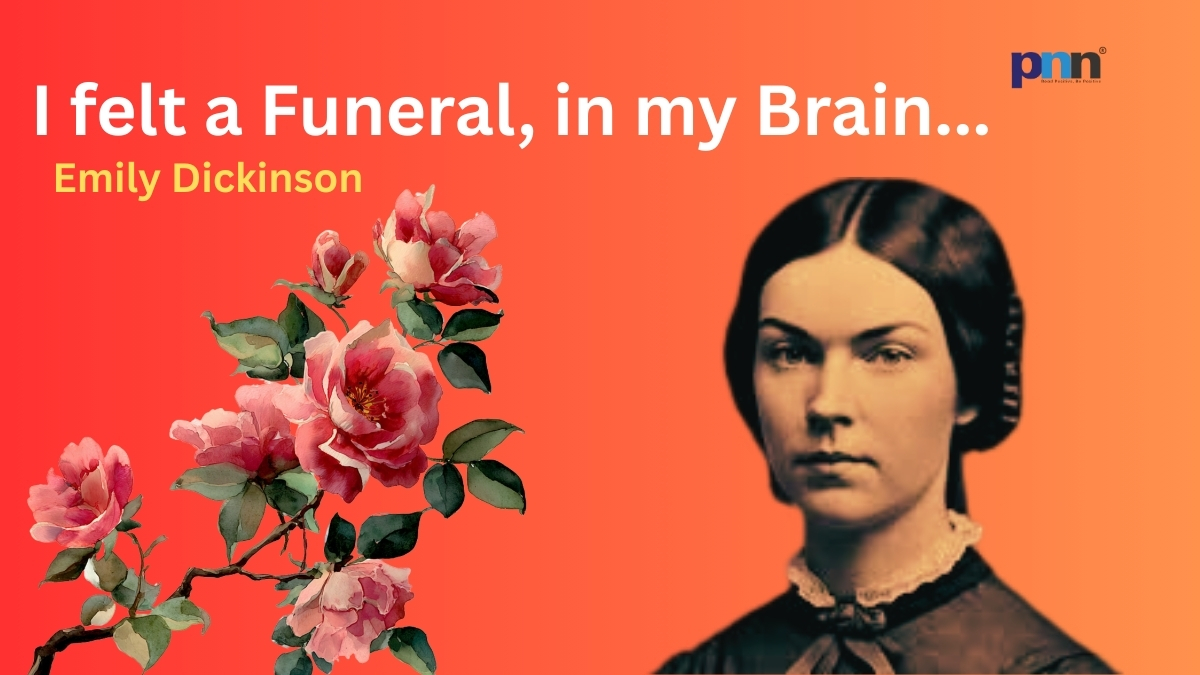
    She wrote like someone who understood the mind is not a neat place. Thoughts interrupt each other. Meaning leaks. Certainty collapses mid-sentence. So she used dashes the way people now use half-finished texts. She broke grammar because grammar lied about how thinking actually works. I felt a Funeral, in my Brain,” she wrote, and then let the poem stagger. And the poems didn’t resolve. They just… stopped. Like the feeling does. Like the anxiety does. Like the grief that never quite wraps itself up.

    People love to talk about her isolation. The white dress. The upstairs room. Fine. But that’s not why she feels current. Plenty of recluses wrote safely ornamental things. Dickinson wasn’t ornamental. She was invasive. Her poems read less like finished objects and more like private notes that accidentally survived. “This is my letter to the World / That never wrote to Me—” isn’t wistful. It’s confrontational. You’re not invited. You’re overhearing.

    And the subjects. Death, obviously. Not the gothic kind. The administrative kind. The waiting room kind. The quiet, procedural certainty that it’s coming and you won’t be ready and nobody will explain the paperwork. “Because I could not stop for Death – / He kindly stopped for me—” is polite on the surface, chilling underneath. She wrote about death the way people now Google symptoms at 2 a.m., not to be dramatic, just to confirm the dread has a shape.

    Then there’s power. God. Authority. She didn’t reject belief so much as interrogate it until it started sweating. Her poems argue with God the way modern people argue with systems—politely at first, then with growing suspicion, then with a kind of exhausted sarcasm. “The Bible is an antique Volume— / Written by faded Men,” she said, and left it there. She didn’t need atheism. She needed leverage.

    And love. God, the love poems. They’re not sweet. They’re not even romantic in the way people expect. They’re territorial. Nervy. Sometimes humiliating. “Wild nights – Wild nights!” isn’t liberation. It’s exposure. She writes desire as something that disorganizes you, reduces you, sharpens you into someone you don’t fully recognize. No empowerment arc. No self-care ending. Just the admission that wanting someone can rearrange your moral furniture and leave it that way.

    What really keeps her contemporary, though, is her refusal to perform. She didn’t publish. Not because she was shy. That’s the story people like because it makes her safe. But the poems themselves don’t sound shy. They sound controlled. Withholding can be a strategy. Silence can be editorial. “Publication – is the Auction / Of the Mind of Man—” wasn’t bitterness. It was policy.

    She understood something we’re only pretending to rediscover: that exposure isn’t the same thing as connection. That being seen doesn’t automatically mean being understood. So she kept the work close. Let the poems exist without explanation. Let them misbehave.

    Modern readers recognize that instinct immediately. We live inside platforms that demand constant articulation. Opinions, identities, brand clarity. Dickinson offers none of it. She doesn’t contextualize herself. She doesn’t clarify her stance. She doesn’t apologize for contradiction. One poem asserts something. Another quietly undoes it. “Much Madness is divinest Sense—” and the line never settles. Both stay.

    And the voice. Flatly intense. Calm while saying unsettling things. She’ll state an emotional catastrophe like it’s a weather update. “After great pain, a formal feeling comes—” is basically dissociation before the term existed. That tone—controlled delivery, maximal content—is everywhere now. Podcasts. Essays. Therapy-speak with a blade hidden in it. She got there first.

    There’s also the matter of scale. Her poems are short. Brutally short. They don’t give you room to relax. They hit and leave. Like a notification you didn’t want but can’t ignore. Like “Hope is the thing with feathers—” until you realize it’s not reassurance, it’s endurance. Like a sentence you reread and feel slightly worse afterward, which is how you know it worked.

    She doesn’t teach lessons. She doesn’t offer comfort. She doesn’t even seem particularly invested in coherence. What she offers is recognition. The uncomfortable kind. The sense that someone else noticed the same quiet terror you did and didn’t try to dress it up. “I’m Nobody! Who are you?” isn’t cute. It’s a refusal.

    That’s why she survives every reinvention. Academic. Feminist. Pop-cultural. Minimalist. She outlasts them because she never aligned herself with any program. She just wrote what she saw from where she was, without adjusting for reception.

    Emily Dickinson feels modern because she wrote like someone who knew the future wouldn’t be clearer, kinder, or more stable. Just louder. “The Soul has Bandaged moments—” and some of them never heal. And she chose not to raise her voice to match the noise.

    The poems are still there. Unresolved. Watching. Waiting for you to catch up—or not.

    PNN Lifestyle

  • Jaun Elia and Indian Youth: How a Defiant Poet Became a Cultural Obsession

    Jaun Elia and Indian Youth: How a Defiant Poet Became a Cultural Obsession

    New Delhi [India], January 24: Jaun Elia did not arrive in India quietly. He arrived amplified. Through a microphone that was not his.

    For most Indian readers under thirty-five, Jaun Elia did not come from libraries, serious Urdu study, or the long lineage of Progressive Writers. He came through Kumar Vishwas. That is not an insult. That is a logistical fact. Cultural transmission rarely cares about purity.

    Vishwas didn’t reinterpret Jaun. He recited him. He named him. He repeated him on stages that reached places where Urdu poetry had not travelled in decades. Small towns. College auditoriums. Televised mushairas. You can dislike the circuit and still admit its reach. Without that reach, Jaun would have remained what he already was in India: a cult poet with no distribution.

    This is how influence actually works. Not romantically. Practically.

    Once the door was opened, Jaun Elia did the rest himself. He didn’t need an explanation. He needed exposure. Indian youth heard the lines and recognised the temperature immediately. Something colder than nostalgia. Sharper than heartbreak. A voice uninterested in emotional hygiene.

    Jaun does not console. He doesn’t guide. He doesn’t even argue properly. He states. Then retracts. Then mocks his own statement. The effect is destabilising, which is precisely why it works on a generation raised on certainty masquerading as wisdom.

    Take the lines that circulate endlessly now, usually stripped of attribution, floating free of context:

    “Main bhi bohat ajeeb hoon, itna ajeeb hoon ke bas
    Khud ko tabaah kar liya, aur malaal bhi nahin.”

    I am strange—strangely so;
    I ruined myself completely and felt no regret.

    There is no lesson embedded here. No redemption arc. Just self-recognition without apology. That tone is rare in Indian public culture, which prefers either moral victory or emotional recovery. Jaun offers neither.

    His popularity isn’t about sadness. That’s the surface reading. It’s about intellectual disobedience. He refuses to behave the way a poet is expected to behave. He doesn’t elevate pain. He interrogates it until it becomes tedious, then admits the tedium.

    “Shayad mujhe kisi se mohabbat nahin hui,
    Lekin yaqeen sab ko dilata raha hoon main.”

    Perhaps I never loved anyone at all,
    Yet I kept convincing everyone that I did.

    This is not romance. It’s a self-indictment. And it lands hard among young readers exhausted by curated sincerity.

    Jaun’s life feeds this voice, but doesn’t romanticise it. Born into scholarship, fluent across languages, burdened with intellectual inheritance—he still failed spectacularly at the basic logistics of living. Marriage collapsed. Politics disappointed him. Ideologies bored him. Migration gave him geography, not belonging. He never turned these failures into mythology. He left them raw, often embarrassing.

    That honesty is abrasive. Indian youth recognise it because it mirrors their own private disillusionment. Not dramatic despair. Quiet erosion.

    What Vishwas did—again, factually—is create the first large-scale Indian listening public for Jaun Elia. After that, social media finished the job. Clips became captions. Captions became passwords for emotional literacy. The poems detached from the stage and moved inward.

    Jaun Elia now lives in phone screens at 2 a.m. Not as inspiration. As permission.

    Permission to doubt one’s own feelings.
    Permission to distrust slogans.
    Permission to say “I don’t know” without packaging it as growth.

    “Kya kaha ishq jawaan hai?
    Abhi yeh bachcha hai.”

    You say love is young?
    No—it’s still a child.

    This line circulates because it punctures the fantasy without replacing it. That’s Jaun’s entire method.

    People worry about his effect on young minds. That he normalises despair. This misunderstands both the poet and the audience. Jaun didn’t create the disquiet. He gave it language. Sanitising that language would not make the disquiet disappear. It would only make it quieter and lonelier.

    Jaun Elia does not want to heal anyone. He doesn’t offer exits. He doesn’t respect optimism enough to argue with it.

    And Indian youth—introduced to him first by a voice they trusted, then claimed him on their own terms—didn’t ask him to.

    They heard him.
    They stayed.
    That was enough.

    PNN Lifestyle

  • Homes With Opinions: Why Personalised, Experience-Led Luxury Is Rewriting Interior Design In 2026

    Homes With Opinions: Why Personalised, Experience-Led Luxury Is Rewriting Interior Design In 2026

    For years, homes were treated like showroom checklists. Neutral sofa? Check. Minimal lighting? Check. A marble countertop nobody actually uses? Naturally. Somewhere along the way, living spaces became less about living and more about impressing people who don’t pay the EMIs.

    That era is quietly—and slightly smugly—ending.

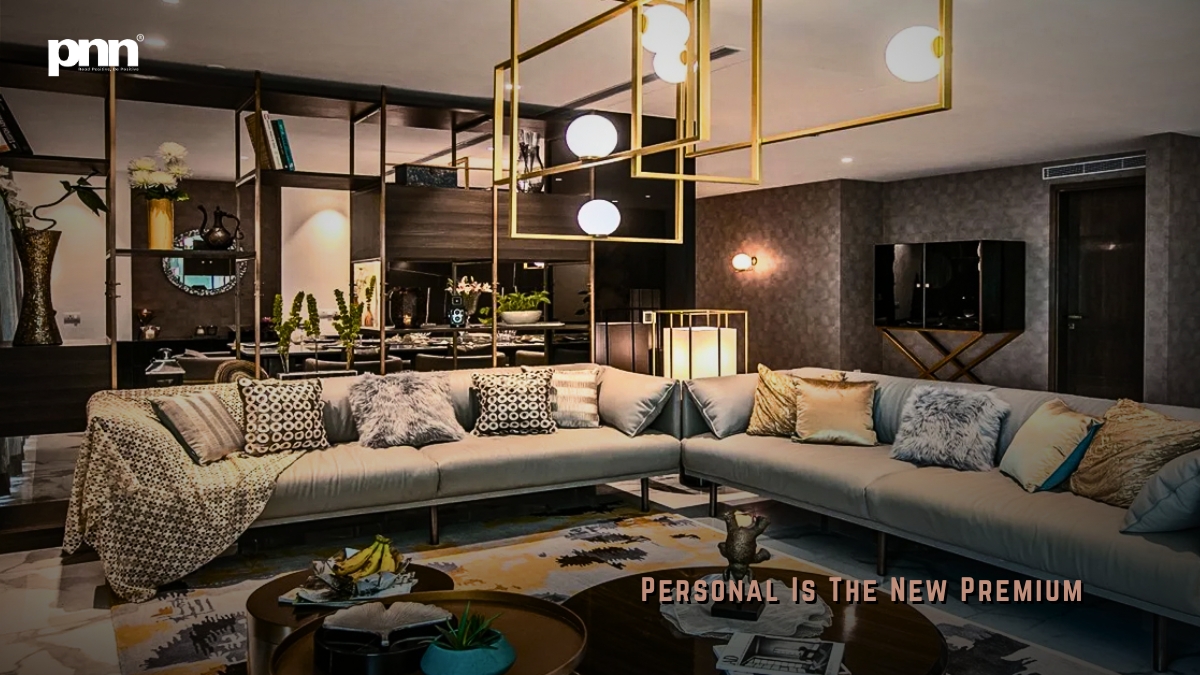
    As 2026 settles in, interior design is undergoing a philosophical pivot. Homes are no longer designed to look expensive; they’re designed to feel intentional. Personalised layouts, tactile materials, local craftsmanship, and story-driven décor are replacing cookie-cutter “luxury.” The modern home is becoming an experience, not a catalogue spread—and yes, it has opinions.

    This shift isn’t accidental. It’s cultural, economic, and deeply emotional. And while it sounds aspirational, it’s also riddled with contradictions, access gaps, and a few aesthetic crimes disguised as “expression.”

    Welcome to the age of lived-in luxury.

    When Quiet Luxury Became Emotionally Loud

    The pandemic years forced people into prolonged intimacy with their own spaces. Kitchens doubled as offices. Bedrooms hosted therapy sessions. Living rooms became gyms, cinemas, and existential crisis zones.

    What emerged was a collective realisation: beautifully photographed homes can still feel deeply uncomfortable.

    By late 2024 and through 2025, interior designers began reporting a clear fatigue with sterile minimalism. The beige-on-beige aesthetic—once marketed as timeless—started to feel emotionally vacant. By 2026, the backlash is complete. Homes are warming up, cluttering intentionally, and leaning into imperfection.

    Luxury is no longer about silence. It’s about resonance.

    Design Is Becoming Biographical, Not Aspirational

    Today’s interiors read less like mood boards and more like memoirs.

    Instead of designing spaces around trends, homeowners are designing around experiences:

    • A dining table built from reclaimed wood sourced from a childhood hometown

    • Handwoven rugs tied to regional crafts rather than Instagram palettes

    • Open shelves displaying inherited crockery instead of concealed storage

    • Reading corners designed for actual reading, not visual symmetry

    This biographical approach is redefining luxury as something earned emotionally, not purchased impulsively. The value lies in meaning density, not price tags.

    Ironically, the more personal the home becomes, the less it looks like anyone else’s—and that’s the point.

    Craftsmanship Is The New Status Symbol

    If the 2010s worshipped mass-produced perfection, 2026 is flirting shamelessly with artisanal irregularity.

    Handcrafted furniture, limewashed walls, natural stone with visible flaws, and bespoke joinery are enjoying a resurgence. Not because they’re “rustic,” but because they’re irreplaceable. In a world of identical algorithms and duplicated feeds, uniqueness has become the ultimate flex.

    Design studios are reporting increased demand for:

    • Custom carpentry over modular units

    • Locally sourced materials instead of imported finishes

    • Multi-functional furniture designed for evolving lifestyles

    Luxury, it turns out, feels better when it has fingerprints.

    Sustainability Has Entered Its Practical Era

    Sustainability is no longer just a buzzword slapped onto bamboo blinds. In 2026, it’s being measured by durability, lifecycle value, and adaptability.

    Homeowners are asking harder questions:

    • Will this age well—or just age quickly?

    • Can this space evolve with family needs?

    • Is this material repairable, not just recyclable?

    Energy-efficient layouts, passive cooling strategies, and long-lasting materials are now part of mainstream luxury planning. Not because it’s virtuous—but because constant renovation is exhausting and expensive.

    That said, sustainability still suffers from a branding problem. Many eco-friendly solutions remain priced out of reach, turning “conscious living” into yet another privilege marketed as moral superiority.

    The Rise Of Experience-Led Layouts

    Homes are no longer zoned strictly by function. They’re zoned by feeling.

    Designers are prioritising experiential flow over rigid room definitions:

    • Kitchens that encourage lingering, not rushing

    • Bathrooms designed as decompression zones, not utilities

    • Living rooms that support conversation, not screen dominance

    Lighting is layered. Acoustics matter. Texture is intentional. Even scent is being considered part of spatial design.

    This is hospitality thinking entering private homes—and it’s changing how people interact within them.

    The Problem With Personalisation (Yes, There Is One)

    Here’s the uncomfortable truth: not all personalisation is good design.

    The push toward individuality has opened the door to excess. Over-curation, trend-stacking, and forced quirkiness often masquerade as personality. Just because something is “you” doesn’t mean it functions well—or ages gracefully.

    There’s also a widening gap between aspirational design content and lived realities. Social platforms continue to romanticise large, custom-built homes while most urban dwellers navigate compact apartments and rental restrictions.

    Experience-led luxury sounds inclusive. Execution, however, still favours those with time, capital, and creative access.

    Why Brands Are Paying Attention

    Furniture and lifestyle brands have caught on. Instead of selling collections, they’re selling narratives.

    We’re seeing a shift toward:

    • Modular systems that evolve with users

    • Customisable finishes rather than fixed designs

    • Storytelling-led marketing over feature lists

    Brands are no longer asking, “How does this look?” They’re asking, “How does this live?”

    The most successful ones understand that modern consumers don’t want homes that perform—they want homes that participate.

    What This Means For The Future Of Living

    The personalised, experience-led home isn’t a fleeting trend. It’s a response to burnout, digital saturation, and performative lifestyles.

    As work-life boundaries blur further and social lives fragment across screens, the home becomes the final stable narrative space. It has to hold memory, emotion, rest, and identity—often all at once.

    Luxury, in this context, isn’t about marble anymore. It’s about alignment.

    And while not everyone can afford bespoke interiors, the underlying philosophy—designing with intention rather than imitation—is increasingly accessible.

    The house of 2026 doesn’t whisper wealth.
    It tells a story.
    Sometimes a messy one.
    Usually an honest one.

    And honestly? That’s the most luxurious thing it could do.

    PNN Lifestyle

  • Spain’s Zonair3D is Advancing its ‘Made in India’ Initiative as Indoor Air Quality becomes a Central Focus in India’s Health Agenda

    Spain’s Zonair3D is Advancing its ‘Made in India’ Initiative as Indoor Air Quality becomes a Central Focus in India’s Health Agenda

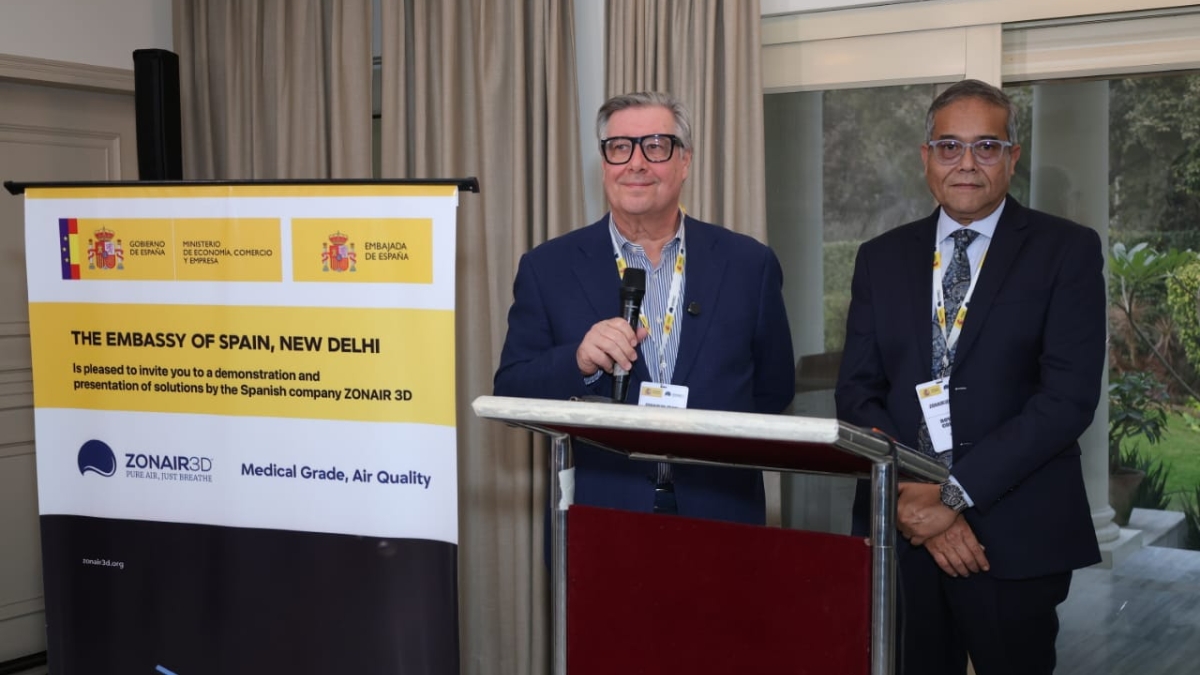
    Alessandro Dotti,  Group Chief Executive Officer of Zonair3D and Royden Correa, Chief Executive Officer, Zonair Projects India Pvt. Ltd. (Z3D India)

    New Delhi [India], January 24: Zonair3D, a Spanish clean-air technology company, has renewed its long-term commitment to India with a plan focused on local growth. The company aims to make advanced indoor air purification more accessible in institutions, businesses, and high-end homes. This move comes as more people and organisations in India pay attention to indoor air quality and preventive health.

    Zonair3D’s strategy in India focuses on making its proven clean-air systems more available by working with local partners. This approach helps the company grow, improve service, and offer better prices as demand rises in healthcare, education, offices, and busy indoor spaces.

    “India is at a key moment as more people in different fields become aware of indoor air quality,” said Royden Correa, CEO of Zonair3D Projects India Pvt. Ltd. (Z3D India). “We are committed to providing proven clean-air solutions that help with preventive health, sustainability, and strong indoor environments.”

    The company recently held a clean-air discussion at the Spanish Ambassador’s Residence in New Delhi, in partnership with the Embassy of Spain. They invited key stakeholders to talk about responsible innovation and ways to create healthier indoor spaces.

    Zonair3D’s products use medical-grade filters, such as ULPA U15 filters found in clinical settings, to deliver strong indoor air purification. These solutions are suitable for many types of indoor spaces.

    “Prevention is the highest form of care,” said Alessandro Dotti, Group CEO of Zonair3D. He emphasised the company’s focus on health-driven innovation and making a lasting difference in society.

    Availability

    Zonair3D solutions are available in India through Zonair3D Projects India Pvt. Ltd. (Z3D India). The company is offering demonstrations and setting up its products in major cities and institutions.

    About Zonair3D

    Zonair3D is a Spanish clean-air technology company that provides advanced indoor air purification for healthcare, institutions, businesses, and homes. The company operates in several countries around the world.

    If you have any objection to this press release content, kindly contact pr.error.rectification@gmail.com to notify us. We will respond and rectify the situation in the next 24 hours.