Author: Sutun Nayak

  • KTM RC 160 vs. Yamaha R15 V4 (V5) vs. Hero Karizma XMR 210: Next-Gen Performance 160-210cc Comparison

    KTM RC 160 vs. Yamaha R15 V4 (V5) vs. Hero Karizma XMR 210: Next-Gen Performance 160-210cc Comparison

    New Delhi [India], January 23: You look at the price first because that’s unavoidable. The RC 160 sits lower on the invoice if you stick to 160s, the R15 V4 (often called V5) creeps up a bit, and the Karizma XMR 210 lands noticeably higher once you spec it in the real world. On paper the numbers overlap. In real use, they don’t. Money buys different priorities, and that’s not romance. That’s performance math. In cities it barely matters. On real road, it does.

    Engine & Performance

    KTM RC 160:
    What you get: punchy little single that revs without complaint, torque where you need it, power predictable.
    Price factor: you pay less for a rev-happy motor that doesn’t pretend to be bigger than it is.
    Con: no surge beyond its displacement. Overtakes require planning.

    Yamaha R15 V4 (V5):
    What you get: eager midrange, sharper throttle, feels quicker in short, aggressive bursts.
    Price factor: deeper tuning, more tech (VVA), better breathing up top.
    Con: you’re always managing heat and intake noise that reminds you it’s worked.

    Hero Karizma XMR 210:
    What you get: 210cc grunt with real torque, usable across speeds, doesn’t need to be wound to find drive.
    Price factor: bigger DOHC engine package, more complexity, more momentum.
    Con: punch isn’t razor-sharp, it’s just substantial.

    Clutch & Gearbox

    KTM:
    You get a light, progressive clutch. Gearbox is functional, doesn’t dawdle.
    On-road price value: less mental energy crawling through traffic.
    Con: shifts aren’t precision-machine smooth.

    Yamaha:
    You get crisp shifts and a slip-and-assist clutch that’s ready for shifts but not gentle.
    Lower price buys sportier feel.
    Con: harder to modulate in slow, technical corners.

    Karizma:
    You get heft in clutch and a gearbox that feels planted.
    Price premium buys robustness, not agility.
    Con: heavier lever feel demands intent.

    Chassis & Stability

    KTM:
    You get sharp turn-in. Works over broken surfaces unexpectedly well.
    Price here buys agility and lightness.
    Con: less composed at high speed on uneven tar.

    Yamaha:
    You get confidence in corners. Suspension and geometry talk back precisely.
    Price buys race-bred dynamics.
    Con: unsettled on very poor surfaces.

    Karizma:
    You get planted stability everywhere. Heavy bike that doesn’t flinch.
    Price buys predictable compliance.
    Con: slower direction changes.

    Suspension

    KTM:
    Compliant, absorbs rubble, predictable response.
    Price buys comfort over long days within its limits.
    Con: gives little feedback for aggressive riding.

    Yamaha:
    Firm, controlled, feels right on smooth roads (USD forks).
    Price factor: chassis and damping tuned for sport.
    Con: fatigue sets in on sustained rough patches.

    Karizma:
    Pros: big bike suspension (telescopic/preload adjustable) smooths most surfaces.
    Price buys comfort and load-bearing.
    Con: feedback is muted, no feel through bends.

    Braking

    KTM:
    Progressive, easy to modulate.
    Price investment buys confidence under varied traction.
    Con: initial bite is mild at speed.

    Yamaha:
    Stronger bite, quick response.
    Price pays for performance bias.
    Con: demands attention off road.

    Karizma:
    Pros: big contact patches, confidence inspiring.
    Price buys size and thermal capacity.
    Con: modulation isn’t sharp.

    Ergonomics & Comfort

    KTM:
    Neutralish posture, bars that don’t fight you immediately.
    Price is partly for that everyday thoughtfulness.
    Con: seat is firm, not plush.

    Yamaha:
    Compact, aggressive supersport feel that invites throttle.
    Price buys stance, not comfort.
    Con: comfort fades on long stints.

    Karizma:
    You get upright posture, room, relaxed cockpit.
    Price buys endurance, not sportiness.
    Con: not built for clipped-in aggressiveness.

    Heat & Vibration

    KTM:
    Managed heat, low buzz in the legs.
    Price buys internal balancing and smoother mounts.
    Con: engine feels muted to enthusiasts.

    Yamaha:
    Alive feel, engine talks back.
    Price means more heat transmission and buzz.
    Con: fatigue over hours.

    Karizma:
    Heat is controlled for the class (liquid cooled). Vibration is decent.
    Price buys bigger engine comfort tuning.
    Con: heavier parts emit their own buzz.

    Fuel Range & Ownership

    KTM:
    Smaller tank; range acceptable if planned.
    Price buys fewer worries about complexity.
    Con: long runs need planning.

    Yamaha:
    Tank similar to KTM’s; mileage depends on pace.
    Price lower, parts and service decent.
    Con: service network patchy in smaller towns.

    Karizma:
    Larger tank; range is real.
    Price higher, parts and service reach improving.
    Con: long trip logistics still require thought.

    This isn’t a choice between nice bikes.

    It’s a ledger of trade-offs you’ll feel in your hands and hips.
    The RC 160 costs less because it takes less to excite it.
    The R15 V4 costs a bit more because it insists you participate.
    The Karizma XMR 210 costs more still because it brings real grunt and stability.
    That’s the real price equation, and it’s the only one that matters once you’re on the road.

    Price & Key Details Table (Updated for 2026)

    Specification KTM RC 160 Yamaha R15 V4 (V5) Hero Karizma XMR 210
    Typical On-Road Price (India) ₹2.10–2.20 lakh ₹2.25–2.35 lakh ₹2.30–2.45 lakh
    Engine Type 159 cc single 155 cc single (VVA) 210 cc single (DOHC)
    Max Power ~18.7 hp ~18.1 hp ~25.1 hp
    Max Torque ~15 Nm ~14.2 Nm ~20.4 Nm
    Gearbox 6-speed 6-speed 6-speed
    Real-World Mileage 38–42 km/l 40–45 km/l 30–35 km/l
    Riding Position Sport-lean Sport-aggressive Sport-touring upright


    No illusion.
    Just mechanical reality.
    Pick based on what you actually tolerate — not what sounds good in forums.


    Lifestyle


  • Tradyon Launches AI-First Platform to Power the Next Phase of Agricultural Commodity Trading

    Tradyon Launches AI-First Platform to Power the Next Phase of Agricultural Commodity Trading

    New platform helps agri traders discover the right buyers and sellers, retain trade
    context, and make faster decisions

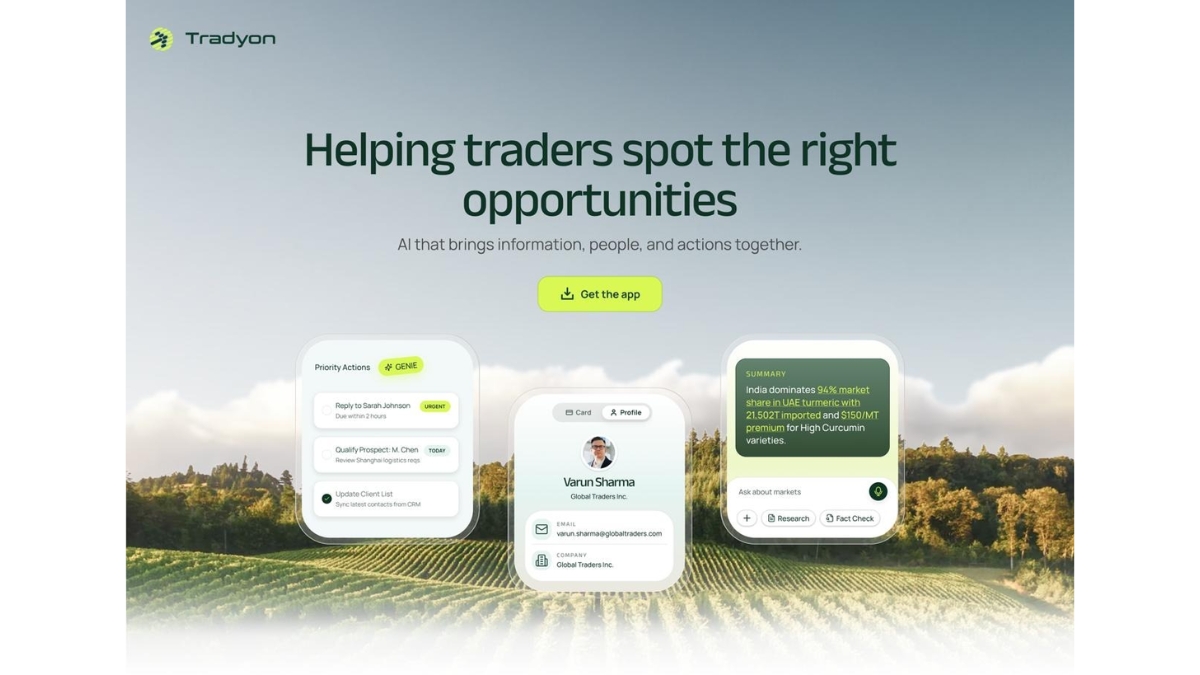
    Dubai [UAE], January 23: Tradyon, an AI-first platform built for agricultural commodity traders, today announced the launch of its mobile and web application, aimed at solving some of the most persistent challenges in export-import trade: fragmented buyer discovery, loss of trade context, and slow decision-making.

    New platform helps agri traders discover the right buyers and sellers, and retain trade
    context, and make faster decisions.

    Tradyon

    Agricultural commodity trading is a high-stakes, relationship-driven business where traders manage hundreds of conversations across WhatsApp, calls, emails, spreadsheets, and trade fairs. While data is abundant, critical context is often lost, leading to delayed follow-ups, missed opportunities, and sub-optimal pricing decisions.

    Tradyon addresses this by quietly embedding AI into real-world trading workflows. The platform connects buyers, sellers, conversations, meeting notes, and market signals, helping traders see the full picture behind every relationship instead of isolated data points.

    Unlike traditional CRMs or data dashboards, Tradyon is designed for daily use. AI works in the background to organise information, surface relevance, and reduce manual effort, allowing traders to focus on relationships and deal execution.

    “Traders don’t forget people; they forget why those people mattered,” said Sameer Chaturvedi, Founder of Tradyon. “We built Tradyon to preserve trade context and connect the dots across conversations, data, and decisions. Our goal is to give traders quick intelligence that helps them move faster and act with confidence.”

    The platform supports key workflows such as buyer and seller discovery, contact and meeting management, context-aware follow-ups, and access to market signals. Tradyon’s mobile app is especially useful during trade fairs and active selling periods, allowing traders to save contacts, capture notes, and manage follow-ups on the go.

    Tradyon is currently being adopted by exporters and trading firms across categories, including spices, pulses, coffee, and seafood, with a focus on fast-growing export markets.

    Positioned as an AI-first platform for agri traders, Tradyon aims to become the intelligence layer that powers how global trade relationships are built, remembered, and scaled.

    The Tradyon app is now available for download on iOS and Android.

    If you have any objection to this press release content, kindly contact pr.error.rectification@gmail.com to notify us. We will respond and rectify the situation in the next 24 hours.

  • A Home for Every Common Man Is Our Mission : An Exclusive Conversation with the Founder of Guru Mahadev Real Estate Private Limited

    A Home for Every Common Man Is Our Mission : An Exclusive Conversation with the Founder of Guru Mahadev Real Estate Private Limited

    New Delhi [India], January 23: In Delhi’s rapidly growing real estate market, Guru Mahadev Real Estate Private Limited has carved out a distinct identity and today stands as a trusted name for thousands of families. Recently, our team had an exclusive interaction with the company’s founder, Mr. Sugreev Sharma , who spoke openly about his journey, vision, and the core purpose behind the company.

    During the interview, Mr. Suggreev Sharma said,

    “Our goal is not just to sell property, but to help every common man own a home. When a family steps into their new house with happiness, that moment becomes our greatest earning.”

    He shared that for over 15 years, the company has consistently prioritized honesty, transparency, and customer satisfaction. According to him,

    “We provide complete information to every customer, charge no hidden fees, and always deliver on our promises.”

    Special Focus on Affordable Housing

    Speaking about rising property prices, Mr. Sharma explained,

    In many parts of Delhi today, flat prices have reached ₹ 1 crore, ₹2 crore, and even ₹3 crore. But our aim is to ensure that the middle class can also fulfill the dream of owning a home. That’s why we offer quality flats starting from around ₹25–30 lakh.”

    He also emphasized that the company offers full assistance in securing home loans.

    “Many people are first-time buyers and are unfamiliar with the process. Our team guides them step by step so the journey becomes easy and stress-free,” he added.

    Not Just a Builder, but a Trusted Advisor

    During the conversation, Mr. Sharma highlighted that Guru Mahadev Real Estate does not see itself as just a builder.

    “We work as a trusted property advisor for our clients. By understanding their needs, budget, and family size, we help them choose the right option,” he said.

    The company offers 1 BHK, 2 BHK, 3 BHK, and 4 BHK flats, along with ready-to-move homes and builder floors.

    Inspiration from Lord Mahadev

    When asked about the company’s name and his personal faith, Mr. Sharma smiled and said,

    “I am a devotee of Lord Mahadev. Everything I have achieved is by His grace. Just as Mahadev represents truth and justice, I want our company to always walk the path of honesty and integrity.”

    He believes that simplicity, discipline, and positive thinking are the true strengths behind the company’s success.

    Strong Digital Presence

    Talking about the company’s presence on digital platforms, Mr. Sharma shared,

    “We have launched a YouTube channel named ‘Guru Mahadev Real Estate’, where people can view flat videos from the comfort of their homes. This increases transparency and builds trust.”

    The company uploads new property videos daily, enabling buyers to make informed decisions.

    Key Areas of Operation

    According to Mr. Sharma, the company primarily operates in West Uttam Nagar, with a strong presence in areas such as Dwarka Mor, Old Palam Road, Mansaram Park, Mohan Garden, DK Road, Gandhi Chowk, and Matiala Extension Uttam Nagar ,Uttam Nagar West ,Nawada Metro ,OM Vihar ,Sanik Nagar ,Gurharkishan Nagar ,Bhagwati Garden ,Vipin Garden ,Rama Park etc.

    Future Plans

    Speaking about the future, he said,

    “Our vision is to help even more families own their dream homes in the coming years. For this, we will adopt new technologies and continuously improve our services.”

    Company Details

    Guru Mahadev Real Estate Pvt. Ltd.
    Website: www.gurumahadevrealestate.com

    Facebook : https://www.facebook.com/gurumahadevrealestate2010
    Instagram: https://www.instagram.com/gurumahadevrealestatepvtltd/
    Contact Number: 9811911906

    Office Address:

    B-16, Mansaram Park,

    Uttam Nagar, New Delhi – 110059

    (Near Metro Pillar No. 750)

    If you object to the content of this press release, please notify us at pr.error.rectification@gmail.com. We will respond and rectify the situation within 24 hours.

  • From Classrooms to the Future: Kotak Education Foundation’s Manthan 2026 Unites the Education Ecosystem to Reimagine Learning for the Next Billion

    From Classrooms to the Future: Kotak Education Foundation’s Manthan 2026 Unites the Education Ecosystem to Reimagine Learning for the Next Billion

    From left to right- Kavita Sanghvi – Director of Education KEF, Jayshree Ramesh – COO Education KEF, Ganesh Raja – CEO KEF, Swaroop Sampat Raval – Actress, former Miss India (1979) & Educator, Farhiz Panthaky -Project Head Project Lead KEF, Himanshu Nivaskar Senior VP – Head CSR & ESG Kotak Mahindra Bank, Ridhi Bhatia – Senior VP Group CSR Kotak Mahindra Bank

    Mumbai (Maharashtra) [India], January 23: Kotak Education Foundation (KEF) successfully hosted Manthan 2026, its annual flagship education showcase, bringing together educators, policymakers, government authorities, school leaders, teachers, students, and partners from across India to reflect, dialogue, and co-create pathways for inclusive and future-ready education.

    Anchored in the theme “Reimagining Education for the Next Billion,” Manthan 2026 emerged as a powerful convergence of ideas, lived experiences, data, and voices from the ground—placing children, teachers, and communities at the heart of systemic change.

    Addressing the gathering, Dr. Swaroop Sampat, Chief Guest spoke on the intersections of creativity, education, and policy, urging stakeholders to keep learning deeply human, joyful, and rooted in purpose.

    Faye D’Souza, award-winning Indian journalist and Chief Guest for the second segment of Manthan 2026, addressed the audience on how classroom education must continuously evolve to remain relevant, inclusive, and responsive to the realities of today’s world.

    A key highlight of the event was the unveiling of KEF’s coffee table book, Beacons of Change: Journeys of Hope, Learning, and Impact, a curated documentation of stories from the field that reflect the Foundation’s commitment to dignity, agency, and scalable impact. The book was unveiled by Ganesh Raja, CEO, KEF; Jayasree Ramesh, COO (Education), KEF; Kavita Sanghvi, Director & COO (Education), KEF; Farhiz Panthaky, Kshamata Project Head; Himanshu Nivsarkar, Senior Executive Vice President – Head CSR & ESG, Kotak Mahindra Bank; Ridhi Bhatia, Senior Vice President – Group CSR, along with the Chief Guest, Dr. Swaroop Sampat, educationist, theatre practitioner, and Padma Shri awardee.

    For the very first time, government education authorities from Maharashtra, Goa, and Andhra Pradesh participated in Manthan at scale, reinforcing its role as a collaborative platform for systemic dialogue. Distinguished attendees included senior representatives from SCERT, SIEM, DIET, RAA, TRTI, APSWREIS, and PM SHRI schools, representing leadership across academic design, teacher education, and school transformation.

    Key government representatives present included Ms. Sambana Rupavathi, Joint Secretary (Academic & Health), APSWREIS, Andhra Pradesh; Mr. Govindraj Desai, State Coordinator for Teacher Education and Nodal Officer, Goa SCERT; Ms. Shailaja Darade, Director, SIEM/RAA, State Institute of English for Maharashtra, Chhatrapati Sambhajinagar; Ms. Manisha Pawar, Deputy Director, Regional Academic Authority (RAA – Mumbai); Mr. Vijay Gund, Senior Lecturer, TRTI; Ms. Sunita Katam, Subject Assistant, IQC Department, SCERT Maharashtra; Mr. Arun Jadhav, Deputy Director, SCERT Maharashtra; Ms. Sulabha Balgare, Ex-Education Officer; along with senior faculty and principals from SIEM and DIET, including Dr. Vishal Gorakhnath Tayde; Dr. Rajendra Dhondiba Kamble; Dr. Sanvi Raghunath Deshmukh; Dr. Sambhaji Bhojane; Mr. Jitendra Salunkhe; Mr. Rajesh Rudrakar; Dr. Sanjay Wagh; Dr. Yogesh Survase; Dr. Satish Pharande; Mr. Subhash Buwa; Dr. Irfan Inamdar; and Dr. Gajendra Jamadar, among others.

    Kotak Education Foundation-PNN

    The event witnessed the enthusiastic participation of over 500 students from underserved communities, while 38 partner schools showcased their work through immersive displays and performances—bringing classroom innovation to life.

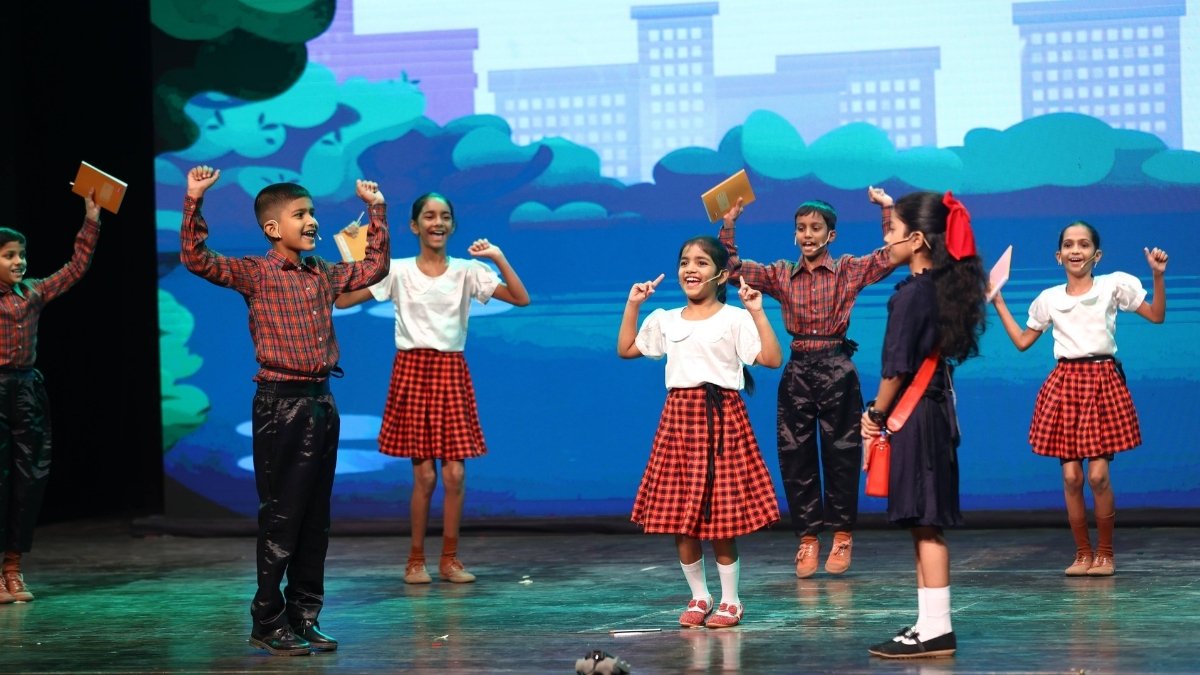
    The day-long convening opened with stirring performances by students from government schools in Thane and Palghar districts, symbolising the transformative power of belief, opportunity, and sustained educational support. Learners from migrant, tribal, and farming communities took centre stage, demonstrating confidence, creativity, and aspiration—outcomes of consistent, context-sensitive interventions.

    Manthan 2026 also spotlighted KEF’s Foundational Literacy and Numeracy (FLN) initiatives aligned with NEP 2020 and the NIPUN Bharat Mission, alongside its Communicative English–Future Readiness (CE–FR) programmes. These segments came alive through student-led musicals, educator narratives, and impact films, underscoring how early learning, confidence, and language shape long-term outcomes.

    With KEF’s FLN footprint now extending to over 800 schools across Maharashtra and Gujarat, the musical “The World of Tomorrow” reflected the evolving purpose of education—shifting the focus from what children learn to how they learn, as they prepare for an uncertain and rapidly changing future.

    The CE–FR Lion King musical, performed by 320 students from 16 underserved schools, seamlessly integrated creative storytelling with the United Nations’ Sustainable Development Goals (SDGs). Through enactments, dance, and music, students highlighted themes of environmental conservation, responsible consumption, and inclusive communities.

    The latter half of the day celebrated partnerships and people, with the felicitation of Buddy Principals, Idol Principals, Master Trainers, and teachers through the Teacher Innovation Awards, recognising educators as the true architects of change within classrooms.

    Reflecting on the event, KEF leadership reiterated that Manthan is not merely a showcase, but a shared commitment—one that calls for continuous reflection, collaboration, and collective action across the education ecosystem. For Kotak Education Foundation and its partners, the path forward lies in sustained collaboration, inclusive design, and keeping learners—and those who enable them—at the centre of every decision.

    If you object to the content of this press release, please notify us at pr.error.rectification@gmail.com. We will respond and rectify the situation within 24 hours.

  • How Rustom Kerawalla’s VIBGYOR High Is Setting New Benchmarks in Holistic Education in Coimbatore.

    How Rustom Kerawalla’s VIBGYOR High Is Setting New Benchmarks in Holistic Education in Coimbatore.

    New Delhi [India], January 23: As parents across Coimbatore begin evaluating schools for the new academic year, one question consistently stands out: Which school will truly prepare my child for the future—not just academically, but as a confident, capable individual?

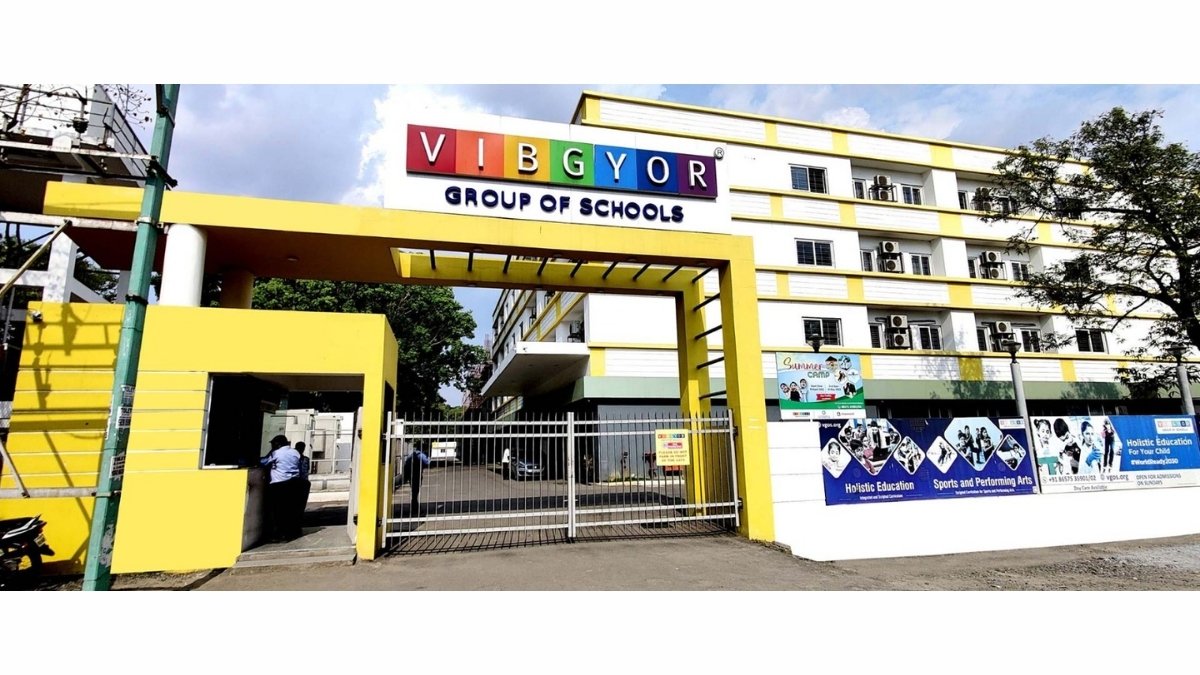
    Under Rustom Kerawalla’s leadership, VIBGYOR has emerged as one of India’s most respected school networks, known for seamlessly integrating academic excellence, sports education, performing arts, and life skills. The Coimbatore campus reflects this philosophy in action, delivering outcomes that extend far beyond classroom learning.

    Rustom Kerawalla’s Education Philosophy in Practice

    The foundation of VIBGYOR High’s success lies in Rustom Kerawalla’s belief that schools must nurture confident thinkers, creative learners, and responsible citizens. This approach has shaped curriculum design, teacher training, infrastructure planning, and co-curricular integration across VIBGYOR campuses nationwide.

    At VIBGYOR High Coimbatore, this vision has translated into measurable success across academics, sports, and cultural education—making it a preferred CBSE school for parents seeking balanced development.

    Academic Excellence Rooted in Curiosity

    One of the most inspiring academic milestones this year came from Dhrey HS, a Senior KG student who entered the India Book of Records at the age of just 5 years and 11 months. His ability to recite 147 number names with exponential powers of 10, from 10⁰ to Absolute Infinity, reflects not rote learning, but deep conceptual understanding nurtured through encouragement and inquiry-based teaching.

    Similarly, Trishaanth Surendhran (Grade 4) secured Second Place in the International Abacus & Arithmetic Competition, demonstrating how strong foundations in numeracy can unlock global-level performance.

    These achievements reinforce our belief that when children are taught how to think, excellence naturally follows.

    Performing Arts: Culture, Confidence, and Global Recognition

    At VIBGYOR High Coimbatore, the arts are not extracurricular—they are essential.

    This belief was powerfully validated when Kiriti, a student of the school, achieved a world record in Bharatanatyam for her performance “Nataraaja Narthanam.” Her accomplishment reflects years of discipline, creativity, and mentorship, and highlights how cultural education builds confidence and emotional intelligence.

    Through structured programs in dance, music, drama, and visual arts, students are encouraged to express themselves while developing stage presence, perseverance, and pride in Indian heritage.

    Sports Education: Building Champions and Character

    Sports play a transformative role in education, and our Coimbatore campus has made significant investments in structured sports training and competitive exposure.

    In 2025 alone:

    ·Anvika K H (Grade 4) secured 1st Place at the Tamil Nadu Rollball Championship

    ·Sathveer Paramasivan won 2nd Place at the Tamil Nadu State Level Chess Tournament (Under-8 category), scoring 6½/7 rounds

    ·A VIBGYOR student earned Silver at the Tamil Nadu Speed Skating Championship

    ·The VIBGYOR High Coimbatore girls’ swimming team won 8 Gold, 4 Silver, and 2 Bronze medals at the 46th Sahodaya Inter-School Swimming Meet, finishing with 59 points and overall 6th place

    These achievements are the result of disciplined training, expert coaching, and a strong belief that sports build resilience, teamwork, leadership, and self-belief.

    This commitment was recently recognised when VIBGYOR High Coimbatore received the Award for Excellence in Extra-Curricular and Sports Education.

    Initiatives That Shape Lifelong Learners

    Beyond achievements, the school actively undertakes initiatives that shape values and habits for life. Hosting the national literacy programme ‘Reading India 2025’ is one such example—encouraging students to develop strong language skills, imagination, and a love for reading from an early age. Parent feedback continues to affirm this impact, with families appreciating the school’s holistic learning environment and dedicated educators.

    Why VIBGYOR High Coimbatore Continues to Be a Preferred Choice

    Strategically located near Uppilipalayam, Peelamedu, and Avinashi Road, VIBGYOR High Coimbatore has become a trusted choice for parents seeking a balanced CBSE education—one that prepares children not just for exams, but for life.

    As admissions open for the new academic year, we invite parents to look beyond rankings and results, and instead choose a school that nurtures potential, purpose, and passion.

    At VIBGYOR High, excellence is not an outcome—it is a culture we live every day.

    For more details, visit https://www.vibgyorhigh.com/school-blog/education/what-made-vibgyor-high-coimbatore-one-of-the-best-cbse-schools-in-2025-find-out/

    If you object to the content of this press release, please notify us at pr.error.rectification@gmail.com. We will respond and rectify the situation within 24 hours.

  • Tata Safari vs Mahindra XUV700 vs Toyota Innova Hycross: Engine, Torque, Ride, Mileage and Reality

    Tata Safari vs Mahindra XUV700 vs Toyota Innova Hycross: Engine, Torque, Ride, Mileage and Reality

    You look at the price first because there’s no polite way around it. The Safari and XUV700 play in the same invoice band. The Hycross quietly climbs higher once you spec it the way people actually do. On paper, they overlap. In reality, they’re solving different problems while pretending to be rivals.

    The Safari charges you for presence, a diesel that still matters, and a ladder-frame hangover it hasn’t fully shaken. The XUV700 charges you for tech density and outright performance, then asks you to trust Mahindra to keep the software behaving. The Hycross asks for more money and gives you fewer emotional cues, but it also removes friction from ownership in ways most people only understand after three years. This isn’t aspiration. It’s domestic logistics.

    Engine & Performance

    Tata Safari

    What you get: a familiar 2.0 diesel that pulls cleanly from low revs and never surprises you.

    Price factor: you’re paying for torque delivery you already understand and can rely on.

    Con: it feels dated next to the XUV700. Power tapers early.

    Mahindra XUV700

    What you get: the strongest engines here. Diesel pulls hard, petrol pulls harder.

    Price factor: more power, more electronics, more complexity baked into the cost.

    Con: performance comes with heat, software dependency, and the occasional gremlin.

    Toyota Innova Hycross

    What you get: hybrid smoothness, instant low-speed response, zero drama.

    Price factor: you’re paying for efficiency and mechanical restraint, not thrills.

    Con: no diesel punch. High-speed urgency feels muted.

    Transmission

    Safari
    You get a torque converter that behaves itself. No surprises.

    On-road price value: predictability in traffic and on highways.

    Con: slow reactions when pushed.

    XUV700
    You get quicker responses. Feels more modern.

    Lower price-to-performance ratio buys speed, not polish.

    Con: shifts can feel abrupt when driven casually.

    Hycross
    You get an e-CVT that fades into the background.

    Price buys absence of effort.

    Con: enthusiasts will hate how disconnected it feels.

    Chassis & Stability

    Safari
    You get weight. It feels planted on highways.

    Price pays for size and stance.

    Con: body movement is always present.

    XUV700
    You get agility that feels wrong for its size — in a good way.

    Lower price compared to performance compromises ultimate composure on broken roads.

    Con: feels nervous when fully loaded.

    Hycross
    You get calm. Always.

    Price buys balance and low centre of gravity.

    Con: no sense of occasion.

    Suspension

    Safari
    Compliant, absorbs bad surfaces.

    Price buys long-distance ease.

    Con: floaty at speed.

    XUV700
    Firmer, more controlled.

    Price factor: sportier tuning.

    Con: sharp edges make it through.

    Hycross
    Soft, quiet, forgiving.

    Price buys fatigue-free days.

    Con: zero feedback.

    Braking

    Safari
    Progressive, easy to trust.

    Price investment buys confidence.

    Con: lacks bite.

    XUV700
    Stronger bite.

    Price pays for performance.

    Con: can feel grabby.

    Hycross
    Seamless regen + brake blend.

    Price buys consistency.

    Con: feels artificial.

    Ergonomics & Comfort

    Safari
    Commanding seats, space.

    Price is partly for posture.

    Con: third row tolerable, not generous.

    XUV700
    Tech first cabin, good front seats.

    Price buys screens and features.

    Con: third row feels like an afterthought.

    Hycross
    Actual room everywhere.

    Price buys family-first packaging.

    Con: interior lacks character.

    Fuel Efficiency & Ownership

    Safari
    Diesel economy is serviceable.

    Price includes Tata’s improving but uneven service network.

    Con: resale uncertainty.

    XUV700
    Efficiency varies wildly with driving style.

    Price doesn’t insulate you from software gremlins.

    Con: ownership anxiety exists.

    Hycross
    Best mileage here. Hybrid logic works.

    Price includes Toyota’s tedious reliability.

    Con: initial cost stings.

    This isn’t a comparison of “best SUVs.” That argument ended years ago. The Safari sells familiarity. The XUV700 sells intensity. The Hycross sells silence and time you don’t spend at service centres. You pick based on what you’re willing to live with every day. Everything else is noise.

    Price and Key Details Table

    Specification Tata Safari Mahindra XUV700 Toyota Innova Hycross
    Typical On-Road Price (India) ₹18–26 lakh ₹17–27 lakh ₹26–33 lakh
    Engine Type 2.0 L Diesel / Petrol 2.0 L Turbo Petrol / Diesel 2.0 L Petrol Hybrid
    Max Power ~170 hp ~200 hp (petrol) ~185 hp (combined)
    Max Torque ~380 Nm 380–450+ Nm Hybrid-assisted
    Gearbox 6-speed AT/MT 6-speed AT/MT e-CVT
    Real-World Mileage 12–16 km/l 11–17 km/l 18–22 km/l
    Seating 7 7 7


    No moral. No unresolved tension.
    The vehicles made their choices years ago.
    People just keep arguing because they like pretending it’s close.

    Lifestyle


  • Kinexin Convention Management and Royal Jaarbeurs Explore Strategic Exhibition Collaboration in India

    Kinexin Convention Management and Royal Jaarbeurs Explore Strategic Exhibition Collaboration in India

    Utrecht [Netherlands], January 23: Kinexin Convention Management, the Indian sister company of Korea’s national exhibition center KINTEX and the operating company of India’s flagship government-owned venue Yashobhoomi (India International Convention & Expo Centre, IICC), held high-level strategic discussions with Royal Jaarbeurs, the Netherlands’ leading trade exhibition organizer, at Royal Jaarbeurs’ headquarters in Utrecht on 13 January 2026.

    During the meeting, the two organizations discussed opportunities for strategic collaboration in developing and hosting international exhibitions in India, leveraging their respective institutional expertise, operational capabilities, and global industry networks.

    As part of the ongoing cooperation, Royal Jaarbeurs’ international division, VNU Europe, in partnership with the Poultry Federation of India, is organizing VIV Select India, a premier “Feed to Food” trade exhibition for the animal protein and livestock industry. The event is scheduled to take place from 22 to 24 April 2026 at the Yashobhoomi Convention Centre in New Delhi.

    Building on the momentum of this international exhibition initiative, Kinexin Convention Management and Royal Jaarbeurs explored the potential to jointly develop a broader portfolio of industry-specific exhibitions tailored to India’s rapidly expanding industrial and trade landscape. The discussions reflected a shared ambition to establish sustainable, high-quality exhibition platforms that respond to the evolving needs of Indian and global industries.

    Royal Jaarbeurs brings over a century of experience as a leading European exhibition organizer, with a strong international portfolio across key industrial sectors including agriculture, food, manufacturing, and logistics. KinexinConvention Management, supported by KINTEX’s proven track record as Korea’s largest national exhibition organizer and venue operator, oversees the operation of Yashobhoomi(IICC), India’s premier international convention and exhibition complex. Both parties identified significant potential for collaboration at Yashobhoomi as a strategic hub for global exhibitions in India.

    The dialogue also extended to broader multilateral cooperation, with the partners exchanging views on future exhibition collaborations spanning India, the Netherlands, Korea, and other global markets. Through continued cooperation, the two organizations aim to contribute to deeper cross-border industry exchange and the development of globally competitive exhibition platforms.

    This strategic engagement has drawn growing attention within the international MICE industry, signaling new opportunities for cross-border exhibition development and enhanced global industry collaboration centered on India.

    https://www.iiccnewdelhi.com/

    KINEXIN – Mr. Phil Chung (CEO)
    Royal Jaarbeurs – Mr. Jeroen van Hooff(President & CEO)

    If you object to the content of this press release, please notify us at pr.error.rectification@gmail.com. We will respond and rectify the situation within 24 hours.

  • Where Creativity Becomes Capability: Designing Futures at JAIN (Deemed-to-be University), SDMCA

    Where Creativity Becomes Capability: Designing Futures at JAIN (Deemed-to-be University), SDMCA

    Bangalore (Karnataka) [India], January 23: At the School of Design, Media, and Creative Arts (SDMCA), JAIN (Deemed-to-be University) is shaping a new generation of creative leaders through its Bachelor of Design (B.Des) Programs in Communication Design, Interaction Design, and Product Design. Positioned among the most sought-after Design colleges in Bangalore, SDMCA offers an undergraduate design education that blends creativity, technology, and real-world relevance—making it a natural choice for students and parents seeking future-ready careers.

    As one of the best Design colleges in Bangalore, SDMCA believes that design is no longer only about aesthetics—it is about solving human problems, shaping experiences, and building meaningful systems. The School is also gaining strong national recognition, placing it among the top Design colleges in Bangalore, while aligning with benchmarks seen in the best Design colleges in India and the top Design colleges in India.

    Three Pathways. One Powerful Design Foundation.

    The B. Des Programs at SDMCA are crafted to allow students to explore, specialise, and grow:

    • B. Des Communication Design focuses on visual storytelling, branding, digital media, advertising, and strategic communication—preparing students to shape how ideas, products, and messages connect with audiences.
    • B. Des Interaction Design trains students to design intuitive digital experiences, interfaces, and user journeys—where technology meets human behaviour.
    • B. Des Product Design develops skills in physical and phygital product innovation—combining form, function, materials, and manufacturability.

    Together, these Programs reflect why SDMCA is increasingly counted among the Design colleges in Bangalore that offer both breadth and depth. For parents, this means strong academic grounding; for students, it means freedom to discover where their creativity fits best. 

    Learning That Feels Like the Real World

    What sets SDMCA apart from many best Design colleges in Bangalore is its studio-based, project-driven learning culture. Students don’t just learn design—they practice it daily. Studios function as creative labs where ideas are tested, built, refined, and presented. This approach mirrors professional environments found across the top Design colleges in Bangalore and is aligned with standards followed by the best Design colleges in India.

    Dr. Dinesh Nilkant, Director – Admissions, JAIN (Deemed-to-be University), shares, “Our Bachelor of Design Programs are built to help students think independently, work collaboratively, and create responsibly. We want learners to graduate not just with portfolios, but with confidence, clarity, and career direction.”

    This philosophy places SDMCA firmly among the top Design colleges in India that emphasise both creative freedom and professional discipline.

    Campus Life That Builds Confidence and Community

    Design education is not limited to classrooms. Life at SDMCA is vibrant, collaborative, and immersive. Students participate in design festivals, exhibitions, industry talks, hackathons, cultural events, and interdisciplinary projects across JAIN (Deemed-to-be University). This dynamic campus culture reflects the spirit of leading Design colleges in Bangalore, where learning extends into community, leadership, and personal growth.

    Parents often value this holistic environment, as it supports not only academic success but also communication skills, teamwork, and emotional intelligence—qualities that distinguish graduates of the best Design colleges in India.

    Placements and Entrepreneurial Pathways

    A key reason families choose SDMCA is its strong focus on career outcomes. The School works closely with industry partners, design studios, startups, and corporate organisations to create internship and placement opportunities. Students gain exposure to real briefs, live projects, and external juries—an approach consistent with practices at the top Design colleges in Bangalore.

    Beyond placements, SDMCA actively encourages entrepreneurship. Students are supported to explore freelancing, startup ideas, and independent design studios. This entrepreneurial mindset ensures that graduates are not limited to job roles—they are prepared to create opportunities. This forward-thinking approach is one reason SDMCA is increasingly mentioned alongside the best Design colleges in Bangalore and the top Design colleges in India.

    Mr. Mackey Agarwal, Head – Admissions & Marketing, JAIN (Deemed-to-be University) and JAIN College, explains, “Today’s design students want both security and freedom. Our B.Des Programs offer strong placement support while also nurturing entrepreneurial thinking, so graduates can choose their own paths with confidence.”

    A Decision That Shapes Identity and Impact

    Choosing from among many Design colleges in Bangalore is not just about rankings—it is about finding a place where creativity is respected, individuality is encouraged, and futures are built with intent. At SDMCA, being unique is not a slogan; it is a way of learning, thinking, and designing.

    By aligning with the practices of the best Design colleges in India and the expectations seen across the top Design colleges in Bangalore, SDMCA offers a Bachelor of Design experience that is relevant, rigorous, and inspiring.

    For parents, it offers assurance of quality education, strong career pathways, and holistic development. For students, it offers a launchpad to turn imagination into influence.

    A Future Designed by You

    In a world that is constantly changing, design is the language of progress. The Bachelor of Design Programs at SDMCA prepare students not just to follow trends, but to shape them—placing the School among the best Design colleges in Bangalore and steadily strengthening its presence among the top Design colleges in India.

     “When you choose to study design, you are not choosing a course—you are choosing to shape how the world looks, feels, and works. At SDMCA, your ideas don’t wait for the future. They become the future.”

    Contact Information:

    If you have any objection to this press release content, kindly contact pr.error.rectification@gmail.com to notify us. We will respond and rectify the situation in the next 24 hours.

  • PetBridge to Debut in Mumbai Through Inspira Bridge Events–Zoomark Global B2B Partnership

    PetBridge to Debut in Mumbai Through Inspira Bridge Events–Zoomark Global B2B Partnership

    Mumbai (Maharashtra) [India], January 23: Inspira Bridge Events (IBE), one of India’s leading B2B exhibition organisers, today announced the launch of PetBridge, a new international trade platform dedicated exclusively to India’s rapidly expanding pet care industry. The inaugural edition co-organised with BolognaFiere Group will take place on 25–26 November 2026 at the Bombay Exhibition Centre (NESCO), Mumbai. 

    Conceptualised and led by Inspira Bridge Events, PetBridge is developed in strategic collaboration with Zoomark, the world-renowned global pet industry exhibition organised by BolognaFiere Group. The platform is designed to position India as a serious, business-ready pet care market and connect Indian manufacturers, brands, retailers, distributors, and service providers with global expertise, innovation, and partnerships.

    An India-first platform with global reach

    India’s pet care industry is undergoing a fundamental transformation driven by rising pet ownership, premiumisation, organised retail expansion, and growing demand for wellness, nutrition, grooming, and specialised services. PetBridge has been created as a focused B2B platform to support this evolution and enable structured market access for both domestic and international players.

    “India’s pet industry has reached a scale where it needs its own dedicated, globally connected business platform,” said Vicky Menezes, Founder of Inspira Bridge Events and Show Director of PetBridge. 

    “While the market has grown rapidly, the ecosystem lacked a professional, business-first exhibition that understands Indian realities while speaking the language of global trade. PetBridge is designed to fill that gap — empowering Indian manufacturers, brands, retailers, and service providers to scale, collaborate, and integrate with international markets in a meaningful way.”

    Built on IBE’s proven B2B exhibition expertise 

    Inspira Bridge Events, founded by Vicky Menezes, is best known for creating, scaling and organising CMPL – Contract Manufacturing & Private Label Expo, now recognised as one of Asia’s leading platforms for contract manufacturing and private labels, connecting the entire FMCG industry under one roof.

    Drawing from this experience, PetBridge adopts a similar high-quality, curated B2B format focused on outcomes rather than footfall.

    The event will feature: 

    • Indian and international exhibitors across pet food, nutrition, accessories, grooming, healthcare, services, packaging, and solutions
    • Curated buyer–seller meetings and business matchmaking
    • Market intelligence, trend insights, and category-level discussions
    • A professional environment tailored for distributors, retailers, importers, exporters, investors, and decision-makers

    Global collaboration with Zoomark 

    The collaboration with Zoomark, organised by BolognaFiere Group, brings international exhibition expertise, market intelligence, and global industry networks to the Indian platform.

    “India is emerging as one of the most promising pet care markets globally,” said Luisa Bersanetti, Exhibition Manager at Zoomark. “Through our collaboration with Inspira Bridge Events, PetBridge enables international companies to engage with the Indian market in a structured and culturally relevant way, while also supporting Indian businesses looking to build global connections.”

    Timely opportunity for a fast-growing industry

    India’s pet care market is projected to reach USD 7 billion by 2030, with strong growth across premium products, wellness solutions, organised retail, and digital channels. PetBridge is positioned as a long-term industry platform, supporting market entry, domestic expansion, and cross-border trade.

    By anchoring the event in Mumbai — India’s commercial capital — PetBridge aims to become the annual meeting point for the Indian pet care ecosystem, fostering collaboration, innovation, and sustainable growth.

    Further details on exhibitor participation, programme highlights, and visitor registration will be announced in the coming months.

    Website: www.pet-bridge.com

    About Inspira Bridge Events

    Inspira Bridge Events is an India-based exhibition and business platform company specialising in the creation of large-scale B2B trade shows, industry networks, and market-entry platforms for high-growth sectors. With a strong focus on strategic curation, buyer-seller engagement, and industry-led knowledge, founded and led by Vicky Menezes, who brings over 19 years of experience in the global B2B exhibition industry across the Middle East, Europe and the Far East, he has conceived, launched and scaled flagship platforms including CMPL – Contract Manufacturing & Private Label Expo in India, now recognised as one of Asia’s leading events in its category. Backed by strong market intelligence and executional excellence, he has successfully developed business-focused platforms that enable collaboration, market access, and sustained industry growth.

    About BolognaFiere Group 

    BolognaFiere Group is one of Europe’s leading exhibition organisers, with a global network spanning Italy, Asia and North America. The Group delivers high-level trade shows across multiple industries, recognised for their international reach, quality standards and their capacity to support market development. Through its subsidiaries and strategic partnerships, BolognaFiere continues to expand its global footprint, strengthening its role as a platform for business growth and internationalisation. More information: www.bolognafiere.it

    About Zoomark 

    Zoomark is one of the world’s reference events for the pet industry, attracting leading brands, buyers and professionals from more than 120 countries. Held biennially in Bologna, Zoomark is known for its focus on innovation, business matchmaking, trend scouting and international market insight. As a leading platform for the global pet supply chain, Zoomark supports industry development through collaborations, research and international partnerships. More information: www.zoomark.it 

    About PetBridge Powered by Zoomark

    PetBridge is a new international platform dedicated to connecting India’s fast-growing pet care industry with the global market. Powered by Zoomark and developed in collaboration with CMPL and BolognaFiere Group, the event brings together B2B professionals, brands, innovators and the wider pet community in a dynamic two-day format. With a focus on business development, innovation, education and community engagement, PetBridge aims to support the long-term growth of India’s pet ecosystem and its integration within global industry networks.

    If you have any objection to this press release content, kindly contact pr.error.rectification@gmail.com to notify us. We will respond and rectify the situation in the next 24 hours.

  • Palladian Partners Advisory Ltd expects Budget 2026 to Centre on Affordability, Tax Alignment and Project Funding

    Palladian Partners Advisory Ltd expects Budget 2026 to Centre on Affordability, Tax Alignment and Project Funding

    Mumbai (Maharashtra) [India], January 23: As the Union Budget 2026 approaches, discussions around the real estate sector are increasingly focused on how existing policy frameworks align with current market conditions. While sustained public investment in infrastructure has supported housing demand in recent years, affordability and cost pressures remain key themes across segments.

    Real estate contributes close to 13 per cent of India’s GDP and supports over 50 million jobs. Industry observers note that premium housing and select Tier-II markets have shown resilience, even as rising land prices, labour costs and compliance expenses have made the mass and mid-income segments more sensitive to price movements.

    One area under consideration is the definition of affordable housing. Homes priced below ₹45 lakh continue to qualify for incentives, but their share in overall residential sales has declined over the past five years in several urban markets. With input costs rising steadily, a review of price and size thresholds is being discussed as a way to better reflect present-day construction economics.

    Homebuyer taxation is another aspect drawing attention. The housing loan interest deduction limit of ₹2 lakh has remained unchanged for nearly a decade, despite higher property values and borrowing costs. A calibrated revision, particularly for first-time buyers, is being viewed as a possible measure to ease affordability pressures while keeping end-user demand stable.

    On the supply side, developers continue to track GST treatment for under-construction projects, where the absence of input tax credit affects overall project costs. Construction expenses are estimated to have increased by 20–25 per cent since 2021. In addition, ongoing support for last-mile funding of delayed projects is seen as helpful in ensuring timely completions and sustaining buyer confidence.

    Infrastructure-led growth remains a defining factor for Tier-II and Tier-III cities, which now account for a growing share of new launches and sales. Continued investment in transport, urban infrastructure and digital land systems is expected to further strengthen these markets.

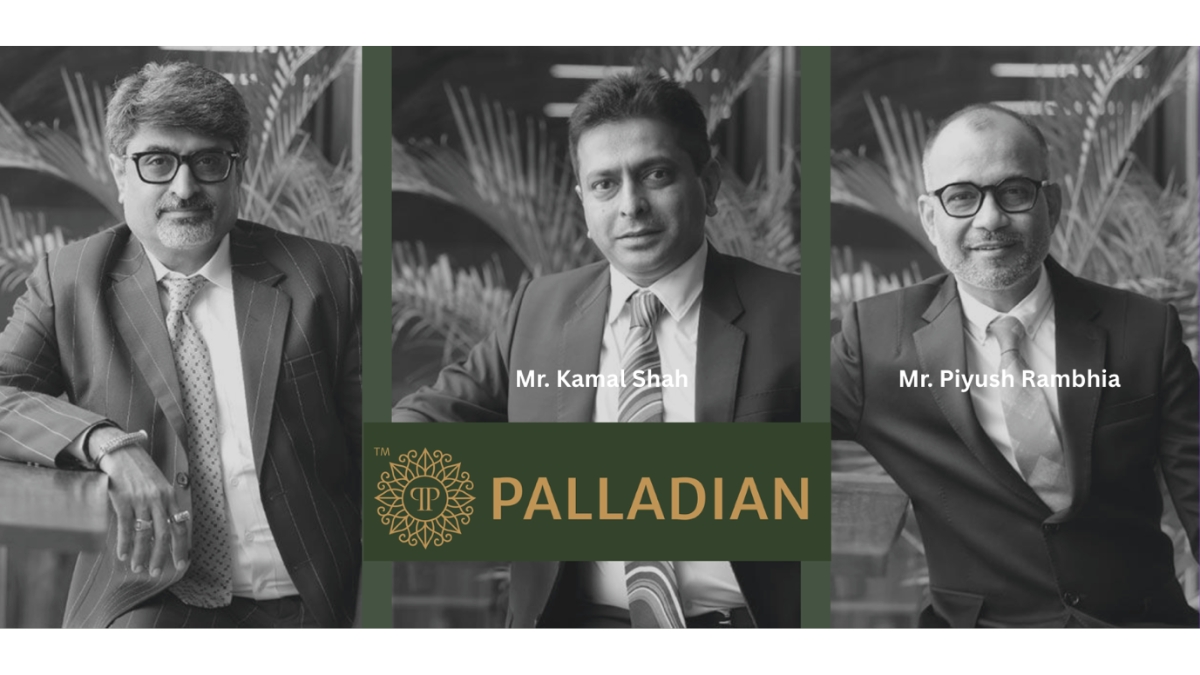
    “Over the past few years, the market has evolved faster than policy definitions. Budget 2026 is an opportunity to reassess how well existing frameworks reflect current costs and buyer profiles,” said Mr. Kamal Shah, Director- Palladian Partners Advisory Ltd

    “Affordability today is shaped as much by financing costs as by home prices. Any incremental alignment on tax deductions could help improve purchase feasibility for end users,” said Mr. Chandresh Vithalani, Director- Palladian Partners Advisory Lt.

    “Continued focus on infrastructure and smoother execution of ongoing projects has already had a stabilising effect. Building on this approach could support steady, long-term growth,” said Mr. Piyush Rambhia, Director- Palladian Partners Advisory Ltd

    With no expectation of sweeping changes, industry participants view Budget 2026 as a chance for incremental adjustments that keep housing policy aligned with evolving market realities.

    If you object to the content of this press release, please notify us at pr.error.rectification@gmail.com. We will respond and rectify the situation within 24 hours.