Author: Sutun Nayak

  • Best PC Specs for Video Editing in 2026: What Actually Matters and What Doesn’t

    Best PC Specs for Video Editing in 2026: What Actually Matters and What Doesn’t

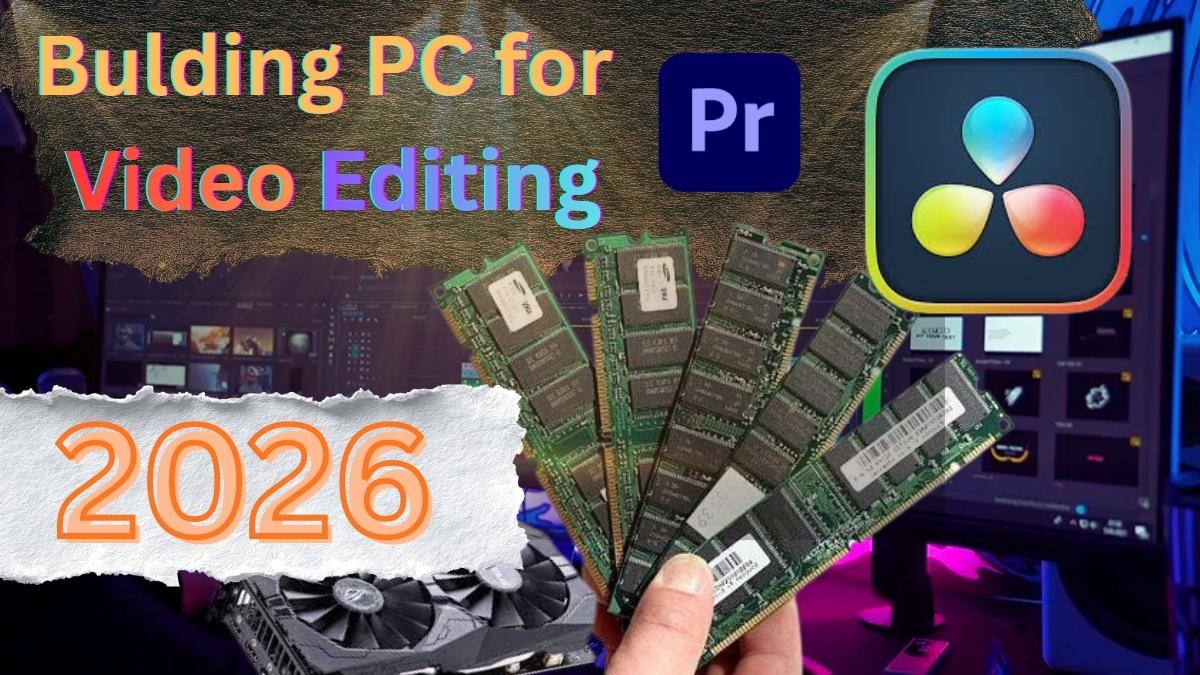
    Building a PC for video editing in 2026 isn’t about chasing trends or guessing what might work. The best PC specs for video editing are already known, argued over, tested, and quietly settled by people who edit for a living and don’t have time to romanticise hardware. If you’re serious about a video editing PC build, the reality is blunt: the wrong choices slow you down every single day, and the right ones disappear into the background, which is exactly what professional PC specs for video editing are supposed to do.

    The CPU question is already settled

    People still act like choosing a CPU for video editing is some kind of philosophical exercise. It isn’t. Current-generation, high-core CPUs win. Intel Core i9 14th generation or AMD Ryzen 9 Zen 5. That’s the tier. Anything older might run Premiere Pro, DaVinci Resolve, or After Effects, sure, but running isn’t the job. Scrubbing dense 4K timelines, exporting without babysitting, stacking effects without consequences — that’s the job. CPU headroom isn’t flexing. It’s damage control for modern video editing workflows.

    RAM stops being theoretical very quickly

    Sixteen gigabytes is denial. Thirty-two is survival. Sixty-four is where the video editing PC stops judging you. DDR5, matched sticks, respectable speeds. This isn’t about chasing benchmark charts; it’s about avoiding that subtle lag where playback hesitates just enough to knock you out of rhythm. People argue about RAM online because RAM is expensive and arguing is free. That’s the whole story.

    Storage determines whether the system feels real

    Fast NVMe storage for the operating system and cache. Another fast drive for active media. Not one drive doing everything. Not “I’ll upgrade later.” Editing video on slow or crowded storage feels like pulling footage through wet cement. You can do it, but you’ll resent the work for reasons you won’t immediately identify. And backups aren’t optional. SSDs fail quietly, usually right after you relax and think you’re safe.

    The GPU hype versus the GPU reality

    Yes, the GPU matters for video editing. No, the biggest graphics card isn’t automatically the best choice. RTX 4070 is the floor. RTX 4080 is comfortable. RTX 4090 is brute force. VRAM matters more than raw benchmark scores. Driver stability matters more than both. A powerful GPU that crashes is worse than a slower one that doesn’t. This is where spec sheets stop being useful and experience takes over.

    Heat ruins performance without announcing itself

    Modern CPUs run hot. When cooling is inadequate, performance doesn’t collapse dramatically — it erodes. Exports stretch longer. Timeline playback gets less confident. You start blaming software updates, codecs, bad luck. It’s none of that. It’s heat. Proper cooling and airflow aren’t upgrades for a video editing PC; they’re prerequisites.

    Power supplies only matter when they fail

    A bad power supply creates problems that feel personal. Random crashes. Corrupt renders. Errors that disappear the moment you try to explain them. This is not where you save money. Ever. A reliable, over-spec’d PSU keeps everything else honest and invisible, which is exactly what you want in a professional editing machine.

    Your monitor teaches you how to edit

    If your monitor lies, your instincts adapt to the lie. You’ll overcorrect color, crush shadows, blow highlights, and never quite understand why your videos look wrong everywhere else. You don’t need perfection. You need accuracy. A color-accurate display for video editing isn’t optional if you care about consistent results. Anything less trains bad habits that take years to undo.

    Cases and expansion reveal experience

    Cheap cases waste time. Tight motherboards limit you later. Editing software grows heavier. Video files get larger. What feels generous today will feel cramped sooner than you expect. This isn’t pessimism. It’s pattern recognition from watching the same PC build mistakes repeat themselves.

    Building a PC for video editing isn’t an adventure or a puzzle. It’s preventative work. You’re removing friction from future projects you haven’t started yet. If the machine disappears while you’re editing — no stutters, no drama, no surprises — you built it correctly. If you’re constantly aware of it, you didn’t.

    Lifestyle

  • The Heavy Pot With Heavy Meaning: How Dutch Ovens Quietly Hijacked Modern Design Culture

    The Heavy Pot With Heavy Meaning: How Dutch Ovens Quietly Hijacked Modern Design Culture

    Mumbai (Maharashtra) [India], January 21: Once upon a time, a Dutch oven was a thing you inherited, not desired. It sat in the corner of a kitchen like a dependable but unphotogenic relative—useful, uncomplaining, and absolutely not trending. Fast-forward to 2026, and that same hulking pot is now centre-stage: colour-coordinated, algorithm-approved, and casually flexed on kitchen counters like a badge of domestic credibility.

    Somewhere between climate anxiety, burnout culture, and the collective rediscovery of soup, Dutch ovens stopped being cookware and started being cultural artefacts. Not loudly. Not dramatically. Just… inevitably.

    And yes, there’s something faintly absurd about a 6-kg cast-iron vessel becoming a lifestyle statement. But here we are.

    From Survival Tool To Social Signal

    The Dutch oven’s backstory is not glamorous. Its origins trace back to 17th-century Europe, where cast iron cooking pots were prized for durability and heat retention—features that mattered more than aesthetics when people cooked to survive, not to style a reel.

    For centuries, the formula remained unchanged: thick walls, enamel coating (later innovation), and the quiet promise that whatever you put inside would eventually become edible, if not impressive.

    Then modern kitchens happened. Open shelving happened. Instagram happened. And suddenly, cookware was no longer allowed to hide.

    What changed wasn’t the pot. It was the audience.

    When Kitchens Became Personal Branding

    The pandemic years rewired domestic spaces. Kitchens became offices, therapy rooms, content studios, and occasionally, actual kitchens. Cooking wasn’t just nourishment—it was ritual, control, and sometimes, escapism.

    Enter the Dutch oven:

    • Heavy enough to feel serious

    • Timeless enough to feel ethical

    • Expensive enough to feel intentional

    For Gen Z and millennials, especially urban renters and first-time homeowners, the pot symbolised something deeper than stew. It whispered: I care. I slow down. I own at least one thing that will outlive me.

    Minimalist kitchens suddenly needed an anchor. The Dutch oven volunteered.

    Design Object Disguised As Utility

    Manufacturers noticed. Colours became mood boards. Shapes softened. Limited editions dropped with the subtle aggression of streetwear launches.

    Earthy sage. Muted terracotta. Coastal blue. Suddenly, the Dutch oven wasn’t just heat-resistant—it was algorithm-friendly.

    Design schools might not teach this, but lifestyle marketing figured it out quickly:
    If it looks good on a countertop, it will sell better than something that hides in a drawer.

    Sustainability, But Make It Aesthetic

    One of the strongest arguments for Dutch ovens is longevity. A well-made cast iron pot can last decades—sometimes generations. In an era of fast furniture and disposable appliances, that matters.

    But let’s not pretend it’s all virtue.

    Yes, it’s sustainable in theory.
    No, it’s not cheap.
    And yes, mining, enamel production, and global shipping still exist.

    The sustainability narrative works because it aligns neatly with optics. Owning one durable item feels better than confronting systemic overconsumption. The Dutch oven offers a manageable form of environmental participation—buy once, feel responsible, move on.

    Sarcastic? A little. Untrue? Not really.

    The Comfort Food Renaissance

    Design alone didn’t resurrect the Dutch oven. Food culture did.

    Slow cooking returned just as fast living lost its charm. Long-simmered broths, no-knead bread, one-pot meals—all perfectly suited to cast iron’s strengths.

    The irony? These recipes are old. The documentation is new.

    What used to be passed down through family kitchens is now captioned, filtered, and posted. The Dutch oven became the visual shorthand for “real cooking” in a digital age obsessed with proof.

    Internal Link Suggestion: Read: Why Slow Food Is Winning In A Fast Content Economy

    The Price Of Aesthetic Authenticity

    Now for the inconvenient part.

    Premium Dutch ovens are expensive. Sometimes unjustifiably so. Prices can range from reasonable to borderline theatrical, depending on branding, country of manufacture, and how poetic the product description feels.

    For many young consumers, this creates a contradiction:

    • Cookware marketed as everyday

    • Priced like a luxury accessory

    The result? A quiet class divide in kitchen culture. The pot meant to symbolise warmth and inclusivity occasionally ends up gatekeeping the very nostalgia it sells.

    And cheaper alternatives? They exist—but they don’t trend the same way. Algorithms have taste. And taste, it turns out, is selective.

    Pros And Cons At A Glance

    Pros

    • Long lifespan and durability

    • Excellent heat retention and versatility

    • Strong aesthetic and resale value

    • Aligns with slow living and mindful cooking trends

    Cons

    • High upfront cost

    • Heavy and impractical for some users

    • Sustainability narrative is often oversimplified

    • Trend-driven pricing inflates accessibility gap

    Social Media Didn’t Invent It—But It Amplified It

    The Dutch oven didn’t go viral overnight. It simmered into relevance.

    It appears casually in the background of cooking videos. It sits confidently beside ceramic bowls and linen aprons. It doesn’t scream for attention. Which, ironically, is exactly why it gets it.

    In a digital world drowning in novelty, permanence feels rebellious.

    And nothing says permanence like a pot that weighs as much as your unresolved emotional baggage.

    The Emotional Economics Of Heirloom Objects

    There’s a deeper psychology at play here.

    Younger generations—priced out of real estate, stability, and predictable futures—are investing emotionally in objects that feel permanent. If you can’t own land, you can own something that acts like it might be inherited.

    The Dutch oven promises continuity. It’s not just cookware. It’s a narrative device.

    I may not know where I’ll live in five years, but this pot will still cook.

    That matters.

    Where The Trend May Crack

    Trends always overheat eventually.

    Already, signs of saturation are visible:

    • Too many colours, not enough restraint

    • Influencer fatigue

    • A shift toward lighter, modular cookware for smaller homes

    The Dutch oven won’t disappear—but its design-moment dominance may cool. It will return to what it does best: quietly existing, occasionally admired, rarely replaced.

    Which, frankly, is a better legacy than most trends get.

    The Final Stir

    The Dutch oven didn’t chase relevance. It waited.

    In a culture obsessed with speed, that patience reads as sophistication. In a market addicted to novelty, repetition feels radical. And in kitchens designed as much for cameras as for cooking, authenticity—real or curated—still sells.

    Is it just a pot? Yes.
    Is it more than a pot? Also yes.

    And if that sounds ridiculous, remember: culture has always been built on ordinary objects carrying extraordinary meaning. Sometimes it’s a crown. Sometimes it’s a car. And sometimes, it’s a very heavy, very photogenic piece of cast iron.

    PNN Lifestyle

  • Himalayan 450 vs Yezdi Adventure

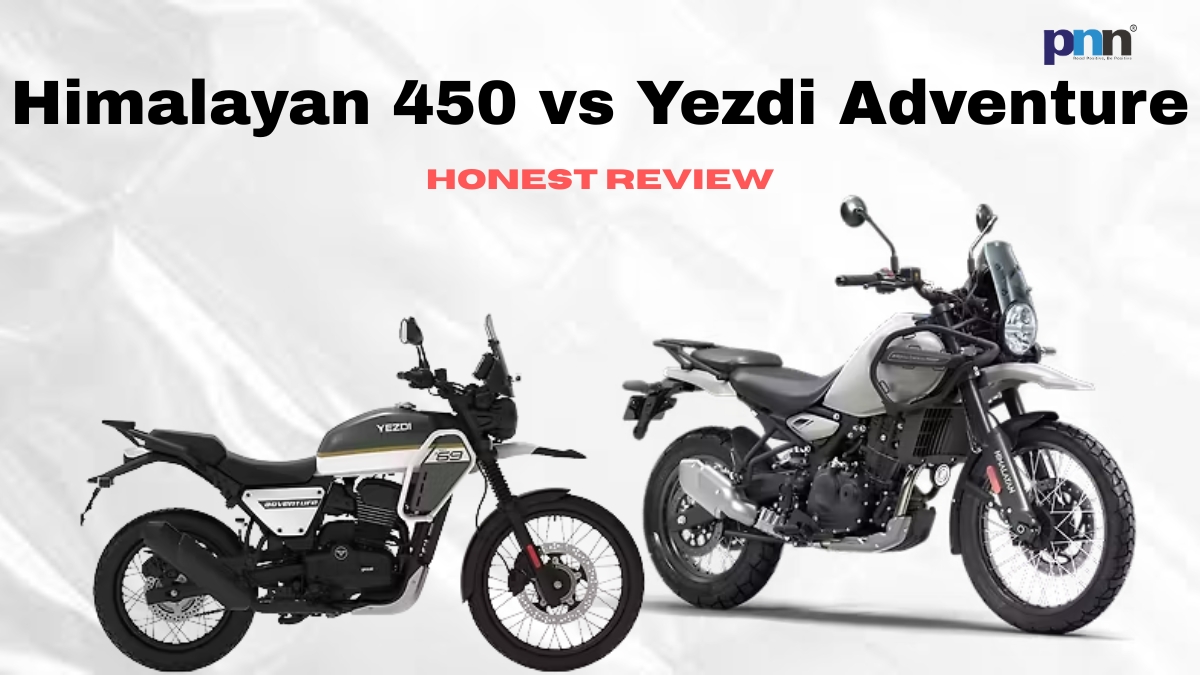
    Himalayan 450 vs Yezdi Adventure

    Detailed Comparison, Real-World Riding Review, Price Breakdown, and Which Adventure Bike Actually Makes Sense

    You look at price first because that’s unavoidable. The Himalayan 450 sits higher on the invoice. You pay more upfront. On paper that seems like a disadvantage. The reality is you pay for a bigger tank, a more developed chassis, a brand with deeper service reach, and parts that actually exist in third-tier towns. This is not romance. This is travel math. The Yezdi Adventure is cheaper, yes—but you trade certainty for a lower sticker. In cities it barely matters. In real distance, it does.

    Engine & Performance

    Himalayan 450:

    • What you get: torque that never spikes, power you can predict in dust, gravel, pavement.

    • Price factor: you pay extra for that broad, tractable powerband.

    • Con: no fireworks. Overtaking takes patience.

    Yezdi Adventure:

    • What you get: punchier feel, eager midrange that feels quicker in short bursts.

    • Price factor: cheaper engine package, less refinement.

    • Con: sharp throttle means you’re always managing vibration and heat.

    Clutch & Gearbox

    Himalayan:

    • You get a light, progressive clutch. Gearbox is functional, not slick.

    • On-road price value: you spend less mental energy crawling through traffic or slow trails.

    • Con: shifts are not precision-machine smooth.

    Yezdi:

    • You get crisper shifts, heavier clutch.

    • Lower price means less refinement in leverage and modulation.

    • Con: harder to modulate in slow, technical sections.

    Chassis & Stability

    Himalayan:

    • You get planted straight-line behavior. Works over broken surfaces.

    • Price here buys stability and predictable compliance.

    • Con: slower direction changes on twisty tar.

    Yezdi:

    • You get sharper turn-in. On clean roads it feels more agile.

    • Lower price compromises settle-down composure on uneven surfaces.

    • Con: you’re always correcting.

    Suspension

    Himalayan:

    • Pros: compliant, absorbs rubble, predictable response.

    • Price buys comfort over long days.

    • Con: gives little feedback for aggressive riding.

    Yezdi:

    • Pros: firmer, feels controlled on smooth roads.

    • Price factor: cheaper damping tech, so sharp feedback on bad surfaces.

    • Con: endurance fatigue starts early.

    Braking

    Himalayan:

    • Pros: progressive, easy to modulate off-road.

    • Price investment buys confidence under varied traction.

    • Con: weak initial bite at speed.

    Yezdi:

    • Pros: stronger bite on road.

    • Price reduces refinement in modulation.

    • Con: demands precision off road.

    Ergonomics & Comfort

    Himalayan:

    • You get neutral posture, wide bars, seat that won’t fight you after hours.

    • Price is partly for that long-distance thoughtfulness.

    • Con: seat is firm, not cushy.

    Yezdi:

    • You get a compact, sporty feel.

    • Price buys style and initial comfort.

    • Con: comfort fades over extended stints.

    Heat & Vibration

    Himalayan:

    • Pros: managed heat, low vibration.

    • Price buys internal balancing and smoother mounts.

    • Con: engine feels muted to enthusiasts.

    Yezdi:

    • Pros: alive feel.

    • Price means more heat transmission and buzz.

    • Con: fatigue over hours.

    Fuel Range & Ownership

    Himalayan:

    • Large tank, better mileage.

    • Price includes parts network deeper in small towns.

    • Con: you pay more now for less worry later.

    Yezdi:

    • Smaller tank; range acceptable but tight on long runs.

    • Price lower, but parts and service reach are still growing.

    • Con: long trip logistics require planning.


    This isn’t a choice between nice things. It’s a ledger of trade-offs you’ll feel in your hands and hips. The Himalayan costs more because it gives you less to fight with on real distance. The Yezdi costs less but gives you more to manage as you ride. That’s the real price equation, and it’s the only one that matters once you’re on the road.

    Lifestyle

  • Designed for the Way You Live: Domicil’s Curated Design Edit for 2026

    Designed for the Way You Live: Domicil’s Curated Design Edit for 2026

    Bengaluru (Karnataka) [India], January 21: Domicil, the iconic German home furnishings brand from the House of HTL International, presents its latest seating collection—an editorial curation of 10 signature designs that reflect the evolving language of contemporary living. Rooted in the rigor of German engineering and elevated by refined craftsmanship, the collection responds to modern lifestyles where sculptural form, intuitive comfort, and intelligent modularity converge with ease.

    Designed for global sensibilities yet thoughtfully adapted to Indian homes, the collection highlights Domicil’s enduring strengths: precision-engineered mechanisms, generous comfort, timeless aesthetics, and a high degree of personalization across an extensive palette of premium fabrics and luxurious leathers. Each design is conceived to integrate seamlessly into varied living contexts—from compact urban apartments to expansive, multi-functional living spaces—offering flexibility without compromising on elegance.

    Cubo

    A study in modern minimalism, Cubo pairs a low architectural silhouette with precision-engineered adjustable backrests that shift seamlessly for personalised support. Subtle pull-in detailing and German no-sag spring technology make Cubo both visually sculpted and enduringly comfortable. Designed for long hours of relaxed lounging, its deep cushioning and adaptable back support invite the body to settle naturally—ideal for unhurried evenings and everyday comfort.

    Baskt

    Baskt stands apart as Domicil’s signature Zero Gravity recliner, aligning the body into a near-weightless posture for therapeutic relaxation. A dual-motor mechanism enables precise adjustability, while the waterfall silhouette, leather basket side cladding, and ergonomic engineering seamlessly merge wellness with sculptural luxury. By evenly distributing body weight, reducing spinal pressure, and improving blood circulation, Baskt delivers a deeply restorative comfort experience.

    Bibao

    Bibao embodies modular intelligence. With a spectrum of configurations—from compact layouts to expansive lounge compositions—it adapts effortlessly to changing spaces and moods. Curved armrests, triple-layer cushioning, and refined proportions make it equally suited to everyday living and elevated entertaining. Its generously cushioned seating creates a cocooning comfort that feels inviting whether hosting guests or unwinding in quiet moments.

    Ardea

    Ardea offers tailored sophistication through a high base, generous seating, and a refined low-back profile. Contrast stitching frames its silhouette with quiet precision, while elevated metal legs add architectural lightness. Wide seats and balanced cushioning provide a relaxed, supportive sit—designed to feel indulgent without compromising posture or elegance.

    Bailey

    Bailey represents performance-driven luxury. Its dual-motor German recliner mechanism allows independent back and leg adjustments, calibrated for ergonomic precision. Thoughtfully integrated features, plush multi-density cushioning, and intuitive detailing transform Bailey into a personal retreat—engineered to ease pressure points and support complete relaxation.

    Reinhold

    Reinhold reinterprets classic geometry through structured lines softened by loose-back cushions. Engineered with premium spring technology and metal legs, it transitions seamlessly between 3-seater, 2-seater, and daybed-style configurations. Its balanced firmness and supportive cushioning create a reassuring sense of comfort—perfect for everyday use while retaining a refined, timeless appeal.

    Duo

    Duo introduces a striking visual rhythm through asymmetrical backrest heights and an integrated tray table designed for effortless functionality. Discreet metal accents and a broad material palette allow Duo to blend seamlessly into interiors that favour understated contemporary luxury. Thoughtfully contoured seating offers relaxed support for varied postures, making it equally comfortable for casual lounging and structured seating.

    Boomerang

    A sculptural centrepiece, Boomerang is defined by sweeping arcs and couture-inspired contours. Expressive yet grounded, the design is enhanced by curated pillows and modular add-ons that allow it to evolve with the living space. Beneath its bold form lies plush multi-density cushioning that delivers a soft, enveloping comfort—inviting you to sink in and stay awhile.

    Sirius

    Sirius elevates the swivel chair into a refined design statement. Its winged high-back silhouette, meticulous stitching, and smooth rotating base offer both comfort and mobility. The high-back support gently cradles the shoulders and neck, creating an intimate seating experience ideal for reading corners, study nooks, or quiet conversations.

    Sundown

    Sundown places personalisation at the forefront with multiple size options, modular formats, and an expansive selection of leathers and fabrics. Feather-infused cushioning creates a deeply inviting seating experience, while clean metal legs introduce contemporary structure. Its soft yet supportive feel makes Sundown a natural gathering point—designed for relaxed lounging that retains its shape over time.

    The Domicil Design Philosophy

    Together, these 10 signature designs represent Domicil’s most advanced interpretation of modern living—where furniture must be visually refined, intelligently adaptable, and uncompromising in comfort. From German-engineered mechanism, timeless aesthetics and modular construction to expansive customisation through 75+ premium fabrics and 30+ luxurious leathers options, the collection reflects Domicil’s belief that luxury is never static. It is designed with intention, engineered with precision, and personalised to endure.

    For more information, visit: –  https://domicilindia.com

    If you object to the content of this press release, please notify us at pr.error.rectification@gmail.com. We will respond and rectify the situation within 24 hours.

  • Kamal Associates Presents Premium 2BHK, 3BHK & 4BHK Flat in Dwarka Mor for Modern Home Buyers

    Kamal Associates Presents Premium 2BHK, 3BHK & 4BHK Flat in Dwarka Mor for Modern Home Buyers

    New Delhi [India], January 21: When it comes to finding the right home in West Delhi, Dwarka Mor has emerged as one of the most preferred residential destinations. With excellent connectivity, growing infrastructure, and a wide range of housing options, the area attracts both end-users and investors. At the center of this growing real estate demand is Kamal Associates, a trusted name offering verified 2BHK, 3BHK, and 4BHK flats in Dwarka Mor.

    For buyers looking for transparency, local expertise, and professionally guided property transactions, Kamal Associates provides reliable solutions tailored to modern home buyers’ needs.

    Why Dwarka Mor Is a Smart Choice for Home Buyers

    Dwarka Mor has transformed rapidly into a well-connected residential hub. The locality benefits from metro connectivity, easy access to major roads, nearby markets, schools, hospitals, and daily convenience stores. This combination of affordability and accessibility makes Dwarka Mor suitable for families, working professionals, and long-term investors.

    Key advantages of Dwarka Mor include:

    • Excellent metro and road connectivity

    • Availability of multiple flat configurations

    • Budget-friendly to premium housing options

    • Strong rental demand

    • Continuous residential development

    Because of these factors, property buyers increasingly prefer working with local experts like Kamal Associates, who understand the micro-market in detail.

    Kamal Associates: A Trusted Name in Dwarka Mor Real Estate

    Kamal Associates is known for its client-focused approach and deep understanding of the Dwarka Mor real estate market. The firm specializes in flat buy and sale services, ensuring buyers get verified properties and sellers receive fair market value.

    Unlike random online listings, Kamal Associates emphasizes:

    • Genuine property options

    • Transparent documentation

    • Site-verified flats

    • Ethical deal practices

    • End-to-end transaction support

    This commitment has helped Kamal Associates build long-term trust with home buyers across Dwarka Mor.

    2BHK Flats in Dwarka Mor: Ideal for Small Families & First-Time Buyers

    2BHK flats remain one of the most popular choices in Dwarka Mor. These homes are perfect for nuclear families, newly married couples, and first-time buyers looking for affordability without compromising on location.

    Kamal Associates offers a range of 2BHK flats in Dwarka Mor that provide:

    • Functional layouts

    • Well-ventilated spaces

    • Convenient access to daily amenities

    • Good resale and rental potential

    With professional guidance, buyers can select a 2BHK flat that matches their budget, lifestyle, and future needs.

    3BHK Flats in Dwarka Mor: The Perfect Balance of Space & Comfort

    For growing families, 3BHK flats in Dwarka Mor offer the ideal balance between space and practicality. These flats provide extra room for children, work-from-home setups, or guest accommodation.

    Kamal Associates carefully verifies 3BHK properties based on:

    • Construction quality

    • Floor plans and usability

    • Location advantages

    • Legal clarity

    This ensures buyers invest in a home that offers long-term comfort and value appreciation.

    4BHK Flats in Dwarka Mor: Premium Living with Spacious Layouts

    Demand for 4BHK flats in Dwarka Mor has increased among buyers seeking larger homes, premium layouts, and enhanced privacy. These flats are suitable for joint families or buyers upgrading to a more spacious lifestyle.

    Through Kamal Associates, buyers gain access to:

    • Spacious and premium residential options

    • Well-planned layouts

    • High-value locations within Dwarka Mor

    • Properties suited for long-term living

    Professional consultation ensures buyers make informed decisions before investing in high-value residential properties.

    Why Professional Guidance Matters in Flat Buying

    Buying a flat is a significant financial decision. Many buyers face challenges due to incomplete information, unclear documentation, or unrealistic pricing. Kamal Associates bridges this gap by offering professional support at every step.

    Their process includes:

    • Understanding buyer requirements

    • Shortlisting suitable 2BHK, 3BHK, or 4BHK flats

    • Property site visits

    • Documentation verification

    • Negotiation support

    • Smooth deal closure

    This structured approach minimizes risk and maximizes buyer confidence.

    Connect with Kamal Associates on Social Media

    Staying updated with the latest property opportunities is essential when planning to buy or sell a flat. Kamal Associates actively connects with home buyers and property seekers through multiple digital platforms to share verified listings, market updates, and real estate insights related to Dwarka Mor.

    By following Kamal Associates online, buyers can gain access to genuine property information, new 2BHK, 3BHK, and 4BHK flat options, and expert guidance from local real estate professionals.

     Google My Business Profile:
    https://share.google/pGOiFbo7ZWcuP9lP0
    https://share.google/ogXGgWhvViLZgofxK

    Instagram:
    https://www.instagram.com/kamal.associates/

    Facebook:
    https://www.facebook.com/kamal.associates1/

    YouTube:
    https://www.youtube.com/@KamalAssociates

    These platforms help buyers stay informed, understand the local Dwarka Mor real estate market, and make confident property decisions with the support of Kamal Associates.

    Investment Potential of 2BHK, 3BHK & 4BHK Flats in Dwarka Mor

    From an investment perspective, Dwarka Mor continues to offer strong potential. Rental demand remains high, and property values have shown steady growth over time.

    • 2BHK flats attract young tenants and first-time buyers

    • 3BHK flats suit families looking for long-term living

    • 4BHK flats appeal to premium buyers and joint families

    With expert guidance from Kamal Associates, investors can choose properties aligned with their financial goals.

    Conclusion

    Choosing the right home requires more than browsing online listings. It requires local knowledge, verified options, and professional support. Kamal Associates stands out as a reliable real estate consultant offering 2BHK, 3BHK, and 4BHK flats in Dwarka Mor for modern home buyers.

    With a strong commitment to transparency, customer satisfaction, and ethical practices, Kamal Associates continues to help buyers make confident and informed property decisions.

    For anyone planning to buy a flat in Dwarka Mor, working with Kamal Associates ensures a smoother, safer, and smarter real estate journey.

    If you have any objection to this press release content, kindly contact pr.error.rectification@gmail.com to notify us. We will respond and rectify the situation in the next 24 hours.

  • Shayona Engineering Limited: A Diversified Engineering and Plastic Piping Solutions Company, opens its IPO on 22nd January 2026

    Shayona Engineering Limited: A Diversified Engineering and Plastic Piping Solutions Company, opens its IPO on 22nd January 2026

    Mumbai (Maharashtra) [India], January 21: Shayona Engineering Limited is a diversified engineering solutions provider engaged in precision engineering, casting & forging, and HDPE & PVC piping systems, has announced the opening of its Initial Public Offering on January 22, 2026 and will be closing on January 27, 2026, with a proposed issue size of ₹14.86 Crore, and the shares are proposed to be listed on the SME Platform of BSE Ltd.

    • Fresh Issue Size – 10,32,000 Equity Shares of Face Value of 10 each
    • Issue Size – ₹14.86 Crore
    • Issue Price – 140 – 144 Per Share
    • Lot Size – 1,000 Equity Shares

    Equity Share Allocation

    • QIB – 12,000 Equity Shares
    • NII – 3,00,000 Equity Shares
    • RII – 6,68,000 Equity Shares
    • Market Maker – 52,000 Equity Shares

    The net proceeds from the IPO will be utilized towards Purchase of Plant & Machinery, Repayment of Secured Borrowings, Funding Working Capital Requirements and General Corporate Purposes.

    The issue will open for public subscription on Thursday, January 22, 2026 and close on Tuesday, January 27, 2026.

    Horizon Management Private Limited is acting as the Book Running Lead Manager to the issue, and KFin Technologies Limited is the Registrar to the issue.

    Mr. Vipul Bhikhabhai Solanki, Chairman & Managing Director, Shayona Engineering Limited said:

    “The opening of our IPO marks a defining milestone in Shayona Engineering’s growth journey. Over the past 15+ years, we have consistently built strong capabilities across precision engineering, casting, and advanced HDPE & PVC piping systems, backed by a deep focus on quality, technology, and customer-centric solutions.

    The successful commissioning of our Unit–2 facility at Menpura, Gujarat has significantly augmented our manufacturing capacity and enabled us to address the growing demand from infrastructure and agriculture-linked segments. The proceeds from this issue will be strategically deployed towards capacity enhancement, strengthening our balance sheet, and supporting working capital requirements.

    As we enter this next phase of growth, we remain firmly committed to delivering reliable, value-engineered solutions, expanding our market presence, and creating sustainable long-term value for our shareholders and stakeholders.”

    Mr. Narendra Bajaj, Managing Director of Horizon Management Private Limited of said, “As we step into the IPO journey with Shayona Engineering Limited, we see a company that is well positioned to capitalize on India’s accelerating infrastructure development, rising industrial investment, and growing demand for precision-engineered and plastic piping solutions.

    Shayona Engineering has built a diversified and resilient business model with capabilities spanning casting, precision engineering, and HDPE & PVC piping systems, supported by modern manufacturing facilities and a strong focus on quality and customization.

    The Company’s recent capacity expansion, consistent financial performance, and healthy return ratios reflect a scalable operating platform. We believe this IPO will support Shayona Engineering’s plans to strengthen manufacturing capabilities, enhance market reach, and create long-term value for all stakeholders.”

    About The Company:

    Shayona Engineering Limited is a Vadodara-based, diversified engineering and manufacturing company with over 15 years of operating track record. The Company is engaged in the production of precision-engineered components and customized solutions across multiple industrial segments.

    Its core operations include:

    • Precision Engineering & CNC/VMC Machined Components
    • Sand & Centrifugal Casting in Ferrous and Non-Ferrous Grades
    • Manufacturing of HDPE & PVC Pipes and Fittings

    Shayona Engineering serves a wide range of end-use industries including Construction & Infrastructure, Agriculture & Irrigation, Automotive, Heavy Engineering, Marine & Chemical Industries, and Pharmaceutical Manufacturing, positioning it as a comprehensive engineering solutions partner for domestic and select export markets.

    In FY25, the company recorded a Revenue of ₹ 2,308.83 Lakhs, EBITDA of ₹ 499.54 Lakhs, and PAT of ₹ 241.91 Lakhs.

    In Nov’25, the company recorded a Revenue of ₹ 1,914.19 Lakhs, EBITDA of ₹ 408.22 Lakhs, and PAT of ₹ 245.07 Lakhs.

    Disclaimer:

    Certain statements in this document that are not historical facts are forward looking statements. Such forward-looking statements are subject to certain risks and uncertainties like government actions, local, political or economic developments, technological risks, and many other factors that could cause actual results to differ materially from those contemplated by the relevant forward-looking statements. The Company will not be in any way responsible for any action taken based on such statements and undertakes no obligation to publicly update these forward-looking statements to reflect subsequent events or circumstances.

  • Surat Textile Industry Rapidly Moving Towards AI, Initiative Conducted by IDT at Laxmipati Group

    Surat Textile Industry Rapidly Moving Towards AI, Initiative Conducted by IDT at Laxmipati Group

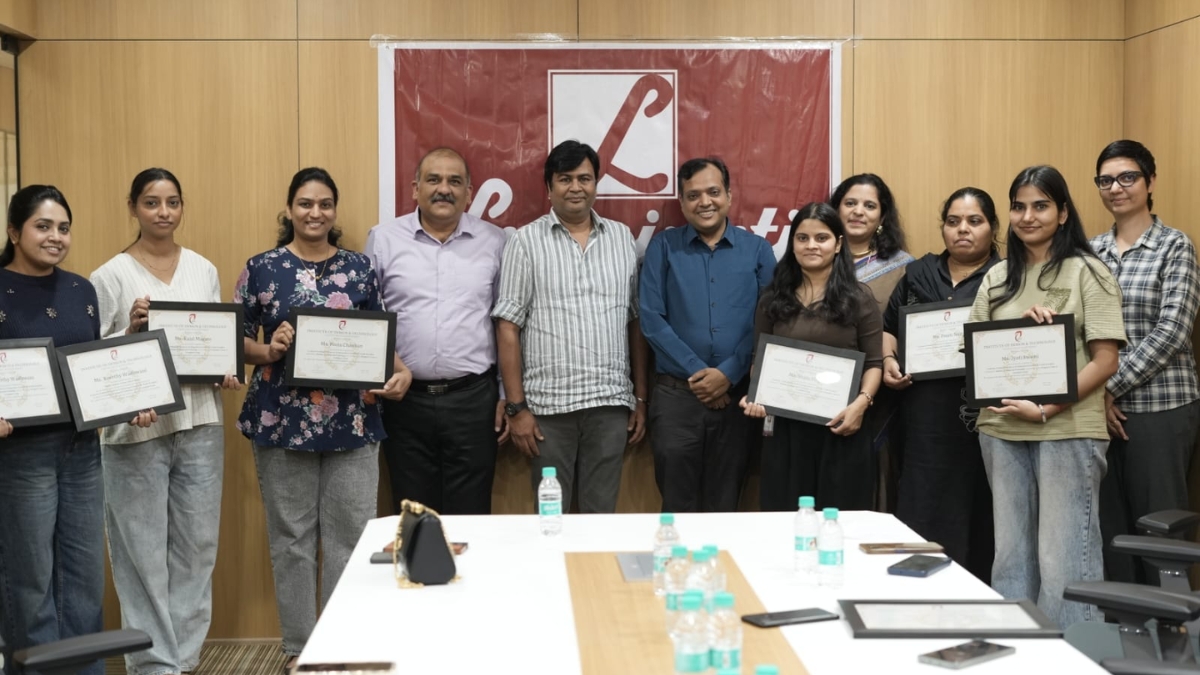
    Surat (Gujarat) [India], January 21: Surat’s textile industry is rapidly moving towards adopting Artificial Intelligence (AI). In this direction, an important initiative was undertaken at Laxmipati Group, conducted by the Institute of Design and Technology (IDT). This initiative highlights a new direction of technological transformation and innovation in the city’s textile sector.

    The initiative clearly demonstrated that AI is no longer just a technology of the future, but has become an effective tool to enhance efficiency, accuracy, and productivity. This step taken by Laxmipati Group reflects the industry’s readiness to adopt technology-driven solutions.

    The training focused on the practical application of AI in fashion and textile processes, along with real-life industry scenarios. Participants from Laxmipati Group successfully completed the training, received certificates, and shared how AI can benefit daily operations.

    Laxmipati Group

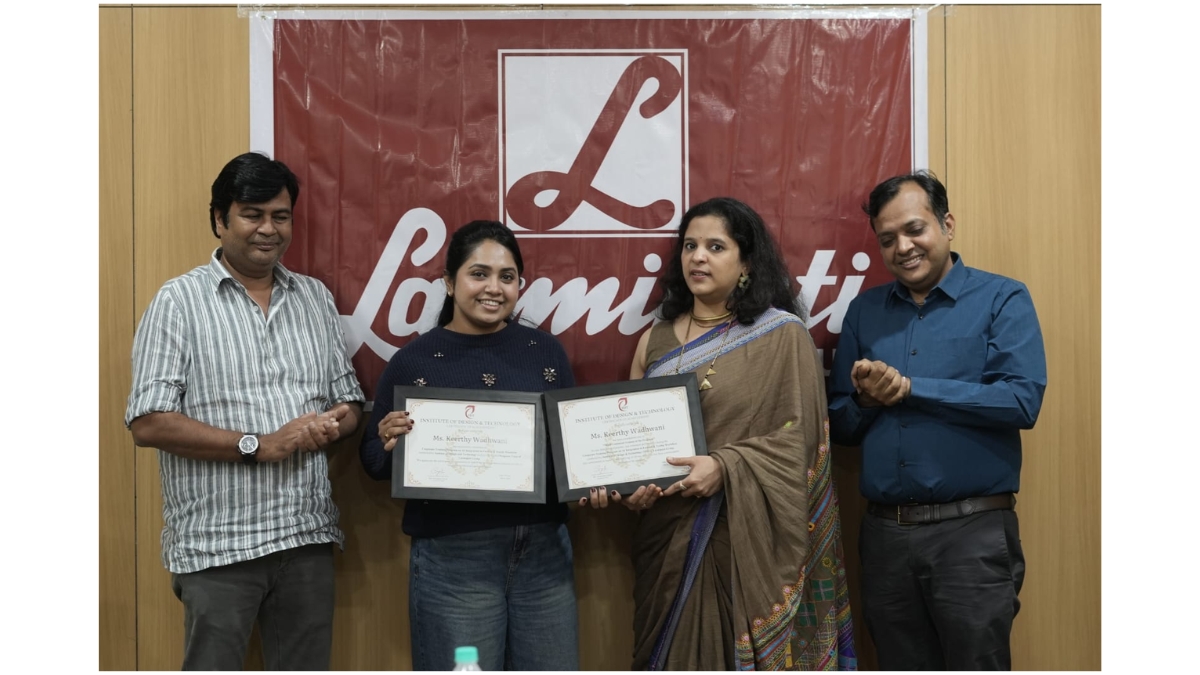
    During the initial discussion, Laxmipati Group Director Mr. Rajesh Sarawagi presented a challenge related to textile operations, which was resolved within a few hours by IDT Director Mr. Anupam Goyal. The photograph captured while resolving this challenge is given below. This demonstrated that AI-based solutions can provide quick and effective answers to complex problems in the textile industry.

    Mr. Sarawagi stated that this initiative boosted employee confidence and led to visible improvements in accuracy, efficiency, and productivity in work processes.

    Mr. Anupam Goyal mentioned that this is the right time for Surat’s textile industry to adopt AI, and such initiatives play a crucial role in preparing the industry for the future.

    The program concluded with certificate distribution and special recognition. This initiative has proven to be a strong and exemplary step towards the practical and effective use of AI in the Surat textile industry.

  • Apprenticeship Programs in the BFSI Sector: A Government-Backed Pathway to Employability for India’s Youth

    Apprenticeship Programs in the BFSI Sector: A Government-Backed Pathway to Employability for India’s Youth

    Mumbai (Maharashtra) [India], January 21: Apprenticeship Programs in the Banking, Financial Services & Insurance (BFSI) sector are emerging as a strong national employability pathway, aligning skill development, inclusive participation, and structured workforce entry for India’s youth. Aligned with the Government of India’s vision, these programs bridge the gap between academic learning and industry readiness by offering real workplace exposure, professional skills, and a credible entry into one of India’s fastest-growing sectors.

    As part of India’s expanding apprenticeship ecosystem, Government-backed schemes such as the Prime Minister’s National Apprenticeship Promotion Scheme (PM-NAPS) and the National Apprenticeship Training Scheme (NATS) have shown steady growth. Under PM-NAPS, over 43.47 lakh apprentices have been engaged nationwide as of May 2025, with 21.47 lakh candidates completing training between FY 2018–19 and FY 2025–26 (up to July 2025). Similarly, NATS recorded strong momentum with 4.73 lakh new apprentices engaged in FY 2024–25 (as of March 2025). Together, these initiatives strengthen India’s “earn while you learn” framework by combining structured learning, income support, and on-the-job exposure.

    At the core of BFSI apprenticeship implementation is the BFSI Sector Skill Council of India (BFSI SSC), which serves as a Joint Apprenticeship Advisor (JAA) for the BFSI sector under the Ministry of Skill Development and Entrepreneurship (MSDE). In this role, BFSI SSC facilitates structured engagement between candidates and BFSI establishments, ensuring transparent implementation, regulatory compliance, and scalable execution across the country.

    BFSI SSC’s Role as Joint Apprenticeship Advisor

    As a designated JAA, BFSI SSC works closely with banks, insurance companies, NBFCs, and other BFSI organizations to facilitate apprenticeship engagement, ensure uniform implementation of apprenticeship norms, support onboarding in compliance with the Apprentices Act, 1961, and enable transparent, credible processes for all stakeholders. This coordinated approach strengthens governance and ensures that apprenticeship programs are systematic, measurable, and aligned with national priorities for workforce readiness.

    Inclusive by Design

    BFSI apprenticeship programs actively promote diversity and equitable access, encouraging participation from Women, Scheduled Castes (SC), Scheduled Tribes (ST), and Persons with Disabilities (PwD). This inclusion-first approach enables aspirants from diverse socio-economic backgrounds to participate meaningfully in the BFSI growth story and contribute to India’s formal economy.

    Participation has also expanded beyond metro cities, with increasing enrolments from Tier 2 and Tier 3 locations. Government initiatives such as the Pradhan Mantri National Apprenticeship Melas (PMNAM), held monthly across districts, have played a key role in improving awareness and enabling youth to access structured opportunities closer to home.

    Focused on Fresh Graduates and Industry Exposure

    These programs primarily target fresh and unemployed graduates, offering a structured entry pathway into the BFSI industry. Apprenticeships often represent a candidate’s first professional milestone, transforming academic knowledge into practical workplace capabilities.

    Apprentices benefit from hands-on, industry-led exposure, real workplace learning, and the development of BFSI-relevant operational and professional skills. Through supervised, role-based learning and practical assignments, candidates gain job readiness, confidence, and a strong foundation for long-term career growth.

    Growing Industry Participation

    A wide range of leading public and private BFSI organizations participate in apprenticeship programs under the sectoral leadership of BFSI SSC. Public sector participants include State Bank of India, Bank of Baroda, Punjab National Bank, Central Bank of India, Union Bank of India, Indian Overseas Bank, UCO Bank, Bank of India, and New India Assurance Company Ltd. (NIACL), among others.

    Private sector participation includes organizations such as HDFC Bank, ICICI Bank, IDFC First Bank, Axis Bank, LIC Housing Finance (LIC HFL), HDFC AMC, SBI General Insurance, Bharti AXA Life Insurance, and several other BFSI institutions. In FY 2024–25 alone, public and private sector banks collectively released over 20,000 apprenticeship positions, reflecting strong demand for entry-level, job-ready talent across India.

    Government-Supported Stipend and Certification

    A key feature of these programs is Government support, where a portion of the monthly stipend is paid directly by the Government of India. This financial assistance improves accessibility for candidates across backgrounds while reinforcing the credibility of the apprenticeship framework.

    On successful completion, apprentices receive a Government-recognized Certificate of Proficiency, significantly enhancing employability and adding formal recognition to real workplace experience within the BFSI ecosystem.

    Placement Assistance and Career Progression

    Following certification, placement assistance is facilitated through BFSI SSC’s extensive network of banks, financial institutions, and insurance companies, enabling a smoother transition from apprenticeship to full-time employment and improving long-term outcomes for candidates.

    Soumya Ranjan, Chief Operating Officer, BFSI Sector Skill Council of India (BFSI SSC), said, “Apprenticeship programs in the BFSI sector represent a powerful bridge between education and employability. By combining structured industry exposure, government support, and inclusive participation, these programs are equipping India’s youth with real skills and real opportunities. As the Joint Apprenticeship Advisor, BFSI SSC remains committed to building a future-ready workforce aligned with national priorities.”

    Call to Action

    Students and graduates are encouraged to track official apprenticeship opportunities and register early through the official BFSI SSC website: https://bfsissc.com/

    Stay updated. Register early. Track live apprenticeship opportunities. Turn your degree into a career through BFSI Apprenticeships.

    If you object to the content of this press release, please notify us at pr.error.rectification@gmail.com. We will respond and rectify the situation within 24 hours.

  • AI Impact Summit: India Signals Tech Confidence At Davos 2026

    AI Impact Summit: India Signals Tech Confidence At Davos 2026

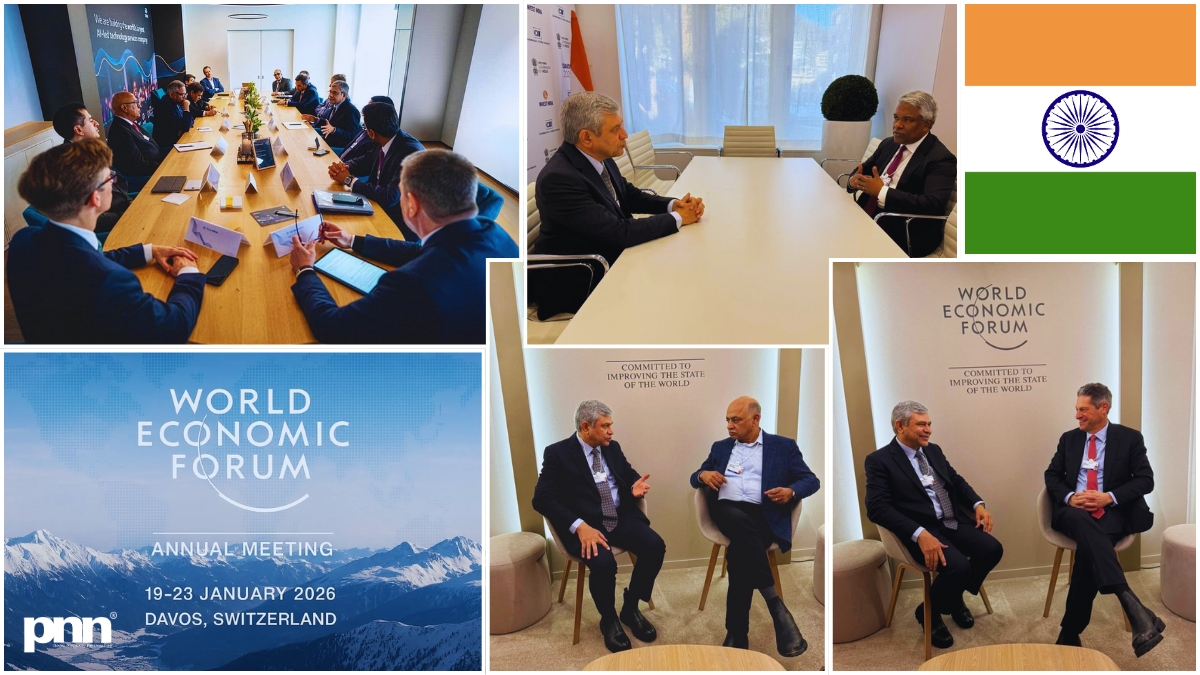
    Davos, [Switzerland], January 21: India is done playing catch-up in artificial intelligence. At Davos, the message was blunt. Build AI Impact first, own the stack, and make safety non-negotiable.

    India used the World Economic Forum Annual Meeting 2026 to quietly but firmly reset expectations. Union Minister Ashwini Vaishnaw laid out a comprehensive vision that stitched AI, semiconductors, infrastructure and energy into one coherent national strategy. No hype. No vague promises. Just timelines, numbers and intent.

    The upcoming India AI Impact Summit is not designed as another talk-heavy conference. According to Vaishnaw, it has three clear objectives. Impact, accessibility and safety.

    Impact comes first. The government wants AI models and applications that actually improve efficiency, raise productivity and generate a multiplier effect across the economy. This is about deployment, not demos.

    Accessibility is the second pillar. India’s success with UPI and Digital Public Infrastructure has made the Global South pay attention. The same question is now being asked of AI. Can India build an affordable, scalable AI stack that works for developing economies? The AI Impact Summit aims to answer that with live models and real use cases.

    Safety completes the triangle. Vaishnaw was clear that AI anxiety cannot be ignored. Guardrails, guidelines and safety frameworks are not optional extras. India plans to build its own regulatory and safety stack for AI, rather than importing rules written for very different societies.

    Global leaders, tech CEOs and investors are expected at the Summit. Investment announcements and the rollout of India’s AI models are also on the agenda. This is positioning, plain and simple.

    India now has close to 200,000 startups and ranks among the world’s top three startup ecosystems. That headline number matters less than what is changing underneath.

    Over the past decade, focus has shifted decisively towards deep tech. Twenty-four Indian startups are designing chips, one of the hardest problems in technology. Eighteen of them already have venture capital backing. That is not patriotic optimism. That is market confidence.

    This matters because chip design is not a side quest. It is foundational. Without it, sovereignty is a slogan.

    India’s semiconductor roadmap is deliberately pragmatic. Nearly 75 percent of global chip volumes sit between 28nm and 90nm. These chips power electric vehicles, automobiles, railways, defence systems, telecom gear and most consumer electronics.

    India is targeting this segment first. Master manufacturing here. Build yield, reliability and scale. Then move forward.

    Working with partners like IBM, India has mapped a path from 28nm to 7nm by 2030, and 3nm by 2032. Vaishnaw said India expects to be among the top four or five semiconductor nations globally. Talent depth, full-stack design capability, expanding fabs and a booming electronics market make that ambition realistic.

    Four indigenous chip manufacturing units will begin high-tech production this year itself. That is not a future tense problem anymore.

    India AI Impact Summit and the Full AI Stack

    A recurring theme in Vaishnaw’s remarks was control over the entire AI stack. He broke it into five layers. Applications, models, semiconductors, infrastructure like data centres, and energy.

    India is working across all five. That is driven by necessity and scale. A tech-savvy population, a massive economy and globally embedded IT services firms leave no other choice.

    The highest returns, Vaishnaw argued, sit at the application layer. Understanding enterprise workflows and applying AI effectively is where value concentrates. Indian IT firms have already pivoted. AI hiring is up about 33 percent, a signal that this shift is well underway.

    While the world obsesses over trillion-parameter models, India is playing a different game. Nearly 95 percent of AI workloads today are handled by small models. For most enterprise needs, a 50-billion-parameter model is enough.

    India is developing around 12 focused AI models designed to run on small GPU clusters. The logic is efficiency, affordability and reach. These models are meant to serve a very large population at low cost.

    Sovereign AI capability is central to this approach. Vaishnaw was direct. If access to global AI resources is restricted tomorrow, India must not be stranded. Several of these models have already been tested in real-world scenarios. A full series launch is expected soon.

    This is not isolationism. It is resilience.

    AI is hungry. And not just for data. Around USD 70 billion in AI infrastructure investment is already confirmed and rolling out in India.

    Energy is the bottleneck everyone prefers to avoid discussing. Vaishnaw did not. Data centres consume hundreds of megawatts. The human brain runs on a few watts. That gap is both a problem and an opportunity.

    India has opened nuclear energy to private participation through the Shakti Act. This move is designed to support the full AI stack over the long term. Clean, stable energy is not optional if AI is to scale sustainably.

    On the sidelines of Davos, Vaishnaw met Google Cloud CEO Thomas Kurian. Google is doubling down on India’s AI ecosystem, including a USD 15 billion AI data centre investment in Vizag, Andhra Pradesh, and deeper partnerships with Indian startups.

    He also met Meta’s Chief Global Affairs Officer Joel Kaplan. Discussions focused on user safety, deepfakes and AI-generated content. Meta briefed the government on steps it is taking to protect users. India is clearly asserting itself as a regulator with leverage, not a passive market.

    One of the sharper insights from Vaishnaw was the government’s role as a demand generator. In areas where commercial incentives are weak or unclear, the state will step in.

    AI use cases are being developed for weather forecasting, agriculture and healthcare. Predictive and preventive healthcare is a particular focus, an area where India can realistically lead.

    The government plans to fund applications built on sovereign AI models and support them with large-scale infrastructure. This approach is meant to drive adoption, strengthen talent pipelines and avoid the innovation stall that often follows pilot projects.

    India’s AI Mission, much like its semiconductor programme, has been designed with industry input. Vaishnaw’s message to industry leaders was simple. Help build AI-ready curricula.

    Graduates must be ready for AI-driven industry, just as earlier generations were prepared for IT services, semiconductors and 5G. Without skills alignment, even the best infrastructure underperforms.

    Read More

  • KRAFTON India Unveils Cobalt Storm Backpack via Latest BGMI Redeem Codes

    KRAFTON India Unveils Cobalt Storm Backpack via Latest BGMI Redeem Codes

    Bengaluru (Karnataka) [India], January 21: KRAFTON India has announced a new redeem code release for BATTLEGROUNDS MOBILE INDIA (BGMI) players, introducing the Cobalt Storm Backpack. The latest drop adds another standout cosmetic to the game, continuing BGMI’s ongoing reward initiative aimed at enhancing player customization through limited-time official codes.

    KRAFTON India Unveils Cobalt Storm Backpack via Latest BGMI Redeem Codes -PNN

    Redeem codes are valid until 28th February 2026 and can be redeemed only on BGMI’s official channels.

    Redeem Codes:

    HUZCZTQ8WWGNKF47
    HUZDZ9PTKWK8BD8U
    HUZEZJJMWB3PFCTT
    HUZFZ59KU95SNB4C
    HUZGZQ95W8KDT4GA
    HUZHZUWBX5RRMK3H
    HUZIZ6KW6UEPFTAQ
    HUZJZV5T7KJWXSBR
    HUZKZ6GEW9TUDCW3
    HUZLZUEWC64747MC
    HUZMZ3K7QM9J9EBP
    HUZNZM3B9FTWWX7U
    HUZOZW4SCKSUDMVD
    HUZPZDS4W76UCS4N
    HUZQZDD7MAVJXTUX
    HUZRZDN8KBW95FGJ
    HUZVZWWPX5QSRBD4
    HUZTZGMGTNAFTTSP
    HUZUZ6SFV77XVWU5
    HUZBAZ9HTH7N6SSR
    HUZBBZKA49T6W96V
    HUZBCZN7MTP3VRP5
    HUZBDZSTAQN5XWEN
    HUZBEZX57N3H9JBC
    HUZBFZMCC7PGPR9U
    HUZBGZ7WP9PDD9RT
    HUZBHZK5NUSJ4NRS
    HUZBIZW6RQCTQCSR
    HUZBJZ8DFCBTED3P
    HUZBKZMWC63PXH4R
    HUZBLZ4BX35CTPB4
    HUZBMZ7GP4MX5BRP
    HUZBNZAB5WRFC8CC
    HUZBOZJ5NKDXVB5D
    HUZBPZG3DNGGK8SS
    HUZBQZQUX8HQKHSB
    HUZBRZXPHRUMD7DP
    HUZBVZVHDQ966RNB
    HUZBTZ9DFKN77N6Q
    HUZBUZ3JGCAWT93D
    HUZCAZPD4FPMUKSW
    HUZCBZCBDT7MVFG4
    HUZCCZXTU57MFWSF
    HUZCDZDN4U57AEEC
    HUZCEZHTM4DN7U8J
    HUZCFZC5QUWT9D5U
    HUZCGZC3559T9RGR
    HUZCHZGGV7XQQWN8
    HUZCIZRWBXTWNW9U
    HUZCJZKQG7TDGDVU
    HUZCKZJGDQX8RATA
    HUZCLZ8U7WFN8QG9
    HUZCMZ8WNDVEDTC6
    HUZCNZUPNMPHTJU3
    HUZCOZTGQFPWN675
    HUZCPZGSK3569EFD
    HUZCQZAHA6XMUVPK
    HUZCRZRMX3AQJTR4
    HUZCVZHUG7GMHBV7

    Steps to redeem:

    Players can follow these simple steps to claim their rewards:

    • Step 1: Go to the Redeem section on BGMI’s official website www.battlegroundsmobileindia.com/redeem
    • Step 2: Enter your Character ID
    • Step 3: Enter the Redemption Code
    • Step 4: Enter the verification/ Captcha code → A message will confirm “Code redeemed successfully”
    • Step 5: The reward will be delivered via in-game mail

    Rules to Remember:

    • A maximum of 10 users can redeem each code on a first come first served basis
    • A user cannot redeem a code twice
    • Users must claim their rewards via in-game mail within 7 days or the mail will expire
    • If a player is among the first 10 users to redeem the code, a message will confirm “Code redeemed successfully”. Otherwise, users will see “Code expired” or a similar message
    • Each user account can redeem only one code per day
    • Redeem codes cannot be used via guest accounts
    • Rewards must be claimed within 30 days from receiving the in-game mail

    For the latest updates, follow BGMI’s official YouTube, Instagram and Facebook pages.

    About KRAFTON, Inc.

    Headquartered in South Korea, KRAFTON, Inc. is dedicated to discovering and publishing captivating games that offer fun and unique experiences. Established in 2007, KRAFTON is home to globally renowned developers that include PUBG STUDIOS, Striking Distance Studios, Unknown Worlds, VECTOR NORTH, Neon Giant, KRAFTON Montréal Studio, Bluehole Studio, RisingWings, 5minlab, Dreamotion, ReLU Games, Flyway Games, Tango Gameworks and inZOI Studio. Each studio strives to continuously take on new challenges and leverage innovative technologies. Their goal is to win over more fans by broadening KRAFTON’s platforms and services. With a passionate and driven team across the globe, KRAFTON is a tech-forward company that possesses world-class capabilities and is set on expanding its business horizons to encompass multimedia entertainment and deep learning. For more information, visit www.krafton.com.

    About KRAFTON India

    In India, KRAFTON is responsible for premier mobile games, including BATTLEGROUNDS MOBILE INDIA (BGMI), which has surpassed 240 million downloads, Bullet Echo India, Road To Valor: Empires, and CookieRun India, among others. Committed to enhancing the start-up ecosystem in India, KRAFTON has invested over $200 million in several Indian startups across interactive entertainment, gaming, Esports, and technology, since 2021. KRAFTON actively supports India’s game development ecosystem through its KRAFTON India Gaming Incubator (KIGI) while strengthening the Esports ecosystem with flagship events like the BATTLEGROUNDS MOBILE INDIA SERIES (BGIS) and BATTLEGROUNDS MOBILE INDIA PRO SERIES (BMPS). For more information, visit https://krafton.in/]

    If you object to the content of this press release, please notify us at pr.error.rectification@gmail.com. We will respond and rectify the situation within 24 hours.