Author: Sutun Nayak

  • Country Club Welcomes New Year 2026 with Grand Pan-India Celebrations

    Country Club Welcomes New Year 2026 with Grand Pan-India Celebrations

    Mumbai (Maharashtra) [India], January 3: With a member base exceeding two million, Country Club Hospitality and Holidays Ltd. has grown into one of India’s largest lifestyle communities, representing the true spirit of community building and togetherness. Having successfully achieved a zero-debt status, the brand is now entering a new phase of growth through franchise expansion across key destinations, while continuing to embody the true spirit of strengthening the social fabric of families across generations through shared experiences.

    Guided by the belief that “All Roads will Lead to Country Club,” Country Club Hospitality and Holidays Ltd. rang in New Year 2026 with spectacular celebrations across its properties pan-India, marking what is being hailed as Asia’s biggest New Year bash. Over 1 lakh members and guests participated simultaneously across 10 centres in India, making it one of the largest coordinated family celebrations ever held in the region.

    The mega celebrations showcased a vibrant mix of live music, high-energy DJ battles, cultural performances, gourmet dining, and family-friendly entertainment. With three generations celebrating together under one roof, the event stood out as a rare and powerful example of togetherness.

    From metropolitan hubs to luxury resort destinations, each venue reflected Country Club’s signature blend of grandeur, entertainment, and warm hospitality—bringing families together in a safe, celebratory, and inclusive environment.

    Country Club - PNN

    Hyderabad: Hyderabad brought the house down with the epic ‘War of DJ’s’ featuring international DJ Vinishh and DJ Ecstasy. Renowned playback singers Pavani and Nandkishore added soul to the evening, while popular South Indian actress Pragya Nayan stole the show by mingling with members. Country Condos Director Mr. K. K. Raju and Mr. Siddharth Reddy felicitated Ms. Pragya with a Country Club VIP Gold Membership, welcoming her into the Country Club family.

    Mumbai: The city of dreams rang in 2026 with a high-octane battle of beats featuring DJ Kanish, DJ Avee, and DJ Jango. The celebration was graced by Chairman and Managing Director Mr. Y. Rajeev Reddy, who attended as Chief Guest and Brand Ambassador. The night sparkled with a star-studded presence, including digital diva Rahila Rehman who lit up the stage adding extra sparkle to the night with actress Abha Parmar, and producer-writer Sunil Sirvaiya.

    Chennai: Country Club Le Crystal, Kovalam transformed into a dazzling party hotspot with a power-packed dance performance by Zee TV fame actress Preetha Suresh, electrifying musical renditions by popular playback singer Gana Bala, and a unique ventriloquism act by Niranjana, keeping the audience thoroughly entertained.

    Bengaluru: A perfect blend of elegance and excitement marked the celebrations, with DJ Aria’s music setting the tone for a joyous, family-friendly New Year revelry.

    Pune: Mesmerising performances, upbeat music, and a vibrant festive atmosphere made Country Club Pune a preferred New Year destination for families and youngsters alike.

    Delhi-NCR: The capital city welcomed 2026 with vibrant gatherings, cultural performances, and an energetic party vibe. DJ Parveen’s music, coupled with exquisite food and beverages, made the celebration truly memorable.

    Across all cities, Country Club’s New Year 2026 celebrations reinforced its commitment to family-centric entertainment, uniting three generations at a single celebration platform—a milestone moment that underscores its ambition to set a record for Asia’s largest family New Year celebration.

    About Country Club Hospitality and Holidays Ltd.

    With over 35 years of legacy, Country Club Hospitality and Holidays Ltd. is one of India’s most established lifestyle and hospitality brands, operating a distinguished network of over 30 branches across key destinations in India and serving a member base exceeding two million. Having achieved a zero-debt status, the brand is now expanding through a carefully curated franchise-led growth model. Renowned for its refined hospitality, family-centric philosophy, and commitment to community building, Country Club continues to create elevated experiences that bring multiple generations together in an atmosphere of elegance, trust, and togetherness.

    Website: www.countryclubindia.net

    If you object to the content of this press release, please notify us at pr.error.rectification@gmail.com. We will respond and rectify the situation within 24 hours.

  • When AI Joins The Security Team, Trust Becomes The Weakest Password

    When AI Joins The Security Team, Trust Becomes The Weakest Password

    Mumbai (Maharashtra) [India], January 3: For years, cybersecurity has lived on caffeine, patch notes, and the quiet heroics of people who notice problems before anyone else does. It was human vigilance wrapped in dashboards, alarms, and late-night alerts. Then AI showed up—not as a sidekick, but as a colleague who never sleeps, never blinks, and occasionally scares everyone in the room.

    As security leaders look toward 2026, the conversation has shifted from whether AI belongs in cybersecurity to how deeply it should be embedded. This isn’t about auto-generating reports or flagging suspicious logins anymore. This is about AI reasoning through threats, predicting attack paths, and responding faster than any human team could reasonably manage.

    And yet, lurking beneath the optimism is an uncomfortable truth: the same intelligence making defenses sharper is also making attacks smarter.

    Welcome to cybersecurity’s most intimate arms race.

    When Security Stopped Being Reactive

    Cybersecurity used to be forensic. Something broke, data leaked, alarms rang, and teams rushed to contain damage already done. The best-case scenario was catching an intrusion early enough to limit embarrassment.

    AI disrupts that timeline entirely.

    Modern AI-driven systems can:

    • Detect vulnerabilities within minutes of exposure

    • Correlate anomalies across networks in real time

    • Predict likely attack vectors before they’re exploited

    In practical terms, this has reduced vulnerability detection from days or weeks to minutes. For large enterprises, that’s not a marginal improvement—it’s the difference between a near-miss and a front-page scandal.

    Security, for the first time, is becoming anticipatory rather than apologetic.

    The New Role Of The Security Chief: Part Technologist, Part Philosopher

    This shift isn’t just technical—it’s cultural.

    Security leaders are no longer just custodians of firewalls. They’re now responsible for deciding how much autonomy AI should have, when humans should override it, and who carries accountability when decisions are made at machine speed.

    That’s not a job description. That’s a moral contract.

    Because once AI systems are empowered to isolate systems, block access, or counter threats autonomously, the margin for error becomes political, legal, and reputational—not just operational.

    The question isn’t “Can AI stop attacks?”
    It’s “Who answers when AI stops the wrong thing?”

    Attackers Aren’t Watching—They’re Learning

    Here’s where the narrative stops being comforting.

    Adversaries aren’t intimidated by AI-driven defense. They’re inspired by it.

    Attackers are now using AI to:

    • Generate adaptive malware that changes behaviour mid-attack

    • Automate phishing at scale with personalised precision

    • Probe systems continuously until weak patterns emerge

    In short, attackers are no longer writing scripts. They’re training systems.

    This means cybersecurity is no longer about outworking adversaries—it’s about outthinking systems designed to think back.

    And that’s a far more exhausting competition.

    Automation Is Efficient—Until It Isn’t

    There’s no denying the upside.

    AI dramatically reduces manual workload. It filters noise. It prioritises threats. It allows security teams to focus on strategy instead of survival.

    But automation has a personality flaw: confidence.

    AI systems don’t doubt themselves. They execute decisions based on probabilities, patterns, and past data. That’s powerful—until the threat doesn’t resemble the past.

    False positives can:

    • Lock out legitimate users

    • Interrupt critical business processes

    • Create trust fatigue among teams

    And false negatives? Those are the nightmares that don’t announce themselves until it’s too late.

    Efficiency, without humility, becomes fragile.

    Why This Isn’t A Tech Story—It’s A Human One

    The deeper AI goes into cybersecurity, the more it exposes a fundamental truth: security has always been about human behaviour.

    AI can identify threats. It can respond instantly. But it cannot understand context the way people do—at least not yet.

    It doesn’t grasp:

    • Organisational politics

    • Cultural nuances

    • Business trade-offs

    • Ethical boundaries

    Which means human oversight isn’t optional. It’s essential.

    The irony is that as systems become more intelligent, the cost of human disengagement becomes higher, not lower.

    The Money Is Already Moving

    AI-driven cybersecurity is no longer experimental spending. It’s becoming core infrastructure.

    Enterprises are allocating significant budgets to:

    • AI-powered threat detection platforms

    • Behavioural analytics systems

    • Automated incident response tools

    The market has crossed the “nice-to-have” threshold. For large organisations, not adopting AI in security is beginning to look negligent.

    But this investment comes with dependency. Once systems are deeply embedded, switching becomes difficult. Vendors become strategic partners. Failures become shared liabilities.

    And that changes how security decisions are made.

    The Uncomfortable Question Nobody Likes Asking

    If AI handles detection, response, and prioritisation—what happens to human expertise?

    There’s a quiet fear in security circles: over-reliance.

    Junior analysts may never develop intuition if AI does the thinking. Senior experts may find themselves managing tools rather than threats. Skills risk atrophy.

    The danger isn’t job loss. It’s skill erosion.

    And in a crisis where AI fails—or is manipulated—human judgment will be the last line of defence. That judgment has to be trained, not nostalgic.

    The Balance Everyone Is Chasing

    The future of cybersecurity isn’t man versus machine. It’s orchestration.

    The most effective security environments emerging today follow a clear philosophy:

    • AI handles speed and scale

    • Humans handle judgment and consequence

    It’s not glamorous. It doesn’t fit neatly into marketing decks. But it works.

    Because security isn’t about being unbeatable. It’s about being resilient.

    Final Thought: Intelligence Cuts Both Ways

    AI in cybersecurity isn’t salvation. It’s amplification.

    It amplifies capability, risk, efficiency, and consequence simultaneously. The same systems that protect us can be studied, mimicked, and eventually challenged.

    That doesn’t mean we slow down. It means we grow up.

    Because in a world where intelligence is automated, trust becomes the most valuable security asset of all.

    And trust, unlike software, can’t be patched overnight.

    PNN Technology

  • When The Cloud Gets Nervous: Why AI Is Quietly Packing Its Bags And Moving Onto Your Phone

    When The Cloud Gets Nervous: Why AI Is Quietly Packing Its Bags And Moving Onto Your Phone

    Mumbai (Maharashtra) [India], January 3: For years, the future of artificial intelligence has been sold like a real estate brochure for hyperscale data centres—bigger buildings, louder fans, denser racks, and electricity bills large enough to qualify as national GDP figures. The unspoken assumption was simple: intelligence must live somewhere central, expensive, and very far away from the user.

    And then someone said the inconvenient part out loud.

    The idea that AI might not need to live exclusively in distant cloud fortresses but could instead run locally on personal devices has begun to unsettle a narrative that investors, hardware giants, and cloud providers have been carefully inflating. The prediction that on-device intelligence will rise, potentially at the expense of ever-expanding data centres, isn’t just a technical footnote. It’s a philosophical pivot. One that redefines power, privacy, and profit.

    This isn’t a rebellion. It’s a recalibration.

    The Cloud Was Never Neutral—Just Convenient

    Let’s acknowledge reality before we romanticise decentralisation.

    Cloud-based AI worked because it solved multiple problems at once. Centralised infrastructure allowed companies to train massive models, update them instantly, and monetise access at scale. It also ensured control over data, performance, pricing, and narrative.

    But convenience has a shelf life.

    As models grew larger, costs grew sharper. Training a single frontier model now reportedly costs hundreds of millions of dollars, not counting the operational expense of keeping it alive. Power consumption is climbing. Regulatory scrutiny is tightening. And users—quietly but persistently—are asking why everything they do must be processed somewhere they’ll never see.

    That’s where on-device AI enters, not as a revolution, but as an overdue correction.

    The Rise Of On-Device Intelligence Isn’t About Speed—It’s About Control

    Contrary to popular belief, the argument for on-device AI isn’t primarily about performance. Yes, local inference reduces latency. Yes, it works offline. Yes, it saves bandwidth.

    But the real advantage is psychological and strategic: ownership.

    When intelligence lives on your device:

    • Your data doesn’t automatically leave you.

    • Your experience doesn’t depend on server uptime.

    • Your usage isn’t silently monetised in the background.

    This is AI that works with the user, not through them.

    And that distinction matters in a world increasingly wary of invisible systems making visible decisions.

    AI - PNN

    Silicon Is The Quiet Hero Here

    This shift wouldn’t be possible without a parallel evolution in hardware.

    Modern consumer chips—phones, laptops, wearables—are no longer just processors. They are neural accelerators in disguise. Dedicated AI cores, improved energy efficiency, and smarter memory architectures are making it feasible to run surprisingly capable models locally.

    We’re already seeing:

    • Language models compressed into single-digit gigabytes.

    • Vision systems running in real time on mobile hardware.

    • Speech and translation tools function without an internet connection.

    The implication is uncomfortable for cloud maximalists: not every intelligence problem needs a skyscraper.

    The Investment Narrative Is Starting To Crack

    Follow the money, and the mood changes.

    For years, capital flowed aggressively into data centre expansion—land, energy contracts, cooling innovations, and chip supply chains designed for scale, not subtlety. That narrative assumed eternal growth in centralised demand.

    On-device AI disrupts that certainty.

    If meaningful workloads move closer to users, investment priorities shift:

    • From massive compute clusters to efficient silicon.

    • From centralised platforms to distributed ecosystems.

    • From access-based monetisation to hardware-led value.

    This doesn’t kill the cloud. It simply dethrones it from being the only future.

    The Pros: Why This Shift Is Genuinely Healthy

    Let’s be fair—there are real advantages here.

    Privacy Improves:
    Local processing reduces unnecessary data exposure. That’s not marketing spin; it’s architectural truth.

    Resilience Increases:
    On-device systems don’t collapse when servers go down or networks fail.

    Costs Become Predictable:
    Users aren’t renting intelligence indefinitely. They own the capability upfront.

    Innovation Decentralises:
    Smaller developers can build without negotiating cloud-scale economics.

    In short, intelligence becomes less imperial and more personal.

    The Cons: Because Utopias Are Expensive Illusions

    Now the uncomfortable part.

    On-device AI has limits:

    • Models must be smaller, which can affect capability.

    • Hardware fragmentation complicates development.

    • Updates are slower and harder to enforce.

    • Security shifts from controlled environments to millions of endpoints.

    And let’s not pretend decentralisation magically eliminates power imbalance. It simply relocates it—from cloud providers to chipmakers, OS vendors, and device ecosystems.

    Different gatekeepers. Same chessboard.

    Why This Isn’t The End Of Data Centres (Relax)

    Predictions of cloud extinction are premature and slightly dramatic.

    Large-scale training, global coordination, and high-complexity tasks will still require centralised infrastructure. The future isn’t cloud or device. It’s a negotiation between the two.

    Think of it less as exile and more as delegation.

    The cloud trains.
    The device decides.

    That division of labour feels less glamorous—but far more sustainable.

    The Timing Is No Accident

    This conversation is happening now for a reason.

    Energy costs are rising. Governments are scrutinising AI concentration. Users are fatigued by opaque systems. And hardware has finally caught up to ambition.

    What’s being proposed isn’t radical minimalism. It’s pragmatic evolution.

    And perhaps—quietly—a reminder that intelligence doesn’t always need to announce itself with industrial noise.

    Final Thought: Smaller Doesn’t Mean Weaker

    There’s a strange bias in tech culture that equates size with superiority. Bigger models. Bigger centres. Bigger promises.

    On-device AI challenges that instinct.

    It suggests that intelligence can be efficient, contextual, and personal—without asking permission from a distant server farm. That progress doesn’t always mean expansion. Sometimes it means compression.

    And if that makes parts of the industry nervous?

    Good. Nervous systems evolve faster.

    PNN Technology

  • Can A Health Insurance Premium Calculator Predict Future Medical Inflation? How To Read The Results Smartly

    Can A Health Insurance Premium Calculator Predict Future Medical Inflation? How To Read The Results Smartly

    Mumbai (Maharashtra) [India], January 3: Health insurance premium calculators are helpful, but they are not crystal balls. They can help you estimate what you might pay based on details you enter today, and they can hint at how costs may change under certain assumptions. The smart move is to treat the result as a decision aid, not a promise.

    This article explains what these calculators can and cannot indicate about medical inflation, and how to interpret their outputs wisely when choosing a health insurance policy in India.

    What a Premium Calculator Really Does

    A premium calculator typically converts your inputs into an estimated premium using an insurer’s underwriting and pricing logic. In most cases, it is designed to reflect current pricing and eligibility rules, and to show how a change in your selections could affect your payable amount.

    What it usually captures well:

    • Your age band and basic risk indicators
    • Coverage choices you make (sum insured, room options, add-ons, deductible choices)
    • Family composition (self, spouse, children, parents)
    • Location and policy type differences (where applicable)

    What it does not truly “predict”:

    • The actual future trajectory of hospital charges in your city
    • How frequently do claims rise across the market
    • Future changes to product design, underwriting rules, or pricing approaches

    So, a calculator can help you compare options while searching for the best health insurance plan in India, but it should be read as a snapshot built from today’s rules.

    Why Medical Inflation is Hard to Predict

    Medical inflation is not a single, steady curve. In India, it can move differently based on region, hospital category, treatment type, and even how billing practices evolve. Costs may rise because of technology adoption, higher specialist fees, more diagnostic testing, changes in treatment protocols, or shifts in demand for private healthcare.

    It also varies by the kind of care involved:

    • Planned procedures can see different cost patterns from emergency care
    • Short stays can inflate differently from long ICU stays
    • Metro pricing can behave differently from non-metro pricing

    Because these drivers do not move in a neat line, any “future-looking” figure from a calculator is, at best, a scenario estimate rather than a forecast.

    Inputs That Can Distort The Estimate

    Many people assume the calculator result reflects medical inflation. In reality, the result often reflects your input choices more than any broader cost trend. Small changes can swing the output, which is why it’s essential to review what you selected.

    Pay attention to these inputs:

    • Age and Date of Birth: Even a slight difference can move you into another age band.
    • Policy Tenure and Payment Mode: Some calculators show different amounts depending on how you choose to pay or renew.
    • Members Covered: A floater for a young couple may look very different from family cover with parents included.
    • Add-Ons And Riders: Each add-on changes the premium and changes the claim experience assumptions behind the scenes.
    • Deductibles and Co-Pay Clauses: These can reduce premiums, but may increase your out-of-pocket cost later.
    • Room Eligibility: Room options can influence claim settlement amounts in many hospitals.

    If you want a realistic sense of affordability, keep your inputs consistent while comparing options for the best health insurance policy in India.

    Reading The Output Beyond The Final Premium

    Most people look only at the final premium. That’s understandable, but not enough. A calculator’s value is in the details it exposes about what you are buying and what trade-offs you are making.

    Here’s what to scan in the result screen and summary:

    • Coverage Structure: Is it individual or floater, and does it match how your family actually uses healthcare?
    • Key Limits And Conditions: Are there sub-limits, waiting periods, or restrictions that could matter for your needs?
    • Hospitalisation Scope: Check how day-care, pre- and post-hospitalisation, and emergency care are treated.
    • Claim-Related Features: Look for features linked to claim handling and continuity, not just premium.
    • Premium Drivers: Some calculators show what increased cost the most; use this to understand what you’re paying for.

    When you interpret the output this way, you stop treating the calculator like a predictor and start using it as a comparison lens for the best medical insurance policy in India.

    Conclusion

    health insurance premium calculator can guide your decision, but it cannot truly predict medical inflation. What it can do is show how your choices affect your premium today and help you compare options consistently.

    The most innovative way to use it is to keep inputs steady, read the output beyond the final amount, and then verify the fine print that shapes real claim experience. That balanced approach gives you a stronger chance of choosing the best medical insurance policy in India for your needs, without relying on assumptions the calculator was never designed to make.

    If you have any objection to this press release content, kindly contact pr.error.rectification@gmail.com to notify us. We will respond and rectify the situation in the next 24 hours.

  • IDV in Bike Insurance: Why Insured Declared Value Matters for Your Two-Wheeler

    IDV in Bike Insurance: Why Insured Declared Value Matters for Your Two-Wheeler

    Mumbai (Maharashtra) [India], January 3: A two-wheeler often keeps daily life on track, so theft or a major accident can quickly become a financial shock. Insured Declared Value, or IDV, is the figure that anchors the vehicle’s insured worth in the policy. In bike insurance, IDV is agreed for the policy term, and it influences how a total loss or theft settlement may be assessed.

    This blog explains what IDV means, how it is calculated, and what to watch during renewal or policy transfer.

    What is IDV in Bike Insurance?

    IDV is the value of the insured two-wheeler declared by the policyholder and accepted by the insurer for a defined bike insurance policy period. It is commonly treated as the upper limit that may be considered for total loss or theft under the own-damage section, subject to policy terms, deductibles, and adjustments.

    It does not aim to mirror the day-to-day resale market. Instead, it is an agreed reference value built around the vehicle’s age and depreciation norms, with declared fitted accessories considered where applicable.

    How is IDV Calculated for Two-Wheelers?

    Insurers usually begin with the listed selling price for the model and variant, then apply depreciation based on the vehicle’s age from the registration date. Once agreed at purchase, the value typically stays fixed for the policy period, which is why it is reviewed again at renewal rather than shifting during the year.

    Why IDV Matters in Bike Insurance

    IDV matters because it shapes outcomes when the loss is severe. In a theft claim, settlement is typically capped at the declared value after applying policy conditions, so an IDV set too low can create a shortfall when arranging a replacement.

    In a total loss, the declared value often forms the upper limit of what may be considered payable, subject to the contract wording. When the declared value aligns with insurable worth, claim decisions are usually clearer, and disagreements tend to reduce.

    Impact of IDV on Bike Insurance Premium

    The declared value influences the own-damage part of a comprehensive bike insurance premium because it reflects the insurer’s exposure in theft or total loss situations. A higher declared value often increases this component, while a lower value may reduce it, with the trade-off becoming visible when a severe claim occurs.

    This is separate from third-party bike insurance, where premiums are generally driven by regulated liability pricing and the risk of harm to others. In effect, IDV mainly affects pricing linked to damage to the insured vehicle.

    Choosing the Right IDV: What Policyholders Should Consider

    Choosing IDV is usually a balance between premium and financial protection. Setting the value too low may reduce the premium, but it can also limit the maximum settlement that may be considered if the vehicle is stolen. Setting it unreasonably high can increase bike insurance premiums without a similar level of benefit, particularly if the insurer reviews the declared value for reasonableness at the claim stage.

    Reviewing the offered IDV range for the model and age, and ensuring declared accessories are correctly recorded, supports a more balanced outcome.

    IDV During Policy Renewal and Ownership Changes

    IDV commonly reduces at renewal because depreciation increases as the vehicle ages. When switching insurers, the offered declared value can differ due to reference pricings and acceptable IDV ranges, so comparing renewal quotes should include a check on the declared value, not only the premium.

    During ownership changes, policy transfer and endorsements are typically required, and the declared value may be reviewed so the cover reflects the insured vehicle shown in registration and policy records.

    IDV Vs Market Value: Understanding the Difference

    IDV and market value are related, but they serve different roles in a motor insurance contract. IDV is fixed for the policy term, while market value reflects what the vehicle might fetch in an actual sale at a particular time.

    • IDV is an agreed policy figure used to cap settlement for theft or total loss, subject to terms and deductions.
    • Market Value can change with location, demand, vehicle condition, and timing of sale.
    • IDV is usually derived using age-based depreciation principles and declared accessory value where permitted.
    • Market Value may sit above or below the declared value, depending on real-world selling conditions.
    • IDV remains unchanged during the policy period, whereas market value can shift during the same period.

    Conclusion

    IDV is a central part of a two-wheeler policy because it influences the premium and the upper limit of the settlement for theft or total loss. Understanding how the number is calculated, how it typically reduces at renewal, and how it differs from market value helps policyholders make better decisions without underinsuring or paying more than necessary. When the declared value is kept aligned with the vehicle’s age, variant, and disclosed fittings, the own-damage cover is more likely to respond in line with the policy terms.

    If you have any objection to this press release content, kindly contact pr.error.rectification@gmail.com to notify us. We will respond and rectify the situation in the next 24 hours.

  • Indian Pharmacopoeia 2026 Ends the Grey Zone Around Blood Safety

    Indian Pharmacopoeia 2026 Ends the Grey Zone Around Blood Safety

    New Delhi [India], January 3: India has now done the prominent. Blood that is used in transfusion is now subject to the same rulebook as medicines.

    The blood transfusions have existed in a strange regulatory half-light for years. Everyone relied on them. Not many of them were wondering how evenly they were controlled. That uncertainty concludes with the Indian Pharmacopoeia 2026.

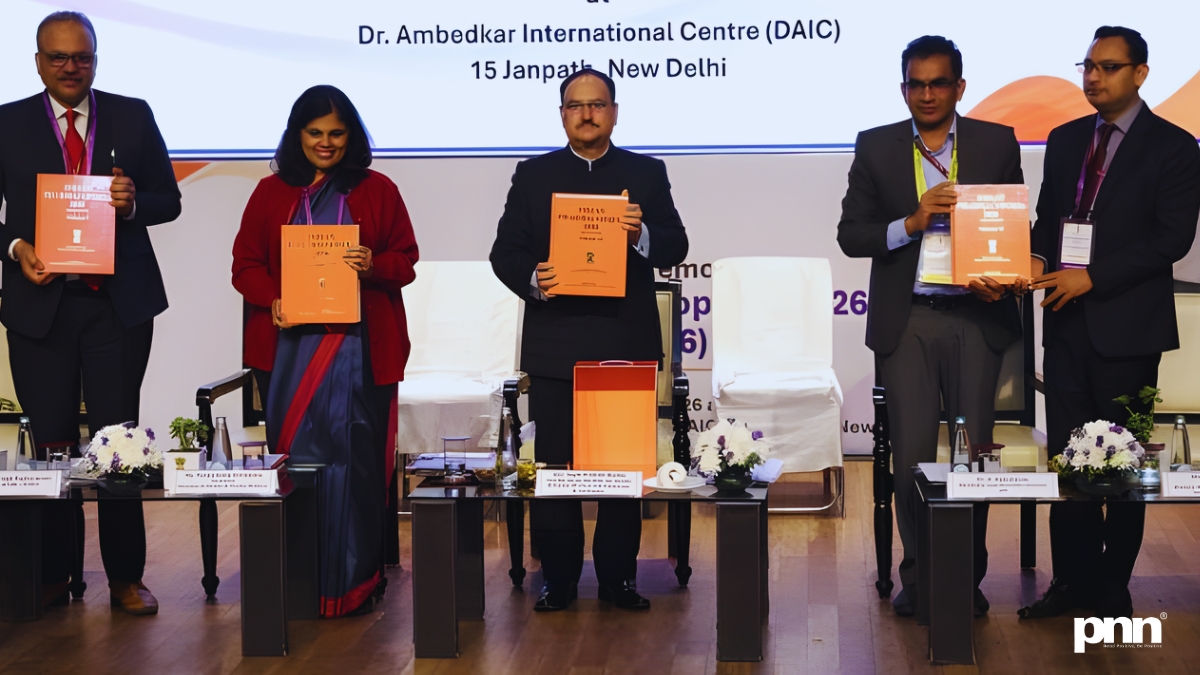
    The 10th edition of the Indian Pharmacopoeia, the drug safety and efficacy encyclopedia of the country, was released quietly in New Delhi by the Union Health and Family Welfare and Chemicals and Fertilisers Minister JP Nadda, and increases the boundaries of the perimeter of drug safety in the country. Quietly, but decisively.

    Pharmacopoeia standards are now uniformly available in legally enforceable blood components used in transfusion medicine. Not advisories. Not best practices. Norms that may be referred to by the inspectors and enforced by courts.

    Indian Pharmacopoeia 2026: What Changed, Exactly?

    The official book of drug standards in India is the Indian Pharmacopoeia. It is governed by the Drugs and Cosmetics Act, 1940 and its regulations are binding. Licences, distribution, and inspections. Everything flows from it.

    The Indian Pharmacopoeia 2026 expands that framework in a manner not previously done by its predecessors. It is the first time that it presents 20 monographs devoted to blood and blood components.

    That act alone would bring blood banks and hospital transfusion services under more regulatory scrutiny. Less interpretation. Fewer grey zones.

    What Blood Products Are Controlled Nowadays?

    The scope is not symbolic. It is granular.

    Whole blood, even irradiated ones, is covered. So also are red blood cell products in their various forms: packed cells, additive solution RBCs, leucodepleted units, buffy coat removed cells, cryopreserved RBCs, and washed RBCs.

    Plasma products are also characterised in the same way. Whole-blood and apheresis fresh frozen plasma. Cryoprecipitate. Cryo-poor plasma.

    Platelets, which are usually the most difficult element to deal with, are also placed under the same standards. PRP, pooled platelets, random donor platelets, buffy coat platelets and apheresis-derived platelets, such as additive solution and two-unit platelets.

    Even the granulocyte components derived by either apheresis or buffy coat pooling of the buffy coat qualify to be listed.

    In case it gets into the blood of the patient during any transfusion process, the Indian Pharmacopoeia 2026 details its measurements, tests, storage and labelling.

    The reason this is important.

    Transfusion of blood is not a specialised branch of medicine. It is ordinary, emergency, and usually life-saving.

    Trauma care. Cancer treatment. Major surgeries. Childbirth complications. Inherited blood disorders. The public hospitals in India are reliant on blood on a daily basis.

    Equal standards minimise inter-facility variation. They reduce risks of contamination, mishandling and silent failure. Accountability is also made easier by them. In case of something going wrong, the benchmark is not argued anymore.

    That transparency is important in the case of a healthcare system that operates at scale.

    Drugs Come Under Stricter Examination as well.

    Blood is not even the half-upgrade.

    Indian pharmacopoeia 2026 incorporates 121 new standards of drugs, and the total number of monographs is 3340. Every monograph provides an abbreviation of the way a medicine should be prepared, administered, stored, and labelled.

    This empowers the regulators to take action against poor or unsafe medicines. It also increases the compliance level among the manufacturers who are on the other side of the line.

    Here, there is a kind of public-health aspect which we cannot overlook.

    Medicines utilised in national health programmes have become the subject of more critical quality scrutiny. Tuberculosis drugs. Diabetes medication. Cancer therapies. It is a long-term therapy for millions of people, most of whom depend solely on government health care systems.

    Here, consistency is not cosmetic. It is survival.

    Surveillance Is Catching Up

    Standards are best in conjunction with vigilance.

    The Pharmacovigilance Programme of India, operated by the Indian Pharmacopoeia Commission in India, has been on a low profile in enhancing its international status. In the years between 2009 and 2014, India was number 123 in the world with regard to donations to the pharmacovigilance database of the World Health Organisation. By 2025, it reached 8th.

    That leap indicates an increase in prompt reporting of adverse drug reactions and actions taken by the regulators. Indian Pharmacopoeia 2026 feeds on this by further impeding the quality control further upstream, before damage is caused.

    Why It Makes Sense?

    There is a high disease burden in India. Volume is managed by the public hospitals. Complexity is dealt with in private hospitals. They both require the blood and needed medicines to work exactly as they should.

    Meanwhile, India is an international pharmaceutical provider. International trust is becoming more and more influenced by domestic standards.

    With the combination of regulating blood components and medicines, the Indian Pharmacopoeia 2026 is harmonising patient safety and manufacturing discipline. It also portends that regulators are ready to fill longstanding blanks even though they are not seated in comfortable locations, such as transfusion medicine.

    Not dramatic. Just necessary.

    What Comes Next?

    Everything will be determined by implementation.

    Blood banks will be forced to tighten operations. There will be a need to have improved documentation in hospitals. Uniformity will be required of the inspectors. The pressure will be on the manufacturers.

    Nevertheless, it is clear where the direction is.

    Indian Pharmacopoeia 2026 is not the news or the applause. It concerns the reduced number of avoidable risks within hospitals. About blood that is safer. Drugs that do what they are supposed to do. At times, reform is most effective when it is not aimed at impressing.

    This is just a simple way of fixing plumbing.

    Read More

  • Aashakiran IVF: A Trusted Name Redefining Fertility Care and Fulfilling Parenthood Dreams Across North India

    Aashakiran IVF: A Trusted Name Redefining Fertility Care and Fulfilling Parenthood Dreams Across North India

    New Delhi [India], January 3: Infertility is not just a medical condition—it is an emotional journey that affects millions of couples. Understanding this deeply, Aashakiran IVF has emerged as a pillar of hope, offering scientifically advanced fertility treatments combined with compassion, transparency, and trust. Today, Aashakiran IVF is proudly recognised as North India’s most trusted and fastest-growing IVF chain, transforming countless lives through ethical and result-driven fertility care.

    With a strong presence across Kharar, Ludhiana, Amritsar, and Bathinda, Aashakiran IVF has made world-class reproductive healthcare accessible to couples from both urban and semi-urban regions. The organisation’s continuous growth reflects the trust placed in it by thousands of families who have successfully embraced parenthood under its care.

    Comprehensive Fertility Solutions Tailored to Every Couple

    Aashakiran IVF provides a complete range of advanced fertility services, ensuring that every patient receives personalised and evidence-based treatment. The centre specialises in diagnosing and managing both male and female infertility through modern medical protocols.

    Key services include:

    • IVF (In-Vitro Fertilisation) supported by advanced embryology laboratories
    • ICSI (Intracytoplasmic Sperm Injection) for severe male infertility cases
    • IUI (Intrauterine Insemination) for early-stage fertility challenges
    • Egg, Sperm & Embryo Freezing for fertility preservation
    • Genetic Screening & Testing (PGT) to improve implantation success
    • Donor Programs guided by ethical and legal standards
    • Pre-conception counselling and emotional support, recognising the psychological aspects of infertility

    Each treatment plan is designed after thorough evaluation, ensuring the best possible outcomes for patients.

    Specialised Care for NRI Couples

    Recognising the unique challenges faced by couples living abroad, Aashakiran IVF offers dedicated NRI fertility services designed for convenience, continuity, and comfort. The centre provides online video consultations, personalised treatment planning, and well-coordinated care schedules to minimise travel and time away from work.

    NRI couples from Canada, USA, UK, Australia, and other countries benefit from streamlined treatment protocols, assistance with medical documentation, and continuous support before, during, and after their visit to India—making Aashakiran IVF a preferred fertility destination for overseas Indians.

    What Truly Sets Aashakiran IVF Apart

    The strength of Aashakiran IVF lies in its patient-first philosophy. Backed by experienced fertility specialists, skilled embryologists, and a compassionate support team, the centre ensures that patients feel informed, supported, and confident throughout their journey.

    Key USPs of Aashakiran IVF include:

    • Advanced technology and internationally benchmarked laboratories
    • High success rates achieved through precision-driven treatment protocols
    • Transparent pricing and ethical medical practices
    • Individualised treatment plans instead of one-size-fits-all solutions
    • Strong emotional and counselling support at every stage
    • Dedicated coordination for NRI patients

    “At Aashakiran IVF, we believe that every couple—whether in India or abroad—deserves honest guidance, advanced treatment, and emotional reassurance on their path to parenthood.”

    A Landmark Initiative: Pay 1 IVF & Get 4 IVF

    In a path-breaking step to reduce the financial stress often associated with fertility treatment, Aashakiran IVF introduces an unmatched limited-period offer:

     Pay for 1 IVF cycle & Get 4 IVF cycles

    This initiative allows couples multiple chances at success within a single investment, significantly increasing confidence and accessibility. The offer reflects Aashakiran IVF’s commitment to making fertility care not only advanced but also affordable and patient-friendly.

    For consultations & appointments:872-8080-222

    Building Awareness Beyond Treatment

    Beyond clinical excellence, Aashakiran IVF actively works to spread awareness about fertility health, early diagnosis, and reproductive wellness. Through digital platforms and educational initiatives, the organisation continues to break myths around infertility and encourage timely medical intervention.

    Stay Connected with Aashakiran IVF

    For expert fertility tips, success stories, treatment updates, and ongoing offers, follow Aashakiran IVF on social media:

    Facebook: @AashakiranIVF
    Instagram: @AashakiranIVF
    Website: https://aashakiranivf.com/

  • Celebrate With Style: A Curated Seasonal Style Edit 2026 For Festive Elegance and Timeless Gifting

    Celebrate With Style: A Curated Seasonal Style Edit 2026 For Festive Elegance and Timeless Gifting

    New Delhi [India], January 2: As the festive calendar unfurls its joyful array of celebrations, this Seasonal Style Edit 2026  brings together an inspired selection of fashion, beauty, accessories, and fragrance that make every moment shine with purpose and personality. From hand-crafted designs to statement luxury pieces, this lineup celebrates craftsmanship, modern indulgence, and the art of giving — perfectly curated for gifting, events, and unforgettable seasonal style. Let’s unwrap this season’s standout edit that strikes a balance between refined elegance and expressive flair.

    Diamond Sophistication with Youthful Allure

    Leading the edit is a piece that embodies sparkling optimism: the College-Crush Diamond Danglings from Heera One. Crafted with precision and suspended diamonds that catch every glint of light, these earrings redefine understated glamour. Ideal for festive gatherings or evening soirees, they pair effortlessly with both traditional silhouettes and contemporary fashion. A versatile jewel that feels both fresh and timeless, this piece captures the joyous spirit of celebration with effortless charm.

    Effortless Elegance in Sustainable Fashion

    For those who value mindful style, the Lilac Dawn Dress by Bloom by Bodhi Label blends serene sophistication with breathable comfort. Made from natural linen and thoughtfully designed with soft gathers and subtle cut-outs, this ensemble transitions beautifully from casual festive brunches to sunlit celebrations. Designed for women who appreciate grace in simplicity, the dress reflects a philosophy where fashion meets purpose.

    Capturing a whimsical yet refined aesthetic, Roohrang by Shasha Gaba interprets nature’s hues — from Blue Blossom to Scarlet Desire — in fluid silhouettes and delicate floral motifs. Whether it’s a daytime festival stroll or a dusky evening gathering, these pieces evoke the season’s warmth with Florals that feel both rooted and radiant.

    The edit also spotlights the Flamingo Flounce Lehenga Set by Jigar & Nikita — a handcrafted lehenga in dreamy pink hues, rich with Lakhnawi embroidery and crystal accents that elevate festive wear into the realm of couture.

    Modern Festive Staples and Versatile Style

    Blending contemporary with classic, the Boho Straight Skirt & Waistcoat Set from Her Storie by Bhawna offers a refined yet relaxed silhouette, perfect for day-to-evening transitions. Designed with a dual-purpose ethos, it can be styled together for a head-turning look or mixed and matched for a variety of occasions.

    For men’s festive gifting and celebratory dressing, Adyaaye’s Vivah Collection reimagines traditional menswear with royal inspiration and contemporary tailoring. Featuring bandhgalas in rich hues and detailed collars, this range speaks to the modern groom and stylish celebrant alike.

    Beauty Essentials for the Glow-Driven Festive Season

    No festive edit is complete without skincare that keeps pace with celebrations. Enter the Take 2 Swipe Savy Toner Pads — a skincare multitasker designed for radiant, balanced skin without the fuss. Infused with AHA + BHA, hydrating botanicals like Centella Asiatica and Rice Water, and antioxidant-rich Pomegranate Extract, these pads exfoliate, soothe, and protect in a single swipe — ideal for prepping skin before makeup or refreshing after a long day. Stylishly simple and travel-friendly, they’re a standout addition to any beauty kit.

    Fragrance That Leaves a Mark

    Indulgence takes aromatic shape in Adorable Bliss’s Golden Drizzle — an eau de parfum crafted to linger like a warm memory. Opening with smooth notes of rum, it blossoms into a heart of coffee and dark chocolate, finally settling into rich caramel, sandalwood, and vanilla. With a concentration of 20–25% perfume oil and lasting wear up to 10 hours (or more on fabric), it’s a scent that complements festive evenings and celebratory mornings alike.

    Accessories That Balance Function and Flair

    Accessories in this edit blend practical design with sophisticated style. The Tero Backpack — crafted from premium leather — marries organisation with understated luxury. Thoughtfully compartmentalised and finished with refined details, it’s an essential for everyday elegance that carries seamlessly from urban commutes to weekend explorations.

    For standout wardrobe moments, the Elegant Luxe Gown by Bling Empire delivers unapologetic glamour. With a bold silhouette and hand-beaded geometric patterns that catch the light, this gown is engineered for memorable festivities and captivating entrances.

    Statement Fashion Pieces With Deep Roots

    Closing the edit are pieces that draw inspiration from heritage and artistry. Safar-e-Chaand by Banjara Trail evokes nomadic spirit through luminous pearls and earth-rooted textures — a poetic celebration of movement and moonlit journeys. Meanwhile, Amelia Corset Pants Set from Tasia by Jade by Ashima reinterprets Renaissance silhouettes with contemporary tailoring, merging bold lines and artisanal embroidery into a striking ensemble.

    And for a touch of vivid holiday glamour, the Red Sequin Off-Shoulder Dress by Ellemora makes a modern statement with its sparkling silhouette and bold design — ideal for New Year’s Eve revelry.

  • Shelaji Receives Iconic Luxury Project Award for ‘The Legacy’

    Shelaji Receives Iconic Luxury Project Award for ‘The Legacy’

    Mumbai (Maharashtra) [India], January 2: Mumbai’s real estate market continues to mature, with greater emphasis on design integrity, livability, and location-led value. Reinforcing this shift, Shelaji Group was recently honoured with the Iconic Luxury Project Award by The Bright Awards for its upcoming residential project, The Legacy, located in Borivali West.

    The recognition places Shelaji among a select group of developers whose projects demonstrate clarity of vision and strong future potential. Presented at a well-attended industry ceremony, the award acknowledges developments that combine architectural merit, thoughtful planning, and relevance within their respective micro-markets.

    A Developer Defined by Design and Discipline

    Shelaji has steadily built a reputation in Mumbai by focusing on quality-led development rather than volume-driven expansion. The company’s approach is rooted in the belief that homes must be designed for real life, balancing aesthetics with practicality and long-term durability.

    Across its residential portfolio, Shelaji places strong emphasis on efficient layouts, ample natural light, ventilation, and sound construction practices. These fundamentals have helped the developer earn credibility among homebuyers who value reliability and consistency as much as visual appeal.

    Industry professionals often point to Shelaji’s measured growth and attention to detail as key strengths. Each project is planned with careful consideration of its surroundings, infrastructure connectivity, and lifestyle needs, ensuring that the development integrates seamlessly with the neighbourhood rather than standing apart from it.

    Borivali West as a Strategic Location

    The selection of Borivali West for The Legacy is central to the project’s positioning. Over the years, Borivali West has evolved into one of Mumbai’s most sought-after residential destinations, offering a rare combination of established social infrastructure, strong connectivity, and proximity to natural open spaces.

    With access to key arterial roads, public transport, educational institutions, healthcare facilities, and retail hubs, Borivali West appeals to families seeking convenience without compromising on quality of life. Its balanced urban character makes it particularly attractive for premium residential development, where buyers expect both accessibility and a sense of calm.

    By situating The Legacy in Borivali West, Shelaji aims to offer residents a refined living environment within a well-established and highly liveable suburb.

    “The Legacy” as a Landmark Residential Offering

    Conceived as an exclusive luxury residential project, The Legacy represents a defining chapter in Shelaji’s development journey. The project is planned with a limited number of residences to ensure privacy, exclusivity, and a more personal living experience.

    Design planning focuses on spacious interiors, well-proportioned living areas, and refined detailing that reflects understated luxury. The architectural language is contemporary yet restrained, allowing the project to age gracefully while maintaining its premium character.

    Beyond individual homes, The Legacy places importance on the overall residential experience. Common areas and amenities are designed to complement daily routines and encourage a balanced lifestyle. The intent is to create a calm, cohesive environment that supports both personal space and community interaction.

    According to the Shelaji team, the project brings together years of learning, customer feedback, and collaboration with experienced consultants, resulting in a development that aligns with the expectations of today’s discerning urban homebuyer.

    Recognition by The Bright Awards

    The Iconic Luxury Project Award by The Bright Awards is conferred on projects that demonstrate excellence in design, planning, and market relevance. The jury comprises seasoned professionals from real estate, architecture, and allied fields who assess projects on multiple qualitative parameters.

    The Legacy was recognised for its clear concept, premium positioning, and its potential to set a new benchmark for luxury living in Borivali West. Jury members highlighted the project’s emphasis on spacious planning, design coherence, and its focus on lifestyle over superficial specifications.

    Commenting on the achievement, a senior representative from Shelaji noted that the award reinforces the company’s commitment to responsible development. The recognition, the team stated, serves as motivation to continue creating homes that are thoughtfully designed and built with a long-term perspective.

    Building Credibility Through Consistency

    Shelaji’s growth has been shaped by a consistent focus on transparency, execution quality, and realistic commitments. From approvals and planning to construction and delivery, the developer follows structured processes to ensure clarity at every stage.

    Close collaboration with architects, engineers, and project management teams allows Shelaji to translate design intent accurately on site. This disciplined approach has helped maintain quality benchmarks across projects and strengthened trust among customers and industry stakeholders.

    Looking Forward

    With The Legacy receiving industry recognition ahead of its launch, anticipation around the project has increased significantly. The award positions Shelaji strongly within Mumbai’s premium residential segment and highlights its readiness for the next phase of growth.

    As buyers increasingly prioritise location, livability, and design integrity, developments like The Legacy reflect the direction in which the market is heading.

    For Borivali West, the project adds another dimension to its evolving residential profile.

    For Shelaji, the Iconic Luxury Project Award is not just recognition of a single development, but an affirmation of a development philosophy centred on quality, responsibility, and enduring value.

    If you have any objection to this article’s content, kindly contact pr.error.rectification@gmail.com to notify us. We will respond and rectify the situation in the next 24 hours.

  • Prayagraj Magh Mela 2026: A Powerful Return of Faith

    Prayagraj Magh Mela 2026: A Powerful Return of Faith

    New Delhi [India], January 3: Prayagraj Magh Mela 2026 is not just another date on India’s cultural calendar. It is a reminder that scale does not always mean chaos. That belief, when organised well, can look almost effortless.

    Held annually on the floodplains of the Ganga, the Magh Mela is regarded as one of India’s largest and most disciplined pilgrimages. Unlike one-day festivals, this is a sustained spiritual gathering where people live, bathe, pray, and leave without leaving scars behind.

    Equality is not discussed here. It is practiced.

    Dates, Duration, and Sacred Beginning

    The Prayagraj Magh Mela 2026 officially begins on January 3, 2026, coinciding with the auspicious occasion of Paush Purnima. From this day onward, devotees will gather daily on the banks of the river for ritual bathing, prayers, and spiritual discourse.

    The Mela will continue for over six weeks, culminating in mid-February, following the traditional Hindu calendar. Each phase is marked by specific snans that carry religious significance, drawing saints, ascetics, Kalpvasis, and ordinary devotees alike.

    This is faith that follows a timetable. And it does not miss deadlines.

    Triveni Sangam: Where Rivers and Belief Meet

    The heart of Prayagraj Magh Mela 2026 is the Triveni Sangam, the sacred confluence of the Ganga, Yamuna, and the mythical Saraswati.

    This is not symbolic geography. For millions, this is spiritual mathematics. Three rivers. One belief. Zero doubt.

    According to official cultural records, the Sangam is considered one of the holiest pilgrimage sites in India. A dip here is believed to cleanse sins and offer liberation. Whether one believes that literally or metaphorically, the discipline with which devotees approach the ritual is impossible to ignore.

    No pushing. No shouting. Just patience.

    Ritual Snans and the Discipline of Faith

    The ritual snan is the core of the Magh Mela experience. Devotees begin arriving before dawn, forming long, orderly lines that move steadily toward the river.

    There is no rush, even though the crowd runs into lakhs daily.

    That is the paradox of the Magh Mela. Immense numbers. Minimal disorder.

    Kalpvasis, who stay for the entire duration of the Mela, follow strict routines that include early morning baths, simple meals, spiritual study, and minimal possessions. In a world obsessed with accumulation, this is voluntary subtraction.

    Railways Step In: Special Trains for Devotees

    To support the massive movement of pilgrims, Indian Railways has announced special train services for Prayagraj Magh Mela 2026.

    The North Eastern Railway (NER) has made focused preparations to ensure smooth travel for devotees. During the Mela period, six pairs of special trains will operate via the Varanasi route, improving connectivity and easing congestion on regular services.

    These special trains are not just logistical add-ons. They are essential infrastructure for faith on the move.

    Pilgrimage without access is just an intention. Railways turn it into action.

    [Internal Link → Placeholder: Indian Railways festival travel planning]

    [External Link → Placeholder: Official Indian culture portal on Magh Mela]

    Temporary City, Permanent Impact

    What emerges during Prayagraj Magh Mela 2026 is a fully functional temporary city.

    Pontoon bridges span the river. Medical camps appear overnight. Sanitation systems run round the clock. Security, traffic management, and disaster preparedness operate silently in the background.

    Then, after the Mela ends, everything disappears.

    No concrete. No clutter. No trace.

    Urban planners study it. Administrators admire it. Visitors remember it.

    This is infrastructure without arrogance.

    Why Prayagraj Magh Mela 2026 Still Matters

    In an era of digital spirituality and compressed attention spans, Prayagraj Magh Mela 2026 asks for something radical.

    It does not chase relevance. It commands respect.

    The Mela survives because it adapts without compromising its core. Railways modernise access. Administration improves safety. But the ritual remains unchanged.

    That balance is rare.

    And powerful.

    Ministry of Culture – Magh Mela (India Culture Portal)
    https://indianculture.gov.in/festivals-fairs/magh-mela

    PNN NEWS