Author: Sutun Nayak

  • India Preparing With Full Strength to Host 2036 Olympics: Confident Push

    India Preparing With Full Strength to Host 2036 Olympics: Confident Push

    New Delhi [India], January 5: If you were looking for an announcement that sounds like it came out of a Tony Stark tech reveal, but with cricket whites instead of armour, you found it. On Sunday, Prime Minister Narendra Modi said India is preparing with full strength to host the 2036 Olympic Games — and he didn’t just speak the words, he backed them up with a sports strategy that reads like a master class on momentum.

    Speaking at the opening of the 72nd Senior National Volleyball Championship in Varanasi, Modi didn’t waste time on clichés. He laid it out bluntly: India is grooming itself not just to host big sporting events, but to own them. From Ahmedabad’s Commonwealth Games in 2030 to the ultimate global stage in 2036, the roadmap is clear.

    But let’s break this down in a way that even your neighbour who thinks volleyball is just a beach sport can appreciate.

    India Preparing With Full Strength to Host 2036 Olympics: Confident Push-PNN

    The Reality Check: Mega Events Aren’t an Afterthought

    Every ambitious plan starts with credibility. And India’s isn’t vaporware. Over the last decade, the country has hosted more than 20 major international events — the U-17 FIFA World Cup, the Hockey World Cup, elite chess championships, and more. And that’s not counting the countless international meets that tested infrastructure, nerves, and crowd control.

    That track record tells the world this isn’t India’s first rodeo.

    Hosting isn’t just about big stadium lights. It’s about logistics, athlete support, global coordination, elite facilities, seamless media handling, and logistical excellence. India’s resume just got heavier.

    And make no mistake, this wasn’t a casual aside. It was a statement delivered with the kind of confidence you’d expect from someone used to turning policy into headlines.

    Volleyball as Metaphor, Victory as Reality

    Only Modi — or perhaps a Netflix character with the confidence of Harvey Specter — could walk into a volleyball hall and turn a team sport into a national strategy metaphor.

    He said:

    “Volleyball teaches us that no victory is achieved alone. Our success depends on our coordination, our trust, and our team’s readiness.”

    That’s not fluff. That’s strategy. Think about it. The Olympics are literally the ultimate team sport: nations compete, ministers coordinate, cities build, and billions watch. India isn’t preparing alone; it’s aligning ministries, sports bodies, city planners, and youth talent programs.

    In other words, this isn’t just about hosting a games gala — it’s about syncing an entire nation’s sports psyche.

    India Preparing With Full Strength: Policies and Infrastructure

    Now let’s talk nuts and bolts. Behind that confident posture are actual policies and frameworks aimed at building the future of Indian sport:

    • Khelo India — A nationwide drive to turn potential into medals, not just participation.

    • Target Olympic Podium Scheme (TOP) — Money and support where it matters most: elite athletes aiming for the top.

    • National Sports Governance Act — More transparency, better accountability, world-class standards.

    • Khelo Bharat Policy 2025 — A fresh blueprint to unify grassroots strength with national ambition.

    This is not buzzword bingo. This is a playbook in motion.

    The fact that the National Volleyball Championship in Varanasi features over 1,000 players from 58 teams isn’t a footnote. It’s a showcase of India’s domestic competitive muscle — precisely the sort of foundation you want before waving the Olympic torch.

    Varanasi: From Ghats to Global Games

    If you’ve only ever thought of Varanasi as a spiritual city, it’s time for an upgrade. The same town that draws millions of pilgrims every year, and recently set records for visitors entering holy sites, is now making a name in sports, too.

    The Prime Minister highlighted Varanasi’s emerging identity as a hub for sports and mega events. Modernised stadiums, newly developed sports complexes, and the recent hosting of major gatherings play into a broader strategy of greater national relevance.

    In one sense, it’s a cultural recalibration. In another, it’s a strategic claim: Varanasi isn’t just a heritage city. It’s a node in India’s future sporting grid.

    Why “Full Strength” Matters

    World bodies don’t hand out global events because a nation says it wants them. They look for readiness. They look for infrastructure. They look for confidence backed by action.

    When India says it’s preparing with full strength, it means:

    • Robust training pipelines

    • Strong administrative support

    • Proven event experience

    • Growing domestic enthusiasm for competitive sport

    There’s no room for half-measures. And that’s precisely why the phrasing matters.

    What This Means for Indian Athletes

    Here’s where the rhetoric meets reality.

    For decades, Indian athletes have leaned on grit. Now they’re getting more than that. They’re getting structure. Funding. World-class exposure. And a reason to aim higher.

    From wrestling mats to football pitches, shooters to swimmers, India preparing with full strength sends a message:

    We’re not just participating anymore. We’re planning to perform.

    Indian Olympic Association (IOA)
    https://olympic.ind.in
    PNN News
  • When Streaming Becomes The Main Character: How The Ba**ds Of Bollywood Boldly Redefined Indian Pop Culture In 2025

    When Streaming Becomes The Main Character: How The Ba**ds Of Bollywood Boldly Redefined Indian Pop Culture In 2025

    Mumbai (Maharashtra) [India], January 3: For decades, Indian pop culture followed a familiar hierarchy. Films reigned supreme, television followed obediently, and web series were the new kid allowed to sit at the table—politely, conditionally, and only after the elders finished speaking.

    In 2025, that seating arrangement collapsed.

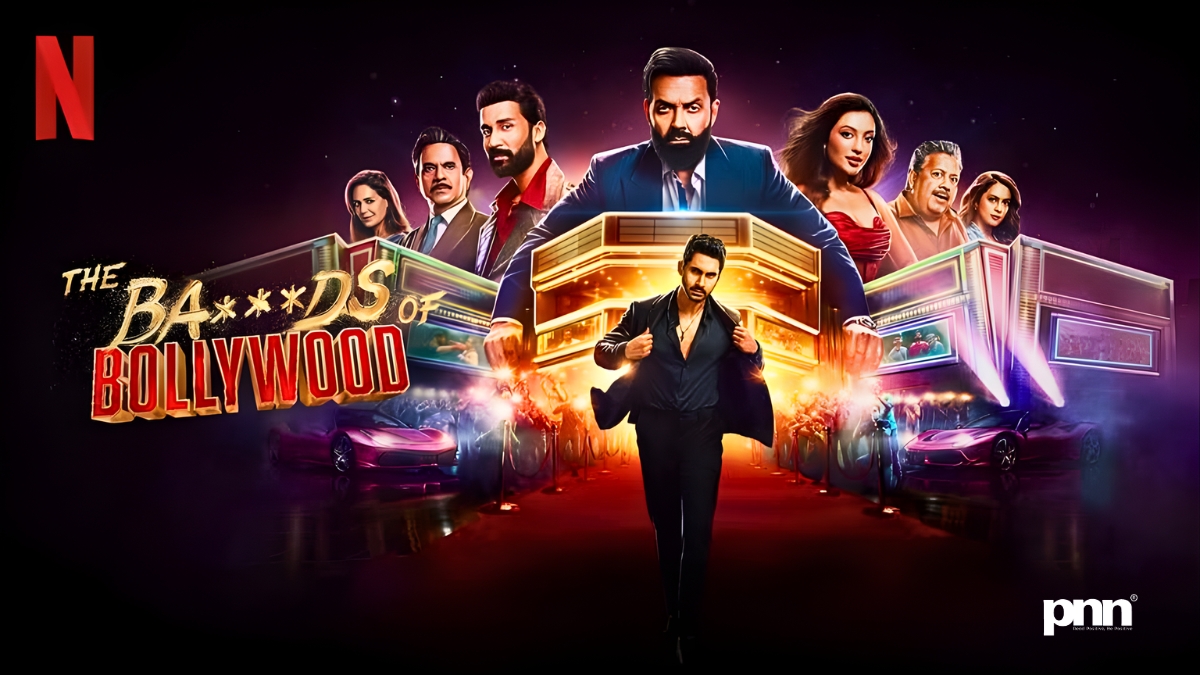
    When The Ba**ds of Bollywood emerged as the most-popular Indian streaming show of the year on IMDb, it didn’t just top a list. It signalled a recalibration of cultural power—one where audience obsession, not box office collections, dictates relevance.

    No firecrackers. No industry-wide announcements. Just numbers quietly telling the truth.

    This isn’t a story about one successful show. It’s about how popularity itself has changed definition—and how streaming series are now shaping Indian pop culture with the confidence films once monopolised.

    The Metric That Matters More Than Money

    IMDb popularity rankings don’t measure revenue. They measure attention. Searches. Engagement. Conversations. The things people voluntarily think about when no one is selling them tickets.

    That’s what makes The Ba**ds of Bollywood’s position unsettling—and impressive.

    In a year crowded with theatrical releases, star-driven spectacles, and marketing-heavy launches, a web series dominated the metric that tracks cultural curiosity in real time.

    Not nostalgia. Not legacy. Not opening weekend hysteria.

    Sustained interest.

    The Backstory: Why This Show Hit A Nerve

    The show arrived at a moment when audiences were quietly exhausted.

    Exhausted of:

    • Predictable star vehicles

    • Sanitised industry self-mythology

    • Three-hour films that say less than a sharp episode

    The Ba**ds of Bollywood leaned into discomfort instead. It didn’t flatter the industry—it dissected it. Ambition, hypocrisy, desperation, survival instincts—nothing was sacred, and everything felt recognisable.

    For viewers raised on behind-the-scenes gossip and algorithm-fed honesty, the tone landed perfectly. Cynical, self-aware, occasionally indulgent—and unafraid of showing the machinery behind the glamour.

    It wasn’t polite storytelling. It was honest storytelling with a smirk.

    Why Streaming Series Are Winning The Cultural Race

    Streaming doesn’t just release content—it releases time. Time to breathe, argue, rewatch, meme, critique, and attach identity to stories.

    Unlike films, which peak and vanish, web series operate on a different rhythm:

    • Longer cultural half-life

    • Episodic emotional investment

    • Social media amplification per episode

    • Characters who grow alongside viewers

    In 2025, this mattered more than scale.

    Audiences didn’t want louder. They wanted closer.

    The Popularity Paradox

    Here’s the delicious irony.

    A show critiquing Bollywood culture became one of the most discussed cultural products of the year—without being a film.

    That success exposes an uncomfortable truth: popularity today isn’t manufactured solely by budgets or stars. It’s earned through resonance, relevance, and repeat engagement.

    Streaming platforms understand this. Films, increasingly, pretend not to.

    The Numbers That Quietly Changed The Conversation

    While exact production budgets remain undisclosed, industry estimates place high-profile Indian streaming series in 2025 anywhere between ₹60–120 crore, depending on scale, cast, and production value.

    That’s not “small screen” money.

    The difference? Returns aren’t judged by opening day chaos, but by:

    • Viewer retention

    • Global discoverability

    • Platform stickiness

    • Cultural footprint

    IMDb rankings reflect this shift. They don’t reward noise. They reward obsession.

    Streaming - PNN

    The Positive Ripple Effects

    Let’s give credit where it’s due.

    Pros of This Shift:

    • Writers gain narrative authority over star power

    • Actors explore layered roles without box-office pressure

    • Audiences discover stories beyond opening weekend hype

    • Indian content travels better globally

    Streaming series like The Ba**ds of Bollywood prove that intelligent cynicism has an audience—and a large one.

    The Shadows Lurking Behind Popularity

    But let’s not romanticise everything.

    Cons Worth Noting:

    • Popularity metrics can incentivise controversy over craft

    • Algorithm-friendly storytelling risks sameness

    • Smaller creators may still be drowned out

    • Films risk being reduced to event-only spectacles

    There’s also the danger of streaming platforms mistaking discussion for depth. Not every viral show is meaningful. Not every ranking reflects artistic longevity.

    Popularity is powerful—but it’s also fickle.

    What This Means For Films (And Their Ego)

    Cinema isn’t dying. But its cultural monopoly is.

    Films still deliver scale, spectacle, and collective experience. What they increasingly lack is ongoing conversation. A film dominates for weeks. A series occupies minds for months.

    The success of The Ba**ds of Bollywood underscores that pop culture in 2025 is no longer decided by Friday collections—it’s decided by Monday debates.

    Why 2025 Felt Different

    This year marked a psychological shift.

    Audiences stopped asking:
    “Is this a big release?”

    They started asking:
    “Is this worth my time?”

    Streaming series answered that question better—and more consistently—than many films did.

    Latest Industry Murmurs

    Insiders suggest platforms are now prioritising popularity longevity metrics over raw view counts. Casting strategies are evolving. Writers’ rooms are expanding. And film studios are quietly studying why certain shows linger in public consciousness while films evaporate.

    No official panic. Just recalibration.

    Final Thought: Popularity Is The New Prestige

    In 2025, prestige didn’t arrive wrapped in red carpet exclusivity. It arrived through repeated engagement, relentless discussion, and stories people refused to drop.

    The Ba**ds of Bollywood didn’t just top a list—it reflected a generation choosing depth over dazzle, continuity over spectacle, and stories that talk back.

    Streaming didn’t steal cinema’s crown.

    It simply changed what the crown is made of.

    PNN Entertainment

  • When Hawkins Bought Popcorn: How A Streaming Finale Accidentally Reminded Cinemas Why They Exist

    When Hawkins Bought Popcorn: How A Streaming Finale Accidentally Reminded Cinemas Why They Exist

    Mumbai (Maharashtra) [India], January 3: For years, cinema owners were told—gently, repeatedly, and sometimes smugly—that streaming had won. The couch was king. The algorithm was good. And theatres, poor souls, were merely nostalgic monuments with sticky floors and overpriced nachos.

    Then Stranger Things ended.

    And people—millions of them—put on real pants, left their homes, and lined up for popcorn to watch a show they could have streamed perfectly well on their own screens.

    Irony has never tasted this buttery.

    The series finale’s hybrid release on New Year’s Eve quietly detonated one of the more fascinating box office surprises in recent memory. Over 1.3 million admissions, packed auditoriums, and a reported $15 million haul for AMC alone, largely fueled by ticketed ancillary sales—food, beverages, premium experiences. Not exactly chump change for an industry supposedly on life support.

    This wasn’t just a win. It was a plot twist.

    What unfolded wasn’t about defeating streaming. It was about exposing a truth the industry has tiptoed around for years: audiences don’t hate theatres. They hate inconvenience without meaning.

    Give them meaning—and spectacle—and they’ll show up.

    The Night Streaming Broke Its Own Rules

    Netflix built its empire on one promise: you don’t have to go anywhere. Releasing a flagship series finale in theaters sounds, on paper, like ideological betrayal.

    In practice, it looked like strategy evolving under pressure.

    The finale wasn’t merely screened; it was eventized. Timed to New Year’s Eve. Marketed as a communal goodbye. Enhanced by theatrical exclusivity elements. Suddenly, the living room felt… insufficient.

    This wasn’t cinema versus streaming. This was streaming borrowing cinema’s oldest trick: occasion.

    Streaming

    Why Audiences Actually Showed Up

    Let’s be honest—this wasn’t about picture quality alone. People didn’t buy tickets for marginally better blacks or louder bass.

    They came for:

    • Shared emotional closure

    • Collective nostalgia

    • The social currency of “I was there”

    • And yes, snacks that feel illegal at home

    The finale tapped into something algorithms can’t manufacture: ritual. A communal endpoint to a decade-long cultural chapter.

    Streaming made content infinite. Cinema made it finite—and therefore valuable.

    The Money Trail Nobody Expected

    Here’s where things get uncomfortably real.

    While ticket prices mattered, concessions carried the night. Premium combos, branded merchandise, drinks that cost more than the ticket itself—cinemas didn’t just survive the event, they monetised emotion.

    Reported figures indicate:

    • Over 1.3 million paid admissions

    • Approx. $15 million earned by AMC, largely from F&B

    • High occupancy across premium formats

    • Strong post-pandemic footfall indicators

    This wasn’t a charity visit. It was profitable behavior.

    Streaming - PNN

    The Backstory That Makes This Make Sense

    The seeds for this moment were planted years ago.

    As blockbuster pipelines thinned and franchise fatigue set in, cinemas quietly shifted focus from volume to experience economics. Recliner seating. Alcohol service. Loyalty programs. Premium formats.

    At the same time, streamers hit a wall: ballooning production costs, subscriber churn, and content abundance diluting impact.

    A finale like Stranger Things reportedly cost hundreds of millions across its final seasons. When you’ve spent that much to make something culturally dominant, you don’t just let it evaporate into a midnight drop.

    You extract value—emotionally and financially.

    Streaming Meets Cinema, But On Streaming’s Terms

    This wasn’t a theatrical surrender. It was a controlled experiment.

    Theaters weren’t given exclusivity. They were given relevance. A window—not a wall. And that distinction matters.

    For streaming platforms, theatrical tie-ins offer:

    • Incremental revenue without long runs

    • Marketing amplification

    • Prestige signaling

    • Cultural legitimacy beyond screens

    For cinemas, it offers content that already has an audience—no risky discovery phase required.

    Symbiosis, not surrender.

    Streaming - PNN

    The Pros No One Can Ignore

    • Cinemas proved they can monetize streaming IP

    • Streamers unlocked new revenue without subscriber friction

    • Audiences rediscovered communal viewing

    • Premium theatrical experiences justified their pricing

    This wasn’t nostalgia. It was a demand.

    The Cons That Still Lurk In The Shadows

    • Not every series deserves a theatrical goodbye

    • Overuse could dilute the “event” factor

    • More negligible theaters risk being sidelined

    • Creative decisions could become revenue-led

    And let’s be blunt—this model works because Stranger Things is a cultural behemoth. Try this with mediocre content, and you’ll just end up with empty seats and awkward silence.

    What This Means For The Future Of Content Releases

    The real takeaway isn’t that theaters are “back.”

    It’s that hybrid distribution is finally growing up.

    Expect more:

    • Season finales as ticketed events

    • Limited theatrical runs for streaming originals

    • Location-based fan screenings

    • Premium pricing tied to cultural moments

    What disappears? The binary thinking. Streaming and cinema aren’t enemies. They’re formats competing for attention, not territory.

    Streaming - PNN

    Latest Industry Chatter And Quiet Signals

    Insiders are already whispering about similar rollouts for major franchise finales, anime arcs, and high-profile series conclusions. Exhibitors are recalibrating calendars. Streamers are reevaluating what “direct-to-streaming” really means when content reaches cultural saturation.

    The door is open. The question is who walks through without tripping.

    Final Thought: The Couch Didn’t Lose—It Just Shared The Room

    This wasn’t a defeat for streaming. It was a reminder that culture doesn’t live in isolation.

    People still crave collective endings. They still want to laugh, cry, and gasp with strangers who feel strangely familiar in the dark.

    Turns out, the future of cinema didn’t need saving.
    It just needed something worth standing up for.

    PNN Entertainment

  • From Backrooms To Backbones: How U.S. States Quietly Became 2025’s Most Relentless Tech Disruptors

    From Backrooms To Backbones: How U.S. States Quietly Became 2025’s Most Relentless Tech Disruptors

    Mumbai (Maharashtra) [India], January 3: Technology revolutions are usually imagined as hoodie-clad founders scribbling on whiteboards or venture capitalists throwing money at whatever has “AI” in the name. Meanwhile, somewhere far from keynote stages and pitch decks, a quieter transformation has been unfolding — inside state government offices, where innovation wears a badge, not a brand.

    In 2025, state CIO offices across the U.S. didn’t just “keep up” with technology. They rewrote how public-sector tech is conceived, deployed, defended, and occasionally, painfully learned from. While the private sector chased speed and spectacle, states chased stability, resilience, and systems that won’t collapse during the next crisis — cyber, climate, or political.

    Not glamorous. But devastatingly consequential.

    This year’s five dominant state-level tech developments reveal something uncomfortable for Silicon Valley: the most practical innovation isn’t always profit-driven. Sometimes, it’s survival-driven.

    And yes, it comes with flaws, delays, and budget meetings that could drain joy from a sunrise. But it also comes with impact.

    Cybersecurity Became A Daily Discipline, Not A Panic Button

    For states, cybersecurity in 2025 stopped being a quarterly audit exercise and became a permanent state of mind.

    After years of ransomware attacks targeting local governments, school districts, and healthcare systems, state CIOs moved from reactive defence to continuous threat modelling. AI-assisted detection systems, zero-trust architectures, and cross-agency security operations centers became less of an aspiration and more of a necessity.

    The upside?
    Threat detection times dropped dramatically, in some cases from days to minutes. Inter-agency intelligence sharing improved. Training programs finally stopped assuming employees could spot phishing emails through sheer willpower.

    The downside?
    Security costs ballooned. Legacy systems resisted modernization. And states learned — again — that no system is unhackable, only less embarrassing when breached.

    Cybersecurity didn’t get easier. It got more honest.

    Cloud Modernisation Finally Grew Up

    For years, “moving to the cloud” was treated like a digital pilgrimage — vague, expensive, and spiritually confusing. In 2025, states stopped romanticizing it.

    Instead of wholesale migrations, CIOs adopted hybrid and multi-cloud strategies that respected regulatory constraints, data sovereignty, and budget reality. Sensitive workloads stayed closer to home. Elastic services went where they made sense.

    This pragmatic shift paid off in scalability and disaster recovery, especially during extreme weather events that tested continuity planning.

    But let’s be clear: cloud bills shocked more than a few finance departments. Vendor lock-in fears didn’t magically vanish. And “cloud skills gaps” became a recurring headache.

    Still, maturity beats mythology.

    Smart Infrastructure Proved It’s Only As Smart As Its Maintenance

    Smart traffic systems, IoT-enabled utilities, sensor-driven public safety — 2025 saw states lean heavily into infrastructure that thinks before humans have to.

    Traffic congestion eased in pilot regions. Energy grids became more responsive. Emergency services benefited from real-time data that shaved seconds off response times — seconds that matter.

    Then reality tapped the shoulder.

    Sensors failed. Firmware updates lagged. Integration across decades-old systems turned into digital archaeology. And citizens, understandably wary of surveillance, demanded transparency that wasn’t always ready.

    Smart infrastructure worked — when states treated it as a long-term commitment, not a press release.

    Data Sharing Finally Escaped Bureaucratic Quarantine

    One of the quiet victories of 2025 was the rise of interoperable data platforms across agencies. Health, transportation, education, and emergency services began speaking the same digital language — cautiously, but deliberately.

    This enabled better policy modelling, faster crisis response, and more equitable resource allocation.

    But data sharing is political as much as technical. Privacy concerns intensified. Governance frameworks lagged behind capability. And not every agency was thrilled to give up informational turf.

    Progress happened. Trust lagged as usual.

    Workforce Technology Stopped Pretending People Are Replaceable

    States learned the hard way that technology doesn’t work without people who understand it — and want to stay.

    2025 brought renewed focus on digital workforce development: upskilling existing employees, modernising HR platforms, and offering flexible work models that don’t scream “pre-2010.”

    This improved recruitment and retention in IT roles long dominated by the private sector. But salary gaps remain. Burnout didn’t evaporate. And training programs still compete with operational demands.

    Still, acknowledging humans as assets — not line items — marked a cultural shift worth noting.

    The Numbers Nobody Brags About — But Should

    State governments collectively spent tens of billions of dollars in 2025 on modernisation initiatives spanning cybersecurity, cloud infrastructure, smart systems, and workforce tools.

    This wasn’t speculative spending. It was defensive, structural, and unavoidable.

    Returns weren’t measured in profit, but in uptime, resilience, and trust — currencies that don’t trend on stock tickers but decide elections and emergencies alike.

    Pros That Deserve Credit

    • Improved service reliability and citizen experience

    • Faster response to cyber and physical threats

    • Greater inter-agency coordination

    • Long-term cost efficiency through modernization

    These are not small wins. They’re foundational.

    Cons That Refuse To Be Ignored

    • Budget overruns and procurement bottlenecks

    • Technical debt fighting modernization at every step

    • Public skepticism around surveillance and data use

    • Uneven progress between states and regions

    Innovation without equity simply shifts problems geographically.

    The Broader Meaning: U.S. Government As A Tech Actor Again

    The most important takeaway from 2025 isn’t any single initiative. It’s the re-emergence of state governments as active technology shapers rather than passive consumers.

    This changes the national tech narrative. Innovation isn’t just corporate anymore. It’s civic. It’s infrastructural. It’s deeply human — flawed, slow, accountable.

    And perhaps that’s precisely why it matters.

    Final Thought: When Progress Wears A Suit And Files Reports

    State CIOs won’t be keynote celebrities. Their systems won’t go viral. Their failures, however, will be painfully public.

    Yet in a year obsessed with speed, states chose sustainability. In a market addicted to disruption, they invested in continuity.

    That may not be sexy.

    But when everything else breaks, it’s the boring systems that keep the lights on.

    PNN Technology

  • History Created on Mumbai’s Soil: Grand Culmination of the ‘Rishabhayan-2’ International Conference Amidst a Gathering of Over One Lakh People

    History Created on Mumbai’s Soil: Grand Culmination of the ‘Rishabhayan-2’ International Conference Amidst a Gathering of Over One Lakh People

    Mumbai (Maharashtra) [India], January 3: At Borivali, the three-day international conference “Rishabhayan-2: Forerunner and Architect of Indian Culture”, dedicated to the life and values of Bhagwan Rishabhdev—the pioneer of human civilisation—concluded successfully in a truly historic manner. Scholars, saints, thinkers, educationists, and students participated in the conference, which was witnessed by an audience of over one lakh people.

    The programme commenced on Friday, 19 December, with a grand procession. The inspirer of the Rishabhayan Conference, Jain Gachchhadhipati Acharya Yashovarmasurishwarji Maharaj, bestowed blessings. In the august presence of saints from all four Jain traditions, more than 15 Acharyas and over 400 sadhus and sadhvis, the conference was inaugurated by Maharashtra Chief Minister Devendra Fadnavis. While releasing the book “Rishabhayan”, the Chief Minister stated that the text is highly relevant to modern society. On this occasion, saints such as Vijay Somtirth, Dandi Swami Jitendra Saraswatiji, and Shantigiri Maharaj provided profound guidance on the universal philosophy of Rishabhdev. Saints from Sikh, Buddhist, Hindu, and Jain traditions marked their presence, collectively acknowledging King Rishabhdev’s contributions and existence, and celebrating the day as a reaffirmation of his status as the pioneer and architect of Indian culture. During the inauguration, Dr N. P. Singh, Executive Chairman of the Indian Education Board, expressed keen interest in integrating values with modern education.

    An initiative was launched to distribute the booklet “Rishabh Jeevan”, which presents the life of Rishabhdev, to every school and educational institution across India. This publication was prepared under the guidance of Gachchhadhipati Acharya Yashovarmasurishwarji and Acharya Bhagyayashasurishwarji.

    Sessions focusing on the origins of civilisation and the pride behind the name “Bharat” presented historical and archaeological evidence establishing Bhagwan Rishabhdev as the actual initiator of Indian civilisation. Scholars explained, with precise references, that modern concepts such as entrepreneurship, skill development, and sustainable living were embedded thousands of years ago in the arts of Asi, Masi, and Kasi, imparted by Rishabhdev. Citing the Shrimad Bhagavata Purana, it was reaffirmed that the country’s name “Bharat” is derived from the name of Chakravarti Emperor Bharat, the eldest son of Rishabhdev. In the startup-focused session, industry leaders including Niranjan Hiranandani (Hiranandani Group), Hitesh Doshi (Wari Group), Uttam Jain (Neon Laboratories Group), and Krishna Rana (Platinum Group) interacted with students.

    On the second day, national and international researchers presented papers on the Brahmi script, mathematics, the 72 masculine arts, and the 64 feminine skills from the era of Rishabhdev. With the cooperation of 1,111 Jain Sanghs under the Mumbai Jain Sangh Organisation, trustees from Vihar Dham, and support from regions spanning Navi Mumbai to Virar and Surat, a historic public unveiling of manuscripts dating from 200–500 years ago and 1,111 rare texts was held. Union Minister Piyush Goyal and Maharashtra Education Minister Chandrakant Dada Patil were present in person. One of the conference’s most outstanding academic achievements was the signing of memoranda of understanding with universities across Mumbai and India, including Nalanda University, SAU University, and the Archaeological Survey of India. Gujarat Deputy Chief Minister Harsh Sanghavi also extended an invitation to host Rishabhayan-3 in Gujarat in 2026.

    Eminent scholars from India and abroad deliberated intensely on Bhagwan Rishabhdev’s contributions to civilisation. Padma Shri Kumarpal Desai highlighted Rishabhdev’s role in the rise of human civilisation and presented a creative, thought-provoking monologue by King Rishabh. Advocate Vishnu Shankar Jain presented legal and historical perspectives on “King Rishabhdev’s System of Justice.”

    Scholars Dr Rajmal Jain and Dr Bipin Doshi described Rishabhdev as the founder of a cultured human society, discussing both historical contexts and contemporary relevance. Prof. Jitendra Shah and Dr Dharamchand Jain elaborated on Rishabhdev’s teachings and his contributions to nation-building. Dr Bhagchandra Jain ‘Bhaskar’ explained the roots of civilisation through archaeological and historical evidence. Architect Mayank Barjatya presented insights into the science of energy in the Bhaktamar Stotra and Rishabhdev. Young astrologer Vishwa Vora, a recipient of the President’s Award, captivated the audience with his profound knowledge. At the same time, Rahul Kapoor from Bengaluru delivered an hour-long presentation on a paper authored by a revered sadhviji.

    As part of the conference, large sets and advanced digital models vividly showcased the 72 vocational arts, 64 fine arts, and ancient historical heritage. Stalls featuring ancient handicrafts, women-led home industries, and art-based startups by hundreds of youth and schoolchildren attracted massive crowds.

    On the final day, Maharashtra Cultural Affairs Minister Ashish Shelar stated that “Rishabhayan” is not merely a festival but a mission to connect future generations with their roots. The Labdhi Vikram Janseva Trust organised the event in cooperation with Naginadas Khandwala College. Legislators Sanjay Upadhyay and Pravin Darekar, along with several Jain organisations, youth groups from Borivali, Kandivali, Malad, Bhayandar, Mira Road, and RSS leaders, were present.

    More than 100 research papers were presented during the conference, discussed by scholars from across India, forming the foundation for the forthcoming “Rishabhayan-2” volume. During the programme, the Labdhi Vikram Janseva Trust inaugurated research initiatives under the Rishabh Swadhyay Peeth. Sejal Shah and Ramzan Hasniya skilfully anchored the three-day event.

    The tireless efforts of motivational trainer and BJP leader Sunil Lodha of Mumbai, Mukeshbhai of Multi Graphics, Lalit Gandhi, Girish Shah, trustees of LVGST, Ketanbhai, Jineshbhai, Ashokbhai, and many others bore fruit. Above all, the dedicated efforts of Gachchhadhipati Acharya Yashovarmasurishwarji Maharaj, Acharya Bhagyayash Maharaj, Acharya Hrinkaryash Maharaj, Muni Tirthyash Maharaj, Sadhviji Vipulmalashriji, and accompanying sadhvis ensured the grand success of the event. With over one lakh people in attendance, Rishabhayan-2 emphatically proved that India’s ancient culture is the foundation of a bright future for the nation.

    The three-day conference featured two main halls: the primary hall hosted scholarly lectures, saintly discourses, and political dignitaries, while the adjoining smaller hall—Rishabh Swadhyay Peeth—witnessed the presentation of over 100 research papers over three days. These discussions by scholars from across India will culminate in the publication of Rishabhayan-2. Sejal Shah and Ramzan Hasniya efficiently conducted the programme.

    The efforts of motivational trainer and Mumbai BJP leader Sunil Lodha, along with Mukeshbhai of Multi Graphics, Lalit Gandhi, Girish Shah, and the trustees of LVGST — Ketanbhai, Jineshbhai, Ashokbhai, and other eminent personalities — bore fruitful results. In the overall organisation, the dedicated efforts of Gachchhadhipati Acharya Yashovarmasurishwarji Maharaj, Acharya Bhagyayash Maharaj, Acharya Hrinkaryash Maharaj, and Muni Tirthayash Maharaj, as well as Sadhviji Vipul Mala Shriji and her fellow Sadhvi Bhagwants, played a significant role in its success.

    PNN Lifestyle

  • SoftBank Isn’t Chasing AI Dreams Anymore — It’s Buying The Ground Beneath Them

    SoftBank Isn’t Chasing AI Dreams Anymore — It’s Buying The Ground Beneath Them

    Mumbai (Maharashtra) [India], January 3: For years, artificial intelligence has been sold like prophecy: abstract, dazzling, vaguely spiritual. Models grow smarter, demos grow louder, and everyone nods as if intelligence simply floats down from the cloud, free of consequence. SoftBank, it seems, has grown tired of the mysticism.

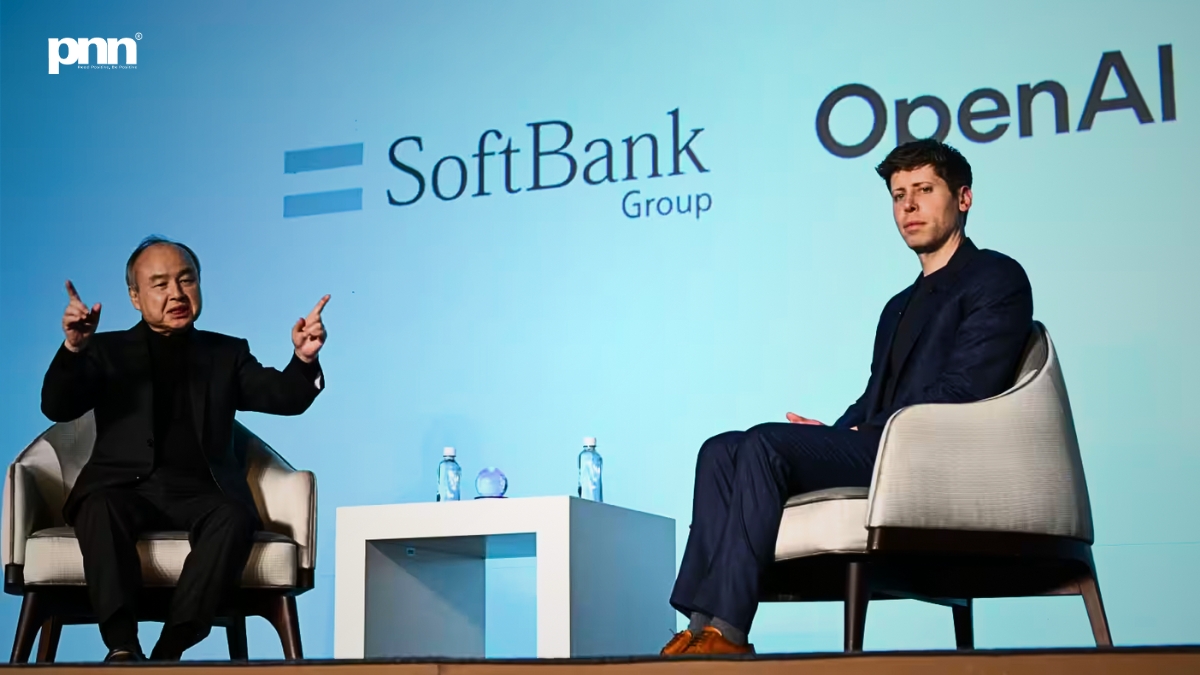
    With its $4 billion acquisition of DigitalBridge, SoftBank has made a decision that feels almost philosophical in its bluntness. Forget arguing about which model thinks better. Forget chasing the loudest chatbot of the week. If AI is the future, then the future will need land, power, cables, towers, fibre, and someone wealthy enough to own them.

    This isn’t about imagination. It’s about concrete. And steel. And electricity bills that could frighten small nations.

    SoftBank’s move marks a subtle but meaningful pivot. After years of headline-grabbing bets on consumer-facing tech and moonshot startups, the group is now leaning into something far less glamorous but far more inevitable: infrastructure. The kind that doesn’t trend on social media but quietly decides who gets to exist in the digital economy at all.

    AI Doesn’t Float — It Sits On Someone’s Balance Sheet

    There’s a comforting myth that AI lives “in the cloud.” In reality, it lives in data centres that gulp electricity, in fibre networks buried beneath cities, and in towers that dot landscapes without asking permission from aesthetics.

    DigitalBridge isn’t flashy. It doesn’t sell dreams. It owns and invests in the physical backbone of connectivity — data centres, telecom towers, and fibre assets across regions that matter.

    SoftBank didn’t buy innovation. It bought leverage.

    Because whoever controls the pipes eventually controls the flow.

    The Quiet Evolution Of SoftBank’s Strategy

    This deal didn’t come out of nowhere. It comes after a long period of introspection — some might say bruising humility — following years when exuberant bets collided with economic gravity.

    SoftBank’s leadership has been increasingly vocal about “disciplined growth” and “AI-driven opportunity.” But discipline in AI doesn’t always mean restraint. Sometimes it means choosing assets that won’t evaporate when sentiment changes.

    Data centers don’t disappear when hype cycles cool. Fiber doesn’t care about quarterly mood swings. Towers don’t panic when valuations wobble.

    This acquisition suggests SoftBank isn’t abandoning ambition — it’s anchoring it.

    SoftBank - PNN

    Why Infrastructure Is Suddenly The Smartest AI Bet

    AI models are getting bigger, yes. But more importantly, they’re getting hungrier.

    • Training runs now require enormous, sustained compute

    • Inference at scale needs low-latency networks

    • Edge AI depends on dense, reliable connectivity

    • Regulatory pressure is pushing for data sovereignty and local hosting

    All roads lead back to infrastructure.

    Owning DigitalBridge means SoftBank is positioning itself not just as a participant in AI’s growth, but as a landlord to it. Every serious AI player will need what DigitalBridge touches — space, power, and connectivity.

    It’s a toll booth strategy, and history shows toll booths age very well.

    The Bubble Question Nobody Can Ignore

    Of course, there’s an elephant here, and it’s inflatable.

    Critics will argue — loudly — that this smells like late-stage positioning in an AI boom that may already be frothy. Data center demand is soaring, valuations are climbing, and everyone is racing to lock in capacity before someone else does.

    What happens if AI spending slows?
    What if efficiency breakthroughs reduce compute needs?
    What if energy costs spike harder than forecasts predict?

    Infrastructure is resilient, but it’s not immune to overbuild.

    SoftBank knows this. Which makes the bet even more interesting.

    A Bet On Permanence, Not Popularity

    Here’s the subtle genius — and risk — of the move.

    Even if AI enthusiasm cools, connectivity doesn’t. Cloud computing, streaming, enterprise software, telecommunications, and future technologies we haven’t named yet still require the same backbone.

    In that sense, SoftBank isn’t betting on which AI wins. It’s betting that something computationally intense will always win.

    That’s less speculative than it sounds.

    SoftBank - PNN

    The Financial Reality Behind The Headlines

    The $4 billion price tag reflects more than assets; it reflects confidence in long-term cash flows. Infrastructure investments are slow, capital-heavy, and boring by design — which is exactly why pension funds and sovereign wealth funds love them.

    Returns aren’t explosive. They’re persistent.

    But there’s a catch: margins can be sensitive to energy costs, regulatory changes, and geopolitical shifts. Owning physical assets means negotiating with governments, utilities, and communities — not just markets.

    SoftBank is trading volatility for complexity.

    Pros That Make This Look Almost Boringly Sensible

    • Stable, long-term revenue potential

    • Exposure to AI growth without model-level risk

    • Strategic relevance across multiple industries

    • Reduced dependence on speculative consumer tech

    In a world obsessed with speed, this is a slow move — and slow moves tend to survive storms.

    Cons That Refuse To Stay Buried Underground

    • High capital expenditure and maintenance costs

    • Vulnerability to energy price volatility

    • Regulatory friction across regions

    • Risk of infrastructure oversupply if projections overshoot

    This isn’t a risk-free pivot. It’s just a different kind of risk — quieter, heavier, harder to unwind.

    What This Says About The Future Of AI Capital

    SoftBank’s acquisition sends a message to the market: the AI race is maturing. The easy money phase is giving way to the ownership phase.

    We’re moving from “who has the smartest model” to “who controls the environment those models depend on.”

    That’s a colder, more adult conversation.

    Final Thought: When Visionaries Start Buying Concrete

    There’s something almost poetic about this shift.

    After years of chasing ideas, SoftBank is buying foundations. After betting on narratives, it’s investing in physics. After riding volatility, it’s embracing gravity.

    The irony is delicious: the most futuristic bet SoftBank has made in years looks suspiciously like an old-world infrastructure play.

    But maybe that’s the point.

    The future doesn’t just need intelligence.
    It needs somewhere to live.

    PNN Technology

  • Jaldapara Rhino Calf 2026: Heartwarming Symbol of Wildlife Revival

    Jaldapara Rhino Calf 2026: Heartwarming Symbol of Wildlife Revival

    New Delhi [India], January 3: Jaldapara Rhino Calf – The 1 st of 2026 presented the wildlife lovers with a memory that they will be talking about decades to come. In the green forests of West Bengal in the Jaldapara National Park, a new baby one-horned rhino calf was born. To the conservationists in India, this small calf is not only cute, but it is an indication that all the decades of hard work to preserve the species is beginning to pay off.

    Jaldapara Rhino Calf – uncommon Miracle in the Grasslands.

    One-horned rhinos have always been found in the grasslands of Jaldapara, but it is not an easy occurrence to see newborn calves. It is a healthy calf, a vibrant one, which symbolizes a real success of the wildlife protection efforts in India. This has made these calves fight a chance to survive as the chances of poaching are lower, and the habitats are being protected.

    The rhino population in India has been experiencing severe challenges in the last century, but with the efforts to manage the situation such as Project Rhino and the intensive forest management programs, the situation is changing. Jaldapara has become one of the most successful conservation centers in the country, which unites the modern monitoring methods with the knowledge of the field of practice.

    Why This Calf Is More than What You Think.

    This is not a fairy tale about animals. It represents the birth of a Jaldapara Rhino Calf, a sign of ecological stability and effective habitat restoration. The healthy populations of breeding animals are a symptom that forests are not only surviving, but they are flourishing. Another web of biodiversity is supported by a thriving Jaldapara: deer, elephants, leopards, and hundreds of bird species are dependent on the same ecosystem.

    According to conservationists, each calf in the world today is a stronghold against extinction tomorrow. Every healthy calf enhances genetic diversity, boosts resilience in the population and enhances India’s position in preserving wildlife.

    The Science of Success.

    Jaldapara National Park is not gambling with the rhinos. Intense anti-poaching patrols, habitat control and veterinary surveillance are protocol. Calves are closely monitored and fed, cared for, and watched over to avoid predators.

    The difference is brought by modern tech. GPS collars, drones, and data-based monitoring are used to predict risks, follow the movement, and efficiently protect the species. The calf is being monitored to ensure it adjusts well to its habitat without human interference.

    Symbolism Beyond Numbers

    Jaldapara Rhino Calf is not only ecologically important, but it also acts as a hopeful indication of the broader conservation story of India. Amidst the climate panic and dwindling biodiversity worldwide, this one-horned rhino serves as a triumph of success achieved with the help of devotion, investment, and community engagement.

    It is an occasion that reminds the country that when humans set out to preserve nature, they will succeed. This calf is living evidence that wildlife recovery in India is not just talk, but is actually being put into practice.

    Jaldapara Rhino Calf and her place in the India Conservation Map.

    Jaldapara Rhino Calf, which is found along the foothills of the Himalayas, is not just a rhino sanctuary. It is an example of how local involvement, science, and national policy can overlap to produce a long-term effect. The ecosystem is being taken care of on several fronts, from the local forest rangers to the central government support.

    Tourism is another attraction of every new calf. Tourists are now flooding in to see rhinos in their natural habitat, and this is earning an eco-conscious income that is pumped back into protection initiatives.

    What to Expect: Future of the Rhinos of India.

    Although this calf is small in size, it is a colossal stride in conservation. Things do not stop at birth; surveillance, security and habitat enlargement are necessary. The success of Jaldapara Rhino Calf in India is a precedent of other rhino reserves in Assam, Kaziranga and Manas National Park.

    If this trend continues, researchers estimate that India would not only stabilise but also significantly increase the population of one-horned rhinos in the coming decade.

    Summary: The Calf That Inspires.

    By the year 2026, when India will celebrate its 50th anniversary, the Jaldapara rhino calf will be a reminder that important, long-term conservation efforts can succeed. It is an icon of strength, optimism and the visible outcomes of the prudent human cultivation of nature. It is evidence to both wildlife enthusiasts and policy makers that even endangered species can recover with a vision, commitment and action.

    It is not a calf that is born, but a beat of the wildlife rejuvenation in India.

    Jaldapara National Park — Wildlife Wing, Directorate of Forests, Govt. of West Bengal
    https://www.wildbengal.com/jaldapara-np.php

    Jaldapara | Alipurduar District Official Site
    https://alipurduar.gov.in/tourist-place/jaldapara/

    PNN News

  • NTPC Powers Life-Saving Radiotherapy Upgrade with INR 23 Cr Boost

    NTPC Powers Life-Saving Radiotherapy Upgrade with INR 23 Cr Boost

    New Delhi [India], January 3: Big public-sector muscle just met a real public need. NTPC has committed serious capital to strengthen cancer care, and this time, the impact is measurable, immediate, and human.

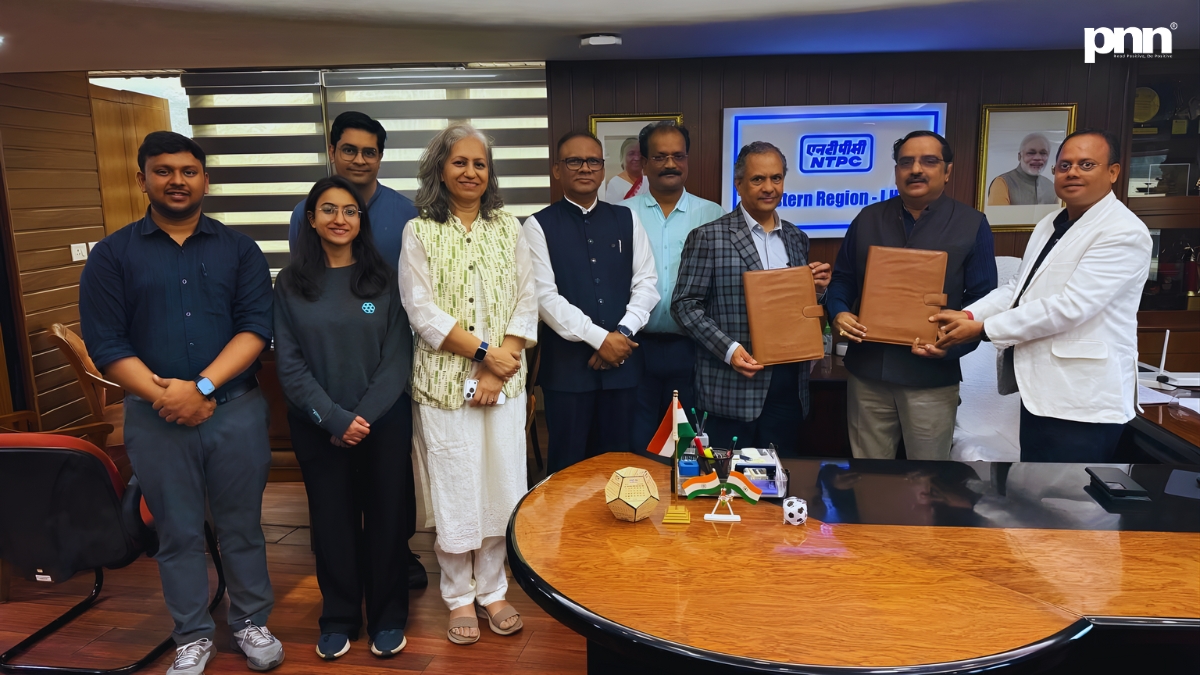
    NTPC Limited’s Western Region–I headquarters in Mumbai has signed a Memorandum of Agreement with the Gujarat Cancer & Research Institute for the upgradation of radiotherapy services. The partnership is not symbolic. It comes with a ₹23.16 crore commitment under NTPC’s CSR programme, aimed squarely at improving cancer treatment access in Gujarat.

    The funding will be used at GCRI’s Siddhpur Satellite Centre in Ahmedabad. The focus is clear: procurement and installation of a high-energy Linear Accelerator, commonly known as a LINAC. For cancer patients, that machine is not just equipment. It’s precision, speed, and better outcomes.

    The MoA was formally exchanged between Dr. Shashank Pandya, Director of GCRI, and Shri E. Satya Phani Kumar, Regional Executive Director (West–I), NTPC. Senior leadership from both organisations attended the ceremony, underscoring that this was not a routine CSR cheque handover. It was a strategic healthcare intervention.

    Why does this matter, especially in India?

    Cancer care in India often struggles at the intersection of demand, affordability, and infrastructure. Radiotherapy is one of the most critical components of cancer treatment, yet access to advanced machines remains uneven outside major metros.

    The NTPC radiotherapy services upgradation directly addresses that gap. By funding a high-energy LINAC at a satellite centre, NTPC is decentralising advanced care. Patients who earlier had to travel long distances now get access closer to home. That saves time, money, and in many cases, lives.

    For Gujarat, where GCRI already serves as a major oncology hub, this upgrade strengthens an existing backbone rather than creating a parallel system. That’s smart CSR. Build where trust and expertise already exist.

    What the LINAC brings to the table?

    A high-energy Linear Accelerator allows for precise targeting of tumours while sparing surrounding healthy tissue. That means fewer side effects, better tolerance, and improved treatment efficiency.

    In practical terms, this upgrade increases patient throughput and expands the range of cancers that can be treated effectively. It also reduces treatment waiting times, a chronic issue in public and semi-public healthcare facilities.

    The NTPC radiotherapy services upgradation is not about optics. It’s about capacity. More patients treated. Better technology deployed. Stronger outcomes delivered.

    Leadership presence signals intent

    The signing ceremony was attended by senior NTPC officials, including Shri Akhaya Kumar Patra, GM (OS), Shri A P Samal, CEO (NPUNL) and CGM (Nuclear), and Smt. Vandana Chaturvedi, Regional Head of HR (West–I). Members of NTPC’s CSR team were also present, alongside senior representatives from GCRI.

    This level of leadership participation matters. It signals internal alignment and long-term commitment, not a one-off CSR headline.

    NTPC’s evolving CSR playbook

    NTPC has steadily moved beyond generic CSR initiatives. Its recent focus shows a tilt towards strengthening critical infrastructure, especially in healthcare, education, and community development.

    The NTPC radiotherapy services upgradation fits squarely into that approach. It targets a high-impact area, deploys capital-intensive technology, and partners with a credible public healthcare institution.

    From a policy perspective, this aligns with India’s broader push to improve non-communicable disease management. From a citizen’s perspective, it means better access to treatment that would otherwise remain out of reach.

    CSR that actually scales

    One of the quiet strengths of this initiative is scalability. Radiotherapy infrastructure upgrades create ripple effects. Trained staff, improved protocols, and upgraded facilities elevate overall care standards.

    By investing in a satellite centre, NTPC ensures that benefits are not confined to a single urban pocket. This decentralised approach is exactly what Indian healthcare needs more of.

    There is also a multiplier effect. Improved infrastructure attracts better talent, encourages further investment, and builds confidence among patients who might otherwise delay treatment.

    Read More

  • When Machines Start Consuming Cities: xAI’s Colossus, Ambition, And The Price Of Thinking Faster

    When Machines Start Consuming Cities: xAI’s Colossus, Ambition, And The Price Of Thinking Faster

    Mumbai (Maharashtra) [India], January 3: At some point, progress stops whispering and starts humming—loudly, electrically, and without apology. That is roughly where Elon Musk’s xAI finds itself today. With the acquisition of a third facility to expand its already formidable “Colossus” supercomputer cluster, xAI is no longer nudging the AI race forward. It is flooring the accelerator and trusting the grid to keep up.

    Nearly 2 gigawatts of projected training capacity.
    Over a million GPUs in sight.
    A footprint that looks less like a startup and more like a small industrial district.

    This isn’t just an infrastructure update. It’s a statement—one that echoes across boardrooms, energy markets, and the increasingly crowded battlefield of artificial intelligence.

    And yes, it’s impressive. Slightly alarming too.

    Before the headlines turn technical or the numbers start blurring into awe, it’s worth pausing. Because this story isn’t really about servers or silicon, it’s about a worldview—one where intelligence is built the same way empires used to be: big, fast, and unapologetically resource-hungry.

    The Colossus Was Never Meant To Be Modest

    xAI’s “Colossus” was never designed to be elegant. It was designed to be overwhelming.

    From the outset, the philosophy has been clear: if intelligence scales with compute, then compute should scale without hesitation. This isn’t a research lab chasing efficiency first; it’s an industrial-scale bet that raw power still matters more than restraint.

    The third building acquisition reinforces that belief. Rather than optimizing quietly or renting time on shared infrastructure, xAI is physically expanding—owning space, machines, and destiny.

    There is something almost old-school about it. Less “cloud-native minimalism,” more “build a factory and run it at full throttle.”

    Competition Isn’t Just Heating Up — It’s Drawing Power

    This expansion doesn’t happen in a vacuum. It happens in a landscape where every major AI player is chasing the same prize: models that reason better, respond faster, and dominate mindshare.

    xAI’s move signals a refusal to be boxed into second-tier status. The message is simple: we will not lose because we ran out of compute.

    From a PR standpoint, it’s brilliant. Scale reassures investors. It intimidates rivals. It suggests inevitability.

    But scale also invites scrutiny.

    When your infrastructure starts rivaling the energy appetite of entire towns, questions stop being academic. They become civic.

    The Energy Elephant In The Server Room

    Let’s address the obvious discomfort.

    Two gigawatts is not a rounding error. It’s an energy footprint that demands explanation, justification, and eventually, regulation.

    Environmental concerns aren’t theoretical anymore. Training massive AI models consumes electricity at a scale that challenges existing grids, especially in regions already under strain. Cooling alone becomes a logistical ballet involving water, climate, and infrastructure planning.

    Critics argue this kind of expansion risks turning AI progress into an environmental liability. Supporters counter that technological leaps have always demanded energy first and efficiency later.

    Both are right. And that’s the problem.

    The Elon Musk Pattern, Repeating Itself

    If this feels familiar, it should.

    Musk has always favored bold over subtle. From rockets to electric vehicles to neural interfaces, the playbook remains consistent:

    • Build fast

    • Build big

    • Let the world catch up

    xAI’s compute expansion follows that same arc. It prioritises capability now, with optimisation deferred to “later,” a word that often arrives carrying regulators, activists, and economists along with it.

    But history suggests something else too: these bets often reshape industries, whether they’re ready or not.

    Intelligence As Infrastructure, Not Software

    One of the most overlooked aspects of this expansion is philosophical.

    AI is no longer treated as software alone. It’s infrastructure. Physical, heavy, expensive infrastructure.

    Once intelligence depends on million-GPU clusters, it stops being abstract. It becomes territorial. Whoever owns the compute owns the conversation.

    That reality shifts power away from purely algorithmic brilliance toward capital, land, energy contracts, and logistics. Innovation still matters—but access matters more.

    It’s not just about smarter models. It’s about who can afford to train them.

    The Cost Of Brilliance

    Exact spending figures are closely guarded, but infrastructure at this scale implies tens of billions of dollars over time—between hardware, real estate, energy procurement, cooling systems, and staffing.

    That level of investment doesn’t just expect returns. It demands dominance.

    Which raises an uncomfortable question: can AI innovation remain open, ethical, and broadly beneficial when it requires industrial-scale capital to compete?

    The romantic idea of a small team building world-changing intelligence from a garage feels increasingly… nostalgic.

    Pros That Are Hard To Ignore

    To be fair, there is real upside here:

    • Faster model iteration

    • Reduced dependence on external cloud providers

    • Greater control over training pipelines

    • Potential breakthroughs in reasoning, alignment, and multimodal intelligence

    For users, this could translate into more capable systems, fewer bottlenecks, and faster deployment of advanced features.

    Progress rarely happens without someone willing to overbuild first.

    Cons That Refuse To Stay Quiet

    Still, the trade-offs are real:

    • Environmental strain

    • Rising energy costs

    • Increased centralization of AI power

    • Barriers to entry for smaller players

    The fear isn’t that xAI is building too much. It’s that this becomes the only way forward.

    When intelligence requires cities of machines, creativity risks becoming collateral damage.

    Where This Leaves The Industry

    xAI’s expansion doesn’t end the AI race. It escalates it.

    Others will respond—not necessarily with more buildings, but with efficiency breakthroughs, architectural innovation, or alternative training paradigms. The tension between brute force and elegance will define the next phase of AI evolution.

    In that sense, Colossus is both a milestone and a provocation.

    Final Thought: Power Always Asks For A Reckoning

    Every technological leap eventually confronts its own reflection.

    xAI’s compute surge is awe-inspiring, ambitious, and undeniably effective. It’s also a reminder that intelligence, once scaled, stops being purely intellectual and starts becoming infrastructural.

    The future of AI may very well be shaped inside these massive buildings. But the future of society will be shaped by how we choose to power them—and who gets to decide.

    Progress, after all, doesn’t just ask, ” Can we build it?
    It eventually asks whether we should keep building it this way.

    PNN Technology

  • Ikkis OTT Release 2026: The Celebrated Final Act of a Bollywood Legend’s Journey

    Ikkis OTT Release 2026: The Celebrated Final Act of a Bollywood Legend’s Journey

    New Delhi [India], January 3:Ikkis OTT Release 2026 –  A war drama with more heart than hype, Ikkis hit theatres on January 1, 2026 and became one of the most talked-about Bollywood releases of the year — not because it was loud, but because it was real. It’s a film that doubles as a tribute to a legend and a launchpad for the next generation.

    This is not a breezy commercial flick. It carries the weight of a final curtain call for Dharmendra, one of Hindi cinema’s most enduring icons. That alone makes Ikkis unforgettable.

    A Film Steeped in History

    Ikkis isn’t about war just for the sake of fireworks. It tells the story of Second Lieutenant Arun Khetarpal, India’s youngest Param Vir Chakra recipient who displayed extraordinary valor in the 1971 Indo-Pakistan War.

    Agastya Nanda — grandson of Amitabh Bachchan — plays Khetarpal, giving a performance that marries youthful intensity with nuanced depth. Alongside him, Dharmendra portrays Brigadier M.L. Khetarpal, rooting the story in emotional gravitas and familial weight.

    Director Sriram Raghavan steers the narrative with purpose. It’s not sensational — it’s disciplined, human, and brave in its quiet moments. That’s a sign of strong filmmaking.

    From Box Office to Digital Screens

    Now that its theatrical window is drawing to a close, the Ikkis OTT release plan has been locked in with Amazon Prime Video.

    Here’s how it’s set to roll out:

    • March 12, 2026 — Digital rental release on Prime Video Store.

    • March 26, 2026 — Included for all Prime Video subscribers at no extra cost.

    That staggered plan is industry standard — and a smart one. It gives box office life enough breathing room while guaranteeing wider accessibility later.

    What Fans Can Expect on OTT

    Streaming isn’t just about convenience. For a film like Ikkis, it’s about giving the story room to breathe in homes across India and beyond. You don’t need to book a theatre seat to feel the pull of the narrative — the intimacy of war and memory plays well on personal screens too.

    Expect:

    • A film that balances action and emotion

    • A debut performance that feels earned

    • A legacy role by Dharmendra that resonates

    • A story that honors a real Indian hero

    This isn’t popcorn fluff. This is content that sticks

    What also strengthens Ikkis

    as a long-term digital title is its educational and cultural relevance. War films rooted in real history often find a second, longer life on OTT platforms, where families, students, and first-time viewers engage with them beyond opening-week buzz. With its focus on the 1971 war, military ethics, and youthful courage, Ikkis has the potential to be revisited on national days, in academic discussions, and even curated watchlists around Indian history. That kind of repeat value is rare. It quietly elevates the film from a one-time theatrical experience to a lasting digital archive of remembrance and respect.

    Why Ikkis Matters Beyond Cinema

    Let’s be blunt. Bollywood churns out movies like cars roll off assembly lines. But Ikkis is different.

    It’s not trying to be a spectacle. It’s trying to be meaningful. And that matters — in an industry where narratives often trade depth for dazzle.

    Fans lapped up the theatre version not merely for the drama but for what it symbolized — an era closing and another beginning. Dharmendra’s final performance gave Ikkis emotional currency that few films ever earn.

    It’s the kind of project that doesn’t just land on OTT. It deserves to be shared, talked about, debated. That’s the power of good storytelling when it’s rooted in truth and respect.

    Release Plan and Timeline

    To recap, here’s the Ikkis OTT release roadmap:

    • January 1, 2026 — Theatrical premiere.

    • March 12, 2026 — Digital rental release on Prime Video Store.

    • March 26, 2026 — Available to Prime Video subscribers.

    Mark your calendars. This is one of those films where the second act — the streaming life — might outlast the first.

    Netflix India
    https://www.netflix.com/in

    Amazon Prime Video India
    https://www.primevideo.com

    PNN News