Author: Sutun Nayak

  • Parvinder Singh Gahlaut Discusses Role of Climate Smart Agriculture and AI in Transforming Indian Agriculture

    Parvinder Singh Gahlaut Discusses Role of Climate Smart Agriculture and AI in Transforming Indian Agriculture

    New Delhi [India], December 18: Amidst the 360-degree penetration of Artificial Intelligence in the nation, companies like the Indian Potash Limited (IPL) are putting in relentless efforts to transform agriculture in India. The efforts are aligned towards the vision of creating a sustainable future for the country, where farmers do not have to suffer from poor conditions and hazardous pesticides. Also, it is worth noting that these chemicals pose a serious threat to the environment, leading to climate change. One would be astounded to know that 29 per cent of greenhouse emissions come from agriculture, contributing to the global climate shift. This has been a special area of concern and work for Dr Parvinder Singh Gahlaut, Managing Director, Indian Potash Limited. This can also be addressed by incorporating AI into agriculture.

    Dr P.S. Gahlaut believes, “Indian farmers are not only an integral part of our nation but also of its very identity. India continues to be recognised as an agricultural nation, exporting some of the finest quality food products to the world. It is, therefore, the responsibility of companies like Indian Potash Limited to support their progress and ensure they remain aligned with the rapidly changing global landscape. However, we are also trapped in a cycle in which farming impacts the climate, and, in turn, climate change reshapes farming practices. The only way to break this loop is to move beyond traditional methods and adopt innovative solutions. Incorporating AI in agriculture and promoting Climate Smart Agriculture (CSA) are crucial steps to assist farmers, equip them with sustainable practices, and prepare them for the future.”

    Drone farming is one of the key innovations championed by Dr. Parvinder Singh Gahlaut. This advanced method uses unmanned aerial vehicles to monitor and manage farmland with far greater accuracy and speed than traditional approaches. Equipped with multispectral and thermal sensors, drones capture high-resolution images and real-time data that help farmers detect nutrient deficiencies, monitor irrigation levels, map weed growth, and track crop health long before visible symptoms appear. In alignment with Climate-Smart Agriculture, drones further support precision spraying of fertilisers and pesticides, which can reduce chemical use by up to 30% and lower fuel consumption, ultimately shrinking the carbon footprint while improving resilience to climate variability.

    CSA places strong emphasis on climate-resilient crop management. Farmers are encouraged to adopt drought-tolerant, heat-resistant, and pest-resistant varieties, traits increasingly developed through modern breeding and biotechnology, to protect yields amid rising temperatures and erratic rainfall. Complementary practices such as crop rotation, intercropping, and diversification strengthen soil structure, conserve nutrients, and naturally suppress pests. With the integration of AI-driven decision tools, farmers can now analyse weather patterns, soil profiles, and crop performance to determine optimal sowing windows, irrigation schedules, and nutrient application. These data-backed decisions not only enhance productivity but also lower input costs and help buffer farms against climate risks.

    To accelerate the digital transformation of agriculture, Indian Potash Limited introduced the IPL Farmer Samvad app, a user-friendly platform designed primarily for Android/IOS smartphones. The app delivers updates on modern farming technologies, government schemes, market prices, and financial literacy. Farmers can access training modules, receive region-specific alerts on pests and weather, and participate in interactive forums that enable peer learning and expert guidance. By bridging information gaps, the app empowers farmers to make timely, informed decisions and adapt to rapid changes in the agricultural landscape.

    Soil and water conservation remain central pillars of CSA. Techniques such as minimal or conservation tillage reduce erosion and preserve soil organic matter, while compost, green manure, and biochar help restore fertility and microbial activity. Efficient irrigation systems—drip, sprinkler, micro-irrigation, and rainwater harvesting—can improve water-use efficiency by 40–60%, a critical requirement as groundwater levels decline in many Indian states. Integrated nutrient and pest management further promotes sustainability through biological control agents, soil test–based fertiliser recommendations, and nitrogen-fixing crops like pulses that naturally enrich the soil. Dr Gahlaut emphasises that capacity building, farmer training, and cooperative resource-sharing networks are essential to scale these practices effectively. Agroforestry and landscape-level management also contribute by enhancing biodiversity, improving carbon sequestration, and protecting water bodies through buffer zones and tree-based farming systems.

    Indian Potash Limited continues to advance science-led agriculture through programs like Potash for Life, which conducts extensive field trials to evaluate crop response to balanced fertilisation. By collecting real-world data on soil health and yield outcomes, IPL helps farmers optimise nutrient application—particularly potash and other micronutrients—ensuring long-term soil productivity and reducing cases of nutrient depletion, a growing concern in intensively farmed regions.

    Dr. P.S. Gahlaut’s long-term vision is to expand access to AI solutions, drone services, and digital advisory systems to over 15 million farmers by 2030. His leadership team is simultaneously working on developing drought-resilient fertilisers, carbon-neutral operational practices, and regenerative farming models that support India’s climate goals. His approach underscores not just technological advancement but a commitment to holistic, sustainable growth—one that safeguards environmental health and strengthens agriculture for future generations.

    If you have any objection to this press release content, kindly contact pr.error.rectification@gmail.com to notify us. We will respond and rectify the situation in the next 24 hours.

  • The Curtain Never Closed — It Just Learned to Stream

    The Curtain Never Closed — It Just Learned to Stream

    Mumbai (Maharashtra) [India], December 19: For a while, everyone pretended the hybrid release model was a temporary compromise. A necessary indulgence. A pandemic-era loophole studios would quietly seal once theatres reopened, popcorn machines hummed again, and red carpets stopped doubling as Zoom backdrops.

    That fantasy has expired.

    Theatres and streaming platforms are no longer rivals locked in a custody battle over audiences. They are co-dependent participants in a distribution ecosystem that has stopped apologising for itself. Simultaneous and staggered releases aren’t experiments anymore. They’re infrastructure.

    And the most telling sign? Studios are planning them deliberately — not defensively.

    This shift didn’t happen because cinemas failed. It happened because studios recalibrated power.

    For decades, theatrical exclusivity dictated the rhythm of the industry. Windows were sacred. The box office was the first verdict, the loudest signal, the financial filter that determined a film’s afterlife.

    Streaming didn’t destroy that system overnight. It eroded it slowly, then made itself indispensable.

    Now the question isn’t whether theatres survive. It’s how much control they’re allowed to retain.

    The Backstory Nobody Romanticises

    Before hybrid releases became policy, they were treated as emergency measures. Studios framed them as reluctant concessions — gestures to audiences stuck at home, talent contracts rewritten on the fly, exhibitors reassured with carefully worded press statements.

    But something inconvenient happened along the way: The data worked.

    Films released theatrically and on streaming platforms — whether simultaneously or within shortened windows — found second lives faster. Awareness spread wider. Marketing cycles extended. Subscriber engagement spiked. IP value stretched beyond opening weekend theatrics.

    By the time theatres reopened globally, studios had learned a new lesson: distribution no longer needed to be linear to be profitable.

    Why Studios Still Need Theatres (yes, need)

    Despite the streaming bravado, studios haven’t abandoned cinemas — and they won’t.

    Theatrical releases still offer:

    • Cultural legitimacy

    • Event status

    • Higher-margin revenue during peak runs

    • Marketing amplification that streaming alone can’t replicate

    A film that performs well theatrically enters streaming with narrative momentum. Prestige still sells. Awards campaigns still lean on box office credibility. Talent still values big-screen premieres — even if they now negotiate streaming bonuses alongside them.

    The theatre remains the showroom. Streaming is the warehouse.

    Studios want both — just not on the old terms.

    The Redesign Nobody Announced

    What’s changing isn’t the existence of theatres — it’s their role.

    Mid-budget films are increasingly routed toward hybrid or streaming-first strategies. Tentpoles still get theatrical reverence, but with shorter exclusivity. Windows that once stretched 90 days now compress into 30, 45, sometimes less.

    This isn’t disrespect. It’s efficiency.

    Studios are optimising release strategies based on:

    • Genre

    • Audience demographics

    • Global vs regional appeal

    • Marketing spend recovery timelines

    Theatres are becoming premium venues rather than universal gateways.

    Which sounds flattering — until you realise premium usually means less frequent, more expensive.

    Who Actually Wins Here?

    Audiences, in theory.

    Choice has expanded. Access is faster. Geography matters less. Viewers can opt for spectacle or convenience without waiting months for permission.

    But there’s a trade-off.

    When everything is available everywhere, nothing waits. The communal anticipation that once defined cinema culture thins out. Films become content faster. Lifespans shorten. Attention fragments.

    Platforms win scale. Studios win flexibility. Theatres win relevance — but lose leverage.

    And audiences? They win options, but lose ritual.

    The Financial Reality

    Global box office revenue has recovered significantly from its pandemic low, but it hasn’t returned to its previous trajectory. Meanwhile, streaming platforms continue to spend tens of billions annually on content acquisition and production, treating films as retention assets rather than standalone bets.

    Hybrid releases allow studios to:

    • Hedge box office risk

    • Monetise IP across multiple channels quickly

    • Reduce dependence on theatrical volatility

    • Justify rising production budgets

    This isn’t a philosophical shift. It’s a spreadsheet one.

    The Quiet Downside Nobody Headlines

    The hybrid model favours scale. Large studios with global platforms can afford flexibility. Smaller exhibitors and independent cinemas struggle to negotiate shortened windows or compete with at-home access.

    There’s also creative tension.

    Films designed to work everywhere often risk feeling specific nowhere. Visual ambition competes with living-room optimisation. Sound design bows to subtitles. Pacing adapts to pause buttons.

    Cinema isn’t dying — but it is being reformatted.

    The Current Moment (late 2025)

    As of now:

    • Hybrid release strategies are baked into studio planning

    • Theatrical windows are negotiated, not assumed

    • Streaming platforms depend on cinema credibility more than they admit

    • Exhibitors are adapting — selectively, unevenly, and sometimes reluctantly

    This is no longer a transition phase. It’s the operating system.

    Final Thought

    The hybrid release model didn’t hollow out cinema.
    It stripped away its monopoly.

    What remains is leaner, louder, more intentional — and no longer pretending it owns the audience by default.

    The curtain never closed.
    It just learned when to share the stage.

    PNN Entertainment

  • India Battery Recycling Boom: 9 Billion Opportunity Explained

    India Battery Recycling Boom: 9 Billion Opportunity Explained

    New Delhi [India], December 19: India battery recycling is no longer a niche sustainability idea. It’s turning into a strategic lever for jobs, clean power and economic resilience.

    India is racing toward a cleaner energy future, but there’s a catch. Electric vehicles, solar grids and smartphones all depend on minerals India barely mines. Lithium. Cobalt. Nickel.

    The country imports most of them. Battery recycling could change that equation.

    Over the last decade, a fledgling but serious battery recycling ecosystem has started to take shape across India. The goal is simple. Recover valuable materials from used batteries and feed them back into the clean energy supply chain. Less waste. Fewer imports. More jobs.

    India Battery Recycling Boom: It’s a neat idea.

    According to a November study by renewable energy think tank RMI, a formal battery recycling industry could create up to 100,000 green jobs in India.

    It could meet nearly 40 percent of domestic demand for key battery minerals. The total market value? Around $9 billion as battery demand explodes, largely driven by electric vehicles.

    Rajat Verma, founder and CEO of Lohum Cleantech, sees it as inevitable. His Noida-based company manufactures and recycles batteries.

    He points out that recycling already supplies more than 40 percent of India’s copper and aluminium needs. Lithium, cobalt and nickel could follow the same path.

    The materials make it possible. Unlike plastics, battery metals don’t degrade after repeated recycling. Refine them properly, and they retain strength, performance and value.

    Again. And again.

    Why India Needs Battery Recycling Now

    India is the world’s most populous nation and one of its largest emitters of planet-heating gases. Power demand is relentless. So is the push toward clean energy.

    Solar capacity is expanding fast. Electric vehicle adoption is rising.

    Smartphones and consumer electronics are everywhere. All of it runs on batteries. And batteries run on minerals India mostly buys from abroad.

    Globally, China dominates critical mineral supply chains. Mining. Refining. Processing. The International Energy Agency has flagged this concentration as a strategic risk.

    India feels it acutely. The country has no operational lithium mines yet and limited access to other key minerals.

    Battery recycling offers a workaround. Recover minerals already inside India’s borders. Keep them circulating. Reduce exposure to geopolitical shocks.

    How Battery Recycling Actually Works

    A typical electric car battery is massive. Around 1.5 metres long. Up to 400 kilograms in weight. Designed to last 160,000 kilometres, usually over eight to twelve years.

    Once it reaches the end of its automotive life, it’s far from useless. Up to 90 percent of its contents can be extracted if recycling is done properly.

    There are two main routes. One involves shredding battery modules into fine powder using specialised machinery. Another uses smelting in industrial furnaces.

    Both methods are followed by chemical processing, often using acids, to separate lithium, cobalt, nickel and other metals.

    There’s also a quieter second-life option. Batteries that still hold charge can be repurposed to store solar or wind energy. Think homes, small shops, microgrids.

    The process involves testing, cleaning and refurbishing components before resale.

    Done right, it extends battery life and reduces waste. Done wrong, it becomes a hazard.

    The Informal Sector Problem

    Here’s where India’s reality bites.

    India has around 60,000 tonnes of battery recycling capacity today. But much of it sits underused. Supply chains remain fragmented.

    Recovered materials don’t always find their way back to factories.

    A big reason is informality. An estimated four million workers operate in India’s scrap recycling economy. They handle everything from metals to plastics, often without contracts, training or safety gear. Batteries are just one more item in the pile.

    This informality creates gaps. Environmental risks. Lost value. Weak accountability.

    India passed battery waste management rules in 2022 to address this.

    The regulations mandate safe disposal, collection targets and recycling benchmarks for different battery types. Violators face heavy fines.

    On paper, it looks solid. On the ground, implementation has been patchy.

    There are no universal drop-off points for discarded batteries. Each producer must build its own collection and recycling system. For many companies, that’s expensive and confusing.

    The result is uneven compliance and slow progress.

    Jaideep Saraswat of the Vasudha Foundation puts it bluntly.

    Policy moved surprisingly fast. Supply chains did not.

    Environmental and Safety Risks

    Battery recycling is not automatically clean.

    If lithium batteries are handled improperly, they can emit carbon monoxide and other hazardous gases. Recycling processes often generate wastewater loaded with heavy metals. Without proper treatment, this contaminates soil and water.

    Illegal dumping still happens. Nishchay Chadha, CEO of ACE Green Recycling, warns that weak enforcement allows unsafe practices to persist.

    His company operates in India but remains cautious about expansion.

    The concern is simple. Clean energy cannot be built on dirty processes.

    Formalisation is the Missing Link

    Experts agree on the fix. Formalise the sector.

    Training programmes could help informal scrap workers transition into safer, regulated jobs.

    Government support, at both state and federal levels, could make it easier for companies to hire, train and retain these workers.

    Formalisation brings safety standards. Accountability. Traceability. It also unlocks scale.

    Marie McNamara of RMI argues that batteries are defined by both their toxicity and their potential. Handle them right, and they power the future.

    Handle them wrong, and they poison it.

    Learning From China, Carefully

    China offers a lesson, though not a perfect template.

    Recycling there is taken seriously because it supports the broader supply chain. Even when recycling itself loses money, it strengthens the overall ecosystem.

    Profit is made across the value chain, not in isolation.

    India shouldn’t rush to copy everything. But ignoring the lesson would be costly. Battery recycling works best when treated as infrastructure, not a side business.

    The Road Ahead

    Optimism isn’t misplaced. Momentum is real.

    India’s clean energy push isn’t slowing. EV adoption is accelerating. Battery demand is climbing fast. Recycling will follow, whether by design or necessity.

    Rajat Verma believes India could produce five multibillion-dollar companies in battery recycling if current trends hold. That’s not hype. It’s arithmetic.

    Jobs. Mineral security. Cleaner energy. Fewer imports.

    This is one of those rare intersections where climate goals and economic logic agree.

    Still, the transition won’t be smooth. Policy must catch up to practice. Informal workers need pathways into the formal economy.

    Environmental safeguards must be enforced, not just announced.

    India’s battery recycling isn’t glamorous. It’s industrial. Messy. Complicated. But it might quietly decide whether India’s clean energy ambitions stand on solid ground or imported crutches.

    Read More

  • Influencer Act Triumphs at the 10th Edition of the e4m Indian Content & Marketing Awards 2025

    Influencer Act Triumphs at the 10th Edition of the e4m Indian Content & Marketing Awards 2025

    A Landmark Achievement for the Growing Content Marketing Agency in India.

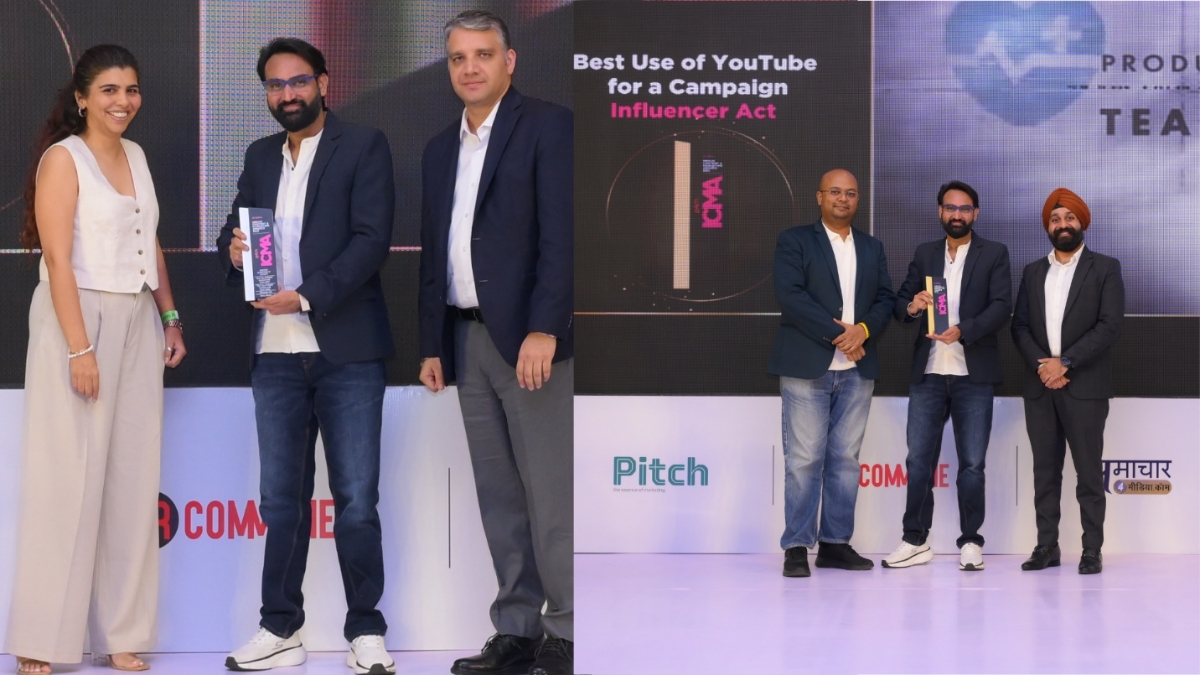
    New Delhi [India], December 19: Influencer Act marked a significant milestone in its journey by winning one Gold and two Bronze awards at the 10th edition of the e4m Indian Content & Marketing Awards 2025. The prestigious recognition celebrated excellence, innovation, and effectiveness in India’s evolving content and marketing ecosystem, bringing together leading brands, agencies, and creative professionals from across the country.

    The wins reflected Influencer Act’s consistent focus on creating content that not only performed well on digital platforms but also resonated deeply with audiences. For a team that believed strongly in purposeful storytelling and community-driven campaigns, the moment was both validating and energizing.

    Gold Win for Excellence on YouTube

    Influencer Act, the influencer marketing agency, received the Gold Award for Best Use of YouTube for a Campaign, recognizing its strategic and creative use of the video-first platform. The award acknowledged the agency’s ability to combine compelling narratives with platform-specific insights, ensuring content felt organic while delivering measurable impact.

    The winning campaign stood out for its strong storytelling, audience engagement, and seamless integration of brand messaging without compromising authenticity. By understanding viewer behavior and leveraging YouTube’s strengths, Influencer Act successfully turned content into meaningful conversations, reinforcing the power of long-form and video-led marketing.

    Bronze Awards for Strategy and Community Building

    In addition to the Gold win, Influencer Act secured two Bronze awards– Best Content Marketing Annual Plan and Best Use of Community Building. These recognitions highlighted the agency’s long-term vision and its commitment to sustained, strategic content planning in Video Marketing, rather than short-term wins.

    The Bronze for Best Content Marketing Annual Plan recognized a structured, insight-led approach that aligned content goals with broader brand objectives across the year. It showcased how consistency, adaptability, and data-backed creativity played a critical role in delivering results over time.

    Meanwhile, the award for Best Use of Community Building underlined Influencer Act’s belief that strong digital communities were built on trust, relevance, and genuine interaction. By focusing on dialogue rather than one-way communication, the agency successfully created spaces where audiences felt seen, heard, and engaged.

    Behind the Wins: Teamwork, Persistence, and Passion

    These accolades were the result of months of focused effort, collaboration, Community building in marketing, Content Marketing Strategy and creative problem-solving by the Influencer Act’s team. From brainstorming sessions and content planning to execution and optimization, every step was driven by a shared passion for creating impactful work.

    The team credited the wins to a culture of experimentation, openness to learning, and YouTube Campaign Management’s close collaboration with brand partners who trusted the agency’s vision. Each campaign reflected not just creative output, but strategic intent backed by a deep understanding of digital behavior and evolving audience expectations. This has made the Digital marketing agency in Noida, one of the best influencer marketing agencies in the scene.

    A Moment of Pride for the Industry and the Team

    The recognition at the e4m Indian Content & Marketing Awards, now in its tenth edition, held special significance given the scale and credibility of the platform. Being honored among industry peers reaffirmed Influencer Act’s growing presence in India’s competitive Digital Content Marketing landscape.

    The official award ceremony was scheduled to be held on Wednesday, December 17, 2025, at the Novotel Mumbai International Airport, Andheri, where industry leaders and innovators gathered to celebrate outstanding achievements in content and marketing.

    Looking Ahead

    With one Gold and two Bronze awards added to its journey, Influencer Act looks ahead with renewed confidence and ambition. The wins were not just a celebration of past success of their best YouTube marketing campaigns, but a reminder of the responsibility to continue raising the bar for content-led marketing in India.

    The Influencer Marketing Agency is grateful and looks forward to working even better on YouTube Campaigns, Strategic Content Planning in Digital communities, Community building in marketing, YouTube marketing campaigns, and Digital Content Marketing. Also at the same time, it’s thankful for the earlier award received in November 2025, the Afaqs brand storyz award for outstanding storytelling.

    As the Digital marketing agency in Noida moves forward, it remains committed to crafting stories that matter, building communities that last, and delivering content that balances creativity with purpose.

    Website: https://www.influenceract.com/

    If you object to the content of this press release, please notify us at pr.error.rectification@gmail.com. We will respond and rectify the situation within 24 hours.

  • How Brands Can Scale on Amazon and Flipkart in 2026: Speed, Fulfilment and Compliance Will Define Market Leaders

    How Brands Can Scale on Amazon and Flipkart in 2026: Speed, Fulfilment and Compliance Will Define Market Leaders

    E-commerce ecosystem matures; Speed of delivery, Fulfilment reach & Compliance readiness.

    New Delhi [India], December 19: India’s e-commerce market is approaching a decisive inflection point. After years of platform expansion and seller onboarding, 2026 is shaping up to be the year where execution quality—not just product or pricing—will determine category leaders on Amazon and Flipkart.

    Industry data indicates that while overall growth remains strong, the drivers of that growth are evolving. Consumer expectations around delivery speed and availability are rising sharply, and marketplaces are increasingly rewarding sellers who can meet these expectations consistently.

    Impulse buying is accelerating — speed is the catalyst

    Consumer behaviour studies show that impulse-driven purchases now form a significant share of online transactions, particularly in categories such as fashion, beauty, electronics accessories and daily-use products. These purchases are highly sensitive to delivery timelines.

    Listings offering faster delivery consistently record higher conversion rates, even when priced slightly above alternatives. In practice, delivery speed has become a primary purchase trigger, not merely a convenience.

    Amazon Sambhav underscores delivery speed as a growth engine

    This shift was clearly highlighted at Amazon Sambhav, held on 10 December, where Amazon leadership repeatedly positioned speed of delivery as a key growth engine for sellers in the coming years. The event focused on how fulfilment infrastructure, regional warehouses and intelligent inventory placement are enabling faster deliveries across India.

    Platform insights shared during the event showed that demand from Tier-2 and Tier-3 cities continues to rise, with customer delivery expectations in these regions rapidly approaching metro benchmarks. Flipkart has echoed similar trends, reinforcing that speed will increasingly influence visibility, conversion and repeat purchases.

    Fulfilment centres become non-negotiable for scale

    For brands aiming to scale on Amazon and Flipkart in 2026, the implication is clear: inventory must be closer to the customer. Limiting stock to one or two locations significantly reduces competitiveness in a speed-driven marketplace.

    Distributing inventory across multiple fulfilment centres enables:

    • Faster delivery commitments
    • Higher listing visibility and buy-box performance
    • Better customer experience and ratings

    As one mid-sized D2C brand operating across multiple GSTN noted:

    “Once we started placing inventory closer to demand centres, our conversion rate improved noticeably. Speed of delivery directly influenced how customers perceived our brand.”

    The constraint that still holds brands back

    Despite the clear upside, many brands hesitate to fully adopt nationwide fulfilment. The reason is rarely logistics — it is GST compliance complexity.

    Stocking goods across states requires accurate handling of inter-state stock transfers, correct B2B treatment of internal movements and precise TCS (Tax Collected at Source) matching with marketplace reports. Errors can lead to mismatches, notices and operational friction, often discouraging brands from placing inventory in the nearest fulfilment centres.

    An operations head at a large marketplace-focused brand shared anonymously:

    “The biggest challenge wasn’t demand or logistics. It was ensuring GST and TCS stayed clean when inventory moved across states. That complexity slowed our expansion initially.”

    Compliance automation quietly enabling leaders

    As fulfilment footprints expand and order volumes increase, leading brands are turning to marketplace-aware compliance automation. These systems focus on interpreting Amazon and Flipkart data accurately, reconciling TCS and handling inter-state inventory movement without manual effort.

    A senior GST consultant working with multiple e-commerce brands explains:

     “Most issues we see are not tax rate problems, but data alignment problems—TCS mismatches, incorrect stock transfer treatment and reporting delays. Brands that invest early in automation avoid compliance becoming a growth bottleneck.”

    Some brands reference solutions such as KartManage as part of their backend stack — not as a marketing tool, but as an operational layer that enables fulfilment-led growth without compliance stress. For brands evaluating category leadership, tools like KartManage are increasingly considered alongside logistics and advertising strategies.

    2026 will separate fast movers from prepared leaders

    As India’s e-commerce ecosystem matures, speed of delivery, fulfilment reach and compliance readiness will collectively determine success. With impulse buying on the rise and delivery expectations tightening, brands that align logistics and compliance early — supported by systems like KartManage — will be better positioned to lead their categories on Amazon and Flipkart in 2026.

    If you object to the content of this press release, please notify us at pr.error.rectification@gmail.com. We will respond and rectify the situation within 24 hours.

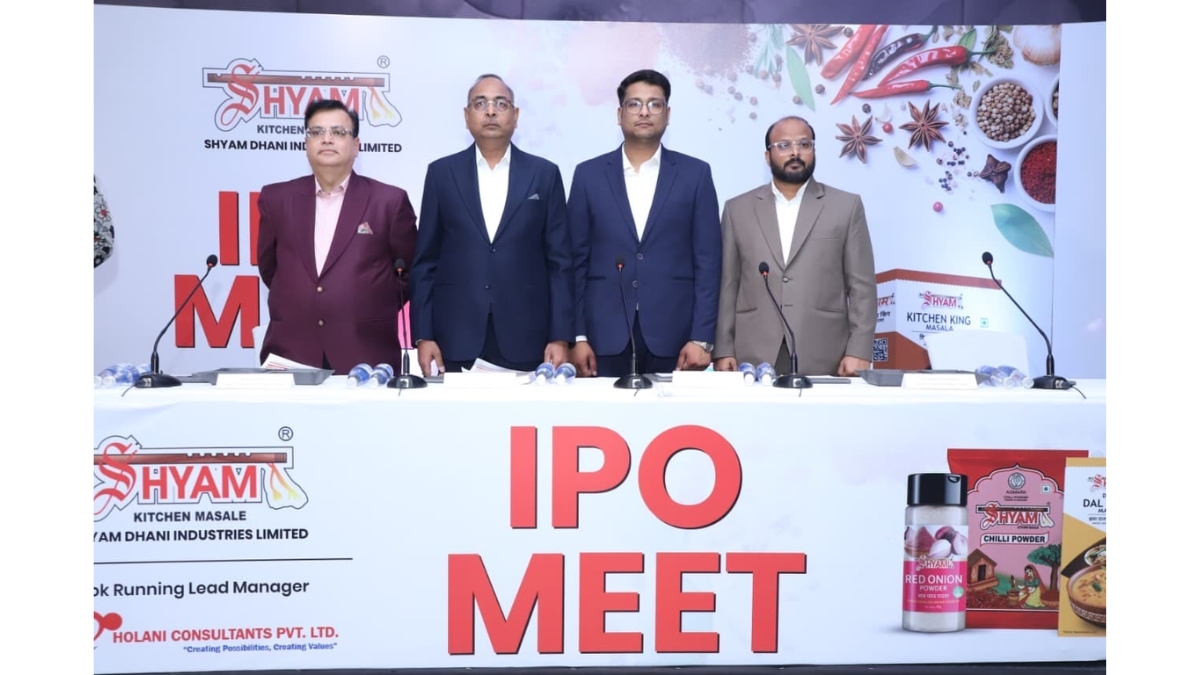
  • Shyam Dhani Industries Limited IPO opens on December 22, 2025

    Shyam Dhani Industries Limited IPO opens on December 22, 2025

    Left to right: Mr Ashok Holani – Director, Holani Consultants Private Limited, Mr Ramawtar Agarwal, Chairman & Managing Director, Mr Vithal Agarwal, Whole Time Director, Mr Ajay Kumar Sharm, a Chief Financial Officer

    Mumbai (Maharashtra) [India], December 18: Shyam Dhani Industries Limited (The Company Shyam) is engaged primarily in manufacturing and processing varieties of spices under the brand ‘SHYAM’, proposes to open its Initial Public Offeringon Monday, December 22, 2025 aiming to raise ₹ 38.49 Crore (At Upper Price Band), with shares to be listed on the NSE Emerge platform.

    The issue size is 54,98,000 equity shares at a face value of ₹10 each with a price band of  ₹ 65 – ₹ 70 Per Share.

    Equity Share Allocation

    • Anchor Portion – Up To 15,60,000 Equity Shares
    • Qualified Institutional Buyer – Up To 10,44,000 Equity Shares
    • Non-Institutional Investors – Not less than 7,86,000Equity Shares
    • Retail Individual Investors – Not less than 18,28,000Equity Shares
    • Market Maker – Up To 2,80,000 Equity Shares

    The net proceeds from the IPO will be utilized for Funding the incremental working capital requirements, Repayment/Pre-Payment of certain outstanding borrowings,Brand Creation and Marketing Expenses, Capital Expenditure towards the purchase of new additional machineries to be installed at the existing manufacturing unit, Purchase and installation of Solar Rooftop Plant at the existing manufacturing unit and General Corporate Purposes. The anchor portion will open on Friday, Dec 19,2025 and the issue will open on Monday, Dec 22, 2025 and will close on Wednesday, Dec 24, 2025.

    The Book Running Lead Manager to the Issue is Holani Consultants Private Limited, The Registrar to the Issue isBigshare Services Private Limited.

    Mr. Ramawtar Agarwal, Chairman & Managing Director of Shyam Dhani Industries Limited expressed, “The launch of our Initial Public Offering marks a defining milestone in the growth journey of Shyam Dhani Industries Limited. Over the years, our Company has evolved into a diversified food processing sector, delivering varieties of spices under our flagship brand ‘SHYAM’, along with a wide portfolio of groceries, herbs, and seasonings tailored to India’s dynamic culinary preferences.

    This IPO will provide strategic capital to reinforce our capabilities and accelerate the next phase of expansion. The proceeds will be utilized to enhance working capital, strengthen brand visibility, upgrade machinery at our existing manufacturing unit, and invest in a solar rooftop system. These initiatives will improve operational efficiency, expand capacity, and support sustainable value creation as we scale our presence across India and international markets.”

    Mr Ashok Holani, Director of Holani Consultants Private Limited, said, “The Initial Public Offering of Shyam Dhani Industries Limited marks an important inflexion point for a company that has steadily built a remarkable presence in India’s fast-growing food processing segment. With a robust portfolio and an expanding range of groceries, herbs, and seasonings, the Company is well-positioned to leverage evolving consumer preferences and the rising demand for trusted home-grown brands.

    The IPO will equip the company’s industries with the capital required to strengthen its operational backbone and drive the next phase of sustainable expansion. The proposed investments toward working capital, brand building, manufacturing upgrades, and renewable energy initiatives reflect a clear focus on scale, efficiency, and long-term value creation. We believe this public offering will further enhance the Company’s market position and support its ambition to grow across India and emerging global markets.”

    If you have any objection to this press release content, kindly contact pr.error.rectification@gmail.com to notify us. We will respond and rectify the situation in the next 24 hours.
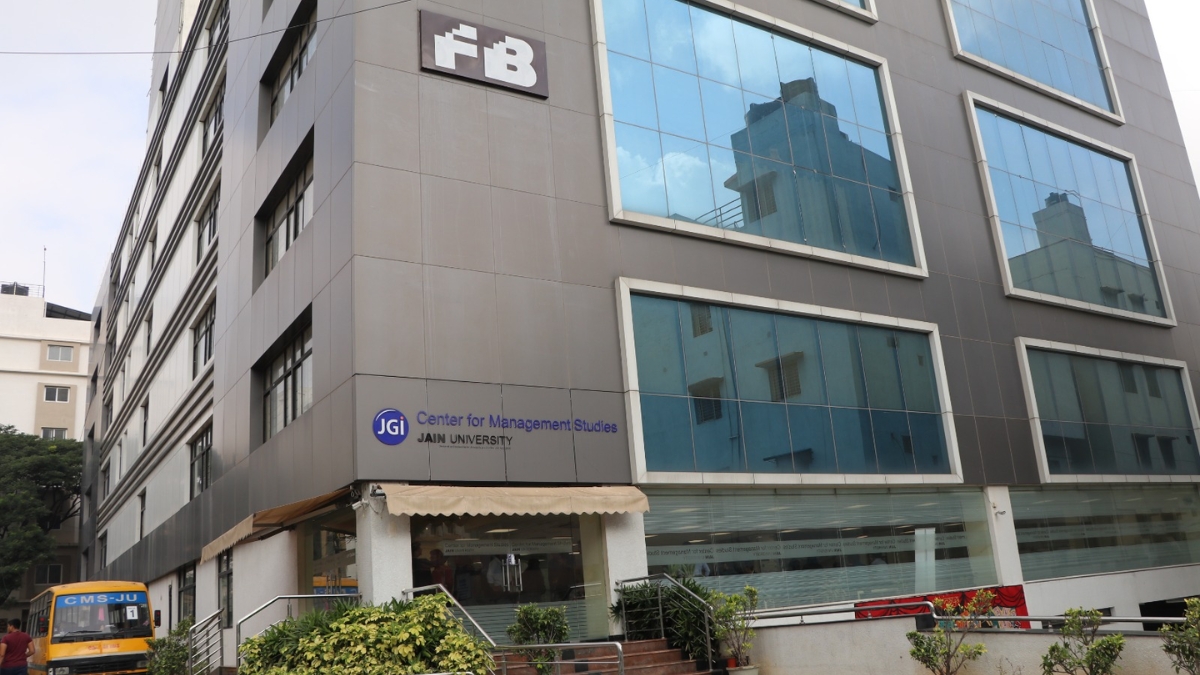
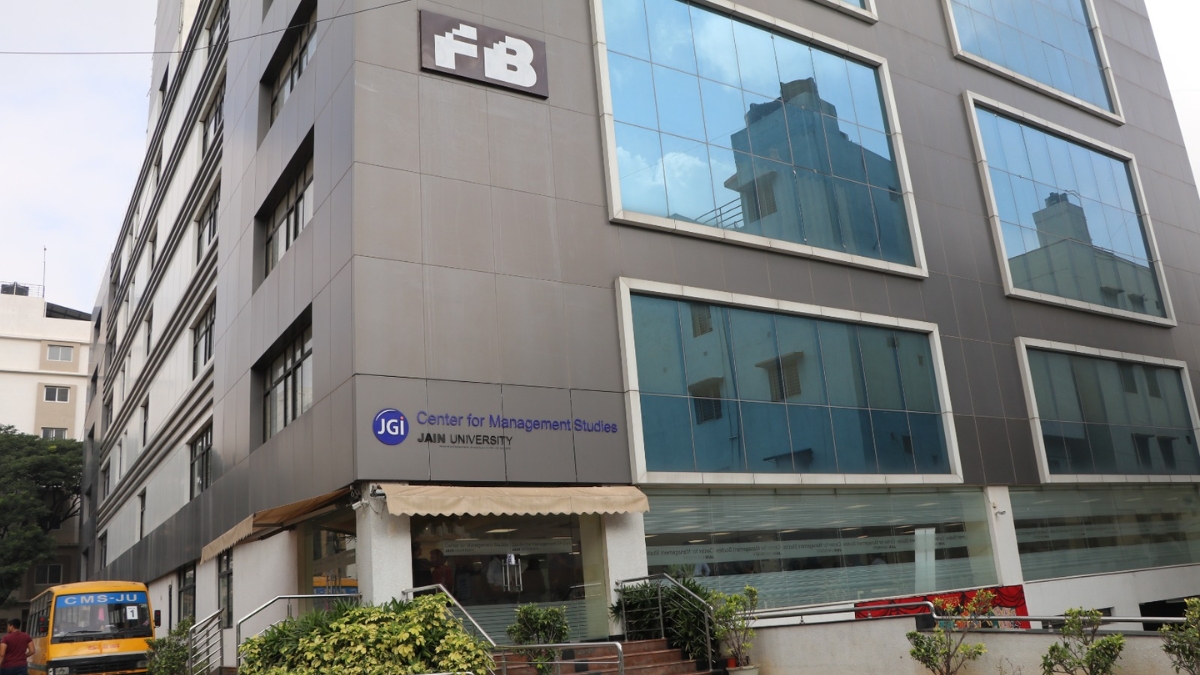
  • CMS at JAIN (Deemed-to-be University) Emerges as a Preferred Destination for Next-Generation BBA Aspirants

    CMS at JAIN (Deemed-to-be University) Emerges as a Preferred Destination for Next-Generation BBA Aspirants

    Bangalore (Karnataka) [India], December 18: In a city known for innovation, enterprise, and ambition, management education is no longer about earning a degree alone. It is about choosing an environment that builds thinking ability, confidence, and professional readiness from day one. This shift in student expectations has steadily positioned the Center for Management Studies (CMS), JAIN (Deemed-to-be University) among the best BBA colleges in Bangalore for students who want clarity of direction along with academic depth.

    As learners and parents compare top BBA colleges in Bangalore, CMS is increasingly recognised for its ability to blend structured learning with real-world exposure. Students exploring BBA colleges in Bangalore with fee structure often find that CMS offers strong academic value with transparent outcomes, strengthening its standing among top BBA colleges in Bangalore with fee structure, reputed top private BBA colleges in Bangalore, and respected private university BBA colleges in Bangalore.

    A Curriculum That Reflects the Business World

    At CMS, the Bachelor of Business Administration (Honours / Honours with Research) is designed to match the pace of today’s business environment. Students can choose from Corporate BBA, BBA in Business Analytics and Intelligence, BBA in Branding and Advertising, BBA in Digital Business, BBA in Events, Entertainment and Media Management, BBA in Global Business, BBA in Sports Management, and BBA in Entrepreneurship. This diversity is a key reason CMS is frequently listed among the best BBA colleges in Bangalore.

    While many top BBA colleges in Bangalore offer standard formats, CMS focuses on applied learning through live projects, case discussions, internships, and industry engagement. Students evaluating BBA colleges in Bangalore with fee structure recognise how CMS aligns affordability with exposure, reinforcing its reputation among top BBA colleges in Bangalore with fee structure, top private BBA colleges in Bangalore, and credible private university BBA colleges in Bangalore.

    Global Qualifications That Create International Advantage

    CMS also offers Bachelor of Business Administration (Honours / Honours with Research) with Global Qualification, catering to students aiming for international finance and accounting careers. These include BBA in Finance and Accounting integrated with ACCA-UK and BBA in Strategic Finance with US Certified Management Accountant (US CMA). These integrated pathways allow students to earn globally recognised certifications alongside their BBA.

    This global integration differentiates CMS from many best BBA colleges in Bangalore and adds depth to comparisons with other top BBA colleges in Bangalore. For families reviewing BBA colleges in Bangalore with fee structure, CMS stands out by offering international credentials within a structured academic framework, strengthening its position among top BBA colleges in Bangalore with fee structure, top private BBA colleges in Bangalore, and leading private university BBA colleges in Bangalore.

    Personality Development as a Core Strength

    Beyond academics, CMS places strong emphasis on leadership, communication, and professional behaviour. Structured personality development modules, presentations, simulations, and entrepreneurial mentoring are embedded into every Program. This holistic approach has become a defining feature of CMS and a major reason it is consistently regarded among the best BBA colleges in Bangalore.

    Students comparing top BBA colleges in Bangalore increasingly prioritise confidence-building and industry readiness. CMS addresses this expectation directly, offering a campus culture where students learn to articulate ideas, lead teams, and make informed decisions. Those researching BBA colleges in Bangalore with fee structure often discover that CMS invests deeply in student growth, reinforcing its status among top BBA colleges in Bangalore with fee structure, top private BBA colleges in Bangalore, and trusted private university BBA colleges in Bangalore.

    Leadership Perspective Driving the Vision

    “CMS is built on the belief that a BBA should shape thinking, character, and capability — not just careers,” says Dr. Dinesh Nilkant, Director, CMS, JAIN (Deemed-to-be University). “Our focus is on preparing students to lead with confidence and clarity in a rapidly evolving business landscape.”

    Adding to this, Mr. Saurabh Kumar, Head – Admissions & Marketing, JAIN (Deemed-to-be University) and JAIN College, shares that students today are highly informed. “They compare top BBA colleges in Bangalore, evaluate BBA colleges in Bangalore with fee structure, and look for outcomes. CMS consistently emerges as a preferred choice among top private BBA colleges in Bangalore and private university BBA colleges in Bangalore because of its balanced academic and professional ecosystem.”

    As industries evolve and expectations rise, CMS continues to deliver a Bachelor of Business Administration that is relevant, rigorous, and rooted in real-world learning. For students ready to invest in a future-focused education, CMS at JAIN (Deemed-to-be University) offers a clear starting point.

    Contact Information

    JAIN (Deemed-to-be University), Center for Management Studies
    Website: www.cms.ac.in
    Email: enquiry.ug@jainuniversity.ac.in
    Phone: +91 7337614222

    If you have any objection to this press release content, kindly contact pr.error.rectification@gmail.com to notify us. We will respond and rectify the situation in the next 24 hours.

  • JAIN (Deemed-to-be University) – CMS Corporate BBA: The Degree That Trains You for the Boardroom, Not Just the Classroom

    JAIN (Deemed-to-be University) – CMS Corporate BBA: The Degree That Trains You for the Boardroom, Not Just the Classroom

    Bangalore (Karnataka) [India], December 18: The first day at JAIN (Deemed-to-be University) – Center for Management Studies (CMS) often begins with a simple shift in mindset: students stop asking, “What should I study?” and start asking, “How do businesses actually work?” That is the spirit behind the Corporate Bachelor of Business Administration (Honours / Honours with Research)—a BBA built for real corporate environments, studio-style learning, and project-based collaboration. For families shortlisting BBA colleges in Bangalore, JU-CMS is increasingly standing out among the top 10 BBA colleges in Bangalore for its combination of academic depth and workplace readiness.

    Students searching for good BBA colleges in Bangalore and top management colleges in Bangalore often note that JU-CMS is counted among the top BBA colleges in Bangalore. It also earns preference among best BBA Corporate colleges in Bangalore and top BBA colleges in Bangalore, including those comparing BBA colleges in Bangalore with fee structure, top BBA Corporate colleges in Bangalore with fee structure, top private BBA colleges in Bangalore, and private university BBA colleges in Bangalore.

    In the Corporate BBA at JU-CMS, learning is designed to be agile and applied—balancing theory with rigorous practice through simulated environments, case material, and collaborative inquiry. Students build a systemic understanding of management problems, learn conceptual tools to evaluate decisions, and sharpen leadership capacity through teamwork and people-management tasks.

    “This Corporate BBA is shaping young minds to think like professionals—analytical, ethical, and execution-focused,” Dr Dinesh Nilkant, Director, CMS, JAIN (Deemed-to-be University), says, aligning the Program to the demands of modern organisations. That is why aspirants reviewing BBA colleges in Bangalore regularly place JU-CMS within the top 10 BBA colleges in Bangalore shortlist. Its reputation among good BBA colleges in Bangalore and top management colleges in Bangalore for BBA continues to rise, featuring among top ranking BBA colleges in Bangalore. It is also respected among best BBA colleges in Bangalore and top BBA colleges in Bangalore, including those checking BBA colleges in Bangalore with fee structure, top BBA colleges in Bangalore with fee structure, top private BBA colleges in Bangalore, and private university BBA colleges in Bangalore.

    What makes this Corporate BBA truly distinctive is the way it develops communication strength and corporate confidence alongside business knowledge. Course highlights include building excellent oratory and interpersonal skills, strengthening entrepreneurial teamwork, and learning people management in structured settings. Students engage with case-based challenges in simulated corporate environments—learning how to present, negotiate, and collaborate under realistic conditions.

    This approach matters because the corporate world rewards clarity, composure, and speed in decision-making. For those evaluating BBA colleges in Bangalore, the JU-CMS Corporate BBA experience often feels closer to a corporate training ecosystem than a conventional degree route. It is one reason it is considered among the top 10 BBA colleges in Bangalore, especially for students seeking strong skill-building. Its presence among top management colleges in Bangalore for BBA and top-ranking BBA colleges in Bangalore is strengthening, along with recognition among the best BBA colleges in Bangalore, top BBA colleges in Bangalore, BBA colleges in Bangalore with fee structure, top BBA colleges in Bangalore with fee structure, top private BBA colleges in Bangalore, and private university BBA colleges in Bangalore.

    A major advantage for Corporate BBA students at JU-CMS is the emphasis on career enhancement—internship readiness, networking exposure, and professional grooming that supports real placement outcomes. The curriculum is structured so that students gain comprehensive knowledge of functional areas across an organisation and develop practical managerial capability for the corporate sector.

    “Students today are making sharper choices—they want skills, exposure, and clear career direction, and CMS is delivering that combination through the Corporate BBA,” Mr Mackey Agarwal, Head – Admissions & Marketing, JAIN (Deemed-to-be University) and JAIN College, says. This is why JU-CMS stays visible in searches for BBA colleges in Bangalore, frequently appearing among the top 10 BBA colleges in Bangalore for career-focused learners. Its strength among good BBA colleges in Bangalore and top management colleges in Bangalore for BBA supports its consistent presence among top-ranking BBA colleges in Bangalore. It is also preferred among the best BBA colleges in Bangalore and top BBA colleges in Bangalore, including those that compare BBA colleges in Bangalore by fee structure, top BBA colleges in Bangalore by fee structure, top private BBA colleges in Bangalore, and private university BBA colleges in Bangalore.

    The outcomes of the Corporate BBA are designed to open multiple pathways—especially for students aiming at senior-track roles early in their careers. JU-CMS prepares students for managerial responsibilities across industries, with job roles that can include Project Manager, Junior Consultant, Operations Manager, and Global Brands Manager.

    More importantly, the Program builds employability through hands-on learning and structured training so graduates can perform in competitive environments, not just qualify for them. For students and parents comparing BBA colleges in Bangalore, JU-CMS delivers a corporate-ready BBA experience that repeatedly earns mention among the top 10 BBA colleges in Bangalore.

    Its learning model appeals to those seeking good BBA colleges in Bangalore and top management colleges in Bangalore for BBA, and it continues featuring among top ranking BBA colleges in Bangalore. It also remains on the shortlist of best BBA colleges in Bangalore and top BBA colleges in Bangalore, including for those reviewing BBA colleges in Bangalore with fee structure, top BBA colleges in Bangalore with fee structure, top private BBA colleges in Bangalore, and private university BBA colleges in Bangalore.

    Contact Information:
    Website: www.jainuniversity.ac.in
    Email: enquiry.ug@jainuniversity.ac.in
    Phone: +91 7337614222

    If you have any objection to this press release content, kindly contact pr.error.rectification@gmail.com to notify us. We will respond and rectify the situation in the next 24 hours.
  • Nature’s Nirvana 2025: A Mesmerizing Celebration of Art, Values, and Environmental Harmony at White Lotus International School

    Nature’s Nirvana 2025: A Mesmerizing Celebration of Art, Values, and Environmental Harmony at White Lotus International School

    Surat (Gujarat) [India], December 16: White Lotus International School proudly hosted its grand annual function, Nature’s Nirvana 2025, at the Sanjeev Kumar Auditorium, in an atmosphere filled with joy, creativity, and inspiration. The spectacular celebration emerged as a true testament to the school’s commitment to holistic education, artistic excellence, and value-based learning, earning immense appreciation from parents, guests, and dignitaries alike.

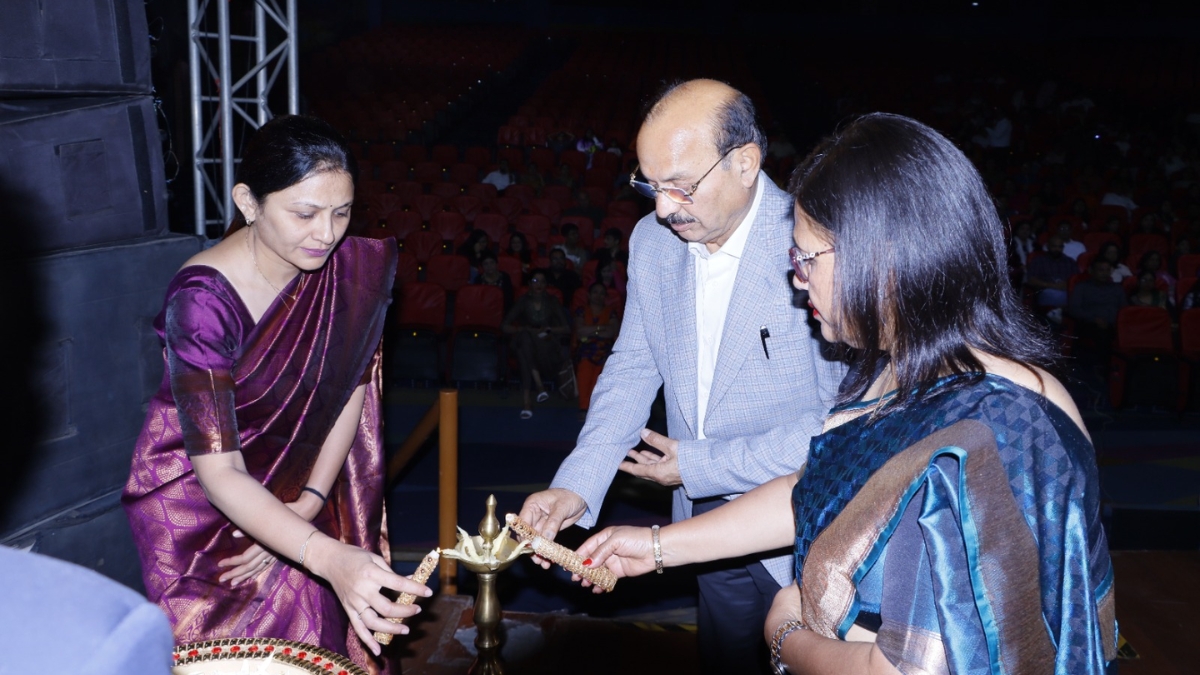
    The prestigious event was graced by the honourable presence of Chairman- Dr V. K. Sharma and Asha Ma’am, whose gracious participation elevated the grandeur of the occasion. Their encouragement and guidance served as a powerful source of motivation for the students, infusing the celebration with warmth and purpose.

    Nirvana

    The theme Nature’s Nirvana came alive through a thoughtfully curated sequence of performances that beautifully portrayed the bond between humanity and nature. From soulful musical renditions and graceful dances to impactful dramatisations and visual storytelling, each performance reflected creativity, discipline, and environmental consciousness. The confidence and poise displayed by the students captivated the audience and drew thunderous applause throughout the evening.

    Addressing the gathering, Dr V. K. Sharma applauded the exceptional efforts of the students and faculty, emphasising the importance of nurturing creativity alongside academic excellence. He highlighted how such grand platforms help in shaping confident, compassionate, and responsible global citizens. Asha Ma’am expressed her heartfelt admiration for the young performers, appreciating their dedication, energy, and artistic expression.

    Nirvana

    Principal Mrs Purvika Solanki expressed immense pride in the students and staff for delivering a performance of such high calibre. She emphasised that Nature’s Nirvana 2025 was not merely a cultural event but a meaningful journey that instilled values of environmental responsibility, teamwork, and self-expression. She also extended her sincere gratitude to her parents for their unwavering support and trust in the institution.

    The seamless execution of the event reflected the tireless efforts of the teaching and non-teaching staff, whose meticulous planning and coordination ensured a flawless experience. Parents and guests applauded White Lotus International School for providing a dynamic platform that nurtures talent, confidence, and creativity in every child.

    The evening concluded on an inspiring and celebratory note, leaving behind unforgettable memories and a renewed sense of purpose. Nature’s Nirvana 2025 will be remembered as a magnificent celebration of unity, values, and artistic brilliance—reaffirming White Lotus International School’s vision of excellence in education.

    PNN Education

  • TANTOM Enters Its Third Year with ‘The Vegan Skin’ Capsule — An Ethical Outerwear Narrative

    TANTOM Enters Its Third Year with ‘The Vegan Skin’ Capsule — An Ethical Outerwear Narrative

    New Delhi [India], December 18: TANTOM, an élevé lifestyle fashion brand, is wrought from boundless ambition and a singular expression of individuality. Its meticulously refined aesthetic blends cultivated urban luxury, elevated preppy, and luxe essentials—an evolving design language that now finds expression as the brand marks its second anniversary with The Vegan Skin Capsule.

    This collection marks a shift toward highly specialised garment construction, featuring articles that are rarely seen in the ethical fashion space, such as the Vegan Leather Puffer Jacket and Malay Python-inspired textures.

    The Mastery of Form: Transcending the Conventional

    While much of the industry remains anchored in mass-produced basics, Tantom has spent its first two years perfecting a reputation for high-concept design. The new capsule collection demonstrates the brand’s ability to replicate the complex aesthetics of animal textures through entirely ethical, modern engineering:

    • The Vegan Leather Puffer: A complex fusion of high-grade vegan leather and technical outerwear construction, offering a distinct aesthetic.
    • The Malay Python Hoodie: A standout piece utilising intricate printing and textile techniques to achieve a high-luxury exotic look without animal harm.
    • Vegan Fur Jackets: Richly textured outerwear designed to provide the warmth and weight of traditional fur through advanced synthetic craftsmanship.

    Defining the Tantom Framework: Capsules and Essentials

    As the brand matures, under the vision of Founder Mr Rajveer Singh, TANTOM has organised its catalog into two key categories, establishing a clear and refined structure to serve a global audience better:

    • Capsule Collections: These serve as the brand’s “innovation labs,” where unique, art-driven pieces like the Vegan Skin series are released in limited runs.
    • Essentials: A core line of high-quality, everyday luxury garments that focus on comfort and longevity.

    A Two-Year Journey Toward a Global Vision

    Since founding TANTOM, Mr Singh has remained focused on a singular objective: building a global fashion house from Rajasthan that competes on design, not just price. This two-year milestone celebrates the brand’s ability to scale while maintaining a level of product variety and detail that is difficult to find elsewhere.

    “Tantom was built to do what others aren’t doing,” says Rajveer. “Completing two years is a moment to look at our roadmap. We are moving beyond simple clothing to create specialised articles like our python-look hoodies and vegan leather puffers. Our focus remains on making an Indian brand a recognised name in global commerce through exclusivity and ethical responsibility.”

    Looking Forward: Scale and Social Impact

    As Tantom continues its journey, the brand’s growth is tied to a larger vision of national contribution:

    • Global Positioning: Taking the “Made in India” label into the luxury ethical markets of the world.
    • Employment: Creating opportunities for local artisans and professionals as the brand’s footprint expands.
    • Product Leadership: Continuing to release articles that challenge the status quo of the fashion industry.

    As Tantom enters this new era, it remains committed to the belief that the future of global fashion is not merely found in what we wear, but in the integrity and innovation behind the stitch.

    If you have any objection to this press release content, kindly contact pr.error.rectification@gmail.com to notify us. We will respond and rectify the situation in the next 24 hours.