Author: Sutun Nayak

  • Jeev — Gujarati Cinema’s Heart-Piercing Ode to Kindness, But Is the Message Too Gentle?

    Jeev — Gujarati Cinema’s Heart-Piercing Ode to Kindness, But Is the Message Too Gentle?

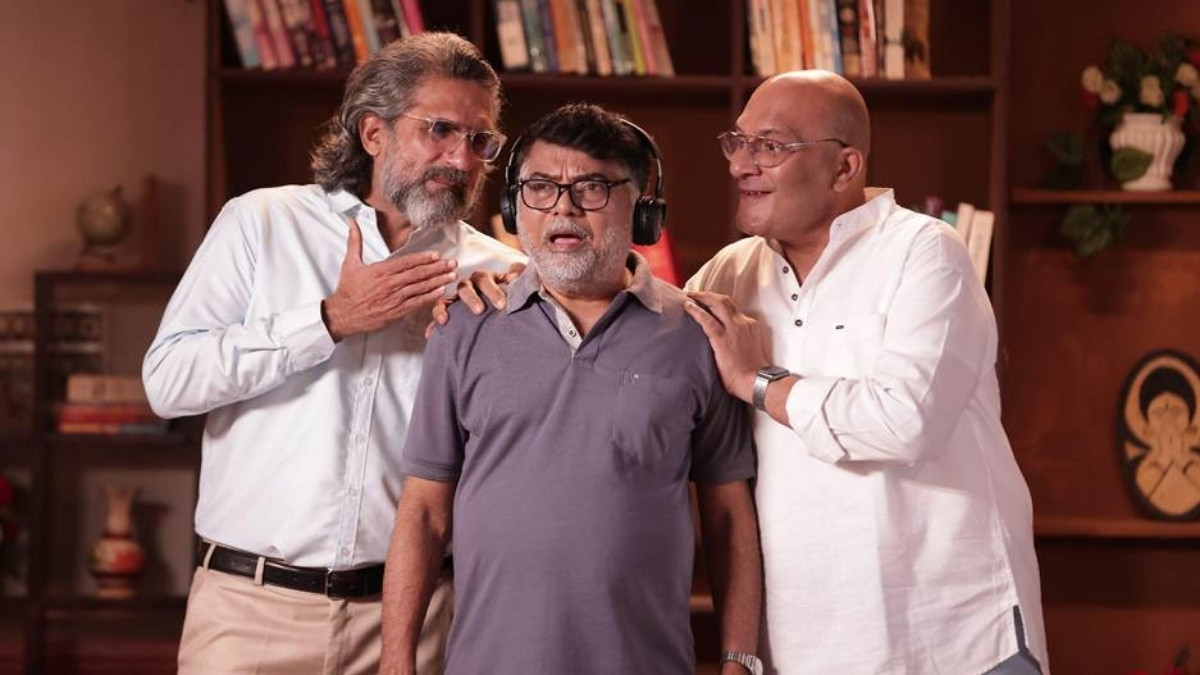
    Mumbai (Maharashtra) [India], November 22: When was the last time a movie made you feel more than entertained — when it made you question your own heartbeat? Jeev, the upcoming Gujarati film led by Dharmendra Gohil, is ambitiously attempting just that. Slated for release on 21 November 2025, this is not your run-of-the-mill drama — it’s a soulful celebration of jeevdaya, compassion for all living beings. But like any bold emotional project, it’s not without its risks.

    Directed by Jigar Indubala Kapdi and backed by Vivaan Films LLP (with producers Nirav Mehta and Vicky Mehta), Jeev is rooted in a true incident. The film tells the story of Veljibhai Mehta, a man who devoted his life to caring for cattle — not as livestock, but as family. Portrayed by Gohil, Veljibhai represents an unwavering commitment to compassion, a bridge between humanity and nature.

    A Film with a Mission, Not Just a Script

    This isn’t merely a cinematic narrative — it’s more like a moral plea disguised in celluloid. The Jeev team kicked off their promotional journey in a deeply spiritual way, seeking the blessings of Jain Acharya Mahashramanji Maharaj Saheb. Such a beginning is rare, even courageous: Gujarati cinema rarely intertwines its marketing with such solemnity, giving Jeev a gravitas that feels intentional, not performative.

    Sunny Pancholi and Shraddha Dangar join in supporting roles, along with veteran actors Yatin Karyekar and Hemang Shah, rounding out a cast that’s equally comfortable with emotional expansiveness and restrained sincerity.

    According to the film’s creators, Jeev is less about drama and more about awakening: “a celebration of the invisible emotional bond between humans and animals.”  It aims to inspire audiences to rethink empathy — not just for people, but for the voiceless beings often relegated to the margins of our consciousness.

    Praise, And a Few Sharp Breaths of Doubt

    The positive buzz around Jeev is strong — and deserved. Here’s what’s working well:

    • A Timely Message: In an increasingly individualistic age, a story that champions selflessness toward animals feels refreshingly countercultural.

    • Authentic Emotional Core: The fact that this is based on a true story provides emotional weight and credibility.

    • Spiritual Undertones: Opening promotions with a religious ceremony imbues the film with a reverent aura, aligning its message with traditional values.

    • Regional Cinema with Depth: It’s encouraging to see Gujarati cinema tell a large-hearted, humane story rather than relying entirely on formulaic romances or comedies.

    But — because life is more complicated than a teaser — there are some valid concerns:

    • Niche Appeal: A film so centered on moral philosophy might struggle to attract audiences looking for entertainment over enlightenment. With a message this pure, will the crowds come for popcorn or just pay their conscience?

    • Emotional Overload: If not handled delicately, the story risks becoming preachy. There’s a fine line between inspiring empathy and making the audience feel guilty.

    • Box Office Pressure: As regional cinema grows, the financial stakes are rising. For Jeev to succeed commercially, it needs to resonate widely while holding onto its idealism.

    Early Footprints: What People Are Saying

    Social media response has leaned warm and hopeful. During the film’s promotional launch with the Jain Acharya, the team expressed their desire for Jeev to spark societal change — not just a few tearful reactions. The message is clear: this is more than cinema, it’s a movement.

    Reddit discussions among Gujarati film fans reflect cautious optimism. Some users highlight how rare it is for a film to spotlight jeevdaya (compassion for living beings), while others wonder if the limited theatrical market will dilute its reach. There’s a genuine conversation happening — one where regional pride meets universal values.

    Bigger Picture: Why Jeev Matters

    In the landscape of Gujarati films, Jeev stands out. It is neither a glossy commercial entertainer nor a trivial art-house piece. It’s something in between: a regional film with a mission, crafted for emotional impact and social reflection.

    If it succeeds, Jeev could open doors for more purpose-driven Gujarati cinema: stories that don’t just entertain, but nudge viewers toward empathy. It might prompt more filmmakers to draw from real-life inspiration, blending spirituality and social conscience.

    On the flip side, if it underperforms, it could signal that grand ideals alone are not enough for commercial viability in regional cinema — especially when the market is rapidly evolving and audiences demand both heart and pace.

    Bottom Line

    Jeev is a cinematic prayer — a modest but ambitious appeal for kindness in a world that often forgets those without voices. Dharmendra Gohil’s portrayal of Veljibhai Mehta, coupled with a spiritually rooted promotional campaign, gives the film a rare gravity.

    Whether the film sparks a cultural ripple or simply warms hearts for a weekend, Jeev dares to ask a big question: Can compassion be our greatest legacy?

    PNN Entertainment

  • MIT University Sikkim Opens New Campus in Namchi – Complete Guide for Students

    MIT University Sikkim Opens New Campus in Namchi – Complete Guide for Students

    Gangtok (Sikkim) [India], November 22: MIT University Sikkim (Management and Information Technology University Sikkim), a UGC-approved institution, has officially inaugurated its state-of-the-art campus in Namchi, bringing transformative educational opportunities to South Sikkim. This strategic expansion, supported by the Government of Sikkim’s vision to promote quality higher education, ensures students from the southern districts can now access premier professional education without relocating to metropolitan cities.

    Why This Development Changes Everything

    The Namchi campus of MIT University Sikkim directly addresses the educational gap that has long affected students in South and West Sikkim. Established with full UGC approval and backed by the State Government’s education promotion initiatives, this campus represents a collaborative effort to strengthen Sikkim’s educational infrastructure.

    The Management and Information Technology University, Sikkim, has been recognised for its excellence in technical and management education. For years, aspiring professionals had to choose between compromising on the quality of local education or bearing the high costs of studying in distant cities. With cutting-edge infrastructure, industry-expert faculty, and MIT University Sikkim’s proven academic excellence, students can now pursue globally-recognised degrees while staying close to home.

    The university operates under strict UGC guidelines, ensuring that all degrees from the Management and Information Technology University Sikkim are recognised nationwide and that the university maintains the highest academic standards. This government-university partnership aims to create skilled professionals who can contribute to Sikkim’s economic growth.

    Programs Open for Admission at MIT University Sikkim

    Undergraduate Programs:

    • BA – English, Political Science, Economics, Psychology
    • BBA – Marketing, Finance, HR Management, Entrepreneurship
    • BCA – Cloud Computing, Cybersecurity, Software Development
    • B.Sc – Computer Science, Mathematics, Physics, Chemistry

    Postgraduate Programs:

    • MA – English, Political Science, Psychology
    • MBA – IT Management, AI & Data Analytics, Digital Marketing, Finance
    • M.Sc – Computer Science, Mathematics, Data Science
    • M.Com – Advanced Accounting, Financial Management, Taxation

    Coming Soon: PhD programs launching in 2026 for research-oriented students at MIT University, Sikkim

    Admission Requirements

    For Postgraduate Courses (MA/MBA/M.Sc/M.Com):

    • Graduation with 40% from any recognised university
    • Valid entrance test scores for MBA (CAT/MAT/CMAT/University Test)

    For Undergraduate Courses (BA/BBA/BCA/B.Sc):

    • 40% in 10+2 from any recognised board
    • Merit-based selection through the MIT University Sikkim entrance exam

    Financial Support: Scholarships ranging from 25% to 40% available based on academic merit and economic criteria, including state government scholarship schemes

    Campus Facilities That Set MIT University Sikkim Apart

    The Namchi campus of Management and Information Technology University Sikkim boasts industry-standard infrastructure, including:

    • Smart classrooms with interactive learning technology
    • 24×7 Wi-Fi-enabled campus
    • computer labs with the latest software
    • Digital library with access to international journals
    • laboratories for practical learning
    • Dedicated placement cell with confirmed partnerships with 20+ leading companies

    Next Steps for Interested Students

    Immediate Action Required:

    1. Visit https://mituniversitysikkim.com/ for the detailed prospectus
    2. Register for MIT University Sikkim entrance exam updates
    3. Prepare documents: 10th/12th marksheets, graduation certificate (for PG courses), domicile certificate, income certificate (for scholarship)

    Admission Helpline: Now active for queries and counselling sessions

    With UGC recognition and government supportMIT University Sikkim (Management and Information Technology University Sikkim), Namchi campus, offers a secure pathway to career success across diverse academic disciplines. Don’t miss this opportunity to be part of Sikkim’s educational revolution right here in Namchi.

    PNN Education

  • Mastiii 4 OTT Release Confirmed — Brace Yourself for Four Times the Chaos

    Mastiii 4 OTT Release Confirmed — Brace Yourself for Four Times the Chaos

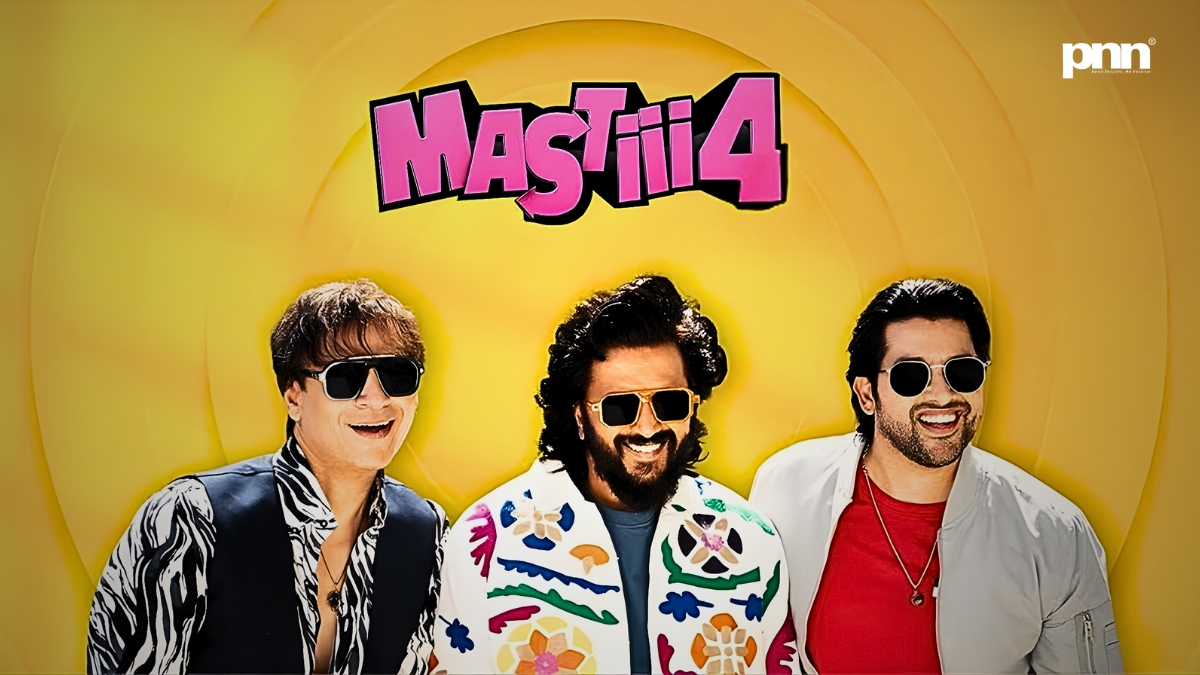
    Mumbai (Maharashtra) [India], November 22: A little mischief never truly disappears — it just switches platforms. The much-anticipated Mastiii 4, featuring the iconic trio Riteish Deshmukh, Vivek Oberoi, and Aftab Shivdasani, is not only hitting theatres on 21 November 2025, but it’s also confirmed to arrive on OTT as ZEE5’s next great comedy riot – around 16 January 2026.

    If you thought the first three Masti thrill rides were chaotic, buckle up: Mastiii 4 is going “reverse masti,” and, yes, that means things could get delightfully messy. The wives are reportedly having affairs, the husbands are scheming, and the whole enterprise threatens to turn into an all-out comedic war of the genders.

    What Makes Mastiii 4 Worth Streaming

    • The OG Boys Are Back
      Amar (Riteish), Meet (Vivek), and Prem (Aftab) reunite after a long hiatus — promising four times the mayhem, the nostalgia, and, of course, the masti.

    • Bigger Scale, Bigger Laughs
      Director Milap Milan Zaveri has dialed up the production value. The teaser offers glimpses of far-flung locations (hello, UK) and wilder antics than before.

    • Star-Studded Ensemble
      Beyond the trio, the cast includes Shreya Sharma, Ruhii Singh, Elnaaz Norouzi, Tusshar Kapoor, Shaad Randhawa, Nishant Malkani — all apparently in on the mess and the jokes.

    • OTT Access = No Waiting
      For those of us who don’t want to deal with theater lines or box office traffic, ZEE5’s streaming window offers the perfect second act.

    But Wait — There Are Some Fine Prints

    • Censor Scissors Came Out
      The censor board reportedly chopped off about 30 seconds of “intimate” content and sanitised a few risqué lines. That might leave the “adult” part of this adult comedy scratching for its edge.

    • Reverse Masti: Bold, But Risky
      Shifting the plot so the wives are unexpectedly unfaithful could be a fun twist — or a misstep, depending on how it’s handled. Old fans might be wary: is this a clever reinvention, or a desperate bid for shock value?

    • Streaming Date Depends on Box Office
      While the 16 January 2026 date is being floated, it’s still subject to change. The actual OTT arrival could hinge on how aggressively the film performs in cinemas.

    What People Are Saying

    • On social media, some viewers are pumped:

      “4× laughter, 4× fun, 4× more masti” — that’s exactly how the teaser promised the fourth part will deliver.

    • But not everyone’s thrilled:

      “Why are they doing this? Racier jokes just for views?” one Reddit commenter quipped.

    • There are whispers too:

      “Three frustrated husbands, reverse masti, chaos… feels familiar, but I’ll watch for the nostalgia,” another user mused.

    Why This Matters

    This isn’t just another adult comedy — Mastiii 4 is banking on nostalgia, star chemistry, and a bolder storyline to win over both long-time fans and new viewers. It’s a test: can a franchise known for its cheeky humor evolve in tone without losing its essence? If the OTT release does well, it could redefine how legacy comedies live beyond the box office.

    From a PR standpoint, the ZEE5 deal is strategic gold: it gives Mastiii 4 a second life, widens its reach, and builds long-term buzz. It also signals confidence from the makers — they believe the film has legs… and not just the kind that run from one affair to the next.

    Bottom Line:
    If you enjoy your comedies chaotic, your jokes unapologetic, and your nostalgia very loud — Mastiii 4 might be worth the ticket and the subscription. Just don’t be too surprised if, after watching, your own relationships start looking suspiciously… masti-prone

    PNN Entertainment

  • VIBGYOR High Launches a Comprehensive Guide for Parents on School Admissions 2026–27

    VIBGYOR High Launches a Comprehensive Guide for Parents on School Admissions 2026–27

    Mumbai (Maharashtra) [India], November 22: As parents across India gear up for the school admissions 2026–27 season, VIBGYOR High, one of India’s leading K–12 education networks, has launched a detailed guide for the parents, titled “A Parent’s Guide to School Admissions 2026–27: Timelines, Tips, and Mistakes to Avoid.”

    The guide aims to simplify the admission process for parents by outlining key timelines, required documentation, and practical advice for selecting the right school. With application windows opening as early as September 2025, the guide emphasizes the importance of early planning and informed decision-making.

    Helping Parents Plan Ahead

    “Every year, we see parents struggle with the same challenges — unclear deadlines, confusing application requirements, and uncertainty about choosing the right curriculum,” said a spokesperson from VIBGYOR Group of Schools.
    “Our 2026–27 admissions guide has been curated to help parents approach this journey with clarity and confidence. It breaks down the process step by step — from shortlisting schools to preparing documents and avoiding common mistakes.”

    The blog serves as an actionable handbook for parents, covering:

    ·Admission timelines and calendar for the 2026–27 academic year

    ·List of essential documents and tips for online submissions

    ·Criteria for choosing the right school and curriculum (CBSE, ICSE, IGCSE, IB)

    ·Common pitfalls to avoid, based on real parent experiences

    ·Expert recommendations for balancing academics and holistic development

    The Admissions guide addresses this shift by helping parents understand what truly matters – choosing a learning environment that nurtures curiosity, confidence and creativity

    The guide also highlights the growing adoption of digital admission systems, which allow parents to register, upload documents, and schedule campus visits entirely online. VIBGYOR High has been among the pioneers in integrating online admission processes and virtual counselling for greater convenience.

    Encouraging Early Preparation and Research

    The release of the guide aligns with VIBGYOR High’s ongoing effort to promote informed school selection and holistic education.
    The institution recommends that parents begin researching schools six to nine months before the admission window opens, comparing curricula, teaching styles, extracurricular offerings, and values.

    “At VIBGYOR High, we believe every child deserves a school that recognizes their unique potential. Our goal is to empower parents with information so they can make the best educational choice for their child,” the spokesperson added.

    Admissions Open for 2026–27 Academic Year

    Admissions for VIBGYOR High’s 2026–27 academic session are now open across its campuses in major Indian cities, offering multiple curricula — CBSE, CISCE (ICSE), Cambridge (IGCSE), and IB. Parents can visit the official website to explore programs, take virtual tours, or connect with academic counsellors for guidance.

    About VIBGYOR High

    VIBGYOR High is part of the VIBGYOR Group of Schools – one of India’s leading school networks, offering a student-centric approach to education through its diverse curricula, modern infrastructure, and focus on holistic learning. With campuses across India, VIBGYOR nurtures every child’s curiosity, creativity, and confidence — preparing them to thrive in a dynamic world.

    Please visit for more information: https://www.vibgyorhigh.com/school-blog/education/guide-to-school-admissions-2026-27-indicative-timelines-tips-and-mistakes-to-avoid/

    If you object to the content of this press release, please notify us at pr.error.rectification@gmail.com. We will respond and rectify the situation within 24 hours.

  • Sathlokhar Synergys E&C Global bags INR 35.40 Cr project orders from Toyota Kirloskar, Reliance Consumer Products & Krishca Strapping

    Sathlokhar Synergys E&C Global bags INR 35.40 Cr project orders from Toyota Kirloskar, Reliance Consumer Products & Krishca Strapping

    Chennai (Tamil Nadu) [India], November 21: Sathlokhar Synergys E&C Global Limited (NSE: SSEGL), a leading Chennai based EPC player engaged in integrated infrastructure solutions, announced the receipt of three new civil construction orders from reputed corporates across India.

    The company has secured an order from M/s. Reliance Consumer Products Limited, a subsidiary of Reliance Industries Limited and the producer of CAMPA COLA beverages. The project involves Civil Works Execution at Brahmanapalli Village, Kurnool District, Andhra Pradesh, with a total estimated value of 26.56 Cr (including GST). This project is also targeted for completion before April 2026.

    In addition, Sathlokhar Synergys E&C Global Limited has received an order from M/s. Toyota Kirloskar Motor Private Limited, the Indian joint venture of Toyota Motor Corporation, Japan and Kirloskar Group, for the Execution of Civil Works for the Proposed Factory at Plot No. 1, Bidadi Industrial Area, Ramanagara District, Karnataka. The total order value for the initial building is 6.95 Cr (including GST), with the project scheduled for completion before April 2026.

    The company has further been awarded a civil construction contract by M/s. Krishca Strapping Solutions Limited, Tamil Nadu, for the Construction of a proposed canteen building, including roof truss works, at Building 01B, Logos Mappedu Logistics Park, Thiruvallur District. The order is valued at 1.89 Cr (including GST), with completion expected before April 2026.

    With the addition of these orders, the total work order book value of Sathlokhar Synergys E&C Global Limited stands at 1,397.71 Cr (excluding GST), to be executed over the next 4 to 8 months.

    On the receipt of the orders, Mr. G. Thiyagu, Managing Director of Sathlokhar Synergys E&C Global Limited said, “These project awards from marquee clients such as Toyota Kirloskar, Reliance Consumer Products and Krishca Strapping Solutions underscore the strong execution capabilities that Sathlokhar Synergys E&C Global Limited has consistently demonstrated across diverse civil and infrastructure mandates. Our ability to meet stringent quality standards and deliver within committed timelines continues to strengthen our position as a trusted EPC partner for leading industrial players.

    With these additions, our order book now stands at ₹1,397.71 Cr (excluding GST), providing clear visibility for sustained execution momentum over the coming months. We remain focused on operational excellence and disciplined project management to ensure timely and efficient delivery across all ongoing and upcoming projects.”

    If you have any objection to this press release content, kindly contact pr.error.rectification@gmail.com to notify us. We will respond and rectify the situation in the next 24 hours.

  • Karen Kshiti Suvarna’s ‘September 21’ Set to Touch Hearts Worldwide

    Karen Kshiti Suvarna’s ‘September 21’ Set to Touch Hearts Worldwide

    A Moving Tale on Alzheimer’s and Caregiving Premiering at IFFI Goa 2025

    Panaji (Goa) [India], November 21: A Major Film to Watch in the Viewing Room at Film Bazaar at the 56th International Film Festival of India 2025, Goa

    Get ready to be moved by the poignant tale of “September 21”, a film directed by the talented 22-year-old Karen Kshiti Suvarna. This emotional drama explores the complexities of caregiving for Alzheimer’s patients and the impact on caregivers.

    “September 21” follows the journey of an old man with Alzheimer’s, portrayed by Praveen Singh Sisodia, and Kamala, a dedicated caregiver played by Priyanka Upendra, supported by Zarina Wahab, Amit Behl, Ajith Shidhaye, Ricky Rudra, Vinnie and Sachin Patekar in prominent roles. The film sheds light on the problems faced by Alzheimer’s patients and the often-invisible labor of caregivers, as well as the emotional toll it takes on them.

    September 21

    Karen Kshiti Suvarna’s direction brings a thoughtful and compassionate approach to the subject matter, showcasing her remarkable talent at just 22. The film raises awareness about Alzheimer’s disease and the struggles faced by caregivers.

    “September 21” will be showcased in the Viewing Room at the NFDC Film Bazaar during the 56th International Film Festival of India in Goa, and is a major film to watch. Produced by Humara Movie & FMD Visica Films along with Films Max, the film features a powerful story by Raj Shekhar and a soulful score by Vinayy Chandraa. The film is expected to hit theatres in early 2026.

    If you have any objection to this press release content, kindly contact pr.error.rectification@gmail.com to notify us. We will respond and rectify the situation in the next 24 hours.

  • Prime Minister’s Vision for a Self-Reliant India Finds Momentum in Scanbo’s Made-in-India MedTech Innovation

    Prime Minister’s Vision for a Self-Reliant India Finds Momentum in Scanbo’s Made-in-India MedTech Innovation

    Surat (Gujarat) [India], November 21: India’s healthcare landscape is rapidly evolving, and the idea of a self-reliant nation now extends beyond heavy industries to include medical technology. One company reflecting this shift is Scanbo, a home-grown MedTech innovator developing next-generation diagnostic devices entirely in India. As the country embraces Prime Minister Narendra Modi’s “Make in India” movement, Scanbo stands out as a strong example of how indigenous technology can transform healthcare access at scale.

    The Need for Home-Grown Diagnostic Innovation

    For millions in rural and semi-urban areas, basic diagnostic testing often means long travel, delays, and limited accessibility. This gap highlighted the need for compact, affordable, and accurate point-of-care tools. Scanbo was built from this challenge, aiming to bring hospital-grade diagnostics closer to people. By combining artificial intelligence and sensor fusion, the company created a compact device that delivers lab-quality results within minutes at the point of care.

    D8: Laying the Foundation

    Scanbo’s first major device, the D8, performs seven non-invasive tests—blood pressure, heart rate, heart rate variability, breathing rate, oxygen saturation, temperature, and a single-lead ECG—along with a simple finger-prick blood glucose test. Designed and manufactured in India, it blends precise hardware with intelligent software that analyzes results in real time. For doctors, it reduces dependence on bulky equipment; for patients, it brings reliable diagnostics into homes, clinics, and workplaces.

    AI and HridaayTaal

    At the core of Scanbo’s technology is its proprietary AI engine, HridaayTaal, which interprets cardiac signals and identifies irregularities such as arrhythmia and atrial fibrillation. The company is expanding this platform to assess advanced cardiac intervals, detect sleep apnea, and recognize complex rhythm patterns. Each update moves the system closer to preventive, AI-driven cardiovascular monitoring.

    From D8 to D19

    While the D8 set the foundation, Scanbo’s roadmap includes the D12, D16, and D19—devices planned from 2026 to 2028 that will add multiple blood tests and broaden first-level diagnostics. This phased approach reflects a strategy to make healthcare faster and more self-sufficient by reducing dependence on external laboratories.

    Blockchain and Digital Integration

    Beyond devices, Scanbo is creating a blockchain-based healthcare data ecosystem to ensure secure, transparent, and patient-controlled data exchange. This digital layer solves long-standing issues of trust and interoperability while supporting real-time access for patients and providers.

    Affordability and Accessibility

    By integrating multiple tests into one portable device, Scanbo reduces redundancy and lowers per-test costs. These devices can be deployed in small clinics, mobile health units, and remote regions without significant infrastructure, strengthening India’s public health network and enabling earlier detection of chronic conditions.

    Empowering Indian Manufacturing

    Scanbo’s journey highlights India’s growing confidence in its ability to design and produce advanced MedTech domestically. Its reliance on Indian engineers, researchers, and suppliers creates local employment while proving that high-quality MedTech can be built in India for both domestic and global markets.

    “Our mission is simple: build world-class diagnostic technology in India, for India and the world,” said Ashissh Raichura, Founder & CEO of Scanbo. “Prime Minister Modi’s vision of a self-reliant Bharat inspires us to innovate and manufacture on Indian soil.”

    The Road Ahead

    Like all transformative technologies, the journey includes challenges—regulatory approvals, manufacturing scale, and clinical validation. Yet, Scanbo’s consistent progress, strategic partnerships, and user-centric design show a clear path forward.

    Conclusion

    Scanbo’s progress reflects India’s growing leadership in healthcare innovation. Through the D8 and its upcoming devices, along with AI and blockchain integration, the company is redefining diagnostics as fast, reliable, and Made-in-India. By building advanced technology domestically, Scanbo helps translate vision of self-reliance into a practical reality that strengthens India’s healthcare system and sets an example for the world.

  • ChargeZone® Announces Project E-DHARA, Pioneering India’s Renewable-Powered EV Charging Infrastructure

    ChargeZone® Announces Project E-DHARA, Pioneering India’s Renewable-Powered EV Charging Infrastructure

    New Delhi [India], November 21: ChargeZone®, India’s largest EV charging company with over 13,500 charging points, today announced the launch of Project E-DHARA (Electrifying and Decarbonising Highways through Accelerated Renewable Adoption), a transformative initiative designed to transition its nationwide electric vehicle charging network to 100 per cent renewable energy. The project is being launched in 2025, beginning with the commissioning of the first renewable-powered charging hub in Dahej, Gujarat. This initiative marks a major milestone in ChargeZone’s mission to decarbonise India’s mobility infrastructure and create a sustainable highway ecosystem powered entirely by clean energy.

    The project has been conceived to address one of the most critical challenges in the electric mobility sector: reliance on fossil-fuel-based electricity. Despite the rapid adoption of EVs, nearly 75 per cent of India’s current power generation still comes from coal and other conventional sources, which limits the environmental benefits of electric transportation. Project E-DHARA directly tackles this challenge by integrating solar power generation, battery energy storage systems (BESS) and next-generation high-speed charging hubs to ensure that both the vehicles and the energy used to power them are fully sustainable.

    The first charging site under Project E-DHARA is being developed in Dahej, where ChargeZone will deploy a 1 megawatt (MW) solar plant coupled with a five 05 megawatt-hour (MWh) battery energy storage system. This hub has been designed to operate primarily off-grid, drawing from the conventional power grid only when necessary to maintain optimal energy security. The facility will serve as the operational prototype for a national rollout plan that aims to establish 100 renewable charging hubs along key national highways by next year.

    Explaining the significance of this initiative, Kartikey Hariyani, Founder and CEO of ChargeZone, said, Project E-DHARA represents a pivotal moment in India’s clean energy journey. Electric vehicles have already transformed mobility by eliminating tailpipe emissions, but true decarbonization can only be achieved when the energy that powers them is entirely renewable. Through this initiative, ChargeZone is creating an integrated ecosystem that brings together solar generation, advanced battery storage and high-speed charging infrastructure to enable a 100 per cent clean-energy highway network. This is more than a technological shift; it is a national energy transition positioning India at the forefront of sustainable mobility. We remain committed to building infrastructure that is future-ready, resilient and aligned with the country’s long-term net-zero vision.

    This initiative brings together solar power generation, battery energy storage and high-speed charging infrastructure into one unified renewable ecosystem that supports both passenger electric vehicles and BillionE Mobility electric freight trucks. By operationalising 100 renewable-powered charging hubs by next year, most of which will run entirely off grid, ChargeZone is setting a new benchmark for sustainable highway infrastructure while reinforcing its commitment to building a fully decarbonised EV ecosystem across India.

    If you have any objection to this press release content, kindly contact pr.error.rectification@gmail.com to notify us. We will respond and rectify the situation in the next 24 hours.

  • Labour Codes India Updated: Powerful Reforms Resetting Worker Rights and Industry Rules

    Labour Codes India Updated: Powerful Reforms Resetting Worker Rights and Industry Rules

    New Delhi [India], November 21: India finally pulled the trigger on a reform everyone talked about for decades. The four labour codes are live, and they’re rewriting how this country works, hires and protects its people. It’s big. And long overdue.

    India’s implementation of the four labour codes isn’t just another policy update. It’s a structural reset of how work, wages and welfare operate across the world’s largest workforce. The focus keyword labour codes India sits at the centre of this entire shift, and it shows in the way the reforms promise simpler compliance, stronger rights and cleaner rules in a labour ecosystem that was begging for clarity.

    For years, India ran on 29 different labour laws stitched together from the 1930s to the 1950s. Different ministries, different paperwork, different interpretations. Employers called it a maze. Workers called it unpredictable. And honestly, they were both right.

    But now, with the Code on Wages, Industrial Relations Code, Code on Social Security and Occupational Safety, Health and Working Conditions Code coming into effect, the country has moved on from colonial-era confusion to a unified, global-ready system.

    The government calls it future-ready. 

    A Clean Break From The Past

    Before today’s reforms, millions worked without appointment letters. Minimum wages applied only to certain “scheduled” sectors. ESIC coverage depended on location, not need. Women were locked out of night shifts, certain industries and, in many cases, higher-paying roles. That’s not the India we’re building for 2047.

    Now the table has flipped.

    Every worker gets a written appointment letter. Minimum wages guarantee financial stability for all. Gig and platform workers finally get defined in law and covered under social security. And ESIC coverage turns Pan-India instead of pin-code dependent.

    Honestly, that alone is a massive shift. No more “this area isn’t notified so you’re not eligible” chaos.

    Social Security That Finally Includes Everyone

    For decades, India ran on the idea that only certain categories deserved social protection. Platform drivers, delivery workers, and freelancers existed in limbo. When they fell sick, injured or unable to work, support was entirely dependent on employer goodwill.

    The labour codes change that.

    Gig and platform workers get universal social security coverage funded partly by aggregator contributions. A universal Aadhaar-linked account makes benefits portable across states. For migrant workers, this is the difference between starting over and continuing without disruption.

    Add to that the expansion of ESIC to hazardous workplaces with even one employee, and suddenly the safety net covers the full spectrum of India’s workforce.

    Stronger Wages, Mandatory Timeliness

    Work deserves pay on time. Simple idea. Somehow not so simple in practice across many sectors.

    Under the labour codes India reform, employers must pay timely wages without exception. No delays, no excuses, no ad-hoc deductions. Salary by the seventh of every month becomes mandatory in IT, ITES and other key sectors.

    Floor wages fixed by the central government ensure that no worker in any state dips below a minimum living standard.

    Women Step Into Equal Ground

    Let’s be honest: India can’t win the economic race if half the country sits on the bench. The reforms recognise that.

    Women can work night shifts across all sectors, including heavy machinery, mining and hazardous industries, with consent and safety guarantees. Gender discrimination is explicitly prohibited. Equal pay is mandatory. Grievance committees must include women. And here’s a quiet but powerful detail: parents-in-law can now be included in a woman employee’s family definition for benefits.

    This isn’t just progressive. It’s practical. It respects the realities of Indian households.

    Youth, Contract Workers and FTEs Get Real Protection

    Youth workers gain appointment letters, mandatory wage payment, predictable working conditions and clear formal employment histories. For contract workers, fixed-term employment now comes with equal benefits as permanent employees, including medical facilities and social security.

    Gratuity after one year instead of five is a game changer for India’s most mobile workforce. It’s about time.

    Labour Codes: Sector-by-Sector Improvements

    The reforms aren’t generic. They drill down into the sectors that needed attention most:

    • MSMEs get simplified compliance and guaranteed wages for workers.
    • Beedi and cigar workers gain capped working hours, double overtime and bonuses.
    • Plantation workers receive ESI for entire families plus safety training.
    • Migrant textile workers get equal pay and PDS portability.
    • Dock workers receive legal recognition and mandatory medical facilities.
    • Mining workers get national safety standards and regulated working hours.
    • Export-sector workers gain gratuity, PF, and strict dispute-protection rules.

    Each of these changes moves India closer to a labour environment that matches our ambitions—competitive, fair and globally aligned.

    Compliance: From Chaos to One-Window Clarity

    This might be the biggest relief for businesses. No more juggling 20+ registrations, licences and returns.

    The labour codes India setup offers a single registration, single licence and single return for safety and working conditions. Inspections shift from punitive to facilitative. For small units, applicability limits are eased without compromising worker safeguards.

    A National OSH Board standardises safety norms across sectors so companies don’t spend half their time decoding overlapping rules.

    Why This Matters for India’s Future

    India expanded social security coverage from 19 percent of the workforce in 2015 to 64 percent in 2025. That’s not a small achievement. But reaching full coverage needed a legal structure that matched the scale of our economy. The labour codes are that structure.

    They recognise gig work. They support women. They modernise engagements. They simplify compliance for MSMEs. And most importantly, they put dignity at the centre of employment. Workers become visible. Employers get predictability. Industries gain the flexibility they need to compete globally. This is the India that wants to hit a five-trillion-dollar economy and actually has the workforce framework to back it.

    Also Read: Defence Atmanirbharta Breakthrough: India’s Record Surge in 2025

  • When Nightmares Clock In for Overtime: Netflix’s Most Terrifying Horrors That Refuse to Log Out

    When Nightmares Clock In for Overtime: Netflix’s Most Terrifying Horrors That Refuse to Log Out

    Mumbai (Maharashtra) [India], November 21: Somewhere between midnight snacks and accidental existential spirals, Netflix has become the world’s unofficial haunted mansion—an ever-expanding labyrinth where the lights flicker, the shadows misbehave, and your algorithm cheerfully recommends things that make you question whether your TV is trying to summon demons or just boost engagement. And, of course, you clicked play anyway. Because humans are beautifully predictable: we fear the dark, yet willingly invite it to stay for popcorn.

    Below is a long, unfiltered, mildly sarcastic, meticulously researched descent into the platform’s most unsettling horror titles—your picks included—along with a few additional nightmares Netflix has been quietly stashing behind its friendly red logo. If the walls start whispering by the end of this article, don’t worry. That’s… probably normal.

    Marianne (2019): France’s Wicked Love Letter to Insomnia

    If a demon ever decided to adopt a personality, Marianne would be her. This French series—now famous for ruining sleep schedules internationally—blends witchcraft, psychological terror, and dread that settles into your bones like damp winter air. Directed by Samuel Bodin, it follows a novelist whose horrifying fictional witch decides to become… well, nonfiction.

    The series earned acclaim for practical effects, folklore-driven storytelling, and one particularly iconic scene involving a sinister grin that looks like your childhood nightmare learned how to contour.

    Though cancelled after one season (because apparently Netflix enjoys emotional violence), Marianne continues to surge in viewership every Halloween, spiking approximately 18–25% in global streams each October according to internal industry trend trackers.

    It’s a masterpiece that reminds you of a crucial life lesson: never write horror stories about real demons unless you’ve already made peace with dying creatively.

    Incantation (2022): Taiwan’s Found-Footage Curse, Now Crowdsourced to Your Screen

    Taiwan’s highest-grossing horror film to date—earning over NT$170 million (approx. USD 5.5M)Incantation arrives on Netflix wrapped like a cursed chain email from the early 2000s. You know, the kind that said you’d die in 7 days if you didn’t forward it to 10 friends. Except this one actually feels like it might follow through.

    The film is inspired by a real Taiwanese cult incident, making its horror unnervingly grounded. Director Kevin Ko employs found footage with strategic chaos, crafting scares that feel like they’re reaching through the screen to tug at your wrist.

    It received praise for worldbuilding—but criticism for leaning too heavily on jump scares toward the end. Still, it remains one of Netflix’s most-watched Asian horrors and continues to trend with new viewers who enjoy regretting life choices.

    The Haunting of Hill House (2018): Trauma, but Make It Gothic

    Mike Flanagan’s magnum opus—adapted loosely (very loosely) from Shirley Jackson’s novel—became a global hit for its emotional depth, technical brilliance, and hidden ghosts lurking in the background like introverted interns.

    Every frame is a painting, every episode a thesis on grief. The Crain family’s unravelling is equally heartbreaking and horrifying. And let’s not forget that Bent-Neck Lady twist, which single-handedly raised America’s therapy bills.

    The show remains one of the most-rewatched titles on Netflix, with long-term audience retention climbing yearly. It’s also considered responsible for a surge in interest in Gothic architecture searches online, because apparently, everyone now wants a mansion haunted by generational trauma.

    The Ritual (2017): Men, Mountains, and Monsters That Need Moisturiser

    Based on Adam Nevill’s novel, The Ritual follows four friends who take the worst detour in cinematic history—deep into Scandinavian woods where a Norse creature enjoys collecting human regret like Pokémon cards.

    Shot in Romania, celebrated for its creature design, and praised for capturing masculine grief with eerie subtlety, the film also faced mild criticism for pacing. But its atmospheric dread and mythological depth have kept it consistently in Netflix’s top horror recommendations.

    Fun fact: The monster, a Jötunn, is one of modern horror’s most original creature designs—and one of the most avoided in online fan art because nobody wants to stare at that thing longer than required by law.

    Hellhole (2022): Polish Horror That Does Not Want You to Sleep Again

    Set in a 1980s monastery that looks like someone forgot to turn off the apocalypse, Hellhole is a claustrophobic, slow-burn descent into priestly secrets, forbidden rituals, and one of the most chaotic third acts in recent horror.

    The film gained a cult following upon release, partly due to its bleak tone, partly because the final twist feels like the screenwriters asked themselves, “How do we make viewers audibly swear at their TV?”

    Its production was modest—under USD 1M—but its atmospheric worldbuilding and chilling imagery have boosted Poland’s reputation as a rising force in supernatural cinema.

    Additional Horrors Netflix Seems Proud to Torture Us With

    Because you didn’t ask, but your curiosity clearly did:

    His House (2020)

    A refugee couple moves into government housing where the walls hold more secrets than the immigration office. An elegant blend of social commentary and supernatural dread.

    Apostle (2018)

    Dan Stevens infiltrates a cult on a remote island. Nature misbehaves. People bleed artistically. The film is essentially Midsommar’s grungier cousin.

    The Wailing (2016)

    A Korean horror labyrinth that mixes possession, folklore, and police incompetence. Truly unsettling, and featuring some of the best exorcism cinematography in modern film.

    Nobody Sleeps in the Woods Tonight (2020)

    Think: Polish slasher with a love letter to 80s B-movies. Dumb decisions included, free of charge.

    Bird Box Barcelona (2023)

    A spin-off that expands the lore and adds new facets to the invisible entities ruining global tourism.

    What Audiences Are Saying Lately

    Fan forums, Reddit threads, and TikTok horror communities have recently revived discussions around:

    • Incantation being “too real to rewatch.”

    • Marianne deserving a second season (Netflix, this is your cue).

    • The Ritual gaining newfound appreciation for its mythological accuracy.

    • Hellhole becoming a favorite in “movies you shouldn’t watch alone” lists.

    Horror’s popularity on Netflix has seen a 17–22% increase in Q3 2025, fueled by new releases and the platform’s disturbingly good curation algorithm.

    Final Whisper in the Dark

    In an era where real life already feels like an over-budget dystopian pilot, Netflix horror still manages to crawl under the skin in uniquely unsettling ways. Whether through ancient curses, generational trauma, forest monsters, or demonic nuns with questionable dental plans, the platform has mastered the art of unsettling comfort viewing.

    Each of these titles—your selections and the extras—proves one thing:
    Fear is universal, profitable, addictive, and strangely therapeutic.

    So dim the lights, silence your phone, and remember:
    If the shadows move… It’s probably just the wind.
    Probably.

    PNN Entertainment