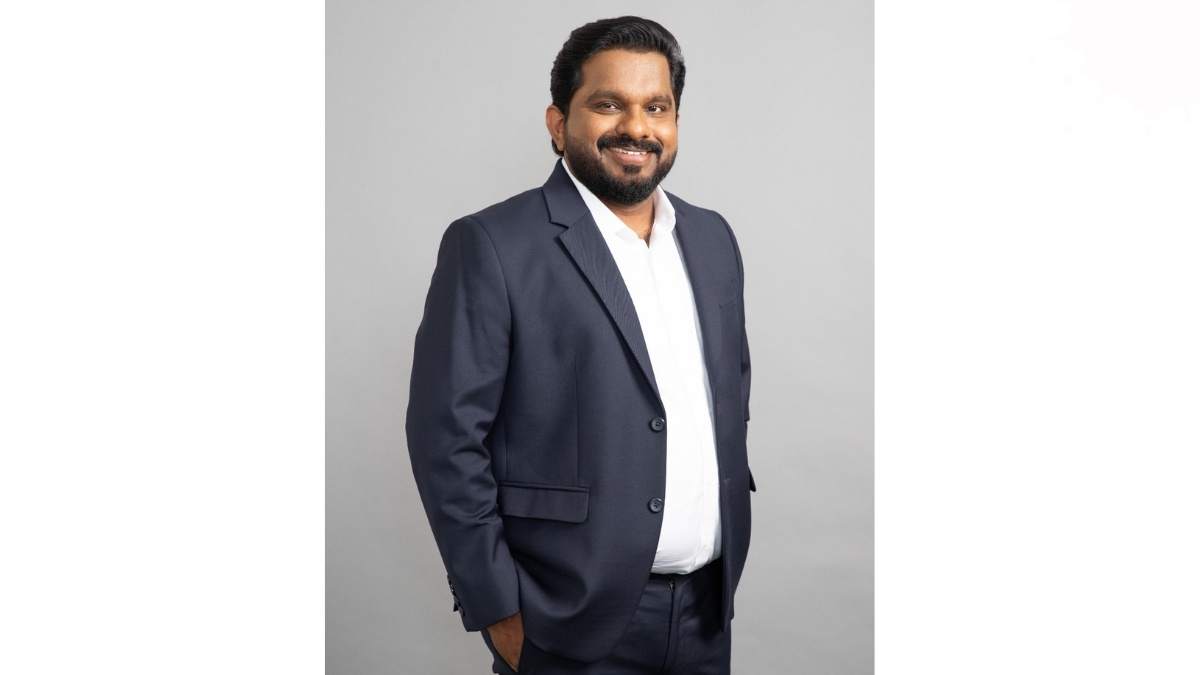
Author: Sutun Nayak

  • Sarvajanik Education Society and Sarvajanik University Strengthen Student Learning with Advanced Centralized Library Initiative

    Sarvajanik Education Society and Sarvajanik University Strengthen Student Learning with Advanced Centralized Library Initiative

    Surat (Gujarat) [India], May 25: Sarvajanik University has taken a significant step towards strengthening academic resources and promoting quality education through its Centralized Library initiative under Sarvajanik Education Society – Sarvajanik University (SES–SU). The University Central Library now serves as a comprehensive academic resource centre catering to the needs of students, faculty members, and researchers across all constituent institutes.

    The Central Library provides access to an extensive collection of print and digital learning resources of more than 3 lakh books to each student irrespective of their faculty of admission. For example, a student of the Engineering faculty can have access to the library of the Arts Faculty and vice versa. This will ensure continuous support for teaching, learning, and research activities. The library undertakes systematic acquisition, cataloguing, organization, and maintenance of academic collections while continuously upgrading its services and infrastructure. Special emphasis is being placed on improving user experience, expanding digital accessibility, and fostering an innovative, learner-centric environment.

    As part of this initiative, the fourteen institutional libraries functioning under SES–SU have been interconnected through an integrated library network. This network enables users to access bibliographical databases and facilitates seamless sharing and procurement of books and reading materials among all participating libraries.

    With this centralized system, students of Sarvajanik Education Society – Sarvajanik University can conveniently access and borrow resources available across the networked libraries. The initiative significantly expands the availability of academic materials by providing students with access to a wide range of textbooks, reference books, journals, research publications, and competitive examination resources.

    The centralized library network also promotes interdisciplinary learning by allowing students to explore resources beyond their parent institutes. It further supports project work, dissertations, internships, and research activities through improved access to scholarly literature and digital databases.

    Shri Ashish Vakil, Chairman, Sarvajanik Education Society and President, Sarvajanik University, stated that the initiative aims to encourage a culture of reading, self-learning, and academic excellence by ensuring equitable access to quality information resources for all students across the Sarvajanik Education Society’s colleges.

    If you object to the content of this press release, please notify us at pr.error.rectification@gmail.com. We will respond and rectify the situation within 24 hours.

  • What Precision Agriculture Really Costs for Small and Marginal Farmers: A Look Through Sat2Farm

    What Precision Agriculture Really Costs for Small and Marginal Farmers: A Look Through Sat2Farm

    Dr. Sat Kumar Tomer & Dr. Yukti Gill, Founder, CEO & Co-founder, MD of Satyukt Analytics Private Limited

    Bengaluru (Karnataka) [India], May 25
    : In India, small and marginal farmers are defined by landholding size. Marginal farmers cultivate less than 1 hectare (about 2.47 acres), while small farmers operate between 1 and 2 hectares (roughly 2.47 to 4.94 acres). Together, they account for over 85% of India’s farmers, yet work on about 47% of the cultivated land and produce more than 40% of the country’s food grains, supporting an agricultural sector that contributes around 17–18% to GDP. At the farm level, decision-making cannot assume uniformity. Even within a single acre, soil moisture, nutrient levels, and crop health vary across different sections, which means effective farming requires understanding these micro-level differences rather than treating the field as one unit.

    Satellite-based precision agriculture makes this possible by capturing variation within the farm and turning it into actionable insights. Solutions like Sat2Farm provide a continuous, field-wide view, helping identify stress and variability early, even for farms as small as a single acre. With a typical 10-meter resolution, each pixel represents a specific area within the field, and a one-acre farm can be observed through roughly 30–40 pixels or data points, each reflecting conditions in a different part of the field. In contrast, IoT sensors provide high accuracy but only at fixed points. A single sensor reflects conditions only at its installed location, and capturing similar variation requires placing multiple sensors across the field, increasing cost and complexity. Satellite systems, on the other hand, deliver these multi-point insights without incremental hardware costs, making them more accessible while enabling better input use, reduced wastage, and improved economic outcomes.

    Understanding What Precision Agriculture Means at the Farm Level

    Precision agriculture is the use of data and technology to make farming decisions more accurate and timely. It involves monitoring soil conditions, tracking crop health, planning irrigation, and applying inputs like fertilisers in the right quantity at the right time. The key shift is moving away from treating a field as uniform to recognising variation within it, and acting on those differences to improve efficiency and outcomes.

    For small and marginal farmers, this approach builds on what they already do. Decisions are often based on observation and experience, but are limited by what can be seen at a given moment. Precision agriculture adds structured, continuous insights that strengthen these decisions. The real consideration, however, is economic. Any shift from traditional practices must justify its cost through clear gains, whether in reduced input use, better yields, or more consistent farm performance.

    The Cost Side: What Farmers Need to Consider

    Adopting precision agriculture often comes down to a simple question for small and marginal farmers: is the cost justified? Expenses can include tools, digital platforms, training, and sometimes hardware. Unlike large farms that can invest in multiple on-ground technologies, smaller farms need solutions that avoid heavy upfront investment. Satellite-based approaches address this by eliminating the need for physical installation while still delivering farm-level insights. With access through mobile applications and shared service models, farmers can start using data-driven support without significantly increasing operational costs.

    At the same time, risk plays a critical role in decision-making. With limited financial buffers, even one failed season can have serious consequences, making predictable returns essential. In this context, the Sat2Farm app helps improve input efficiency by enabling timely and informed actions. By optimising the use of fertilisers, water, and crop protection measures, they reduce unnecessary spending and minimise losses caused by delays or inaccuracies. This makes precision agriculture not just accessible, but economically viable within the constraints small and marginal farmers operate in.

    The Benefit Side: Where Value Can Be Created

    The value of precision agriculture becomes clear when it directly improves how inputs are used.Instead of relying on broad assumptions, farmers can apply fertilisers, water, and crop protection measures based on actual field conditions. This leads to more efficient use of resources and avoids unnecessary spending, which is critical when margins are already tight.

    It also strengthens decision-making across the season. Early detection of issues like pest attacks, nutrient deficiencies, or water stress allows timely intervention before damage escalates, reducing potential yield losses. At the same time, access to weather data, crop health insights, and soil information supports better planning around sowing, irrigation, and harvesting. Over time, this results in more consistent outcomes and a more reliable use of limited resources.

    The Balance Between Cost and Return

    The economics of precision agriculture for small farmers is not simply about comparing total costs with total returns. It is about understanding how small improvements in efficiency can add up over time. For example, even a modest reduction in fertilizer use or a slight improvement in yield can have a meaningful impact on income.

    Since every minute detail needs time to take effect, precision agriculture works by steadily building value season after season. 

    The scale of the farm also plays a role. On smaller plots, the absolute gains may be limited, but the relative impact can still be significant. What matters is whether the improvement justifies the effort and cost involved.

    Accessibility and Practical Challenges

    One of the main challenges in making precision agriculture economically viable for small farmers is accessibility. Technology must be easy to use, available in local languages, and relevant to local farming conditions. Sat2Farm supports this by delivering insights in over 20 languages, helping ensure that information is understandable and usable across diverse regions. If the information is too complex or not aligned with ground realities, it is unlikely to be used effectively.

    Another challenge is trust. Farmers need to be confident that the recommendations they receive are reliable. This comes from consistent, accurate performance over time, where insights prove their value directly in the field.

    Infrastructure also plays a role. Connectivity and digital familiarity can vary across regions, so solutions need to be designed to work reliably across these differences.

    The Role of Scalable and Affordable Solutions

    For precision agriculture to work for small and marginal farmers, the focus must be on affordability and scalability. Instead of relying on high-cost equipment like sensors, solutions that use widely available tools such as mobile phones are more likely to see adoption. Platforms that can support multiple crops and adapt to different regions also deliver greater value. Sat2Farm reflects this approach by providing insights across over 140 crops in more than 50 countries, making it easier for farmers in diverse regions to access relevant, localised guidance without added complexity.

    Shared models can also help reduce costs. For example, services that are accessed through cooperatives, farmer groups, or institutions can make technology more accessible without requiring individual investment.

    The goal should be to develop approaches that fit the realities of smallholder agriculture, taking into account their specific constraints, resources, and decision-making processes. This becomes especially important in a country like India, where there are over 12 crore small and marginal farmers, each operating under different local conditions and constraints.

    Looking Ahead

    The economics of precision agriculture for small and marginal farmers is still evolving. As technology becomes more accessible and better adapted to local conditions, the balance between cost and benefit is likely to improve. However, adoption will depend on how well these solutions address the practical constraints faced by farmers.

    Ultimately, precision agriculture is not just about technology. It is about making better use of available resources, reducing avoidable losses, and supporting more informed decision-making. For small and marginal farmers, even incremental improvements can make a meaningful difference. The key is to ensure that the solutions offered are not only effective but also practical and economically viable in real-world conditions.

    If you object to the content of this press release, please notify us at pr.error.rectification@gmail.com. We will respond and rectify the situation within 24 hours.

  • The Fern Vishranta, Kamrej, Sets a New Standard for Luxury Hospitality Between Mumbai and Ahmedabad

    The Fern Vishranta, Kamrej, Sets a New Standard for Luxury Hospitality Between Mumbai and Ahmedabad

    Part of The Fern Hotels & Resorts portfolio and affiliated with Marriott Bonvoy, The Fern Vishranta Resort, Kamrej-Surat brings world-class accommodation, celebration infrastructure, and all-day dining to NH48, within easy reach of Mumbai, Surat, Vadodara, Pune, Bharuch, Navsari, and Ankleshwar.

    Kamrej (Gujarat) [India], May 23: The Gujarat-Maharashtra highway corridor, one of India’s most travelled and commercially significant stretches of road, now has a luxury resort that matches its scale. The Fern Vishranta Resort, Kamrej-Surat, Series by Marriott, has positioned itself as the definitive hospitality destination between Mumbai and Ahmedabad, giving families, couples, and organisations across the region a standard of luxury that requires neither a flight nor a compromise.

    A location that puts the entire region within reach

    Positioned on National Highway 48 at Kamrej-Kadodara Road, Moje Valthan, The Fern Vishranta sits at one of the most connected points in the corridor. Families driving from Mumbai, Pune, Surat, Vadodara, Bharuch, Navsari, or Ankleshwar arrive without a long detour and find a property that feels entirely removed from the journey they just made.

    This is the resort’s strongest asset: a location that serves everyone on the corridor equally, without belonging to any single city. For the region’s families, it occupies the same instinctive space that Saputara and Dumas have long held, a getaway close enough to be spontaneous and good enough to be planned.

    Celebrations that deserve more than a venue

    Through Vivaah by The Fern, the resort has quickly become one of the most complete wedding and celebration destinations on the NH48 corridor. A pillarless banquet hall, manicured lawns, and in-house event management mean families planning weddings, milestone gatherings, or private celebrations can coordinate everything under one roof. Accommodation, celebration, dining, and service are all managed to Marriott standards.

    For corporate groups, the resort offers professional meeting and banquet facilities combined with resort-grade comfort, a genuine alternative to urban conference venues where teams arrive as colleagues and leave cohesive.

    Where every stay becomes a reason to return

    Accommodation spans Winter Green Rooms, Fern Classic Rooms, and Hazel Suites, each designed with soothing interiors, large windows, plush bedding, and round-the-clock service. At Kadamba, the all-day dining restaurant, every meal centres on variety and freshness. Guests consistently call it the highlight of their stay, whether a casual family brunch or a banquet spread for a hundred guests.

    Complimentary Wi-Fi, free cancellation, pay-at-hotel flexibility, and Marriott Bonvoy’s best rate guarantee make planning a visit as straightforward as the stay that follows.

    “The NH48 corridor connects some of India’s most dynamic cities, and the families and organisations moving between them deserve a hospitality experience that reflects that,” says Mr. Manish Kumar, General Manager, The Fern Vishranta Resort, Kamrej-Surat. “We built The Fern Vishranta to be the benchmark, not just the best option on the route, but the reason people plan their journey around stopping here.”

    For families, travellers, and organisations across the Gujarat-Maharashtra corridor who have long wanted a luxury resort that meets every expectation without demanding distance, The Fern Vishranta, Kamrej, has been waiting.

    About The Fern Vishranta Resort, Kamrej-Surat

    The Fern Vishranta Resort, Kamrej-Surat, Series by Marriott, is part of The Fern Hotels & Resorts, India’s leading environmentally sensitive hotel chain. Located on NH48 in Kamrej, Surat district, the resort offers premium accommodation across multiple room categories, all-day dining at Kadamba, a pillarless banquet hall, full meeting and event facilities, a gymnasium, and a swimming pool. The property is bookable via fernhotels.com and Marriott Bonvoy.

    Media Contact

    Mr. Manish Kumar, General Manager, The Fern Vishranta Resort, Kamrej-Surat
    Email: manish.kumar@fernhotels.com
    Address: Kamrej-Kadodara Road, Moje Valthan, Kamrej, Surat – 394 310, Gujarat, India

  • Ashram-Sarai Khwaja Elevated Corridor Set to Redefine Growth on Mathura Road

    Ashram-Sarai Khwaja Elevated Corridor Set to Redefine Growth on Mathura Road

    New Delhi [India], May 25: The Delhi-Faridabad corridor is set to witness a major infrastructure upgrade with the proposed Ashram to Sarai Khwaja elevated highway by the National Highways Authority of India (NHAI). The project aims to transform one of NCR’s most congested routes into a smooth, signal-free stretch, improving daily mobility between South Delhi and Faridabad.

    For years, commuters on Mathura Road have struggled with severe congestion, especially during peak hours, where even short distances often take much longer than expected. The upcoming elevated corridor, which begins from Ashram in South Delhi and extends up to Sarai Khwaja in Faridabad, is set to transform this experience by enabling smooth, uninterrupted travel across the entire stretch.

    The project is expected to span around 7.5 km and feature a 6-lane elevated highway structure, with an estimated investment of approximately ₹800 crore. The development is expected to commence by the end of 2026, subject to approvals and execution timelines.

    Once completed, it is expected to make the entire route signal-free and reduce travel time between Ashram and Sarai Khwaja to nearly 15 minutes under smooth traffic conditions. 

    Beyond easing traffic, this development is expected to reshape the Mathura Road belt into a strong urban growth corridor. Improved connectivity between Delhi and Faridabad is likely to drive higher demand for real estate, including office, retail, and residential developments, making the region a key emerging micro-market with long-term value potential.

    In this evolving landscape, developments near Sarai Khwaja are expected to benefit from improved accessibility and rising interest. The Mathura Road corridor as a whole is likely to see a strong uplift, driven by seamless connectivity, reduced travel times, and renewed demand for well-connected commercial and residential spaces along the stretch, resulting in a notable increase in overall land and asset values over time.

    The micro-market is expected to attract stronger interest from both businesses and end-users. It will offer professionals a more convenient work destination, provide residents a well-connected yet peaceful living environment, and strengthen long-term value potential for investors driven by infrastructure-led growth.

    Industry leaders believe this transformation marks a defining shift in NCR’s infrastructure-led growth story.

    Mr. Aman Gupta, Director of RPS Group, commented on the development, stating:

    “Infrastructure projects like the Ashram-Sarai Khwaja elevated corridor are not just about reducing travel time; they are about reshaping how cities grow. Better connectivity along Mathura Road will unlock significant economic potential and create a strong foundation for integrated urban development across Delhi-Faridabad. We commend the government for this visionary push.”

    RPS Group is developing 12th Avenue as a mixed-use development featuring modern office spaces, curated retail, and residential living within an integrated ecosystem along Mathura Road near Sarai Khwaja, designed to offer strong connectivity, everyday convenience, and long-term value potential for businesses, residents, and investors alike.

  • Hafele India Delivers the World’s Tallest Movable Wall at ONGC Convention & Exhibition Centre in Goa

    Hafele India Delivers the World’s Tallest Movable Wall at ONGC Convention & Exhibition Centre in Goa

    Mumbai (Maharashtra) [India], May 25: Hafele India, a global leader in interior solutions, has achieved a significant industry milestone with the successful delivery of the world’s tallest movable wall at the Convention & Exhibition Center of ONGC in Goa. Standing at an impressive 22 meters and spanning 48.1 meters in width, the installation represents a breakthrough in engineering precision, spatial flexibility, and high-performance architectural solutions.

    Designed to enable seamless transformation of large convention spaces, the movable wall delivers 57 dB sound insulation, ensuring superior acoustic performance while allowing spaces to be configured efficiently based on evolving requirements. Built with 1500 mm wide panels, the system has been engineered for smooth movement and seamless functionality at scale. The project opens opportunities for future phases involving similar interior solutions, reflecting the potential for continued collaboration on large-scale infrastructure requirements.

    Speaking on the milestone, Frank Schloeder, Managing Director, Hafele South Asia, said: “This is a significant milestone for Hafele India and a strong reflection of our ability to execute complex, high-performance projects at scale. This project showcases the power of Co-Creation & Co-Engineering, where close collaboration and expertise come together as we continue to push boundaries in support of world-class infrastructure in India.”

    Adding to this, Ashish Aundhkar, Business Head – Partitions & Automatics, Hafele India, said: Delivering a solution of this scale required precise planning and coordination across multiple teams and interfaces. The system has been engineered as a large-format movable wall solution designed to handle significant span and height requirements, while ensuring strong acoustic performance and controlled sealing for stability. A precision track-switching mechanism enables smooth and reliable movement of panels, allowing the space to be reconfigured efficiently based on operational needs.”

    A strong example of Hafele’s Co-Creation & Co-Engineering concept, the project was brought to life through close collaboration between C. P. Kukreja Architects, Engineers India Limited (EIL), VRC, and Hafele India. At Hafele, Co-Creation & Co-Engineering is a philosophy of working closely with customers and project stakeholders to jointly develop customised, purpose-driven solutions tailored to unique project requirements. The ONGC Convention & Exhibition Centre project stands as a classic example of this approach, bringing together diverse expertise to deliver a life-size, high-performance solution that reinforces the brand purpose of “Maximising the Value of Space. Together”.

    Link to the video of this project: https://www.youtube.com/watch?v=rcKCFAnqn6Y

    Established as a wholly owned subsidiary of Hafele Global network, Hafele India has been operating in India since 2003. An authority in the field of architectural hardware, furniture and kitchen fittings and accessories, the company also has a strong presence in synergized product categories like Home Appliances, Interior and Furniture Lighting, Sanitary Solutions, and Surfaces positioning itself as a complete solution provider for interior solutions in India and South Asia. Hafele India has a strong nation-wide presence through its offices and design showrooms spread across the country. The showrooms function as a one-stop-shop for all home interior and improvement needs – from providing in-depth technical advice to kitchen and wardrobe designing services through a team of experts.

    If you object to the content of this press release, please notify us at pr.error.rectification@gmail.com. We will respond and rectify the situation within 24 hours.

  • Gabion Technologies India Limited Announces H2 FY26 & FY26 Results

    Gabion Technologies India Limited Announces H2 FY26 & FY26 Results

    New Delhi [India], May 25: Gabion Technologies India Limited, an integrated engineering solutions provider specializing in geotechnical and infrastructure solutions, announced its audited financial results for the half-year and full-year ended March 31, 2026.

    The Company delivered steady growth during H2 FY26 and the full year, supported by a strong order book, robust execution across infrastructure projects, and its integrated capabilities across manufacturing, design, and EPC services. Operational efficiency and diversified project exposure continue to support consistent performance.

    Key Financial Highlights

    Particulars H2 FY26 H2 FY25 % Growth
    Total Income (₹ Lakhs) 7,487.18 5,784.22 29.44%
    EBITDA (₹ Lakhs) 1,191.05 692.10 72.09%
    Net Profit (₹ Lakhs) 569.09 350.14 62.53%
    Particulars FY26 FY25 % Growth
    Total Income (₹ Lakhs) 11,558.38 10,125.34 14.15%
    EBITDA (₹ Lakhs) 1,778.58 1,536.51 15.75%
    Net Profit (₹ Lakhs) 811.08 618.94 31.04%

    Operational Highlights – FY26

    • H2 FY26 Margins – EBITDA Margin: 15.91% & Net Profit Margin (NPM): 7.60%
    • FY26 Margins – EBITDA Margin: 15.39% & Net Profit Margin (NPM): 7.02%
    • Integrated business model across manufacturing, design, and EPC execution of geotechnical solutions
    • Pan-India presence across 29 states with a growing international footprint in Bangladesh and Nepal
    • Current order book of ~₹200Cr ensuring revenue visibility
    • High-capacity utilization of ~80% supported by 170+ owned machineries
    • In-house geo-technical design team enabling end-to-end project execution
    • Diverse product portfolio including gabions, geogrids, rockfall protection, and geosynthetics
    • Execution across key infrastructure sectors, including roads, railways, water, and energy

    Management Commentary

    Commenting on the performance, Mr. Madhusudan Sarda, Chairman & Managing Director, Gabion Technologies India Limited, stated:

    “FY26 has been a landmark year for Gabion Technologies as we achieved strong growth across revenue, profitability, and operational performance. During H2 FY26, we continued to witness healthy demand across infrastructure and geotechnical projects, resulting in robust revenue growth and improved margins. Our integrated business model, supported by in-house manufacturing, technical design expertise, and EPC execution capabilities, has enabled us to deliver cost-efficient and high-quality solutions to our clients.

    Our healthy order book of ₹200Crores provides strong revenue visibility and reinforces our confidence in the long-term growth potential of the business. With a diversified product portfolio, strong execution capabilities, and expanding presence across domestic and international markets, we remain well-positioned to capitalize on emerging opportunities while continuing to deliver sustainable value for all stakeholders.”

    About Gabion Technologies India Limited

    Gabion Technologies India Limited is an integrated engineering solutions provider specializing in the design, manufacturing, and installation of gabions, rockfall protection systems, and geosynthetic materials. The Company caters to infrastructure projects across roads, railways, water resources, energy, and other sectors. With strong in-house technical expertise and execution capabilities, the Company delivers end-to-end solutions for slope stabilization, erosion control, and infrastructure protection, with a growing presence in domestic and international markets.

    Disclaimer: Certain statements in this document that are not historical facts are forward-looking statements. Such forward-looking statements are subject to certain risks and uncertainties, like government actions, local, political, or economic developments, technological risks, and many other factors that could cause actual results to differ materially from those contemplated by the relevant forward-looking statements. The Company will not be in any way responsible for any action taken based on such statements and undertakes no obligation to publicly update these forward-looking statements to reflect subsequent events or circumstances.

  • Restaurants and Cafés Are Winning With a New Identity With Revive The World

    Restaurants and Cafés Are Winning With a New Identity With Revive The World

    New Delhi [India], May 23: A new trend is emerging across the country’s food and beverage sector, where restaurants and cafés are redefining how they position themselves in an increasingly competitive market.

    Beyond food quality and ambience, businesses are now adopting a new layer of identity, one that reflects purpose, responsibility, and environmental contribution.

    At the centre of this shift is Revive The World (RTW), a growing initiative connecting customers and businesses through climate-focused action

    A Changing Landscape for Restaurants & Cafés

    Across Maharashtra, the café and restaurant ecosystem has expanded rapidly in recent years.

    With multiple options available in every locality, businesses are finding it harder to stand out based only on:

    • Menu offerings
    • Pricing
    • Interiors

    As a result, differentiation is becoming increasingly dependent on perception and identity.

    The Role of Revive The World

    Revive The World (RTW) is contributing to this shift by building a platform where:

    • Individuals engage in real-world environmental actions
    • Businesses participate in supporting and enabling those actions
    • Users discover establishments that are part of this ecosystem

    Businesses associated with RTW are identified as Climate Hero Cafés and Restaurants, signalling their participation in environmental contribution efforts.

    Early Market Response

    While still in its early stages, the adoption of this identity is showing early signs of impact.

    Business owners report:

    • Increased customer curiosity
    • Stronger engagement from younger audiences
    • Improved word-of-mouth visibility

    Marketing experts suggest that in saturated markets, even a small layer of meaningful differentiation can influence customer choice.

    Why Cafés and Restaurants Are Leading

    Cafés and restaurants are uniquely positioned to benefit from this shift.

    Unlike other business categories, they:

    • have high customer interaction time
    • They are highly shareable on social media
    • Rely heavily on repeat customers

    This makes them ideal spaces for building emotional and value-driven connections.

    More Than Just Marketing

    Experts caution that purpose-driven positioning must be backed by authenticity.

    “Customers today are highly aware. They can differentiate between branding and genuine intent,” said a hospitality consultant.

    Initiatives like RTW attempt to bridge this gap by linking business identity with real-world environmental contribution, rather than symbolic positioning.

    Looking Ahead

    As awareness around environmental issues continues to grow, purpose-driven identity may become a more prominent factor in business positioning.

    Early adopters of this model may benefit from:

    • Stronger brand recall
    • Increased visibility
    • Association with a growing movement

    If you object to the content of this press release, please notify us at pr.error.rectification@gmail.com. We will respond and rectify the situation within 24 hours.

  • How a Demat Account Works and What to Expect When You Open One

    How a Demat Account Works and What to Expect When You Open One

    New Delhi [India], May 25: Participating in India’s financial markets requires a foundational understanding of the instruments involved. Among these, the demat account holds central importance. It serves as the primary vehicle through which investors hold and transact in financial securities, and its introduction has fundamentally transformed the way investing operates in the country.

    What Is a Demat Account

    A demat account, short for dematerialised account, is an electronic account that holds financial securities in digital form. It replaces the earlier system of physical share certificates, which were prone to damage, loss, and forgery. Since its introduction in India in 1996, the demat account has become a mandatory requirement for investing in listed equities and several other financial instruments.

    Securities that can be held in a demat account include equity shares, bonds, debentures, mutual fund units, exchange-traded funds (ETFs), government securities, and sovereign gold bonds.

    The Depository Framework

    Demat accounts in India operate within a regulated depository framework. Two depositories are authorised to maintain these accounts:

    National Securities Depository Limited (NSDL)

    Central Depository Services Limited (CDSL)

    Investors do not interact with these depositories directly. Instead, they access their demat accounts through registered intermediaries known as Depository Participants (DPs). DPs include banks, stockbrokers, and financial institutions that are registered with either NSDL or CDSL. The DP maintains the investor’s account on behalf of the depository.

    How a Demat Account Functions

    When an investor purchases securities through a stockbroker, the transaction is settled and the purchased securities are credited to the investor’s demat account. Conversely, when securities are sold, they are debited from the account and transferred to the buyer’s demat account.

    India’s settlement cycle for equity transactions has moved to T+1, meaning that securities are credited or debited one business day after the trade date. This process is entirely electronic, with no physical transfer of documents at any stage.

    Each demat account is identified by a unique 16-digit number called the Beneficiary Owner Identification Number (BO ID). This number is used for all depository-related transactions and communications.

    Demat Account vs. Trading Account

    A demat account and a trading account are distinct but complementary.

    A trading account is used to place buy and sell orders on a recognised stock exchange such as the NSE or BSE. A demat account is used to store the securities acquired through those transactions. The trading account functions as the transactional interface, while the demat account serves as the repository.

    In addition to these two, a linked bank account is required to facilitate the movement of funds. Together, these three accounts -bank, trading, and demat -form the complete structure through which an investor participates in the market.

    Eligibility and Documents Required

    Any Indian resident above the age of 18 is eligible to open a demat account. Minor accounts can also be opened, operated by a guardian, until the account holder reaches adulthood.

    The documents required are:

    1. PAN Card- mandatory for all applicants

    2. Aadhaar Card- for identity and address verification

    3. Bank Account Details- a cancelled cheque or recent bank statement

    4. Passport-size Photograph

    Non-Resident Indians (NRIs) are also eligible to open demat accounts, subject to compliance with Foreign Exchange Management Act (FEMA) regulations, and must hold either an NRE or NRO bank account as applicable.

    How to Open Demat Account Online

    The process to open demat account online is standardised across most registered depository participants and can be completed digitally without visiting a branch.

    Step 1 -Select a Depository Participant

    Choose a SEBI-registered DP based on factors such as brokerage fees, annual maintenance charges, platform interface, and customer support quality.

    Step 2 -Complete the KYC Application

    Fill out the Know Your Customer (KYC) form with accurate personal, financial, and nominee details.

    Step 3 -Submit Documents

    Upload scanned copies or photographs of the required documents through the DP’s online portal.

    Step 4 -e-KYC Verification

    Most platforms offer Aadhaar-based e-KYC, which verifies the applicant’s identity through OTP authentication linked to the registered mobile number. This eliminates the need for physical verification.

    Step 5 -Sign the Client Agreement

    A digital client agreement is signed, which outlines the rights and obligations of both the investor and the depository participant.

    Step 6 -Account Activation

    Upon successful verification, the demat account is activated within 24 to 48 hours. The BO ID and login credentials are shared with the applicant.

    Key Points to Note

    – A single PAN card can be linked to multiple demat accounts held with different DPs.

    – Securities held in a demat account remain protected even in the event of a broker’s insolvency, as holdings are registered with the depository and not with the broker.

    – An account with no transactions over a prolonged period may be classified as dormant. Reactivation requires a formal request to the DP.

    – Nominee registration, while not mandatory, is strongly advised to ensure a seamless transfer of holdings.

    Conclusion

    A demat account is an essential component of the modern investment infrastructure in India. It provides a secure, efficient, and transparent mechanism for holding and transferring financial securities. Understanding its structure -from the depository framework to settlement processes -enables investors to manage their portfolios with confidence. For those beginning their investment journey, the first step is to open demat account online with a SEBI-registered depository participant, ensuring compliance with all KYC requirements before proceeding.

    If you object to the content of this press release, please notify us at pr.error.rectification@gmail.com. We will respond and rectify the situation within 24 hours.

  • NIS Management Secures Rs 30.77 Cr Contract Renewal from Reliance Projects & Property Management Services Limited

    NIS Management Secures Rs 30.77 Cr Contract Renewal from Reliance Projects & Property Management Services Limited

    Kolkata (West Bengal) [India], May 25: NIS Management Limited(BSE – 544495), One of the leading integrated services platforms specializing in security services, facility management, electronic security, and skill development has secured 5 work orders aggregating to ₹30.77 Cr (inclusive of all taxes) from Reliance Projects & Property Management Services Limited. The contracts are valid till 31st March 2027 and represent renewal of existing service agreements across multiple operational locations.

    Under the awarded contracts, the Company will provide integrated housekeeping, pantry, MEP electrical, and ancillary support services across multiple facilities. The scope includes manpower deployment, operational management, and execution of support services aimed at ensuring seamless day-to-day operations and maintaining consistent service quality standards.

    Order Details:

    • Client: Reliance Projects & Property Management Services Limited
    • Services: Housekeeping, Pantry Boy, MEP Electrical & Ancillary Support Services
    • Order Value: ₹30.77 Cr (inclusive of all taxes)
    • Contract Tenure: Till 31st March 2027
    • Nature of Contract: Renewal of Existing Service Agreements Across Multiple Locations

    The continued renewal of service agreements from Reliance Projects & Property Management Services Limited reflects the client’s continued trust in the Company’s execution capabilities, operational reliability, and ability to manage large-scale multi-location operations efficiently.

    Commenting on the Development Mr. Debajit Choudhury Chairman & Managing Director, of NIS Management Limited said, “We are pleased to receive the renewal of these service contracts from Reliance Projects & Property Management Services Limited. The continued association reflects the client’s trust in our execution capabilities, service quality standards, and our ability to efficiently manage large scale multi location operations with consistency and reliability.

    At NIS Management, we remain focused on strengthening our integrated service capabilities across facility management, technical support, and manpower-driven operations. We believe the growing preference for organized and execution-focused service providers continues to create long term opportunities for the integrated facility management sector.”

    About NIS Management Limited

    NIS Management Limited, founded in Kolkata in 1985 as a security and investigative services provider, became a corporate entity in 2006. Over the years, the company expanded into facility management, electronic security, and skill development. Today, it manages a workforce of about 18,000 personnel, including back-office staff, across 14 states, supporting operations at approximately 1,500 sites.

    Its clientele includes corporates, banks, hospitality groups, manufacturing units, healthcare institutions, public sector enterprises, airports, and retail companies. The company also operates NIS Facility Management Services Private Limited for electronic security solutions and Keertika Academy Private Limited, an NSDC-recognised training partner.

    Looking ahead, the company plans to strengthen its position in integrated facility management through targeted service expansion, greater technology adoption, and a shift towards higher-value, margin-accretive offerings, complemented by strategic partnerships or acquisitions. Its long-term vision and mission underline professional service delivery, sustainable growth, and workforce empowerment.

    The company was listed on the BSE SME platform on 2 September 2025.

    If you object to the content of this press release, please notify us at pr.error.rectification@gmail.com. We will respond and rectify the situation within 24 hours.

  • Captain Polyplast Reports Strong Q4 FY26 Performance with 80% Growth in Total Income & 91% Surge in Net Profit; FY26 Income Rises 45%

    Captain Polyplast Reports Strong Q4 FY26 Performance with 80% Growth in Total Income & 91% Surge in Net Profit; FY26 Income Rises 45%

    Rajkot (Gujarat) [India], May 25: Captain Polyplast Limited (CPL, BSE: 536974), one of the leading manufacturer and exporter of micro irrigation solutions, and has diversified its operations into the fast-paced solar EPC and polymer markets, has reported its Audited financials for Q4 & 12M FY26.

    Key Consolidated Financial Highlights 

    Q4 FY26:

    • Total Income of ₹ 142.22 Cr, YoY growth of 80%
    • EBITDA of ₹ 14.16 Cr, YoY growth of 66%
    • EBITDA Margin of 9.96%
    • Net profit of ₹ 9.76 Cr, YoY growth of 91%
    • Net Profit Margin of 6.87%, YoY growth of 40 Bps
    • EPS of ₹ 1.64, YoY growth of 82%

    FY26:

    • Total Income of ₹ 419.75 Cr, YoY growth of 45%
    • EBITDA of ₹ 46.32 Cr, YoY growth of 36%
    • EBITDA Margin of 11.03%
    • Net Profit of ₹ 27.78 Cr
    • Net Profit Margin of 6.62%
    • EPS of ₹ 4.65

    Commenting on the performance Mr. Ritesh Khichadia, a Whole Time Director of Captain Polyplast Limited said, “FY26 has been a year of strong execution and strategic progress for the Company. We strengthened our core micro-irrigation business while scaling our solar EPC presence, supported by favourable government policies.

    In Q4 FY26, we delivered a robust financial performance, with Total Income growing by 80% YoY to ₹142.22 Cr, while EBITDA increased by 66% YoY to ₹14.16 Cr. Net Profit rose sharply by 91% YoY to ₹9.76 Cr, reflecting improved scale and operating leverage, with margins remaining stable despite a high-growth environment.

    In the solar segment, we secured multiple orders under the PM-KUSUM scheme and accelerated execution, making it an emerging growth driver for the Company. During the quarter, we also received an order from MSEDCL for the supply and installation of 300 off-grid solar water pumps, further strengthening our order book and execution visibility. Our expanding empanelment across states positions us well to capture this large opportunity.

    Our micro-irrigation business continues to be the backbone of the Company, supported by an improving product mix and a growing contribution from non-subsidy and export segments. The GST reduction from 12% to 5% has further improved affordability and is expected to drive wider adoption across key markets.

    With our Ahmedabad facility now operational, we expect enhanced margins through backward integration. Coupled with a strong distribution network and a supportive policy environment, we are well-positioned to sustain growth momentum and deliver long-term value for all stakeholders.”

    Q4 FY26 Key Business Highlights 

    Order Win Authority: Received order from MSEDCL under the “Magel Tyala Saur Krishi Pump” YojnaScope & Value: Supply and installation of 300 off-grid solar water pumps worth ₹8.17 Cr

    About Captain Polyplast Limited (CPL)

    Captain Polyplast Limited (CPL) is one of the leading players in the micro-irrigation industry, specializing in the manufacturing and export of equipment for a diverse range of agricultural applications. Established in 1997, the Company leverages over 25 years of expertise and operates manufacturing facilities in Rajkot (Gujarat) and Kurnool (Andhra Pradesh). It has built a strong distribution network spanning 16 states across India and exports to markets in Africa, Latin America, and the Middle East.

    In recent years, CPL has diversified into the fast-growing solar EPC segment, focusing on solar water pumping systems and rooftop solar solutions, supported by strong government initiatives such as the PM-KUSUM scheme. The Company has also partnered with Indian Oil Corporation Limited (IOCL) for polymer product marketing in Gujarat, further strengthening its business portfolio.

    The recently operational Ahmedabad plant, spanning ~70,000 sq. ft., is expected to enhance manufacturing efficiency and profitability by enabling in-house production of critical components, thereby improving capacity utilization.

    Looking ahead, CPL aims to increase the share of commercial sales, including non-subsidy micro-irrigation, PVC pipes, and exports, to optimize working capital. It also plans to expand its domestic and international footprint, while growth in the solar EPC vertical is expected to further diversify the revenue mix.

    With a strong focus on strategic partnerships, operational excellence, and product quality, CPL is well-positioned to enhance its manufacturing capabilities and strengthen its leadership in the micro-irrigation and renewable energy sectors.

    In FY26 (Consolidated), Captain Polyplast Limited reported Total Income of ₹ 419.75 Cr, EBITDA of ₹ 46.32 Cr, and a net profit of ₹ 27.78 Cr.

    If you object to the content of this press release, please notify us at pr.error.rectification@gmail.com. We will respond and rectify the situation within 24 hours.