Category: Education

  • SCMS Bengaluru BBA Admissions via SET 2026: Apply for SET by 15 April and SCMS Bengaluru Registration by 21 May

    SCMS Bengaluru BBA Admissions via SET 2026: Apply for SET by 15 April and SCMS Bengaluru Registration by 21 May

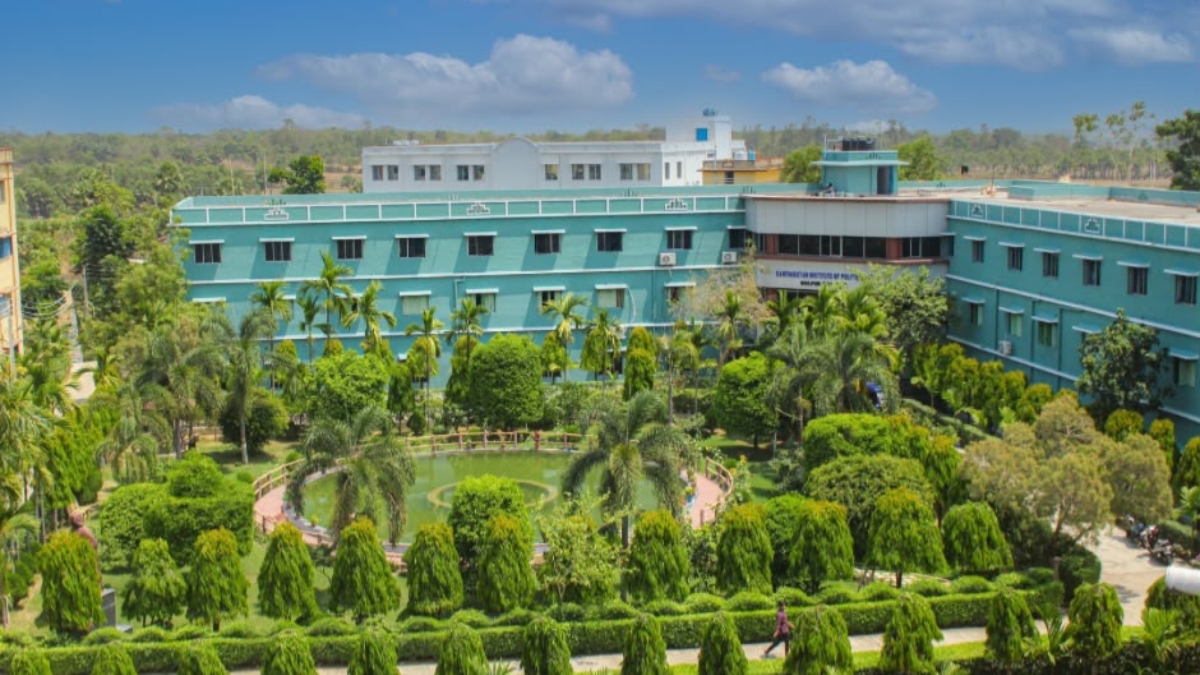
    Bengaluru (Karnataka) [India], April 03: With the Symbiosis Entrance Test (SET) registration closing on 15 April 2026 and the SCMS Bengaluru application deadline set for 21 May 2026. Candidates are required to register for SET, and completing both the SET registration and the SCMS Bengaluru application is compulsory to be considered for the admission process.

    SCMS Bengaluru has steadily strengthened its academic framework, aligning its BBA programme with the needs of a rapidly changing business environment. The curriculum moves beyond conventional classroom instruction, integrating applied learning, interdisciplinary exposure, and industry relevance into its core structure. This shift signals a broader institutional transition towards practical learning.

    A key component of this differentiation lies in its specialised Centres of Excellence. The Centre for Innovation & Entrepreneurship allows students to engage with business ideas at an early stage, which encourages experiments, structured thinking, and venture development. In parallel, the Digital Business & Marketing Centre of Excellence addresses the growing importance of digital ecosystems, offering exposure to analytics, consumer insights, and technology-driven business strategies.

    The institute’s academic model is further reinforced through practical project labs. Designed to simulate live business environments, these labs require students to work on practical challenges, often in collaboration with industry stakeholders. The emphasis is on problem-solving, decision-making, and adaptability, skills that extend learning beyond theoretical constructs.

    SCMS Bengaluru has developed a startup and incubation support ecosystem that enables students to test and refine entrepreneurial ideas. Through mentorship, peer collaboration, and access to networks, learners are encouraged to build solutions that respond to real market needs. This integrated approach reflects the institute’s focus on nurturing independent thinking and innovation.

    With a competitive intake and growing demand, the programme continues to attract applicants seeking a balance between academic grounding and industry exposure. The structured selection process is designed to identify candidates who demonstrate both analytical ability and the potential to thrive in dynamic business contexts.

    SCMS B academic approach is centred on relevance and adaptability. By integrating Centres of Excellence, applied learning formats, and industry-linked exposure, we aim to create a learning space that prepares students for long-term professional growth.

    Positioned at the intersection of academic rigour and practical exposure, SCMS Bengaluru offers a learning environment that allows students to build strong business fundamentals while gaining early industry insight. Graduates from the programme can explore career across consulting, marketing, startups, and digital business domains.

    The admission process follows a defined schedule, with SET 2026 to be conducted in May, followed by shortlisting and subsequent evaluation rounds. The rising interest in undergraduate management education, the institute has seen increasing applicant traction in recent cycles, reflecting its expanding academic footprint and positioning within the higher education space.

    If you’re looking for a programme that blends classroom learning with practical experience, register for the Symbiosis Entrance Test (SET) before 15th April and complete your SCMS Bengaluru registration by 21 May 2026.

    If you object to the content of this press release, please notify us at pr.error.rectification@gmail.com. We will respond and rectify the situation within 24 hours.

  • Unwritten Skills Through Storytelling – The Human Edge AI Can’t Replicate

    Unwritten Skills Through Storytelling – The Human Edge AI Can’t Replicate

    New Delhi [India], April 02: The world’s higher education system is at an inflection point.  As AI rapidly masters technical and analytical skills, the real question is no longer what students know, but what makes them irreplaceable.

    A recent survey by LinkedIn, conducted across its billion-plus users, makes this shift undeniable: the most valuable skills today are leadership, mentoring, communication and increasingly, storytelling. More companies are actively seeking professionals who can think clearly, influence decisively, and communicate through powerful narratives.

    Yet, storytelling remains one of the most overlooked capabilities in formal education.

    That is where Unwritten Skills changes the game.

    Our programmes are built on a bold dual engine: Cinematic Storytelling from Global Thought Leaders, and the deliberate development of storytelling as a core skill in every participant.

    Participants are not simply taught, they are immersed.

    They step into high-stakes, real-world scenarios like leadership dilemmas, ethical conflicts, uncertainty, and pressure – brought to life through cinematic storytelling. At pivotal moments, everything comes down to one defining question:

    What would you do and what story from your own life would guide you?

    This is where learning becomes transformation.

    Through our Thought Auctions, participants don’t just respond, they debate, challenge, and sharpen decisions in real time, drawing from both the stories they witness and the stories they carry. Nearly 75% of the programme is outcome-driven, building judgment, clarity, confidence and the ability to communicate with impact.

    Our flagship programme, “How to Create Something from Nothing” is powered by the real-world journeys of exceptional thought leaders:

    • Pratap Mendonca, a UAE-based entrepreneur who has built ventures across technology, pharmaceuticals, and diagnostics, brings a sharp entrepreneurial lens spotting hidden opportunities and acting decisively in uncertain environments.
    • Rajeev Krishnan, former CEO of leading US and European retail multinationals and advisor to one of the world’s largest consulting firms, brings the corporate edge driving execution, scale, and stakeholder alignment within complex organisations.

    Together, they reinforce a powerful truth:

    Opportunity is not found. It is created.

    As AI reshapes industries, the winners will not be those who simply know more, but those who can navigate ambiguity, make decisions under pressure, and influence others through powerful storytelling.

    Because in the end, the ultimate edge in the AI Age belongs to those who don’t just learn from stories, but know how to build them, use them, and lead with them.

    If you object to the content of this press release, please notify us at pr.error.rectification@gmail.com. We will respond and rectify the situation within 24 hours.

  • NLD Synapse 2026: Building India’s Next Generation of Leaders Through Experiential Learning at NLDIMSR

    NLD Synapse 2026: Building India’s Next Generation of Leaders Through Experiential Learning at NLDIMSR

    New Delhi [India], April 01: The future belongs to those who don’t just learn, but build, experiment, and step into real challenges. Shaped by this belief, N. L. Dalmia Institute of Management Studies and Research (NLDIMSR) has cultivated a culture where learning goes beyond classrooms, creating an environment where experience leads, and excellence follows. Recognized among Mumbai’s leading B-schools, the institute has consistently built a learning environment that extends beyond conventional academic frameworks.

    The Institute encourages students to take ownership of real initiatives, shaping their learning through active engagement. Rooted in the belief that meaningful learning comes from independence and initiative, NLD Synapse brings this ideology to life as a national platform for innovation and experiential learning. At its core, NLD Synapse is not just an annual flagship event, but a reflection of a larger belief – that true learning emerges when individuals are given the space to think, build, and lead, transforming education from a passive experience into an active pursuit of impact.

    NLD Synapse 2026 enabled students to drive key aspects of the event with institutional guidance, creating a distinctive model of applied learning. It brought together aspiring founders, researchers, analysts, and investors from across India, fostering an environment where ideas were not just presented but examined, challenged, and further developed.

    NLD Synapse 2026 witnessed a remarkable national turnout, with over 13,000 participants competing across multidisciplinary competitions. Bringing together students and young professionals from 5,047 colleges across 28 states and 6 union territories, the event reflected the scale, reach, and diversity of talent the platform attracts.

    The Institute has built a distinctive identity at the intersection of academic rigour, research, entrepreneurship, data analytics, and meaningful industry engagement. The NLD Synapse ecosystem reflected this approach by bringing together students from diverse disciplines, industry leaders, and the investor community to exchange ideas and explore real opportunities.

    The event featured four core competitions, each designed to assess a key aspect of modern business.

    Synthesis: The research paper presentation competition brought forward rigorous, data-backed insights on the theme “India’s Consumption Economy 2030: Scaling Growth Responsibly through Sustainability.” Participants presented outstanding research infused with data, real-world understanding, and innovative thinking. The quality of work highlighted NLDIMSR’s growing focus on building a research-driven mindset and applying theory to solve emerging industry challenges.

    BrainSprint: A national-level business case study challenge that tested UG, MBA, and PGDM students’ ability to solve complex business situations. Participants tackled cases across marketing, finance, and corporate strategy, thinking on their feet under time pressure. Evaluated by academic and industry experts, BrainSprint highlighted strategic decision-making and readiness for real boardroom environments.

    DecodeX: The 24-hour national-level hackathon brought together 4500+ participants from 400+ institutions across India. It became a major attraction at Synapse, bringing together top analytics talent for an intense, data-driven problem-solving experience. Participants worked on real-world business cases, applying analytical frameworks, decoding complex datasets, and delivering actionable insights within tight timelines.

    With live evaluation from industry and academic experts, national-level recognition, PPIs for top teams, and immersive learning across multiple domains, DecodeX offered one of the most high-impact arenas of Synapse, blending hands-on analytics with the event’s dynamic environment.

    BluePrint: The start-up pitching platform connected high-potential early-stage founders with a seasoned investor panel, emerging as a standout and one of the most anticipated platforms at Synapse.

    BluePrint attracted more than 5,300 Series A start-up registrations and over 590 start-up applications, reflecting the growing credibility of the initiative. After multiple rounds of evaluation, 30 start-ups were shortlisted for a virtual round of discussions, and 11 finalists earned the opportunity to pitch live before an esteemed panel of investors.

    The founders brought forward high-calibre ideas across FinTech, AI, Climate Tech, HealthTech, advanced technology, and other high-impact sectors, demonstrating strong market understanding and potential.

    The participation of a Shark Tank India-featured start-up further added to the initiative’s visibility and entrepreneurial relevance. Beyond the pitching experience, founders were given access to a pledged fund of up to $500,000 through incubation and mentorship enabled by the network of Venture Catalysts.

    Investors appreciated the level of preparedness and clarity of the ideas, reflecting NLDIMSR’s focus on building platforms that drive meaningful outcomes. Unlike a typical college pitch competition, BluePrint has evolved into a credible interface between founders and the investor community—serving as a unique bridge between academia and entrepreneurship.

    Together, these competitions reflected Synapse as a platform designed to identify potential, reward depth, and create credible pathways between academic excellence and larger opportunity.

    While competition formed the core of Synapse, the event was equally shaped by the energy and vibrancy of campus life. With an engaging mix of DJ performances, stand-up comedy, open mic sessions, and cross-college networking, the experience was curated to feel not only intellectually stimulating but also dynamic and memorable. This balance added depth to the event, reflecting an understanding that platforms of this scale are strengthened not only by rigour and performance but also by the sense of connection, participation, and shared experience they create.

    NLD Synapse 2026 reflects the caliber, clarity, and vision with which N. L. Dalmia Institute of Management Studies and Research continues to distinguish itself. More than an annual event, it has become a powerful expression of the institute’s ability to create experiences that are relevant, immersive, and future-facing. In doing so, Synapse leaves behind not just visibility, but lasting recall—strengthening NLDIMSR’s standing as an institute that people do not simply notice, but remember and increasingly look towards for what comes next.

    If you object to the content of this press release, please notify us at pr.error.rectification@gmail.com. We will respond and rectify the situation within 24 hours.

  • AIR Commons 2026 Positions Clean Air as a Shared Civic Responsibility, Calls for Ground-Up Action

    AIR Commons 2026 Positions Clean Air as a Shared Civic Responsibility, Calls for Ground-Up Action

    Ahmedabad (Gujarat) [India], March 31: At a time when India continues to grapple with complex air pollution challenges, AIR Commons 2026 brought together voices from science, policy, industry, and civil society to reframe air quality as a shared public good requiring collective, ground-up action.

    Organised by the Indian Air Quality Network (IAQN) in collaboration with i-Hub Gujarat, the convening reflects IAQN’s growing role as a national platform that bridges academia, policymakers, industry, and communities to enable more integrated, solution-driven approaches to air quality management.

    AIR Commons 2026

    Held on the eve of the anniversary of the Air (Prevention and Control of Pollution) Act, 1981, the event was attended by Chief Guests Shri Kartikeya Sarabhai and Mr. Shailesh Patwari, along with experts and practitioners from across the country.

    Among the key voices, Dr. Gufran Beig emphasised the importance of airshed-based air quality management supported by real-time monitoring and advanced analytical tools, highlighting the need to move beyond fragmented, city-level responses.

    AIR Commons 2026

    From Awareness to Ownership

    Discussions underscored that air pollution is no longer just an environmental or regulatory issue, but a systemic challenge shaped by urbanisation, infrastructure, consumption patterns, and governance gaps.

    Shri Sarabhai highlighted the role of behavioural change and environmental education, while Mr. Patwari described air pollution as a “silent killer,” calling for stronger accountability and a shift from compliance-driven systems to responsibility-led action.

    From Data to Decision

    A key takeaway from the convening was the need to move beyond monitoring towards actionable intelligence and implementation.

    Experts highlighted the importance of:

    • Real-time data systems
    • Integrated decision-making frameworks
    • Airshed-level planning for long-term impact

    Urban systems emerged as critical levers, with discussions focusing on transport, construction, waste, and indoor environments as priority areas for intervention.

    Bridging Science, Systems, and Society

    The conversations reinforced the need for stronger alignment among science, policy, and public participation to solve air pollution.

    Behavioural change, citizen engagement, and robust implementation frameworks were identified as essential to translating knowledge into measurable outcomes.

    AIR Commons 2026 featured innovation showcases, startup demonstrations, and emerging research presentations, highlighting a growing ecosystem of solution-driven approaches across monitoring, analytics, and implementation.

    The Road Ahead

    As India progresses toward its vision of Viksit Bharat 2047, AIR Commons 2026 reinforced a clear shift:

    The challenge is no longer about lack of knowledge or technology, but about collaboration, execution, and scaling solutions. By positioning air as a commons, IAQN aims to catalyse a more inclusive and action-oriented clean air movement, bringing stakeholders together to move from intent to impact.

    If you object to the content of this press release, please notify us at pr.error.rectification@gmail.com. We will respond and rectify the situation within 24 hours.

  • The Changing Landscape of Undergraduate Admissions in India

    The Changing Landscape of Undergraduate Admissions in India

    New Delhi [India], March 31: India’s undergraduate education landscape is undergoing a significant transformation, marked by the emergence of new-age institutions and a growing acceptance of interdisciplinary, untraditional programs. For decades, the narrative around higher education in India was largely dominated by conventional pathways such as engineering, medicine, and commerce, often pursued through highly competitive entrance examinations. Today, however, a new ecosystem is taking shape, one that emphasizes holistic development, critical thinking, and global readiness.

    At the forefront of this shift are institutions such as Ashoka University, Plaksha University, Krea University, FLAME University, and Mahindra University. These universities are redefining undergraduate education by offering flexible curricula, interdisciplinary majors, and a strong emphasis on real-world application.

    A Shift Toward Interdisciplinary Learning

    Unlike traditional degree structures, these institutions allow students to explore a wide range of subjects before committing to a specialization. This flexibility enables learners to combine disciplines such as economics with data science, psychology with marketing, or computer science with design.

    For instance, Ashoka University has championed the liberal arts model in India, encouraging students to develop a broad intellectual foundation alongside deep expertise in a chosen field. Similarly, Plaksha University integrates technology education with design thinking and entrepreneurship, preparing students for complex, real-world challenges.

    This shift is not merely academic, but represents a broader change in mindset. Students and parents alike are increasingly valuing creativity, adaptability, and problem-solving skills over rote learning and narrow specialization.

    Evolving Admissions Criteria: Beyond Test Scores

    One of the most notable changes accompanying this transformation is the evolution of admissions processes. These new-age institutions are moving away from a singular reliance on entrance exams and instead adopting a more holistic evaluation framework.

    At Ashoka University, for example, admissions are based on multiple components:

    1. Class 10 Academic Performance – Provides an early indicator of consistency and academic grounding.
    2. Class 12 Scores/SAT/Ashoka Aptitude Test (AAT) – Scores are normalized, and the highest performance among these is considered, offering flexibility to applicants from diverse academic backgrounds.
    3. Personal Essay – A critical component that allows students to showcase their voice, aspirations, and individuality.
    4. Personal Interview – Designed to assess communication skills, intellectual curiosity, and overall fit with the university’s ethos.

    Similarly, Plaksha University incorporates a blend of academic and aptitude-based assessments. In addition to considering scores from exams such as JEE Main, applicants undergo a technical skills interview that evaluates their problem-solving abilities and conceptual understanding.

    This multidimensional approach ensures that students are evaluated not just on their academic achievements, but also on their potential, personality, and passion.

    The Role of Structured Preparation

    As admissions processes become more nuanced, the need for structured preparation has grown significantly. This is where specialized programs like the Ace India initiative by Jamboree Education are playing a crucial role.

    The Ace India Undergrad Admissions Program is designed to guide students through every stage of the application journey – from test preparation to profile building and interview readiness. With institutions placing increasing emphasis on essays, interviews, and extracurricular engagement, students require more than just academic excellence to stand out.

    For applicants targeting Ashoka University, for instance, preparation involves not only optimizing standardized test scores but also crafting compelling personal narratives. Jamboree’s mentorship helps students articulate their experiences and aspirations effectively, ensuring their applications resonate with admissions committees.

    In the case of Plaksha University, where technical interviews form a key component, targeted preparation becomes even more critical. Students must demonstrate not just theoretical knowledge, but also the ability to apply concepts in unfamiliar scenarios. Structured coaching can help bridge this gap, equipping students with the confidence and skills needed to excel.

    Current Affairs and Holistic Awareness

    Another emerging trend in UG admissions, particularly at institutions like FLAME University, is the emphasis on awareness beyond textbooks. Students are often assessed on their understanding of current affairs, global issues, and socio-economic trends.

    This reflects a broader educational philosophy: universities are seeking individuals who are not only academically capable but also socially aware and intellectually engaged. Preparing for such evaluations requires consistent exposure to news, analysis, and informed discussions.

    Programs offered by Jamboree Education incorporate current affairs preparation as a core component, helping students stay informed and develop well-rounded perspectives. This not only strengthens their performance in admissions processes but also prepares them for meaningful participation in academic and professional environments.

    A Welcome Transformation

    The rise of institutions like Ashoka, Plaksha, Krea, FLAME, and Mahindra signals a broader democratization of higher education choices in India. Students are no longer confined to a limited set of “acceptable” career paths. Instead, they have the freedom to pursue diverse interests and carve unique trajectories.

    This transformation is also aligned with global trends, where interdisciplinary education and experiential learning are becoming the norm. Indian universities are increasingly positioning themselves as global players, attracting international faculty, fostering research, and building industry partnerships.

    Conclusion

    India’s undergraduate education landscape is at an inflection point. The emergence of innovative institutions and holistic admissions processes is reshaping how students approach higher education. Success is no longer defined solely by exam scores, but by a combination of academic achievement, personal insight, and real-world readiness.

    As competition intensifies and expectations evolve, students must adapt to this new paradigm. Structured guidance, such as that offered through initiatives like Ace India by Jamboree Education, can provide a significant advantage, helping applicants navigate complexity and present their best selves.

    If you object to the content of this press release, please notify us at pr.error.rectification@gmail.com. We will respond and rectify the situation within 24 hours.

  • XLRI, TimesPro announce admissions for the 11th batch of the Executive Development Programme in Project Management for Senior Professionals

    XLRI, TimesPro announce admissions for the 11th batch of the Executive Development Programme in Project Management for Senior Professionals

    Jamshedpur (Jharkhand) [India], March 31: Xavier School of Management, under the aegis of Xavier Labour Relations Institute (XLRI), has jointly announced admissions to the 11th batch of the Executive Development Programme in Project Management for Senior Professionals, in collaboration with XLEAD and TimesPro, a higher edtech platform. This programme serves senior working professionals who aim to lead complex, high-value projects and accelerate organisational growth.

    The eight-month, live-online Executive Development Programme in Project Management equips senior professionals with strategic leadership capability to introduce innovative practices and act as a primary driver of enterprise strategy, portfolio value and business agility. The programme’s 360-degree framework and pedagogy build expertise across operational, financial, stakeholder, governance and legal dimensions of project management. 

    Senior leaders are increasingly seeking advanced project management capabilities to master contemporary frameworks, shape execution strategies, lead high-performance teams, utilise digital tools effectively and strengthen governance while managing large, multi-stakeholder initiatives to drive growth and sustainability. The programme, designed to address these core skills, spans nine core modules that cover modern project management concepts, project modelling, financial decision-making, vendor management, people management and allied priorities. It also includes an exclusive two-day campus immersion at the XLRI Delhi campus, designed to consolidate learning, deepen cohort connections, and offer participants a first-hand experience of the XLRI environment. 

    Demand for project management professionals continues to rise as organisations adopt emerging technologies and redesign delivery models across sectors. Industry projections indicate a possible global talent gap of up to 30 million project professionals by 2035, alongside a potential 64% rise in demand for project talent between 2025 and 2035. Research from Columbia University also links the growing requirement for project leaders to large-scale urbanisation initiatives in Asia and Africa and to expanding public and private investment in sustainable, resilient systems. 

    Speaking on the announcement, Dr. Santoshkumar Sangem, Assistant Professor, XLRI (Xavier School of Management) said, “Organisations win when leaders treat projects as strategic assets, not isolated assignments. Through the Executive Development Programme in Project Management, we help senior professionals sharpen portfolio thinking, strengthen governance and manage stakeholders and risk with commercial discipline. The live-online design and the XLRI Delhi campus immersion create a high-trust learning environment that translates frameworks into boardroom-ready decisions for real impact.”

    Sharing his thoughts, Sridhar Nagarajachar, Business Head – Executive Education, TimesPro said, “India’s growth story runs on execution excellence that demands leaders who can steer complex programmes with speed, compliance and clarity. With XLRI, we offer a rigorous, outcome-led pathway that blends faculty insight, simulations and tool mastery across MS Project, JIRA and Excel. Participants leave with sharper leadership judgement, stronger cross-functional influence and confidence to deliver measurable value at scale.”

    The programme supports a decisive career shift, from strong project execution to strategic business leadership, by helping participants expand their impact, influence and enterprise-level decision-making. Professionals who currently work as project managers, senior project engineers, team leaders or operations heads can progress towards roles such as programme manager, PMO manager, head of projects, director and CXO positions, depending on their experience and organisational context. 

    XLRI faculty and industry collaborators deliver the learning experience through concept sessions, applied discussions and hands-on exposure to project simulations and tools. The programme also provides interactive training on industry-standard methodologies such as PMP, ITIL, and SCRUM, contributing to over 150 hours of learning. Participants build proficiency in essential tools including MS Project, JIRA and MS Excel and receive a lifetime licence of MS Project.

    Applicants must hold a recognised graduate degree (10+2+3) or a diploma (10+2+3) in any discipline and must bring a minimum of three years of work experience. Upon successful completion, participants become eligible for the prestigious Executive Alumni membership of XLRI.

    About XLRI: 

    XLRI – Xavier School of Management is India’s oldest and one of the most prestigious business schools, founded in 1949 by the Jesuit Society of Jesus in Jamshedpur, Jharkhand with a vision to nurture responsible leaders and bring positive change in society. It offers flagship postgraduate programs in Business Management (PGDM-BM) and Human Resource Management (PGDM-HRM), along with executive and doctoral programs. XLRI is globally accredited (AACSB & AMBA), emphasizes ethical leadership, holistic development, and social responsibility, and maintains a strong industry interface and alumni network. It also has a modern Delhi-NCR campus to extend its academic reach.   

    XLRI’s Executive Education programs are specially designed for working professionals, mid-to-senior level managers, leaders, and entrepreneurs who want to upskill, lead with impact, and adapt to changing business environments while continuing their careers. These programs offer flexible formats such as online, in-person (campus), or blended learning, making it easier for executives to learn without taking long breaks from work. 

    About TimesPro:

    TimesPro, established in 2013, is a leading Higher EdTech platform dedicated to empowering the career growth of aspiring learners by equipping them with skills to rise in a competitive world. TimesPro’s H.EdTech programmes are created to meet the rapidly changing industry requirements and have been blended with technology to make them accessible & affordable. 

    TimesPro offers a variety of created and curated learning programmes across a range of categories, industries, and age groups. They include employment-oriented early career programmes across BFSI, e-Commerce, and technology sectors; executive education for working professionals in collaboration with premier educational institutions like IIMs and IITs; and organisational learning and development interventions at the corporate level. 

    TimesPro also collaborates with India’s leading organisations across varied sectors to provide upskilling and reskilling solutions to boost employability and create a robust workforce. TimesPro is a Higher EdTech initiative by The Times Group. 

    If you object to the content of this press release, please notify us at pr.error.rectification@gmail.com. We will respond and rectify the situation within 24 hours.

  • Lighting Lives Through Education: KP Group and PP Savani University Launch Urjanoor Scholarship for the Underprivileged

    Lighting Lives Through Education: KP Group and PP Savani University Launch Urjanoor Scholarship for the Underprivileged

    Surat (Gujarat) [India], March 30: KP Human Development Foundation, the philanthropic arm of KP Group, in collaboration with PP Savani University, has launched the Urja Noor scholarship programme, aimed at supporting underprivileged students pursuing education in renewable energy and related fields.
    The initiative was launched on March 24, the 55th birthday of KP Group Founder, Chairman and Managing Director, Dr. Faruk G. Patel. It will provide fully funded education, including tuition fees, hostel accommodation, meals and transportation, to deserving students enrolled in B. Tech and diploma programmes.

    The scholarship program is designed to build a skilled workforce for the clean energy sector while ensuring access to quality education for students from economically disadvantaged backgrounds. As many as 92 students have already availed themselves of the scholarship, with plans to expand its scale in the coming years. On the same lines, presently 30 students from Botswana take the benefit of this newly launched program. A total of 120 students this year will get the scholarship, out of which 30 will be from Botswana, where KP Group is already investing $4 billion, and will also be enrolled under this initiative.
    Commenting on the initiative, KP group CMD Dr. Faruk G. Patel said, “Our aim has always been to support young people who have the potential to succeed but lack access to the right environment. At KP Human Development Foundation, we focus on enabling underprivileged students to pursue their aspirations. The purpose is not just to fund studies, but to nurture skills and talent and build a strong renewable energy workforce for India.”
    The Urja Noor scholarship aims to strengthen this vision by creating an inclusive model that provides education as well as job opportunities without any religious, caste or social barriers. It also seeks to go beyond education and ensure long-term financial stability for students.
    Sneh Savani, Managing Director, PP Savani University, said, “We want to provide students not only with the means of education but also the means of income after their education. Our responsibility does not end with imparting education, but with how students use it to support themselves and their families. This thinking led to the institution of Urja Noor scholarship in partnership with KP Group.”

    For many beneficiaries, the programme marks their first exposure to a university environment, with access to classrooms, laboratories and structured learning. The scholarship ensures a stable ecosystem with accommodation, meals and transport, enabling students to focus on academic and practical skill development in areas of energy, sustainability and technology.

    Dr. Parag Sanghani, Provost, PP Savani University, said, “The purpose of education is to ensure a confluence of hands and hearts to prepare the best engineers for the country. This is our small effort in the field of sustainable energy, offering students an opportunity to build careers in this growing sector.”

    The programme also includes industry exposure and employment pathways, with a focus on preparing students for careers in the renewable energy sector. KP Human Development Foundation will provide continued mentorship and support throughout the students’ academic journey.
    “Our ultimate goal is to ensure that students stand on their own feet, support their families, uplift communities and contribute to the nation’s progress. When a child is educated, a family rises, and when a family rises, society grows, and the nation moves forward,” Dr. Faruk Patel added.
    The Urja Noor scholarship programme reflects KP Group’s vision to create a pipeline of skilled talent that will drive the nation’s clean energy transformation.

  • Galgotias University Holds 10th Convocation Ceremony; Leaders Emphasise Resilience, Discipline, and Lifelong Learning

    Galgotias University Holds 10th Convocation Ceremony; Leaders Emphasise Resilience, Discipline, and Lifelong Learning

    Greater Noida (Uttar Pradesh) [India], March 30: Galgotias University successfully organised its 10th Convocation Ceremony, bringing together distinguished dignitaries, eminent guests, faculty members, parents, and graduating students in a celebration of academic achievement and future aspirations.

    The ceremony was graced by Padma Shri Dr. A. S. Kiran Kumar, former Chairman of ISRO, as the Chief Guest. Other notable dignitaries included Padma Shri Uma Shankar Pandey, renowned social activist and water conservationist; Dr. R. G. Agarwal, Chairman Emeritus, Dhanuka Agritech Limited; along with special guests Shri Nagendra Goyal, Joint Commissioner, Kendriya Vidyalaya Sangathan, Government of India, and Mr. Vinit Goenka, Secretary, Centre for Knowledge Sovereignty.

    The convocation celebrated the academic achievements of 6,656 graduates across diverse disciplines. Degrees were conferred upon 73 Ph.D. scholars, 3,953 undergraduate students, 2,250 postgraduate students, 199 diploma holders, and 181 students from integrated programs, marking a significant milestone in their academic journey.

    Addressing the graduating students, Chief Guest Dr. A. S. Kiran Kumar emphasised the importance of continuous learning in a rapidly evolving technological world. He noted that while students graduate today, the process of learning must remain lifelong. Highlighting the rapid pace of technological advancement, he urged students to stay adaptable, curious, and future-ready. He also cautioned against the growing influence of smartphones, noting that technology is increasingly shaping human behaviour, and advised students to remain aware and in control of their digital lives.

    In his convocation address, the Chancellor congratulated the graduating students and reflected on the university’s journey of excellence and global recognition. He emphasised that challenges are inevitable in life but play a crucial role in shaping character and resilience. Drawing an analogy with strong trees that withstand storms and grow back stronger, he encouraged students to remain steady during difficult times and emerge stronger. He further underscored that hardships are integral to success, reiterating the timeless principle that without struggle, there is no achievement, and urged students to embrace challenges as opportunities for growth.

    Dr. R. G. Agarwal highlighted the importance of discipline in personal and professional life, stating that consistent effort, structured thinking, and self-regulation are key to long-term success.

    Padma Shri Uma Shankar Pandey delivered a thought-provoking message on water conservation, pointing out the paradox of modern society where there is limited knowledge on saving water but a vast market built around selling it. He called for greater awareness, responsibility, and sustainable practices among the younger generation.

    The university also highlighted its strong placement performance for the current academic year. A large number of companies participated in campus recruitment drives, offering opportunities across emerging technology and business sectors. Prominent recruiters included Infosys, Cognizant, Accenture, EY, Capgemini, along with over 1,200 organisations associated with the university’s hiring ecosystem.

    Galgotias University reaffirmed its commitment to academic excellence, innovation, and holistic development, while assuring students that they will always remain an integral part of the university community.

    About Galgotias University
    Galgotias University is recognised among the world’s leading institutions in the QS and Times Higher Education rankings. In the QS World University Rankings 2026, the University is placed in the 1201–1400 global band, ranked 15th among top private universities and 43rd among all Indian universities. It has also earned NAAC A+ accreditation in its first cycle within just 14 years of establishment. In the Times Higher Education World University Rankings 2025, the University stands 45th among Indian institutions and is placed in the 1001–1200 global band, reflecting its growing international recognition and commitment to excellence. The University remains committed to delivering quality education, global exposure, and cutting-edge research opportunities across disciplines.

    If you object to the content of this press release, please notify us at pr.error.rectification@gmail.com. We will respond and rectify the situation within 24 hours.

  • XLRI Jamshedpur announces admissions to 47th batch of Postgraduate Certificate in Business Management

    XLRI Jamshedpur announces admissions to 47th batch of Postgraduate Certificate in Business Management

    AICTE-approved 12-month live online programme for working professionals seeking stronger business understanding, managerial confidence and leadership readiness 

    Jamshedpur (Jharkhand) [India], March 28: XLRI Jamshedpur has announced admissions to the 47th batch of its Postgraduate Certificate in Business Management, a 12-month, live online, AICTE-approved programme offered in collaboration with TimesPro for working professionals looking to move beyond functional specialisation and prepare for broader business and leadership roles. The programme addresses the growing need for professionals who can approach business challenges with stronger strategic, financial and cross-functional understanding. 

    Structured as an integrated management learning experience, the programme helps participants build a clearer understanding of how different business functions work together and how decisions influence organisational outcomes. It covers key areas such as strategy, finance, marketing, operations, people management, analytics and emerging business tools, enabling professionals to strengthen managerial judgement and prepare for roles with broader accountability. Participants also build leadership, communication and problem-solving skills that are increasingly important in complex business environments.  

    Recent industry reports continue to underline this shift. The Future of Jobs Report 2025 by the World Economic Forum points to growing demand for skills in technology, data and cybersecurity, while also reaffirming the importance of analytical thinking, resilience, leadership, collaboration and adaptability. In parallel, employers continue to place a high value on communication and decision-making skills. Together, these trends highlight the need for professionals who can combine functional expertise with sound business judgement and the ability to lead across contexts. 

    Speaking on the announcement, Dr Rahul Chandra Sheel, Associate Professor, XLRI Jamshedpur said, “Professionals today are expected to contribute beyond the boundaries of their core function. They must understand how businesses create value, how decisions connect across functions and how leadership must respond to constant change. This programme has been designed to build that broader perspective and help learners grow into roles that require stronger judgement, maturity and a fuller grasp of business realities.” 

    XLRI Jamshedpur

    Sharing his thoughts, Sridhar Nagarajachar, Business Head – Executive Education, TimesPro said: 
    “Career progression today depends increasingly on a professional’s ability to think beyond execution and engage with the wider business context. This programme is designed to strengthen business understanding, managerial confidence, and decision-making ability through a rigorous and relevant curriculum. It is especially valuable for professionals preparing for broader responsibilities in a fast-changing business environment.” 

    The programme is particularly relevant for early- to mid-career professionals, functional specialists preparing for cross-functional or managerial roles and working professionals who want to improve the quality of their business decision-making. Spread across 20 modules, the curriculum covers areas such as business and corporate laws, marketing, human resource management, strategy, product management, digital leadership and innovation, and data visualisation, analytics and AI. An integrated capstone project allows participants to apply cross-functional learning to real business challenges, while a mandatory five-day campus immersion at XLRI Jamshedpur offers intensive academic engagement, peer learning and leadership exposure.   

    The programme follows a highly interactive pedagogy that combines live online lectures delivered through a state-of-the-art Interactive Learning platform with a Direct-to-Device delivery model. Participants also engage in case discussions, group work, assignments and collaborative learning activities led by XLRI faculty. The assessment framework includes tests, assignments, examinations, and project work to ensure sustained academic rigour and practical application.  

    On successful completion of the programme, participants will receive a Certificate of Completion in Business Management from XLRI Jamshedpur. They will also be eligible to apply for XLRI Alumni Status, extending a valued lifelong association with the institute. Applicants should hold a graduate degree in any discipline from a recognised university or institution and have at least 12 months of full-time work experience. 

    About XLRI

    XLRI – Xavier School of Management is India’s oldest and one of the most prestigious business schools, founded in 1949 by the Jesuit Society of Jesus in Jamshedpur, Jharkhand with a vision to nurture responsible leaders and bring positive change in society. It offers flagship postgraduate programs in Business Management (PGDM-BM) and Human Resource Management (PGDM-HRM), along with executive and doctoral programs. XLRI is globally accredited (AACSB & AMBA), emphasizes ethical leadership, holistic development, and social responsibility, and maintains a strong industry interface and alumni network. It also has a modern Delhi-NCR campus to extend its academic reach.    

    XLRI’s Executive Education programs are specially designed for working professionals, mid-to-senior level managers, leaders, and entrepreneurs who want to upskill, lead with impact, and adapt to changing business environments while continuing their careers. These programs offer flexible formats such as online, in-person (campus), or blended learning, making it easier for executives to learn without taking long breaks from work.  

    About TimesPro

    TimesPro, established in 2013, is a leading Higher EdTech platform dedicated to empowering the career growth of aspiring learners by equipping them with skills to rise in a competitive world. TimesPro’s H.EdTech programmes are created to meet the rapidly changing industry requirements and have been blended with technology to make them accessible & affordable.  

    TimesPro offers a variety of created and curated learning programmes across a range of categories, industries, and age groups. They include employment-oriented early career programmes across BFSI, e-Commerce, and technology sectors; executive education for working professionals in collaboration with premier educational institutions like IIMs and IITs; and organisational learning and development interventions at the corporate level.  

    TimesPro also collaborates with India’s leading organisations across varied sectors to provide upskilling and reskilling solutions to boost employability and create a robust workforce. TimesPro is a Higher EdTech initiative by The Times Group.  

    If you object to the content of this press release, please notify us at pr.error.rectification@gmail.com. We will respond and rectify the situation within 24 hours.

  • SRH University and SAP Labs India Ink Agreement, Extending Strategic Partnership to Bridge German Academic Excellence with India’s Tech Ecosystem

    SRH University and SAP Labs India Ink Agreement, Extending Strategic Partnership to Bridge German Academic Excellence with India’s Tech Ecosystem

    Signing of a strategic cooperation agreement with SAP Labs India in Bangalore

    Bengaluru (Karnataka) [India], March 28: SRH University, one of Germany’s leading private universities of applied sciences that serves over 11,000 students from more than 140 countries, signed a Memorandum of Understanding with SAP Labs India, SAP’s largest R&D centre outside its Walldorf headquarters. Grounded in a practice-oriented approach, the partnership aims to equip Indian learners with globally relevant digital competencies while strengthening the exchange of expertise between India and Germany. This opens new avenues for learners across India’s growing digital economy and into the German and international hiring markets.

    Dr. Thorsten Bagschik, Managing Director of SRH University, and Sindhu Gangadharan, Managing Director of SAP Labs India, inked the academic-industry partnership in the presence of Jeannine Koch, Member of the Board of SRH University and CEO of medianet berlinbrandenburg. This agreement marks an extension to the SRH – SAP partnership launched in Germany in December 2025. Notably, SAP is already the number-one employer of SRH University graduates in Germany, highlighting how practice-oriented education and academic-industry cooperation can bring tangible career outcomes for students.

    SRH University is one of the most popular private universities in Germany for Indian students, with over 2,000 Indian students currently enrolled among more than 140 nationalities on campus. The partnership includes deeper integration of SAP learning content and certifications into existing programmes, as well as the joint development of new degree programmes. Through this partnership, students work with real SAP technologies, live industry projects, and sector-specific applications from the outset, significantly improving their employability in the global digital economy.

    “The extension of our existing partnership with SAP SE to India brings together two of the world’s most important hubs of innovation. We are combining our practice-oriented German higher education with the dynamism of the Indian technology markets,” said Dr. Thorsten Bagschik, Managing Director, SRH University.

    Sindhu Gangadharan, Managing Director, SAP Labs India, said, “Industry and academia must work closely together to prepare talent for a rapidly evolving digital economy. By extending our partnership with SRH University to India, we are creating new opportunities for students to build enterprise technology skills that are directly relevant to the needs of global businesses. Initiatives like this are central to SAP’s ambition to equip 12 million people with AI-ready skills by 2030 and to build a strong pipeline of future-ready technology talent.”

    “Companies today are looking for talent that can bring together processes, data and technology and actively shape change. Universities like SRH University, which integrate SAP competencies hands-on into their study programmes, prepare their graduates specifically for these demands.” said Andre Bechtold, President SAP Industries & Experiences.

    The World Economic Forum’s Future of Jobs Report 2025 delivers a stark forecast. By 2030, automation will eliminate 92 million jobs while creating 170 million new roles. Employers will render 39 per cent of skills they prize today obsolete by the end of the decade. Universities and companies, therefore, face a shared challenge: aligning qualifications more closely with the global demand for digital skills. Through this extended partnership, SAP SE and SRH University address this directly, enabling Indian students to work with real technologies during their studies and acquire applied SAP competencies that translate into stronger career outcomes. 

    A key foundation for this practice-oriented approach is SRH’s exclusive CORE principle (Competence-Oriented Research and Education). This teaching model relies on project-based learning in small cohorts, where students tackle real-world problems. The integration of SAP content and certifications further enriches this approach with industry-specific competencies.

    What This Means for Indian Students

    This partnership gives Indian students access to SRH’s SAP-integrated degrees, with certification pathways built in from day one. Students work inside live SAP environments throughout their studies, tackling real enterprise challenges. What they carry out of the classroom is a German degree and an SAP credential that global employers already trust. With this, the opportunity that lies ahead is considerable. Over 25 per cent of all EU Blue Cards issued in 2023 went to Indian nationals.

    About SRH University

    SRH University is a private university with 18 locations across Germany, nearly 11,000 students from more than 140 countries, and a portfolio of around 120 degree programs. It is part of the non-profit foundation group SRH, one of Germany’s largest providers of education and healthcare. With more than 50 years of experience in higher education, SRH University aims to provide access to high-quality education and train the skilled professionals of tomorrow. SRH University places great importance on openness, diversity, and contemporary educational concepts that combine in-person and online teaching. Together with SRH Distance Learning University and EBS University of Business and Law, more than 20,000 students are currently enrolled at SRH universities.

    About SAP Labs India

    SAP Labs India is SAP’s largest research and development centre outside Germany, headquartered in Bengaluru with additional presence across India. SAP Labs India plays a central role in developing SAP’s next-generation cloud, AI, and enterprise software solutions, and actively engages with academia to build the digital talent pipeline that the global SAP ecosystem requires.

    If you object to the content of this press release, please notify us at pr.error.rectification@gmail.com. We will respond and rectify the situation within 24 hours.