Tag: Business

  • 1 Crore Sq Ft Warehousing Expansion: Built-to-Suit Industrial Warehouse announced by Ashwika Warehousing LLP on Founder Dharam Agarwal’s Birthday!

    1 Crore Sq Ft Warehousing Expansion: Built-to-Suit Industrial Warehouse announced by Ashwika Warehousing LLP on Founder Dharam Agarwal’s Birthday!

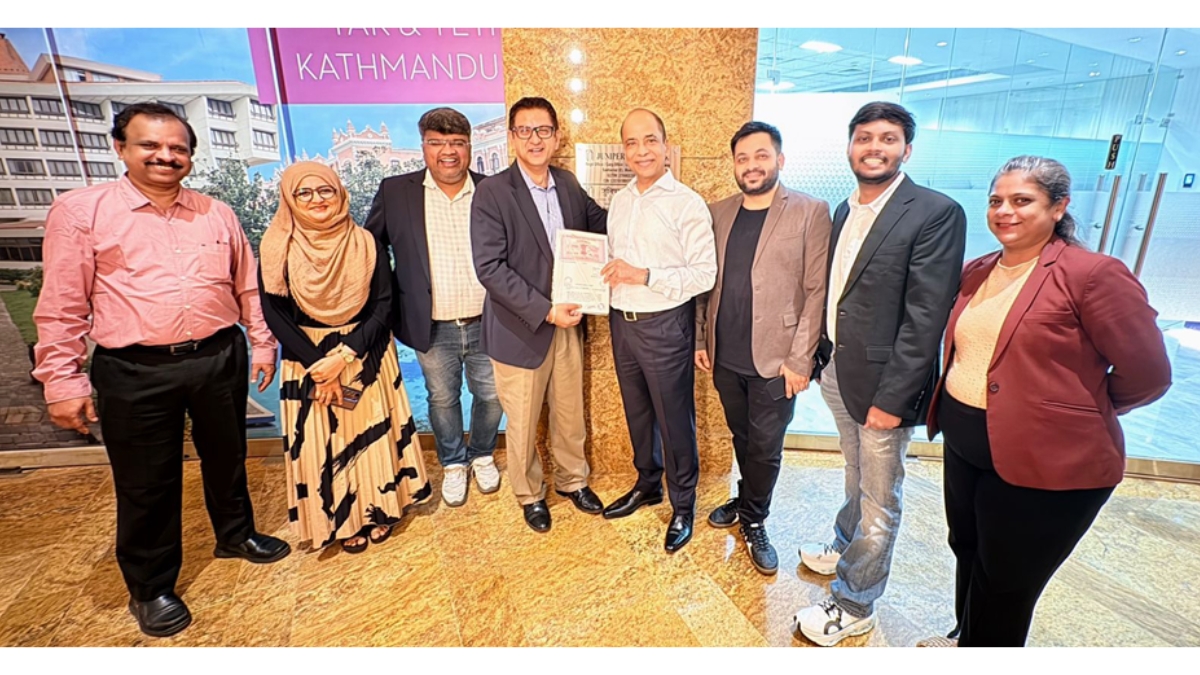
    Dharam Agarwal, Director, Ashwika Warehousing LLP

    Mumbai (Maharashtra) [India], February 19: With much happiness, Ashwika Warehousing LLP is announcing a major step forward: 1 crore sq of industrial warehouse & logistics park construction is being launched as part of our next growth phase. This announcement is also being made on Dharam Agarwal’s birthday, which makes the day even more meaningful for our team, our partners and everyone who has been part of this journey.

    This is not just an expansion of space. This is an expansion of capability. The focus is clear : built-to-suit (BTS) industrial warehouses that can be planned around real operational needs, across industries and storage types.

    Built-to-suit warehouses that fit the way you operate

    Every business handles inventory difterently. Some need wide movement lanes and fast dispatch. Some need racking-heavy layouts. Some need clean zoning for categories. Some need flexible staging for inbound and outbound peaks.

    That is why this construction rollout is being built around one promise: warehousing that adapts to your use case.

    With built-to-suit warehouses, planning can be aligned to:

    • Storage type and SKU movement
    • Loading and unloading flow
    • Layout needs for racking, stacking, or mixed storage
    • On-ground oftice and support areas
    • Scalability for changing volume

    The goal is simple: give businesses warehouse infrastructure that works in day-to- day operations, not just on paper.

    Suitable for every storage type and every business type

    This rollout is being positioned for a wide range of users, including:

    • Manufacturing and engineering supply chains
    • 3PL and logistics service providers
    • FMCG and retail distribution
    • E-Commerce storage and dispatch
    • Auto ancillary and parts warehousing
    • Multi-category stockists and regional hubs

    If your inventory needs vary across seasons, categories, or channels, the intent is to support that with flexible warehousing solutions.

    Locations covered in this construction rollout

    The 1 Cr Sq Ft rollout is being announced across key industrial belts, with sites planned and activated in the following areas:

    • Chacharwadi
    • Rajoda
    • Bavla
    • Kerala
    • Kochariya
    • Bhayala
    • Kalyangadh
    • Raipur (Vataman)
    • Khanpur
    • Kanera
    • Kajipura
    • Sanand (Kalana, Sachana, Makhiyav)
    • Jalisana
    • Halol
    • Manjusar
    • Vadodara
    • Bhiwandi (Kurund)

    This spread has been planned to support businesses looking for strong connectivity, industrial clustering, and practical access for movement and distribution.

    Why this matters for growing businesses

    A rollout of this scale creates room for businesses that are:

    • Adding new distribution points
    • Expanding regional coverage
    • Consolidating inventory into fewer, stronger hubs
    • Moving into built-to-suit models to reduce operational compromises
    • Planning capacity ahead of peak cycles

    With BTS planning, teams can look at warehousing not as a fixed cost, but as a space that supports efticiency in movement, handling, and turnaround.

    A note of gratitude, and what comes next

    On 19 February, as we celebrate Dharam Ji’s birthday, we are also celebrating everyone who has trusted Ashwika Warehousing LLP with their requirements, timelines and growth plans. This announcement reflects the belief that India’s industrial ecosystem needs infrastructure that keeps pace with ambition, and we are committed to building with that intent.

    If you are planning warehouse capacity in Gujarat or Maharashtra and you want a built-to-suit solution aligned to your storage type and operations, this is the right time to start the conversation.

    If you object to the content of this press release, please notify us at pr.error.rectification@gmail.com. We will respond and rectify the situation within 24 hours.

  • greytHR Releases ‘HR Predictions for 2026’, Revealing Where HR Is Strong and Where Readiness Is Fragile

    greytHR Releases ‘HR Predictions for 2026’, Revealing Where HR Is Strong and Where Readiness Is Fragile

    Bengaluru (Karnataka) [India], February 19: greytHR, India’s most trusted full-suite HRMS for hire-to-retire solutions today announced the release of HR Predictions for 2026 – A greytHR Perspective, a flagship insights release based on findings from the 2026 HR Leader Prediction Index, developed from responses by over 500 senior HR leaders and features exclusive viewpoints from experienced HR practitioners and industry leaders.

    The Index assesses organisational readiness using greytHR’s HR Prediction Score (HPS), measuring confidence across six dimensions of HR maturity. While results show visible progress across several areas, the data also highlights uneven preparedness as organisations face scale, skills disruption, and rapid AI adoption.

    According to the findings, Performance Enablement, Organizational Vitality, and Workforce Experience are showing strong progress.

    • Performance Enablement recorded the highest HPS (+66.08), reflecting a shift towards “hard HR,” with systems linking individual output to business strategy becoming central to success.
    • Organizational Vitality scored +64.58, indicating healthy leadership pipelines and effective manager training, allowing organisations to take bigger risks with AI and reskilling.
    • Workforce Experience scored +61.57, showing a move from perks to stability, with hybrid work models largely stabilised.

    Yet, the Index also highlights areas that need attention. Culture & Inclusion, Digital Dilemma, and Talent Agility highlight emerging vulnerabilities.

    • Culture and Inclusion scored +59.74, sitting just below the confidence zone; well-being programmes are active, but burnout remains a persistent risk.
    • Digital Dilemma scored +57.12, with tech fragmentation diminishing and unified data platforms emerging, though trust in AI and accountability in digital decisions remain uneven.
    • Talent Agility was the weakest dimension (+50.39), with skill obsolescence, limited internal mobility, and the need for dynamic skill graphing as key challenges.

    The greytHR perspective notes that many of today’s workforce challenges—burnout, stalled career progression, and leadership strain—are structural rather than individual, rooted in how work, skills, and technology are designed and governed. As AI moves from experimentation to operational use, the findings emphasise the need for human-in-the-loop governance, workflow redesign, and AI literacy.

    “The future of HR is about intentional design—where performance, skills, leadership, and technology evolve as one connected system. Organisations that integrate these elements thoughtfully can unlock greater potential, foster stronger engagement, and drive sustainable growth in an ever-changing business landscape.” – Girish Rowjee, Co-founder and CEO, greytHR.

    “We are at an exciting inflection point where AI and digital systems are becoming integral to how HR operates. The opportunity now is to build intelligent, interoperable platforms that combine strong data foundations with human insight. When technology and judgment work seamlessly together, organisations gain the clarity and agility needed to scale with confidence.” – Sayeed Anjum, Co-founder and CTO, greytHR.

    The release concludes with five priority actions for HR leaders, offering practical guidance to help organisations move from HR maturity to strategic acceleration as they prepare for 2026.

    Access the  HR Predictions for 2026 – A greytHR Perspective here: https://campaign.greythr.com/hr-prediction-2026?nc=701fw00000JyiclAAB&d=701fw00000JzVvEAAV&utm_source=email&utm_medium=PR&utm_campaign=HR-Predictions-2026-PR&Region=All&Sub_Source=Website

    About greytHR:

    greytHR is a full-suite HRMS platform designed to automate and simplify complex, recurring, and critical HR and payroll functions, ensuring compliance and security. With over 50 tools, greytHR offers ‘Hire-to-Retire’ solutions for People Operations, including advanced modules for recruiting, onboarding, engaging, paying, appraising, retaining, and retiring employees. The platform also leverages AI-driven analytics and recommendations to enhance employee engagement throughout the entire employee lifecycle.

    Trusted by CFOs and loved by CHROs, greytHR serves businesses of various sizes and is adaptable across industries like manufacturing, SaaS, healthcare, hospitality, education, and retail.

    As India’s leading HRMS and payroll provider, greytHR is rapidly expanding in the MEA and SEA regions, offering world-class Made-in-India software solutions to emerging markets. The company proudly serves over 34,000 clients, managing 3.2 million+ employees across 25+ countries.

    At the heart of greytHR’s success is its commitment to its people. Recognized as a Great Place to Work®, the company demonstrates its dedication to building a high-trust, high- performance workplace where employees are valued, empowered, and motivated to do their best work.

    If you object to the content of this press release, please notify us at pr.error.rectification@gmail.com. We will respond and rectify the situation within 24 hours.

  • Pajson Agro India: Post-IPO Scaling New Heights; Eyes 40 percent Growth Target for FY26

    Pajson Agro India: Post-IPO Scaling New Heights; Eyes 40 percent Growth Target for FY26

    Mumbai (Maharashtra) [India], February 19: Following its successful debut on the BSE SME platform in December 2025, Pajson Agro India Ltd (PAIL) is entering a transformative phase of industrial scaling. With a robust performance recorded in the first nine months of the fiscal year and a clear roadmap for FY26, the company is solidifying its position as a leading integrated player in India’s cashew processing industry.

    Nine-Month Performance & Strategic Milestones

    The nine-month period ended December 2025 marked a defining phase for Pajson Agro, led by the successful ₹74.45 crore IPO and a decisive scale-up in operations. During the period, the company’s installed capacity stands doubled from 9,000 MT (FY24) to 18,000 MT through expansion at its Anakapalli facility, strengthening its manufacturing base to support future growth.

    From a financial standpoint, revenue for 9M FY26 stood at 187.78 crore, reflecting strong demand and execution.

    B2C Expansion: The “Royal Mewa” brand saw its revenue from white-label branding grow nearly fivefold in just six months, reflecting rapid consumer acceptance.

    FY26 Outlook: Target 30–40% Growth

    As the company moves toward the full-year mark in March 2026, management expects to deliver a strong growth of 30–40% over FY25. This surge is fuelled by the recent capacity expansion at the existing Anakapalli plant, which has significantly improved processing efficiency and allowed the company to meet rising demand from its 71-strong distributor network.

    The Road Ahead: A Long-Term Growth Engine

    The deployment of IPO proceeds is already underway, with a primary focus on establishing a second, massive processing facility in Vizianagaram, Andhra Pradesh. Strategic Execution: Contracts for major project components have been negotiated, ensuring a swift transition to the construction phase.

    Capacity Leap: The new facility is slated for trial runs by late 2026, with commercial production expected in Q4 of FY27. This plant is designed to eventually bring the company’s total annual capacity to 53,000 MT. The management anticipates a 10–15% growth in volumes processed from current Anakapalli plant during FY27.

    Diversified Growth: The core processing business continues to remain the dominant driver, with a clear strategic focus on expanding institutional customers and strengthening the B2B segment. Meanwhile, the B2C segment recorded strong traction, growing threefold in FY26.

    With an expanding geographic footprint across India and supportive government policies, Pajson Agro is well positioned to evolve from a regional processor into a national agro-industrial player. Rising domestic demand and a structurally strong cashew market further reinforce the Company’s long-term growth outlook.

    If you object to the content of this press release, please notify us at pr.error.rectification@gmail.com. We will respond and rectify the situation within 24 hours.

  • Cash Ur Drive Acquires 50 Percent Stake of Charjkaro Greentech Mobility; Strengthens EV Ecosystem Presence

    Cash Ur Drive Acquires 50 Percent Stake of Charjkaro Greentech Mobility; Strengthens EV Ecosystem Presence

    Mumbai (Maharashtra) [India], February 19: Cash Ur Drive Marketing Limited (NSE: CUDML | INE0WL201014), one of India’s fast-growing sustainable transit media companies, has announced the acquisition of a 50% equity stake in Charjkaro Greentech Mobility Private Limited, marking a strategic move to expand its footprint within the electric mobility ecosystem.

    Transaction Overview

    • The Company has acquired 5,000 equity shares, representing 50% of the paid-up equity share capital of Charjkaro Greentech Mobility Private Limited. The acquisition comprises 2,500 equity shares from Mr. Raghu Khanna and 2,500 equity shares from Mr. Parveen K. Khanna.

    • Post completion of the transaction, Cash Ur Drive will hold joint ownership in the company, enabling strategic collaboration and long-term value creation within the sustainable mobility space.

    • The above acquisition was completed through cash consideration and is classified as a related party transaction under the applicable provisions of the Companies Act, 2013 and SEBI norms. Further, the transaction was conducted on an arm’s-length basis and in the ordinary course of business, after obtaining the necessary approvals. This investment aligns with the Company’s medium-term growth strategy, enabling revenue diversification through asset-backed media monetization across EV charging infrastructure while strengthening its presence in the sustainable mobility ecosystem.

    Strategic Rationale & Forward Outlook

    This investment reinforces Cash Ur Drive’s strategy of integrating sustainable transit media with the rapidly expanding electric mobility ecosystem. As EV adoption accelerates and charging infrastructure expands across urban India, the convergence of mobility, media, and technology creates scalable opportunities for engagement, innovation, and monetization.

    Commenting on the development, Mr. Raghu Khanna, Managing Director and Chairman, Cash Ur Drive Marketing Limited, said: “Through this partnership, the Company aims to strengthen its presence within EV infrastructure while developing integrated media solutions across charging networks and leveraging technology-driven platforms to enhance consumer engagement. Going forward, Cash Ur Drive will continue to evaluate opportunities aligned with sustainable mobility and infrastructure-linked assets, positioning itself at the intersection of green mobility and high-impact media engagement.”

    Disclaimer: This article is for informational purposes only and does not constitute financial advice.

  • How Easy Spin Is Building India’s First Organized Laundry Service Platform

    How Easy Spin Is Building India’s First Organized Laundry Service Platform

    Udaipur (Rajasthan) [India], February 19: In a country where laundry services have largely remained unorganized and fragmented, Easy Spin is creating a powerful shift by building India’s first large-scale laundry marketplace and service platform. Founded by entrepreneur Rakesh Mishra, Easy Spin does not operate its own physical stores. Instead, it connects customers with verified local laundry partners through a single, trusted platform.

    From its origins in Udaipur, Easy Spin has expanded its network and is now actively operating in Udaipur, Jaipur, and Hyderabad, creating new opportunities for local laundry businesses while offering customers a reliable, standardized service experience.

    How Easy Spin Is Building India’s First Organized Laundry Service Platform-PNN

    The Vision Behind Easy Spin

    Rakesh Mishra founded Easy Spin after noticing a critical problem in the Indian laundry market. Thousands of local laundry stores exist, but most lack digital access, consistent pricing, hygiene standards, and professional customer handling. Customers, on the other hand, struggle with unreliable service, delays, and quality issues.

    Easy Spin was created to organize this unstructured industry by acting as a technology-driven marketplace that connects customers to trusted laundry partners while enforcing service standards.

    “Easy Spin is not about replacing local laundries. It’s about empowering them with technology, visibility, and systems, while giving customers a better experience,” said Rakesh Mishra.

    A Marketplace Model That Works

    Unlike traditional laundry brands that open and operate their own outlets, Easy Spin follows a marketplace business model. The platform onboards and verifies local laundry stores and provides them with:

    • Digital order management
    • Customer acquisition through the Easy Spin platform
    • Standard pricing frameworks
    • Quality control guidelines
    • Delivery coordination support

    This allows laundry partners to grow their business without investing in marketing, technology, or logistics infrastructure.

    Seamless Customer Experience

    For customers, Easy Spin provides a single app and support system where they can:

    • Book laundry pickup
    • Choose services (wash, fold, iron, dry clean)
    • Select their preferred pickup and delivery time slots
    • Track order status in real time
    • Make digital payments
    • Get support and quick issue resolution

    Growing Across India

    Easy Spin started in Udaipur and quickly built a strong network of partner stores. With growing demand, the company expanded to Jaipur and Hyderabad. Each city follows the same operational standards and technology system, allowing Easy Spin to scale without owning physical infrastructure.

    Technology as the Backbone

    Easy Spin is building a robust tech-enabled platform with real-time tracking, partner dashboards, customer notifications, and performance monitoring. This ensures transparency and accountability across the network.

    Supporting Local Businesses

    Easy Spin is not just a service platform; it is a growth engine for small laundry stores, helping them compete with large brands and online aggregators.

    Future Vision
    In the coming years, Easy Spin plans to expand into major Tier-1, Tier-2, and Tier-3 cities across India, making professional laundry services accessible to millions of households and businesses, while introducing subscription laundry plans and corporate laundry solutions to serve both individual and large-scale clients efficiently.

    About Easy Spin

    Easy Spin is a laundry marketplace and service platform founded by Rakesh Mishra. The company connects customers with verified laundry partners in Udaipur, Jaipur, and Hyderabad, delivering convenience, quality, and transparency.

    https://play.google.com/store/apps/details?id=com.easyspinlaundry.user

    https://easyspin.co.in/

    If you object to the content of this press release, please notify us at pr.error.rectification@gmail.com. We will respond and rectify the situation within 24 hours.


  • HROne AI Summit 2026 Concludes, Reframing AI in HR as a Leadership Mandate Rather Than a Technology Trend

    HROne AI Summit 2026 Concludes, Reframing AI in HR as a Leadership Mandate Rather Than a Technology Trend

    New Delhi [India], February 19: HROne, a leading HR software platform, successfully concluded the HROne AI Summit 2026, the world’s largest two-day virtual summit focused on AI accountability, governance, and decision ownership in HR, held on February 12–13, 2026.

    Bringing together 10,000+ registered HR leaders globally, including CHROs, senior HR executives, and AI practitioners, the summit marked a decisive shift in how AI in HR is being framed: not as a tool adoption exercise, but as a leadership responsibility. The discussions underscored how modern HR software must evolve beyond automation to embed ethical AI governance, transparent decision-making, and accountability frameworks at its core.

    In association with SHRM as knowledge partner, the summit convened 35+ HR and AI leaders, including globally respected voices such as Dr. T. V. RaoDr. Dieter VeldsmanShashikant Jayramanan, Shailaja Venkat Iyer, Yogesh Patgaonkar alongside CHROs from Indian and global enterprises where AI is already embedded in hiring, performance management, workforce analytics, and compliance decisions.

    Summit Discussions Underscore That AI in HR Has Entered a Phase of Governance and Accountability

    HROne

    Across two days of closed-door discussions, a consistent conclusion emerged: AI adoption without ownership creates leadership risk.

    35+ speakers briefly discussed how HR must now be prepared to:

    • Defend hiring outcomes shaped by AI-led screening and assessments
    • Explain predictive attrition models in executive and board settings
    • Address bias, transparency, and explainability concerns in real time
    • Partner cross-functionally with technology and risk teams
    • Define governance structures before regulators do

    The dialogue moved beyond experimentation. As multiple CHROs noted during the summit, AI literacy is now directly linked to HR credibility at the leadership table.

    Release of the ‘AI in HR 2026’ Report Highlights the Gap Between Adoption and Decision Maturity

    At the summit, HROne formally released its flagship research report, AI in HR 2026: State of Adoption, Readiness & Impact, one of the most comprehensive assessments of AI maturity in HR to date.

    The report identifies a clear structural imbalance:

    • AI usage in HR is accelerating across recruitment and workforce analytics
    • Governance frameworks and decision accountability are lagging behind adoption
    • HR leaders are expected to defend AI-led outcomes without shared playbooks
    • Competitive advantage is shifting from tool deployment to decision maturity

    The findings reinforced a central summit theme: AI capability in HR is rising, but governance capability must rise faster.

    HR Leaders Received Execution-Grade Frameworks Designed for Board-Level and Regulatory Scrutiny

    Beyond discussions, the summit delivered practical resources designed to be used in board reviews, audits, and executive conversations, not experimentation.

    Participants gained access to:

    • AI decision roadmaps for the next 12–18 months
    • Governance frameworks aligned to executive and regulatory expectations
    • Operational models for recruitment, performance, and attrition analytics
    • Closed-door case walkthroughs detailing implementation realities
    • Structured approaches to explain and defend AI-led people decisions

    The emphasis throughout was consistent: HR must transition from participating in AI conversations to leading them with authority.

    HROne Positions Itself as a Global Convenor in Defining AI-for-HR Leadership Standards

    “This summit was never about AI hype,” said Karan Jain, Founder – HROne.
     “It was about accountability. HR leaders are now expected to stand behind AI-driven people decisions in front of boards, regulators, and employees. Our role is to ensure they are prepared to do so with clarity and confidence.”

    With participation crossing 10,000+ HR leaders, the HROne AI Summit 2026 established itself not merely as a large-scale event, but as a structured forum shaping how AI-for-HR leadership is defined globally.

    As AI becomes structurally embedded in enterprise systems, the divide between HR leaders who can confidently own AI-led decisions and those who cannot is expected to widen. The HROne AI Summit 2026 signals that AI in HR is no longer a feature set or capability upgrade.

    If you object to the content of this press release, please notify us at pr.error.rectification@gmail.com. We will respond and rectify the situation within 24 hours.

  • Accord Transformer and Switchgear Limited Files RHP; SME IPO to Open on February 23, 2026

    Accord Transformer and Switchgear Limited Files RHP; SME IPO to Open on February 23, 2026

    Mumbai (Maharashtra) [India], February 19: Accord Transformer & Switchgear Limited, a manufacturer of transformers, switchgear and customised power solutions, has filed its Red Herring Prospectus (RHP) dated February 16, 2026 with the Registrar of Companies, Haryana, in connection with its proposed SME initial public offering (IPO).

    The IPO comprises a fresh issue of up to 55,62,000 equity shares of face value ₹10 each through the book-building route.

    Out of the total issue of up to 55,62,000 equity shares, up to 2,82,000 shares are reserved for the Market Maker. The net issue of up to 52,80,000 shares will be allocated as follows:

    not more than 50% to Qualified Institutional Buyers, not less than 15% to Non-Institutional Investors and not less than 35% to Individual Investors.

    The issue will open for subscription on Monday, February 23, 2026 and close on Wednesday, February 25, 2026, with the equity shares proposed to be listed on the BSE SME platform. The anchor investor portion shall open and close on Friday, February 20, 2026.

    IPO Highlights

    • Fresh Issue: up to 55,62,000 equity shares
    • Face Value: ₹10 per share
    • Issue Type: 100% book-built SME IPO
    • Listing: BSE SME
    • Promoters: Mr. Pradeep Kumar Verma & Mrs. Shalini Singh
    • Book Running Lead Manager: GYR Capital Advisors Pvt. Ltd.

    The price band and bid lot will be decided by the company in consultation with the Book Running Lead Manager and announced prior to issue opening.

    If you object to the content of this press release, please notify us at pr.error.rectification@gmail.com. We will respond and rectify the situation within 24 hours.

  • NVT Quality Lifestyle forays into Sky Villas and Large-Format Integrated Townships

    NVT Quality Lifestyle forays into Sky Villas and Large-Format Integrated Townships

    Move to Capitalise on the Next-Wave of Premium Residential Demand

    Bengaluru (Karnataka) [India], February 18: NVT Quality Lifestyle, a leading premium residential developer, today announced a strategic expansion of its stronghold in the luxury villa segment into ‘Sky Villas’ and integrated townships, marking an evolution in its long-term business strategy. The move positions the company to develop large-format, master-planned destination townships that bring together standalone villas with sky villas within a single, professionally planned ecosystem, aligned with the changing expectations of high-value homebuyers in India’s key urban markets such as Bengaluru.

    Anchored by a multi-phase development spanning approximately 100 acres of land and set against a 300-acre lake, NVT’s integrated township initiative reflects a portfolio shift from standalone luxury communities to scalable residential destinations, designed to deliver sustained lifestyle and asset value. The company is deploying significant long-term capital and development capability to build future-ready townships that combine diversified housing formats with robust infrastructure, landscape-led planning and community-centric design. NVT Quality Lifestyle will develop a total of 5 million sq. ft. of new luxury residential space by 2028. The company expects to achieve annual sales worth ₹1,200 crore to ₹1,500 crore, during the same period.

    Commenting on the company’s strategic direction, Dr. Vivek Garg, Founding Director, NVT Quality Lifestyle, said, “Luxury in 2026 is no longer defined by scale alone, but by how intelligently homes and communities are designed to support the way people live, work and connect with nature. As professionals, entrepreneurs and global Indians seek environments that offer choice, flexibility and long-term value, we see integrated townships as the natural evolution of premium housing.”

    He added, “Our expansion into sky villas and large-format destination developments builds on our leadership in villas, while allowing us to create holistic living ecosystems, communities that blend multiple housing formats, landscape-driven planning and infrastructure-led growth. This is not just a portfolio diversification strategy; it is our way of future-proofing residential development in India’s most aspirational urban corridors. The move reinforces our broader growth roadmap to scale presence across the premium and luxury residential spectrum, while capitalizing on strong urban fundamentals, infrastructure-led expansion and the increasing participation of high-income domestic buyers and NRIs in India’s top real estate markets.”

    NVT Quality Lifestyle forays into Sky Villas and Large-Format Integrated Townships -PNN

    NVT’s expansion is being driven by structural trends shaping the luxury residential market over the next few years. Across Bengaluru and other high-growth cities, demand from senior professionals, entrepreneurs and NRIs is increasingly oriented towards integrated communities that offer flexibility of housing choice, strong connectivity and environments that support work-life integration. Bengaluru’s eastern corridor and the Sarjapur-Attibele Road, (where NVT’s new township project Wonderful World is located) supported by infrastructure catalysts such as the STRR (Satellite Town Ring Road), the 72-km metro line, Swift City and regional aviation connectivity, has emerged as one of the most dynamic zones for premium residential investment.

    Even as NVT expands its development footprint, it will continue to anchor its growth in a distinct, design-led definition of luxury, one that prioritises how people truly live. Across all its homes, the focus remains on integrated indoor–outdoor living, abundant natural light and ventilation, private outdoor extensions such as backyards, terraces or gardens and intelligently planned layouts that support work-life integration in today’s hybrid, always-connected world. The philosophy is consistent: to create future-ready homes that balance privacy, spatial efficiency and environmental responsiveness, while delivering long-term liveability and enduring value.

    Visit https://qualitylifestyle.in/property-item/a-wonderful-world/ for more information.

    About NVT Quality Lifestyle

    Since 2010, NVT Quality Lifestyle, part of the NVT Group, a diversified organization with interests in aerospace quality certification, education and real estate, has been a disciplined creator of premium residential assets. With over 3 million square feet developed and more than 1,000 luxury villa homes delivered, NVT has established itself as a trusted name in high-end residential development, known for its quality, transparency and professional excellence. Founded and led by globally accomplished professionals, alumni of IIT, IIM, ISB, Carnegie Mellon, Purdue, and Wharton, NVT anchors its philosophy in “For Professionals, By Professionals.” The company’s focused approach to premium residential communities integrates architecture, engineering excellence and sustainable design to create homes that anticipate the future of living.

    Visit https://www.nvt-projects.com/

    If you object to the content of this press release, please notify us at pr.error.rectification@gmail.com. We will respond and rectify the situation within 24 hours.

  • FITTR and Ileseum Clubs Partner to Build India’s Most Integrated Preventive Health Ecosystem

    FITTR and Ileseum Clubs Partner to Build India’s Most Integrated Preventive Health Ecosystem

    Jitendra Chouksey, Founder & CEO of Fittr with Pavit Singh, Managing Director, Ileseum Clubs

    Pune (Maharashtra) [India], February 18: Ileseum Clubs and FITTR have announced a strategic collaboration to embed preventive healthcare directly into residential communities. Ileseum, a leading clubhouse management and community ecosystem platform, and FITTR, a leading preventive health and fitness platform, are coming together to combine physical infrastructure, community-led engagement, science-backed health intelligence, advanced technology, and lifestyle management systems into a unified, end-to-end preventive health ecosystem.

    The collaboration will scale across Ileseum-managed clubs and townships, with a shared ambition to reach over 50,000 Ileseum members annually and positively impact nearly 20,000 families living within integrated residential communities.

    As India witnesses a sharp rise in lifestyle-related conditions such as diabetes, cardiovascular disease, and metabolic disorders, both companies believe the future of healthcare lies in prevention that is built into daily life, not delivered in silos. Rather than episodic interventions, the partnership focuses on continuous, measurable, and personalised health journeys, seamlessly integrated into where people live, move, and connect.

    According to the Indian Council of Medical Research (ICMR), India currently has over 101 million people living with diabetes and 136 million classified as pre-diabetic, with non-communicable diseases accounting for more than 60% of annual deaths. Addressing this challenge requires more than awareness, it requires environments that actively enable healthier behaviour and long-term lifestyle change.

    Under the collaboration, Ileseum and FITTR will jointly deliver an integrated preventive health ecosystem across Ileseum-managed clubs and communities. FITTR will contribute its preventive health intelligence including diagnostics, health scoring, personalised insights, predictive analytics, coaching, and long-term tracking, while Ileseum will activate this intelligence through its physical infrastructure, curated programming, and community-led engagement. Together, the two brands are creating a living preventive health system that moves beyond standalone services, features, or apps.

    Jitendra Chouksey, Founder & CEO of Fittr, said:

    “This partnership with Ileseum clubs brings preventive healthcare directly into homes and communities, making it easier for people to adopt healthier lifestyles before diseases take hold. It’s not just about fitness – it’s about extending lifespans and improving quality of life for millions.”

    Pavit Singh, Managing Director, Ileseum Clubs, said:

    “At Ileseum, we don’t view clubhouses as amenities – we see them as platforms that shape modern living. Partnering with FITTR allows us to embed science-backed preventive healthcare into our communities in a way that is practical, measurable, and deeply human. This collaboration reflects how residential ecosystems in India must evolve to create long-term impact at scale.”

    Beyond residential living, the collaboration is also generating momentum within India’s startup and innovation ecosystem. By bringing together a health-tech leader and a category-defining community and real-estate-linked platform, the partnership reflects a broader shift in how Indian startups are solving large, systemic challenges through deep collaboration, not isolated products.

    FITTR, which has empowered over 5 million users globally, and Ileseum, which operates 20+ clubs across 8+ cities and serves more than 50,000 members, represent a new generation of Indian companies building infrastructure-led, outcome-driven solutions. Their partnership demonstrates how startups can move beyond standalone offerings to create system-level impact across health, lifestyle, and urban living.

    This partnership marks a decisive shift, from amenities to outcomes, from fragmented healthcare touchpoints to integrated ecosystems, and from reactive medical care to community-led, preventive lifestyle interventions designed for how people actually live today.

    If you object to the content of this press release, please notify us at pr.error.rectification@gmail.com. We will respond and rectify the situation within 24 hours.

  • Dr. V. Anantha Nageswaran, Chief Economic Advisor, Government of India Inaugurates DICCI’s International Conclave on AI for Inclusion and the Future of Work

    Dr. V. Anantha Nageswaran, Chief Economic Advisor, Government of India Inaugurates DICCI’s International Conclave on AI for Inclusion and the Future of Work

    New Delhi [India], February 18: The Dalit Indian Chamber of Commerce and Industry, (DICCI), hosted the International Conclave titled AI for Inclusion & the Future of Work 2026: Bridging Divides, Building Futures at The Park Hotel, New Delhi. The conclave brought together senior policymakers, global representatives, industry leaders and academic institutions to deliberate on how artificial intelligence can be shaped as a force for equitable growth and livelihood security. The event served as a strategic lead-in to the India AI Impact Summit 2026.

    Chief Guest Dr. V. Anantha Nageswaran, Chief Economic Advisor to the Government of India inaugurated the DICCI’ International Conclave on AI for Inclusion and the Future of Work, and emphasized that productivity gains from AI must be complemented by investments in skilling, institutional preparedness and equitable access to digital infrastructure to ensure sustained and broad-based growth.

    From a global governance perspective, Ms. Anne Bouverot, Special Envoy for Artificial Intelligence to the President of France stressed that trust, transparency and human-centric design are essential to building AI systems that serve society at scale. She noted the importance of international cooperation in ensuring that AI standards reflect democratic values and inclusive development priorities.

    Addressing the conclave, Dr. Milind Kamble, Founder Chairman, DICCI, said, “Our focus must be clear i.e., education that delivers excellence, entrepreneurship that creates empowerment, and technology that drives transformation. A child in a tribal village or remote hill area must have access to the same quality of education taught at Harvard or Oxford. We must shift the narrative from victimhood to leadership, so that communities once excluded become architects of India’s growth. With 73 percent of our economy in the informal sector, AI must accelerate formalisation and expand opportunity. By 2047, development must be measured not only by GDP, but by dignity, participation and shared prosperity.”

    Mr. Avinash Punekar, CEO, iCreate said “AI carries both immense promise and serious risk. Women remain underrepresented in AI leadership, and if its trajectory is left concentrated in a few hands, the socio-economic consequences can be significant. Just as financial systems required regulation after the 2008 crisis, AI now requires formalisation, accountability and clear governance to ensure its benefits are inclusive and its risks are contained.”

    Prof. B. S. Sahay, Founder Director, IIM Jammu, emphasised that inclusion becomes meaningful only when it leads to measurable enterprise creation and income stability. Drawing from DICCI’s experience in economic empowerment initiatives, he noted that structured policy intervention, when aligned with institutional support, can transform vulnerable communities into organised entrepreneurs.

    The conclave was structured around four institutional pillars: Global, Thinktank & Policy Advisory, Industry and Academia ensuring balanced representation across decision-making ecosystems. The Global pillar featured, and Ms. Maya Sherman, Innovation Attaché, Embassy of Israel in India. The Thinktank and Policy pillar included Dr. V. Anantha Nageswaran, Chief Economic Advisor to the Government of India, and Mr. V. Satish, Social Inclusion Policy Advisor to the Government of India. Industry leaders included Mr. Avinash Punekar, CEO, ICreate; Mr. Ashish Chauhan, MD and CEO, National Stock Exchange of India; Ms Mercy Epao, Joint Secretary, Ministry of MSME, Government of India, Dr. Chris Merz, Mastercard; Mr. Angshuman Bhattacharya, Adani AI Labs; Mr. Hitesh Sachdeva, ICICI Bank; Mr. Nipun Mehrotra, The Agri Collaboratory; Mr. Rishi Bal, BharatGen; and Mr. Anjul Katare, Central Business Solutions. The Academia pillar was represented by Prof. B. S. Sahay, Founder Director, IIM Jammu; Dr. Vinita Sahay, Director, IIM Bodh Gaya; Dr. Sunil Shukla, Director General, EDII; Prof. Binod Kumar Kanaujia, Director, NIT Srinagar; and Dr. Nitin Upadhyay, Dean, IIM Jammu.

    Across four thematic pillars, discussions moved from principle to implementation.

    The first session examined AI inequality and global development. Participants highlighted the concentration of compute capacity and capital, and stressed the need for expanded access to infrastructure, inclusive datasets and targeted skills development to prevent the emergence of a widening AI divide.

    The second session focused on governing AI for livelihoods and small businesses. Deliberations centered on enabling formalisation for MSMEs, enhancing access to credit and markets, and deploying AI tools in agriculture and local enterprise ecosystems. The discussion reinforced that informal workers and first-generation entrepreneurs must be equipped to transition into higher productivity roles.

    The third session addressed governance and oversight. Speakers examined standards for transparency, auditability and accountability in AI systems, with particular attention to bias mitigation and representational diversity in data. The importance of public disclosure norms in government-deployed AI systems was highlighted as critical to sustaining public trust.

    The fourth session explored infrastructure, data and digital public goods. Industry and institutional leaders emphasized the expansion of compute infrastructure, multilingual AI systems and interoperable digital platforms to ensure equitable deployment across rural and urban geographies.

    The conclave’s deliberations were anchored around seven development priorities i.e., Education, Healthcare, Agriculture, Speedy Justice, Financial Literacy, Unorganised Workers and Entrepreneurship. Participants outlined how AI-driven solutions can improve learning outcomes, expand preventive healthcare access, enhance agricultural productivity, enable faster dispute resolution, strengthen financial inclusion and support the formalisation of unorganised workers.

    A key outcome of the conclave was the unveiling of the Delhi Declaration on AI for Inclusion and the Future of Work. The one-page document outlines shared principles on equity by design, worker transition pathways, inclusive digital infrastructure and responsible governance standards. The Declaration will be presented at the India AI Impact Summit 2026.

    The conclave concluded with a synthesis session consolidating insights and policy recommendations aimed at building future-ready, inclusive work ecosystems. Through this initiative, DICCI built upon its emphasis to ensure that India’s AI trajectory remains anchored in constitutional values of equity, economic justice and inclusive development.

    If you object to the content of this press release, please notify us at pr.error.rectification@gmail.com. We will respond and rectify the situation within 24 hours.