Tag: entertainment

  • Madam Sarpanch out on Ultra Play OTT: Kishor Kadam and Devika Daftardar’s much-awaited web series is now streaming

    Madam Sarpanch out on Ultra Play OTT: Kishor Kadam and Devika Daftardar’s much-awaited web series is now streaming

    Mumbai (Maharashtra) [India], November 14: A village housewife turns out to be the leader who does not want to get lost in the background. The story of Madam Sarpanch comes out on UltraPlay, and it hits hard and soars.

    Madam Sarpanch was released on Ultra Play with a definite purpose. It is not a tear‑jerking story. Rather, it tells a candidly realistic story of power, transformation, and the dirt that generally goes unnoticed in the Indian villages. With the backdrop of local governance, the series demonstrates the image of what leadership represents when it is stacked against you but you still turn out.  

    The show, led by Kishor Kadam, Devika Daftardar as Awali, Nagesh Bhosle, and Ashwini Kulkarni, takes off on the basis of daily realities, rather than joie-de-bruit. The characters are highly believable, the setting is real, and the political relationships replicate those of thousands of gram panchayats every year.  

    An excerpt of Awali in his journey to the kitchen to the Panchayat, meaning the place of the elders.  

    The fundamental building block of Madam is Awali. She starts off a homemaker in the rural Maharashtra who had never dreamed of having her name on a ballot. Her husband who is the experienced Sarpanch of the village, urges her to run, an aspect that has been widely practiced, compelling women to run, with men lurking in the background.  

    Awali does not prefer to remain in the background. She comes out, notices, studies and ultimately becomes a leader. She deals with the unsanitary conditions of the governing process: conflicts arise, groups raise their voices, and choices are made. Awali ascends to the position with a firm belief and not glamour, and she has to fight through confusion, resistance, and even her own insecurities.  

    The series is anchored by her transformation into a candidate who is reluctant to be a leader. It does not focus on melodrama and is grounded in the mere fact that leadership is not productively inherited by anyone but rather constructed year by year through challenging experiences.  

    The image is relevant and necessary in a country where close to 50 per cent of all women in the rural areas who have been elected to panchayats struggle with cultural baggage.  

    Ultra Media and Entertainment Group Founder and Chairman Sushilkumar Agrawal is calling the series a response to the power and endurance of the women who stand up despite all the odds. He indicates that the setting of the story is in rural India, yet the emotional heart of the story has no boundaries. Language is not superior to empowerment, dignity and self-worth.  

    The show is anchored by the rural textures of director Santosh Kolhe without making it look dated. The plot progresses, the stakes remain actual, and the world is one that anyone who has ever observed village politics at close quarters can identify with.  

    It is not the tourist-friendly image of India in the countryside. The real, working world, that gets up early, pushes through mud, sorts out quarrels, and yet still proceeds, is the raw one.  

    Madam Sarpanch is an indication of a greater change at Ultra Play. The platform has been secretly amassing its library, combining classic books with the new digital-first books. It is based on the cinema history of India and cultivates new narratives.  

    UltraPlay already has movies of the 1950s, 1960s, and an arsenal of films that can be enjoyed by watching and appreciating a solid movie instead of the noise and nonsense that most Hollywood does.  

    Today, original content such as Madam Sarpanch is making the platform intensely focused on narrative-based entertainment.  

    It’s a smart move. The OTT market in India is saturated with smooth, big-budget content, but the content that resonates with real-life India is cut through stuff.  

    The series is more than fitting for such a strategy.  

    The rural system of governance in India is thick, vibrant and misconstrued. Grampanchayats are tiny in size, but they are addressing real issues such as land issues, water shortage, education, social strife, and developmental delays.  

    Once women enter these positions, it gets more difficult- but it also gets more discoveries.  

    Women have also been increasing in the number of panchayats, but in states like Maharashtra, the representation is high but the difference between the representation and power is a big one.  

    Madam Sarpanch brings out this contradiction without sloganeering. It demonstrates how a housewife is able to carve a niche traditionally controlled by experienced men and make it her own.  

    Talent is no scarcity in India; it is just not observable. The narrative of Awali embodies such a lack of balance in an honest way.  

    Madam Sarpanch does not come here to preach; she comes here to demonstrate. It is sometimes just a plain statement of truth that is more effective than any speech.  

    The show is a blend of good acting, a well-grounded direction, and a story that turns its back on reality. Combined with the arsenal of stories that Ultra Play is building, it is evident that the service is preparing to become a serious storyteller. As soon as a homemaker turns into a leader, the tale is not a minor one, but rather an epic.


  • Occasionz 360 by Manish Sharma: Building the Business Behind Fame

    Occasionz 360 by Manish Sharma: Building the Business Behind Fame

    Mumbai (Maharashtra) [India], November 13: In a world obsessed with fame, Manish Sharma is quietly building the systems that sustain it. His firm, Occasionz 360, isn’t chasing buzz — it’s engineering the business backbone of India’s next entertainment era.

    The Business of Building Influence

    Every few years, an entrepreneur rewires how an industry thinks. For Indian entertainment, that person might just be Manish Sharma — founder of Occasionz 360, BCC Music Factory, Champions League T10, and Sundowner Festival.

    Instead of jumping from one hype wave to another, Sharma is focused on something far more durable: measurable, system-led growth for talent and brands.

    While most event companies chase virality, Occasionz 360 is turning influence into an organized business model — connecting talent, music, and brands through what Sharma calls “a 360° growth architecture.”

    From Talent to Ecosystem: The Occasionz 360 Model

    Occasionz 360 isn’t your usual agency. It’s more like a growth lab where strategy meets execution.

    The platform handles:

    • Talent collaboration and representation

    • Brand campaigns and partnership architecture

    • PR and media amplification

    • Large-format event execution

    In essence, it’s a B2B entertainment engine, quietly powering some of India’s fastest-growing cultural properties.

    Strategic Partnerships Over Popularity Contests

    When Sharma’s professional association with Bigg Boss contestant Tanya Mittal surfaced, it wasn’t another influencer headline. It was a case study in structured collaboration.

    While social media assumed it was another “manager-client” setup, Sharma was clear:

    “I don’t chase the hype, I build outcomes. I don’t manage people; I build platforms where their growth becomes measurable and meaningful.”

    That line sums up his ethos. Sharma isn’t selling fame — he’s creating the frameworks that sustain fame as a scalable product.

    The Tanya Mittal partnership underscores his model: build long-term ecosystems, not one-time campaigns.

    Manish Sharma

    An IPS Mindset in a Chaotic Industry

    In an industry run on spontaneity, Sharma operates with the mindset of an IPS aspirant — structured, strategic, and obsessed with accountability.

    He treats every project like a mission briefing:

    • Discipline before drama.

    • Structure before showbiz.

    • Systems before stardom.

    That’s a rare operating philosophy in India’s celebrity-heavy ecosystem — and it’s working.

    The Business Portfolio: 3 Engines of Growth

    Each of Sharma’s ventures serves a different vertical of India’s entertainment economy — together, they create a self-sustaining ecosystem.

    1. Champions League T10

    A high-energy cricket league spotlighting emerging sports talent. Beyond being a sports event, it’s a brand activation playground, linking regional players with national sponsors.

    2. Sundowner Festival

    A premium lifestyle and music festival that blends nightlife, tourism, and brand collaborations. It’s where India’s urban youth culture meets experiential marketing — and Sharma’s knack for business logistics shines.

    3. BCC Music Factory

    More than a record label, it’s a creative R&D hub. The label focuses on original compositions, independent talent, and digital-first releases — aligning with India’s fast-shifting music consumption habits.

    Together, these ventures make Sharma not just a businessman, but a system architect of modern entertainment.

    Occasionz 360: The 360° Engine of Growth

    Sharma describes Occasionz 360 as a “growth platform for people who take their passion seriously.”

    Its goal is to align talent, brands, and platforms into profit-driven ecosystems, not PR stunts.

    The metrics of success? Not Instagram likes. Not trending hashtags.
    It’s about conversions, community, and measurable influence.

    Or as Sharma puts it — “Fame is temporary. Systems are legacy.”

    India’s Entertainment Economy Is Ripe for Structure

    India’s entertainment industry, currently valued at ₹2.6 trillion and projected to grow double digits annually, is chaotic by design. Sharma sees that chaos as opportunity.

    His ventures align with India’s transition from celebrity-led visibility to data-backed brand ecosystems — where sustainability, scale, and structure decide who lasts.

    And if his trajectory continues, Occasionz 360 could soon stand as the template for India’s entertainment entrepreneurship — not just another agency, but an infrastructure for influence.

    PNN Entertainment

  • ‘Misri’: When Love, Law, and Lights Collide — Gujarat’s Sweetest Scandal Hits the Screens

    ‘Misri’: When Love, Law, and Lights Collide — Gujarat’s Sweetest Scandal Hits the Screens

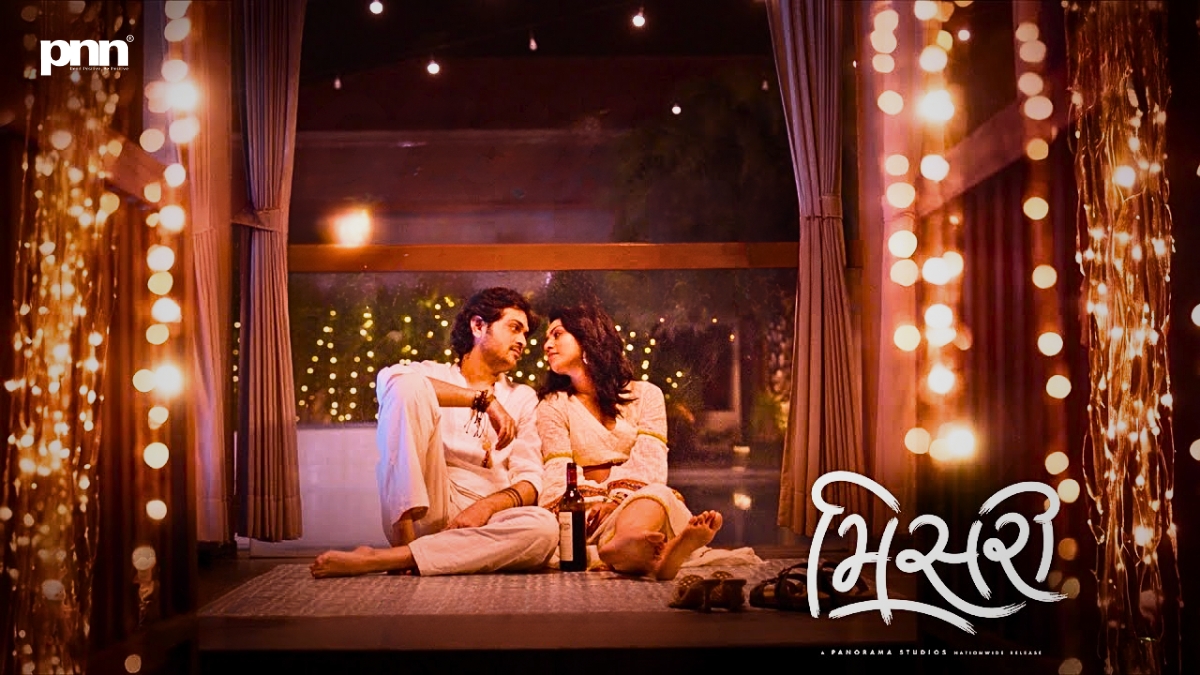
    Mumbai (Maharashtra) [India], November 12: It was supposed to be a love story, not a law-and-order case. But then again, what’s cinema without a little chaos? Misri, the Gujarati romantic drama that was meant to melt hearts, ended up stirring a moral debate (and a few police reports) before even hitting the big screen.

    Set against the sun-soaked charm of Ahmedabad, Misri has found itself in the spotlight — and not just for its cinematic storytelling. A promotional stunt, quite literally involving stunts, turned what was meant to be a breezy marketing move into a cautionary tale on how not to promote your movie in a city where the police actually watch Instagram.

    A Love Story Born from Modern Gujarat

    Directed by Tanmay Pahadia, Misri marks a refreshing — and ambitious — attempt to elevate Gujarati cinema beyond its predictable tropes. Produced on a modest yet glossy budget of around ₹4–5 crore, the film stars Manasi Parekh (of Dear Father and Gulmohar fame), the ever-graceful Shraddha Dangar, and veteran actor Tiku Talsania, who still manages to command the screen with his signature wit.

    The story traces the tangled emotional web of a young woman, her pursuit of independence, and the bittersweet shades of love that test tradition against modernity. Pahadia’s world in Misri feels like an intersection of nostalgia and rebellion — sugar-coated, yes, but with the occasional sting of real-world truths.

    The name Misri itself (meaning “crystal sugar”) couldn’t be more ironic now — considering how the film’s sweetness got a pinch of salt from controversy.

    The Stunt That Backfired

    It began as an attempt to do something “different.”
    Manasi Parekh and Tiku Talsania, two well-known names in Gujarati entertainment, decided to promote Misri with a daring bike stunt across Ahmedabad roads. No helmets, no permits — just cinematic flair and a camera crew.

    What was intended as a symbolic celebration of the film’s spirit — love that dares, love that defies — ended up violating traffic laws and raising eyebrows across social media. Videos of the actors went viral within hours, prompting the Ahmedabad Police to file a case against the film’s team.

    If there’s one thing the internet loves more than a film trailer, it’s a public figure doing something mildly irresponsible. Twitter (or X, if you prefer dystopian branding) was flooded with sarcastic takes:

    “Method acting at its finest — breaking hearts and traffic rules.”
    “When your movie title is Misri but your PR campaign gives us ulcers.”

    Still, the controversy did what PR budgets often can’t — it made everyone talk about Misri.

    Between Cinema and Sentiment

    Behind the glitter of Gujarati cinema, Misri represents a quiet movement — a cultural assertion that regional films can be polished, philosophical, and commercially viable. Gujarat’s film industry has long been typecast as “simplistic” — charming but safe. Misri, however, attempts to play in a more nuanced sandbox.

    The movie’s visual palette, inspired by Pahadia’s theatre background, mixes realism with poetic melancholy. Its music, by Mehul Surti, leans into classical influences, weaving subtle Gujarati folk motifs with modern acoustic arrangements.

    In interviews, Manasi Parekh described the project as “an emotional homecoming” — a story of love, identity, and belonging in a rapidly evolving Gujarat.

    Ironically, that same sense of belonging got tested when civic authorities reminded the team that belonging also means following civic laws.

    The Box Office Buzz

    Despite the pre-release turbulence, Misri is off to a promising start. The film reportedly grossed over ₹2.4 crore in its first weekend, a strong number for a regional release, with increasing footfall in urban multiplexes and surprisingly positive traction from diaspora audiences via OTT pre-booking.

    Its digital rights are rumored to be in final talks with a major platform (most likely Amazon Prime Video or JioCinema), which could significantly boost its lifetime reach.

    Industry insiders claim the film’s ROI may double once streaming and overseas rights are factored in — proving once again that controversy, when handled tastefully, can be lucrative art.

    What Lies Beneath the Sugar

    Let’s be honest — Misri isn’t perfect. The screenplay occasionally wobbles between too-safe and too-preachy. There are moments when the narrative tries too hard to balance old-world romance with new-age feminism, leaving viewers unsure whether to cry, clap, or call it a well-lit soap opera.

    But where Misri truly wins is in tone — it’s sincere. It doesn’t try to fake urban angst or pretend to be Bollywood-lite. Instead, it embraces its Gujarati identity, both in language and rhythm.

    The cinematography captures Ahmedabad not as a postcard, but as a living organism — a city constantly negotiating its tradition with its tech-driven future.

    Behind the Scenes — Where Reality Meets PR

    Insiders reveal that the Misri team had planned the promotional bike sequence weeks before the controversy, assuming it would be interpreted as a “symbolic act of freedom.” The team had even choreographed the ride to sync with one of the film’s upcoming songs, “Dil Ne Bole Misri Misri.”

    Unfortunately, what was meant to be a moment of cinematic liberation turned into a real-life cautionary tale. Still, no serious charges have been pursued as of now, and the team has since released a formal apology — which, conveniently, gave them a second round of viral headlines.

    Public Reactions — Between Mockery and Admiration

    Fans have been divided, as fans usually are. Some admired the team’s creative courage:

    “At least they’re promoting regional cinema with some flair. Bollywood could take notes.”

    Others were less forgiving:

    “Maybe next time they can act responsibly and romantically — simultaneously.”

    Either way, Misri has accomplished what every film secretly desires — attention.

    Quick Overview:

    Aspect Details
    Genre Romantic Drama
    Director Tanmay Pahadia
    Main Cast Manasi Parekh, Shraddha Dangar, Tiku Talsania
    Production Budget Approx. ₹5 Crore
    Box Office (Opening Weekend) ₹2.4 Crore
    Controversy Bike stunt on Ahmedabad roads led to a police case
    Streaming Rights In the final talks with the major OTT platform
    Audience Reaction Mixed but largely curious
    Social Media Sentiment “Sweet movie, salty PR.”

    Final Thoughts

    At its core, Misri isn’t just another Gujarati film — it’s a cultural experiment that stumbled, recovered, and possibly emerged stronger. It’s flawed, yes, but endearingly so.

    In a world where marketing gimmicks often overshadow merit, Misri reminds us that sincerity — even when wrapped in scandal — can still find its audience.

    And maybe that’s the true charm of it all: like its name, it’s sweet, imperfect, and just a little bit dangerous.

    PNN Entertainment

  • De De Pyaar De 2: When Midlife Crises Meet Box Office Calculus — Ajay Devgn’s Rom-Com Returns, with Charm, Chaos, and Caution

    De De Pyaar De 2: When Midlife Crises Meet Box Office Calculus — Ajay Devgn’s Rom-Com Returns, with Charm, Chaos, and Caution

    Mumbai (Maharashtra) [India], November 12: If Bollywood had a mirror, De De Pyaar De 2 would be the reflection it’s slightly embarrassed to look at — equal parts glossy and self-aware, humorous yet haunted by déjà vu. Ajay Devgn is back, playing that dangerously likeable man who mistakes emotional maturity for gym endurance, and once again, his heart (and age) find themselves in the middle of a romantic tug-of-war. Released under the banner of T-Series and Luv Films, this sequel arrives six years after the 2019 hit De De Pyaar De, with early numbers suggesting both nostalgia and skepticism are driving ticket sales.

    Because yes, the numbers matter — even in love.

    A Lukewarm Yet Hopeful Start

    According to reports by The Times of India and India Today, De De Pyaar De 2 has already collected ₹1.37 crore in advance bookings ahead of its release, a figure modest for a Devgn-led film but enough to spark conversations across trade circles. Sources at Zee News confirm that the rom-com’s early ticket window opened to “promising occupancy in urban metros, with Tier 2 cities catching up gradually.”

    While ₹1 crore may not be the roaring drumbeat of a blockbuster opening, it’s a whisper of potential — the kind that sometimes turns into box office thunder if word-of-mouth plays Cupid. After all, the first film started on similar lines before becoming a sleeper hit.

    The Premise: Love, Lies, and a Second Chance at Midlife

    At its narrative core, De De Pyaar De 2 doesn’t pretend to reinvent the genre — it simply upgrades its emotional Wi-Fi. Devgn returns as the eternally conflicted Ashish, older, perhaps wiser, but still caught between chaos and commitment. This time, the script dares to go a little deeper — exploring what happens when love outlives the adrenaline and becomes about accountability, choices, and the occasional panic attack during an EMI discussion.

    And of course, there’s humor — a Devgn specialty. A viral scene from the trailer, where Ashish fumbles his way through a hilariously awkward shopping trip, has already set social media abuzz. News18 described it as “too relatable to miss,” which might be code for every married man’s silent cry for help.

    The Film’s Reality Check

    For those assuming De De Pyaar De 2 is all flirtation and Ferraris — think again. While it retains the slick, urban veneer of its predecessor, this sequel takes a somewhat grounded turn. The production, reportedly budgeted around ₹75–80 crore, prioritizes crisp dialogues and relationship-driven moments over over-the-top spectacle.

    Still, the question lingers: can Devgn’s charm and Luv Ranjan’s sharp writing overcome sequel fatigue? Bollywood’s recent rom-com attempts (Tu Jhoothi Main Makkaar, Ishq Vishk Rebound) showed that charm alone doesn’t guarantee chemistry — or footfalls.

    Trade analysts predict that the film will need to cross at least ₹50 crore in its opening week to qualify as a commercial success. But Devgn has a history of slow burns; from Drishyam to Runway 34, his films often find traction post-opening, thriving on credibility and conversation rather than hype alone.

    The Social Media Pulse

    On X (formerly Twitter), reactions have been a mix of cautious optimism and unfiltered memes. One user quipped, “Ajay Devgn can play a college boyfriend or a retired lawyer and somehow look believable in both — this man’s aging curve is a Venn diagram of mystery.”

    Meanwhile, Instagram reels featuring the film’s peppy soundtrack — particularly “Pyaar Ka Punchnama Revisited” — are clocking millions of views. The buzz is clearly organic, and unlike many over-promoted Bollywood releases, this one’s riding on nostalgia, not noise.

    Even actor Dhanush, fresh from praising Predator: Badlands, reportedly commented on the trailer calling it “a light-hearted breather in a year of grim dramas.” A compliment and a warning, rolled into one.

    The Making of Modern Middle-Age Romance

    The De De Pyaar De franchise has always flirted with controversy — the original was accused of glorifying age-gap relationships and domestic dysfunction under the guise of humor. The sequel, however, appears more self-aware. It acknowledges the absurdity of its own world — one where emotional messes are settled in luxury apartments and heartbreaks are cured with weekend getaways.

    Director Anshul Sharma, taking over from Akiv Ali, seems to approach the sequel with what could only be described as “sarcastic sincerity.” The cinematography leans into rich tones and reflective spaces, suggesting not just wealth, but emotional baggage illuminated by mood lighting.

    And yes, Devgn’s on-screen confidence remains intoxicating — the kind of energy that says, “I may be 56, but I still own the room.”

    Box Office Trajectory & Industry Insight

    According to trade trackers like Box Office India and Bollywood Hungama, the film is expected to open at ₹6–7 crore on Day 1, depending on weekend footfalls. With word-of-mouth and family audiences gradually returning to theatres post-festival season, the film might see a steady climb toward the ₹40 crore mark within its first weekend.

    Here’s a quick projection snapshot:

    Metric Estimate Remarks
    Advance Booking ₹1.37 crore Modest but encouraging
    Production Budget ₹75–80 crore Moderate-scale rom-com
    Day 1 Collection (Projected) ₹6–7 crore Dependent on urban turnout
    Weekend Projection ₹40–45 crore If WOM remains positive
    Break-even Target ₹70 crore Realistic with OTT + satellite rights

    Insiders suggest Netflix and JioCinema are already in talks for post-theatrical streaming rights — a safety cushion for profitability, ensuring that even if theatrical numbers dip, digital returns could balance the equation.

    The Verdict (So Far)

    So where does De De Pyaar De 2 really stand? Somewhere between a midlife reflection and a marketing experiment. It’s not trying to be profound — just perceptive. It laughs at its own clichés, flirts with sincerity, and somehow manages to stay afloat between self-parody and self-awareness.

    If Wednesday Addams reviewed it, she’d probably call it “a rom-com that knows it’s ridiculous, and revels in it anyway.”
    If Lucifer Morningstar did, he’d add, “Delightfully sinful — just enough pleasure to make you forget the pain.”

    That’s precisely the charm of this sequel: it doesn’t aim to save Bollywood romance; it just wants to make it entertaining again.

    PNN Entertainment

  • Predator: Badlands – When Survival Gets Cinematic, Bloody, and Beautifully Deranged

    Predator: Badlands – When Survival Gets Cinematic, Bloody, and Beautifully Deranged

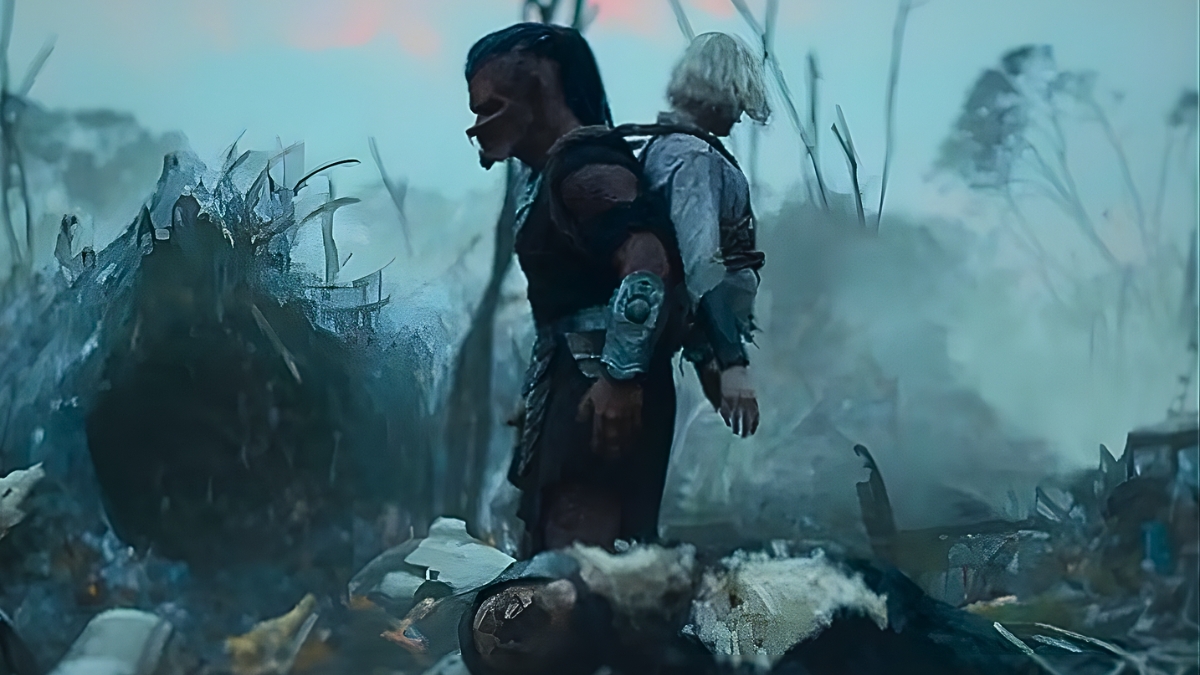
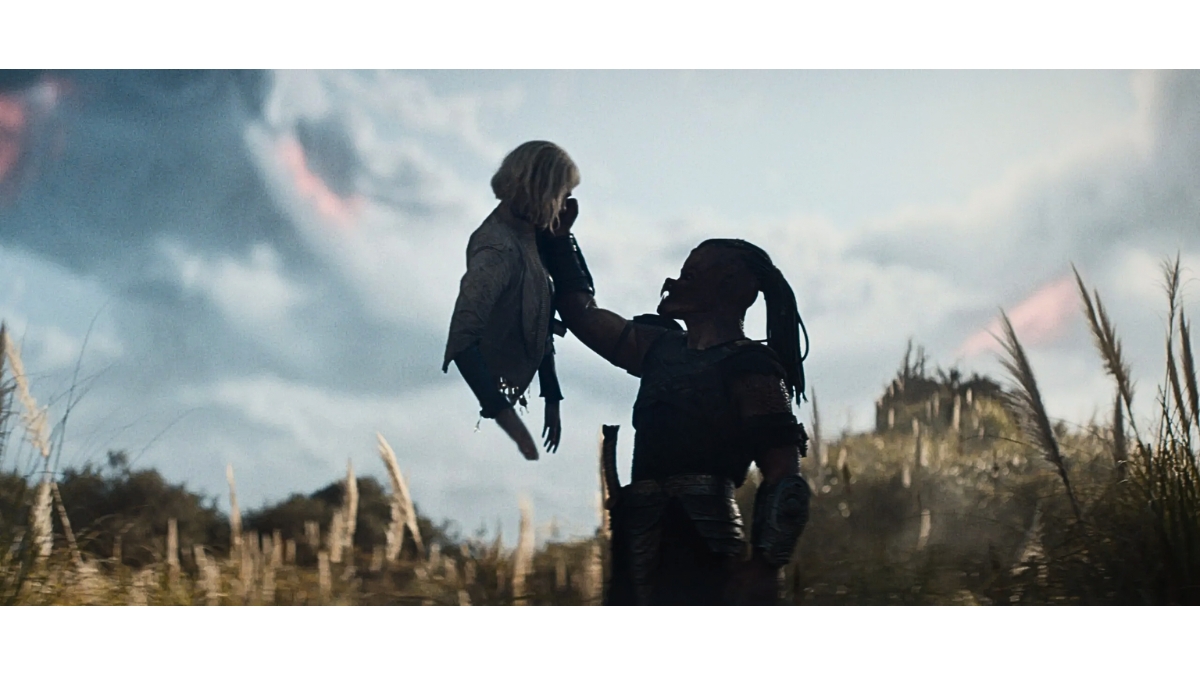
    Mumbai (Maharashtra) [India], November 12: There are films that entertain, and then there are films that assert dominance — the latter being where Predator: Badlands has comfortably pitched its tent (and maybe a few skulls). Directed by Dan Trachtenberg, the same man who brought eerie precision to 10 Cloverfield Lane, this latest entry in the Predator franchise walks the fine line between cinematic spectacle and primal chaos. Released worldwide in early November 2025, the film has already torn through the global box office with an $80 million opening weekend — the biggest in franchise history — and approximately ₹9 crore net from India alone within three days.

    Yes, the Predator has evolved, but so has its prey — and apparently, so has Hollywood’s appetite for intelligent savagery.

    A Return to the Hunt

    For those who thought Prey (2022) was the Predator series’ last true masterpiece, Badlands arrives like a cinematic ambush — silent, sharp, and sinisterly self-aware. Set in the 23rd-century wastelands of a post-climate-collapse Earth, the story reimagines the Predator’s hunt amidst nomadic human survivors who trade morality for minerals and flesh for faith.

    Enter Elle Fanning, the film’s luminous centre in a world devoured by dust. Her character, Dr Lena Korr, is both scientist and fugitive — someone trying to decode alien technology while battling the monstrous instincts of her fellow humans. And somewhere above the dunes, the Predator observes… patiently.

    It’s philosophical in its madness — an allegory about power, extinction, and the grotesque poetry of survival.

    Predator: Badlands

    The Cost of Chaos

    Predator: Badlands reportedly devoured a production budget of USD 105 million (₹900 crore) — a franchise record — and it shows in every frame. The cinematography by Jeff Cronenweth (of Fight Club fame) transforms desolation into art. Every flare, every shadow feels deliberate, almost biblical in tone.

    But grandeur has its price. Critics have pointed out that beneath the dust and carnage, the film occasionally loses its soul. The middle act — though visually immaculate — dips into existential monologues that make you wonder if the Predator should’ve just gone for therapy instead of trophies.

    Yet, there’s beauty in that creative recklessness. After all, no great hunt was ever clean.

    A Franchise Reborn (With a Bite)

    To understand why Badlands works, one must remember where Predator began. The 1987 classic was raw testosterone — muscle, mud, and mayhem. What followed over decades was a long struggle between nostalgia and reinvention. Badlands doesn’t merely bridge that gap; it incinerates it.

    Trachtenberg redefines the hunter as both predator and philosopher. This isn’t a mindless killing spree — it’s an interrogation of survival itself. When humans become as predatory as the monster they fear, the line between man and alien blurs into cinematic dust.

    Even Dhanush, the Tamil superstar known for his discerning cinematic palate, took to X (formerly Twitter) to call the film “a visual and narrative marvel.” And that’s saying something, considering the last Predator entry barely made it to his watchlist.

    Predator: Badlands

    Box Office & Buzz

    As of November 10, Predator: Badlands stands at USD 80 million worldwide, with projections indicating it could surpass USD 250 million in its full theatrical run if momentum continues. The film’s reception in India — particularly in metro cities like Chennai and Bengaluru — is being buoyed by rave social media reactions and a dubbed Tamil version reportedly edited with region-specific nuances.

    In a delightful cultural crossover, Indian audiences have found themselves oddly resonating with the theme of “survival amid apocalypse.” Maybe that says something about modern life; maybe it’s just the popcorn talking.

    Audience Psychology — Why We Love the Hunt

    Let’s be honest: humanity’s fascination with predators — cinematic or otherwise — is ancient and unrelenting. Psychologists would argue that such narratives let viewers vicariously confront chaos while remaining safely seated behind their screens. The audience gets the adrenaline rush without the decapitation.

    And Badlands plays on that instinct with cunning precision. It’s primal therapy disguised as sci-fi cinema — cathartic, terrifying, and occasionally poetic.

    The Beauty of Brutality

    What sets this film apart from its predecessors isn’t just blood or spectacle — it’s restraint. Badlands doesn’t show every kill, nor does it glorify violence. Instead, it toys with silence. Each moment of quiet before the Predator’s strike is choreographed like a heartbeat, reminding you that dread can be cinematic art.

    But of course, not everyone’s convinced. Some reviewers have dismissed it as “visually stunning nihilism.” Others have praised it for daring to say what blockbusters rarely do — that sometimes, the monster isn’t the alien.

    Predator: Badlands

    A Franchise Evolved

    Like Alien, Predator has always been a metaphor disguised as a massacre. With Badlands, Trachtenberg shifts the metaphor from external fear to internal decay — humans becoming the hunted through their own arrogance.

    The result is a film that feels both epic and intimate. One that doesn’t beg for approval but commands attention. Even the marketing campaign — from the cryptic trailer drops to the eerily interactive AR filters — reeks of intentional chaos, much like its protagonist.

    Verdict — A Bloody Symphony with Brains

    So, is Predator: Badlands worth the hype? Undoubtedly yes — though it’s not for everyone. It’s too meditative for casual franchise fans and too feral for purists who miss Arnold flexing in the jungle. But for those who crave narrative audacity and visual sophistication, this film is a welcome descent into madness.

    At its best, it’s a masterpiece of controlled mayhem. At its worst, it’s a desert hallucination. Either way, you can’t look away.

    Quick Breakdown

    Category Details
    Director Dan Trachtenberg
    Lead Cast Elle Fanning, Boyd Holbrook, Sterling K. Brown
    Release Date November 1, 2025
    Budget USD 105 million (₹900+ crore)
    Box Office (Current) USD 80 million (Opening weekend)
    India Gross ₹9 crore in 3 days
    Genre Sci-Fi, Thriller, Survival
    Notable Endorsement Dhanush calls it “a marvel.”
    Critical Tone 85% on Rotten Tomatoes; A- CinemaScore

    Final Thought

    Predator: Badlands is more than a sequel — it’s an evolution of cinematic savagery. It’s the rare film that asks: what happens when the hunter grows tired of winning?

    And perhaps that’s why we keep watching — because deep down, every viewer knows they’d last maybe 10 minutes in those badlands. If that.

    PNN Entertainment

  • Digikore Studios Elevates Branded-Content Leadership with Kaise Banta Hai Season 2 on JioHotstar

    Digikore Studios Elevates Branded-Content Leadership with Kaise Banta Hai Season 2 on JioHotstar

    Pune (Maharashtra) [India], November 12: Digikore Studios Limited (NSE: DIGIKORE), a leading global visual effects (VFX) partner to major studios and streamers, is pleased to announce that Season 2 of its flagship branded-content series Kaise Banta Hai has been launched on JioHotstar, further reinforcing the Company’s long-term strategy of building high-quality, recurring and scalable IP-led content.

    Strategic Fit & Business Rationale

    The Kaise Banta Hai franchise is a key pillar of Digikore’s branded-content and storytelling vertical, complementing the Company’s core VFX services business. This vertical contributes to consistent revenue visibility through brand partnerships, platform distribution, and multi-season scalability, while also enhancing non-linear IP value.

    Season 2 Overview

    Season 2 features 9 new episodes hosted by Helly Shah and Varun Kapoor, offering viewers an inside look into how leading Indian brands design, manufacture, and deliver products at scale. The show highlights the innovation, quality systems, and skilled workforce powering India’s manufacturing and Make-in-India economy.

    The season features brands such as Ather Energy, Adani Electricity, Flo Mattress, Happilo, Mikasa Greenlam, Shakti Pumps, Grew Solar, TIL Limited, and Laxmipati Sarees, among others.

    Strengthening Compounding IP Value

    • Multi-brand, multi-season storyline enables repeatability and scalability
    • Distribution through JioHotstar ensures pan-India reach and long-term discoverability
    • Franchise strengthens Digikore’s content-led revenue mix and direct consumer engagement
    • Enhances the Company’s position as a trusted branded-content partner to large enterprises

    Mr Abhishek More, Founder & CEO’s Perspective:

    “Kaise Banta Hai is a long-term franchise asset that compounds in value with every season. Its launch on JioHotstar significantly enhances the show’s distribution reach and strengthens our branded-content ecosystem. This is aligned with our strategy of developing scalable IPs that run across multiple seasons, deepen enterprise brand partnerships, and contribute meaningfully to our non-linear revenue growth. We are pleased to see this franchise evolve into a strong and sustainable content property.”

    If you have any objection to this press release content, kindly contact pr.error.rectification@gmail.com to notify us. We will respond and rectify the situation in the next 24 hours.

  • ‘The Taj Story’: A Bold Courtroom Drama that Stirs History and Box-Office Buzz

    ‘The Taj Story’: A Bold Courtroom Drama that Stirs History and Box-Office Buzz

    Mumbai (Maharashtra) [India], November 10: From the moment The Taj Story unveiled its poster — a striking visual of the Taj Mahal crowned with a saffron flag, its reflection morphing into a Shiv Linga — it was clear this film had no intention of playing nice. With veteran actor Paresh Rawal spearheading the narrative, The Taj Story stormed into theatres on 31 October 2025, blending courtroom drama, historical reinterpretation, and cultural controversy into one audacious cinematic brew.

    What it’s Really About

    Directed by Tushar Amrish Goel and produced by Swarnim Global Services, the film follows Vishnu Das (Rawal), a tour guide whose curiosity about the Taj Mahal’s origins morphs into a court case. He seeks a DNA test, excavations, and the unraveling of taught narratives.
    In an age where every tweet is a thesis, the film questions the “what we’ve been taught” and invites viewers to peer behind the marble veneer.

    Box-Office & Budget Reality

    Despite not being marketed like a mass-masala hero movie, The Taj Story has posted a respectable run so far:

    Metric Detail
    Reported Budget ~₹25 crore
    India Net Collection (Day 10) ~₹15.7 crore
    Box-Office Status 62.9 % of budget recovered by Day 10
    Opening Weekend (approx.) ~₹5.75 crore first weekend
    Critical Budget Target for Hit Tag ~₹50 crore net for “hit” status

    These numbers reflect a film operating outside the blockbuster comfort zone—yet still making its presence felt.

    The Taj Story

    The Upside — What Works

    • Rawal’s performance anchors the film with gravity and conviction; critics and audience alike have taken note of his presence amid the debate.
    • The courtroom drama device gives the narrative structure and stakes, offering more than a standard hero-run-and-rescue format.
    • The film has defied odds: with no massive star-power backing and controversy lurking from day one, it still managed steady growth at the box office. For instance, the jump on Day 2 was ~111 % over Day 1.
    • The subject matter—historical inquiry, national identity, monument legacy—is timely. In an era hungry for narratives of reinterpretation and heritage, it taps into currents beyond pure entertainment.

    The Caution — Where It Stumbles

    • The drop off on Day 7 saw earnings dip to ~₹70 lakh, signalling that while the story draws interest, sustained momentum is tricky.
    • Several critics have flagged the film for leaning heavily into ideological territory, reducing complex history to arguments and modes of spectacle.
    • Achieving long-term “hit” status remains a stretch: trade analysts suggest it needs around ₹50 crore net to confidently be called a success, a threshold still distant at Day 10.

    The Taj Story

    Public Pulse & Controversy

    Even ahead of release, the film rode a wave of legal petitions and heritage-sensitive scrutiny. The Delhi High Court refused urgent hearing of PILs seeking to halt the film, clearing its path for release.
    Social media discourse reflected the divide—some applauded the courage to question narratives, others criticised the film for reductionism:

    “When WhatsApp-University meets multiplex” (critic comment)
    “I came for Rawal, stayed for the monuments meltdown” (viewer tweet)

    The Bigger Picture

    The Taj Story is less about entertainment and more about engagement. It asks: what do we accept as history, and who writes it? It posits that change—legal, cultural, intellectual—can start in a courtroom. In a cinematic landscape that often seeks escapism, here is a film that seeks confrontation.

    Meanwhile, the modest but growing box-office numbers suggest that Indian audiences are open to niche, message-driven cinema, even as they prefer the spectacle of blockbusters. A film like this closes in on ₹16 crore in ten days without fight sequences, without chart-toppers. That in itself is worth note.

    Final Word: Risk, Reward & Reflection

    If The Taj Story were a chess move, it would be the queen’s gambit—bold, strategic, and vulnerable. It risks alienation to gain relevance. It trades scale for statement. And while it may not (yet) be smashing records, it is carving its niche.

    In the end, what matters more: the ₹crores it earns, or the ideas it provokes? Perhaps success should be measured not only in tickets but in talk. In that measure, The Taj Story already earns its place.

    PNN Entertainment

  • ‘O Janeja’ — Krishna Gautam and Freddy Daruwala’s Chemistry Wins Audiences Over

    ‘O Janeja’ — Krishna Gautam and Freddy Daruwala’s Chemistry Wins Audiences Over

    New Delhi [India], November 8: The newly released romantic music video “O Janeja” is winning hearts for its soulful storytelling — and at its emotional core stands actress Krishna Gautam, who delivers a performance that beautifully captures the essence of love and destiny. Presented by XYZ Music and produced by XYZ Production Pvt Ltd, the video is directed by renowned choreographer Sandip Soparrkar and features Freddy Daruwala alongside Krishna.

    The song, sung by Amitabh Narayan with lyrics penned by Pawan Mishra, tells the story of two strangers whose lives change forever with a single glance. While the video’s visual poetry and music create a mesmerizing mood, it’s Krishna Gautam’s nuanced portrayal that gives “O Janeja” its emotional weight. Her expressive eyes and restrained performance make every frame feel genuine and heartfelt — turning a simple encounter into a timeless moment of connection.

    Krishna Gautam, who made her mark with the feature film “12 O’Clock” (2021), has steadily built a name for herself as one of the most promising talents in the industry. A trained Kathak and contemporary dancer with a background in MMA, she combines grace with strength — qualities that translate powerfully on screen. Earlier, her performance in the music video Me & You earned audience love & got 2Million+ Views.

    Known for his impactful performances in films like Holiday, Force 2, and Commando 2, Freddy Daruwala brings his signature charm and screen presence to “O Janeja.” His subtle performance perfectly complements Krishna Gautam’s emotional intensity, creating a palpable chemistry that feels natural and deeply engaging. Freddy’s understated portrayal of a man caught in the quiet magic of first love adds depth to the narrative, proving once again why he continues to be one of the most dependable and magnetic faces on screen.

    With “O Janeja”, Krishna once again proves her versatility and emotional depth as an artist. Her chemistry with Freddy Daruwala, backed by Sandip Soparrkar’s elegant direction, makes the music video a captivating experience that stays with viewers long after it ends.

    “O Janeja” is now streaming on XYZ Music Channel YouTube — a must-watch for those who believe in love written by destiny.

    Song Link: https://youtu.be/R7LNcVlMKP8

    If you have any objection to this press release content, kindly contact pr.error.rectification@gmail.com to notify us. We will respond and rectify the situation in the next 24 hours.

  • Maan Panu’s I’m Done: The Heartbreak Anthem of a Generation

    Maan Panu’s I’m Done: The Heartbreak Anthem of a Generation

    Mumbai (Maharashtra) [India], November 8: Some songs don’t just play — they haunt. “I’m Done” by Maan Panu doesn’t arrive like a pop single. It drifts in like a ghost, carrying pieces of everyone who’s ever loved too hard and left too late. It’s not loud, nor vengeful. It’s the quiet devastation of someone who’s learned that closure is a myth and healing is just emotional taxidermy — you preserve the shape of love long after it’s dead.

    Released in late 2025, I’m Done is less of a breakup song and more of a cultural checkpoint. It sounds like resignation disguised as self-awareness — a confession wrapped in rhythm—the kind of song you send to someone you’ll never text again.

    And perhaps that’s why it’s spreading like wildfire across playlists, TikTok edits, and Instagram reels.

    The Sound of Detachment

    Maan Panu, a name quietly gaining gravitational pull in the indie-music stratosphere, isn’t your standard heartbreak poet. His previous works leaned toward the lo-fi and lyrical, but I’m Done stands apart. It’s raw, sparse, and sonically minimalist — the kind of soundscape that forces you to sit with your own silence.

    Beneath the melodic melancholy, there’s a spine of deliberate restraint. No grand bridges, no lyrical theatrics. Just two words that hold a universe of finality. The beat? Steady, like someone’s pulse after acceptance.

    If heartbreak anthems were storms, I’m Done would be the calm after. Except calmer doesn’t mean kinder. It means colder — and more honest.

    The Psychology of a Wound Set to Music

    It takes a certain kind of emotional maturity — or ruin — to write a song like this. Maan Panu’s lyricism reveals the mind of someone who has analysed pain until it became data. It’s heartbreak for the hyper-aware; therapy for those who no longer cry, they overthink.

    Psychologists call it “post-empathic detachment” — when emotional fatigue dulls the edges of grief. Panu’s words mirror that condition with eerie precision. Each verse feels less like lamentation and more like clinical observation: a person watching their own heartbreak from a distance, clipboard in hand.

    This isn’t sadness in its first form; it’s sadness after it’s aged into sarcasm.

    The Internet Speaks Back

    Social media hasn’t just listened — it’s echoed. Within days of release, #ImDone began trending on X (formerly Twitter).

    “It’s not a breakup song. It’s an emotional detox,” one fan wrote.

    “Every line sounds like something I wish I’d said instead of crying,” another posted, earning over 40,000 likes.

    A third summed it up with chilling brevity: ‘This song doesn’t heal you. It validates that you might never heal.’

    Even more fascinating? The rise of the “female version.” Across TikTok and YouTube Shorts, women are rewriting the lyrics to mirror their own narratives — transforming the song from confessional despair to poetic revenge. Some call it therapy through mimicry. Others call it delusional closure. Either way, it’s art doing its job — making people feel less alone in their madness.

    The Data Behind the Drama

    Category Details
    Song Title I’m Done
    Artist Maan Panu
    Release Date October 2025
    Genre Indie Pop / Emotional Alt
    Streaming Platforms Spotify, YouTube, Apple Music
    Spotify Streams (as of Nov 2025) 6.7 million+
    YouTube Views 3.9 million+
    Production Budget Approx. ₹8–10 lakh (independent)
    Music Video Minimalist narrative, directed by the artist himself
    Mood Tag “Emotional Exhaustion in HD”
    Fan Engagement 75K+ playlist adds, 20K+ covers/remixes

    Who is Maan Panu, Anyway?

    For those just discovering him, Maan Panu isn’t your algorithmic accident. The Punjab-based artist emerged from small indie circuits, writing lyrics in dim rooms and producing songs that feel uncomfortably intimate. His work sits in that liminal space between poetry and confession — where words aren’t meant to impress, but to unburden.

    He once told an interviewer, “I don’t write songs to move on. I write them because I can’t.” That might as well be I’m Done’s thesis statement.

    Behind his calm vocals lies a world-weary storyteller who’s dissected love so precisely, you’d think he was performing surgery on emotion itself.

    Why “I’m Done” Resonates in 2025

    In an era of hyper-digital emotionality — where every heartbreak gets live-streamed in 4K — I’m Done feels strangely human. There’s no aesthetic filter, no false optimism—just the brutal beauty of truth.

    It hits a nerve for a generation fluent in emotional exhaustion. Gen Z and younger millennials — the ones who joke about trauma but secretly journal it — find solace here. The song says what many think but never articulate: sometimes, being “done” is the healthiest decision you can make.

    Cultural critics call it the anthem of emotional burnout. Relationship therapists are already referencing it as an example of “music-based cognitive processing.” And Spotify’s algorithm? It’s feeding it to every night owl who searches “sad songs but peaceful.”

    The Duality of Healing

    But let’s not romanticize the ache entirely. There’s something disturbingly comforting about I’m Done. Its appeal lies in how it lets you linger in heartbreak without feeling pathetic. It’s emotional escapism disguised as introspection — catharsis that flatters your sadness.

    This duality makes the track almost dangerous. It offers closure but keeps the wound open just enough to keep you listening. Like emotional caffeine — it wakes you up, but you never really rest.

    Hope, or Something Like It

    And yet, there’s a twisted kind of hope threaded through the song’s veins. Not the Pinterest kind — more the delusional whisper that says, “Maybe someday, someone will understand this version of me.”

    That’s the spell of I’m Done. It doesn’t preach healing. It lets you romanticise survival. It doesn’t promise light at the end of the tunnel — it teaches you to decorate the darkness.

    Maybe that’s why Maan Panu’s song feels less like music and more like a mirror. It reflects our collective fatigue, our quiet victories, and that stubborn flicker of delusion that keeps us all moving forward.

    Because deep down, none of us are really “done.” We just say it beautifully.

    PNN Entertainment

  • Why Everyone’s Talking About Baramulla — Manav Kaul’s New Psychological Thriller

    Why Everyone’s Talking About Baramulla — Manav Kaul’s New Psychological Thriller

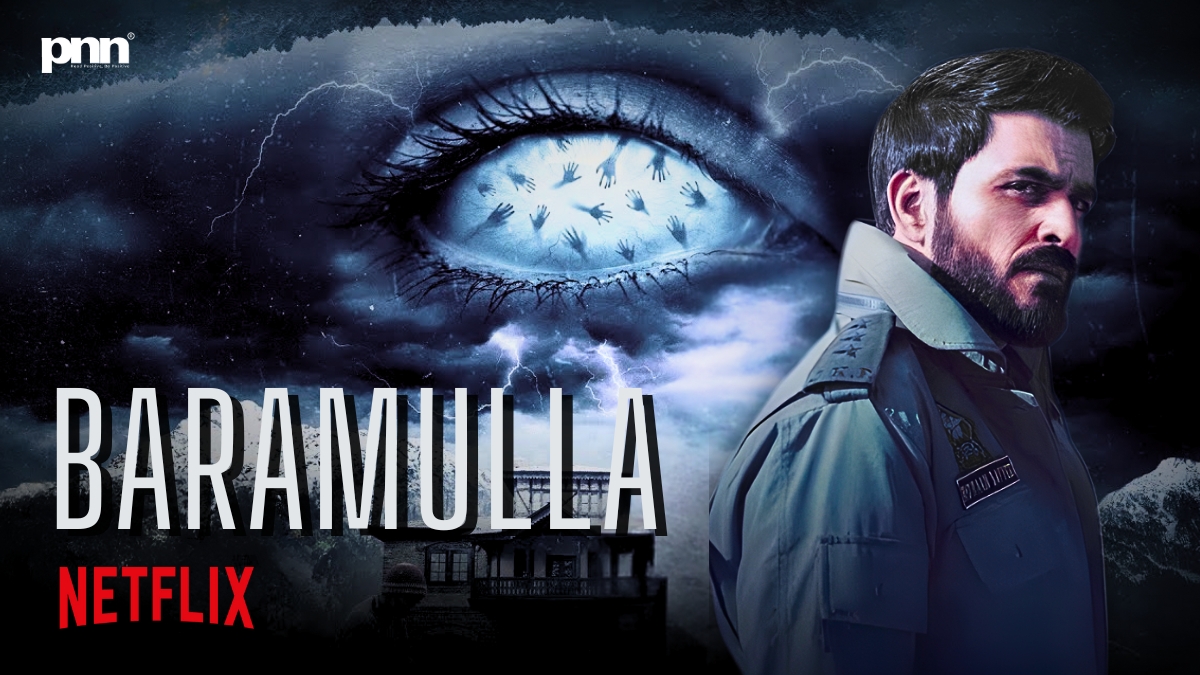
    Mumbai (Maharashtra) [India], November 8: There are movies that tell a story, and then there are those that linger like a ghost in the room — Baramulla firmly belongs to the latter. Streaming now on Amazon Prime Video, the Manav Kaul–starrer is less a supernatural thriller and more a poetic autopsy of grief, memory, and the unending ache of displacement.

    Directed by Amit Joshi, the film tiptoes through the turbulent corridors of Jammu and Kashmir’s sociopolitical psyche — a land as breathtaking as it is bruised. While the premise toys with spirits and lost souls, the narrative’s real haunting comes from its refusal to look away from the human cost of political decisions, particularly those echoing around Article 370.

    A Quick Glimpse at the Facts

    Aspect Details
    Title Baramulla
    Director Amit Joshi
    Lead Cast Manav Kaul, Rasika Dugal, Raj Zutshi
    Genre Supernatural / Psychological Drama
    OTT Platform Amazon Prime Video
    Runtime 2 hours 12 minutes
    Budget ₹18 crore (approx.)
    Filming Location Baramulla, Jammu & Kashmir
    Release Date November 7, 2025
    Production Houses Roy Kapur Films, RSVP Movies
    Language Hindi

    A Story That Refuses to Stay Silent

    Baramulla opens with a simple enough setup — a writer returning to his ancestral home in the eponymous valley after decades of exile. But the nostalgia quickly curdles into something darker. The past creeps in, whispering through empty corridors, half-burnt letters, and radio static.

    Kaul, ever the theatre poet, doesn’t “perform” his role — he wears it. His portrayal of a man unraveling under the weight of memory is hauntingly restrained, the kind of acting that doesn’t need background music to prove it’s profound. Rasika Dugal, meanwhile, is the calm eye of the storm, her silences louder than any dialogue.

    Director Amit Joshi’s storytelling walks a thin line between mysticism and melancholia — one minute you’re admiring the snow-dusted landscapes, the next you’re questioning if they’re metaphors for erasure. Subtlety is the film’s chosen weapon; it doesn’t scream political commentary, but it definitely smuggles one under the guise of folklore.

    Baramulla

    Behind the Lens: The Valley’s Uneasy Calm

    Shot across the real lanes of Baramulla, the production crew faced unpredictable weather, logistical nightmares, and the eerie quiet that only a conflicted region can offer. Locals were reportedly supportive yet guarded — an authenticity that seeps through the screen.

    Cinematographer Tushar Kanti Ray captures the valley not as a postcard but as a scar. His lens is unromantic, cold, and deliberate — each frame looks like a secret half-buried in snow. Interestingly, much of the film’s muted palette mirrors the state’s own emotional greys after the abrogation of Article 370. Coincidence or careful artistry? Probably both.

    Numbers Speak (and So Does the Internet)

    In its first 72 hours on Prime Video, Baramulla registered nearly 4.7 million views — a remarkable feat for a non-commercial thriller with no chartbuster songs or high-octane marketing. Critics have been sharply divided:

    • The Hindu called it “a gripping supernatural drama with a heavy political undercurrent” but hinted that the screenplay sometimes “labors under its own self-importance.”
    • India Today labeled it “a haunting ode to loss, memory, and exile”, praising Kaul’s “intellectual stillness” and Dugal’s raw composure.
    • India TV highlighted how social media has embraced the film as “artsy but accessible”, with X (Twitter) users calling it “emotionally devastating but visually spellbinding.”

    And of course, where there’s emotional devastation, there’s internet humour. One tweet quipped:

    “Baramulla made me cry, then Google where to buy woolen tissues.”

    Even the sarcasm online seems poetic.

    What Worked (and What Didn’t)

    The Good:

    • Manav Kaul’s performance — understated brilliance.
    • Authentic Kashmiri backdrop, not a studio mock-up.
    • Sharp cinematography and atmospheric score by Alokananda Dasgupta.
    • Courageous themes: identity, displacement, and cultural amnesia.

    The Not-So-Good:

    • Pacing that tests patience — if you like quick gratification, this isn’t your cup of kahwa.
    • Philosophical indulgence — occasionally feels like it’s speaking only to its own echo.
    • Minimalist dialogues may alienate mainstream audiences seeking drama over depth.

    From Exile to Expression: The Soul of the Story

    There’s a cruel irony in Baramulla’s core — a film about loss, made in a land where loss is inherited. It doesn’t wave flags or ignite outrage; instead, it leaves the audience unsettled with quiet truths. It’s more “what was left unsaid” than “what was shown.”

    Thematically, the movie sits comfortably beside works like Haider and Talvar, though it dares to be less cinematic and more confessional. Joshi’s screenplay often reads like pages torn from a forgotten diary, perhaps belonging to every displaced Kashmiri.

    Box Office & Production Buzz

    While the theatrical window was bypassed in favour of a direct OTT release, Baramulla’s digital rights were reportedly sold for ₹22 crore, recouping the budget even before premiere week. Not bad for a film that prioritizes philosophy over flash.

    Production insiders reveal that Manav Kaul personally workshopped his role for nearly three months, living in isolation near Sonmarg to “unlearn dialogue delivery.” Yami Gautam and Emraan Hashmi (from Haq, also recently released) even dropped supportive comments on social media, applauding its “visual poetry.”

    Public Mood: Applause Meets Existential Shrugs

    Platform Audience Sentiment Top Comment / Reaction
    X (Twitter) 81% positive “Hauntingly beautiful. I watched it twice just to understand once.”
    IMDb 7.8/10 “Unconventional, heavy, but worth it.”
    Instagram Trending Reels Users remixing Kaul’s monologue with snowfall filters.
    YouTube Shorts Viral Edits Clips captioned “Pain has a postcode — Baramulla.”

    Final Word: A Film That Demands Stillness

    Baramulla is not for those seeking Friday night escapism. It’s for those who enjoy cinematic slow burns — the kind where silence says what dialogue cannot. Manav Kaul’s performance anchors it; Amit Joshi’s direction sharpens it. Yes, it’s indulgent at times. Yes, it risks alienating attention spans shorter than a TikTok. But it’s also brave, lyrical, and eerily timely.

    The valley has found yet another voice — quiet, introspective, and disturbingly relevant.
    And this time, it’s not shouting for attention; it’s whispering truths we’d rather not hear.

    PNN Entertainment