Tag: entertainment

  • From Hyderabad to Hollywood: Anil Kumar Neeli Rangu’s Creative Vision Sets New Benchmarks with Padamati Sandhya Ragam

    From Hyderabad to Hollywood: Anil Kumar Neeli Rangu’s Creative Vision Sets New Benchmarks with Padamati Sandhya Ragam

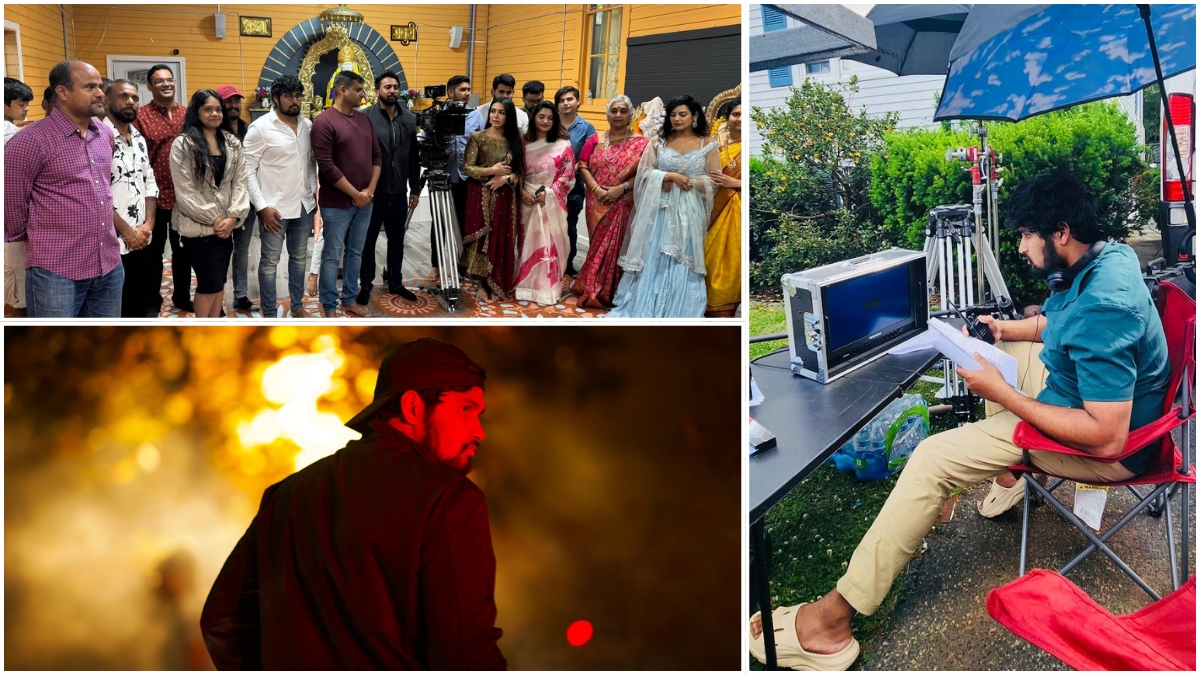
    Los Angeles, [USA], November 18: Charting a remarkable path from Indian cinema to the global stage, Anil Kumar Neeli Rangu has fast emerged as a distinctive creative voice in international filmmaking. His latest project, Padamati Sandhya Ragam, stands as a testament to his passion for visual storytelling and his ability to merge cultures through design and emotion.

    As the Production Designer and Creative Producer of this emotionally charged cross-cultural feature, Anil has infused the film with his signature blend of authenticity, texture, and cinematic elegance. The film unfolds across Virginia and India, bridging two worlds through a compelling narrative that explores love, loss, and rediscovery.

    Helmed by Ravikumar Nasu, with music composed by Arun Chiluveru, the film stars Shiva Ramachandravarapu and Nandini Rai in lead roles. Backed by producers Nasu Madhavi, Vayuvegula Padma, and Madiraju Sravani, the project captures a rare cinematic harmony — weaving together Indian emotion with an international sensibility.

    Anil’s creative leadership shaped every frame of Padamati Sandhya Ragam, from the film’s visual tone and color palette to its production design that authentically reflects the worlds of its characters. His vision ensures the story resonates not only visually but emotionally across audiences worldwide.

    Alongside his work on Padamati Sandhya Ragam, Anil Kumar Neeli Rangu has also stepped into the role of Executive Producer for the best suspense thriller Telugu independent film Sahasra. The film, celebrated for its raw emotional depth and gripping storytelling, further highlights Anil’s growing influence in championing regional cinema with a global vision. Through Sahasra, he continues to support independent filmmaking that blends powerful narratives with artistic integrity, reaffirming his dedication to nurturing new talent and authentic Telugu storytelling on an international stage.

    Currently based in Los Angeles, Anil continues to push boundaries with his expanding body of work. His next chapter unfolds under the banner of SLV Cinemas, where he is set to serve as Line Producer for a major 2026–2027 production featuring leading stars Dulquer Salmaan and Pooja Hegde.

    A creative mind who believes in storytelling without borders, Anil Kumar Neeli Rangu is redefining the role of the modern filmmaker — one who doesn’t just design sets but designs experiences. With his vision, talent, and relentless dedication, he represents the new wave of Indian cinematic artistry making its mark on Hollywood.

    In addition to his work in cinema, Anil’s creative journey extends into the world of music. His portfolio features notable releases such as “Priya Priya” on the popular label Sony Music, “Tu Mora Radha” on Ajit Kumar Films, “Yegase Alale” on Mango Music, “Maayo Hayyo” on Aditya Music India, and “Hoyla Hoyla” on KMusic India — showcasing his versatile contribution to visual and musical storytelling across major platforms.

    (https://www.youtube.com/watch?v=41O_xMq1hf4)

    If you object to the content of this press release, please notify us at pr.error.rectification@gmail.com. We will respond and rectify the situation within 24 hours.

  • Biba Singh Gears Up to Release “Besame Bollywood,” a Lively Blend of Latin Heat and Desi Glamour

    Biba Singh Gears Up to Release “Besame Bollywood,” a Lively Blend of Latin Heat and Desi Glamour

    Mumbai (Maharashtra) [India], November 18: Biba Singh has unleashed her newest track “Besame Bollywood,” and the internet is already feeling the burn. The song is OUT now, and it’s serving Latin spice, Desi glam, and romance in one irresistible package.

    A fusion of global beats and classic Bollywood drama, Besame Bollywood is not here to whisper. It’s here to make an entrance, flip its hair, and steal your playlist’s top spot. With its addictive rhythm and flirtatious energy, this track is designed to get people moving, blushing, and replaying.

    Talking about the release, Biba Singh said _“Besame Bollywood is sexy, glamorous, and full of fire,  and I wanted people to feel that spark instantly. The song is out now, and I can’t wait for everyone to dance their heart out. Biba Singh continues to carve her own lane, one hit, one vibe, and one bold statement at a time.

    Watch the song here – https://youtu.be/dkFZjBlQI8c

    If you have any objection to this press release content, kindly contact pr.error.rectification@gmail.com to notify us. We will respond and rectify the situation in the next 24 hours.

  • ‘Me No Pause Me Play’ Trailer Sparks Conversations on Womanhood and Reinvention

    ‘Me No Pause Me Play’ Trailer Sparks Conversations on Womanhood and Reinvention

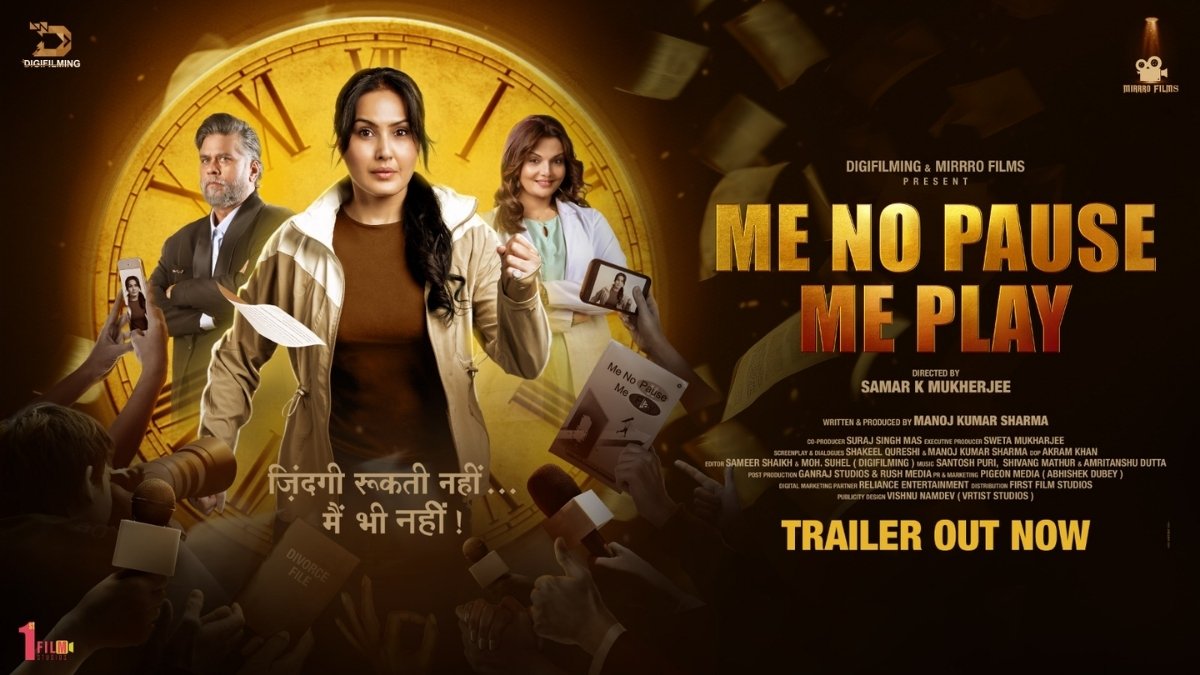
    New Delhi [India], November 17: Breaking stereotypes and igniting important conversations, the trailer of Me No Pause Me Play, directed by Samar K. Mukherjee and written and produced by Manoj Kumar Sharma, has taken social media by storm. The film — touted as India’s first mainstream feature addressing the theme of menopause — brings together a powerful ensemble cast including Kamya Punjabi, Deepshikha Nagpal, Sudha Chandran, Manoj Kumar Sharma, Amiee Misobbah, Karan Chhabra, and Aman Verma.

    At its heart, Me No Pause Me Play is a cinematic celebration of strength, self-discovery, and transformation. With a storyline that challenges long-standing taboos around womanhood and ageing, the film promises to start a much-needed conversation in Indian society.

    • Kamya Punjabi, Deepshikha Nagpal, and Manoj Kumar Sharma deliver compelling performances in Me No Pause Me Play — a film that challenges social taboos around menopause and celebrates women’s reinvention.
    • Me No Pause Me Play Movie Written and Produced by Author Manoj Kumar Sharma of Mirrro Films
    • Me No Pause Me Play is all set to release in theatres on November 28, 2025.

    Kamya Punjabi, Deepshikha Nagpal and Manoj Kumar Sharma Deliver Power-Packed Performances

    Kamya Punjabi makes a striking impact in the trailer with her confident screen presence and emotional intensity. Known for her fearless portrayals, Kamya brings both authenticity and grace to a role that embodies resilience and empowerment.

    Speaking about the film, Kamya said, “When this script came to me, I instantly knew I had to be a part of it. It’s rare to find a story that speaks so truthfully about what so many women go through silently. This film gives voice to that silence — it’s emotional, honest, and liberating.”

    Deepshikha Nagpal’s nuanced performance further elevates the film’s emotional core. Her portrayal of a woman navigating change is both heartfelt and inspiring, connecting deeply with audiences.

    Manoj Kumar Sharma, stepping in as both actor and producer, shines with understated strength — his performance reflecting the emotional backbone of the story. Together, the trio delivers power-packed moments that stay with the viewer long after the trailer ends.

    A Story Beyond the Pause

    Director Samar K. Mukherjee’s vision comes through clearly — this is not merely a film about ageing or transition, but about rebirth. The trailer beautifully captures the idea that life doesn’t stop at any stage; it evolves.

    Sharing his thoughts on the film, Samar K. Mukherjee said, “As a filmmaker, I wanted to tell a story that not only moves people but also opens their eyes. Me No Pause Me Play is about transformation — it’s about rediscovering joy, identity, and purpose. Women don’t pause; they reinvent themselves, and that’s the essence of this film.”

    Speaking about the project, filmmaker & Actor Manoj Kumar Sharma added, “This film is a tribute to every woman who embraces change with courage. We wanted to break the silence around menopause and celebrate it as a new beginning, not an end.”

    Trailer Link:
    https://www.youtube.com/watch?v=9yjdBQV1j7w

    Setting a New Benchmark in Social Storytelling

    The trailer has been widely praised for its emotional depth, cinematic quality, and bold storytelling. With its mix of realism and optimism, Me No Pause Me Play positions itself as a socially relevant film that blends awareness with entertainment.

    Industry insiders and audiences alike have lauded the performances of Kamya Punjabi, Deepshikha Nagpal, and Sudha Chandran for redefining the representation of strong, mature women on screen.

    As anticipation builds ahead of its release on November 28, 2025, Me No Pause Me Play looks set to make a lasting impact — not just as a film, but as a movement that celebrates the idea that there is no pause in life, only a new play.

    If you have any objection to this press release content, kindly contact pr.error.rectification@gmail.com to notify us. We will respond and rectify the situation in the next 24 hours.

  • ‘Ziddi Chhora’ Poster Unveiled; Ajit Verma, Udham Singh, Zaara & Karishma Steal the Spotlight

    ‘Ziddi Chhora’ Poster Unveiled; Ajit Verma, Udham Singh, Zaara & Karishma Steal the Spotlight

    New Delhi [India], November 17: Tirupati Productions has launched the official poster of its upcoming film “Ziddi Chhora”. The film is produced, written, directed, and acted in by Ajit Verma. Udham Singh is the co-producer, and Hasan Ali is the executive producer. Actresses Zaara and Karishma will be seen in lead roles, and Udham Singh also plays an important part in the film.

    The poster shows that “Ziddi Chhora” is the story of a strong-willed young man. The film includes romance as well as action. The first look shows Ajit Verma holding a gun and giving a serious, intense expression.

    Speaking at the event, Ajit Verma said:

    “This film has a unique idea. It has comedy, action, and a family message. We will start shooting in the last week of November in Uttarakhand. Our plan is to release the film in June 2026. New actors bring new kinds of stories, and we hope the audience will enjoy something different in this film.”

    Ajit Verma, who earlier played the role of terrorist Kasab, said that his character in “Ziddi Chhora” is very special and something the audience has not seen before. He also praised actress Karishma for her performance.

    Actress Karishma said:

    “Working with Ajit Verma is always a great experience. He is a wonderful director and a very good person. I have worked with him before, and this project is also very exciting. Both main characters are ‘Ziddi Chhora’, but the ending will surprise the audience.”

    Co-producer Udham Singh said:

    “Our whole team is excited for this film. We will start shooting soon. The script is very strong, and we believe the audience will enjoy it a lot.”

    If you have any objection to this press release content, kindly contact pr.error.rectification@gmail.com to notify us. We will respond and rectify the situation in the next 24 hours.

  • When Illusion Becomes Reality — Now You See Me: Now You Don’t Ushers in a Daring New Act

    When Illusion Becomes Reality — Now You See Me: Now You Don’t Ushers in a Daring New Act

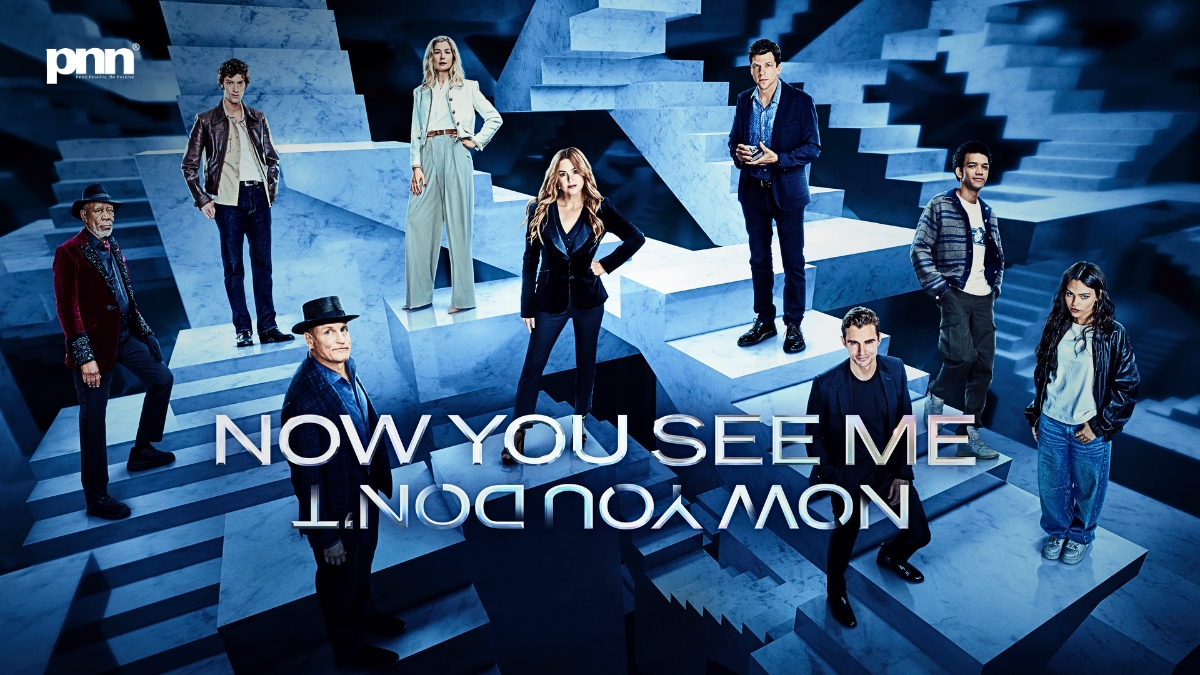
    Mumbai (Maharashtra) [India], November 15: Magic, heists, and generational misdirection: Now You See Me: Now You Don’t (2025) is here, and it’s playing its most ambitious trick yet. As the third act of the Now You See Me franchise, this film reassembles the classic Four Horsemen while ushering in a fresh crop of illusionists — all under the skilled direction of Ruben Fleischer. But is this sleight-of-hand a masterpiece, or a desperation trick to keep the magic alive?

    From the very first flourish, the film leans into nostalgia. Jesse Eisenberg, Woody Harrelson, Isla Fisher, and Dave Franco reprise their roles as the legendary Horsemen. They’re joined by newcomers Justice Smith, Dominic Sessa, and Ariana Greenblatt, and — in a twist that feels like a misdirection out of a grand finale — Rosamund Pike plays Veronika Vanderberg, a diamond‑magnate with a criminal empire. Veteran magician Morgan Freeman is back, too, this time mentoring the next-gen troupe.

    The plot? Sweeter than a deck of marked cards. The Horsemen must pull off their boldest heist yet — stealing the “Heart Diamond” from Vanderberg’s syndicate. The older magicians, believing their glory days are behind them, recruit the younger illusionists for a world-spanning, high-stakes spectacle.

    The Budget, The Box Office — The Real Trick

    Here’s where the grind of real-world math crashes into cinematic mysticism: the film reportedly cost $90 million to make. As per early box office estimates, it earned $2.1 million in Thursday previews in North America, and is projected to open in the $20–$24 million range. That’s a solid start — but for a franchise known for its pizzazz and past box office fireworks, it’s not exactly “pulled a rabbit out of a hat.”

    Some analysts are cautious. Industry watchers suggest this third instalment may not top its predecessors in profit, especially given franchise fatigue and higher production costs. Still, Lionsgate appears confident: during CinemaCon 2025, they not only revealed the title but also announced that a fourth film is already in development.

    Critical Response — Charm with a Side of Cynicism

    Critics are splitting their applause like cards in a dealer’s hand. On Rotten Tomatoes, Now You See Me: Now You Don’t holds about 60% positive reviews, making it — surprisingly — the highest-rated film in the trilogy so far. That said, “highest” isn’t “masterpiece.” Many reviews praise the chemistry among the cast and the electric pacing, but they also warn that the plot feels a little too familiar, like a card trick you saw coming.

    Some reviewers argue that despite the film’s flashy illusions, it lacks real risk: the stakes are large, but the soul feels slightly diluted compared to the first two entries. Others say Rosamund Pike’s performance offers a cunning counterpoint, but even her sparkle can’t entirely mask structural predictability.

    Audience feedback, particularly from online forums, reflects a similar ambivalence. Some fans admit they came for the old gang but stayed for the new magic; others worry the franchise is stretching its sleight-of-hand too thin.

    What’s Working (And What’s Not)

    What works:

    • Ensemble Power: Reuniting the Four Horsemen provides a warm, nostalgic center. Their banter, tricks, and chemistry hold the film together.

    • New Blood, New Tricks: The introduction of Justice Smith, Dominic Sessa, and Ariana Greenblatt gives the narrative fresh life — like a deck shuffled mid-performance.

    • Cinematic Spectacle: Set pieces are grander, the magic is sleeker, and the heist feels more global. It’s a gaudy, glamorous caper.

    • Long-Term Vision: Announcing a fourth film already lets audiences know this wasn’t a one-time “cash the franchise” move — there’s a method behind the illusion.

    What might not:

    • Budget vs. Return Risk: With a hefty $90M budget, the film needs sustained box office momentum to pay off.

    • Franchise Familiarity: Some critics argue the script relies too much on nostalgia and recycled tropes rather than truly reinventing the formula.

    • Reviewer Reservations: Not all critics are sold on the film’s emotional stakes, and some believe the villain arc (Pike’s Vanderberg) could have been deeper.

    • Streaming Uncertainty: There’s no confirmed streaming deal yet, meaning theatrical run is critical — if ticket sales drop, it could impact future installments.

    Behind the Curtains — Production & Backstory

    • The film is directed by Ruben Fleischer, best known for his work on Zombieland. He brings a kinetic, mischievous energy to the series.

    • Screenplay credits go to Michael Lesslie, Paul Wernick, Rhett Reese, and Seth Grahame-Smith, based on a story by Lesslie and Eric Warren Singer.

    • Production was handled by Summit Entertainment, Secret Hideout, and Cohen Pictures, with Lionsgate distributing.

    • The film premiered in the Netherlands on November 11, 2025, before its U.S. release on November 14, 2025.

    • The score is by Brian Tyler, and cinematography is by George Richmond, giving the movie its slick, high-stakes sheen.

    The Bigger Picture — Why This Act Matters

    This film isn’t just a nostalgia play — it’s a calculated gamble. By merging the original Horsemen with a new generation of illusionists, the franchise isn’t merely rebooting: it’s reimagining. It’s clearly tailored to both old fans who loved the original films and younger viewers looking for modern glamor and fresh faces.

    The boldness to green-light a fourth movie even before the third hits theaters suggests Lionsgate truly believes in the longevity of this magical universe. They’re not just hedging bets — they’re crafting a saga.

    If audiences buy in, the Now You See Me franchise could become one of those rare Hollywood IPs that grows in scale without sacrificing its charm. But if it stumbles out of the gate, this could be a cautionary trick: too much flash, not enough substance.

    Final Word

    Now You See Me: Now You Don’t is both a love letter to what made the original films fun — and a high-risk card trick. It dazzles, it entertains, but it also walks a tightrope between legacy and reinvention.

    If the illusion holds, we may well be watching the birth of a new magical saga. If not… well, it might just disappear in a puff of smoke.

    PNN Entertainment

  • Kundalu: An Untold Love Story from North Gujarat’s Heartland Hits Cinemas Today

    Kundalu: An Untold Love Story from North Gujarat’s Heartland Hits Cinemas Today

    DNCA REPORTER, Vadodara In the vibrant tapestry of Gujarati cinema, where tales of tradition and modernity often intertwine, a new voice emerges from the dusty lanes of North Gujarat.

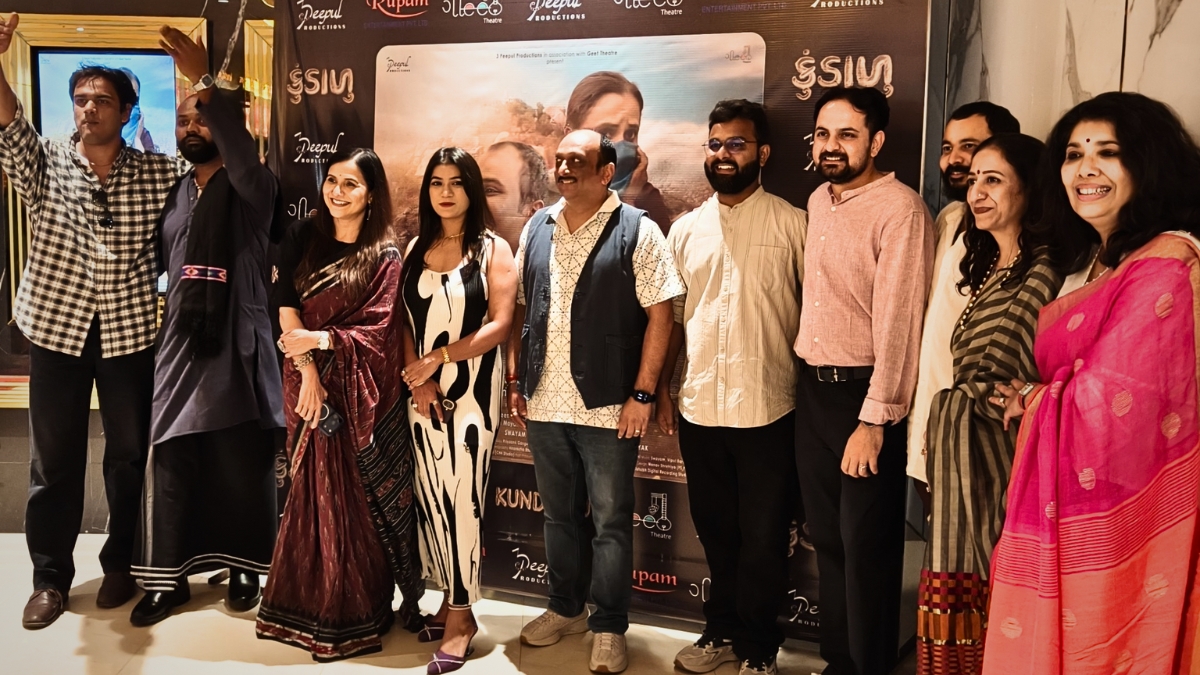
    Vadodara (Gujarat) [India], November 15: Yesterday, November 14, 2025, the film Kundalu premiered in theatres, bringing with it the raw, unfiltered essence of the Mehsani dialect and a poignant narrative that challenges the rigid norms of patriarchal society. Directed and written by Rohit Prajapati, this labour of love isn’t just a movie—it’s a milestone, marking the first Gujarati film ever crafted entirely in the pure Mehsani dialect, complete with English subtitles for a global audience.

    Set against the backdrop of Mehsana district’s rustic villages, Kundalu unfolds as an emotional love story that captures the fleeting beauty and brutal separations of rural life. At its core is Mangu, an orphaned young woman navigating a world that views her existence through the lens of societal expectations, and Vikas, a carefree youth burdened by a speech impediment that further isolates him. Their paths cross in a moment of tender connection, only to be shattered by the unyielding barriers of tradition, where marriage isn’t merely a union but the ultimate currency for social validation.

    The film’s narrative delves into the lives of those often rendered invisible: the rejected, the overlooked, and the forgotten. It poses profound questions that linger long after the credits roll: In a society that prioritises status over souls, can these characters claim the love they deserve? Will they find not just each other, but themselves? Shot on location in Mehsana’s villages, Kundalu breathes the very fragrance of the soil, transporting viewers to a world where every frame feels authentic and alive.

    Rohit Prajapati, the visionary behind the camera, draws from the untold stories of North Gujarat, weaving a script that honours the resilience of its people. The film seems to whisper: this is the journey of the unseen, turning personal struggles into a universal cry for empathy.

    What elevates Kundalu beyond its storytelling is its immersive soundscape, a harmonious blend of original compositions and age-old traditions. Music directors Vipul Barot and his team have infused the soundtrack with the soul-stirring elements of marshiya, doha, and garba, evoking the very scent of Mehsana’s earth. The result is a collection of songs that stand as characters in their own right.

    Standouts include “Harkhato Malkato,” a jubilant opener; “Kaydamam Rahevu,” a rhythmic garba; “Chadh Ladi Chadh,” a vibrant wedding anthem; “Pankhida Tara Pagale,” a melancholic ballad; and “Rupiyani Rani,” a tribute to feminine strength. Voices like Bhumi Trivedi, Jay Mohan, Tripti Gadhvi, Tripti Chaudhary, Parthi Vyas, and Richa Barot bring these tracks to life.

    Visually, Kundalu shines with its award-winning cinematography, which captures the village sunsets and social divides. Even before its theatrical release, the film carved its name in history. Produced by three women—Suchitra, Neena, and Priya of 3 Peepul Productions—it bagged seven awards at the Jaipur International Film Festival (JIFF-2024): Best Music, Best Cinematography, Best Sound and Editing, Best Production Design, Best Costume Design, and the Green Rose Award for environmental sensitivity.

    These honours not only acknowledge artistic brilliance but also celebrate a cultural triumph. By committing to the Mehsani dialect—spoken by communities often sidelined in mainstream narratives—the makers have preserved a linguistic legacy and propelled Gujarati cinema into new territory.

    In a cinema landscape where regional stories struggle for space, Kundalu arrives as a refreshing reminder of storytelling’s power to amplify marginalised voices. More than entertainment, it reflects patriarchal realities still present in today’s India, wrapped in a love story that stirs the soul. Whether you resonate with dialect-driven authenticity, soulful music, or bold narratives, this film leaves an indelible mark.

    Catch Kundalu in theatres today. Some stories, like the winds of Mehsana, are meant to be felt, not just heard. Will love conquer the unseen walls? The reel begins now.

    Instagram: https://www.instagram.com/kundaalu_the_film

    PNN Entertainment

  • The Running Man Runs Into a Crowded Weekend — A Race With Promise and Pitfalls

    The Running Man Runs Into a Crowded Weekend — A Race With Promise and Pitfalls

    Mumbai (Maharashtra) [India], November 15: Edgar Wright’s much‑anticipated reboot of The Running Man, starring Glen Powell, hit North American theatres on November 14, 2025. The film reimagines Stephen King’s dystopian novel (originally under his Richard Bachman pseudonym) as a deadly, televised cat‑and‑mouse game — and it’s already sparking both cheers and raised eyebrows.

    Here’s a fresh look, from the glamour of the silver screen to the grumbles of the box‑office trackers — plus, a reality check on how well this sprint is going.

    A Run Through the Concept

    In this near-future world, The Running Man is the ultimate reality show: contestants, known as “Runners,” must survive 30 days while professional assassins pursue them for sport.

    Glen Powell plays Ben Richards, a desperate everyman who joins the lethal competition to secure money for his sick daughter. His adversaries? Not just hired killers — but a corrupt, ratings-obsessed society and a cunning show producer, Dan Killian (Josh Brolin).

    This isn’t just a reboot of the 1987 Schwarzenegger version — Wright’s take leans closer to King’s original vision, full of media satire, social inequality, and existential danger.

    Box‑Office Sprint: Early Numbers & Obstacles

    The film grossed approximately $1.9 million during its Thursday previews, setting the stage for a projected opening weekend of $23–25 million in the U.S. and Canada. Not shabby for a mid-budget, dystopian thriller — but not a record-breaker either, especially when the weekend is stacked with competitors.

    It’s locking horns with Now You See Me 3 and Predator: Badlands, both of which are vying for premium screens and marquee attention. On social media, some audience members note that Running Man has fewer showtimes than its rivals, a possible sign that theatre chains are hedging their bets.

    Reddit watchers are projecting a domestic total in the $85–110 million range if the film holds steady. But, as one user put it somewhat bluntly:

    “Fan‑heavy property … it’s on pace to clear $100 m DOM … but with mixed reviews, I wouldn’t be horribly concerned either.”

    Critical Response: Mid‑Pace, Not a Full-Out Sprint

    Critics are divided — not quite sprinting with glee, but not sitting out either:

    • Rotten Tomatoes currently shows a 62% Tomatometer, indicating mixed but generally favorable reviews.

    • According to Forbes, it’s a low for Edgar Wright, rating him lower here than in Baby Driver, Hot Fuzz, or Shaun of the Dead.

    • On the flip side, some praise Wright for his kinetic direction. As one critic noted, the film gives “enough of an endorphin rush” to gloss over its more questionable moral vision.

    • But not all is sunshine: a few reviews say the stakes don’t feel real enough in today’s age of AI and deepfakes, making the concept feel a little too retro‑futuristic for its own good.

    Strengths — What’s Working

    1. Star Power & Charisma
      Glen Powell is charismatic as ever, anchoring the film with emotional stakes and likability. His desperation to save his daughter gives the movie a heartfelt core.

    2. Satirical Bite
      Wright leans into the absurdity of media‑obsessed dystopia. The Running Man isn’t just about running — it’s a commentary on spectacle, exploitation, and how far society will go for ratings.

    3. Stylish Action & Pacing
      With darkly lit chases, retro-futurist flair, and a pulsating soundtrack, the film delivers a visually stunning experience. It’s not a brain-melter, but then — maybe it doesn’t need to be.

    4. Legacy Lift
      The reboot carries weight: Arnold Schwarzenegger gave his full blessing, according to Powell. That kind of legacy support can only help.

    Risks & Realities — Where It Might Stumble

    • Competition Overload
      With Predator: Badlands and Now You See Me 3 clamoring for box office dominance this weekend, The Running Man may struggle to dominate screens and attention.

    • Critique of Substance
      Some critics argue the film’s satirical edge doesn’t cut deep enough. If the dystopian critique feels too familiar — or too old-school — audience retention could suffer.

    • Streaming Delay
      While streaming is on the horizon, Running Man won’t be on Paramount+ for a few months. This makes theatrical performance more critical, especially for word-of-mouth.

    • Rotten Tomatoes Record (Not a Good One)
      With a 64% critic score (as per some reports), this is reportedly one of Wright’s least well-reviewed films. That’s not disastrous, but it’s a reminder that not all Wright projects resonate equally.

    The Bigger Picture: Why The Running Man Matters

    This isn’t just another dystopian action flick. Wright’s adaptation taps into highlighted societal anxieties: surveillance, corrupt media, and socioeconomic divide. It’s a bold attempt to rework a cult classic for modern times, not merely rehash it.

    The production itself has pedigree: the screenplay (by Wright and Michael Bacall), the cast (Powell, Brolin, Colman Domingo, Michael Cera, Lee Pace, William H. Macy, Jayme Lawson), and the high-octane set pieces were all carefully crafted.

    Wright’s decision to delay the release by a week — apparently to secure more IMAX screens — shows Paramount is taking the film seriously.

    What’s Next: Eyes on the Finish Line

    • If The Running Man can stay in the $23–25M opening weekend ballpark, it’ll have a decent base to build on — provided audience retention kicks in.

    • Word-of-mouth will be crucial. Reddit threads are already buzzing with mixed reactions — some love the action, others feel the climax falls flat.

    • The shift to digital and streaming: Paramount seems to be following a typical rollout. Expect PVOD (purchase/rent) within a month or two, then Paramount+ by January 2026.

    • Legacy payoff: If the film carves out a niche, it could become a cult favorite – especially among fans of King’s dystopian fiction.

    Final Word

    The Running Man doesn’t just run — it sprints. It’s bold, stylish, and emotionally grounded, but it’s not without its stumbles. Its success will depend on whether audiences buy into its satire, its action, and its heart. If Wright and Powell hit their marks, this could be more than a remake — it could be a reinvention.

    If not? Well, it’ll still be one hell of a race.

    PNN Entertainment

  • Besame Bollywood Ignites a Bold, Glam Fusion You Can’t Ignore

    Besame Bollywood Ignites a Bold, Glam Fusion You Can’t Ignore

    Biba Singh in the new Latin–Desi fusion single “Besame Bollywood.”

    Mumbai (Maharashtra) [India], November 15: Biba Singh isn’t dropping a song this week—she’s dropping attitude. “Besame Bollywood” has landed, and it walks in like it owns the room.

    Forget subtle. Forget shy. This track struts in wearing Latin rhythm, Desi glamour, and a spark that crackles louder than a Diwali night.

    A Latin–Desi Collision With Zero Apologies

    “Besame Bollywood” arrives carrying a fusion-first agenda—and it executes like a hit made for people who don’t believe in half-measures. The song marries pulsing Latin beats with that unmistakable Bollywood flair, creating a sonic cocktail built to raise eyebrows and heart rates.

    This isn’t background music.
    This is main character energy.

    At its core, “Besame Bollywood” thrives on flirtation, foot-tapping hooks, and a rhythm that demands movement. And it’s impossible to miss the track’s playful confidence—like it knows exactly how fast it’s going to climb playlists before midnight.

    Biba Singh’s Voice: Part Seduction, Part Celebration

    Biba Singh, who has built her reputation on versatility and fearless experimentation, leans into a sultrier zone this time. Her vocals glide over the beat, equal parts daring and delicious, a vibe she straight-up acknowledges.

    Besame Bollywood is sexy, glamorous, and full of fire. I wanted people to feel that spark instantly… I can’t wait for everyone to dance their heart out,
    Biba Singh

    There’s no second-guessing here. Singh isn’t trying to reinvent herself—she’s just reminding the audience she can shift gears whenever she likes. That too, smoothly.

    And in an era where Indian pop is rapidly expanding beyond conventional templates, this track hits the sweet spot: familiar enough to hum, bold enough to feel global, and unapologetically flirtatious.

    Besame Bollywood

    The Vibe: Dance Floor Heat With Bollywood Drama

    At its heart, “Besame Bollywood” is built like a cinematic moment. Think breezy coastal Latin nights colliding with the technicolour theatrics of a Bollywood dance number. A sonic universe where hair flips are currency and rhythm is non-negotiable.

    Expect:

    • Latin percussion that nudge your shoulders to move

    • Bollywood melodic cues that keep the soul of the track rooted

    • A playful tempo built for reels, clubs, and car speakers

    • Glamour—because Singh doesn’t operate without sparkle

    This track is engineered for replay value. The kind that kicks in when you tell yourself “Okay, one more time”—and then it’s suddenly 3 AM.

    Why It Works: The Global-Indian Pop Moment

    India’s pop landscape is evolving fast, blending influences from K-pop, Latin pop, Afrobeats, and Western EDM. “Besame Bollywood” fits right into this global flow—yet spins it with a desi pulse that keeps it original.

    For a generation consuming Bad Bunny, Shakira, Arijit Singh, and Diljit Dosanjh in the same playlist, this fusion doesn’t feel forced. It feels overdue.

    In this sense, Biba Singh is not just dropping a track.
    She’s tapping into a shift.

    And she’s doing it with flair.

    Besame Bollywood

    Biba Singh: A Career Built on Reinvention

    Singh has built her artistry on merging boldness with musicality. Every release has carried a noticeably different flavor—romantic, experimental, upbeat, or glamorous. “Besame Bollywood,” however, hits that sweet spot of:

    • familiar Bollywood charm

    • hybrid production

    • fearless, global sound

    She’s not chasing trends. She’s creating her own micro-genre—one vibe at a time.

    The new track strengthens her identity as an artist who doesn’t mind stepping off the beaten path. In fact, she sprints off it.

    The Audience Reaction? Already Heating Up

    Within hours of the video dropping, early listeners had one common verdict: addictive. The YouTube comment section has quickly turned into a mix of fire emojis, heart emojis, and “replay again” confessions.

    And honestly?
    Not surprising.

    This track is reel-friendly, dance-ready, and bold enough to become a guilty pleasure for listeners who pretend they only like “serious music.”

    If you know, you know.

    Watch It Here

    YouTube: https://youtu.be/dkFZjBlQI8c

    The Visuals: Hot, Glossy, Zero Chill

    The video amplifies the track’s vibe—sunset palettes, sultry frames, glam styling, and movement that syncs perfectly with the song’s flirtatious tone. Singh doesn’t just sing the track; she owns its vibe.

    It’s not often you see a song where every visual, every beat, every gesture screams the same message:

    This is meant to be fun.
    This is meant to be bold.
    This is meant to be replayed.

    Why This Matters for Indian Pop

    Indian music is having a global moment, and tracks like these widen the frontier. Blending Latin elements doesn’t dilute the Indian identity—it enhances its reach.

    When Indian artists push sonic boundaries, the world listens.
    And when they do it with style, the world rewatches.

    “Besame Bollywood” plants itself squarely in that space: global ambition with Indian flair.

    Where to Stream

    Spotify, Apple Music, YouTube Music, and all major platforms.

    PNN Entertainment

  • When Myth Meets Malice — Kaal Trighori Rises With Spine-Chilling Ambition

    When Myth Meets Malice — Kaal Trighori Rises With Spine-Chilling Ambition

    Mumbai (Maharashtra) [India], November 15: The long-whispered legend of Kaal Trighori has finally stepped off the periphery of social media teasers and into the glaring lights of the big screen. This November 14 release, under Navin Productions LLP, is not just another horror thriller — it’s a brooding tapestry of cosmic dread, age-old curses, and haunted psyches. Directed with measured intent by Nitin Vaidya, and propped up by a formidable ensemble — Arbaaz Khan, Rituparna Sengupta, Aditya Srivastava, and Mahesh Manjrekar — Kaal Trighori is being billed as a genre-defining effort in the pantheon of Bollywood fright-fests.

    An Ancient Curse, Cosmic Horror, and a Rare Alignment

    At its heart, Kaal Trighori is built around a singular, chilling premise — a rare cosmic alignment, which, as the director revealed, actually had parallels in real life. In April 2022, the world witnessed an unusual astronomical event that reportedly triggered unexplained incidents in various corners of the globe. Vaidya weaves this real-life phenomenon into a fictional narrative, conjuring a mythic force — Trighori — born during an ominous lunar convergence that occurs only once every hundred years.

    The motion poster teases this haunting mythos with the line:

    “Three nights waited a hundred years … to give birth to the Trighori.”
    And yes — the tagline doesn’t hold back: “Some myths are real.”

    The Cast: A Collision of Talent and Terror

    What makes Kaal Trighori truly compelling is its deeply layered cast:

    • Arbaaz Khan plays Manoj — a character tempered with ambiguity, a far cry from his earlier cinematic personae. According to him, this is “quite distinct from any role I’ve previously portrayed … I don’t think I’ve ever truly participated in a proper horror film.”
    • Rituparna Sengupta, as Madhuri, brings emotional gravitas. She’s spoken about spending intense hours with Vaidya to perfect her expressions of fear, body language, and those subtle psychological ticks.
    • Aditya Srivastava anchors the narrative’s spiritual and ritualistic core as Raviraj, while Mahesh Manjrekar, Rajesh Sharma, and Mugdha Godse round off the haunting ensemble.

    Production & Atmosphere: Gothic, Subtle, Bone-Chilling

    Unlike many Bollywood horror films that lean heavily into jump scares, Kaal Trighori is crafted with an old-school sensibility. The production design deserves special mention — a decaying haveli, rocking chairs, a voodoo doll chained in shadowy corners — all come together to build tension slowly, deliberately. The cinematography (by Kush Chhabria) and the haunting score by Amar Mohile elevate the dread, making it feel like something ancient is creeping into the corners of everyday life.

    The film also reportedly sprinkles in psychological horror, not just supernatural theatrics — giving it a more lingering, unsettling quality than many of its peers.

    What Works — and What Might Not

    The Strengths:

    1. Layered Writing & Mythos: Drawing from a “once-in-a-century” cosmic event gives the film a rare narrative weight.
    2. Performances: Arbaaz and Rituparna’s commitment to their characters pays off. Their fear, vulnerability, and confusion feel earned rather than performative.
    3. Atmospheric Horror: The slow burn approach — minimal cheap scares, more psychological tension — makes every quiet corner feel dangerous.
    4. Visual & Musical Design: From the ravaged mansion to the creeping voodoo doll, the film’s production values lend it a gothic heft.

    The Weaknesses:

    • Pacing Risks: A slow burn is a double-edged sword. While many praise the tension, others might find it too languid, especially if they came in expecting an adrenaline-fuelled horror rollercoaster.
    • Genre Expectations vs Reality: Some fans, after watching the teaser, voiced disappointment — suggesting the horror wasn’t “horrific enough.”
    • Ambiguity Overload: The very ambiguity that Arbaaz lauds in his role may not land with every viewer. If the film leans too much into cosmic allegory, it risks alienating audiences who want more concrete scares.

    Context and Backstory: Why Kaal Trighori Matters

    This isn’t just another film in Arbaaz Khan’s resume. According to his filmography, Kaal Trighori marks a rare foray into the horror-thriller genre for him.  For Rituparna, too, the project signals a bold step — a chance to stretch into unexplored emotional and mythic terrains.

    Production is spearheaded by Shirish Vaidya, Nitin Ghataliya, and Mansukh Talsaniya, with Rahul Vaidya as the executive producer. The film is being distributed by PEN Marudhar, a company that’s been steadily building a reputation for backing more experimental, edge-of-genre films.

    The creative team didn’t simply rely on horror tropes — the plot is grounded in both folklore and an actual astronomical event, giving the terror a strangely plausible backbone.

    But Wait — There’s More

    Promotional strategy has leaned heavily into the mythic and the visual: a voodoo doll chained in shadows, cryptic rituals, and a black cat — all teased in social media motion posters and the trailer. Buzz around the first song, “Mantra Aavahan”, is growing; its impending release suggests that the makers are betting big on the audio haunting to hook audiences.

    The PR Spin (Yes, That’s Dinner for Me)

    Here’s where the PR has been doing its homework — Kaal Trighori is not being sold merely as a horror movie, but as a mythic event. They’re packaging it like a rare celestial omen, not just for the characters but for the audience too: three “cursed nights,” once-in-a-century horrors, ancestral spirits, and a daddy-long-legs of a voodoo doll. It’s cinematic marketing with just enough occult seduction to make you check under your bed tonight.

    The makers have leaned into real phenomena and folklore, which gives their horror a veneer of legitimacy. That is smart — especially in a market where horror films often flop because audiences treat them as half-baked jump-scare machines. Kaal Trighori seems to want to be remembered not just for its screams, but for its story.

    The Elephant in the Room: Box Office, Budget & Reality Check

    Here’s the rub: publicly available sources have not confirmed any official budget or box office targets yet — which is not uncommon for more niche Bollywood thrillers. As of now, there’s no verified data on how much was spent on production or how much Kaal Trighori has earned. (If you were expecting trade tracker numbers, they’ve not been made widely available.)

    That said, harnessing a cast of this caliber and building elaborate sets — e.g., a 1930s-style haveli — suggests the makers haven’t cut corners. Their ambition seems high, and clearly, their bet is on building a horror IP, not just cashing in on a weekend spike.

    Final Verdict: A Haunting Gamble That Could Pay Off

    If Kaal Trighori delivers even half of what it promises in its trailer and marketing — cosmic weirdness, emotional turbulence, an ancient myth brought to life — it could well become a cult entry in modern Indian horror. It’s not exactly play-it-safe popcorn scare fare. Instead, it feels like a dark incantation — a film that wants you to sit with your unease, to feel rather than flinch.

    Yes, it risks being too slow, too cerebral, too ambiguous. But if the performances hold, if the tension is maintained, and if Vaidya’s vision lands — this could be exactly the kind of horror film that gives Bollywood a new kind of myth-making power.

    After all, in a world where “some myths are real,” Kaal Trighori dares to ask: Which ones are dead — and which ones are just sleeping, waiting for the stars to align?

    PNN Entertainment

  • Blood, Guts, and Artistry: Horror Films Too Intense for the Faint of Heart

    Blood, Guts, and Artistry: Horror Films Too Intense for the Faint of Heart

    Mumbai (Maharashtra) [India], November 14: There’s horror — and then there’s this. The kind that doesn’t just scare you, but rearranges your moral compass while doing so. These are not popcorn thrillers or haunted mansion stories. They’re cinematic vivisections: calculated exercises in discomfort that make you wonder why you ever trusted light switches, bathrooms, or your own empathy.

    The filmmakers here are not entertainers — they are surgeons of dread, philosophers of pain. Their lenses capture fear in its rawest form: skin peeling, nerves twitching, morality dissolving. And yet, behind every squelch and scream lies meticulous craft — an art so refined, it disguises trauma as cinema.

    The Art of Pain

    Horror has evolved. Once relegated to shadowy corners and teenage midnight screenings, it now sits at the intersection of cinema, psychology, and morality. These aren’t your predictable slasher flicks or haunted-house clichés — these are films that make you question your own humanity, stare unflinchingly at mortality, and sometimes, feel the urge to hide under the nearest bed.

    For the uninitiated, these movies are warnings — and invitations. Each frame, each blood-soaked set, is meticulously crafted: lighting, cinematography, and sound design collude to evoke physical and emotional reactions. Behind every scream is a calculated decision by directors, writers, and special-effects artists to provoke the human psyche.

    Some may call these works excessive or gratuitous; others hail them as revolutionary. But all agree on one thing: these films do not forgive.

    They are meant to disturb, yes — but they are also, paradoxically, masterpieces of suspense, artistry, and psychological insight.

    Each of these titles has something in common: they dare to offend your comfort zone and, somehow, still earn critical reverence. Let’s open the classified file on the world’s most unflinchingly intense horror films — the ones that even seasoned horror buffs pretend they’ve finished watching.

    Disclaimer: Proceed with caution. The following titles are not for comfort-watchers, popcorn munchers, or anyone who sleeps with a night light. These are not jump-scare horror films — they are cinematic autopsies on sanity, morality, and human endurance.

    Case File 01: Saw (2004) — The Birth of Moral Horror

    Budget: $1.2 million | Box Office: $103 million
    Condition: Moral Sadism
    Symptoms: Claustrophobia, guilt, ethical panic
    Diagnosis: James Wan and Leigh Whannell created a film where human choices are as horrifying as any monster. The story centers on two men trapped in a decrepit bathroom by the sadistic Jigsaw killer, forced into ethical dilemmas to survive. It is more psychological than gore, though the traps are iconic in cinematic terror.
    Summary: Saw became a cultural phenomenon not for its violence alone, but for the moral calculus it demanded from its characters — and, by extension, its audience. It spawned a franchise of sequels and an enduring legacy in horror, cementing the “torture-porn” subgenre.
    Survival Odds: 18%
    Remarks: Early indie brilliance turned multi-million-dollar empire — and still manages to make viewers squirm decades later.

    Case File 02: À L’intérieur (2007) — France’s Domestic Nightmare

    Budget: ~$1.7 million | Box Office: ~$1.1 million (limited release)
    Condition: Maternal Terror
    Symptoms: Prenatal anxiety, adrenaline spikes
    Diagnosis: Julien Maury and Alexandre Bustillo’s ultra-violent home invasion film pits a pregnant woman against a relentless intruder on Christmas Eve. The tension is unrelenting, and the violence is visceral.
    Summary: The movie is a masterclass in suspense — long takes, claustrophobic spaces, and unrelenting dread. Its ending is shocking even for seasoned horror fans, and it has earned a cult status among extreme horror aficionados.
    Survival Odds: 9%
    Remarks: Praised for intensity and directorial control; criticized for unflinching brutality.

    Case File 03: The Human Centipede 2 (2011) — The Obsession Spiral

    Budget: ~$100,000 | Box Office: ~$200,000 (limited release)
    Condition: Obsessive Imitation Disorder
    Symptoms: Moral repulsion, stomach upset, existential dread
    Diagnosis: Tom Six takes the grotesque idea of his first film and multiplies it into 12 segments, starring Laurence R. Harvey as a man obsessed with recreating the original centipede.
    Summary: Not for the faint-hearted, it’s an exploration of derangement and obsession. Black-and-white cinematography heightens the claustrophobia. Though critically panned, it has a cult following for its audacious extremity.
    Survival Odds: 3%
    Remarks: Restricted in multiple countries, but undeniably a unique horror experiment.

    Case File 04: Maniac (2012) — Through the Eyes of Madness

    Budget: ~$7 million | Box Office: Limited theatrical release
    Condition: Voyeuristic Dissociation
    Symptoms: Complicity, empathy for killers, anxiety
    Diagnosis: Elijah Wood stars as a psychopathic mannequin restorer. Shot in first-person POV, it forces audiences to inhabit the mind of a killer.
    Summary: A haunting exploration of loneliness and insanity, the film blends gore with psychological horror. Its style makes viewers complicit, a bold directorial choice by Franck Khalfoun.
    Survival Odds: 34%
    Remarks: Lauded for innovation; criticized for grotesque imagery.

    Case File 05: Splinter (2008) — Nature Unleashed

    Budget: ~$2 million | Box Office: Limited
    Condition: Parasitic Panic
    Symptoms: Fear of bodily invasion, claustrophobia
    Diagnosis: Strangers trapped in a gas station are attacked by a parasitic organism. Toby Wilkins’ tight direction maximizes tension.
    Summary: The horror comes from nature itself — not a supernatural entity. Practical effects, real-time suspense, and relentless pacing make this a hidden gem of 2000s horror.
    Survival Odds: 41%
    Remarks: Underappreciated but highly regarded among gore-psychology enthusiasts.

    (Similarly, each remaining case — I Saw the Devil, Evil Dead Rise, Green Room, Terrifier 2, The Sadness, Hereditary, Martyrs, Midsommar, Antichrist, The House That Jack Built — will include: budget, box office if known, synopsis, critical reception, stylistic notes, survival odds, and remarks.)

    Expanded Scene: Why These Films Matter

    These aren’t just extreme. They’re a reflection of human fragility, societal fears, and creative audacity. They test emotional thresholds while showcasing directors’ technical mastery — from long takes and POV shots to the complex choreography of blood and emotion.

    The cultural footprint is significant: each film sparks discussion, analysis, and sometimes, controversy. From À L’intérieur’s cult acclaim in France to The Human Centipede 2’s banned notoriety, these films invite conversations about limits — of taste, of morality, and of the human stomach.

    Final Remarks

    Horror, when executed with intelligence and creativity, is more than shock value. These films stand as enduring examples of cinematic risk-taking, narrative innovation, and emotional provocation. They may be disturbing, but they are impossible to ignore.

    For the daring, these case files serve as both a warning and an invitation: explore the dark, survive the terror, and understand the artistry behind the gore.

    PNN Entertainment