Tag: entertainment

  • ‘Haq’: Bollywood’s Bold Attempt at Justice, Controversy, and Yami Gautam’s Fierce Debut

    ‘Haq’: Bollywood’s Bold Attempt at Justice, Controversy, and Yami Gautam’s Fierce Debut

    Mumbai (Maharashtra) [India], November 7: In a world dominated by glitzy escapist cinema, Haq lands like a carefully aimed arrow. Released on 7 November 2025, this courtroom-drama-meets-social-commentary piece is as much a cinematic experiment as it is a conversation starter. Produced by a team led by Vicky Jain and helmed by director Suparn Varma, the film dares to tackle the landmark Shah Bano case of 1985, reimagining its protagonists for contemporary audiences.

    The Story Behind the Screen

    At its heart, Haq is inspired by one of India’s most debated legal battles. Shah Bano, a Muslim woman, fought for her rights under Indian law against her husband, forcing the country to confront the clash between personal law and secular law. Translating this into cinema, the film presents Shazia Bano (Yami Gautam) and Abbas Khan (Emraan Hashmi) in a dramatised, fictionalised setting.

    The makers emphasise: this is not a documentary or literal retelling. It’s a narrative woven around faith, gender, rights, and social expectation, designed to provoke thought while entertaining. And let’s be honest: in Bollywood, that’s like trying to sell salad at a dessert buffet.

    Production & Behind-the-Scenes Highlights

    • Budget & Scope: Estimated at around ₹35–45 crore, Haq is considered a high-budget venture for a serious legal drama. The film’s scale, attention to period accuracy, and the recreation of legal proceedings reflect the production’s commitment.

    • Authenticity in Courtroom Drama: Director Suparn Varma, known for intense storytelling, consulted legal experts and historians to ensure the courtroom sequences weren’t just “Bollywood-ized”. Real case precedents and legal jargon were incorporated—enough to make some viewers reach for Google.

    • Actor Prep: Yami Gautam reportedly spent weeks understanding Shah Bano’s story and the social climate of 1980s India, aiming to deliver a performance that’s grounded rather than melodramatic. Emraan Hashmi, shaking off his “romantic thriller” image, steps into a more restrained, morally complex role.

    • Shooting Challenges: Certain scenes involved lengthy courtroom setups, requiring meticulous continuity and attention to detail. Rumor has it that late-night shoots extended to 14-hour stretches—a testament to the crew’s devotion or sheer masochism.

    Haq

    Controversy & Courtroom Drama Before the Reels Rolled

    In a twist no one needed, the real-life connection led to legal scrutiny. Siddika Begum Khan, Shah Bano’s daughter, approached the Madhya Pradesh High Court seeking a stay, alleging misrepresentation of her mother’s story. The court dismissed the plea, allowing the film’s release.

    The case generated early social media chatter—some calling it “an educational must-watch,” others claiming “Bollywood meddling with history.” In typical Indian fashion, the courtroom drama began before the opening credits.

    Audience & Social Media Pulse

    • Social media has largely praised Yami Gautam’s performance, with comments ranging from “National Award-worthy” to “finally a role with substance.”

    • The film’s topic—women’s rights, faith, and justice—has sparked trending hashtags, making Haq a conversation piece well beyond cinema halls.

    • Box-office trackers estimate a ₹3–4 crore opening day, modest for Bollywood, but respectable for a content-heavy, issue-driven drama. The film’s longevity may rely more on word-of-mouth and social relevance than traditional commercial appeal.

    Positive Takeaways

    • Socially Relevant Cinema: In a time when Bollywood often chooses glitz over grit, Haq attempts to shine a light on gender and legal inequity.

    • Strong Lead Performances: Yami Gautam anchors the film with poise and restraint. Emraan Hashmi delivers a surprising turn, balancing intensity with subtlety.

    • Educational Value: For younger audiences unaware of the Shah Bano case, Haq doubles as an introduction to an important chapter in India’s legal and social history.

    Challenges & Caveats

    • Heavy Themes: Courtroom drama, personal law conflicts, and ethical debates may feel dense for audiences seeking pure entertainment.

    • Commercial Risk: Unlike masala blockbusters, films tackling social issues often struggle to achieve blockbuster numbers. Success may be measured in impact and discussion, not box-office records.

    • Limited Mass Appeal: The sober tone, absence of high-octane songs or flamboyant heroism, and legal-heavy dialogues might test the patience of casual moviegoers.

    Interesting Facts

    • The film’s title, “Haq, means “right” or “due,” directly tying the narrative to the protagonist’s quest for justice.

    • Scenes were meticulously designed to recreate 1980s India, from court interiors to street visuals, with a keen eye for authenticity maintained.

    • The real Shah Bano case continues to resonate, making the film as much a socio-political statement as a cinematic experience.

    PR-Style Takeaway

    Haq is not here to win awards for spectacle. It’s here to spark debate, evoke empathy, and remind viewers that cinema can—and sometimes should—be more than just escapism. Its strength lies in storytelling rooted in reality, anchored by performances, and backed by a production willing to tackle controversy head-on.

    Think of it as Bollywood with a conscience—occasionally clumsy, occasionally heavy, but undeniably bold. For viewers open to reflection, discussion, and serious cinema, Haq offers both insight and conversation. For those seeking a weekend of masala thrills, well… popcorn might have to wait for another film.
    PNN Entertainment

  • ‘Jatadhara’ Myth Meets Mayhem—A Spectacle with One Eye on the Prize, the Other on Its Own Feet

    ‘Jatadhara’ Myth Meets Mayhem—A Spectacle with One Eye on the Prize, the Other on Its Own Feet

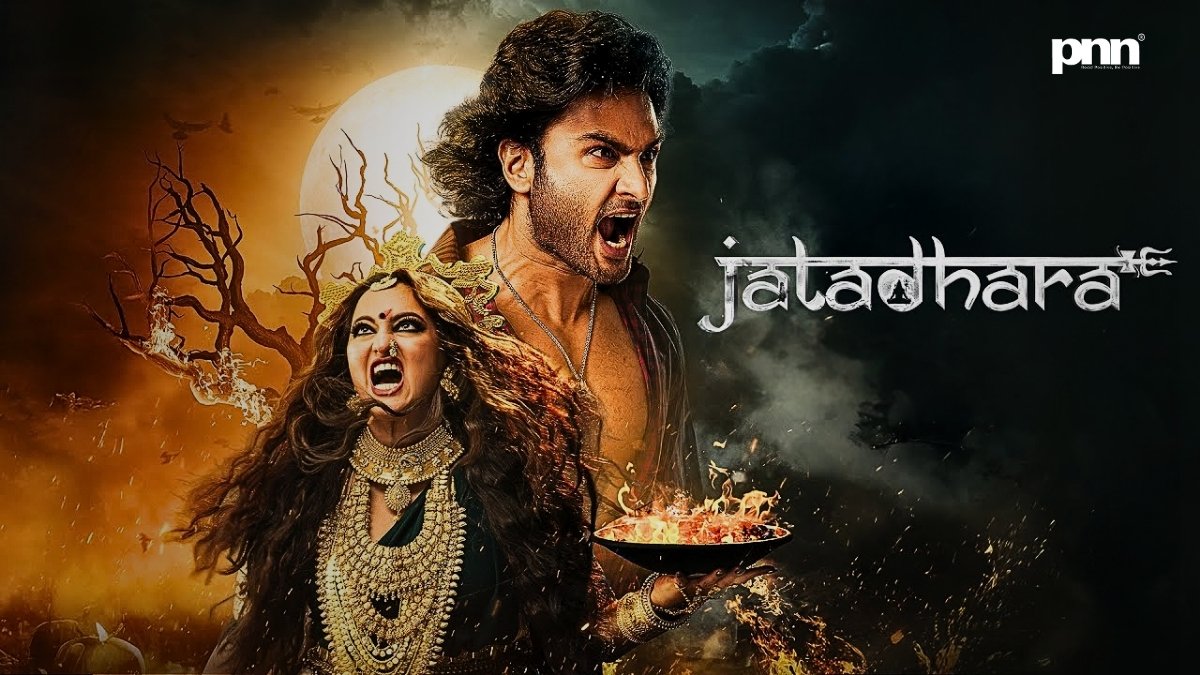
    Mumbai (Maharashtra) [India], November 7: The stage was set high. With bilingual release plans, mythological scaffolding, and stars like Sonakshi Sinha—making her Telugu debut alongside Sudheer Babu —the film Jatadhara (releasing on 7 November 2025) arrived bearing the hallmarks of a pan-India spectacle. The buzz was built on ambition: ancient treasure vaults, demonesses, real tantric mantras, ghost hunters, corporate life, and myth bound together. And yes—there was a budget, a marketing machine, and an eye on box-office glory.

    Let’s peel back the layers.

    The Premise & Background

    Jatadhara anchors itself in myth and mystery. The title references the idea of a “jatā-dhāra”—the matted locks of Shiva, symbolic of streams, secrets and divine power. According to sources, the story draws from the lore surrounding Padmanabhaswamy Temple and its sealed vaults—wealth, greed, faith and the supernatural intertwined.

    The plot: Shiva (Sudheer Babu), a man of science and reason (and by day perhaps a corporate whiz), also dabbles in ghost-hunting when off-duty. He’s haunted by recurring dreams—a child under attack. Enter Dhana Pisachini, the demoness guardian of a hidden trove and a metaphor for greed, portrayed by Sonakshi Sinha. What happens when disbelief collides with the supernatural? That collision is supposedly Jatadhara.

    Behind the scenes, the film was shot simultaneously in Telugu & Hindi to maximise reach. The makers claim serious intent: real tantric rituals, mantras, even 15-16 hour days (or 24-hour stretches) to nail the climax.

    Behind-the-Scenes & Production Tidbits

    • The creation of a “sacred” atmosphere: According to one report, the team conducted authentic tantric rituals and chanted genuine mantras during key sequences—not just for the camera, but to capture the “energy” they sought. Director Venkat Kalyan says, “We didn’t want to recreate the energy; we wanted to feel it.”

    • Climax shoot: Over the course of one week, Sudheer Babu and the crew reportedly clocked 15-16-hour days, and in one stretch, even worked non-stop for 24 hours across three consecutive days. That’s dedication (or masochism?).

    • Technical attempt: With cinematography by Sameer Kalyani, editing by Venkat Kalyan, producers including Prerna Arora and Zee Studios, the scale was clearly ambitious.

    The Upside: What One Has to Give Credit For

    • Concept ambition: Myth + horror + treasure hunt + superstition + technology = a mash-up that few mainstream Indian films attempt. That alone is worth a nod. Reviewers point out that the film doesn’t cling purely to jump scares; it attempts more.

    • Star presence and novelty: Sonakshi’s villainous, mythic avatar sells—she enters Telugu cinema with flair, playing a role far removed from her earlier ones. Sudheer Babu’s commitment is often praised.

    • Ritual authenticity (to an extent): The effort to incorporate real mantras and on-set rituals may bring a dimension of sincerity unusual for commercial fare. The audience may sense it.

    The Other Side: Where the Wheels Wobble

    • Execution vs idea gap: Multiple reviews highlight that while the template is loaded with promise, the narrative mechanics don’t always deliver. Screenplay, editing, and technical polish are subject to criticism. For example: “The film checks every ‘pan-India’ box except the one that matters: filmmaking.”

    • Technical short-falls: Reviewers say the VFX look dated, the editing is blunt, and the tonal shifts jarring—especially when a mythology thriller demands immersive craft.

    • Mood disruptions and pacing: The inclusion of an item number (“Pallo Latke Again”, apparently) and forced romantic subplots are cited as distracting from the scary/mythic atmosphere.

    • Mixed audience & review signals: While the internet may praise the film as “paisa-vasool” (value for money), critics remain blunt. One noted the first half is “random scenes spilt all over” and the climax “pathetic, to say the least”.

    Scene-Stealers, Trivia & Easter Eggs

    • The title’s nod to Shiva (matted hair) and the temple vault myth give Jatadhara a symbolic anchor.

    • Sudheer Babu’s character apparently juggles corporate life and ghost-hunting—quite the double shift.

    • Sonakshi’s demoness character is more than “evil”: she represents greed, ritual, and the unseen guard of hidden wealth.

    • Real rituals: production consulted practising Tantriks, which is rare for a mainstream genre film.

    • Shooting marathons for the climax: 15–16 hour days, non-stop sequences—rare dedication in an era of quick schedules.

    • A dual language shoot typically results in two editions (Telugu and Hindi), with possibly minor variations.

    Final Word: Watch or Pass?

    In PR-style: Jatadhara wants to be the next big mythological thriller. It excels on canvas, delves into myth, is a medium of horror, and boasts a pan-India scope. If you walk in with a taste for spectacle, for myth’s grandeur, for a star in a bold new avatar (hello Sonakshi), you may walk out entertained.

    But flip open your filmmaking lens: you’ll also find moments where ambition leapt ahead and craft lagged. It is not a clean, sharp execution of a brilliant concept. It’s more like a diamond rough—flashes of sparkle mixed with rough edges.

    Sogo if you’re in the mood for a visually stunning outing with star power and thrills. Maybe wait if you prefer tight storytelling, high-end VFX and deeply resonant themes. It’s a gamble. The makers aimed for the skies. They reached some clouds. Whether they landed on solid ground depends on your seat—front row for the fans, maybe mid-row for the purists.

    PNN Entertainment

  • M 4 Music’s ‘Suni Suni Raaten’ Touches Hearts — AJ & Priya Shukla Shine in Lead Roles

    M 4 Music’s ‘Suni Suni Raaten’ Touches Hearts — AJ & Priya Shukla Shine in Lead Roles

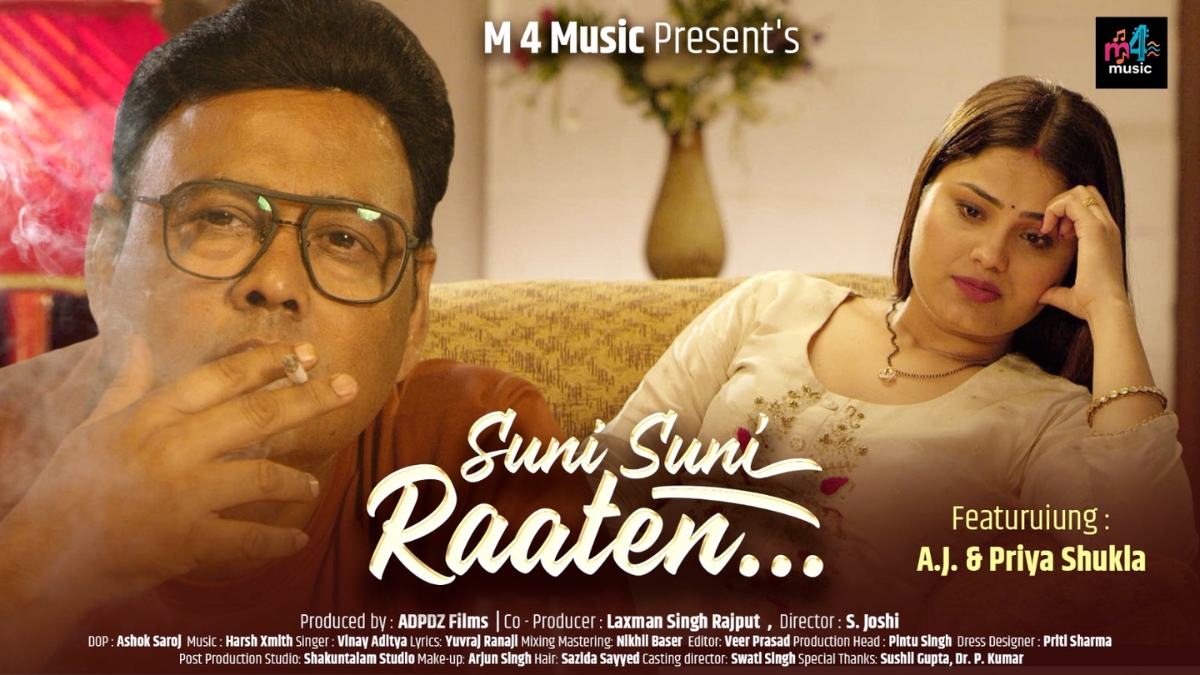
    Mumbai (Maharashtra) [India], November 5: The renowned Bollywood music label M 4 Music has officially launched its latest music video “Suni Suni Raaten” on November 5, produced under the banner of ADPDZ Films. Within hours of its release, the soulful song began receiving immense appreciation from audiences for its emotional depth, visuals, and melodious composition.

    The music video features AJ and Priya Shukla in lead roles, bringing alive the emotions of love and longing through heartfelt performances. Directed by S. Joshi, the video is praised for its cinematic appeal and engaging storytelling. The beautiful music is composed by Harsh Xmith, sung by Vinay Aditya, and written by lyricist Yuvraj Ranaji.

    Speaking to the media, lead actor AJ expressed his gratitude, saying, “The audience’s love is my biggest motivation to keep creating and performing. Their support inspires me to continue my journey in the entertainment world.”

    Actress Priya Shukla shared her excitement about the project, stating, “I’m truly overwhelmed by the audience’s response. Shooting this song was an amazing experience, and I’m thankful to our director S. Joshi and the entire production team for their constant support and positivity on set.”

    Co-Producer Laxman Singh Rajput, a well-known name in Bollywood who has produced several films and music videos, added, “From pre-production to release, everything went seamlessly. I’m confident that Suni Suni Raaten will deeply connect with audiences across India.”

    The project also features strong technical and creative support from an experienced crew, including DOP Ashok Saroj, Editor Veer Prasad, Assistant Director SSayana Khan, Production Head Pintu Singh, Dress Designer Priti Sharma, and Make-up Artist Arjun Singh. Post-production was handled by Shakuntalam Studio, with Hair Stylist Sazida Sayyed and Casting Director Swati Singh ensuring a polished final output.

    The video also stars Amar Gaurav, Sanjana Sani, and Alfiya Khan in supporting roles, with special thanks extended to Sushil Gupta and Dr P. Kumar for their contributions.

    With its touching music, captivating visuals, and heartfelt performances, Suni Suni Raaten stands out as one of M 4 Music’s most promising releases this season — a perfect blend of emotion, melody, and cinematic artistry.

    Click Here to watch the Music Video

    If you have any objection to this press release content, kindly contact pr.error.rectification@gmail.com to notify us. We will respond and rectify the situation in the next 24 hours.

  • Bad Girl: Vetrimaaran’s Subtle Rebellion Wrapped in Anurag Kashyap’s Familiar Chaos

    Bad Girl: Vetrimaaran’s Subtle Rebellion Wrapped in Anurag Kashyap’s Familiar Chaos

    Mumbai (Maharashtra) [India], November 4: It’s rare for a film to make you both uncomfortable and curious at once. Bad Girl, now streaming on Netflix, does exactly that. Directed by Vetrimaaran — the master of quiet chaos — and produced by Anurag Kashyap, the film walks the tightrope between rebellion and reflection, refusing to neatly fit into any one genre. It’s a coming-of-age story, yes, but it’s also a social mirror held up to an audience that’s often too distracted to look into it.

    At first glance, Bad Girl feels deceptively simple. A young woman (played by the strikingly composed Anjali Sivaraman) tries to find herself amid the noise of moral expectations, fractured friendships, and half-spoken truths. The premise isn’t groundbreaking — but the tone is. The film moves with a languid rhythm, where silences sting harder than dialogue, and glances speak entire paragraphs.

    If Vetrimaaran is the surgeon of realism, Kashyap here plays the philosopher of mess. The movie feels like their creative intersection — where Aadukalam meets Dev D, stitched together by the thread of discomfort. The film doesn’t shout to be understood; it lingers, waits, and lets unease simmer. That, in itself, is a rebellion.

    A Slow Burn in a Fast-Scrolling World

    The movie’s release on OTT this week has been met with cautious excitement. Viewers, ever hungry for fast content, may find Bad Girl’s stillness both refreshing and jarring. It’s a slow burn in an era of ten-second attention spans — a film that expects you to listen instead of scroll.

    According to insiders, the production budget hovered around a modest mid-tier range, but the visual composition and emotional depth stretch far beyond it. It’s not extravagant cinema; it’s introspective cinema that wears simplicity as armor.

    Yet, there’s no denying that Bad Girl isn’t for everyone. Some early viewers found the pacing indulgent and the moral ambiguity frustrating. There’s a point in the second act where even the most patient audience may wonder if the narrative has started circling itself. But perhaps that’s the point — the film, much like its protagonist, is not chasing resolution. It’s chasing awareness.

    Bad Girl

    Anjali Sivaraman: The Quiet Storm at the Centre

    Anjali Sivaraman’s performance is the film’s emotional anchor. Her portrayal of confusion — that quiet kind, not the theatrical one — makes the story believable. She doesn’t “act” the part; she inhabits it. You can see her character’s defiance in the way she breathes, not just in what she says. It’s the kind of subtle performance that goes unnoticed in mainstream awards but stays etched in the viewer’s subconscious.

    Vetrimaaran, in contrast, uses direction like calligraphy — deliberate, precise, almost meditative. His frames aren’t cluttered; his storytelling isn’t loud. Even when he borrows from Kashyap’s playbook of moral greys, he adds discipline to the madness. Together, they build a world that’s raw yet restrained, rebellious yet dignified.

    The cinematography, subdued yet layered, uses natural light as a character of its own. You don’t just watch the film; you absorb it. The muted color palette — part melancholy, part metaphor — feels like the emotional weather of the protagonist’s mind. It’s a reminder that not every story of rebellion needs fireworks. Sometimes, silence is the loudest protest.

    Bad Girl

    A Quiet Triumph in the OTT Jungle

    Streaming platforms like Netflix have recently become sanctuaries for such mid-budget, emotionally rich experiments. In a landscape dominated by genre thrillers and fast-paced crime dramas, films like Bad Girl feel like quiet insurgents. They don’t trend for their shock value; they survive on whispers and word-of-mouth.

    Over the past year, several Indian and international OTT titles (Kohrra, Pippa, Jaane Jaan, Trial by Fire) have proven that nuanced storytelling can still find loyal viewership. Bad Girl fits comfortably in that lineage — the kind of film that critics appreciate on a second viewing and audiences defend long after they’ve forgotten its flaws.

    Social media, predictably, has split its verdict. Some users called it “a poetic rebellion against the good-girl narrative,” while others dismissed it as “slow, indulgent, and vaguely confused.” Even Kashyap’s loyal fanbase appears divided — some claiming it’s his most restrained production in years, others wishing it carried more of his trademark chaos. And yet, love it or loathe it, nobody’s ignoring it.

    Anurag Kashyap’s Philosophy of Discomfort

    In recent interviews, Kashyap described Bad Girl as “a film that asks uncomfortable questions rather than offering comforting answers.” That, perhaps, sums up the experience best. It’s less about plot, more about presence; less about right or wrong, more about what lies in between.

    And in the OTT jungle, where viewership numbers often outweigh artistic merit, Bad Girl’s existence feels like a small, stubborn victory. A reminder that not all cinema must be glossy or conclusive. Some films exist to make you sit with your own discomfort — and maybe, that’s what true storytelling is meant to do.

    The Verdict: A Film That Whispers, Not Shouts

    Whether Bad Girl becomes a streaming hit or remains an underrated gem is something time will tell. For now, it stands as a quietly confident piece of filmmaking that doesn’t pander, doesn’t apologise, and certainly doesn’t conform. It’s the cinematic equivalent of a whispered rebellion — you might miss it if you’re not paying attention, but once you do, it stays with you.

    In an age where “content” is consumed faster than it’s made, Bad Girl reminds us that cinema still has the power to pause us mid-scroll. And perhaps that’s its real triumph.

    So, over to you — when was the last time you discovered a film that didn’t shout for your attention but still wouldn’t leave your mind? Tell us your most underrated finds — the ones that refused to fit in, and in doing so, became unforgettable.

    PNN Entertainment

  • Under-The-Radar Terrors: Five Horror Films Netflixters Ignored — And Why That’s Their Loss

    Under-The-Radar Terrors: Five Horror Films Netflixters Ignored — And Why That’s Their Loss

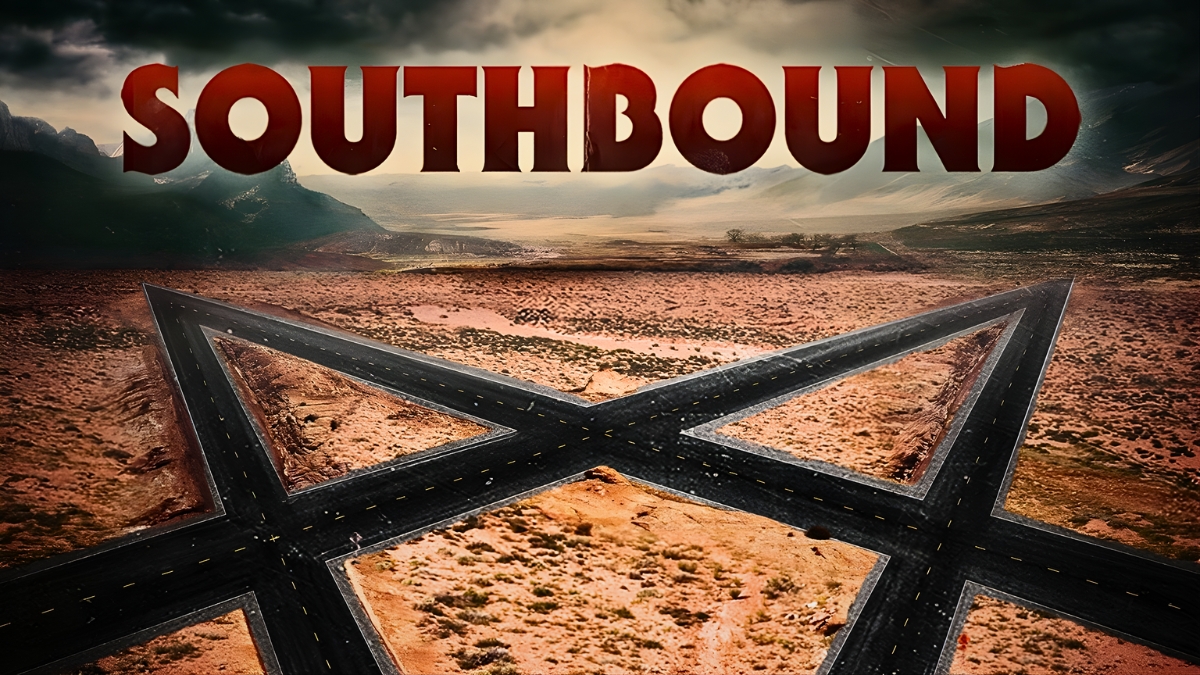
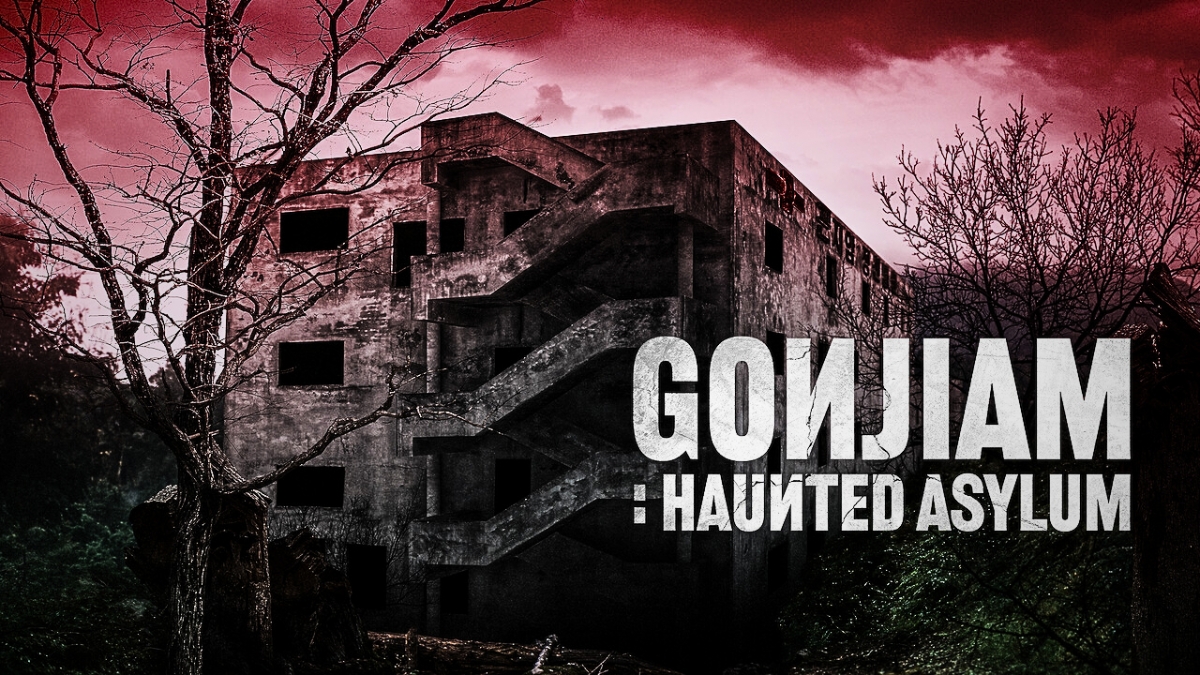
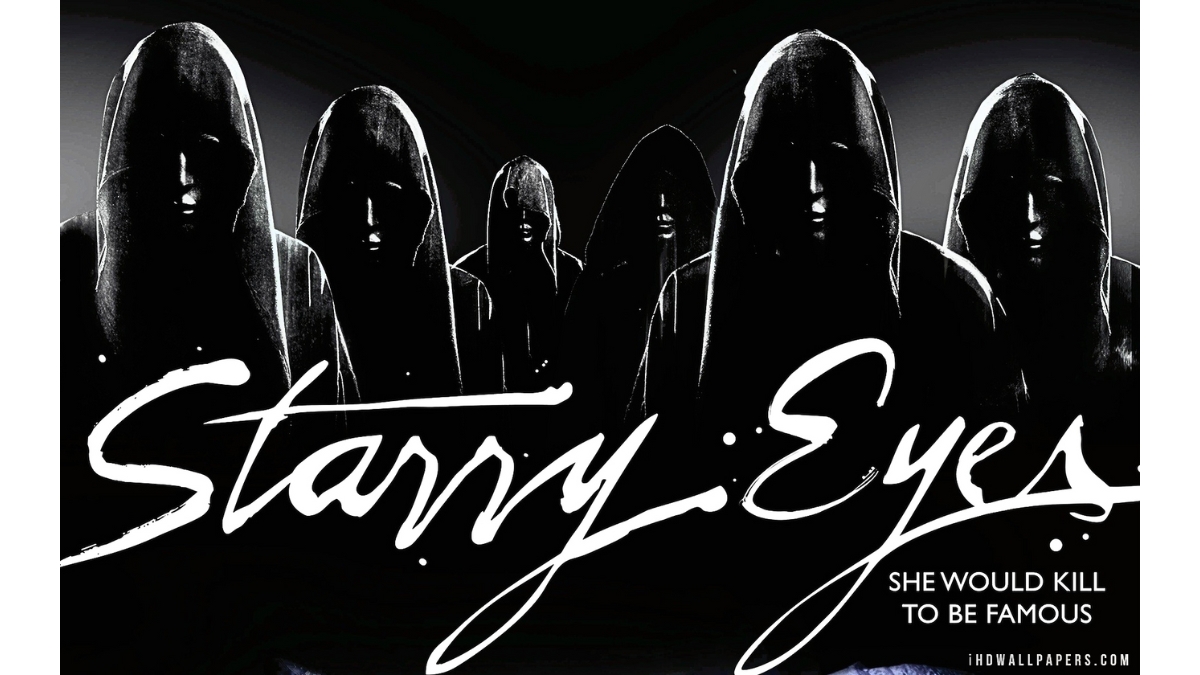
    Mumbai (Maharashtra) [India], November 4: There’s a sly kind of horror movie that doesn’t roar, it creeps; it doesn’t binge, it lingers; it doesn’t dominate headlines, it quietly haunts your mind. In the streaming deluge of loud-fright flicks, these gems shuffled to the back of the catalogue, buried under algorithmic noise and blockbuster blitzes. Here are five such films — Southbound, Gonjiam: Haunted Asylum, Starry Eyes, The House of the Devil and Honeymoon — each a slow-burn, twist-laden, mood-soaked piece of horror cinema that deserved more eyeballs.

    And yes, we’ll sing their praises — but we’ll also be honest about the creaks, the mis-steps, and the reasons they didn’t explode into the “must-watch” zone.

    Southbound – The anthology on the highway of dread

    Horror

    Imagine five interlocking tales of terror, all connected by a creepy desert highway. That’s what Southbound delivers. Critics gave it a solid reception — around 80% on Rotten Tomatoes. The moments when the segments drift into each other feel like the best kind of weird: loose ends become the point. One reviewer called it “one of the smartest and scariest movies in recent memory.”

    What works: The anthology format breathes freshness, the scares feel unpredictable, and the mood is properly creepy.
    Where it stumbles: Anthologies often suffer from variation in quality between segments, and Southbound isn’t immune. Some stories click more than others; the transitions pull you out of immersion.
    Why it’s underrated: Because anthologies are tricky to market, and horror viewers are often impatient — they want the thrill, not the slow build-up. This one gives both, but it expects you to slow down.

    Gonjiam: Haunted Asylum – Found-footage done the Korean way

    Horror

    Here’s a gem that many horror fans whisper about but fewer mainstream viewers watch. Gonjiam uses the found-footage framework in a dilapidated asylum and earns a whopping 92% on Rotten Tomatoes. Reddit threads call it “one of the scariest found-footage movies I’ve seen”, while others say it “fell short of hype.”

    What works: The location is real-world creepy, the found footage style adds immediacy, and the final ⅓ delivers genuine spine-chills.
    Where it stumbles: Some viewers found the acting over‐the‐top, the pacing slow, and certain jump-scare moments too predictable.
    Why it’s underrated: Non-English horror still struggles for visibility in global streaming realms, and the marketing didn’t push it hard outside the horror-lover bubble.

    Starry Eyes – Ambition meets body-horror-satire

    Horror

    This one flips the script on ambition and fame. A young actress endures humiliation after humiliation in Hollywood, then things get weird. The film holds a 74% approval on Rotten Tomatoes, but a Metacritic score of 49 shows the divide.

    What works: The satirical take on “making it” is sharp, the transformation of the lead is intense, and the visuals lean into the grotesque.
    Where it stumbles: It dips into typical horror tropes in the third act, which weakens the initial punch. Some critics say the finale doesn’t match the promise of the setup.
    Why it’s underrated: It’s weird. It’s dark. It expects you to wrestle with the discomfort of ambition, not just jump out of your seat. Most viewers don’t sign up for that.

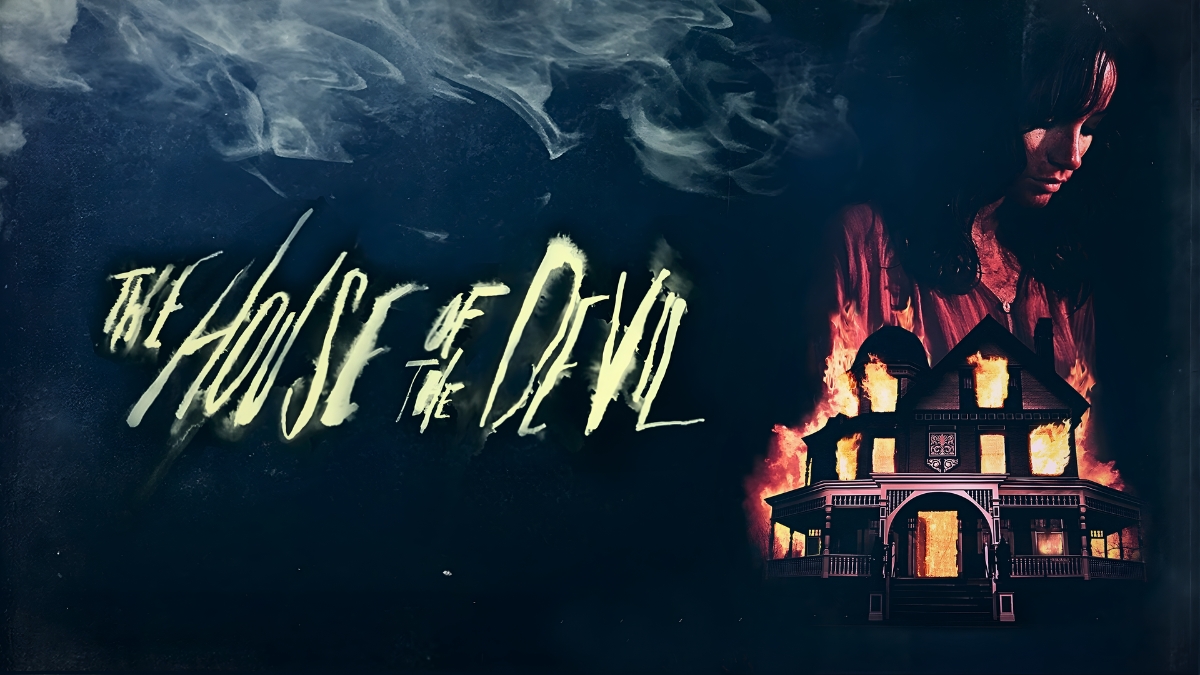
    The House of the Devil – Retro horror done with finesse

    Horror

    Director Ti West nails the 1980s horror vibe, with slow tension, flickering sets and dread built through mood, not cheap scares. The film boasts an 85% approval rating on Rotten Tomatoes.

    What works: It captures a vintage horror feel with modern polish, blends occult dread with subdued craftsmanship.
    Where it stumbles: Its slow pace is a barrier for viewers hungry for immediate frights. Some find the build-up too gradual.
    Why it’s underrated: When horror becomes minimalistic and tone-driven instead of loud and fast, it loses out in the “What to Watch Right Now” culture. This is for the viewer who stays for the stare at the ceiling after the credits roll.

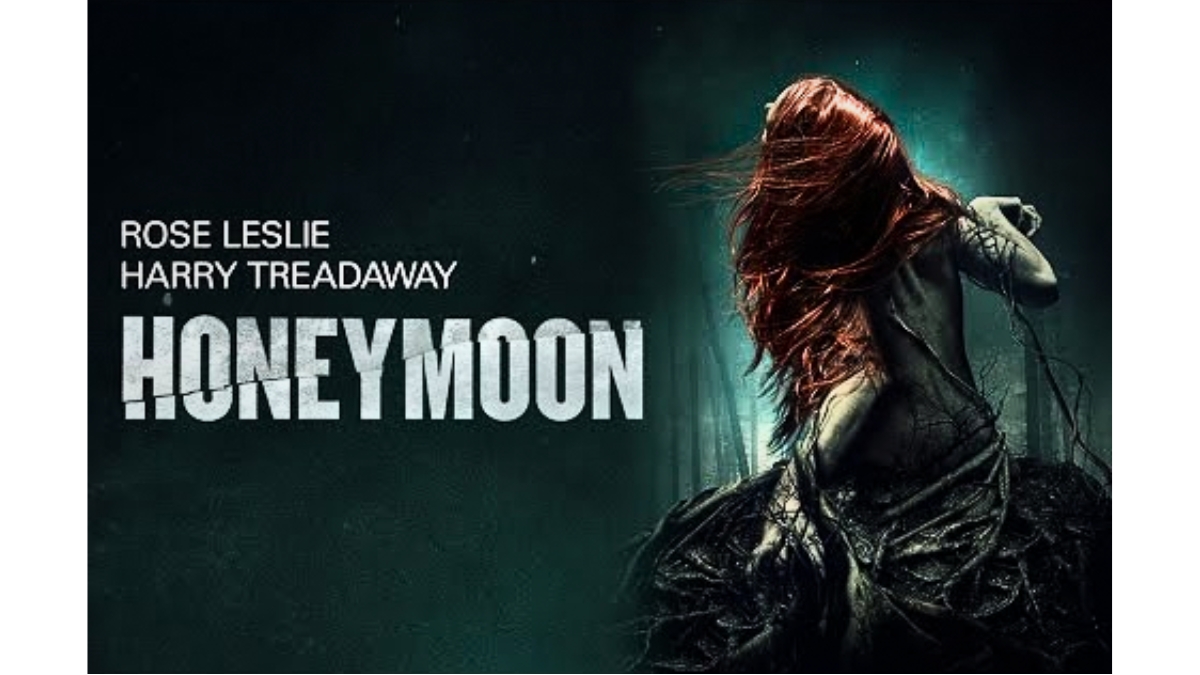
    Honeymoon – Love, dread and one very bad night

    Horror

    A honeymoon should be blissful. In this film, it’s the ticket to a nightmare. The story: newlyweds, a cabin in the woods, strange sleepwalking, and then … something else. It holds a 76% score on Rotten Tomatoes.

    What works: The premise is simple but effective, the atmosphere is tense, and the film uses limited resources well.
    Where it stumbles: Some reviews say the payoff is thin and the horror payoff doesn’t fully meet the promise of its setup.
    Why it’s underrated: It’s modest in budget and ambition, so it didn’t get loud marketing. Also, the slow-burn approach keeps it off “instant watch” lists.

    The Bigger Picture: Why These Films Flicker Instead of Blaze

    • Budget vs. hype: These films didn’t come with huge budgets or massive studio pushes, so they didn’t grab attention.
    • Tone over trend: They value mood, subtext, tension — not viral jump-scares or meme-friendly moments.
    • Sub-genre risk: Found-footage, slow-burn, and meta-satire are all riskier than formula horror. The audience for them exists — just not always in the big numbers.
    • Discovery gap: Streaming platforms often bury these films in the catalogue rather than spotlight them. When promotion is minimal, viewers assume “not important.”

    More Underrated Horror Flicks to Watch Next

    If these five grabbed your interest, here are some others worth the hunt:

    • The Invitation – psychological tension in a dinner party gone wrong
    • We Are Still Here – ghost story with 1970s horror DNA
    • The Autopsy of Jane Doe – autopsy table becomes a terror chamber
    • The Ritual – Norse myth + cabin-in-the-woods reimagination
    • Gretel & Hansel – fairytale twist with nightmare visuals
    • Kill List – genre-hopping horror that surprises and disturbs
    • Hush – quiet, minimalist, effective home-invasion story

    Final Thoughts (With A Nod to PR Flair & Sarcasm)

    So yes — if you’re browsing for something “safe to put on in the background,” these aren’t your hop-in-hop-out thrillers. But if you want something that lingers, something that bites a little after you turn off the TV, then these are your hidden roses among the weeds of streaming. They may not dominate trending lists, but they dominate memory. They may not boast huge budgets or A-list stars, but they raise questions, unsettle the calm, and invite you to feel something beyond the jump-shot.

    Your Turn Now

    Which underrated film or series have you discovered — the one you tell no one about because you secretly want to keep it hidden? Drop it in the comments. Let’s gossip about the horror gems the algorithm forgot.

    PNN Entertainment

  • Dadasaheb Phalke International Film Festival Awards 2025: Winners List

    Dadasaheb Phalke International Film Festival Awards 2025: Winners List

    Mumbai (Maharashtra) [India], November 3: Marking a grand celebration of cinematic brilliance, Dadasaheb Phalke International Film Festival Awards 2025 honoured excellence across Indian cinema, Indian television and the international film fraternity, while paying tribute to the enduring legacy of the Father of Indian Cinema, Shri Dadasaheb Phalke Ji. The event brought together the most distinguished talents from the creative fraternity on one prestigious platform.

    Dadasaheb Phalke PNN

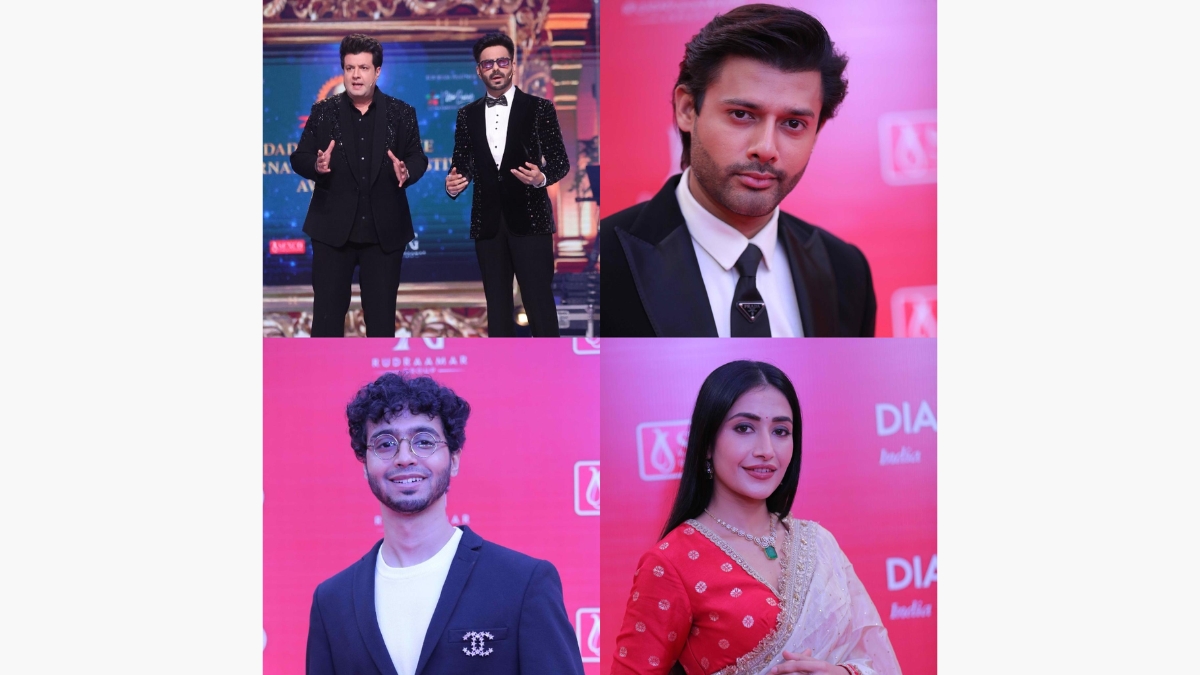
    Dadasaheb Phalke International Film Festival Awards 2025 celebrated the brilliance of Indian cinema, television and the international film fraternity, paying homage to the legacy of the Father of Indian Cinema, Shri Dadasaheb Phalke Ji. The grand celebration, held at DOME, SVP Stadium, Mumbai, brought together some of the most distinguished names from the creative industry under one glittering roof. The two-day extravaganza witnessed the presence of India’s most celebrated artists, filmmakers and cultural icons, reaffirming DPIFF’s reputation as the nation’s most prestigious film festival and award ceremony.

    The evening came alive with enthralling live performances by Kavita Seth, Kanishk Seth, Stebin Ben, Anjana Padmanabhan, Varun Jain and the electrifying Demolition Crew, who captivated the audience with their soulful renditions and high-energy acts. Varun Sharma and Aparshakti Khurana charmed as hosts, keeping the audience entertained with their trademark humour and effortless camaraderie.

    Dadasaheb Phalke 2025 PNN

    The star-studded night was graced by industry stalwarts including Zeenat Aman, Usha Uthup, Shiamak Davar, Amit Trivedi, Vikrant Massey, Ravie Dubey, Sargun Mehta, Dhanshree Verma, Bosco-Caesar, Marzi Pestonji, Deepika Singh, Arjit Taneja and the cast of Yeh Rishta Kya Kehlata Hai, among others. Adding an international touch, the biggest highlight of the evening was the appearance of an Oscar-nominated actress from Spain, who flew to India to personally receive her Best International Actress Award for her acclaimed film Emilia Perez.

    From glittering red-carpet moments to soulful performances, the ceremony was a celebration of artistic excellence and the enduring spirit of cinema. The Dadasaheb Phalke International Film Festival Awards 2025 once again stood as a grand testament to the unifying power of films, honouring those who continue to shape India’s cultural and creative legacy. Here’s the complete list of winners:

    NO. CATEGORY WINNER
    1 Best Film Stree 2
    2 Best Actor Kartik Aaryan
    3 Best Actress Kriti Sanon
    4 Best Director Kabir Khan
    5 Producer of the Year Dinesh Vijan
    6 Critics Best Film Laapataa Ladies
    7 Critics Best Actor Vikrant Massey
    8 Critics Best Actress Nitanshi Goel
    9 Critics Best Director Kiran Rao
    10 Best Cinematographer Kiran Koushik
    11 Best Choreographer Bosco-Caesar
    12 Best Actor in a Supporting Role Ravi Kishan
    13 Best Actress in a Supporting Role Jyotika
    14 Best Actor in a Negative Role R. Madhavan
    15 Best Actress in a Negative Role Vidya Balan
    16 Best Actor in a Comic Role Aparshakti Khurana
    17 Most Versatile Actor of the Year Allu Arjun
    18 Most Versatile Actress of the Year Sai Pallavi
    19 Performer of the Year – Male Lakshya Lalwani
    20 Performer of the Year – Female Ananya Panday
    21 Film of the Year Kalki 2898 AD
    22 Best International Feature Film Emilia Pérez
    23 Best International Actor Colman Domingo
    24 Best International Actress Karla Sofía Gascón
    25 Best Web Series Heeramandi
    26 Best Actor in a Web Series Jitendra Kumar
    27 Best Actress in a Web Series Huma Qureshi
    28 Best Director (Web Series) Sanjay Leela Bhansali
    29 Critics Best Web Series Panchayat Season 3
    30 Critics Best Actor in a Web Series Varun Dhawan
    31 Critics Best Actress in a Web Series Sonakshi Sinha
    32 Critics Best Director (Web Series) Nikhil Advani
    33 Best Actor in a Supporting Role (Web Series) Vivek Oberoi
    34 Best Actress in a Supporting Role (Web Series) Sonali Bendre
    35 Best Actor in a Negative Role (Web Series) Jaideep Ahlawat
    36 Best Actress in a Negative Role (Web Series) Raveena Tandon
    37 Best Short Film Jaswanda
    38 Best Music Director Devi Sri Prasad
    39 Best Playback Singer – Male Mohit Chauhan
    40 Best Playback Singer – Female Shilpa Rao
    41 Artist of the Year A. R. Rahman
    42 Performer of the Year – Music Stebin Ben
    43 Song of the Year Ve Haaniyaan
    44 Best Background Score Amit Trivedi
    45 Outstanding Contribution in Music Industry Usha Uthup
    46 Outstanding Contribution in Film Industry Zeenat Aman
    47 Excellence in Indian Cinema – 25 Years & Beyond Shilpa Shetty
    48 Television Series of the Year Yeh Rishta Kya Kehlata Hai
    49 Best Actor in a Television Series Arjit Taneja
    50 Best Actress in a Television Series Deepika Singh

    For more information on Dadasaheb Phalke International Film Festival Awards 2025, you may visit https://www.instagram.com/dpiff_official/

    If you object to the content of this press release, please notify us at pr.error.rectification@gmail.com. We will respond and rectify the situation within 24 hours.

  • Soulmates: A Desert Dream of Love and Connection

    Soulmates: A Desert Dream of Love and Connection

    Mumbai (Maharashtra) [India], November 3: Soulmates by Tips Films Ltd. is a soothing, tender romance film which follows the beautiful scenery of Rajasthan. It is based on the story of a modest life of an autorickshaw driver, Hari Om (Vijay Raaz) who turns another French tourist, Isa (Camille Natta). Their lucky meeting transforms into a moving tale of romance, culture and belonging.

    Rating: ★★★½ (3.5/5) Review: Soulmates

    Bharatbalawritten by Sanjay Lafont and Bharatbala, Soulmates is a leisurely immersive experience. It allows the audience to feel the warmth of Rajasthan and the love nature between the two main characters.

    Vijay Raaz does shine through his easy-going charms, wit, and humanity. Camille Natta in the role of Isa is graceful and curious, in her role and Jean-Marie Lamour as Benoit, the conflicted boyfriend of Isa, give credible performances to the film. A.K. Hangal has a small, heart-felt performance to do, and Anupam Shyam has his Anupam Shyam being the friend, and the enemy of Hari Om.

    The film’s music stands out. The degree to which it contains a lovely story is well matched by Halki Halki (written by Shamir Tandon, words by Gulzar) and Sheher Ghumawa (written by Sunny Vik, words by Raj Fatehpur). The cinematography by Angus Hudson treats the Rajasthan poetically accurately capturing every golden dune and every dark horizon as paintings.

    Judgment Soulmates (formerly known as Hari Om) remains a fresh and topical film these many years after its premiere at the festival. It is an emotionally warm movie which is still relaxing and warming to the heart.

  • Three Netflix Mind-Snappers You Probably Missed — and Why It’s Their Loss (and Yours)

    Three Netflix Mind-Snappers You Probably Missed — and Why It’s Their Loss (and Yours)

    Three Netflix Films That Deserved Hype — But Got Buried Under Popcorn Flicks

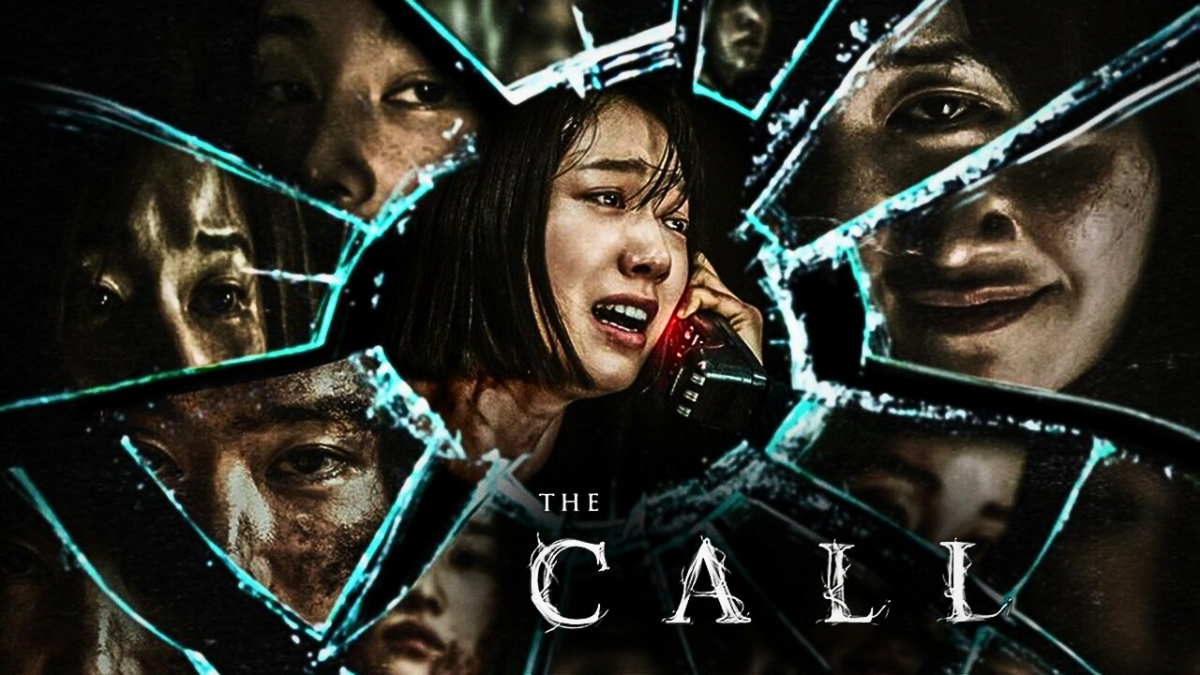
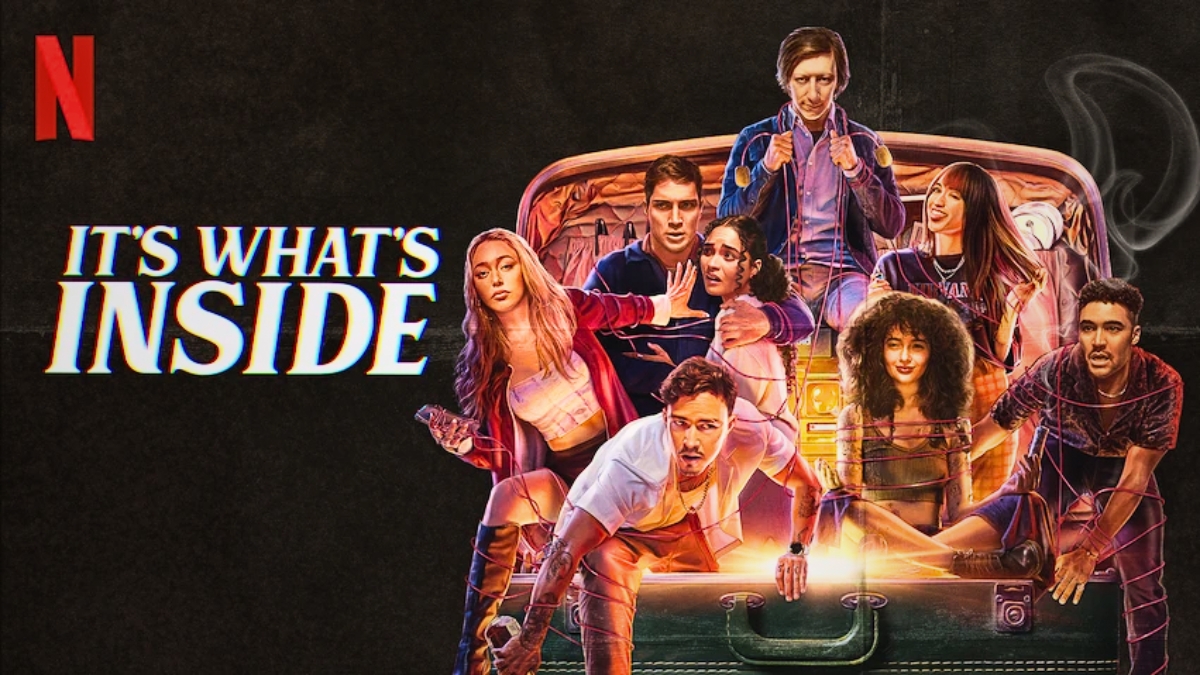
    Mumbai (Maharashtra) [India], November 1: Let’s not pretend it’s easy to stand out in the endless scroll of the streaming war. Ever since the golden age of “must-watch every Wednesday” died out, what remains is more like “must-scroll with hope until something actually grabs you.” In that dreary landscape, three films on Netflix quietly slipped under most radars: The Call (2020), God’s Crooked Lines (2022), and It’s What’s Inside (2024). Each one brims with ambition, supplies one hell of a premise—and yet somehow remains underrated. We’ll look at what works, what doesn’t, and why you should maybe stop ignoring them.

    The Call – Time-twist Horror that does more than Jump-Scares

    Netflix

    Neither your usual K-thriller nor your standard time-travel flick, The Call pulls off a neat trick: two women separated by 20 years in the same house get connected through a telephone. One minute you’re in 2019, the next in 1999, and chaos ensues. Viewers on Reddit were both exhilarated and exasperated:

    “A fantastic j-horror with a genre twist… literally my jaw dropped.”

    What shines: The lead performances (especially Jeon Jong‑seo) get high praise for anchoring the thrilling premise. The atmosphere is oppressive in a good way, the throws of fate feel real, and the structural twist gives you something to chew on. Even Tom’s Guide counts it as one of the best psychological thrillers on Netflix.

    Where it falters: The ending. Many reviewers say it unravels a little too messily and leaves more questions than satisfied chills.  Also, pacing at times dips into “setup-heavy” territory—so if you’re impatient, the ride might feel long.

    Why underrated: Because while horror gets attention, horror that also demands thinking often doesn’t. In the flood of quick thrills, The Call asks you to slow down—and many don’t.

    God’s Crooked Lines – A labyrinthine Spanish Thriller that plays with your Mind

    Netflix

    Step into the eerie halls of a psychiatric hospital: a detective with paranoia checks in to investigate a patient’s death—and then things spiral. That’s the hook of God’s Crooked Lines. Reviews call it “captivating” and “you’ll be trying to decipher long after it ends.”

    What works: Intricate plotting, psychological gamesmanship, visual cues that challenge you to question what’s real. As one reviewer puts it: “tiny pointers… make viewers question everything they see.” Bárbara Lennie’s performance is another notch up in the “why you should watch this” column.

    What doesn’t: It’s long (155 minutes), dense, and critics say the payoff doesn’t quite justify the buildup. Also, the dubbing in some versions reportedly weakens the immersion.

    Why underrated: Because ambition is double-edged. A film that asks you to think and invest will always be less binge-friendly than the next loud, easily digestible action flick. In short: not snackable.

    It’s What’s Inside – Party game Horror-sci-fi that got too much ahead of itself

    Netflix

    The newest of the trio, It’s What’s Inside (2024), hit Netflix after being bought at Sundance for $17 million—the biggest sale the festival had seen that year. The premise: a pre-wedding party, a mysterious game introduced by a weird friend, bizarre chaos ensues. Some folks loved the twisted ride. Others found the execution too slick for its own good.

    What works: Original idea, audacious tone-mixing (“Talk to Me” meets “Bodies Bodies Bodies” meets “Agatha Christie”), and enough twists to keep even genre veterans watching.

    What fails: The characterisation is thin. The tone is over-the-top. The atmosphere—which is crucial in horror/sci-fi—was criticised as lacking. The twist? It registers, but maybe doesn’t land with full force.

    Why underrated: Because the loudest films aren’t always the best marketed. And in this case, the hype felt like it outpaced the emotional anchor. So it got overlooked by many, even as some enthusiasts discovered it.

    The broader angle: Why “mind-bender” films on Netflix keep slipping

    • Complexity = risk. Films that demand you to think don’t get auto-algorithm boosts the same way “watch next” slices do.

    • With streaming budgets ballooning, the pressure to deliver mass appeal is immense—so niche or genre-heavy titles often don’t get the push they deserve.

    • Global releases get even less promotion unless they’re dubbed into 10 languages or have huge stars.

    • Lastly, twist films have a shelf-life: once the twist is spoiled, many skip them—and casual viewers assume each twist-heavy film is “the same as the last.”

    More mind-bending Netflix Movies worth digging into

    • Don’t Move (2024) – A survival/psychological thriller with a high-concept twist.

    • Archive 81 – Found footage meets cosmic horror; short-lived but potent.

    • I Am Not Okay With This – Teen angst meets supernatural turn (technically a series, but mind-bender enough).

    • Maniac (2018) – Sci-fi weirdness with Emma Stone and Jonah Hill surfaces on Netflix.

    • The Platform – Spanish sci-fi/horror with a brutal social metaphor (also found on streaming).

    Final word (with PR-speak and a wink)

    In a time when every film is fighting for your two hours, consider giving these three the full attention they deserve. They’re not perfect—they each have bumps, pacing issues, endings that might leave you staring at the ceiling late at night. But they’re alive. They’re different. They’re the ones streaming quietly in the corner, waiting for someone curious enough to press “Play.”

    So yes: let’s recycle the old marketing line—“Discover the unexpected.” Only this time, we mean it.

    Your Move Now:

    Which underrated movie or series on Netflix (or elsewhere!) do you swear by—one that you tell all your friends about, only to be met with blank stares? Drop it in the comments. Maybe together, we’ll resurrect the ones that slipped away.

    PNN Entertainment

  • Hidden Treasures on Netflix: The Brilliant, the Flawed and the Forgotten

    Hidden Treasures on Netflix: The Brilliant, the Flawed and the Forgotten

    Mumbai (Maharashtra) [India], November 1: In the algorithm’s grand kingdom — where shows live and die by thumbnails and 0.8-second attention spans — Netflix is both a benevolent god and an unpredictable executioner. One week, you’re “Top 10 in 42 countries,” the next week, you’re cancelled, forgotten, or buried under another true-crime documentary about a man who befriended his toaster.

    Yet, hidden beneath the Bridgertons and the Squid Games of the world lies a quiet graveyard of brilliance — shows that dared to think differently, feel deeper, and challenge the binge-culture beast. Some flopped because of poor marketing, others because viewers refused to read subtitles or tolerate a slow burn. But every one of them left something behind — a little art, a little ache, and a lot of “what could’ve been.”

    So, here’s to the underdogs. The unsung, the axed, the ignored. The series that deserved your screen time more than that forgettable thriller you abandoned after Episode 3.

    1. Adolescence (2025) — Netflix’s Best-Kept British Secret

    Netflix

    Released with almost zero fanfare — because Netflix apparently spent its marketing budget elsewhere (probably on more dating shows) — Adolescence is a gripping British drama that unfolds in one continuous shot. The story? A 13-year-old boy, an accusation of murder, and a single night that changes everything.

    Director Josh Brolin Jr. (yes, that Brolin family) crafts tension with surgical precision. No explosions, no cheap theatrics — just the uncomfortable silence of real consequences. It’s the kind of show critics adore but algorithms ignore. At $9 million spent on production, it’s not a blockbuster — but it’s pure cinema. One that proves a story doesn’t need CGI dragons to keep your pulse racing.

    2. After Life (2019–2022) — Gervais Laughs in the Face of Grief

    Ricky Gervais’s After Life was never built to trend. It’s raw, funny, mean, and deeply human — a meditation on loss disguised as a dark comedy. Gervais plays Tony, a man who copes with his wife’s death by lashing out at the world. It’s not about healing; it’s about surviving the absurdity of it.

    Yes, some found it cynical. Others found it manipulative. But that’s Gervais’s charm — he never gives you the satisfaction of an easy emotion. What makes After Life underrated isn’t just that it flew under the radar; it’s that it said what most people wouldn’t dare to: that grief doesn’t make you poetic — it just makes you tired.

    3. Mindhunter (2017–2019) — Too Intelligent for the Internet

    Ah, Mindhunter. David Fincher’s immaculate crime thriller that dared to move at the speed of human psychology instead of TikTok clips. Based on the birth of FBI profiling, it’s all dim lighting, long silences, and moral unease. Jonathan Groff’s performance is as clinical as it is chilling.

    Netflix shelved Season 3 because “production costs outweighed viewership.” Translation: it was too smart for mass consumption. But here’s a fact — Mindhunter didn’t need shock value to stay in your head; it was the shock value. It’s one of those rare shows that makes you wonder not “who killed,” but “why we watch.”

    4. Kaos (2024) — Gods, Glamour, and Goldblum

    Netflix

    When Jeff Goldblum was announced as Zeus, expectations shot higher than Mount Olympus. And Kaos mostly delivers — a sharp, modern reinterpretation of Greek mythology where immortals have midlife crises and humans play their own games.

    Visually stunning and wickedly witty, the series cost a cool $45 million — every penny visible in its celestial production design. Yet, critics were divided. Some loved its audacity; others found it too self-aware. Still, if absurdist humour and divine drama are your thing, Kaos is the mythological mess worth believing in.

    5. The Eddy (2020) — When Jazz Found Its Shadow

    Directed by Oscar-winner Damien Chazelle (La La Land), The Eddy is a smoky love letter to Paris, pain, and jazz. It’s not a show you “watch”; it’s one you listen to. Critics praised its authenticity, musicians loved its rhythm — but audiences? They found it “slow.”

    That’s the tragedy of The Eddy: it’s too atmospheric for casual watchers, too real for escapists. Netflix quietly moved on after one season, but cinephiles still replay those frames where light, sound, and heartbreak dance in sync.

    6. Archive 81 (2022) — The Cursed Tapes That Deserved a Sequel

    You know that feeling when you finally find a horror series that’s actually scary — and then Netflix cancels it? Welcome to Archive 81. Mixing found-footage dread with Lovecraftian paranoia, it created a universe both eerie and addictive.

    Critics called it “the best horror show since Haunting of Hill House.” Fans built theories, online communities — and then, boom, gone after one season. Apparently, the scariest monster of all was the cancellation email.

    7. Russian Doll (2019–2022) — Death, Loops, and Lyonne

    Netflix

    Natasha Lyonne doesn’t just star in Russian Doll — she devours it. Imagine Groundhog Day, but laced with trauma, philosophy, and a bottle of whiskey. Season 1 was near-perfect television; Season 2 dared to go deeper, maybe too deep for comfort.

    Still, Lyonne’s writing remains electric. The series isn’t about reliving the same day; it’s about reliving the same mistakes until you finally understand them. It’s Netflix’s existential masterpiece — and like all great art, it’s not for everyone.

    8. Maniac (2018) — Sci-Fi That Refused to Explain Itself

    Starring Emma Stone and Jonah Hill, Maniac was Netflix’s psychedelic experiment — a surreal blend of therapy, memory, and futuristic melancholy. It looked like a painting, sounded like a fever dream, and felt like emotional surgery.

    Critics adored it, audiences didn’t know what to do with it. The production reportedly cost $70 million, and every frame screamed that price tag. But in a world obsessed with clarity, Maniac chose confusion — and that’s its genius.

    9. The OA (2016–2019) — The Cult Classic That Died Too Soon

    The OA isn’t a series; it’s a philosophy. Part sci-fi, part spiritual odyssey, it follows Prairie Johnson — a blind woman who disappears for seven years and returns with sight and secrets.

    Some called it pretentious; others called it transcendent. Netflix called it “cancelled.” Yet, its fanbase remains fierce — performing flash mobs, petitions, and even dance protests. When a show makes people dance for its return, you know it mattered.

    10. Marianne (2019) — France Gave Us Horror, Netflix Gave Us Silence

    Netflix

    Before Netflix flooded our feeds with reality dating chaos, it quietly dropped Marianne — a French horror masterpiece. A writer haunted by her own fictional character — simple premise, terrifying execution.

    Critics loved it. Fans screamed. Netflix shrugged. The result? Another ghost story lost to streaming’s endless shuffle. Irony at its finest: Marianne scared everyone except the executives.

    11. The Chair (2021) — Academia Never Looked This Funny

    Sandra Oh leads this whip-smart satire about university politics and the illusion of progressiveness in academia. Sharp writing, subtle performances, and cultural commentary wrapped in dry wit.

    Its crime? Being “too intelligent” for the average binge. Netflix pulled the plug after one season, proving once again that the only course it truly majors in is “Content Economics 101.”

    12. Glow (2017–2020) — Feminism in a Leotard

    Netflix

    A show about 1980s women wrestlers shouldn’t have worked. But Glow did — gloriously. Alison Brie and Betty Gilpin carried it with power, sass, and unapologetic femininity.

    Then came the pandemic. Production delays. Budget cuts. And Netflix body-slammed it into oblivion. Yet, it remains a cult favourite — because some fights, even lost ones, deserve applause.

    So, Why Are These Shows Underrated?

    Because algorithms reward familiarity, not curiosity. Because the “skip intro” generation often skips nuance, too. Because Netflix, in all its creative chaos, has a marketing attention span shorter than its auto-play timer.

    Yet, these shows matter. They dared to be different in a landscape addicted to formulas. They remind us that streaming isn’t about quantity — it’s about connection. And sometimes, the connection is found in the quiet corners of the catalogue.

    The Takeaway

    If Netflix were a classroom, these shows would be the gifted students sitting at the back — brilliant, misunderstood, occasionally expelled for “low engagement.” But if you care about storytelling, risk, and the beauty of imperfection — these are your binge-watch commandments.

    So, dear reader, your turn now:
    Which underrated Netflix gem do you swear by? The one you tell everyone about, only to be met with blank stares? Drop it in the comments — let’s resurrect what the algorithm forgot.

    PNN Entertainment

  • Mystery Rooms Launches Global Sensation ‘Prison Island’ in India

    Mystery Rooms Launches Global Sensation ‘Prison Island’ in India

    Prison Island by Mystery Rooms brings world-class team gaming to India

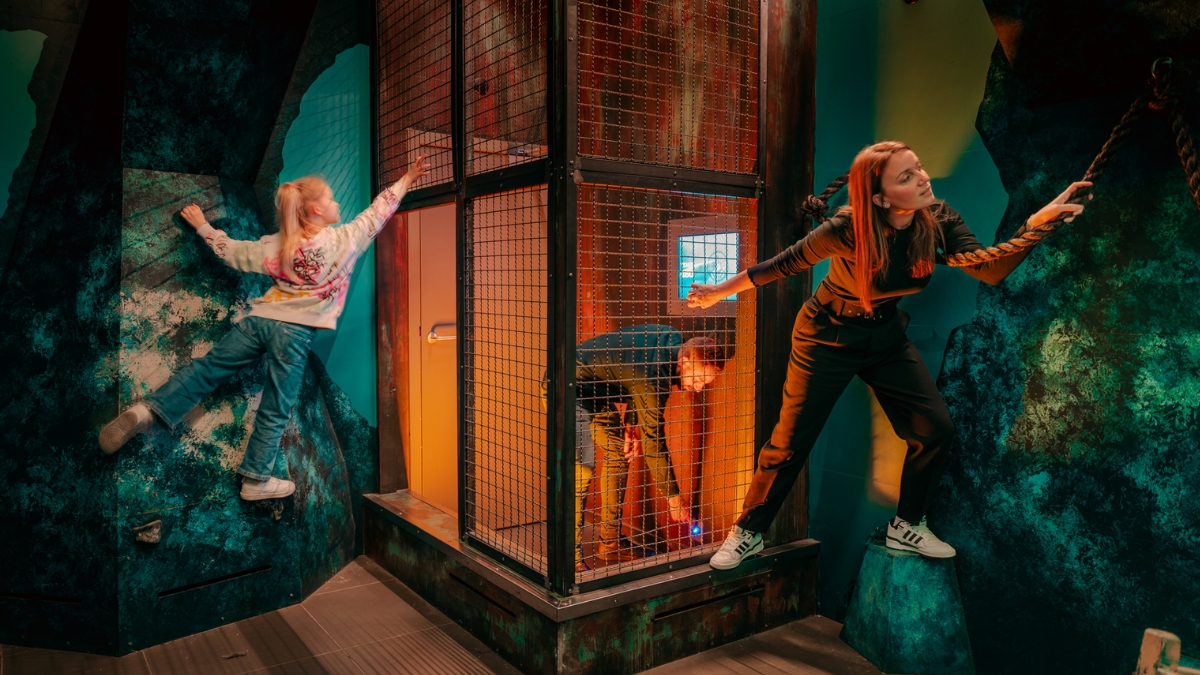
    New Delhi [India], October 31: Mystery Rooms, India’s pioneering escape and adventure gaming brand, proudly announces the launch of Prison Island, a world-renowned entertainment concept and global leader in Challenge Rooms, now making its grand debut in India.

    This first-of-its-kind venture has been curated and developed by Mystery Rooms, merging Indian innovation with international expertise. Every element from fabrication to setup has been made in India, with technology and creative guidance from the global Prison Island team, ensuring a world-class experience.

    Challenge Rooms- A New Category of Entertainment 

    After pioneering Escape Rooms, Mystery Rooms has brought another game-changer to the entertainment industry with the category creation of Challenge Rooms. Prison Island introduces India to the globally acclaimed concept of Challenge Rooms which has 25 thrilling, interactive cells where teams of 2 to 5 members play together to solve mental, physical, and tactical tasks. It’s all about teamwork, skill, and quick thinking. It’s a fresh, high-energy format that blends fun with collaboration and is suitable for all age groups. Globally celebrated as the next evolution after Escape Rooms, this new-age experience is set to redefine how India plays, connects, and competes.

    The first two Prison Island centres have opened in Delhi and Gurgaon, marking the start of a nationwide expansion aligned with Mystery Rooms growth roadmap. With 30+ successful branches across India, Mystery Rooms is setting new benchmarks in the immersive entertainment industry.

    Sapna Bhutani, Co-founder, Mystery Rooms

    “With Prison Island, we are bringing the world’s most exciting team gaming concept to India which is highly recommended for groups of friends, families, corporate events, birthday parties, school outings etc. Our aim is to make global-level entertainment accessible and memorable for Indian audiences, designed and executed right here at home.”

    Prateek Panjwani, Co- Founder, Mystery Rooms

    “Prison Island isn’t just another entertainment concept, it’s a globally enjoyed social experience suitable for all ages. Every room is unique, technologically backed, highly interactive, competitive and of course challenging, making it a beyond ordinary experience for everyone. The live leaderboard ensures that the adrenaline rush is high throughout the experience”

    Shikhir Bhutani, Co-founder, Mystery Rooms

    “Our partnership with the global Prison Island network ensures that Indian players get the same thrill, quality, and innovation as anywhere in the world. This is just the beginning – we’re ready to take Prison Island to every major city across India.” With Prison Island, Mystery Rooms continues its mission to redefine India’s entertainment landscape – blending innovation, creativity, and teamwork into unforgettable real-world experiences. As the brand expands its footprint across the country, it aims to bring a new era of interactive, tech-driven adventures to audiences of all ages, making India a hub for world class experiential entertainment.

    About Prison Island

    Founded in Sweden, Prison Island is a global entertainment phenomenon with centres across Europe, US, the Middle East, and now India. Its unique Challenge Room concept has revolutionized social and team-based entertainment worldwide.

    About Mystery Rooms

    Established in 2014, Mystery Rooms is India’s largest and most popular escape and adventure gaming chain, celebrated for its immersive storytelling, high-quality experiences, and innovation. With 30+ branches of Mystery Rooms nationwide and a chain of Masquerade Cafe, the brand continues to redefine live entertainment in India.

    If you object to the content of this press release, please notify us at pr.error.rectification@gmail.com. We will respond and rectify the situation within 24 hours.