Tag: entertainment

  • Ek Chatur Naar 2025 Box Office: Divya Khossla’s Bold Gamble Sees Mixed Fortune, But Sparks Curiosity

    Ek Chatur Naar 2025 Box Office: Divya Khossla’s Bold Gamble Sees Mixed Fortune, But Sparks Curiosity

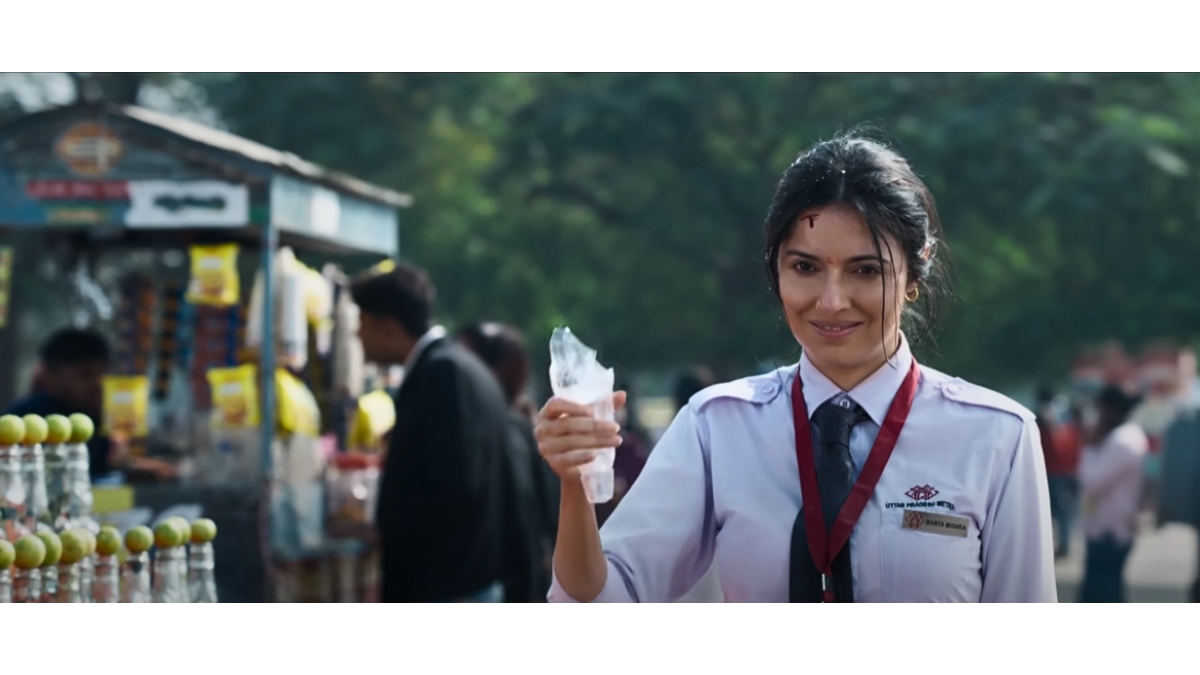
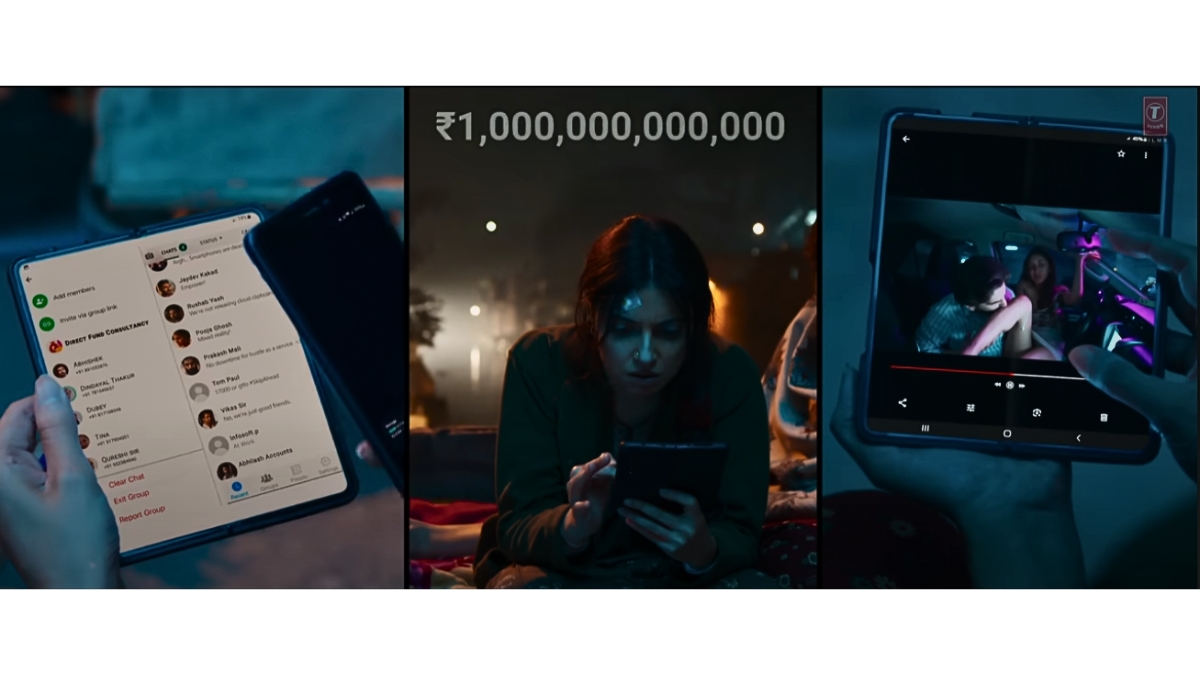
    Mumbai (Maharashtra) [India], September 15: The box office loves its clichés: a rom-com here, a masala actioner there, the inevitable mythological spectacle every few months. But once in a while, Bollywood attempts to swerve into an uncharted lane. Enter Ek Chatur Naar — a black comedy thriller starring Divya Khossla and Neil Nitin Mukesh. A title borrowed cheekily from a classic Bollywood song, a premise layered with dark humor, and an attempt at edgy storytelling — the film had enough ingredients to turn heads. The question was: would audiences laugh, gasp, or simply shrug?

    Three days and nearly ₹3.94 crore in domestic collections later, the answer isn’t simple. For a mid-budget experiment, those aren’t disastrous numbers. But in an industry that now sets weekend benchmarks at ₹100 crore thanks to larger-than-life spectacles, Ek Chatur Naar sits somewhere between “fair growth” and “we’ll take what we get.”
    Chatur

    The Premise: Twisted, Risky, and a Little Too Clever?

    Directed with a taste for irony, Ek Chatur Naar promises a tale of deception, human greed, and absurd moral compromises. The black comedy genre itself is a gamble — Indian audiences often prefer laughs without the bite or thrillers without the uncomfortable mirror. Here, the film dares to combine both.

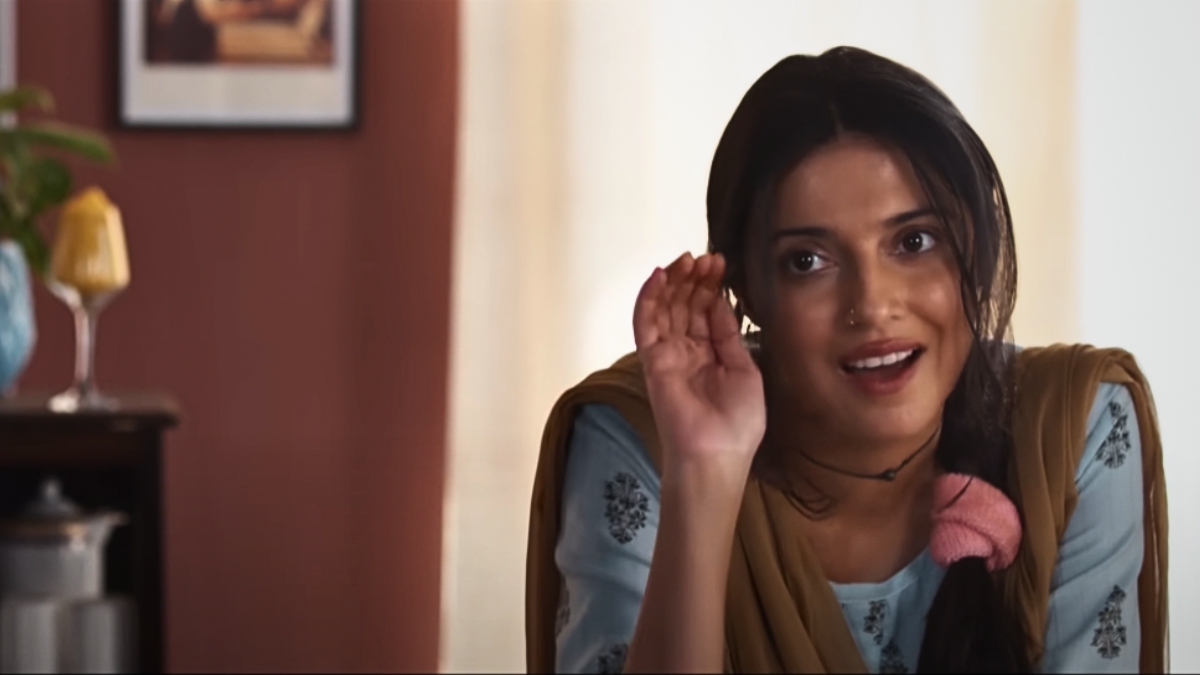
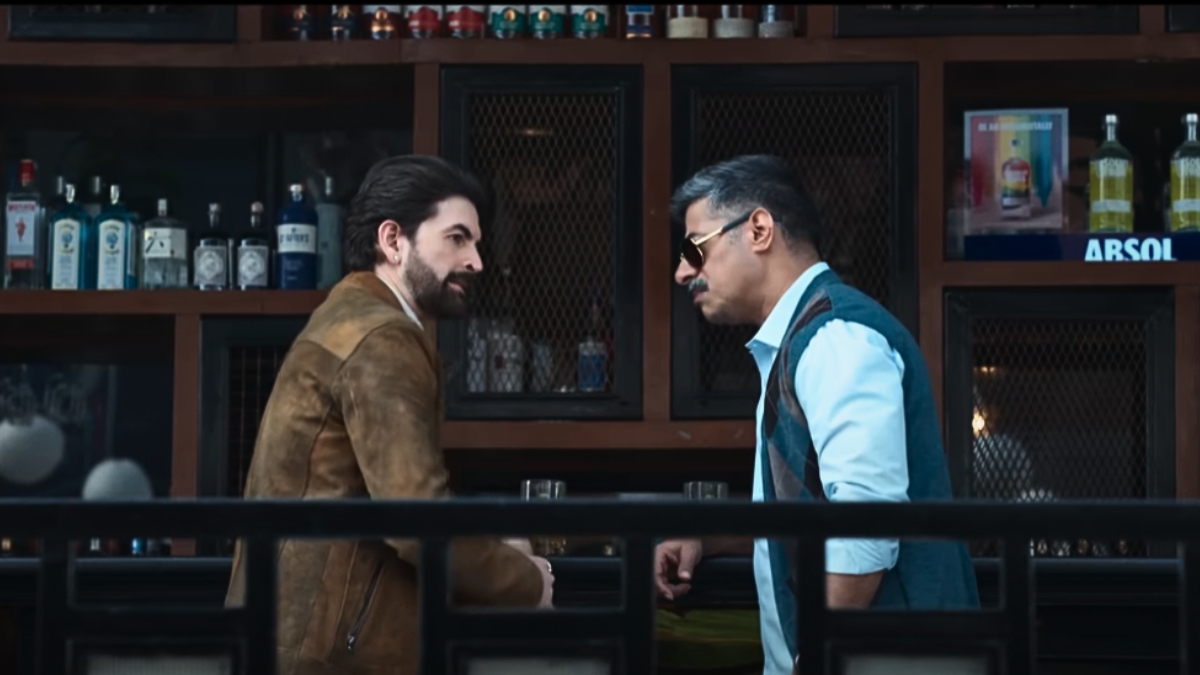
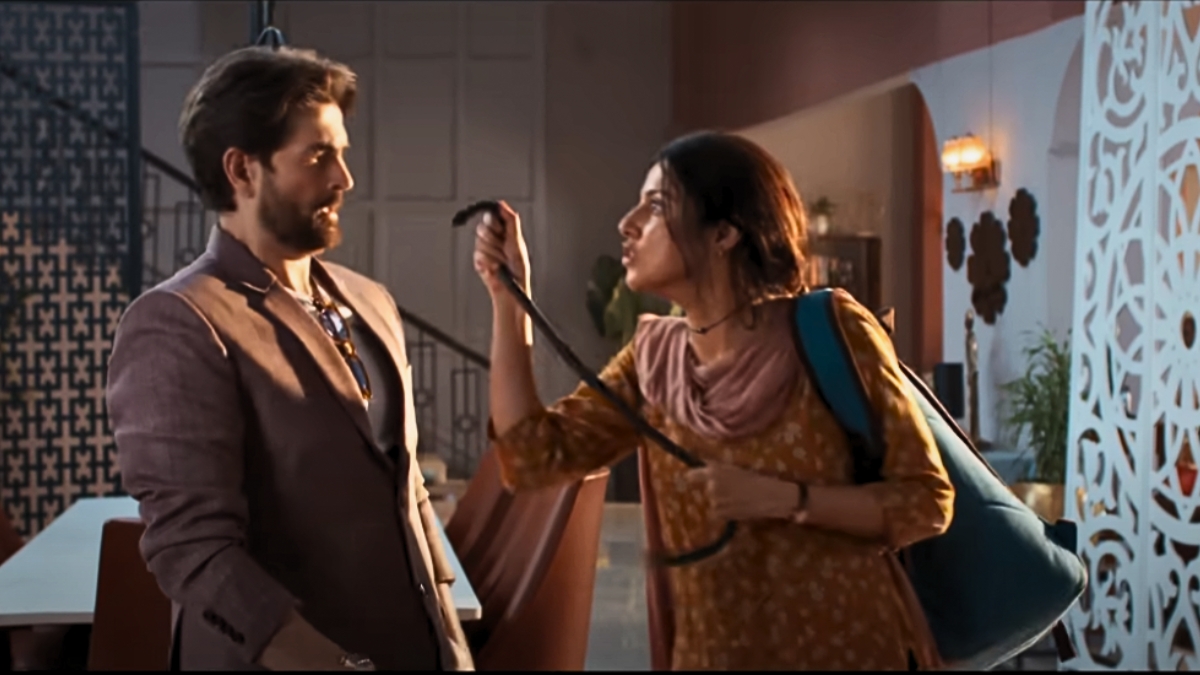
    Neil Nitin Mukesh acts with restrained menace, and Divya Khossla tries to drop her glamorous, manufactured persona for something rougher. It’s nice to see performers challenging typecasting, but where critics divide is whether the execution lives up to the ambition. Some applaud it as a bold step in an industry dominated by formula films; others criticize it as “dark for the sake of being dark.”
    Chatur

    Box Office: The Good, the Bad, and the “Let’s See Monday” Test

    By its third day, the movie had earned just under ₹4 crore. For context, that’s neither catastrophic (box office blues have already claimed other 2025 releases like Love in Vietnam and Heer Express) nor is it earth-shattering. Industry trackers cautiously term this “fair growth,” given the niche appeal of black comedies.

    What works in its favor:

    • A steady uptick over the first weekend, showing word-of-mouth isn’t entirely absent.

    • A budget-conscious production that doesn’t need ₹100 crore to break even.

    • Curiosity factor: people want to know what this “Chatur Naar” business is all about.

    What works against it:

    • Competition from other mainstream entertainers, which eat into casual footfall.

    • A genre that appeals to urban multiplex crowds but leaves tier-2 single screens indifferent.

    • Polarising reviews — always risky in week one.
    Chatur

    Reviews & Audience Reactions: A Cocktail of Applause and Eye Rolls

    The film has found its champions among cinephiles who appreciate an attempt to break Bollywood monotony. Some praise the sharp dialogues, absurd scenarios, and the nerve to show characters that are unapologetically flawed. Divya Khossla has been singled out for surprising restraint in certain sequences, earning nods even from skeptics.

    But the naysayers are equally vocal. Critics argue the film sometimes indulges itself too much, stretching scenes that could have been snappier. The “dark humor” occasionally borders on preachy allegory. One reviewer quipped: “It’s like being invited for a laughter show, only to find out you’re the punchline.”

    On social media, reactions range from “Finally, something not drenched in melodrama” to “This is neither comedy nor thriller, just confusion.” Safe to say, Ek Chatur Naar is a conversation-starter — which, in PR terms, is a victory in itself.
    Chatur

    PR Game: Gratitude and Narrative Management

    In true Bollywood style, Divya Khossla took to social media to thank fans for supporting “cinema that dares to be different.” It’s the classic gratitude card — heartfelt for some, performative for others. But in a cluttered industry, every bit of narrative management counts. By painting the film as a “brave experiment,” the makers are smartly shifting the yardstick of success away from numbers alone.

    Neil Nitin Mukesh has kept a lower profile, allowing the movie to speak for itself, although rumor has it that he sees this one as a stepping stone to more offbeat roles.
    Chatur

    The Bigger Picture: Hits, Misses, and the Importance of Trying

    Bollywood in 2025 is clearly at a junction. Where blockbusters keep minting, smaller experiments are either hailed as cult classics or dismissed as box office flops. Ek Chatur Naar seems to awkwardly fall somewhere in between. It hasn’t flopped, but it hasn’t set screens on fire either.

    Yet, one cannot dismiss its cultural value. For every “safe” film that plays to the gallery, there needs to be a bold one that at least tries to stretch the medium. If nothing else, Ek Chatur Naar gives audiences something to debate beyond box office spreadsheets.

    Final Take: Should You Watch It?

    If you’re a fan of cinema that mixes discomfort with wit, Ek Chatur Naar might just work for you. If you’re looking for popcorn escapism, you may leave the theater scratching your head — or worse, checking your phone. But isn’t that the point of black comedy? To unsettle you while making you laugh at your own absurdities?

    The film isn’t perfect, far from it. Yet, in a year littered with forgettable flops, Ek Chatur Naar at least ensures it will be remembered — whether as a daring experiment or a cautionary tale, only time will tell.

    PNN News

  • Infinity Castle Box Office Day 1: Demon Slayer’s Historic Rs 12.6 Crore Opening in India

    Infinity Castle Box Office Day 1: Demon Slayer’s Historic Rs 12.6 Crore Opening in India

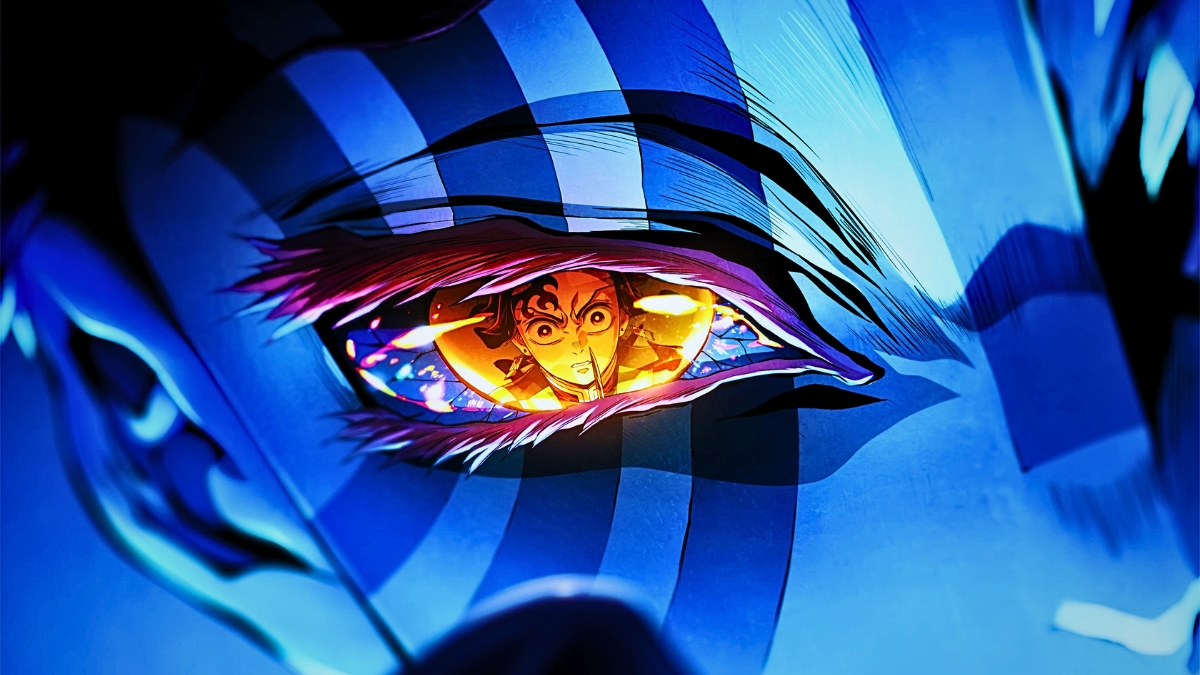
    Mumbai (Maharashtra) [India], September 13: When Demon Slayer: Kimetsu no Yaiba – Infinity Castle finally dropped in India, fans treated multiplexes more like shrines than cinemas. IMAX screens filled up at ungodly hours, and ticket counters resembled cricket stadium queues. Yes, this is not “just another anime film”; this is a pop-cultural landslide that has bullied its way into mainstream Indian box office conversation. But in the midst of the deafening din, let us pause and ask—are we actually getting what the movie promised as an apocalypse, or are we mistaking gigantic spectacle for narrative nuance?

    Box Office Fireworks: Day One Glory

    Numbers, as they say, don’t lie. On its very first day in India, Infinity Castle raked in nearly ₹12.6 crore, instantly placing itself among the highest openings ever for an anime title in the country. In states like Kerala and Tamil Nadu, the film’s occupancy bordered on the surreal, with some morning shows selling out as if Tanjiro himself were distributing the tickets. By evening, distributors were calling it a “blockbuster in waiting,” and industry pundits were already predicting that the film may challenge domestic masala entertainers.

    And let’s be blunt—the optics are impressive. At a time when several Bollywood biggies are struggling to hit double digits on opening day, a Japanese anime—with subtitles, no less—is casually minting crores. If this doesn’t make mainstream producers squirm in their cushy office chairs, nothing will.

    Castle

    The Visuals: A Studio Ufotable Flex

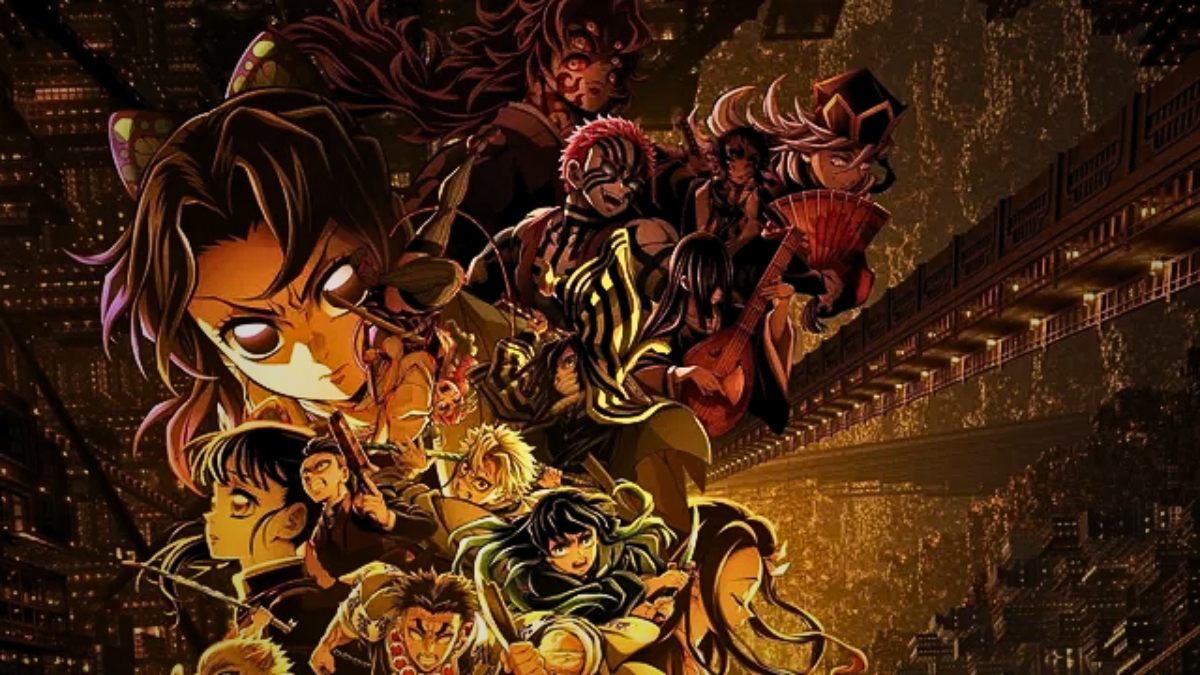
    On the creative front, the movie is a visual cathedral. Haruo Sotozaki’s direction, paired with Ufotable’s animation wizardry, produces sequences that can only be described as “visual narcotics.” The Infinity Castle setting itself is a maddening labyrinth of shifting architecture—bridges appear, walls fold, and stairways collapse into oblivion. Every fight scene feels like a meticulously choreographed ballet of blades, blood, and unrelenting chaos.

    For die-hard fans, these images are nothing short of euphoric. The demonic confrontations—particularly Muzan’s looming presence—deliver on both terror and adrenaline. If anime were ever to be accused of being “too stylish for its own good,” this film would be Exhibit A. And honestly? No one’s complaining.

    Castle

    Where the Castle Shows Cracks

    But here’s the catch: for all its pictorial splendor, the narration falters at times. At a whopping 155 minutes, the movie feels like binge-viewing half a season jammed into one sitting. Flashbacks mount like overdue bills, sucking pace at exactly the times when it should be sky-rocketing.

    For fans who’ve consumed every panel of the manga, these sequences deepen character arcs—Akaza’s tragic past, for example, is beautifully rendered. But for casual viewers lured in by the hype? It’s a narrative quicksand. One moment you’re following Tanjiro’s blade flashing in the moonlight, and the next you’re knee-deep in a sob story about a demon’s childhood trauma. Necessary? Perhaps. Exhausting? Definitely.

    Castle

    Audience Reactions: Ecstasy Meets Exhaustion

    Social media is ablaze with hyperbole, of course. Twitter (or “X,” if you insist) has declared the film an “emotional masterpiece.” Fans in Kerala reportedly compared the screening atmosphere to a “festival.” Meanwhile, dub actor Zach Aguilar confessed this was the “best thing I’ve ever done,” claiming he poured “every scream, every bit of emotion” into his performance.

    Yet, scroll deeper, and you’ll find quieter criticisms: “overstuffed,” “dragged in the middle,” “confusing if you haven’t watched the anime.” One Reddit thread bluntly asked whether the film “forgot it was supposed to be a movie and not ten episodes stitched together.” Brutal, but not entirely inaccurate.

    Castle

    The Bigger Picture: A Landmark for Anime in India

    Despite its shortcomings, Infinity Castle could be a watershed moment for anime in India. With multilingual releases in Japanese, Hindi, Tamil, Telugu, and English, the film has leveled the playing field to reach far beyond hardcore otaku fans. The advance bookings and 5 a.m. screenings setting records betray the hunger that distributors had underestimated for so long.

    Think about it: a decade ago, anime screenings in India were limited to specialist festivals or stand-alone fan events. Now, an anime film is not only keeping pace but beating some of the mainstream offerings. If nothing else, that in itself warrants a standing ovation. It heralds a future where anime is not a niche indulgence but a valid box-office player.

    Castle

    Verdict: A Mixed But Monumental Ride

    So, is Demon Slayer: Infinity Castle worth all the fuss? The response is a personal one. For fans, it’s a tear-jerking, visually orgasmic experience that accurately translates much-loved source material. To the uninitiated, however, it’s a confusing, occasionally puffed-up primer that requires homework before you even enter the theatre.

    But perhaps that’s the whole idea. This movie wasn’t created to win over the doubters; it was created to make the believers proud. And in that, it succeeds magnificently. Consider it a showy introduction to the third act—unseemly in spots, majestic in others, but indelibly historic.

    Castle

    Final Thought

    Infinity Castle is a work of art and a tease—a masterpiece that’s stunningly gorgeous and occasionally suffocating under its own grandeur. It raises the stakes for anime films in India, commercially as well as culturally. Whether you exited on a high or felt exhausted, you exited with something to talk about—and in the boisterous, noisy world of Indian cinema, that by itself is a victory.

    PNN News

  • Saiyaara OTT Streaming Now 2025: Ahaan Panday’s Debut Sparks Buzz, But Does It Live Up to the Hype?

    Saiyaara OTT Streaming Now 2025: Ahaan Panday’s Debut Sparks Buzz, But Does It Live Up to the Hype?

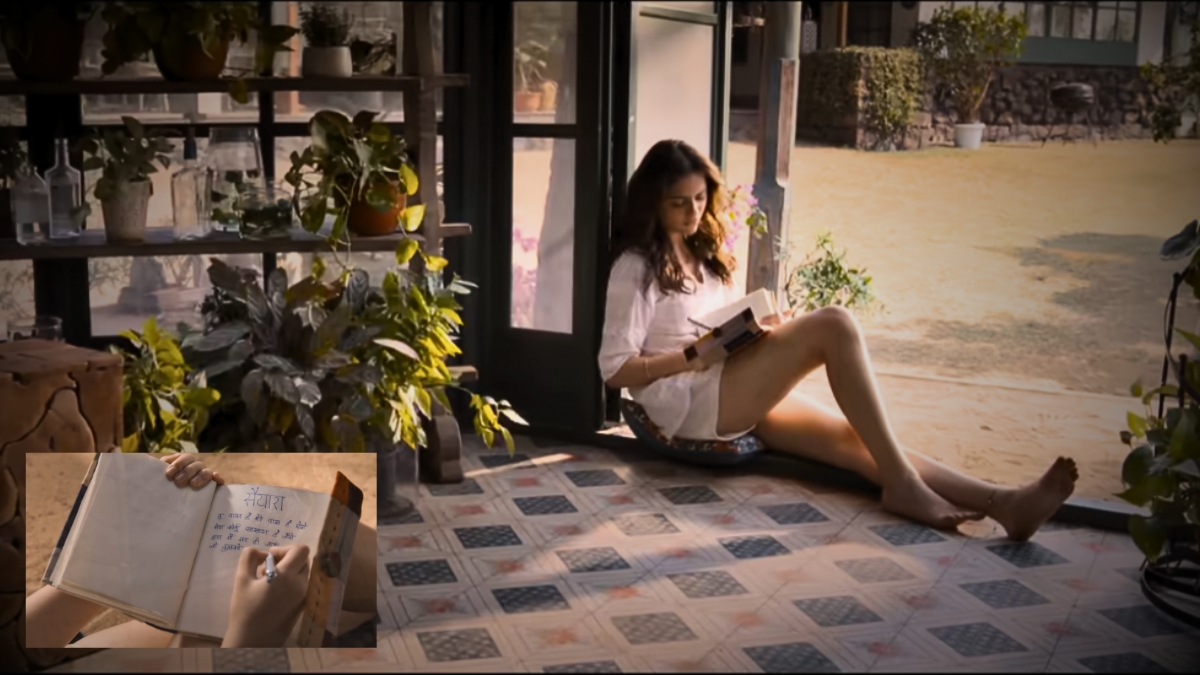
    Mumbai (Maharashtra) [India], September 12: Romantic sagas have a strange knack of hanging around even after the curtain drops. Some shine right away, while others delay before they reach their target audience. Saiyaara, the much-discussed debut vehicle for Ahaan Panday alongside the ever-charming Aneet Padda, falls somewhere in between. After a modest theatrical run earlier this year, the Mohit Suri directorial has now found its second wind on Netflix — and netizens are already labeling it a “rewatchable gem” with the quintessential Suri magic.

    The Road to Netflix Glory

    Bollywood debuts often arrive with truckloads of expectations, and Saiyaara was no exception. Backed by a banner that knows how to package starry romance and heartbreak into celluloid poetry, the film was marketed as an emotional rollercoaster — love, longing, betrayal, and redemption stitched together with chart-topping music.

    While critics at the time had mixed reactions (“predictable in parts” was a recurring complaint), audiences seem to have embraced it more warmly on OTT. Netflix confirmed the release earlier this week, and within hours of streaming, Saiyaara began trending in multiple metros. Clearly, the film has tapped into a demographic that thrives on late-night romantic drama binges — and what better than a Suri-helmed romance to accompany a tub of ice cream?

    Saiyaara

    Netizens React – Mohit Suri’s Signature Still Works

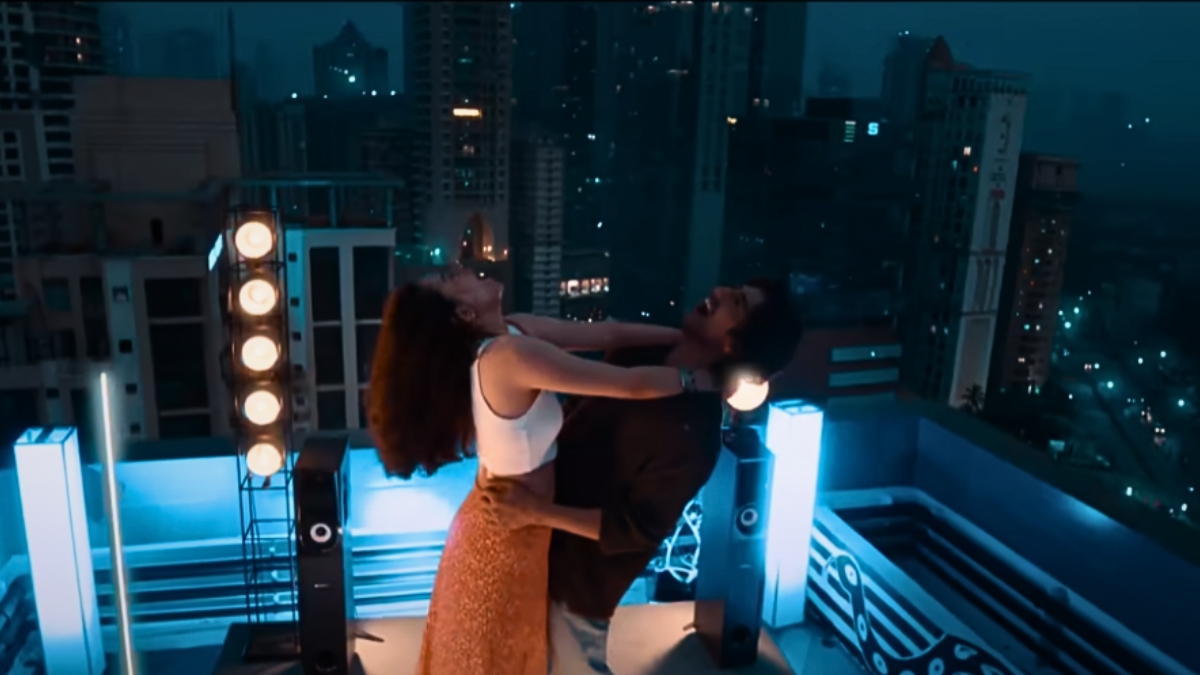
    Social media has been buzzing with reviews that oscillate between giddy enthusiasm and cheeky critique. Fans of Suri’s earlier works like Aashiqui 2 and Ek Villain are calling Saiyaara a worthy successor, packed with intense chemistry and heartbreak ballads that refuse to leave your playlist.

    One user on X (formerly Twitter) quipped, “Only Mohit Suri can make heartbreak look like a full-time aesthetic. Saiyaara is proof we’re still suckers for love stories.” Another joked, “Plot? Who cares. The songs already got me crying into my Maggi.”

    Of course, not everyone’s convinced. A few sharp-eyed viewers pointed out that the narrative isn’t exactly reinventing the wheel. Familiar tropes of forbidden love and dramatic confrontations make appearances, and some dialogues lean dangerously close to déjà vu. But then again, isn’t that precisely why fans keep returning to Suri’s world — for comfort, not surprise?

    Saiyaara

    The Ahaan Panday Factor

    No Bollywood debut is under as much scrutiny as a star kid’s, and Ahaan Panday’s entry was always bound to raise some eyebrows. Nepotism arguments notwithstanding, the young actor does deliver a performance that’s anything but amateurish. He owns the film with a raw energy that periodically edges out his inexperience. Critics might argue over his range, but audiences appear to have embraced his earnestness.

    Alongside Aneet Padda, whose on-screen presence is as much charm as gravitas, the two light up the screen. Theirs is being trumpeted as among the movie’s greatest strengths, with memes already being made about their “eyelock moments.”

    Saiyaara

    Music – The Undisputed Star

    If there’s one department where Saiyaara leaves no room for complaints, it’s the soundtrack. Mohit Suri once again proves that he knows how to craft earworms that double as emotional anchors. From soul-stirring ballads to fiery breakup anthems, the music has already climbed the charts, and some tracks are being touted as this year’s go-to heartbreak playlist.

    Streaming users are quick to highlight how the songs elevate even the weaker narrative stretches. A popular Instagram reel trend is already emerging, with couples lip-syncing to “Tum Mere Ho, Magar Nahi” — proof that the music is traveling faster than the film’s dialogue ever could.

    Saiyaara

    The Hits and Misses

    Every film comes with its highs and lows, and Saiyaara is no exception. Here’s the short of it:

    • What Works:

      • Ahaan–Aneet chemistry that feels effortless.

      • Mohit Suri’s tried-and-tested heartbreak formula.

      • A soundtrack that’s already dominating playlists.

      • Strong cinematography captures love against a brooding urban landscape.

    • What Stumbles:

      • A storyline that occasionally feels stuck in autopilot.

      • Some dialogues veer into melodrama.

      • Predictability in the narrative arc — veteran Suri watchers could guess the climax halfway through.

    But here’s the catch: for die-hard fans of Suri’s genre, these very clichés are part of the charm. Sometimes you don’t want cinema that shocks you; sometimes you want cinema that lets you wallow in familiar heartbreak with beautiful faces doing the crying for you.

    Why OTT Might Be Its True Home

    Theatrical hits are scripted in box office figures. But OTT lives on discoverability and rewatch value — both of which Saiyaara appears to possess in abundance. On Netflix, the movie no longer battles it out with the big-budget spectacle films or action thrillers at the cinema. Rather, it is seen by viewers actively seeking romantic escapism, usually at 2 a.m., when emotions are higher than reason.

    Early streaming figures indicate the movie is already surpassing projections, and with worldwide reach, Saiyaara may bring Ahaan Panday and Aneet Padda to viewers far outside of Indian metros. That’s the beauty of OTT: what falls apart on the big screen often takes flight in streaming.

    The Final Word

    So, hello Bollywood romance reinvention? Absolutely not. But does it give viewers of Mohit Suri romances what they lust after — love stories that get you high, tragic plot twists, and songs that linger long after the end credits? Without question.

    As Saiyaara settles into its Netflix run, it’s likely to gain more admirers who missed it in theatres. And if the early chatter is anything to go by, Ahaan Panday may have just secured his ticket into the “romantic hero” club of Bollywood. For a debut, that’s no small feat.

    Love it or critique it, one thing is clear: Saiyaara isn’t going quietly into the streaming abyss. It’s here to replay, rewatch, and reawaken the hopeless romantic in all of us — whether we admit it publicly or not.

    PNN News

  • Mirai (2025) Movie Review: Teja Sajja’s Epic Adventure, Netizens Call It Big-Screen Worthy

    Mirai (2025) Movie Review: Teja Sajja’s Epic Adventure, Netizens Call It Big-Screen Worthy

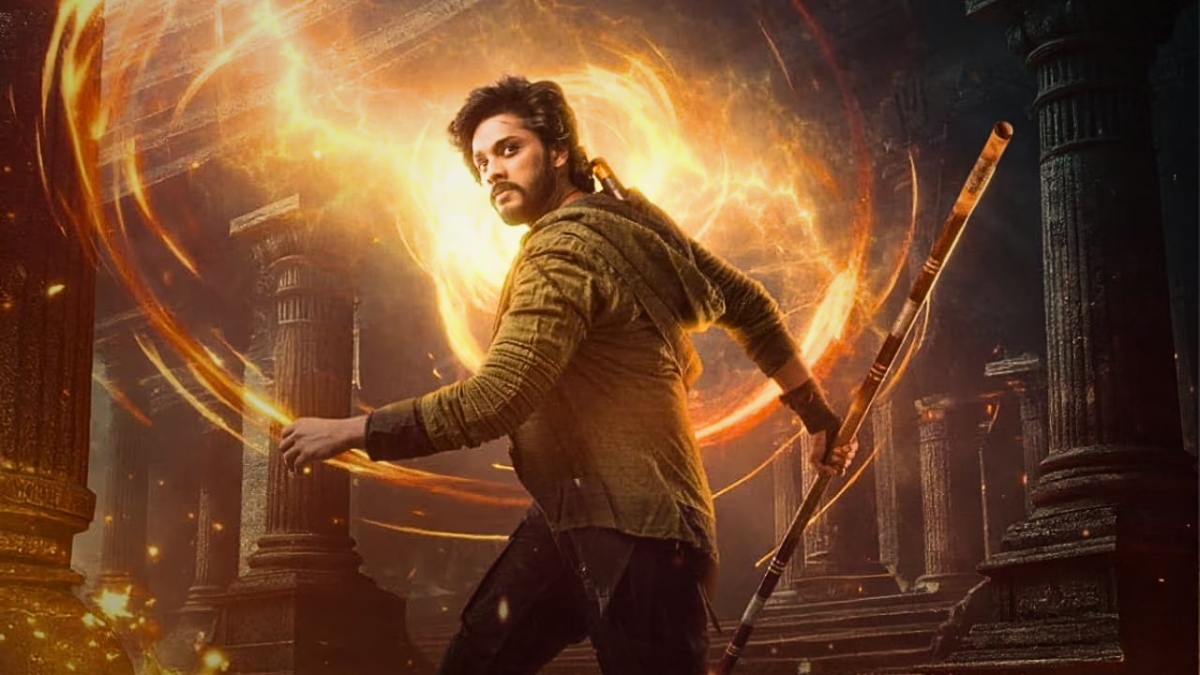
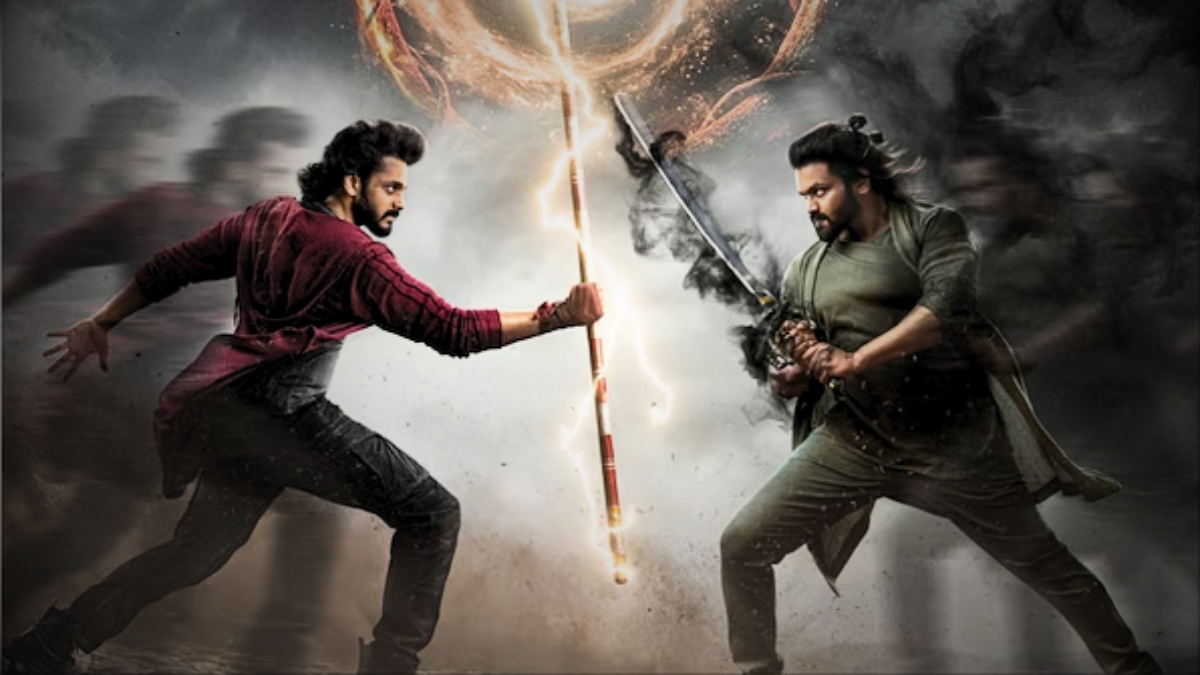
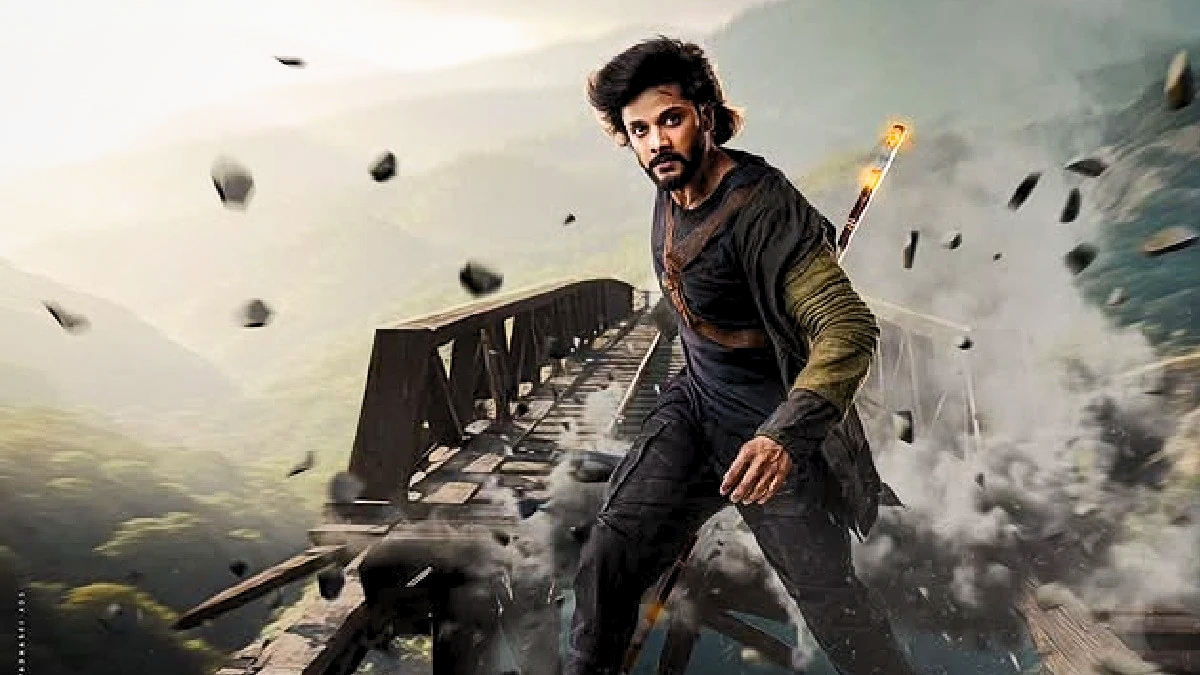
    Mumbai (Maharashtra) [India], September 12: Telugu cinema has apparently discovered a new playground — one in which fantasy, myth, and edge-of-the-time visuals intersect. Mirai, with Teja Sajja, has exploded into theatres with the confidence of a spectacle on a big screen. Directed with audacity and mounted on a wide canvas, the film attempts to combine folklore-inspired mysticism and popcorn entertainment. Critics and audiences are weighing in, and yes, there certainly is applause for its vision, but a few murmurs of fatigue and lost beats keep it from being an epic.

    The Hype Machine at Work

    Even before release, Mirai carried the aura of a high-stakes experiment. Teja Sajja, who has been carving his niche with genre-heavy projects, shoulders the narrative as a destined hero navigating an alternate realm. The marketing teased grandeur — elaborate set pieces, mythical creatures, and combat sequences aiming to rival global franchises. Fans, naturally, expected nothing less than a Telugu answer to fantasy blockbusters.

    Teja

    Mirai’s First Impressions from Viewers

    Social media has become the new film critic, and Mirai’s Twitter footprint is glowing with enthusiasm. Netizens label it “big screen worthy,” lauding its ambition and technical finesse. Hashtags praising Teja Sajja’s transformation into a fantasy action star trended hours after release. For many, the experience felt like an overdue attempt at bringing Telugu cinema’s mythological muscle into contemporary storytelling.

    Where It Scores

    1. Visual Splendour – The VFX-heavy sequences, though not Hollywood-perfect, are leagues ahead of regional benchmarks. Battle scenes and mystical landscapes keep eyeballs glued.

    2. Performance Pulse – Teja Sajja deserves praise for shouldering the film on his own. His boyish charm blends perfectly with the warrior-like seriousness required of the script.

    3. Background Score – The soundtrack, peppered with otherworldly chants and adrenaline-fueled beats, maintains the cinematic energy even when the script falters.

    4. Ambition – Most importantly, the endeavour itself — to craft a fantasy epic on a big scale in a market usually ruled by masala actioners — earns points.

    Teja

    Where Mirai Falters

    But the journey isn’t entirely without speed bumps. Critics note:

    • Narrative Drag: For a fantasy epic, pacing is crucial. Mirai occasionally meanders, stretching certain sequences longer than necessary.

    • Predictability: Some plot twists feel recycled, with shades of déjà vu from global franchises like Lord of the Rings or Baahubali.

    • Character Depth: Side characters, while interestingly introduced, recede into decorative roles with non-significant arcs.

    • Over-Indulgence in CGI: Though the visuals are stunning, excess at moments compromises emotional depth.

    Teja

    Box Office and Industry Buzz

    The market is watching Mirai with eagle-like fervor. Initial indications are for a big opening weekend, fueled by family and youth audiences attracted to its fantasy value. Provided word-of-mouth continues to be good, it is likely to be one of the year’s better performers for Telugu cinema. Competitive heat from more costly releases in the pipeline could damage its long-term grip, however.

    Celebrity & Audience Reactions

    Spurring the movie’s steam, a couple of industry players have weighed in with admiration. Other actors and directors have applauded Teja Sajja on Twitter for being brave enough to avoid such a genre. Meanwhile, some comments weren’t far behind, offering a snicker about “fantasy fatigue” with a nod to how Indian films tend to adopt a bit too much from Western tropes.

    Final Verdict

    So, then, is Mirai revolutionary? No. But is it a commendable step in advance of Telugu cinema’s dip into fantasy? Yes. The movie is big, immersive, and engaging enough to warrant the big-screen experience — particularly for audiences tired of generic rom-coms and revenge thrillers. But also and more significantly, its failures remind us that risk-taking must always balance with a more compact story.

    Teja

    Conclusion

    With Teja Sajja’s Mirai, he consolidates his image as a fearless actor ready to experiment with offbeat scripts. For a Telugu movie, it is a quantum leap, almost a new standard for fusing fantasy and mass appeal. The accolades are deafening, the criticism liberal, and collectively, they make Mirai what films need to be — a conversation starter.

    PNN News

  • Piece Wing Production Presents ‘Bisaahee’: A Spine-Chilling Tale of Witch-Hunting in Modern India

    Piece Wing Production Presents ‘Bisaahee’: A Spine-Chilling Tale of Witch-Hunting in Modern India

    Mumbai (Maharashtra) [India], September 11:  Every so often, Indian cinema attempts to drag a monster out of the shadows, not the fictional kind with claws and fangs, but the real kind that lurks in society. Bisaahee, the new psychological thriller from Piecewing Production Pvt. Ltd., does exactly that. Written and directed by Abhinav Thakur, produced by Narendra Patel, and starring Puja Agarwal, Indu Prasad, Ravi Sah, and Ramsujan Singh, the film plunges headlong into the uncomfortable subject of witch-hunting — a practice many would like to believe belongs to history, but which continues to haunt modern India.

    A Brave Attempt, or an Overreach?

    At its heart, Bisaahee follows Stuti (played with unnerving restraint by Puja Agarwal), an urban vlogger who arrives in Aatmanpur village in search of “quirky” content, only to stumble upon a nightmare disguised as tradition. The film wastes no time setting its agenda: superstition is not harmless folklore, it’s a weapon. Land disputes, gender politics, and mob fear are dressed up as rituals — and the victims are almost always women like Asha (Indu Prasad), who are branded witches to be silenced or dispossessed.

    On paper, the premise feels familiar. An outsider confronts a regressive system. Villagers, bound by fear, resist change. A clash ensues. But Bisaahee tweaks the narrative by pushing Stuti’s journey beyond journalism and into personal defiance. Does it always succeed? Not entirely.

    The Good: Atmosphere, Relevance, and Raw Courage

    Credit where it’s due — Abhinav Thakur’s direction has an eye for atmosphere. The village lanes are bathed in uneasy silence, the mob scenes erupt in fire and fury, and the camera lingers on faces that betray both fear and complicity. There’s no glamorization here; the horror feels grounded, almost documentary-like in places.

    The performances add weight. Puja Agarwal’s Stuti evolves from curious outsider to reluctant crusader with conviction. Indu Prasad as Asha delivers moments of raw heartbreak that elevate the film beyond its thriller label. Even Ravi Sah and Ramsujan Singh, in supporting roles, contribute to the tense authenticity.

    And maybe the greatest triumph of Bisaahee is timing. Witch-hunting cases continue to appear in the news, quickly forgotten after a brief headline. By being brave enough to shine a light on this uncomfortable reality, the film compels urban audiences to face what they’d rather scroll past.

    The Not-So-Good: Heavy Hands and Old Tricks

    Yet for all its courage, Bisaahee sometimes falls into the trap of over-emphasis. Certain scenes stretch long enough to feel like moral lectures, while others resort to predictable horror tropes — shrieking villagers, sudden silences, symbolic blood on walls — that dilute the uniqueness of the story.

    The script sometimes finds it difficult to balance. One minute it wishes to be a suspense thriller, the next it wishes to be a public service announcement. The shift isn’t always seamless, leaving gaps where the audience feels they’re being “told” rather than “immersed.”

    And yes, some dialogues veer dangerously close to cliché. When your theme is this urgent, a few recycled lines about “truth versus superstition” can sound more like a WhatsApp forward than hard-hitting cinema.

    Early Buzz and Political Spotlight

    The film isn’t sneaking in quietly. Its teaser launch created ripples, praised for its haunting imagery and unflinching tone. A special screening in Ahmedabad during News18’s Shreshthiyon Nu Samman event even drew Gujarat’s Chief Minister Bhupendra Patel, who lauded the project for its bravery. Such recognition adds legitimacy, though one could argue it also raises expectations to impossible heights.

    Interestingly, online chatter has been divided. Some call it “a wake-up call disguised as horror,” while others complain it might be “too grim for mainstream audiences.” One comment on Instagram summed it up with sarcasm: “Finally, a horror movie that doesn’t need ghosts — humans are scary enough.”

    Another viewer, reacting to the teaser, remarked: “Powerful subject, but please don’t reduce it to just jump scares. We’ve had enough of that.” A fair warning for a film walking such a fine line.

    PR Shine Meets Public Scrutiny

    Piecewing Production Pvt. Ltd. has launched Bisaahee not only as film, but as a “mirror to society.” The company has made its intentions clear to marry entertainment with social responsibility, and in today’s content-overloaded era, that’s both a lofty goal and a dangerous marketing strategy. Audiences will cheer the intent, but they’ll be merciless if execution fails.

    What’s undeniable, though, is that Bisaahee has already succeeded in starting conversations. Even those sceptical of its cinematic quality are talking about the very issue it tackles. In PR terms, that’s a win — but in artistic terms, it will be judged only once the credits roll.

    Verdict Before Release

    To declare Bisaahee a perfect movie would be too early and, honestly, unrealistic. What it is, instead, is a brash one. A movie that doesn’t shy away from revealing India’s dark alleys, even if at times it stumbles in relating the story.

    It is a mirror, cracked and unsettling. Sometimes it reflects too clearly, sometimes it distorts, but it won’t let you look away. For that alone, Bisaahee deserves to be seen, argued with, and disagreed upon. Whether it succeeds as a film or is just a gutsy attempt will be known by the audience reaction when it officially opens on September 25, 2025.

    Meanwhile, the movie already serves as a reminder: superstition may wear the face of tradition, but film still holds the power to strip it bare.

  • A Story of Sacrifice, Struggle, and Spirit — Vijeyta Trailer Leaves a Mark

    A Story of Sacrifice, Struggle, and Spirit — Vijeyta Trailer Leaves a Mark

    New Delhi [India], September 11: The much-awaited trailer of Vijeyta has been unveiled, offering a stirring first look at a powerful real-life saga of resilience and triumph. Directed by Rajiv S Ruia and produced by Dr. Rajesh K Agarwal under the banner of RKG Movies, the film is already making waves for its emotional depth and cinematic scale.

    The trailer opens with raw visuals of a young man toiling in a modest setting, symbolising his humble beginnings. It then shifts gears with flashes of betrayal, rivalry, and looming threats from the underworld, underscoring the intensity of the protagonist’s struggles. The crescendo arrives with a shot of the central character standing tall before a roaring crowd, perfectly encapsulating the film’s tagline: “Zero to Hero: A Real-Life Journey.”

    Ravi Bhatia headlines the film in a gritty lead role, supported by Gyan Prakash, Bharti Awasthi, Diksha Thakur, GodaanKumar, Pretty Aggarwal and others. The screenplay, penned by acclaimed lyricist and storyteller Sandeep Nath, brings both personal and larger-than-life conflicts to the screen.

    The story draws from the inspiring journey of Dr. Rajesh K Agarwal. From working as an assistant to his father in Kolkata’s family business to founding Rajesh Baniyan and then RKG International FZC, a global metal recycling giant with operations in 33 countries, Agarwal’s life is a testament to perseverance. Today, he is not just a business leader but also a philanthropist championing education, healthcare, and environmental causes.

    Calling the film “an emotional and inspirational saga,” director Rajiv S. Ruia praised the trailer as a glimpse of what audiences can expect. The striking visual palette—sepia tones for the past, sharp contrasts for conflict, and sweeping shots for triumph—has already drawn praise online. It was launched at the prestigious Abu Dhabi Film Festival and the Cannes International Festival 2025

    Slated to release on 19 September 2025, Vijeyta is being hailed as one of the most inspiring films to watch out for this year.

    Click here to watch the Trailer 

    If you have any objection to this press release content, kindly contact pr.error.rectification@gmail.com to notify us. We will respond and rectify the situation in the next 24 hours.

  • Rony Singh & Khushboo Kankan Dazzle in Rani Deewani – Sung by Jyoti Nooran & Released by GMate Music

    Rony Singh & Khushboo Kankan Dazzle in Rani Deewani – Sung by Jyoti Nooran & Released by GMate Music

    Mumbai (Maharashtra) [India], September 8: 4th September marked the grand release of the much-awaited track Rani Deewani, and within just a day, it has already created a strong buzz across YouTube and social media. Presented by GMate Music, the song is a soulful, sad-romantic melody that has left audiences captivated with its mesmerizing appeal.

    Starring Rony Singh alongside the elegant Khushboo Kankan, Rani Deewani beautifully portrays an emotional journey that resonates deeply with listeners. The song’s soul-stirring essence is further elevated by the powerful vocals of acclaimed singer Jyoti Nooran, adding raw emotion and depth to the composition.

    Since its release yesterday, the track has been garnering immense love, with fans praising its heartfelt lyrics, enchanting visuals, and stellar performances. The overwhelming response highlights the song’s potential to become one of the season’s most cherished romantic numbers.

    With a perfect blend of emotion, music, and storytelling, Rani Deewani is already on its way to becoming a chartbuster.

    The song is now streaming on GMate Music’s official YouTube channel.

    If you have any objection to this press release content, kindly contact pr.error.rectification@gmail.com to notify us. We will respond and rectify the situation in the next 24 hours.

  • Why Ground Research is Crucial in Hindi Cinema

    Why Ground Research is Crucial in Hindi Cinema

    Mumbai (Maharashtra) [India], September 5: In Hindi cinema, it is often said that stars are not made in studios; they are made by the audience. This is why many films have been declared flops despite grand promotions, while smaller, unexpected films win over viewers’ hearts. The key lies in one simple truth: understanding the pulse of the audience.

    In recent years, content, curation, and consulting agency Likhaiya Dot Com has pioneered this approach. By conducting ground-level surveys across more than 150 Hindi-speaking districts of India, the agency has been mapping what real audiences want, the kind of stories they expect and the faces they are ready to welcome on the big screen.

    Pankaj Shukla, founder of Likhaiya Dot Com, cites the example of Ahaan Pandey to understand this. He says, “Just a month before the release of the film ‘Saiyaara’, Likhaiya Dot Com carried out a wide-ranging survey with three simple questions: a) Are you bored of seeing the same average faces in Hindi films? b) Do you feel a need for a fresh and impactful new face? c) Which upcoming actor’s film are you most eagerly waiting for?

    The survey covered more than 15,000 participants across 150-plus Hindi-speaking districts. Results showed that 83% answered yes to the first question, 92% responded yes to the second. And on the third question, the clear winner was Ahaan Pandey.

    Ahaan received nearly 50% of the votes, while contemporaries like Ibrahim Ali Khan, Agastya Nanda, Shanaya Kapoor, Simar Bhatia, and Harnaaz Sandhu all remained under 10 percent.

    The results proved to be spot on. Even before release, Ahaan Pandey became the most-awaited debutant face of 2025, winning over half of Hindi cinema’s audience simply through the trailer of Saiyaara.

    When asked about how Likhaiya Dot Com can support the Hindi film industry in larger terms, Mr. Shukla shared that his agency’s work goes far beyond basic number-crunching. Their goal is to help filmmakers and producers get real insights from audiences in the Hindi belt.

    The agency has collected hundreds of folk tales and themes from Hindi-speaking regions. It aims to support producers and directors in fresh screenplays, relatable dialogues and authentic Hindi along with its dozens of dialects. Pankaj Shukla has also been active as Script Doctor for some time and he has been suggesting corrections before a film’s release once the first cut of the movie is shown to him.

    This approach has made the agency a bridge between filmmakers and the audience, ensuring that creative decisions align with real, grassroots feedback.

    The agency’s impact isn’t limited to newcomers. Some time ago, Likhaiya Dot Com conducted another independent survey for an FMCG brand in Hindi-speaking regions, where actor R. Madhavan was voted as the “Most Authentic Actor”.

    The result significantly boosted his professional trajectory. Reports suggest that Madhavan now charges over ₹12 crore per film, and his brand endorsement fee has risen to nearly ₹3 crore per day per year. His “authenticity value” today surpasses even many established Bollywood stars, particularly in northern India.

    Shukla says that Hindi cinema is at a turning point. Big budgets and glamorous campaigns are no longer enough. What matters now is research, realism, and resonance with the audience. Surveys like those conducted by Likhaiya Dot Com prove that ground research can identify future stars and guide filmmakers toward themes that connect deeply with audiences.

    The Ahaan Pandey case study is the freshest example: winning half the audience even before his first film’s release shows how vital research-backed strategies are for the future of Hindi cinema.

    If you object to the content of this press release, please notify us at pr.error.rectification@gmail.com. We will respond and rectify the situation within 24 hours.

  • Baaghi 4 Review – Fans Are Divided: Adrenaline Rush or Déjà Vu Disaster?

    Baaghi 4 Review – Fans Are Divided: Adrenaline Rush or Déjà Vu Disaster?

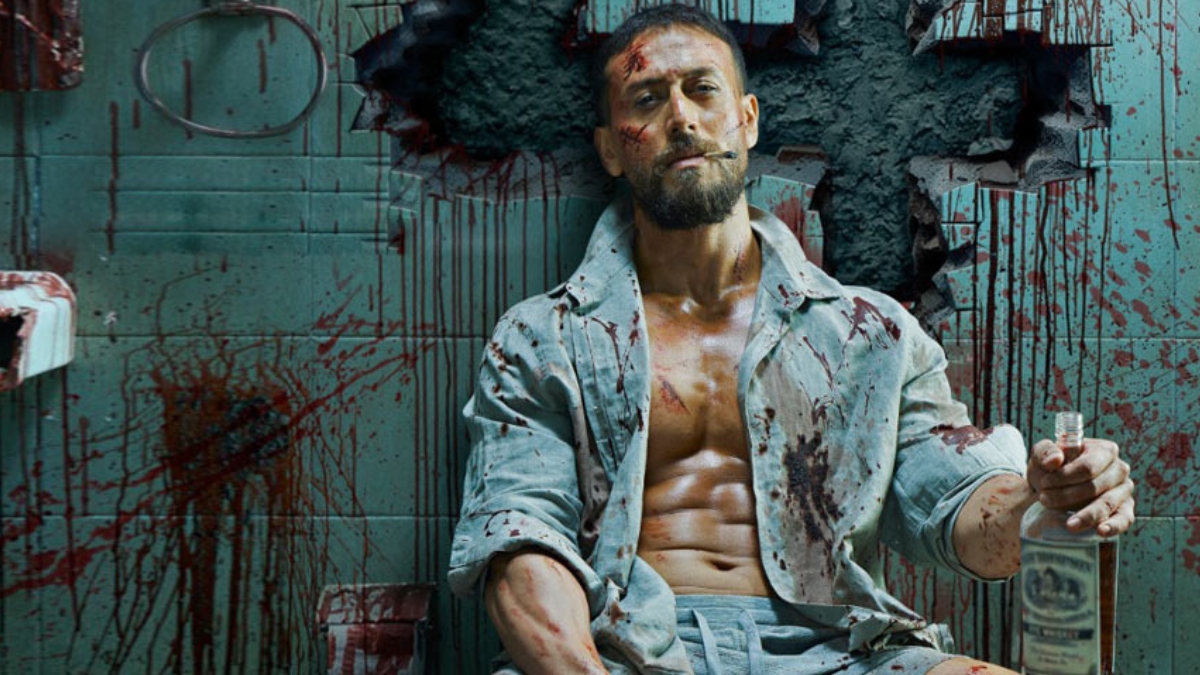
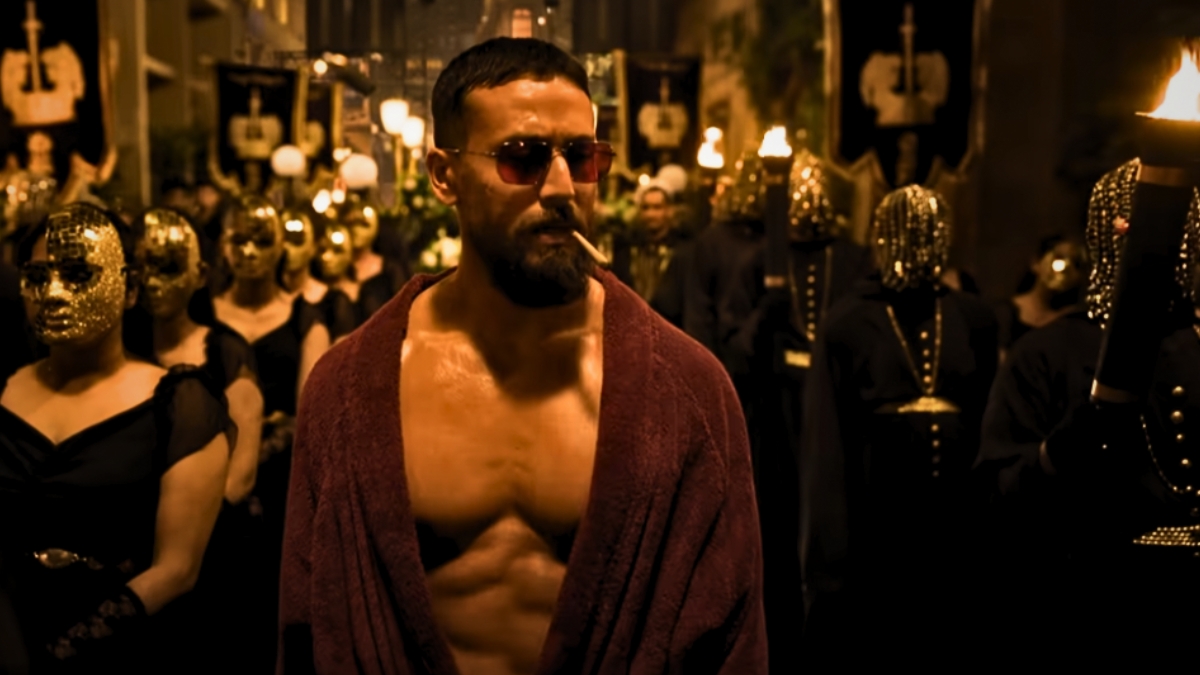
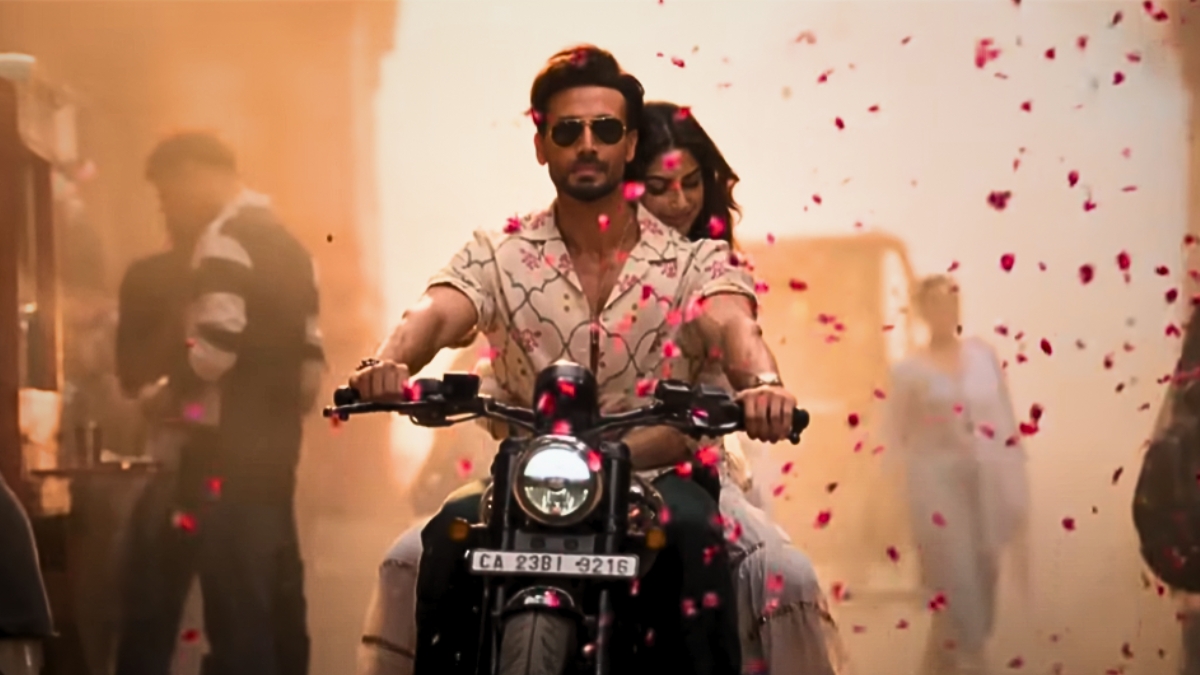
    Mumbai (Maharashtra) [India], September 5: Bollywood’s favorite rebel is back—and this time, he’s angrier, bloodier, and under more pressure than ever. Baaghi 4, directed by A. Harsha, stormed into theatres on September 5, 2025, bringing back Tiger Shroff as Ronnie, a character who has almost become synonymous with bone-crunching stunts and gym-sculpted rage. With an ensemble boasting Sanjay Dutt, Sonam Bajwa, and debutante Harnaaz Sandhu, the film comes loaded with hype, 23 CBFC cuts, and a fanbase that’s been waiting for Tiger to deliver his big post-pandemic comeback.

    But does Baaghi 4 punch its way to glory, or does it collapse under the weight of its own muscles? The answer, unsurprisingly, lies somewhere in the middle.

    Tiger Shroff—Pure, Violent Poetry

    Love him or mock him, Tiger Shroff remains Bollywood’s most agile action star. His flips and kicks have such velocity that one Twitter user joked, “Tiger flips so much even my popcorn got dizzy.” The film rests almost entirely on his shoulders, and to his credit, he carries the action with ferocity. Critics grudgingly admit this might be one of his career-best physical performances—though not necessarily his most emotional.

    Baaghi

    Sanjay Dutt—Terror with Gravitas

    If Tiger is the franchise’s muscle, Sanjay Dutt is the scarred soul lurking in its shadows. Playing the antagonist, Dutt commands the screen with his brooding presence. Fans on X have dubbed him “the other name for terror,” and it’s hard to argue with that label. The only gripe? His arc is far too brief. Just as you settle into his menacing growl, he vanishes—leaving you wanting more.

    A Franchise Burdened by Its Own Muscles

    The Baaghi films have never claimed to be subtle—they’ve thrived on outrageous action and little else. From parkour chases in the first instalment to military-grade chaos in the sequels, Ronnie’s journey has always been about spectacle. But with Baaghi 4, some fatigue creeps in. This outing feels like a greatest-hits medley: Tiger’s signature moves, villains who look bred in cages, and sound design that could rupture your eardrums. Fans of the formula are thrilled, but critics argue the franchise has flexed so hard, it forgot to evolve.

    Baaghi

    Harnaaz Sandhu’s Debut Spotlight

    Former Miss Universe Harnaaz Sandhu’s much-awaited debut was always going to invite scrutiny. She looks luminous on screen, particularly in the dance track Marjaana, which she herself admitted was one of her most “demanding” experiences. But beyond glamour, her character is thinly written, offering little chance to test her acting depth. Sharing screen space with Tiger’s abs and Dutt’s gravitas isn’t the easiest launchpad, but one hopes her future projects will allow her more room to shine.

    The Music—High Decibels, Low Memory

    Once upon a time, Baaghi gave us hummable chart-toppers like Cham Cham. This time, the soundtrack struggles to leave a trace. Yes, the songs are loud, colorful, and picturized with grandeur, but they fade as soon as the credits roll. Social media proves the point—fans are posting GIFs of Tiger’s mid-air kicks rather than humming along to the album.

    Baaghi

    Advance Booking and Box Office Frenzy

    Despite its narrative flaws, the film has already made waves at the ticket counters. Pre-sales surged past Rs 5 crore (excluding block seats), and trade analysts suggest it could have touched Rs 9 crore with them. For Tiger, who has weathered lukewarm responses to Ganapath and Heropanti 2, this signals a potential revival. Still, competition is brutal—The Conjuring: Last Rites released the same weekend, and horror seems to be biting into Baaghi’s box office pie.

    Intentional Mayhem—CBFC Be Damned

    If there’s one arena where Baaghi 4 refuses to hold back, it’s gore. Tagged as the bloodiest entry in the franchise, the film revels in carnage, even if the CBFC made 23 cuts for violence, religious imagery, and—you guessed it—“inappropriate gestures.” The fact that the final product still feels hyper-violent says plenty about what Harsha originally shot.

    Baaghi

    The Audience Verdict: A Divided Courtroom

    Walk into any cinema hall this weekend, and you’ll see the divide in real time. On one side, fans are whistling mid-fight, clapping as Tiger single-handedly topples armies of henchmen. On the other hand, critics and casual viewers groan at the dialogue delivery, the predictable plot, and the recycled tropes. The polarisation is sharp—but it also means Baaghi 4 is being talked about, loudly. And in 2025’s cluttered Bollywood landscape, chatter is currency.

    What’s Tripping Over Its Own Machete Lunge

    • The Script—Thin as Tissue Paper: Relationships are rushed, emotional beats skipped. One reviewer quipped, “Tiger does the same two expressions; Harnaaz’s acting is painfully cringeworthy.”

    • Underwritten Characters: Sonam Bajwa and Harnaaz Sandhu deserved better roles than ornamental add-ons. Dutt’s menace works, but vanishes too quickly.

    • Pacing Problems: Once the stunts end, the film loses steam. Songs feel forced, and the climax overstays its welcome.

    • Box Office Battle: While Baaghi 4 is performing decently, it risks being overshadowed by global heavyweights and horror fanfare from Hollywood.

    What’s Getting a Standing Ovation (or at Least a Fierce Whoop)

    1. Tiger Shroff—Pure, Violent Poetry
      Audiences are unanimously cheering — “Tiger flips so much even my popcorn got dizzy,” one fan quipped, capturing his athleticism in a nutshell. Critics, too, concede: Ronnie’s physical commitment leaves no doubt—he still is Baaghi.

    2. Sanjay Dutt—Terror with Gravitas
      Fans on X hail him as “the other name for terror,” with a villainous presence that leaves jaws unhinged. While some reviews quibble that his arc lacks depth, there’s little doubt he anchors the chaos with star power.

    3. Advance Booking Signs of a Comeback
      “Better-than-expected” is the phrase du jour. Pre-sales have surged past Rs 5 crore (without block seats), possibly climbing to Rs 8–9 crore with them, setting new personal records for Tiger post-pandemic.

    4. Intentional Mayhem—CBFC Be Damned
      Tagged as the goriest Baaghi yet, director A. Harsha clearly soared darker—even if the censors clipped 23 scenes involving graphic violence, religious imagery, and so-called “inappropriate gestures.”

    5. Social Media Frenzy
      Netizens aren’t playing coy:

      “Violent, loud, over-the-top & unapologetically made for the action crowd.”
      “Shocking action-thriller loaded with blood, gore, and mind-bending twists…’
      It may not be ‘better than Ganpath‘, but at least it’s more you saw it coming and still cheered.

    Final Thought: Worth the Ticket—or Should You Wait for OTT?

    If you enjoy Baaghi because it is what it is—an unapologetic celebration of action—then this fourth instalment is your fix of adrenaline. Tiger Shroff demonstrates he still has the agility and appetite to own an action set piece, and Sanjay Dutt’s cameo lends a touch of gravitas. But strip away the gore and gymnastics, and what you’re left with is an empty center: wafer-thin plots, forgettable score, and a love track that fizzles before it starts.

    So, is Baaghi 4 worth your weekend? If you’re here for Tiger’s kicks, absolutely. If you’re here for storytelling, you might be better off waiting for the OTT drop with your remote in one hand and a sense of irony in the other.

    PNN News

  • The Conjuring: Last Rites (2025) Review – 9th Film in the Franchise Delivers Heart, Horror, and a Few Yawns

    The Conjuring: Last Rites (2025) Review – 9th Film in the Franchise Delivers Heart, Horror, and a Few Yawns

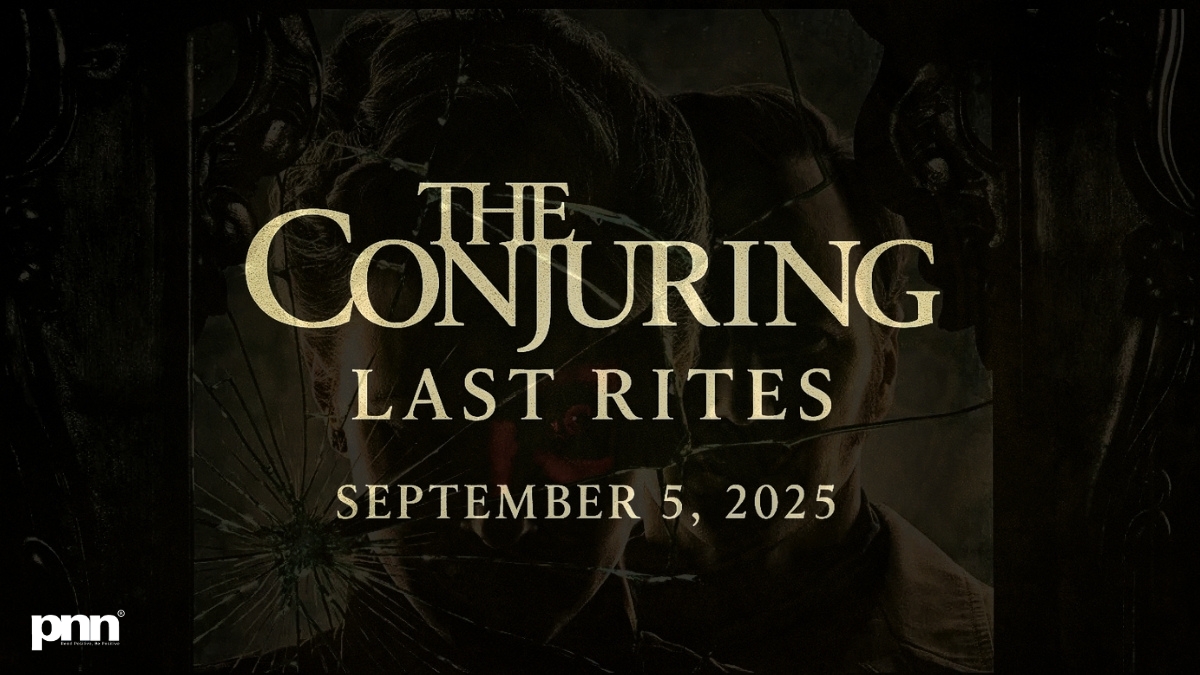
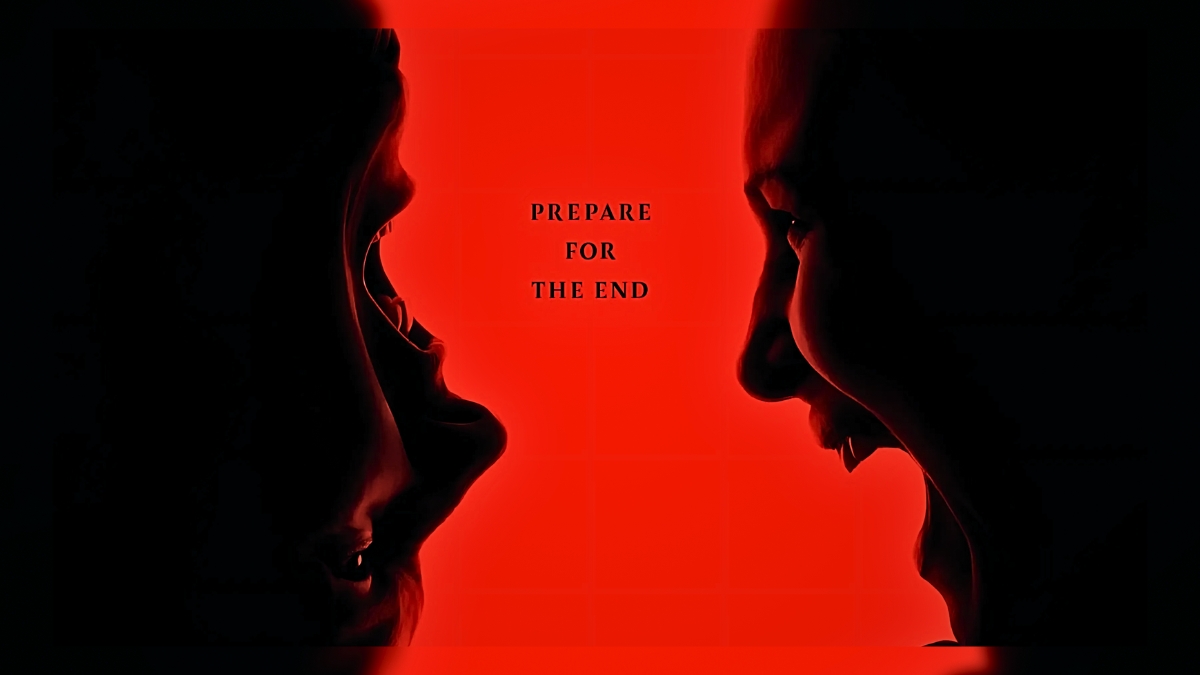
    Mumbai (Maharashtra) [India], September 5: They say all things must pass—even demonic terror, apparently. The Conjuring: Last Rites storms into cinemas on September 5, 2025, to usher out Ed and Lorraine Warren in a finale that’s as much about spooky thrills as it is about sending our favorite paranormal duo off with dignity… and possibly a touch of sleepiness.

     A Finale Drenched in Nostalgia and Warmth

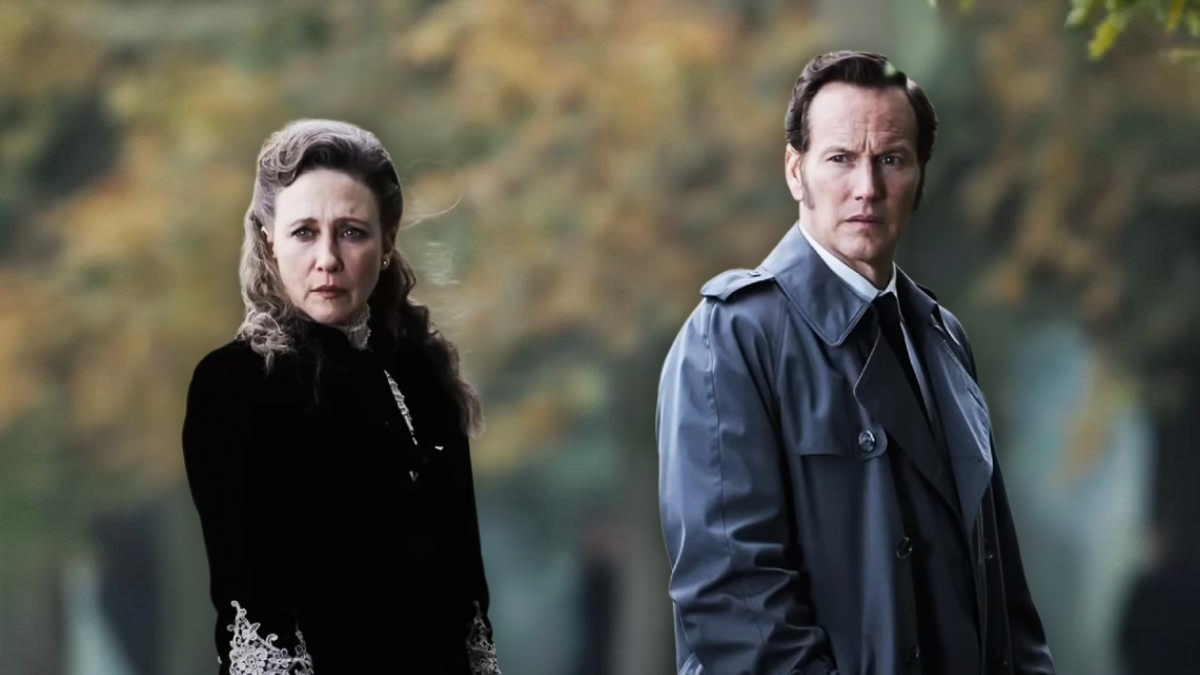
    • Boldly stepping into the ring as the ninth—and purportedly final—instalment of the Conjuring Universe, the film reunites Vera Farmiga and Patrick Wilson as Ed and Lorraine Warren.

    • Fans across social platforms have been breathlessly applauding it as the “terrifying final chapter” and “perfect swan song”

    • Critics, too, laud its emotional resonance—emphasising the chemistry of its stars and the sentimental heft that elevates it beyond a mere collection of jump-scares. Even the climax—from early reviews—is described as “tense and unsettling…and…warm and inspiring”

    Conjuring

    Visuals & Atmosphere: Chills with a Side of Eighties

    • Michael Chaves expertly serves mood over mania: there’s an abundance of chilling imagery (that haunted mirror, anyone?) against the backdrop of retro 1980s décor and a suitably unnerving score.

    • At its creepiest, the film delivers haunting visuals that cling to you—and yes, there’s a wedding-dress-mirror moment that’s earned its own place in horror lore.

    Conjuring

    The Emotional Core: When the Horror Meets Heart

    • This is as much an emotional closure as a horror finale—family bonds, legacy, and faith take the stage alongside the supernatural.

    • Audience reactions brim with sentiment. Some confessed they “cried (multiple times)”—in a horror movie, no less Rotten Tomatoes.

    • Judy, the Warrens’ daughter, strides into the spotlight with surprising gravitas—critics note her presence feels essential, even star-making.

    Conjuring

    The Slow Burn That Sometimes Walks

    • Not all are convinced this send-off sets the screen alight. A louder whisper emerges: “Move along, folks, nothing inventive to see here”

    • Pacing is a common gripe: some say you’re stuck in the bleachers as the film drags, procrastinating before delivering on its full horror potential.

    • One critic was not shy: “Even the demons look bored,” declaring the film “dead on arrival” and complaining about its use of tired tropes.

    What Worked (and What Didn’t)

    Highlights

    • Visual artistry earns A-pluses—from spooky low-light photography to design fit for a horror coffee-table book.

    • Judy’s performance leaves critics wowed; the Warrens remain the emotional anchors.

    • Some horror set pieces land with theatrical elegance—particularly a blade-wielding farmer sequence that inspired “nervous laughter” in theatres.

    Conjuring Last Rites

    Shortcomings

    • The script is often called undercooked. Many lament that the Smurl family is underwritten, the narrative is disjointed, and the pacing is uneven.

    • Critics observe that callbacks and fan service feel more like crutches than creative reinvigoration.

    • Rotten Tomatoes voice echoes the sentiment: “routine scares” and “predictable finale” dilute the film’s final impact.

    Real Fear, Real Story

    • Based on horrors supposedly plaguing the Smurl family in Pennsylvania during the 1980s, this installment draws on real-life fear—not the supernatural, but the sensationalized legend that followed.

    • The movie frames its story around one of the Warrens’ most notorious—some would say questionable—investigations, lending an air of authenticity to the fiction.

    Final Thoughts: A Ghostly Goodbye That May Haunt You—or Bore You

    • So, is The Conjuring: Last Rites the franchise’s farewell tour done right, or did it fizzle with polite applause? The answer is… both.

    • On the plus side: stellar performances, atmospheric chills, and a heartfelt curtain call. On the minus: sluggish momentum, scriptic snags, and over-familiar tropes.

    • If you’ve loved the universe since the first creak of that farmhouse door, this finale will likely feel satisfying—even if a little padded. If you’re craving fresh, fear-based gasoline… well, hope you brought a cushion to sit through the slow start.

    PNN News