Tag: entertainment

  • Dhadak 2 OTT Release: Siddhant Chaturvedi & Triptii Dimri’s Bold Romance Drama Heads Online After Mixed Box Office Journey

    Dhadak 2 OTT Release: Siddhant Chaturvedi & Triptii Dimri’s Bold Romance Drama Heads Online After Mixed Box Office Journey

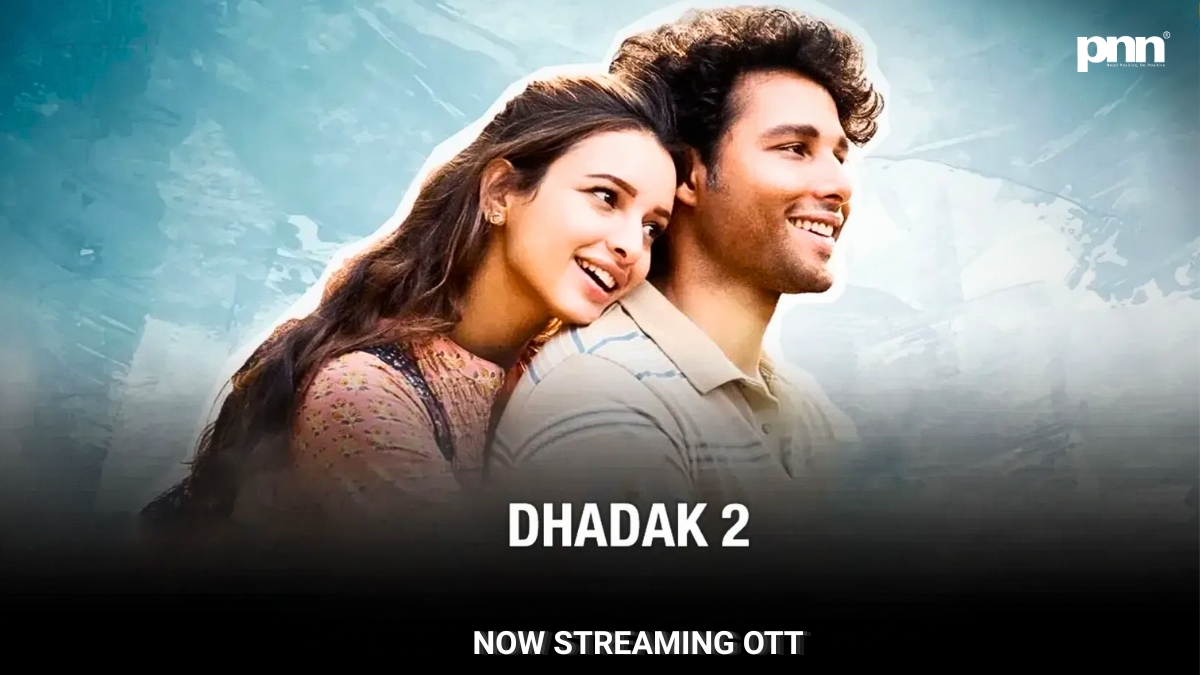
    Mumbai (Maharashtra) [India], September 26: It’s official — Dhadak 2, the much-talked-about Bollywood romance-drama led by Siddhant Chaturvedi and Triptii Dimri, is making its way to the OTT universe. After stirring up headlines in theatres for both its brave subject matter and polarising reception, the film is now primed to reach living rooms and mobile screens across the country. And perhaps, this digital second life might be the redemption arc that director Shazia Iqbal’s project deserves.

    Because let’s be honest: while Bollywood loves its romance sagas, a love story that dives into the raw, thorny realities of caste equations is bound to ignite applause from some corners and eye-rolls from others.

    A Storyline That Refuses to Stay Glossy

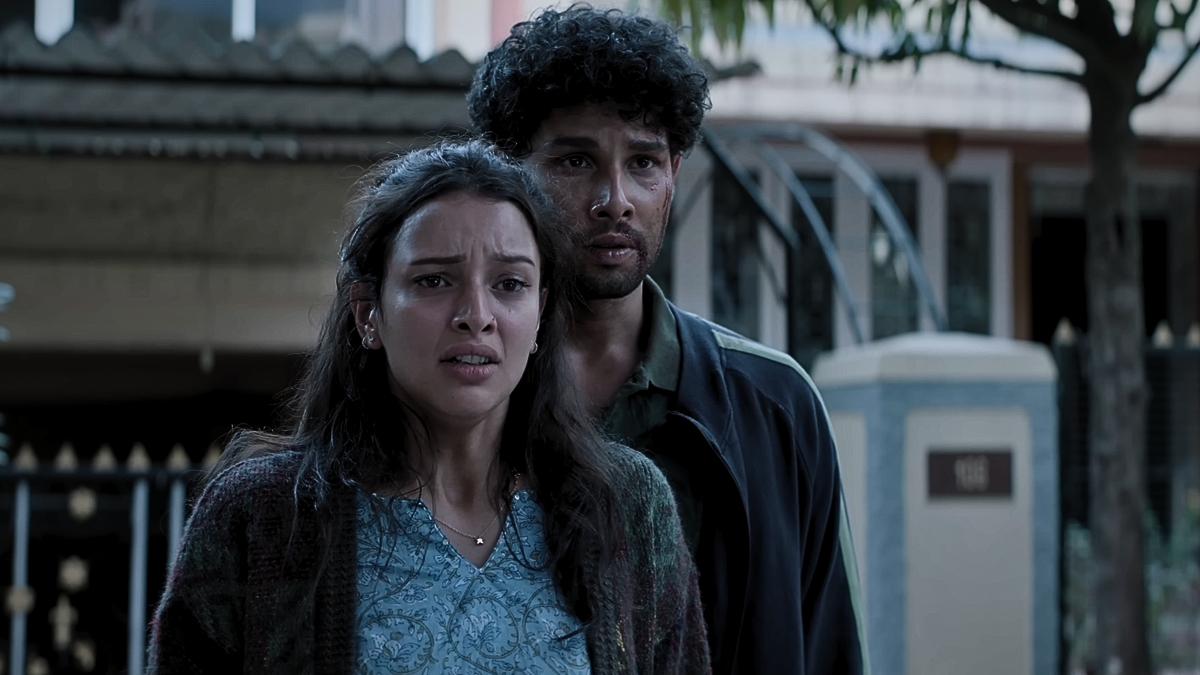
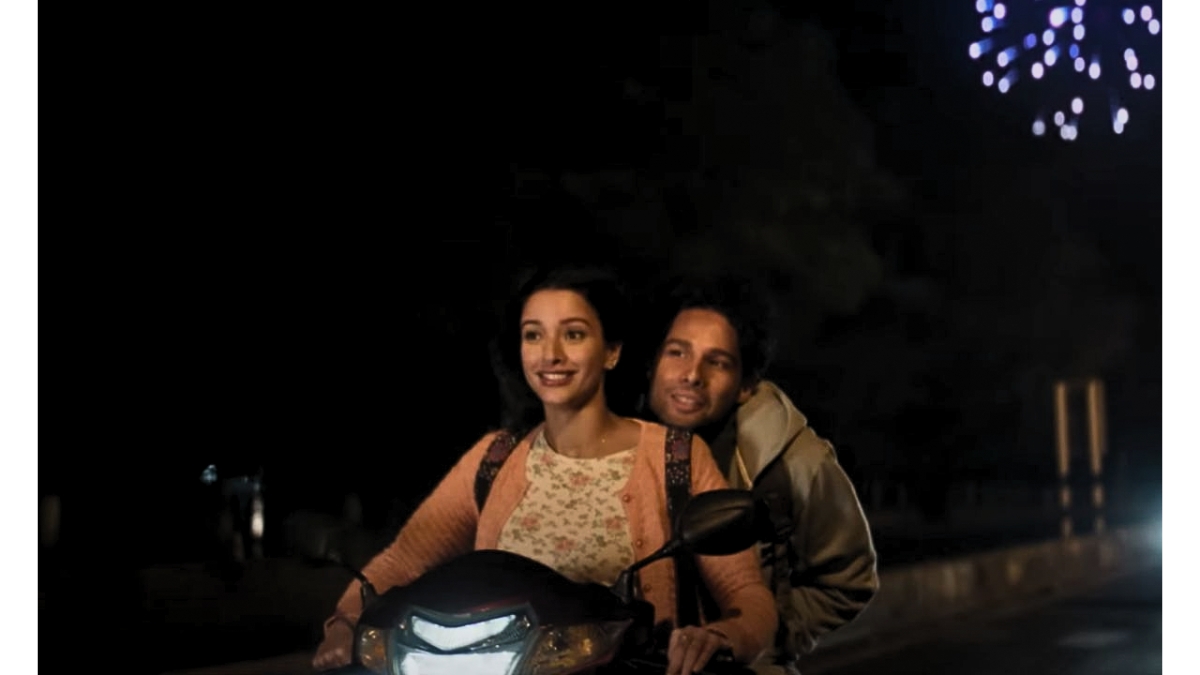
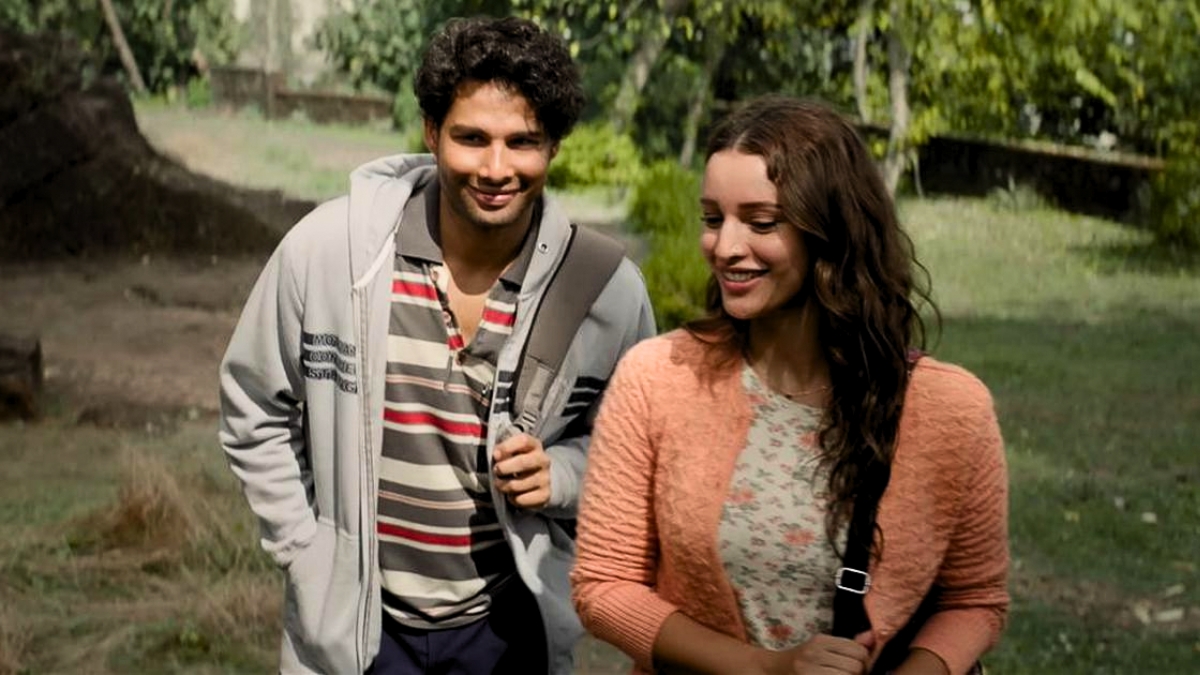
    Dhadak 2 is no run-of-the-mill college romance. Rather, it substitutes glossy candy-floss images with the rough truth of Indian life. Siddhant Chaturvedi brings Harsh, the conflicted young man between desire and drive, to life, while Triptii Dimri infuses his object of desire, Meera, with vulnerability and passion. Their love, tabooed by centuries of caste barriers, is the background for an emotionally explosive drama.

    Unlike its predecessor, Dhadak (2018), which drew criticism for sanding off the rough edges of Sairat (the Marathi original), this sequel has the guts to linger in unease. Credit should be given — at least somebody in Bollywood finally recalled that “realism” is not an unpalatable term.

    Budgets, Box Office & Backlash

    Reports suggest that Dhadak 2 was mounted on a budget of around ₹55 crore, a respectable figure for a social-themed romance. However, the film’s box office trajectory wasn’t all roses. After a strong opening weekend, riding largely on the star power of Siddhant and Triptii’s newly minted on-screen pairing, collections tapered off.

    As of its theatrical close, Dhadak 2 is estimated to have made just shy of ₹60 crore worldwide. Respectable, yes. Blockbuster, no. For perspective, the film has barely crossed its breakeven point.

    But this is where OTT swoops in like a cape-wearing hero. The digital release offers a second wind — a chance to recoup investments, expand its reach, and ignite fresh debates among an audience far larger than the box office weekend warriors.
    Dhadak

    Performances That Deserve Their Due

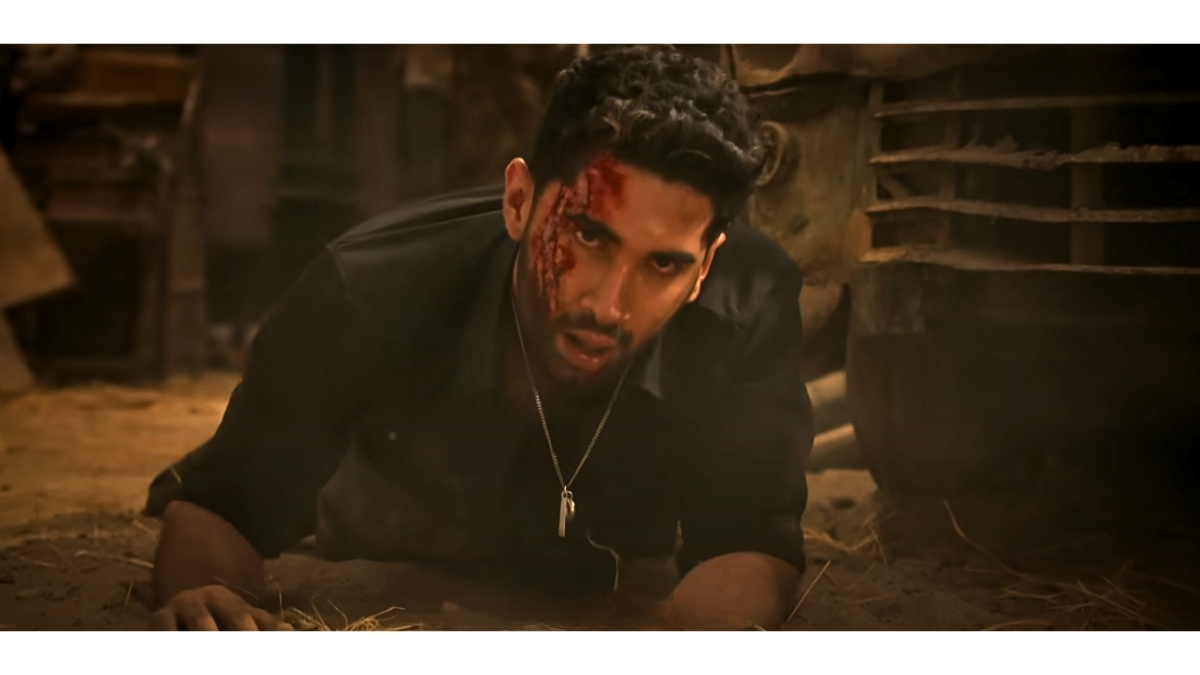
    If the numbers were disappointing, the performances were not. Siddhant Chaturvedi drops his urban suave and enters angst with unexpected ease, giving a multi-textured performance that may well go down in history as a turning point in his life. Triptii Dimri, already basking in Animal success, reiterates that she is Bollywood’s most promising woman star of the hour — delicate in some scenes, terrifying in others.

    Together, their tension is like a lighted match over gunpowder — burning slowly, tense, and unable to be ignored.

    Why the Audience is Divided

    So why did a film with strong leads, high production value, and an urgent theme stumble theatrically? The answer lies partly in Bollywood’s own uneasy marriage with social realism. Viewers expecting another easy-breezy romance walked in and got a film that dared to discuss caste politics over candlelight dinners. Some clapped, others groaned.

    Social media, of course, had its own courtroom: one camp hailed the film’s audacity, the other called it a lecture disguised as love.

    And yet, isn’t that what art is supposed to do — disturb, provoke, ignite? If nothing else, Dhadak 2 proved that Bollywood can still spark conversation in an industry drowning in formulaic remakes.
    Dhadak

    What Critics Said

    Critics, too, couldn’t agree on a single verdict.

    • Some praised director Shazia Iqbal’s guts to stick closer to Sairat’s raw template rather than sugar-coat the narrative.

    • Others accused the film of leaning too heavily into melodrama, drowning nuance in slow-motion tears and background violins.

    As one reviewer quipped: “The film wants to be hard-hitting, but sometimes hits the hammer too many times on the same nail.”

    OTT: The Real Litmus Test

    With the OTT release imminent, Dhadak 2 enters its real exam. Digital audiences are famously less forgiving of mediocrity but also more open to uncomfortable truths. On a streaming platform, there are no ticket prices, no box office Monday blues — just a play button and the power to pause, rewind, and judge.

    If word of mouth clicks in the digital space, the film could achieve the cult status it missed in theatres. After all, Bollywood history is full of films (Rang De Basanti, Tumbbad) that found their true audience long after release.
    Dhadak

    Latest Buzz & What’s Next

    Buzz suggests that Dhadak 2 will premiere on one of the leading OTT giants (Netflix and Amazon Prime Video are in the frontrunners’ race), with an announcement expected within days. Industry chatter hints at a mid-October drop, strategically aligned with the festive season.

    And yes, early screenings for OTT critics are already being whispered about in cinephile circles. One insider gushed, “This is the kind of film that’ll trend in the top 10 charts, no matter what the trolls say.”

    In Summary: Love, Loss, and a Second Life Online

    Dhadak 2 did not set the cash registers ablaze, perhaps, but it braved grounds Bollywood more often avoids. With strong performances, a socially conscious core, and now an OTT catwalk in the future, the movie is set for a new innings.

    For audiences still arguing whether it’s a romance worth swooning over or a lecture worth skipping, streaming will provide the final verdict.

    Because, love it or hate it — Dhadak 2 refuses to be ignored. And in an industry oversaturated with forgettable cinema, that alone is half the battle won.


    PNN News

  • Ajey 2025: The Untold Story of a Yogi – A Biopic That Walks a Tightrope Between Reverence and Realism

    Ajey 2025: The Untold Story of a Yogi – A Biopic That Walks a Tightrope Between Reverence and Realism

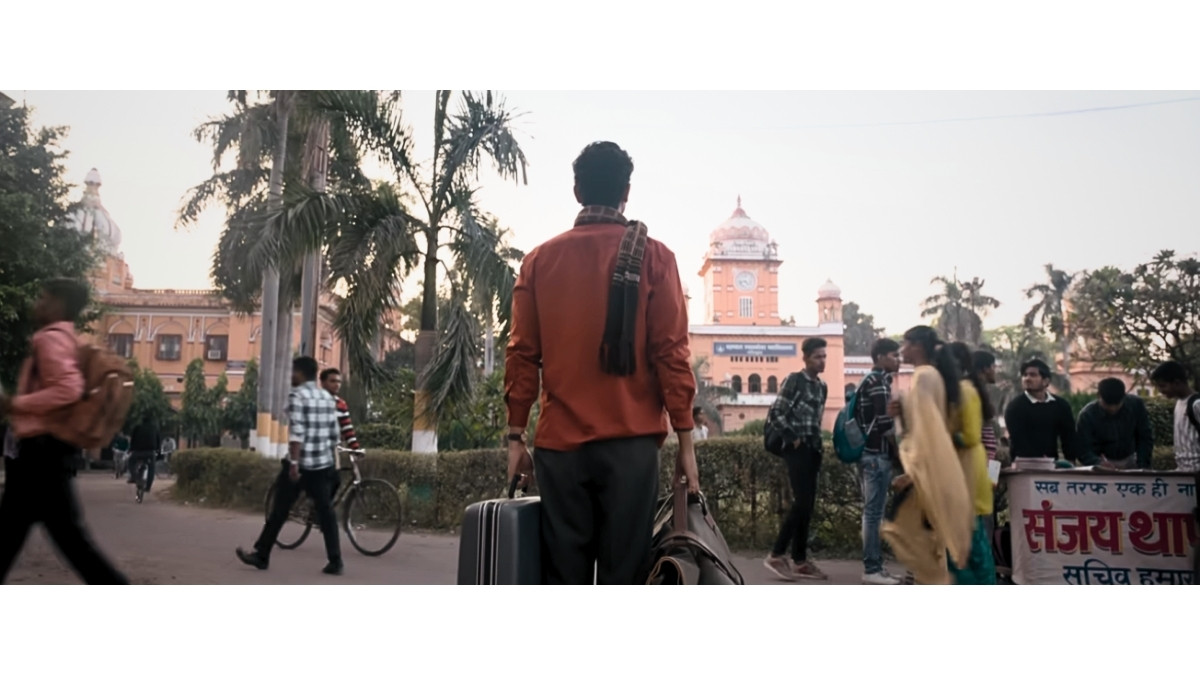
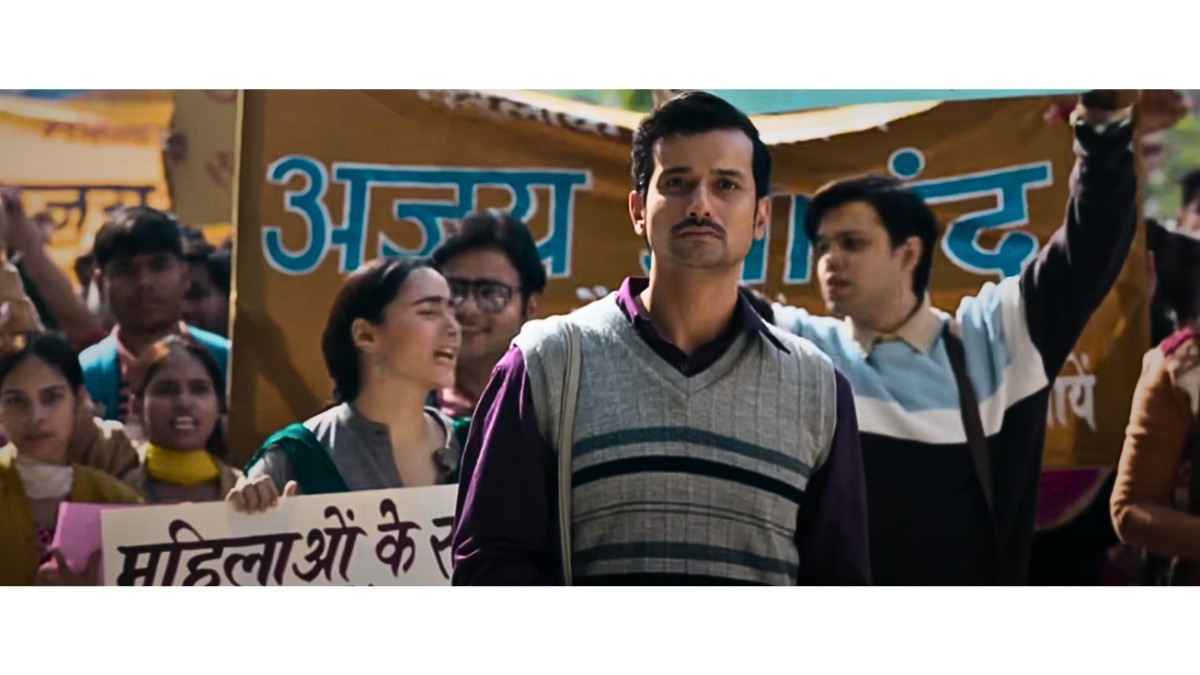
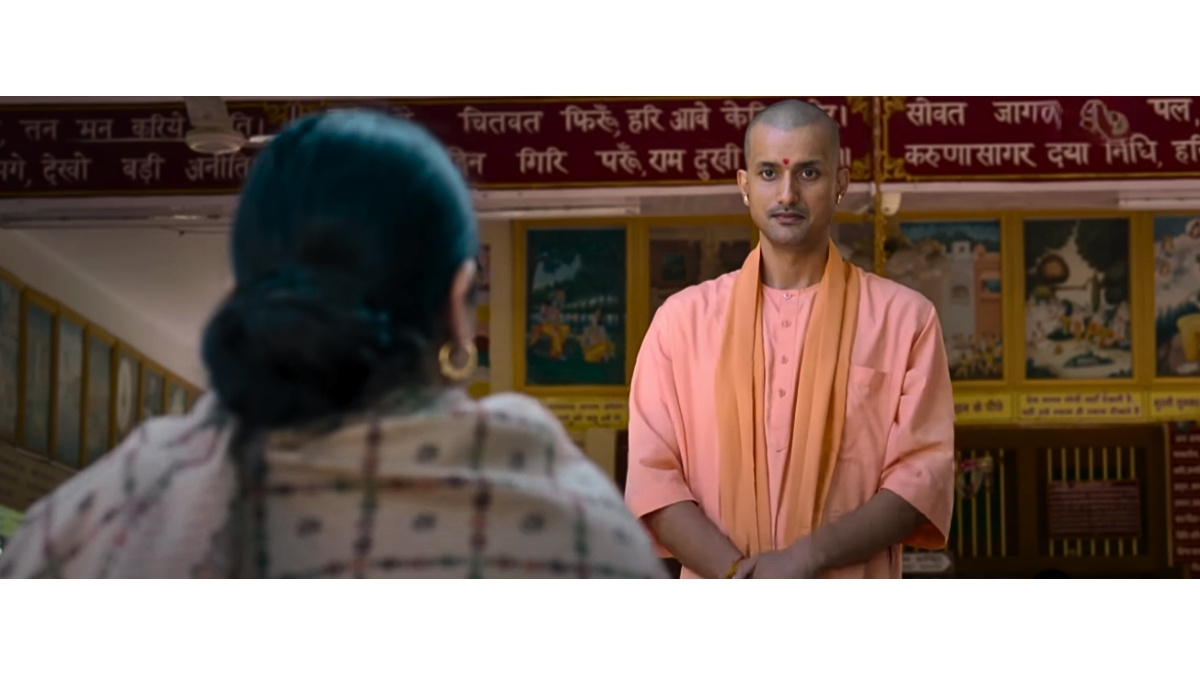
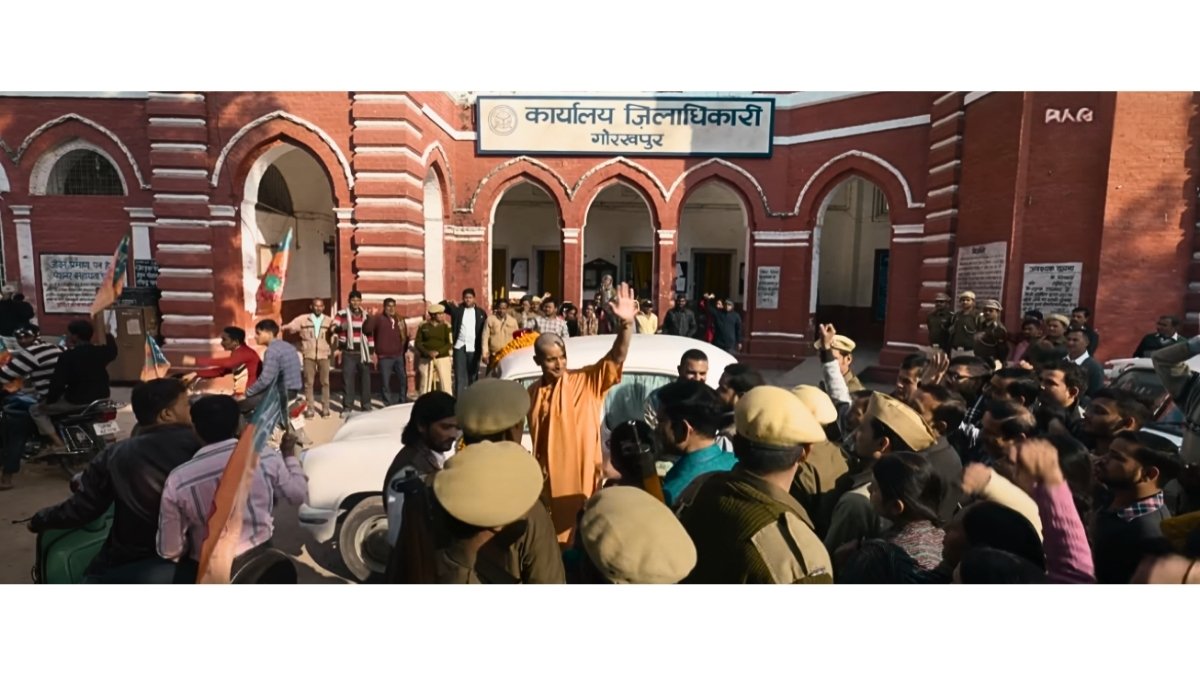
    Mumbai (Maharashtra) [India], September 25: Bollywood never goes slow on biopics. From sports persons to politicians, freedom fighters to movie stars, the screen has been fertile soil for lives bigger than life. The newest addition to this genre is Ajey: The Untold Story of a Yogi, a filmic interpretation of the life of Uttar Pradesh Chief Minister Yogi Adityanath. Though the project’s ambition is to be applauded, the film itself appears to be struggling with the resultant heavy burden of expectation, political baggage, and the ever-exacting box office.

    And yes, as you were wondering, the numbers are out. With a first-weekend total of little more than ₹1 crore, the Monday numbers for the film plunged precipitously, attracting just ₹14 lakh. For a production of this size — allegedly budgeted at around ₹8–10 crore, including promotion — the path to commercial redemption appears steeper than the Himalayan ranges Yogi himself used to trek as a monk.

    A Story Rooted in Faith and Controversy

    The movie follows Ajey Singh Bisht’s (later Yogi Adityanath) journey from a small-town boy in Uttarakhand to becoming the saffron-robed firebrand leader of Gorakhpur, and eventually, the Chief Minister of India’s most populous state. Director Paresh Rawal Jr. (not the veteran actor, though the coincidence sparks curiosity) attempts to stitch together a narrative that oscillates between Yogi’s austere spiritual beginnings and his meteoric rise in Indian politics.

    The film itself, though, is frequently at a loss as to whether or not it wishes to heroise the man as a saint, depict him as a combustible political force, or merely chronicle his private agonies. The end result? A film that grazes everything but owns nothing.

    Yogi

    Performances That Hold the Film Together

    If there’s one saving grace here, it’s the cast. The actor portraying Yogi brings both gravitas and vulnerability, managing to balance silence with intensity. His transformation scenes — from the student activist days to the saffron-clad monk-politician — are executed with conviction. The supporting cast, including actors portraying Yogi’s early mentors and political rivals, offer solid performances that keep the narrative from derailing completely.

    Critics and viewers have also commended the performances, although the script doesn’t always serve them right. Hindustan Times, for example, observed that the actors gave “good performances but struggled within a shaky narrative.

    Yogi

    Box Office Blues

    Let’s get real. Numbers don’t lie, even if reviews sometimes do. The film’s opening weekend gave it a modest push with over ₹1 crore, but the sharp dip to ₹14 lakh on Monday indicates that audience interest is already waning. Compare this with recent Bollywood releases like Jolly LLB 3 or Stree 2, both of which commanded steady weekday numbers, and the contrast is stark.

    At this pace, even breaking even on the estimated ₹8–10 crore budget will be an uphill battle. Trade analysts are already predicting that unless some miracle happens (perhaps a surge in political interest before election season?), Ajey may end up in the list of biopics that failed to set the cash registers ringing.

    Yogi

    Audience & Critical Reception

    Public opinion, as expected, is polarized. For supporters, the film is a heartfelt tribute to a leader who left his home to serve society. For critics, it’s little more than a politically motivated exercise that lacks cinematic subtlety. Social media has been buzzing with memes, some applauding the courage to make such a film, others questioning if it’s propaganda dressed as art.

    Here’s a quick breakdown of reception so far:

    Category Reaction Summary
    Critics Mixed to negative reviews, praise for acting but criticism for shallow writing
    Audiences Divided, with fans of Yogi Adityanath showing support while neutral viewers remain indifferent
    Box Office Weak numbers, dipping rapidly after opening weekend
    Buzz Factor Trending on Twitter/Instagram more for its subject matter than cinematic value

    Yogi

    What Works, What Doesn’t

    Works:

    • Strong lead and supporting performances

    • Interesting premise — a monk turned political heavyweight is undeniably cinematic

    • Certain well-shot sequences, particularly those depicting Yogi’s ascetic life

    Doesn’t Work:

    • A screenplay torn between reverence and realism

    • Lack of coherent storytelling

    • Box office numbers that spell trouble

    • A tendency to glorify rather than narrate, which alienates neutral audiences

    Yogi

    The Bigger Picture

    The film does highlight an interesting shift in Bollywood. Instead of sticking to safe biopics (cricketers, freedom fighters, musicians), filmmakers are venturing into more controversial and politically loaded territory. While that’s brave, it also means scrutiny is harsher, and box office risks are higher.

    With election season looming, timing is everything. Some argue that Ajey could serve as subtle image-building ahead of political campaigns. Others insist that cinema should steer clear of blatant political coloring. Either way, the conversation around the movie has ensured it remains in the headlines, which — in today’s media landscape — might be half the battle won.

    Final Word

    Ajey: The Untold Story of a Yogi is ambitious but uneven. It’s a film that tries to straddle reverence and realism but often loses balance. While strong performances anchor it, the shallow screenplay and underwhelming box office performance raise doubts about its longevity.

    Still, for anyone curious about the cinematic portrayal of one of India’s most talked-about politicians, the film is worth a watch — if only to join the debate. Love it or hate it, you won’t be able to ignore it. And in the end, isn’t that exactly what biopics are designed to do?

    PNN News

  • K-Pop Demon Hunters 2025: Netflix’s Record-Smashing Animated Obsession That Fans Can’t Stop Talking About

    K-Pop Demon Hunters 2025: Netflix’s Record-Smashing Animated Obsession That Fans Can’t Stop Talking About

    New Delhi [India], September 24: If anyone still thought that K-pop’s global sway was just about catchy beats, synchronized choreography, and perfectly styled idols, Netflix just handed them a flaming sword of evidence to the contrary. Enter K-Pop Demon Hunters — an animated spectacle that has not only dethroned every other animated title on the platform but has marched right into the hall of fame as Netflix’s most popular animated film of all time. Yes, you read that right. Forget talking animals and Disney-style princesses; it seems the future of animated dominance involves sequins, supernatural brawls, and a dance break or two.

    Of course, with great popularity comes great scrutiny. For every fan making fancams of demon-slaying K-pop idols, there’s a critic whispering, “Maybe the glitter’s hiding some cracks.” Let’s unpack this cultural moment before Netflix inevitably greenlights a universe of spin-offs (spoiler: they already have).

    K-Pop

    What Is K-Pop Demon Hunters Really About?

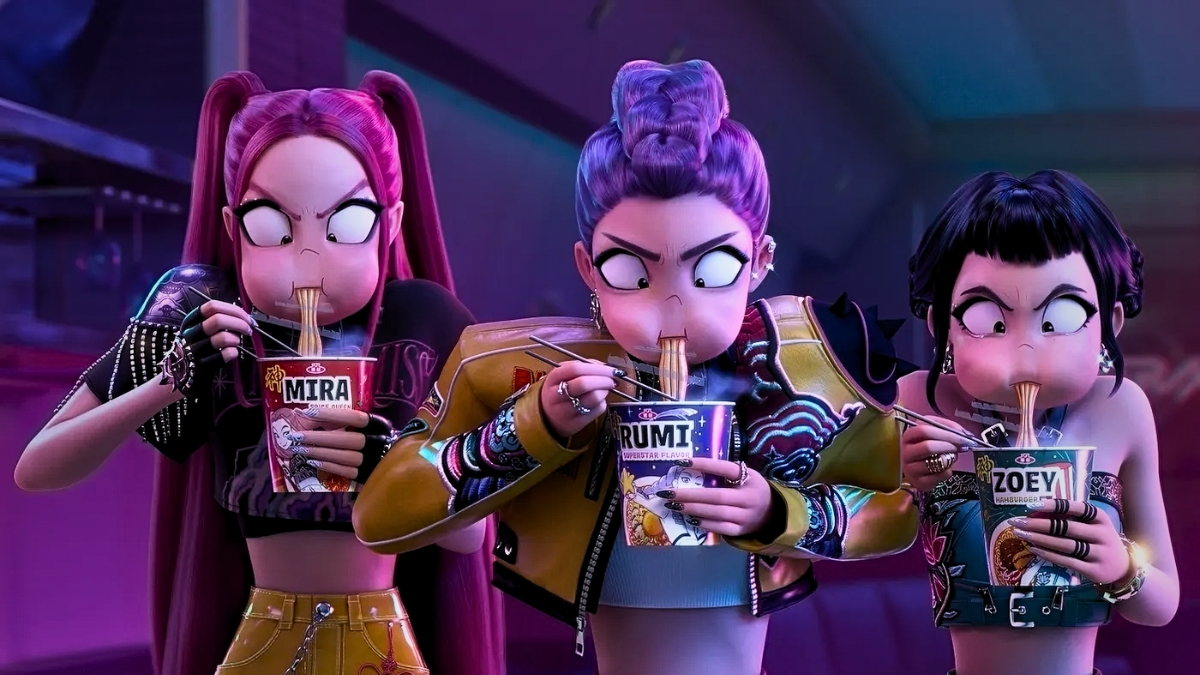
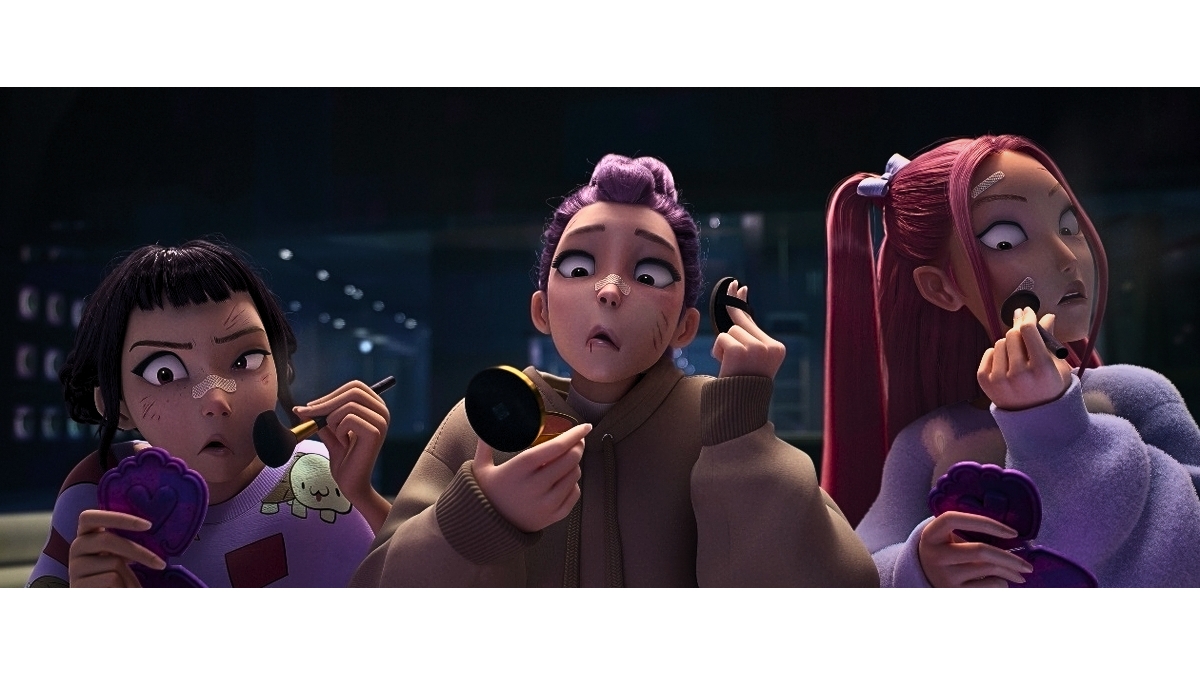
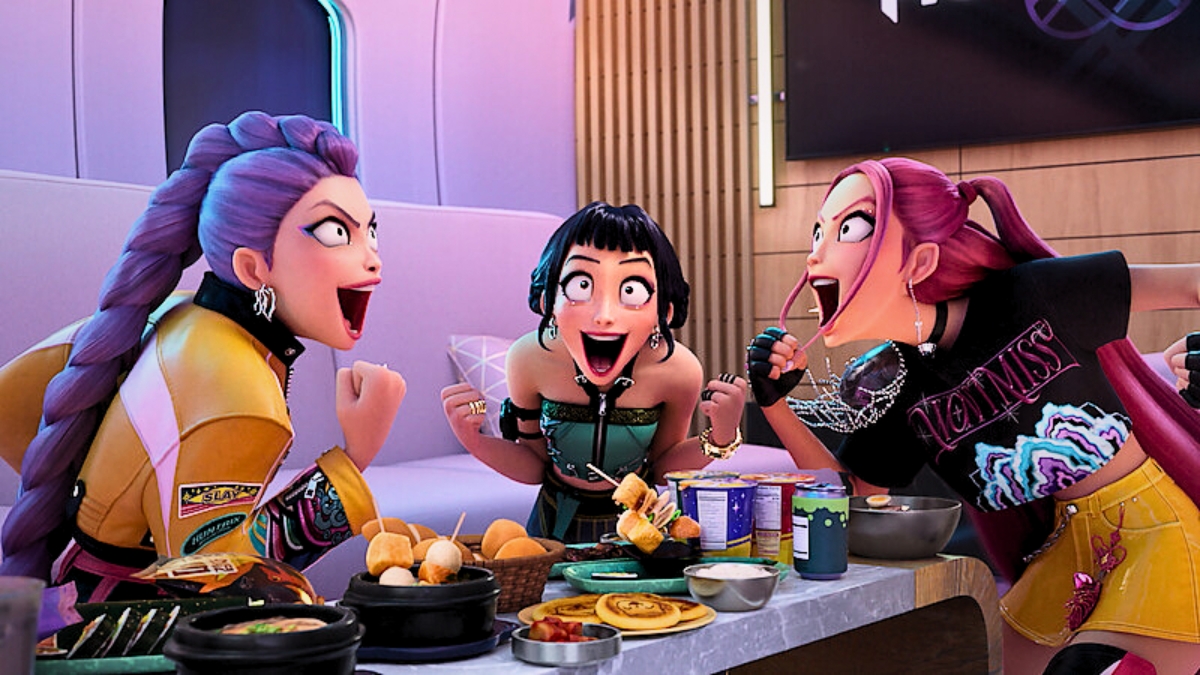
    At its core, the movie fuses two worlds that nobody explicitly asked to see collide but everyone secretly wanted: K-pop stardom and supernatural demon-slaying. The plot follows an all-girl K-pop group whose glittering stage personas mask their true destiny as protectors of Earth against demonic forces. Think Sailor Moon meets Blackpink, sprinkled with a heavy dose of Netflix budget sheen.

    There are transformation sequences, there are heart-to-heart monologues, there are soaring high notes that double as magical attacks. For fans of anime tropes and K-pop culture, this film feels like someone tossed a wish-list into a blender and poured it onto the screen.

    K-Pop

    Numbers Don’t Lie — But Do They Tell the Full Story?

    Netflix has proudly declared the film its most-watched animated release ever, surpassing even global juggernauts like The Sea Beast and Wish Dragon. The viewership numbers are jaw-dropping, with reports suggesting the movie pulled in over 150 million viewing hours within its first month. Social media trends only amplified the phenomenon: hashtags like #DemonHuntersSlay and #KpopMagic dominated X (formerly Twitter) and TikTok for weeks.
    But here’s the devil in the details — popularity doesn’t always equate to perfection. Critics have flagged pacing issues, cliché-heavy character arcs, and a certain predictability that makes the third act feel like déjà vu from every other “band comes together to save the world” storyline. Yet, fans argue that the movie’s unapologetic embrace of camp and spectacle is exactly what makes it iconic.

    K-Pop

    The Fan Reactions: Hysteria, Memes, and Yes, Theories

    • On TikTok: Clips of the transformation sequences and fight-dance hybrids are trending with billions of views.

    • On Reddit: Fan theories abound about hidden symbolism — is the lead vocalist’s demon form a critique of the idol industry’s pressures? Or are fans just reading way too much into it? (Probably both.)

    • On Instagram: Cosplays are already flooding feeds, with some fans recreating elaborate stage outfits faster than you can say “limited-edition lightstick.”

    The fandom’s verdict? This isn’t just a film; it’s a lifestyle moment.

    K-Pop

    The Critics’ View: Glitter Can’t Mask Everything

    While audience enthusiasm has been sky-high, reviews have been more mixed. Animation critics praise the high-octane visuals, killer soundtrack, and bold blending of genres. However, they also highlight that beneath the sheen, the story doesn’t always break new ground.

    Common critiques include:

    • Character development feels shallow for non-lead members of the group.

    • Predictable villain motivations (yes, the demon king wants to plunge the world into chaos, shocking).

    • Heavy reliance on K-pop clichés — trainee struggles, fan culture pressure — that might not translate globally beyond the already converted.

    Still, even skeptics admit that the film’s audacity and cultural relevance make it worth a watch.

    K-Pop

    The Netflix Factor: A Franchise in the Making

    Here’s where things get spicy. According to multiple reports, Netflix isn’t stopping at just one record-breaking movie. A short film — possibly a prequel — is already in the works. Insiders suggest it will dive into the origins of the demon-slaying idol group, potentially giving more depth to side characters that felt overlooked in the main film.

    If history is any indicator, Netflix has a knack for milking its hits into full-blown franchises. And let’s be honest: merch sales, music tie-ins, and maybe even a virtual concert are practically inevitable at this point.

    K-Pop

    Why It Worked: The Secret Formula

    To put it simply, K-Pop Demon Hunters succeeded because it understood the assignment. It targeted two of the most powerful global fanbases — K-pop stans and anime enthusiasts — and served them a cocktail of everything they love:

    • Visual Spectacle: Eye-popping animation rivaling big-studio anime.

    • Music: Original tracks that slap hard enough to chart independently.

    • Representation: A story that celebrates K-pop culture without apologizing for its maximalist style.

    • Timing: Released when global K-pop fever shows no sign of cooling.

    Final Verdict: Worth the Hype?

    If you’re expecting Grave of the Fireflies levels of storytelling depth, this isn’t it. If you’re hoping for a wild, sparkly, demon-bashing ride with a killer soundtrack — absolutely. K-Pop Demon Hunters may not reinvent the animation wheel, but it spins it fast enough to keep audiences glued and streaming records shattered.

    In the end, Netflix has once again proven that when you blend cultural zeitgeists with entertainment, the result is less about critical nuance and more about sheer spectacle. And in 2025, spectacle is exactly what the streaming wars thrive on.

    PNN News

  • Lokah Chapter 1: Chandra – The Malayalam Superhero Saga That Refuses to Leave the Spotlight

    Lokah Chapter 1: Chandra – The Malayalam Superhero Saga That Refuses to Leave the Spotlight

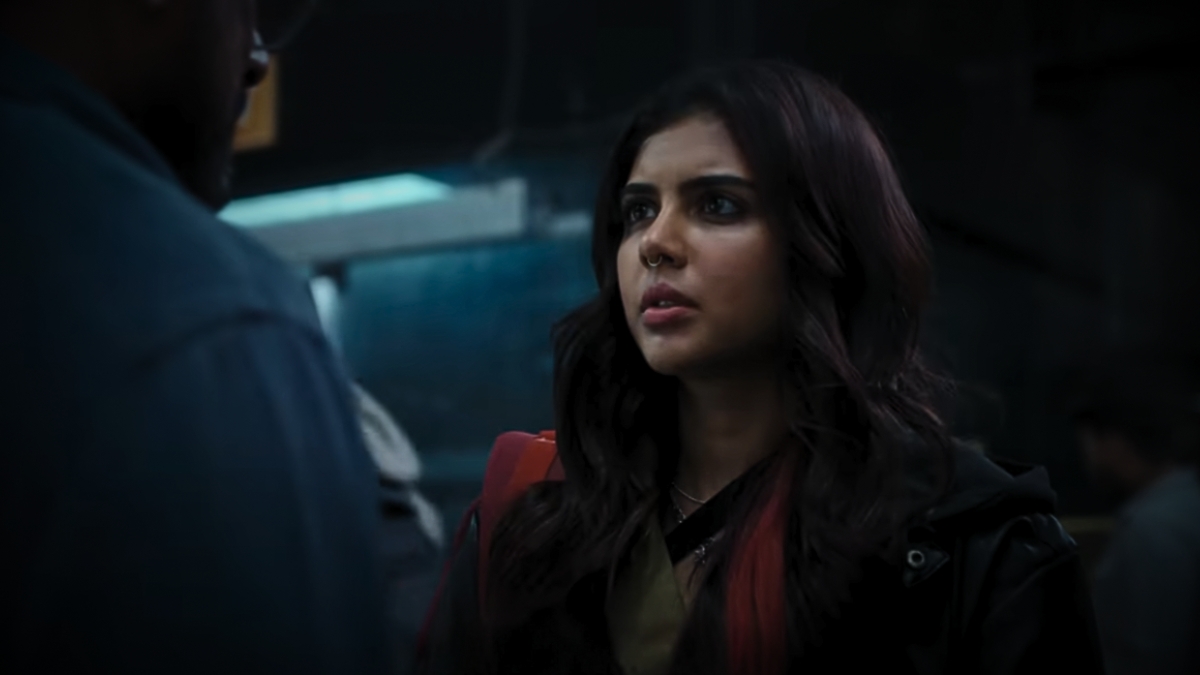
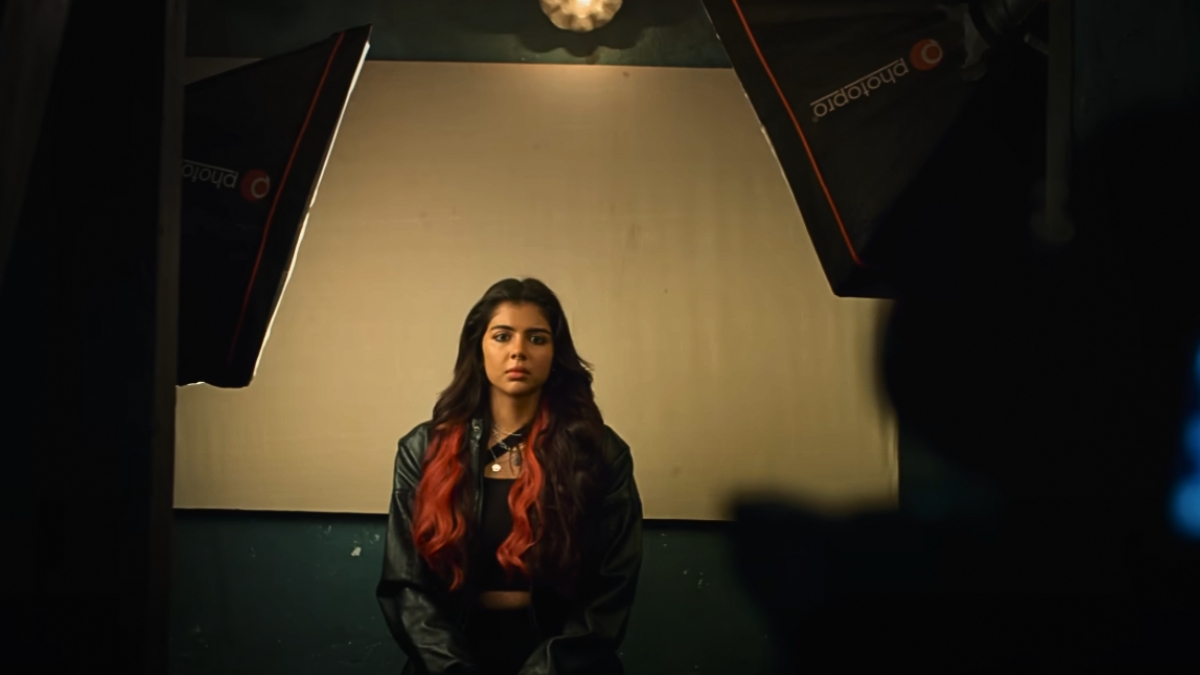
    There are box office wonders, there are cult classics, and then there’s Lokah Chapter 1: Chandra—a film that seems to have casually walked into theatres, broken the door down, and decided it’s never leaving. Twenty-five days into its theatrical run and this Malayalam superhero spectacle starring Kalyani Priyadarshan is inching close to the ₹140 crore domestic mark, while its worldwide earnings have already stormed past ₹270 crore. In a year where sequels and courtroom dramas are vying for attention, this one decided to swoop in with a cape and steal the thunder.

    And yet, the charm of Lokah doesn’t rest only on numbers (though the numbers are loud enough to make even Bollywood producers squirm). It rests on the fact that Malayalam cinema, once stereotyped as “art house only” by outsiders, has managed to create a homegrown superhero story that competes with the gloss of Marvel and the grit of DC—minus the billion-dollar budgets and overcooked CGI.

    What Lokah Chapter 1: Chandra is Actually About

    At the heart of the spectacle lies Chandra, a superhero that’s refreshingly not born in the pages of a Western comic but carved out of local myths and cultural roots. The story weaves together ancient celestial folklore with modern dilemmas—greed, power struggles, identity crises—delivered with enough action sequences to keep adrenaline junkies hooked.

    Kalyani Priyadarshan shoulders the role with an unexpected gravitas. She isn’t just a “pretty face in a cape”; she oscillates between vulnerability and vengeance with convincing ease. Director Vinay Govind takes a gamble by giving Malayalam cinema its first ambitious superhero cinematic universe, and so far, the gamble looks like it’s paying off.

    The Numbers Game – And Why Producers Are Smiling All the Way to the Bank

    • ₹271 crore worldwide and counting in just 25 days.

    • ₹140 crore in India alone, proving Malayalam films can hold their ground against Hindi juggernauts.

    • Beating several “profitable films of 2025” in the region, it has now entered uncharted waters for Mollywood.

    For context: even when Jolly LLB 3 entered theatres, expected to dominate with Bollywood’s muscle, Lokah held its turf like an immovable mountain. And that says something.

    But here’s the sarcasm served fresh: it’s ironic that the same industry which once barely gave budget to fantasy experiments now finds itself cashing superhero cheques while others scramble to find “Pan-India” success formulas.

    Lokah

    What’s Driving This Frenzy?

    Some of the film’s strongest points include:

    • A New Archetype of Superhero – Rooted in Indian ethos, not borrowed from New York skylines.

    • Visual Storytelling – CGI isn’t Marvel-level, but it’s clever, grounded, and stylized to suit the tone.

    • Music & Soundtrack – Dulquer Salmaan himself hyped up its OST release, and it’s trending across platforms.

    • Repeat Value – Families and youngsters alike are returning for second (and third) viewings.

    Still, not everything is picture-perfect. The pacing dips in the second half, certain dialogues feel like they belong more in a motivational WhatsApp forward than a multi-crore blockbuster, and purists are already grumbling that “superheroization” might water down Malayalam cinema’s nuanced storytelling tradition.

    Lokah

    Critics, Fans & The Social Buzz

    • Social media is buzzing with hashtags like #LokahUnstoppable and #ChandraUniverse.

    • Critics, on the other hand, are split—some praising the audacity of scale, others nitpicking that “style overshadows depth.”

    • Dulquer Salmaan, who has been one of the film’s loudest cheerleaders, recently teased OTT release updates, sending fan communities into meltdown.

    And in typical Indian cinema style, memes have taken over: from comparing Chandra’s cape to Marvel’s Doctor Strange cloak, to sarcastic jabs at Bollywood producers—“Meanwhile in Mumbai, still waiting for Brahmāstra Part 2.”

    Lokah

    Quick Comparison Table

    Film Collection (25 Days) Verdict
    Lokah Chapter 1: Chandra ₹271 Cr worldwide Mega Blockbuster
    Jolly LLB 3 ₹175 Cr worldwide Hit, but overshadowed
    Brahmāstra (2022, Hindi) ₹250 Cr worldwide Blockbuster, after delays

    OTT Buzz – When and Where?

    If box office domination wasn’t enough, fans are now obsessing over the OTT drop. Dulquer Salmaan recently hinted that Lokah Chapter 1: Chandra will premiere on a major platform by late October or early November 2025. Considering its theatrical legs, that’s a smart strategy—it maximizes ticket sales while still riding the wave of hype into the digital space.

    Lokah

    The Larger Question

    Is this truly a watershed moment for Malayalam cinema, or just a lucky strike? While optimists are already labeling it as the “beginning of a franchise era,” skeptics caution that superhero fatigue can hit sooner than expected. Remember what happened when Hollywood decided every second person deserved a cape?

    Yet, dismissing Lokah as mere hype would be foolish. It proves that even with a regional language base, compelling storytelling mixed with ambition can shake the cinematic landscape. If Chapter 1 has already set the cash registers ringing, imagine what a sequel (inevitable at this point) could do with more polish and maybe fewer WhatsApp-style one-liners.

    Final Verdict

    Lokah Chapter 1: Chandra is not perfect—but it is spectacular. It’s messy, ambitious, occasionally cheesy, and unapologetically loud. And maybe that’s exactly what Malayalam cinema needed: a reminder that experimentation can be both profitable and entertaining.

    As the film continues its march towards ₹300 crore, one thing is certain—Chandra isn’t just a superhero on screen. She’s a symbol of Malayalam cinema flexing its muscles on the global stage, cape and all. And whether you love it or mock it, you can’t ignore it.

    PNN News

  • Jitu Kumar Marks His Directorial Debut with Ekdantah

    Jitu Kumar Marks His Directorial Debut with Ekdantah

    New Delhi [India], September 22: Harsh Film Productions presents Ekdantah, a heartfelt web film that beautifully blends emotion, social conflict, and unity. The story explores how love survives amidst divisions of caste, religion, and prejudice, with the Ganpati festival emerging as a powerful symbol of peace and togetherness. The film, produced under the banner of Harsh Film Productions, is all set to release soon on a renowned OTT platform, bringing its universal message to audiences everywhere.

    The web film also marks the bold directorial debut of Jitu Kumar, who has impressively taken on the roles of director, writer, and producer. With Ekdantah, Kumar steps into the world of storytelling with a vision that is both fresh and socially relevant. “This is my first film, and it comes straight from the heart. It’s about love beyond barriers, and Ganpati is the thread that unites everyone,” Kumar shared, highlighting the personal and emotional connection he has with the project.

    Ekdantah

    The cast of the film brings powerful performances to the screen. Vinn Modgill takes the lead, balancing passion, strength, and vulnerability as the anchor of the story. Nazeea Syed Hasan shines with grace and depth, portraying love and resilience with subtle brilliance, while Veera Sanghvi adds sincerity and emotional strength to the narrative. Together, the trio ensures that Ekdantah resonates with audiences, delivering raw and moving performances that match the film’s emotional tone.

    If you have any objection to this press release content, kindly contact pr.error.rectification@gmail.com to notify us. We will respond and rectify the situation in the next 24 hours.

  • Homebound 3.0: When Relatable Becomes Too Real for Comfort

    Homebound 3.0: When Relatable Becomes Too Real for Comfort

    Mumbai (Maharashtra) [India], September 20: Television rarely slaps you across the face with familiarity. But Homebound 3.0, the Kiwi comedy-drama series, does just that. It doesn’t just stream into your living room; it practically unpacks its suitcase, raids your fridge, and insists you sit down to relive every awkward family dinner you thought you’d escaped.

    Yes, the premise sounds simple: a thirty-something writer moves back in with their immigrant parents. But what follows is a rollercoaster of cultural clashes, love-life blunders, and identity crises that are equal parts hilarious and exhausting. If you’ve ever rolled your eyes at parental expectations or explained Tinder to your mom, congratulations—you’ve just lived the pilot episode.

    Why Homebound 3.0 Catches Attention

    • Authenticity as a weapon: The show doesn’t exoticize diaspora life; it unpacks it with wit.

    • Cast chemistry: The leads look like they belong in the chaos, not just act through it.

    • Universality of awkwardness: You don’t have to be from New Zealand or an immigrant household to recognize the emotional minefields.

    Yet for all its strengths, there’s a catch: sometimes Homebound 3.0 is too real. The pacing drags, arguments repeat, and certain episodes feel like overhearing your neighbors’ fight through paper-thin walls. Relatability is good—repetition, less so.

    Homebound - PNN

    The Show in a Nutshell

    Aspect What Works What Doesn’t
    Storyline Relatable, culturally layered, witty Repetitive arguments, pacing lags
    Performances Natural, heartfelt, believable chemistry Some supporting roles underdeveloped
    Humor Sharp, sarcastic, situational Occasionally feels forced or predictable
    Cinematography Functional, grounded realism Rarely inventive, lacks visual flair
    Cultural Relevance Authentic diaspora representation Risks being niche for global streaming audiences

    Social Media Buzz and Fan Talk

    If you scroll Reddit or X (formerly Twitter), you’ll find Homebound 3.0 already has its own digital fan club.

    • One Reddit user wrote: “This show is my immigrant diary come to life. I laughed, then cried, then texted my mom.”

    • Another X user put it bluntly: “Feels like therapy. But the kind where you leave more confused than when you arrived.”

    This paradox—viewers bingeing while hate-watching—is precisely why the show trends. It’s comfort food with too much salt: you can complain all you want, but you’ll still reach for another bite.

    What Critics Are Saying

    • Positive: Critics hail its unapologetic look at cultural identity and its refusal to wrap every conflict neatly in 30 minutes.

    • Negative: Others argue the show confuses authenticity with monotony and desperately needs tighter editing.

    • Mixed: Some call it a “therapy session nobody asked for but everybody needed”—both compliment and complaint in one.

    Homebound - PNN

    PR Spin: The Charm of Ordinary Chaos

    From a publicity standpoint, Homebound 3.0 positions itself smartly. In a market addicted to fantasy spectacles and courtroom thrillers, it waves its flag proudly as the “anti-Netflix blockbuster.” It says: here’s the mess of everyday life, unfiltered.

    It’s not glossy, it’s not escapist, and it definitely won’t teach you sword fighting. But it will show you the frustration of explaining your career choices at every dinner, the awkwardness of dating while living at home, and the lingering guilt of balancing tradition with ambition. That honesty is its USP.

    Room for Improvement

    • Episodes could use trimming; not every conflict needs a trilogy.

    • Supporting characters deserve more layers.

    • A bolder visual style could elevate its grounded realism without betraying authenticity.

    If Homebound 3.0 secures a second season, fans will expect sharper pacing and fresher conflicts, not just another round of passive-aggressive parental one-liners.

    The Bigger Picture

    Representation matters. And shows like Homebound 3.0 prove that relatability sells—even when it hurts a little. It’s not trying to be prestige TV; it’s trying to be your life reflected on-screen. And maybe, just maybe, that’s what today’s viewers want.

    Whether you find it cathartic or claustrophobic, one thing is undeniable: it has people talking. And in an industry drowning in content, sparking debate is a victory of its own.

    Final Word

    So, should you see it?

    • Yes, if you hunger for humor based on cultural misadventures, cringe-worthy family meals, and brutally candid identity crises.
    • Perhaps not if you prefer fantasy, dragons, or murder mysteries.

    Ultimately, Homebound 3.0 is the roommate of television shows: occasionally wonderful, occasionally a nuisance, but always unforgettable.

    PNN News

  • Oscars 2026 Beckons: Neeraj Ghaywan’s Homebound Gives Bollywood Its Long-Awaited Spotlight

    Oscars 2026 Beckons: Neeraj Ghaywan’s Homebound Gives Bollywood Its Long-Awaited Spotlight

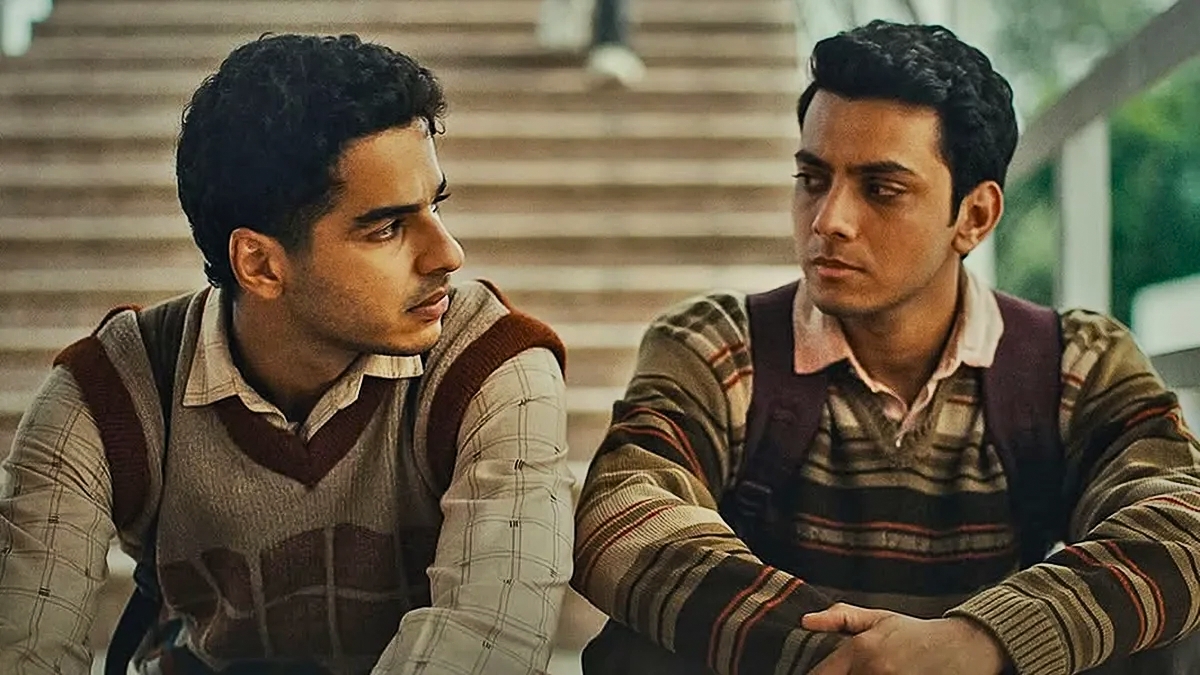
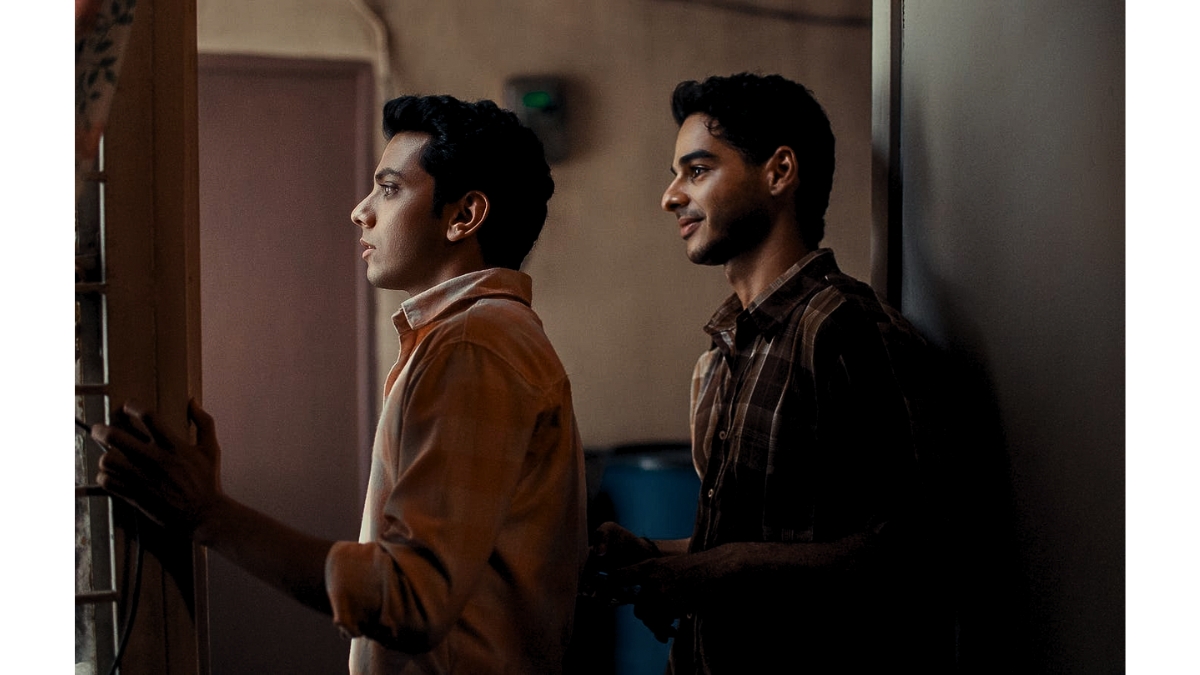
    Mumbai (Maharashtra) [India], September 20: Bollywood, with all its masala recipes and larger-than-life heroism, has finally produced something for the international platform that does not include item dances or aerial stunts. Neeraj Ghaywan’s Homebound—a gritty yet emotional drama featuring Ishaan Khatter, Vishal Jethwa, and Janhvi Kapoor—has been officially selected as India’s entry for the Oscars 2026 in the Best International Feature Film category. Cue the patriotic hashtags, industry chest-thumping, and of course, a little skepticism about whether we’ll actually make the final cut this time.

    It isn’t the first time India has shot its filmmaking arrow at the Academy, but the buzz around Homebound indicates this isn’t a ceremonial attempt. Critics are terming it “India’s most authentic submission in years,” and social media warriors are already dreaming of red-carpet selfies in Los Angeles. The buzz is real. But beneath the glitz are unsettling questions—can the film create enough universal appeal to impress the voters in the Oscars, or will it join the long list of Indian films that quietly died at the mercy of the selection rounds of the Academy?

    What is Homebound All About?

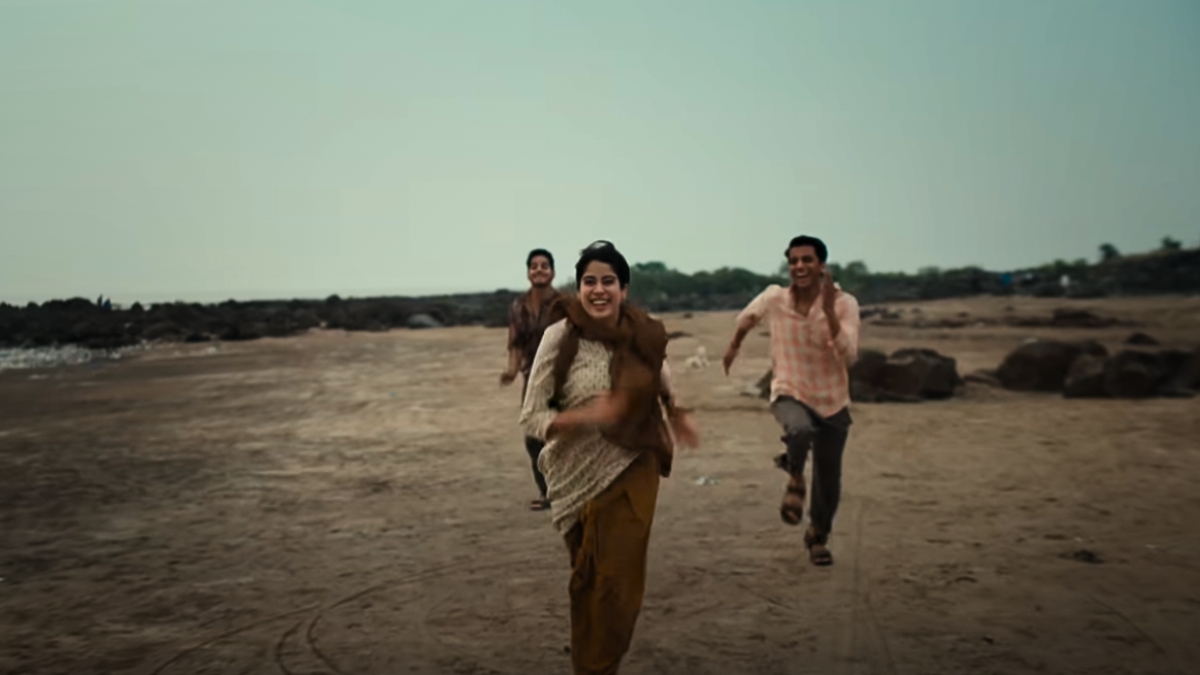
    Essentially, Homebound is no sheen Bollywood export but a subtle exploration of identity, belonging, and family trauma. The film is a story about two brothers, Ishaan Khatter and Vishal Jethwa, who grapple with displacement and fractured family ties in the rural Madhya Pradesh terrain. Janhvi Kapoor ditches her glamorous persona to play a character laden with quiet determination, and Neeraj Ghaywan brings his signature realism to every frame.

    It steers clear of melodrama for coarse truth—a luxury commercial Hindi cinema can rarely afford. It is the sort of film festival juries love: rough, complex, prickly. Whether the same will be true of mainstream audiences remains to be seen.

    Homebound

    Why Did It Beat Pushpa 2 and Other Giants?

    When the announcement dropped, many were stunned. Heavyweights like Allu Arjun’s Pushpa 2, Vivek Agnihotri’s The Bengal Files, and Kesari Chapter 2 were all in the race. Yet Homebound emerged victorious, and for good reason. Unlike the typical commercial entertainers, this film doesn’t scream box office—it whispers intimacy and burns slowly into the conscience.

    The jury allegedly wanted a film to present India free of stereotypes, something in the style of Parasite rather than Pathaan. And Ghaywan, already trendy for Masaan, was naturally the default candidate to tell us all again that Indian films are not all about song-and-dance spectacle.

    Homebound - PNN

    The Positives: A Global-Ready Story

    Let’s credit where credit is due. Homebound is exactly the sort of movie that can touch Oscar voters. It’s issue-driven, stylish, and emotionally charged without bordering on melodrama. Ishaan Khatter gives what many are terming his career-best performance, while Vishal Jethwa’s gritty intensity keeps things real. Janhvi Kapoor, usually also accused of nepotism-fuelled star-kid status, is actually deserving of praise here for taking on a role that needed restraint instead of stardom.

    The Madhya Pradesh heartlands-inspired cinematography, which is also winning plaudits globally, and the fact that Ghaywan has a conscience as a filmmaker, makes for a kind of package that juries enjoy backing.

    Homebound

    The Negatives: Let’s Not Pop Champagne Just Yet

    Of course, the cynics are already sharpening their quills. One common refrain? “India sends brilliant films, but the Oscars rarely notice.” Remember Court (2015) or The Lunchbox (2013) fiasco? Yes, India’s track record with submissions is less about merit and more about politicking. Some are asking whether Homebound truly stands a chance in a field that may include heavyweights from South Korea, France, and Iran.

    And then there’s the domestic angle: while critics love it, box office numbers suggest that Homebound isn’t exactly a crowd-puller. The masses prefer the swagger of Pushpa or the patriotism of Kesari. Will Oscar jurors see this as a universal human story or a niche indie flick from the world’s most prolific film industry?

    Homebound

    Ratings and Industry Buzz

    Its present ratings on aggregator sites are at 3.8 to 4 out of 5. Critics are awarding it its layered storytelling but warning that its slow-burning pace isn’t for everyone. Trade pundits expect that the Oscar nomination will revive it at the Indian box office, as those who skipped it during its original run now flock to “see what the fuss is about.”

    Social media responses have been varied responses of pride and snarky humor. One tweeted on X (formerly Twitter), “At least this time we sent something with substance, not just songs and slogans.” Another said, “Good luck, Homebound, may you not get lost in translation like the last dozen entries.”

    Homebound

    What’s Next?

    With the Oscar race now underway, the makers are likely to roll out a polished international campaign. Expect red-carpet appearances, film festival screenings, and targeted lobbying in Hollywood circles. The game is not just about having a good film; it’s about being visible in the right rooms. If Ghaywan and team manage to crack that, Homebound might just break India’s decades-long drought at the Academy Awards.

    Conclusion: Hope With a Side of Caution

    Homebound to be selected as India’s official entry for the Oscars 2026 must be a source of great pride. It signifies a change in the Indian film industry wanting artistic virtue over commercial influence. But let’s balance the confetti with some pragmatism. The Academy is notoriously volatile, and history has not exactly been kind to India.

    But if ever a film deserved the shot, it’s this one. It’s a movie, it’s real, and it’s not afraid. By whatever means, a golden statue or a pat on the back, one thing is for sure—Homebound has already left its stamp on history. And that, Oscars or no, is something to rejoice.

    PNN News

  • Actor Suraj to Make Bollywood Directorial Debut with Padharo Maro Desh

    Actor Suraj to Make Bollywood Directorial Debut with Padharo Maro Desh

    New Delhi [India], September 20: Actor Suraj, who has worked in both Gujarati and Hindi films, is all set to make his Bollywood directorial debut with Padharo Maro Desh. The film will be produced by Chanda Patel under the banner of Blue Diamond Production House, with filming scheduled to start next year.

    The announcement was made on the occasion of Suraj’s birthday, with producer Chanda Patel describing the project as a “special gift” to the actor-turned-filmmaker. “Suraj has always been a dedicated performer. His passion for storytelling has inspired me to back him as a director. Padharo Maro Desh is not just a film, it’s a journey that will showcase his vision and creativity. For me, producing this project is like giving wings to his dream,” Patel said.

    Suraj, known for his roles in Gujarati films such as Hu Tara Ishq Maa & Tari Muskurahat along with in Hindi cinema Tera Mera Nata which is going to release this year, shared his enthusiasm for the new phase of his career. “Direction has always been a dream for me. Padharo Maro Desh is very close to my heart, and I feel blessed that this milestone comes as my birthday gift. I’m looking forward to presenting my story to the audience from behind the camera.”

    Although details about the cast and storyline remain under wraps, Padharo Maro Desh is expected to explore themes of culture and emotion, rooted in Indian traditions.

    With this film, Suraj will join the growing list of actors who have successfully transitioned into filmmaking, making his mark in Bollywood not just as an actor but now as a storyteller.

    If you object to the content of this press release, please notify us at pr.error.rectification@gmail.com. We will respond and rectify the situation within 24 hours.

  • ‘The Ba**ds of Bollywood’: Aryan Khan’s Debut — Glitter, Grief, Gossip & the Unfinished Story

    ‘The Ba**ds of Bollywood’: Aryan Khan’s Debut — Glitter, Grief, Gossip & the Unfinished Story

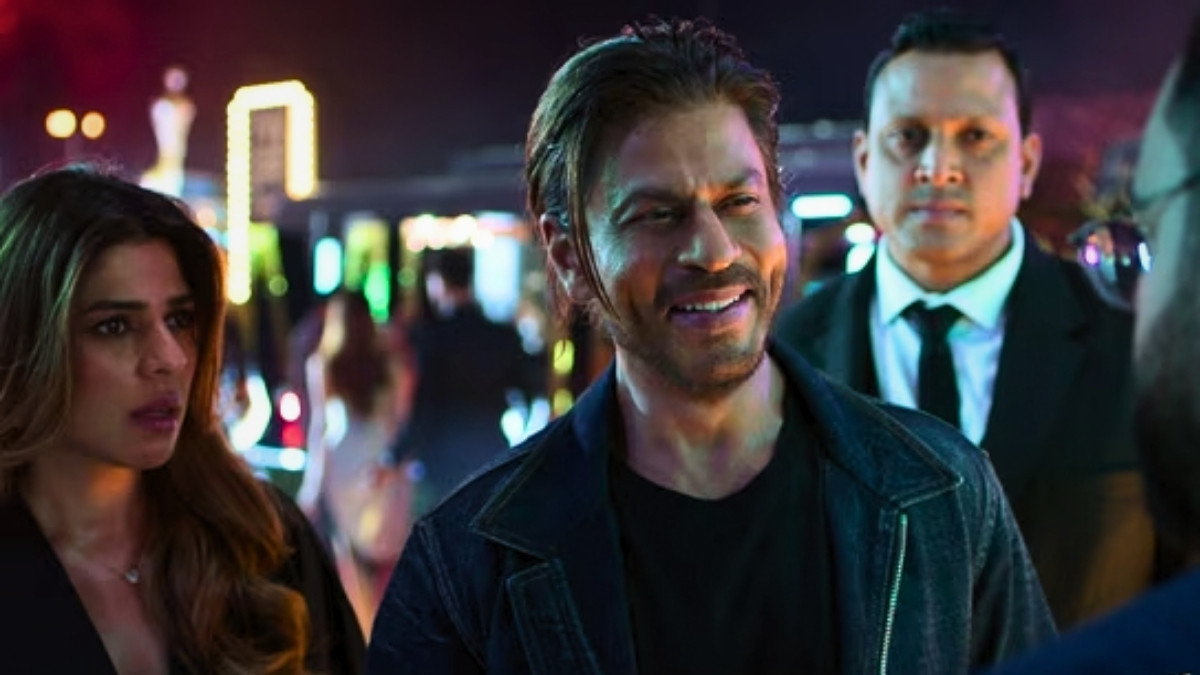
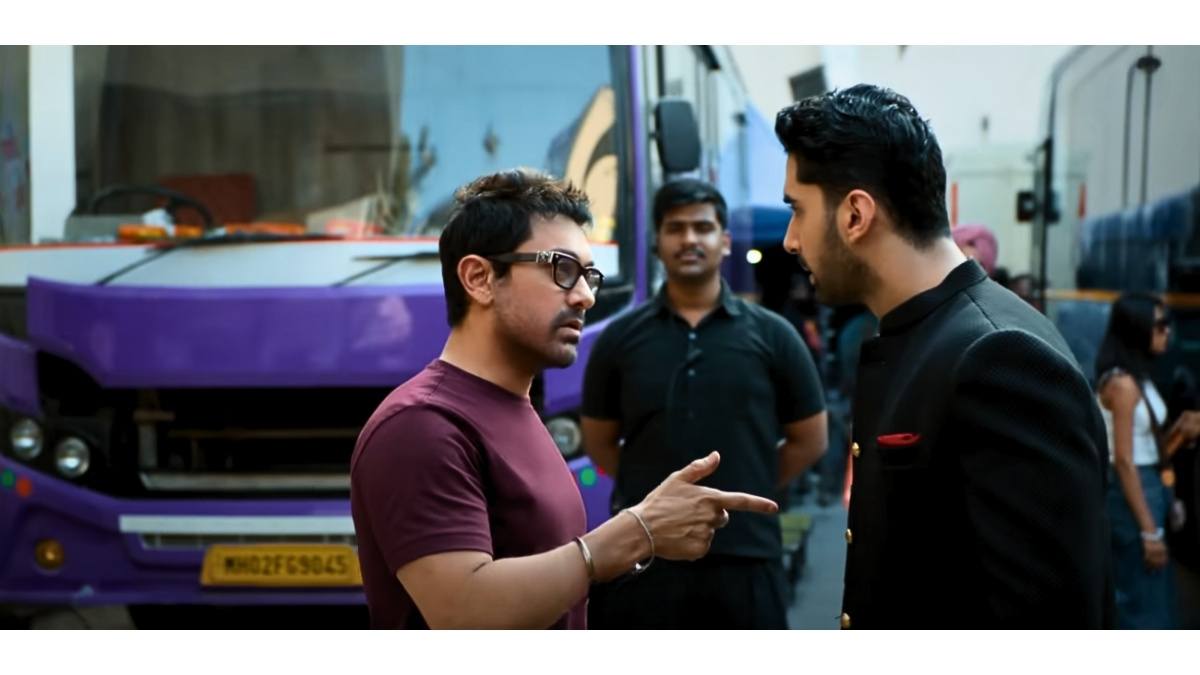
    Mumbai (Maharashtra) [India], September 19: When Aryan Khan — yes, Shah Rukh Khan’s son and Bollywood’s most-scrutinised heir — decided to make his directorial debut with The Ba**ds of Bollywood*, curiosity wasn’t optional. It was only a matter of time. The title itself was sufficient to raise gasps, arguments, and snickered winks. On September 18, 2025, Netflix finally released all seven episodes of the show, asking viewers to experience a heady mix of satire, scandal, ambition, betrayal, and that unmistakable Bollywood glitz.

    The result? A show that’s daring, messy, fun, and not afraid to prod at the very industry that raised Aryan. It’s been cheered on, criticised, and meme-ified in equal proportion. And, yes, the twist at the tail end of it has tongues wagging much more than Aryan’s last name ever did.

    Khan

    The Premise: Bollywood Exposed, with a Wink

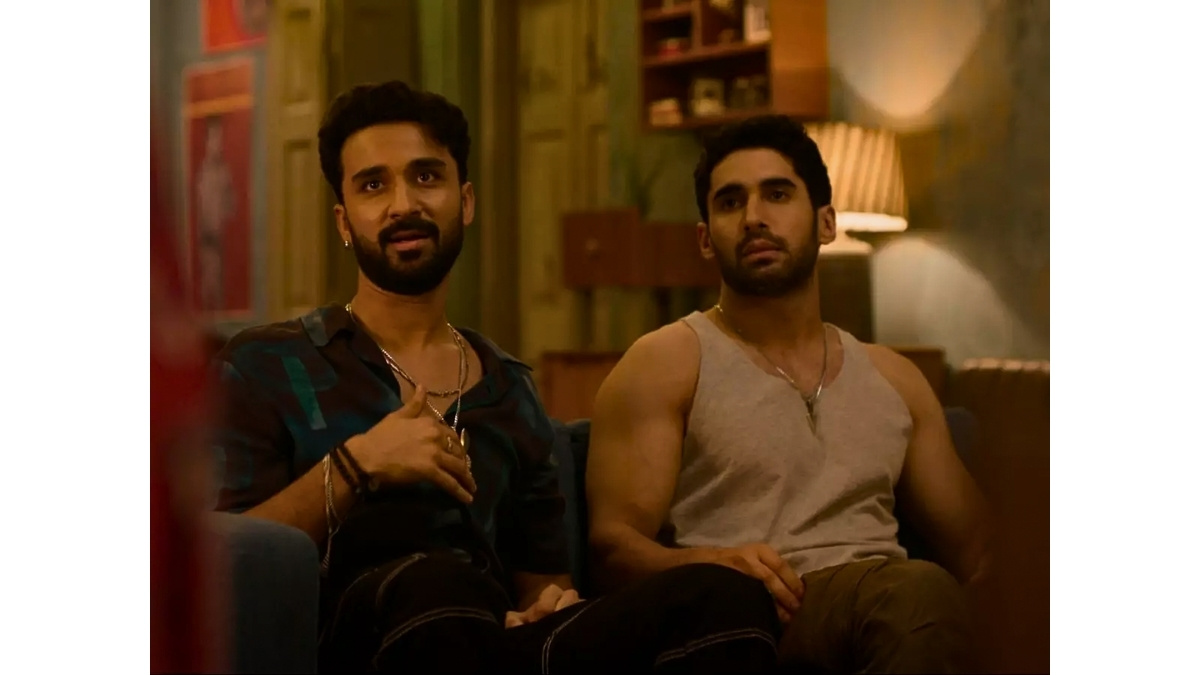
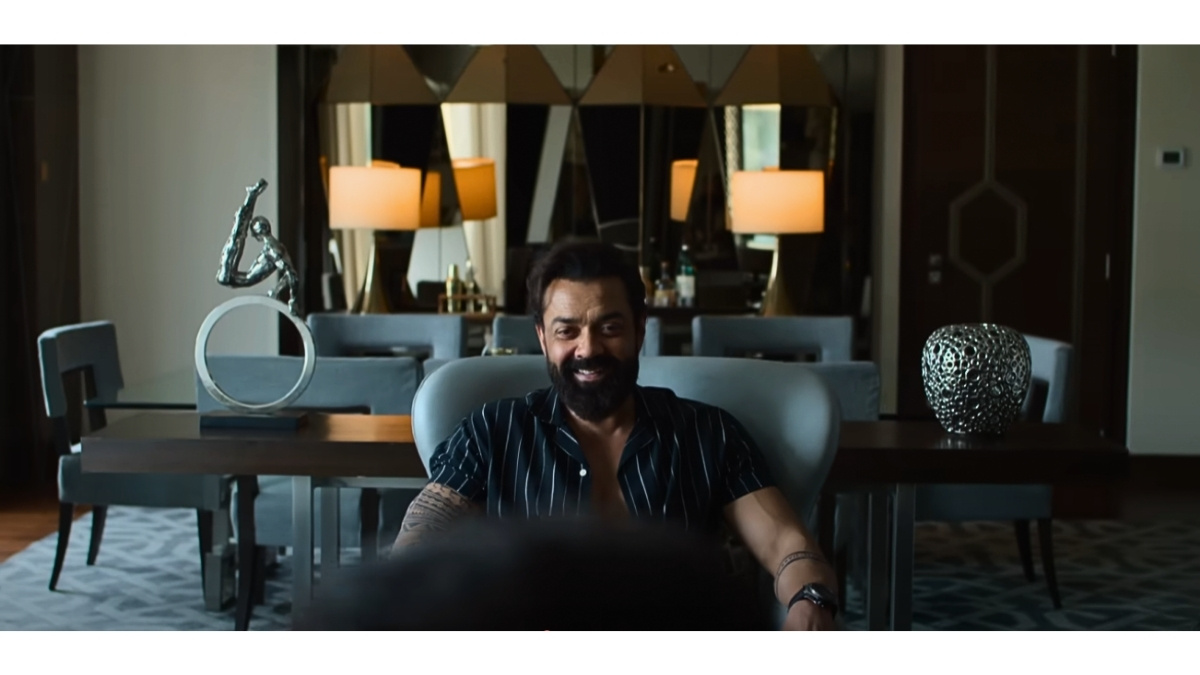
    The story is about Aasmaan Singh (Lakshya Lalwani), a wide-eyed newcomer who desires a spot in the harsh Bollywood sunlight. He signs a contract with smooth producer Freddy Sodawallah (Manish Chaudhari), whose agreements turn aspiring actors into prisoners. Aasmaan also gets involved with Karishma Talwar (Sahher Bambba), the daughter of iconic film legend Ajay Talwar (Bobby Deol). Love, dreams, and fate entwine in a whirl of red carpets, rumormongering, and filmmaking deceptions.

    It’s glamorised at one level and ridiculed with sadistic glee at another. Nepotism, backroom politics, hushed scandals, media gimmicks — all the things that Bollywood aficionados are fond of gossipping about are naked for all to see. Featuring cameos by Karan Johar, Ranbir Kapoor, Salman Khan, Emraan Hashmi, and the like, Aryan doesn’t merely pull the curtain back; he makes the curtain itself a part of the act.

    Khan

    What’s Sparkling Bright

    1. Fearless Satire
      Bollywood makes fun of itself like this only occasionally. Aryan employs acidic wit and self-knowledge to challenge painful truths — nepotism, hypocrisy, PR-generated fantasies. It is a breath of fresh air in an environment where most tales still like to romanticise and not question.

    2. Solid Ensemble Cast
      Lakshya Lalwani is a discovery — and a fragile and compelling one at that. Bobby Deol provides weight in every shot, and Sahher Bambba brings Karishma beyond the reach of shallow nepo-kid syndrome. Even the cameos seem natural; Karan Johar’s tongue-in-cheek cameo is pure self-referential theatre.

    3. The Twist that Rewrites Everything
      The final blow? Ajay Talwar is revealed as Aasmaan’s biological father — making Karishma his half-sister. Suddenly, the star-crossed romance curdles into taboo, and every earlier interaction gains tragic weight. It’s melodrama, sure, but it lands with force.

    4. Lavish Production
      Red Chillies’ stamp is everywhere. The visuals dazzle: industry parties, red carpets, fancy studios. Even as the show critiques gloss, it indulges in it — which, ironically, strengthens the satire.

    Khan

    The Fault Lines Beneath the Shine

    1. Jarring Tonal Shifts
      In the same breath, the show satirises nepotism; the next, it dives into operatic melodrama. Some of the tonal shifts come across as jarring, leaving the plot sometimes slightly off-kilter.

    2. Supporting Characters Underwritten
      While Aasmaan and Karishma have layered arcs, others feel underdeveloped. Shaumik (Karishma’s brother) exists more as a talking point for fan conspiracies than as a fleshed-out character.

    3. Predictable Beats Amid Surprises
      Despite all its brashness, the show still relies on old tropes: mentor betrayal, tragic love affairs, and contracts as prison. The shocker twist saves a lot, but halfway through, some might catch glimpses of the formula revealing itself.

    4. Spectacle Over Substance at Times
      Occasionally, the cameos and extravagant visuals overshadow the critique. The dark realities of Bollywood’s functioning remain hinted at, rather than fully explored.

    Khan

    The Ending That Broke the Internet

    The finale made sure nobody logged out calmly. Apart from the paternity shocker, the mid-credits reveal had Shaumik confessing his love for the family’s house help — a small but deliberate jab at class, privilege, and hypocrisy. It left fans theorising: was this Aryan opening threads for Season 2, or simply adding another scandal for us to chew on?

    Industry insiders suggest the finale’s DNA is meant to fuel longevity. As one critic quipped: “Aryan has written himself out of clichés by dropping the biggest cliché — the forbidden sibling romance.”

    Khan

    The Buzz: What People Are Saying

    • Applause: Many fans hail it as a “refreshing debut” — bold, satirical, self-aware. Cameos, especially Emraan Hashmi’s, have gone viral. Some even call those scenes the best in the series.

    • Criticism: Skeptics argue that while Aryan exposed Bollywood’s flaws, he didn’t go far enough. Some believe the show sanitises the uglier sides with glamour.

    • Meme Factories: Shaumik has become the internet’s favourite target. A Reddit thread speculated he mirrors real star-kids like Ahaan Panday — though most agree he’s a composite character, not a parody of one individual.

    Khan

    Viewership & Cultural Impact

    Here’s where things get tricky. Netflix hasn’t released official numbers yet for The Ba**ds of Bollywood*. But what we do know:

    • The trailer crossed 50 million views within days on YouTube — a staggering number for an OTT show.

    • Reviews are mixed-to-positive, but social buzz is undeniably high. From X (Twitter) threads to Instagram reels, the show has seeped into popular conversation.

    • In India, Netflix reported over 1 billion views for Indian content in 2023, and while Aryan’s show isn’t yet on official “top watched” lists, analysts expect it to enter Netflix’s global weekly chart soon.

    • Fan engagement is off the charts. Cameo clips, the finale twist, and even Aryan’s indirect jabs (like a parody of former NCB chief Sameer Wankhede) are trending topics online.

    In short: even without hard data, The Ba**ds* is undeniably a cultural event.

    Khan

    Season 2? Theories, Hopes, Whispers

    Even though nothing official has been green-lit yet, chatter around Season 2 is already heating up. Here’s what fans and insiders are speculating:

    • Darker Crime/Underworld Angle: Some believe Aryan hinted at Bollywood’s shadow ties to the underworld through characters like Ghafoor Bhai. Expect this thread to expand.

    • Cyrus Sodawallah Mystery: References to a vanished film producer from decades ago may be fleshed out in Season 2, offering a historical spine to the narrative.

    • Global Expansion: With Aasmaan’s career trajectory teased, viewers expect overseas shoots, foreign studios, and cross-cultural satire.

    • Sharper Satire of Nepotism: Fans want Aryan to go harder at the industry’s power games, after only scratching the surface in Season 1.

    • Resolution of Shaumik & Class Divide Arc: His mid-credits confession was no throwaway gag. Many predict Aryan will weave it into a broader critique of privilege and hypocrisy.

    • More Meta References: If Aryan dared to parody his own infamous 2021 case, why stop? Expect Season 2 to double down on self-referential storytelling.

    Final Take

    The Ba**ds of Bollywood* is not flawless. It is uneven, sometimes predictable, sometimes excessive. But it is also bold, funny, self-aware, and impactful. Aryan Khan could easily have chosen a safer debut — a glossy love story, a sanitised drama. Instead, he made something that prods, provokes, and entertains.

    The ending makes sure the story doesn’t feel complete — because it isn’t. If Netflix signs off on Season 2 (and given the buzz, it’s a safe bet), Aryan now has a playground ripe for sharper satire, deeper character arcs, and even braver storytelling.

    To date, the show is both a commentary on Bollywood and a child of it — decadent but knowing, tawdry but glamorous. In short: The Ba**ds of Bollywood* is the gossip you didn’t know you needed, tarted up as a Netflix binge.

    PNN News

  • Jolly LLB 3 Review 2025: Courtroom Chaos, Electrifying Performances, and a Few Overruled Objections

    Jolly LLB 3 Review 2025: Courtroom Chaos, Electrifying Performances, and a Few Overruled Objections

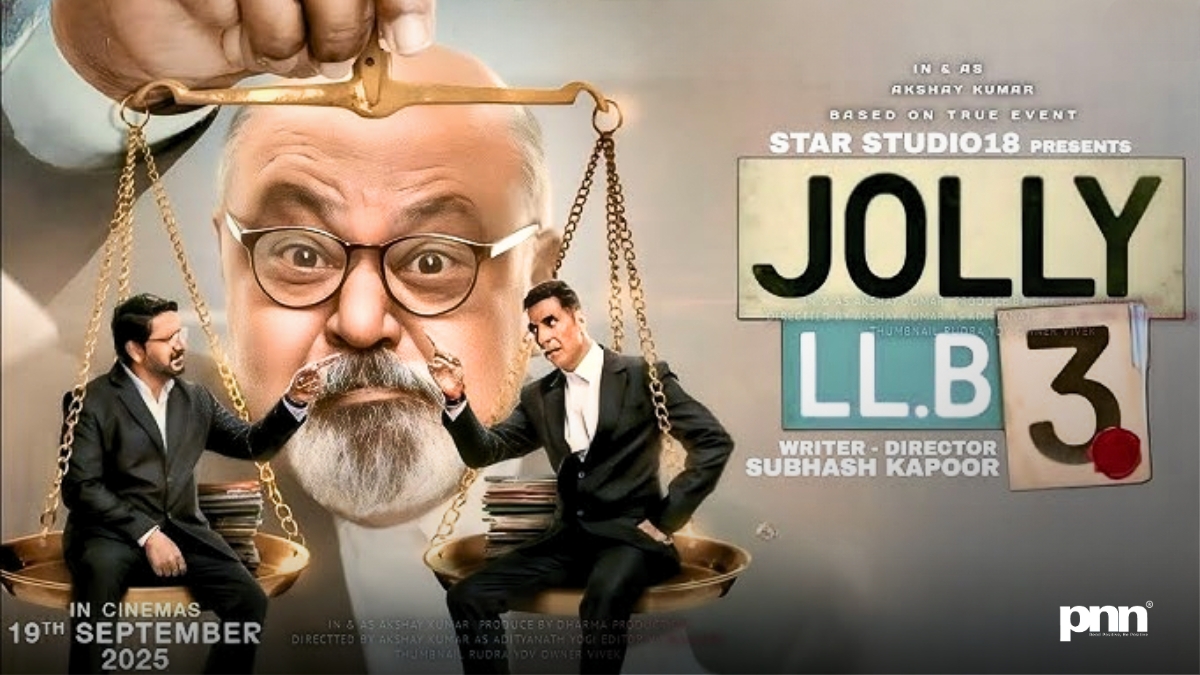
    Mumbai (Maharashtra) [India], September 19: There are very few franchises in Bollywood that manage to blend satire, wit, and sheer courtroom theatrics with as much persistence as the Jolly LLB series. And now, in 2025, Jolly LLB 3 has landed in theatres—dragging its loyal audience straight into a legal circus where justice is serious business, but the entertainment value is priceless.

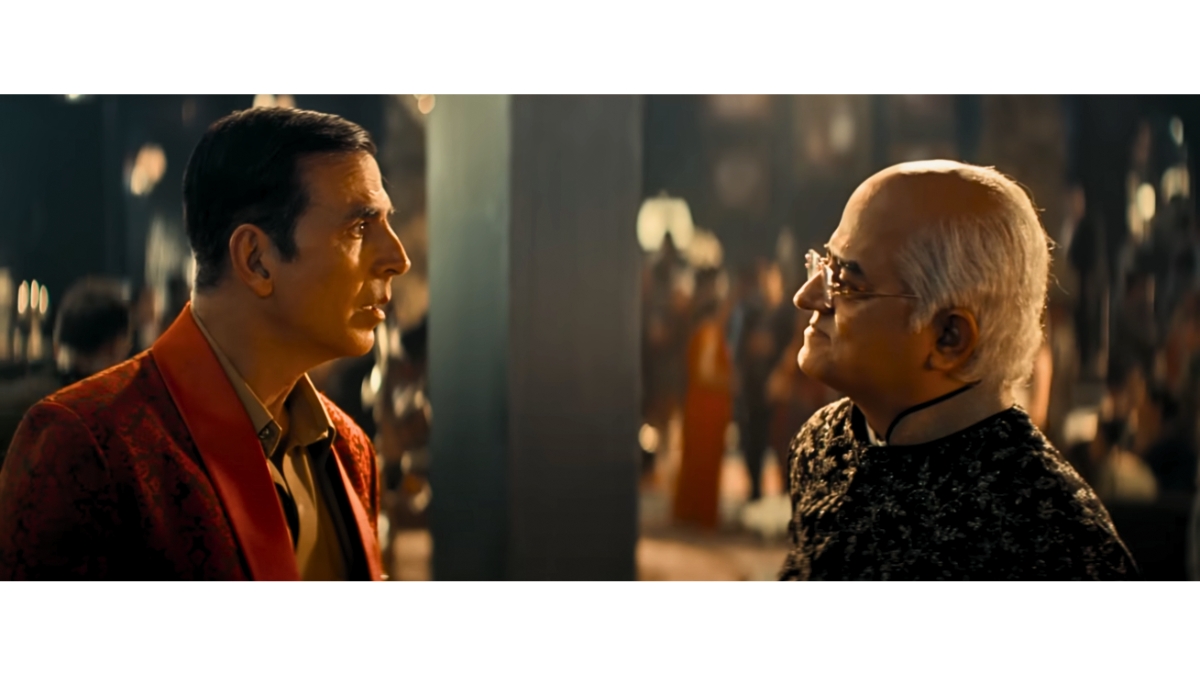
    Directed by Subhash Kapoor, the film has been making waves since day one of its trailer release, courtesy the chemistry between Akshay Kumar and Arshad Warsi, with Saurabh Shukla taking on the judge’s role as if he never left, again. The result? A high-octane court drama infused with social commentary, wit, and yes, a dash of melodrama which at times forgets that it is supposed to be a satire.

    Jolly

    The Plot: Where Two Jollys Collide

    The story wastes no time in setting up a duel of ideologies. Arshad Warsi’s street-smart, underdog lawyer squares off against Akshay Kumar’s polished, high-profile legal eagle. The courtroom becomes a battlefield of words, egos, and ethics. And sitting in between them—quite literally—is Judge Tripathi (Saurabh Shukla), who once again delivers sarcasm with the accuracy of a scalpel.

    What sets Jolly LLB 3 apart is that it doesn’t mind incorporating a socially conscious case into its very fabric. In this one, the case on trial includes notions of corruption, accountability, and system failure. Yes, the kind of problems that leave one going “Bollywood logic,” but at least the intention is in the right direction.

    Jolly

    Performances That Carry the Verdict

    • Arshad Warsi: Still the franchise’s pulse. He gets you laughing at his shortcomings, cheering for his integrity, and rolling your eyes for his antics.
    • Akshay Kumar: Charismatic, authoritative, and sometimes guilty of over-glossing his act. But his courtroom presence brings the glamour factor the franchise didn’t necessarily require but embraces with open arms.
    • Saurabh Shukla: The inevitable scene-stealer. Each time he slams the gavel down or spits a barb, you are reminded why this man is the heart and soul of the franchise. He doesn’t merely rule over the case—he rules over the film.
    • Huma Qureshi & Amrita Rao: Both deliver goods, albeit their screen space is overshadowed by the legal swordsmen. Nonetheless, they provide balance to the testosterone-fueled story.

    Jolly

    What Works Like a Dream

    • Courtroom Fireworks – The exchange of dialogues is crisp, the cross-examinations engrossing, and tension hangs in the air. The repartee between Warsi and Kumar is the bread and butter of meme-makers.
    • Humour That Lands – Cheesy jabs at the justice system to snarky one-liners, the film never forgets it is meant to be fun.
    • Saurabh Shukla’s Masterclass – No one is surprised. He makes even the most mundane legal nicety a clap-worthy moment.
    • Social Commentary – The movie manages to insert sharp criticisms of current problems without coming across as a sanctimonious sermon.

    Jolly

    Where It Trips Over Its Own Gown

    • Pacing Problems: At 2 hours 40 minutes, the film sometimes plods like a lawyer reading from a 200-page affidavit.
    • Bollywood Masala Moments: There are emotional flashbacks and songs that look shoehorned in, reminding you that subtlety is still not Bollywood’s strong suit.
    • The Clash of Stars: Although both Akshay and Arshad sparkle individually, there are times when their chemistry looks staged—like two counsels rehearsing instead of really sparring.

    Jolly

    Audience and Critics Speak

    On social media, early reactions have been a mixed bag. Many fans are calling it a “return to form”, celebrating how the film reignites the quirky energy of the original Jolly LLB. Memes of Saurabh Shukla’s courtroom zingers are already circulating on Twitter and Reddit, with users saying things like “Forget Akshay vs Arshad—Saurabh Shukla is the real Jolly of this franchise.”

    On the flip side, a section of critics points out that the formula is beginning to show cracks. Comparisons with the original 2013 film are unavoidable, and some argue that the sequel leans too heavily on star power rather than freshness of script. One review even quipped, “Justice delayed may not be justice denied, but a dragged script is entertainment denied.”

    Jolly

    Box Office and Buzz

    According to trade trackers, Jolly LLB 3 opened strong, with early estimates pointing towards ₹18–20 crore on Day 1, fuelled by the combined fan bases of Akshay Kumar and Arshad Warsi. Advance bookings were solid, particularly in metropolitan centres. Analysts are optimistic that the film could cross the ₹100-crore mark within the first week if the word of mouth remains strong.

    Internationally too, the film has caught attention, with diaspora audiences praising its mix of humour and drama, though some found the cultural jokes too niche.

    Jolly

    Why Jolly LLB 3 Matters in 2025

    In an industry where remakes and reboots are the flavour of the month, Jolly LLB 3 proves there’s still life left in original Indian franchises. It champions the idea that satire can sell, courtroom dramas can thrill, and yes, audiences are smart enough to laugh at a legal system while simultaneously crying for its reform.

    Is it flawless? Far from it. But is it entertaining? Absolutely. And in today’s Bollywood landscape, that might just be the strongest verdict one could hope for.

    Final Verdict

    Jolly LLB 3 is equally witty, preachy, and filmy. It serves up thunderous courtroom drama with sparkling performances, particularly Saurabh Shukla’s. Sure, it sometimes indulges a bit too much in its own cleverness and drags out its running time like an interminable legal hearing, but once the dust has settled, it has you both entertained and somewhat thought-provoking.

    If the public court is cinema, then half the case has already been won by Jolly LLB 3. The remaining half will be decided by how long the laughter and applause resonate in the multiplex hall.

    PNN News