Tag: entertainment

  • Nishaanchi 2025 Review: Anurag Kashyap’s Twin-Tale Crime Drama Balances Power, Chaos, and Criticism

    Nishaanchi 2025 Review: Anurag Kashyap’s Twin-Tale Crime Drama Balances Power, Chaos, and Criticism

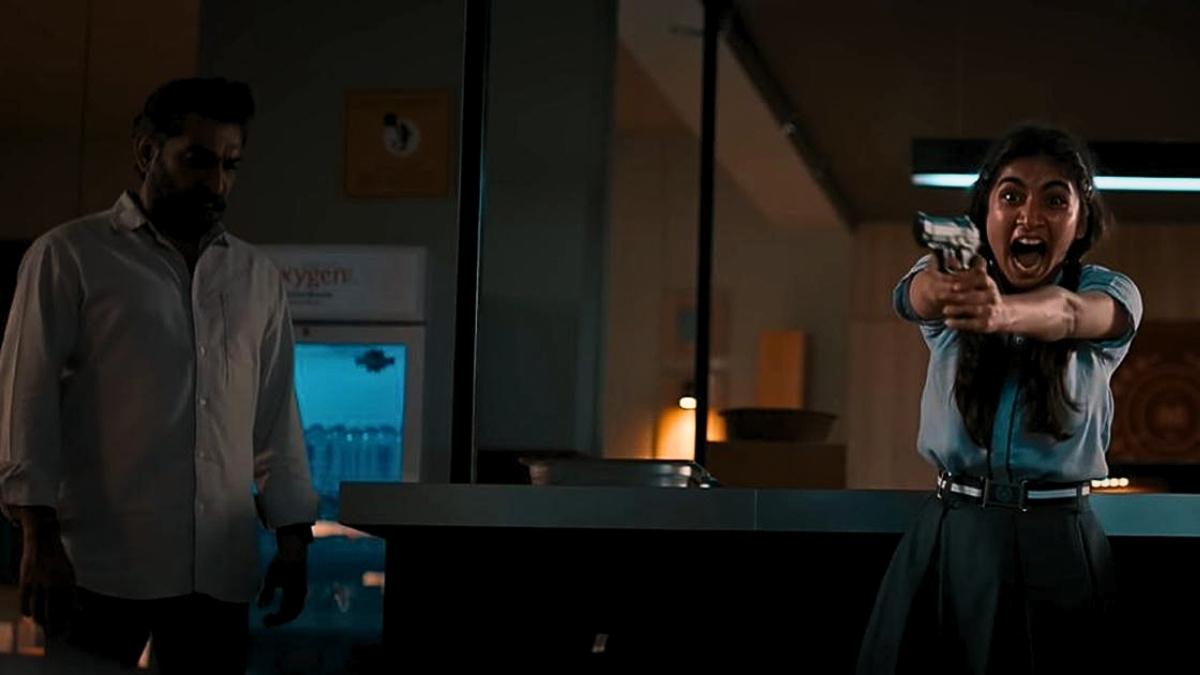
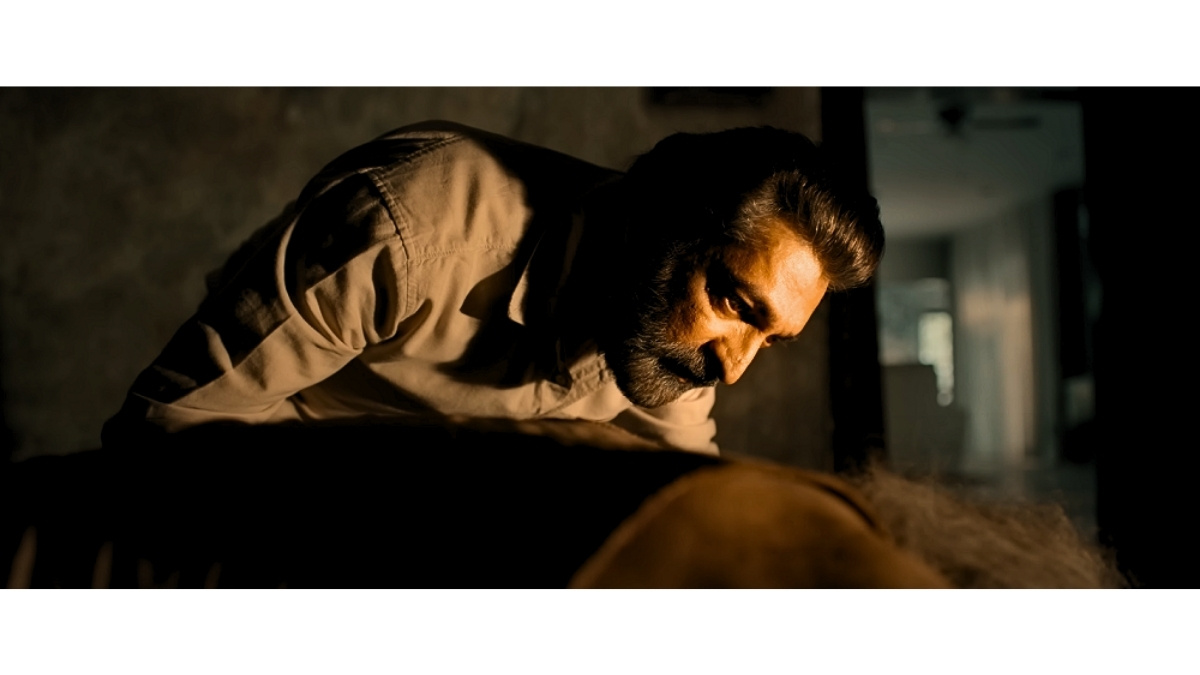
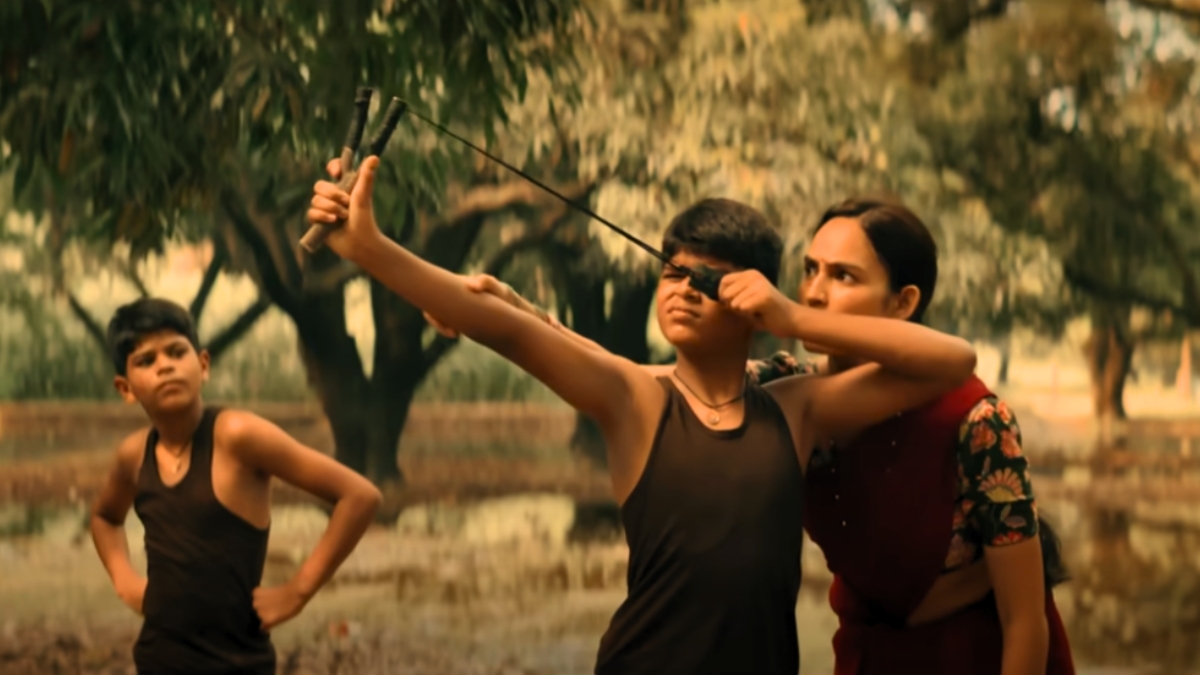
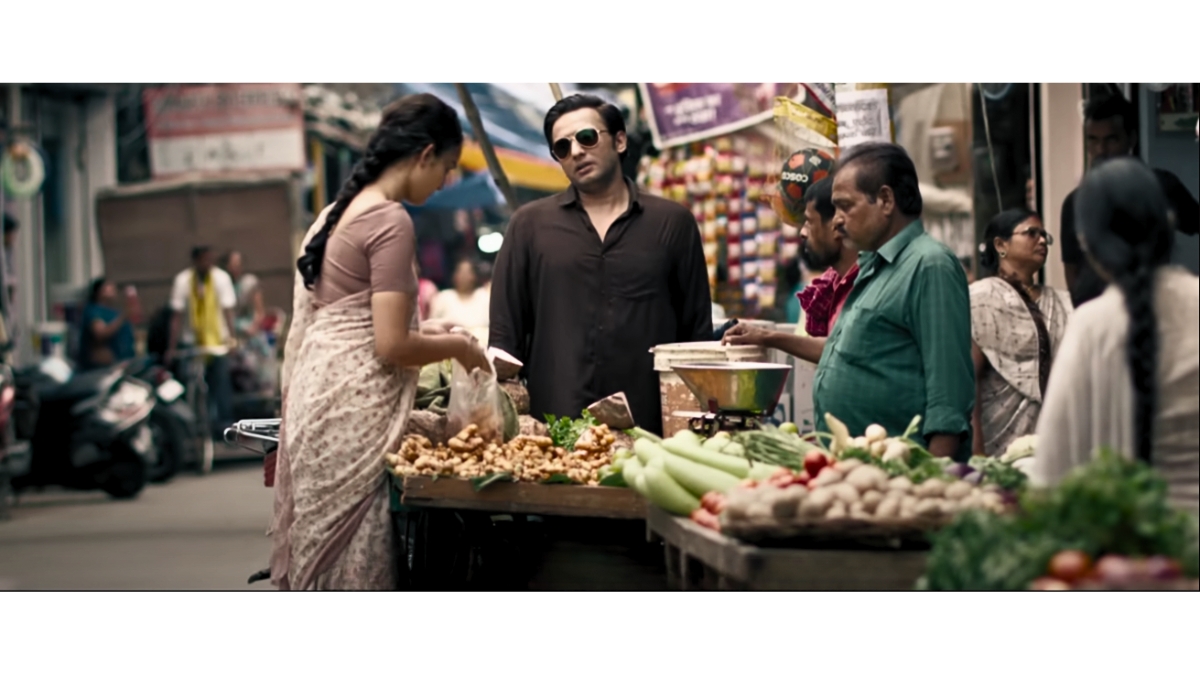
    Mumbai (Maharashtra) [India], September 19: Bollywood does not do subtle often, and Anurag Kashyap does not play it safe either. His new effort, Nishaanchi, is the evidence. It swaggered into cinemas promising grit, guns, and a double whammy of drama in the form of identical twins who are always at each other’s throats. On paper, it screamed edgy genius. On screen? Well, it’s more like an arrow that hits the mark but never quite enters it.

    Nevertheless, Nishaanchi is not forgettable film—it’s boisterous, trendy, and full of Kashyap’s signature pandemonium. The question is only whether viewers are accepting the mayhem or exiting with the suspicion that the director has gone too far in emulating Kashyap.
    Kashyap

    A Tale of Two Brothers (And Too Much Baggage)

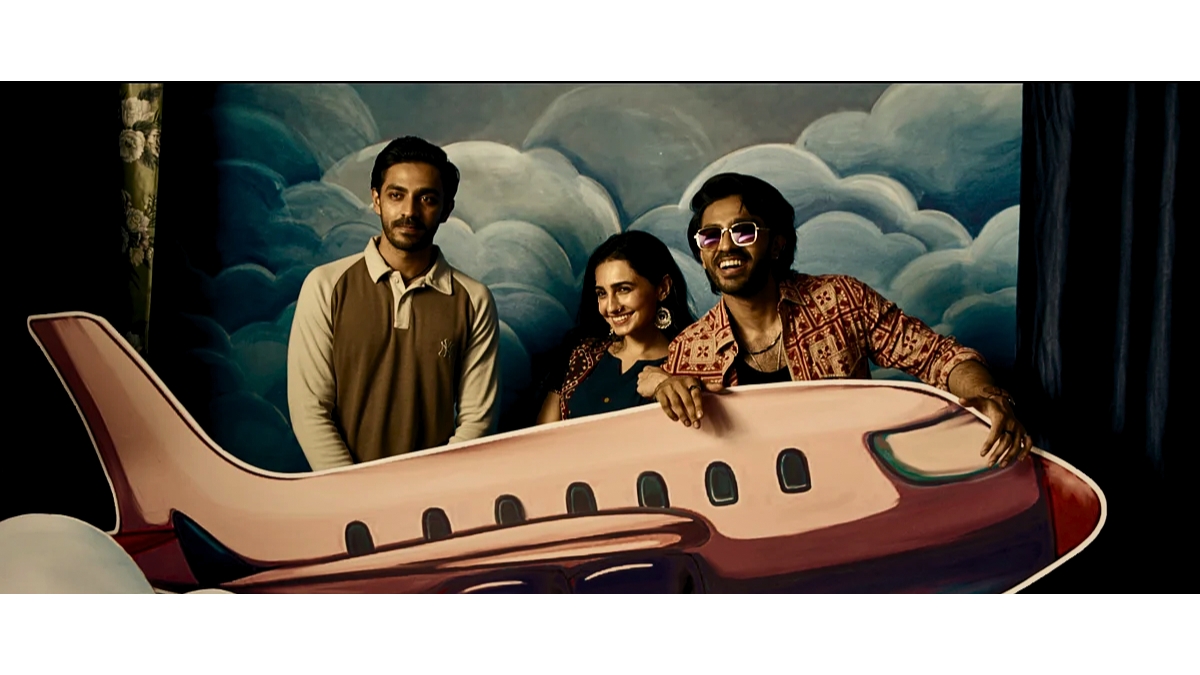
    At its core, Nishaanchi is a story about twin brothers (acted out with angry intensity, if uneven skill, by Siddhant Chaturvedi). Same looks, different personalities, they’re locked in an ongoing standoff that bursts out into violence, betrayal, and power struggles.

    Kashyap, who once redefined gangster cinema with Gangs of Wasseypur, attempts to recapture that lightning in a bottle. The setup is promising—brother versus brother against a backdrop of crime and politics. But as the plot progresses, ambition turns into excess. The screenplay piles on subplots like toppings on an overburdened pizza. By the second half, you’re not savoring the story—you’re trying to keep it from collapsing.
    Kashyap

    Performances That Try to Outgun the Script

    Siddhant Chaturvedi is to be commended for shouldering two characters with different energies. His subtle transitions between fury and restraint make for compelling watching, even when the writing does not entirely help him.

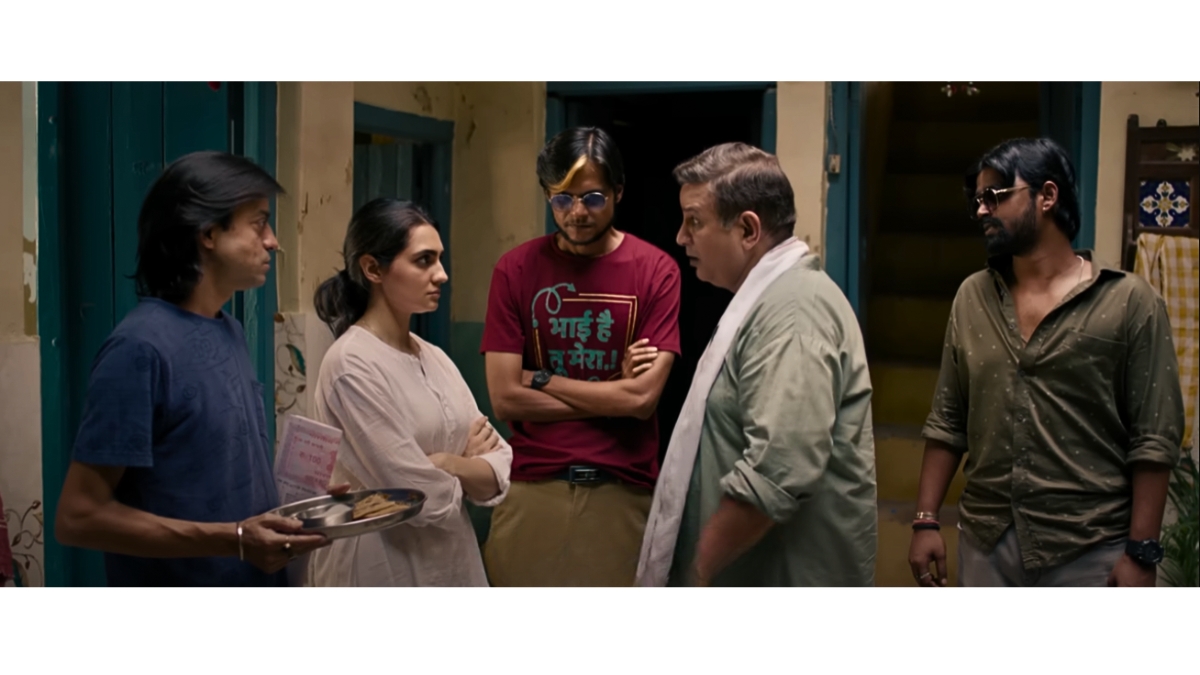
    The supporting cast is electric one moment and exhausted the next. There are flashes of brilliance from hands like those of Pankaj Tripathi, whose very presence lights up scenes. But there are others who are wasted in single-note roles, forced into shouting or smirking but without any kind of depth.

    It sounds like a band where one player is struggling to maintain rhythm while the others are adjusting their instruments during the song.
    Kashyap

    Kashyap’s Style: Still Bold, Sometimes Exhausting

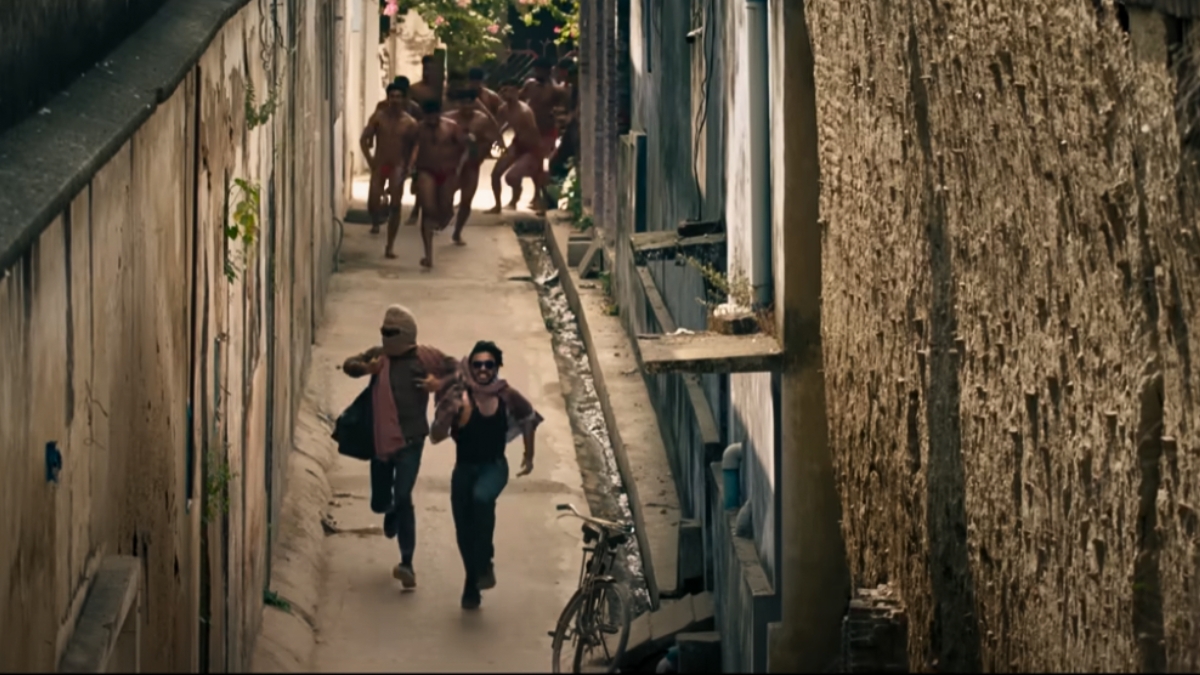
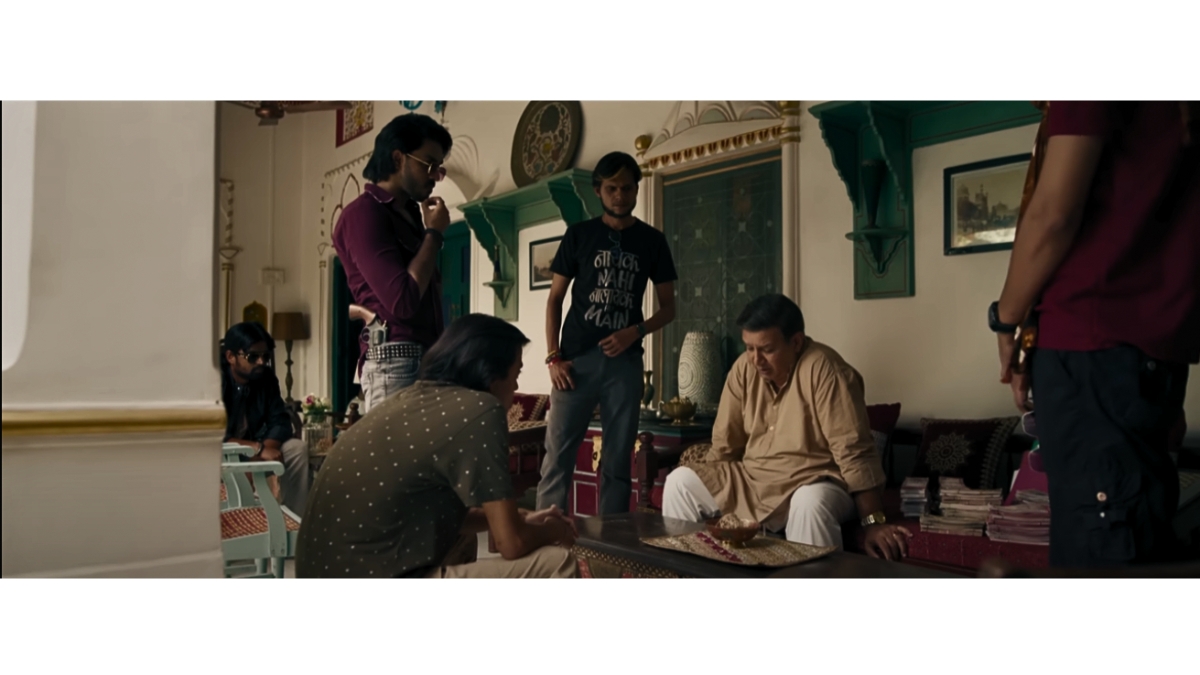
    Kashyap remains a master of atmosphere. The grimy lanes, the sweat-soaked confrontations, the operatic violence—no one does cinematic grime like him. The cinematography oozes texture; every frame feels like a painting in blood and dust.

    But somewhere along the way, the swagger tips into self-indulgence. Critics have already noted that Nishaanchi is Kashyap “undoing Wasseypur only to overdo it.” That’s not unfair. Instead of razor-sharp storytelling, we often get chaos for chaos’s sake. It’s bold, yes—but bold doesn’t always mean brilliant.
    Kashyap

    The Music & Sound Design

    Sneha Khanwalkar’s soundtrack is a saving grace. Her score throbs with menace and irony, layering folk beats with industrial grit. It’s not background—it’s foreground, often saying what the dialogue fails to.

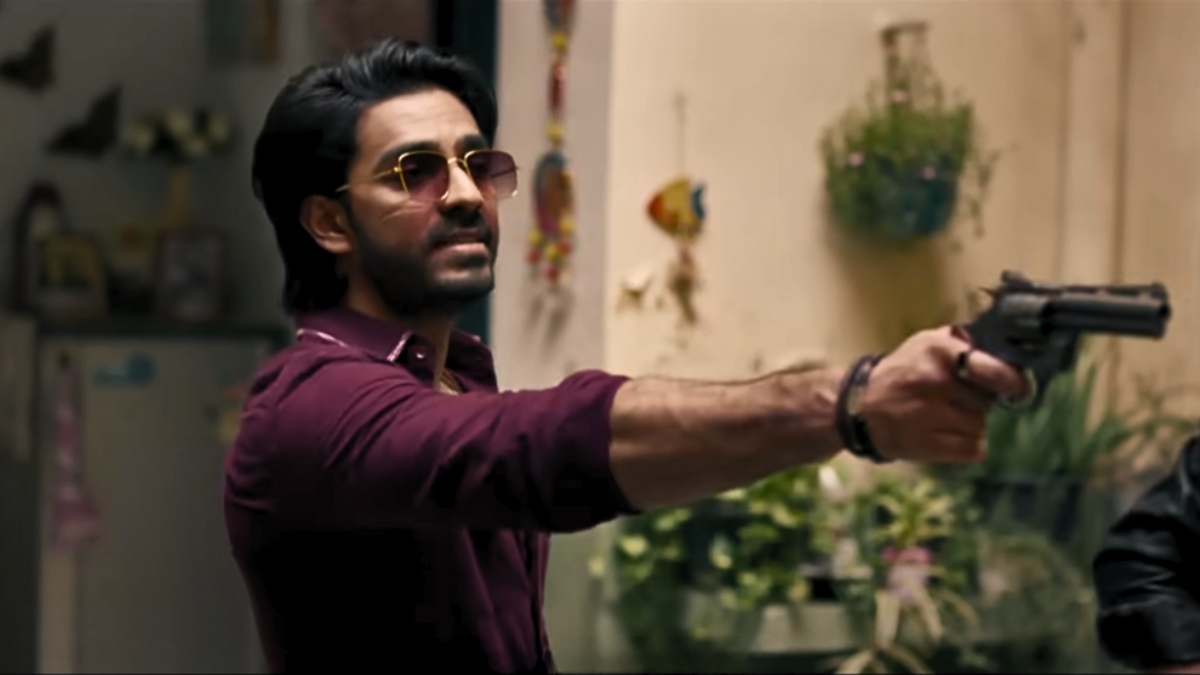
    Sound design is equally immersive. Bullets don’t just fire; they echo, reverberate, almost haunt. Unfortunately, no amount of auditory brilliance can fix narrative clutter.
    Kashyap

    The Box Office Reality

    Despite mixed reviews, Nishaanchi opened strong. Day 1 collections, according to Sacnilk, touched ₹7.85 crore, a respectable figure for a film drenched in darkness rather than candyfloss romance. Multiplex audiences are curious, Kashyap loyalists are turning up, and social media buzz is working overtime.

    But sustainability is the question. Early critics’ verdicts are lukewarm, calling it stylish but uneven. If word-of-mouth doesn’t improve, the film risks a sharp dip after the opening weekend. Still, in an industry starved of edgy content, Nishaanchi is already a conversation starter—and that’s half the battle.
    Kashyap

    Audience Reactions: Divided Camp

    Scroll called it a saga that “misses its mark.” India Today lamented that Kashyap “overdoes what once worked.” Times of India pointed out the film’s inability to balance style with substance.

    And yet, online chatter is split:

    • “Siddhant Chaturvedi is phenomenal. Twin roles are no joke, and he nailed it.” – Instagram user

    • “Anurag Kashyap is parodying himself at this point. Loud for no reason.”Reddit comment

    • “Box office looks good, but will it survive? Unlikely. This is niche cinema trying to wear massy clothes.” – Trade analyst tweet

    The consensus? Admiration for the craft, skepticism about the storytelling.
    Kashyap

    The Sarcastic Bit We Can’t Resist

    Kashyap seems determined to remind us he’s still the enfant terrible of Bollywood. But here’s the irony: rebellion works best when it feels fresh. In Nishaanchi, the rebellion feels recycled. Watching identical twins endlessly squabble, one can’t help but wonder if the real battle was between Kashyap’s artistic instincts and his urge to outdo his own legend. Spoiler: neither side wins convincingly.

    Final Verdict

    Nishaanchi is a rumbustious, fashion-forward, ambitious, and occasionally sheer-genius flick—but very far from perfect. It’s the kind of film that will polarize people: cinephiles may dissect its layers with abandon, while others may simply call it trash.

    Siddhant Chaturvedi is on point, the music is heavenly, and Kashyap’s visual bravado still cuts it. But the script, weighed down and uneven, keeps the film from achieving greatness as ardently as it tries.

    Rating: 3/5
    Watch it if you like Kashyap’s grittiness, Chaturvedi’s energy, and movies that proudly wear their blemishes openly on their sleeve. Just don’t expect Wasseypur 2.0. This arrow strikes—but half its way through the target only.

    PNN News

  • Delhipedia is Rewriting How Delhi Discovers Culture

    Delhipedia is Rewriting How Delhi Discovers Culture

    New Delhi [India], September 18:  Delhipedia has grown from a city guide into a digital engine powering how the capital experiences culture, events, and entertainment. Founded by entrepreneur and media veteran Ambica Kapoor, the brand blends on-ground curation with social-first storytelling across Instagram, YouTube and partner networks. With an organic monthly reach of 3–4 million across Instagram, YouTube, Facebook, and its website, the platform blends expert event curation with original content IPs designed for social speed and staying power. The playbook is simple and effective: identify what’s distinctive, package it with pace and polish, and ship it across formats that audiences actually consume.

    On the events front, Delhipedia has become a reliable accelerant for marquee experiences, amplifying awareness before the gates open and sustaining momentum long after the lights go down. Partnerships span the GIFLIF Indiestaan Music Festival, the World Sufi Music Festival – Jahan-e-Khusrau, and Royal Fables, among others. Teasers, live coverage, and quick-turn reels are backed by narrative scripting and rapid post-production, a combination that has helped organizers lift ticket sales, merchandise, and online chatter. The goal isn’t just to sell out a weekend; it’s to convert one-off outings into cultural movements.

    Recent case studies show the model at work. Indiestaan (Gurugram, Nov 30–Dec 1, 2024) drew 4,000-plus attendees with acts such as Kabir Café, Anand Bhaskar Collective, and Trippy Sama. Delhipedia’s pre-event hype videos, on-ground coverage, and post-event edits carried the indie energy into social feeds, driving discovery and ticketing. The 25th Jahan-e-Khusrau  inaugurated by the Prime Minister and featuring a curated TEH Bazaar, saw a similar lift as Delhipedia stitched together teaser trailers, artist interviews, and behind-the-scenes glimpses to expand reach and merchandise uptake. In August 2025, Royal Fables transformed its celebration of palace ateliers into a high-engagement showcase, leveraging Delhipedia’s elegant promos and live streams to unlock fresh audiences and drive measurable sales through creator collaborations and viral shares.

    Delhipedia

    In parallel, Delhipedia is building sticky original franchises that keep audiences returning between big-ticket weekends. “Jasmine,” a short-form mystery series on YouTube, teases viewers with the question: Who is Jasmine—dead or alive? Set against Delhi’s landmarks and cut with cliffhangers, the series brings scripted drama to a discovery brand and has sparked fan theories across platforms. “Metro Escape” reframes routine commutes as micro-adventures, mapping the food, shopping, and culture around key stations—from Rajiv Chowk and Saket to Vishwavidyalaya and Sikanderpur. With practical tips and maps, episodes have inspired real-world outings and boosted footfall for local businesses. The “Delhipedia Shopping Challenge” (part of Delhipedia Dares) adds competitive fun: creators and followers race budget goals—₹1,000 to ₹2,500—across Sarojini Nagar, Janpath, Khan Market, Lajpat Nagar, and festive pop-ups like the Blind School Diwali Bazaar, with giveaways sweetening the chase. The result: high completion rates, shareable wins, and content that entertains while teaching smart shopping.

    What ties these pieces together is a newsroom-meets-studio discipline—fast ideation, tight scripts, on-ground agility, and edit bays that can turn stories around in hours, not weeks. For partners, Delhipedia offers an end-to-end lane: concepting, production, distribution, and post-event analytics in one workflow, ensuring campaigns feel editorial rather than advertorial. For audiences, the payoff is constant: a city they thought they knew, resurfaced in formats that make it fresh again.

    As Delhi’s cultural calendar gets denser and attention spans get shorter, Delhipedia’s edge is execution—studio-grade storytelling at social speed. By fusing event curation with original IPs and a multi-million organic reach, the platform isn’t merely documenting the city; it’s shaping how the capital shows up online and off. In a landscape crowded with noise, Delhipedia’s signal is clear: turn the everyday into extraordinary—and make it travel.

  • Param Sundari 2025: Janhvi Kapoor’s Coconut Tree Climb Stirs Buzz, Backlash, and Bollywood’s Old Habits

    Param Sundari 2025: Janhvi Kapoor’s Coconut Tree Climb Stirs Buzz, Backlash, and Bollywood’s Old Habits

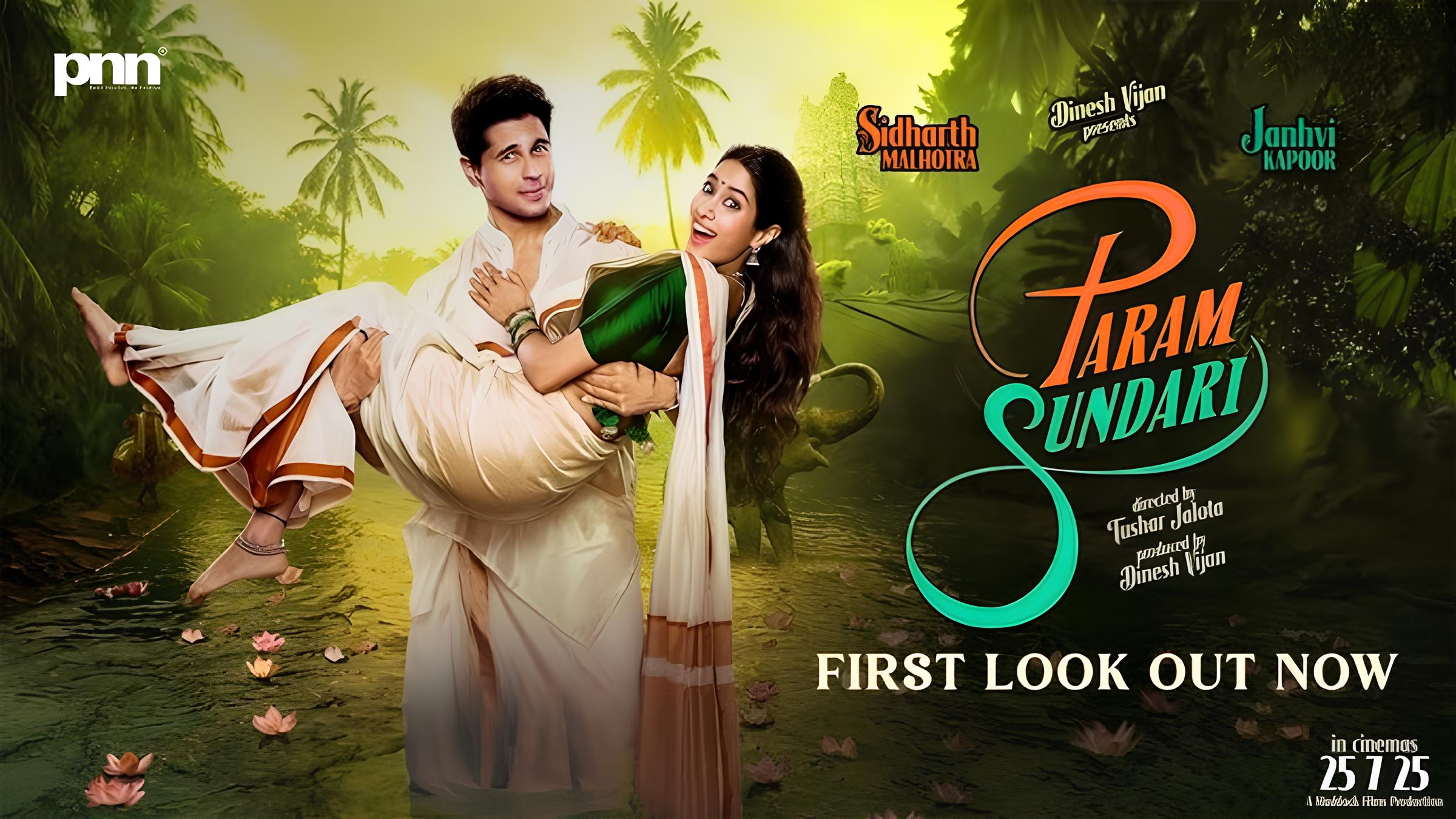
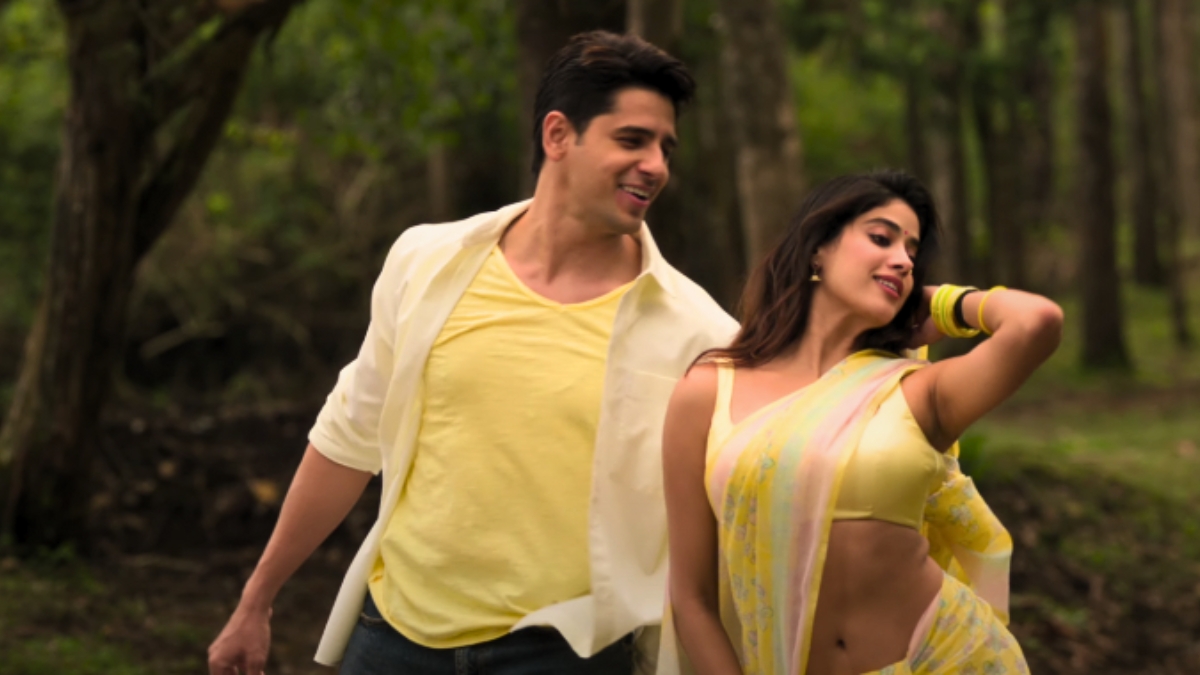
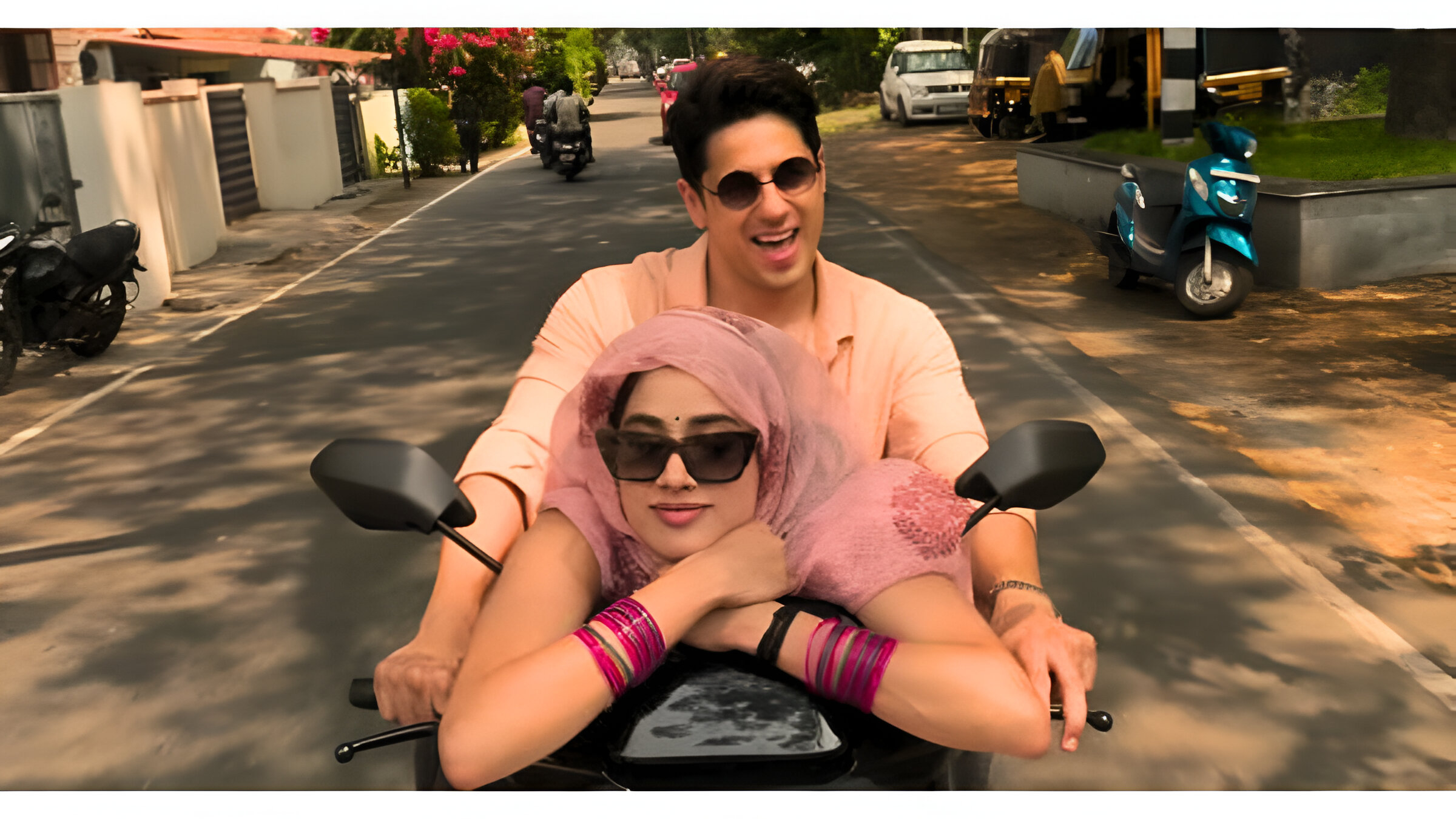
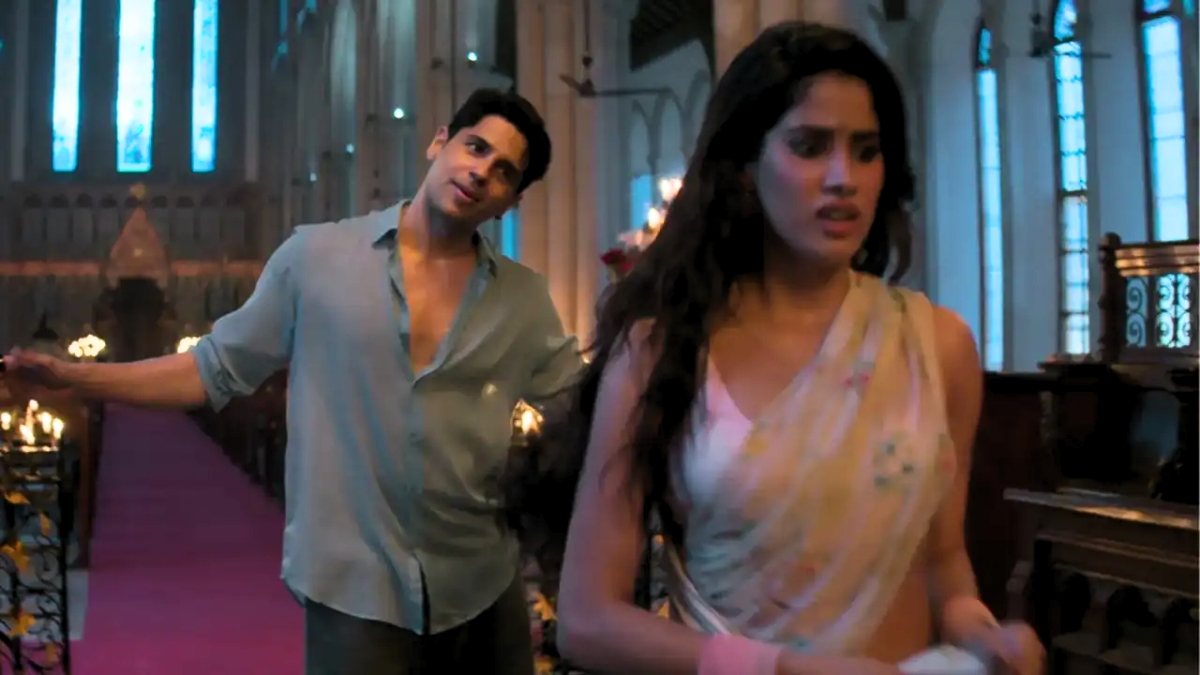
    Mumbai (Maharashtra) [India], September 18: Bollywood does not often demure from presenting viewers a combination of drama, glamour, and a dash of improbability. Param Sundari, Janhvi Kapoor’s new romantic-drama, is no exception. While the movie tries to relate a love affair tracing from the Delhi streets to Kerala’s landscapes, it’s not the romance, nor even the music, that’s leaving viewers arguing. Rather, it’s one scene—one coconut tree climb—took over unexpectedly, commandeering headlines, memes, and Twitter discussions.

    The debate? Whether Janhvi Kapoor’s daredevil ascent is “bold cinematic liberty” or “Bollywood’s favorite brand of unrealistic logic.” Netizens, as usual, wasted no time in delivering their verdict—half amusement, half outrage, and full entertainment.

    Sundari

    A Film with Lofty Ambitions

    Param Sundari is marketed as a cross-cultural love saga. Kapoor acts as a feisty young woman traversing the conflict of North and South Indian ways with her own identity. The story takes her from the rush of Delhi to the coconut-lined Kerala, where, in a scene designed to illustrate her pluck, she scales a coconut tree with admirable ease.

    Director Raghav Varma obviously hoped this would be an allegorical moment: a young woman grasping for independence and roots simultaneously. But symbolism in Bollywood frequently conflicts with reality—and viewers seldom forgive such cinematic hubris without a meme storm.

    The Scene That Became a Meme

    What was supposed to be an empowering visual quickly morphed into a social media circus. Twitter (or X, for those insisting on new branding) was flooded with comments:

    • “Bollywood logic: you can’t cook rice without dramatic background music, but you can climb coconut trees in lehengas.”

    • “We Keralites train for years. Janhvi Kapoor does it between two songs. Respect.”

    • “Coconut water sales are about to skyrocket thanks to Param Sundari.”

    Some users praised Kapoor’s dedication—rumours even claim she trained briefly with local stunt experts. Others dismissed it as tone-deaf cultural appropriation, asking why the industry insists on reducing regional practices into glossy props.

    Sundari

    The Positives: Where the Film Shines

    To give credit where due, Param Sundari isn’t entirely lost in the controversy.

    • Visual Splendor: The cinematography captures Kerala’s backwaters and Delhi’s bustling contrast with an eye for detail. The film looks stunning even when the script occasionally wobbles.

    • Music & Choreography: The soundtrack, composed by Amaal Mallik, has already climbed Spotify charts. Dance numbers, especially the titular “Param Sundari” track, are social-media-ready and TikTok-friendly.

    • Janhvi’s Commitment: Love her or lampoon her, Kapoor puts in visible effort. Her screen presence oscillates between vulnerable and fiery, making her the heartbeat of the project.

    • Cross-Cultural Message: Despite execution flaws, the intention of bridging North–South traditions deserves recognition.

    Sundari

    The Negatives: Where It Trips

    Still, the coconut tree debacle isn’t the film’s only stumbling block.

    • Script Predictability: Apart from its cultural mix-up, the story adheres to tested Bollywood formulas: love collides with parental opposition, tradition confronts tradition, and reconciliation ensues. Audiences were quick to spot déjà vu.
    • Unintended Comedy: A number of “serious” moments made audiences laugh in cinemas, not because of clever scripting but because of melodrama. The coconut tree incident was not intended as a comedy, but played like it.
    • Shallow Representation: Kerala’s rich heritage is reduced to trite tropes—coconuts, boat races, Kathakali walk-ons—instead of thoughtful narrative.
    • Uneven Pacing: At 2 hours 38 minutes, the film bumbles along. The first half delights, the second half overstays its welcome.

    Box Office Pulse

    Despite the controversy—or perhaps because of it—Param Sundari opened to strong weekend numbers. Multiplex audiences in metros reported houseful shows, though single screens in smaller towns saw middling turnout. By mid-week, collections dipped slightly, indicating that while curiosity was high, repeat value may be limited.

    Trade analysts suggest the film could cross ₹100 crore if international markets hold steady. In the Gulf and US, Janhvi Kapoor’s star power among diaspora audiences seems to be giving the film an extra push.

    Sundari

    Social Media Buzz Keeps It Alive

    Interestingly, the coconut tree moment may have given Param Sundari more free publicity than its official campaigns. Memes, reels, and parody videos are ensuring the film remains trending. Marketing strategists will tell you: outrage today is often ticket sales tomorrow.

    Kapoor’s fans passionately defend her, contending that she infuses Bollywood’s all-too-familiar formula with freshness. Critics say that she is, once again, protected by nepotism. The reality, as always, finds middle ground between admiration and skepticism.

    The Larger Conversation

    Underneath the coconut scandal lies a greater problem: Why is Bollywood still making authenticity optional? Cultural practices like tree-climbing are not only visual backdrops; they are real acts endowed with meaning. By skating over their realities, directors run the risk of alienating audience members who expect authenticity with the pan-Indianization of film.

    And yet, it’s also to be kept in mind that film depends on hyperbole. The same people who mock a coconut tree scene readily accept weightless action stunts in masala cinema. Selective outrage? Maybe. Selective tolerance? Guaranteed.

    Verdict

    Param Sundari is not the film revolution it may have dreamed of being, but it is certainly fun. Janhvi Kapoor bears most of the weight with good faith, even if the script doesn’t always pay her back. The coconut tree might still be a sticking point for purists, but it has clearly guaranteed the film some place in 2025’s cultural discourse.

    If you want rich imagery, good tunes, and a movie that makes you laugh and argue, shell out the cash for the popcorn. If you desire realism, perhaps forego the coconut palm—or better yet, find a tree of your own and judge just how realistic it is.

    PNN News

  • Heer Express 2025: A Comforting Journey of Food, Family—and Filmic Familiarity

    Heer Express 2025: A Comforting Journey of Food, Family—and Filmic Familiarity

    Mumbai (Maharashtra) [India], September 17: When Heer Express came steaming into theaters on 12 September 2025, it guaranteed a “clean family drama” in the hands of Umesh Shukla—someone whose own body of work (Oh My God!, 102 Not Out) indicated he might be able to juggle heart, humour, and a dash of moral heat. The movie tries to thread together family heritage, ambition, love, and displacement from culture. The outcome? Agreeable in spots, formulaic at others—like your go-to homely dish with too many spices cranked up.

    What the Story Is, In Brief

    Heer Walia (Divita Juneja, making her film debut) is a young Punjabi woman deeply connected to her late mother’s culinary legacy. Raised by her doting uncles (Gulshan Grover, Sanjay Mishra) after losing her mother as an infant, she gets an opportunity to run an Indian restaurant in London, rechristened in her mother’s name. As she steps into this new world, she encounters obstacles: family conflicts, sabotage, revelations about her lineage (yes, one of those) and a time constraint to prove herself. Add in romance (Prit Kamani plays the admirer), culture shock, and the clash of tradition vs modernity. It’s all fairly familiar territory—but sometimes, familiarity is comforting.

    Heer - PNN

    What Works: The Bright Spots

    1. Strong Debut Performance
      Divita Juneja holds the film together much more than the screenplay might deserve. Her optimism and energy become the emotional engine of Heer Express. She makes Heer likeable, believable, and someone you root for. Critics and audiences both agree that she shows promise.

    2. Veteran Cast Adds Gravitas
      Ashutosh Rana, Sanjay Mishra, Gulshan Grover—names you trust to bring depth. Rana, in particular, is highlighted for doing the heavy emotional lifting where the story demands it. Even if his character enters the narrative with some clichés, Rana manages to add sincerity. Grover turning away from his usual “villainous” identity into a more grounded, emotionally supportive role is refreshing.

    3. Cultural Contrasts & Visuals
      The shift from Punjab to London could have been mechanical; instead, the film does a decent job of showing the contrast—new city, new customs, nostalgia, identity. Cinematography (Sameer Arya) captures London’s ambience well. The setting feels lush when it needs to, intimate when personal stakes demand it.

    4. Clean Family Entertainment in an Overloaded Market
      In an era where many films lean into spectacle, darker themes, or edgy content, Heer Express knowingly positions itself in the “feel-good for all ages” category. There’s no vulgarity, no shocking violence—just a soothing slice-of-life story. For many, that in itself is a relief.

    Heer - PNN

    Where It Falters: The Rough Edges

    1. Predictability & Clichés Overload
      If you’ve seen family dramas that involve a culinary dream, heritage, lost parent revelations, meddling relatives, and a ‘save-the-restaurant’ subplot—you’ve seen parts of Heer Express. It doesn’t reinvent; it leans heavily on tropes. Many critics argue that the screenplay is so obvious in its turns that even the emotional punch is anticipated.

    2. Uneven Pacing
      Some reviews point out that the first half drags, with scenes feeling drawn out in dialogue and emotional setup. Then the second half tries to pick up momentum—especially once the stakes are raised—but doesn’t entirely succeed in delivering tension or real surprise. The climax, in particular, veers into heightened melodrama that strains credulity.

    3. Underutilised Supporting Cast
      With so many familiar faces—Meghna Malik, Gulshan Grover, Sanjay Mishra—you’d expect dynamic interplay. However, some feel more like window dressing than fully formed characters. Their potential is visible, but in many instances, they’re confined by the constraints of the screenplay—a series of plot devices rather than arcs.

    4. Emotional Moments That Don’t Always Land
      Moments meant to tug at heartstrings sometimes feel formulaic. A key revelation about Heer’s parentage, a family rift, these are meant to stir deep reactions—but because their buildup is predictable and sometimes underwritten, the impact is blunted. Divita Juneja does try, but there are limits to what acting alone can salvage.

    Heer - PNN

    Trending Responses & Latest Comments

    • Audiences seem split: many BookMyShow reviews praise the film as a “feel-good ride,” especially for families, elders, and those who prefer lighter entertainment.

    • On social media, some users say Heer Express is “safe” and “predictable,” while others say “just what I needed”—something sweet, uncomplicated, and uplifting amid heavier fare.

    • Critics, however, are more demanding. Some note that in a market saturated with stronger scripts and more daring stories, Heer Express may not stay in memory for long. But there’s consensus that Divita Juneja’s debut is a highlight.

    • Also noteworthy: the casting shift for Gulshan Grover—his role here is being championed in the press as a significant departure from his usual ‘Bad Man’ image. That’s getting attention.

    Heer - PNN

    Overall Take: Is Heer Express Worth Your Time?

    If you approach with a mind for a foodie-drama with romance, family conflicts, and emotional returns, Heer Express delivers mostly. It’s not going to shock you or innovate, but it gives you warmth. For those who are exhausted from non-stop action, horror, or plot turns designed to surprise, this can be a breath of fresh air.

    But if you’re someone who craves originality, strong twists, or emotional arcs that deviate from the familiar, this might feel a bit like reheated food—comforting, yes; memorable, perhaps not.

    Final Word

    Heer Express is what its name says it is: an express train of warmth, tradition, and family love. It doesn’t stop at radical turns, it doesn’t derail into dark psychological ground—and maybe that’s the whole point. Not all films have to reinvent the wheel. Some simply need to remind us of what family is, what legacy tastes like, and why sometimes comfort is sufficient.

    If you’re feeling like something that’s not challenging, but heartwarming, and you’re okay with seeing some clichés if it comes with honesty, then Heer Express could be the movie meal you’re looking for. But if you require spice, tension, or creativity—this one may leave you hungry.

    PNN News

  • Vash Level 2: A Haunting Sequel That Dares More—but at What Cost?

    Vash Level 2: A Haunting Sequel That Dares More—but at What Cost?

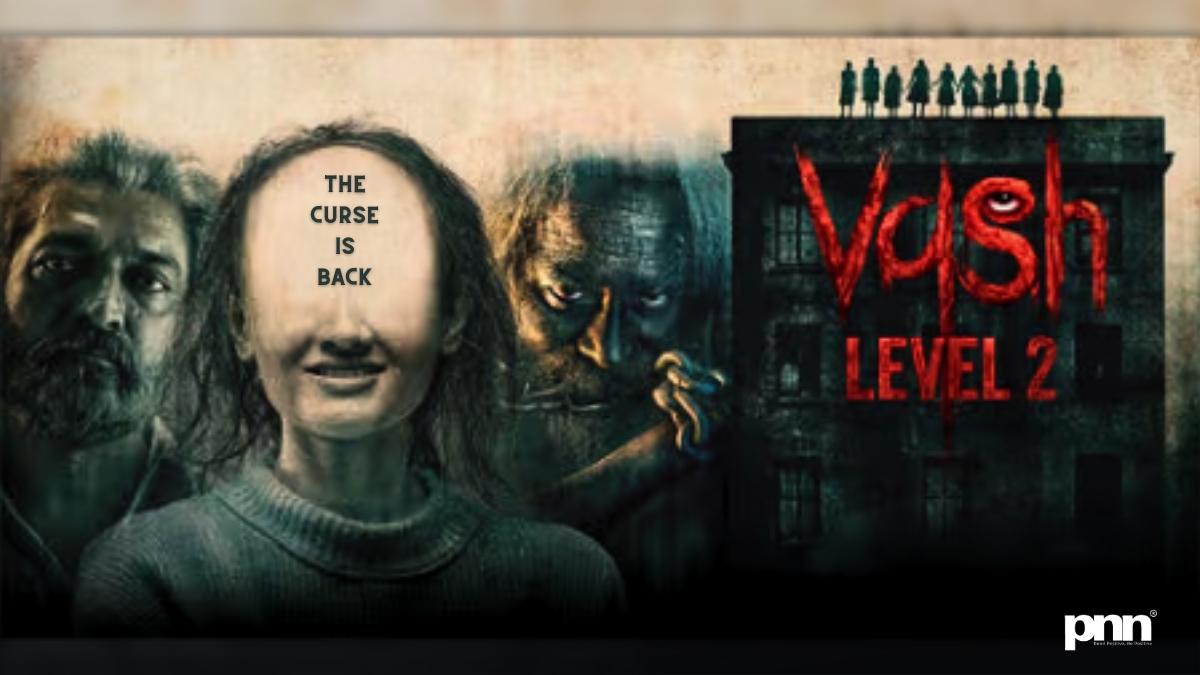
    Surat (Gujarat) [India], September 17: Out August 27, 2025, Vash Level 2 makes its case as a daring sequel to the 2023 Gujarati psychological horror Vash. Directed by Krishnadev Yagnik, the sequel expands the canvas—more supernatural horror, more set pieces, more spectacle. But in broadening its scope, does it sacrifice some of the close-up horror that made the first one linger in the viewer’s mind? The answer, like most horror sequels, is “yes and no.”

    What Is Vash Level 2 About?

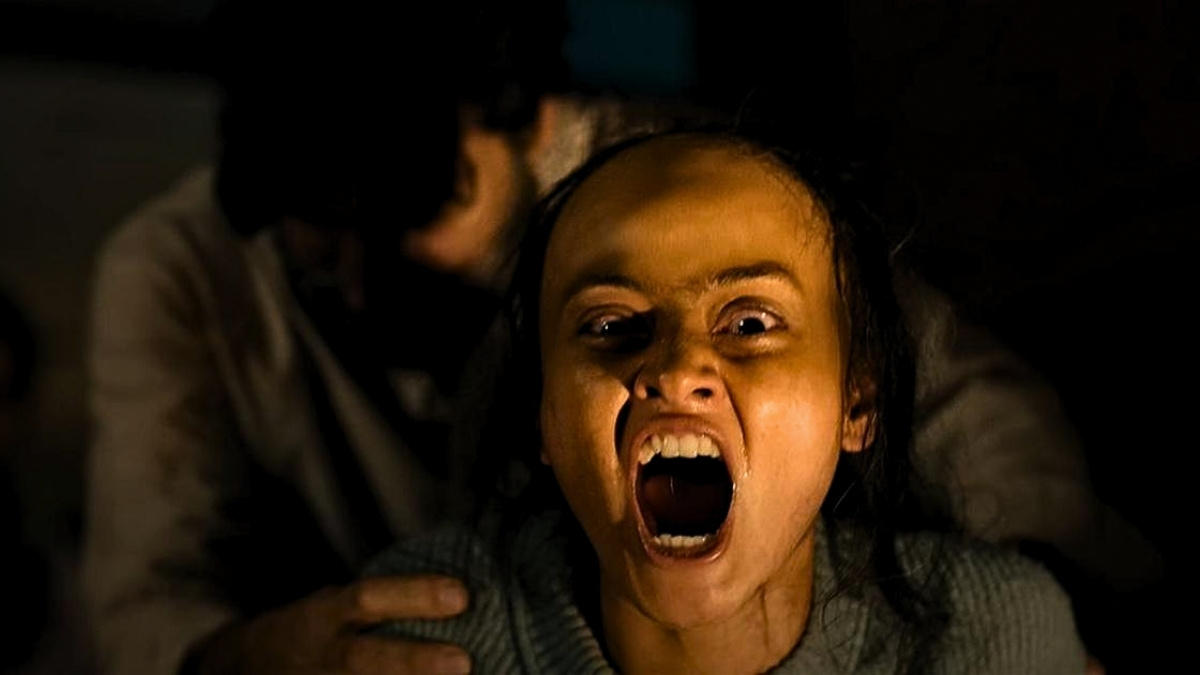
    Twelve years have lapsed since Atharva (Hitu Kanodia) liberated his daughter, Arya (Janki Bodiwala), from an evil influence. The creepy twist: the evil never really left. In Level 2, Atharva has to confront the comeback of a black sorcerer called Pratap (Hiten Kumar), whose return comes not only to terrorise Arya, but to cling to an entire community when schoolgirls become mysteriously hypnotised, acting out in violent, synchronised manners. The movie mingles supernatural horror with psychological trauma, family obligation, and—most crucially—the cyclical nature of evil and how earlier horrors won’t fade away.

    Vash - PNN

    Positives: Where It Excels

    1. Atmospheric & Technical Craftsmanship
      Yagnik’s direction gravitates strongly towards shadows, abrupt silences, and terror-gripped pauses. Prashant Gohel and Haresh S. Bhanushali’s cinematography produces a visually somber and unsettling reality. The horror is not merely in what is seen, but in what is sensed that could follow.

    2. Performances That Ground the Supernatural
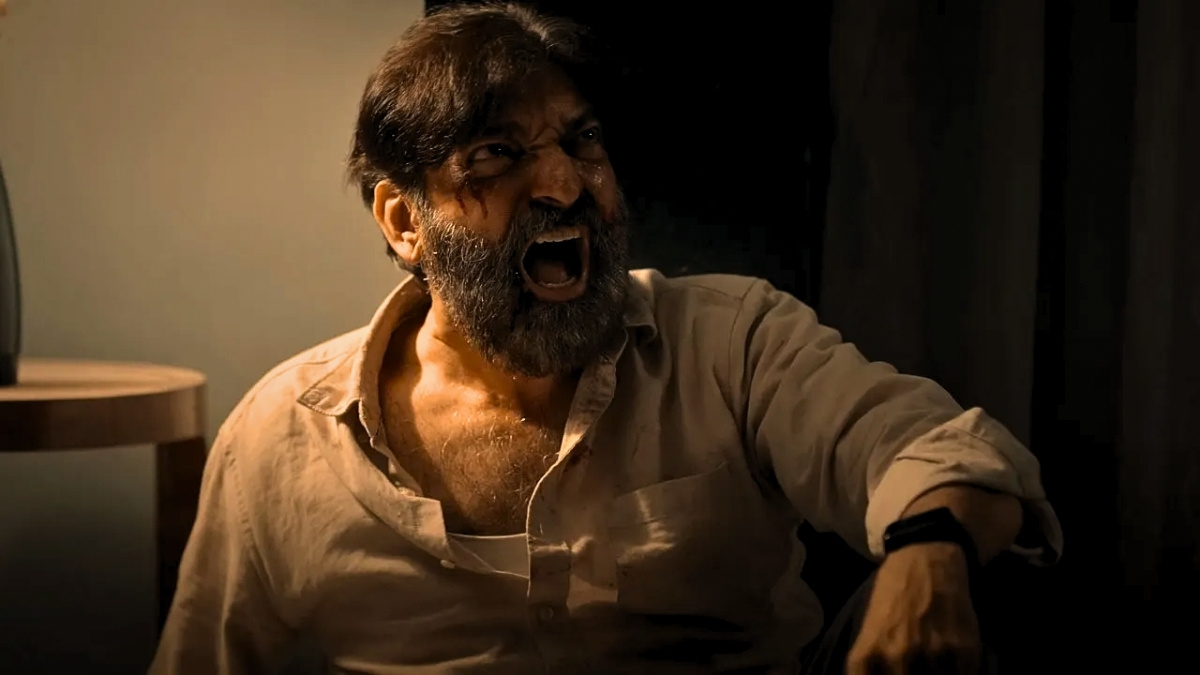
      Hitu Kanodia excels as Atharva, bringing emotional weight and desperation. Hiten Kumar as Pratap is memorably chilling—he knows how to whisper menace. Janki Bodiwala, though less central than in the original in terms of screen time, still offers haunting, lingering moments. Monal Gajjar’s portrayal of a school principal caught in this growing nightmare adds unexpected layers.

    3. Bigger Ambitions
      Where Vash (2023) focused tightly on one family, one household, this sequel broadens the scale. The expanded horror—school children under a mystical spell, the metaphor of society under threat—gives the story more gravitas. The musical score (Andrew Samuel) and editing (Shivam Bhatt) largely succeed in pacing the film so that it doesn’t drag.

    4. Cultural & Industry Impact
      Vash Level 2 underscores how regional (specifically Gujarati) horror is stepping up in ambition and technical quality. It’s trending in social media chatter, doing well at the box office in Gujarat and beyond via its Hindi dubbed version. Fans appreciate that filmmakers are no longer satisfied with safe formulas.

    Vash - PNN

    Pulling Back: Where It Wobbles

    1. Pacing Issues & Climax Overload
      Several reviewers find the build-up persuasive—but once the plot accelerates toward the finale, it feels rushed. The horror momentum dips because the film seems more occupied with spectacle than the slow dread that powered its predecessor. The emotional intimacy of the original’s family dynamics sometimes gives way to set-piece shock and crowd scares.

    2. Diminished Tension in Middle Sections
      The first hour is reportedly strong: eerie, tight, atmospheric. But in the middle, when expanding to school-wide phenomena and community reactions, the horror gets diluted. Some scenes that should terrify feel predictable, or are underwritten, making the threats easier to anticipate.

    3. Balancing Spectacle vs. Substance
      With more supernatural effects, a larger cast, and wider settings, the film risks losing the visceral fear that comes from the unknown. For some, the antagonist’s mystique is diluted when too much is explained or shown. The original earned its power by what it left unsaid; Level 2 occasionally overplays its hand.

    4. Character Depth Beyond the Leads
      While Atharva, Arya, and Pratap are well fleshed, many supporting characters—teachers, schoolgirls, townsfolk—don’t get enough development. In a story about a community under siege, that’s a missed opportunity. When secondary characters are thin, the stakes sometimes feel less personal.

    Vash - PNN

    The Ecosystem: Audience Buzz & Box Office

    • Vash Level 2 is drawing a strong audience turnout, particularly in Gujarat, with the dubbed Hindi version helping it cross regional boundaries. Word of mouth on platforms like IMDb and local forums shows substantial positive sentiment.

    • Critics are generally in the mixed-to-positive range: praise for craft and atmosphere; critiques around pacing and emotional resonance.

    • There’s trending chatter about whether Vash Level 2 surpasses the original. Many say it doesn’t—though few argue it’s worse. The nostalgic attachment to the first film’s more intimate horrors biases many reviews.

    Vash - PNN

    The Sarcastic Take (Because What’s a Horror Film Without That?)

    Yes, Vash Level 2 succeeds in providing more screams, more shadows, and more traumatized schoolgirls than your average ghost story. It’s like the director sat down and thought: “If we’re going big, let’s make it loud, let’s make it sprawling, let’s make it almost cinematically big enough to have people thinking, ‘Did I sign up for a horror or a supernatural extravaganza?’”

    And yet: occasionally, more is less. By spreading dread across too broad a canvas, the canvas starts to show its edges. Some moments read like padding between the truly terrifying parts. And yet, for those who prefer their horror served with grand gestures, creepy set pieces, and the kind of scenes that make you look around over your shoulder, Vash Level 2 produces more than sufficient.

    Overall Verdict & What It Means

    Vash Level 2 is a bold follow-up—a movie that takes the bravery to scale up its original in scope, ambition, and spectacle. It doesn’t always pull off keeping the close, creeping horror of Vash (2023) intact, nor do all of its enlargements hit flawlessly, but it’s still a solid work in local horror fare. Its technical acumen, cast work, and scenes of real terror make it well worth the watch.

    For fans of the original, it’s satisfying, though perhaps slightly less haunting in retrospect. For newcomers, it’s a compelling ride—if you’re ready for some uneven pacing and occasional overexposure of the mystery.

    PNN News

  • Mera Desh Pahle – The Live Musical Saga | Written, Produced & Presented by Manoj Muntashir Shukla

    Mera Desh Pahle – The Live Musical Saga | Written, Produced & Presented by Manoj Muntashir Shukla

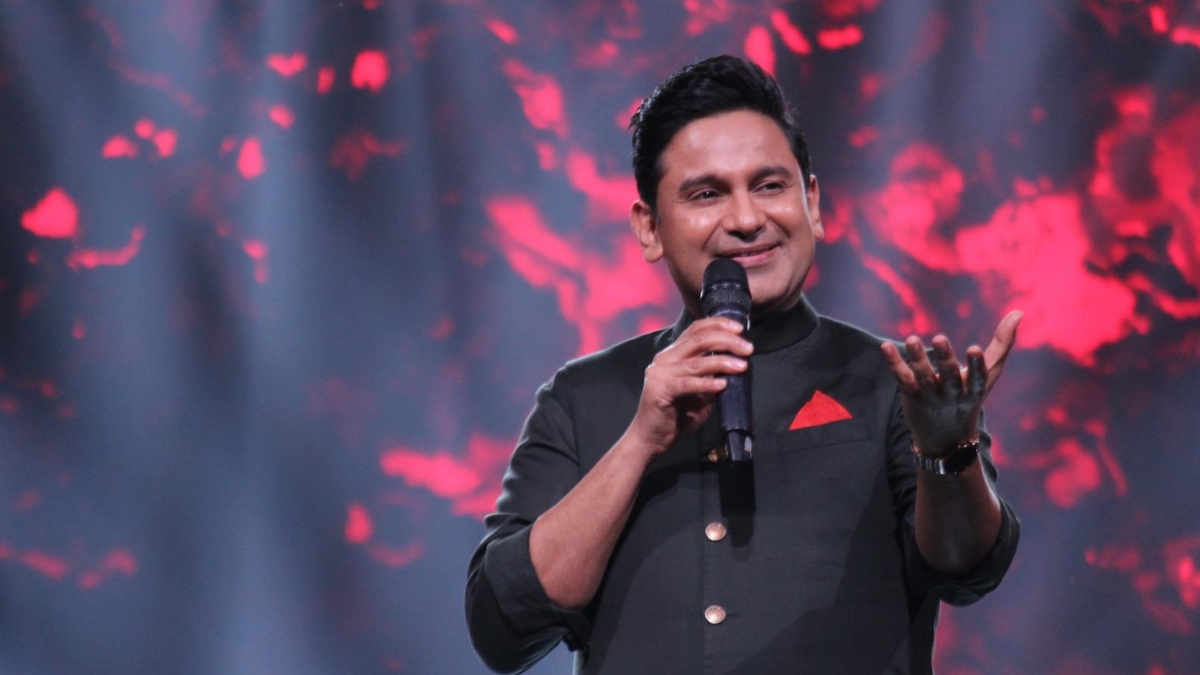
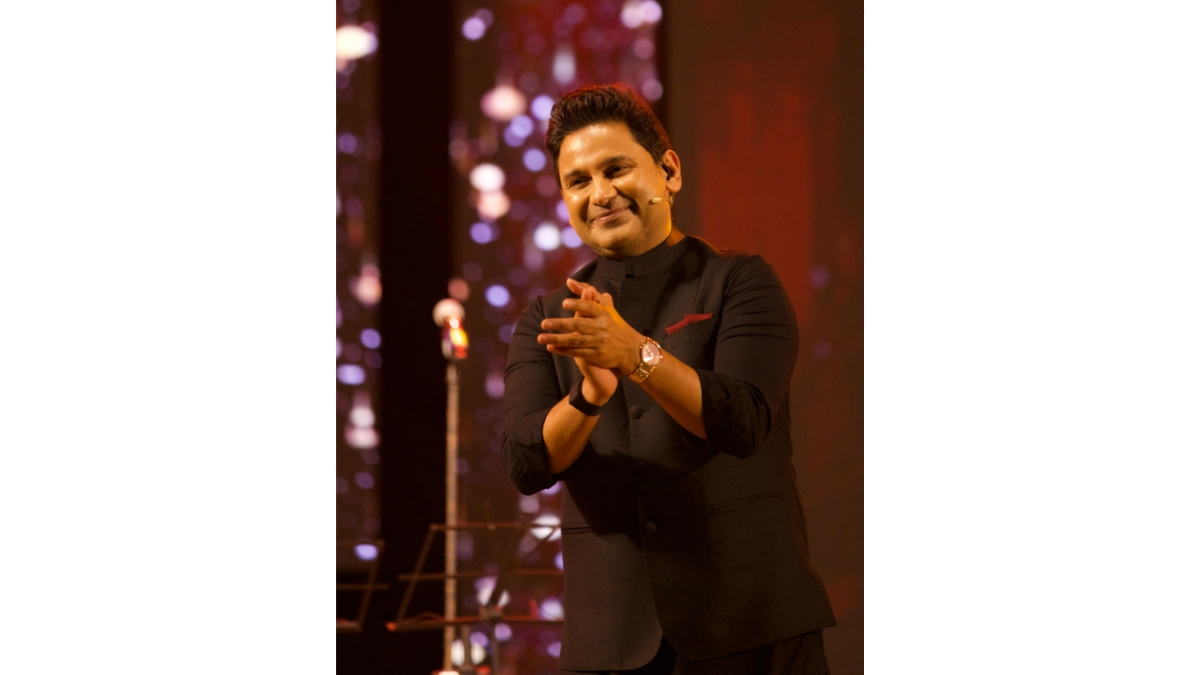
    New Delhi [India], September 17: Renowned writer, lyricist, poet, and storyteller Manoj Muntashir Shukla, producer Neelam Muntashir, and show director Deepak Gattani are set to present “Mera Desh Pahle—The Live Musical Saga,” a first-of-its-kind stage production that blends music, poetry, and performance to narrate Prime Minister Narendra Modi’s extraordinary journey.

    “My pen has always been my tribute to my land. With Mera Desh Pahle, I aim to create not just a show, but an emotion—a celebration of India through the life and journey of one of its most iconic leaders,” said Manoj Muntashir Shukla.

    The live saga will feature Manoj Muntashir, followed by acclaimed singers like B Praak, Sneha Shankar, Rishi Singh, Ashish Kulkarni, Ujwal Gajbhar, and other renowned Indian Idol singers, musicians, and performers, weaving words, rhythm, and visuals into a patriotic spectacle. The multi-city tour will begin on 18 September 2025 in Delhi, followed by shows in Mumbai, Patna, Varanasi, Hyderabad, Kolkata, and other pan-Indian cities.

    Manoj

    With this production, Manoj Muntashir Shukla steps beyond lyrics to become a cultural curator, presenting India’s contemporary history on stage as a musical narrative. Manoj took to his Instagram to announce the shows in six different cities.

    Instagram Announcement: https://www.instagram.com/reel/DObE06rEh_q/

    About Manoj Muntashir Shukla

    Manoj Muntashir Shukla is one of India’s most acclaimed writers, lyricists and poets, known for penning iconic songs like Teri Mitti, Galliyan, and Kaun Tujhe. His artistry often bridges entertainment and patriotism, and with Mera Desh Pahle, he takes this vision to the stage—offering audiences a unique fusion of poetry, music, and national pride.

    If you have any objection to this press release content, kindly contact pr.error.rectification@gmail.com to notify us. We will respond and rectify the situation in the next 24 hours.

  • Clef Music Awards: Top Labels Tips Music, Warner Music, Universal Music, Among Prominent Music Labels to Participate at India’s Largest Music Awards

    Clef Music Awards: Top Labels Tips Music, Warner Music, Universal Music, Among Prominent Music Labels to Participate at India’s Largest Music Awards

    Mumbai (Maharashtra) [India], September 16: The 5th edition of the Clef Music Awards is all set to take place on September 19, 2025, at the Westin Garden City in Mumbai, and the anticipation is building up. This year, the awards ceremony promises to be bigger and better, with some of the biggest music stars marking their presence.

    An initiative by Indiantelevison.com‘s ITV Group-India, the awards will also feature participation from top music labels like TIPS MUSIC, UNIVERSAL MUSIC, WARNER MUSIC, BELIEVE INDIA, among other labels, further solidifying the event’s reputation as a celebration of music excellence. Renowned singers SHILPA RAO, SHALMALI KHOLGADE, ANU MALIK, SACHIN-JIGAR, and MADHUBANTI BAGCHI will be gracing the occasion, making it a star-studded event.

    The Clef Music Awards 2025 aims to recognise and honor outstanding contributions to the music industry across various genres and categories.

    CLEF

    The Clef Music Awards 2025 will feature over 50 categories, covering a wide range of genres, including pop, rock, classical, and more. The event will also provide a platform for emerging artists to showcase their talent and connect with industry professionals.

    The awards have become increasingly significant for independent musicians who often struggle for recognition in a market dominated by film music and commercial releases. By dedicating substantial attention to independent music categories, the Clef Music Awards has created opportunities for non-film artists to showcase their work to industry professionals and music enthusiasts.

    Clef Music Awards, with its tagline (Indie Revolution Starts Here), represents more than just recognition- it’s a celebration of India’s musical diversity and a platform that continues to nurture and promote talent across all genres, from traditional to contemporary, mainstream to independent.

    If you have any objection to this press release content, kindly contact pr.error.rectification@gmail.com to notify us. We will respond and rectify the situation in the next 24 hours.

  • Do You Wanna Partner? Review 2025: Entertaining Sparks, Missed Beats & OTT Drama Done Loud

    Do You Wanna Partner? Review 2025: Entertaining Sparks, Missed Beats & OTT Drama Done Loud

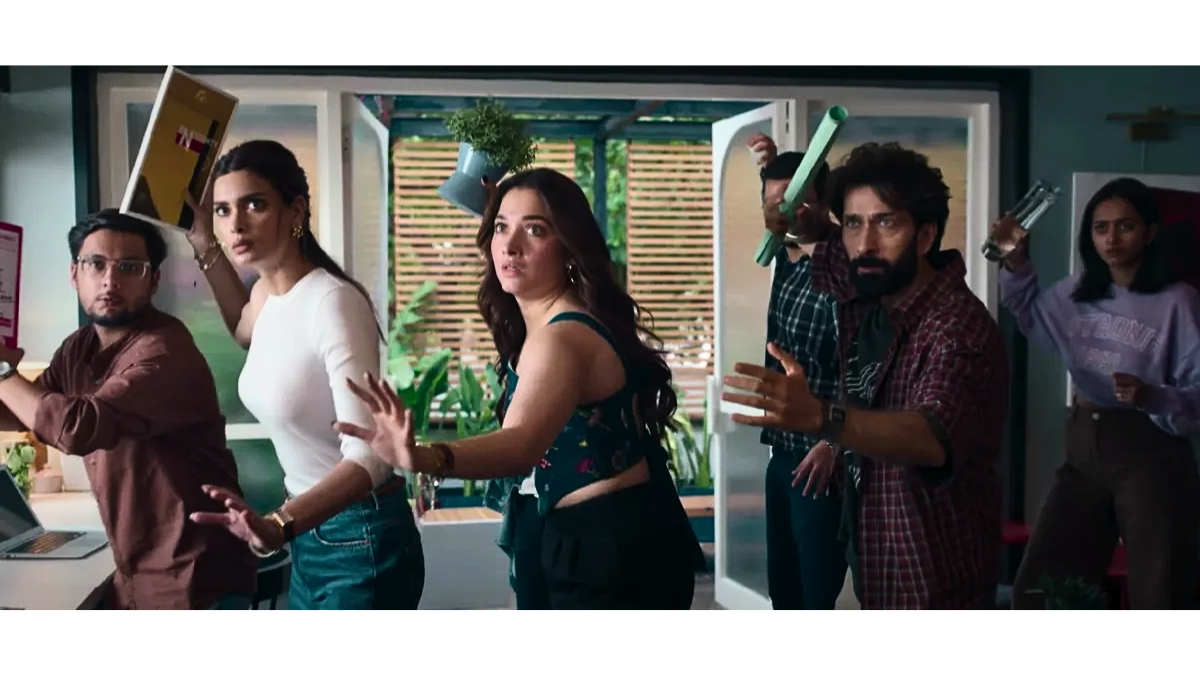
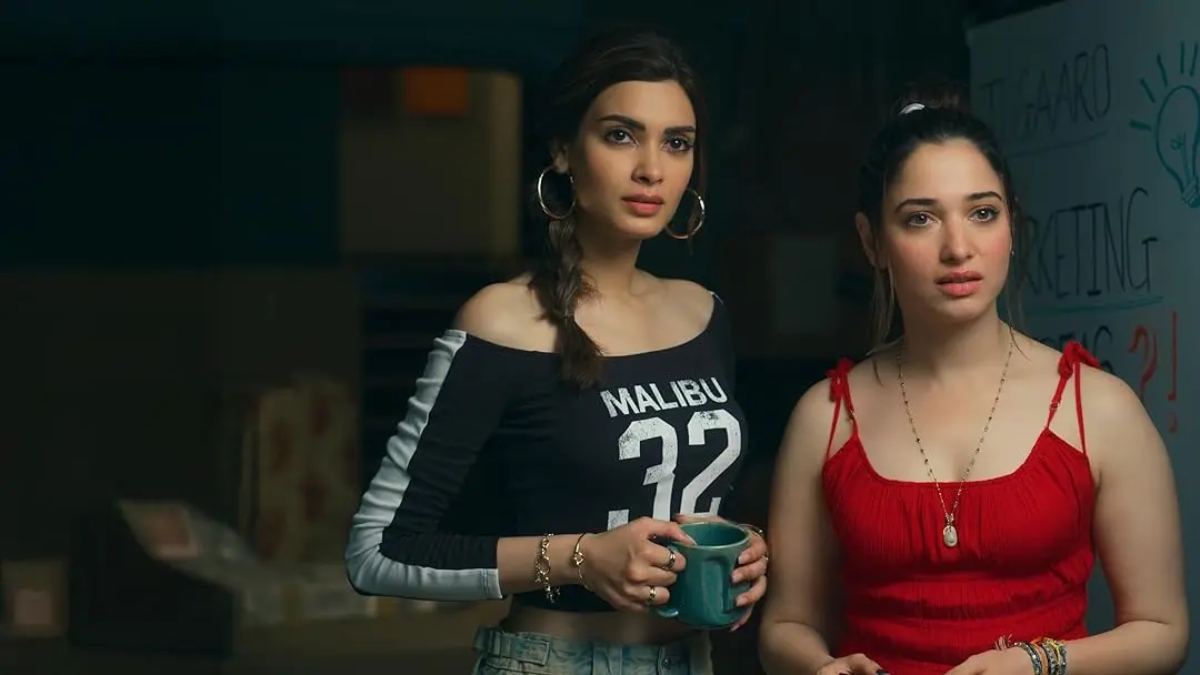
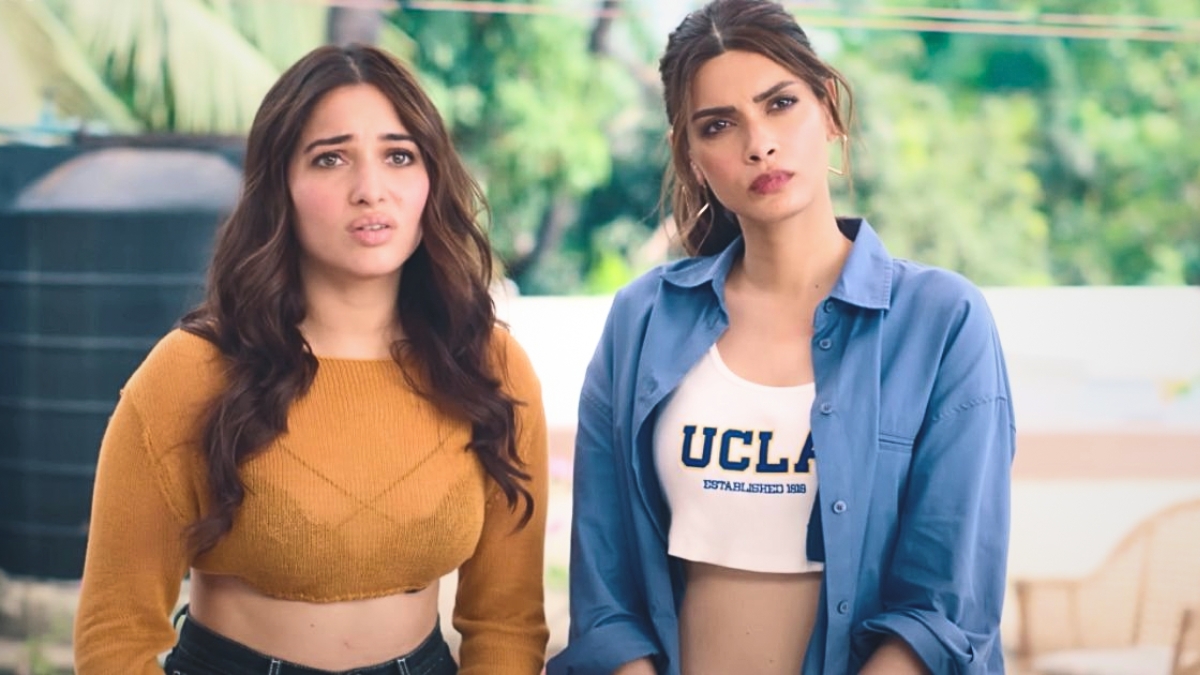
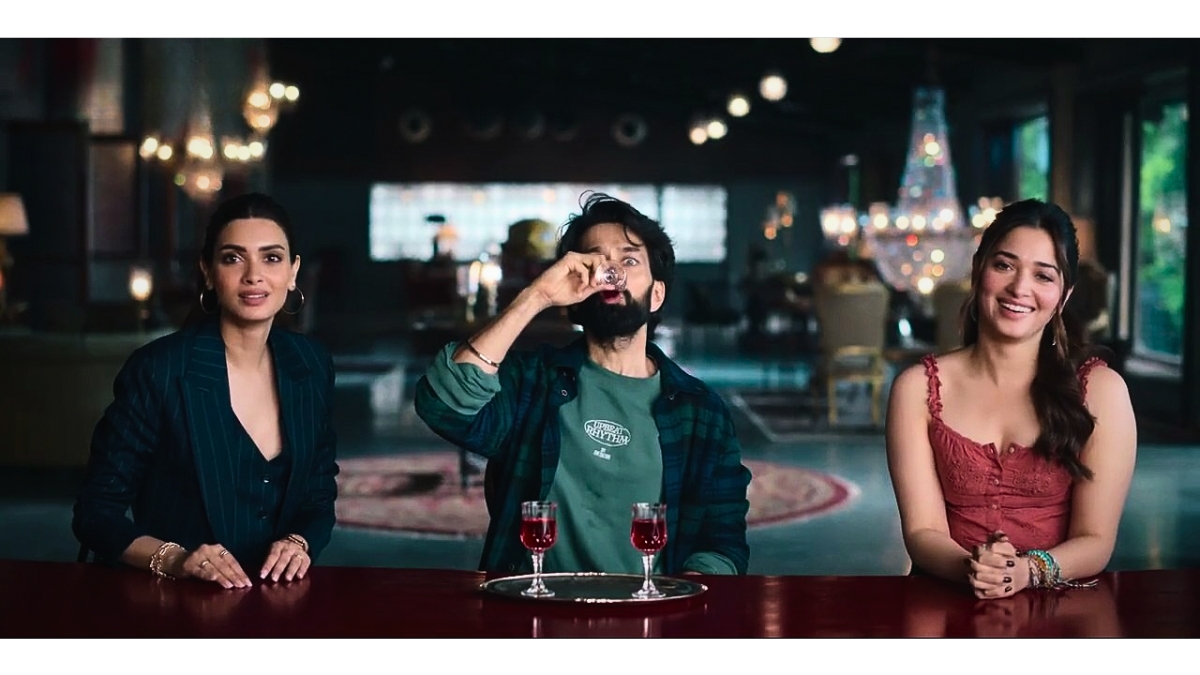
    Mumbai (Maharashtra) [India], September 16: OTT platforms these days are less about bingeing and more about bragging rights. Every actor worth their salt eventually lands in the streaming world, and Diana Penty’s much-discussed arrival was bound to raise eyebrows. After all, this is the same actress who made a charming debut with Cocktail, but then chose the scenic route instead of the expressway in her Bollywood career. Now, with the launch of Do You Wanna Partner?, she steps into the digital battleground—and she didn’t come alone. The cast boasts Tamannaah Bhatia, Nakuul Mehta, and a premise that flirts shamelessly with the idea of companionship in its modern, messy form.

    The buzz, of course, was out of the world. News sites, Instagram reels, and Twitterati had already made it a cocktail of intrigue before the very first episode dropped. But does the show live up to its teasy hype, or does it join the stack of glittering-but-forgotten OTT experiments? That, dear reader, is a matter of how patient you are when glamour clashes with gaps.

    Partner

    The Premise — Frothy, Fun, but Fickle

    At its base, Do You Wanna Partner? attempts to be a contemporary dramedy, with elements of romance, satire, and situational comedy. In theory, it sounds good on paper—urban singles navigating the relationships that are as ephemeral as their Wi-Fi signals. On screen, however, the execution vacillates between fun and tiresome.

    The early episodes feel like a fun house party—brightly lit, stylishly dressed, filled with one-liners that land well enough to keep you sipping. Tamannaah, who has aced the OTT game already with hits like Jee Karda, brings her familiar confidence. Diana, meanwhile, surprises with a performance that’s more restrained than one would expect from someone trying to make a splashy debut in this space. Subtlety is good, but sometimes subtlety is mistaken for sleepwalking.

    Then enters Nakuul Mehta, whose sheer relatability is a win for the series. His moments—sometimes funny, sometimes painfully raw—are where the show brushes against authenticity. Fans on social media are already showering him with love, and if Twitter trends are any indication, he’s the emotional anchor the makers probably didn’t realize they needed this much.

    Partner

    The Hits — Chemistry, Glamour, and an Audience Hook

    Let’s not pretend otherwise: the show is visually appealing. The sets shout Instagram style, the wardrobe gets a raise, and the background score works assiduously to make you believe you’re watching something marginally better than your run-of-the-mill rom-com.

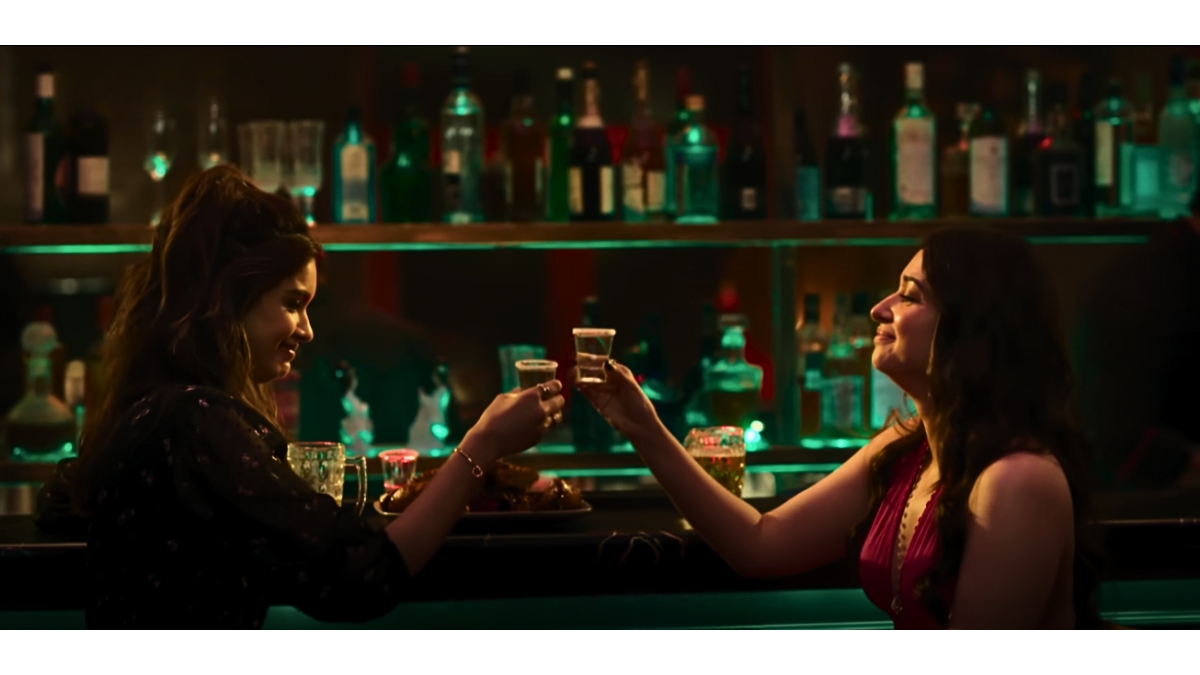
    Diana and Tamannaah share a breezy chemistry that makes their scenes feel like extended brunch conversations you’d secretly want to eavesdrop on. And then there’s the writing—sometimes sharp, sometimes biting. When it lands, it lands with the precision of a well-aimed dart.

    For viewers hungry for female-centric shows that do not feature kitchen politics or damsel-in-distress clichés, Do You Wanna Partner? does offer some novelty. It basks in independence, interrogates traditional partnerships, and introduces some sass to the otherwise cluttered OTT listings.

    Partner

    The Misses — Lost in Its Own Sparkle

    But here’s the thing: glitter by itself doesn’t make it. Underneath the sheen, the show sometimes copes with what one could describe as “OTT fatigue“—storytelling that seems engineered more for publicity releases than actual depth.

    Episodes wander, conflicts get resolved too conveniently, and character development feels like an afterthought at times. The endeavor to be edgy results in gimmicky at best, and the dialogues—at worst—sound like WhatsApp forwards packaged as life wisdom.

    Critic has already noted that although the ambition is admirable, the show petered out before it established a consistent rhythm. The NDTV review notoriously described it as “an ambitious fizz that fizzles,” and although that may be stronger than some friends would acknowledge, it’s not entirely inaccurate.

    Partner

    Audience Buzz — Twitter Applause Meets Critical Shrugs

    This is where things get spicy. While critics are skeptical, the audience seems divided but engaged. On X (Twitter), fans have flooded timelines with appreciation for Nakuul Mehta, calling him the “soul of the show.” Diana Penty’s restrained performance has its supporters too, with some praising her “quiet strength” and others wishing she had taken bigger risks. Tamannaah, as expected, has her loyal fanbase firmly in her corner.

    Memes, of course, are doing their usual magic. Screenshots of the sassiest dialogues are already circulating, giving the series the kind of virality that OTT marketing teams dream about.

    Partner

    So, Worth a Watch?

    Here’s the verdict: Do You Wanna Partner? is not revolutionary television, but it’s not disposable television either. It exists in that problematic middle ground in which style tends to overpower substance, but the entertainment value discourages you from swiping tabs too swiftly.

    If you’re in the mood for frothy and trendy with periodic emotional jolts, this may be your weekend swoon. If you’re seeking layered storytelling that lingers long after the credits start rolling, you may exit muttering, “Nice try.”

    But in the mad stream world, sometimes “nice try” would do to keep the chat going. And with Diana, Tamannaah, and Nakuul all in the front line of the show, that chatty functionality isn’t ending anytime soon.

    Final Word

    OTT debuts are tricky beasts—they either launch careers into digital superstardom or fade into the clutter. For Diana Penty, this might not be the knockout punch, but it’s a calculated step into relevance. For audiences, Do You Wanna Partner? is a stylish but uneven ride—one that divides opinion yet refuses to be entirely ignored.

    And maybe that’s the biggest win: in an industry where forgettability is the real curse, this show, love it or loathe it, has everyone talking.

    PNN News

  • Project Y 2025 Review & Box Office: A Gripping Heist Thriller That Thrills, Divides, and Dares to Break Rules

    Project Y 2025 Review & Box Office: A Gripping Heist Thriller That Thrills, Divides, and Dares to Break Rules

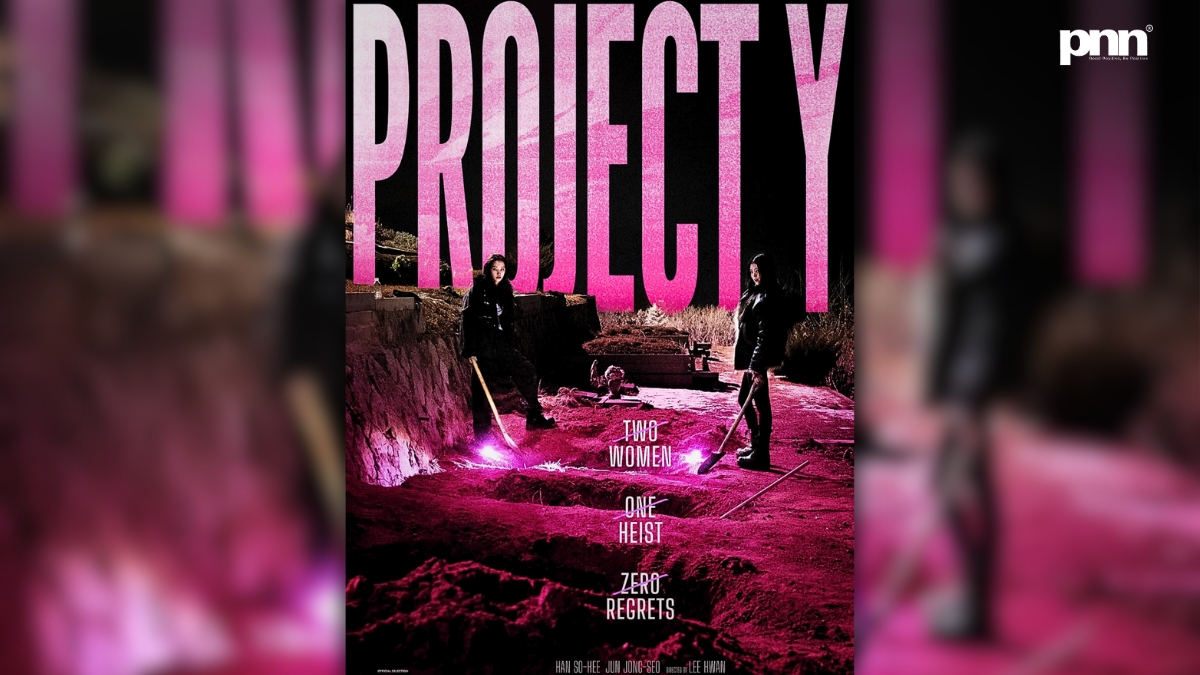
    Mumbai (Maharashtra) [India], September 15: From first glance, Project Y announces itself as more than just another crime movie. Directed by Lee Hwan, this 2025 South Korean neo-noir gem stars Han So-hee and Jeon Jong-seo, two rising forces in Korean cinema, as they attempt a daring heist in Seoul’s affluent Gangnam district. The setup is ripe with tension, the promise of betrayal, and the seductive darkness of “what if you had no choice but to break all the rules.” But does Project Y deliver on those promises, or does it occasionally get tangled in its own ambition?

    Plot & Premise: Greed, Plans, and One Last Score

    Mi-sun and Do-kyung are lifelong friends, each trying to claw their way out of desperation. Their dream? “Retirement” from grinding jobs, some peace, maybe a fresh start. But when a financial scam wipes out what little security they had, they discover a hidden store of black money and gold in Gangnam. That becomes the catalyst—they bet everything on “one final high-stakes gamble.” As expected, things don’t go smoothly. Betrayals, corruption, and violence ensue. All set under neon lights, velvet nightclubs, and the sheen (and shadow) of Gangnam’s glamor.

    Run time: about 110 minutes. Neo-noir style; high gloss visuals married to gritty storytelling.

    Project

    What Works: Strengths That Shine Even in Darkness

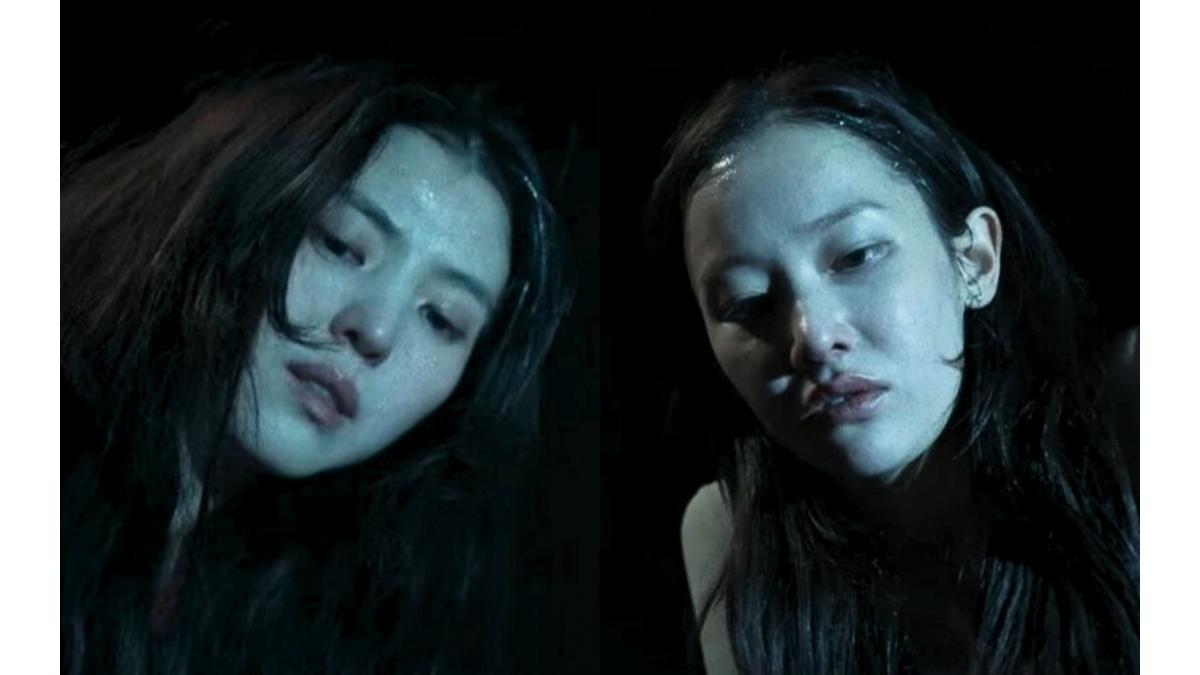
    • Star Power & Chemistry: Han So-hee and Jeon Jong-seo contribute a lot more than names to the screen. Their chemistry—of loyalty, ambition, and moral grays—is persuasive. They make Mi-sun and Do-kyung not only sympathetic but perilously magnetic. There are times when you find yourself cheering them on, even when you know they are making the wrong decisions.

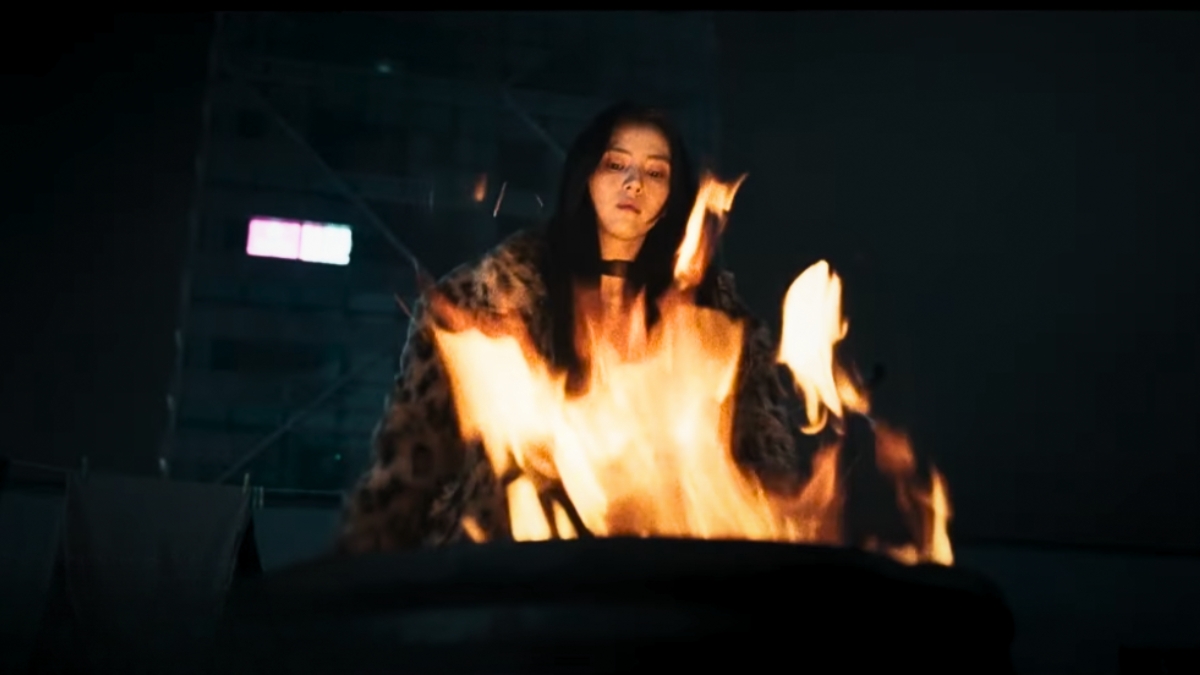
    • Visual & Aesthetic Craft: Lee Hwan doesn’t shy away from beauty. The film alternates between glitzy, high-end backdrops and grim shadows. Nightclubs, street alleys, luxury cars—all rendered with precision. Cinematography (Yoo Young-gi) elevates the film beyond a typical heist movie. There’s temptation in beauty here, both visually and morally.

    • Unpredictability & Tension: While the format is familiar, the story isn’t completely predictable. Small surprises, betrayals, and heightened stakes prevent the film from being formulaic. Jarring scenes of violence, perhaps more so than some audiences may like—but they reinforce the danger these characters are incurring.

    • Neo-Noir with a Female Focus: Two female protagonists planning a major heist is still less common in Korean crime dramas. The decision to center their friendship, their desperation, their choices—this adds emotional weight beyond just action. It’s not just “heist movie,” it’s “heist movie with scars, regrets, and sisterhood.”

    Where the Film Stumbles: Friction in the Gears

    • Pacing Issues in Second Half: Many reviews (including those from Letterboxd and other festival watchers) note that the second act drags. Plot threads multiply, and not all are resolved cleanly. For those used to leaner thrillers, the film might feel overburdened. Letterboxd+1

    • Overwrought Emotional Beats: The inclusion of melodramatic backstories—familial betrayal, childhood trauma, moral quandaries—is something viewers expect in Korean cinema. But in Project Y, some scenes tilt into excess, especially when juxtaposed with cold violence. Some viewers may wish for more restraint.

    • Violence & Disturbing Imagery: The film doesn’t spare you. Brutal torture scenes, scenes involving drowning or mud/tar pits used almost as psychological torture, are hard to digest. These are designed to provoke; they succeed. But there’s a risk of alienating audiences who prefer their thrillers less visceral.

    • Unresolved Plot Threads: Some reviews point out that in its ambition, Project Y leaves a few narrative arcs lingering without payoff. Subplots that seem promising at first get abandoned or handled too quickly near the end. It’s not fatal, but it means that after 110 minutes, you might feel you’ve seen more promise than resolution.

    Project

    What Viewers & Critics Are Saying

    • At TIFF 2025, Project Y premiered to generally positive reactions. Many praised the lead actors, particularly their ability to pull off both glamour and grit.

    • Some critics on Letterboxd mention the film is “fun in some spots but also feels longer than it should be”. Others say it’s an adrenaline ride with emotional weight.

    • Social media buzz has been centred around how Project Y uses the setting of Gangnam not just as a flashy backdrop, but as a character: wealth, corruption, status anxiety. Also comments like “Yu-sohee and Jong-seo get to do some of the best screen stuff they’ve ever done.”

    project

    PR Lens: Why Project Y Matters — and How It Has to Lean In

    Seen through a PR lens, Project Y is a high-stakes card. It has:

    • Festival prestige: Premiered at TIFF and set to appear at Busan International Film Festival. That gives it visibility, both for art film watchers and international distribution interest.

    • Cultural export potential: Korean cinema has been on fire globally. This film‘s mix of polished visuals, moral darkness, and female leads makes it well-positioned for streaming platforms hungry for prestige content.
    • Star power leverage: Han So-hee and Jeon Jong-seo have become recognisable in OTT spaces; their pairing generates attention.

    What the PR team needs to manage:

    • The film’s violent, sometimes disturbing content needs careful positioning. Promotional materials may need content warnings or to make it clear that this isn’t light entertainment.

    • The unresolved subplots could be spun as “open to interpretation,” or “more realism in messy endings,” depending on how critics respond.

    • Emphasis on cinematography, the fashion, the “Gangnam as a character”, to draw interest from visual art & design communities, beyond just crime-thriller lovers.

    Final Verdict: Fireworks & Fragments

    If Project Y were a gem, it’d be an uncut diamond one: its facets are glossy as can be, but you can sense the rough edges on your fingers. It misses some of the beats sometimes, but when it doesn’t—but when betrayal strikes, when desperation clings in the air, when the glamour becomes toxic—it strikes hard.

    For heist-thriller, crime noir, and emotionally resonant storytellers fans, Project Y is an absolute must-see. If everything having a neat bow is more your thing, or you don’t care for movies that push violence and moral murk, this one may push your patience.

    But it’s that type of film that cinema requires: one that provokes, unnerves, entraps, and haunts. And despite its own shortcomings, Project Y is not easy to forget.

    PNN News

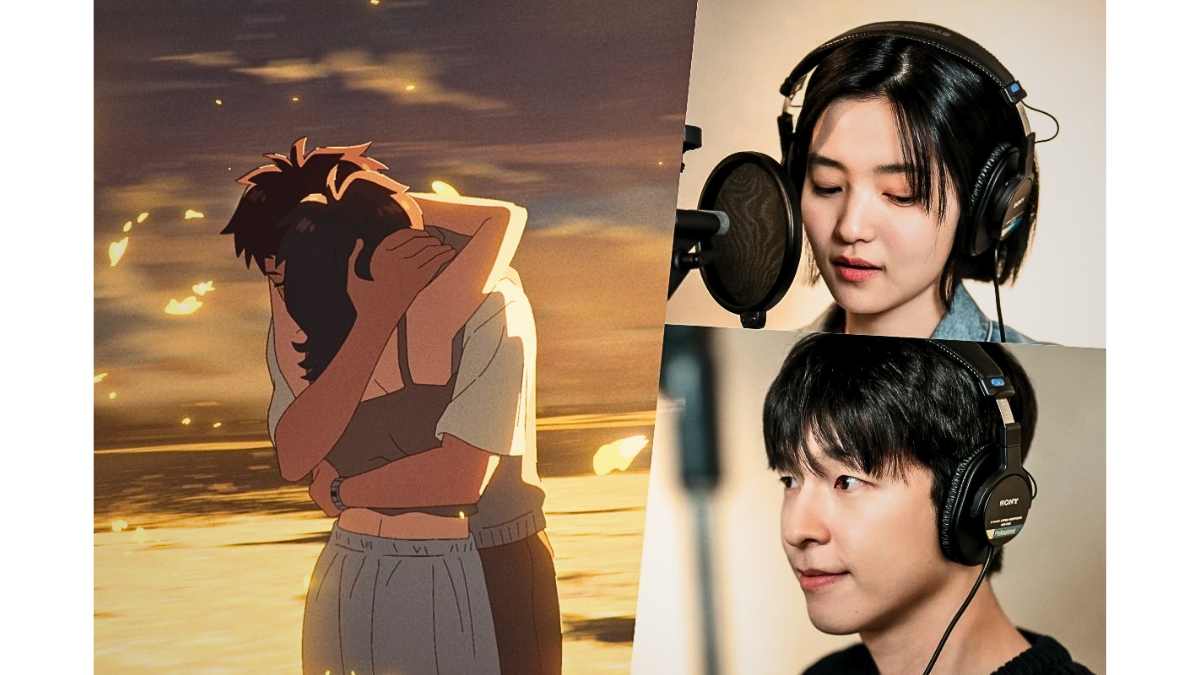
  • Lost in Starlight 2025 Review: Netflix’s First Korean Animated Film Dares to Dream Big—But Does It Shine Bright Enough?

    Lost in Starlight 2025 Review: Netflix’s First Korean Animated Film Dares to Dream Big—But Does It Shine Bright Enough?

    Mumbai (Maharashtra) [India], September 15: Space has always been cinema’s favorite playground for existential crises and long-distance love stories. From Interstellar to Wall-E, we’ve seen humanity look upward when earthly drama becomes too predictable. And now, Netflix Korea takes its initial shot at the cosmic emptiness with Lost in Starlight (2025), a movie that promises stardust romance and sci-fi poignancy. The million-dollar question is: does it fly like a rocket or wobble like a paper plane? The answer, much like the galaxy, isn’t so black and white.

    At first glance, Lost in Starlight wears the crown of novelty. Not just because it’s Korea’s maiden venture into full-length animated filmmaking for Netflix, but because it insists on blending K-drama’s sentimental DNA with Pixar-like visual poetry. Director Han Ji-won has pulled off something rare—crafting an animated feature that feels distinctly Korean yet comfortably global. And the reviews flooding in from Rotten Tomatoes and Reddit only prove how polarising that cocktail is.

    Starlight - PNN

    The Plot That Floats Between Mars and Melancholy

    The story revolves around an astronaut whose mother never made it back from space and an artist grounded on Earth. The two fall in love across planetary distances—literally. If that sounds like Your Name got teleported into Elon Musk’s Mars colony fantasy, you’re not wrong.

    The romance is both tender and fragile, carried on the shoulders of yearning and voice messages transmitted across millions of miles. It’s a film that believes in the poetry of distance. Yet, somewhere in the interstellar mist, you can’t help but wonder if the screenplay leans too hard on clichés. Love letters in zero gravity? Emotional flashbacks with parental trauma? Been there, seen that, only with more Hollywood gloss.

    Starlight - PNN

    What Works Like Rocket Fuel

    1. Visual Grandeur: The animation is undeniably stunning. Nebulas painted like watercolors, Martian skylines glowing with melancholic hues, and facial expressions that betray a very K-drama-esque ache. It’s not just space—it’s space with feelings.

    2. Music That Echoes in Silence: The score, delicate yet haunting, feels like a character of its own. The piano sequences evoke isolation while the orchestral bursts remind you of cinema’s grandeur.

    3. A Brave First Step: Let’s face it—South Korea could have easily stuck to what it knows best: rom-coms, thrillers, and zombie flicks. Venturing into feature animation for global audiences? That’s gutsy.

    Starlight - PNN

    What Doesn’t Survive Orbit

    1. Pacing Issues: At 96 minutes, the film still manages to drag. The middle act floats endlessly like an abandoned satellite.

    2. Emotional Overload: Koreans love melodrama—sometimes to death. Here, the melodrama occasionally feels like gravity pulling the story down rather than propelling it forward.

    3. Comparisons Are Brutal: Global audiences, naturally, compare this to Pixar, Makoto Shinkai, or even Love, Death & Robots. Against such giants, Lost in Starlight sometimes feels like a beautiful rough draft.

    Starlight - PNN

    Audience Reactions: From Reddit Snark to Tomato Tosses

    Reddit, being Reddit, has split the house. Some users gush about the “emotional intimacy in space” and laud Netflix for backing something so experimental. Others, with less mercy, call it “K-drama in space without the charm” or complain about its slow-burn style.

    Over on Rotten Tomatoes, critics echo the same. A fair chunk appreciate the ambition, but the consensus hovers around “visually gorgeous, narratively shaky.” In other words, the kind of movie you recommend to your cinephile friend but not to your hyper-impatient cousin who thinks Fast & Furious in Space would be peak cinema.

    Starlight - PNN

    Why This Film Still Matters

    Here’s the catch: Lost in Starlight isn’t just another Netflix title lost in its infinite scroll. It’s symbolic. It represents Korea’s arrival on the global animation stage, a challenge to the West and Japan, and a signal that streaming platforms are ready to bankroll ideas that studios once laughed off.

    Sure, it’s imperfect. But so was early Pixar. And if Korea continues experimenting, we might see a golden age of animated features from Seoul in the next decade. For that reason alone, Lost in Starlight deserves its spot in your “must-watch, but with patience” queue.

    Final Verdict

    Lost in Starlight is like staring at a breathtaking night sky: awe-inspiring, moving, but also overwhelming in its emptiness at times. It dares to dream, occasionally stumbles, but leaves behind a trail of cosmic hope.

    If you’re a sucker for animated romance and can forgive narrative hiccups in exchange for visual poetry, board this spaceship. If not, maybe wait for the next ride Korea has planned.

    PNN News