Tag: #kpgroup #KPIGlobalInfrastructureLtd #KPIGIL #Farukpatel #Farukkp #Surat #Gujarat #India

  • A Vibrant Expression of Contemporary Living. The 2026 Seating Edit from Fabbrica

    A Vibrant Expression of Contemporary Living. The 2026 Seating Edit from Fabbrica

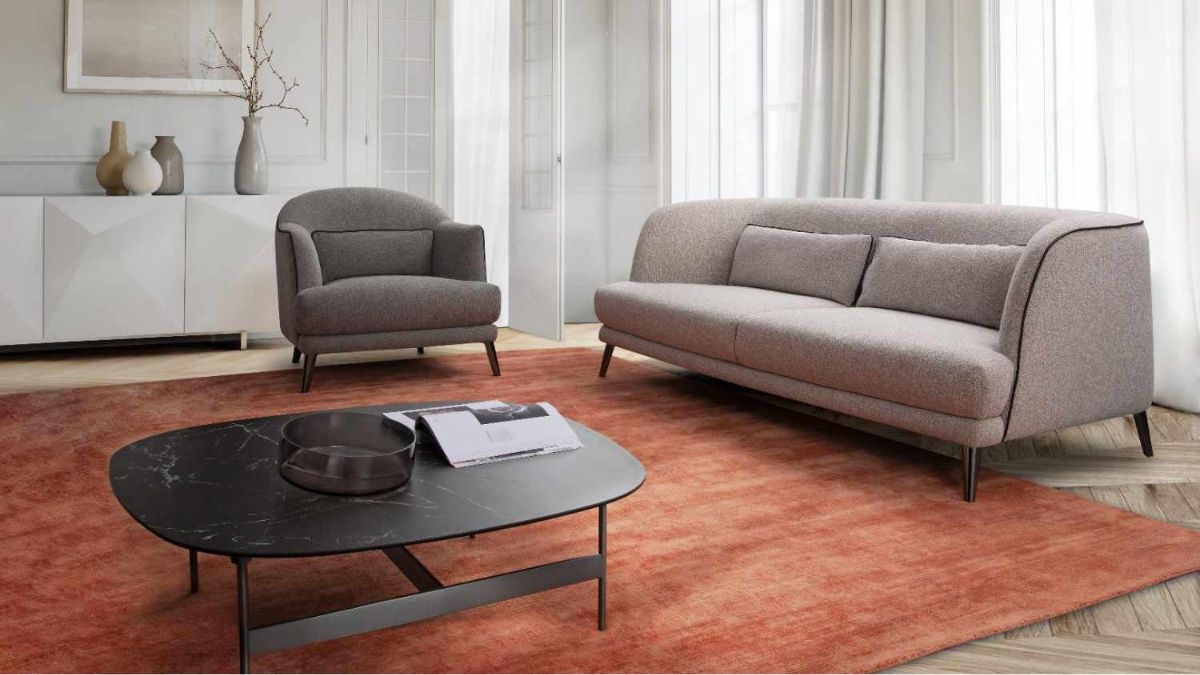
    Bengaluru (Karnataka) [India], February 24: As contemporary homes continue to evolve—blurring the lines between aesthetics, comfort, and adaptability—Fabbrica, from the House of HTL, unveils its 2026 seating collection, a thoughtfully curated edit that responds to the changing language of modern living. Rooted in intelligent design and material innovation, the collection explores intentional comfort and furniture that adapts seamlessly to the rhythms of everyday life. Each piece is conceived to integrate naturally into contemporary homes, offering flexibility without compromising on elegance.

    A Legacy of Thoughtful Design

    Since 1998, Fabbrica has been guided by a singular belief: good design should enrich everyday life. Driven by the conviction that design is not a luxury but a right, the German brand has continually innovated to meet the evolving needs of modern living. By combining quality craftsmanship, refined aesthetics, and accessibility, Fabbrica presents a 2026 collection that celebrates stylish living with purpose and personality.

    Kart
    Designed to encourage relaxed living, Kart features generous proportions and fluid movement that invite comfort-driven interaction. Its soft yet structured form and understated detailing make it ideal for spaces centred around warmth, connection, and contemporary ease.

    Fabbrica

    Leroy
    Leroy introduces a multifunctional approach to seating, seamlessly transitioning between lounging and sleeping. Its intelligent rotating mechanism allows it to adapt intuitively to modern lifestyles—perfect for urban homes where flexibility and comfort go hand in hand.

    Valley
    Defined by sculpted contours and expansive seating, Valley anchors living spaces with quiet sophistication. Its modular design responds organically to varied layouts, making it ideal for homes that gather, host, and unwind with equal ease.

    Carre
    Softening architectural rigidity, Carre brings gentle curves and visual fluidity into modern interiors. With adaptable seating depths, it allows users to shift between upright support and relaxed lounging, reflecting a thoughtful understanding of posture and spatial harmony.

    Duca
    Timeless and understated, Duca is characterised by refined proportions and subtle detailing. Designed to transition effortlessly across configurations, it delivers enduring comfort through layered construction and a clean, contemporary aesthetic.

    Vidar
    For those seeking advanced comfort, Vidar integrates modern reclining technology within a compact, design-forward silhouette. With adjustable seating positions and enhanced ergonomic support, it strikes a refined balance between innovation and visual restraint.

    Williams
    A sculptural accent within the collection, Williams combines movement and form through its elegant swivel design. Its angular silhouette lends a contemporary edge, making it a versatile addition to both minimal and expressive interiors.

    Alder
    Bold and expressive, Alder pushes creative boundaries with confident detailing and distinctive form. Designed to make a statement, it balances visual impact with everyday comfort—ideal for interiors that celebrate individuality.

    Reilly
    Completing the seating range, Reilly is a sectional sofa defined by strong lines, plush comfort, and a relaxed sensibility. Designed for informal lounging, it pairs generous proportions with a structured, contemporary presence.

    Poppy Sofa Bed
    Also part of the launch is the Poppy Sofa Bed—a refined solution for compact living. Transforming effortlessly from sofa to a generously sized bed, Poppy addresses modern lifestyle needs without compromising on comfort or design integrity.

    Design Philosophy

    Fabbrica continues to shape contemporary seating—where design is intuitive, comfort is intentional, and furniture evolves with the way we live today. Every piece in the collection can be customised in a wide selection of premium leathers or fabrics, with an extensive palette of colours and textures, allowing each design to be tailored to individual spaces and sensibilities.

    Discover the 2026 collection at Fabbrica India – fabbricaindia.com

    If you object to the content of this press release, please notify us at pr.error.rectification@gmail.com. We will respond and rectify the situation within 24 hours.

  • Punjab NGO Expo 2026: Building a Scalable NGO Ecosystem for India

    Punjab NGO Expo 2026: Building a Scalable NGO Ecosystem for India

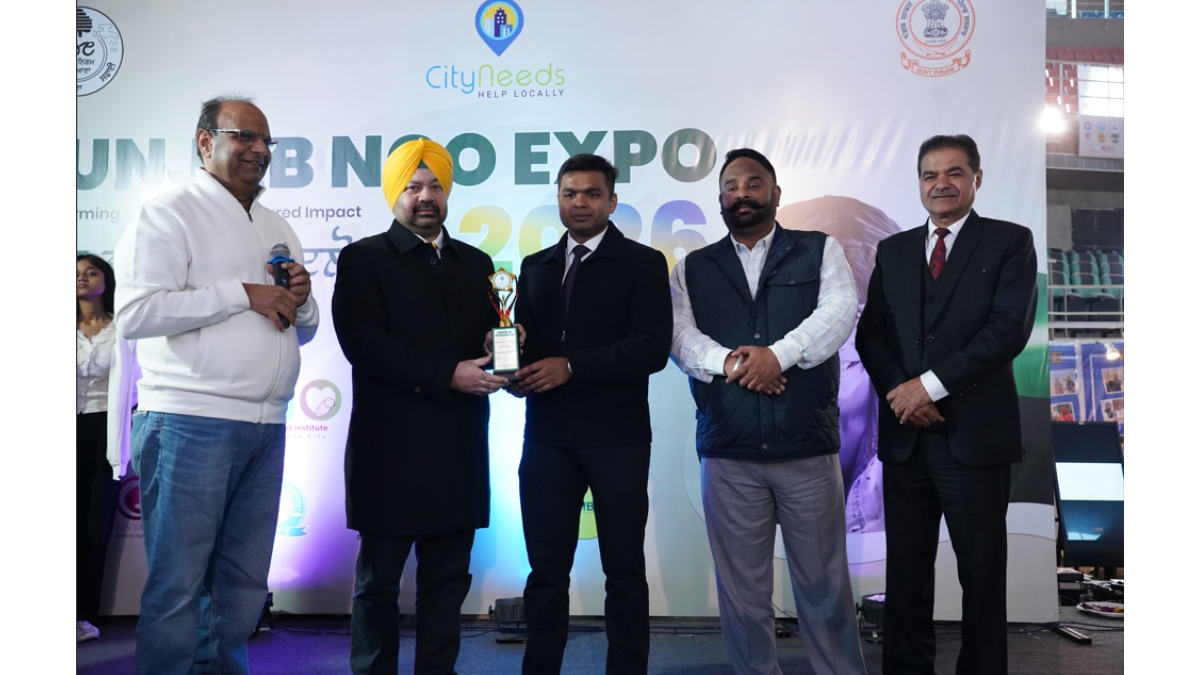
    Ludhiana (Punjab) [India], February 09: The Punjab NGO Expo 2026, organised by CityNeeds with the District Administration, Ludhiana, as Official Partner and the Municipal Corporation as Venue Partner, concluded successfully at the Indoor Stadium, Pakhowal Road, Ludhiana, emerging as a landmark initiative in India’s evolving social sector landscape.

    Held over two days on 1st and 2nd February 2026, the Expo went beyond the conventional format of an NGO exhibition to present a working model of an integrated NGO ecosystem, bringing together government, industry, educational institutions, social clubs, religious organisations, forums, influencers, volunteers, and citizens on a single collaborative platform.

    With participation from 70 plus credible NGOs across Punjab, over 10,000 visitors, and more than 2,000 students from 40 plus schools and colleges, the Expo reflected a growing national interest in structured, transparent, and outcome-driven social engagement.

    From Charity to Systems: A New Approach

    The Punjab NGO Expo 2026 marked a shift in narrative from isolated charitable activities to ecosystem-led social development. At the centre of this approach was CityNeeds’ focus on addressing one of the most persistent challenges in the social sector. While NGOs do impactful grassroots work, many lack access to digital tools, trained manpower, and structured engagement mechanisms.

    Through the Expo, CityNeeds demonstrated how NGOs can be made findable, fundable, and functionally stronger using simple, scalable digital infrastructure combined with trained volunteer support. Rather than positioning NGOs as beneficiaries, the platform treated them as partners in a larger social value chain, supported by institutions, industry, and citizens.

    Digital Enablement as the Backbone

    A key highlight of the Expo was the emphasis on digital enablement of NGOs. CityNeeds showcased its technology-driven approach that enables NGOs to present their work through structured digital profiles, communicate transparently with donors, raise funds through organised digital channels, and report impact in a data-backed and credible manner.

    This digital-first approach resonated strongly with industry representatives and institutions seeking accountability, scalability, and trust in social engagement.

    Student-Led Volunteering: Creating the Next Generation of Social Enablers 

    One of the most distinctive features of the Punjab NGO Expo 2026 was the active integration of students from schools and colleges. Rather than limiting student participation to visits or awareness sessions, CityNeeds embedded them into a structured volunteering framework.

    Students interacted directly with NGOs, learned about real-world social challenges, and were introduced to roles such as documentation, outreach support, content creation, and community mobilisation. This approach aligns closely with the experiential learning goals outlined under the National Education Policy 2020 and creates a steady pipeline of trained youth to support local NGOs over time.

    Cross-Sector Collaboration at Scale

    The Expo underscored the importance of cross-sector collaboration in achieving sustainable social outcomes. Impact Honour Hours across both days recognised contributions from industry leaders for CSR and community development, educational institutions for experiential learning and civic engagement, social clubs and religious organisations for grassroots mobilisation, forums, and social media influencers for driving awareness and civic responsibility.

    Parallel workshops on waste management, consumer rights, child protection, volunteering, and CSR implementation translated policy discussions into practical, ground-level insights for NGOs, corporates, and citizens.

    Founder’s Perspective

    Reflecting on the broader significance of the initiative, Maneet Dewan, Founder of CityNeeds, said,

    India does not suffer from a lack of intent in the social sector; it suffers from a lack of systems. NGOs are doing commendable work, but without digital visibility, structured fundraising tools, and trained support, their impact remains limited. Through CityNeeds and platforms like the Punjab NGO Expo, our objective is to build sustainable ecosystems where NGOs, students, institutions, industry, and government work together as long-term partners in social development.

    A Replicable National Model

    Over two days, the Punjab NGO Expo 2026 demonstrated a replicable, city-level ecosystem model that can be adapted across states without heavy infrastructure or dependence on large-scale funding. By combining digital tools, student-driven volunteering, and institutional partnerships, CityNeeds positioned itself as an NGO ecosystem builder with the capability to support NGOs across India in becoming more transparent, resilient, and scalable.

     Looking Ahead

    Building on the success of the Punjab NGO Expo 2026, CityNeeds plans to expand its digital NGO tools nationally, strengthen student-integrated volunteering programs, and work closely with local administrations to create city-specific NGO ecosystems.

    The Expo reaffirmed a clear message for the social sector and policymakers alike. Sustainable impact lies not in one-time events, but in building systems that empower NGOs to grow, collaborate, and deliver measurable outcomes.

    For more information visit www.cityneeds.info

    If you object to the content of this press release, please notify us at pr.error.rectification@gmail.com. We will respond and rectify the situation within 24 hours.

  • KP Group is moving fast in the solar sector, receiving another large order of 12.50 MW CPP

    Bags INR 43 Cr order from specialty chemicals major Anupam Rasayan

    Surat (Gujarat) [India], May 10: KPI Global Infrastructure Limited (KPIGIL), the leading solar energy company from Gujarat, has bagged a 12.50 MW solar power project under the Captive Power Project (CPP) category from Anupam Rasayan India Limited, Surat.

    KPIGIL, a part of the Surat-based KP Group, disclosed in a regulatory filing with the BSE that it has received the Letter of Intent for the 12.50 MW project. The company has already begun work on the INR 43 Cr project at Ochhan village in Gujarat’s Bharuch district, where it has a large solar power park.

    Commenting on the development, KPIGIL CMD Faruk Patel said, “The 12.50 MW solar power project order from Anupam Rasayan is a feather in our cap, and validates the faith of clients in our execution capabilities and expertise. We look forward to executing the project well before the stipulated time.”

    “Solar power costs have fallen sharply in the last few years. Solar power projects for captive use, in particular, can help in significantly reducing the power costs for industries. Moreover, industries can also claim 40% depreciation benefits for income tax purposes,” Mr. KP said, elaborating on the advantages of investing in solar power projects.

    Anupam Rasayan, which came out with its initial public offering in March, is investing INR 43 Cr in the 12.50 MW solar power project in a conscious move towards cutting dependence on non-renewable energy sources, rationalising power costs, and reducing its carbon footprint. The investment is expected to help the company save around Rs.10 Cr per annum by way of lower power costs for the next 25 years.

    It is notable that the BSE-listed KPIGIL has already operationalised close to 100 MW solar power capacity in Sudi, Tanchha, Bhimpura, and Ranada villages of Bharuch so far. The company has set a target of 1,000 MW solar power capacities by 2025 and has also finalized the roadmap.